Can Netanyahu Reshape The Middle East?
 CrossFireArabia
- August 8, 2025
What happened on October 7th was not merely a surprise, bloody attack for Israel—it marked a watershed moment that redefined its security doctrine and the limits of its regional project. It was a moment strikingly similar to what the events of September 11th represented for the United States. Immediately after the launch of the Al Aqsa Flood operation, prime minister Benjamin Netanyahu wasted no time in drawing a direct comparison to 9/11.
This comparison was not just rhetorical or meant to rally emotions. It reflects a much deeper strategic vision. Netanyahu is using the shock of the attack to advance an old-new Israeli project: restructuring the region’s security and political landscape in a way that guarantees Israel near-absolute security in a demilitarised environment, free of any threats.
After the 9/11 attacks, US neoconservatives in the White House seized the moment to implement the “Project for the New American Century”—a vision developed by think tanks and figures like Paul Wolfowitz, William Kristol and Robert Kagan. Founded in 1997, the project aimed to reshape the global order and maintain American dominance, with Iraq, Syria, and Iran at the heart of its ambitions. September 11th became the ideal pretext to accelerate this vision through the invasion of Iraq and redrawing the map of the Middle East.
Today, Netanyahu is doing something strikingly similar. He sees the Al Aqsa Flood as a historic opportunity to accelerate his own regional vision—one that is no longer confined to Gaza but extends to southern Syria, Lebanon, Iran, Gaza again, and even the political dynamics in Turkey and several Arab states.
Those following Netanyahu’s rhetoric—and that of his ministers—can clearly see that Israel is no longer content with merely deterring its enemies. It now seeks to re-engineer the entire geopolitical landscape of the region. In southern Syria, Netanyahu stated clearly: “We will not allow any military forces threatening our borders to remain in southern Syria, and we will not return to the old equation.” Defence minister Yoav Gallant added that Israel will reshape the reality there to ensure its strategic security—which essentially means preventing the Syrian army from returning to its previous positions and enforcing a safe corridor between Sweida and the Golan Heights in line with Israeli interests.
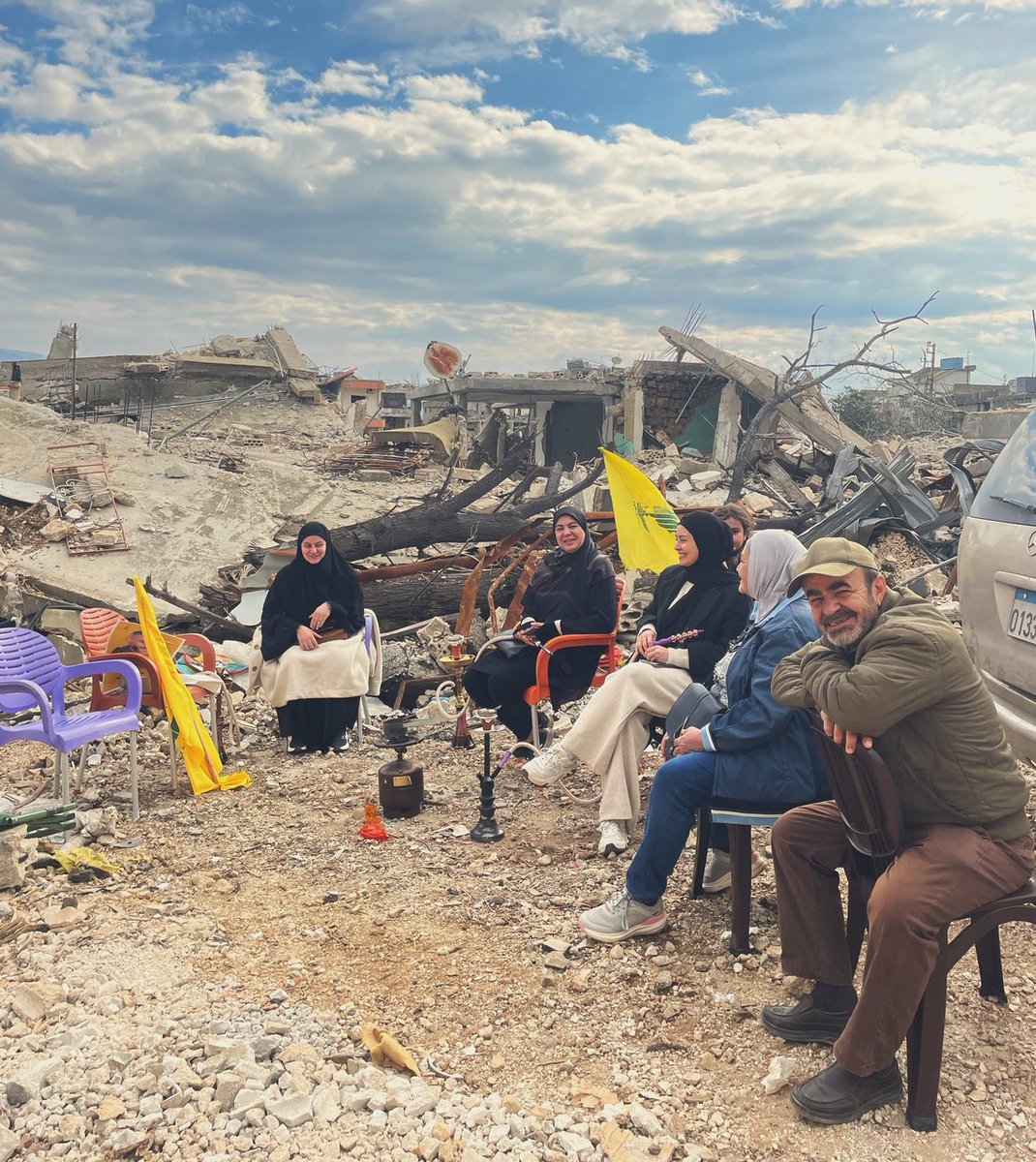
In Lebanon, the objective has shifted from merely weakening Hizbollah to explicitly disarming the group entirely and eliminating its missile capabilities, which pose a direct threat to Israel.
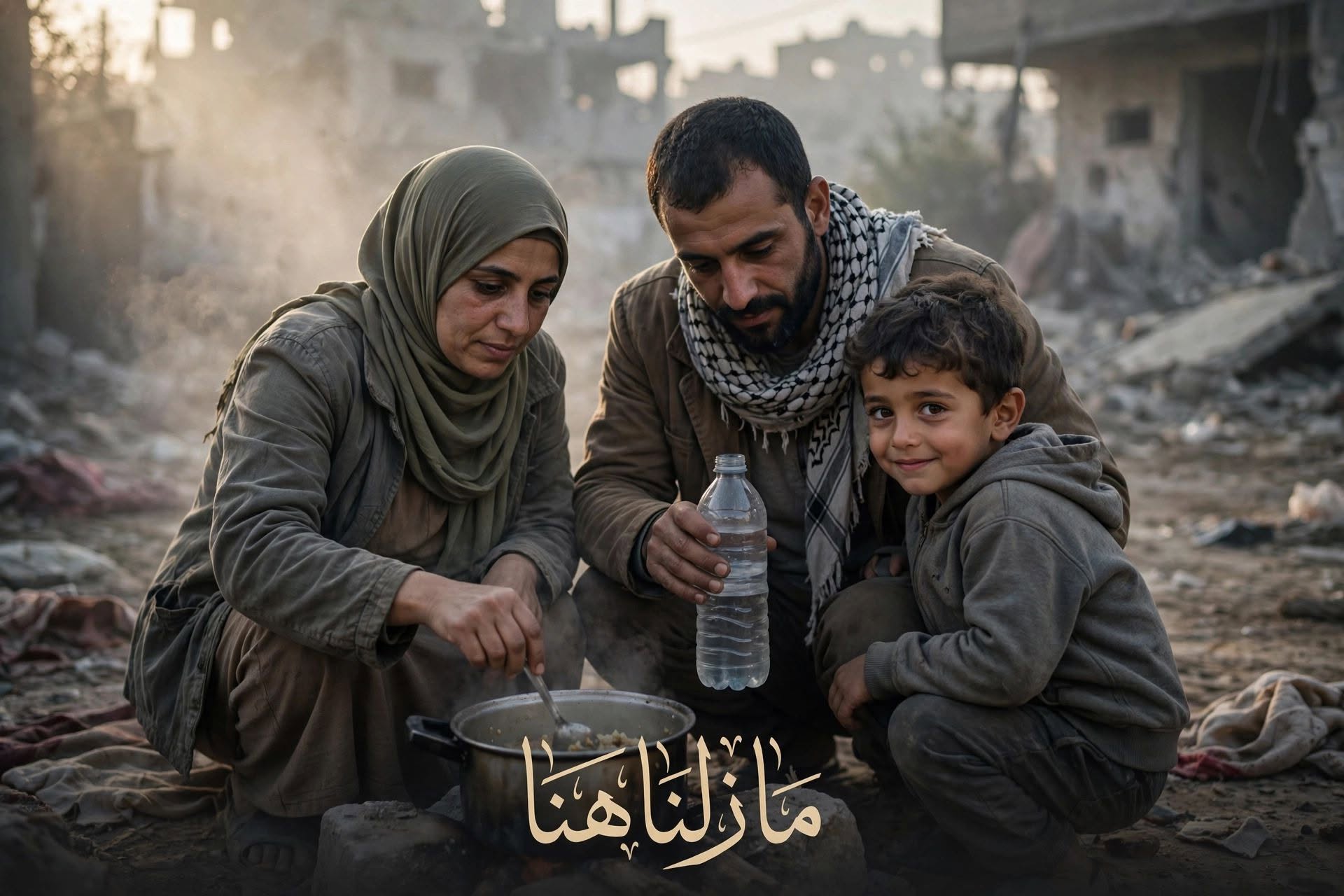
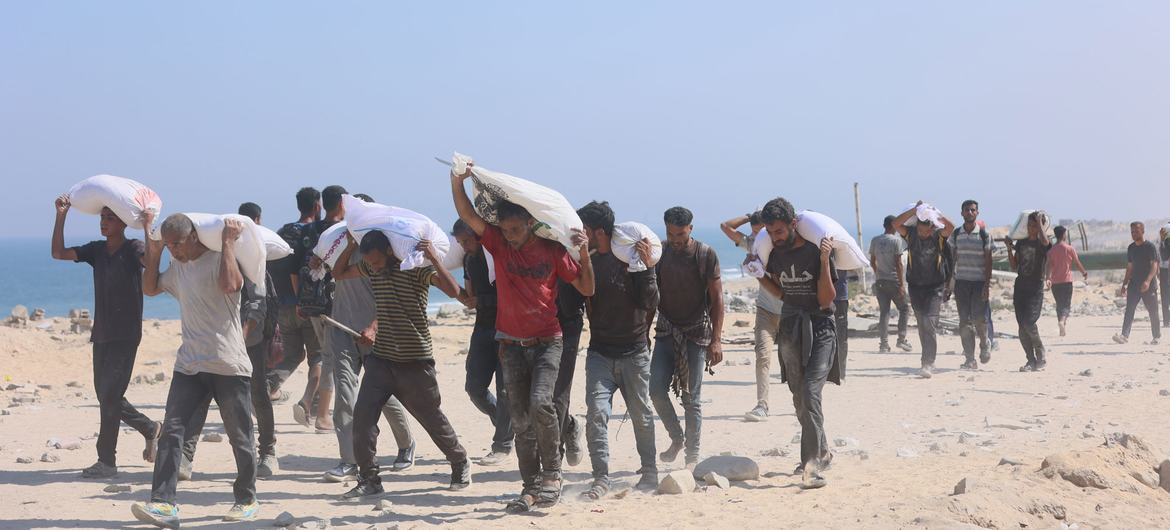
In Gaza, the discussion is no longer about reconstruction or humanitarian relief. The conversation centers on the “day after”—meaning the complete removal of Hamas, disarmament of all resistance forces, and transforming Gaza into a powerless entity under full Israeli security control.
Even the proposed Palestinian state mentioned in the recent New York declaration is envisioned as a demilitarized one—to appease Netanyahu. Yet, he still won’t accept it. Israel has already moved past the idea of any sovereign Palestinian state. What’s “allowed”, according to current Israeli thinking, are fragmented cantons and voluntary or forced displacement of Palestinians.
As for Iran, Israel’s confrontation with Tehran is open-ended, aiming to reduce its missile capabilities and eliminate its strategic threat. It is also plausible that Israel’s strategic vision may extend to shaping the political scene in Turkey—possibly by pushing for a government more aligned with Israeli interests—and exerting pressure on certain Arab states, even those officially labeled as “friendly” to Tel Aviv.
This project is no longer tied to Netanyahu’s personal political survival. It has become close to a national consensus among Israeli institutions and political elites. Leaders like Yair Lapid or Naftali Bennett are unlikely to reverse course or return Israel to the pre-October 8th status quo.
What’s unfolding today isn’t a series of short-term security tactics. It’s a long-term strategic plan aimed at reshaping the regional balance of power and cementing Israel’s status as the undisputed regional superpower.
The author is a columnist for the Jordan Times