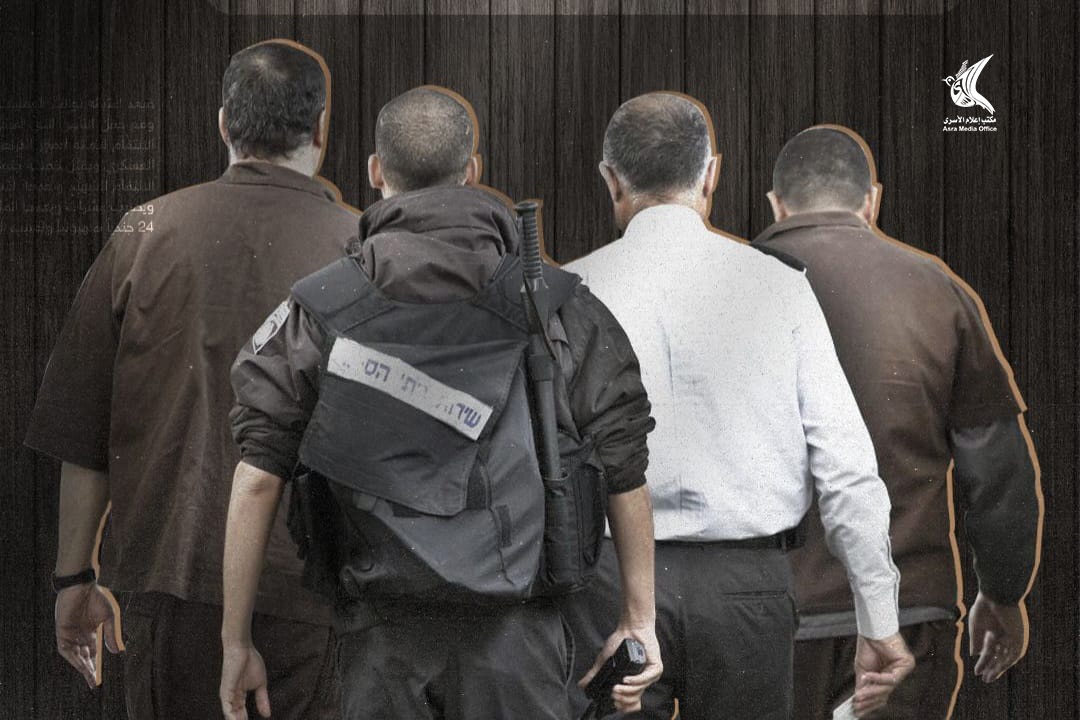
25 Palestinians Spent a Quarter-Century in Israeli Prisons

Twenty-five Palestinian prisoners continue to be incarcerated in Israeli prisons for more than 25 consecutive years. These include eight prisoners who have been detained before the signing of the Oslo Accords signed in 1994. These prisoners are in deteriorating health and humanitarian conditions.

Theses eight are known within the Palestinian prisoners’ movement as “veteran prisoners,” as the shortest sentence among them stands at about 34 years, while some have been in imprison for over four decades.

The Palestinian Center for Prisoner Studies confirms that the long years of imprisonment have resulted in severe human suffering. Most of these prisoners have over the years lost several family members, including parents, children, and spouses. The Israeli prison authorities have refused to allow them to attend funerals of any of their family members died.

The Palestinian Center for Human Rights (PCHR), a human rights organization specializing in prisoners’ affairs, stated in a press release, Tuesday, that the majority of veteran prisoners suffer from chronic and serious illnesses as a result of decades of incareceration, and to what it described as a systematic policy of medical neglect. The center emphasized that the health conditions of these prisoners have deteriorated significantly since 7 October, 2023, with the escalation of torture and ill-treatment and the tightening of detention conditions.

The PCHR noted that a number of these prisoners are over 70 years old and face extremely dangerous health conditions due to the continued denial of necessary medical treatment and care.

It stressed the effects of imprisonment do not end with their release, pointing to the deaths of several released prisoners shortly after they been freed due to illnesses and health complications resulting with the most recent being Maher Younis, who spent 40 years in Israeli prisons before passing away after his release.


Continue reading
11 Palestinians in Israeli Jails For Over 30 Years

The Palestinian Center for Prisoner Studies (a research NGO) have stated 11 Palestinian prisoners have been incarcerated in Israeli prisons for more than three consecutive decades. It said this is a situation that reflects the international system’s failure to achieve justice and protect human rights.

Center’s director Riyad al-Ashqar says the world stands idly by as the lives of these prisoners slip away behind bars, under harsh conditions, threatened with illness and perpetual suffering, without any effective intervention to guarantee their freedom or improve their conditions within the prisons.

He points out Ibrahim Abdel-Razzaq Bayadsa and Ahmed Ali Abu Jaber, both from within the 1948 borders, are among the longest-serving Palestinian prisoners, having spent nearly 40 years in detention since 1986. Mahmoud Salem Abu Kharbish from Jericho and Jumaa Ibrahim Adam from Ramallah have each spent approximately 38 years in captivity since 1988.

Four prisoners from within the 1948 borders—Ibrahim Hassan Aghbaria, Muhammad Saeed Aghbaria, Yahya Mustafa Aghbaria, and Muhammad Tawfiq Jabariyeh—have spent more than 34 years in prison since 1992. Abdel-Halim Sakib Al-Balbisi from Jabalia has spent 31 years in captivity since 1995, while Akram Al-Qawasmi from Jerusalem and Hassan Abdel-Rahman Salameh from Khan Younis have each spent approximately 30 years in detention since 1996.

Al-Ashqar emphasizes that these prisoners are not mere numbers; each has a story of long suffering, and many of them have lost loved ones. First-degree relatives were separated from their loved ones during their years of detention, without being able to bid them farewell. JO24

He explained that the majority of prisoners suffer from various illnesses as a result of the harsh detention conditions and the policy of medical neglect. He pointed out that some of them are over seventy years old and require urgent medical care, given the restrictions on treatment and their denial of surgeries or assistive devices.

He also noted the deterioration of the prisoners’ conditions over the past two years, due to the tightening of prison procedures and the escalation of violations against them.

Al-Ashqar reiterated his call for the international community to assume its responsibilities and intervene to secure the release of the long-serving prisoners, emphasizing that they have spent the majority of their lives behind bars and have been subjected to various forms of torture and deprivation.

Continue reading