After Venezuela… Tighten Your Seatbelts
 CrossFireArabia
- January 7, 2026
By Mohammed Abu Rumman
John Mearsheimer, one of the most prominent professors and theorists of international relations and a founder of the so-called “structural realism” school, believes that the “Venezuela operation” (arrest of President Nicolás Maduro and his wife) is not the end, but rather the beginning of major transformations taking place in the international system. While it reflects a significant tactical and military success for the United States, it also constitutes a major strategic failure, in terms of the inability to accurately predict the repercussions of this operation on the image of the United States and its role in the world, and the mobilization and consolidation of forces hostile to it regionally and internationally in response to the proposed American behavior.
One of the most important points raised by Mearsheimer is his prediction that the Venezuelan process will serve as a key and fundamental dynamic for the transition from the current unipolar international system, which emerged after the end of the Cold War, 35 years ago, and in which the United States and its Western allies dominated international politics, to a multipolar system. This multipolar system has already begun to take shape in one form or another in recent years, with the other two main poles being China, which clearly possesses significant economic, military, and cyber capabilities, and Russia.
On the other hand, the European continent is currently suffering from numerous problems, including its complicated and strained relationship with the United States, its strategic partner. It was evident from the recent US National Security Strategy announced by President Donald Trump that he underestimates Europe and its strategic power and greatly disregards the alliance between Europe and the United States.
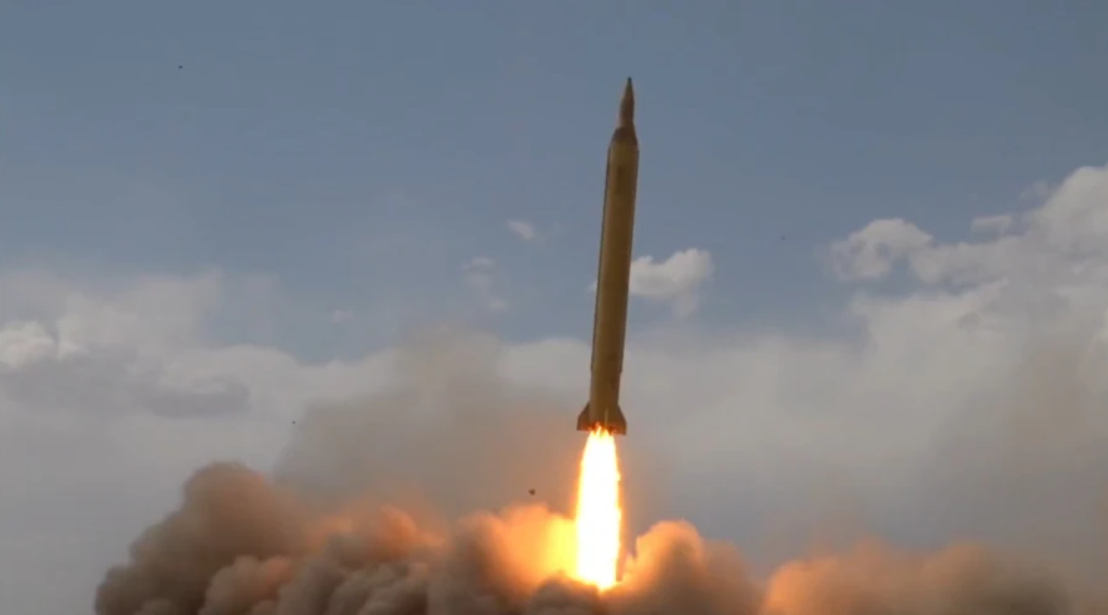
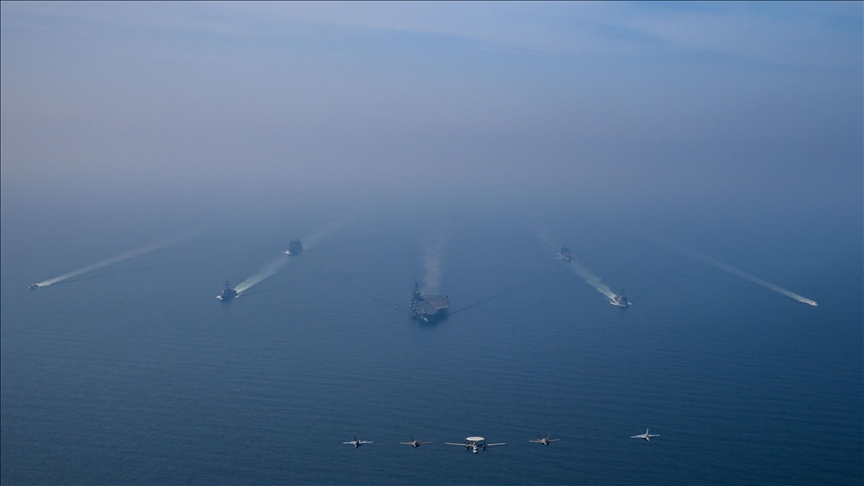
From another perspective, it is clear there is considerable Israeli jubilation. Political analysts in Tel Aviv are clearly attempting to link this operation to the conflict with Iran, either by associating the Venezuelan regime with anti-Semitism and claiming the presence of significant activities by Hezbollah and Iranian supporters in Caracas, and/or considering what happened there, a message to the Iranian regime that new policies are being implemented at the beginning 2026, and the threat will not be limited to rhetoric only but be carried out on the ground.
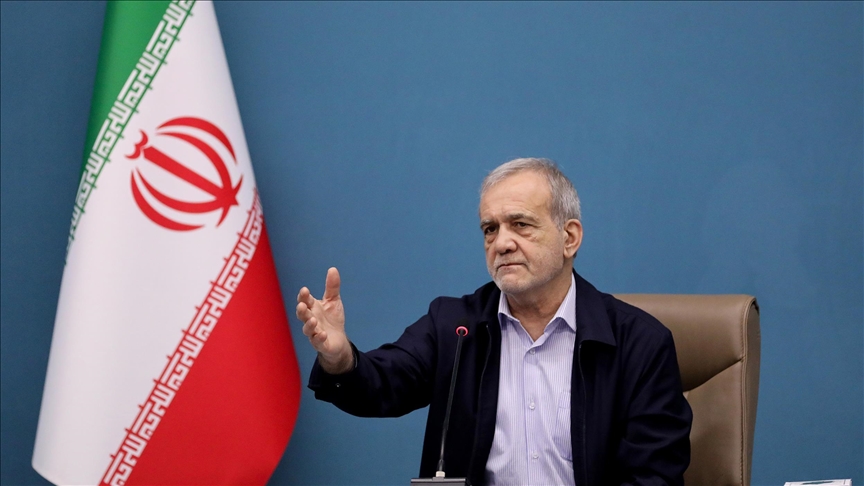
This may align with Trump’s statements and leaks regarding his decision not to accept a proposal from his Middle East envoy, Steve Wittkopf, to renew dialogue with Iran. On the contrary, Trump insists on halting any dialogue with Iran, a view supported and advocated by his Secretary of State, Marco Rubio, and Secretary of Defense, Pete Hegseth, who are pushing for a more stringent military and economic approach towards the Iranian regime.
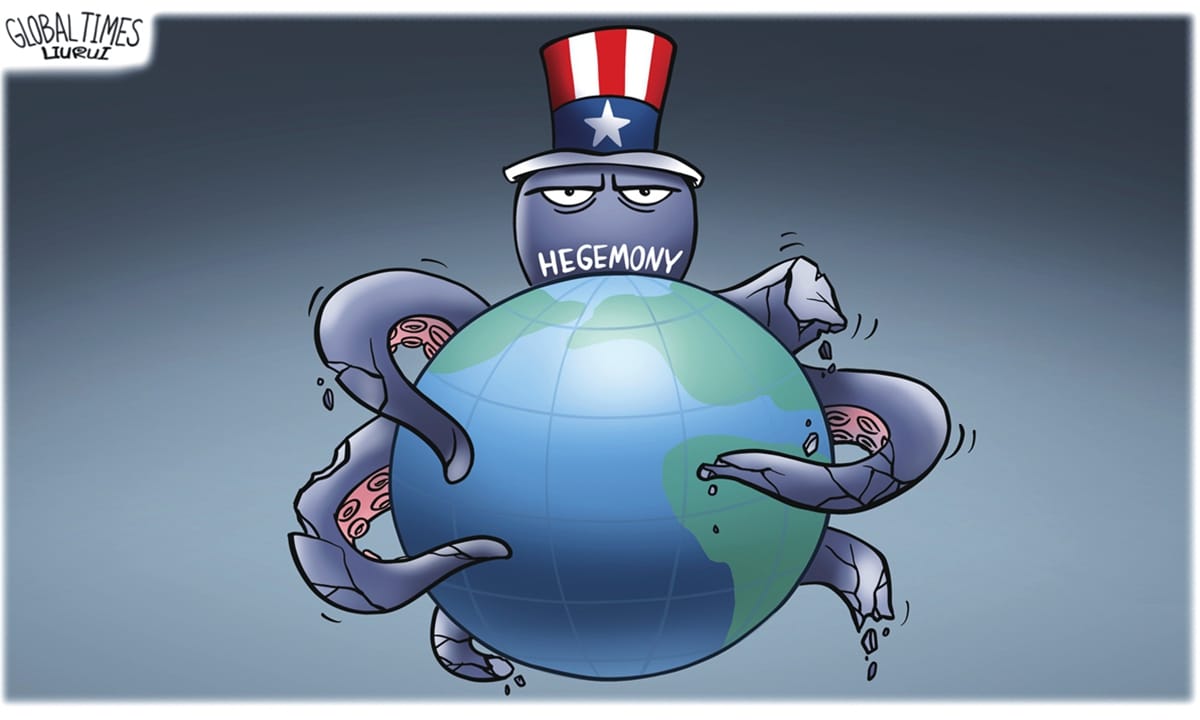
This brings us back to the current Trump US National Security Strategy which served as a prelude and framework for what happened in Venezuela and anticipated US policies toward its two neighbors: Latin America and Canada. The strategy began by emphasizing the Monroe Doctrine (i.e., ensuring US hegemony and control over South America — the backyard) as the primary priority for the United States and its national security, a point we can infer from Trump’s subsequent threats against both Colombia and Cuba.
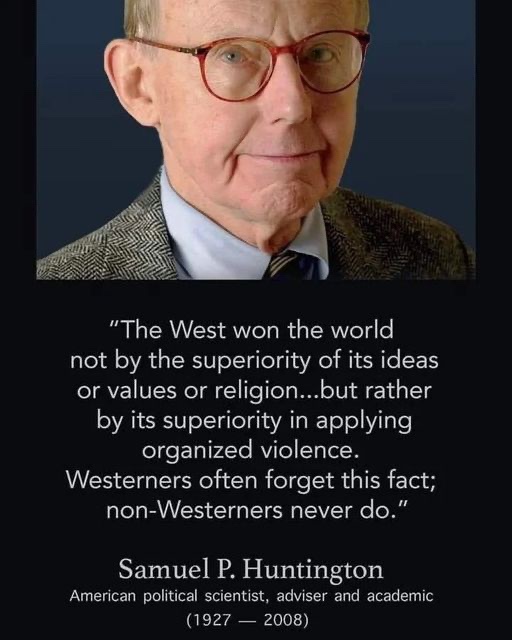
More importantly, there is a shift in the strategic perspective that dominates the Trump administration, both domestically and internationally. This refers to the question of identity, specifically the Anglo-Saxon Protestant community—which, for the Trump administration, represents its electoral base (we can here refer to Samuel Huntington’s book, “Who Are We?”, by the theorist of the clash of civilizations—a work that complements the Trump administration’s vision). While this new line, ostensibly represented by Trump, is the leading force within the Republican Party, it fundamentally reflects several new dynamics that began with the neoconservative dominance of the White House under George W. Bush.
These dynamics involve a heightened religious, cultural, and social connection to this identity, and a greater role for Christian Zionist groups and the American right wing in shaping American policies and strategic visions.
Within these parameters, ladies and gentlemen, we are entering a more difficult and tense phase, both globally and regionally. As Mearsheimer aptly describes it, this is a transitional phase in the international order, one in which America abandons its claims of democracy and human rights, international institutions become arenas of conflict between superpowers, and a state of confusion, turmoil, and regional tensions prevails, particularly in a region like the Middle East, which is already a perpetual hotspot of conflict in the world.
This article by Muhammad Abu Rumman was originally published in Arabic in the Jordan Addustour daily newspaper.