Yemen: Ruining Lives Through War

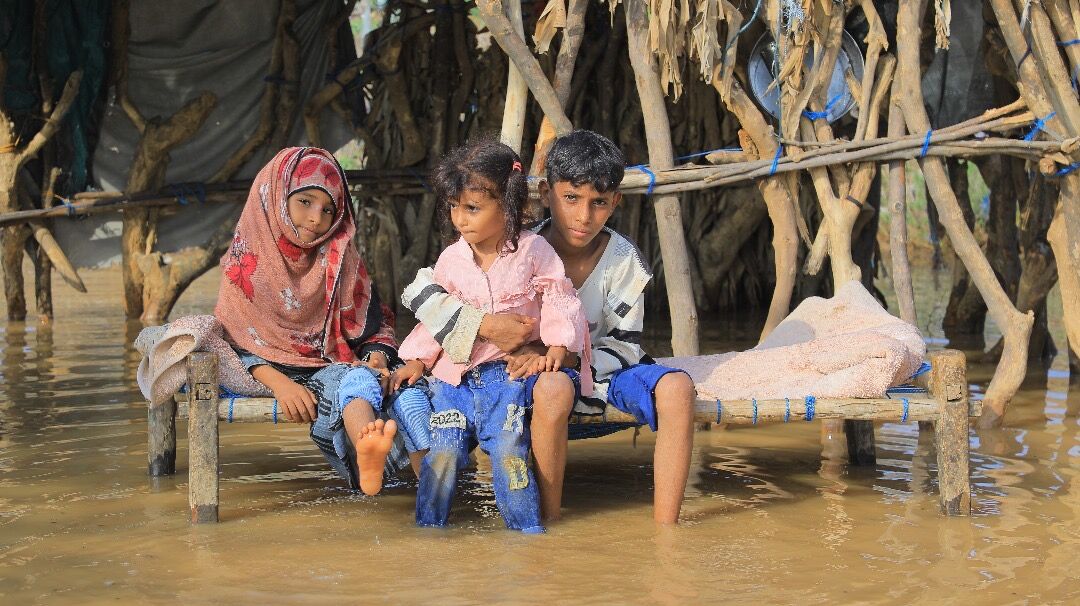
Yemen is facing a nutrition emergency of catastrophic proportions, with three districts plunged into severe crisis and four more teetering on the edge of famine. This escalating disaster demands immediate global action and unwavering humanitarian support to avert further tragedy and safeguard countless lives.

While many countries face food insecurity and shortages, famine is only declared by the United Nations when certain conditions are met, using a scale known as the Integrated Food Security Phase Classification (IPC). A famine classification is the highest on the IPC scale, and is declared in an area where at least 20% of the population faces extreme food shortages, acute malnutrition rates exceed 30%, and two out of 1,000 people die from starvation on a daily basis. 

Sever crisis

For the first time, this level has been reported in Yemen by UN experts in three districts. A report published by the UN’s Integrated Food Security Phase Classification (IPC) Technical Group in Yemen, covering only areas under government control, found that two districts in Hodeidah Southern lowland and one in Taiz lowland (Makha) falls within Phase 5, which is considered the worst phase of the IPC, and four other districts—Mawza and Al Makha in Taiz lowland, and Hays and Al Khawkhah in Hodeidah lowland—are expected to follow by October 2024.

Yemen’s food crisis is a man-made result of the war there, with the most critical cases emerging along the war-torn country’s Red Sea coast. The protracted and devastating conflict that began in March 2015 continues to destroy Yemen, already one of the poorest countries in the Arabian Peninsula and the Middle East and North Africa (MENA) region. 

War ruins lives, uproots communities, and wrecks food systems, making it the primary cause of hunger in Yemen. In almost a decade, the conflict and its proxy war have killed more than 150,000 people there, caused economic collapse, and produced one of the world’s worst humanitarian crises.

Today, 21.6 million Yemenis—two-thirds of Yemen’s population—don’t know where their next meal is coming from, and more than 80% of Yemenis live below the poverty line.

War Ruins Lives

As per the IPC report, malnutrition rates in Yemen have significantly worsened due to a combination of drivers, including a lack of drinking water, a shortage of nutritious food, the spread of diseases such as cholera and measles, and broader economic downturn.

The number of acutely malnourished children in the country has increased by 34% compared with last year, including more than 18,500 children under the age of five who are projected to be severely malnourished within the coming months.

Women and girls suffer disproportionately from food insecurity and malnutrition, and coping mechanisms are becoming increasingly desperate. Women eat last and least, giving priority to children and other relatives or using money for other household needs. Around 223,000 pregnant and lactating women are expected to be malnourished by the end of this year. In addition, early marriage has increased since the escalation of the conflict, and girls as young as eight years old are being married off to reduce the number of family members to feed, or as a source of income in order to feed the rest of the family and pay off debts.

Beyond the four districts projected to slip into famine, according to the IPC report, all 117 districts in government-controlled areas are expected to suffer from “serious” levels of acute malnutrition by October 2024.

About half of the country’s population—or 18.2 million people—is in need of humanitarian aid this year, even those hundreds of miles from the front line, because Yemen is critically dependent on imports, humanitarian funding, and incomes that have been knowingly undermined by parties to the conflict.

Euro-Med Human Rights Monitor emphasises the urgent need for the international community to work towards securing an end to this crisis and an inclusive peace in Yemen, stressing the crucial importance of increased humanitarian support and intervention to mitigate the impacts of the famine and acute malnutrition, especially on the lives of vulnerable individuals like pregnant women and children. Euro-Med Monitor also calls on the parties to the conflict to address the health and nutrition emergencies in Yemen and ensure access to sufficient nutritious food and safe drinking water; and notes that this will require the international community to unlock financial commitments and implement political solutions to safeguard the country’s food security and the overall future of Yemen’s population, revitalize the shrinking economy, and pave the way for peace.

Continue reading
UN: Israel Destroys 800,000 WFP Fuel Liters in Yemen

A report issued Sunday by the UN World Food Program (WFP) revealed that Israeli airstrikes on Yemen’s Al-Hudaydah Port on July 20 destroyed around 800,000 liters of fuel belonging to the organization.

“Close to 800,000 liters of WFP-owned fuel for its on-demand services was destroyed by airstrikes on Al Hodeidah Port on 20 July,” the report on the humanitarian situation in Yemen said, using an alternate spelling for the port.

Courtesy: Anadolu

The airstrikes on the port, which is under the control of the Houthi group, caused numerous casualties and material losses estimated at $20 million.

The strikes followed a Houthi drone attack on the city of Tel Aviv a day earlier which killed one Israeli and injured nine others in response to Israel’s genocide in Gaza.

Yemeni officials initially reported six deaths and dozens of injuries.

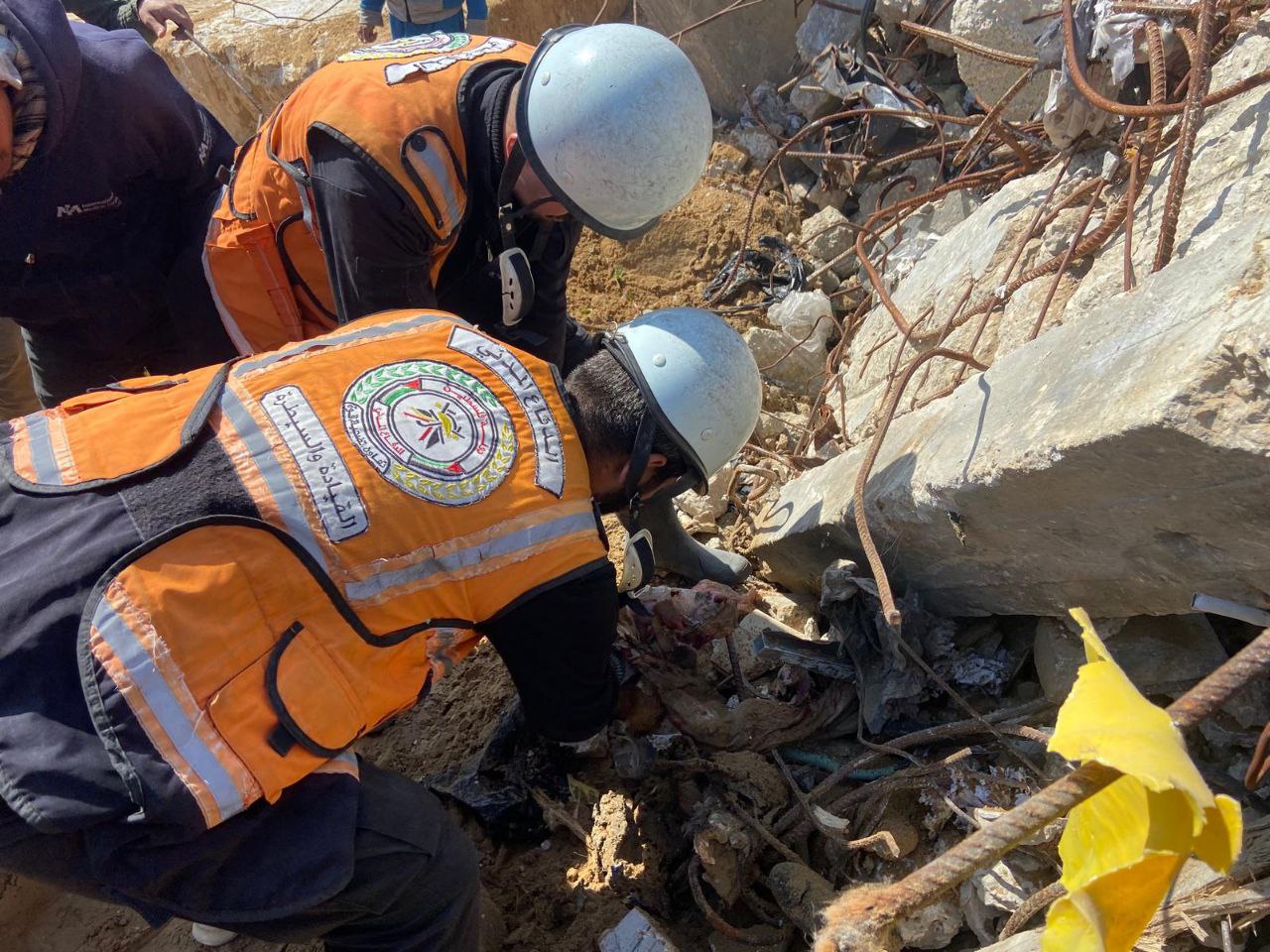
Following the attack, the bodies of nine workers were recovered from the port and fuel depots according to Anadolu.

Continue reading
Netanyahu is Leading Israel Into The Abyss – Ehud Olmert

Ehud Olmert, former Israeli Prime Minister confirmed that Benjamin Netanyahu does not want to recover the Israeli prisoners in the Gaza Strip, and that the ceasefire negotiations may collapse. He warned the current Israeli prime minister is leading Israel to the abyss and a comprehensive war in the Middle East.

In a recent Haaretz article Olmert added, the continuation of the war in the Gaza Strip and its expansion in the north with Hezbollah will increase the chances of a comprehensive regional war with other parties like the Yemeni armed forces, and other groups supported by Iran in Syria and Iraq joining in.

He said such a scenario would pose a real threat to Israel, and a step that will lead to the deaths of many soldiers and settlers. He noted this will cause serious damage to the physical infrastructure inside Israel and to a real deterioration in its international standing.

He pointed out Netanyahu must choose between abandoning his declared goal of “absolute victory” and continuing the war and expanding it into a comprehensive confrontation on multiple fronts without a reasonable timetable to end it. He added that Israel is approaching a comprehensive war in great strides, and this is what Netanyahu, Itamar Ben-Gvir and Bezalel Smotrich want.

Olmert called on Israeli Defense Minister Yoav Galant, Chief of Staff Herzi Halevi, Shin Bet chief Ronen Bar, and Mossad chief David Barnea to jointly announce their resignations, as soon as Netanyahu thwarts negotiations to reach a ceasefire agreement in Gaza in the coming days.

In a related context, the Israeli newspaper Haaretz said in its editorial that the prisoners that are being held in Gaza, now in their 11-month of captivity have “begun to slowly rot in Hamas tunnels, and have become secondary figures for Netanyahu.”

The newspaper pointed out that Netanyahu sometimes says that he is ready to negotiate, and other times he lengthens the Israeli delegation’s rope, and announces that he will be flexible, but suddenly he adds new conditions, revealing that he says in closed political salons that there is no ceasefire deal, and in the meantime more prisoners are dying according to the Quds News Network.

Continue reading
Houthis Vow to Respond to Israeli Attacks on Al Hudaydah

The Yemeni Houthi Ansar Allah group, Saturday, vowed to respond to the Israeli airstrikes on the western part of the country.

The Israeli attack on Al Hudaydah “aims to exacerbate the suffering of the people and pressure Yemen to stop supporting Gaza,” Mohammed Abulsalam, the Houthi spokesman, said in a post on X according to Anadolu.

“We affirm that this brutal aggression will only increase the determination and steadfastness of the Yemeni people and their brave armed forces, continuing and escalating their support for Gaza,” added the spokesman.

Member of the Houthi Political Council Mohammed al-Houthi threatened his group would “plague” Israel as a response to the attacks on Port of Al Hudaydah.

The Houthi-affiliated Al-Masirah satellite channel reported casualties from the Israeli airstrikes on the coastal side of Yemen.

The strikes targeted oil storage facilities at the Al Hudaydah port, as well as a power plant  that provides electricity to the western governorate.

In an official statement, the Israeli military confirmed attacking targets in Yemen, claiming they are linked to the Houthis.

This is the first direct Israeli response to the recent Houthi Yafa drone attack on Tel Aviv, Friday,  that killed an ex-Israeli soldier and wounded at least 10 others.

The Israeli attacks against Al Hudaydah are as seen as historic, made for the first time by Israeli warplanes, traveling all the way from Tel Aviv to the Yemeni Port down the Red Sea, just before the Bab Al Mandeb Straits.

The Israeli attack made with the knowledged of the USA which subsequentely denied taking part in the raid was carried out by 20 Israeli jets which had to be refueled in mid-air because of the 1700 kilometer distance to Hudaydah according to the Israel Hayoum website.

The Houthis have been targeting ships that are Israeli-owned, flagged, operated, or headed to Israeli ports on the Red Sea and the Gulf of Aden with missiles and drones in solidarity with Gaza, which has been under a devastating Israeli onslaught since 7 October last year, the Turkish news agency reported.

Continue reading
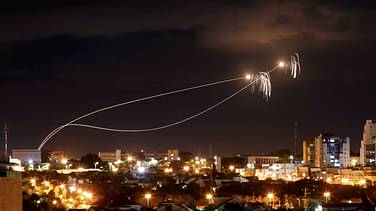
Yemeni Drone Baffles Israelis as it Strikes Tel Aviv

In the light of the Houthi drone that hit Tel Aviv early morning Friday, one of which landed on an apartment building and killed 1 Israeli and injured 10 others, the Israeli army have been on high alert.

The Houthis drone took the Israeli air force by surprise. They said whilst they saw and detected the drone coming, they didn’t move to activate the red alerts and that is why it was not intercepted.

Israeli military officials admit “human error among their defenses to stop the drone that landed between Shalom Aleichem and Ben Yehuda Streets in Tel Aviv, hundreds of meters away from the American Embassy,” as reported by the Turkish news agency, Anadolu.

This was according to the Israeli Public Broadcasting Corporation  (KAN) which stated it was a “bomb-laden drone that exploded  at the intersection” of these streets at about 3:10 am Friday were large explosions were heard and reported.  

Following the attack the Israeli army claimed over 200 drones and cruise missiles were fired from Yemen towards Israeli locations since the start of the Israeli war on Gaza on 7 October, 2023. 

Experts say the drone is adding further fears among Israelis, a large number of whom are reported to be leaving the country.

The Houthi attack which is the first of its kind on the city to come from all the way from Yemen is a major embarrasment for Prime Minister Benjamin Netanyahu and the Israeli army.

Analysts have said it is Israel that is no longer safe being hit from the south, all the way to Eilat, settlements sorrounding Gaza, north of the country by Hezbollah in Lebanon and now its center, in major cities like Tel Aviv.  

In March, the Israeli army reported for the first time a cruise missile fired from Yemen entered Israeli airspace and exploded in an open area in northern the Port of Eilat that is about to declare its bankruptsy because Israeli ships make their way there were targetted by the Houthis.

This type of drone, named Haifa, was not detected by radars and other surveillance systems whilst flying all the way from Yemen along the Red Sea and towards Tel Aviv.

Continue reading