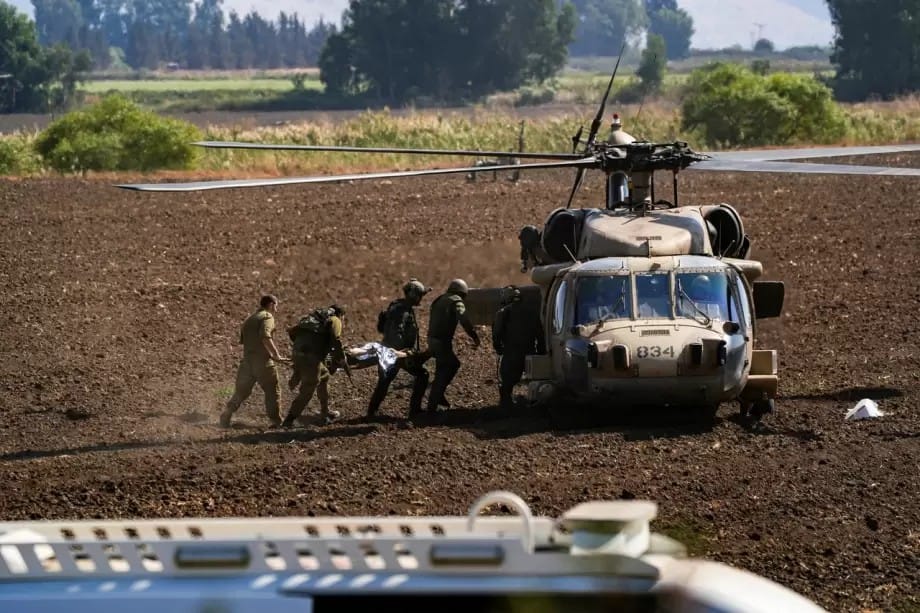
CROSSFIREARABIA – Another Israeli soldier was killed, Wednesday, during a military operation in south Lebanon. The Israeli army announced the news the following day, saying as well that one more Israeli soldier was injured in the operation. It stated that the soldier killed was a 32-year-old soldier. He was killed while his vehicle was overturned according to an AFP report.
Since 2 March, 2026 the Israeli army said 36 of its soldiers were killed in southern Lebanon. This is while it pointed out that over 1300 Israeli soldiers were wounded in the fighting with Hezbollah and had to be brought back to Israel.
Independent sources say at least 37 Israeli soldiers were killed in Lebanon with one independent contractor. This is while 1,364 soldiers were injured.
Today, there are more than 28,000 widows in Gaza according to the Ministry of Social Development. These widows are living through one of the most severe humanitarian crises in modern history, amidst the ongoing conflict that has led to a surge in the number of women solely bearing the responsibility of supporting their families under exceptionally difficult circumstances.
In a press release, Wednesday, the Ministry revealed a sharp increase in the number of widows during the current war, reaching 28,224, compared to 22,596 before the war began.
Gaza City has recorded the highest percentage of widows at 40.8%, followed by North Gaza at 22.5% with the two northern governorates accounting for more than 70% of the urgent interventions needed to support the families of martyrs, according to the Ministry.
According to official statistics, approximately 64% of widows, or about 16,877 women, are of working age (18-45 years old), necessitating the launch of urgent economic empowerment programs.
The Ministry indicated that elderly widows aged 60 and over constitute 14.9%, while widows under the age of 18 represent about 0.4%.
Last May, the Palestinian Center for Policy and Survey Research reported in a research paper the war on Gaza led to an unprecedented increase in the phenomenon of women breadwinners, with the number of widows exceeding 22,000 according to Quds Press.
The center emphasized that addressing this phenomenon requires a comprehensive vision that integrates women breadwinners into the production and reconstruction process, recognizing them as essential elements in social and economic recovery, not merely recipients of aid.
The 23rd of June marks International Widows’ Day, established by the United Nations to highlight the economic and social challenges facing widows, most notably poverty, deprivation of inheritance, and the absence of social protection.
Since October 8, 2023, Israel, with American and European support, has committed genocide in the Gaza Strip, including killing, starvation, destruction, displacement, and arrests, ignoring international appeals and orders from the International Court of Justice to cease its actions.
The genocide left more than 246,000 Palestinians dead or wounded, most of them children and women, and more than 11,000 missing, in addition to the hundreds of thousands of displaced people and a famine that claimed the lives of many, most of them children, as well as widespread destruction and the erasure of most of the cities and areas of the Gaza Strip from the map.
Israeli authorities and security forces have deliberately targeted Palestinian children, resulting in genocide and atrocity crimes in the Gaza Strip and war crimes in the West Bank, a UN independent commission of inquiry said in its latest report released on Tuesday.
“The evidence shows that Palestinian children have been deliberately targeted and killed by the Israeli security forces,” said Srinivasan Muralidhar, chair of the UN Independent International Commission of Inquiry on the Occupied Palestinian Territory, including East Jerusalem, and Israel.
The report refers to the period following Hamas’ invasion of Israel in late 2023, which resulted in 1,200 deaths and 250 taken hostage, and the subsequent war Israel waged against Gaza that has to date killed more than 70,000 Palestinians in the besieged and occupied territory.
“Even after the October 2025 ceasefire, children continue to be killed and seriously injured, with continued disregard by Israel for the ceasefire and for the protection owed to Palestinian children under international law,” he said.
Last year, the commission concluded that “Israel had committed genocide against the Palestinian group in the Gaza Strip, found that the intense scale and systematic nature of the Israeli military operations have continued, resulting in unprecedented death, injury and trauma of Palestinian children.”
Israeli forces have killed over 20,000 children & injured 44,000 more since 7 Oct. 2023, Srinivasan Muralidhar, chair of the @UN Commission of Inquiry on the Occupied Palestinian Territory & Israel, told reporters today. #HRC62
— UN Human Rights Council Investigative Bodies (@uninvhrc) June 23, 2026
Here are some findings in the commission’s latest report:
Israel has killed 20,000 children and injured 44,000 more since 7 October 2023
Severe physical and mental injuries, mass trauma, orphanhood, separation, disability, repeated displacements, starvation and the collapse of education and healthcare have erased childhood and will continue to affect children in Gaza throughout their lives
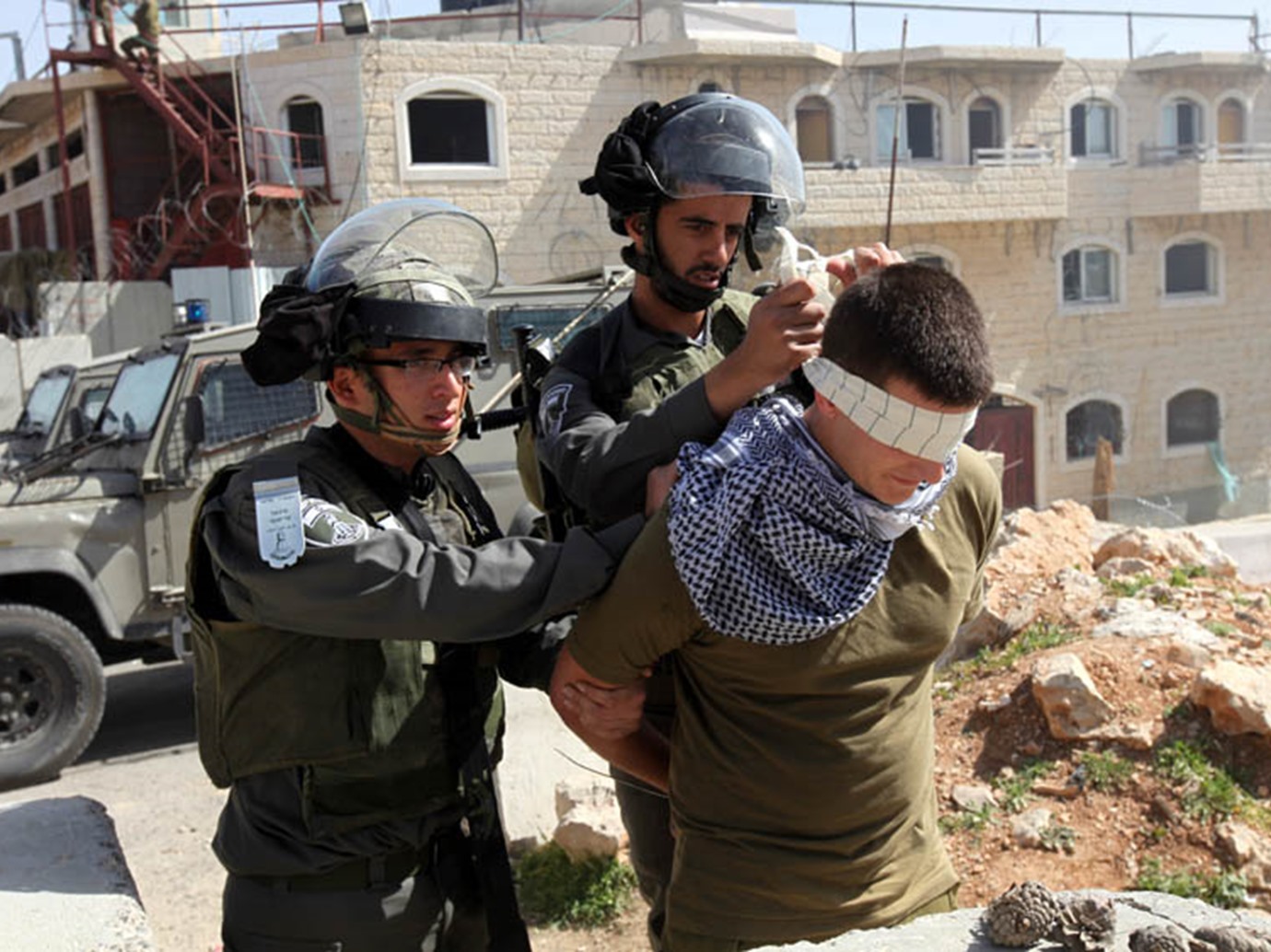
Palestinian children have been arrested and subjected to torture and other severe forms of mistreatment in Israeli prisons and detention facilities, with no information on their whereabouts
Israeli security forces have used sexual violence against children as part of the collective shaming and oppression, entrenched within a prolonged, ethnic, gendered and intergenerational pattern of occupation and hostilities
“There can be no doubt in anyone who reads today’s report that every international legal norm has been violated by the actions of the Israeli authorities towards Palestinian children and they need to be held accountable,” Commissioner Chris Sidoti said at a press conference in Geneva, citing cases from the report.
In one instance, a 14-year-old boy was shot by an Israeli military patrol as he was leaving his house, Mr. Sidoti said, explaining that the patrol had been in the area, but at the time there had been no fighting taking place.
“He was shot, badly injured and was lying on the ground,” Mr. Sidoti continued. “He was surrounded by a company of Israeli soldiers who were chatting and probably some of them smoking, over a period of 45 minutes, while this 14-year-old boy bled to death.”
Starvation and targeted attacks
Also highlighted in the report was the widespread devastation of critical infrastructure that served children. Israel’s targeting of neonatal and maternity care centres in Gaza have directly harmed the survival of newborns and Palestinians’ reproductive future.
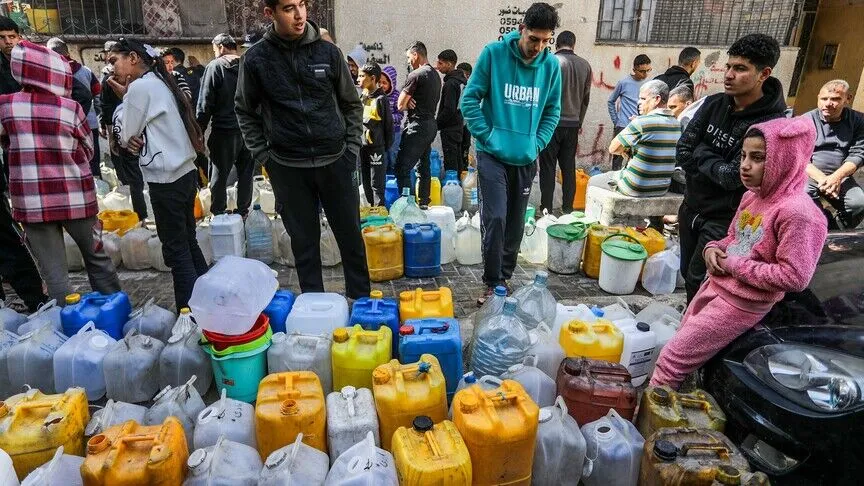
In addition, starvation imposed by Israel through blockade and siege have further caused the death of Palestinian children and severely impacted the health of many others.
Dismantling and destruction of orphanages and education facilities in Gaza and the West Bank have obstructed cognitive, social and emotional care and development and disrupted the foundations of Palestinian society, the report stated.
They ‘will not simply recover overnight’
Palestinian children have suffered immense psychological harm, having been stripped of any sense of safety and future, according to the report. Such mental harm is an intergenerational condition, producing a distinctive “occupied psyche” in which the freedom to play, imagine, hope and develop an identity has been eroded.
“Even if the bombs and guns fall silent in Gaza and West Bank, Palestinian children will not simply recover overnight,” Mr. Muralidhar said. “The destruction of their health, education and development is irreversible.”
By targeting children, Israel is eroding the foundational structure of Palestinian society, weakening the demographic vitality and overall capacity of the Palestinian people to sustain and exercise its right to determine its future as a people.
“The protection, care and survival of Palestinian children are inseparable from the Palestinian people’s right to self-determination,” Mr. Muralidhar said. “By targeting children, Israel is attacking the very capacity of the Palestinian people to exist and to determine their future.”
Fresh calls for Israeli action
In its latest report, the independent commission called for Israel to cease committing violations and crimes against and affecting Palestinian children and for the end of Israel’s continuing presence in the occupied West Bank, including East Jerusalem, in compliance with the advisory opinion of the International Court of Justice (ICJ).
Having identified military units within the Israeli security forces responsible for killing and injuring of Palestinian children, the commission issued recommendations to Israel and to all Member States to ensure accountability for such crimes.
“The international community as a whole must uphold their international legal obligations and call for an end to the hostilities, for Israel to end its occupation and to prioritise accountability and access to justice for victims as an integral component of any political process, grounded in the meaningful participation of Palestinians, including children,” the commission stated.
Member States of the UN Human Rights Councilestablished the commission in 2021 to “investigate, in the Occupied Palestinian Territory, including East Jerusalem, and in Israel, all alleged violations of international humanitarian law and all alleged violations and abuses of international human rights law leading up to and since 13 April 2021.”
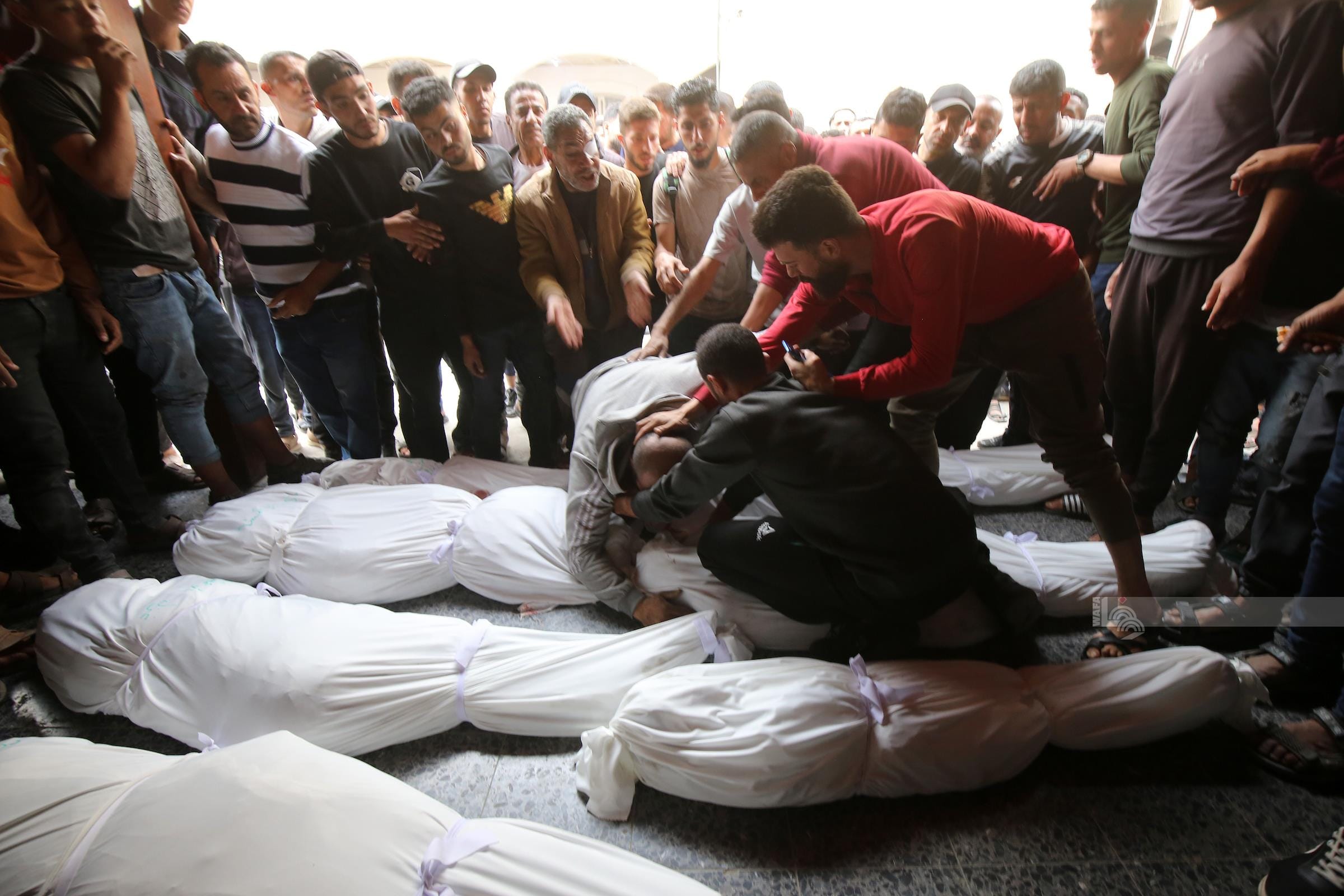
The death toll from the ongoing Israeli military aggression on the Gaza Strip has risen to 73,032 Palestinians killed and 173,357 injured since October 7, 2023, medical sources in the territory said on Sunday.
Local health authorities reported that hospitals across Gaza received nine new fatalities and 41 injured people over the past 24 hours.
They added that the number of Palestinians killed since the start of the ceasefire on October 11 last year has risen to 1,021, while the number of injuries reached 3,249. A total of 784 bodies have been recovered during the same period.
The sources also said that a number of victims remain trapped under rubble and on roads, as ambulance and rescue teams have been unable to reach them so far. Wafa

 CrossFireArabia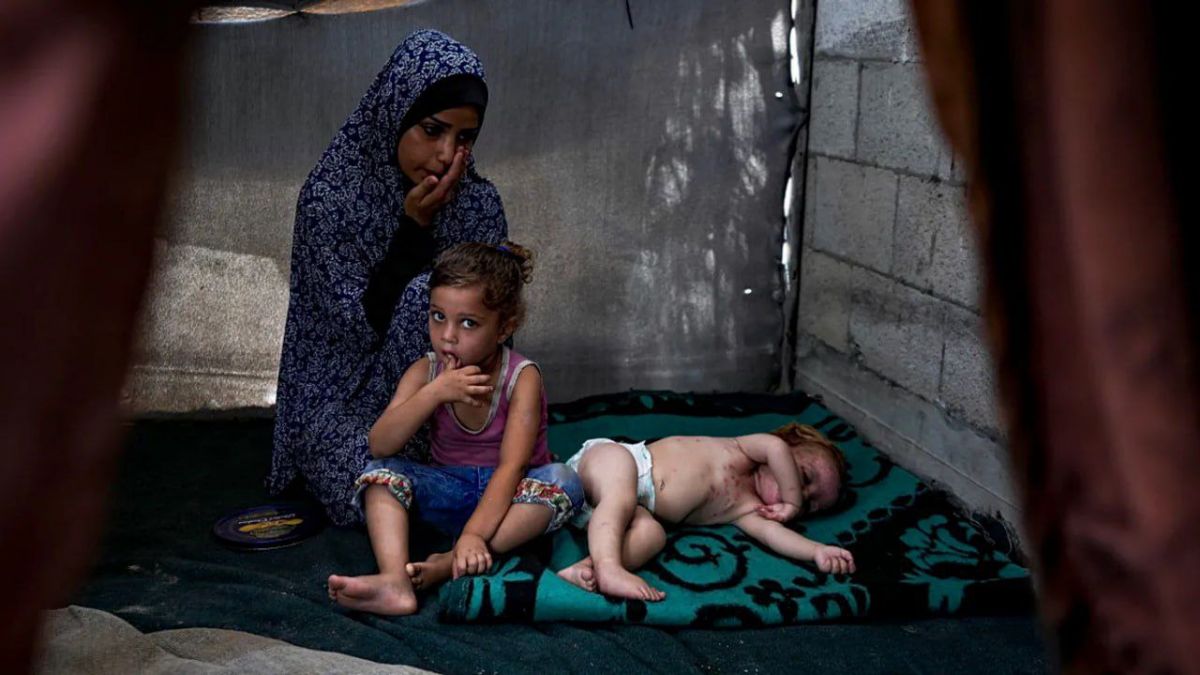
 marwan