500,000 Palestinians Lose Jobs Due To Israeli Shutdown

More than half a million Palestinians have lost their source of livelihood in the West Bank and Gaza since the start of the Israeli war in October 2023, a trade union said Saturday.

In a statement, the Palestinian General Federation of Trade Unions said that workers face systematic blockade, closure, and daily raids by the Israeli army.

The Israeli policies “constitute a compounded crime” against Palestinian workers and undermine their natural right to work and live in dignity, it added.

“Israeli occupation policies over more than two years of continuous aggression have led to more than 500,000 Palestinian workers losing their livelihood, with unemployment rates rising to unprecedented levels exceeding 50% in the West Bank and more than 84% in the Gaza Strip,” the statement said.

It explained that Palestinian workers incurred losses of over $9 billion due to being prevented from reaching their workplaces, in addition to the destruction of local productive sectors, primarily agriculture, construction, and services according to Anadolu.

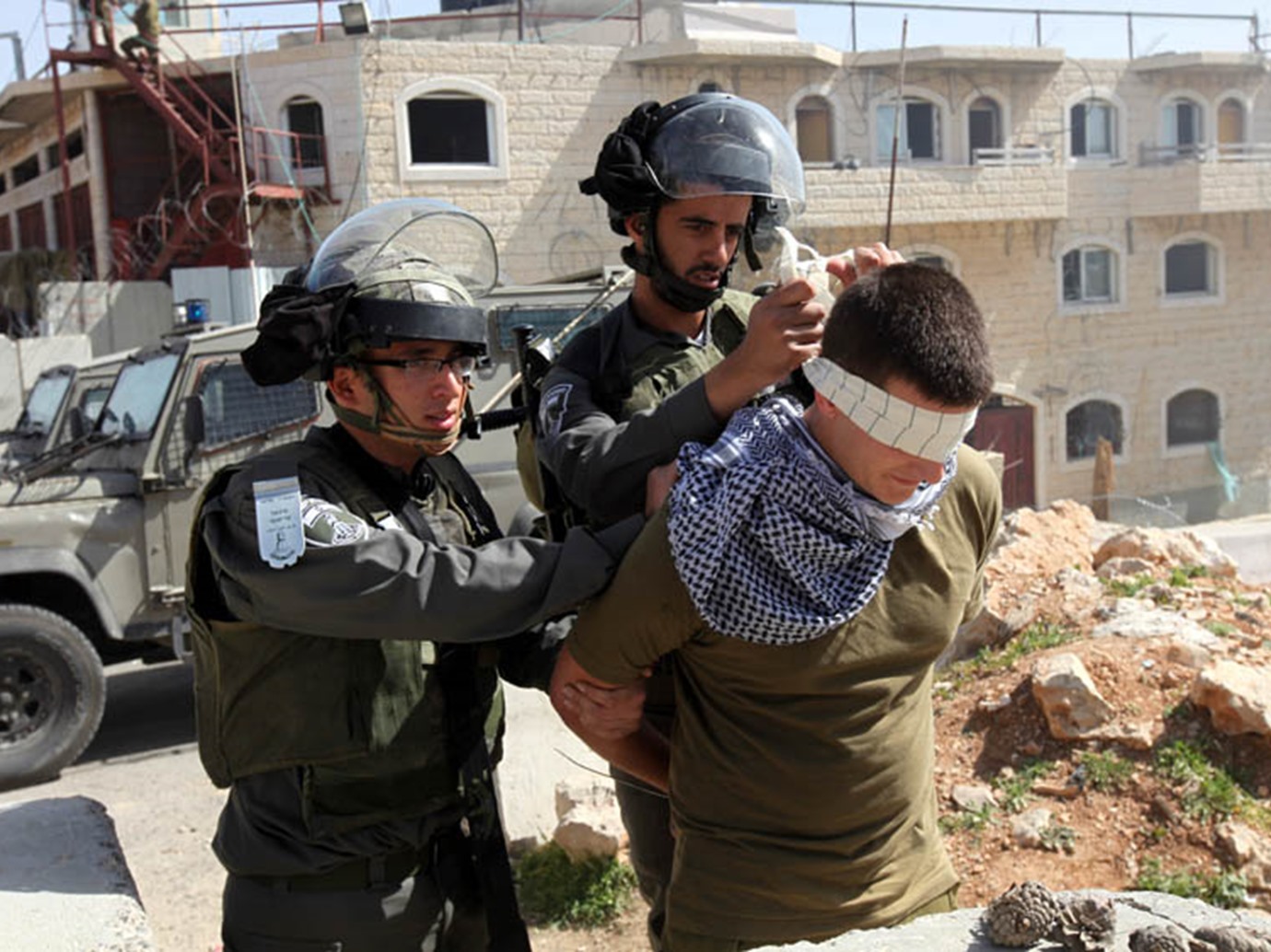
According to the statement, 44 workers have been killed, hundreds injured, and over 34,000 others detained by the Israeli army since October 2023.

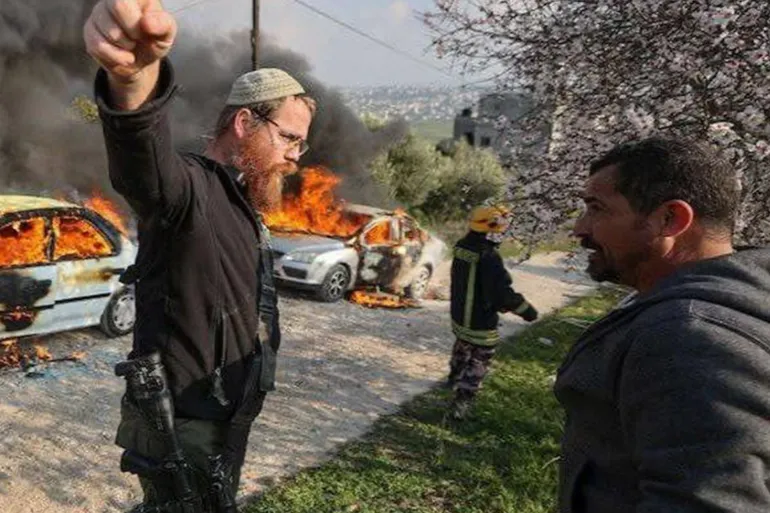
The federation held the Israeli government “fully responsible for these massive financial losses and for the killing of dozens of Palestinian workers at military checkpoints or due to settler attacks while they were trying to secure a livelihood for their families, in a blatant violation of international labor conventions and the Geneva Conventions.”

The Israeli army has killed more than 70,700 Palestinians and injured over 170,000 others in Gaza since October 2023. Attacks by the Israeli army and illegal settlers have also killed at least 1,097 Palestinians and injured nearly 11,000 others in the occupied West Bank during the same period.

Continue reading
No Ceasefire: Israel Kills Photojournalist in Gaza

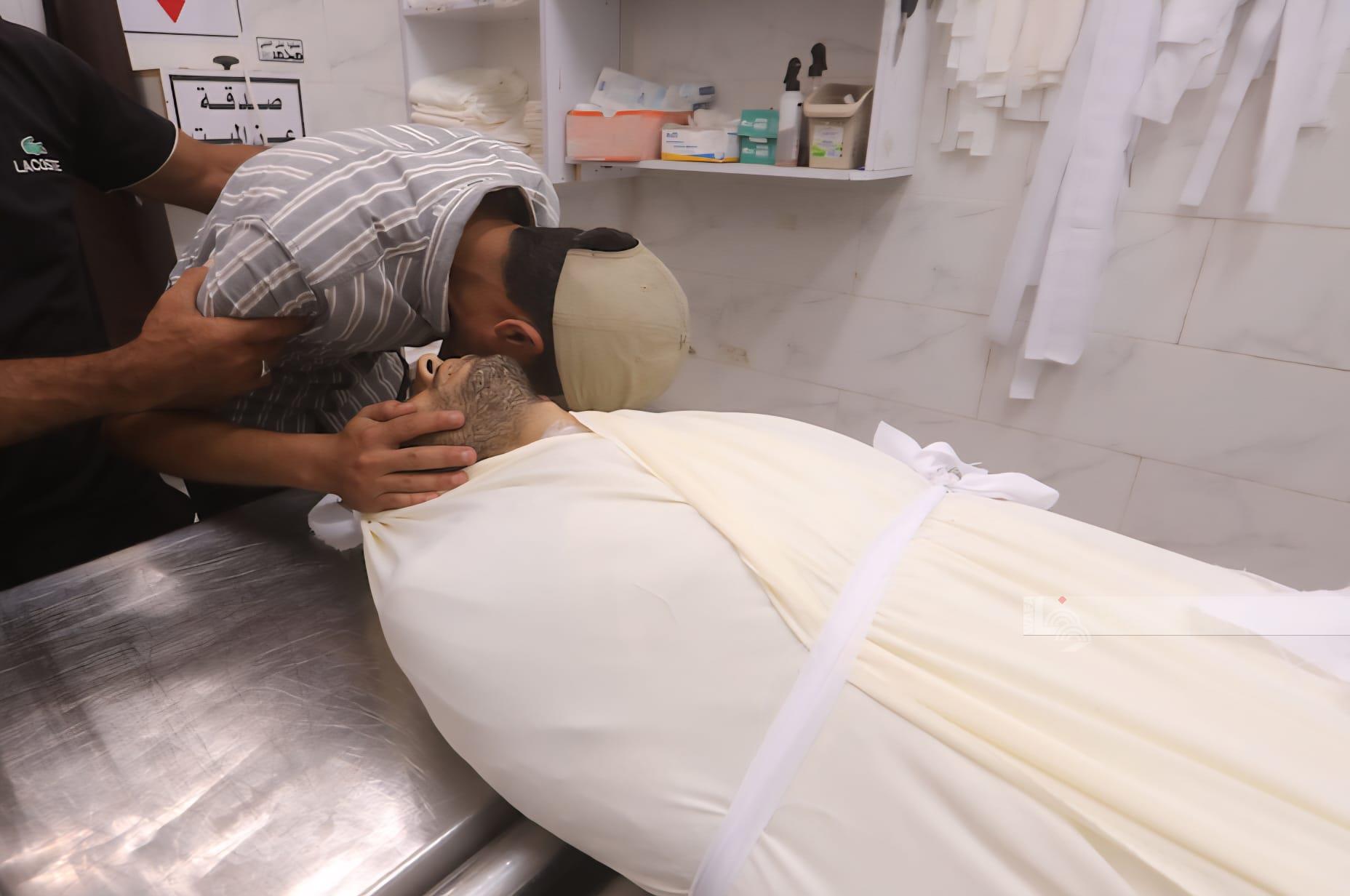
A Palestinian journalist was killed in an Israeli strike in the southern Gaza Strip on Tuesday, despite a ceasefire agreement sponsored by US President Donald Trump.

Medical sources told Anadolu that photojournalist Mahmoud Wadi lost his life in an Israeli drone strike in central Khan Younis, an area that does not fall under the Israeli-controlled yellow zone.

Wadi’s father, Issam, described the Israeli strike as “an earthquake that struck the tent.”

“I never expected to lose Mahmoud, who was not just my son but a friend, as he grew up in a photography studio,” the grieved father told Anadolu.

“Mahmoud was photographing in a safe area (not under Israeli control according to the ceasefire agreement), but the Israelis respect no pledges or promises; their entire life is treachery and deceit,” he said.

Criminal act

The Palestinian father called his son’s killing “a criminal act carried out by the Israeli occupation.”

“They (Israelis) will continue until destroying the whole world,” he said.

A colleague of the slain journalist, Muhammad Abu Ubaid, a correspondent for Al-Alam TV in Gaza, said Wadi was “known for his humanitarian work and helping people.”

“He may not be known to everyone, but the poor and afflicted know him well, because he devoted his time to assisting them,” he told Anadolu.

“Wadi was a pure-hearted person. I sat with him last night, we talked a lot, and he told me about his plans to raise his young son, who is his whole world.”

“We had an appointment today at Nasser Hospital (in Khan Younis), but I found out he had been martyred,” Abu Ubaid said in tears.

“The world is silent and watching, and the (Israeli) occupation continues to kill us and kill journalists despite the agreement.”

Systematic killing

Gaza’s Government Media Office said Wadi’s death brought the number of Palestinian journalists killed by Israel in Gaza to 257 since October 2023.

It decried Israel’s “systematic attacks and assassination of Palestinian journalists” and held Tel Aviv and the US administration, the UK, Germany, and France “fully responsible for committing these heinous and brutal crimes.”

The media office appealed to the international community and press organizations around the world to “condemn the Israeli occupation’s crimes.”

International media institutions have repeatedly called on Israel to stop fatal attacks on Palestinian journalists in the Gaza Strip, but Tel Aviv has ignored these appeals.

Palestinians see the deliberate targeting of Palestinian journalists by the Israeli army in the Gaza Strip as an attempt to cover up its atrocities in the territory.

The ceasefire deal took effect in Gaza on Oct. 10 under Trump’s Gaza plan, halting two years of Israeli attacks that have killed more than 70,000 Palestinians, mostly women and children, and injured over 171,000 others since October 2023.

Israel has repeatedly violated the agreement by opening fire on Palestinian civilians in areas it does not control under the deal, while the Palestinian group Hamas has announced its full commitment to the terms of the agreement and urged the US to pressure Israel to comply.

According to Gaza’s Health Ministry, at least 356 Palestinians have been killed and more than 900 others injured in Israeli attacks since the ceasefire.

Continue reading
‘Our Miserable Life’

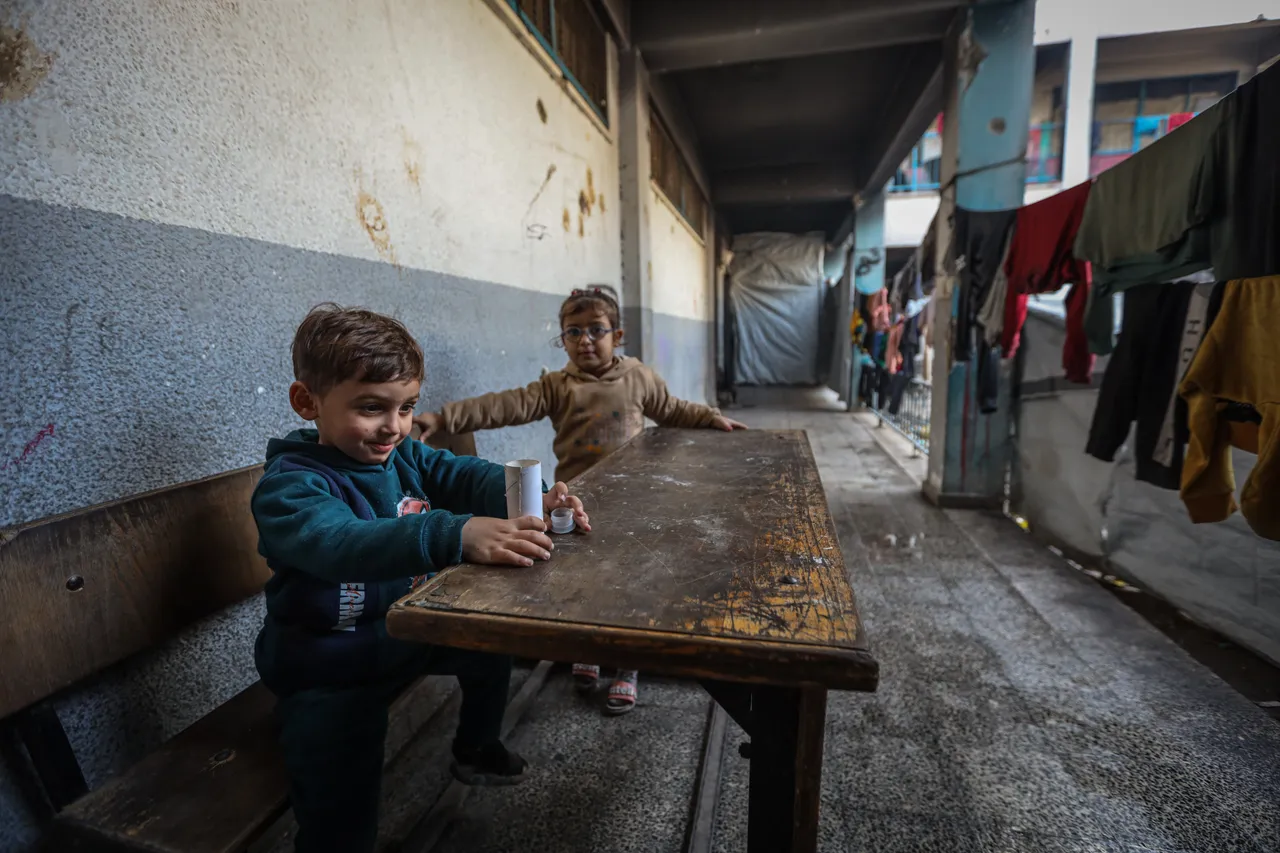
As the winter months approach many people in Gaza will likely continue to sleep in the wilderness and under the freezing air. Most of the Gazans at 2 million were displaced countless of times in this Israeli genocide with nowhere to go as their homes have been bombed multiple times.

Every family, individual, man, woman and child, have been affected. Everyone has become disparate to find a place, or just sleep anywhere

One such family, without a husband have found a street pavement as its abode among the noise of the traffic. Others, sleep in makeshift sheets and plastic, hastily hoisted to to at least try and cover their skin and bones.

…On the roadside

“Don’t worry it won’t fall down, shut up and sleep”, a mother tells her little one who found a ramshackle place on the roadside. “And the same goes for you,” she tells her other child.

But how can that be! “We are living on the pavement next to the road, among speeding cars, where people are constantly going up and down during the day and at nighttime,” she tells the Al Jazeera cameraman. Its pitch dark here. Only the passing cars provide a flicker of light.

“Our home has become the pavement. In the night we literally sleep between passing people, there is nothing to protect us. I try not to close my eyes because of the fear around us as men constantly roam up and down with the the stray dogs and other wild beast making an attempt on our shelter. I have to be alert to shoo them away.”

The skidding of cars never shops, she tells the cameraman. “I stay awake also because my child may suddenly get up and run to the road, and if a car hits him, it really wouldn’t be the fault of the driver. I do all I can to protect them,” she concludes.

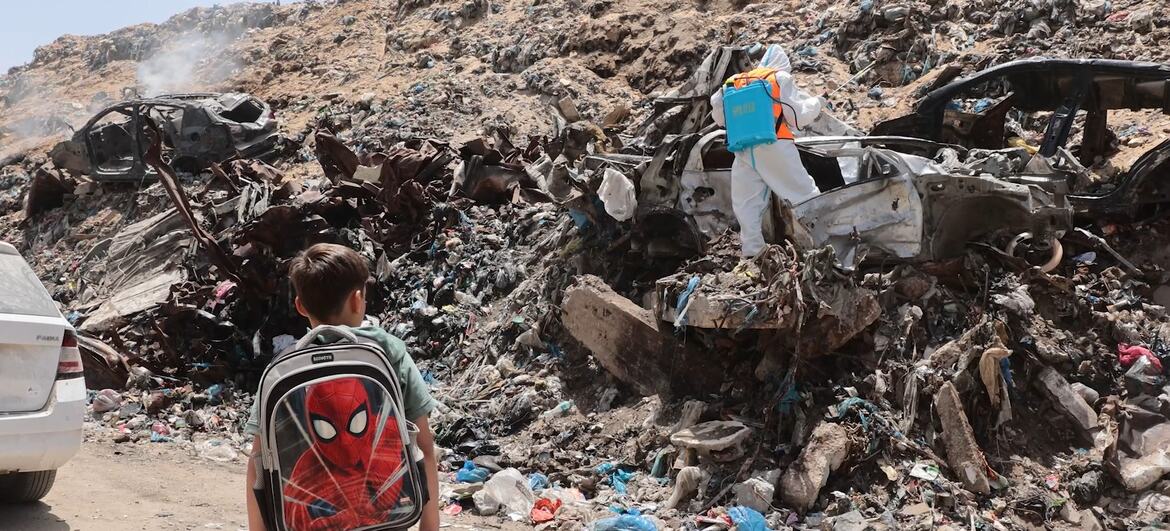
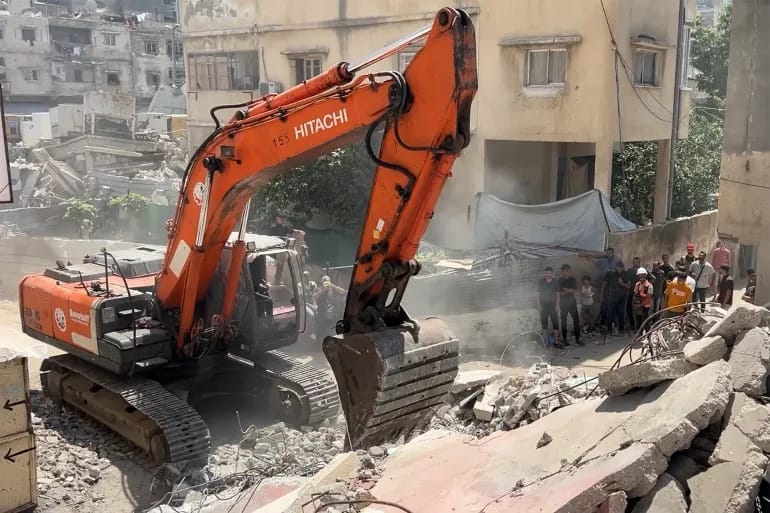
The war made Gaza a downtrodden, chaotic world with wrecked homes and debris, estimated at 200 million that would take years to clear out.

Living in Plastic

Next, the scene changes with many tents huddled one against each other, trying to do with the latest modern living the war has brought on. The Gaza Strip has become an amalgamation of tent cities, and with those labels, there are the underdogs – those who can’t offered the proper $1000-tent but have to sleep on the margins of rag-tag communities in derelict and tiny ‘holes” made of plastic sheets and/or light material that collapse at the sight of any gust of wind.

“It’s like living outside, you can’t call this a place of living,” another mother one says, referring to her small, plastic tent. Here there is no toilet, we have to ask other people’s living in proper tents to ‘do our business” and at times, forcing ourselves upon them but what can we do”, her voice can filter through the camera.

“At night we remain in fear because of the stray dogs who remain amongst us, howling between our tents. This is not to say anything about the snakes. At night I beg my neighbors to let my two grown up daughters sleep in their tent while I remain with my other small children here, but it’s a struggle.”

At night my children freeze because there are no blankets, we barely have thin sheets to use as cover, there are no clothes here, we simply don’t have anything, they have to go bare foot, there are no shoes, not even sandals or flip-flops for them to wear.

There is neither food, nor drinks, we stay hungry all day except for the one-day meal the kids bring from the food charities they queue for. After that one meal, we wait for the following day hoping to be fed.”

Dry bread Sprinkled With Salt

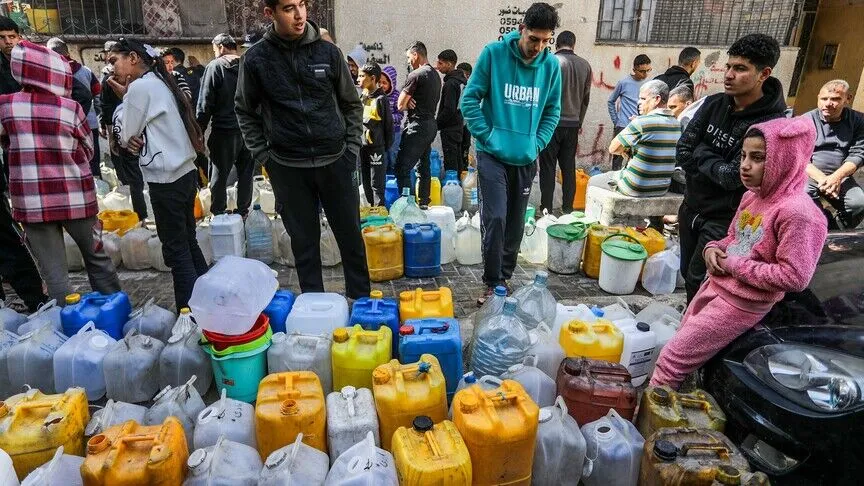
“How can I describe the place, it’s bad,” says a haggard old man with a beard that keeps getting longer. “We have no tent to sleep in, winter is setting in and the rain is likely to lead to our death, first it was the scorching sun, God only knows how we survived then, now the winter is upon us, we just wait for the worse, the drenching rains, life is a constant challenge,” he says amidst the dirt-soil.

Even the water is hard to come, and this is for everyone, the rugs you see here were given to us by people whose situation is really no better than us. In terms of food, as God is my witness, the bread I have here from my feed, I collected, it’s dry and hard that has been sprinkled with salt. When I am hungry, I wet it with the available water and eat.  This is how we try to survive in Gaza today.”

These are a few of the voices from Gaza. For them, life has long become miserable. Here, they speak out of their dreary lives that have become a constant struggle for survival.

Continue reading
Israel is No Friend! A Gulf After Doha Strike

By Ali Bakir

For decades, Arab public opinion has held a negative view of both Israel and Iran, widely regarding them as the primary sources of regional threat and instability. This perception has been rooted in the belief that both powers, in their pursuit of expanded influence, indirectly served each other’s agendas by fueling conflict in the Arab world. In contrast, Arab governments, including the Gulf Cooperation Council (GCC) states, traditionally prioritized their survival, focusing their threat assessments on geographically proximate dangers such as Iran, terrorism, and regional instability. However, a significant transformation is underway, with a US-backed Israel increasingly becoming the central figure in a more complex and broadened threat perception.

This shift is driven by Israel’s unrestricted regional military actions, which are perceived as fanatic and religiously motivated, coupled with what the Gulf states view as unreliable security guarantees from the United States. In this sense, the Israeli airstrike on Doha, Qatar in September 2025, marked a watershed moment, profoundly reshaping the threat perception for the GCC states.

Traditionally, some GCC nations viewed Israel through a dual strategic lens; as a key to stronger relations with the United States, or as a potential tacit partner against the threat posed by Iran. Israel consistently leveraged these perceptions to advance its political interests in the Gulf and the wider Arab region. However, as the Arab Gulf countries have solidified their political influence in the US and Iran has weakened, the strategic necessity of a partnership with Israel has waned, rendering even tacit partnership with Tel Aviv unfavorable.

This evolving dynamic has been further amplified by Israel’s aggressive and expansionist agenda, which appears intent on reshaping the Middle East and establishing Israeli hegemony over the Arab nations. In this context, the attack on Qatar – the first direct Israeli assault on a GCC member state, resulting in the killing of a GCC citizen by Israel within the Gulf – constituted a paradigm shift. The fact that Qatar, a key US ally and host to the largest American military installation in the Middle East, was the target, has altered the GCC’s threat calculus. This has challenged the long-held focus on Iran as the principal existential threat, not from a newfound trust in Tehran, but from a pragmatic reassessment of Israel’s increasingly unrestrained military actions that threaten to throw the entire region into chaos.  

Emergence of Israel as a direct threat

In the words of Majed al-Ansari, spokesperson for Qatar’s Foreign Ministry and adviser to the prime minister, the attack on Qatar “has changed the region forever. Our region post September 9 is not the same region as it was before.” This sentiment reflects a significant change in the GCC’s threat perception, moving from a traditional, state-centric focus on Iran and non-state actors to a broader and multi-layered understanding of regional security. Israel’s actions have introduced a dangerous new variable, shifting the primary concern from a potential nuclear-armed Iran to an increasingly assertive and militarily dominant Israel willing to violate the sovereignty of neighboring states with impunity. This new threat perception is characterized by several key elements.

First, there is a growing apprehension among the GCC states regarding Israel’s hegemonic ambitions. Its military operations in Gaza, Lebanon, Syria, and now the Gulf, are seen as part of a broader strategy to establish itself as the undisputed regional power, compelling Arab nations to submit to its radical, religiously driven expansionist agenda. This directly challenges the sovereignty, strategic autonomy, and governing legitimacy of the GCC states. After decades of being urged by the West to embrace moderation, these nations now find themselves confronting a US-backed, religiously motivated Israel.

Second, the war on Gaza and the ongoing genocide against Palestinian civilians have inflamed global public opinion. While public sentiment may not directly influence governance in the Gulf, it remains a crucial factor in maintaining the legitimacy and stability of the ruling families. Israel’s crossing of all red lines – destabilizing even the governments of countries with normalized relations like Egypt and Jordan, and now targeting GCC members – has created fertile ground for internal unrest, pressuring these governments.

Third, Israel’s aggressive regional posture poses a direct threat to the GCC’s ambitious economic diversification plans. The long-term stability essential for attracting foreign investment and fostering thriving tourism and service sectors is fundamentally undermined by the constant threat of regional conflict. Israel’s actions have drawn the GCC countries into regional chaos, forcing them to bear the financial burden of its hegemonic ambitions. This has fundamentally altered their perception of Israel, which is now seen as a direct threat to their governments, economies, and regional interests.  

Reassessing US security umbrella

The Doha strike has brought the reliability and credibility of the US security umbrella – long considered the cornerstone of Gulf security – into sharp question again. The United States’ unwillingness to prevent an attack on a key ally has instilled a profound sense of vulnerability, urging a reassessment of the value of its security guarantees.

This has led to a growing consensus among the GCC states that they can no longer solely depend on the United States for their security. For some time, these nations have been diversifying their defense and security partnerships, engaging with other regional and international actors, and exploring ways to create a more independent regional security architecture. This does not signal a complete rupture with the US, but rather a strategic pivot towards a more multi-aligned foreign policy.

This evolving threat perception is expected to have a significant impact on the GCC’s defense spending priorities and foreign policy alignments. The Gulf states are likely to adopt more assertive and independent foreign policies, ones less beholden to US interests. This will involve hedging, strengthening regional alliances, engaging in more direct diplomacy with Iran, and taking a more proactive role in shaping the regional security agenda. The primary objective is to deter Israel from normalizing attacks on GCC countries or dragging them into a wider regional conflict.

Reports indicate that GCC states have already increased their military spending in the wake of the Qatar strikes. This trend is expected to continue, with a focus on acquiring advanced air defense systems, counter-drone technologies, cyber capabilities, and other tools to deter and defend against potential Israeli aggression. In parallel, the GCC states are moving away from their near-total reliance on US military hardware and are actively seeking to diversify their defense and security partnerships. While China and Russia have been suggested as key players in the diversification, recent data indicates that countries like Türkiye are emerging as significant partners in the GCC’s diversification strategies.

While the path forward is fraught with challenges, one thing is certain: The old paradigms of Gulf security are no longer tenable. Israel has emerged as a dominant and disruptive actor in the new threat perception of the GCC states.

The author is an assistant professor of international affairs, security, and defense at Qatar University and a non-resident senior fellow at the Atlantic Council in Washington.

Continue reading