Trump: The Deal-Maker in Our Midst

By Dr. Ali Bakir

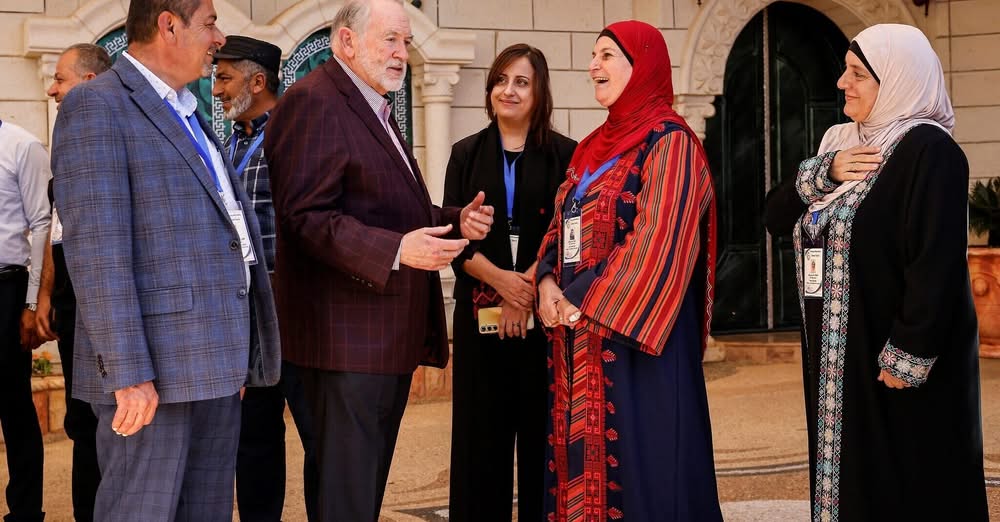
US President Donald Trump begun his Middle East tour on 12 May, starting in Saudi Arabia with the Gulf Cooperation Council (GCC) summit, then moving on to Qatar and concluding in the United Arab Emirates (UAE). Trump will be accompanied by a large delegation, including senior White House staff, several ministers, high-ranking officials, and an army of businesspeople. At the core of Trump’s tour to the influential and wealthy GCC states—Saudi Arabia, Qatar, and the UAE—will be investments, economic ties, business, and bilateral relationships. The Trump administration aims to attract hundreds of billions of dollars in investments from Gulf wealth funds into the United States.

Expected discussions include Israel’s military campaign in Gaza, Palestinian statehood, negotiations over Iran’s nuclear program, and the ceasefire deal with Yemen’s Houthi group. Additionally, Syria and Lebanon may also feature on the agenda. Syrian President Ahmad al-Sharaa is reportedly seeking a meeting with Trump during his visit to Saudi Arabia, aiming to persuade him to lift sanctions and increase US involvement in Syria’s reconstruction, economy, and oil sector.

Trump critically needs this tour to project an image of a successful leader who has secured hundreds of billions of dollars in pledged investments and deals, as well as closer political and security ties with GCC states. Hundreds of agreements are anticipated during the visit, covering areas such as AI, transportation, minerals, energy, infrastructure, aviation, defense, and potentially broader agreements on semiconductors and nuclear energy.


Matter of prestige

The significance of this tour is heightened by the fact that Trump is facing both internal and external challenges, having yet to achieve any substantial victories in his ongoing struggles. These include the tariff dispute, Israeli involvement in Gaza, the Iran nuclear deal, Russia’s war in Ukraine, tensions with Canada and Greenland, and his ongoing conflict with China. An image of victory during his Gulf tour would help compensate for these setbacks. Gulf leaders are well aware of this and will arrange exceptional welcome ceremonies and generous hospitality for him. In other words, they will arrange a wonderful show for him. This not only caters to his personal ego but also enhances his standing both domestically in the US and internationally, where he is in dire need of a win. The outcome could create a win-win situation. However, it is important to note that not all the promises made during this tour will materialize. While some initiatives may come to fruition, others may remain merely part of the spectacle.

Unlike his first visit to the region during his initial term in the White House, which included Israel, Tel Aviv is notably absent from his current itinerary. This exclusion is quite significant. Under Netanyahu, Israel has little to offer the US president, aside from more problems, a negative image in the region, and a tarnished reputation for the president himself. It serves as a reminder of his failure to achieve a ceasefire in Gaza, largely due to Netanyahu’s unwillingness to pursue it.

In a previous interview following Biden’s election at the end of 2020, Trump explicitly blamed Netanyahu for the failure of his peace initiative with the Palestinians, stating, “Netanyahu never wanted peace.” Amid the ongoing conflict, initiatives aimed at encouraging Saudi Arabia to recognize Israel—an objective pursued by Trump during his first term—are likely to remain on hold. Riyadh has indicated that it requires tangible progress toward a Palestinian state first, a condition that Israel has not been willing to meet. However, Reuters reported this week that the US has shifted its stance and is no longer insisting that Saudi Arabia normalize relations with Israel as a prerequisite for advancing discussions on civil nuclear cooperation.

Desire to appear as dealmaker

Regardless, Trump’s Middle East tour represents more than just a diplomatic engagement with key US allies; it is a calculated effort to reclaim geopolitical momentum and project strength amid mounting domestic and international challenges. The emphasis on economic deals, defense cooperation, and strategic investments highlights Washington’s strategy of leveraging the Gulf’s financial and political capital to enhance Trump’s image as a dealmaker-in-chief. However, beneath the pomp lies a web of unmet expectations and unresolved conflicts.

While Saudi Arabia, Qatar, and the UAE are acutely aware of Trump’s need for a symbolic win, they remain cautious about committing to politically costly moves without tangible concessions, particularly concerning Palestinian statehood. Ultimately, this trip may provide short-term optics that bolster Trump’s leadership narrative, but its long-term impact will depend on whether these engagements translate into sustained commitments or fade into the background noise of global challenges.

Dr Bakir is Assistant Professor at Qatar University, and non-resident senior fellow at the Atlantic Council.

Continue reading
Using Starvation as a Weapon of War

By Professor Mutaz M. Qafisheh and Manal Radaydeh

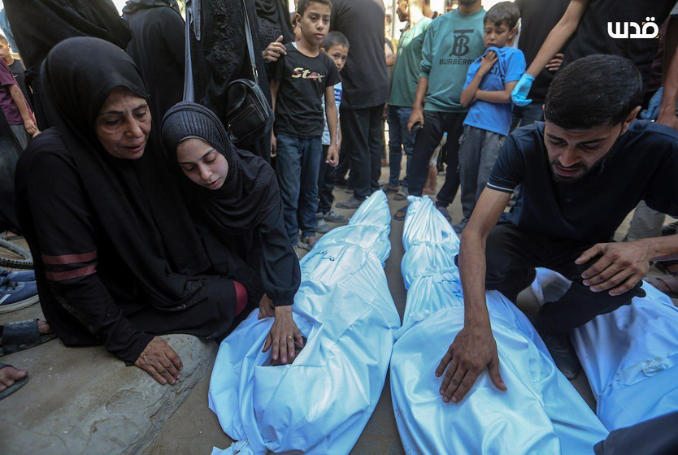
The famine raging in Gaza is not a side effect of war. It is the outcome of a willful and publicly declared plan aimed at displacing and destroying Gazans by starving the entire population. This is not a natural disaster— it is the systematic denial of access to food in a tiny, resource-scarce strip of land. Starvation is being used as a weapon—to break people’s will, force surrender, collectively punish, and carry out ethnic cleansing.

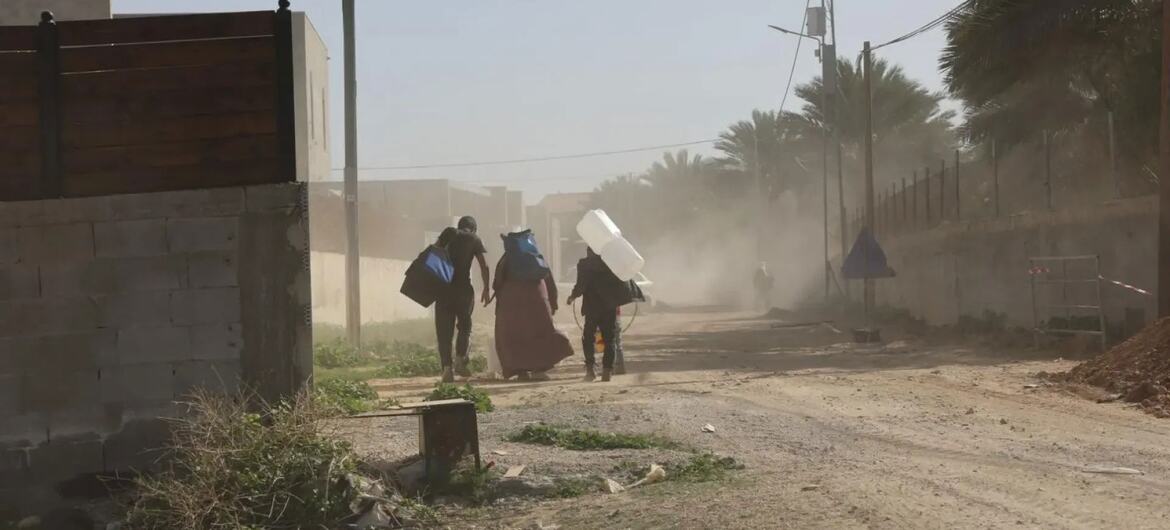
Nearly two months after the ceasefire collapsed, Israeli forces tightened the blockade on Gaza, sealing border crossings and halting all entry of food, water, medicine, and fuel. According to the World Food Program (WFP), food stocks had already run out by April 2024, and conditions have worsened significantly since March. Even modest charity kitchens that once served over a million meals daily have now ceased operations. WFP reported that the prices of the few remaining food items have surged by over 1,400%.  

Malnutrition and imminent death

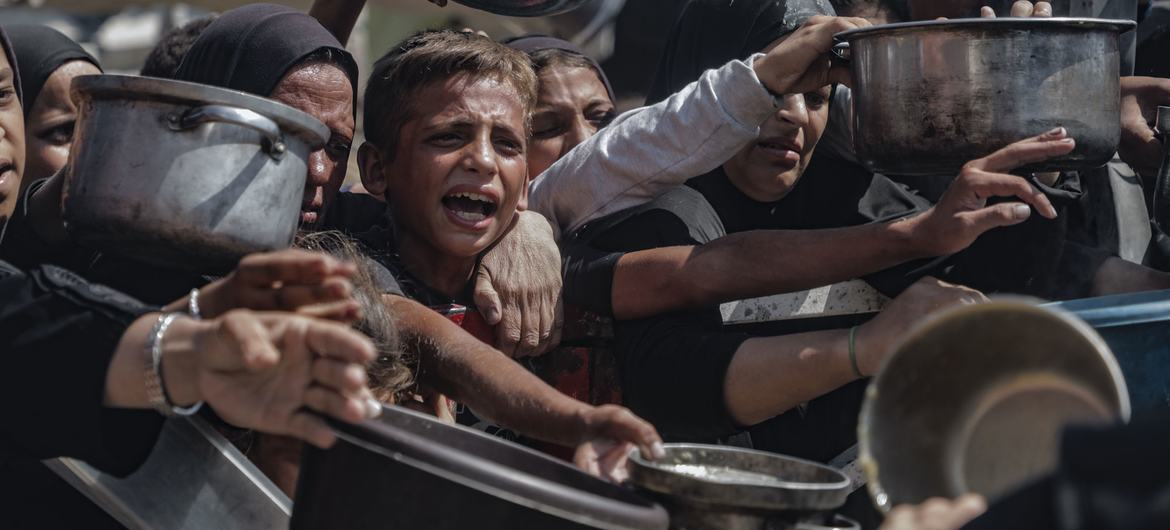
This crisis is affecting everyone, but children are paying the heaviest price. UNICEF reported that over 60,000 children are suffering from severe malnutrition. As a result, thousands face imminent death. Most children survive on a single meal a day—or less. The lack of proper nutrition is damaging their bodies and minds in ways that may never be reversed. Satellite footage shows infants drinking water instead of milk. Many have withered to skeletons.

It is crucial to underline that this man-made hunger is not accidental. It is the explicit outcome of political decisions targeting civilians. Under international humanitarian law—particularly Article 23 of the Fourth Geneva Convention—all parties in a conflict must allow the free flow of humanitarian aid to civilians. The UN Office of the High Commissioner for Human Rights has described this famine as “cruel collective punishment.”

On Nov. 21, 2024, the International Criminal Court issued arrest warrants for Israeli Prime Minister Benjamin Netanyahu and former Defense Minister Yoav Gallant, accusing them of war crimes, including the use of starvation as a method of warfare—characterized as a war crime. This came after a unanimous order by the International Court of Justice on March 28, 2024 in the genocide case brought by South Africa against Israel. The ICJ ordered Israel to take all necessary and effective measures without delay to ensure the unhindered, large-scale provision of urgently needed services and humanitarian aid—food, water, electricity, fuel, shelter, clothing, hygiene, sanitation, and medical care—to Palestinians throughout Gaza. Yet Israel continues to act as if it were above the law.

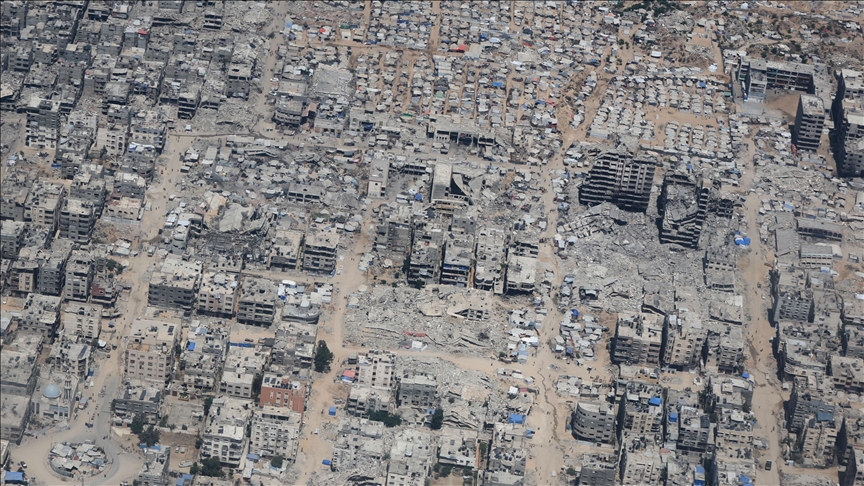
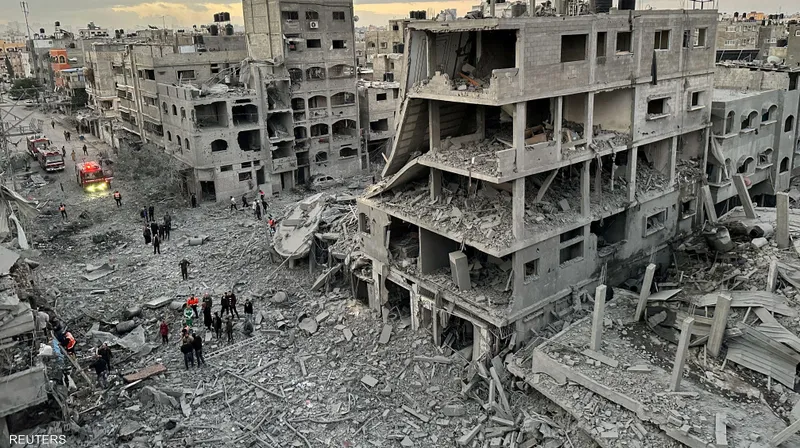
Today, Gaza’s food system is completely destroyed: bakeries bombed, farms bulldozed, fishing boats burned, livestock killed, warehouses flattened, shops emptied, and aid trucks blocked or turned away. OCHA warns that famine is either imminent or already unfolding. And yet, the siege continues—on top of systematic daily bloodshed.  

Collapse of health care

The suffering is not only physical. As hunger spreads, so does the risk of disease, especially among children, the elderly, and the chronically ill. The health care system has collapsed. People with chronic diseases—cancer, diabetes, high blood pressure, heart and kidney failure—are dying. Euro-Med Human Rights Monitor recently documented the deaths of 14 elderly people due to malnutrition, among many others who perish in silence, with no one to record their plight.

The coming months and years will reveal the far-reaching consequences of the famine that struck Gaza in full view of world leaders—some of whom encouraged or were complicit in the starvation of 2 million innocent civilians. The world—particularly Europe and the Arab nations—can, if it chooses, put an end to these genocidal acts against children, the elderly, the sick, and the exhausted.

It is unimaginable. How is it possible that in the 21st century—an age of smartphones and social media—the international community watches a live-streamed famine unfold and does nothing? What has brought us to this moral and legal vacuum? If famine is tolerated this time, it will be normalized and replicated elsewhere. That would mean the erosion of values humanity has struggled for centuries to uphold.

It’s time for action, not just words. History will judge. History is here. And history is now.  

Mutaz M. Qafisheh is Professor of International Law at Hebron University. Manal Radaydeh is a Researcher in International Diplomacy at Hebron University and this article was published in Anadolu.

Continue reading
Israel Kills Journalist No. 2015 in Gaza

The Israeli army early on Tuesday killed a Palestinian journalist while receiving medical treatment in a hospital in Khan Younis, the southern Gaza Strip.

In a statement, the Gaza-based Government Media Office mourned journalist Hassan Eslaih, and said Israel assassinated him while receiving medical treatment in the Nasser hospital after he had survived a previous assassination attempt.

It added that Eslaih’s assassination brings the toll of Palestinian journalists killed by Israel since the start of its genocide in Gaza in October 2023 to 215.

The statement strongly condemned the Israeli “systemic targeting of journalists,” urging the International Federation of Journalists, the Arab Journalists Union, and all press organizations worldwide to condemn Israeli crimes and prosecute it before international courts.

The Palestinian Health Ministry, for its part, condemned the Israeli crime of bombing the Nasser hospital in Khan Younis and killing two people who were receiving medical treatment.

Late Monday, the Israeli army resumed its attacks on the Gaza Strip, following a temporary lull so the Palestinian group Hamas could release Israeli American soldier Edan Alexander, following an agreement between Hamas and the US administration.

Nearly 52,900 Palestinians have been killed in Gaza in a brutal Israeli onslaught since October 2023, most of them women and children.

The International Criminal Court issued arrest warrants last November for Israeli Prime Minister Benjamin Netanyahu and his former Defense Minister Yoav Gallant for war crimes and crimes against humanity in Gaza.

Israel also faces a genocide case at the International Court of Justice for its war on the enclave.

Continue reading
Trump’s Middle East Hour

By Mohammad Abu Rumman

President Donald Trump’s current visit to the Gulf holds substantial strategic significance, especially when compared to visits by previous American leaders or other political figures. This is due to two key reasons: the first relates to the current situation in the Arab region, which is undergoing an intense period of regional and domestic turmoil in several countries—making the future extremely difficult to predict. The second reason is Trump’s own personality, marked by unpredictability, surprise moves, and a disregard for the traditional constraints that bind other U.S. presidents.

While it may be premature to judge or fully grasp the surprises or major outcomes that Trump’s visit may bring for the next phase, the man has already, on the eve of his arrival, stirred the waters—overturning many expectations and analyses, particularly in relation to two major files: the Syrian issue and the war on Gaza, including U.S. relations with Israel and Arab states.

On the Syrian file, Trump announced that he is seriously considering lifting or easing sanctions on Syria and offering support to the new political regime there—reportedly at the request of Turkish President Recep Tayyip Erdoğan. This development is especially significant as it runs counter to the Israeli agenda, particularly in the south of Syria, where Israel has sought to incite minority groups, sow chaos, and even occupy parts of the country. It is clear that Trump has not embraced Netanyahu’s highly provocative approach toward the new Syrian regime. Instead, he seems more aligned with the Turkish and Saudi perspectives, despite Netanyahu’s earlier efforts during a visit to the White House to secure a green light for Israeli aggression in Syria and against Turkey—bait that Trump did not take at the time. Now, on the eve of his Gulf visit, Trump has drawn a clearer line by discussing the potential easing of sanctions on Syria.

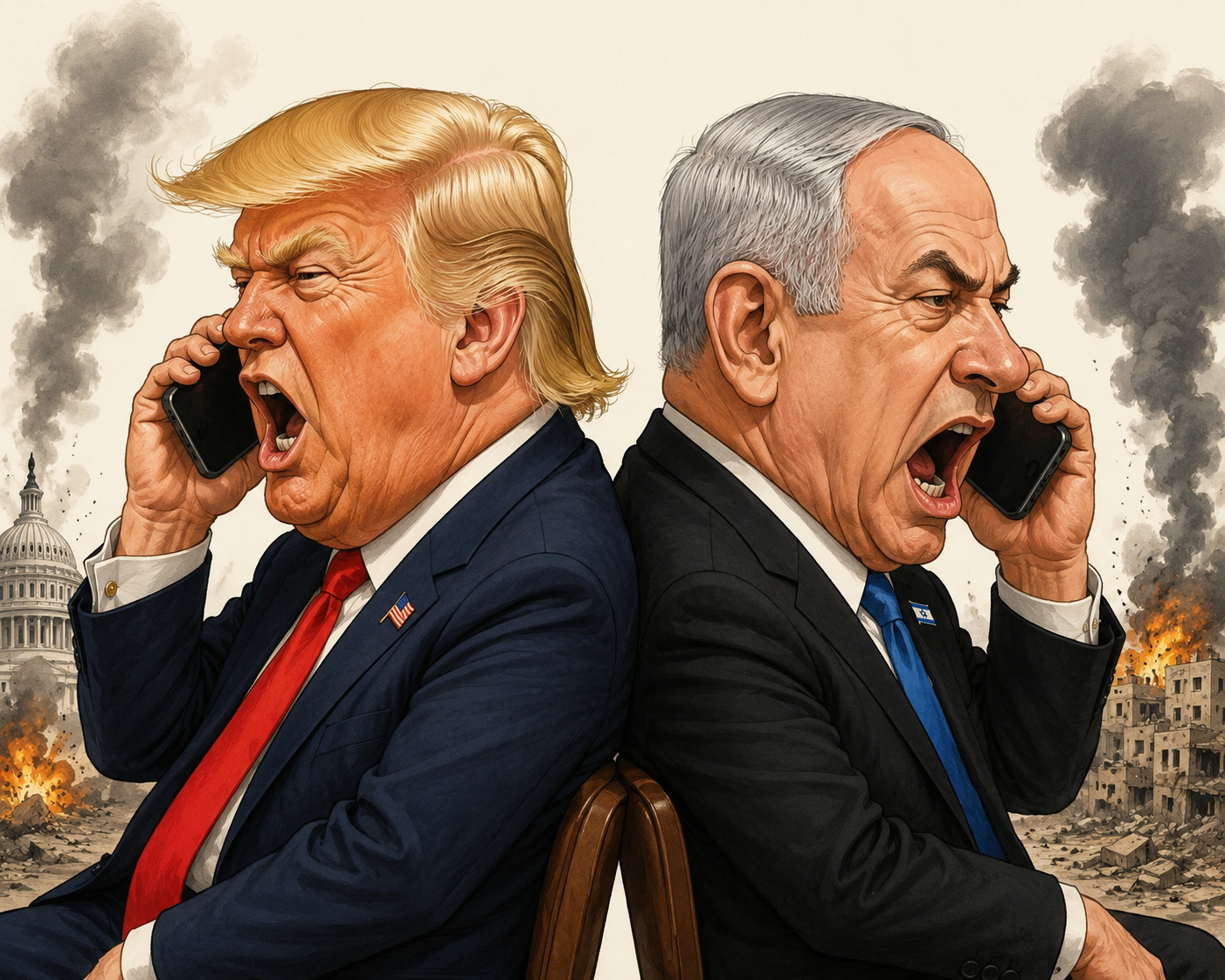
The second file concerns Trump’s ongoing tension with Netanyahu. While this may appear to be a personal dispute with the Israeli Prime Minister and his political agenda, Trump seems to be distancing himself from Netanyahu’s grip—unlike in previous phases where Netanyahu appeared to dominate Trump’s outlook. How this rift will influence the next phase, particularly regarding the war on Gaza, relations with Iran, and the broader American vision for the region, remains one of the most critical questions—especially when assessing the growing divergence from the Israeli right-wing narrative.

Much has been said about the reasons behind this divergence—some even call it a crisis—between Trump and Netanyahu. Israeli and American media have widely covered the issue. However, what this writer leans toward is the idea that the Saudis have thoroughly studied how to deal with the new president. They found a way to draw him away from the Israeli perspective by offering him the deal of his dreams: the prospect of a peaceful resolution that would lead to the establishment of a Palestinian state—potentially bringing him a Nobel Prize—ending the war in Gaza with terms favorable to both Americans and Arabs, lucrative commercial deals, normalized relations with America and Israel, strong regional ties, and many other major gains. Why, then, would Trump reject all of that and blindly follow Netanyahu and his far-right team?

The Saudi leadership’s role in the current phase is crucial. They are driving a major shift in the Arab approach to regional policy. Their cooperation on several issues with Turkey, Egypt, Jordan, and the UAE is helping to correct the significant imbalances that have emerged since the Israeli war on Gaza.

That said, it would be inaccurate to claim that Trump has made a full pivot. He remains unpredictable—full of surprises and a master of reversals. Moreover, despite the wide latitude he often enjoys, there are boundaries he will not cross. He may be entering a phase of tension with Netanyahu, but he is unlikely to go so far as to harm Israeli or joint U.S.-Israeli interests. He is well aware of the entrenched domestic base, the powerful lobbies, and the political minefields involved. His room for maneuver is limited. Still, this moment may represent an opportunity to widen the gap between him and Netanyahu—even if the regional reality is complex and the current Palestinian reality even more so. We must also be careful not to raise expectations too high!

The writer is a columnist in Jordan Times

Continue reading
1 in 5 in Gaza Face Starvation

Gazans remain at “critical risk of famine”, UN-backed food security experts warned on Monday, a full 19 months since war began with Israel and 70 days since deliveries stopped of all aid and commercial supplies.

“Goods indispensable for people’s survival are either depleted or expected to run out in the coming weeks…The entire population is facing high levels of acute food insecurity,” said the Integrated Food Security Phase Classification (IPC) platform.

In its latest update, the IPC estimated that one in five people in Gaza – 500,000 – faces starvation.

Prices have soared for basics such as a 25 kilogram sack of wheat flour, which now costs between $235 and $520, representing a 3,000 per cent price spike since February.

“In a scenario of a protracted and large-scale military operation and continuation of the humanitarian and commercial blockade, there would be a critical lack of access to supplies and services that are essential to survival,” the IPC said.

Guterres voices alarm

UN Secretary-General António Guterres said he was alarmed by the findings, especially that most children are now facing extreme hunger.

The World Food Programme (WFP) and children’s agency, UNICEFwarned that hunger and malnutrition have intensified sharply since all aid was blocked from entering on 2 March.

WFP chief Cindy McCain said families are starving while the food they need is sitting at the border. “It’s imperative that the international community acts urgently to get aid flowing into Gaza again,” she said. “If we wait until after a famine is confirmed, it will already be too late for many people.”

Aid partners on the ground in Gaza report that the number of hot meals served by those community kitchens that are still operating is declining very quickly. Today, about 260,000 meals have been prepared and delivered across the Gaza Strip. 

That marks a decrease compared to 840,000 meals last Wednesday – a 70 per cent reduction of 580,000 daily meals in just five days.

New strikes on UN shelters

The development comes amid continuing reports of Israeli bombardment across Gaza on Monday. 

On Saturday, another school run by the UN agency for Palestine refugees, UNRWA was hit, this time in Gaza City at around 6.30pm, reportedly killing two people and injuring an unknown number.

All 2.1 million people in Gaza are expected to suffer high levels of acute food insecurity between now and September.

© IPC

A day earlier, four more people were reportedly killed when another UNRWA facility was bombed in Jabalia camp, north Gaza. The agency’s office was “completely destroyed” and three surrounding buildings sustained severe damage, including a distribution centre. There were no supplies in the distribution centre when it was hit, owing to the continuing Israeli blockade, UNRWA said, noting that it ran out of food for Gaza “more than two weeks ago”. 

Echoing the wider aid community’s rejection of the Israeli plan to manage deliveries of food and non-food items across Gaza’s governorates, the IPC deemed it “highly insufficient to meet the population’s essential needs for food, water, shelter and medicine”.

IPC’s assessments help aid agencies decide where needs are greatest around the world. Food insecurity is measured on a scale of one to five, with IPC1 indicating no hunger and IPC5 denoting famine conditions.

According to the latest data, 15 per cent of people in the governorates of Rafah, North Gaza and Gaza are classified as IPC5. Most of the remainder are little better off.

Israel plan scepticism

Amid this disastrous and deteriorating situation, Israel’s proposed distribution plan will likely create “significant access barriers [to aid] for large segments of the population”, the IPC said.

And pointing to Israel’s recently announced large-scale military operation across the Gaza Strip and persistent obstacles impeding the work of aid agencies, it warned that there was “a high risk that ‘Famine (IPC Phase 5)’ will occur” between now and 30 September.

With hunger everywhere, a high number of households have reported having to resort to “extreme coping strategies” such as collecting rubbish to sell for food. But one in four of this number say that “no valuable garbage remains”, while social order “is breaking down” the IPC reported.

UN News

Continue reading