Flower of Palestine
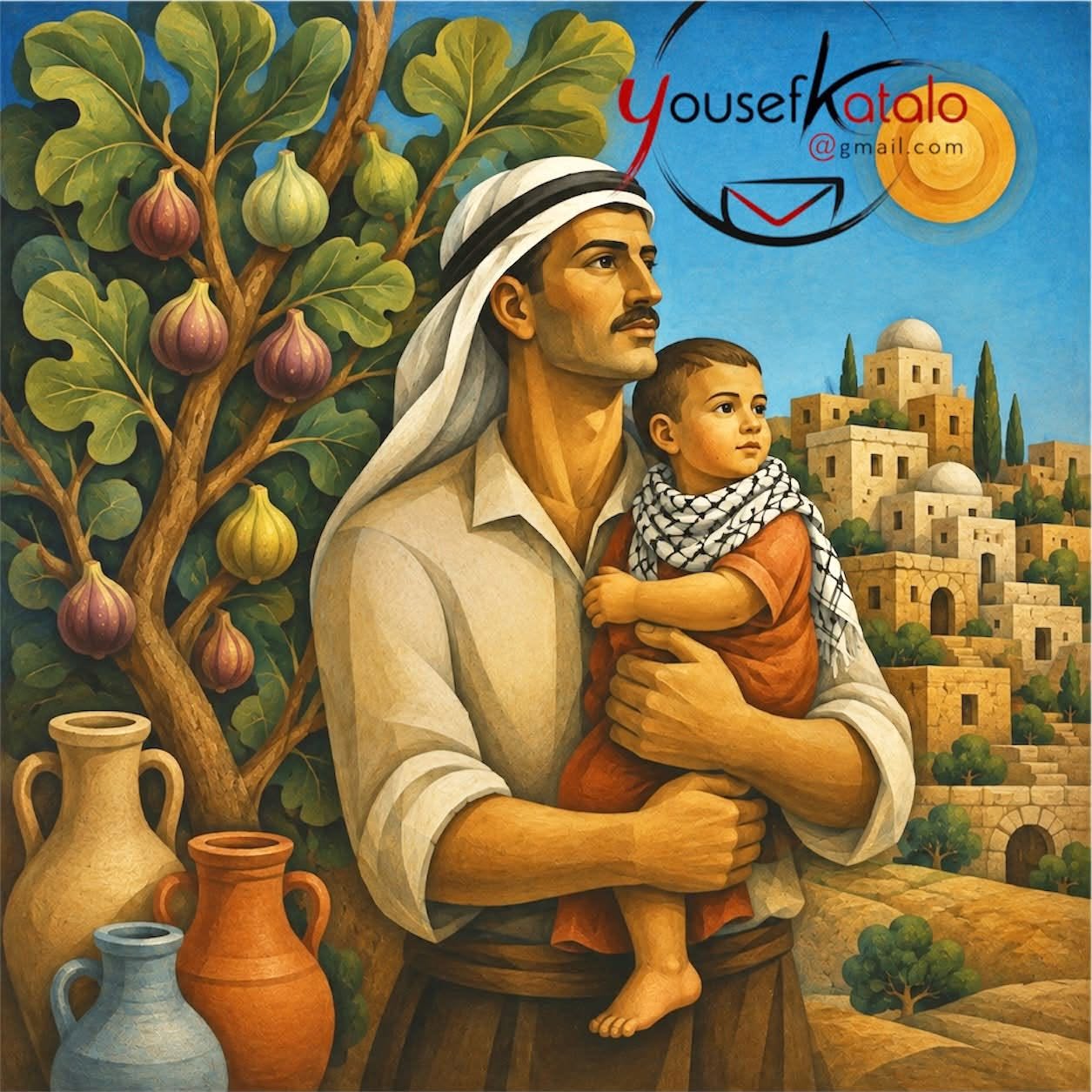
The Art of Flower
Artist Said Elatab simply said: “My painting ‘Beautiful flower from Palestine’ in abstract expressionism with a Palestinian flag.
Please Share.
The Art of Flower
Artist Said Elatab simply said: “My painting ‘Beautiful flower from Palestine’ in abstract expressionism with a Palestinian flag.
Please Share.
The Gaza Civil Defense announced, Tuesday, the recovery of bodies and remains of 47 martyrs from the wreckage of the home of the Al Hasiena family in the Sabra area in the south of Gaza City. Supervisor of operations searching Colonel Mohammad Abu Dan said the search is still going on for 36 other bodies and remains that are believed to be under the wreckage of the house. He pointed out the search is being hampered by intense shelling of the area by the Israeli army. These operations come under the second stage launched by the Gaza Public Directorate of Civil Defense, starting last Sunday, to search for the bodies and remains of around 8500 people believed to be buried under the debris of houses in different areas of the Gaza Strip according to the Palestine Information Center. Civil Defense teams believe the remains found belong to the Al Hasiena and Abu Sharieha families when Israeli bombed a housing square that resulted in the massacre of 93 individuals, mostly women and children, in November 2023.
Minister Bezalel Smotrich: Israel has no interest in joining a war against Iran. We have no desire to intervene. The current situation, with its limited conflict and a US naval blockade, is best for us. The main objective of the conflict is to overthrow the regime, and the right way to achieve this is to bring about economic collapse in Iran.
By Ismail Al Sharif
‘This is the last time you’ll see me. They brought me here to kill me’ – Dr. Hussam Abu Safieh.
Dr. Hussam Abu Safieh, a pediatrician and director of Kamal Adwan Hospital, has been detained by the Israeli occupation forces for nearly 600 days without trial or charges.
His only crime was trying to save the children of Gaza, condemning the crimes he witnessed, and documenting the suffering of the injured children who arrived at the hospital. He shared their images and testimonies with the world; these sparked a wave of outrage and solidarity with the Palestinian people of Gaza.
The occupation has not only bombed hospitals and cut off their electricity, causing premature babies to die in their incubators, and not only prevented medicine from reaching the wounded and denied them treatment, but it has also targeted doctors, paramedics, aid workers, journalists, and anyone who reached out to save the victims.
It doesn’t want witnesses to its crimes. But wants a fully-fledged crime committed in secret, then justified with a ready-made accusation: Belonging to Hamas, or being present in a place allegedly used by members belonging to the organization.
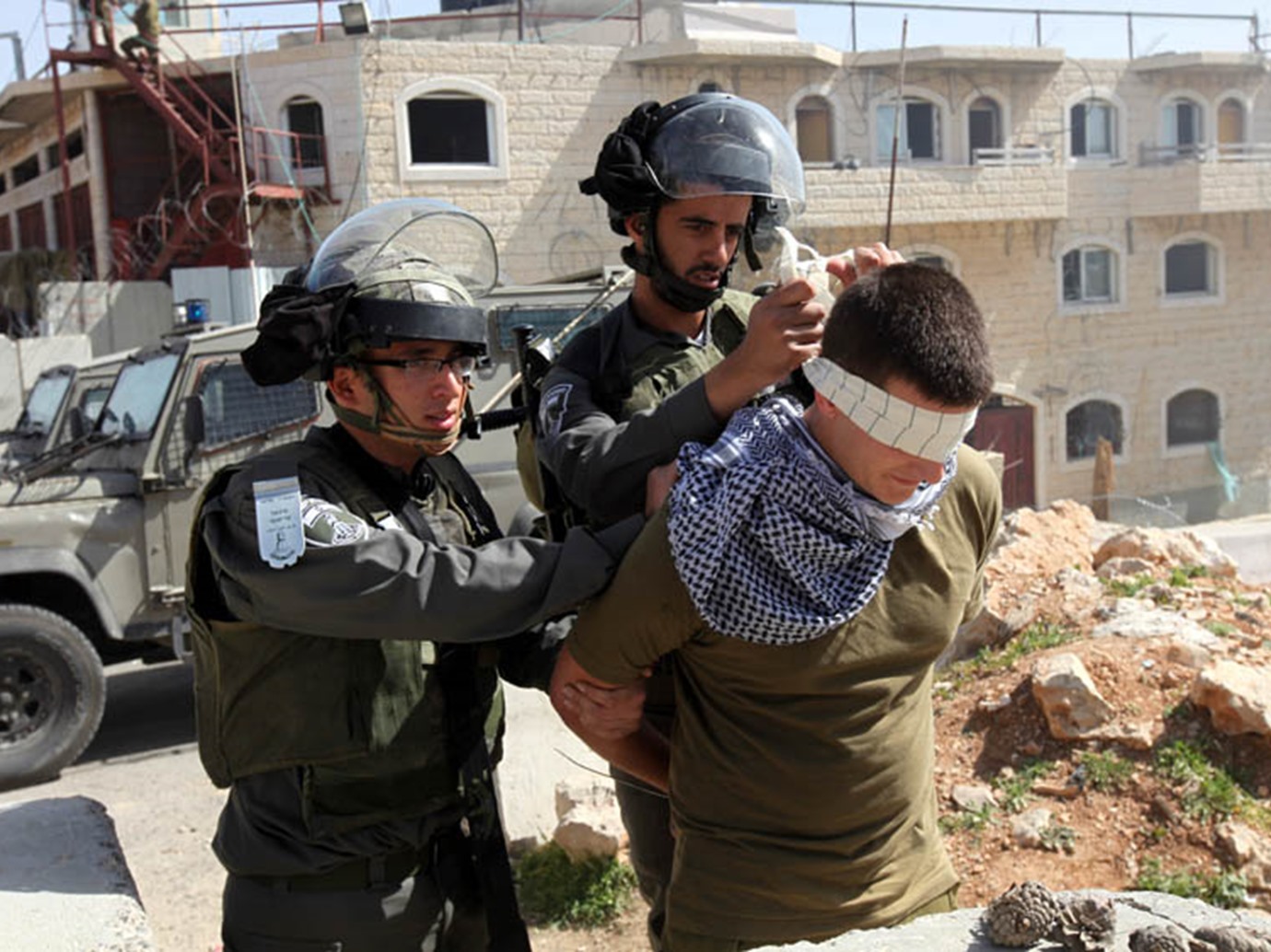
Dr. Abu Safieh was abducted while on duty and subsequently subjected to torture and ill-treatment. His lawyer, Nasser Odeh, documented severe injuries, difficulty breathing, and repeated episodes of unconsciousness during a visit to him on 2 July this month. He was brought to the meeting handcuffed and shackled, surrounded by masked soldiers who concealed their faces, as their actions constitute a crime.
More than 200 healthcare workers have been killed in Gaza, many as a result of direct targeting, while more than 300 doctors and healthcare workers remain detained without trial or charge; as if saving children has become a crime.
Similarly, the Israeli occupation forces abducted Palestinian surgeon Khaled al-Sir from Nasser Hospital in Khan Younis while he was working and detained him for six months before releasing him from Ofer Prison. His family remained unaware of his fate throughout this period.
The thirty-two-year-old doctor described his arrest as a “nightmare,” after he was subjected to torture, humiliation, and denied medical care. He considered himself lucky to have emerged unscathed, while some of his colleagues lost limbs due to being denied medical treatment.
No war has ever claimed so many victims among those who dedicated their lives to saving others. Despite appeals from international, human rights, and grassroots organizations, Dr. Abu Safieh and his colleagues have not been released.
Appeals are no longer enough; what is needed is genuine political pressure, and the issue of detained doctors must be at the forefront of the priorities of Arab leaders and politicians. Remaining silent about the detention of those who gave their lives to save people is not merely a sign of weakness, but a dereliction of the most basic human and moral obligations.
This is a translated piece written by Ismail Al Sharif and published in the Arabic Addustour newspaper in Amman and appears in crossfirearabia.com