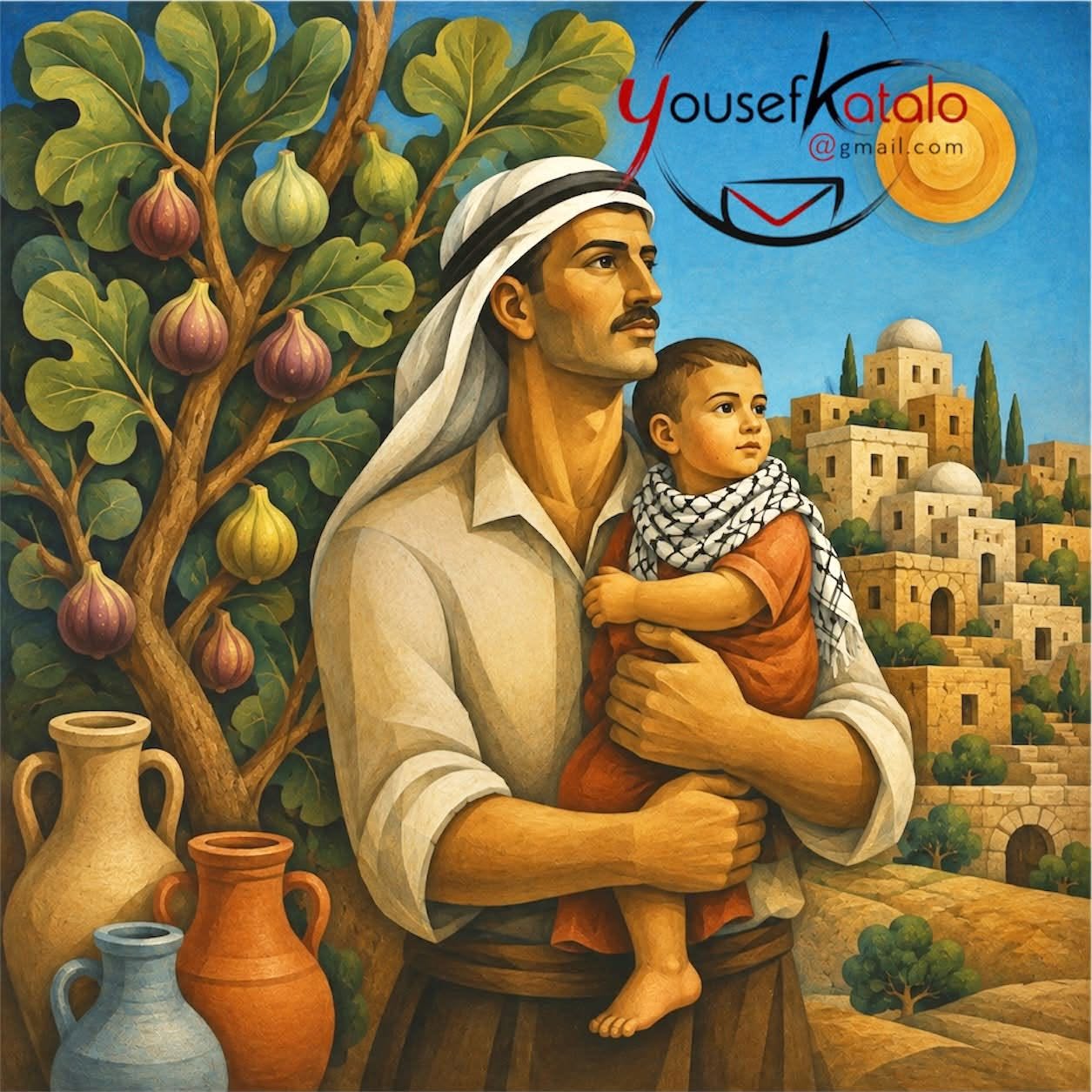
Welcome Ramadan

The whole Muslim world— 2 billion people—start fasting just before the sun raises to sun-down as commitment to God and his commands. The Sohour of eating before the sun raise is a religious ritual, designed to give us the strength to carry on the day till sundown when we break the fast.

Ramadan is a commitment to God, one of whose characteristics is to feel with the poor and hungry and realize the Almighty has bestowed upon you greater material things you should appreciate and not over-indulge in or use in excess.

We try to apply the teachings of the Quran and Islam during the holy month, and not indulge in over-eating after the breaking of the fast, but I suppose like anybody else we are guilty of not sufficiently feeling with the poor, despite the fact it is rife, and you see them everywhere men, women and children holding their hand out to you in the street and coming to your shop and asking for money.

But, this is human nature, the way we have been molded, from the day we were first conceived in the womb, that’s why Islam came to us as a source of spiritual salvation, as enlightenment, a methodology, a way of thinking, and a way of life to be connected to God.

I like Ramadan, because for one whole month our lives appear to be turned upside down. Our eating habits change, our sleeping habits change, we start praying on a regular basis, and maybe hear the word of God more often on our lips than we usually do in any other part of the year. Many start praying, the regular five times a day routine.

We are supposed to stop indulging in idle talk and stop talking about other people behind their backs and just keep to one self in spiritual solitude, praying to and thinking about the connection that binds us to God. In Islam, we are constantly told through the Koran to think how we are made, think of the universe, the earth and the skies, and ponder on the vastness and the extraordinary ability of that omnipotent being and examine that eclectic relations where we are supposed to obey commands, and are intrinsically related to the wishes of God, but at the same time have the freewill to make our decisions, and reach conclusions of our own.

I like Ramadan because we don’t spend much, we cut down on our spending habits, we eat what’s in the fridge, and that includes the leftovers, we eat lots of salad, or fatoush (bread and salad) and Qatayeef (small velvety bread with almonds or cheese and sugar) for sweetners, but try not to indulge, buy lots of Qamar Din (apricot drink ) for instance to prevent thirst.

My wife keeps telling me we are not representative of other people, who engage in a spending spree of over-buying food that necessarily goes to waste. We try to stick to basics, although consumption booms during the holy month.


We do however continue to drink Pepsi or Coke with guilt complexes about not boycotting the soft drinks because of being sold freely in Israel that is still widely regarded as an occupation state.

But we try console ourselves by saying the game of boycott is bigger than us, the fizzy soft drink maybe unbearable to resist despite the fact that more and more people maybe shying away. We say it’s a great game of power politics and economics and that the road to non-violent action is long and dreary, and needs commitment. Though many people are tutning to boycott these days because of the Israeli genocide in Gaza.

Instead we limit our devotion to the cultural, religious and spiritual aspects of life, ideas and feelings which we feel we have control over. We like to think of Ramadan as “civilizational”, enriching our soul, with good things in life ones that would please God. In themselves these are deep fulfilling issues but are they enough when so many things are wrong in this world!

Good for the tummy!

Ramadan has practical aspects as well. It is actually good for the stomach, it’s healthy, by a process of denial we are actually enriching our body. By ceasing to eat for one month, you are giving your stomach a rest, from the constant chewing and churning of food, from the everyday wants of avarice, indulging in unnecessary needs and unwanted desires.

As human beings, we constantly drive our selves beyond bodily needs, we eat, drink and copulate in excess, without realizing the damage we are doing to ourselves, our liver, intestines, heart and blood circulation.

In Ramadan our body clock sort of eases down, developing a slower pace to relax and push its muscles in the way it wants, by fasting we are in fact protecting our circulation system, stopping our hands from reaching for the cup of coffee all the time or the pack of cigarettes, from munching from the fridge at all hours of the day. Ramadan is about developing will-power and instituting a method to our life.

In Ramadan the focus shifts from superfluous wants to spiritual needs, with the net result of rejuvenating our bodies both physically and spiritually. Of course as Muslims, we need to increase that spirituality through constant prayers and the utterance of God on our lips which demands a certain amount of will-power to forego immediate pleasures like watching the television and Arabic soap operas which tend to be plenty of in Ramadan. We unfortunately fall guilty to these whims!

If we are fasting for strictly religious reasons, rather than those who just abstain for customary and social reasons—which is the case for quite a lot people—we don’t feel as hungry as the others because there is a purpose, objective and a goal in our fast.

Hunger and thirst is deflected through religious reverence, prayer and ablution that refreshes our very being and increases our will power to help our fellow-beings while devoting our mind, body and soul to a higher being, God.


Ramadan increases our spiritual perception, makes us more pious and in some cases humble. Ramadan lowers our threshold of selfishness, greed, individualism, immediate family interests. It makes the need for togetherness, collectiveness, know the needs of thy neighbor and extend a helping hand that much more greater.


Ramadan is about helping to build the nation and make it strong by making its communities wield together, it’s about kin and folk rather than parochialism and isolationism.

This article was piblished was published on the hackwriters website in 2007.

Continue reading
‘Israel Will Not be Able to Defeat Hezbollah’ – Military Expert

Israel will not succeed in achieving the goals it set in Lebanon and will not be able to defeat Hezbollah said military expert Retired Maj-Gen Mamoun Abu Nawar.

He pointed out Israel is still unable to cross the border into southern Lebanon due to the heavy losses and after seven failed attempts to do so by its soldiers.

He stressed Israel does not have the ability to defeat Hezbollah despite the losses and assassinations it carried out through its air strikes on southern Lebanon and Beirut’s southern district in the last two weeks.

Abu Nawar added to Jordan 24 the Israeli occupation army is trying to get out of the Gaza impasse and its inability to achieve the goals it announced there by opening the Lebanese front and is trying to cross the border and establish a foothold there to start extensive military operations later.

But he pointed out it is failing to do so after the heavy losses inflicted on its invading soldiers.

Abu Nawar explained opening a third front with Iran will not be easy and Israel does not have the ability to confront the strikes and ballistic and hypersonic missiles, which are considered among Iran’s most powerful weapons.

Abu Nawar pointed out that the air strike on Iran requires the approval of four countries for the aircraft to cross, namely Jordan, Saudi Arabia, Iraq and Syria. He noted Jordan has already refused for its airspace to be used by both parties and the other countries will not allow the use of their airspace because they will be partners in the operation and this is not easy either.

Abu Nawar continued that there are also technical, technological and logistical reasons for Israel’s inability to strike Iran by air, including because the lack of aircrafts available to refuel after they were taken out of service; and in this case it needs the intervention of the USA to supply it with them or use its military bases in the Middle East, and this is not possible at the present time.

Continue reading
Don’t Forget The West Bank Slaughter!

By Imran Khalid

Amid the ongoing violence and devastation in Gaza, much of the world has turned a blind eye to the equally volatile but less overt conflict simmering in the West Bank. While not as brutally visible as Gaza’s plight, the situation in the West Bank is equally dangerous, threatening to ignite unrest that could destabilize the Palestinian Authority and fuel ethnic cleansing.

Israel has steadily expanded settlements, demolished homes, and seized large swaths of land, targeting civilians in the process. Yet, global attention remains fixated on Gaza and Israel’s escalating war with Hezbollah in Lebanon. It is as if the world has forgotten that just a year ago, many feared the West Bank, not Gaza, would become the primary battleground between Israelis and Palestinians. Over the past two decades, the nature of the Israeli-Palestinian conflict has diverged significantly between Gaza and the West Bank. After Israel’s 2005 unilateral disengagement from Gaza, the region was left without Jewish settlers, creating a different kind of friction compared to the West Bank. [1]


Settlements are expanding day by day

On March 22, Israel’s Finance Minister Bezalel Smotrich announced the largest West Bank land seizure since 1993, setting a new course for Israeli settlement policy [2]. The move by Smotrich to declare 800 hectares in the Jordan Valley as state land paves the way for further development of settlements in this area sharing some 50 kilometers with Jordan.

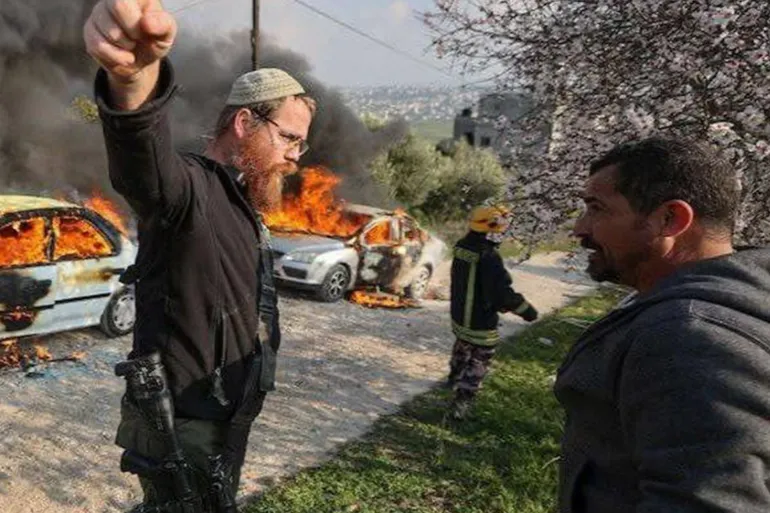
For the Palestinians, who distrust such moves, seeing them as serious threats to the creation of an independent Palestinian state — this feels like a knife in their back. It is the latest land grab that Palestinians see as a last step before creating an independent and contiguous state. Settlement expansion — which set a record last year, according to Israeli monitoring group Peace Now — has cast doubts over the feasibility of a two-state solution. The largest threat to the long term stability of the land is that, with each designation of land as state property, the probability of having peace shrinks. The ongoing expansion of settlements, land confiscation, and rising settler violence — often carried out with impunity — only compound the difficulties. In some cases, this is further exacerbated by the incident in which the Israeli army is providing either direct or tacit support.

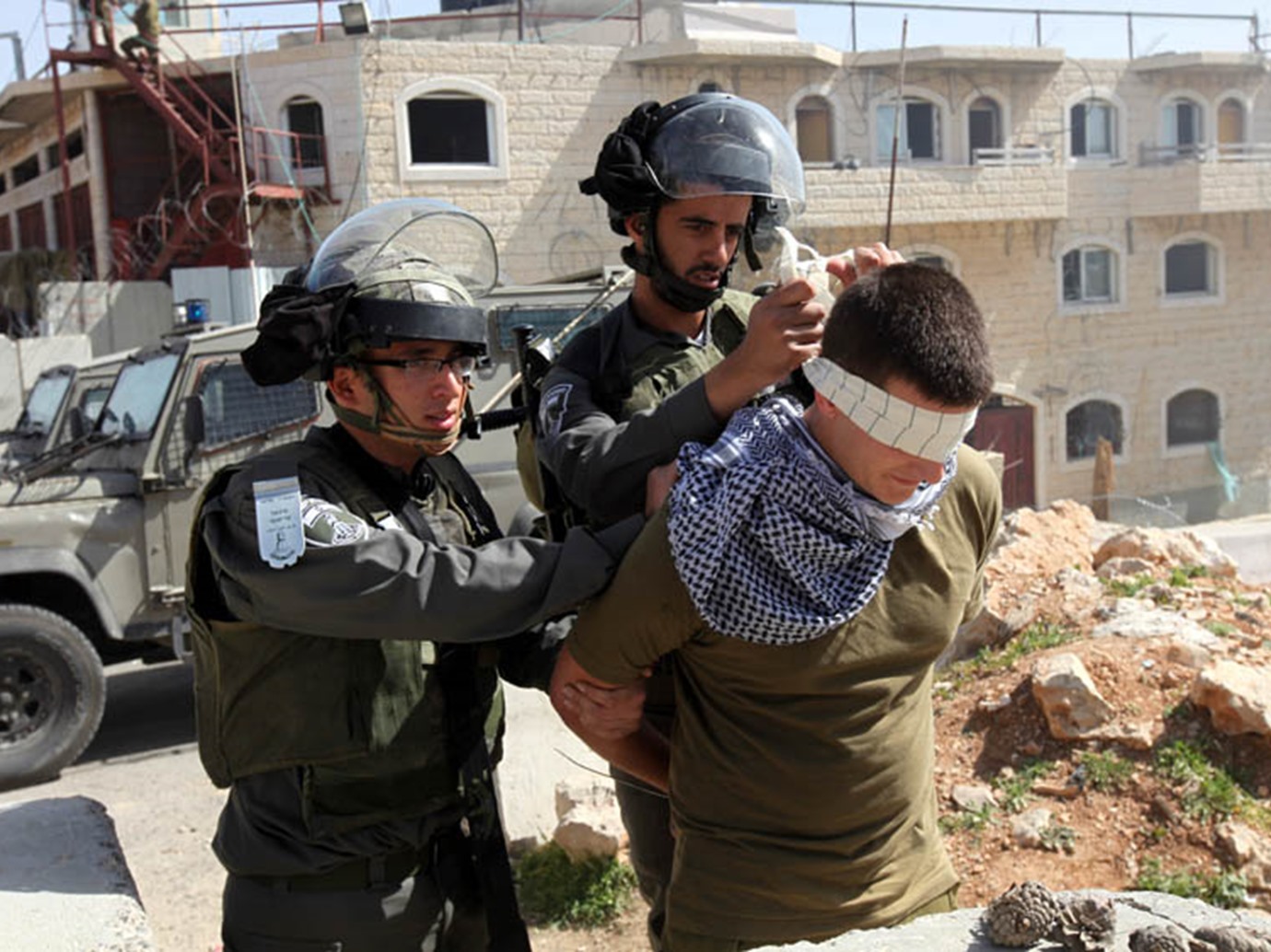
The Palestinian Authority’s Ministry of Health has stated that 716 Palestinians have died in the West Bank from Israeli military and settler violence since Oct. 7, including 160 children. Today, more than 5,750 have been wounded and over 10,000 detained in siege [3]. Nearly all arrests take place without going through a proper legal process, with the detainees imprisoned under Israel’s “administrative arrest” system – a method that bypasses international standards and in many cases denies those held the right to see either an attorney or even forthright details of the charges against them.

The two-state solution is being destroyed by Israel

The Israeli government is being accused more and more of implementing an annexation plan in the West Bank. The ramifications of this should alarm all nations that have historically supported a two-state solution, as verbal assurances and well wishes do little to mitigate the reality that Israeli security forces now operate at will in Area A — sovereign Palestinian Authority territory under the Oslo Accords [4].

Adding to this escalating tension are the inflammatory statements from Israeli officials. Israeli Foreign Minister Israel Katz over the weekend compared the military operations in Jenin and Tulkarm to those in Gaza, saying that we are at “war in every sense.” [5] His proposal of a similar evacuation process along the frontier where Palestinian civilians could be temporarily moved will only serve to add further fuel to the fire in an already volatile region.

Despite domestic political turmoil, Israeli Prime Minister Benjamin Netanyahu has artfully dodged blame as violence in Gaza and the West Bank rumbles on. He has practically dismissed calls for a two-state solution and openly defied the International Court of Justice. Netanyahu refuses to yield, a position that has crippled the fragile peacekeeping efforts in Gaza and aggravated fears of renewed violence in the West Bank. Netanyahu has now many excuses that could provide convenient cover for changes aimed at further entrenching Israeli control over the region.

The fate of the major part of the West Bank is crucial; without it, any prospective two-state solution will be dashed. Within Netanyahu’s ruling coalition are elements who seem intent on this very outcome, exerting considerable influence over the prime minister. In this context, Israeli Foreign Minister Israel Katz’s inflammatory rhetoric about the West Bank is more than just careless language — it may be a deliberate signal of the government’s intentions. As Netanyahu’s administration edges closer to what appears to be a calculated annexation strategy, the international community should question whether this is not only a consequence of policy but its very purpose.

[1] https://www.ndtv.com/world-news/israel-palestine-gaza-hamas-explained-israels-2005-gaza-disengagement-plan-and-full-siege-order-4466132

[2] https://www.aljazeera.com/news/2024/3/22/israel-seizes-800-hectares-of-palestinian-land-in-occupied-west-bank

[3] https://www.unocha.org/publications/report/occupied-palestinian-territory/humanitarian-situation-update-204-west-bank

[4] https://www.france24.com/en/middle-east/20240326-israel-s-largest-land-seizure-since-oslo-accords-deals-fresh-blow-to-palestinian-statehood

[5] https://www.timesofisrael.com/katz-slams-borrell-for-saying-he-called-for-displacement-of-west-bank-palestinians/

This opinion is reprinted from the Anadolu news agency.

Continue reading
To Great Gaza After 1 Year

By Awni Rajoub

A year has passed, and Gaza is still under fire, burning daily under a barrage of bombs and missiles. A year of total destruction, killing and displacing women, the elderly, and children. More 42,000 martyrs, including thousands of innocent children, fell victim to a war machine that knows no mercy.

Despite all this, and despite the ongoing pain, Gaza is still standing, steadfast, and resisting.

Doesn’t this represent the greatest victory for the human spirit? Doesn’t this express greatness and an invincible sense of belonging to the land and the homeland?

O Islamic nation, the Arab nation, where are you?

Gaza is screaming in pain, under its rubble are children waiting for hope, and its women are burying their sons under the dirt.

In the face of all this destruction, Gaza continues to resist. It resists the most hateful military force the world has ever known. An enemy that does not distinguish between a child, an elderly person, and a woman, an enemy that strikes without mercy, without compassion.

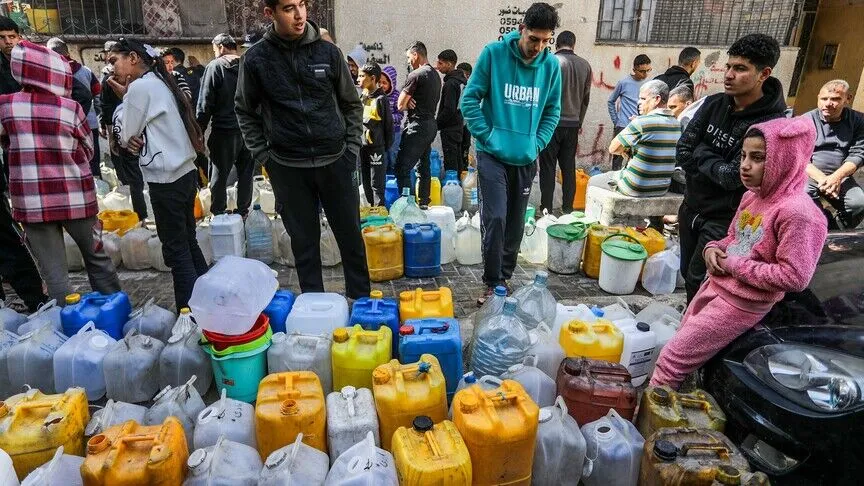
Gaza has no water, no medicine, no food. Yet its people eat the bark of trees and the grass of the earth to stay alive, to remain alive.

But they do not live only to survive, they live to fight. To tell the whole world: We are here, we do not die, we are not defeated.

As for you, O Arab nation, O Muslim nation of two billion, where are you from Gaza? Where is your anger? Where is your conscience? Where is your jealousy for your brothers and sisters in Palestine?

While you are swaying with joy and dancing in your streets, Gaza is burying its sons.

While you are silent, Al-Aqsa is being desecrated, and the land is being raped.

Where are you from this? How can you allow yourselves to remain silent in the face of this injustice?

But despite everything Gaza refuses to be broken. Gaza does not ask for pity, it asks for justice.

While it bleeds Gaza is telling the world: Israel is an occupying state, a state that kills children, a state that displaces innocents. Israel deserves nothing but condemnation and isolation from the international community. How does the world accept the continuation of this brutal occupation? How does it allow these crimes to go unpunished?

Gaza, a symbol of pride and dignity, we owe you for standing up despite all the wounds, despite all the pain. You are the one thar remains, your people will remain free.

Thank you Gaza, we have learned from you the meaning of steadfastness. We have learned from you that resistance is not an option, but a duty and a right.

You are dignity, you are hope and the desired

Gaza, Gaza in the heart of every Arab

Gaza, victory and joy in the hearts of all Arabs

Tomorrow is near for those who see it

This article was translated from Jordan24.

Continue reading