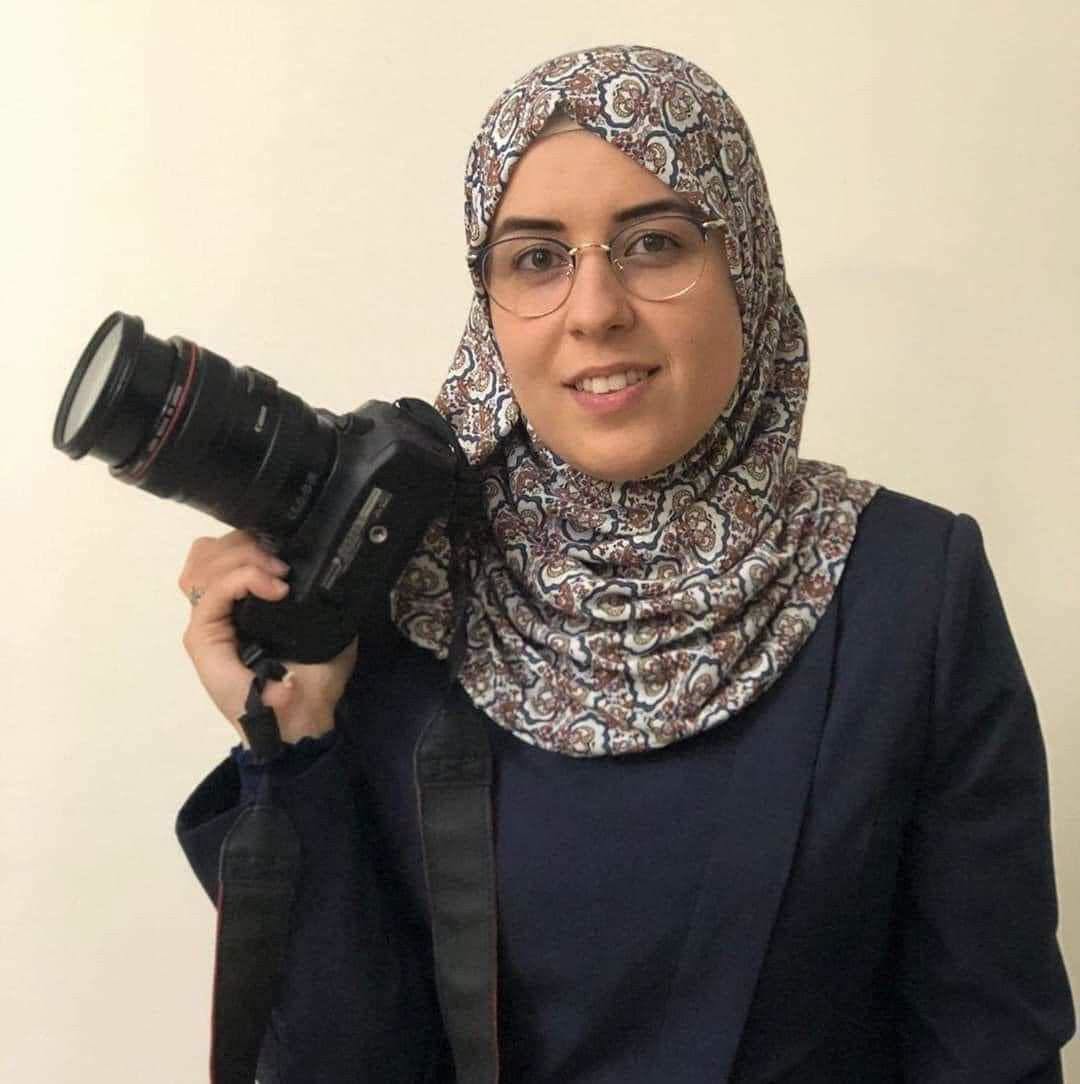
Bushra Al Tawil: Punished For Holding The Camera
  • HebaHeba
  • September 1, 2026

Bushra al-Tawil, 33, moved to solitary confinement at Ramla prison; she is part of 99 Palestinian women In Israeli jails.

Israeli authorities have moved Palestinian journalist and detainee Bushra al-Tawil, 33, to solitary confinement at Ramla prison, nearly six months after her arrest and transfer to administrative detention, the Palestinian Prisoner Society said Monday.

The group said al-Tawil, from the West Bank city of Al-Bireh, was arrested in February and later placed under administrative detention. She had previously been detained several times, most of them under the same procedure, it added.

Al-Tawil first experienced detention in 2011, when she was 18, according to the society. Her father, Jamal al-Tawil, also remains in an Israeli prison and is among Palestinian detainees who have spent extended periods under administrative detention.

The society said the family has faced repeated raids and harassment, including deliberate damage to their home during the arrests of Bushra and her father.

Al-Tawil had also been placed in solitary confinement several times during her current detention at Damon prison, the group said, describing the latest transfer as part of a broader pattern of punitive measures against her.

The transfer comes amid worsening conditions for Palestinian women held in Israeli prisons, including food deprivation, denial of medical care, solitary confinement, and poor detention conditions. It also said scabies had spread among female detainees amid inadequate hygiene and health care.

About 90 Palestinian women are currently held in Israeli prisons, according to the society.

‘Unprecedented level of brutality and disrespect’

The group said al-Tawil’s transfer followed a visit Sunday by extremist Israeli National Security Minister Itamar Ben-Gvir to the women’s section of Damon prison. Ben-Gvir posted footage from the visit “in a scene that embodies an unprecedented level of brutality and disrespect for the dignity and rights of female prisoners,” the society said.

The society accused Israeli authorities of subjecting female detainees to systematic raids, filming, and invasive searches, including forced strip searches.

It said solitary confinement, denial of medical treatment, food deprivation, and harsh detention conditions form part of policies imposed on Palestinian prisoners since Israel launched its genocide on Gaza in October 2023.

The group described Israeli prisons as having become “grounds for torture as one of the most prominent aspects of the ongoing crime of genocide” and held Israel fully responsible for the safety of al-Tawil and other Palestinian female detainees.

It called on international and human rights groups to work urgently to halt the violations and protect the prisoners.

About 9,500 Palestinians are held in Israeli prisons, including around 90 women and more than 350 children, who face food deprivation, torture, and medical neglect, according to Palestinian and Israeli rights groups. Anadolu
Continue reading
Analysis: Israel Assassinates to Change The Power Balance
  • HebaHeba
  • September 1, 2026

GAZA – The Gaza Strip is witnessing an escalation in Israeli assassinations and targeted killings. This is coinciding with US diplomatic efforts to advance the second phase of the 15-point Roadmap. This situation places the negotiation process in a highly sensitive position and to a political test.

This situation assessment made by Ibrahim Al-Hawajri for the Palestinian Center for Political Studies, analyzes the timing of the wave of attacks in the Strip for August 2026 and the American efforts led by US envoy Jared Kushner. It emphasizes however, that this correlation does not prove there is a direct causal relationship, but warrants monitoring and analysis.

Negotiations Under Fire

In late July 2026, Hamas agreed to a 15-point American roadmap for implementing the Sharm el-Sheikh Protocol commitments. These included confining and storing the movement’s weapons, the withdrawal of Israeli forces, and the establishment of an independent Palestinian technocratic administration to manage the Gaza Strip.

The Israeli government conditioned any withdrawal on the “genuine” and prior disarmament of Hamas, while the American-Egyptian proposal linked disarmament to a parallel withdrawal and a simultaneous reconstruction process.

On 16 August, a meeting was held in El Alamein between Jared Kushner, Nikolay Mladenov, and Tony Blair on one side, and Khalil al-Hayya, Egyptian intelligence chief Major General Hassan Rashad, and Qatari Minister Ali al-Thawadi on the other. The meeting lasted approximately 90 minutes.

This political activity coincided with the continuation of Israeli airstrikes on areas in Gaza, before the wave of attacks intensified following Kushner’s return and his meeting with Israeli Prime Minister Benjamin Netanyahu.

Escalating Targeting

The assessment noted a series of targeted attacks against figures associated with the Palestinian security and military establishment, including the killing of Colonel Wael al-Ladawi and his assistant, Major Ramez Abu Zureiq, on 26 July when their vehicle was bombed in Deir al-Balah.

Late July saw the assassination of the director of the Jabalia refugee camp police station, along with six officers and personnel. Less than three weeks later, Brigadier General Abdel Nasser al-Maqadma, the police chief of North Gaza Governorate, was also killed.

Two Israeli airstrikes on 19 August in Gaza City killed 10 Palestinians, including nine in the bombing of the municipal police headquarters, among them a woman and a child. Around 20 others were wounded. An Israeli military source also reported that a “Qassam Brigades commander” was targeted in the Nuseirat refugee camp.

A joint statement issued by Qatar, Egypt, and Turkey on 20 August condemned the Israeli attacks and called on the Trump administration’s Middle East Peace Council to ensure the Israeli government’s full compliance with the ceasefire agreement.

On 23 August, the Israeli army and Shin Bet announced the assassination of Ismail Abu Foul in the Maghazi area, claiming he was responsible for manufacturing explosive devices and anti-tank missiles.

Negotiating Pressure and Imposing Facts on the Ground

The assessment presents three dimensions to the escalation coinciding with diplomatic activity. The first is providing political and media cover for the strikes while international attention is focused on de-escalation efforts.

The second dimension is the depletion of the Palestinian leadership and security apparatus, necessitating a reorganization of ranks in parallel with managing sensitive negotiations.

The third dimension is the reframing of the cessation of assassinations as a bargaining chip that can be used to extract concessions, rather than as a fundamental requirement in a ceasefire agreement.

The assessment indicates that the Israeli narrative presents the targeted killings as military operations aimed at rebuilding combat capabilities, while Hamas denies the military status of several of those targeted and describes the targeting of police stations as an attack on civilian infrastructure.

Three Possible Paths

The assessment suggests that assassinations will continue in parallel with negotiations in the short term, given the ongoing disagreement over the sequence of disarmament and withdrawal. This could lead to protracted negotiations, partial agreements, and intermittent escalations.

The assessment also suggests a moderate likelihood of actual US pressure to halt the assassinations if the Trump administration deems Israeli operations a threat to its political project in Gaza. This would improve the chances of implementing the next phase of the agreement.

The assessment places the collapse of the negotiating track as the least likely but most dangerous scenario. An escalation of strikes and a retaliatory response could lead to a return to open confrontation and the collapse of the ceasefire.

Conclusion

The assessment concludes that the escalation of assassinations following Kushner’s visit does not prove there is a joint US-Israeli decision to escalate, but rather reveals a conflict over the rules of engagement for the next phase.

It indicates that the occupying government seeks to maintain its instruments of force, assassination, and field pressure alongside the negotiating table, while Washington attempts to push the parties toward a new political formula.

The assessment confirms that the future of the Gaza negotiations will not be determined solely within the confines of Cairo and Washington, but also by the realities on the ground. The party capable of imposing facts on the ground will be best positioned to influence the shape of any agreement reached at the negotiating table according to the Palestinian Information Center.

Continue reading
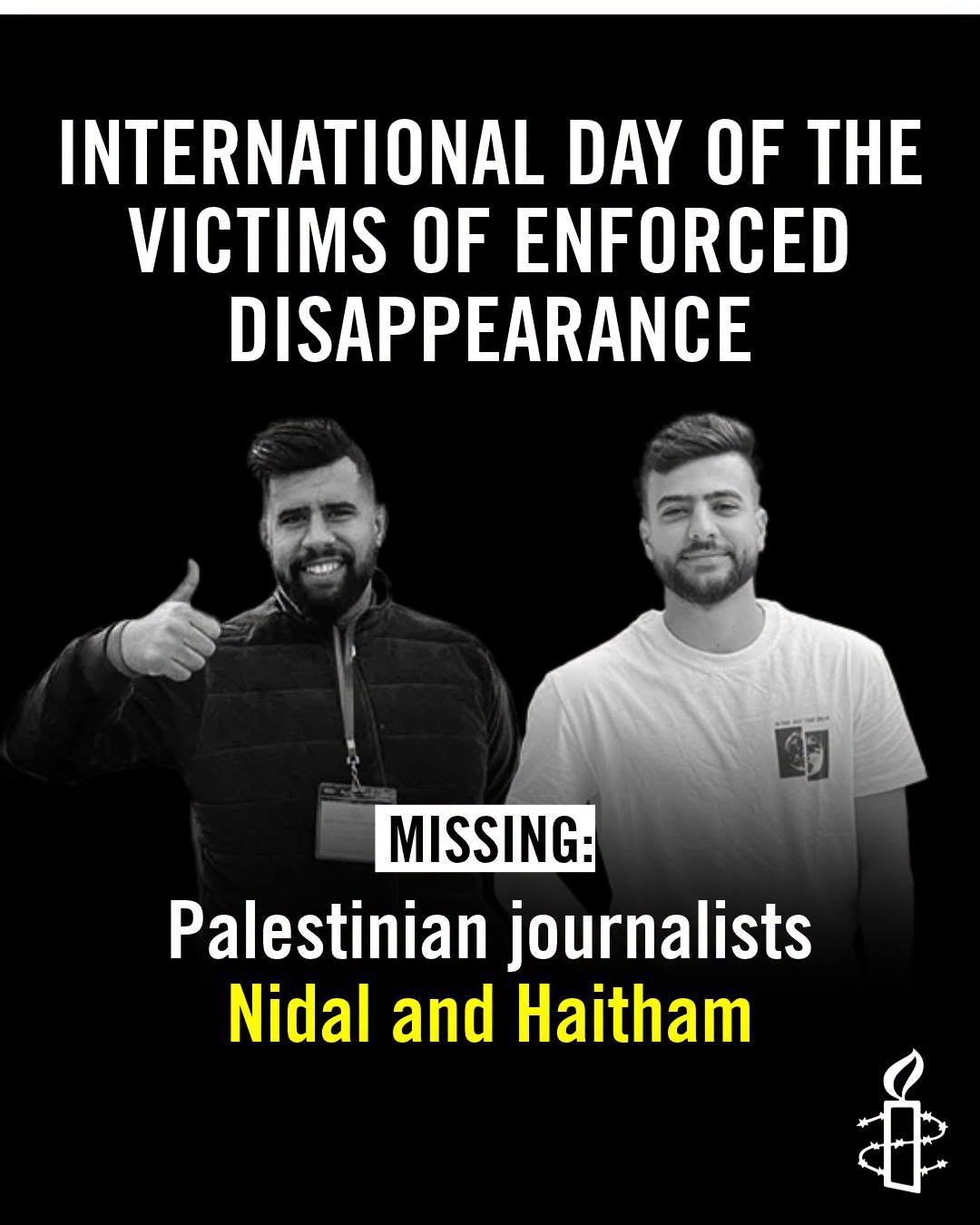
Palestinian Journalists, Nidal and Haitham, Missing
  • HebaHeba
  • August 31, 2026

Amnesty International USA:

Israeli forces detained Nidal al-Waheidi and Haitham Abdelwahed three years ago. We don’t know why or where they are or even if they’re alive. Their families have no idea where they are or if they’ll ever see them again.

Help us mark the International Day of the Victims of Enforced Disappearances by demanding the immediate release of Nidal and Haitham.

We need answers. We need justice. Take action now: https://bit.ly/4y8qjrh

Continue reading
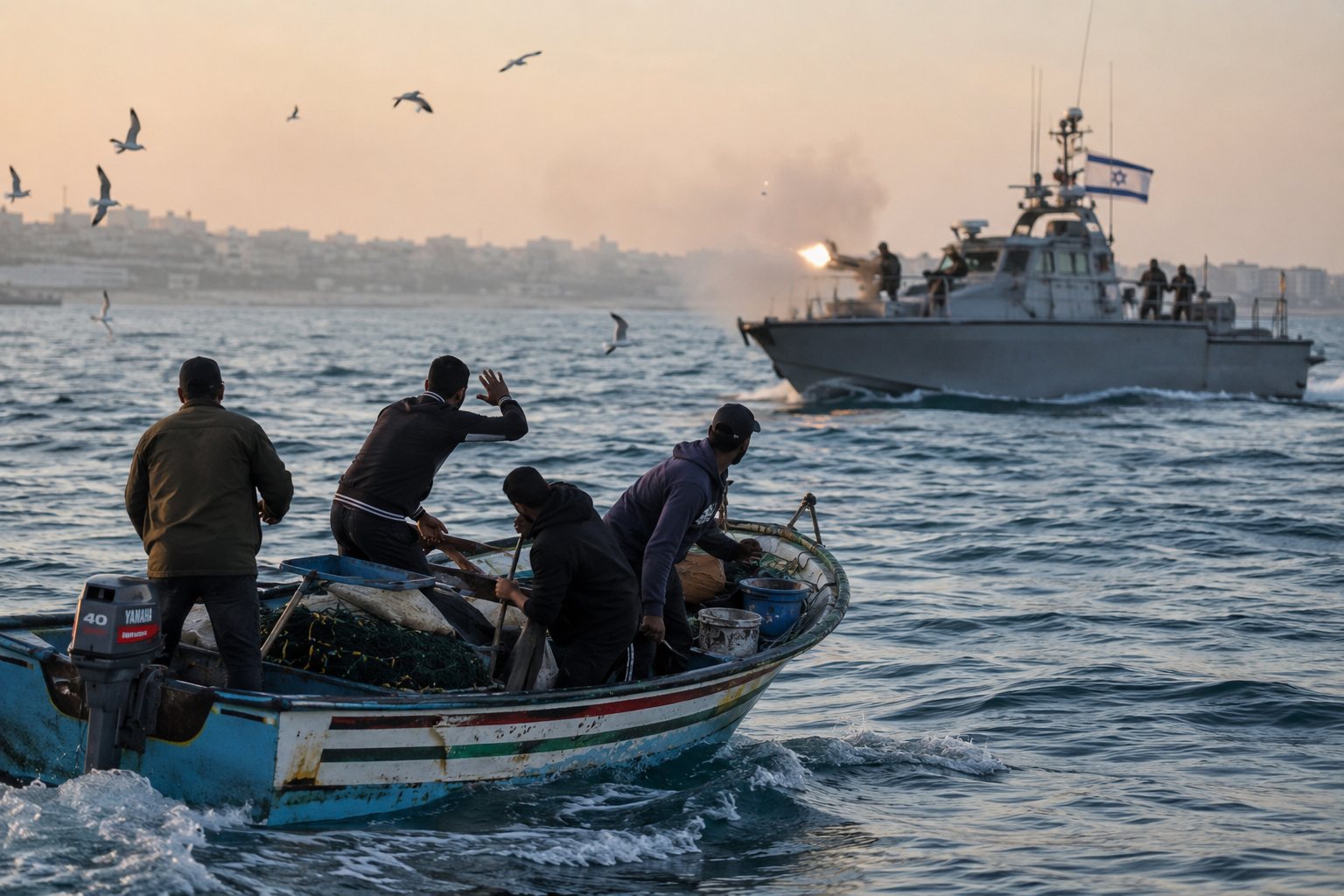
Israeli Gunboats Fire at, Injure 5 Gaza Fishermen

The sea, which Gaza fishermen traditionally frequent to provide for their families, has remained hazardous and not safe even after the 10 October, 2025 ceasefire was declared. Early Monday morning, five Palestinian fishermen were wounded by Israeli gunboats gunfire while working off the coast of Gaza City. This incident adds to a long list of attacks targeting fishermen.

The Palestinian Red Crescent Society reported that its crew transported five wounded fishermen from the Gaza port area. Three were taken to the Society’s field hospital, Al-Saraya, while the other two were transferred to Al-Shifa Hospital for treatment.

The fishermen were injured while working off the coast of Gaza City after Israeli gunboats opened fire on their boats.

Livelihood Under Fire

The Palestinian Ministry of Agriculture stated that the attack represents another instance of the repeated targeting of fishermen and is part of a policy aimed at cutting off the livelihoods of those working in the maritime and agricultural sectors and depriving them of their most basic rights.

The Ministry stated that the attacks have transformed fishing, a vital source of income for many Palestinian families, into a life-threatening activity for those working at sea. It called upon human rights and international organizations to intervene, halt these violations, and provide protection for fishermen and farmers.

Thus, Gazan fishermen no longer go to sea solely to face the difficulties of fishing, fuel and equipment shortages, and damaged boats, but also the risk of being shot at, at a time when job opportunities and income sources have become extremely limited in the Gaza Strip.

They are not the first victims. United Nations data reveals that today’s incident is not an isolated one but part of a continuing pattern of attacks and restrictions targeting the fishing sector in Gaza.

In a previous report, the United Nations Office for the Coordination of Humanitarian Affairs (OCHA) cited the Office of the United Nations High Commissioner for Human Rights (OHCHR) as documenting 28 attacks on fishermen and fishing sites between 7 October, 2023, and 31 December, 2024. The Palestinian Ministry of Agriculture stated that, as of 11 December, 2024, the Israeli army killed approximately 200 fishermen and workers in the fishing sector, out of nearly 6,000 who were employed in this profession before the war.

During the period from 1 January to 16 May, 2025, the OHCHR documented 28 incidents against fishermen, resulting in the deaths of 11 fishermen and injuries to 34 others, in addition to the brief detention of two fishermen before their release.

These figures indicate that targeting fishermen was not a phenomenon limited to the early days of the war, but continued afterward through gunfire, restrictions on access to the sea, and the destruction of fishing equipment.

In its June 2026 report, OCHA stated that access to the sea remained prohibited and fishing activities were effectively restricted, depriving fishermen of their livelihoods and limiting the chances of early economic recovery in the sector. The report also noted the continued occurrence of Israeli gunfire incidents near fishermen or on the shore.

OCHA emphasizes that the restrictions on access to the sea are part of broader restrictions on livelihoods in Gaza, including limitations on access to agricultural land, movement, and the entry of essential goods and supplies.

For the fishermen, the injury of five of their colleagues is not just another incident; it means that going out to sea in search of food and income can end in injury, the loss of their boat, or the loss of their livelihood.

Thus, the sea transforms from a space meant to provide food and work into one fraught with danger and restrictions. In Gaza, a fisherman needs nothing more than a boat, a net, and safe waters to support his family, but when the sea itself becomes a source of danger, the search for fish becomes a search for survival as per the Palestinian Information Center.

Continue reading
Christian Schools Strike in Jerusalem. Why?

All Christian schools in Jerusalem announced Monday evening that they will suspend classes starting Tuesday after Israel failed to renew entry permits for more than 70 teachers and staff, preventing them from reaching their schools.

The new academic year in Israel and Jerusalem is scheduled to begin Tuesday.

In a statement, the Christian schools in Jerusalem said that as they prepared to open for the 2026-2027 academic year, they were surprised by the “failure to renew entry permits for more than 70 teachers and employees from our educational, administrative and support staff, suddenly and without prior warning.”

They said the failure to renew the permits prevented the teachers and employees from reaching their schools and directly affected preparations for the start of the academic year.

The absence of such a large number of staff affects various aspects of school operations, including educational, administrative and health services, as well as cleaning and security and safety measures, the statement said.

The schools said the situation “makes it impossible to ensure a safe and stable start” to the academic year for students.

Following consultations and coordination with relevant parties, parents’ representatives and Jerusalem schools, they decided to suspend classes beginning Tuesday, Sept. 1.

The suspension will continue “until the necessary permits for teachers and employees are reissued and renewed, ensuring that the educational process proceeds safely and properly,” they added.

The schools stressed their commitment to students’ right to education, warning that repeated measures of this kind “undermine the stability of our schools and hinder their ability to fulfill their mission,” while negatively affecting students, their families and educational staff.

They called for the crisis to be resolved as soon as possible and for the permits to be renewed to allow students and staff to return to schools and the academic year to proceed normally.

Separately, Munther Isaac, pastor of the Evangelical Lutheran Christmas Church in the West Bank city of Bethlehem, condemned the Israeli measure.

“Israel’s pressure on the Christian presence in Jerusalem continues,” Isaac said on US social media company X.

“Christian schools in the city are going on strike because Israel refuses to issue permits to their West Bank teachers,” he added.

Since October 2023, Israel has restricted entry permits for Palestinian workers from the occupied West Bank, including teachers, coinciding with the start of the genocidal war in the Gaza Strip. Anadolu

Continue reading