Israeli Kills 5, Injures 24 in Strikes on Lebanon
Heba
- September 5, 2026
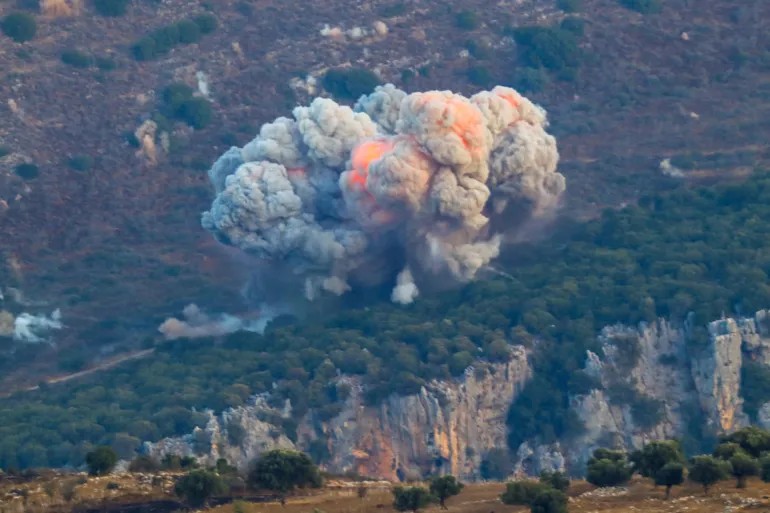
Five people were killed and 24 others wounded, Saturday, in a series of Israeli airstrikes targeting various areas in southern and eastern Lebanon. This marks the latest escalation in military operations.
The Lebanese Ministry of Health reported that one person was killed and 15 others were wounded, including six paramedics, three women, and two children, in an airstrike that targeted the town of Al-Ramadiyah in the Tyre district of southern Lebanon.
Other airstrikes resulted in the deaths of two people in the town of Kfar Rumman in the Nabatieh district, and injuries to three in Nabatieh al-Fawqa and four in Mayfadoun. Airstrikes on Friday also targeted areas in Nabatieh al-Fawqa.
The Israeli military has continued its military escalation in Lebanon since 2 March, including airstrikes, artillery shelling, and ground operations, targeting residential areas, infrastructure, and facilities in the south and east.
The escalation comes despite the framework agreement signed by Lebanon and Israel on 26 June, under US auspices, which stipulated a gradual withdrawal of Israeli forces from southern Lebanon, coinciding with the deployment of the Lebanese army. Subsequent negotiations focused on the mechanisms for implementing the agreement and completing the withdrawal.
The ongoing Israeli aggression against Lebanon since March has so far resulted in the deaths of 4,350 people and injuries to 12,307 others, in addition to the displacement of more than one million people according to Quds Press.
 marwan



 CrossFireArabia