Trump: Arrest of Mahmoud Khalil is The First of Many’

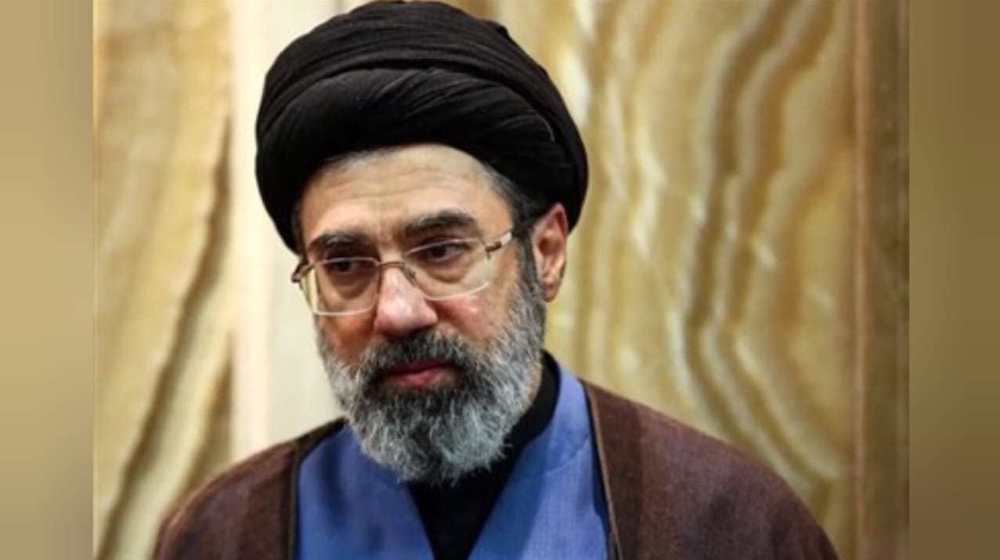
Mahmoud Khalil, an Algerian citizen of Palestinian descent and a US green card holder, is facing deportation after being arrested by federal immigration officials on March 8.
A leader of student protests at Columbia University, Khalil’s arrest has been described by US President Donald Trump as the “first of many” as his administration ramps up its crackdown on campus opposition to the Gaza war. But a federal judge has temporarily halted the 30-year-old’s expulsion from the US.

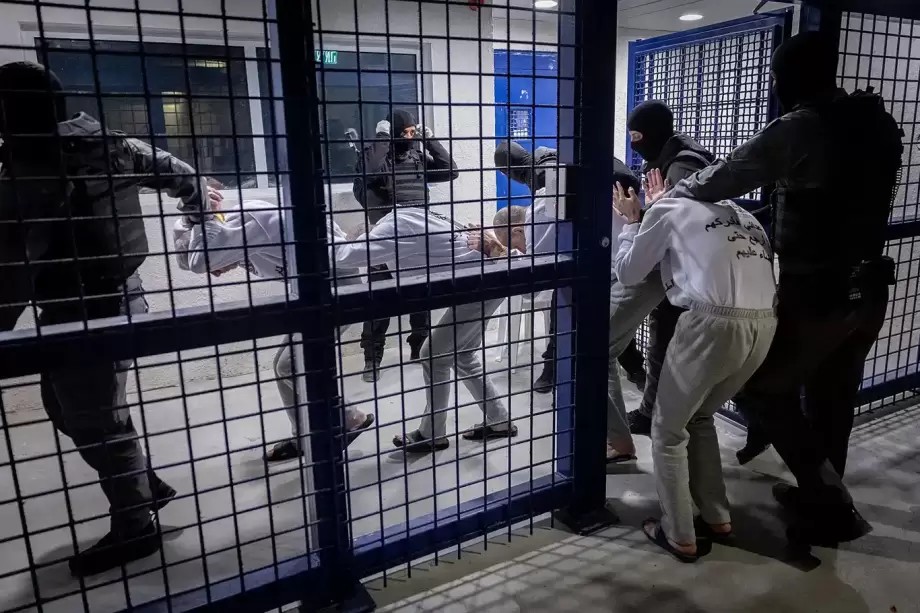
As a legal permanent resident, Khalil was detained without a warrant by the US Department of Homeland Security (DHS) officials as he and his wife were returning to their Columbia University-owned apartment in upper Manhattan.

The agents initially claimed his student visa had been revoked, but after Khalil’s wife provided proof of his green card status, they stated that his green card was also being revoked and took him into custody.

DHS justified Khalil’s arrest by citing his involvement in “activities aligned to Hamas, a designated terrorist organisation,” under the framework of Trump’s executive orders aimed at “prohibiting anti-Semitism.” 

“Khalil’s case has been the most publicly known case of an arrest by DHS officials of a pro-Palestine protester from a college campus or a university campus” said Meghnad Bose, a Delacorte Fellow at the Columbia Journalism Review, and one of the journalists who broke the news of the arrest.

A recent graduate from the School of International and Public Affairs (SIPA), Khalil was a prominent figure during the 2024 Columbia University pro-Palestinian campus occupations.

He acted as a spokesperson and negotiator for demonstrators who condemned Israel’s military actions in Gaza and advocated for the institution to sever financial ties with Israel and companies supporting the genocide.

Recently, Khalil was among the pro-Palestinian activists investigated by a new disciplinary body at Columbia University established to address harassment and discrimination complaints. 

Days before his arrest, an online campaign targeting Khalil was launched by pro-Israeli groups and individuals, including Columbia Business School professor Shai Davidai, who called for his arrest and deportation.

These posts tagged U.S. officials such as President Trump, Secretary of State Marco Rubio and Attorney General Pam Bondi.

“That is definitely a suspicious turn of events. Was the DHS conducting its own investigation into Khalil prior to all of this? Or were they just acting on cue based on what these pro-Israel groups and individuals posted online?” Bose said.

Initially believed to be in a New Jersey facility, Khalil was confirmed to be at LaSalle Detention Centre in Louisiana on March 10. On the same day, Judge Jesse M. Furman ruled that Khalil cannot be removed from the US without court approval.

The actions against Khalil coincided with the Trump administration’s decision to cancel around $400 million in federal grants to Columbia University, citing the “failure to protect Jewish students from anti-Semitic harassment.” 

The university’s response to Khalil’s arrest has been criticised for its lack of transparency and action.

The day before the arrest, Khalil emailed Columbia interim president Katrina Armstrong: “Since yesterday, I have been subjected to a vicious, coordinated, and dehumanising doxxing campaign led by Columbia affiliates Shai Davidai and David Lederer who, among others, have labelled me a security threat and called for my deportation.”

He continued, “I have not been able to sleep, fearing that ICE or a dangerous individual might come to my home. I urgently need legal support, and I urge you to intervene and provide the necessary protections to prevent further harm.”

Reports surfaced of the US Immigration and Customs Enforcement (ICE) agents being spotted on campus throughout the week of the arrest. In response, Columbia University issued a memo over the weekend advising faculty and staff not to interfere in “exigent circumstances” when ICE agents seek access to university buildings or individuals without a warrant.

Khalil’s arrest has sparked a wave of protests on campus, with students, including Jewish ones, rallying in opposition to DHS’s actions, demanding that ICE be removed from university premises. 

“Especially vulnerable are the international students, because many of them feel that if they post on social media now, if they attend a protest, they might end up being deported,” Bose said, raising concerns about the right to protest within university communities.

Khalil’s arrest also seems to be part of a broader political strategy targeting universities. 

“This is happening specifically to someone who is Palestinian and who stood up for the rights of Palestinians in Gaza. So this is not just a cause agnostic free speech issue,” he added.

Donald Trump has frequently targeted Columbia University for its students’ advocacy for Palestinian rights in Gaza, including during his electoral campaign.

“The Gaza Solidarity encampment at Columbia inspired similar encampments not just across the United States, but across the world,” he said.

“It seems rather clear that they [the Trump administration] want to make Columbia [an] example for communities of students and faculty around the country, that even an Ivy League University in New York City will not be spared the wrath of the American government for having protested against the policies of the American government as it relates to Israel.”

This report is written by Francesca Maria Lorenzini for the Jordan Times

Continue reading
The A, B, C to Rebuilding Gaza

By Dr Raad Mahmoud Al-Tal

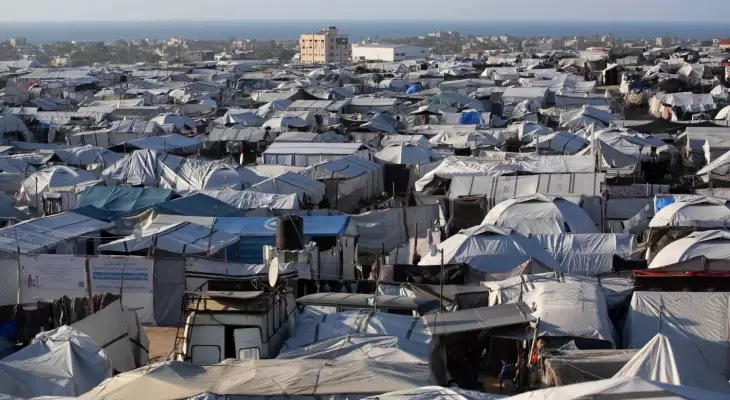
According to the Gaza reconstruction plan report from the temporary Arab Summit in Cairo, Gaza’s economy shrank by 83 per cent in 2024. Unemployment rose to 80%, and inflation reached 309.4 per cent in October 2024 due to severe supply shortages. On the humanitarian side, 91 per cent of Gaza’s population faces food insecurity, and this number is expected to rise to 1.95 million by April 2025. The healthcare system is collapsing, with 64 per cent of primary health centers out of service, and 25 per cent of the injured require long-term rehabilitation. Education is also in crisis, with 745,000 children out of school because schools were either destroyed or used as shelters. Over a million children need psychological and social support, and there are between 17,000 and 18,000 unaccompanied children, which makes child care even more difficult.

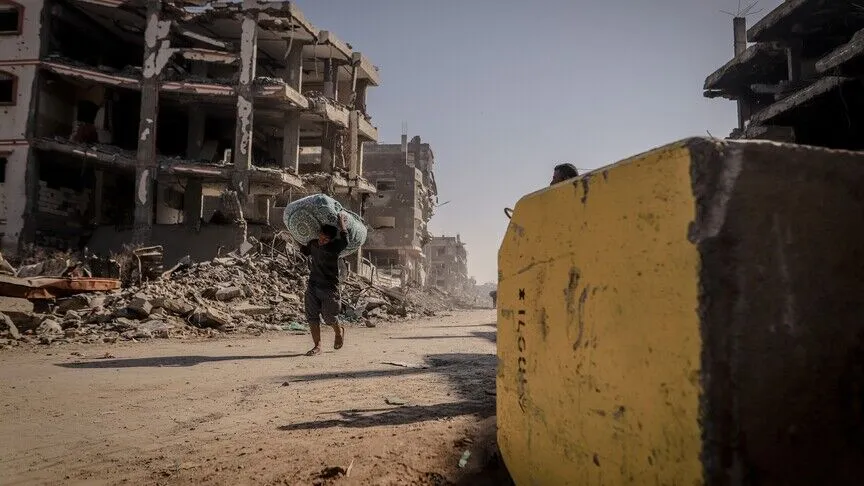
The damage in Gaza is divided into three categories: areas completely destroyed, which need the rubble cleared and infrastructure rebuilt from scratch; semi-destroyed areas, which need repairs to restore basic services; and lightly damaged areas, which require limited work to restore services and ensure ongoing reconstruction. The damage is assessed by comparing the current situation to how things were before the crisis, and the affected assets are classified into three levels: fully destroyed, partially damaged, and lightly damaged.

The reconstruction plan has two phases. The first phase, early recovery, will take 6 months and cost $3 billion. This phase includes clearing rubble, repairing main roads, providing 200,000 temporary housing units, and restoring 60,000 damaged homes. The second phase, which is the main reconstruction phase, will take 5 years and cost $50 billion. It is split into two parts: The first part, lasting 2 years at a cost of $20 billion, involves finishing the rubble removal, building 200,000 homes, repairing 20,000 acres of farmland, and setting up water desalination plants and sewage treatment facilities. The second part, lasting 2.5 years at a cost of $30 billion, involves building 200,000 more homes, developing ports, creating an industrial zone, and building a coastal road.

Housing has been the hardest-hit sector, with 15,000 homes completely destroyed. The plan aims to build 150,000 new homes and provide 100,000 temporary homes, costing $15 billion. About 30 per cent of Gaza’s farmland was also destroyed, requiring the rehabilitation of 10,000 hectares at a cost of $5.6 billion. The water and electricity sectors also need significant investment to keep providing essential services to the people. The total cost of reconstruction is estimated at $53 billion over 10 years. The funds for this will come from international donors, humanitarian organizations, and local investments. Around $4.5 billion will be for development projects, and $18 billion will go toward infrastructure.

For the reconstruction plan to succeed, it is important to get enough financial resources to fix the huge damage in Gaza. This will help restore normal life and improve the economic and social situation, leading to long-term sustainable development. To ensure the plan works, it is crucial to have different sources of funding. These could include the United Nations, international financial organizations, donor countries, investment funds, government agencies, development banks, and civil society groups.

An international trust fund will be set up to manage the funds efficiently, ensuring transparency and proper oversight. The Egyptian government will also hold a high-level conference in Cairo, in partnership with the Palestinian Authority and the United Nations, to gather the necessary support for the reconstruction plan. This conference will bring together donor countries, international and regional financial institutions, the Palestinian and international private sectors, and civil society organizations. It will be a key event to secure financial resources and suggest investment projects that can be implemented with the help of supporting organizations.

The writer is head of the Economics Department – University of Jordan – [email protected]

Continue reading
Trump: ‘Nobody is Expelling Any Palestinians,’ From Gaza

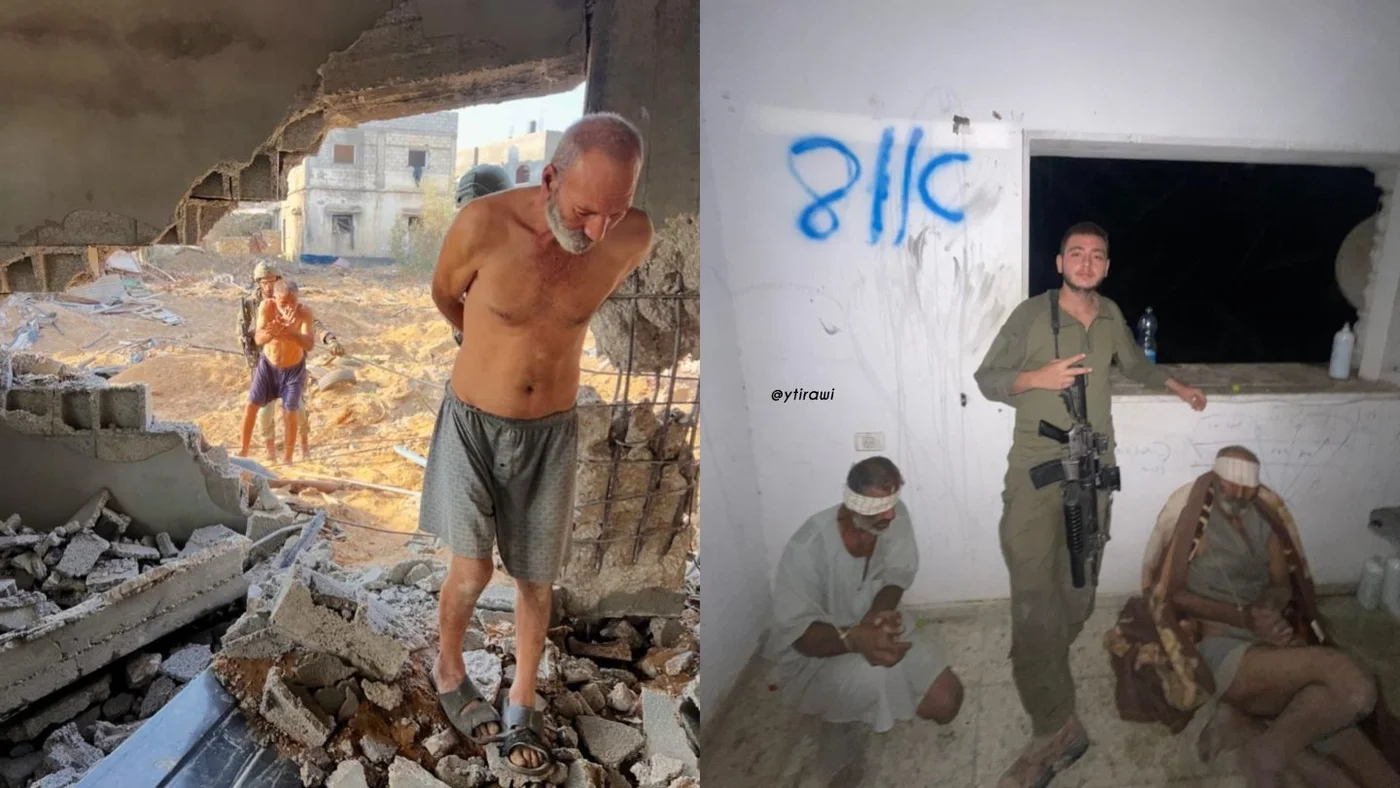
U.S. President Donald Trump appeared to reverse his controversial plan to forcibly expel Palestinians from Gaza, following widespread rejection, stating, “nobody is expelling any Palestinians” from the war-torn enclave.

During an Oval Office meeting with Irish Prime Minister Micheál Martin on Wednesday, a reporter asked about Trumps plans to expel Palestinians from Gaza and whether he had discussed the matter with the Irish leader. Trump responded, “Nobody is expelling any Palestinians,” according to the Quds News Network.

Trump had previously proposed permanently and forcibly displacing Palestinians from Gaza and transforming the area into what he called the “Riviera of the Middle East.” His plan envisioned a developed, Palestinian-free zone under US control and ownership, where “the world’s people” could reside.

He also suggested that Jordan and Egypt take in displaced Palestinians, a proposal that both countries firmly rejected. Legal experts, along with Palestinians, condemned the plan, calling it “ethnic cleansing.”

Hamas has welcomed Trump’s Wednesday remarks. Hazem Qassem, spokesperson for Hamas, said, “If President Trump’s statements represent a reversal of the plan of displacing the people of Gaza, they are welcomed. We call for this stance to be followed by holding the occupation accountable for implementing all ceasefire agreements,” urging Trump not to “align with the extremist right-wing Zionist agenda.”

Meanwhile Jordan, Thursday welcomed President Trump’s remarks made on Wednesday, which affirmed that the residents of Gaza would not be required to leave the war-torn Strip, according to a Foreign Ministry statement.

Sufyan Qudah, the ministry’s spokesperson, reiterated Jordan’s support for efforts aimed at achieving a peace that is acceptable to all parties, highlighting that both Jordan and the United States are partners in these efforts according to The Jordan Times.

Qudah also underscored the importance of securing a just and lasting peace, one that leads to the establishment of an independent and sovereign Palestinian state based on the 1967 borders, with East Jerusalem as its capital. He reaffirmed that the two-state solution remains the only viable pathway to ensuring long-term security, stability, and peace in the region.

Trump said on Wednesday that “nobody is expelling any Palestinians from Gaza,” in response to a question during a meeting in the White House with Irish Prime Minister Micheál Martin.

Continue reading