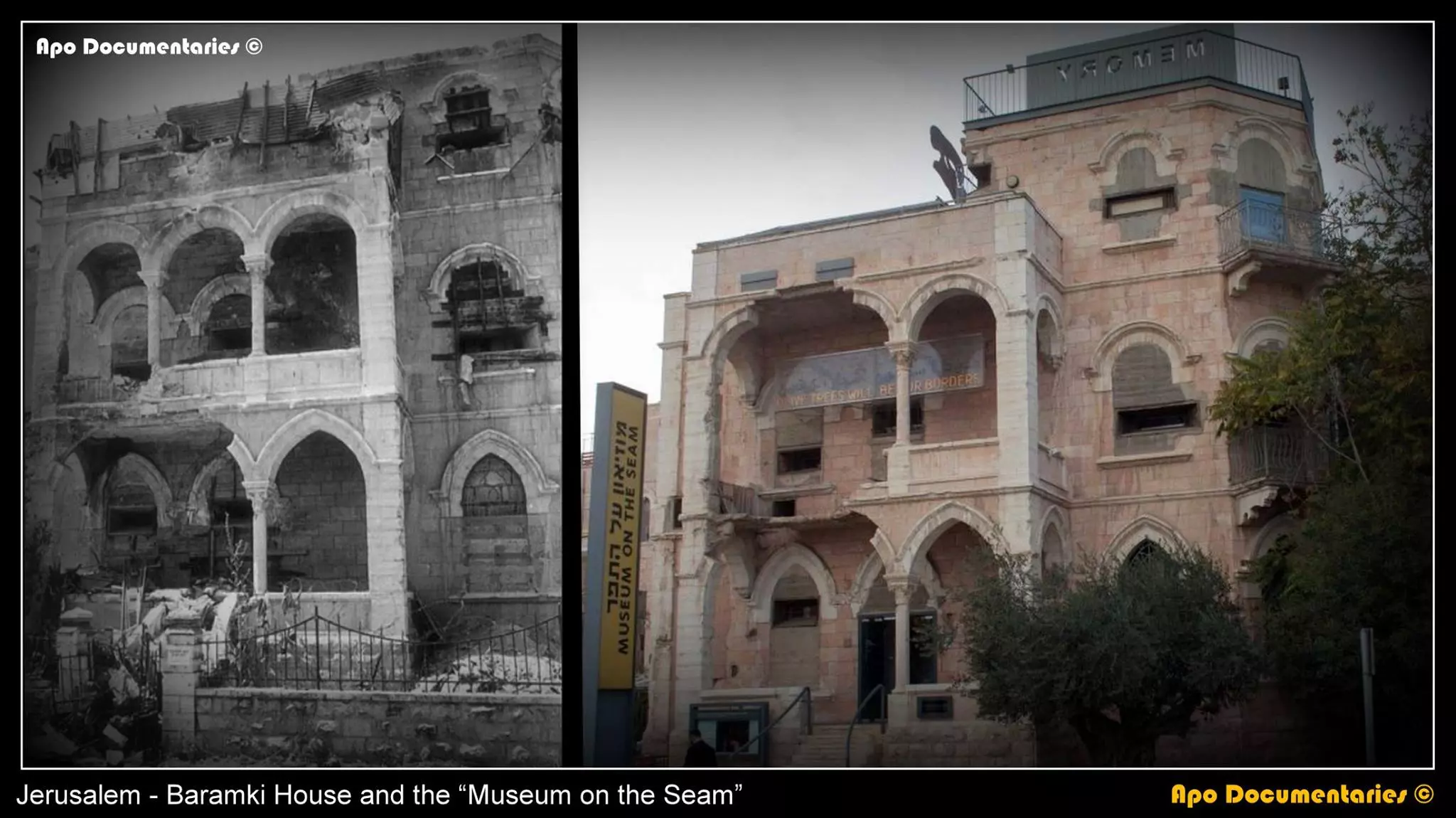
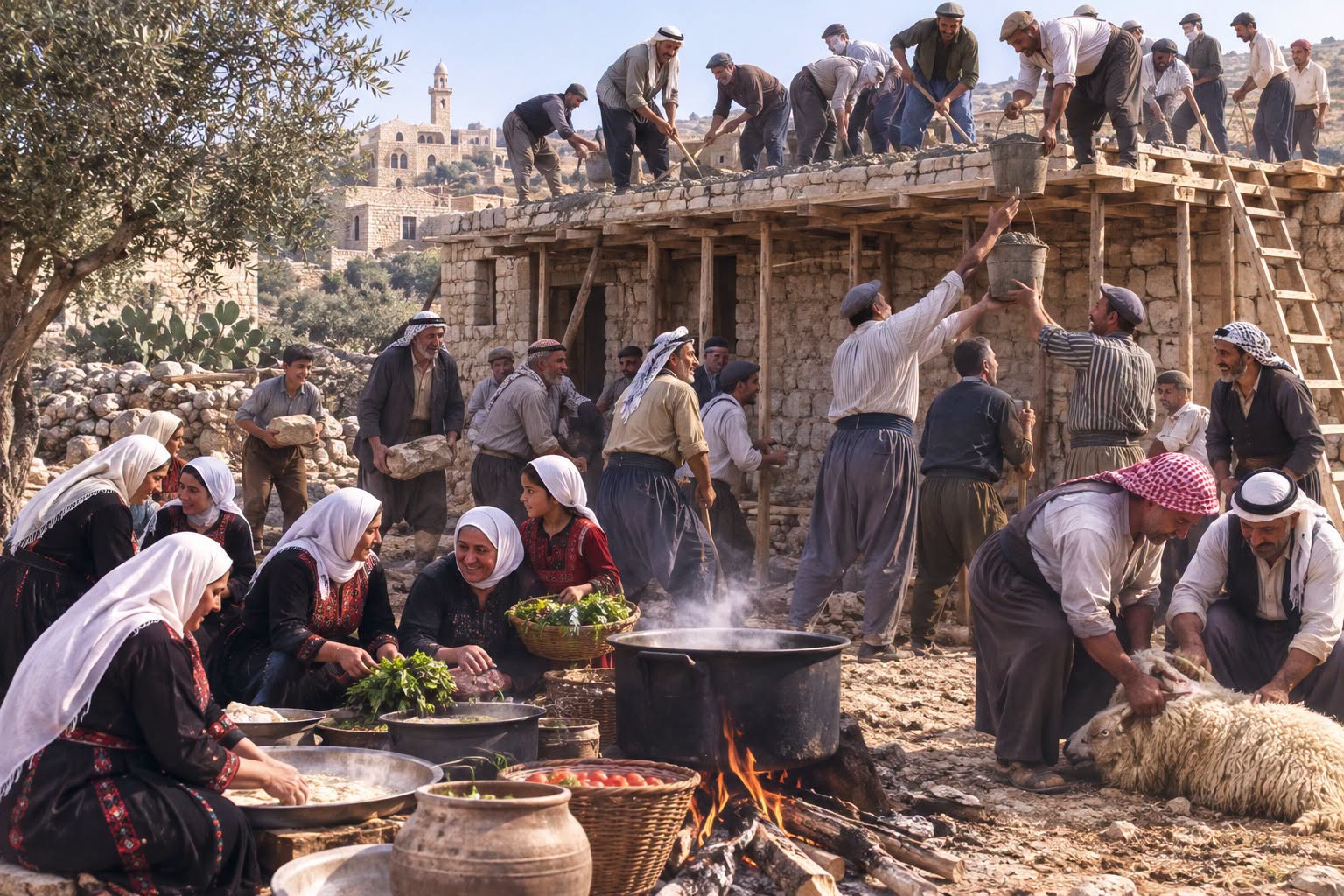
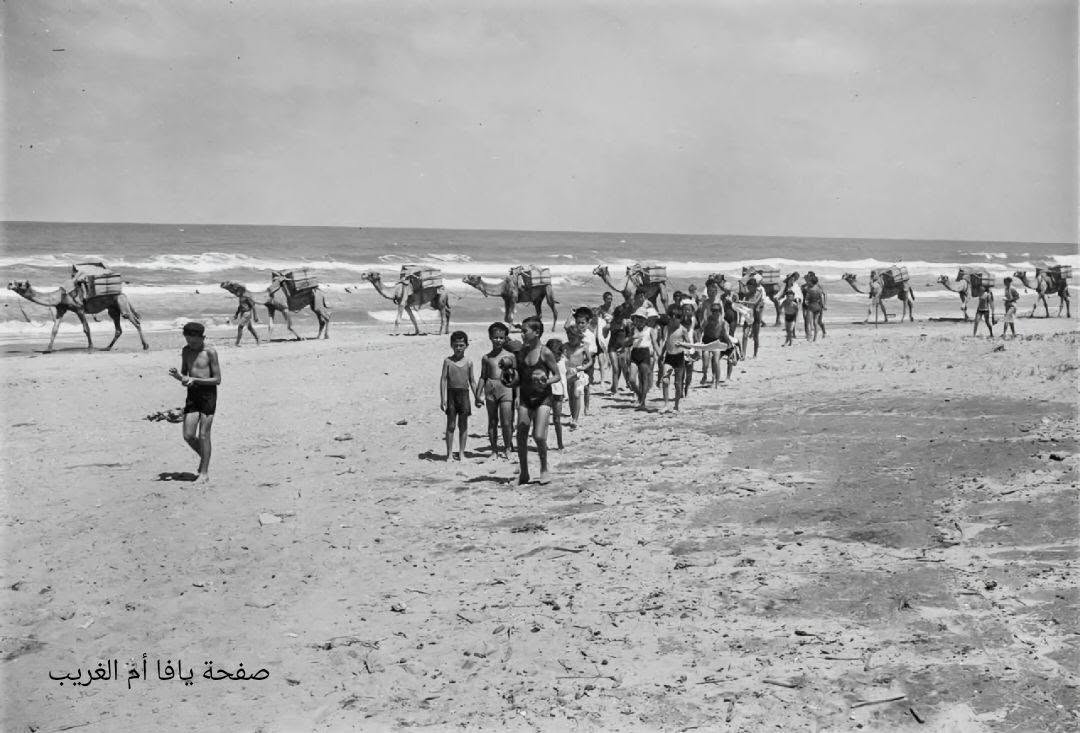
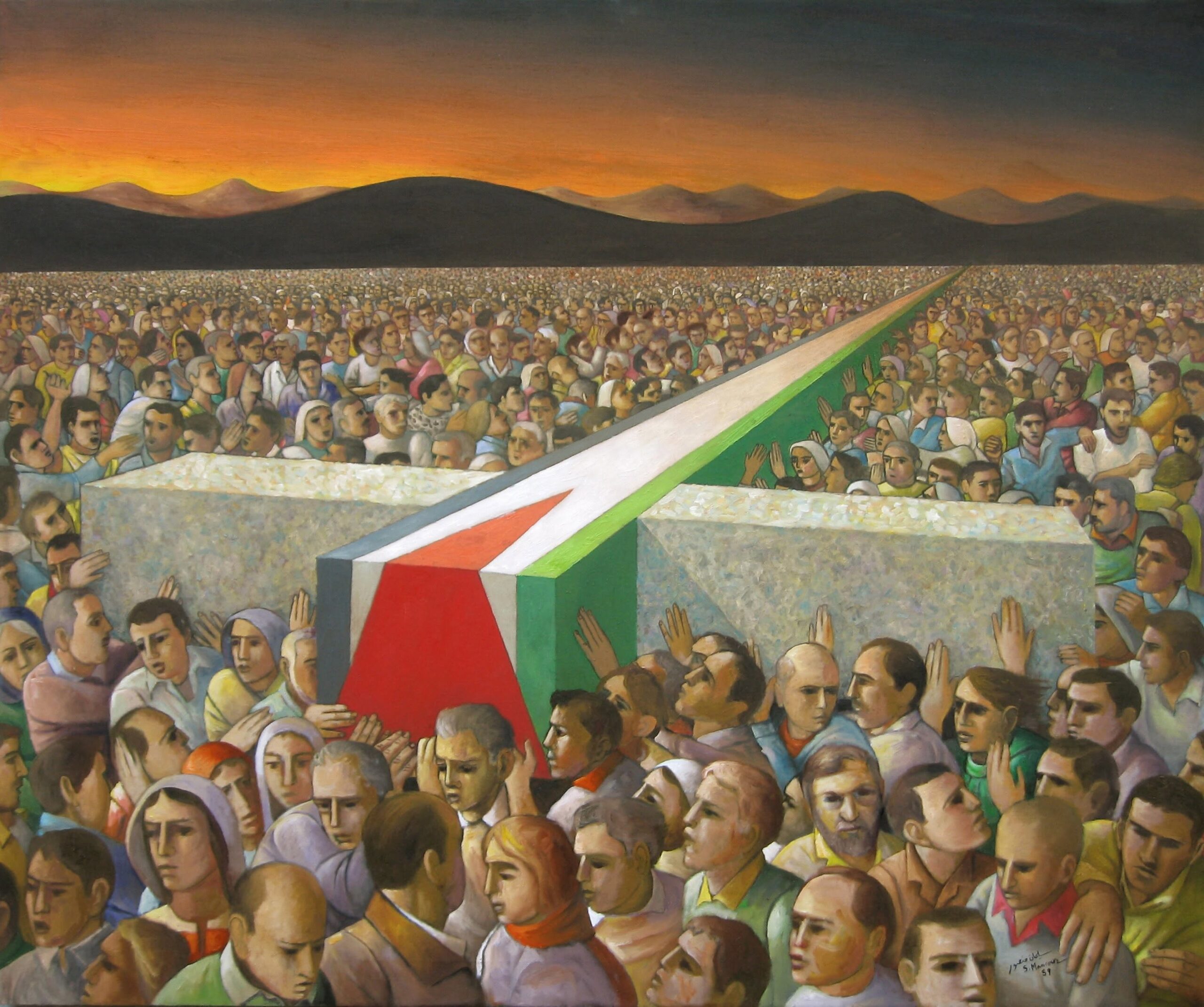
 Jaffa Oranges in Jerusalem, 1937
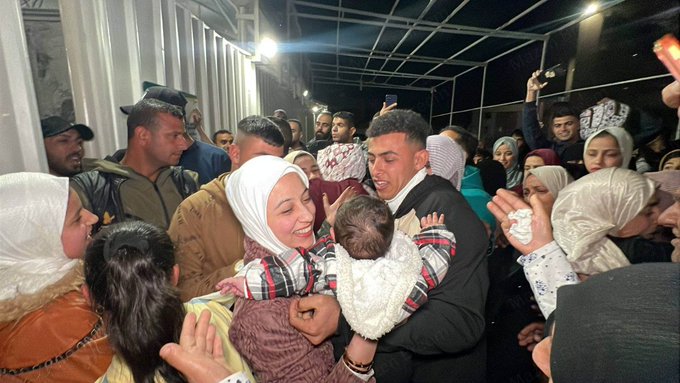
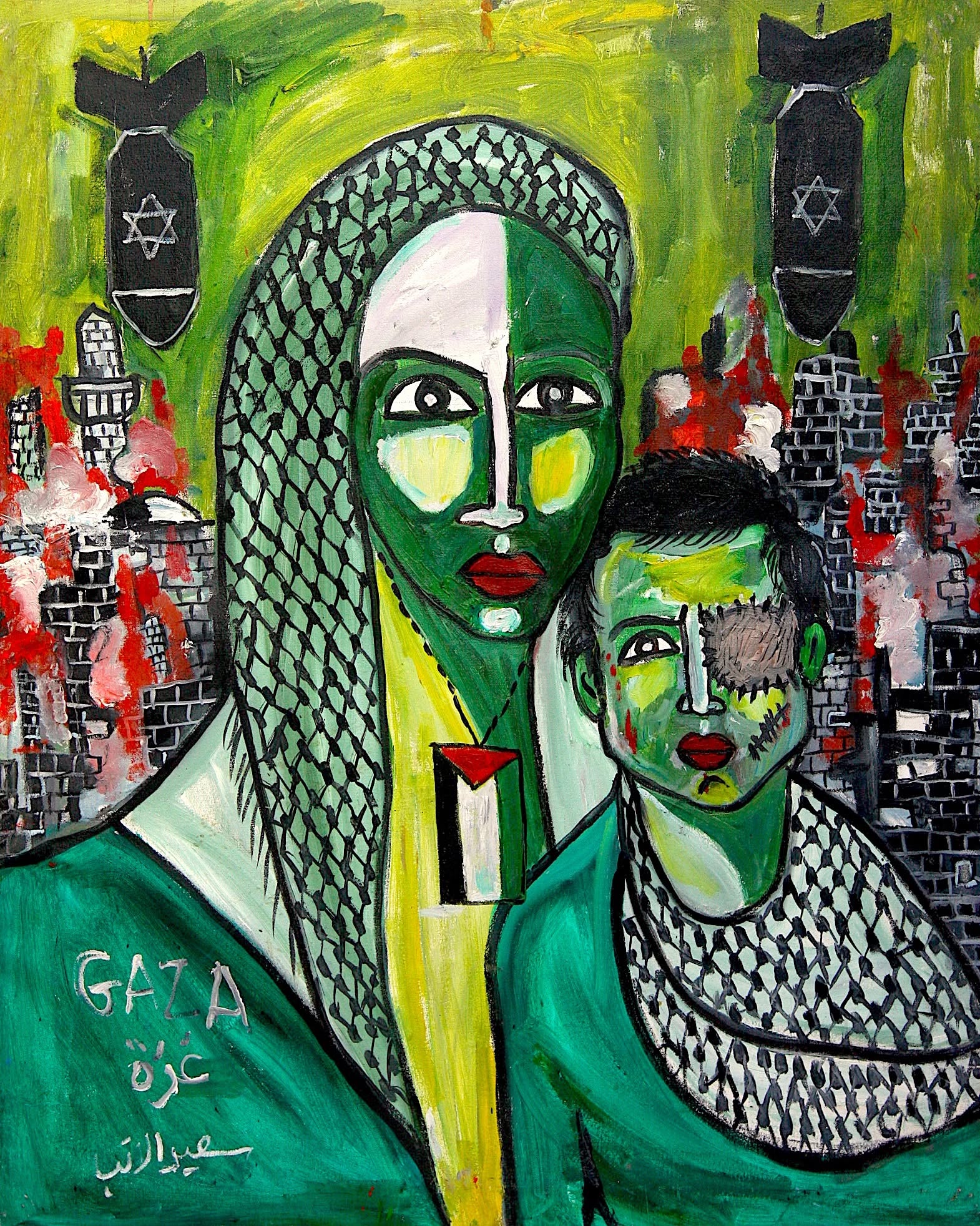
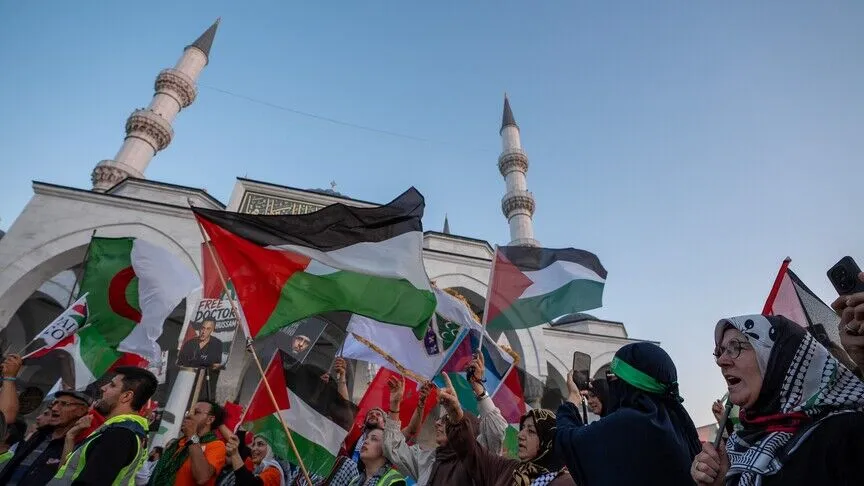
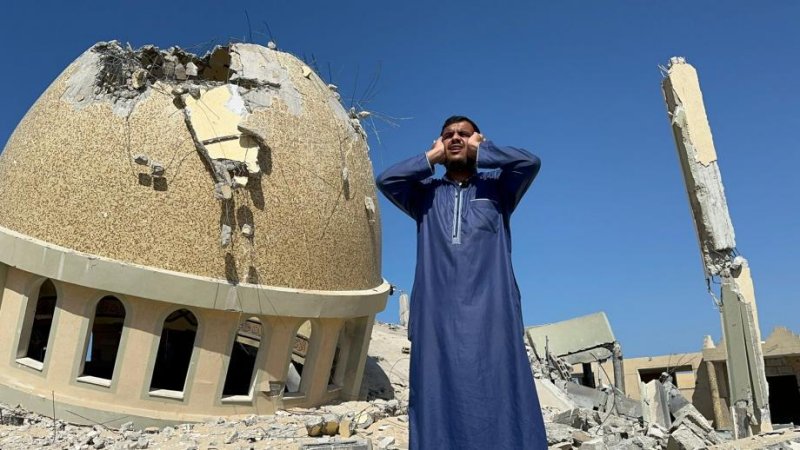 Gaza Begins to Restore Its Mosques
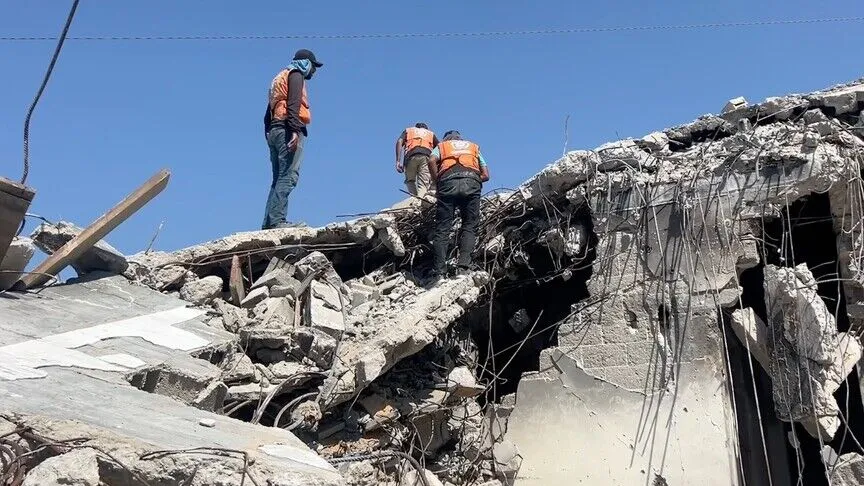
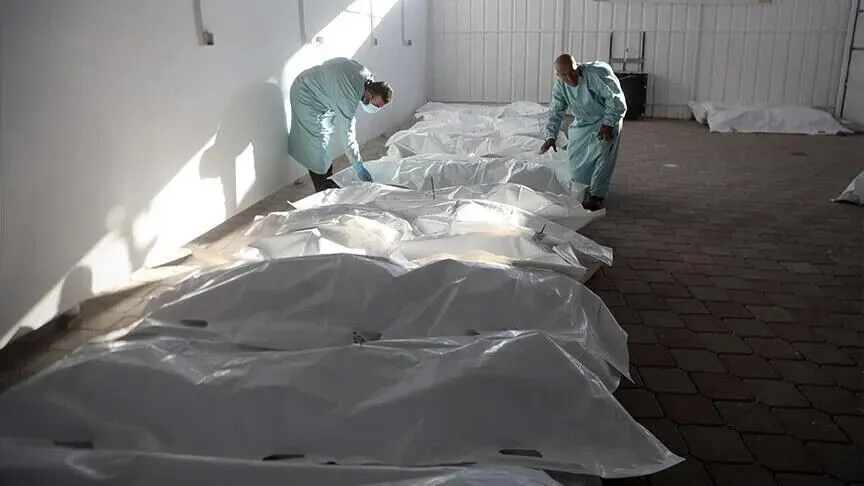
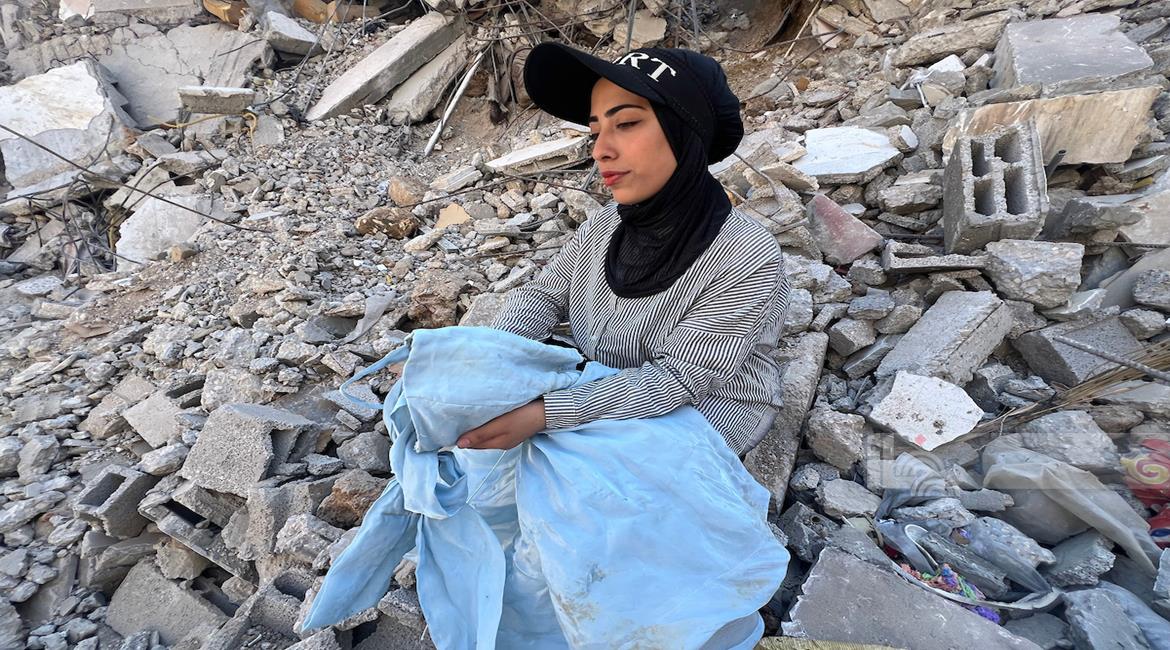
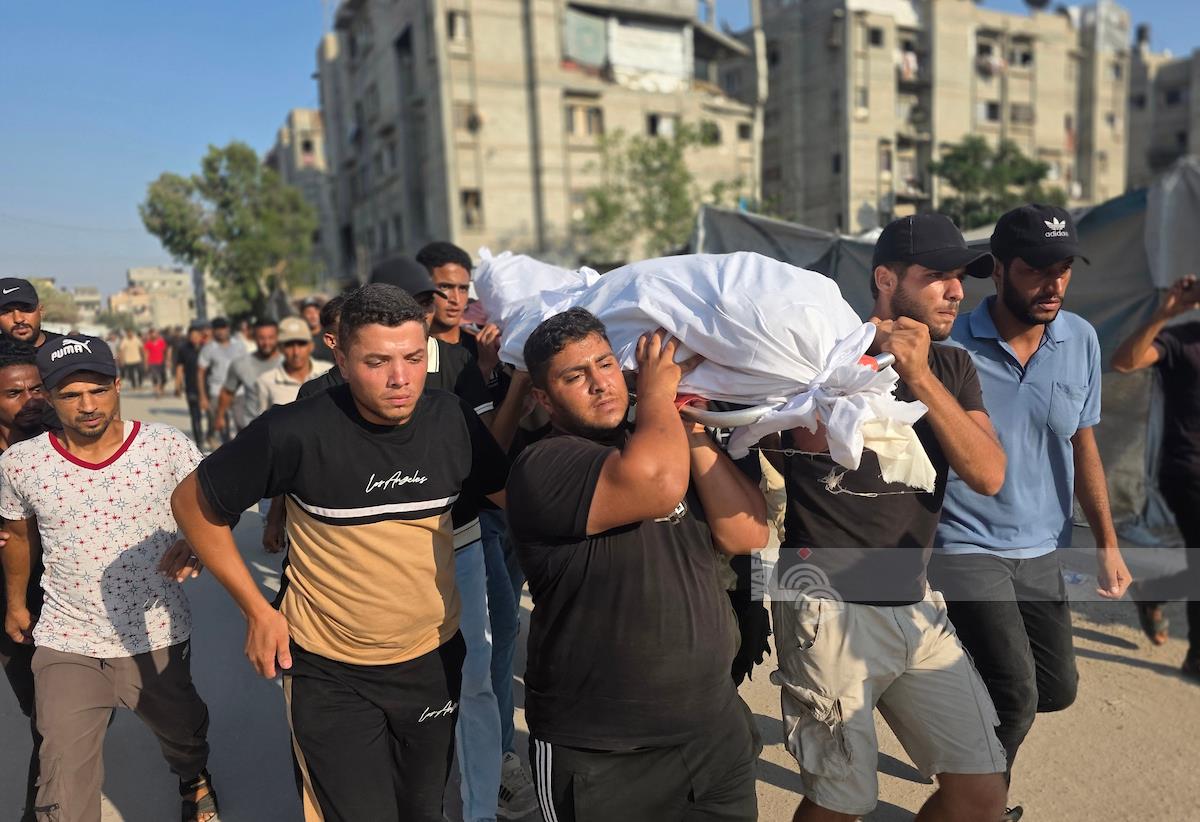
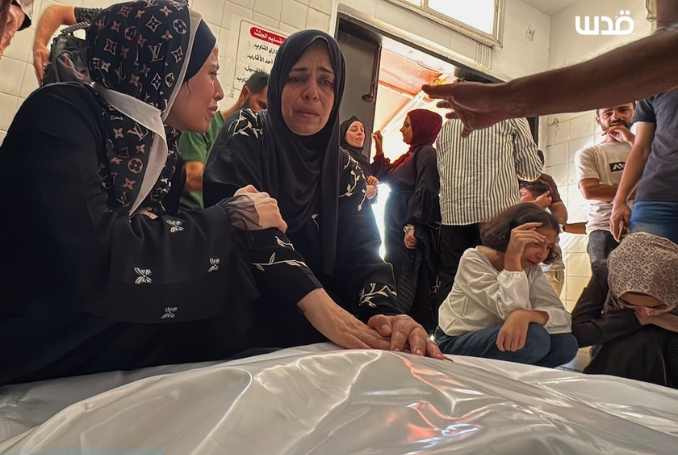
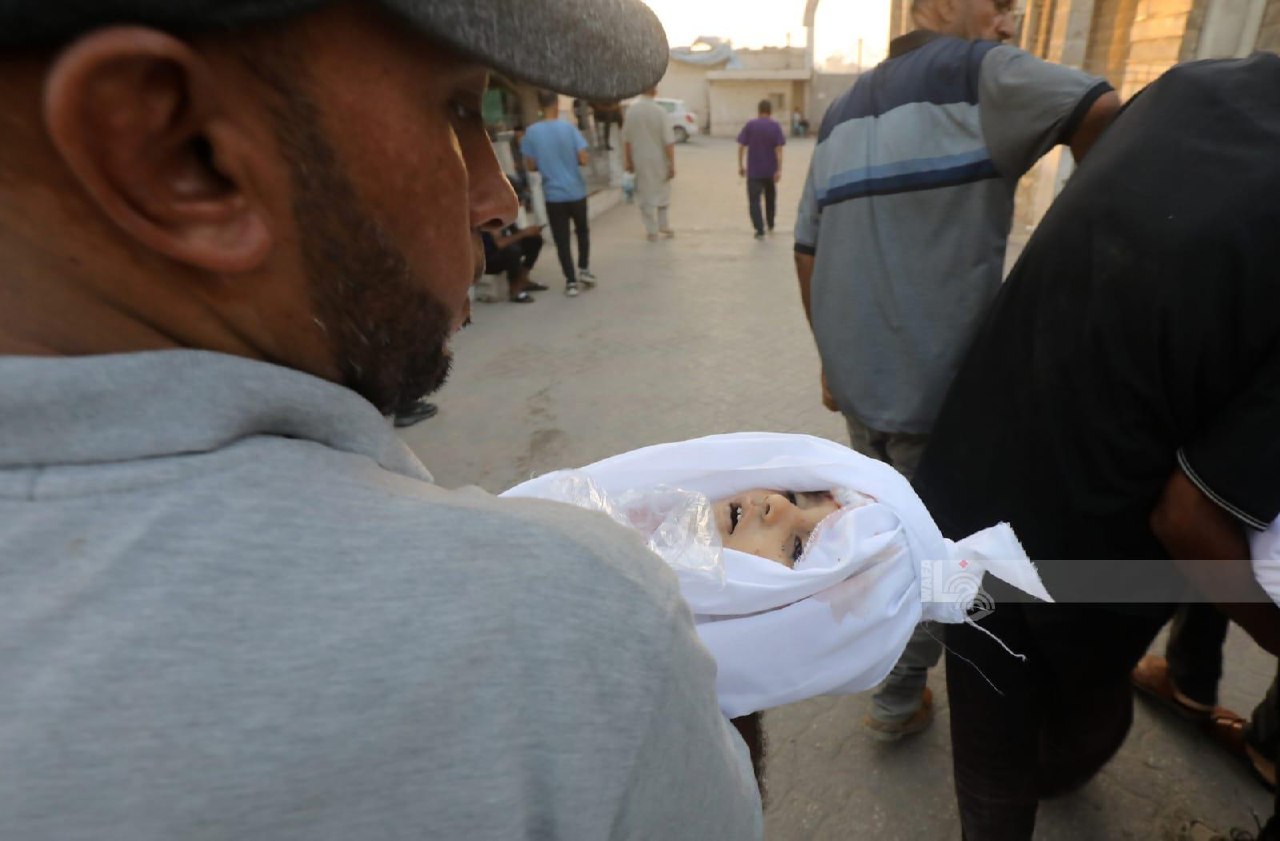
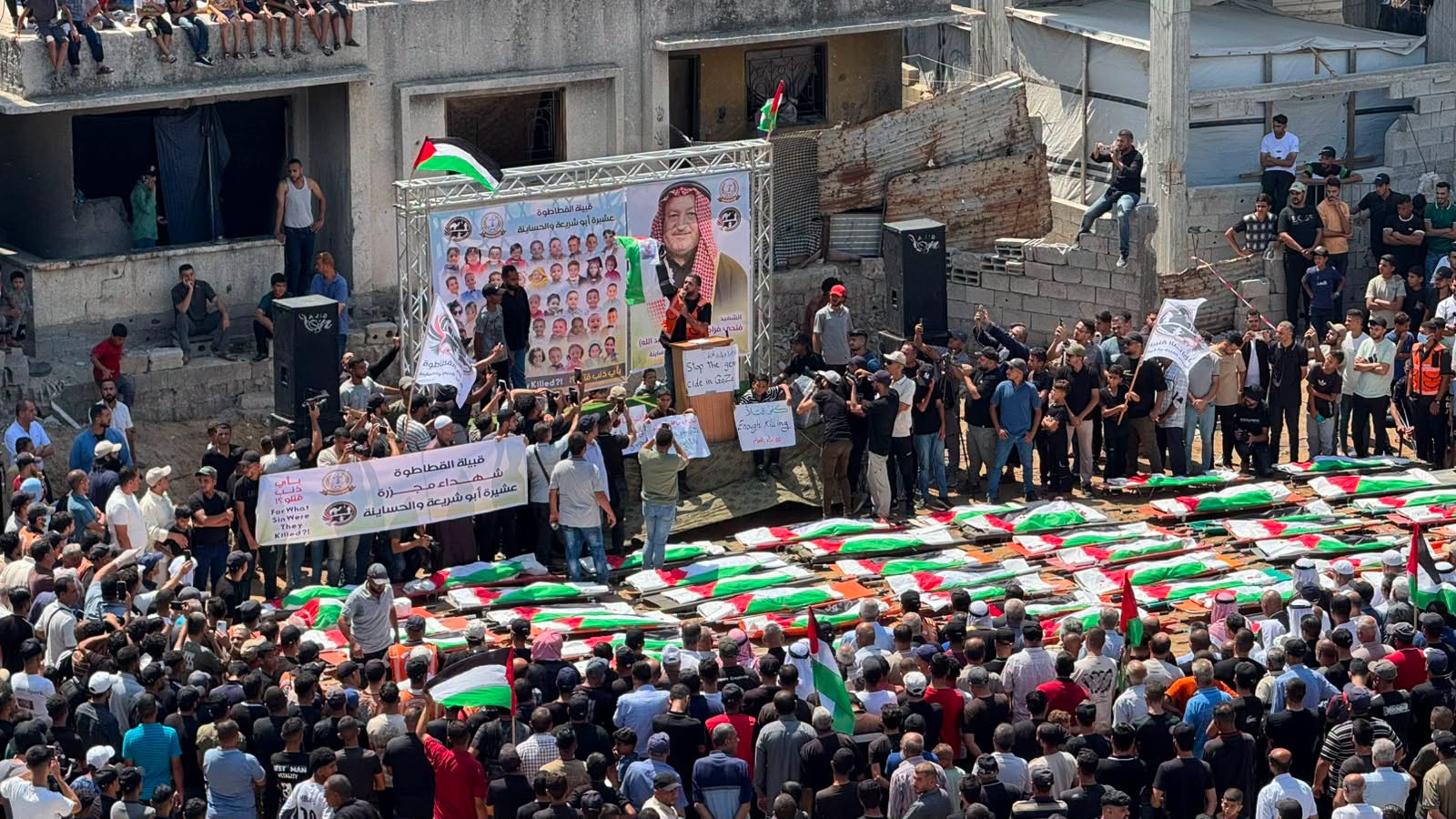
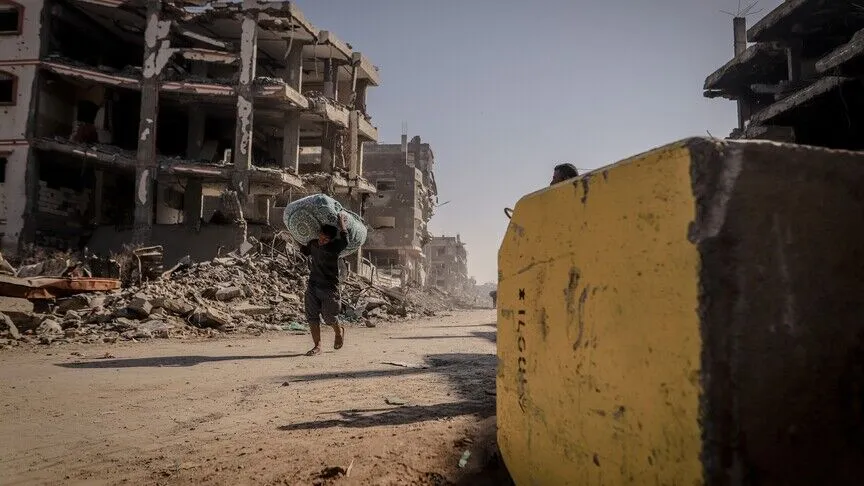
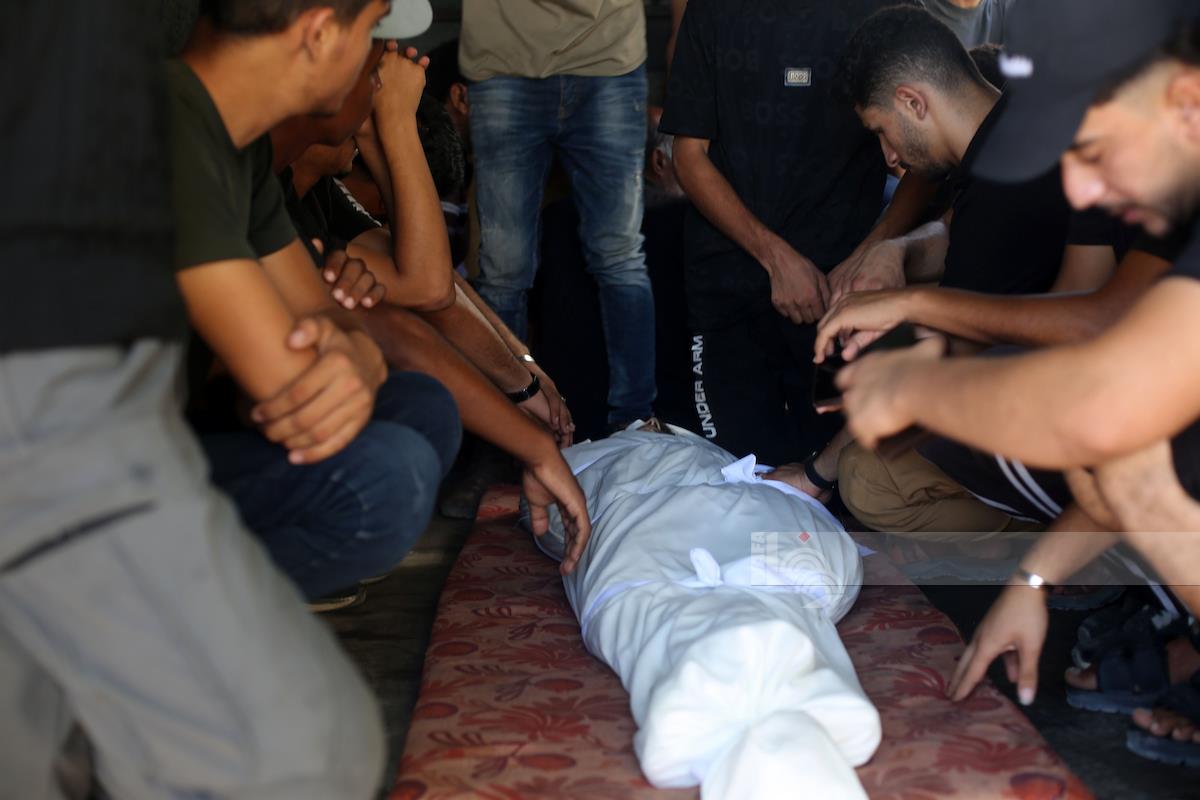
 12 Bodies Uncovered in Gaza City
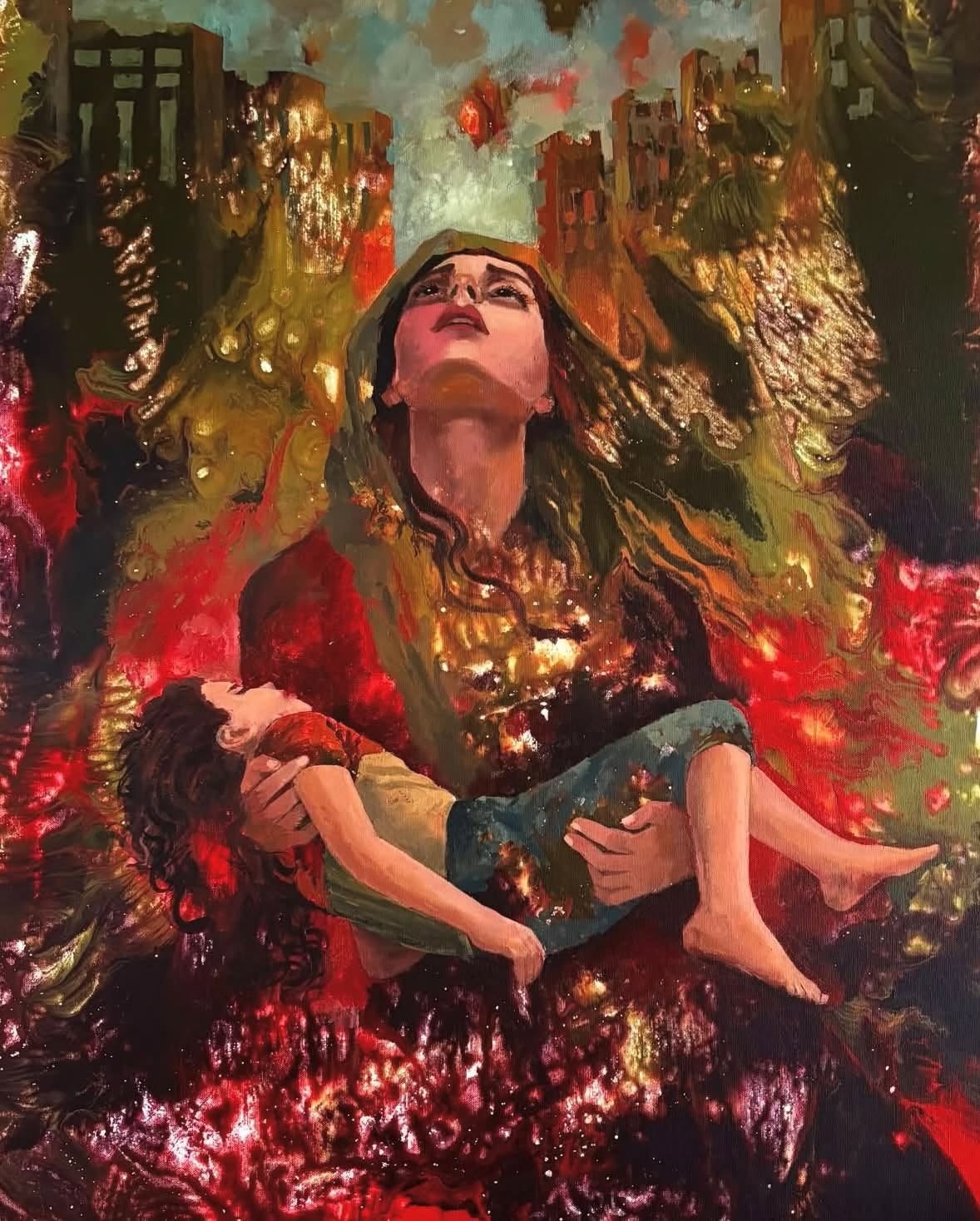
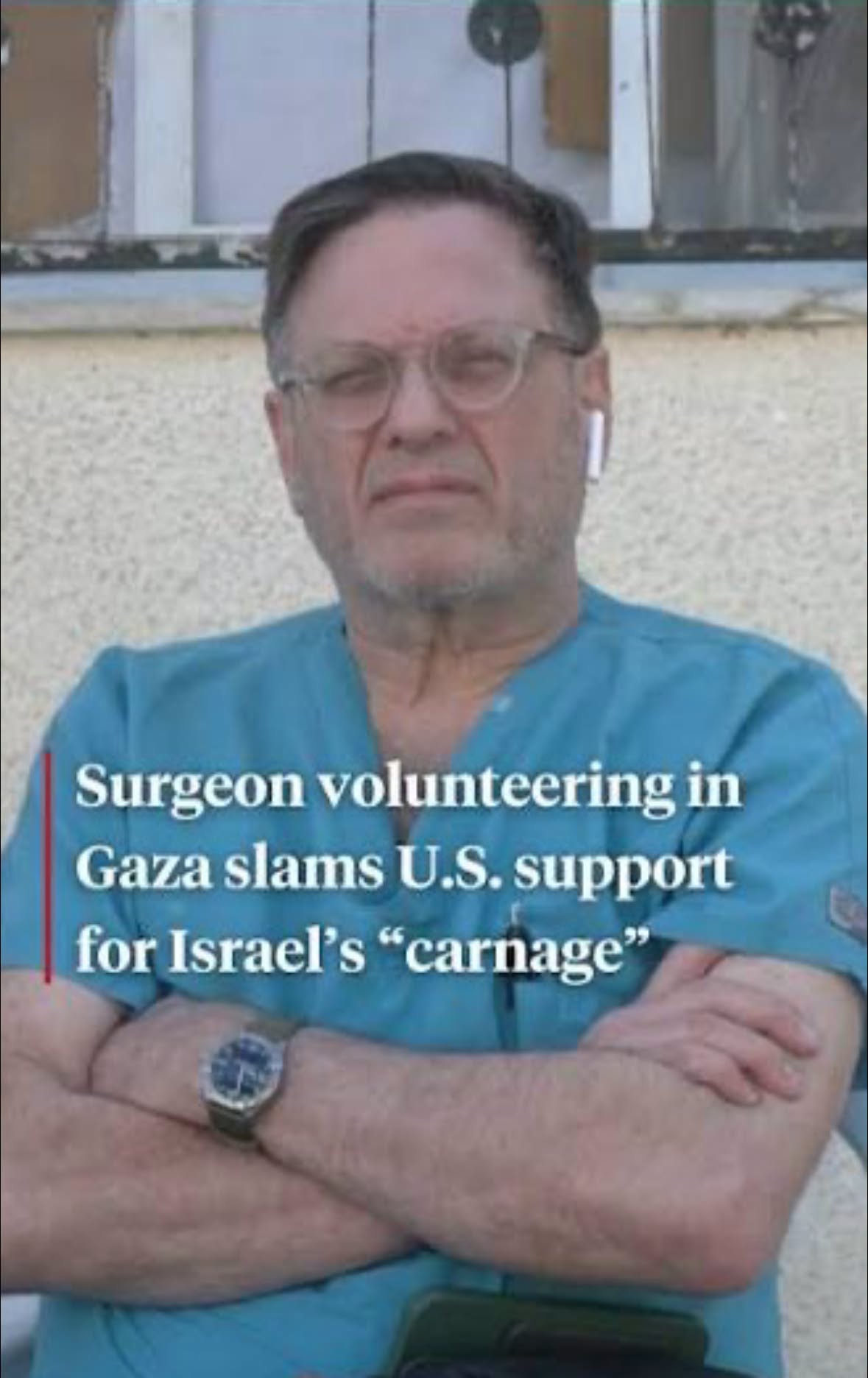 Dr. Mark Perlmutter recounts amputating the leg of a five-year-old girl in Gaza with no anesthesia available beyond an anesthesiologist singing to her.
 Herman Melville, Palestine, 1857



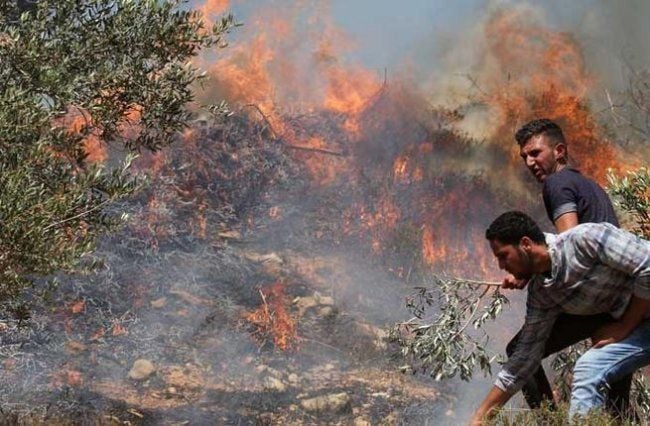
Jaffa Oranges in Jerusalem, 1937
 CrossFireArabia
- August 15, 2026
 CrossFireArabia
 marwanCrossFireArabiaCrossFireArabiamarwanCrossFireArabia
 HebaCrossFireArabiamarwanCrossFireArabiamarwanHebaCrossFireArabiamarwanmarwanHebaCrossFireArabiamarwanmarwanCrossFireArabiamarwanHebaCrossFireArabiaCrossFireArabiaCrossFireArabiaHebamarwanCrossFireArabiamarwanHebaCrossFireArabiaHebamarwanmarwanCrossFireArabiamarwanmarwanmarwanmarwanmarwanmarwanmarwanmarwanmarwanCrossFireArabiaCrossFireArabiamarwanmarwanCrossFireArabiaCrossFireArabiamarwanCrossFireArabiamarwanHebaHebamarwanmarwanCrossFireArabiamarwanmarwanmarwanmarwanCrossFireArabiaCrossFireArabiamarwanmarwanmarwanCrossFireArabiamarwanmarwanmarwanmarwanmarwanCrossFireArabiamarwanmarwanmarwanCrossFireArabia
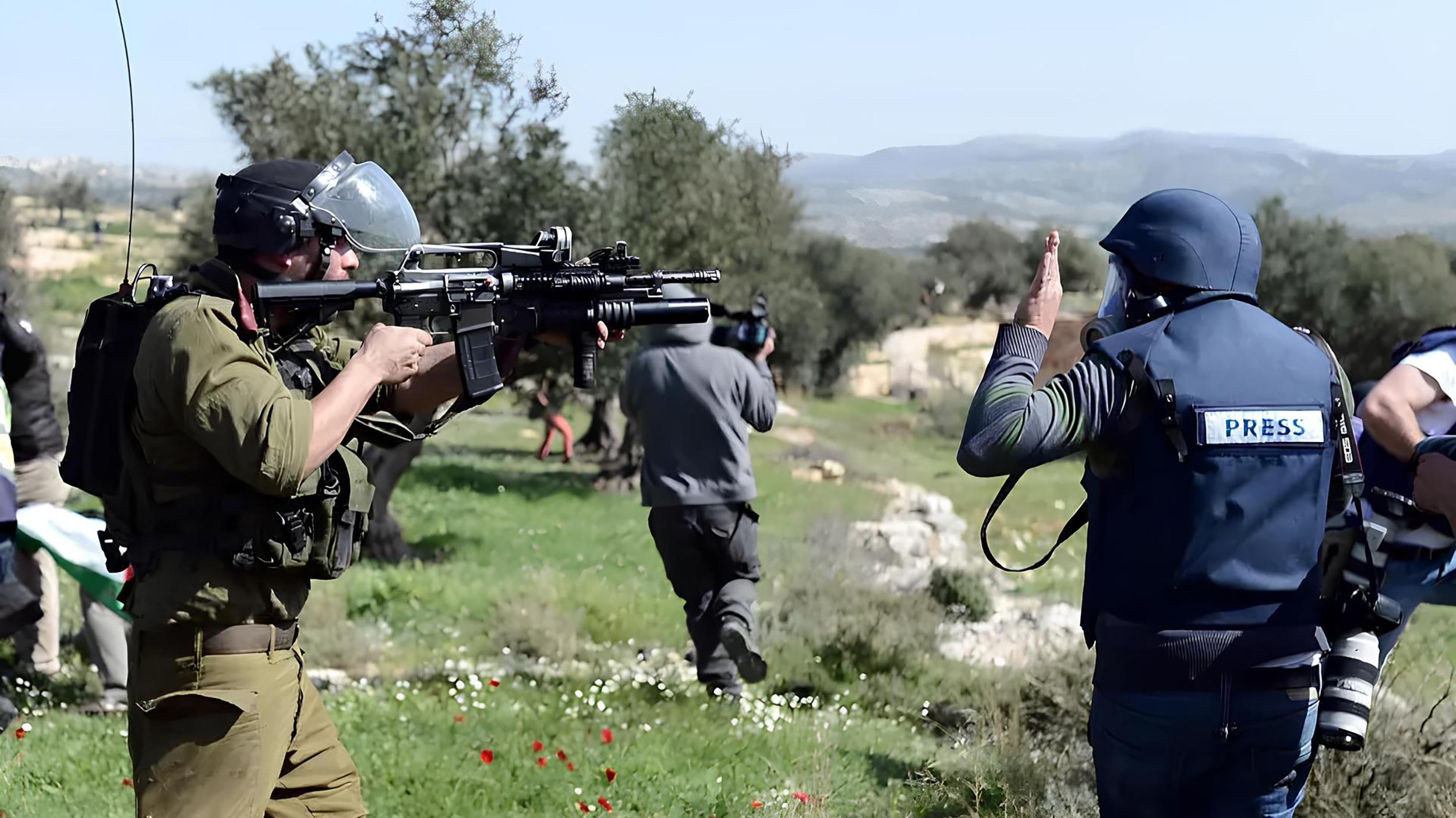
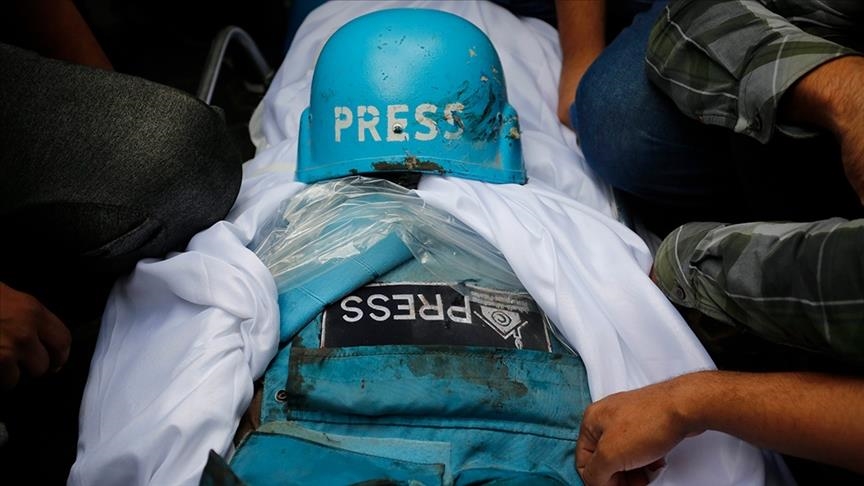
Another Palestinian journalist was killed by Israeli army fire in Gaza on Monday, taking the death toll since October 2023 to 246, local authorities said on Monday.
Hassan Douhan, a journalist for Palestinian daily Al-Hayat Al-Jadida, lost his life in an Israeli attack in the Al-Mawasi area of Khan Younis, southern Gaza Strip, Gaza’s Government Media Office said in a statement.
The media office said the new fatality brought the number of Palestinian journalists killed in Israeli attacks since October 2023 to 246.
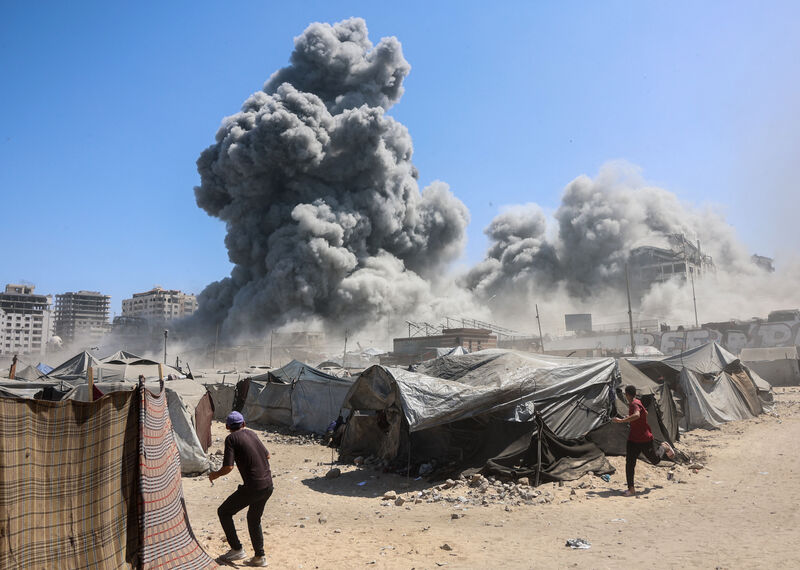
Earlier on Monday, an Israeli strike hit the Nasser Medical Complex in Khan Younis, killing at least 20 people, including five journalists.
The office condemned “Israel’s systematic assassination of Palestinian reporters in Gaza” and called on human rights and media institutions to “condemn these systematic crimes against Gaza journalists.”
Israel has killed more than 62,700 Palestinians in Gaza since October 2023. The military campaign has devastated the enclave, which is facing famine according to Anadolu.
Last November, the International Criminal Court issued arrest warrants for Israeli Prime Minister Benjamin Netanyahu and his former Defense Minister Yoav Gallant for war crimes and crimes against humanity in Gaza.
Israel also faces a genocide case at the International Court of Justice for its war on the enclave.
CrossFireArabia
Israeli warplanes killed four journalists, Monday morning as they targeted the Nasser Medical Hospital in Khan Yunis in the south of the Gaza Strip. The Israeli bombing killed Al Jazeera cameraman Mohammed Salama, photo-journalist Hossam al-Masry, journalist Mariam Abu Daqqa, and journalist Moaz Abu Taha.
The targeting also killed 11 other Palestinians and wounded dozens of others according to the Gaza Ministry of Health.
The bombing directly targeted the fourth floor of the Nasser Hospital, with a second attack on the Yassin building inside the Nasser complex through an Israeli a suicide drone.
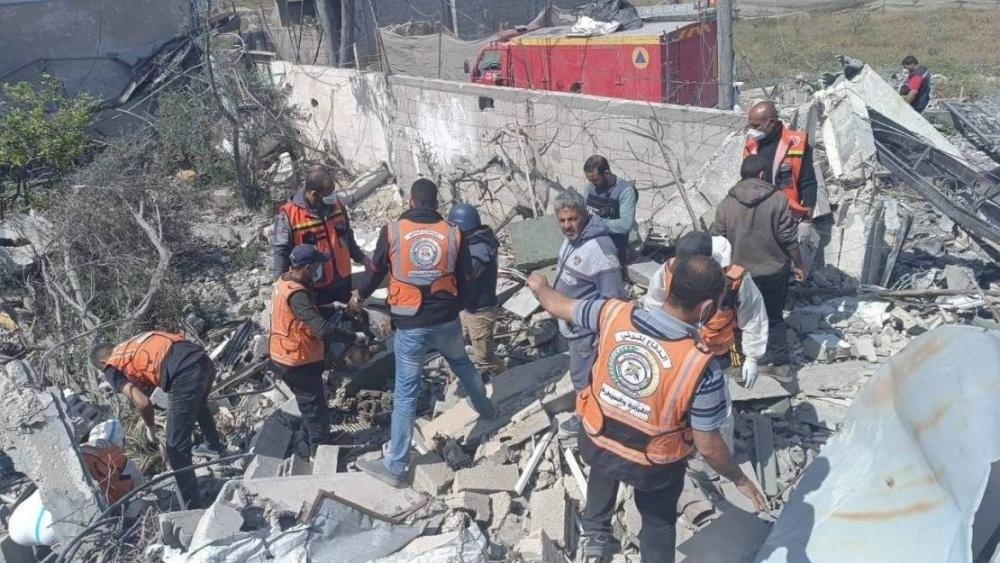
The Gaza Civil Defense added one of its personnel was killed and seven others wounded while attempting to rescue the injured and retrieve the bodies of the victims in the bombing of the hospital.
The deadly attack comes amid ongoing Israeli airstrikes on the Gaza Strip since 7 October, amid UN warnings of the complete collapse of the health system.
According to Government Media Office statistics Israel killed 244 Palestinian journalists in Gaza, the latest of whom were the four journalists killed, Monday, in the bombing of Nasser Medical Complex.
The government media office called on “the international community, international organizations, and organizations involved in journalism and media in all countries of the world to condemn the crimes of the occupation, deter it, prosecute it in international courts for its ongoing crimes, and bring the occupation’s criminals to justice.”
It also called for serious and effective pressure to stop the crime of genocide, protect journalists and media professionals in the Gaza Strip, and halt their killing and assassination, according to a statement from the Government Media Office.
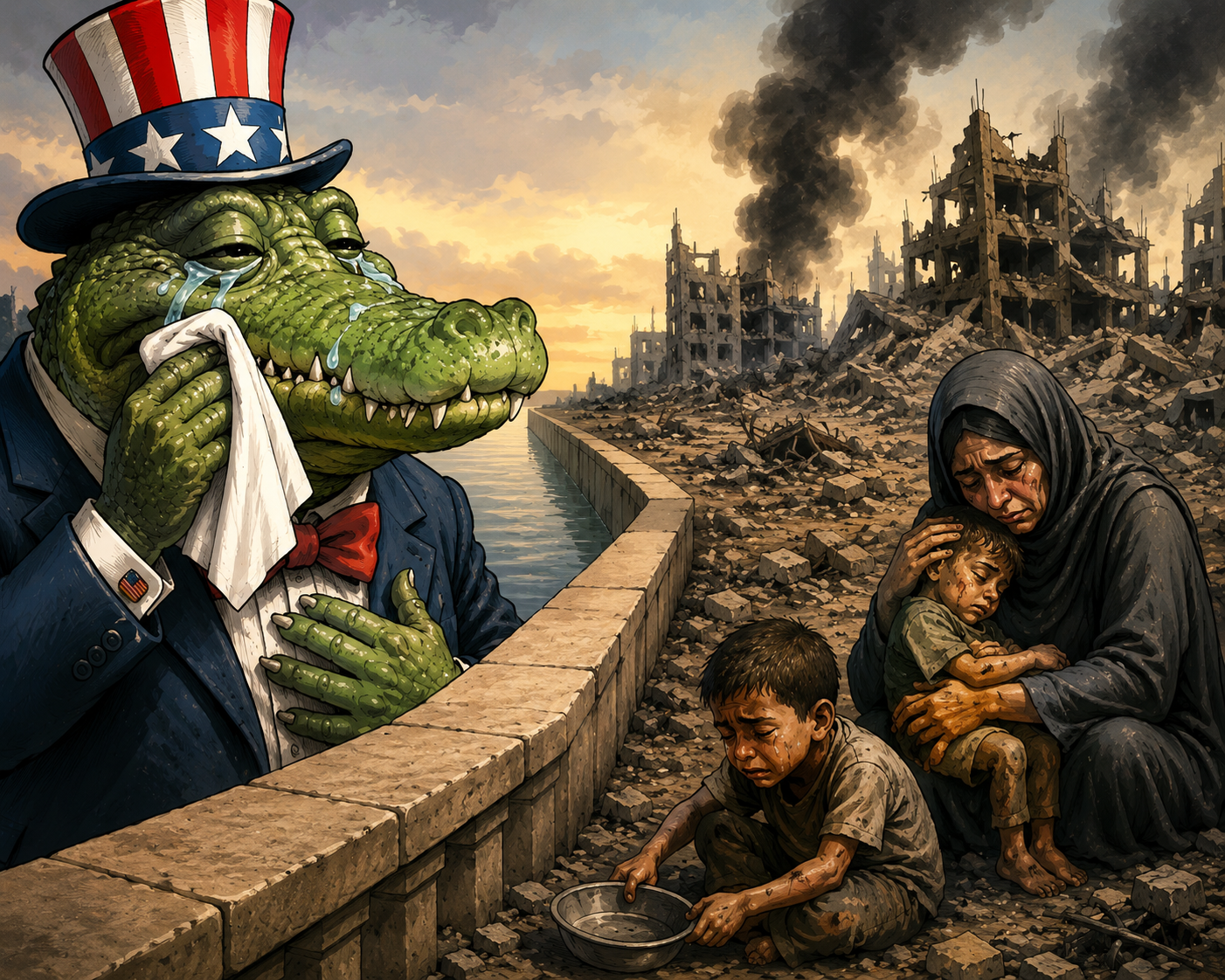
With American support, Israel has been committing genocide in Gaza since October 7, 2023, including killing, starvation, destruction, and forced displacement, ignoring all international appeals and orders from the International Court of Justice to halt it.
The Israeli genocide left more than 62,000 Palestinians dead, approximately 158,000 wounded—mostly children and women—more than 9,000 missing, and hundreds of thousands displaced.
CrossFireArabia
One of the many ugly consequences of wars and conflict is injuries leading to a loss of limbs. Gaza, which now has the highest number of child amputees per capital anywhere in the world, is no exception.
“I was going to buy falafel,” says Mohammed Hassan. “On the way home, I looked up and saw a rocket heading towards me. I tried to run, but it was too fast. I found myself pinned to the wall, and my foot had been blown off.”
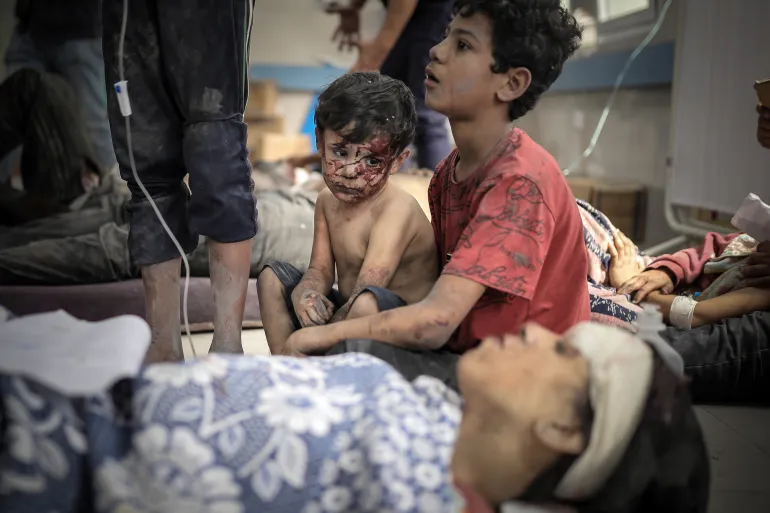
Brought to Al-Shifa Hospital in Gaza City, the young boy looks down at his heavily bandaged left leg, and the stump where his foot used to be.
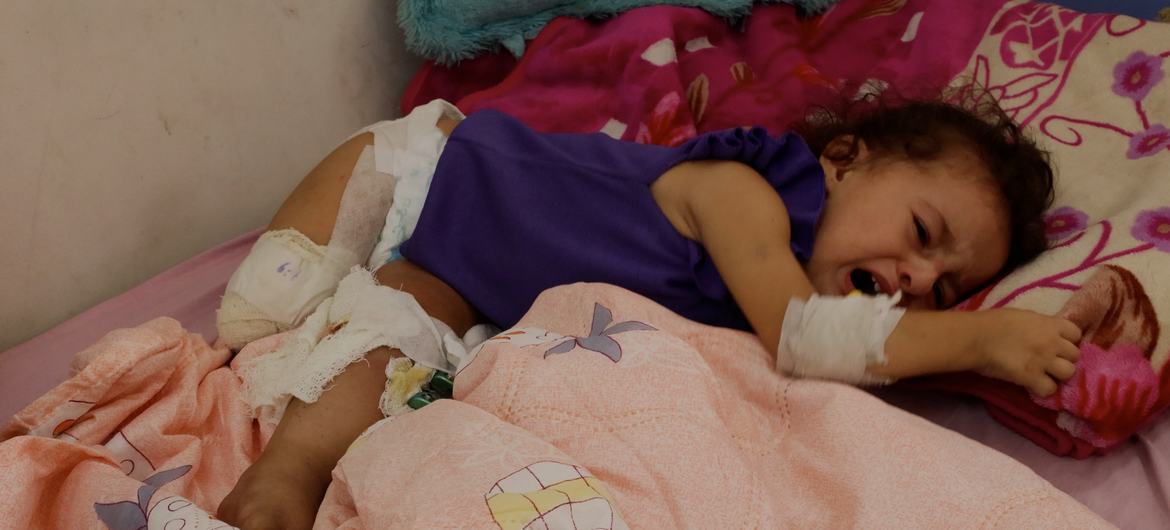
In another area of the hospital, a small child, Maryam Abu Alba, is crying in pain. “The neighbour’s house was bombed, and their home was hit,” says her grandmother. “One of her legs had to be amputated, and metal plates had to be inserted into the other one, which was fractured. She is in severe pain.”
Earlier this year, the UN humanitarian aid coordination agency OCHA estimated that 4,500 new amputees require prosthetics, in addition to the 2,000 existing cases requiring maintenance and follow-up care, while about 24,000 injured people required rehabilitation.
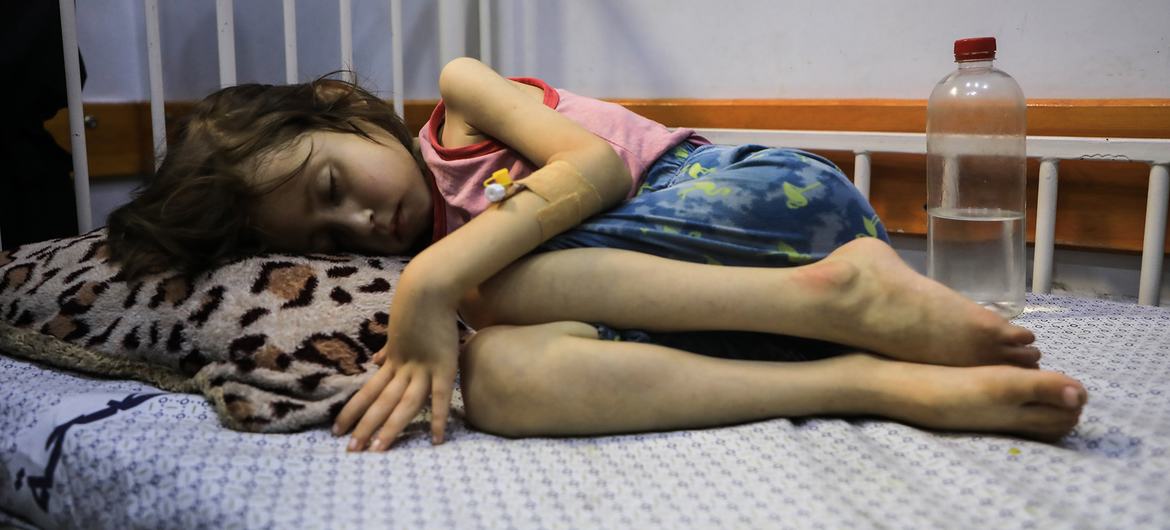
Health facilities are overwhelmed with many patients undergoing multiple surgeries without adequate medical supplies, including anaesthesia.

UN News
Palestinian child Mohammad Hassan sitting on a hospital bed in Gaza after his left leg was amputated by a strike.
In May, as supply routes for UN humanitarian convoys were interrupted, the number of distribution points of aid dropped from 400 dotted across the Gaza strip to a handful of hubs operated by the Gaza Humanitarian Foundation.
Given the shortage of humanitarian aid and diminished capacity, thousands of Palestinians have been killed or injured since May while seeking food. Among the wounded are children and parents who, despite losing limbs, continue to search for food and water.
This comes as a UN-backed food security report has just concluded that famine is confirmed in Gaza governorate, where half a million people are trapped in conditions of starvation, malnutrition and death.
Ibrahim Abdel Nabi was one of the many Palestinians who headed to the hubs in the hope of finding desperately needed provisions for their families.
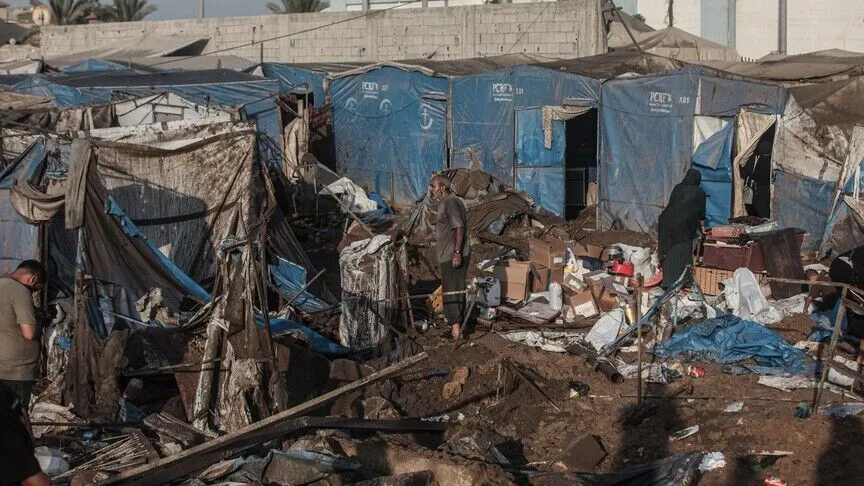
In his tent at a displacement site in the coastal Al-Mawasi area of Khan Younis, Mr. Nabi, surrounded by his wife and children, explains how the journey ended in disaster and life-changing injuries.
“When I arrived at the Al-Alam area, west of Rafah, I was hit by an explosive bullet in my leg. I was bleeding for about an hour and a half, and no one came to help me. They were all trying to find food for their children.”
Eventually, a group of people came to his rescue and took him to the nearby Red Cross hospital.
“I stayed there for about a month and a half, undergoing about 12 operations. I became malnourished and lost a lot of blood. Infection spread, and more of my leg had to be amputated.”

Ibrahim Abdel Nabi, a Palestinian displaced in Gaza, sitting on a chair while his wife helps him wear the handmade prosthetic limb.
As Mr. Nabi was trying to recover, he was aware that his family were still in need of food. Despite the pain, he decided to make a simple prosthesis from materials he could find to allow him to get back on his feet and make fresh attempts to find food and water.
“The prosthesis injures my leg,” he said. “It causes inflammation and increases the pain. We don’t have medical care or supplies, but I will use it no matter how much it hurts.”
As he speaks, Mr. Nabi’s wife begins to cry. “God willing, we will live through this experience,” she says.
Mr. Nabi gets up on crutches and heads to a nearby tent, where his wife helps him to put on the crude prosthesis.
“Don’t strain yourself,” she repeats, over and over. “Take your time. Walk slowly.”
CrossFireArabia
The situation in Gaza is beyond a “catastrophe,” with the enclave left without a functioning health system and widespread famine setting in, a senior official of medical charity Doctors Without Borders (MSF) said Saturday.
“The situation is really beyond being described as a catastrophe anymore. Catastrophe is a very simple word now, soft word. It’s really worse than calling it a catastrophe,” Mohammed Abu Mughaiseeb, MSF’s deputy medical coordinator in Gaza, told Anadolu in an interview.
Stating that the health sector has been systematically dismantled over 22 months of Israeli bombardment, with most hospitals destroyed or out of service, Mughaiseeb added: “I’m not saying now collapsed health system. No, there is no health system anymore in Gaza.”
He also noted that the remaining field clinics and makeshift wards are overflowing with wounded and critically ill patients.
Hospital occupancy rates have soared to 300%, according to Gaza’s Health Ministry, leaving patients on bare floors and halting many surgeries due to shortages. Only 15 of 38 hospitals are partially operational, most heavily damaged by Israeli strikes.
Hunger, medicine shortages
Abu Mughaiseeb said a trickle of recent aid trucks has done little to stem a worsening famine in Gaza.
“There is no food, no medicine, no real humanitarian aid,” he said. “There is no food, no medicine, no humanitarian aid.”
“The children who are dying from starvation, they have underlying disease,” he said.
“They could be treated and they are not supposed to die. I mean if they had food, they will live. If you have the special supplement proteins and milk, they will live,” Mughaiseeb further stated.
A UN-backed food security assessment has already confirmed famine in northern Gaza and expects it to spread further south by the end of September.
‘Death distribution point’
The MSF official also condemned Israeli- and US-backed distribution schemes that replaced UN operations, calling them unsafe.
“It’s not a distribution point, it’s really a death distribution point,” he said, describing how civilians are often attacked near distribution points.
Gaza’s Health Ministry reports more than 2,000 Palestinians have been killed and over 15,000 injured by Israeli army fire while waiting for aid since May.
Reoccupation ‘madness’
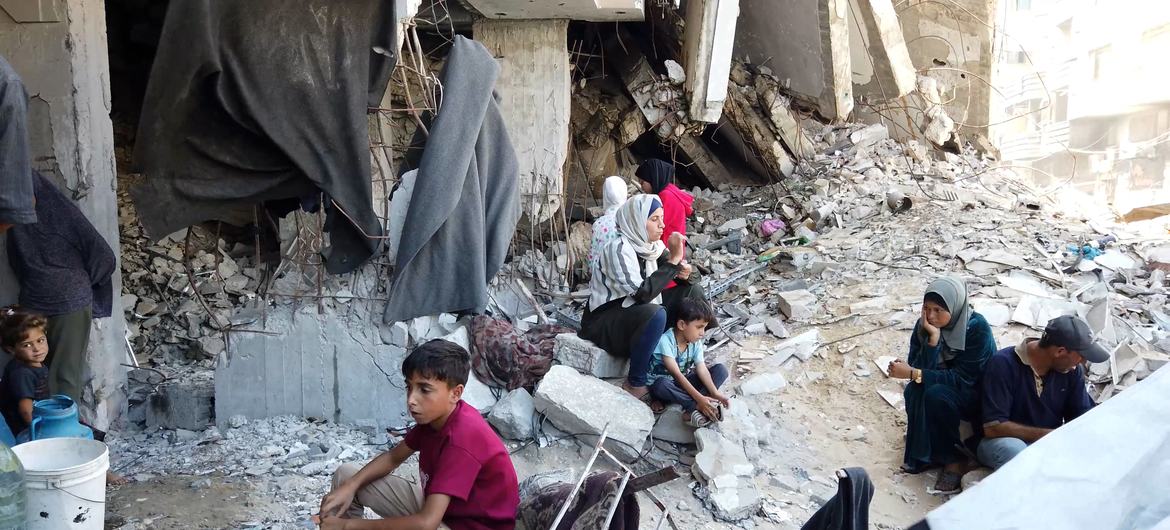
On Israel’s plan to reoccupy Gaza City, Abu Mughaiseeb warned it would force nearly two million displaced Palestinians into an unlivable corner of the enclave.
Calling it “a mad plan,” he said: “I mean, there will be a lot of people killed. There will be a lot of blood. Innocent people will die.
“They are speaking about a humanitarian zone. There is no humanitarian zone. I mean, how you can absorb 2 million people, and to build for them tents, and provide them with healthcare and food?”
“I don’t know really, this is really madness.”
Israel’s Defense Minister Israel Katz confirmed Friday that he had approved the military’s operational plan to seize Gaza City – part of a broader government strategy to reoccupy the enclave and disarm Palestinian resistance groups.
Israel has killed over 62,600 Palestinians in a brutal onslaught in Gaza since October 2023. The military campaign has devastated the enclave, which is facing famine.
Last November, the International Criminal Court issued arrest warrants for Israeli Prime Minister Benjamin Netanyahu and his former Defense Minister Yoav Gallant for war crimes and crimes against humanity in Gaza.
Israel also faces a genocide case at the International Court of Justice for its war on the enclave.
CrossFireArabia
More than half a million people in Gaza are trapped in famine, marked by widespread starvation, destitution and preventable deaths, according to a new UN-backed food security report released on Friday.
UN Secretary-General António Guterres said the results of the Integrated Food Security Phase Classification (IPC) analysis were no mystery: “It is a man-made disaster, a moral indictment – and a failure of humanity itself.
“Famine is not about food; it is the deliberate collapse of the systems needed for human survival.”
Famine conditions are projected to spread from Gaza Governorate to Deir Al Balah and Khan Younis Governorates in the coming weeks, the IPC estimates.
“As the occupying power, Israel has unequivocal obligations under international law – including the duty of ensuring food and medical supplies of the population,” said the UN chief, reacting to the famine declaration from the IPC, which is endorsed by dozens of governments, UN agencies and NGOs as the key evidence-based measure of food insecurity and malnutrition.
See our UN News explainer here.
Mr. Guterres said Israel’s denial of its duties could not be allowed to continue: “No more excuses. The time for action is not tomorrow – it is now.”
UN agencies operating in Gaza joined the UN chief in calling for an immediate ceasefire to finally allow unimpeded, large-scale humanitarian response and the immediate release of all hostages taken by Hamas and other militants during the 7 October 2023 terror attacks.
Agencies also expressed grave concern over the threat of the intensified military offensive on Gaza City and any further escalation in the conflict, as it would have further devastating consequences for civilians where famine conditions already exist.
“Many people – especially sick and malnourished children, older people and people with disabilities – may be unable to evacuate,” they said in a joint statement.
By the end of September, more than 640,000 people will face ‘catastrophic’ levels of food insecurity – classified as IPC Phase 5 – across the Gaza Strip.
An additional 1.14 million people in the enclave will be in phase 4 with a further 396,000 people facing phase 3 ‘crisis’ conditions.
Conditions in North Gaza are estimated to be as severe – or worse – than in Gaza City. However, limited data prevented an IPC classification, highlighting the urgent need for access.
Classifying famine means that the most extreme category is triggered when three critical thresholds – extreme food deprivation, acute malnutrition and starvation-related deaths – have been breached. The latest analysis now affirms on the basis of reasonable evidence that these criteria have been met, UN agencies said.
Briefing journalists on Friday at UN headquarters in Geneva, the UN Emergency Relief Coordinator Tom Fletcher said it was a famine that could have been prevented “if we had been allowed.”

© UNICEF/Eyad El Baba
A young severely malnourished girl is helped into her clothes.
“Yet food stacks up at borders because of systematic obstruction by Israel. It is a famine within a few hundred metres of food, in a fertile land.
It is a famine that we repeatedly warned of – but that the international media has not been allowed in to cover, to bear witness,” he added.
“It is a famine in 2025. A 21st century famine watched over by drones and the most advanced military technology in history. It is a famine openly promoted by some Israeli leaders as a weapon of war.”
On a wider scale, Mr. Fletcher said it was “the world’s famine. It is a famine that asks ‘but what did you do?’ A famine that will and must haunt us all.”
Malnutrition among children in Gaza is accelerating “at a catastrophic pace”, said UN agencies, who note that in July alone, more than 12,000 children were identified as acutely malnourished – the highest monthly figure ever recorded and a six-fold increase since the start of the year.
UN human rights chief Volker Türk said the famine was the “direct result” of Israeli Government policies.
“It is a war crime to use starvation as a method of warfare, and the resulting deaths may also amount to the war crime of willful killing,” he said.
“Israeli authorities must take immediate steps to end the famine in the Gaza Governorate and prevent further loss of life across the Gaza strip. They must ensure immediate entry of humanitarian assistance in sufficient amounts, and full access to UN and other humanitarian organizations.”
Since the last IPC Analysis in May, the number of children expected to be at severe risk of death from malnutrition by the end of June 2026 has tripled from 14,100 to 43,400.
The new assessment reports the most severe deterioration since the IPC began analysing acute food insecurity and acute malnutrition in Gaza Strip, and it marks the first time a famine has been officially confirmed in the Middle East region.
Since July, food and aid supplies entering Gaza increased slightly but remained vastly insufficient, inconsistent and inaccessible compared to the need.
Meanwhile, approximately 98 percent of cropland in the territory is damaged or inaccessible – decimating the agriculture sector and local food production – and nine of ten people have been serially displaced from homes.