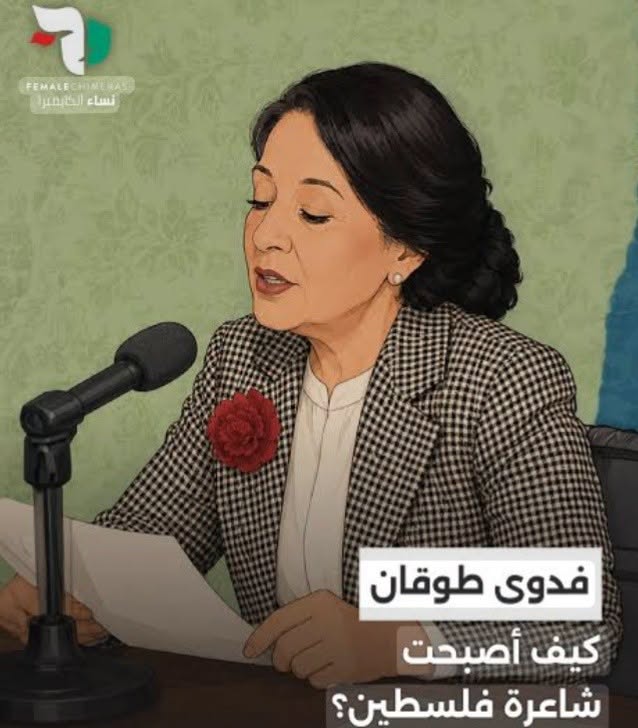
 Jabal Al-Weibdeh: An AI Art Story
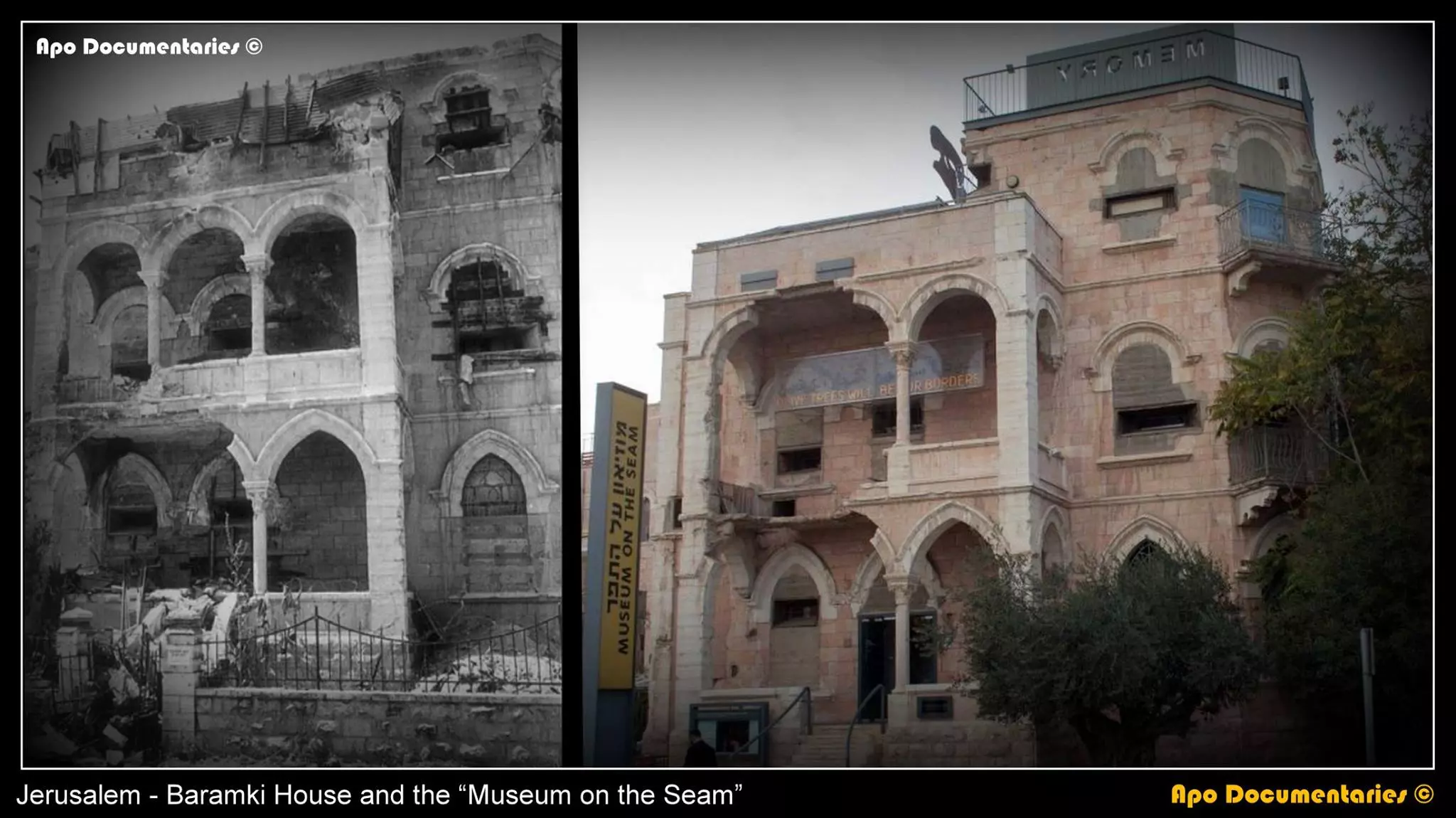
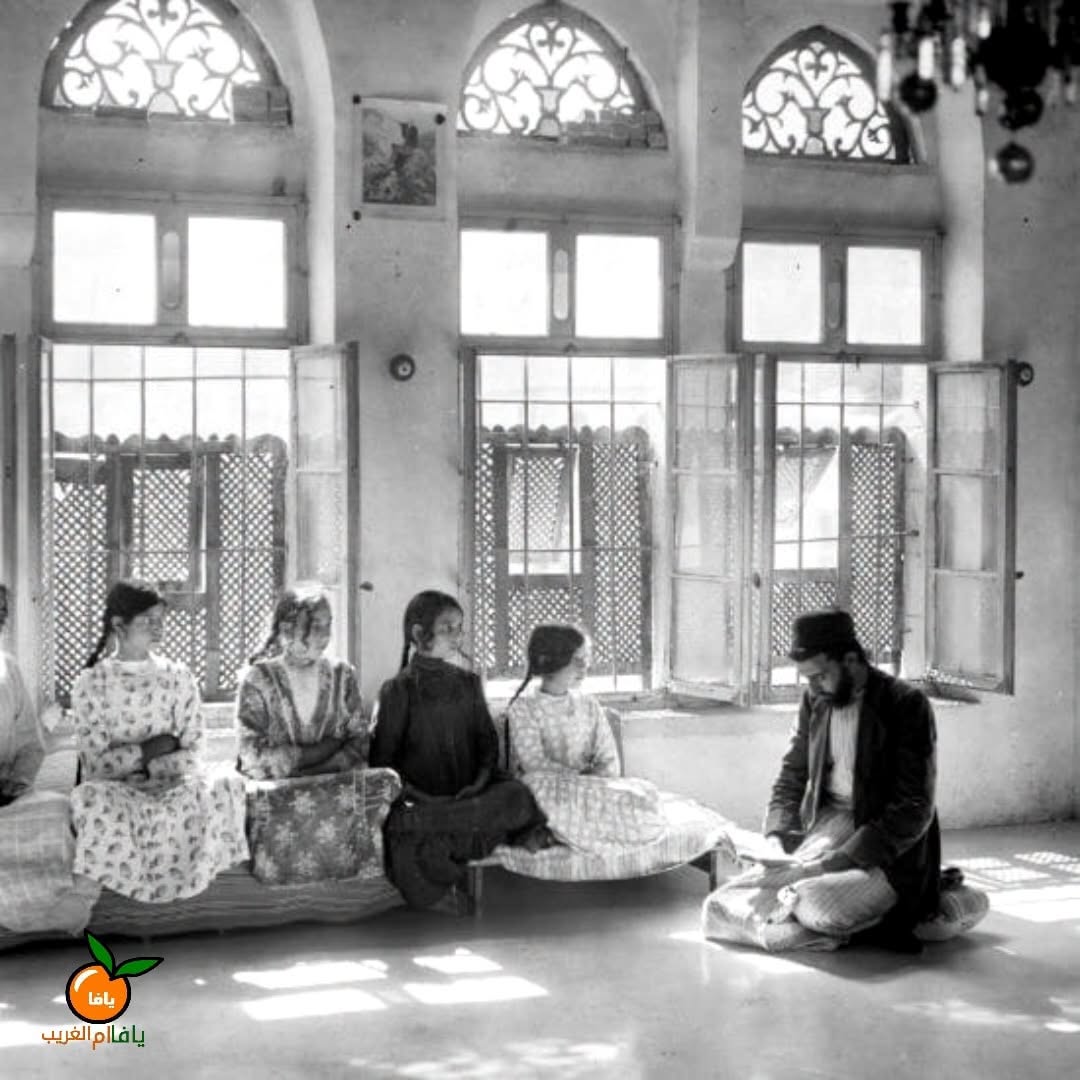
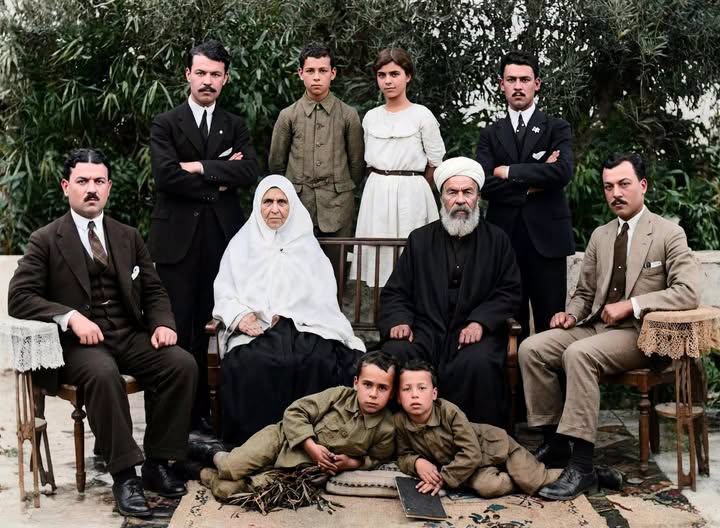
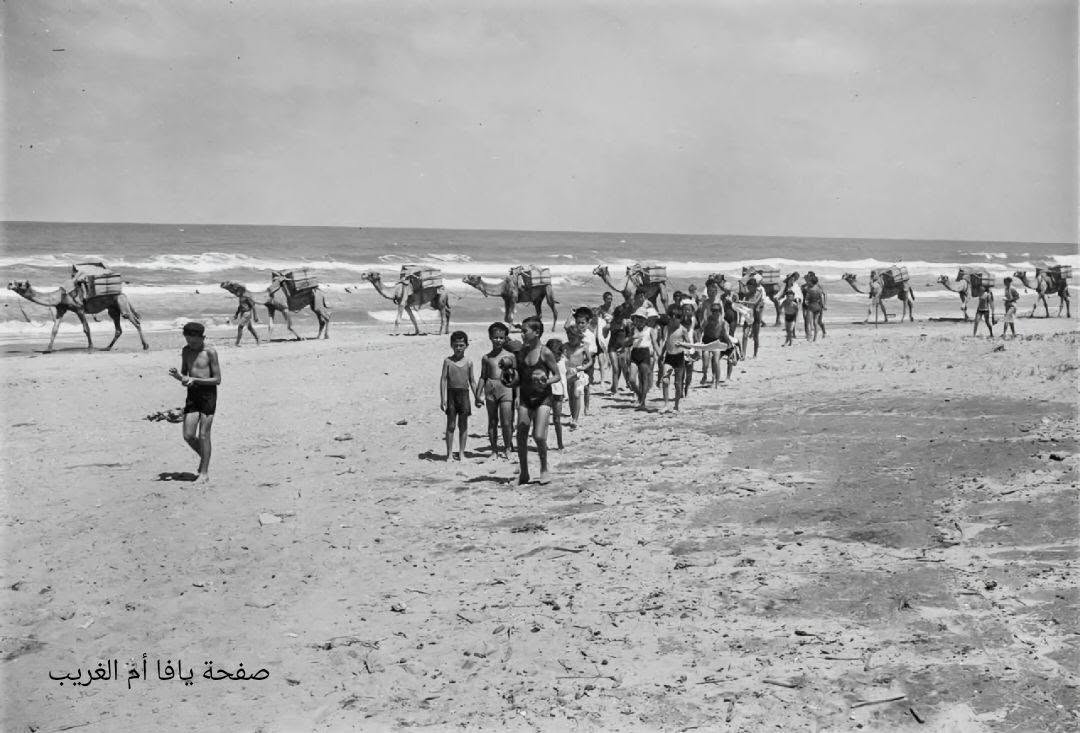
 Jaffa Oranges in Jerusalem, 1937
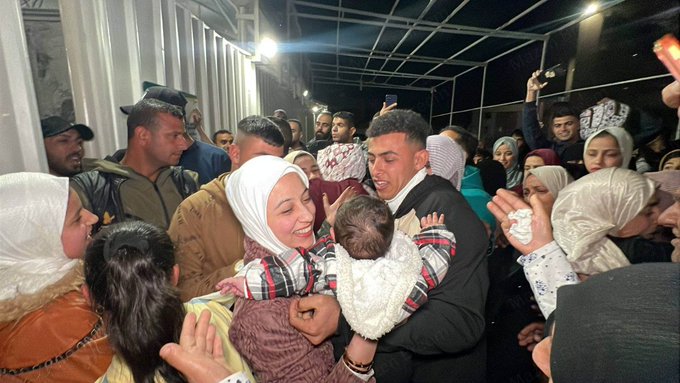
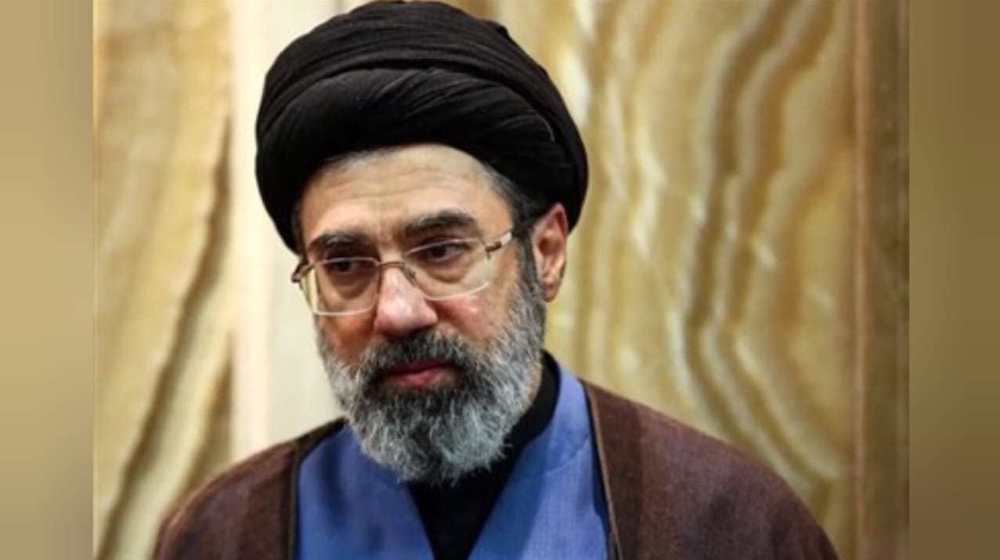
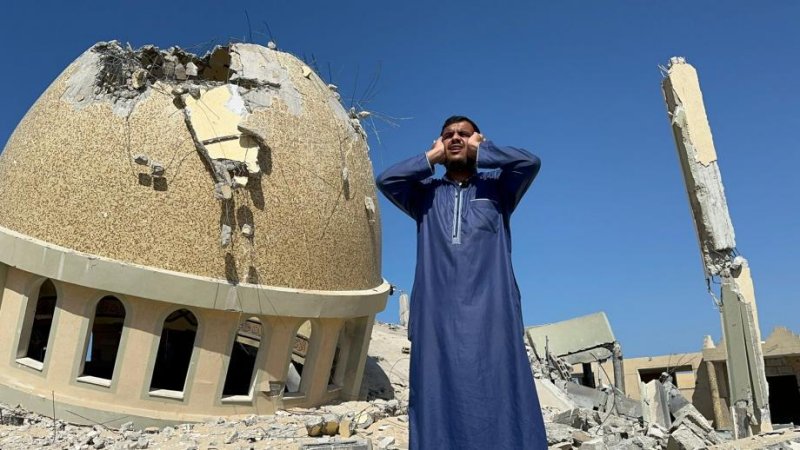 Gaza Begins to Restore Its Mosques
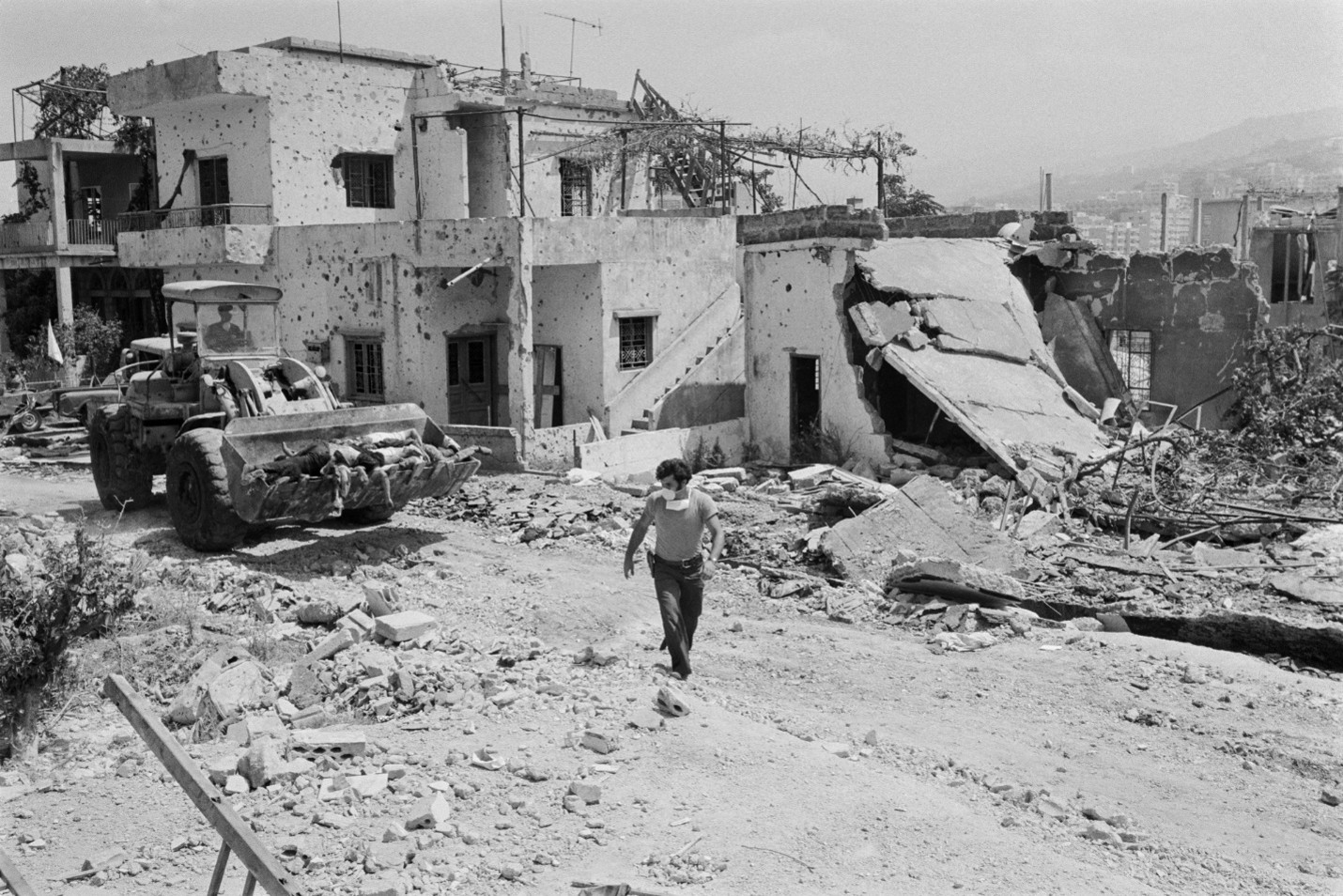
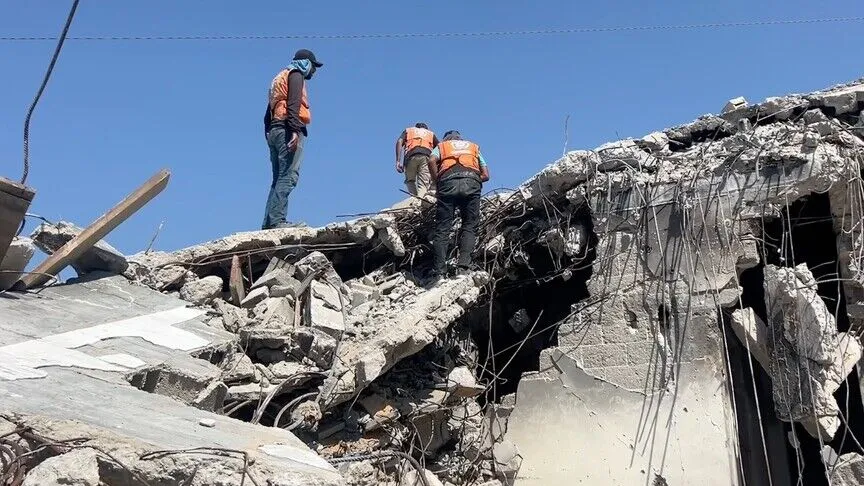
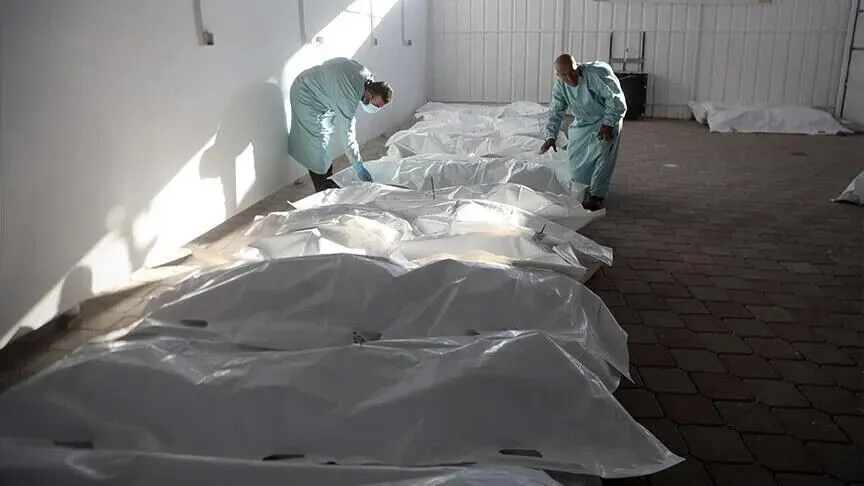
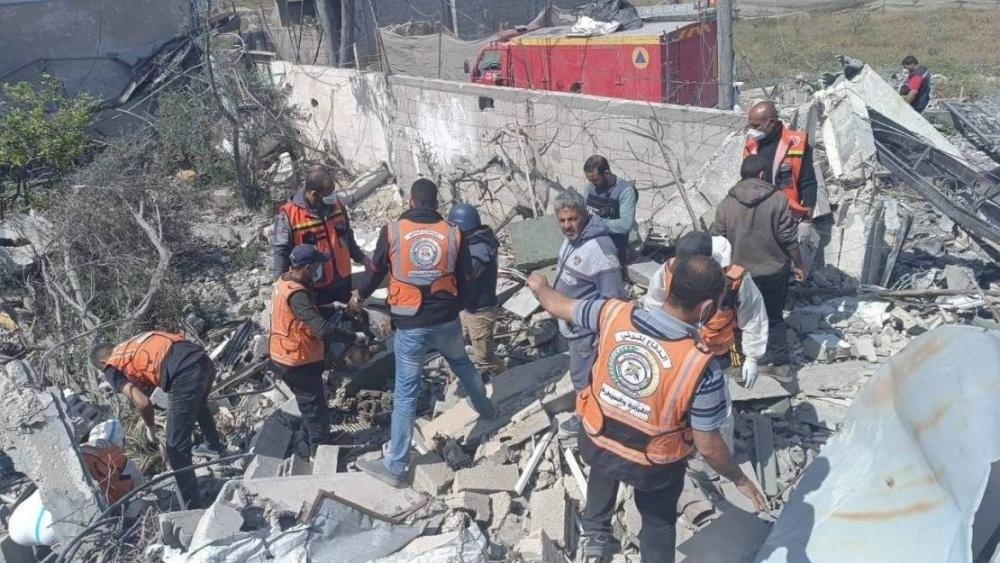
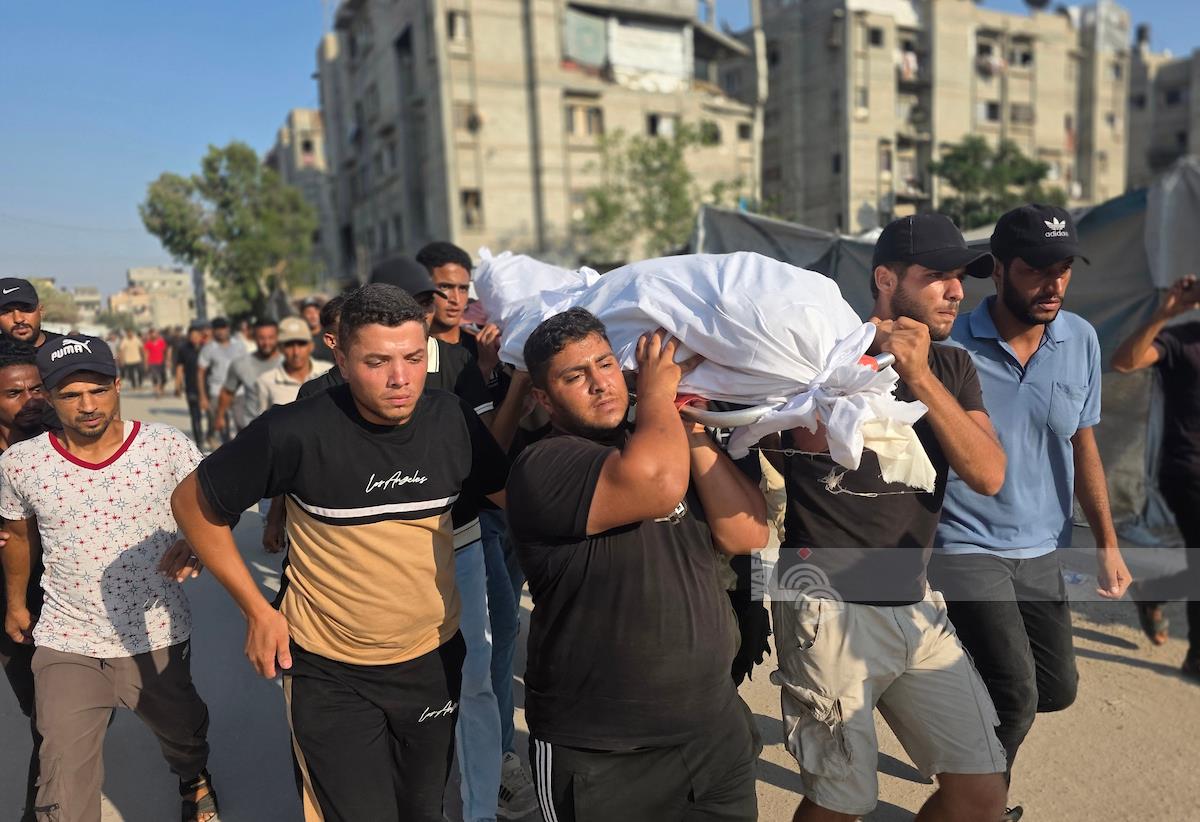
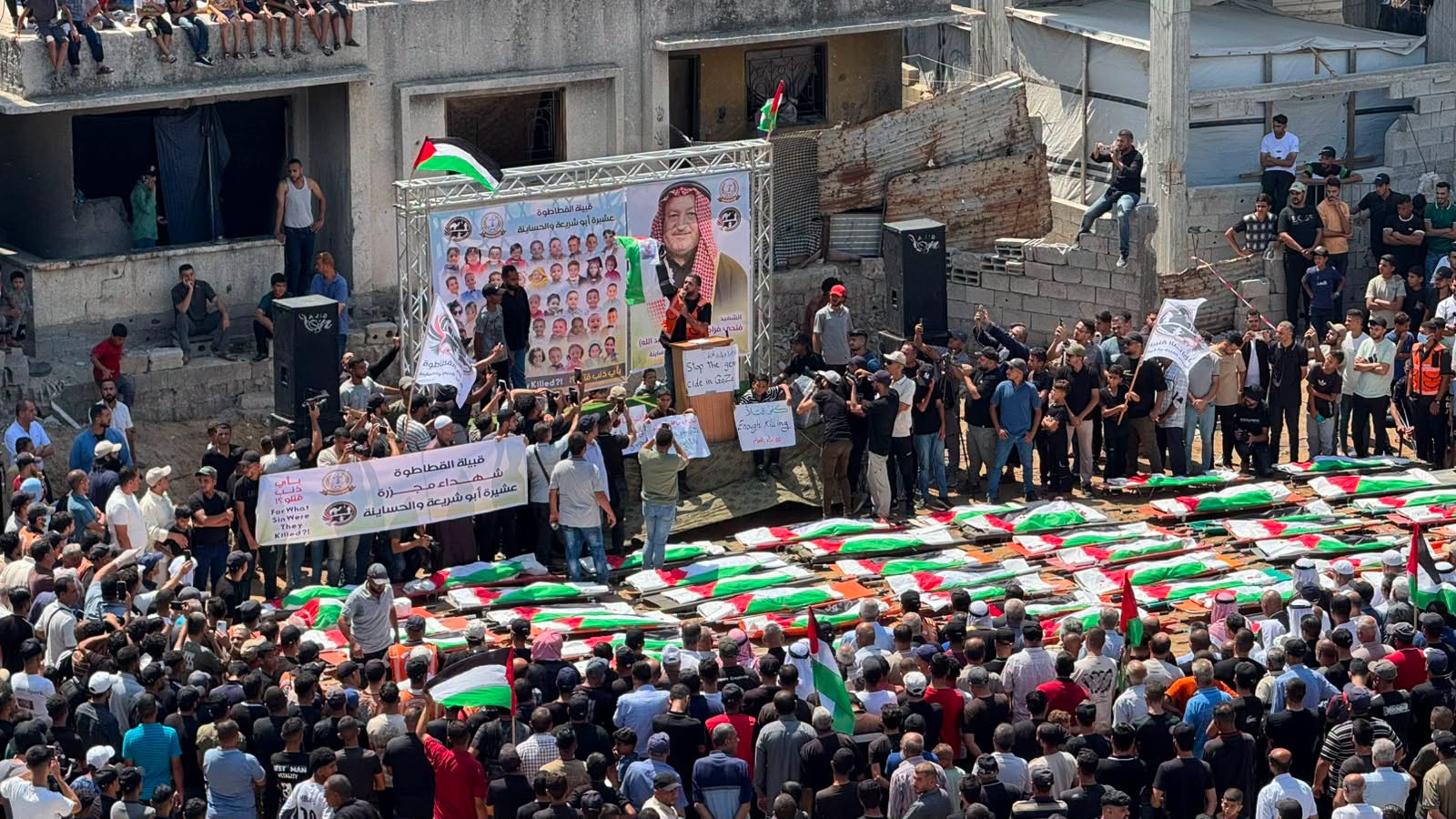
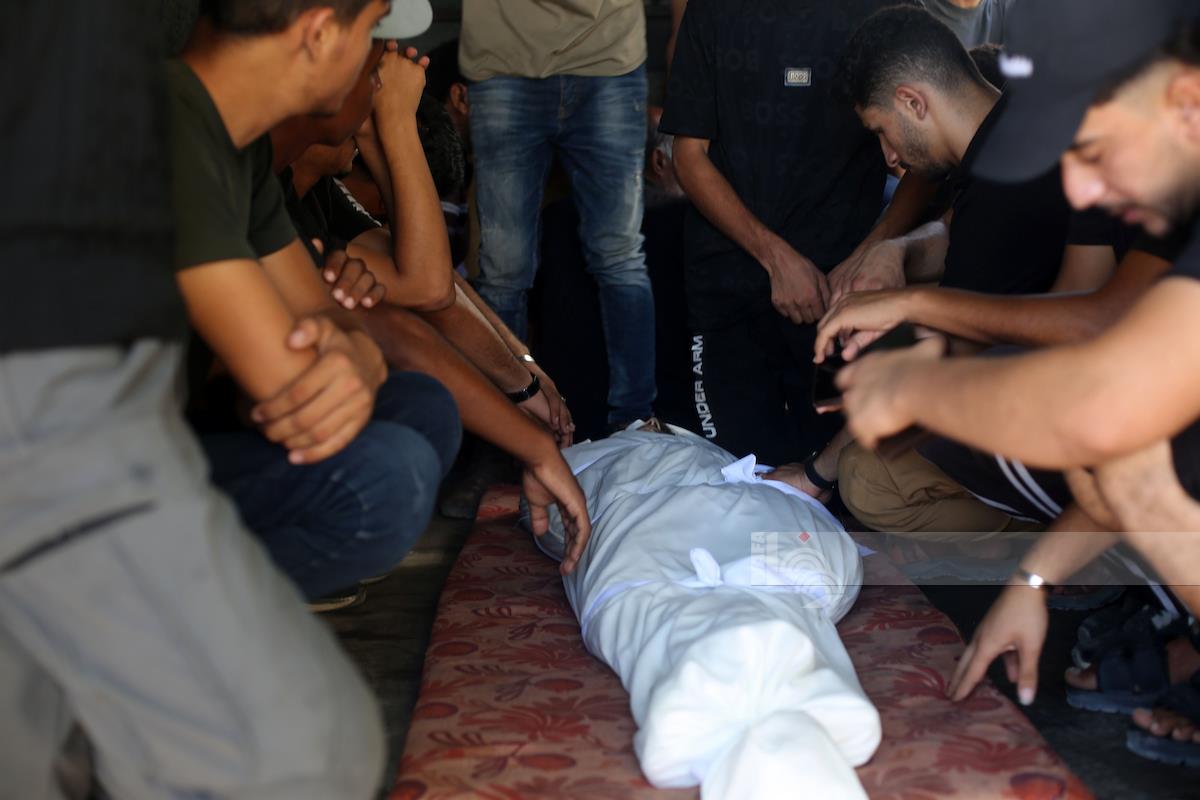
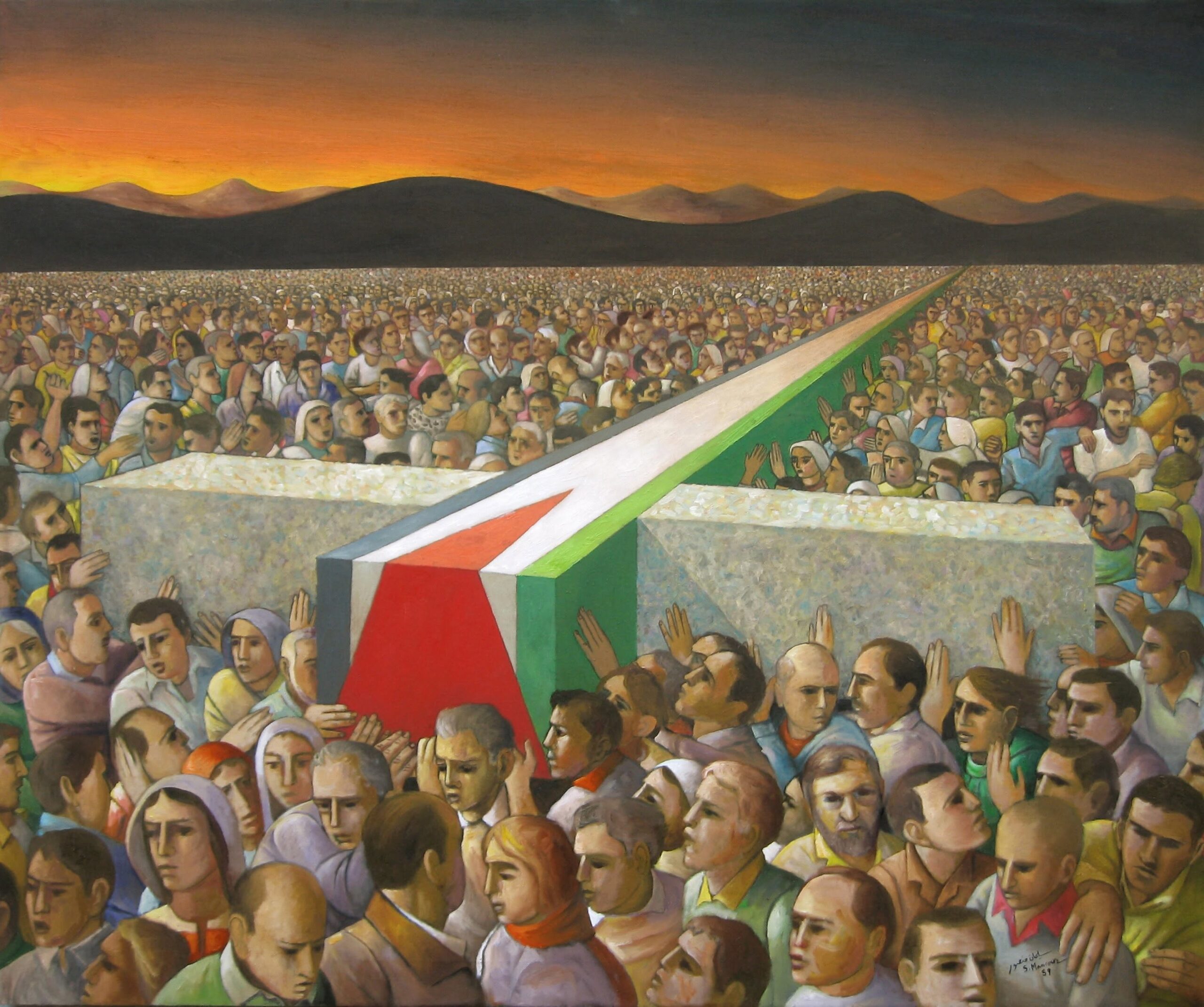 12 Bodies Uncovered in Gaza City
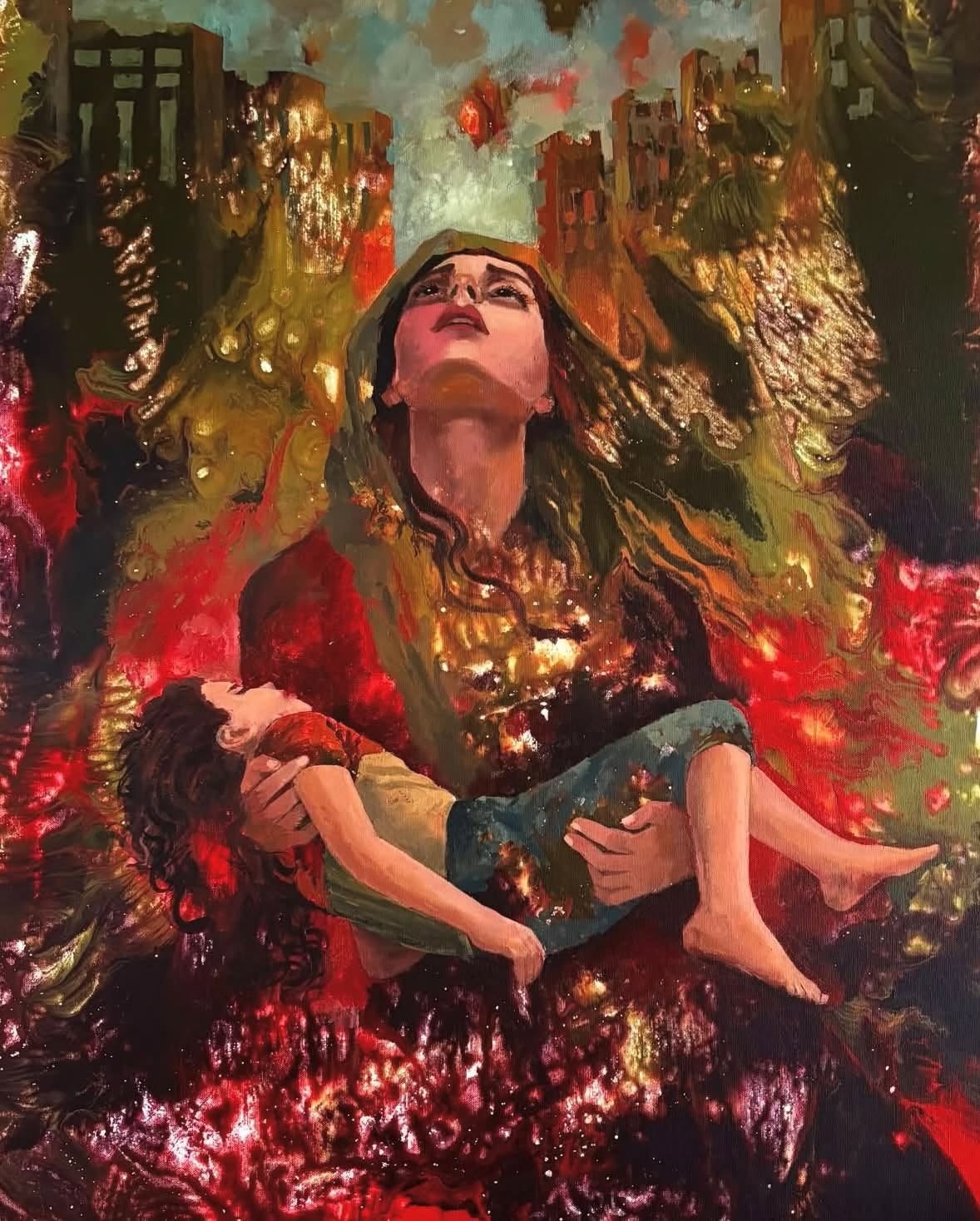
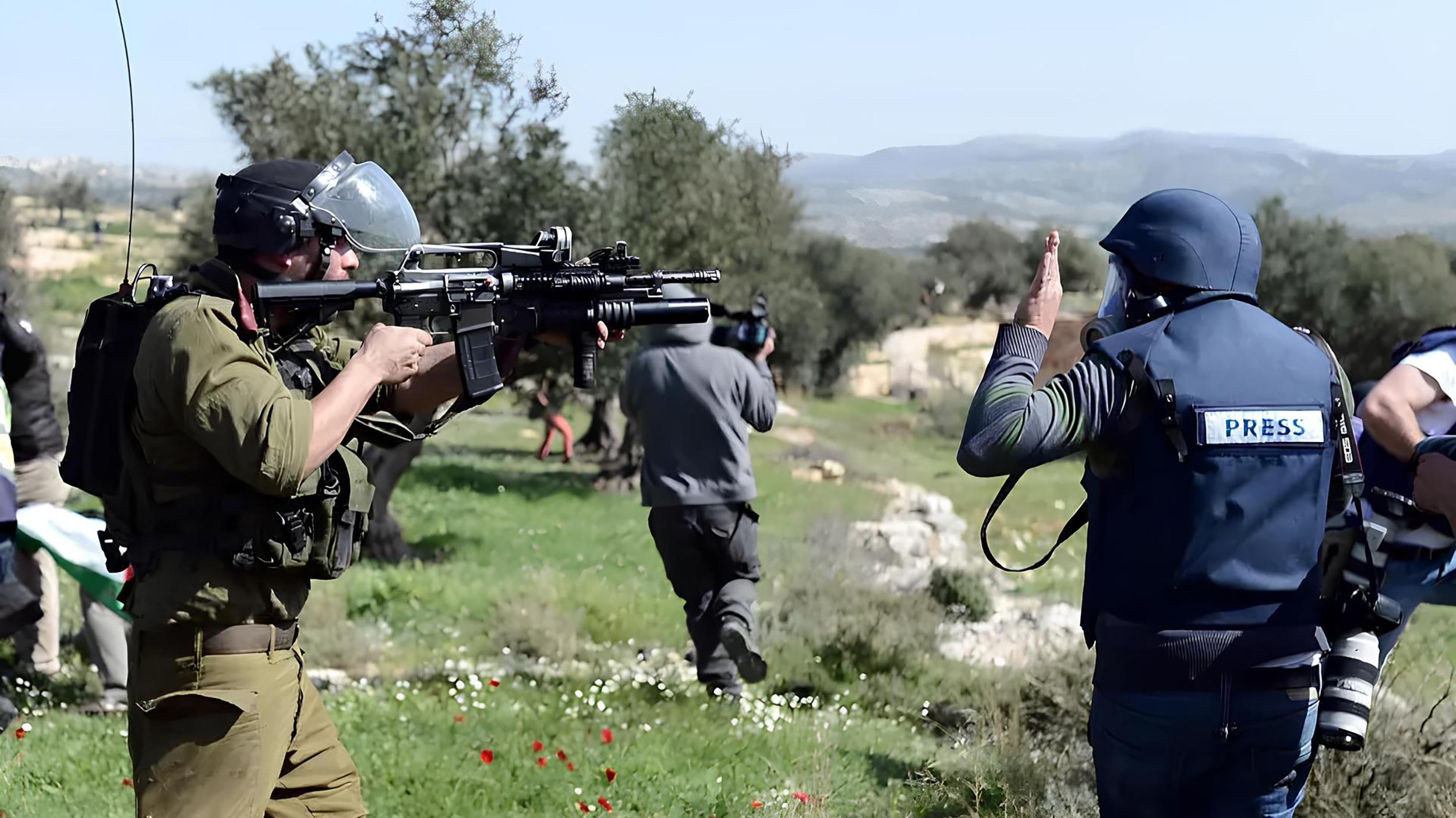
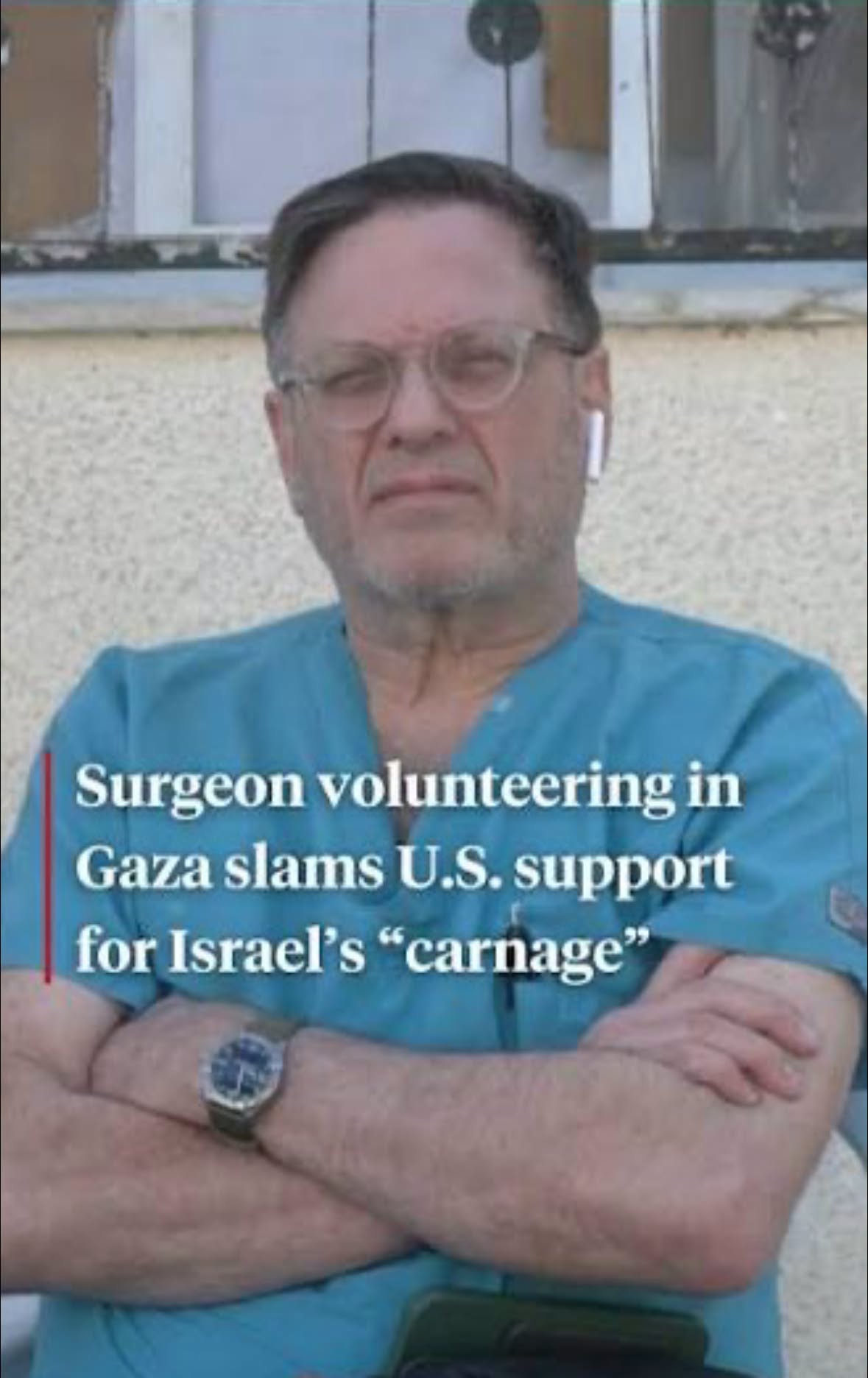 Dr. Mark Perlmutter recounts amputating the leg of a five-year-old girl in Gaza with no anesthesia available beyond an anesthesiologist singing to her.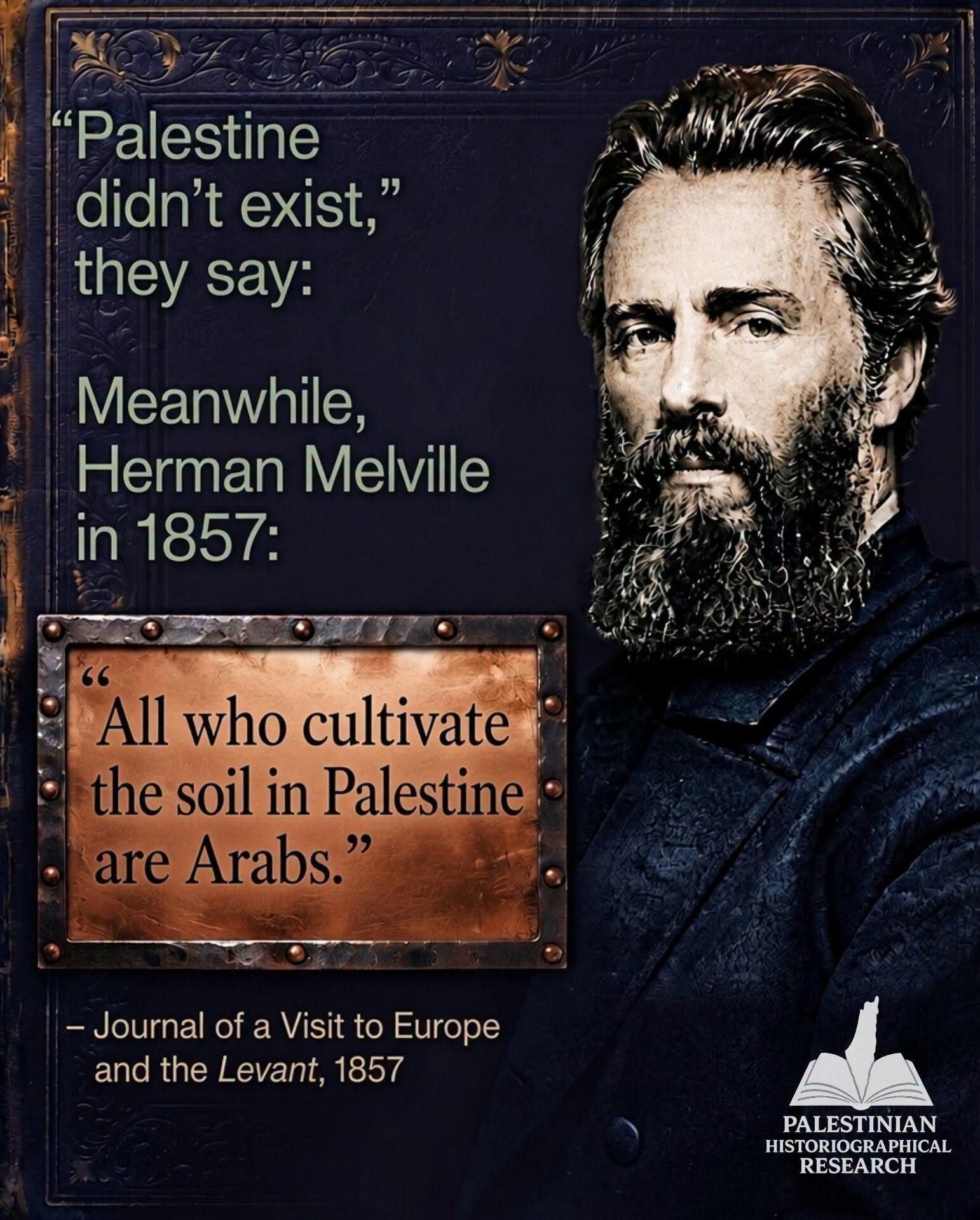

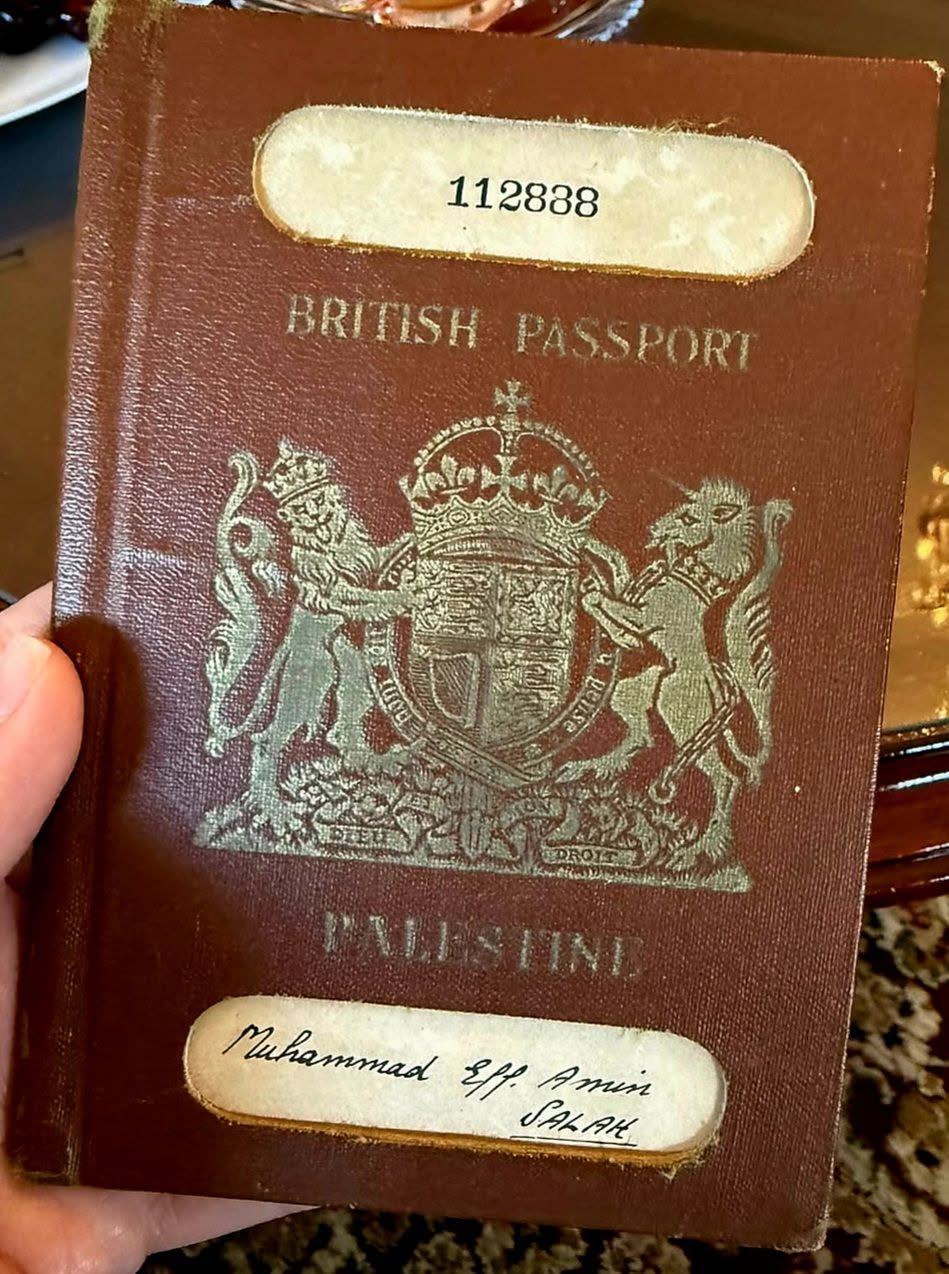
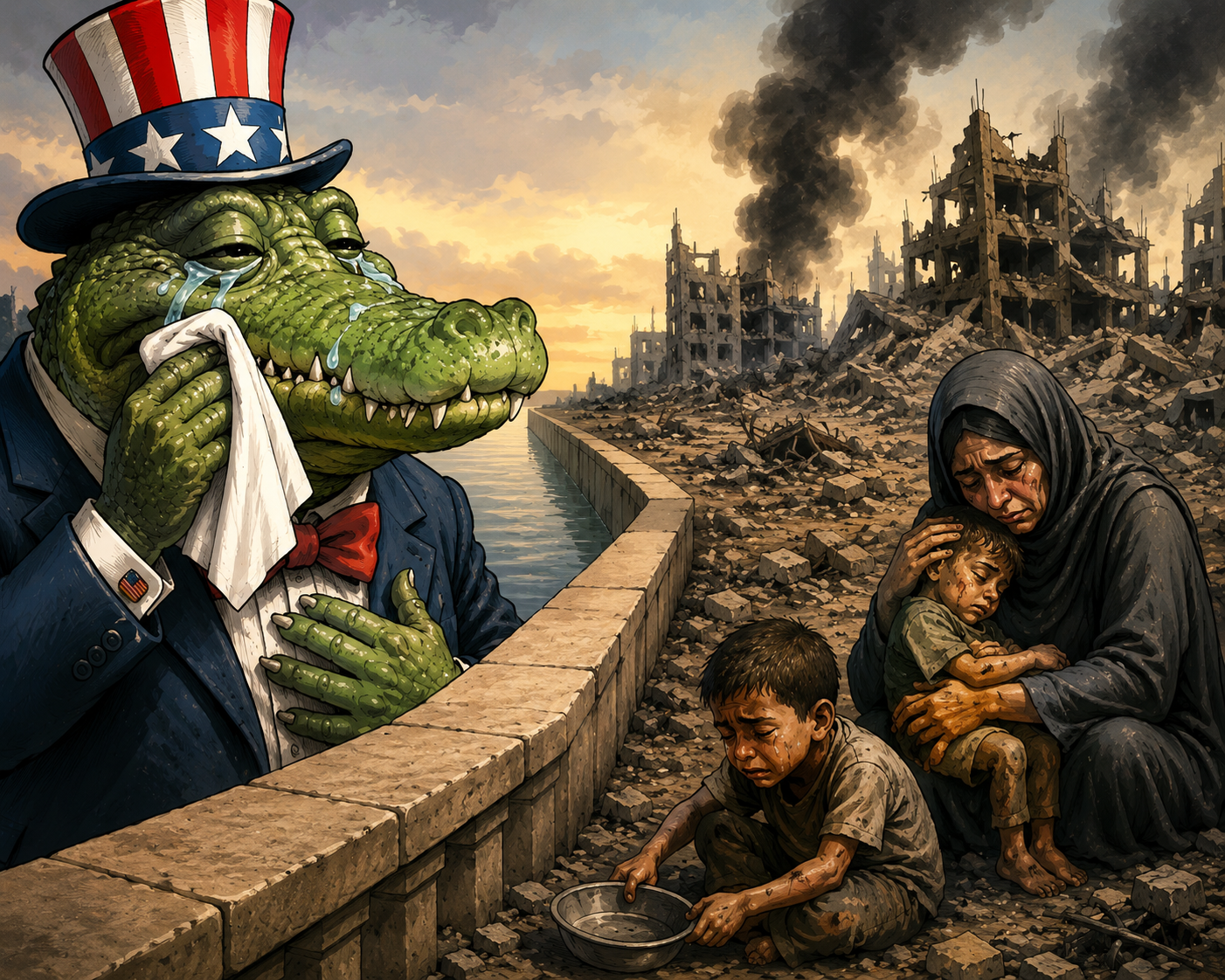
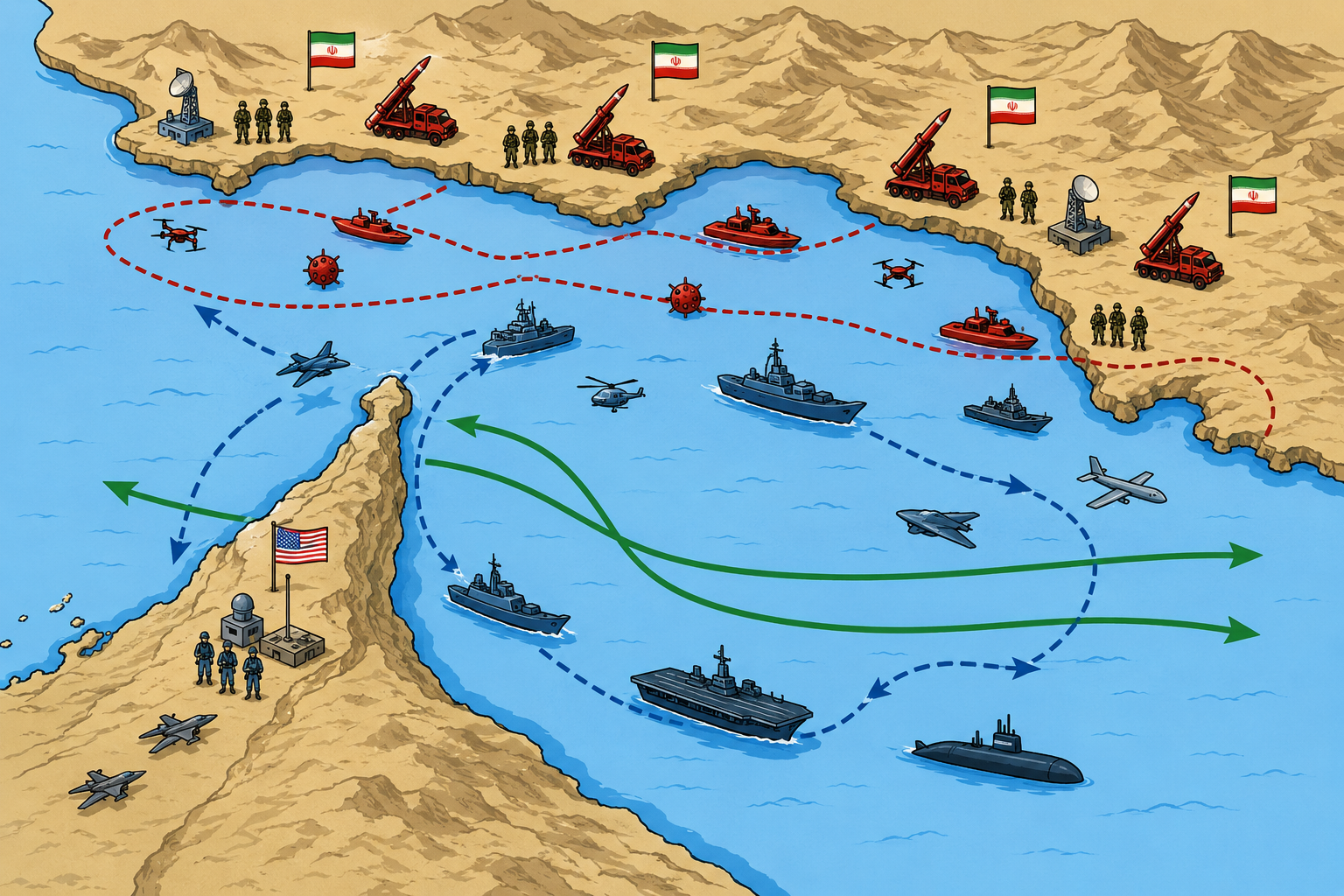

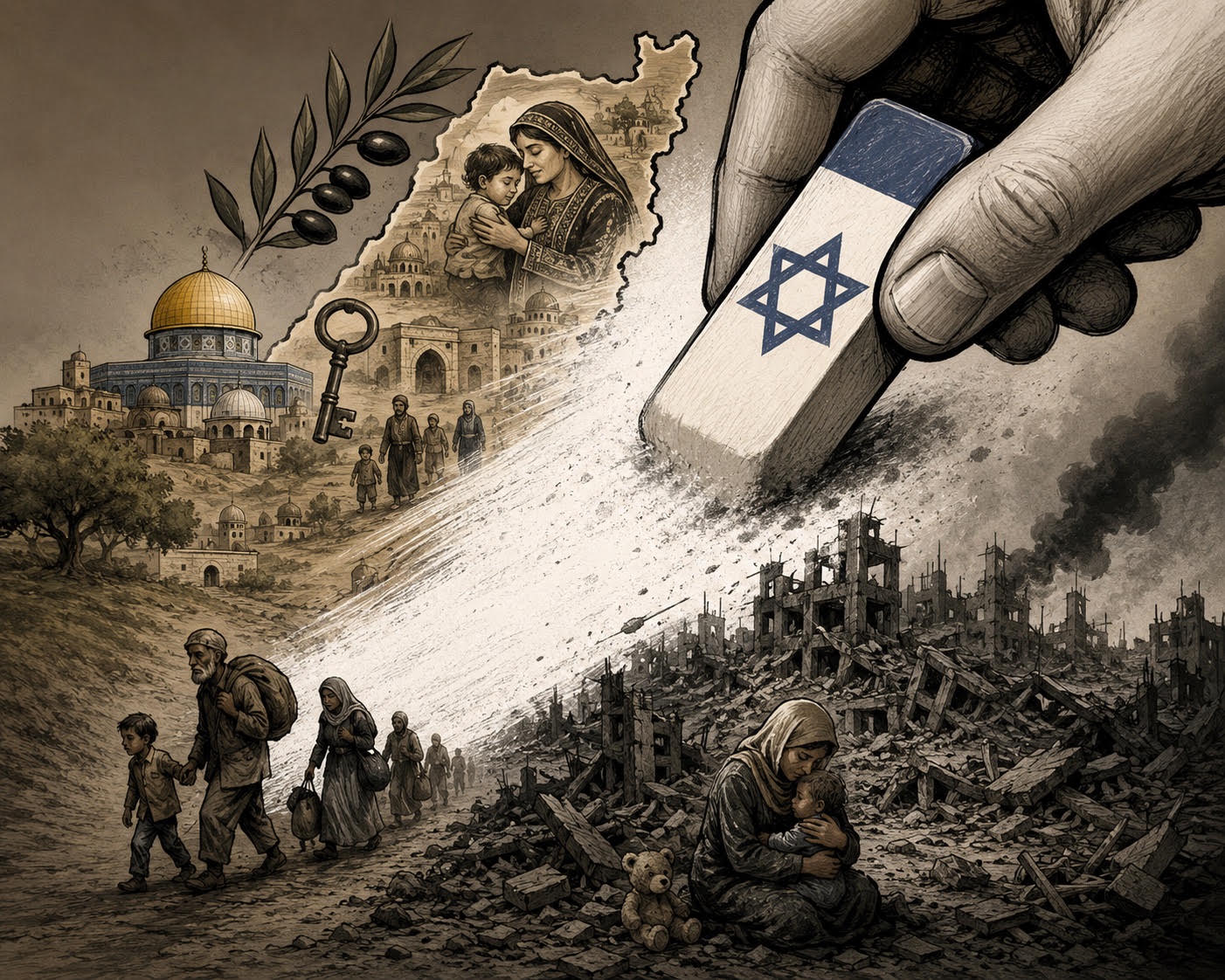

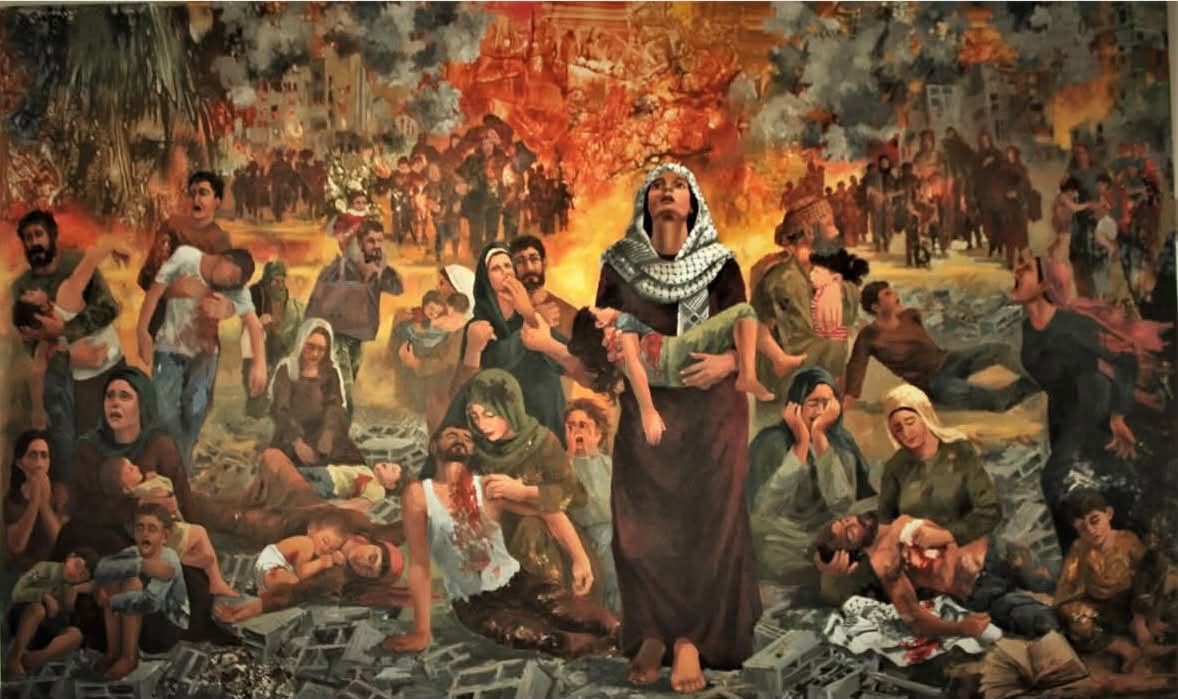
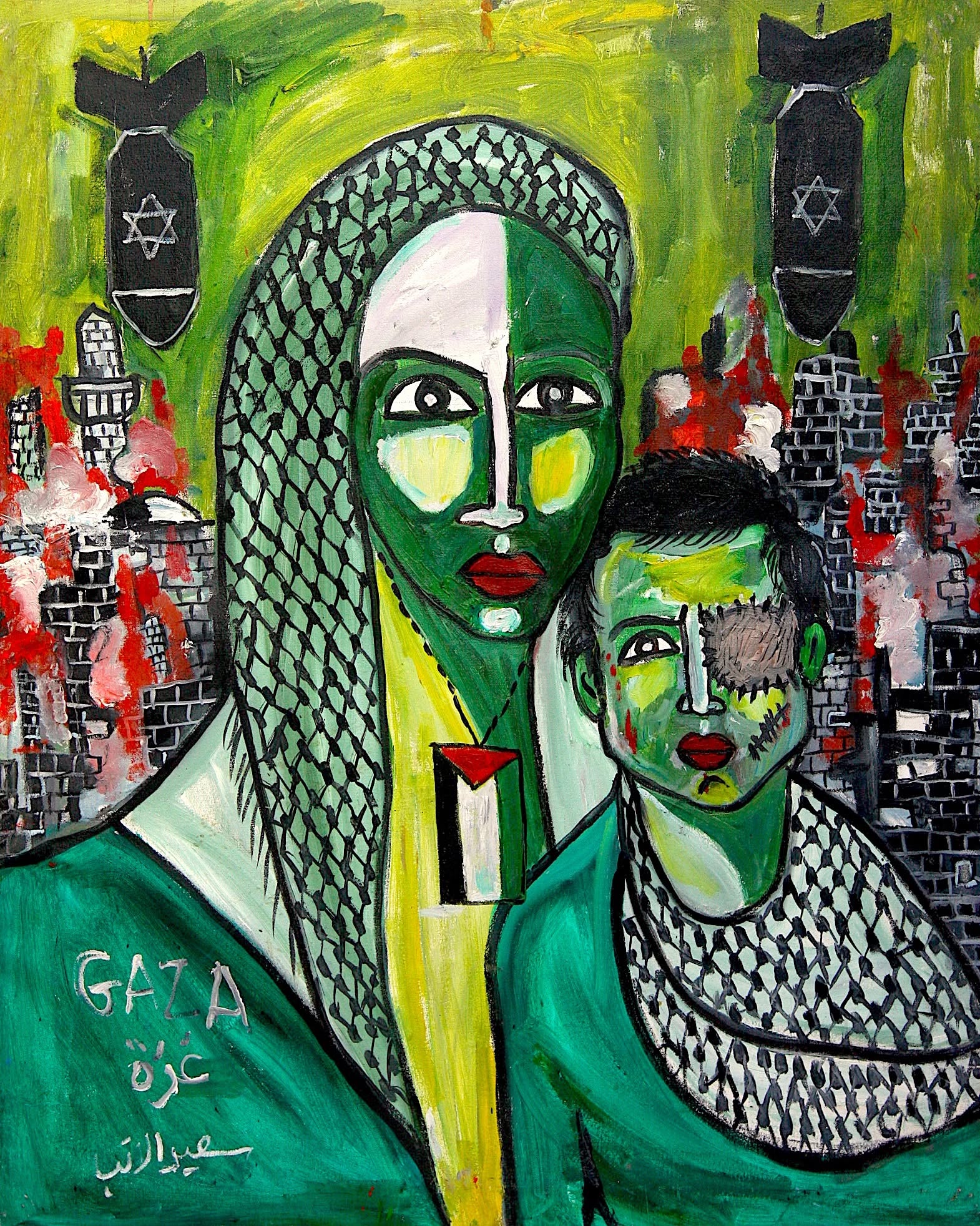
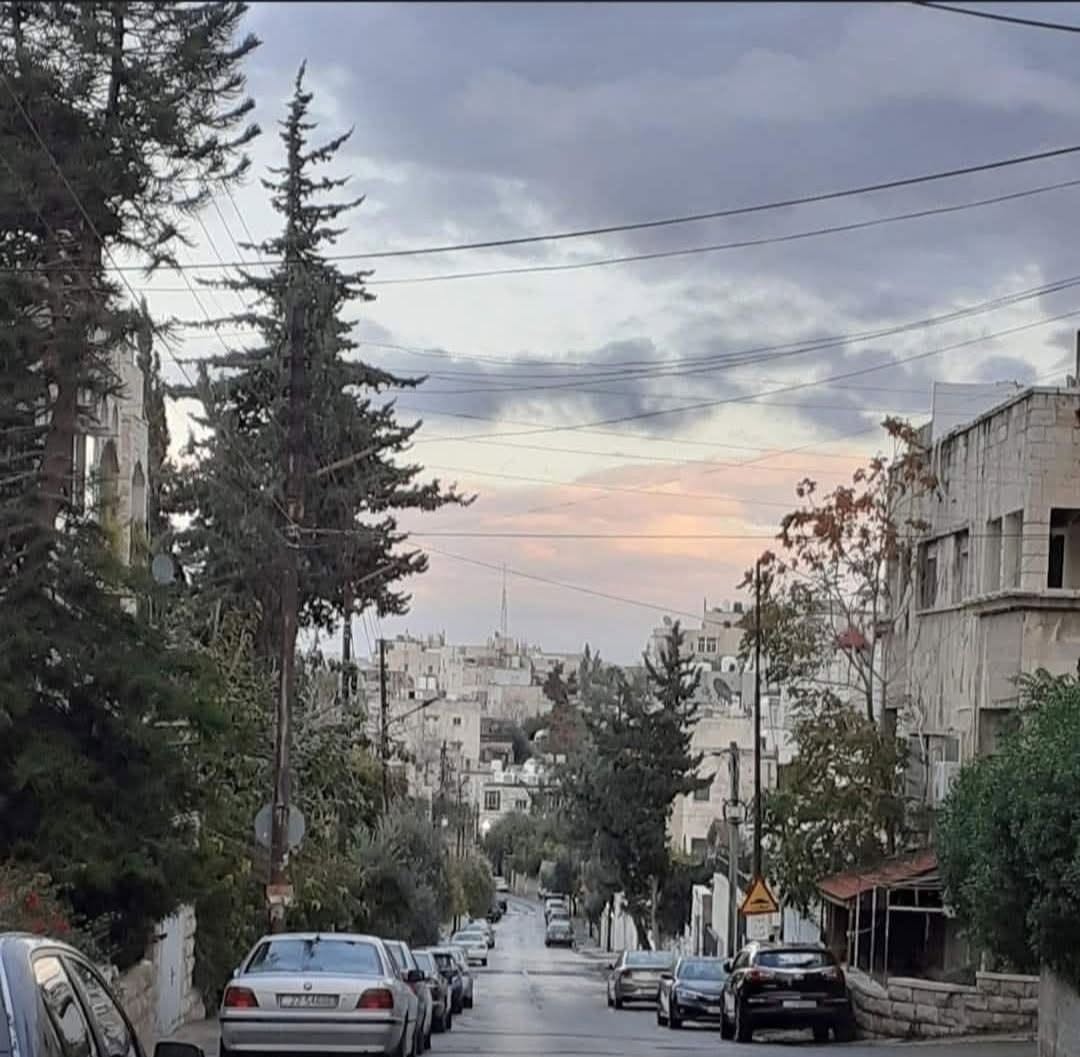
Jabal Al-Weibdeh: An AI Art Story
 CrossFireArabia
- August 16, 2026
 CrossFireArabiaCrossFireArabia
 marwanCrossFireArabiaCrossFireArabiamarwanCrossFireArabia
 HebaCrossFireArabiamarwanCrossFireArabiamarwanHebaCrossFireArabiamarwanmarwanHebaCrossFireArabiamarwanmarwanCrossFireArabiamarwanHebaCrossFireArabiaCrossFireArabiaCrossFireArabiaHebamarwanCrossFireArabiamarwanHebaCrossFireArabiaHebamarwanmarwanCrossFireArabiamarwanmarwanmarwanmarwanmarwanmarwanmarwanmarwanmarwanCrossFireArabiaCrossFireArabiamarwanmarwanCrossFireArabiaCrossFireArabiamarwanCrossFireArabiamarwanHebaHebamarwanmarwanCrossFireArabiamarwanmarwanmarwanmarwanCrossFireArabiaCrossFireArabiamarwanmarwanmarwanCrossFireArabiamarwanmarwanmarwanmarwanmarwanCrossFireArabiamarwanmarwanCrossFireArabia
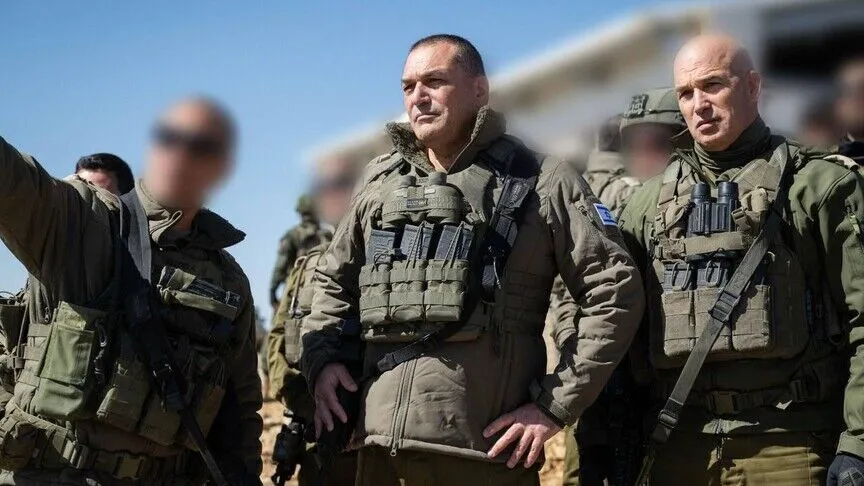
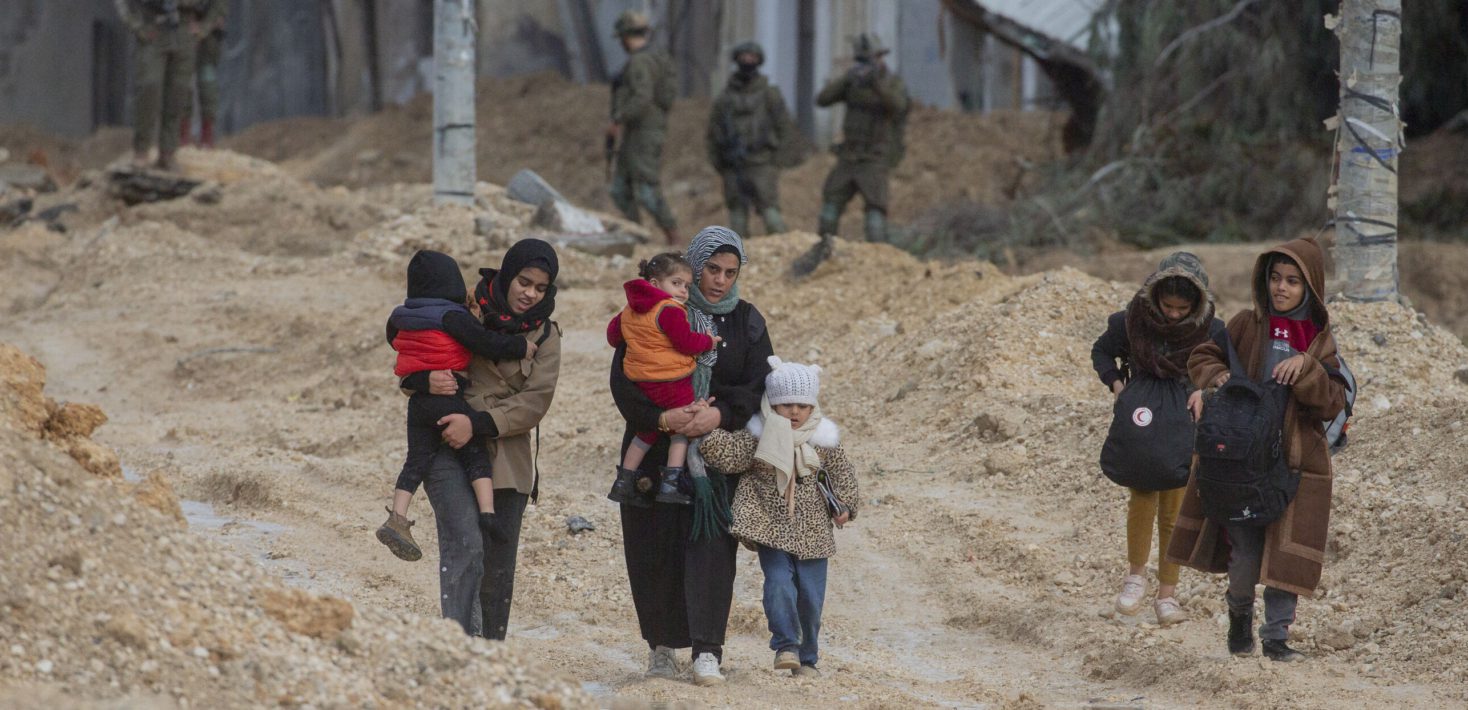
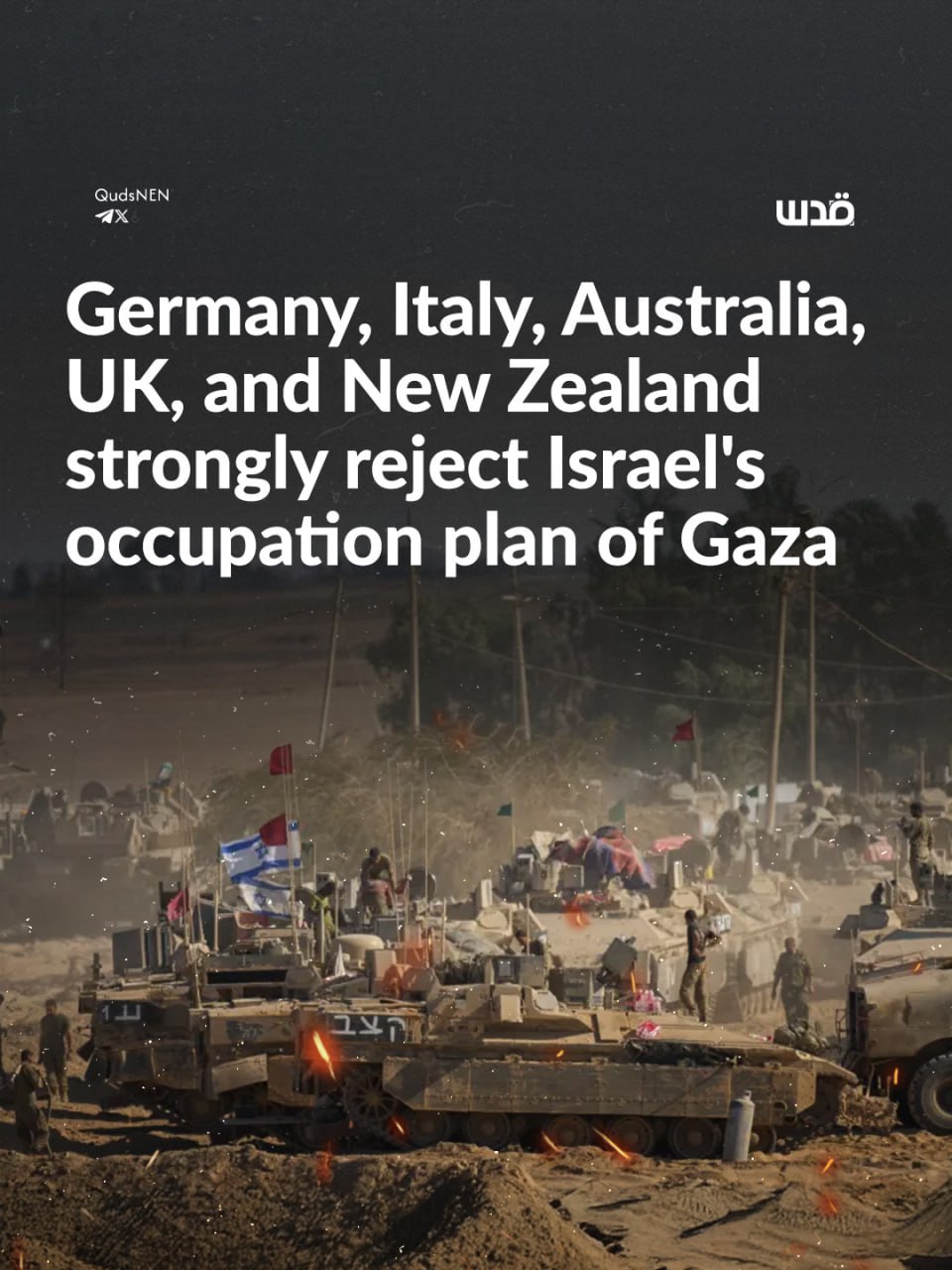
In a joint statement, the foreign ministers of Australia, Germany, Italy, New Zealand, and the United Kingdom strongly condemned Israel’s decision to occupy the Gaza City.
They warned that the move would exacerbate the already dire humanitarian crisis, endanger the lives of hostages, and increase the risk of mass civilian displacement.
The statement emphasized that any attempts at annexation or settlement expansion would constitute a violation of international law.
The ministers called for the immediate release of all captives by Hamas and urged Israel to take concrete steps to facilitate the delivery of humanitarian aid to those in need.
CrossFireArabia
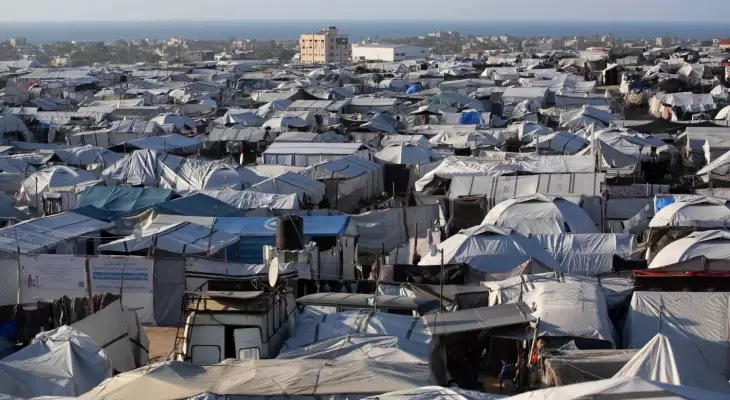
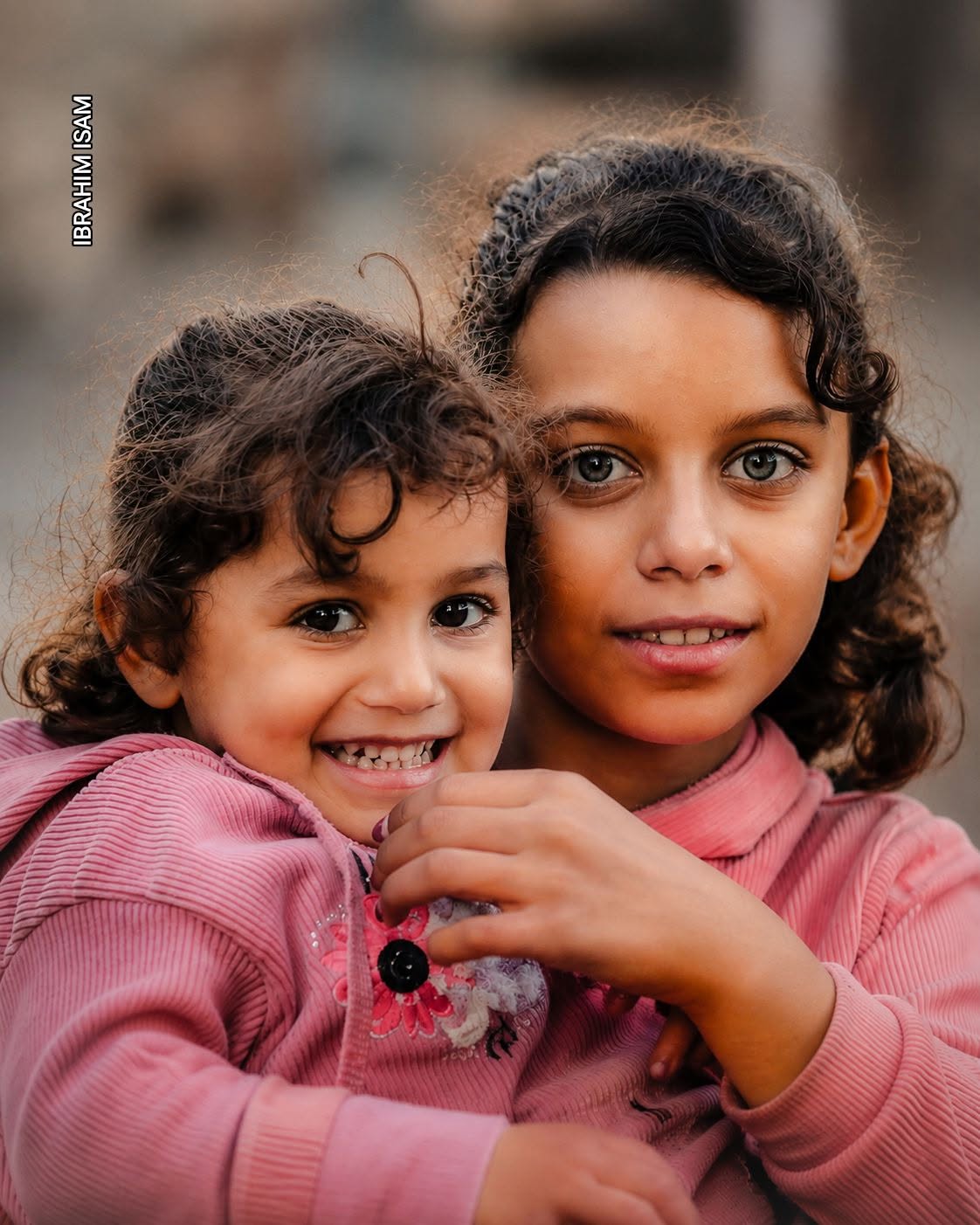
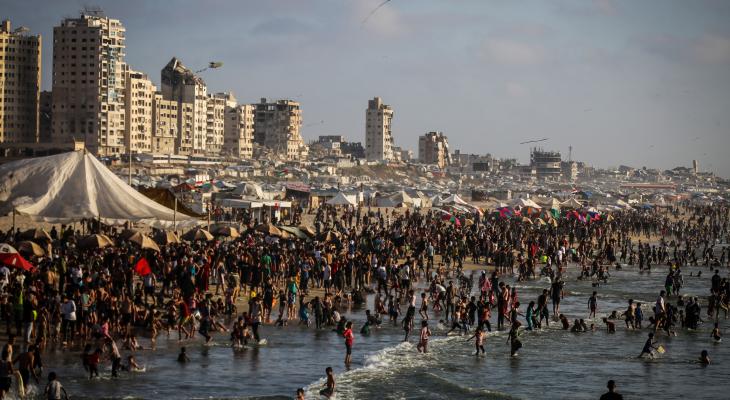
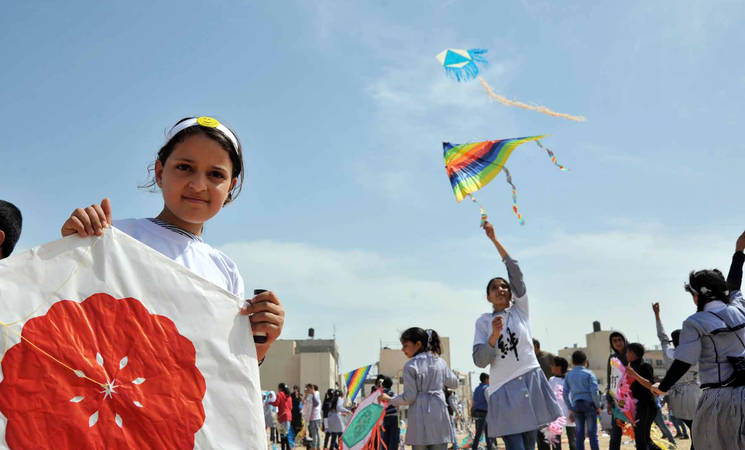
“My kite flew above the tent… I felt like it was lifting me away from all sadness” — eight-year-old Amatullah*.
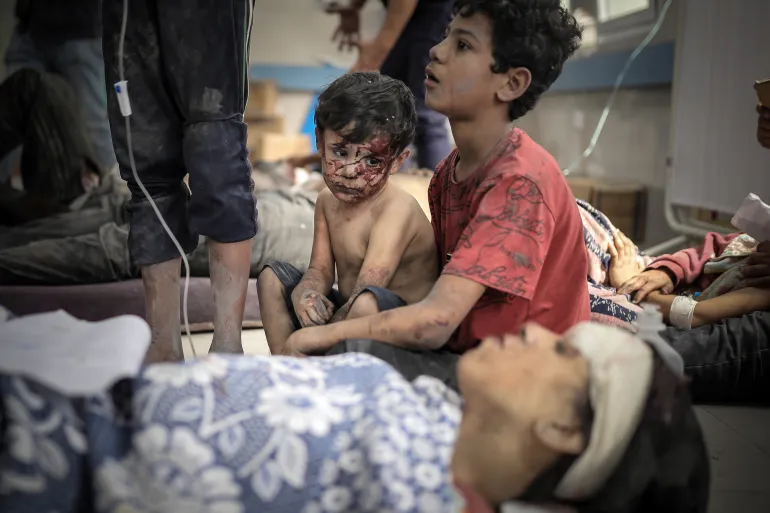
In acute emergencies like the war in Gaza, Early Childhood Development (ECD) plays a critical role in protecting children’s well-being and sense of normalcy. Since the onset of the escalation, the IRC and local partners have launched a flexible, play-based ECD response to meet the urgent developmental and psychosocial needs of young children and their caregivers.
With over 650,000 children currently out of school across Gaza, access to safe, supportive environments for early learning is more critical than ever. Since January 2024, our ECD programming has reached more than 22,000 children, offering joyful and structured activities in shelters, mobile kindergartens, and community spaces.
“For the first time in a long while, I played like this… I forgot about the war for a bit.” — Sara Abu*
Under the UBS-funded initiative Hope Through Learning and Play, the program is implemented in Gaza by our local partner, Save Youth Future Society using adapted ECD content from Ahlan Simsim and Preschool Healing Classrooms. This partnership has supported over 4,400, specifically displaced children – navigate grief, express emotions, and reconnect through play.
Learn more about the crisis in Gaza.
*Pseudnym used for privacy
CrossFireArabia
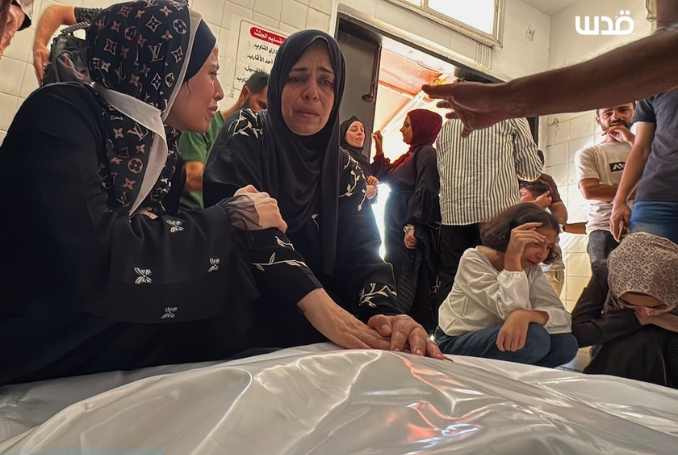
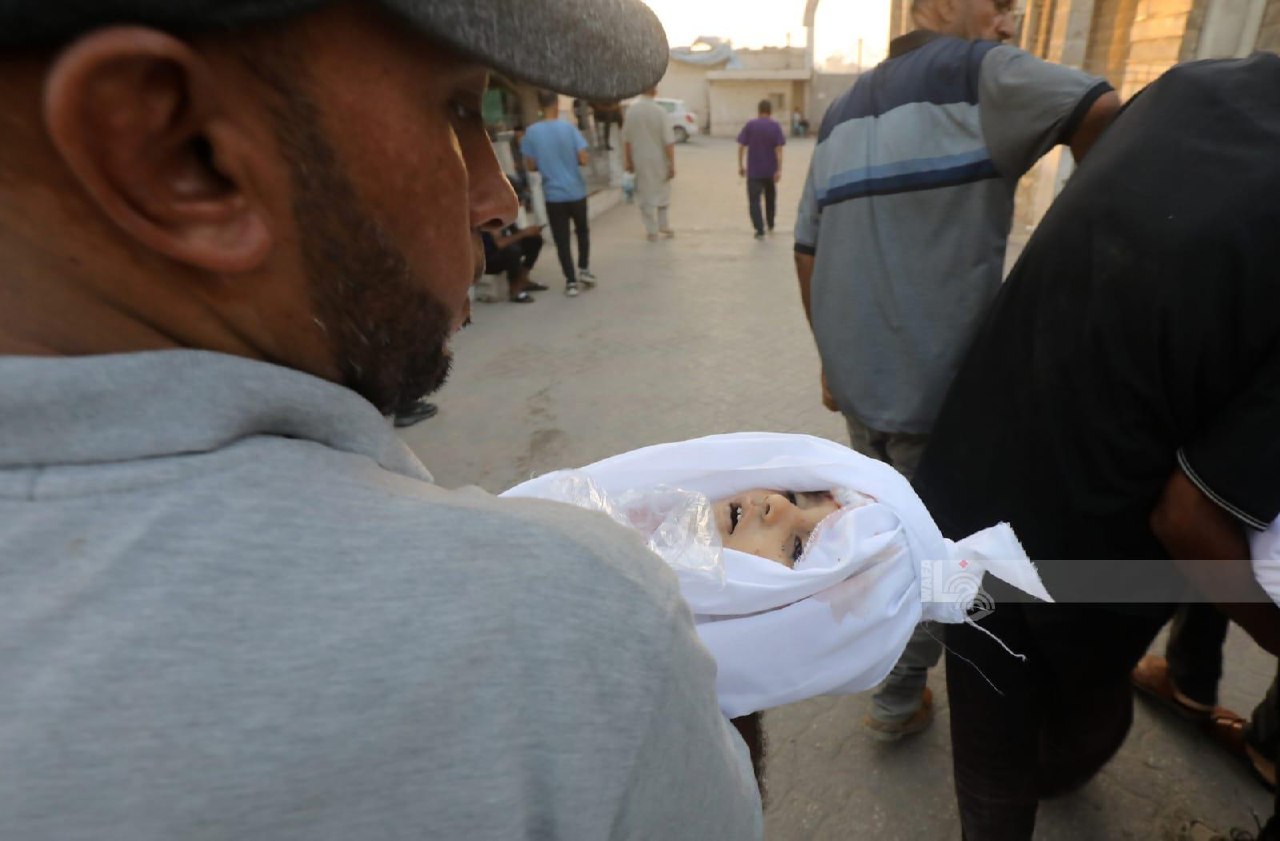
At least 61,369 Palestinians have been killed in Israel’s genocidal war on the Gaza Strip since October 2023, the Health Ministry said on Saturday.
A ministry statement said that 39 bodies were brought to hospitals in the last 24 hours, while 491 people were injured, taking the number of injuries to 152,850 in the Israeli onslaught.
“Many victims are still trapped under the rubble and on the roads as rescuers are unable to reach them,” it added.
The ministry also noted that 21 Palestinians were killed and over 341 injured while trying to get humanitarian aid in the last 24 hours, bringing the total number of Palestinians killed while seeking aid to 1,743, with over 12,590 others wounded since May 27.
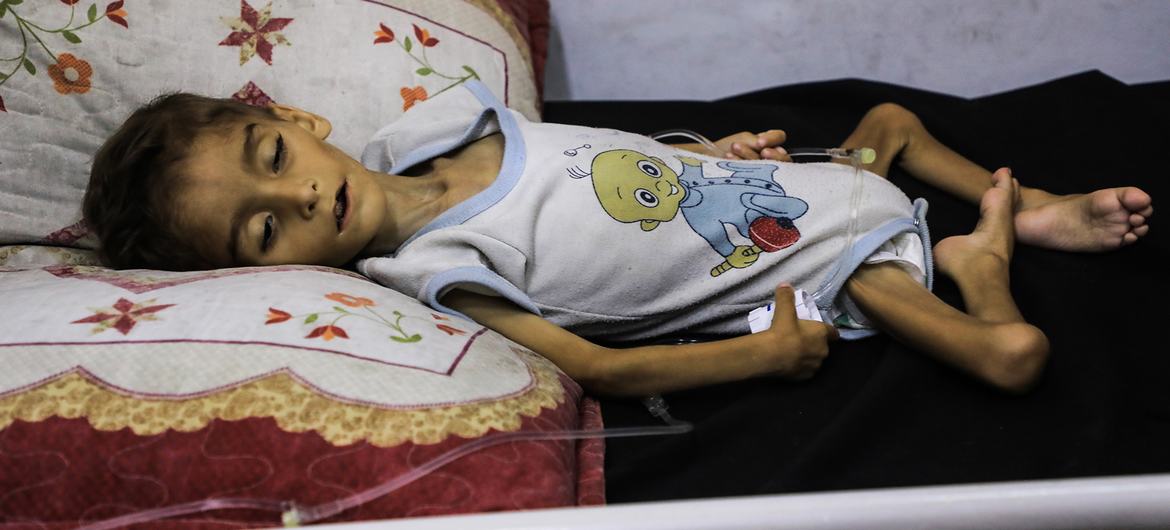
The ministry reported that 11 people, including children, have died in the past 24 hours due to famine and malnutrition. This brings the total death toll from starvation to 212, among them 98 children, as the humanitarian crisis in the enclave deepens.
The Israeli army resumed its attacks on the Gaza Strip on March 18 and has since killed 9,862 people and injured 40,809 others, shattering a ceasefire and prisoner exchange agreement that took hold in January according to Anadolu.
Last November, the International Criminal Court issued arrest warrants for Israeli Prime Minister Benjamin Netanyahu and his former Defense Minister Yoav Gallant for war crimes and crimes against humanity in Gaza.
CrossFireArabia
This is the fourth reported killed in as many days as large boxes came crushing down, including that of an 11-year-old boy and a nurse
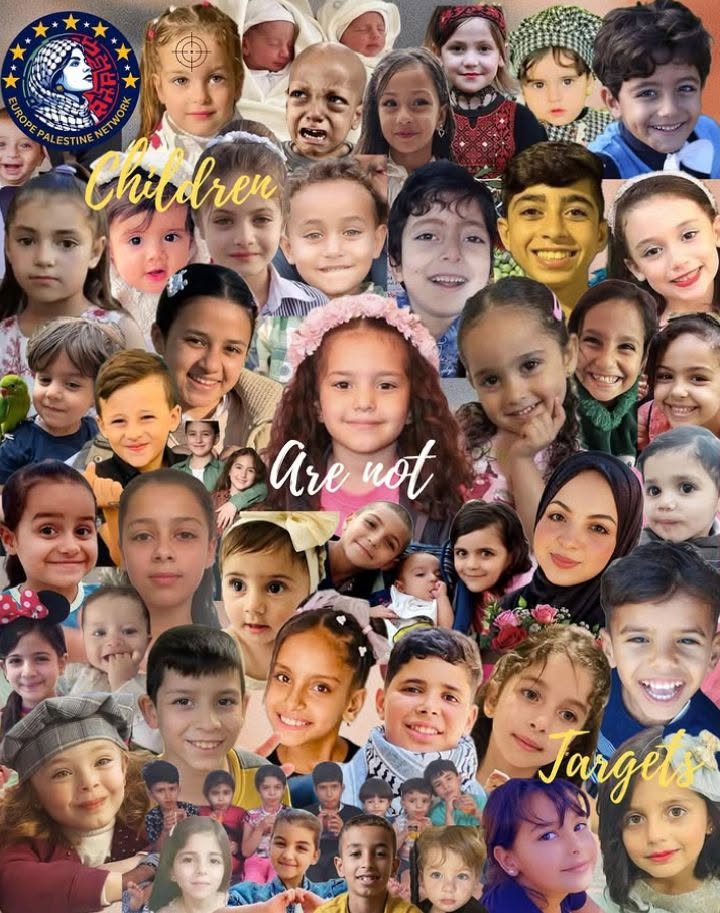
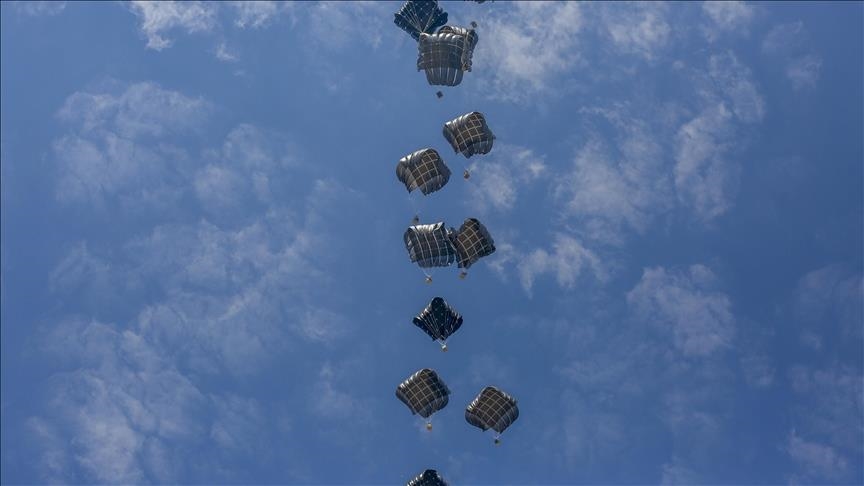
A 14-year-old Palestinian boy was killed and several people were injured Saturday when an aid box dropped by air fell on them in central Gaza, marking the fourth such fatal accident in recent days, medical sources said.
The sources told Anadolu that Muhannad Eid died after being struck in the head by a box in the Al-Nuwairi Hill area, west of the Nuseirat refugee camp. He was taken to Al-Awda Hospital, where he was pronounced dead. The exact number of injured was not immediately available.
Saturday’s tragedy follows three similar incidents since multiple countries began parachuting aid into Gaza on July 16, amid an Israeli blockade that has pushed the enclave into famine.
In the early hours of the same day, another Palestinian died from injuries sustained a day earlier when a box hit him in Gaza City’s Al-Yarmouk area. On Monday, a nurse was killed when a box crashed onto his tent in Al-Zawaida, while an 11-year-old boy died Wednesday in Khan Younis in the same way.
Palestinian officials and humanitarian groups say air-drops are far less effective than land deliveries and have caused chaos, damage, and deaths.
Israel has kept all Gaza crossings closed since March 2, blocking aid convoys despite hundreds of trucks waiting at the border. Only small amounts have been allowed in, far below the level needed to avert famine.
The World Food Program says one-third of Gaza’s population has gone several days without eating, calling the situation “unprecedented” in its levels of hunger and desperation. The UN estimates hundreds of aid trucks must enter daily to end the famine caused by the Israeli blockade and war.
Israel has been facing mounting outrage over its deadly war on Gaza, where more than 61,300 people have been killed since October 2023. The military campaign has devastated the enclave and brought it to the verge of famine.
Last November, the International Criminal Court issued arrest warrants for Israeli Prime Minister Benjamin Netanyahu and his former Defense Minister Yoav Gallant for war crimes and crimes against humanity in Gaza.
Israel also faces a genocide case at the International Court of Justice for its war on the enclave.
CrossFireArabia
France, Friday, condemned in the “strongest terms” the Israeli government’s plan to occupy Gaza, reiterating its “firm opposition” to the scheme.
“France strongly condemns the plan adopted overnight by the Israeli government to once again extend its military operations to take control of Gaza City, with the aim of militarily controlling the entire Gaza Strip,” the Foreign Ministry wrote in a statement.
It reiterated France’s “firm opposition” to any plan to occupy the Gaza Strip and forcibly displace its population, underlining that such actions would lead to “serious violations of international law” and an “absolute deadlock.”
“They would undermine the legitimate aspirations of the Palestinians to live in peace within a viable, sovereign, and contiguous state, and would pose a threat to regional stability,” the ministry said.
It further reaffirmed that France will continue to work for implementation of a two-state solution, stressing that the future of the Gaza Strip “must be part of a future Palestinian state led by the Palestinian Authority.”
“France will continue the work initiated in New York, together with its partners and the United Nations, to deploy a temporary international stabilization mission to ensure the security of both Israelis and Palestinians. It calls on its partners and all other states to join this collective effort,” it added, referring to a recent conference on a two-state solution.
On X, Foreign Minister Jean-Noel Barrot also denounced the Israeli plan.
“France strongly condemns the Israeli government’s plan aimed at preparing for the complete occupation of Gaza. Such an operation would worsen an already catastrophic situation without enabling the release of Hamas hostages, its disarmament, or its surrender,” he wrote.