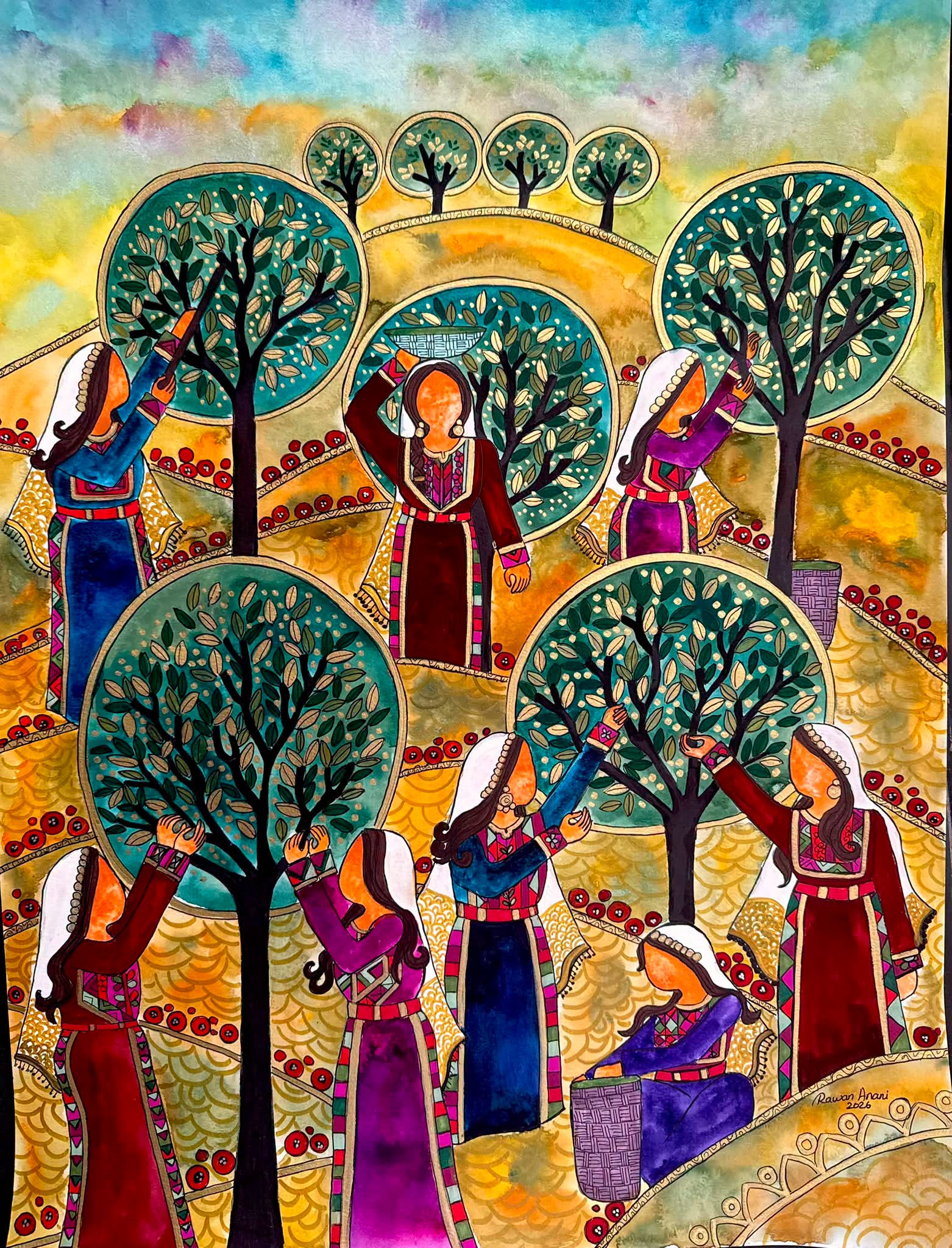
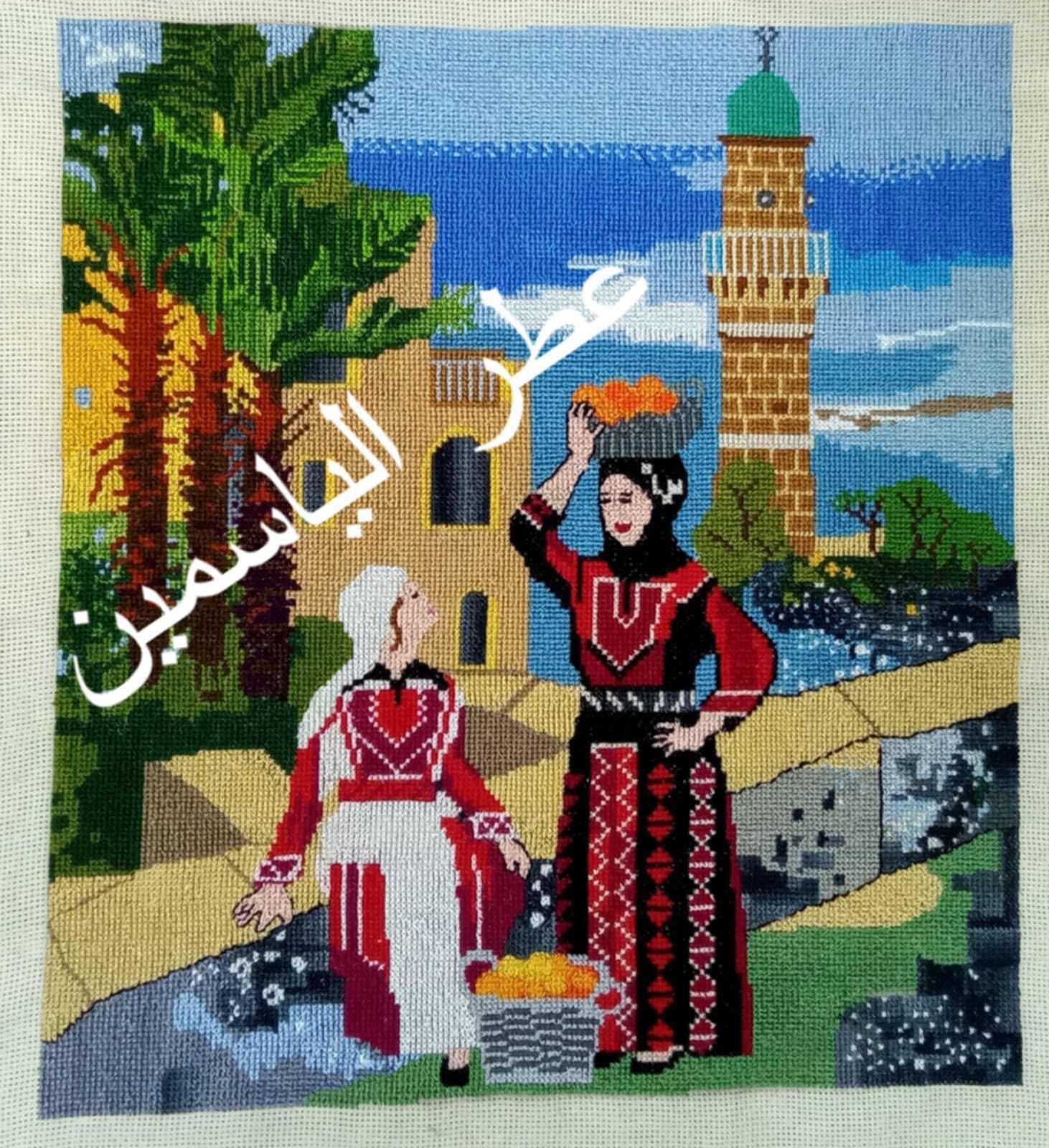
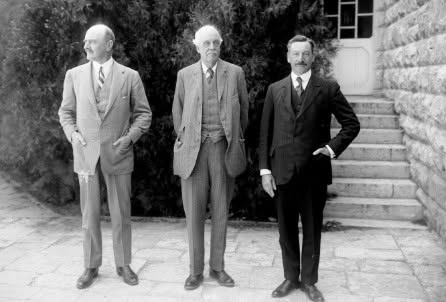
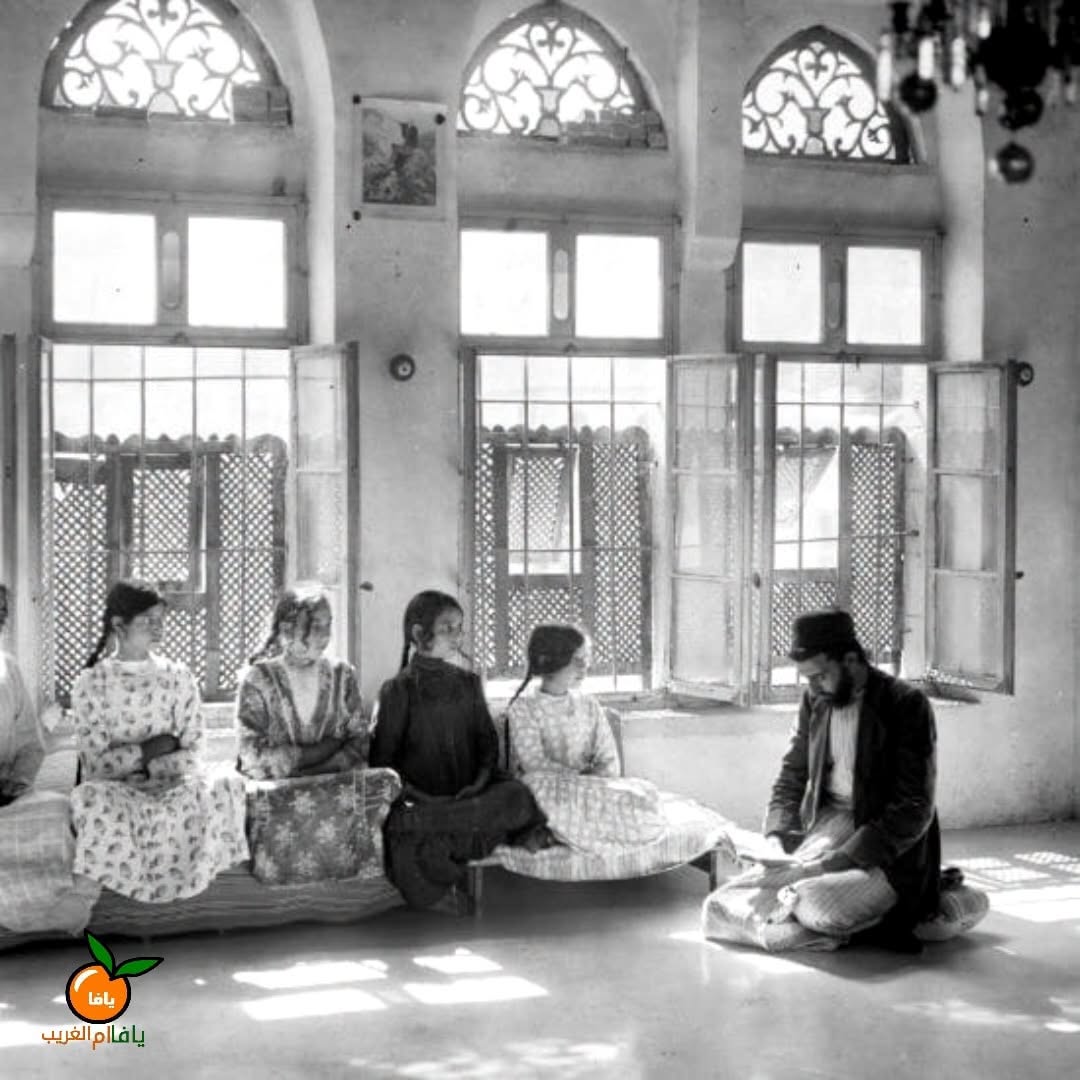
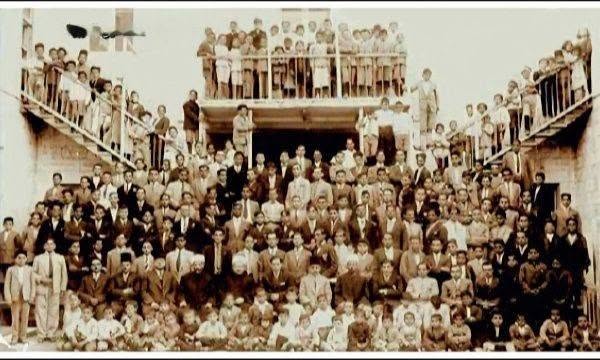
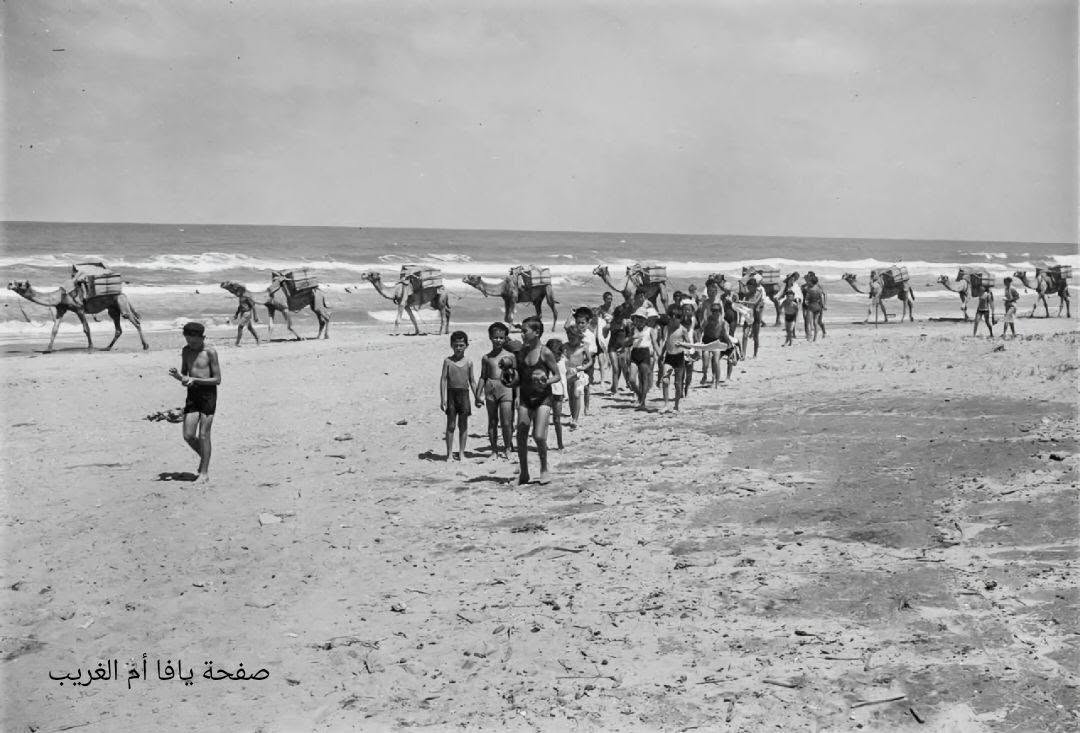
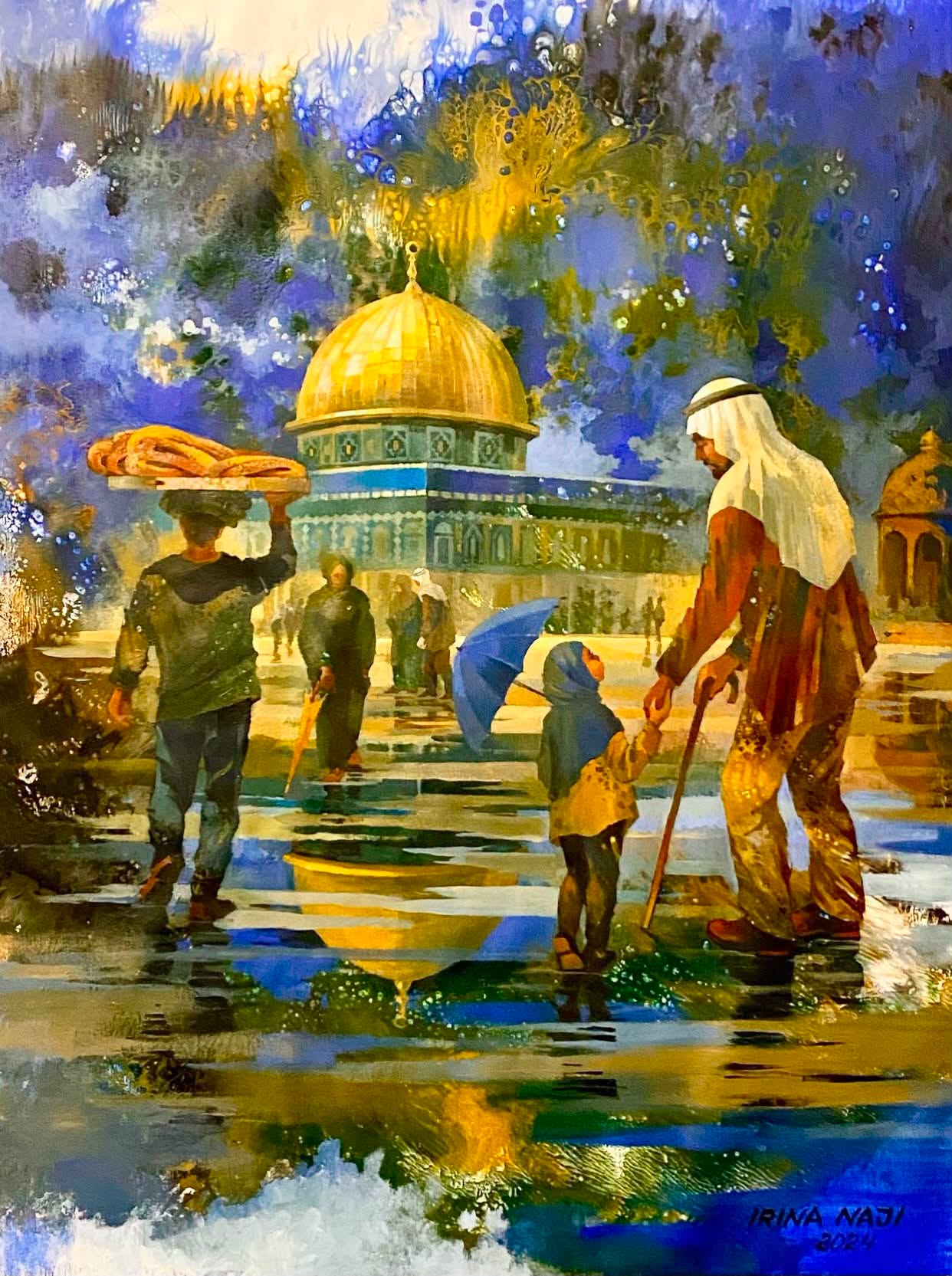
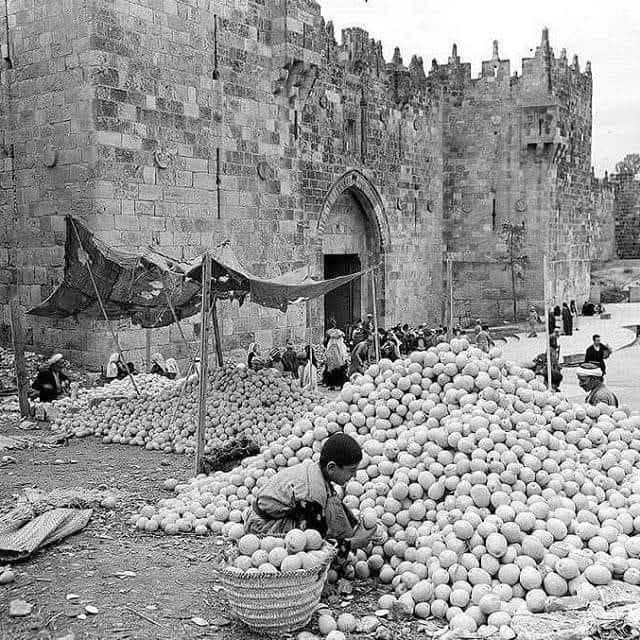
 Jaffa Oranges in Jerusalem, 1937
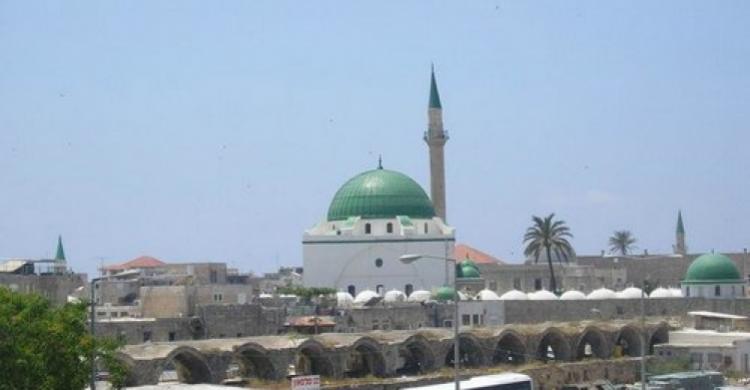
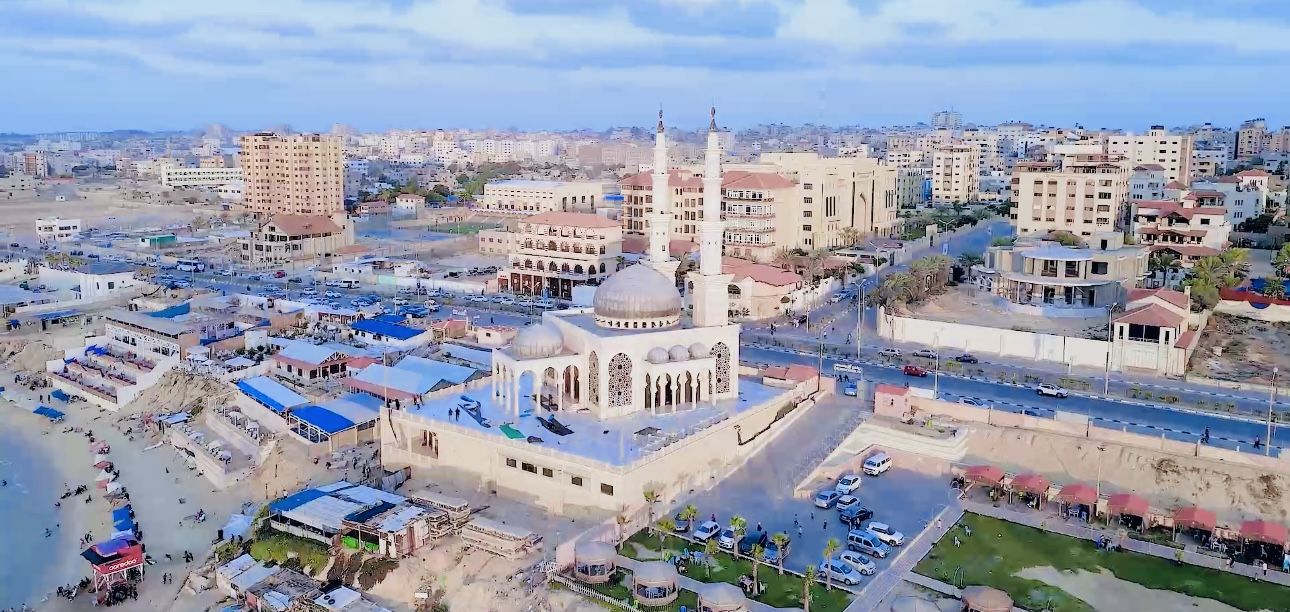
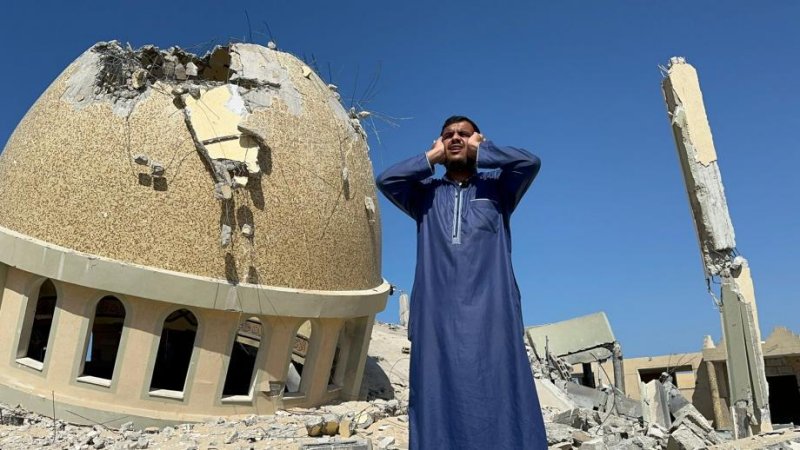 Gaza Begins to Restore Its Mosques
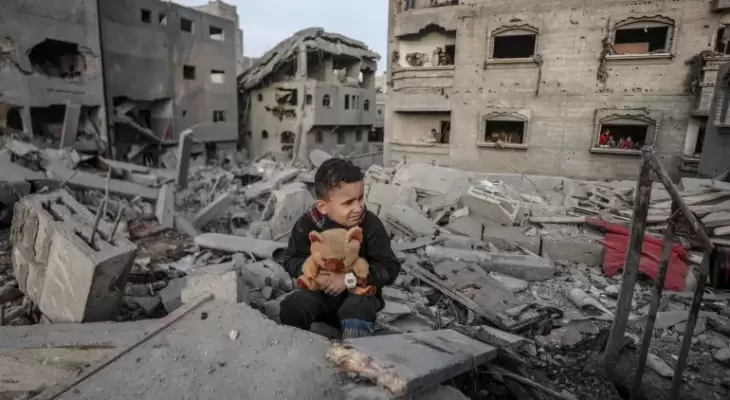
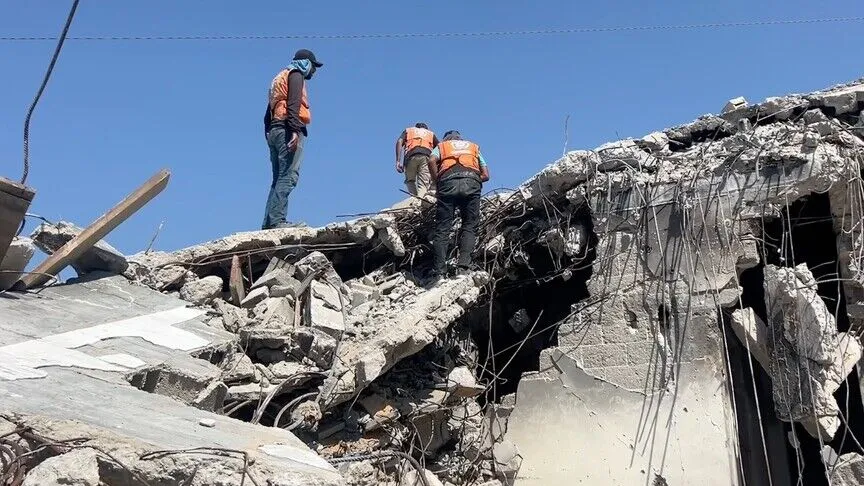
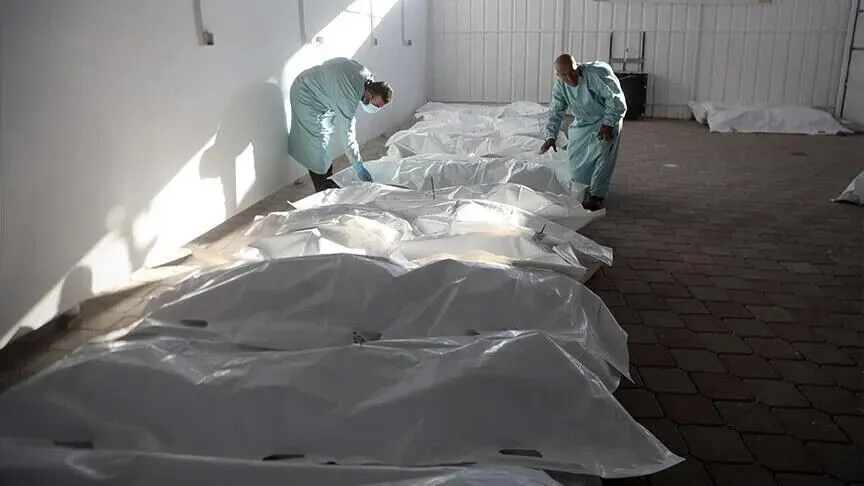
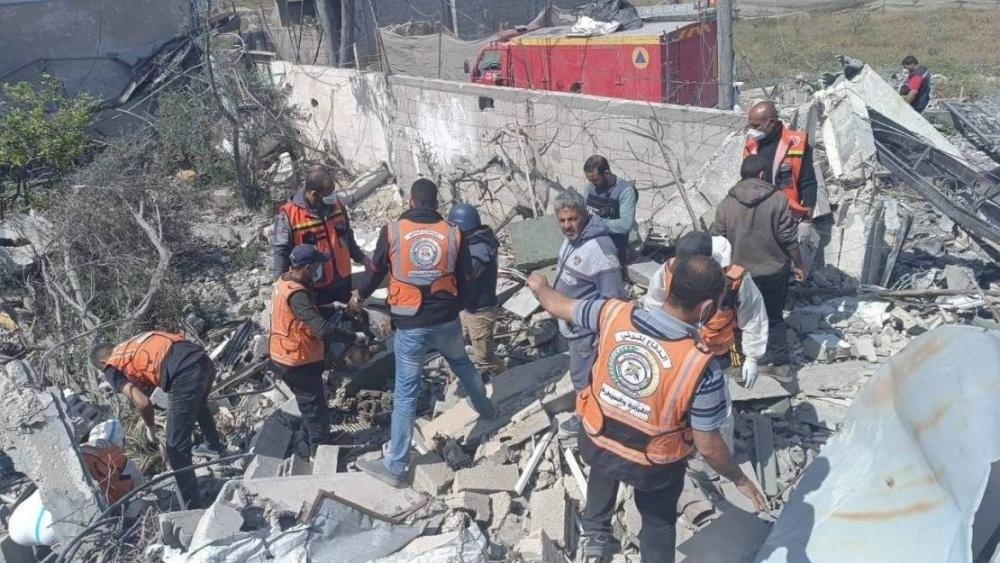
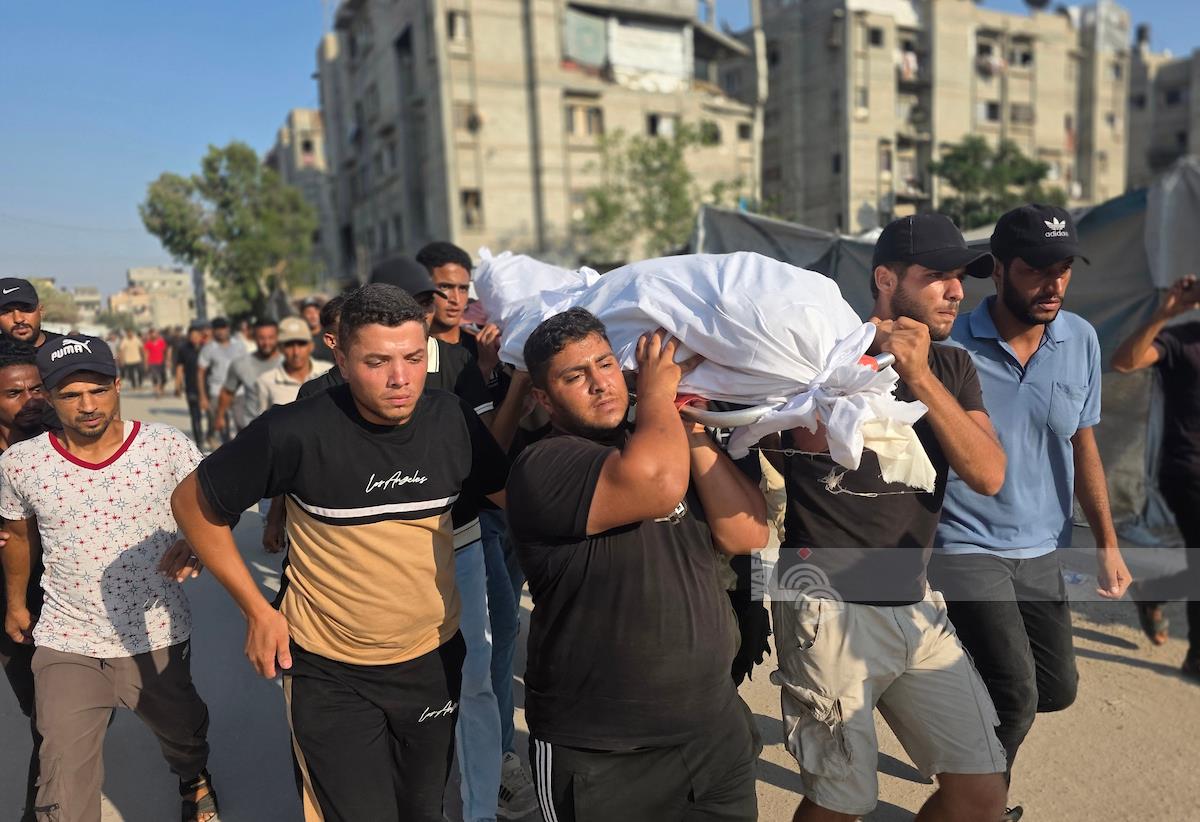
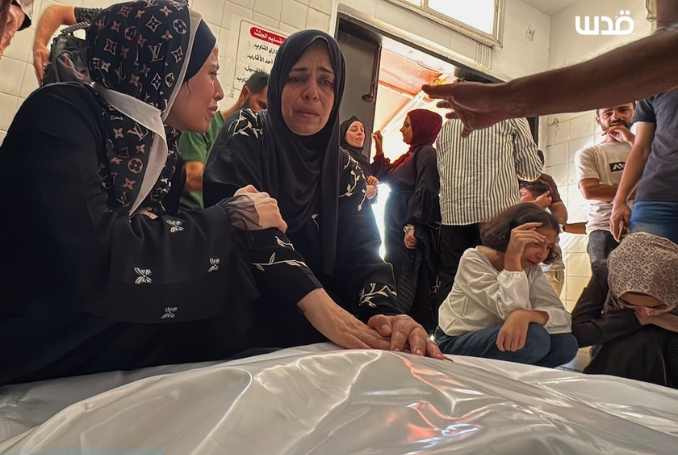
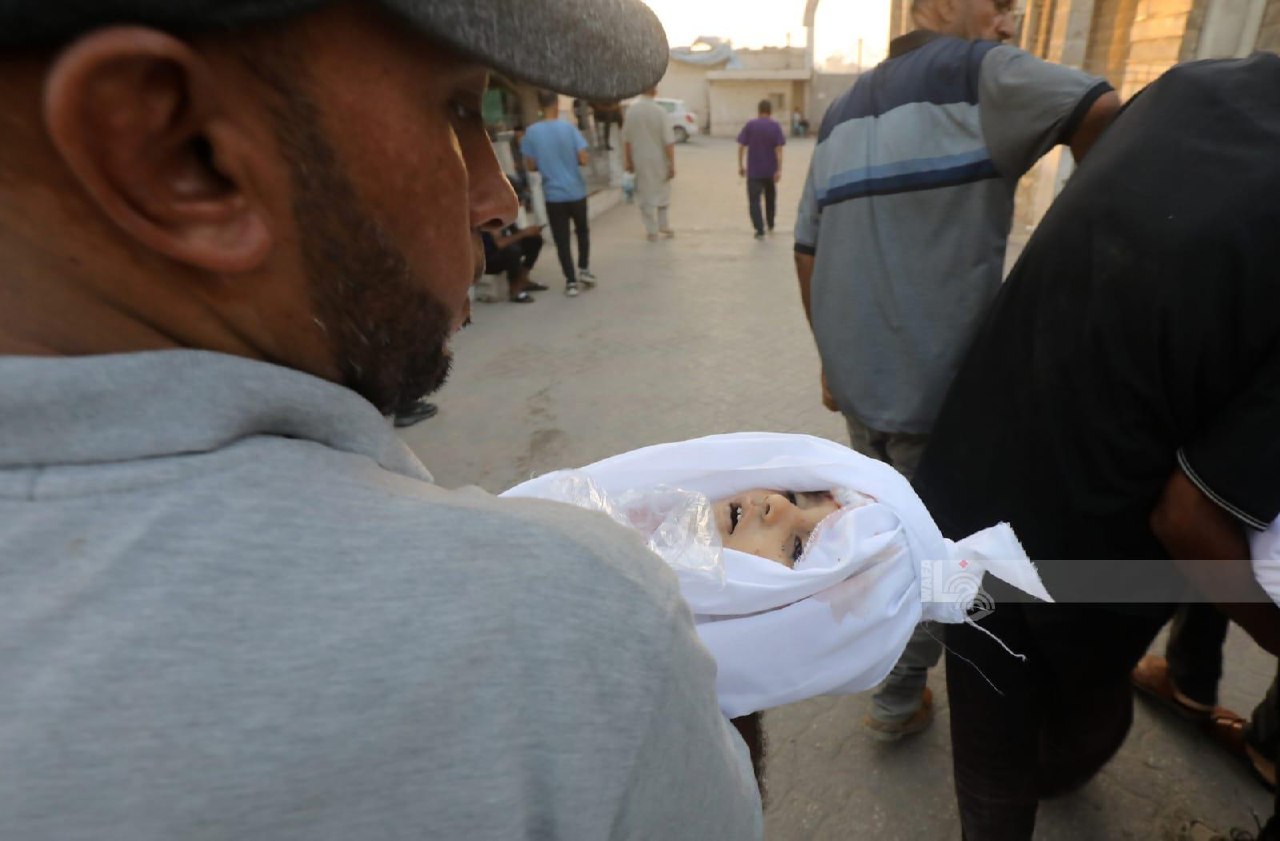
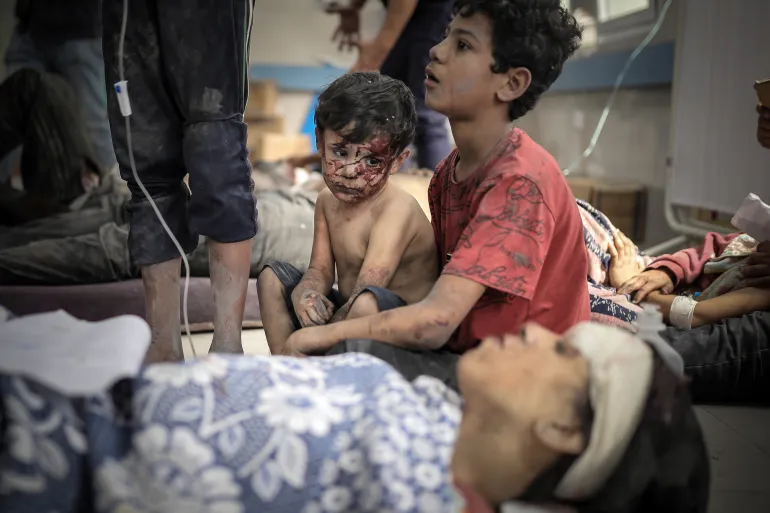
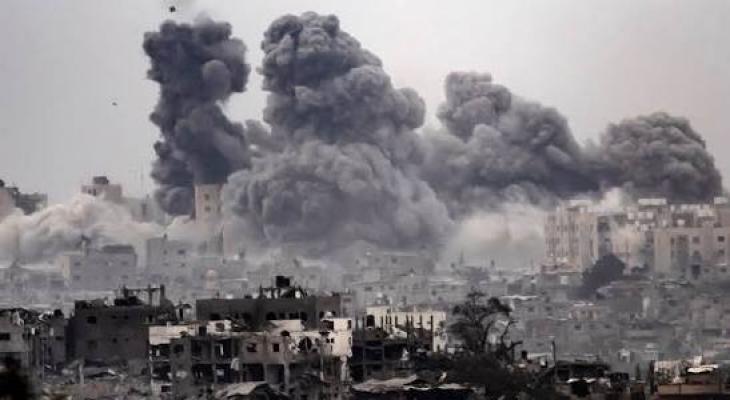
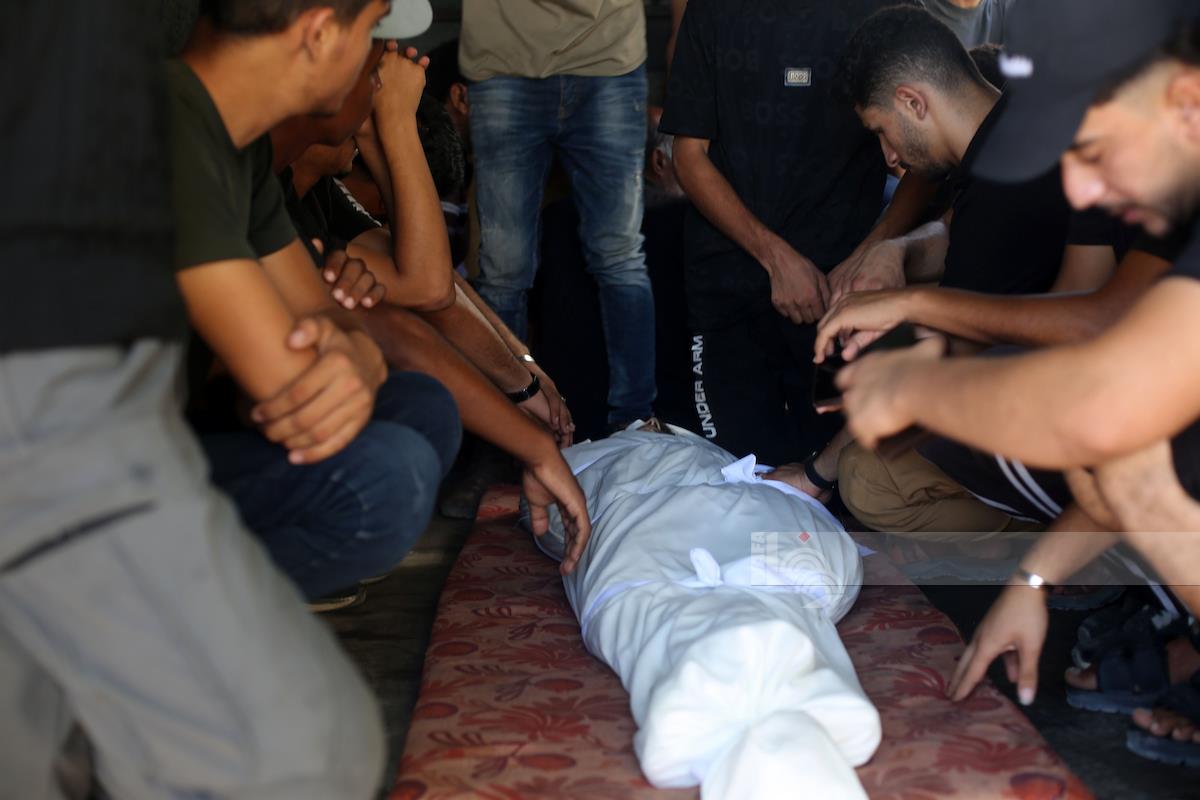
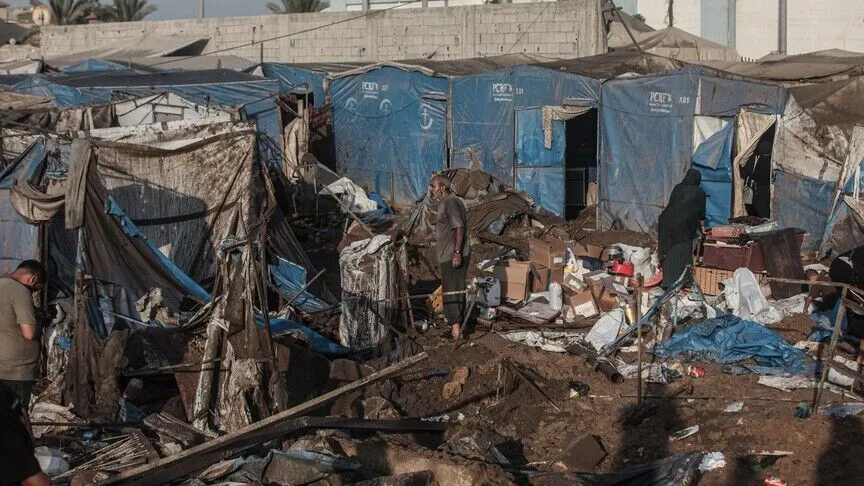
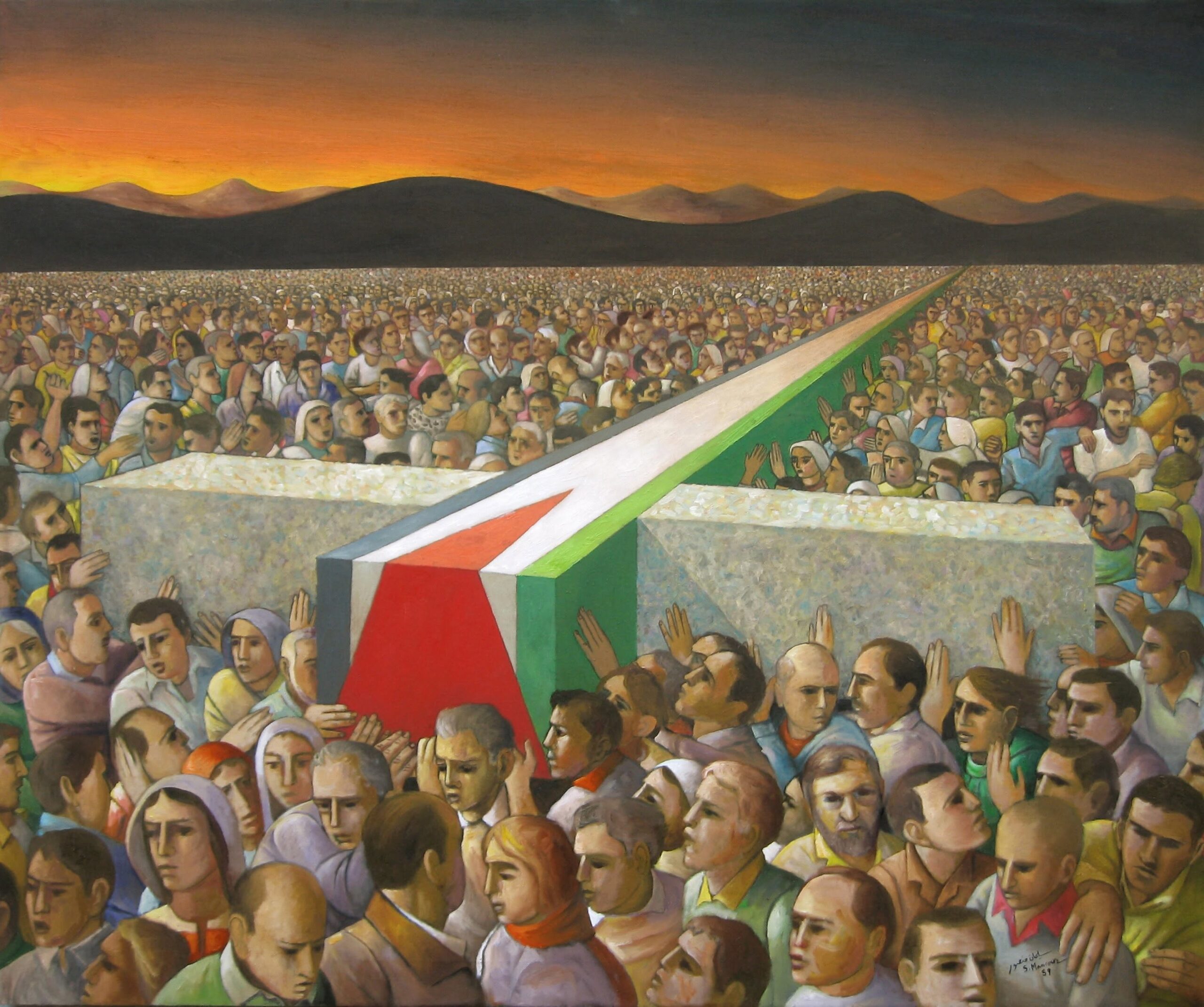 12 Bodies Uncovered in Gaza City
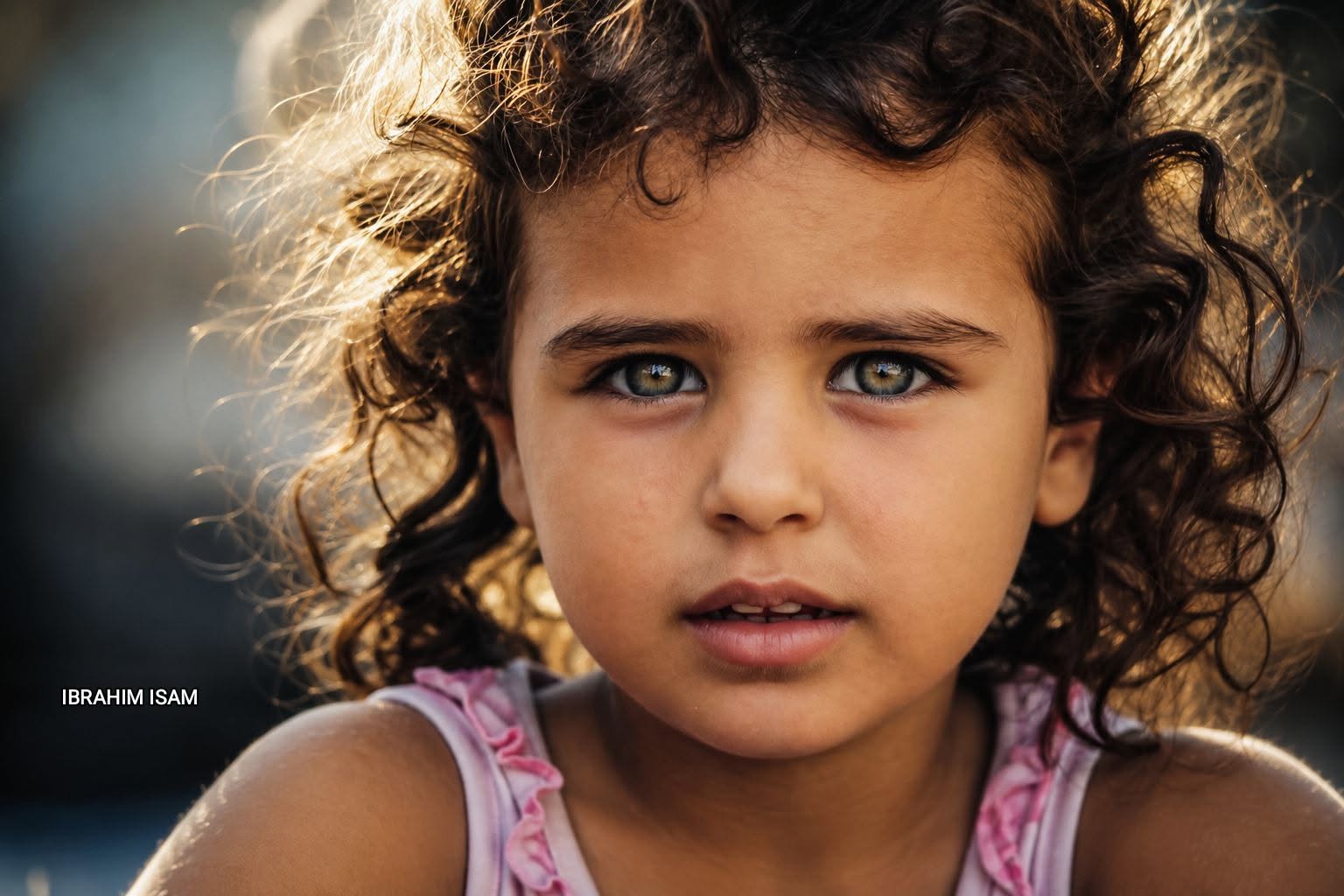
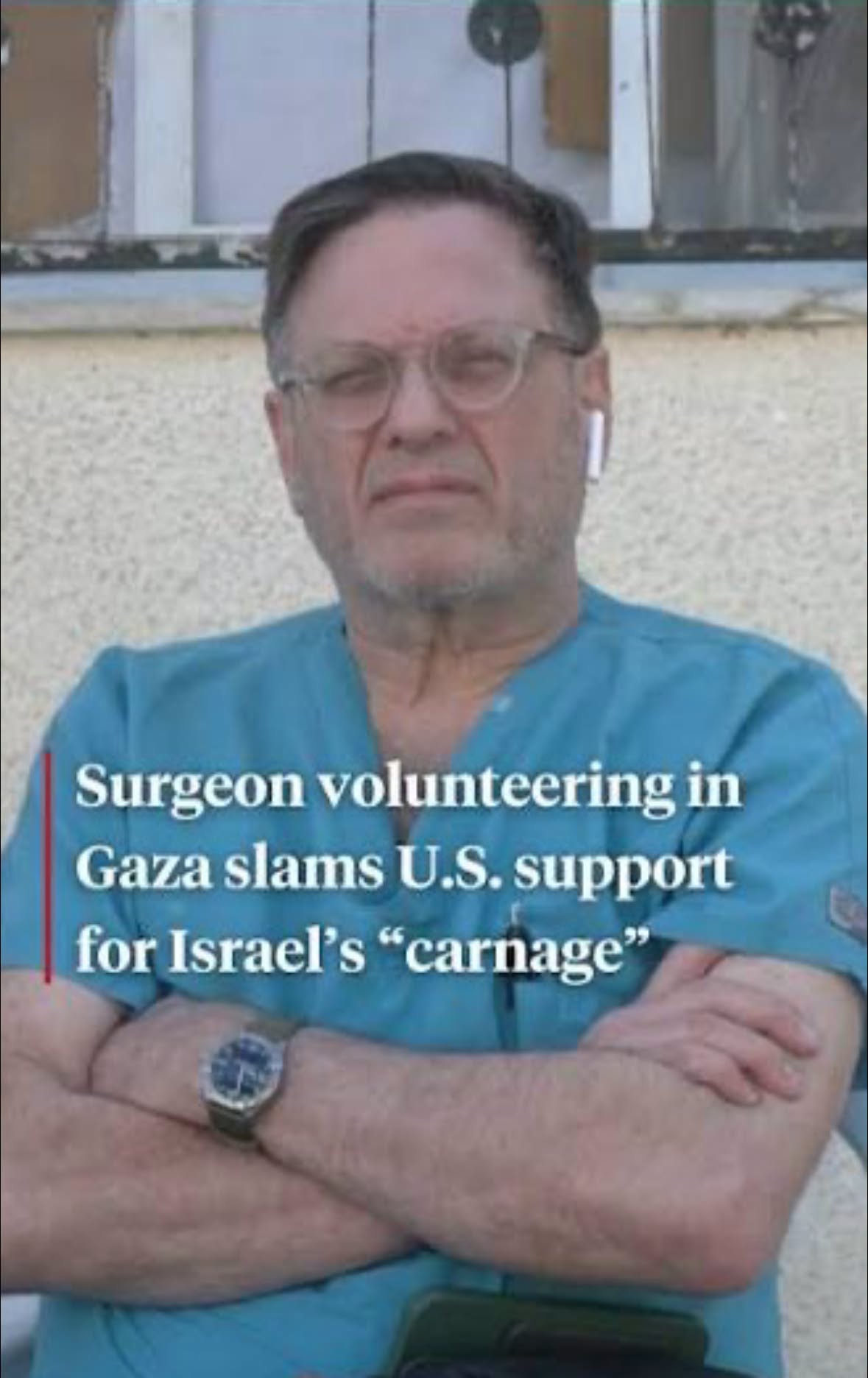 Dr. Mark Perlmutter recounts amputating the leg of a five-year-old girl in Gaza with no anesthesia available beyond an anesthesiologist singing to her.
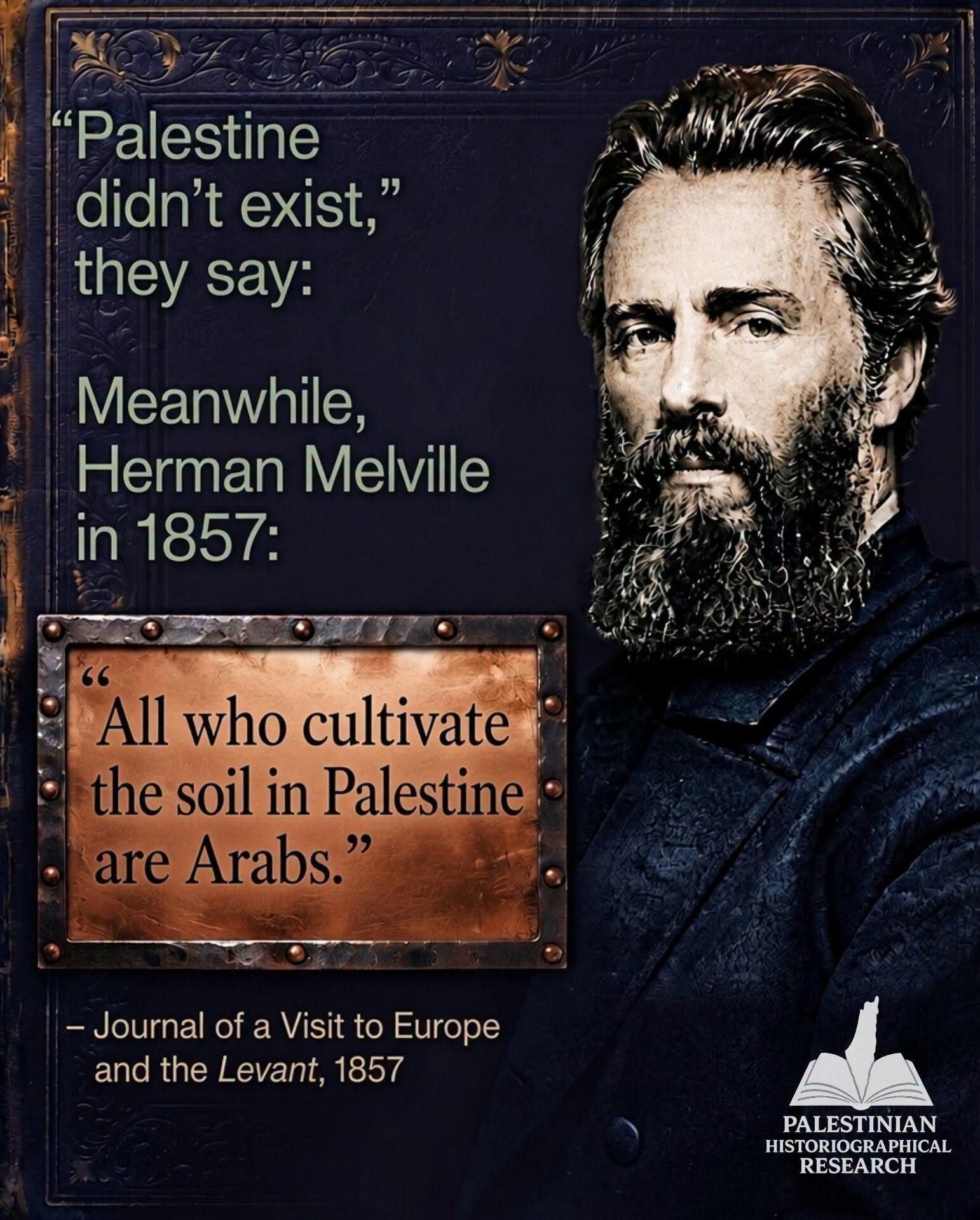 Herman Melville, Palestine, 1857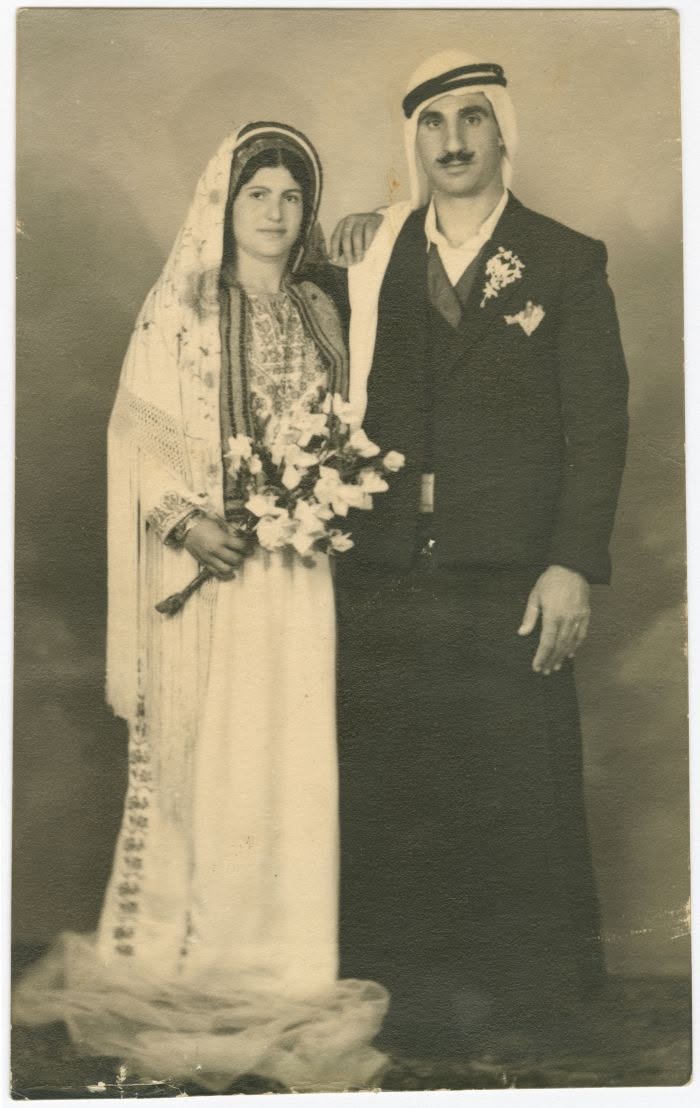
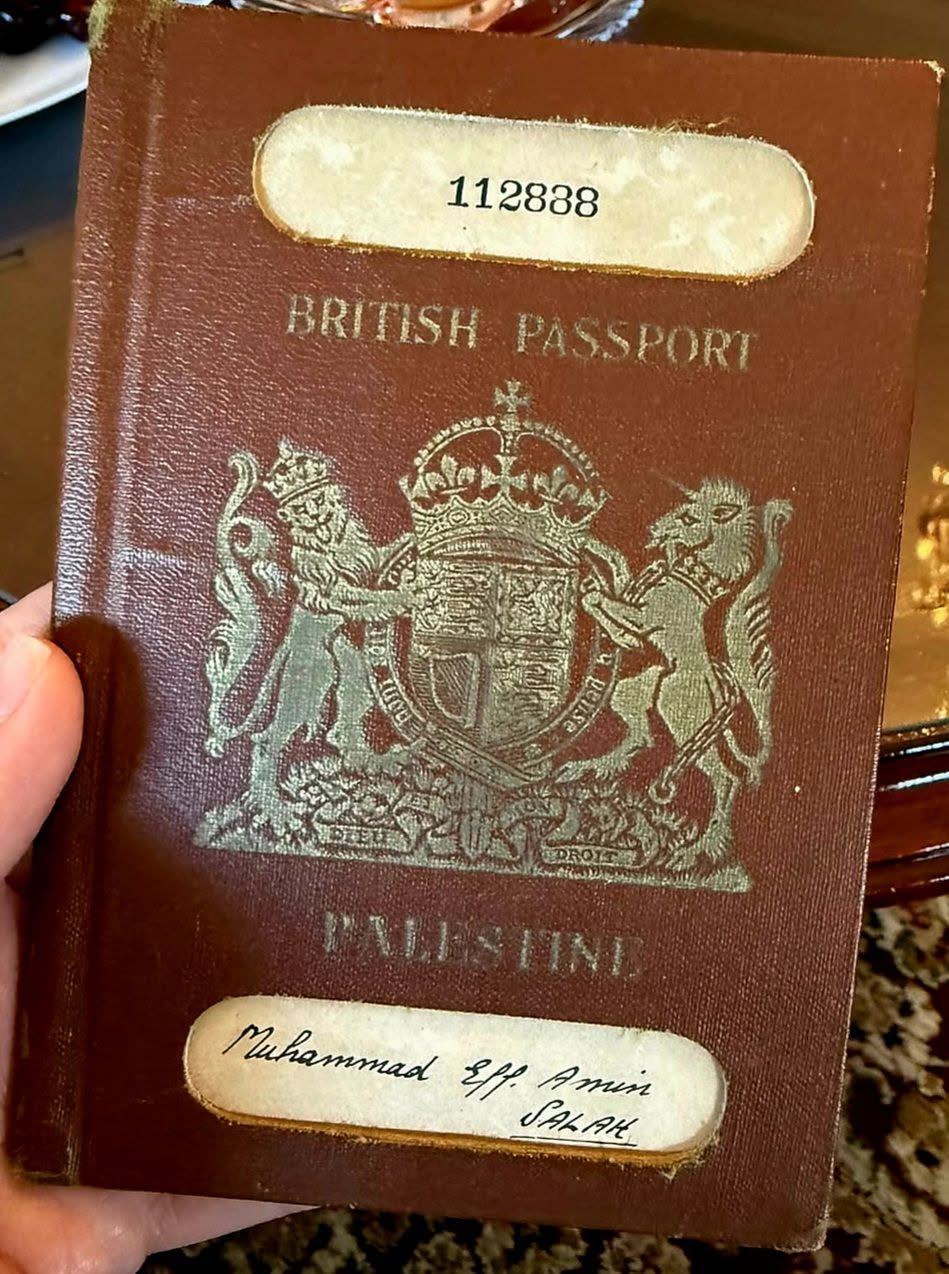
Jaffa Oranges in Jerusalem, 1937
 CrossFireArabia
- August 15, 2026
 CrossFireArabia
 marwanCrossFireArabiaCrossFireArabiamarwanCrossFireArabia
 HebaCrossFireArabiamarwanCrossFireArabiamarwanHebaCrossFireArabiamarwanmarwanHebaCrossFireArabiamarwanmarwanCrossFireArabiamarwanHebaCrossFireArabiaCrossFireArabiaCrossFireArabiaHebamarwanCrossFireArabiamarwanHebaCrossFireArabiaHebamarwanmarwanCrossFireArabiamarwanmarwanmarwanmarwanmarwanmarwanmarwanmarwanmarwanCrossFireArabiaCrossFireArabiamarwanmarwanCrossFireArabiaCrossFireArabiamarwanCrossFireArabiamarwanHebaHebamarwanmarwanCrossFireArabiamarwanmarwanmarwanmarwanCrossFireArabiaCrossFireArabiamarwanmarwanmarwanCrossFireArabiamarwanmarwanmarwanmarwanmarwanCrossFireArabiamarwanmarwanmarwanCrossFireArabia
By Kazim Alam
In the summer of 2023, the London-based Palestinian filmmaker Yousef Alhelou travelled to Gaza with a simple mission to capture the vibrant pulse of a place that has long been off-limits to the world.
What he did not know was that his footage would soon become an unintentional obituary.
The Phoenix of Gaza, a 48-minute documentary, was filmed just months before Israel launched what Alhelou now calls a “genocidal war” on the strip.
Premiered in London in February 2025, the documentary stands as a hauntingly beautiful archive of a Gaza that no longer exists.
Over a period of two years, Israel dropped more than 85,000 tonnes of bombs on Gaza, reducing the enclave to dust. Alhelou’s film now serves as an archive, a memory, and a monument.
Through his lens, we witness a Gaza that was already a “Riviera of the Middle East,” a place of joy and defiance that Israel turned into a mass graveyard.
“We refused to vanish. We refused to give up,” he says.
He shows us an authentic view of the place now touted as the “Riviera of the Middle East” in AI-generated videos.
Gaza before annihilation
Shot in July and August 2023, The Phoenix of Gaza is breathtakingly beautiful.
The film opens in London. We see him in his London apartment, packing his bags, his voice brimming with anticipation as he prepares to return to Gaza after a decade away.
He calls his mother, who showers him with prayers for safe travels, while his 10-year-old son makes a quick appearance.
“I wanted to show the world the life of Gazans, the daily life, the hustle and bustle,” he tells TRT World.
Little did Alhelou know that this footage, shot in July and August of 2023, would become a historical artefact, the last unvarnished portrait of Gaza before its annihilation at the hands of Israeli forces.

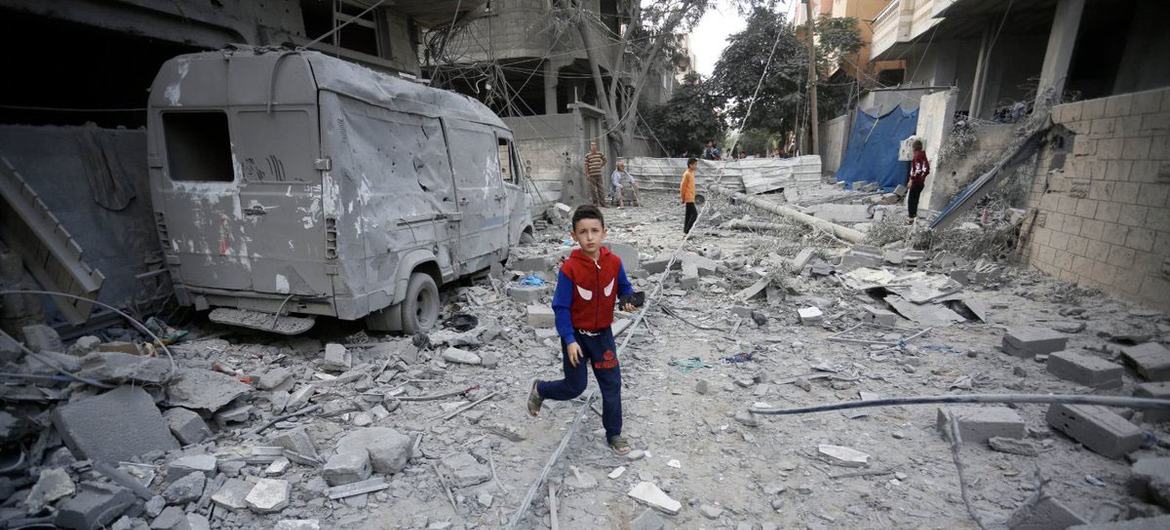
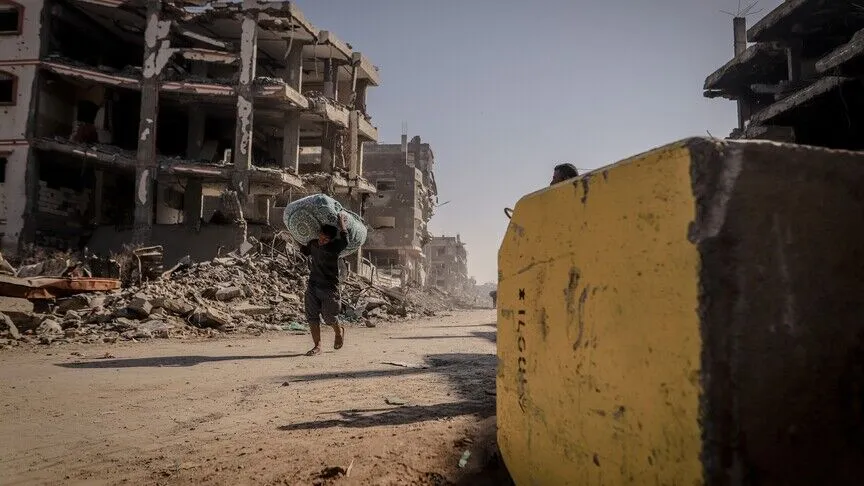
Where once there were vibrant markets, there is now rubble. Where children played, there are now craters. Photo: TRT World / Yousef Alhelou
Through sweeping drone shots, we see a city that defies its 20-year siege.
Clean roads hum with smooth traffic, high-rise buildings adorned with solar panels, born of necessity after Israel bombed Gaza’s only power plant in 2006.
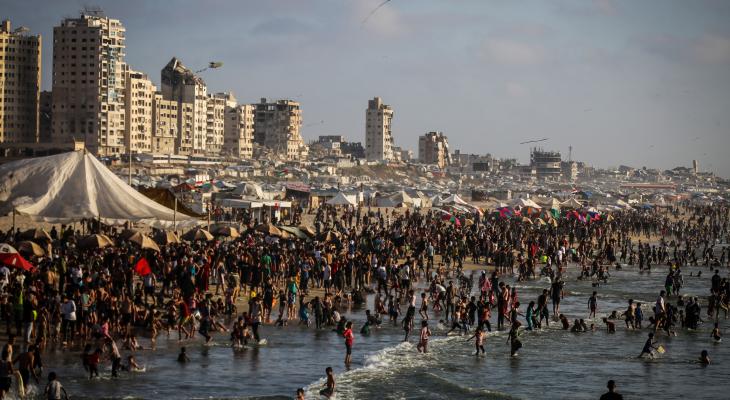
Greenbelts and trees dot the urban sprawl, while public parks appear full of families lounging on picnic chairs, children playing, and people strolling along the pristine Mediterranean beach.
“We managed to beautify and decorate our prison of Gaza,” Alhelou says, emphasising the resilience of a people who transformed a “high-density concentration camp” into a vibrant urban centre.
The beach is crowded, the water clear. Palestinian flags flutter as water-skiers speed by. The imagery defies the narrative of Gaza as a place of only suffering.
His approach is unpretentious: he walks through markets, parks, streets. He chats with shopkeepers, children, and the elderly.
At a public square, a phoenix statue, which is the emblem of Gaza’s municipality, stands as a symbol of rebirth, a motif that resonates throughout the documentary.
He takes us to the ancient gold market, its shopfronts full of jewellery, and the 1,400-year-old Great Omari Mosque, a UNESCO-protected site, later reduced to rubble by Israeli bombs.
On Omar al-Mukhtar Street, named after the famed Libyan anti-colonial warrior, restaurants and shops appear full of customers, scenes now unimaginable as the street currently lies in ruins.
In the Shujayyah neighbourhood of Alhelou’s childhood, children roam the same streets that he did in the 1980s, unaware that many would soon perish in Israel’s indiscriminate bombings.
He films the 700-year-old Pasha Palace, where Napoleon once slept for three nights, and the Church of Saint Porphyrius, built in 1160, both destroyed by Israeli bombs.
He explores beachside cafes and Gaza’s culinary scene by hopping to the roadside food stands. He visits the Ottoman Hamam, a space for relaxation, near the historic Jewish neighbourhood, which predated the Israeli occupation of Palestine.
The documentary highlights the educational achievements in Gaza, a place that has one of the world’s highest literacy rates on a per capita basis.
Scenes of cultural events – music, art, and a wedding ceremony – capture the “heartbeat of Gaza”, while a student appreciation ceremony celebrates young graduates with song and dance.
Even Gaza’s cemeteries tell a story. Alhelou lingers in the English cemetery, where 3,500 graves of World War I soldiers are meticulously kept, a gesture of dignity, in sharp contrast to the thousands of Palestinians now buried beneath collapsed buildings.
Elegy for family under rubble
He left Gaza in late August 2023. The war’s toll is personal.
“This genocidal war impacted me in the sense that I cannot believe that my city, the place of my birth, has been destroyed and that it’s beyond recognition,” he says.
Alhelou’s eldest sister, Asma, and her seven children were killed in Israeli strikes and are still buried under the rubble. His elderly parents and siblings remain in Gaza, fighting a daily battle for survival amid Israel-imposed starvation.
The documentary, initially intended for his Arabic-speaking followers, has taken the shape of an elegy meant “to keep the memory and the legacy of Gaza for generations to come.”
The contrast between Gaza then and now is gut-wrenching. Where once there were vibrant markets, there is now rubble. Where children played, there are now craters.
The Riviera of Gaza, which Alhelou compares to Singapore and Dubai, is gone. It has been replaced by a landscape where “there is no infrastructure, no electricity, no water, no food, no places to visit”.
The “man-made starvation” orchestrated by Israel is particularly harrowing. “I cannot believe that we are facing starvation in the 21st century,” Alhelou says.
CrossFireArabia
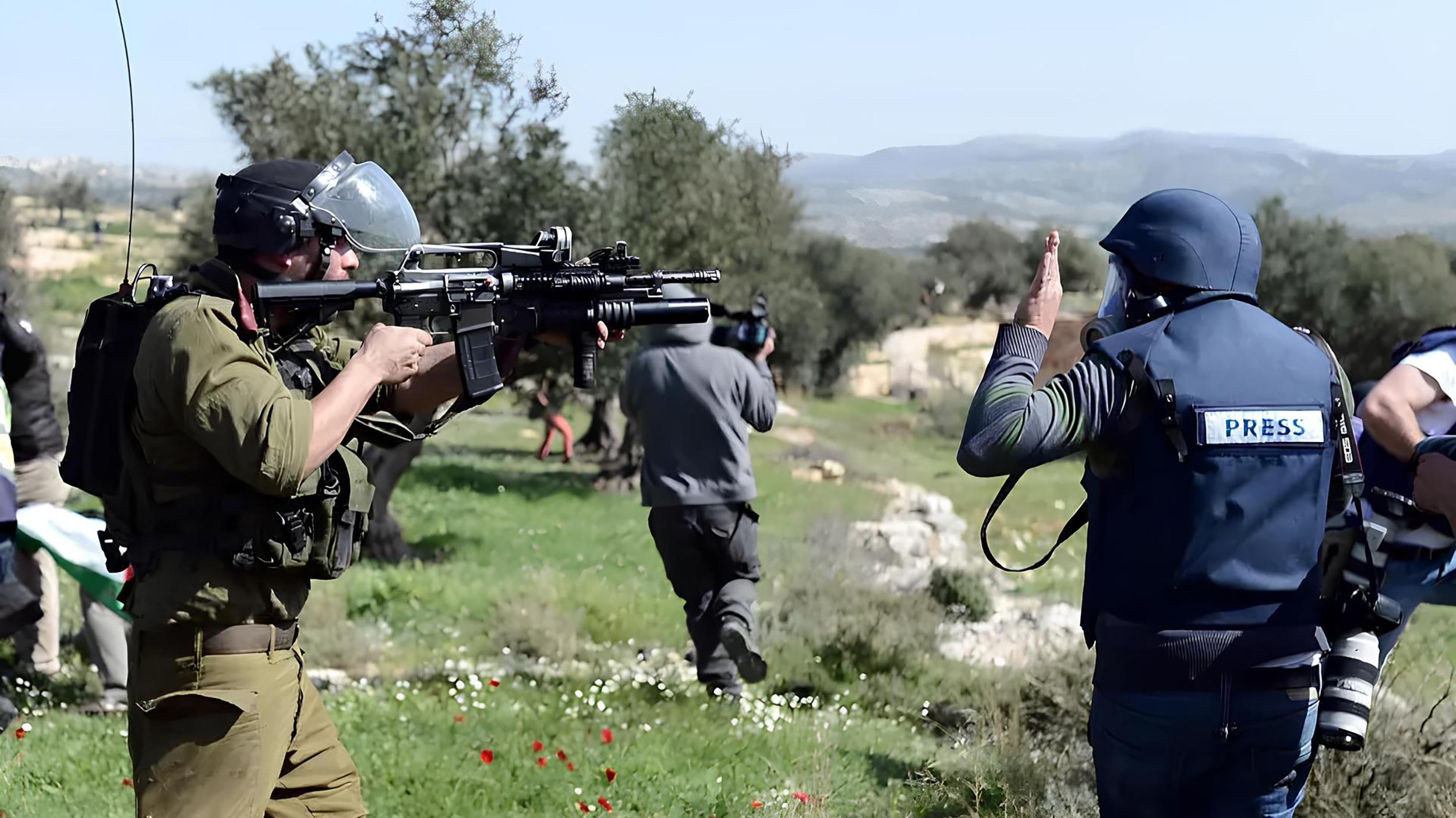
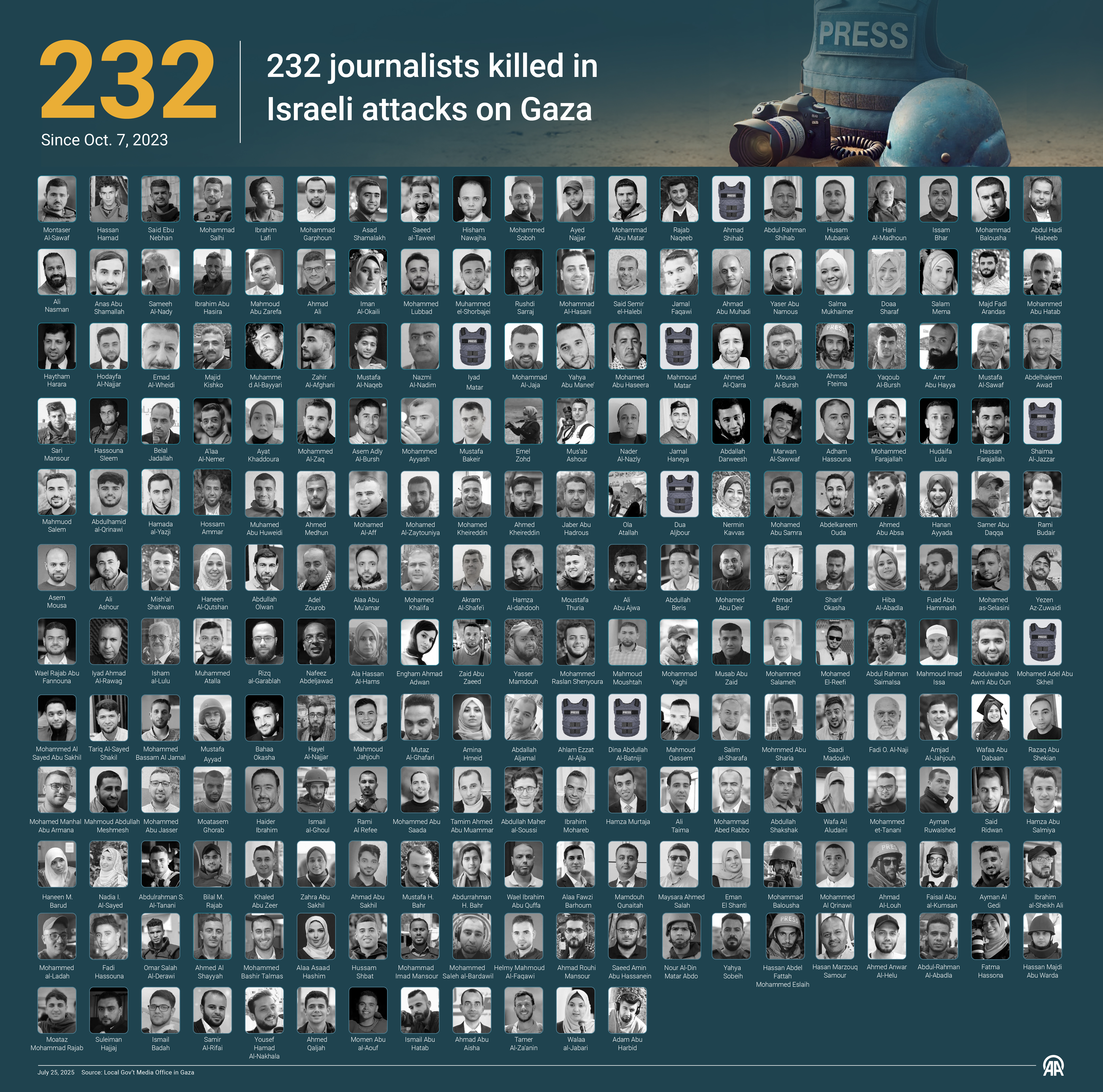
Up till 11 August 2025, Israel and its army has killed 237 journalists in Gaza
CrossFireArabia
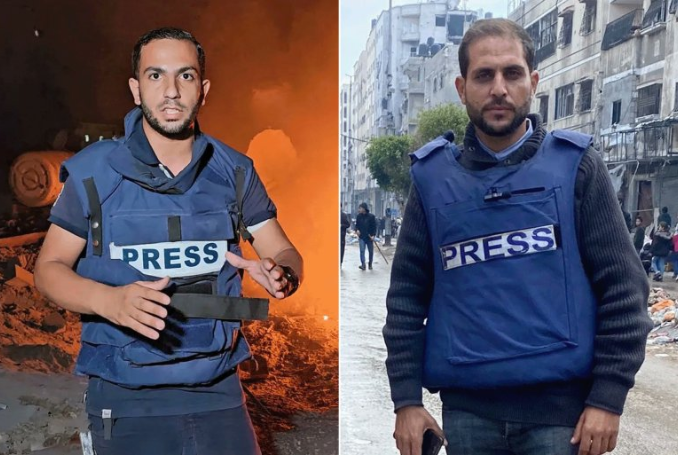
Al Jazeera correspondents Anas al-Sharif and Mohamed Qraiqea were killed Sunday, along with three other Al Jazeera journalists, in an Israeli strike targeting a journalists’ tent near the Al-Shifa Hospital in western Gaza City, according to the Gaza Media Office.
The Qatar-based channel quoted the director of the Al-Shifa Medical Complex in Gaza who said, “Al Jazeera correspondents Anas al-Sharif and Mohamed Qraiqea were martyred in an Israeli strike on their tent,” without providing details.
The channel later confirmed that al-Sharif and Qraiqea were killed in an Israeli strike.
Al Jazeera Media Network early Monday condemned the “planned” assassination of its correspondents and cameramen in the Gaza Strip, calling it “a desperate attempt to silence voices ahead of the occupation of Gaza.”
“The order to kill Anas al-Sharif, one of Gaza’s bravest journalists, and his colleagues is a desperate attempt to silence voices ahead of the occupation of Gaza,” it said.
Al Jazeera’s statement noted that “many Israeli army officials repeatedly incited and called for targeting Anas al-Sharif and his colleagues,” as it held “the occupation army and its government responsible for targeting and assassinating its team.”

The statement added that “the assassination of our correspondents by the Israeli occupation forces is another blatant and deliberate attack on press freedom.”
The Gaza Media Office announced in a statement that the number of journalists killed since the start of Israel’s genocide in Gaza on Oct. 7, 2023, has risen to 237, following the killing of al-Sharif and Qraiqea, along with three other journalists.
It identified the other journalists killed as photojournalists Ibrahim Dahir and Moumin Alaywa and an assistant photojournalist Mohammed Noufal.
“The assassination was carried out with premeditation and deliberation, through a deliberate, intentional, and direct targeting of the journalists’ tent in the vicinity of Al-Shifa Hospital in Gaza City. This heinous crime also resulted in the injury of several other fellow journalists,” it added
The Director of the Al-Shifa Medical Complex in Gaza City, Dr. Mohammed Abu Salmiya, told Anadolu that the deaths from the strike on the tent in front of the complex’s gate have risen to seven, including five journalists.
Meanwhile, the Israeli army admitted in a statement to killing al-Sharif in Gaza City, while ignoring the killing of Qraiqea and the three other journalists in the same strike.
In his will that was written Aug. 6, which he requested be published after his death, al-Sharif wrote: “This is my will, and my final message. If these words reach you, know that Israel has succeeded in killing me and silencing my voice. Peace be upon you and Allah’s mercy and blessings.”
“Allah knows that I gave all the effort and strength I had to be a support and a voice for my people, ever since I opened my eyes to life in the alleys and streets of Jabalia refugee camp. My hope was that God would prolong my life so I could return with my family and loved ones to our original hometown of occupied Asqalan (al-Majdal), but God’s will came first, and His decree is carried out,” he said.
“I have lived pain in all its forms, and tasted grief and loss many times. Yet I never hesitated to convey the truth as it is, without distortion or falsification, hoping that Allah would bear witness against those who remained silent, those who accepted our killing, those who suffocated our breath, and whose hearts were unmoved by the scattered bodies of our children and women, and who did not stop the massacre our people have been subjected to for more than a year and a half.
“I urge you to hold fast to Palestine, the jewel in the crown of Muslims, and the heartbeat of every free person in this world.
“I urge you to care for its people, for its wronged little children who were not given enough time in life to dream or to live in safety and peace, whose pure bodies were crushed beneath thousands of tons of Israeli bombs and missiles, torn apart and scattered across the walls.
“I urge you not to let chains silence you, nor borders hold you back. Be bridges toward the liberation of the land and its people, until the sun of dignity and freedom rises over our usurped homeland.
“I urge you to care for my family. Take care of the apple of my eye, my beloved daughter Sham, whom the days did not allow me to watch grow up as I had dreamed as reported by Anadolu.
“And care for my dear son Salah, whom I had hoped to support and walk beside until he grew strong enough to carry my burdens and continue the mission.
“I urge you to care for my beloved mother, whose blessed prayers carried me to where I am, whose supplications were my fortress and whose light guided my path. I pray that Allah will comfort her heart and reward her abundantly on my behalf.
“Also take care for my life partner, my beloved wife, Umm Salah, Bayan, from whom the war separated me for long days and months, yet she remained true to our bond, steadfast like the trunk of an olive tree that does not bend, patient and trusting in Allah, carrying the responsibility in my absence with all strength and faith.
“I urge you to stand by them and be their support after Allah Almighty. If I die, then I die steadfast in my principles, and I bear witness before Allah that I am content with His decree, faithful in meeting Him, and certain that what is with Allah is better and everlasting.
“O Allah, accept me among the martyrs, forgive me my past and future sins, and make my blood a light that illuminates the path of freedom for my people and my family. Forgive me if I have fallen short, and pray for me to receive mercy, for I have remained true to the covenant, never changing or wavering.
“Do not forget Gaza … And do not forget me in your sincere prayers for forgiveness and acceptance,” he wrote..
Israel is facing mounting condemnation for its genocidal war on Gaza, where it has killed more than 61,000 victims since October 2023. The military campaign has devastated the enclave and brought it to the verge of famine.
Last November, the International Criminal Court issued arrest warrants for Israeli Prime Minister Benjamin Netanyahu and his former Defense Minister Yoav Gallant for war crimes and crimes against humanity in Gaza.
Israel also faces a genocide case at the International Court of Justice for its war on the enclave.
CrossFireArabia
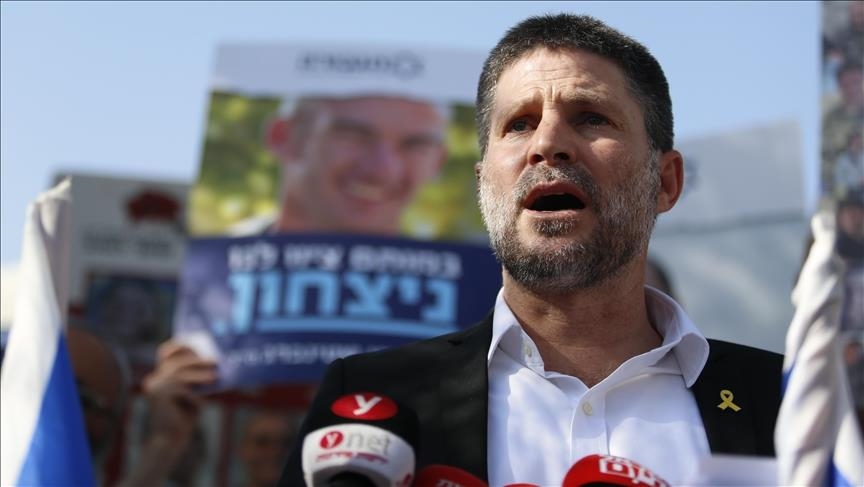
Israeli Finance Minister Bezalel Smotrich said Saturday he has lost confidence in Prime Minister Benjamin Netanyahu’s war position on the Gaza Strip.
The far-right minister was referring to his objection to the “gradual plan” to fully occupy the enclave, as he favors an immediate and sweeping military operation coupled with Israeli settlement in Gaza according to Anadolu.
Smotrich, who advocates for the forcible displacement of Palestinians from Gaza alongside its settlement, said in a video on X: “In the last cabinet meeting (early Friday), I lost faith that the Prime Minister can and wants to lead the Israeli army to decisive victory.”
The Security Cabinet approved Prime Minister Benjamin Netanyahu’s “gradual plan” to fully occupy Gaza and displace Palestinians from the north to the south, a move that has faced opposition from Israeli security leaders due to the danger it poses to the lives of captives that Hamas is holding as leverage, and Israeli soldiers.
Downplaying the plan, Smotrich added: “Netanyahu and the cabinet decided to carry out a military operation whose goal is not victory, but to pressure Hamas for a partial prisoner deal.”
The far-right minister urged Netanyahu to “convene the cabinet again and announce unequivocally that there will be no stopping halfway, no partial deal — this time we go for a decisive, clear step toward victory.”
Smotrich has consistently opposed calls to limit Israeli action in Gaza to airstrikes, insisting on continuing the war until Palestinians are displaced for the purpose of settlement.
Israel has faced mounting outrage for its deadly war on Gaza, where more than 61,300 victims have been killed since October 2023. The military campaign has devastated the enclave and brought it to the verge of famine.
Last November, the International Criminal Court issued arrest warrants for Netanyahu and his former Defense Minister Yoav Gallant for war crimes and crimes against humanity in Gaza.
Israel also faces a genocide case at the International Court of Justice for its war on the enclave.
CrossFireArabia
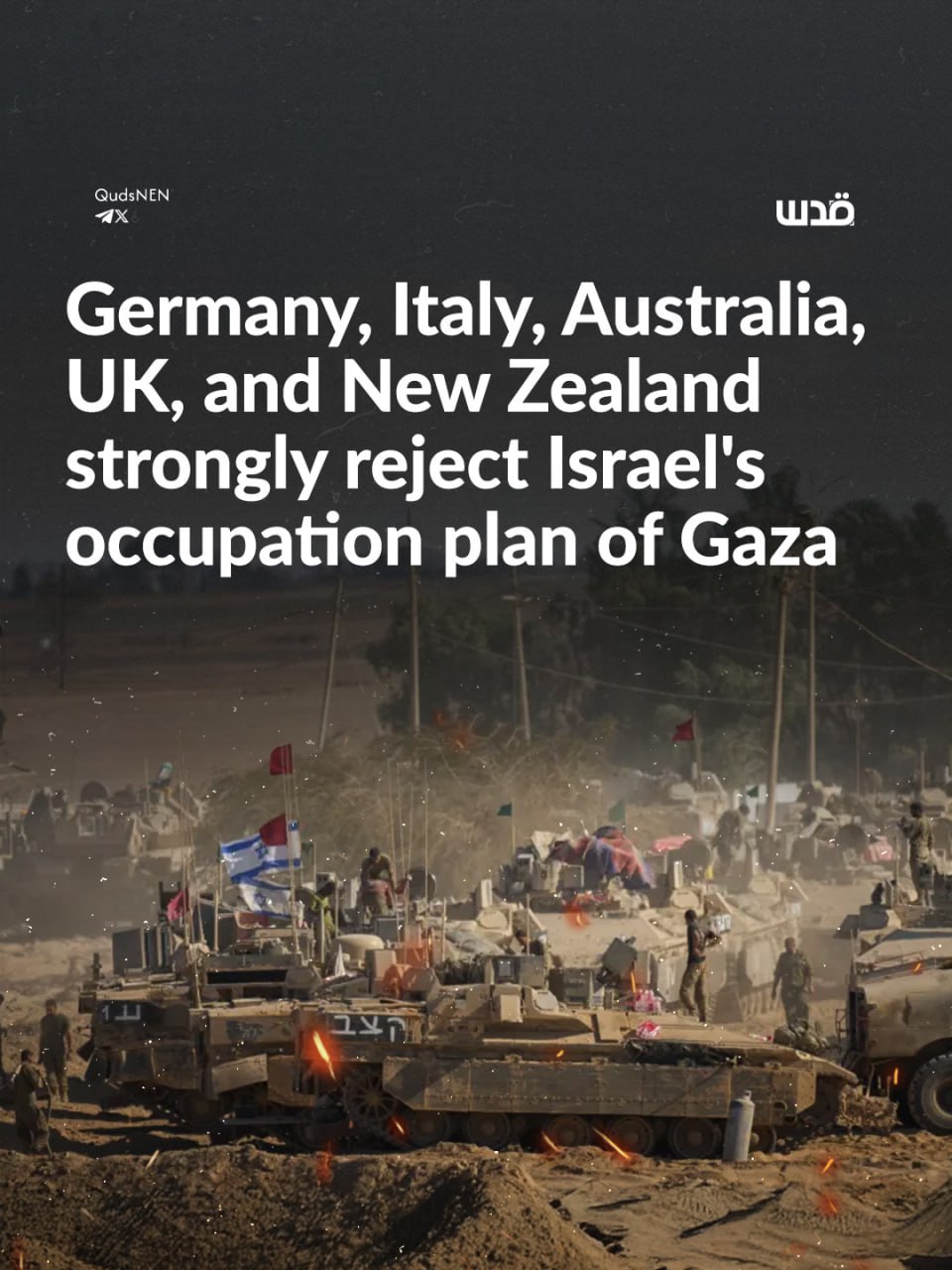
In a joint statement, the foreign ministers of Australia, Germany, Italy, New Zealand, and the United Kingdom strongly condemned Israel’s decision to occupy the Gaza City.
They warned that the move would exacerbate the already dire humanitarian crisis, endanger the lives of hostages, and increase the risk of mass civilian displacement.
The statement emphasized that any attempts at annexation or settlement expansion would constitute a violation of international law.
The ministers called for the immediate release of all captives by Hamas and urged Israel to take concrete steps to facilitate the delivery of humanitarian aid to those in need.