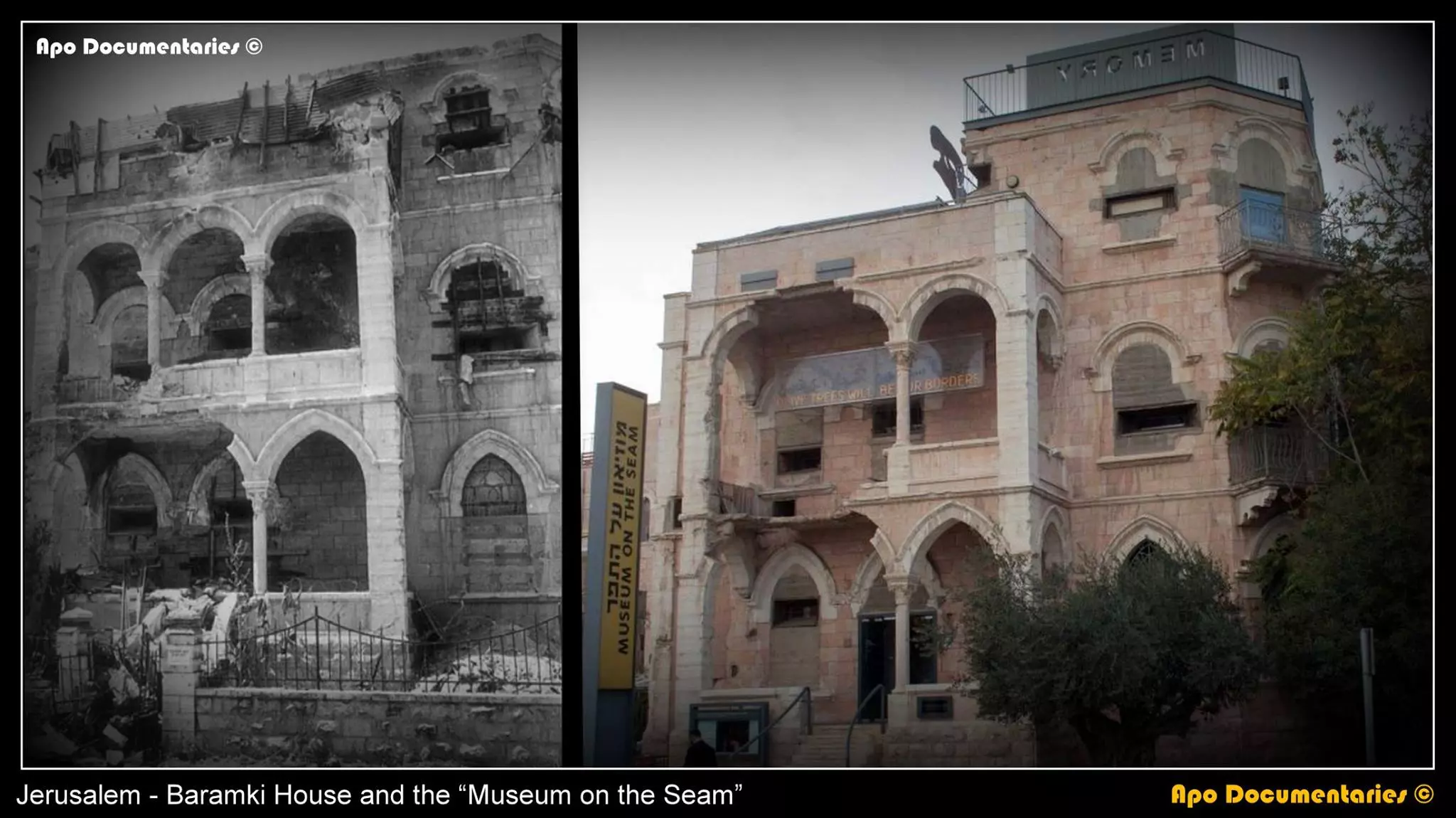
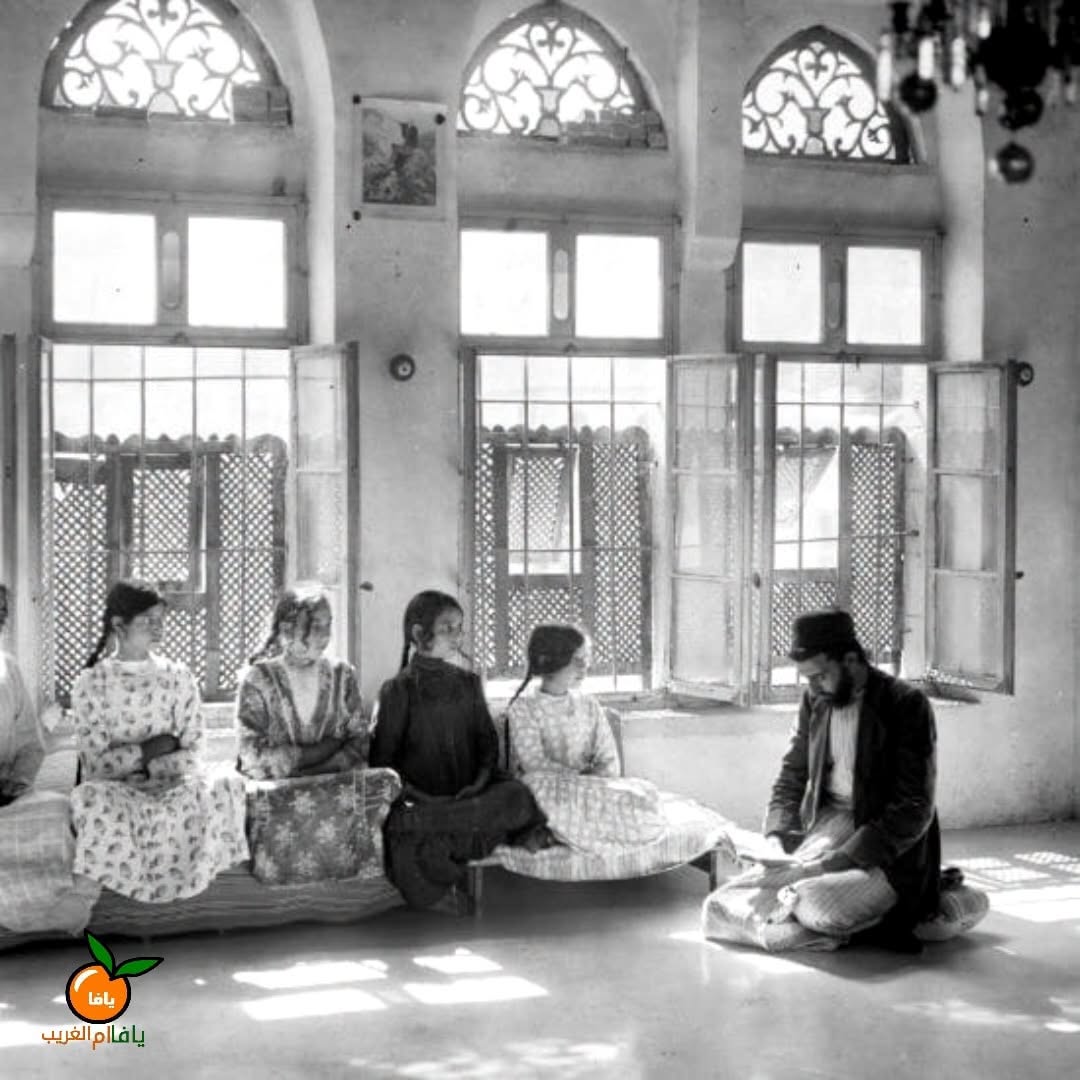
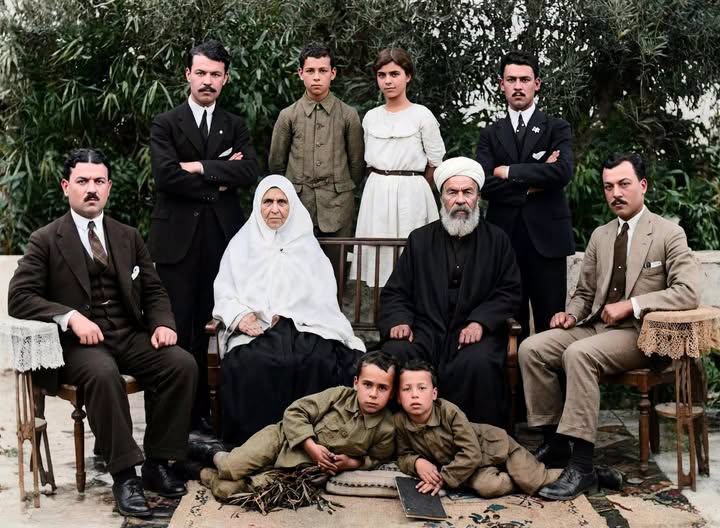
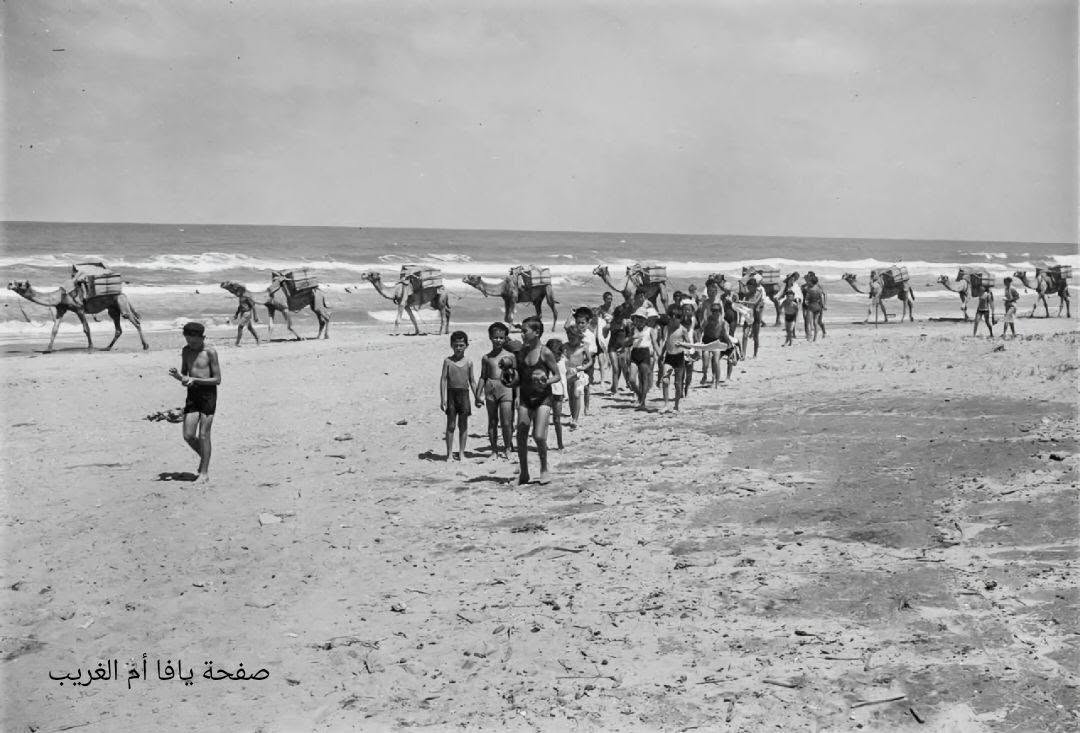
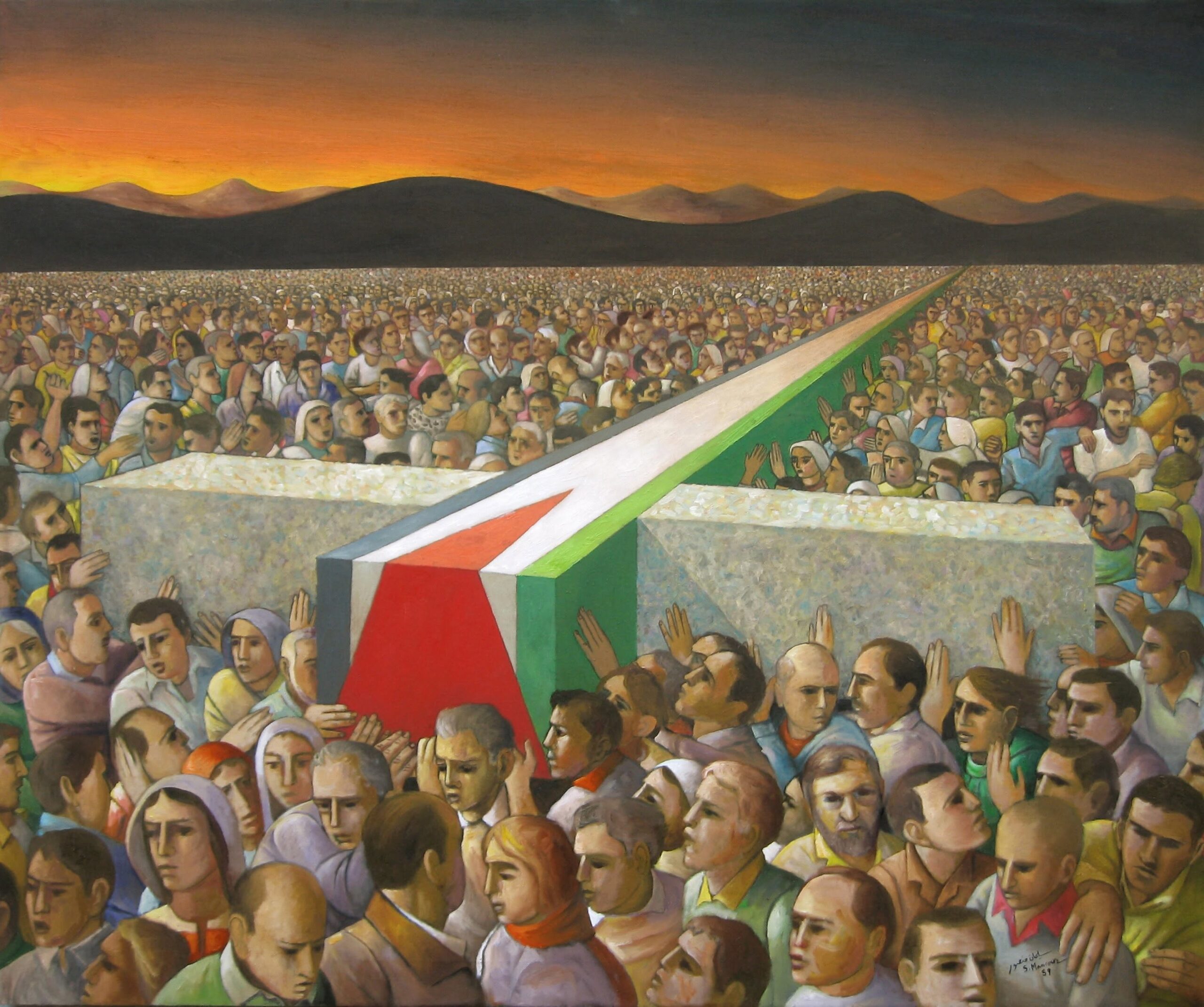
 Jaffa Oranges in Jerusalem, 1937
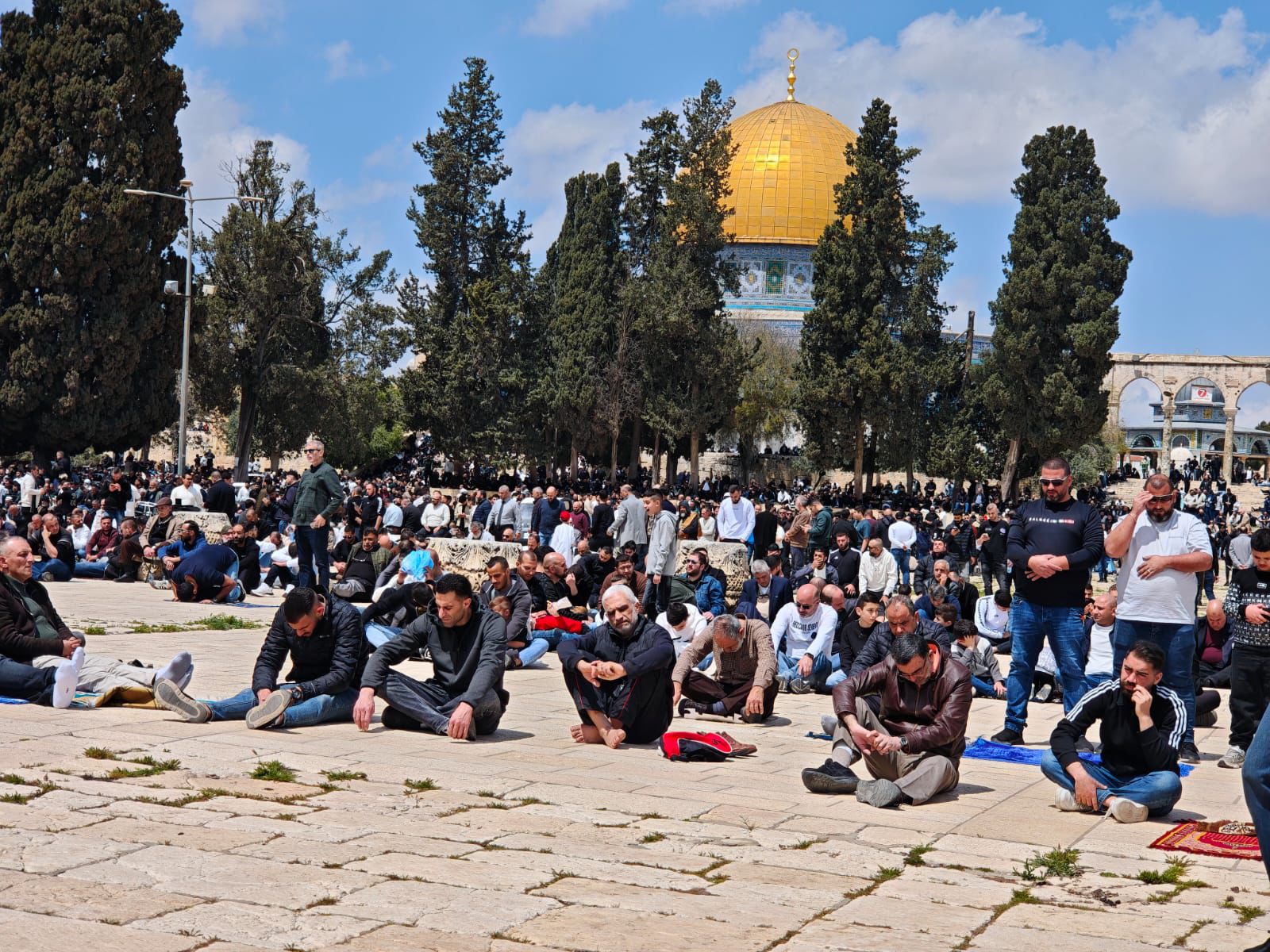
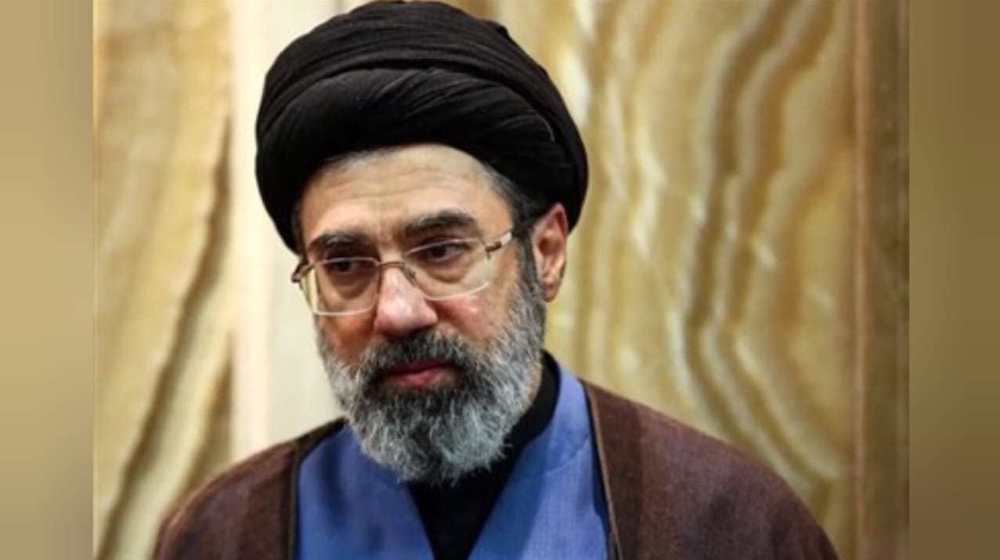
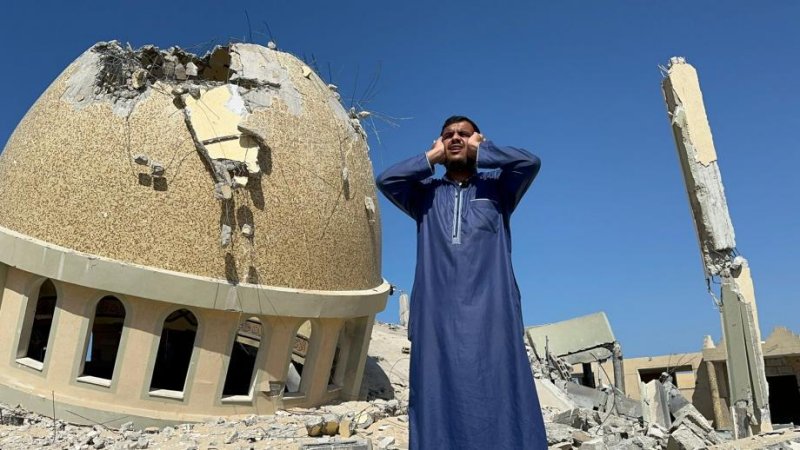 Gaza Begins to Restore Its Mosques
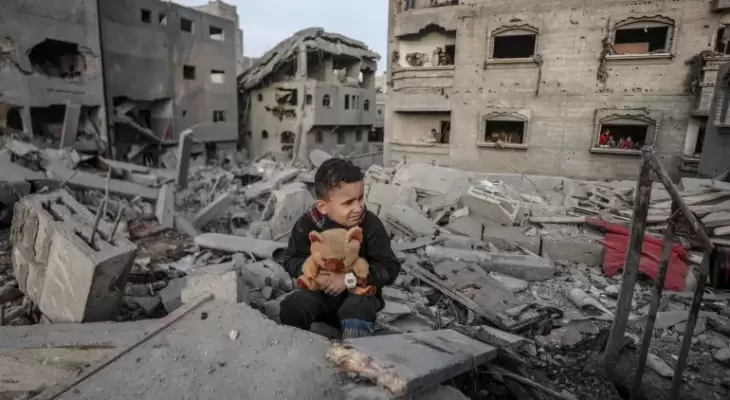
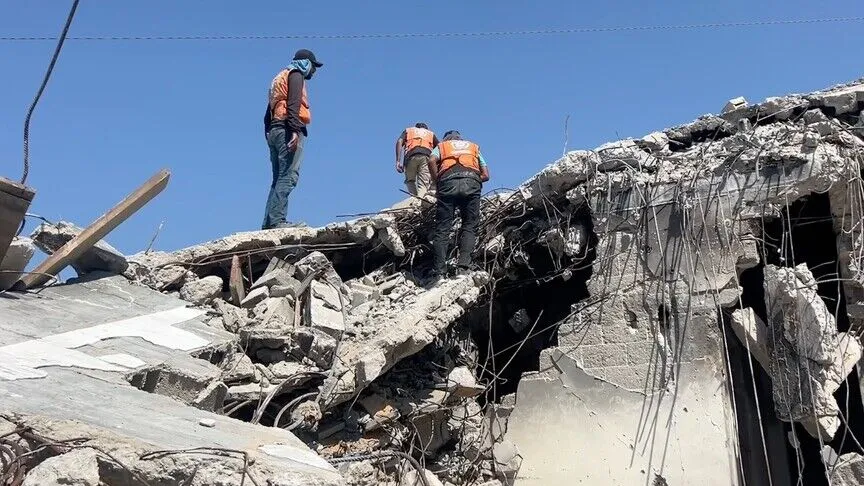
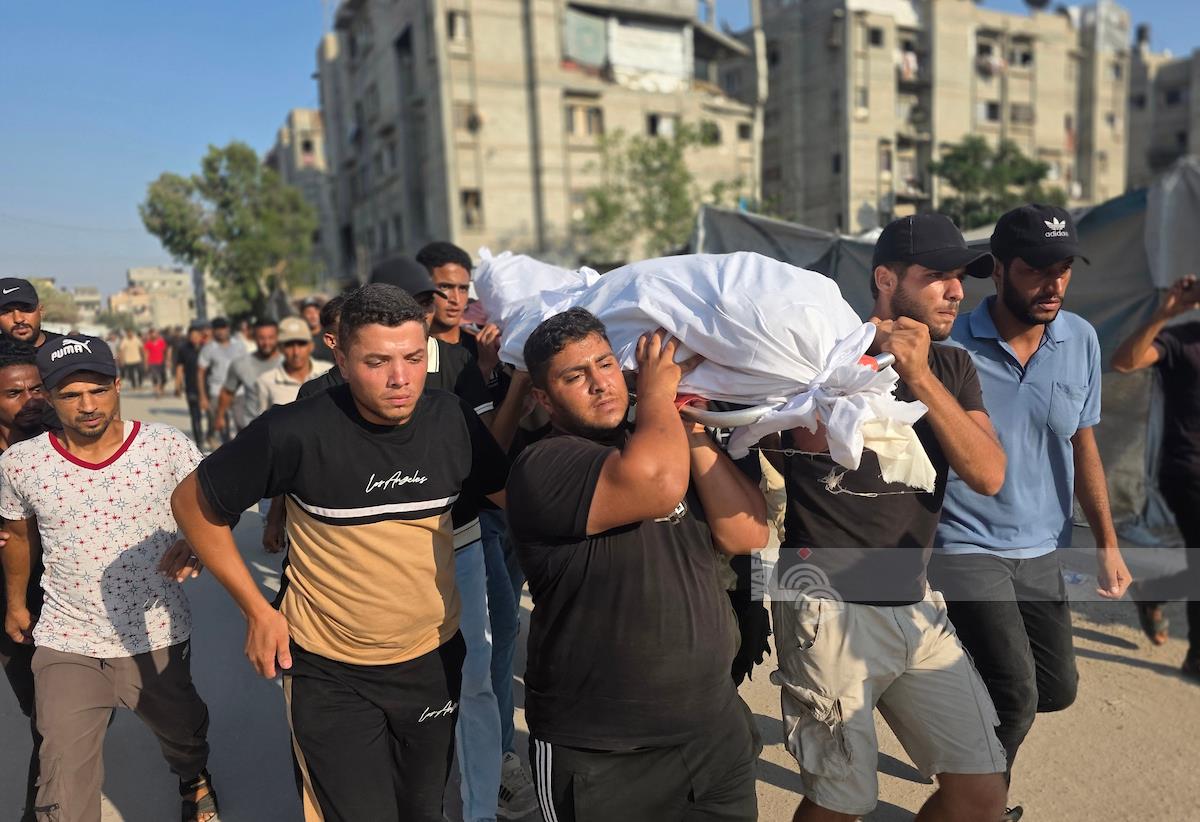
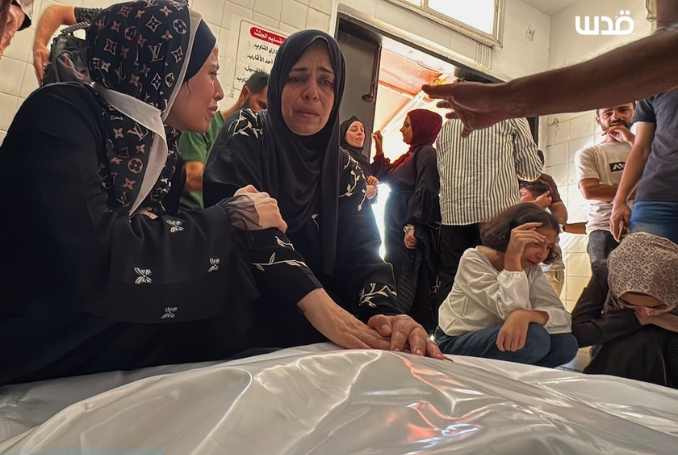
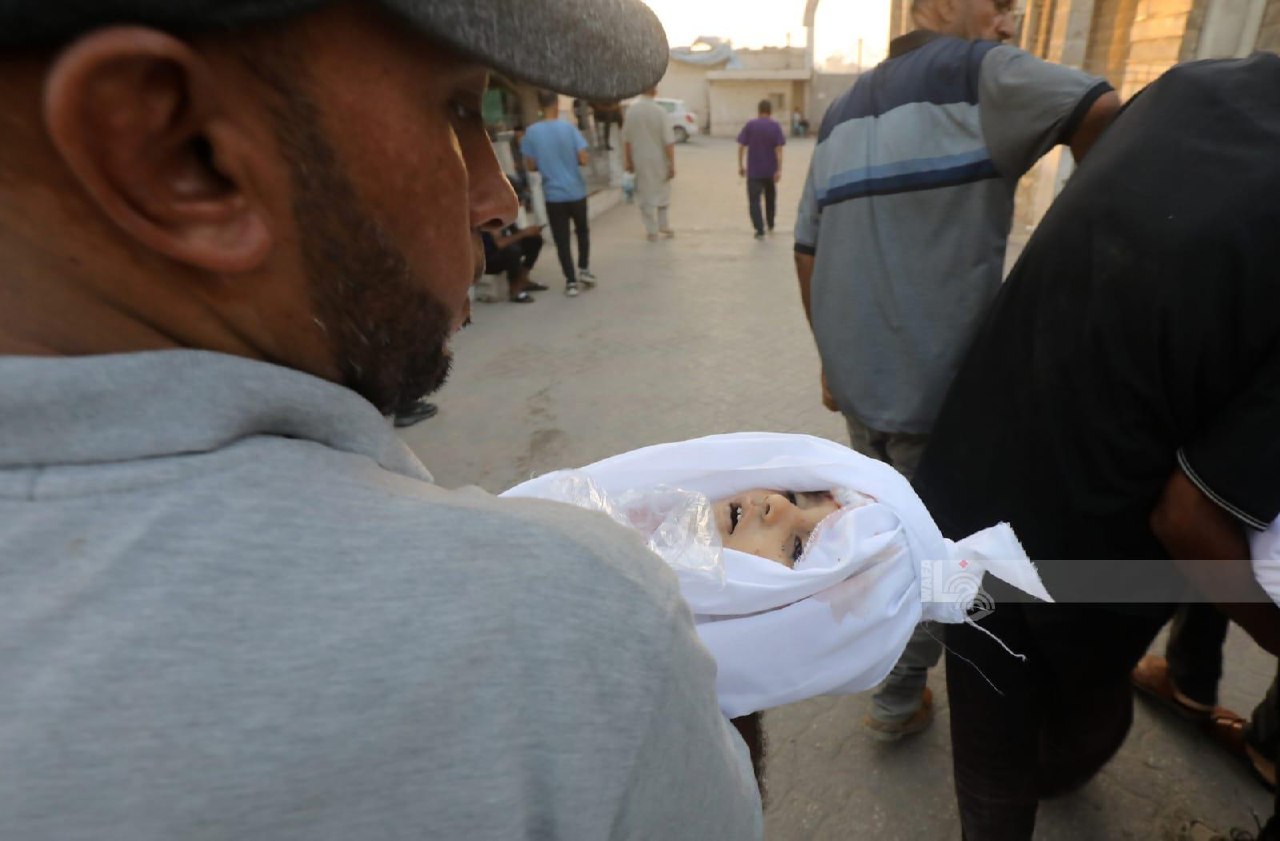
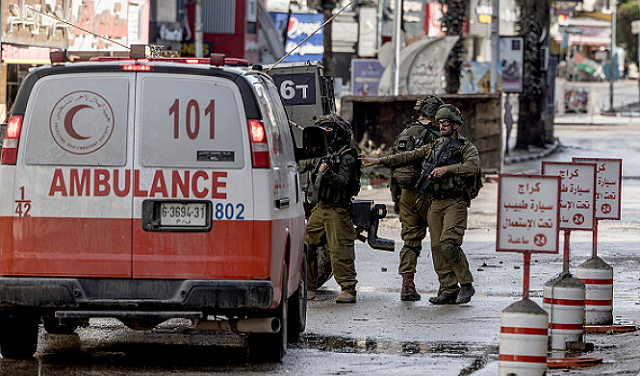
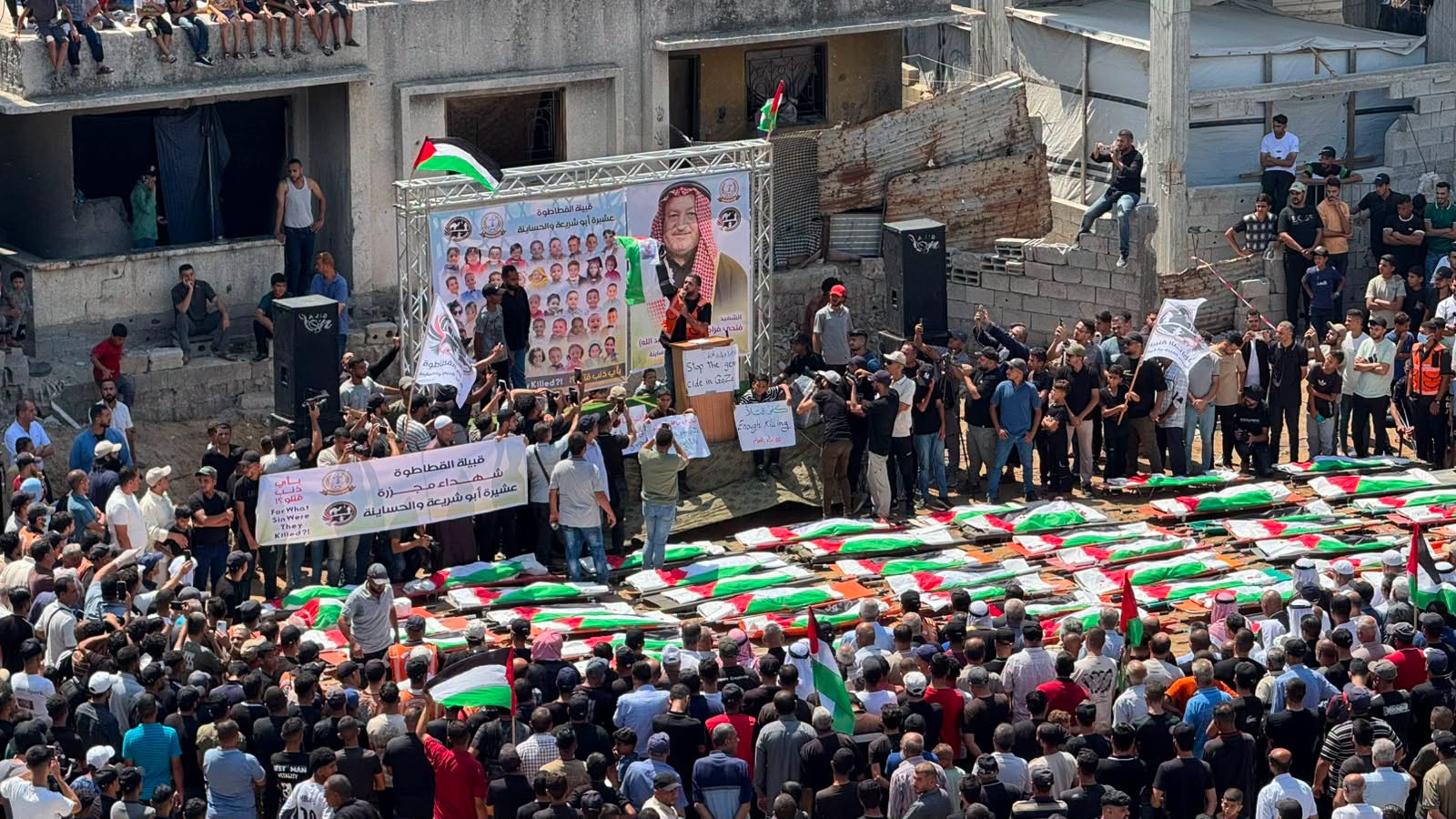
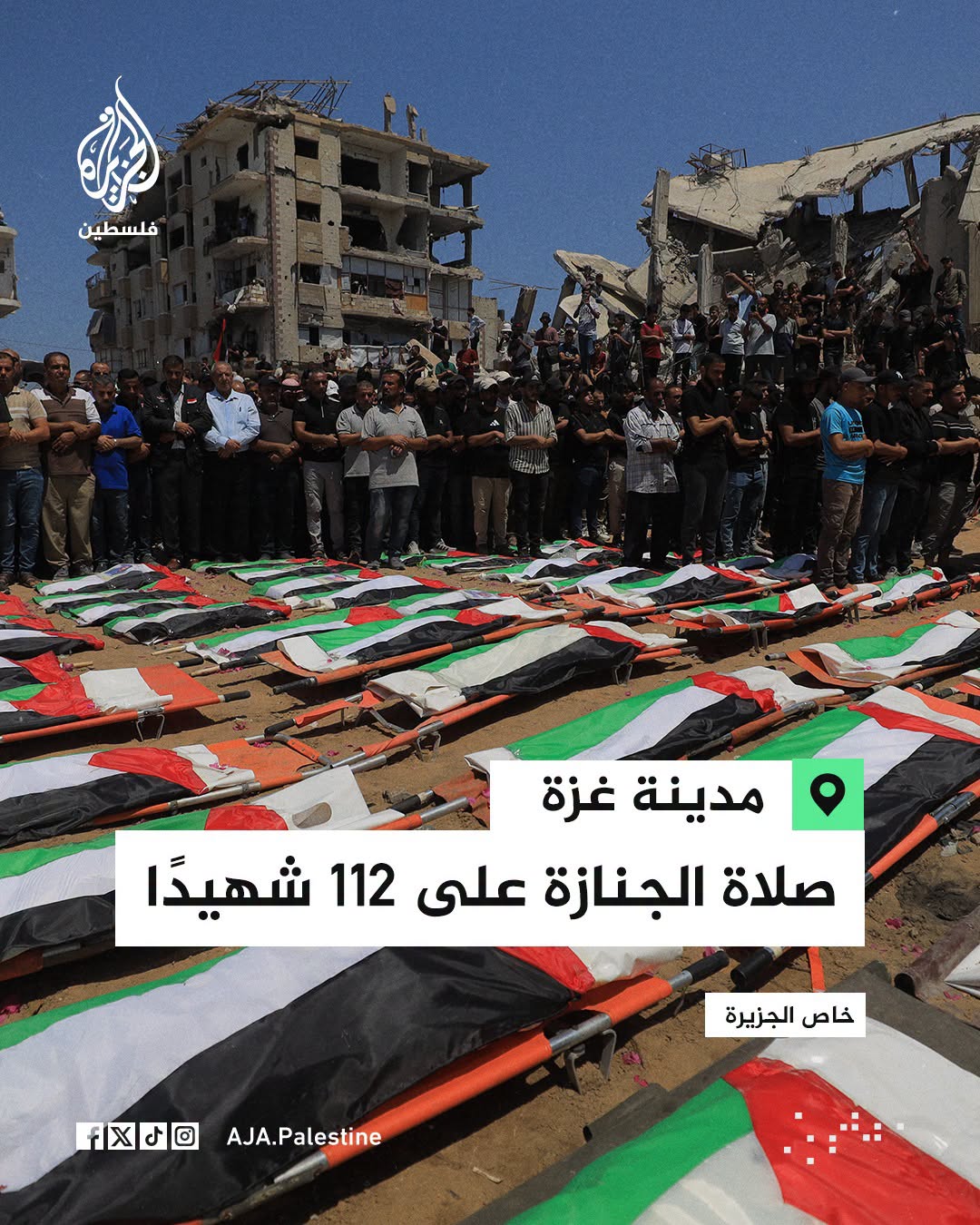
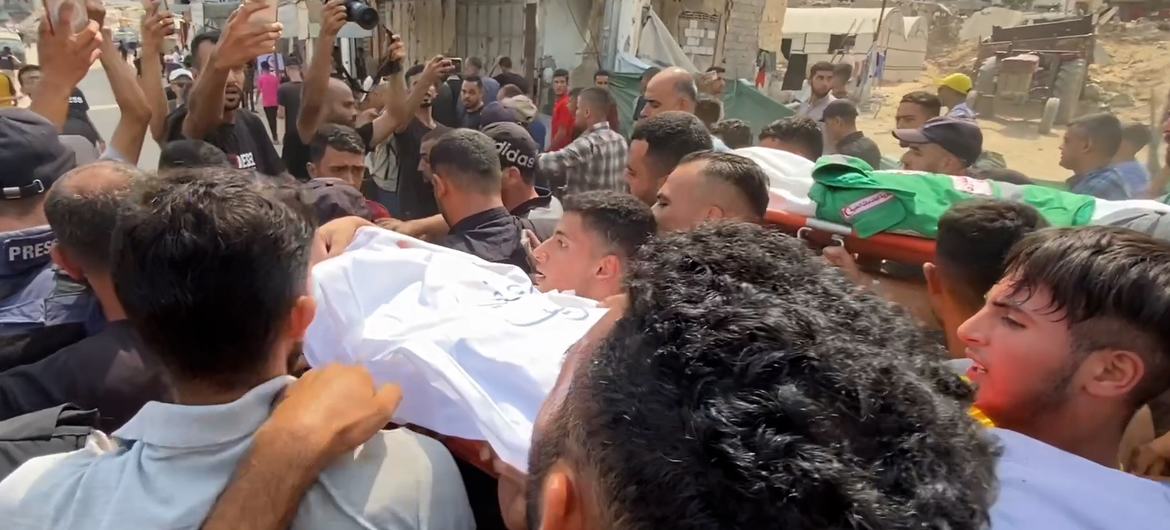
 12 Bodies Uncovered in Gaza City
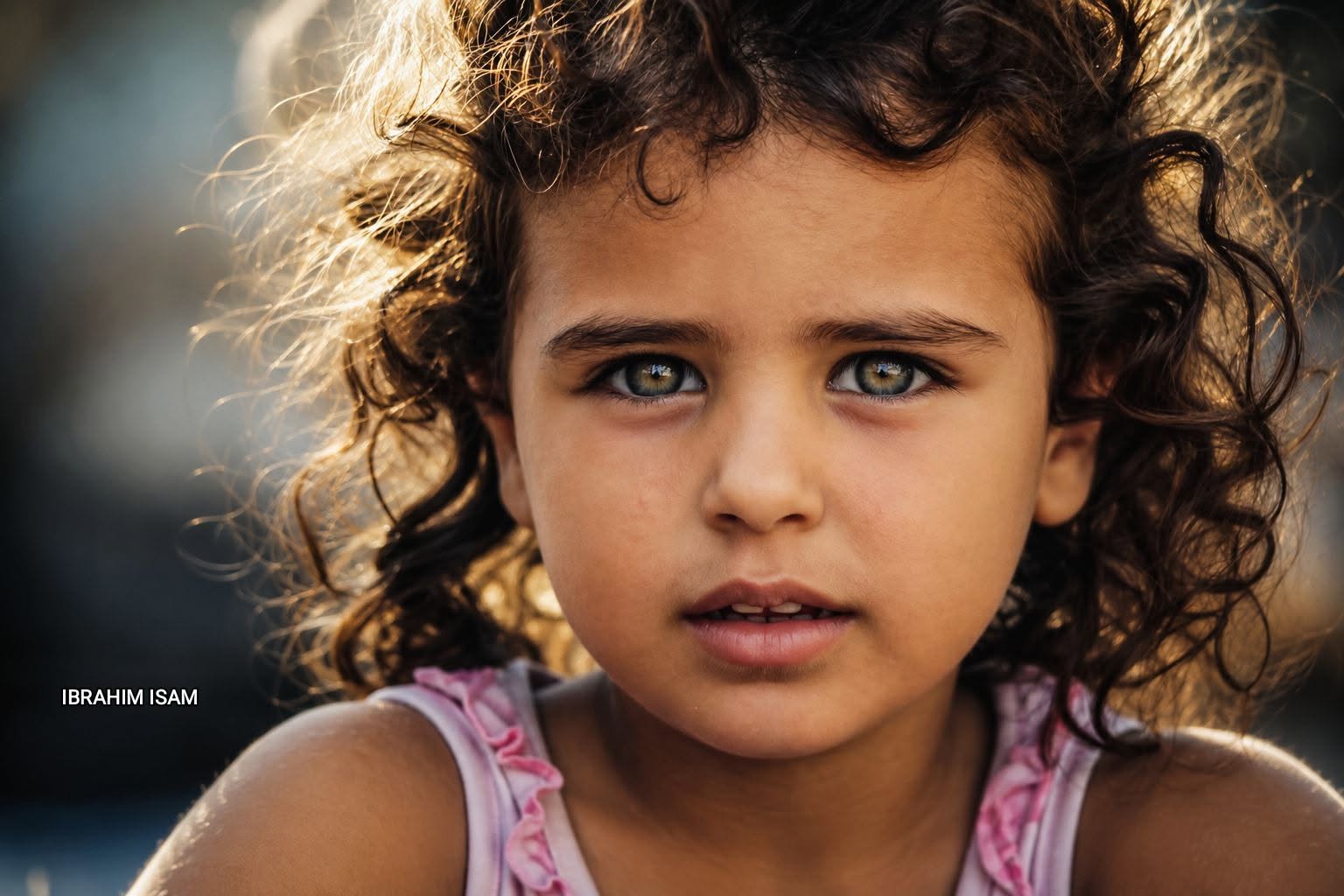
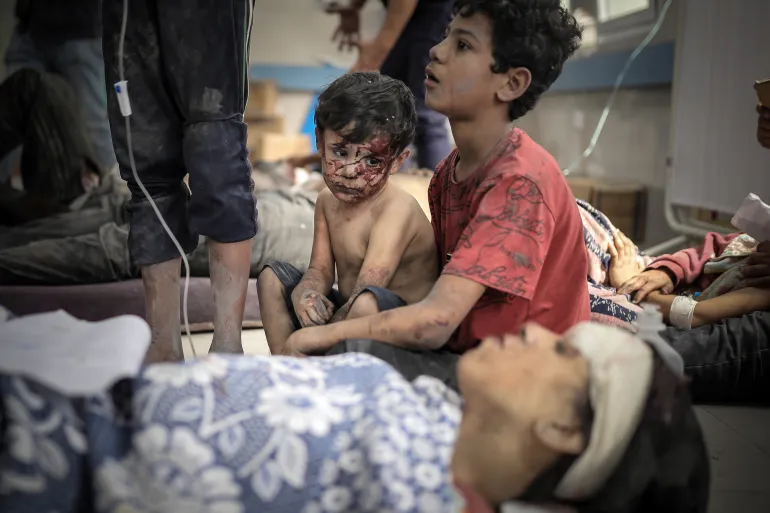
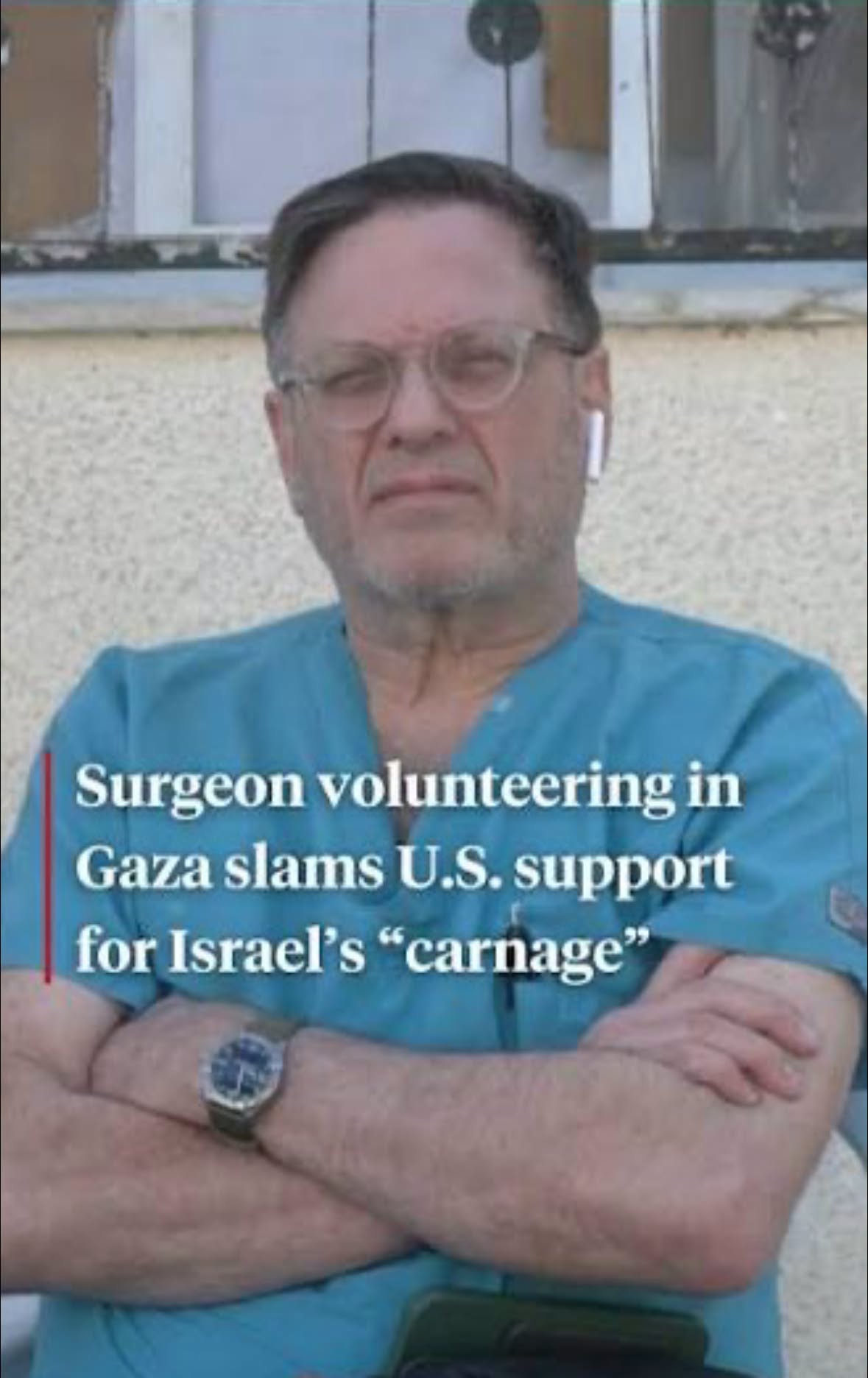 Dr. Mark Perlmutter recounts amputating the leg of a five-year-old girl in Gaza with no anesthesia available beyond an anesthesiologist singing to her.
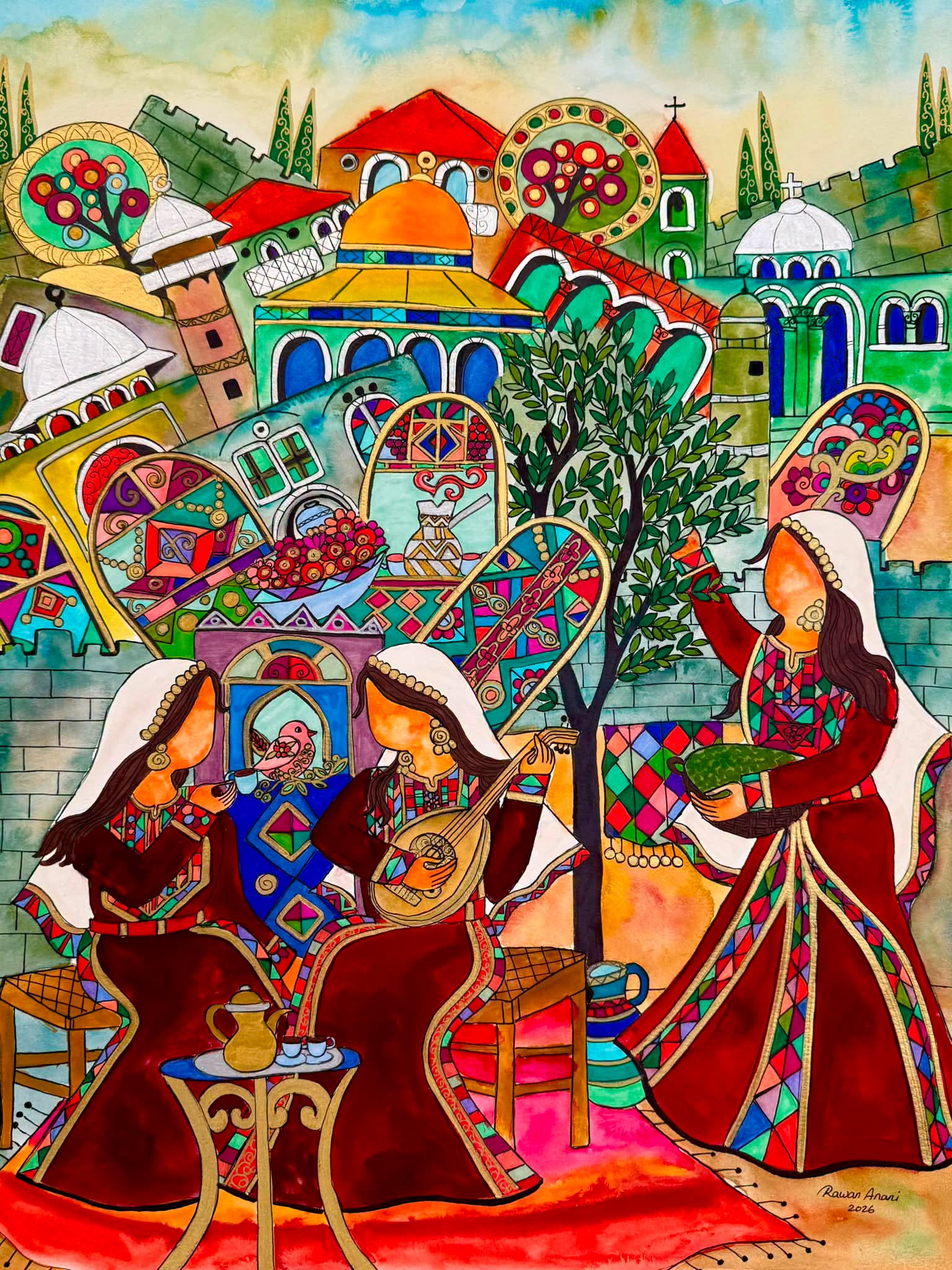
 Herman Melville, Palestine, 1857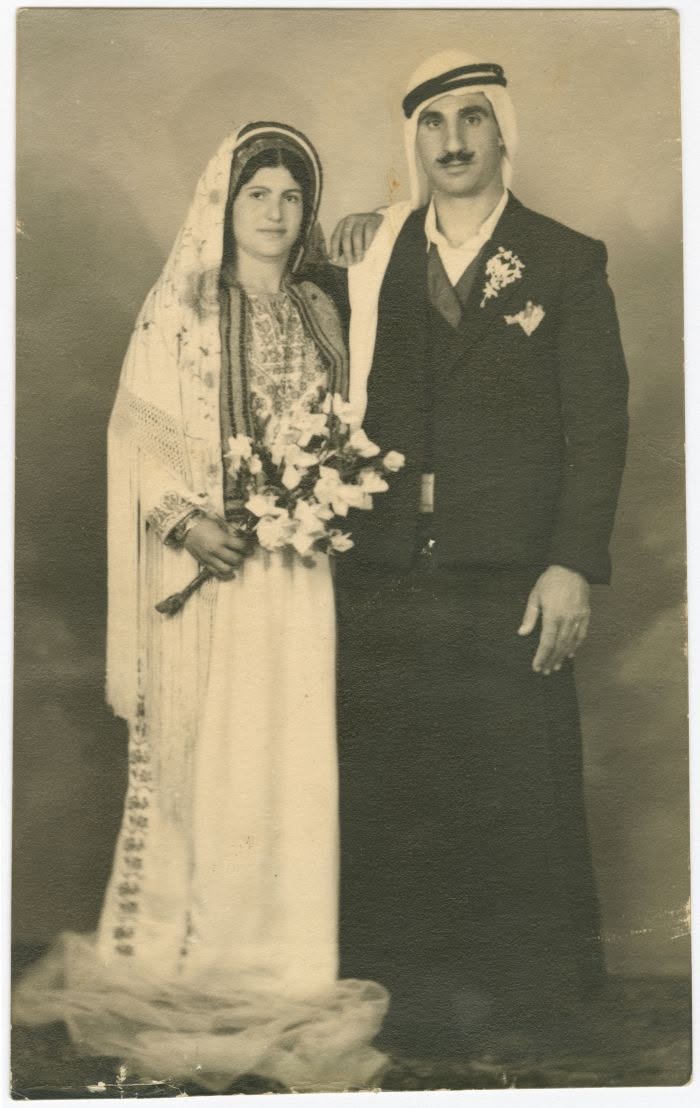
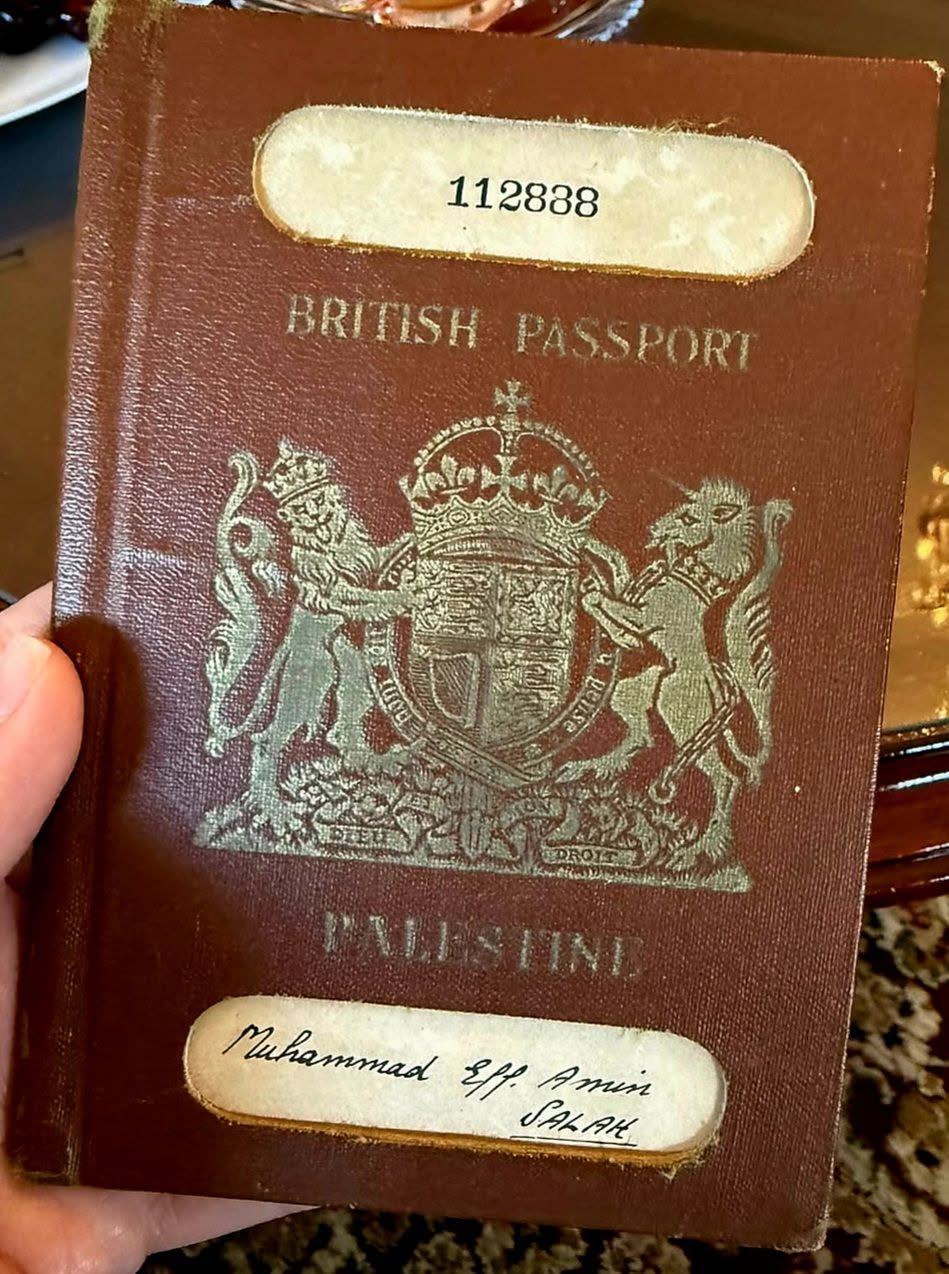
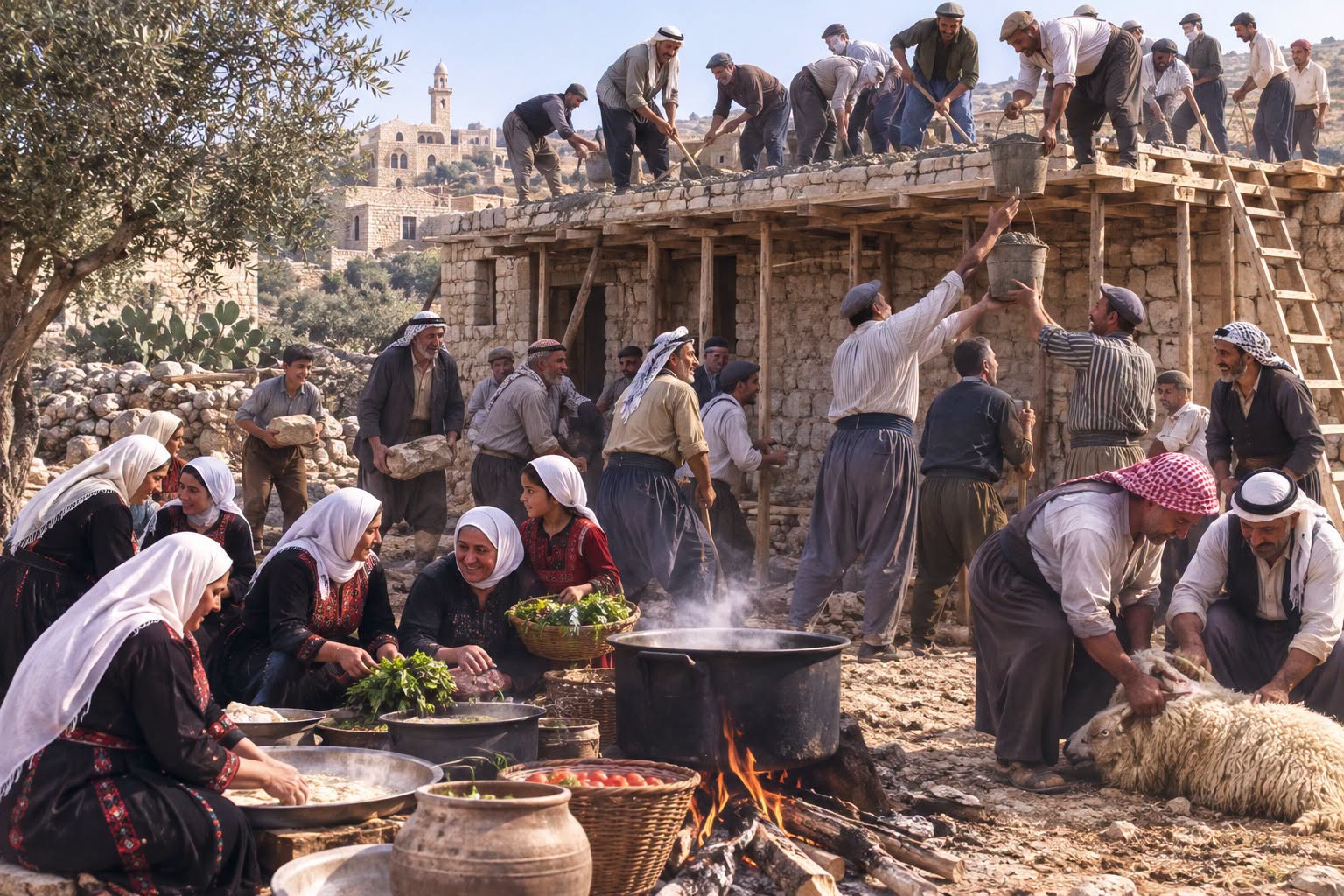
Jaffa Oranges in Jerusalem, 1937
 CrossFireArabia
- August 15, 2026
 CrossFireArabia
 marwanCrossFireArabiaCrossFireArabiamarwanCrossFireArabia
 HebaCrossFireArabiamarwanCrossFireArabiamarwanHebaCrossFireArabiamarwanmarwanHebaCrossFireArabiamarwanmarwanCrossFireArabiamarwanHebaCrossFireArabiaCrossFireArabiaCrossFireArabiaHebamarwanCrossFireArabiamarwanHebaCrossFireArabiaHebamarwanmarwanCrossFireArabiamarwanmarwanmarwanmarwanmarwanmarwanmarwanmarwanmarwanCrossFireArabiaCrossFireArabiamarwanmarwanCrossFireArabiaCrossFireArabiamarwanCrossFireArabiamarwanHebaHebamarwanmarwanCrossFireArabiamarwanmarwanmarwanmarwanCrossFireArabiaCrossFireArabiamarwanmarwanmarwanCrossFireArabiamarwanmarwanmarwanmarwanmarwanCrossFireArabiamarwanmarwanmarwanCrossFireArabia
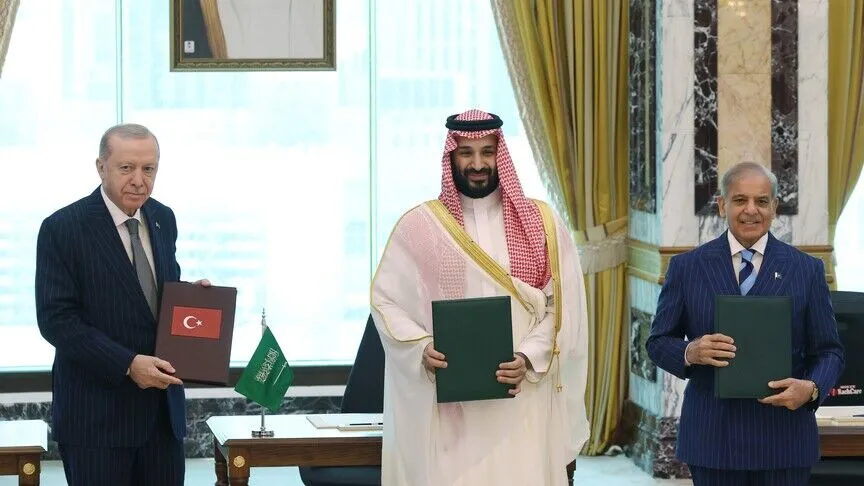
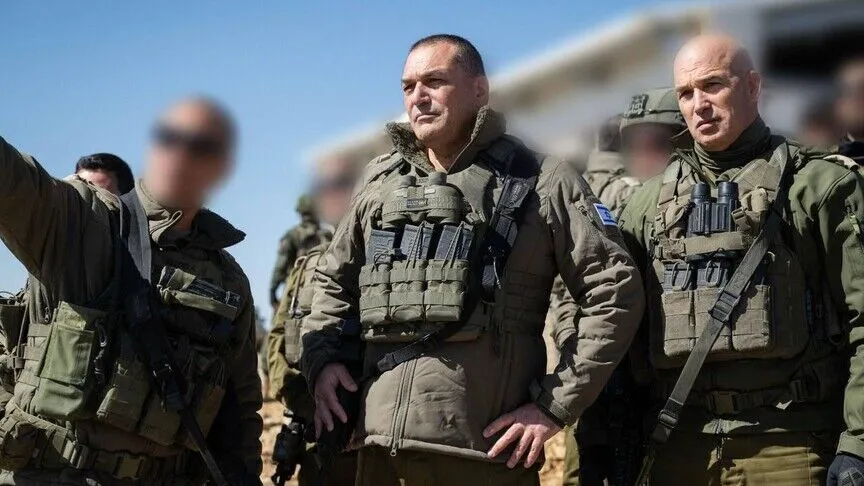
Several Arab countries on Wednesday denounced remarks by Israeli Prime Minister Benjamin Netanyahu that he is attached to the vision of a “Greater Israel,” calling them a “threat to the sovereignty of states.”
Netanyahu told news channel i24 on Tuesday that he feels “very attached” to the vision of a Greater Israel. He said he considers himself “on a historic and spiritual mission” which “generations of Jews that dreamt of coming here and generations of Jews who will come after us.”
Greater Israel is a term used in Israeli politics to refer to the expansion of Israel’s territory to include the West Bank, Gaza and Syria’s Golan Heights, with some interpretations also including Egypt’s Sinai Peninsula and parts of Jordan.
In a statement, Egypt asked for clarifications about the comments, as “they fuel instability and show rejection of peace in the region.”
The comments “contradict the aspirations of regional and international parties that value peace and seek to achieve security and peace for all the peoples of the region,” a Foreign Ministry statement said.
“The only path to peace is through a return to negotiations and ending the war on Gaza, leading to the establishment of a Palestinian state.”
The Jordanian Foreign Ministry called Netanyahu’s comments “a dangerous and provocative escalation, a threat to the sovereignty of states, a violation of international law and the UN Charter.”
“These delusional claims, which are reflected in the statements of Israeli officials, will not affect Jordan and the Arab states and will not diminish the legitimate and inalienable rights of the Palestinian people,” it added in a statement.
“These claims and delusions adopted and promoted by the extremists of the Israeli government encourage the continuation of cycles of violence and conflict” in Gaza and the West Bank, the ministry said.
Jordan called on the international community to take immediate action to stop Israel’s “provocative measures and statements that threaten the stability of the region and international peace and security.”
The Palestinian Authority called Netanyahu’s comments “a disregard of the legitimate rights of the Palestinian people” and “a dangerous provocation and escalation that threatens the security and stability of the region.”
It reaffirmed its commitment to the international principles regarding the establishment of an independent Palestinian state based on the 1967 borders with East Jerusalem as its capital.
Yemen’s Foreign Ministry in a statement described the remarks as “a blatant violation of international legitimacy resolutions and international law, and a clear challenge to the will of the international community.”
The ministry warned that “the continuation of these Israeli policies would push the region toward further tension and instability.”
Serious threat
Qatar’s Foreign Ministry decried the remarks as “an extension of the (Israeli) occupation’s approach based on arrogance, fueling crises and conflicts and blatantly infringing on the sovereignty of states, international law.”
The ministry affirmed Qatar’s full support for “all efforts aimed at achieving a just, comprehensive and sustainable peace in the region.”
The Saudi Foreign Ministry rejected the “expansionist ideas and projects” pursued by Israeli officials and reaffirmed “the historical and legal right of the brotherly Palestinian people to establish their independent, sovereign state on their lands.”
In a statement, the Arab League denounced Israel’s “aggressive and expansionist tendencies,” calling it “a serious threat to collective Arab national security,” according to Anadolu.
The Organization of Islamic Cooperation (OIC) stressed in a statement that the statements “are an attempt to evade Israel’s international obligations as the occupying power and to continue violating the legitimate rights of the Palestinian people, foremost among them their right to self-determination and to establish an independent state on the 1967 borders with East Jerusalem as its capital.”
It warned “of the dangers of this colonial, expansionist rhetoric, which poses a threat to regional and international peace and security, fuels the cycle of violence, and prolongs and expands the conflict in the region.”
The Palestinian group Hamas said Netanyahu’s comments “clearly underscore the danger this fascist entity poses to all the countries and peoples of the region and its expansionist plans that spare no state.”
The Israeli army has pursued a brutal offensive against Gaza since October 2023, killing over 61,700 Palestinians, almost half of them women and children.
The International Criminal Court issued arrest warrants last November for Netanyahu and his former Defense Minister Yoav Gallant for war crimes and crimes against humanity in Gaza.
Israel also faces a genocide case at the International Court of Justice for its war on the enclave.
CrossFireArabia
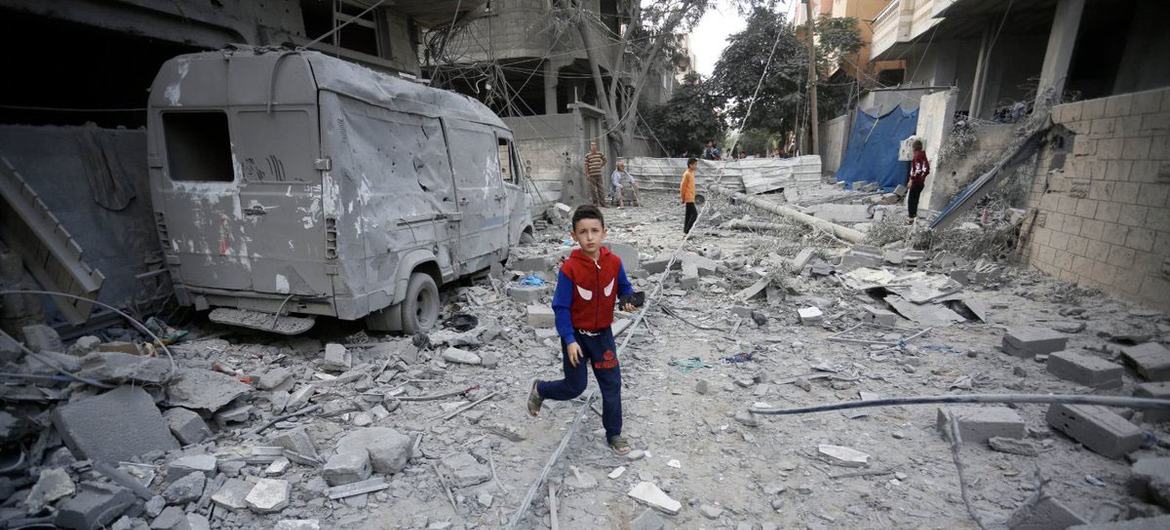
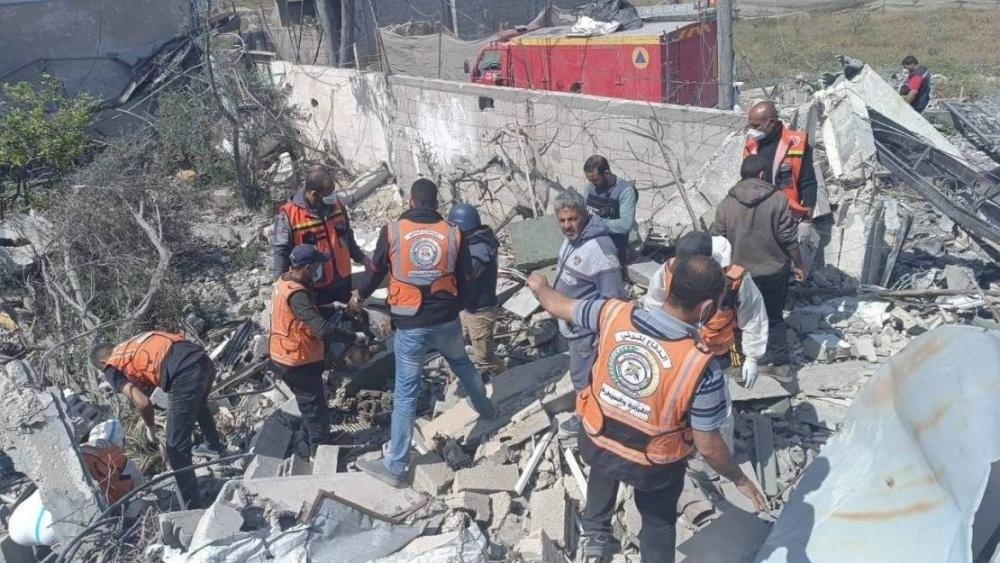
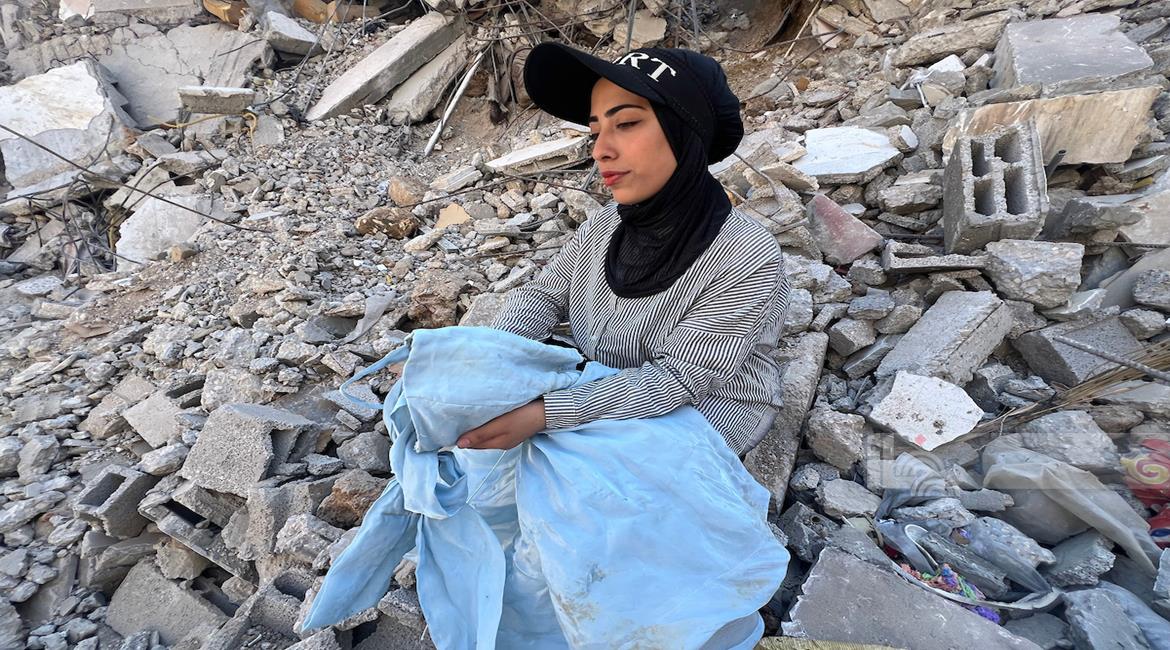
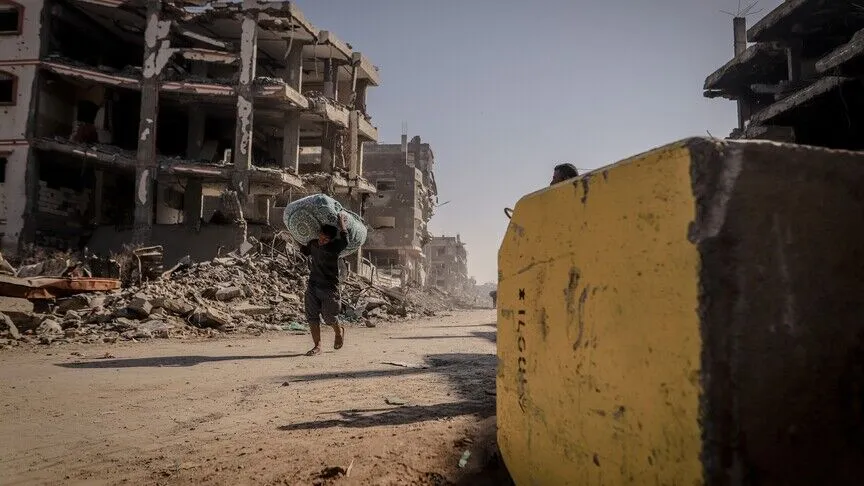
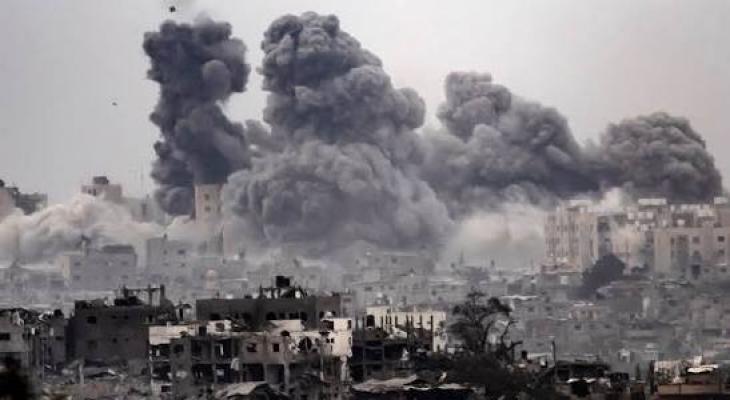
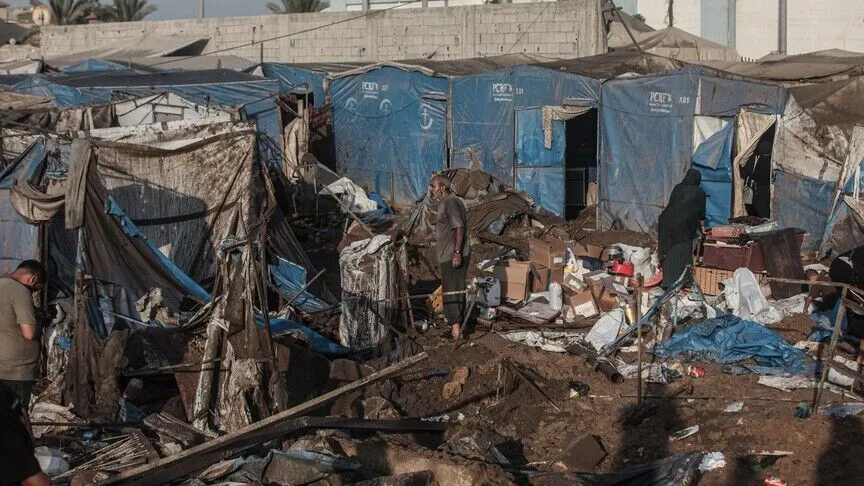
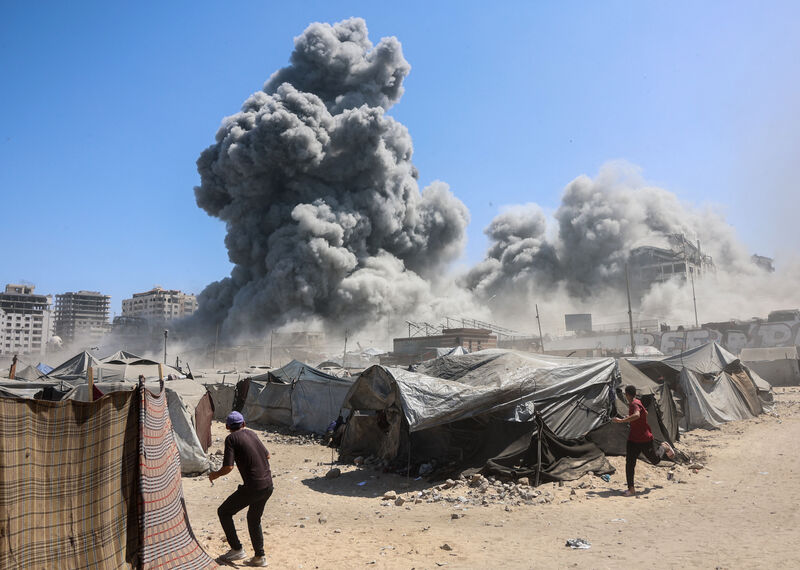
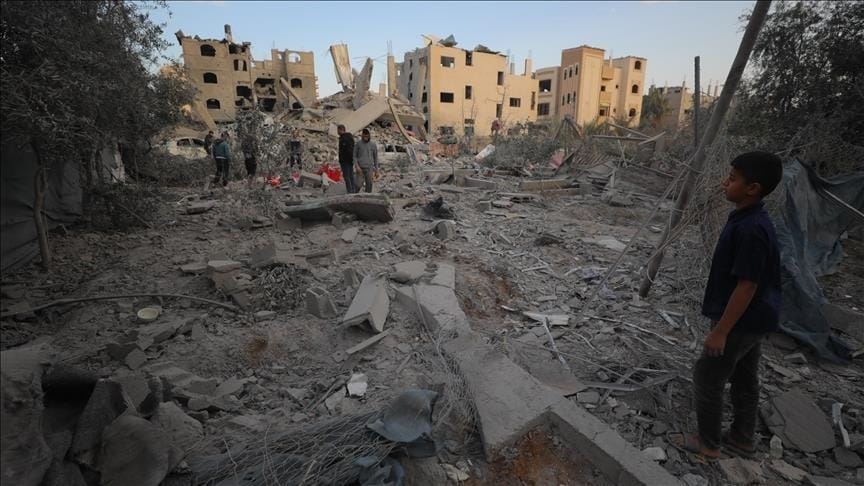
The Israeli military has demolished more than 300 homes over the past three days in the Zeitoun neighborhood in the central Gaza Strip as part of its ongoing occupation plan.
Mahmoud Basal, the spokesperson for the Civil Defense in Gaza, said Wednesday that the Israeli army has conducted heavy assaults in Zeitoun, deliberately targeting civilian residential areas, according to Anadolu.
He noted that the Israeli forces particularly targeted buildings with five floors or more, and due to the explosives used, surrounding structures have also been destroyed.
Some homes were destroyed while residents were still inside, causing casualties, with demolitions carried out without prior warning and intense bombardment preventing civil defense teams from reaching the wounded.
Israel is facing mounting condemnation for its genocidal war on Gaza, where it has killed more than 61,700 people since October 2023.
Last November, the International Criminal Court issued arrest warrants for Israeli Prime Minister Benjamin Netanyahu and his former Defense Minister Yoav Gallant for war crimes and crimes against humanity in Gaza.
Israel also faces a genocide case at the International Court of Justice for its war on the enclave.
CrossFireArabia
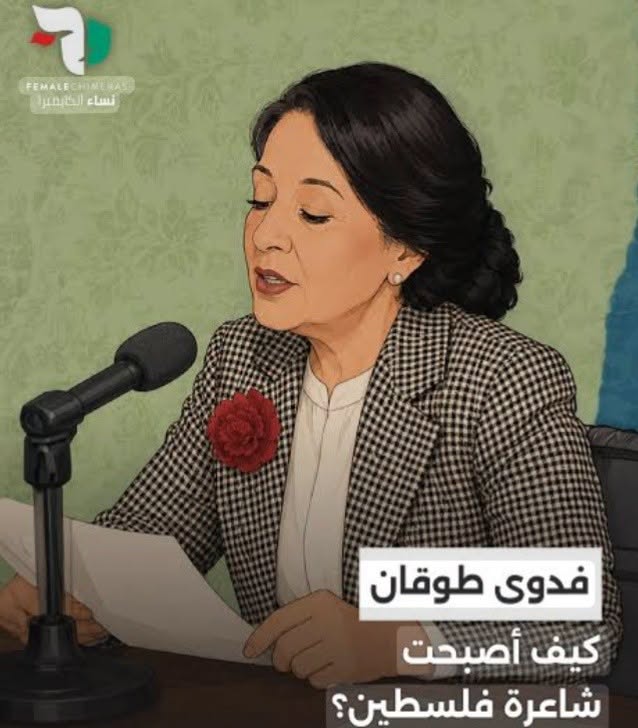
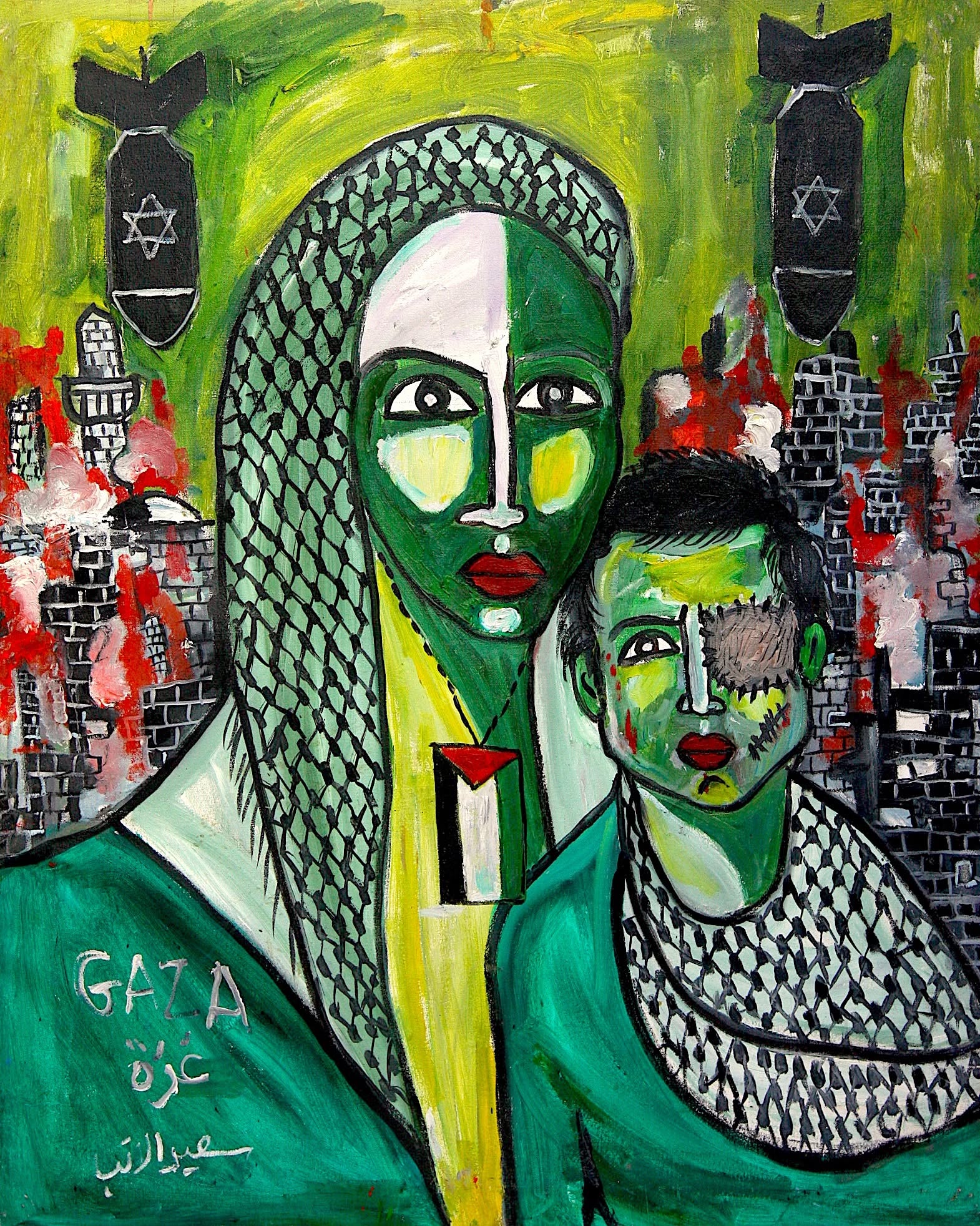
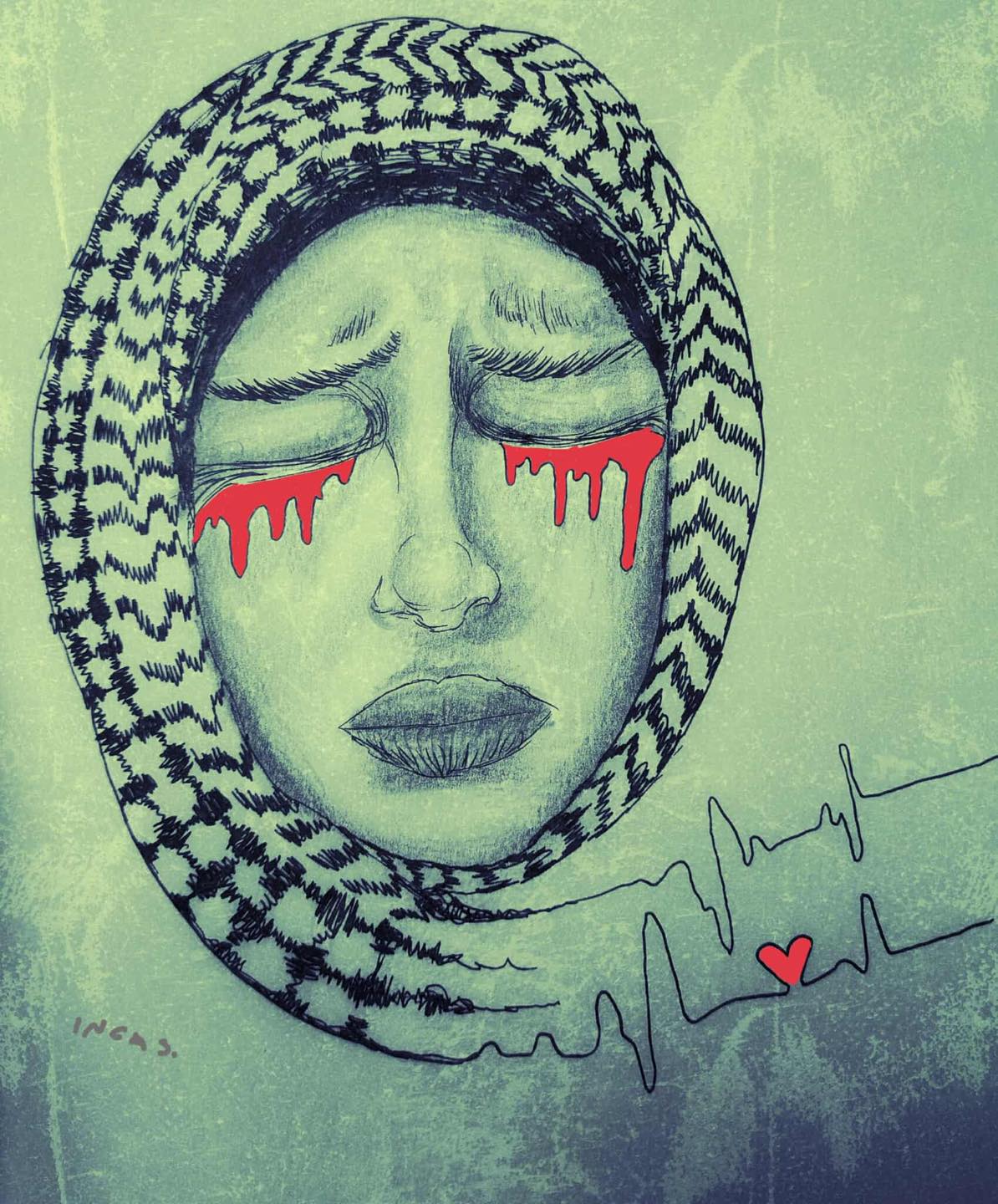
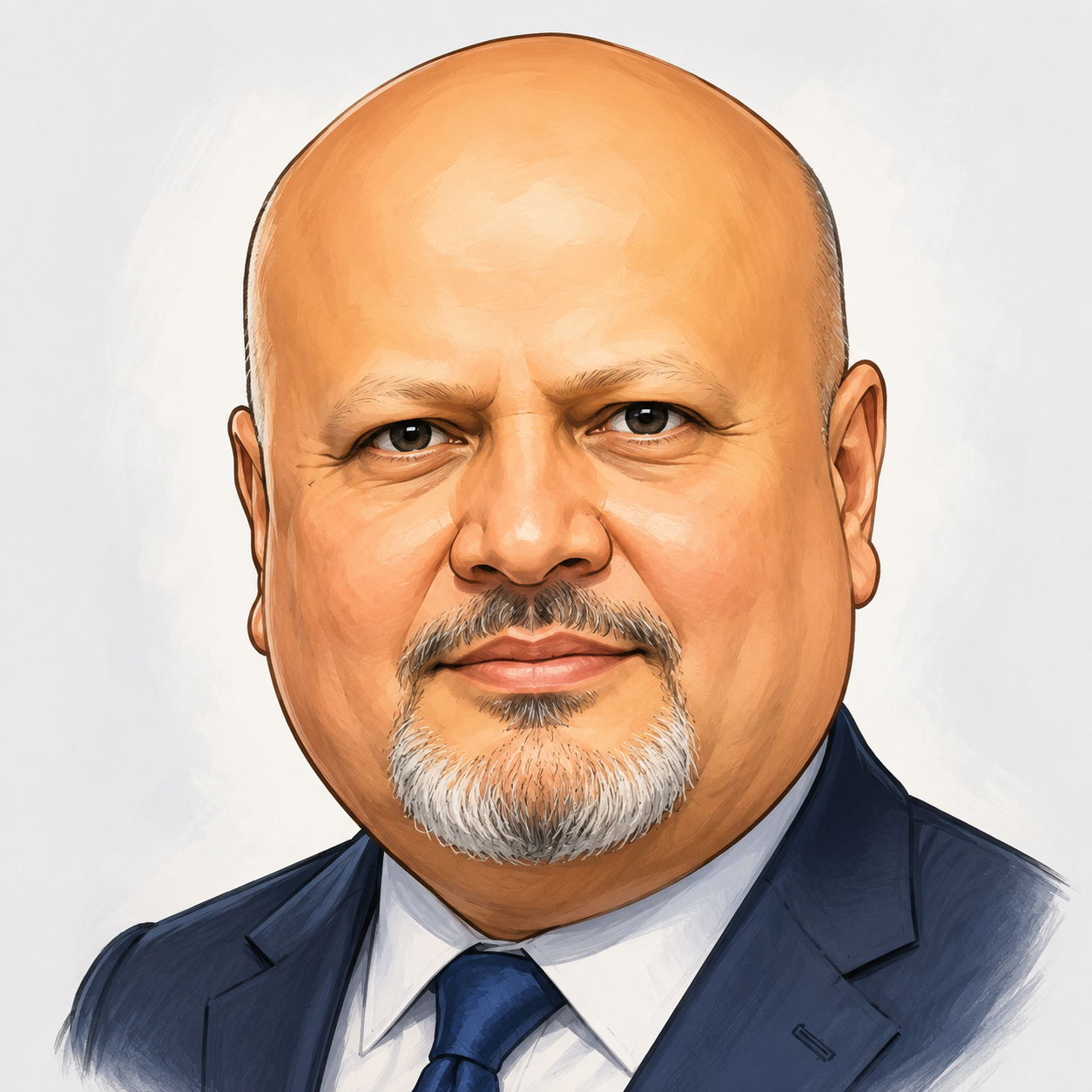
This portrait is made by Norwegian artist: Inga Sylvestog.
CrossFireArabia
The UN organization which champions culture and education, UNESCO, has strongly condemned the targeted killing of six journalists in Palestine by an Israeli drone on 10 August.
“I condemn the killing of journalists Anas Al-Sharif, Mohammed Qreiqeh, Ibrahim Zaher, Mohammed Noufal, Moamen Aliwa, and Mohammed Al-Khaldi and call for a thorough and transparent investigation,” UNESCO’s Director-General, Audrey Azoulay, said in a statement on Tuesday.
Five of the six worked for the influential Qatari-based media organization, Al Jazeera: Anas Al-Sharif and Mohammed Qreiqeh were on air correspondents, while Ibrahim Zaher, Mohammed Noufal and Moamen Aliwa worked as camera operators. Mohammed Al-Khaldi was a freelance photojournalist.
They were reportedly killed by an Israeli attack on a tent used by media personnel at the entrance of Al-Shifa Hospital in Gaza City.
The Israeli Defense Forces (IDF) alleged that 28-year-old correspondent Anas al-Sharif was a serving Hamas operative. Al Jazeera strongly denies this, describing the attack as an “assassination” and “yet another blatant and premeditated attack on press freedom.”
The UN Human Rights Council-appointed independent expert on freedom of expression issued a statement on 31 July denouncing an Israeli military spokesperson’s “repeated threats” and “unfounded accusations” against Mr. Anas Al-Sharif, flagging it as “a blatant attempt to endanger his life and silence his reporting” in Gaza.
Condemning the attack in the strongest possible terms on Tuesday, two special rapporteurs described the killings as “an attempt to silence reporting on the ongoing genocide and starvation campaign” in Gaza.
“It is outrageous that the Israeli army dares to first launch a campaign to smear Anas Al-Sharif as Hamas in order to discredit his reporting and then kill him and his colleagues for speaking the truth to the world,” the experts said, demanding an immediate investigation into the killings and full access to international media, which Israel currently bars from entering Gaza.
Special Rapporteurs and other independent experts are appointed by and report regularly to the Human Rights Council. They work in their individual capacity, are not UN staff and receive no payment for their work.
UNESCO chief Ms. Azoulay stressed that targeting journalists reporting on conflicts is unacceptable and violates international law.
She also reiterated her call to respect UN Security Council Resolution 2222, which was unanimously adopted in 2015 to protect journalists, media professionals and associated personnel in conflict situations.
Since October 2023, UNESCO has reported at least 62 journalists and media workers killed in the line of duty in Palestine, excluding deaths in circumstances unrelated to their work, while OHCHR reports that at least 242 Palestinian journalists have been killed in the same time frame.
CrossFireArabia
The refusal of international and continental sports federations to suspend Israel’s membership, 22 months after its perpetration of genocide in the Gaza Strip, constitutes a blatant violation of the values and principles they claim to uphold. It reflects a selective, double-standard application of the rules governing the participation of states, clubs, and individuals in international and continental competitions, whether official or friendly.
The International Federation of Association Football (FIFA), the Union of European Football Associations (UEFA), the International Olympic Committee, and other international federations continue to refrain from acting against Israel, despite its killing of 664 Palestinian athletes since the start of the genocide in the Gaza Strip in October 2023 and its violations of regulations and standards on human rights, peace, and non-discrimination.
Since the start of its genocide, Israel has targeted all aspects of life in the Gaza Strip, including the sports sector. According to the Palestinian Football Association, the Israeli army has destroyed 264 sports facilities, 184 completely and 81 partially.
Sports activities in the Gaza Strip have been completely suspended since October 2023 due to the widespread and systematic targeting of sports infrastructure, which has been almost entirely destroyed.
Athletes have been killed or, like most of Gaza’s population, forced to devote their time and effort to finding shelter and food, amid ongoing Israeli military attacks, repeated displacement, and starvation and blockade policies that have left the entire population food insecure and claimed the lives of approximately 220 people to date.
In July alone, the Israeli army killed 40 athletes and scouts, the vast majority in the Gaza Strip, according to the Palestine Olympic Committee.
The global influence of football associations, particularly FIFA and UEFA, places a double responsibility on them to uphold human rights principles and exclude national associations whose member states are implicated in serious crimes. It is unjustifiable for the Israeli national team to continue participating in FIFA tournaments, or for Israeli clubs to compete in UEFA tournaments, while Israel kills nearly one Palestinian athlete every day.
The continued disregard by international and continental sports federations for their own regulations, and their failure to take disciplinary action against Israel, constitutes a breach of their ethical and institutional obligations and exposes them to accountability, particularly if Israel exploits its international sporting participation to whitewash human rights violations and promote its sporting activities as a cover for atrocities committed by its army against Palestinian civilians.
The normalisation by sports federations of the participation of representatives of a state committing genocide is not only a legal violation but also an unprecedented moral failure. Allowing Israeli athletes to perform before audiences of hundreds of millions misleads the public and enables Israel to use sporting events as a powerful tool to influence global opinion.
In many cases, Israeli athletes themselves are implicated in grave violations against Palestinian civilians, with consistent estimates indicating that about 30 members of the Israeli delegation to the 2024 Paris Olympics served in the Israeli military or publicly supported the genocide in the Gaza Strip.
Although there is no official data on Israeli athletes who served in the army, Israel’s policy of compulsory conscription makes it reasonable to believe that most people of active athletic age served as reserve soldiers and may have participated in crimes committed during the genocide in the Gaza Strip, particularly given the army’s extensive and long-standing reliance on reserve forces to destroy civilians and infrastructure in the enclave.
FIFA’s regulations provide clear grounds to punish Israel. Article 3 of the FIFA Statutes states that “FIFA is committed to respecting all internationally recognised human rights and shall strive to promote the protection of these rights.” Article 16 also empowers the FIFA Council, “without a vote of the Congress, [to] temporarily suspend with immediate effect a member association that seriously violates its obligations.”
Similarly, Article 11 of the UEFA Disciplinary Regulations states that “all entities and persons subject to these regulations must respect the Laws of the Game, as well as UEFA’s Statutes, regulations, directives and decisions, and comply with the principles of ethical conduct, loyalty, integrity and sportsmanship.” Article 14 provides that “any entity or person subject to these regulations who insults the human dignity of a person or group of persons on whatever grounds, including skin colour, race, religion, ethnic origin, gender or sexual orientation, incurs a suspension lasting at least ten matches or a specified period of time, or any other appropriate sanction.”
On this basis, Israel could be punished and its clubs banned from European competitions for violating the principles of non-discrimination and integrity, engaging in conduct that conflicts with UEFA values, particularly by including clubs from illegal Israeli settlements in Palestinian territory in its league, and for the racist and discriminatory behaviour of some Israeli players.
As for the International Olympic Committee, Principle 1 of the Fundamental Principles of Olympism in the Olympic Charter states that “Olympism seeks to create a way of life based on the joy of effort, […] and respect for internationally recognised human rights.” Article 1 of the Fundamental Principles of the Olympic Code of Ethics also stipulates “respect for human dignity.” Accordingly, the Committee can punish Israel by suspending its membership for violating these and other principles.
It is unacceptable for the administrations of international and continental sports federations to submit to political pressure or favouritism, or to apply double standards in addressing human rights violations.
FIFA swiftly suspended Russia and its football clubs from official activities following its 2022 invasion of Ukraine, with UEFA following suit by banning Russian teams from European championships and prohibiting matches on Russian soil. The International Olympic Committee also acted, citing allegations of human rights violations, aggression against the sovereignty of an independent state, and the destruction of civilian infrastructure.
International and continental sports federations must take a decisive and immediate stance by suspending Israel’s membership in all sporting activities, banning events on its territory, ending its treatment as a state above the law, and imposing all disciplinary measures for the genocide it is committing in the Gaza Strip. They must also prevent Israel from using sport to whitewash gross human rights violations and normalise its illegal actions internationally.
The Israeli Football Association must be compelled to remove settlement clubs in the occupied Palestinian territory from its domestic competitions, in line with the rules of territorial jurisdiction and the non-recognition of illegal annexation.
Euro-Med Monitor calls on international and continental sports federations to form independent committees to document the destruction of sports infrastructure and the killing of Palestinian athletes, press Israel to rebuild the destroyed facilities, compensate affected athletes, and provide emergency support to Palestinian federations to ensure their continued operation through temporary headquarters, secure equipment and records, and rehabilitation programmes.