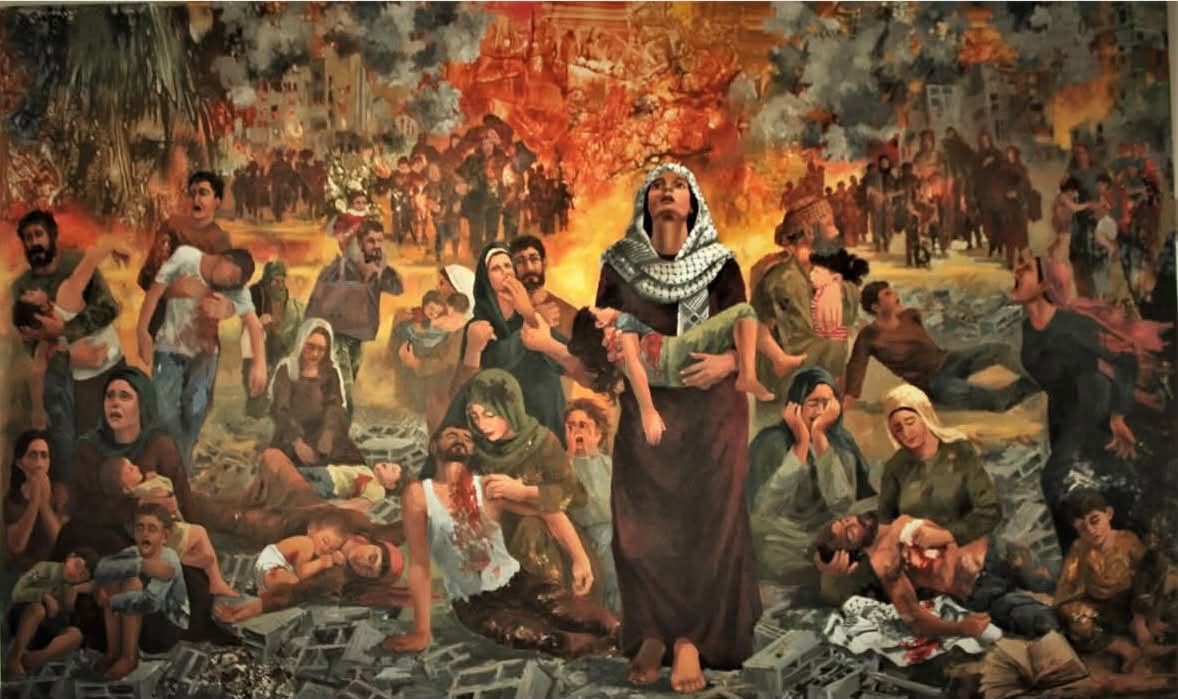
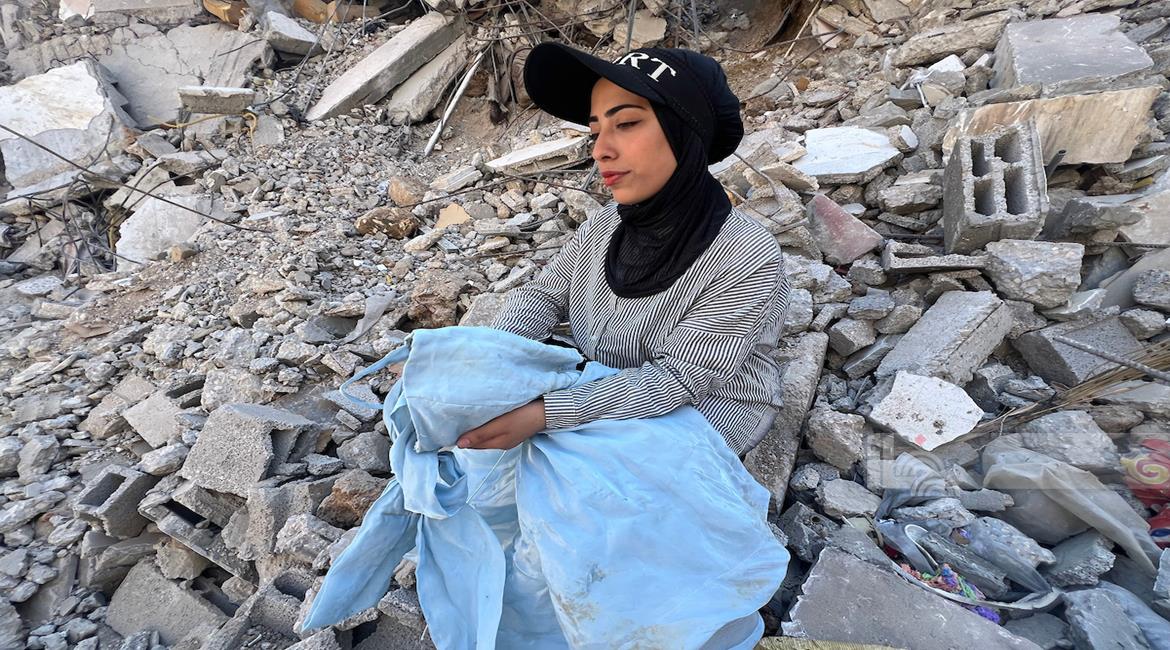
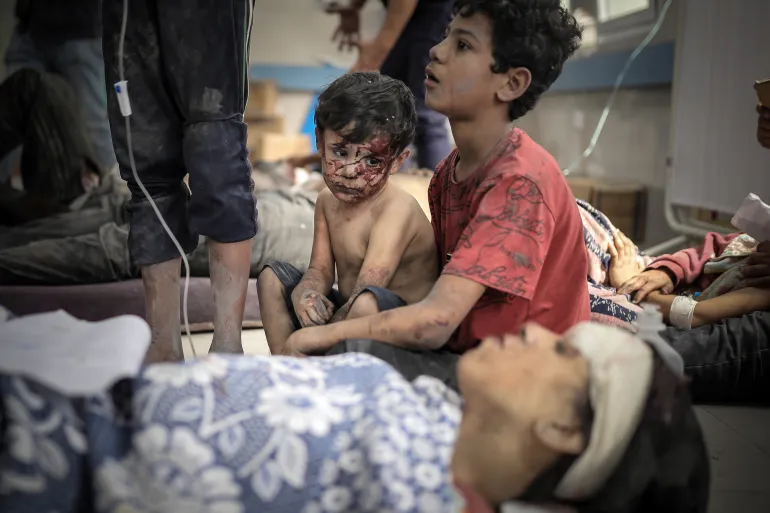
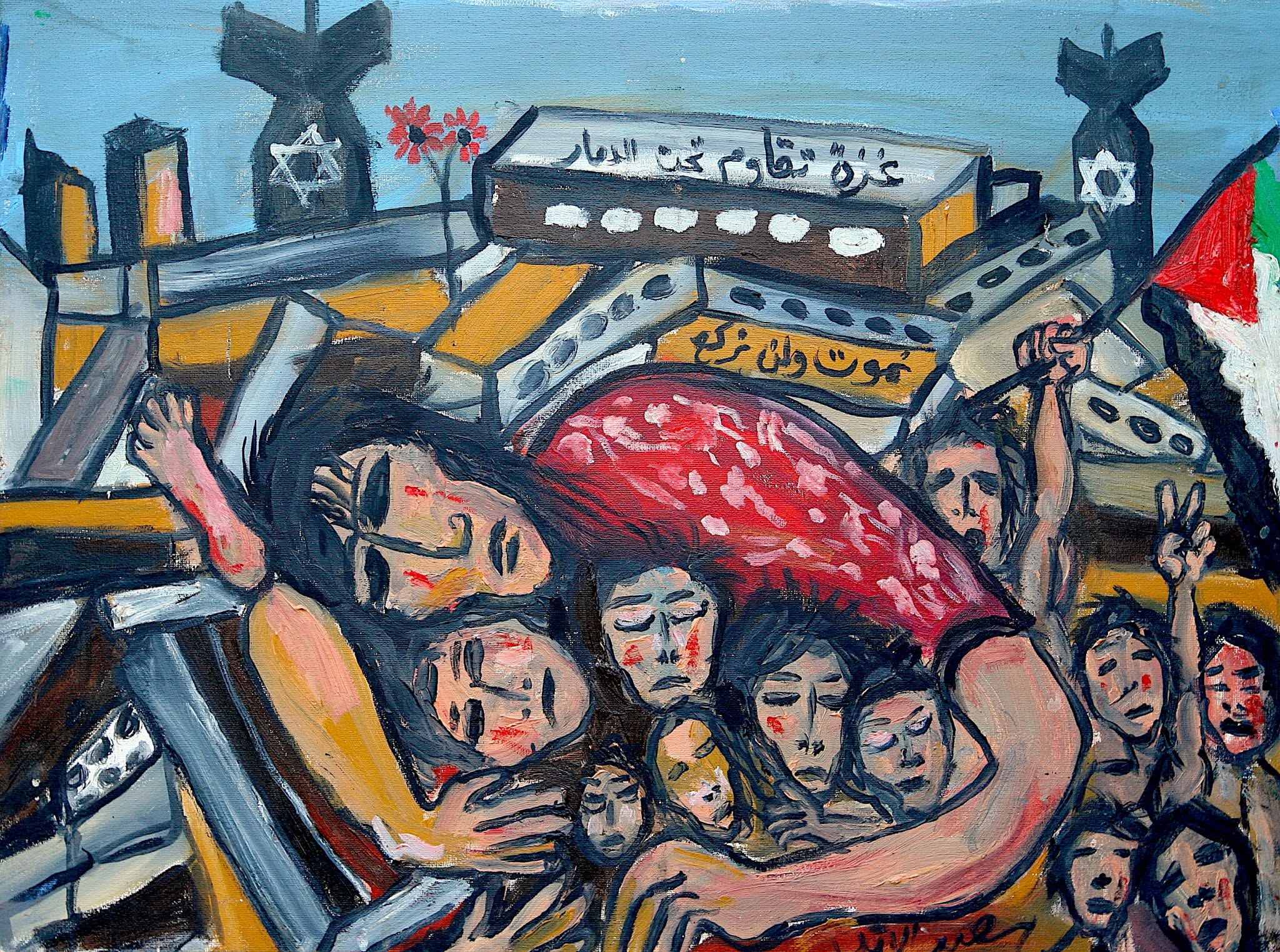
 Jabal Al-Weibdeh: An AI Art Story
 Jaffa Oranges in Jerusalem, 1937
 Gaza Begins to Restore Its Mosques
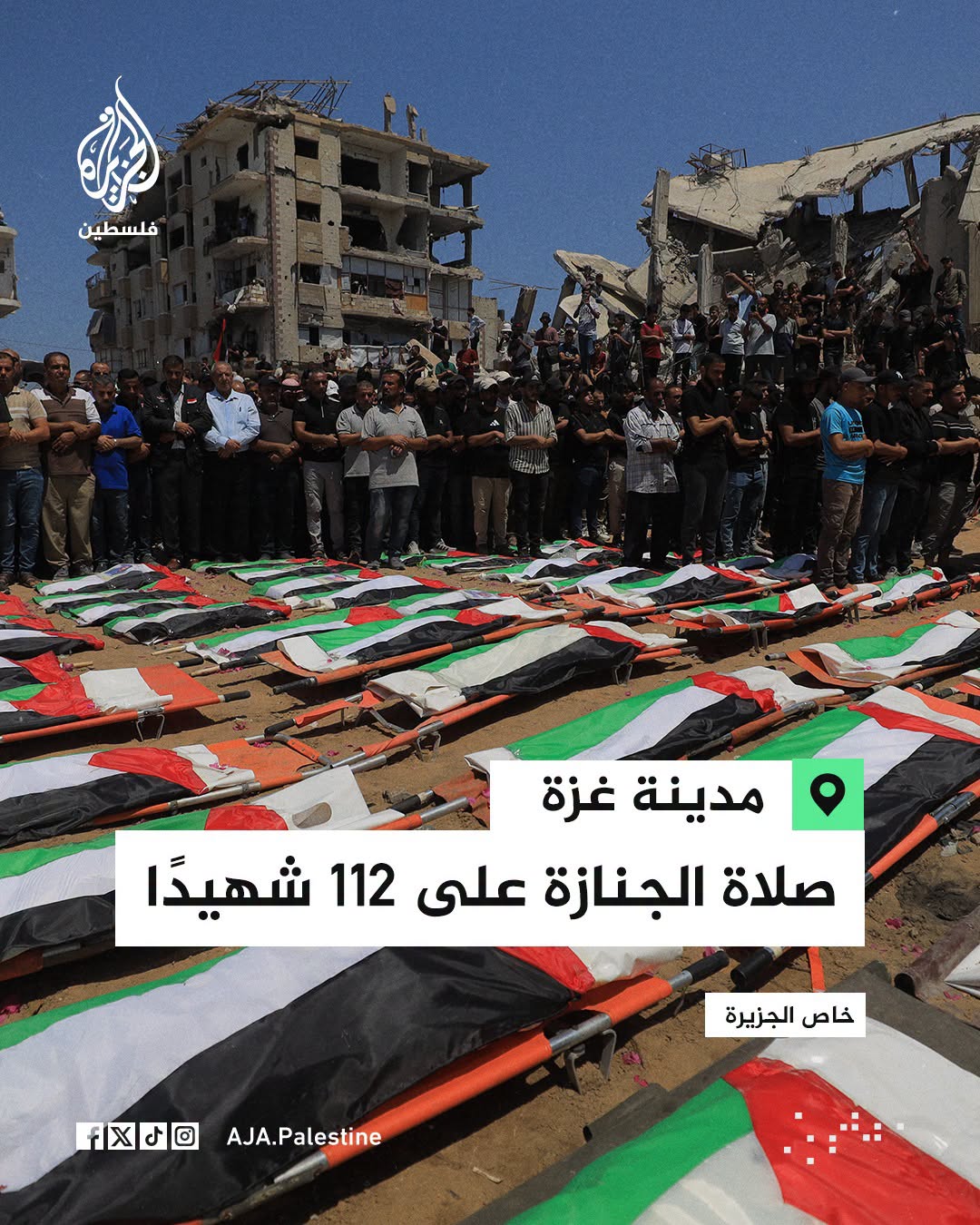
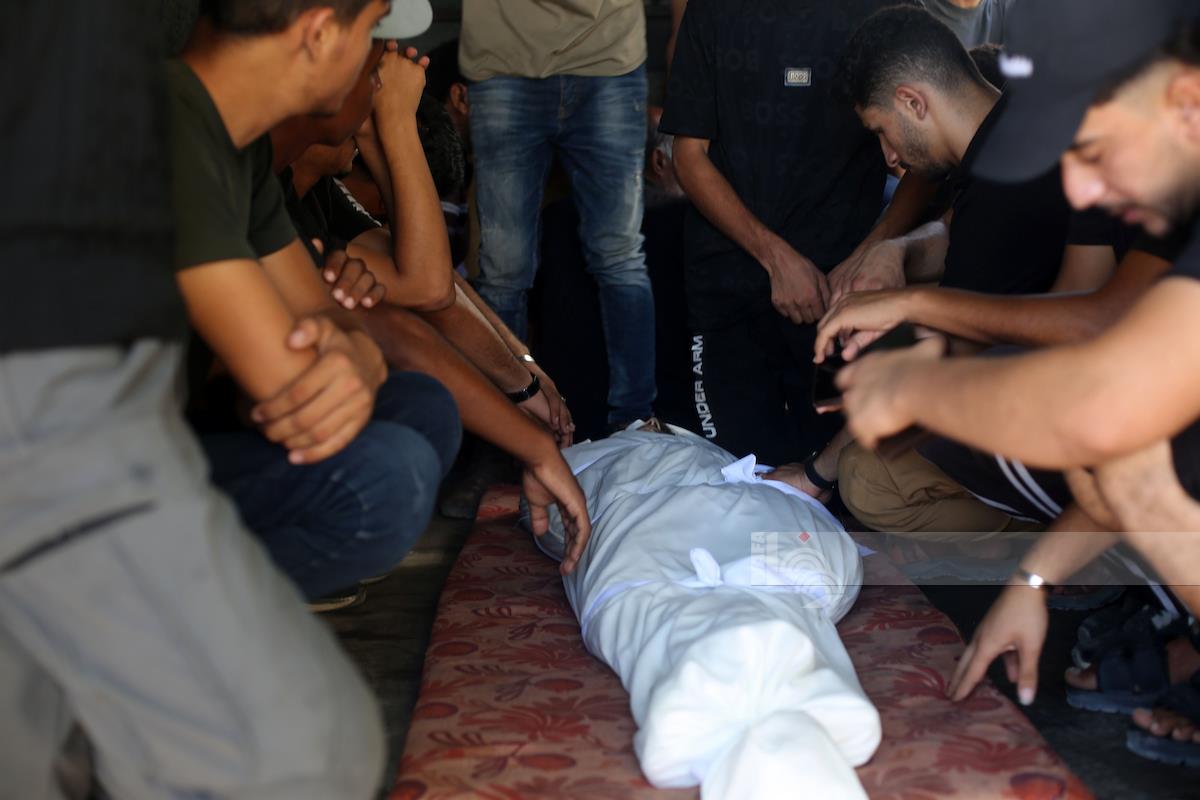
 12 Bodies Uncovered in Gaza City
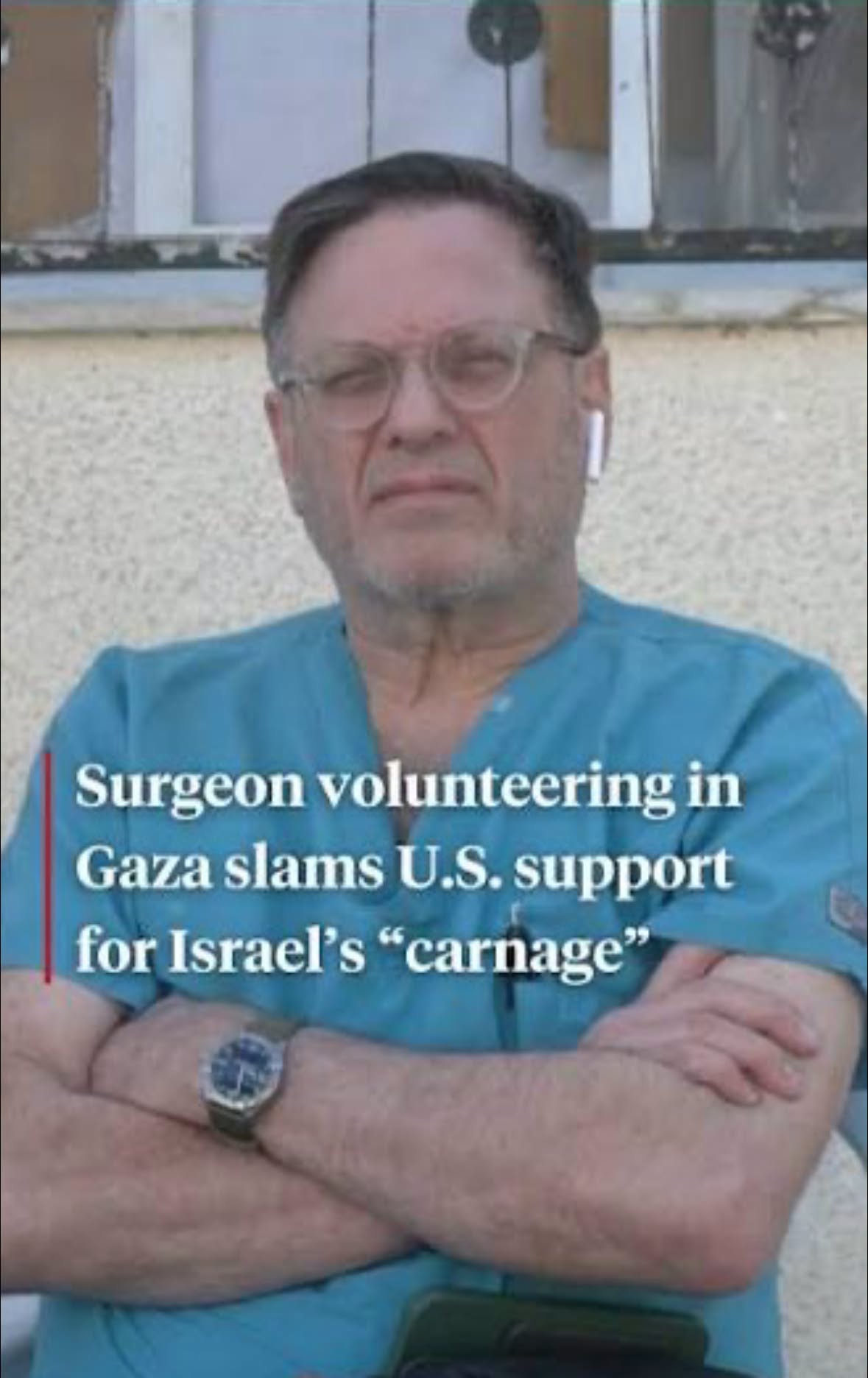 Dr. Mark Perlmutter recounts amputating the leg of a five-year-old girl in Gaza with no anesthesia available beyond an anesthesiologist singing to her.








Jabal Al-Weibdeh: An AI Art Story
 CrossFireArabia
- August 16, 2026
 CrossFireArabiaCrossFireArabia
 marwanCrossFireArabiaCrossFireArabiamarwanCrossFireArabia
 HebaCrossFireArabiamarwanCrossFireArabiamarwanHebaCrossFireArabiamarwanmarwanHebaCrossFireArabiamarwanmarwanCrossFireArabiamarwanHebaCrossFireArabiaCrossFireArabiaCrossFireArabiaHebamarwanCrossFireArabiamarwanHebaCrossFireArabiaHebamarwanmarwanCrossFireArabiamarwanmarwanmarwanmarwanmarwanmarwanmarwanmarwanmarwanCrossFireArabiaCrossFireArabiamarwanmarwanCrossFireArabiaCrossFireArabiamarwanCrossFireArabiamarwanHebaHebamarwanmarwanCrossFireArabiamarwanmarwanmarwanmarwanCrossFireArabiaCrossFireArabiamarwanmarwanmarwanCrossFireArabiamarwanmarwanmarwanmarwanmarwanCrossFireArabiamarwanmarwanCrossFireArabia
American singer and songwriter Jennifer Lopez donated $4.5 million in humanitarian aid to support Palestinians in Gaza.
The fund aims to alleviate people’s suffering and provide assistance to medical facilities in the strip.
CrossFireArabia
Israeli Chief of Staff Eyal Zamir described Prime Minister Benjamin Netanyahu’s plan to reoccupy the Gaza Strip as a “strategic trap”. Speaking on Wednesday, he stressed that it will exhaust the army for years to come and endanger the lives of prisoners.
Israel’s Channel 13 reported that a heated discussion took place between Zamir and Netanyahu in a meeting, Tuesday evening, which it described as “difficult and direct,” in light of the latter’s decision to proceed with the occupation of Gaza.
Zamir described the decision as a “strategic trap,” stressing it will exhaust the Israeli army for years later and endanger the lives of the Israeli prisoners in Gaza who are believed to be down to 20.
On Tuesday evening, Netanyahu held a closed-door meeting that lasted three hours, including a limited number of ministers and senior security officials, during which he discussed the plan to encircle Gaza City and the central military bases as the first stage of the occupation of the Strip, according to what the Broadcasting Authority quoted from an unnamed Israeli official.
Channel 13 reported that Zamir “proposed an alternative to the occupation operation, which is to isolate the Gaza Strip and impose a tight siege on Gaza City, along with airstrikes on Hamas positions. However, Netanyahu rejected the proposal and insisted on proceeding with the plan to occupy the Strip.”
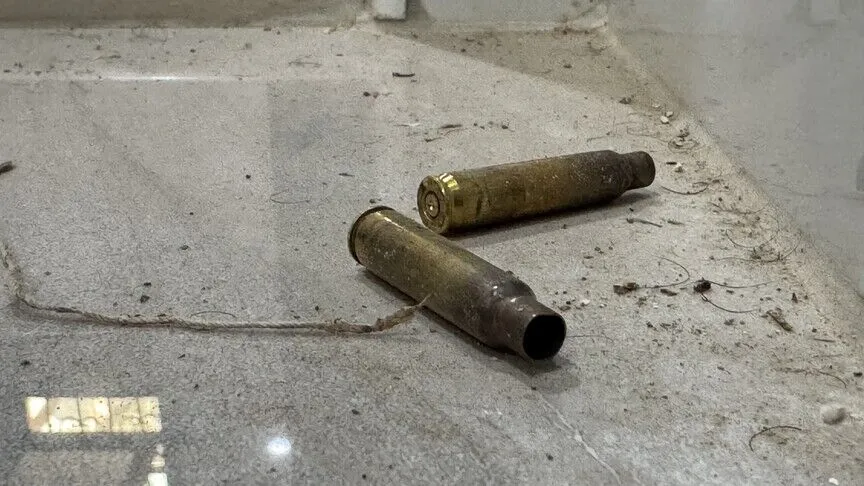
Senior military officials, who were not named, quoted Zamir as hinting during the meeting at a threat to resign, saying: “I only have one bullet in my mouth.”
The security cabinet is scheduled to meet tomorrow, Thursday, to discuss the plan to occupy Gaza City and the central Gaza Strip, which Chief of Staff Zamir opposes.
On Tuesday, Netanyahu’s son, Yair, launched a sharp attack on Zamir, accusing him of “leading a rebellion and a military coup.”
On Wednesday, Israeli Defense Minister Yisrael Katz announced his support for Zamir in the face of criticism from Netanyahu’s son, Yair.
Katz said in a post on the X platform that “Major General Zamir is leading the army and adopting a strong and aggressive policy.”
He continued: “It is the right and duty of the Chief of Staff to express his position, and after the political leadership makes decisions, the army will implement them firmly.”
Israel previously occupied the Gaza Strip for 38 years, between 1967 and 2005.
Tel Aviv estimates that there are 50 Israeli prisoners in Gaza, 20 of whom are still alive, while more than 10,800 Palestinians are languishing in its prisons, suffering from torture, starvation, and medical neglect, many of whom have died, according to Palestinian and Israeli human rights and media reports.
On July 24, Israel withdrew from indirect negotiations with Hamas in Doha, following Tel Aviv’s intransigence regarding the withdrawal from Gaza, the end of the war, Palestinian prisoners, and the mechanism for distributing humanitarian aid.
According to a poll published Sunday by the Israeli Institute for National Security Studies, 52 percent of Israelis hold their government fully or partially responsible for the failure to reach an agreement with Hamas.
Hamas has repeatedly declared its willingness to release Israeli prisoners “in one go” in exchange for an end to the war of extermination, the withdrawal of the Israeli army from Gaza, and the release of Palestinian prisoners.
The opposition and the prisoners’ families assert that Netanyahu is seeking partial deals that would allow the continuation of the war while ensuring his continued rule. He fears the collapse of his government if the most extremist faction, which refuses to end the war, withdraws from it.
Domestically, Netanyahu is being tried on corruption charges that would result in his imprisonment if convicted. The International Criminal Court is seeking his arrest on charges of war crimes and crimes against humanity against Palestinians in Gaza.
Since October 7, 2023, Israel has been committing genocide in the Gaza Strip and starving Palestinians. On March 2, it tightened its measures by closing the crossings to humanitarian, relief, and medical aid, causing a famine that has reached “catastrophic” levels.
The US-backed genocide left more than 211,000 Palestinians dead or wounded, most of them children and women, and more than 9,000 missing, in addition to hundreds of thousands of displaced persons and a famine that claimed the lives of many according to Anadolu.
CrossFireArabia
Five more Palestinians died of starvation in the last 24 hours in the Gaza Strip, bringing the death toll since October 2023 to 193, the Health Ministry said on Wednesday.
A ministry statement added that 96 children were among the victims.
Israel has imposed a blockade on Gaza for 18 years and, since March 2, has shut down all crossings, blocking the entry of humanitarian aid and worsening conditions for the territory’s 2.4 million population.
According to Gaza’s Government Media Office, Israel had allowed in just 843 aid trucks since July 27 – far short of the 6,000 trucks required to meet the daily needs of residents over 10 days.

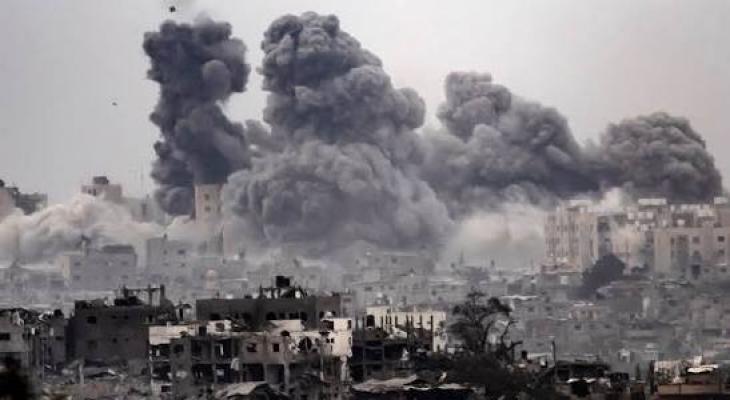
Israel has been facing mounting outrage over its destructive war on Gaza, where more than 61,000 people have been killed since October 2023. The military campaign has devastated the enclave and brought it to the verge of famine.
Last November, the International Criminal Court issued arrest warrants for Israeli Prime Minister Benjamin Netanyahu and his former Defense Minister Yoav Gallant for war crimes and crimes against humanity in Gaza.
Israel also faces a genocide case at the International Court of Justice for its war on the enclave according to Anadolu
CrossFireArabia
China has warned Israel against “dangerous actions” of occupying Gaza, expressing its concerns for Tel Aviv’s decision to escalate its military offensive in Gaza.
Beijing’s remarks came after Israeli media exposed that Prime Minister Benjamin Netanyahu has decided, with US backing, to push ahead with a full-scale reoccupation of the besieged Palestinian enclave, targeting areas believed to hold Israeli captives.
“We urge Israel to immediately halt such dangerous actions. We urge all parties to promptly reach a binding and sustainable ceasefire agreement,” China’s envoy to the UN Geng Shuang told the UN Security Council meeting in New York on Tuesday according to Anadolu.
“We further urge countries with significant influence over the parties concerned to act in a just and responsible manner and take concrete steps to help bring about a ceasefire,” he said, according to an official transcript of his speech.
The Israeli army, rejecting international calls for a ceasefire, has pursued a brutal offensive on Gaza since Oct. 7, 2023, killing more than 61,000 Palestinians, almost half of them women and children. Israel’s military campaign has devastated the enclave and brought it to the verge of famine.
Last November, the International Criminal Court issued arrest warrants for Netanyahu and his former Defense Minister Yoav Gallant for war crimes and crimes against humanity in Gaza.
Israel also faces a genocide case at the International Court of Justice for its war on the enclave.