What Hold Does Netanyahu Have on Trump?

By Abdel Barri Atwan

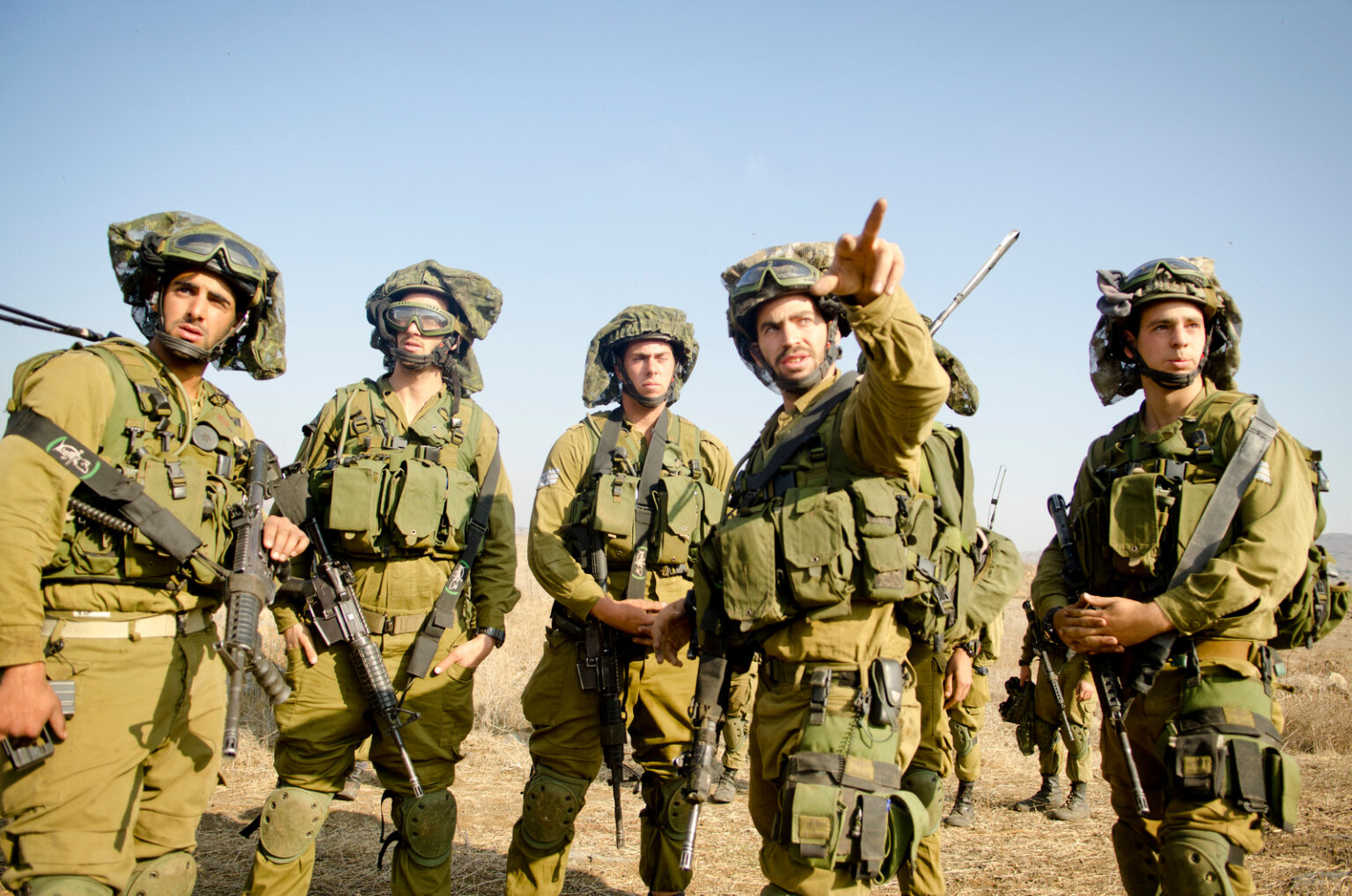
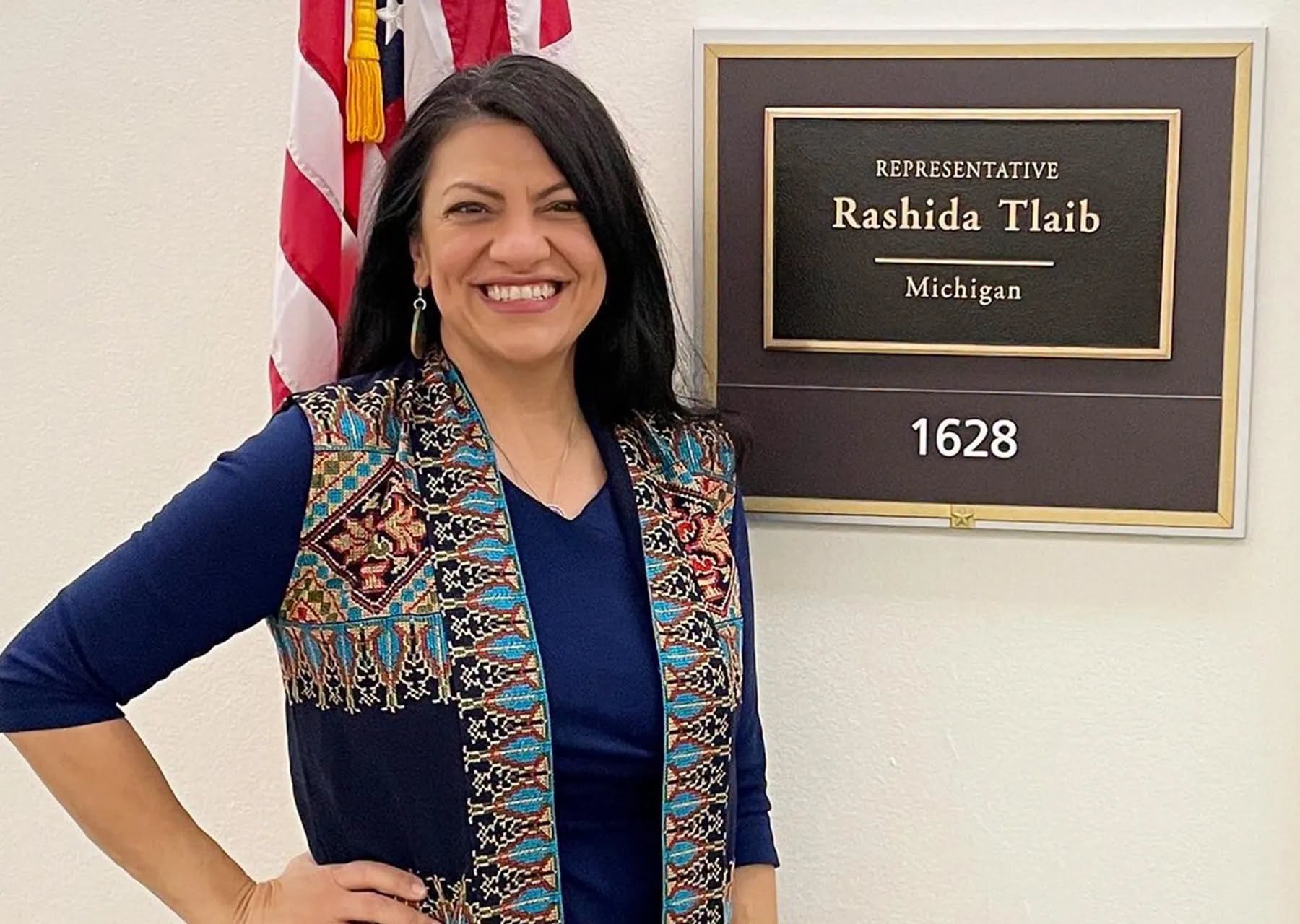
Criticism is mounting against US President Donald Trump within the American ruling elite for his embrace of Benjamin Netanyahu and the racist right wing rulers of Israel, his capitulation to their pressure to prioritize Israel, and his mobilization of all American military and diplomatic capabilities to serve their wars in the Middle East, particularly against Iran.

The American president has become a laughingstock due to his ignorance of the Middle East and its history, both ancient and modern. The latest manifestation of this ignorance is the awakening of America, both its leadership and its people, to the astonishing resilience of the Iranian military on the battlefronts, the success of its forces in destroying all American military bases, and, more significantly, the resilience of the Iranian ruling establishment and the regime’s failure to collapse despite American military strikes and the assassination attempt against Ayatollah Ali Khamenei, the Supreme Leader of the Iranian Islamic Revolution.

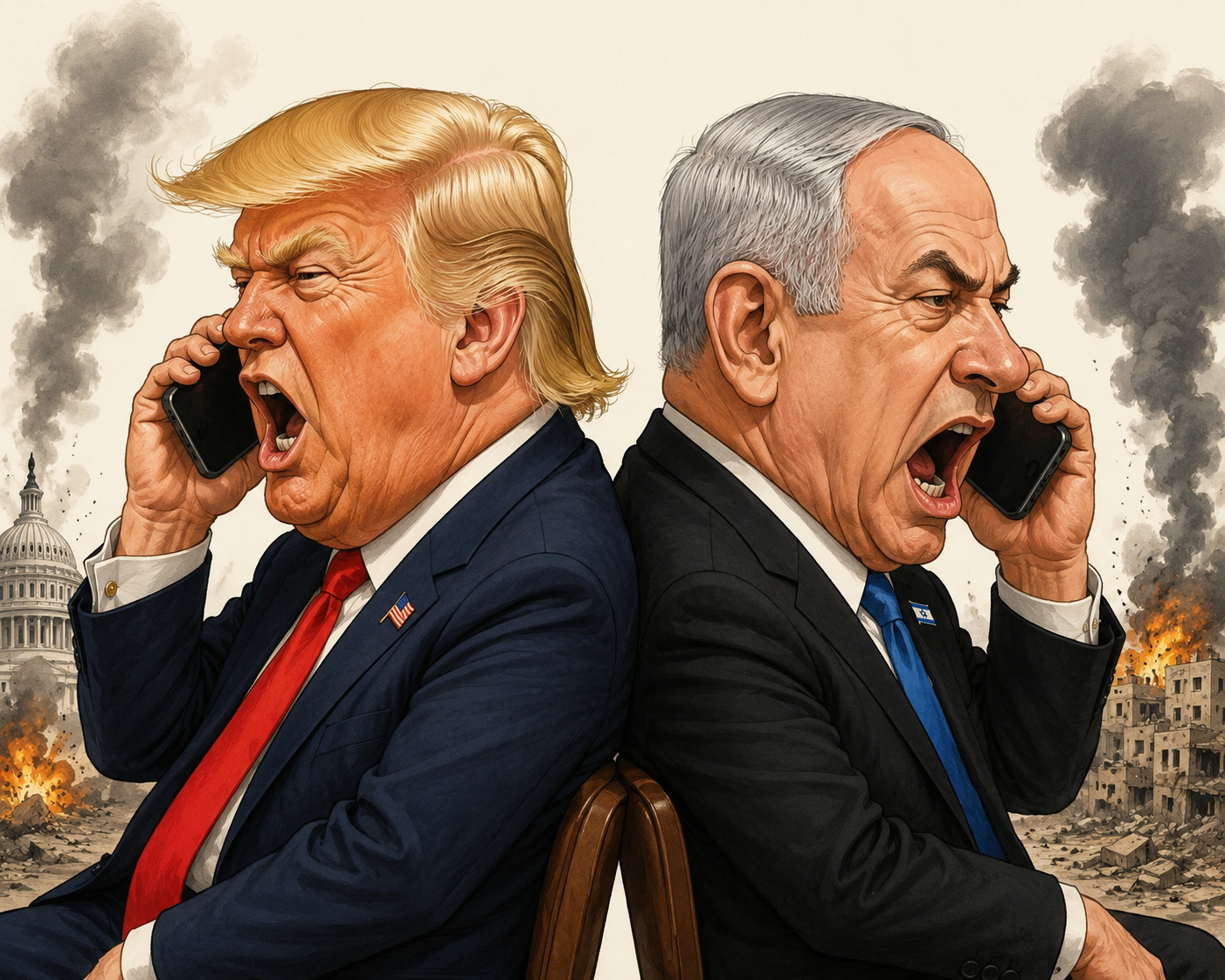
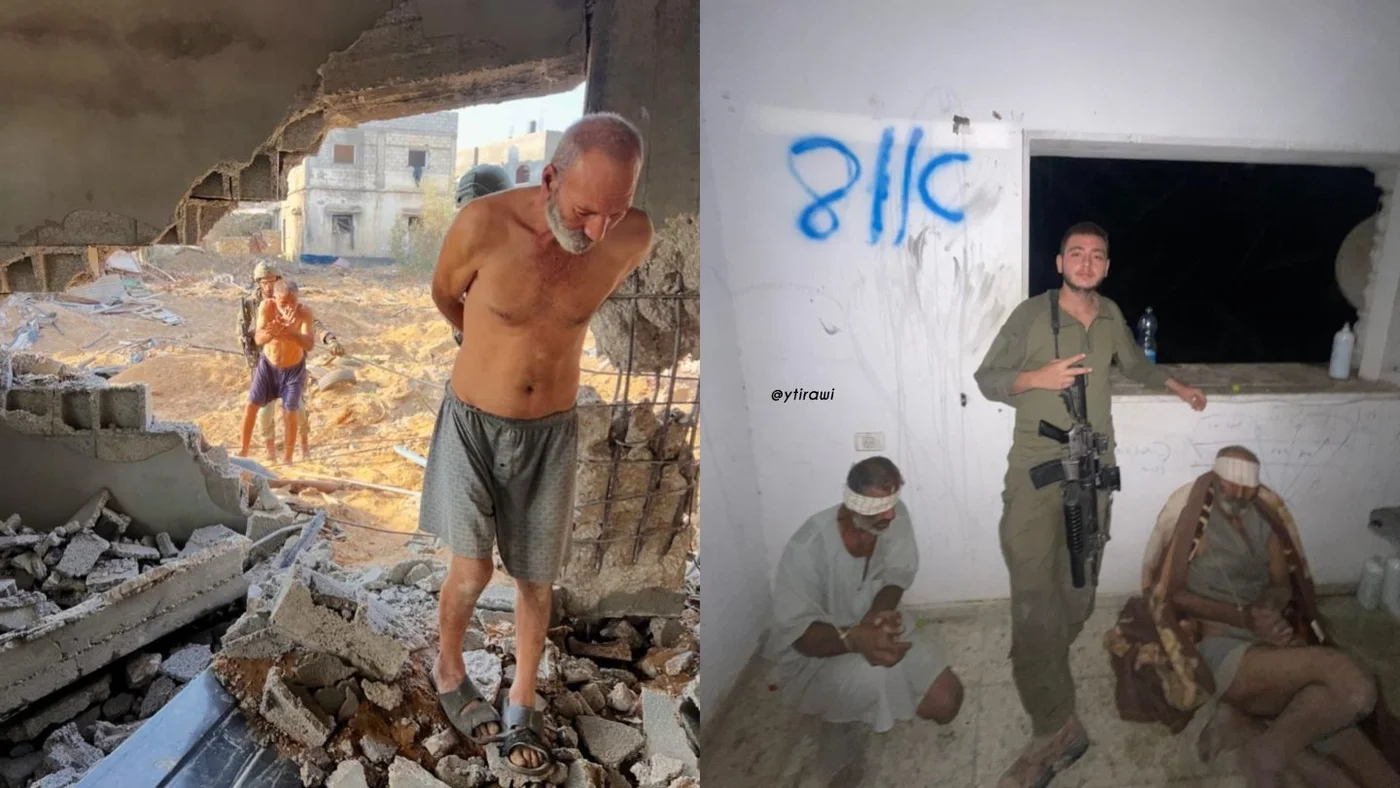
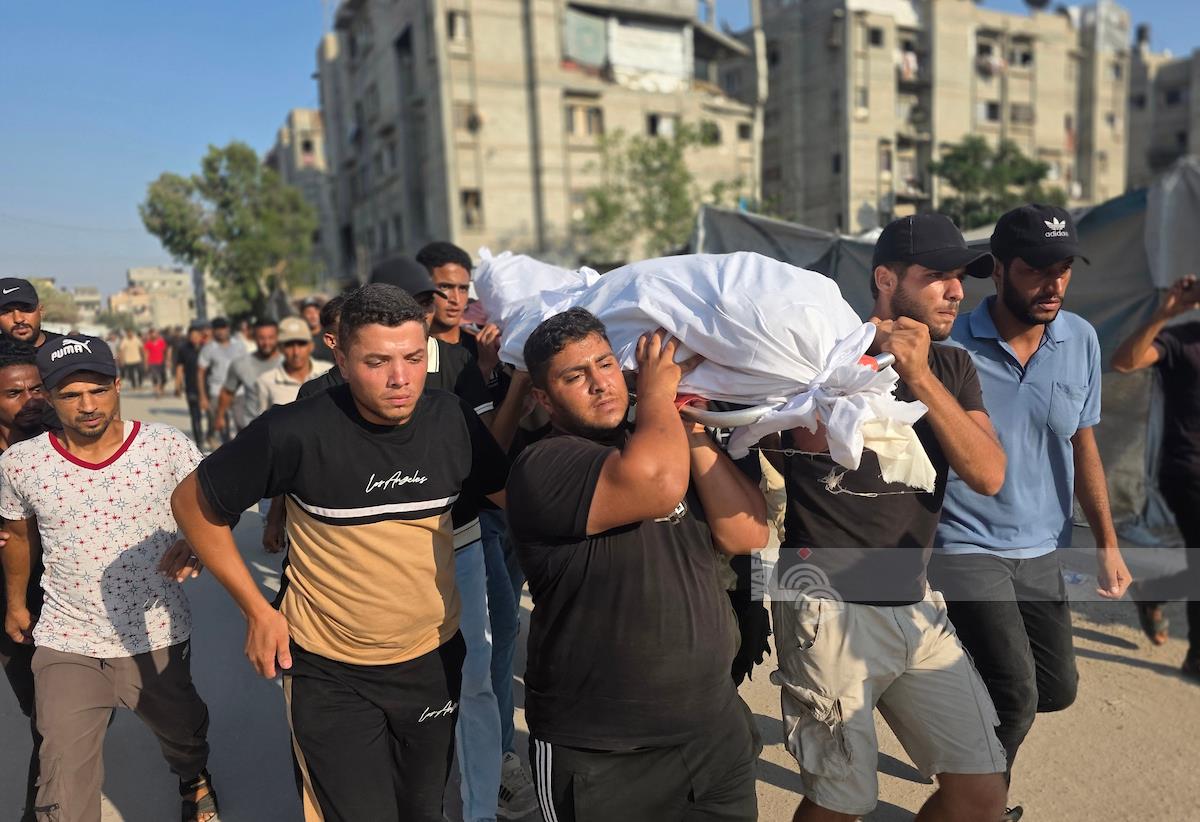
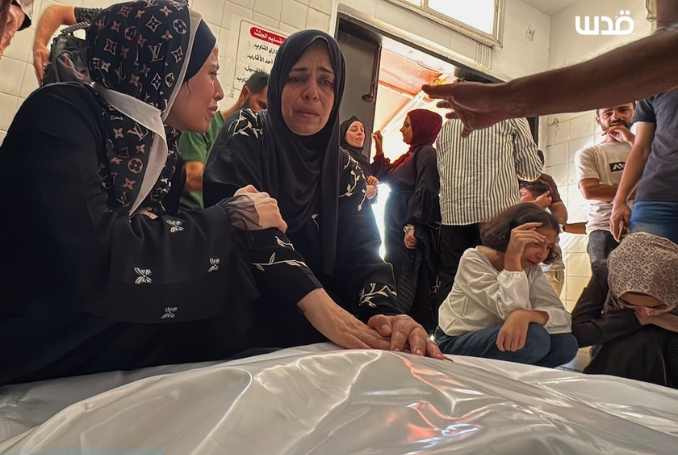
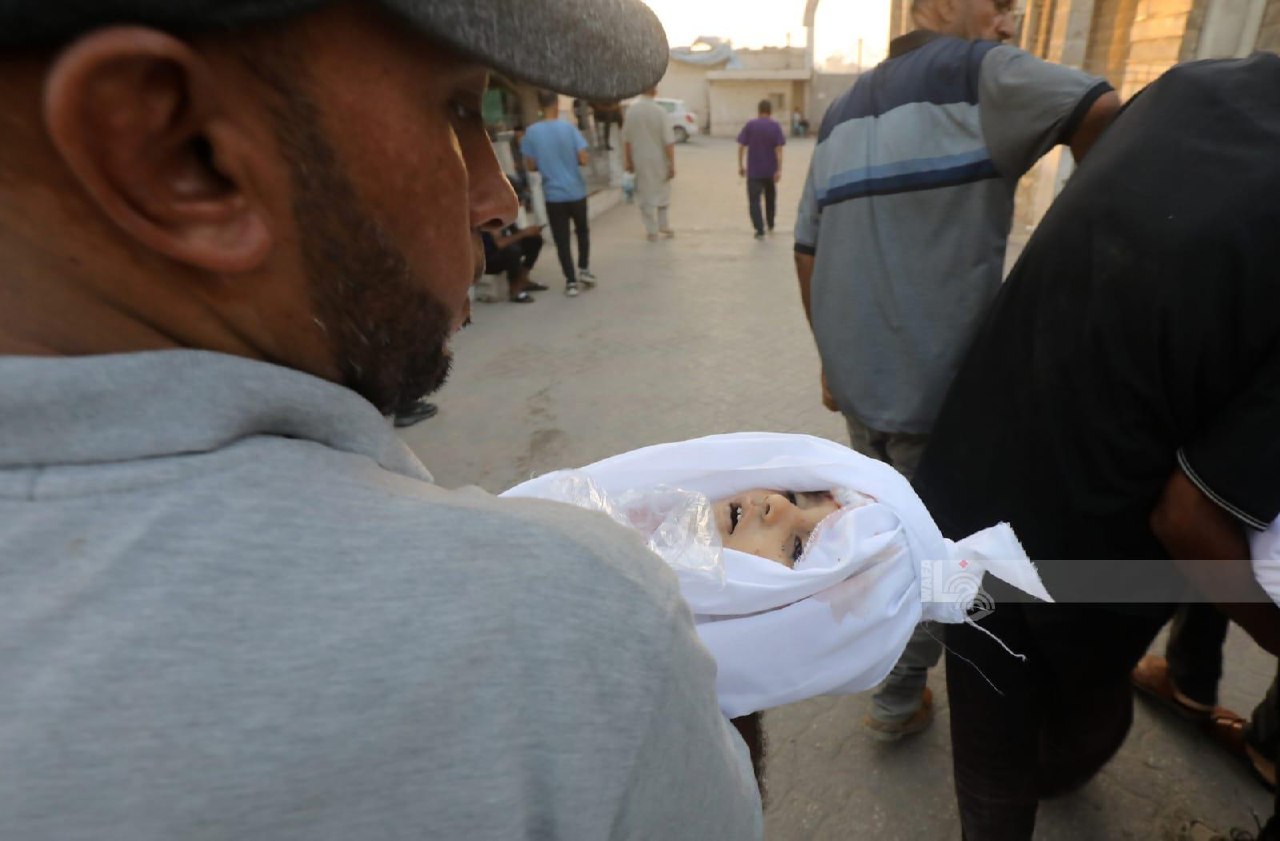
We don’t know the secret behind Trump’s weakness in the face of Netanyahu, his transformation into a puppet in Netanyahu’s hands, carrying out his orders without hesitation. During his first term, he moved the US embassy to occupied Jerusalem, recognized Israel’s annexation of the Golan Heights, and withdrew from the nuclear agreement with Iran. In his second term, he supported the war of annihilation in the Gaza Strip and sent his bombers to launch two attacks on Iran: the first in June (the 12-day war) and the second 10 days ago. Trump went even further when he begged the Israeli president to pardon Netanyahu, ending his appearance before the Israeli Supreme Court in four corruption cases.

There is a prevailing theory, supported by the majority of observers, that explains this submission to Netanyahu by the leader of the world’s most powerful nation. It suggests that this subservience stems from scandalous files held by the Israeli Mossad, implicating Trump in the sexual abuse of minors, known as the Epstein files. These videos were used to blackmail him.

The only thing Trump learned from his “mentor” Netanyahu was lying, impulsive decision-making, and a contemptuous and arrogant attitude toward the other side and its capabilities. There are numerous examples of this, most notably the bombing of Iranian nuclear facilities last June, claiming their complete destruction, only to find them still intact. The current aggression against Iran six months later is the strongest evidence.

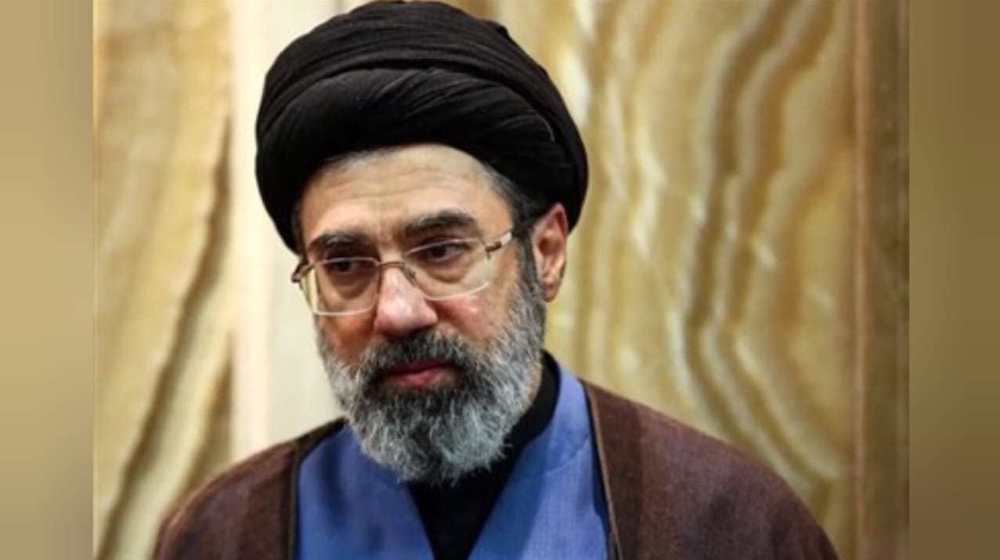
And while we’re on the subject of Iran, we mustn’t forget Trump’s pledge and insistence on his approval of the new Iranian Supreme Leader, and his veto of the selection of Mojtaba, the son of the martyred Supreme Leader, Ayatollah Ali Khamenei. Now, the Iranian deep state has delivered a powerful and humiliating blow to him by voting for Mojtaba in the internal elections held by the Assembly of Experts in a secret location and under American and Israeli bombardment. It is certain that Trump will not succeed in assassinating him or preventing him from remaining in power for long.

Trump will go down in history as the American leader who destroyed America’s prestige and all its global bases, its superior military deterrent, and his country’s third defeat in the Middle East—after Afghanistan, Iraq, and now Iran. All these setbacks stem from his breaking his promises to put America first and to refrain from foreign intervention and wars.

Trump’s days seem numbered, as the American people and the deep state will not allow him to continue his destructive policies against their security, economy, and prestige. His defeat in Iran is now clear, leaving him with only two options: Either continue the war and suffer further defeats and losses, or a swift and unconditional ceasefire with Iran and the signing of a “surrender” agreement.

There are two indicators that he may choose to withdraw and retreat, indirectly acknowledging defeat and failure as an admission of error:

First: The swift and sudden cancellation at the last minute of the planned visit to Tel Aviv by his aides Steve Wittkov and his son-in-law Jared Kushner, as its purpose was to coordinate the escalation of aggression against Iran. Second: The destruction of more than 17 American bases in the Middle East by Iranian missiles would effectively cripple America’s military might.

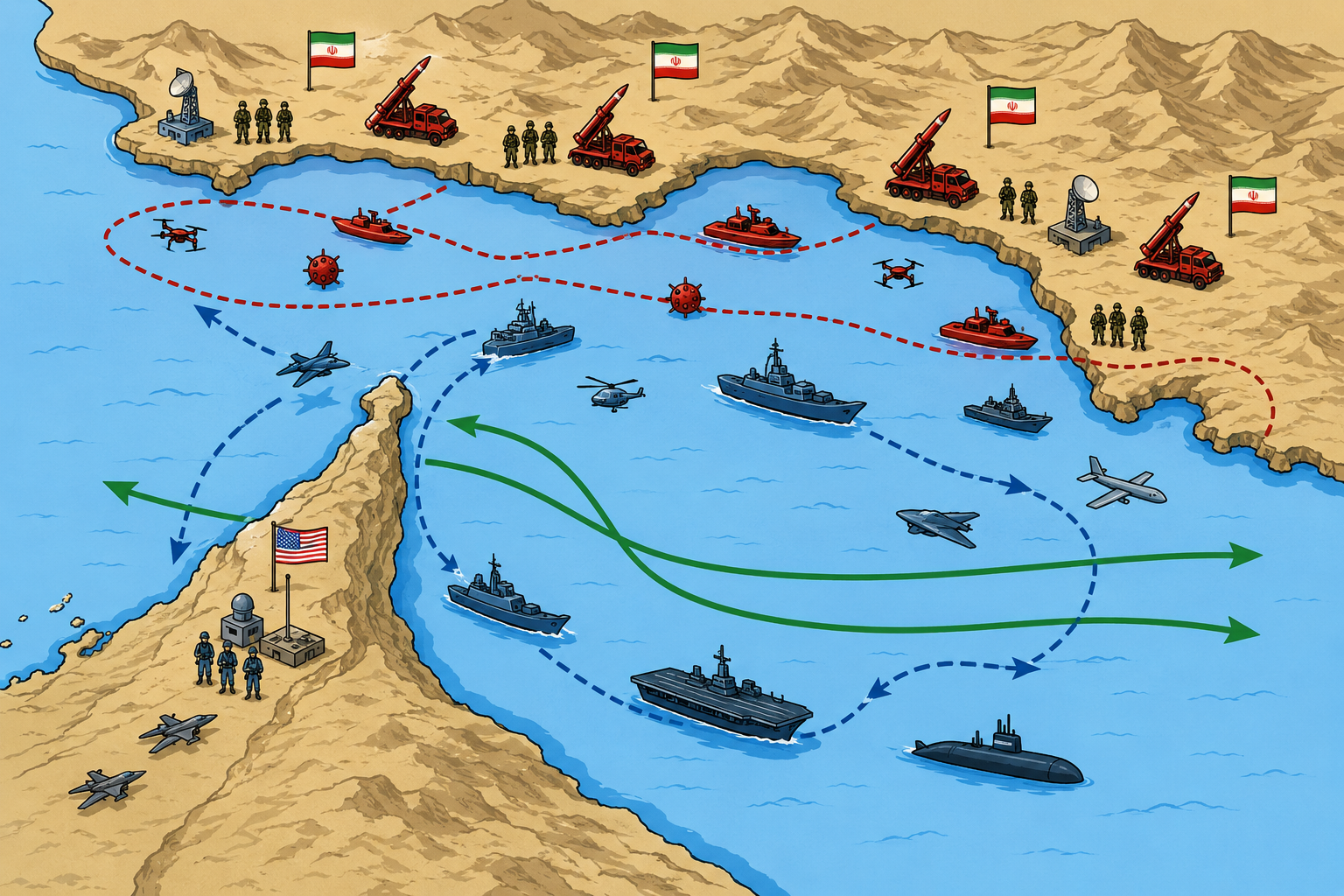
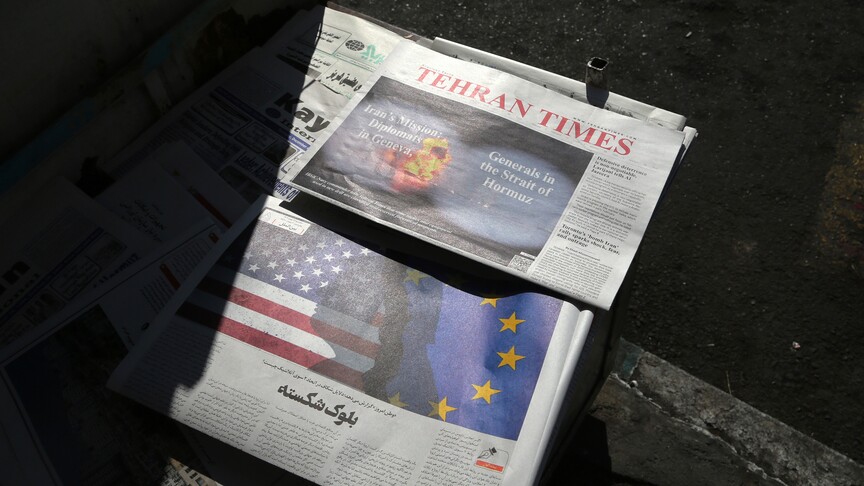
Israel has embroiled America in a war of attrition from which it will emerge severely wounded and on the brink of bankruptcy due to the current global energy crisis. This crisis is a direct result of Iran’s closure of the Strait of Hormuz, the soaring prices of gas and oil, and the dramatic collapse of global financial markets. All of this is thanks to Iranian cunning, resilience, and military and political preparedness, and above all, their unwavering determination to fight to the death, whatever the cost.

This piece was translated from the Arabic daily website Al Rai Al Youm

Continue reading
Mideast in Tailspin of Destruction

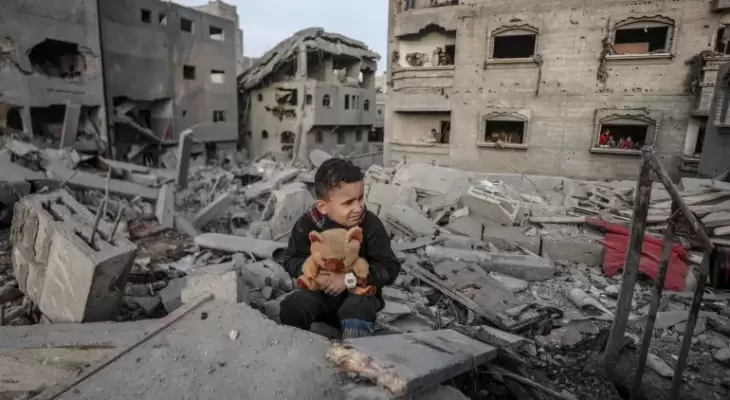
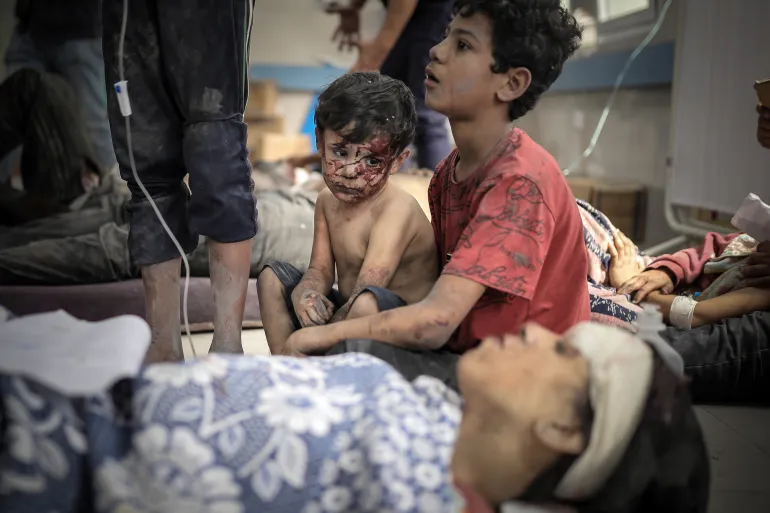
On day 10 of the war engulfing the Middle East, UN agencies on Monday reported massive displacement across the region, along with surging food and fuel prices that risk increasing hunger and suffering for the most vulnerable.

In Lebanon alone, nearly 700,000 people including around 200,000 children have been forced from their homes, “adding to the tens of thousands already uprooted from previous escalations”, the UN Children’s Fund (UNICEFsaid.

The development follows a weekend of escalating Israeli and U.S. strikes against Iran, counter-strikes by Iranian forces across Israel and explosions in several Gulf States, along with Israeli strikes targeting Hezbollah in Lebanon.

Heavy toll

In its latest update, the UN relief coordination office, OCHA, said that 294 people had been killed in Lebanon and more than 1,000 injured in the first eight days of the war.

On Saturday, 7 March, 41 people were killed in a single operation by Israeli forces in the town of Nabi Sheet in eastern Lebanon that also left dozens wounded, OCHA said, citing the Lebanese authorities.

In addition to “intensified airstrikes across multiple governorates” of Lebanon, the office also noted that Israeli evacuation orders had been reissued for a third time since the war began, covering the entire areas south of the Litani River, and the second time for Beirut’s southern suburbs.

Civilian toll mounts

Over the weekend, the Israeli health authorities reported that around 2,000 people have been injured in Israel since the conflict erupted on Saturday 28 February; one person was also killed when a missile landed in central Israel on Monday.

Iranian authorities have said that at least 1,330 civilians had been killed in the war amid ongoing Israeli and US strikes, while on Monday, the Bahraini authorities said that more than 30 people had been injured by an Iranian drone attack early Monday, as Qatari officials condemned the killing of two civilians in Saudi Arabia.

Ever greater needs

Echoing the deep concerns across the international community at the impact of the ongoing war on civilians, the UN’s top aid official, Tom Fletcher, warned of wider, secondary impacts in countries including Afghanistan and Pakistan “where needs were already great”.

Added to that, the focus on existing crises such as Sudan, South Sudan and Ukraine is slipping “even further down the list”, the emergency relief chief noted, along with continued disregard for international law and institutions including the UN that were created to prevent conflict.

Strait of Hormuz crisis

As rapidly rising fuel prices at the pump on Monday linked to higher oil barrel costs reflected deep economic uncertainty caused by the war, UN agencies also highlighted “severe global supply chain disruptions” affecting shipping, energy and fertilizer markets.

Attacks on shipping in the Strait of Hormuz have practically halted trade along the narrow channel, which carries nearly one-fifth of global oil shipments, along with large volumes of commercial goods.

On Friday, at least four seafarers were killed and three severely injured in the Strait of Hormuz when their vessel was attacked.

Meanwhile, drone attacks on Omani ports have also raised concerns – and costs – of chartered traffic heading there.

According to the International Maritime Organization (IMO), around 20,000 seafarers remained stranded in the Persian Gulf.

The conflict is already having immediate food security impacts in the Middle East,” said the UN World Food Programme (WFP), which explained that a significant share of the global fertilizer supply transits through the Strait of Hormuz.

“Any disruption there risks reduced availability, lower crop yields, and hence higher global food prices,” it said.

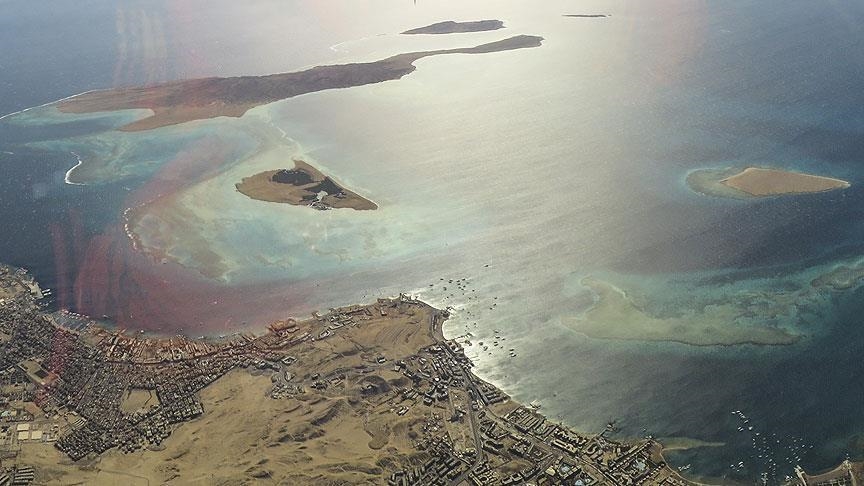
Satellite view of the Strait of Hormuz, connecting the Gulf of Oman to the Persian Gulf, separating Iran from Oman, UAE, and Qatar.

© NASA

A satellite photo shows the strategically important shipping route of the Strait of Hormuz.

Food security concerns

The UN agency also underscored already high levels of food insecurity in Lebanon before the war, as well as Iran, where households have “limited capacity to absorb further shocks”.

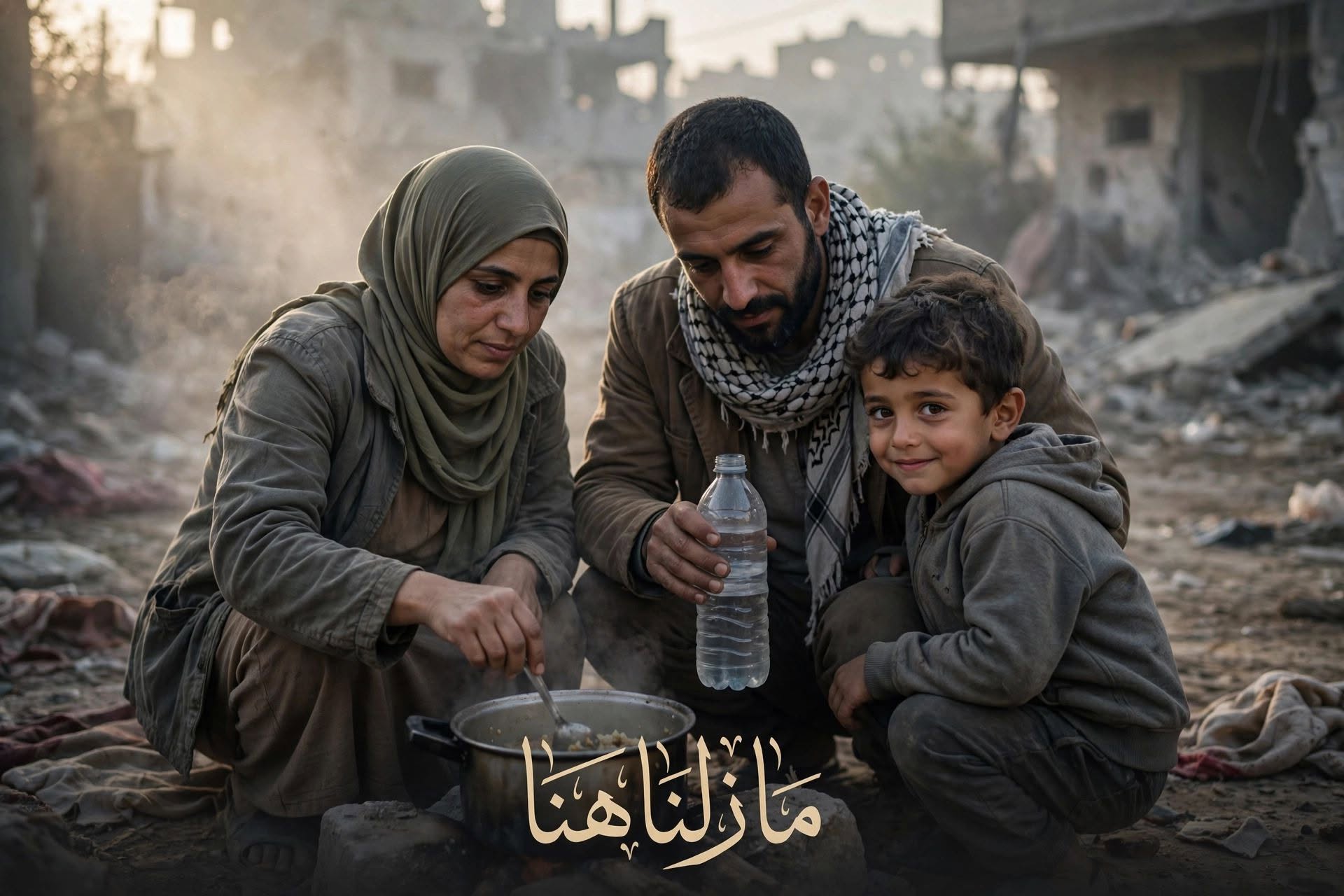
In Gaza, sharp food price increases were triggered by the closure of key aid crossing points from Israel, WFP continued, adding that although Kerem Shalom/ Karem Abu Salem crossing has since reopened, food prices remain high.

Without consistent access, WFP could be forced to reduce food rations to just 25 percent of daily requirements for approximately 1.3 million people. Fragile gains achieved following the ceasefire risk being reversed without reliable humanitarian corridors,” it said.

Faced with longer transit times and knock-on delays to humanitarian deliveries, the UN agency and partners have increasingly used suppliers and transit corridors through Türkiye, Egypt, Jordan and Pakistan, while making greater use of overland routes between the United Arab Emirates and the eastern Mediterranean coastal region.

WFP also noted that its Dubai humanitarian hub remains operational despite disruption to flights and shipping.

UN News

Continue reading
US-Israel Attacks on Iran Kill 460 People, Injures 4,309

At least 460 people were killed and 4,309 others injured in the Iranian capital Tehran since start of the US-Israeli war on Iran, the deputy head of Tehran Emergency Health Department said Tuesday.

Mehr Soroush told the public broadcaster IRIB News that 18 ambulances and 18 emergency bases were damaged in the capital in attacks since Feb. 28 according to Anadolu.

Israel and the US have continued a joint attack on Iran since Feb. 28, killing more than 1,200 people, and injuring over 10,000 others.

Tehran has retaliated with drone and missile strikes targeting Israel, Jordan, Iraq, and Gulf countries that are home to US military assets.

Continue reading
Defiant: FM Aragchi Says Iran is ‘Fully Prepared’

Iran’s Foreign Minister Abbas Araghchi warned Washington on Monday that Tehran is “fully prepared” for further escalation as tensions continue to shake global markets.

Araghchi said through US social media company X: “Nine days into Operation Epic Mistake, oil prices have doubled while all commodities are skyrocketing.”

He added that “the US is plotting against our oil and nuclear sites in hopes of containing huge inflationary shock,” stressing “Iran is fully prepared.”

Araghchi also issued a warning, saying “we, too, have many surprises in store.”

Regional escalation flared up since Israel and the US launched a joint attack on Iran on Feb. 28, killing more than 1,200 people, including Supreme Leader Ayatollah Ali Khamenei.

According to the Pentagon, more than 50,000 US troops are involved in what it calls Operation Epic Fury.

Tehran has retaliated with drone and missile strikes targeting Israel, Jordan, Iraq, and Gulf countries that are home to US military assets.

Continue reading
First Week of War on Iran Costs The USA $6 Billion

The first week of the US military campaign against Iran has cost roughly $6 billion, Pentagon officials told Congress, with about $4 billion spent on munitions and advanced missile interceptors.

According to the New York Times, about $4 billion of that total alone was spent on munitions expenditures and advanced interceptors designed to shoot down Iranian missiles.

According to the American daily, about 4,000 Iranian targets have been struck, including missile launchers, naval vessels, and air defenses, significantly eroding Tehran’s ability to retaliate.

Adm. Brad Cooper, head of US Central Command (CENTCOM), said Iran’s ballistic missile launches have dropped 90% since the first day of fighting, while drone attacks are down 83% as reported in The figures were disclosed during discussions in Congress this week, where senior defense officials also indicated that further funding will be required to sustain operations and replenish depleted stockpiles according to Anadolu.

Yet the country retains a formidable weapons arsenal, including an estimated 50% of its missile program.

Rising costs and budget concerns

Lawmakers are bracing for a supplemental budget request from the administration in the coming weeks.

The rapid expenditure has drawn scrutiny from both sides of the political aisle.

Critics argued that costly interceptors, some worth millions of dollars each, are being consumed at rates that could strain the US defense industrial base and leave shortfalls in other strategic theaters.

The war erupted with joint US and Israeli strikes against Iranian military targets, but the conflict has since widened across the Middle East, with Iran retaliating via ballistic missiles and drone barrages that require expensive defensive responses.

As debates over war funding intensify in Washington, Pentagon officials emphasized the need to maintain momentum against Iranian capabilities while balancing long‑term national defense priorities.

Tensions in the Middle East have escalated since the United States and Israel launched a large-scale attack on Iran on Feb. 28, killing more than 1,200 people, including Iranian Supreme Leader Ali Khamenei, over 150 schoolgirls, and senior military officials.

Iran has retaliated with sweeping barrages of its own that have targeted US bases, diplomatic facilities, and military personnel across the region, as well as multiple Israeli cities. The attacks have continued to escalate.

The conflict has raised concerns about global energy supplies amid a sharp drop in maritime traffic through the Strait of Hormuz, a key route that carries about 20 million barrels of oil daily.

Continue reading