Trump Calls on Israel to Hit Iran’s Nuclear Sites

The ex-US President and the current Republican presidential candidate for US presidency elections next November, Donald Trump has called on Israel to launch a ‘preemptive’ strike on Iran’s nuclear facilities in what is seen as careless talk.

Speaking at a rally in North Carolina, and no doubt to beef up his support among the American electorate, Trump criticized the stance of the outgoing US President Joe Biden on the matter,

This is while he is advocating for a more aggressive approach to handling Iran’s nuclear program. His approach might be due the fact that Kamala Harris continues to be ahead of him in national votes at 49.3% while Trump continues to clock at 46% of voters.

Continue reading
Amid Pressure Israeli Army Admits 38 Injuries in 24 Hrs
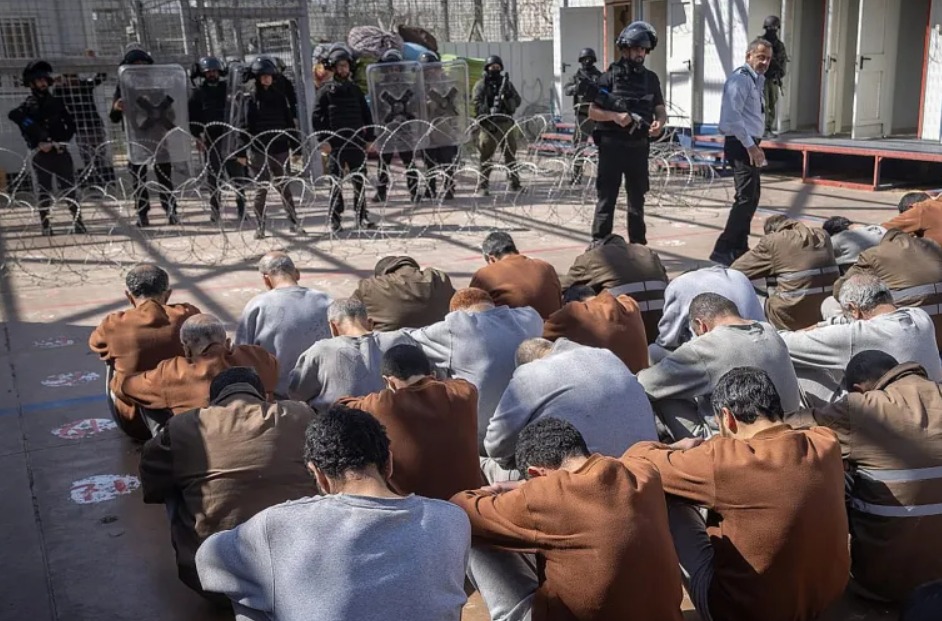
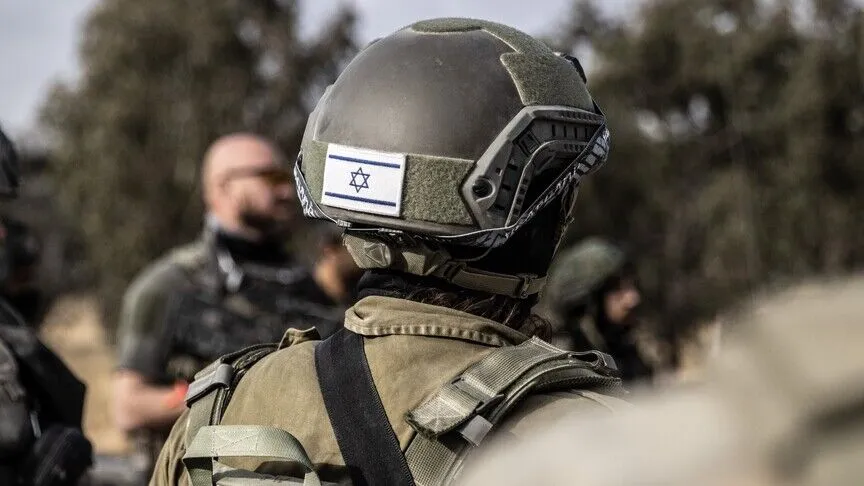
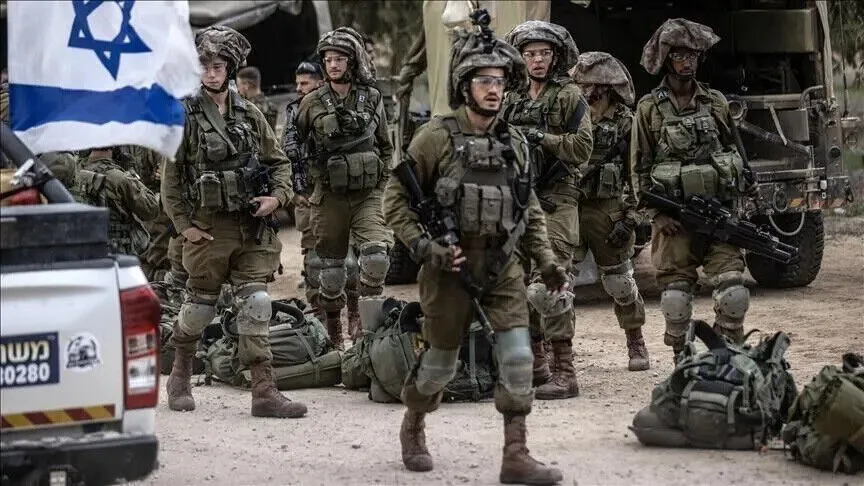
The Israeli army, Saturday, acknowledged 38 of its soldiers were injured in the last 24 hours across southern Lebanon, Gaza Strip, and the West Bank.

This update comes as the military faces accusations of concealing the actual scale of its losses during a genocidal campaign against Gaza, which has escalated alongside rising assaults in the West Bank and recently extended to various areas of Lebanon, including the capital Beirut.

According to the latest data published on the military’s official website, the number of injured soldiers since Oct. 7, 2023 – the date marking the start of the genocide in Gaza – has reached 4,567, with 38 injuries reported in the past 24 hours.

The data did not provide detailed figures for injuries among soldiers on each front.

Among the injured, 695 soldiers are reported to be in “serious” condition, while 1,147 are classified as “moderate,” and the remaining cases are considered “mild,” it said.

Despite reports of two soldiers killed and 24 injured, including two critically, following drone attacks from Iraq in northern Israel on Friday, the military’s official website has not updated the total number of soldier fatalities, which remains at 726.

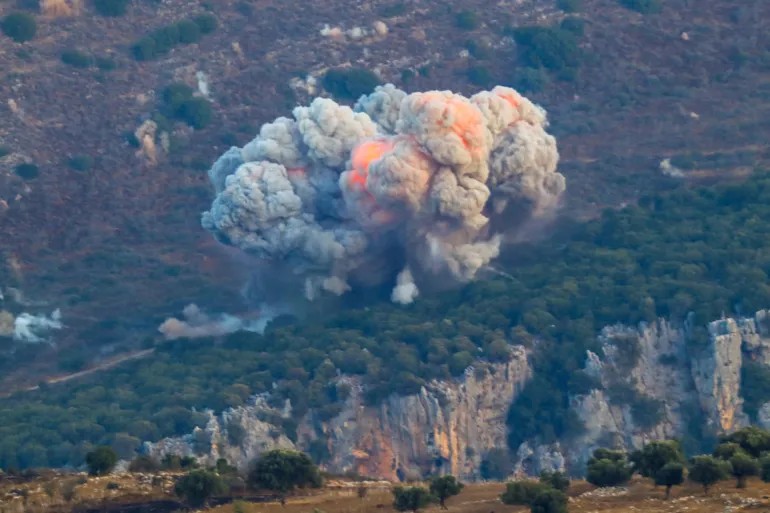
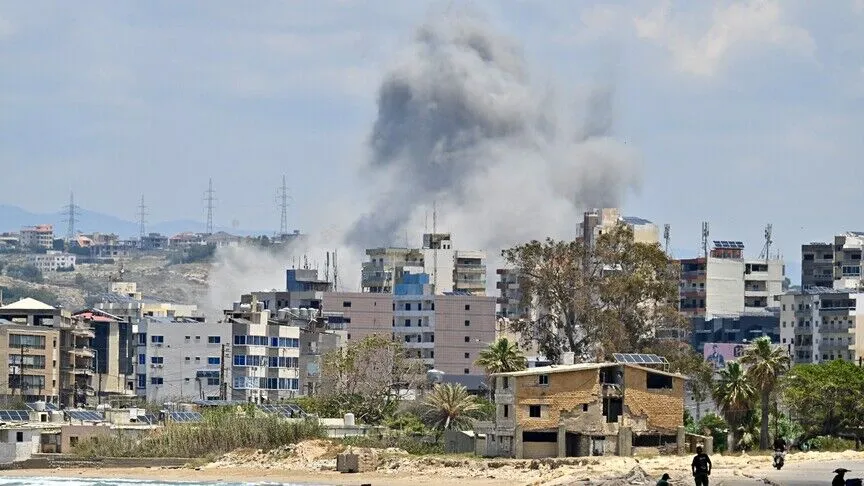
Since Sept. 23, Israel has launched massive airstrikes against what it calls Hezbollah targets across Lebanon, killing more than 1,180 people and injuring over 3,318 others, according to the Lebanese Health Ministry.

Hezbollah has confirmed in multiple statements over recent hours and days that it has successfully repelled attempts by Israeli forces to penetrate Lebanese territory, resulting in a significant number of casualties among Israeli troops.

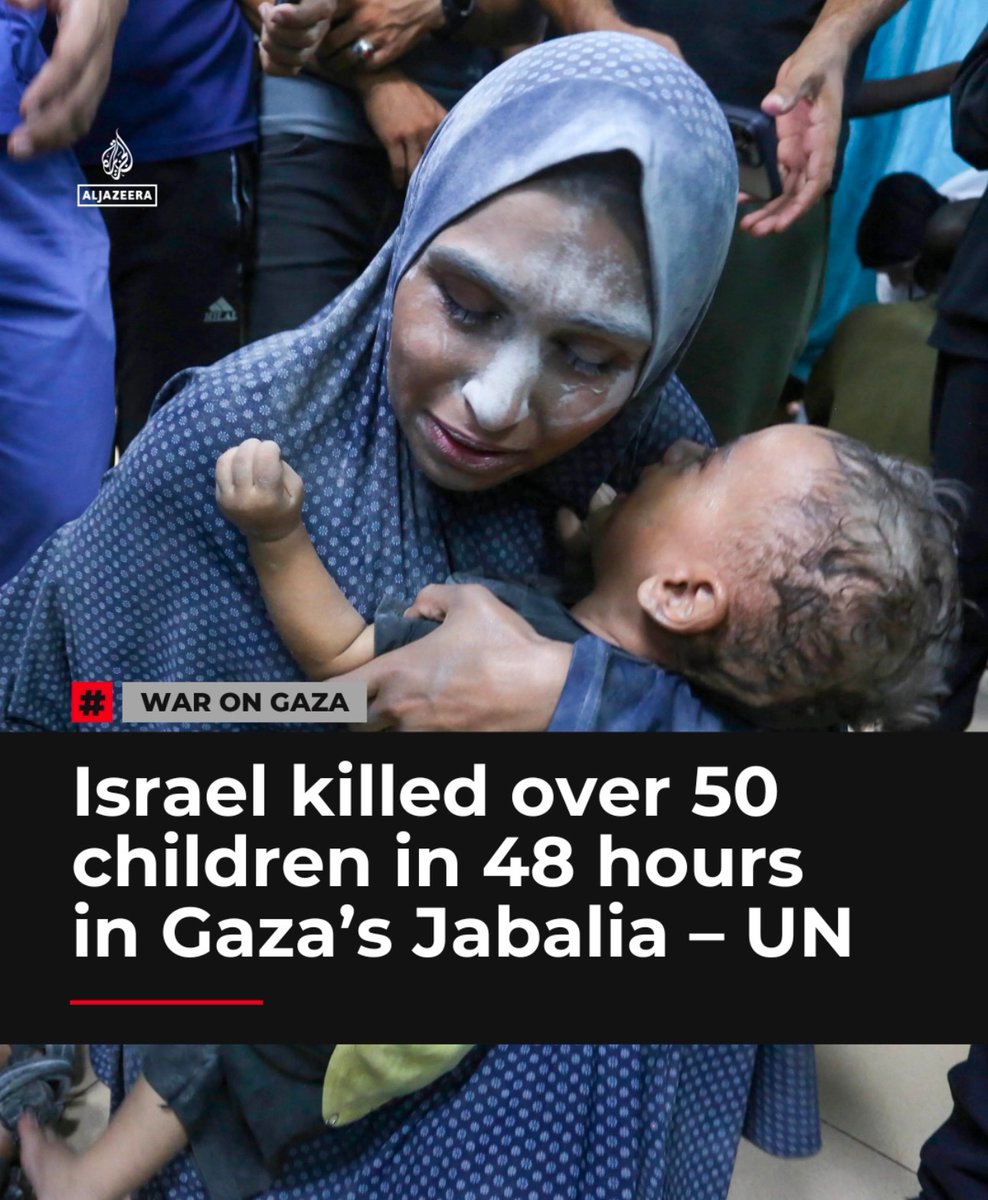
Hezbollah and Israel have been engaged in cross-border warfare since the start of Israel’s war on Gaza, which has killed over 41,800 people, most of them women and children, following an attack by the Palestinian group Hamas last October.

Due to Israeli attacks, at least 2,036 people have since been killed, over 9,500 injured, and 1.2 million others displaced, according to Lebanese authorities.

The international community has warned that Israeli attacks in Lebanon could escalate the Gaza conflict into a wider regional war.

Continue reading
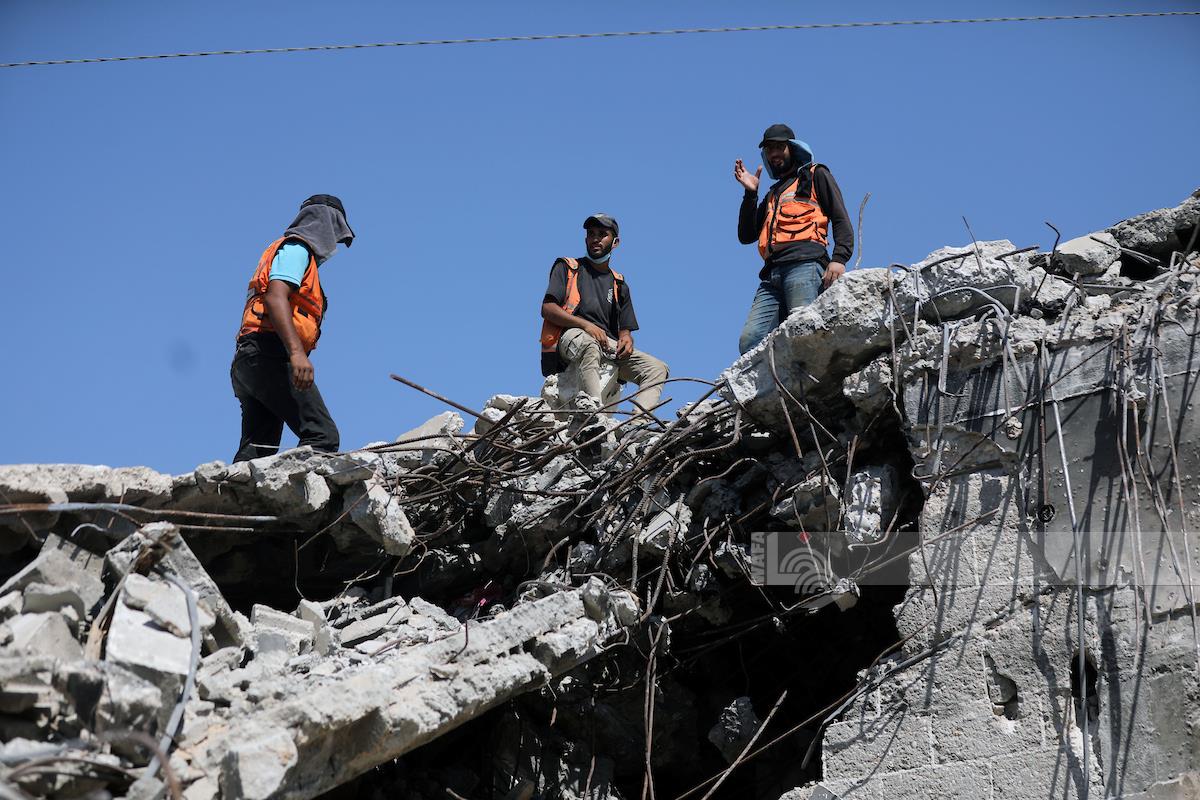
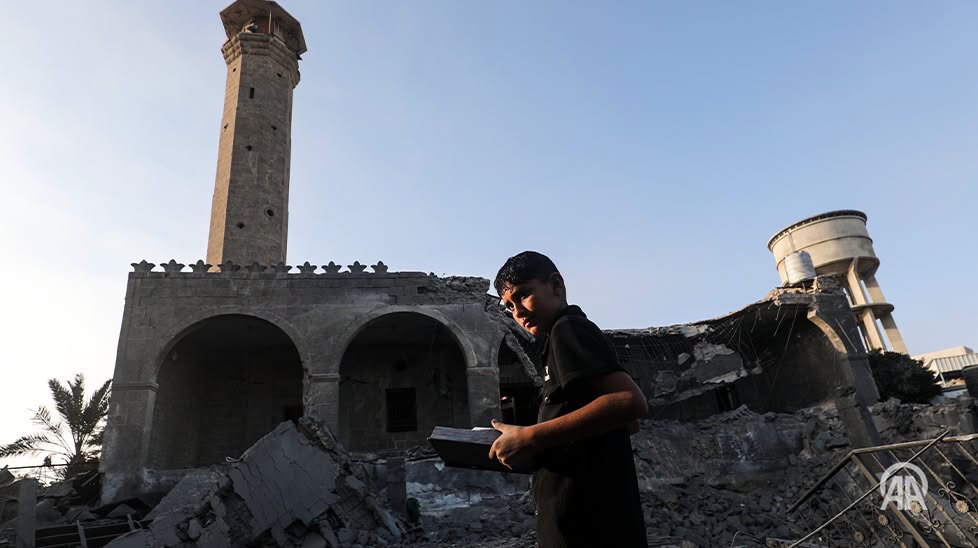
Israel Destroys 814 Mosques, 3 Churches in Gaza Genocide

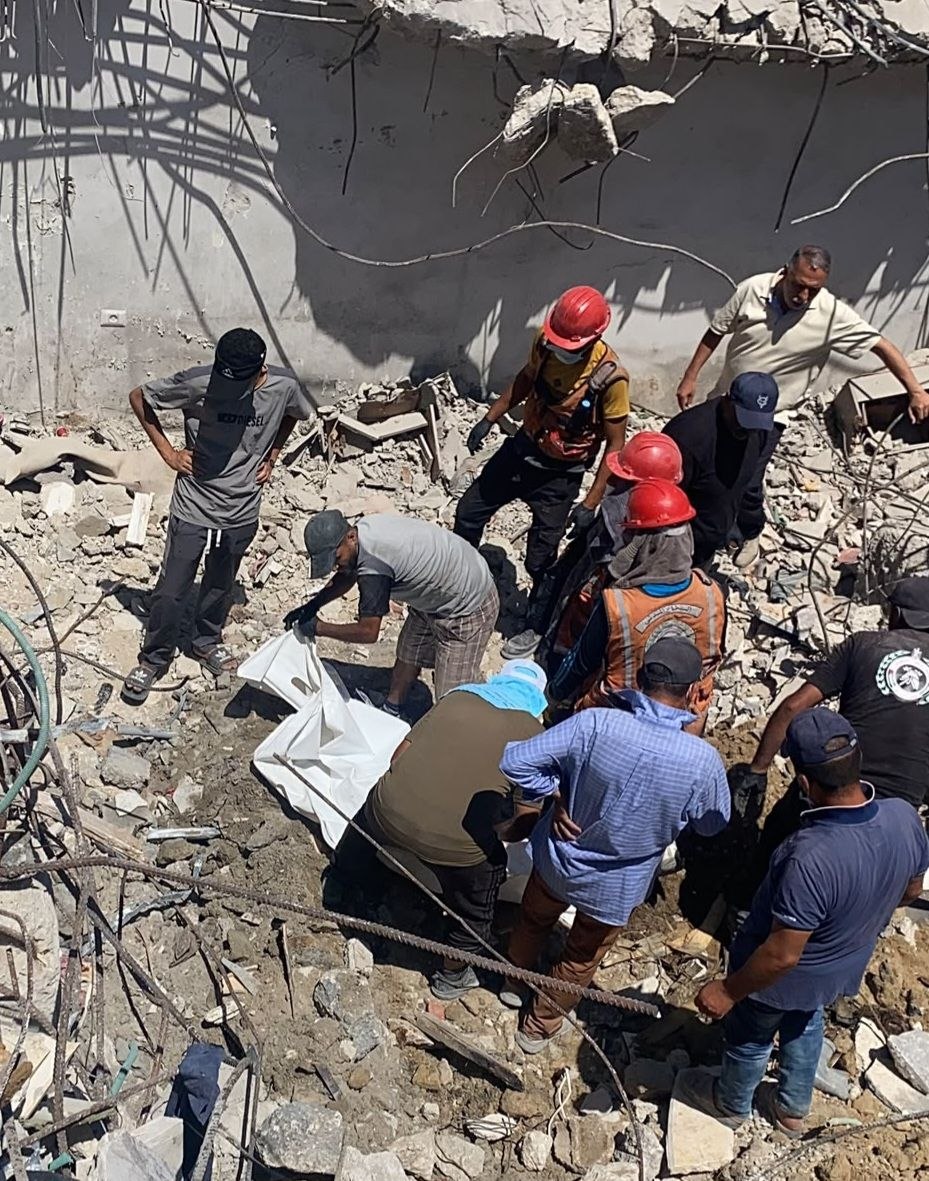
Along with 814 mosques flattened, another 148 damaged, 3 churches were also destroyed, and 19 of 60 cemeteries deliberately targeted, stated the Ministry of Religious Affairs in Gaza

The Ministry of Religious Affairs in Gaza announced, Saturday, Israel destroyed 79% of mosques in the Gaza Strip during its genocidal war against Palestinians.

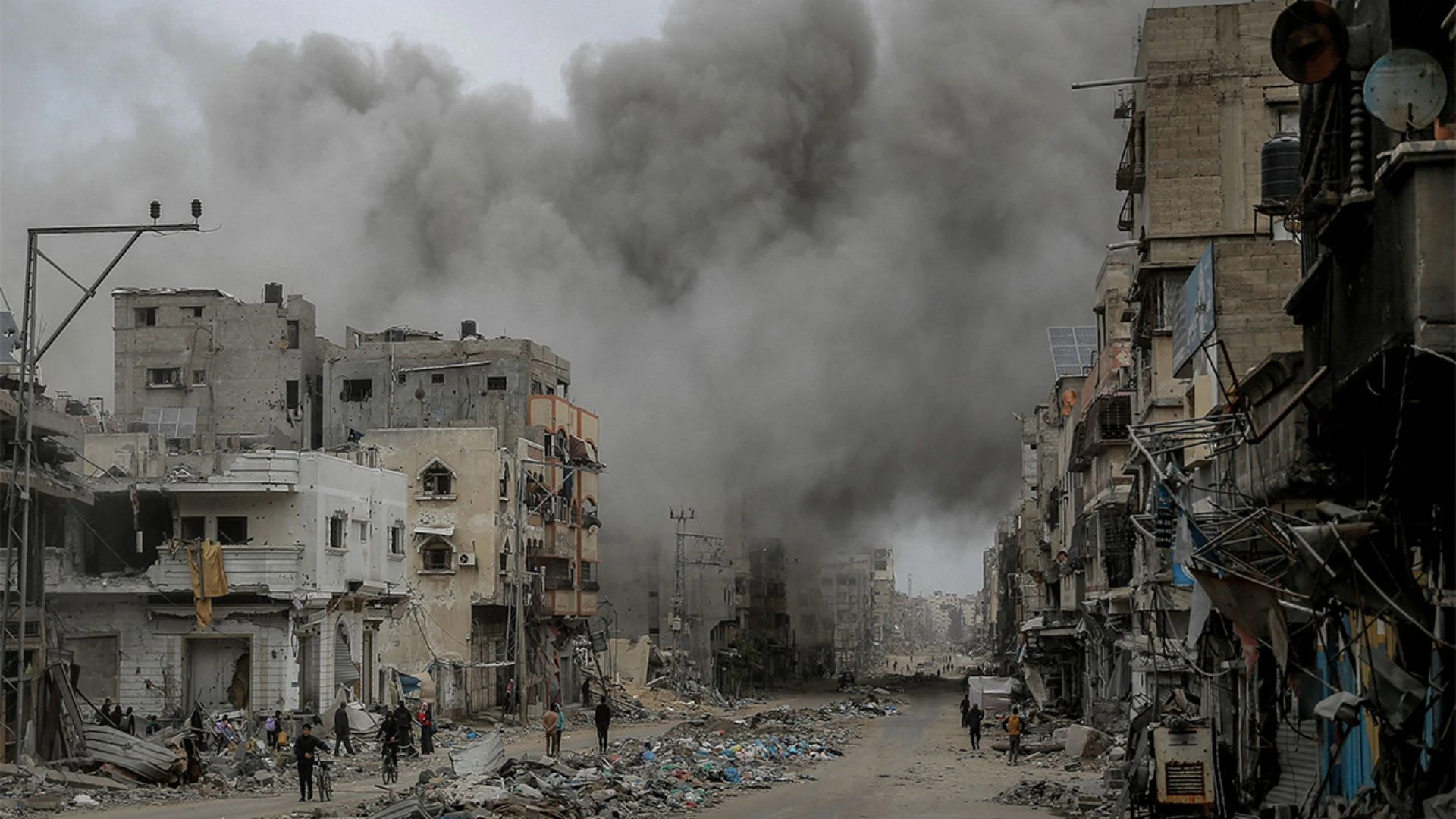
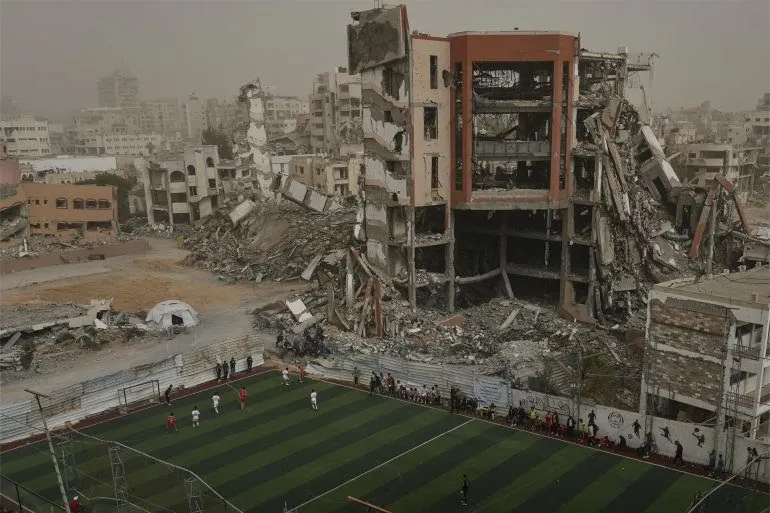
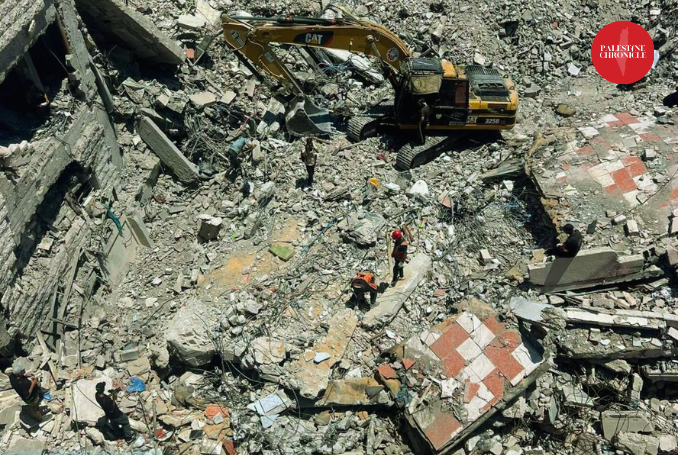
The Israeli army has flattened 814 of Gaza’s 1,245 mosques and severely damaged another 148 during its intensified bombardment, the ministry revealed.

Along with the mosques, three churches were also destroyed, and 19 of the 60 cemeteries were deliberately targeted, the statement said according to Anadolu.

The estimated financial cost of the damage to the ministry’s properties is $350 million, it added.

The ministry also accused the Israeli army of desecrating graves, exhuming bodies, and committing brutal acts of violence against those who died, such as stealing their remains and mutilating them.

In addition to the destruction of places of worship, the ministry noted that 11 administrative and educational facilities under its authority were destroyed, accounting for 79% of such structures in Gaza.

The ministry added that Israeli forces killed 238 of its employees and detained 19 others during ground offensives in the territory.

The ministry condemned the attacks on Gaza’s religious sites and urged the international community, including world governments and Islamic organizations, to intervene immediately to halt the “ongoing war of extermination.”

Israel has continued its brutal offensive on the Gaza Strip following an attack by the Palestinian group Hamas last Oct. 7, despite a UN Security Council resolution calling for an immediate cease-fire.

More than 41,800 people have since been killed, mostly women and children, and over 96,800 others injured, according to local health authorities.

The Israeli onslaught has displaced almost the entire population of the territory amid an ongoing blockade that has led to severe shortages of food, clean water, and medicine.

Israel faces a genocide case at the International Court of Justice for its actions in Gaza.

Continue reading
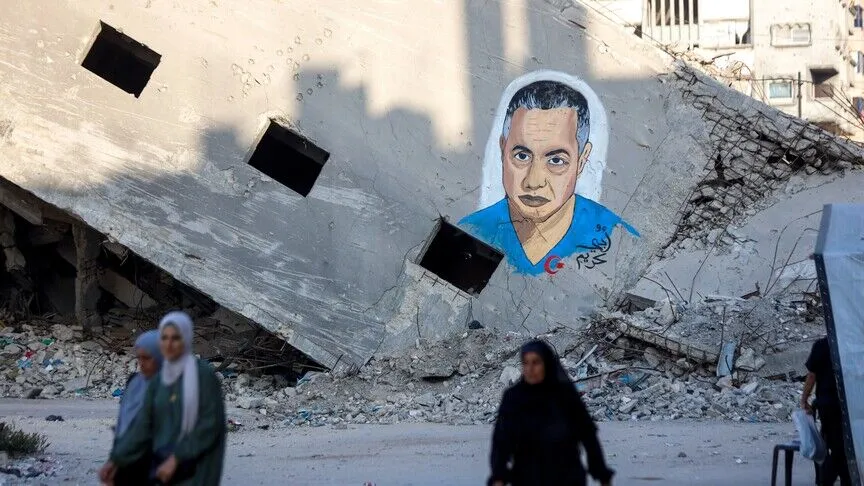
Tribute to Wafa Aludaini: Defying Injustice

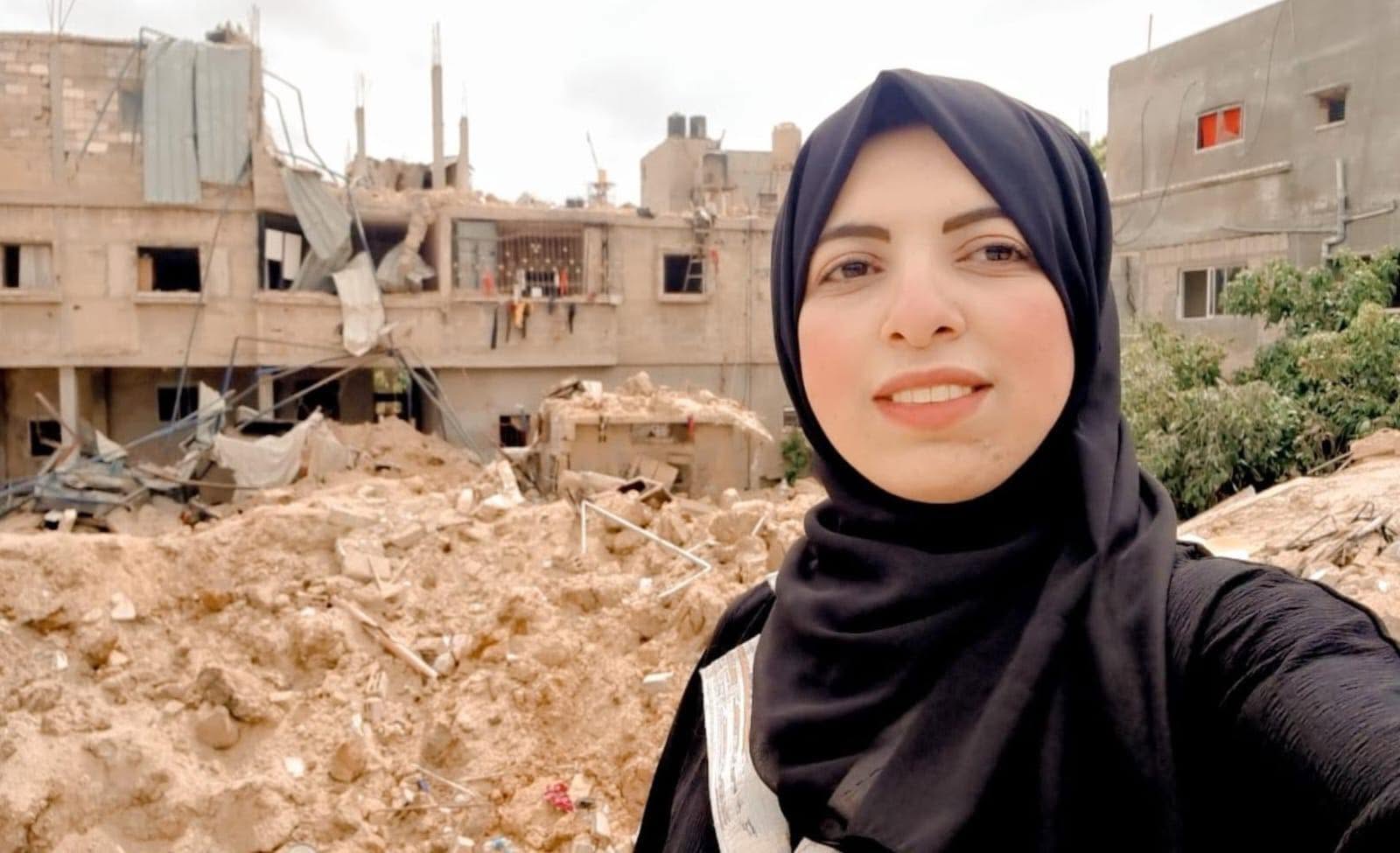
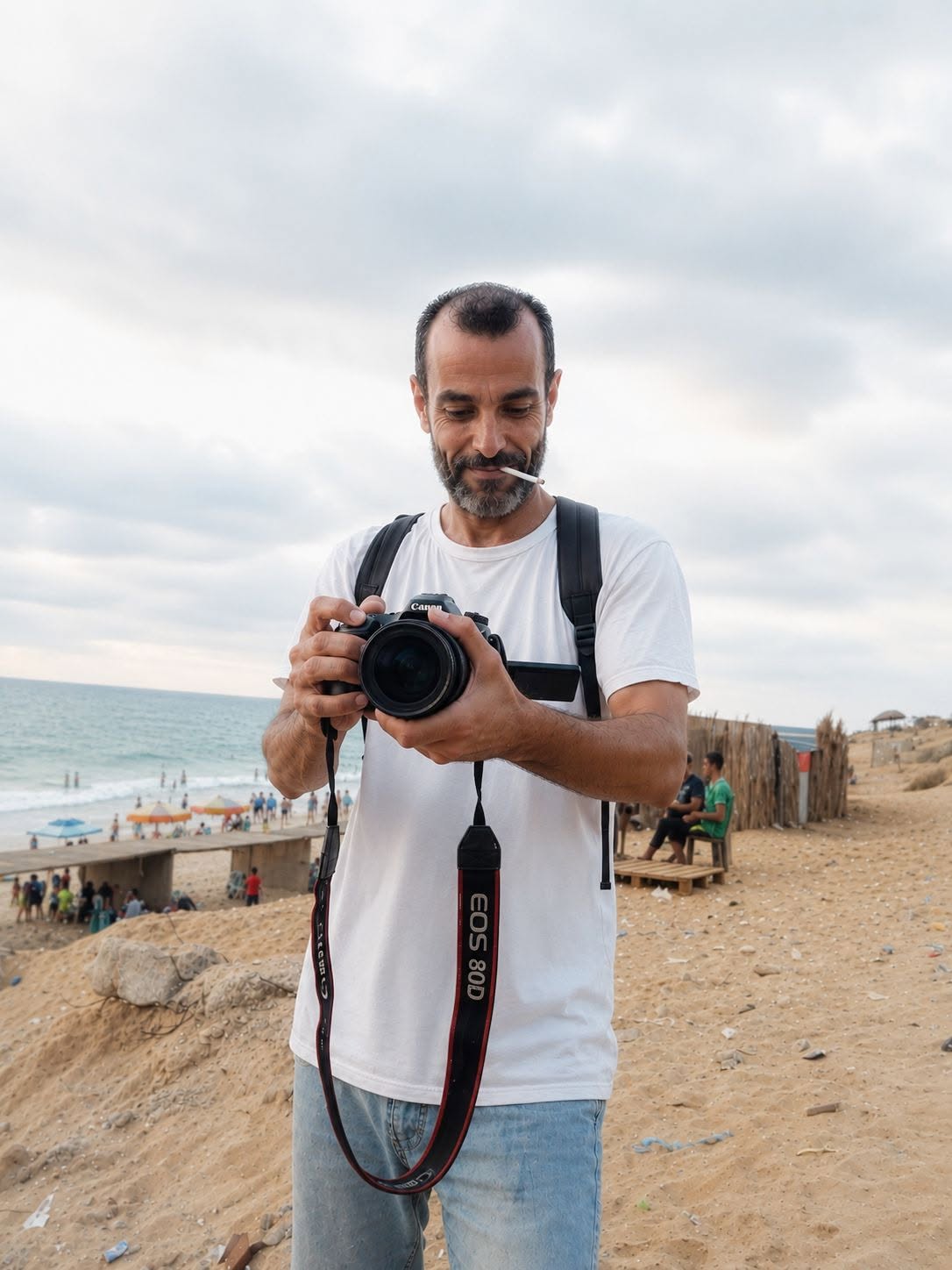
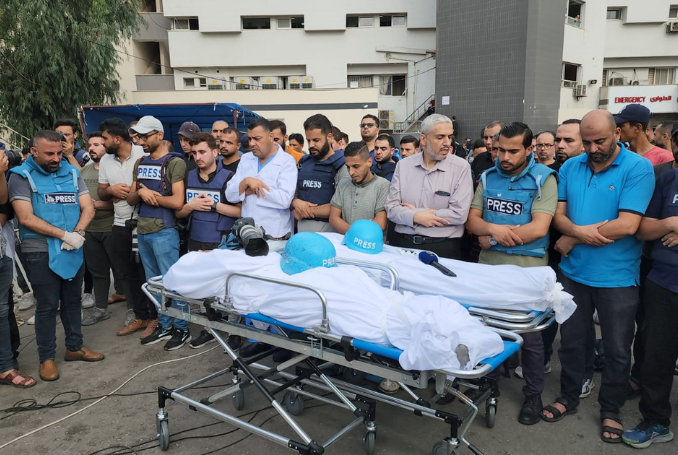
EDITOR’S NOTE: What follows is a tribute to Wafa Aludaini, a journalist who was killed together with her husband and two children by an Israeli military strike on her house in Deir Al Balah in central Gaza last week.  She follows the stream of Palestinians journalists targeted and killed – 174 at the time of writing – by Israeli warplanes since the war on the Strip begun after 7 October 2023. The tribute is by Romana Rubeo, managing editor of the Palestinian Chronicle, who writes of how Wafa came to report for the chronicle and how the relationship between the two developed over the years.

On July 29, 2018, I received an email from a young journalist from Gaza, Wafa Aludaini, with the subject line: “I was looking at the sniper when he shot me – The story of an injured mother during the Great March of Return.” 

It was the first time Wafa had reached out to us, but I was immediately struck by the power of her story, which she wanted to publish in the Palestine Chronicle. 

Her approach to journalism was exactly what we were seeking – centering the voices of ordinary Palestinians, whose struggle and resilience reflected the collective resilience of the Palestinian people. 

Her writing was a direct and raw narrative emanating from the heart of the Palestinian experience, told in the voice of the people, untainted by stereotypes or a lingering sense of victimization. 

Wafa’s writing captured the essence of why we do what we do on a daily basis for years: amplifying Palestinian voices, and not any voices, but those that reflect the spirit of the Palestinian people, their defiance of injustice, their quest for freedom, and their courage in word and action. 

Wafa seemed to exemplify all of this. 

Of course, we published the story, and soon after, Wafa and I developed a deep connection, a friendship. 

As I got to know her more, I discovered that Wafa was not just a storyteller – she was the story. 

“I am a journalist,” she told us in an interview I conducted with her along with our chief editor, Ramzy Baroud, “but I am also a Palestinian refugee.” That identity was critical to her relationship to the Palestinian struggle. 

Our bond grew over time, built on mutual respect, and shared insights into our professional and personal lives: our work, her children, and her weekly trips to the ‘frontline’ of the Great March of Return. 

Every Friday, wearing her press vest – a symbol of protection from violence almost everywhere in the world, but not in Gaza – she would head to the fence that separates besieged Gaza from Israel. There, she found the stories of her people, and communicated them daily with poise and courage. 

Wafa’s perspective as a woman was significant. Not only was she an empowered journalist, but she also empowered other women by giving them a platform to share their voices. 

She was the founder of the October 16th group and dedicated her time to mentoring young media professionals in Gaza, especially emphasizing the importance of truth in reporting. 

I, along with other editors of the Palestine Chronicle, had the privilege of working with her and her students and colleagues, where we conducted seminars for young women in Gaza. These women, inspired by Wafa, were determined to tell their own stories, in their own voice and language. Even when they spoke in weak English, somehow their narrative remained powerful.

One moment in particular stays with me. During the war in 2021, I invited Wafa to participate in an episode of an Italian podcast. 

Amid the ongoing Israeli airstrikes, Wafa spoke live from Gaza. The roar of Israeli fighter jets was relentless, and though the audience couldn’t see her, they could hear her children huddled close to her. 

She spoke calmly and firmly, her voice unwavering, exposing the reality of life under bombardment. Between pauses, she would turn to her children and quietly reassure them, saying, “Shhh, it’s just fireworks.”

Tragically, at dawn on Monday, September 30, those same children, two of Wafa’s beloved, were killed alongside her and her husband in an Israeli airstrike on Deir Al-Balah, in the central Gaza Strip.

Wafa was more than a journalist; she was a symbol of resilience. As a woman, a mother, a journalist, and a voice for the Palestinian people, she embodied their struggle for justice and dignity. 

At the Palestine Chronicle, we are forever grateful for the opportunity to work with someone as courageous and inspiring as Wafa. 

We will continue to honor Wafa’s memory by upholding her commitment to truth and will strive to carry forward her legacy of empowering voices that deserve to be heard.

We also intend to carry on with her mission, of training young women in Gaza so that they, like Wafa, may tell the stories of their people, in their own voices.

It turned out that some angels don’t have wings. We will miss you, Wafa. I already do.

Continue reading
After Gaza: Israel’s Economy Collapsing  

As Israel’s genocidal war casts a dark shadow over the region and world, experts warn the billions spent to decimate Gaza and Palestinians could prove a cost too high for its own economy.

There are little to no signs of recovery, according to an Israeli economic researcher, with weak indicators, declining foreign investments and tourism, along with an alarming exodus of citizens, painting a bleak picture for Israel’s future.

“The economic crisis will only get worse and worse. There is no prospective for recovery,” Israeli political economist Shir Hever warned in an interview with Anadolu.

His words echoed a recent assessment by Yoel Naveh, a former chief economist at the Israeli Finance Ministry, who said the government has to act “vigorously and with immediate action to … stave off the risk of a looming financial crisis.”

The current trajectory, he added, could “drag its war-battered economy into a recession and endanger the country’s national security.”

The economic cost of Israel’s deadly assault on Gaza, where it has killed and injured nearly 140,000 Palestinians since Hamas’ cross-border attack last October, is believed to be somewhere over $67 billion, according to an August estimate by Israeli economists.

The Bank of Israel said in May that the war costs would spike to about 250 billion shekels ($66 billion) through the end of next year.

The Israeli economy, on the other hand, grew by just 0.7% in the second quarter of 2024, significantly below the 3% forecast of Tel Aviv Stock Exchange analysts.

By August, the budget deficit to GDP ratio was at minus 8.3%, increasing from minus 7.6% in June, minus 6.2% in March, and minus 4.1% last December.

In August alone, the budget deficit was at 12.1 billion shekels ($3.22 billion).

“Prices are high. Standard of living is going down. There is inflation. There is a decline in the value of the Israeli currency,” said Hever.

Foreign investment has dried up, more than 85,000 people have dropped out from the workforce, and there are “a quarter million people who have been displaced internally and lost both their jobs and their houses,” he added.

“And, of course, the very large number of people who are just leaving … The number of people who are leaving is unprecedented, really, in the history of Israel,” he said.

“You see people just buying a one-way ticket to see what will happen. When you see so many people are doing this just to protect their families, the result is that those who stay are feeling that the state is in a process of collapse.”

Economic indicators are “not the full story,” he emphasized.

“The full story is what is the perspective of the population regarding the future. People who don’t believe that there is a future. People who don’t believe that the state of Israel will ever be able to recover from this crisis,” he said.

“They don’t invest. They don’t want to raise their children in Israel. They don’t want to look for a job or study. This means that the economic crisis will only get worse and worse. There is no prospective for recovery.”

Israelis are pulling out their savings to take them out of the country and the government has responded by threatening to take “your pension funds and investing them in the economy,” he said.

Constant state of emergency

Regarding the domestic financial situation, the economist said more than 46,000 businesses have gone bankrupt, while even larger entities are also feeling the financial heat.

“The port of Eilat has gone bankrupt as well, which is the only port that Israel has on the Red Sea,” said Hever.

“Tourism is at zero. There is no tourism … Overall, international investment in Israel has gone almost to nothing.”

A major concern, Hever said, is the Israeli high-tech sector, which used to be “the most important part of the Israeli economy.”

“These high-tech companies are using all of the resources to try to relocate. They’re very much concerned that they cannot function in Israel under the current conditions,” he said.

“They don’t trust that the workers will not be sent to fight in a war. They don’t trust that the areas are safe. They don’t trust that the economy is stable. They don’t trust the government not to intervene and confiscate their property.”

These firms are now “trying to get themselves to be sold outside,” he said, citing the example of Israeli cybersecurity company Wiz, which was aiming for a $23 billion Google acquisition that drew major media attention in the country.

“But, of course, Google cancelled this deal. They never bought … They don’t want to make such an investment.”

International law and sanctions

The Israeli economy, Hever said, is working in a constant state of emergency, which is the only thing preventing a complete collapse.

“People want to have elections. They want to have a process of investigating all of the corruption and the cases,” he said.

“But as long as the military and security situation are so difficult and so much in a moment of emergency, all of this is postponed.”

Another hit to the Israeli economy has been due to the global Boycott, Divestment and Sanctions (BDS) movement, which Hever views as never having been “so large, so powerful.”

Israel, he said, is around the third and last stage of sanctions.

“When governments say they cannot continue to trade with a state that is committing crimes against humanity … then you really know that that it’s the last stage,” he said.

“The Israeli economy is very dependent on international trade and on international agreements. Their biggest trading partner is the European Union.”

The concerns here, he explained, center around dual-use items that are “on the one hand necessary sometimes for the civilian economy to function, but they can also be made into weapons.”

The 19 July ruling of the International Court of Justice declared Israel’s occupation of Palestinian territories unlawful and “it is a war crime to assist occupation,” he said.

This means, he continued, Israel cannot import any materials for infrastructure unless they prove that they will not be used to make weapons or for any purpose to do with illegal Israeli settlements.

“There is an obligation on third states not to trade those items at all … If people think that it’s possible to have a functioning economic system in which dual-use items are banned … then this is an illusion,” said Hever.

“The Israeli economy will just collapse under the international sanctions until they recognize the demands of international law.”

Anadolu

Continue reading