Israel Kills, Bombs Shelters, Hospitals to Evacuate North Gaza

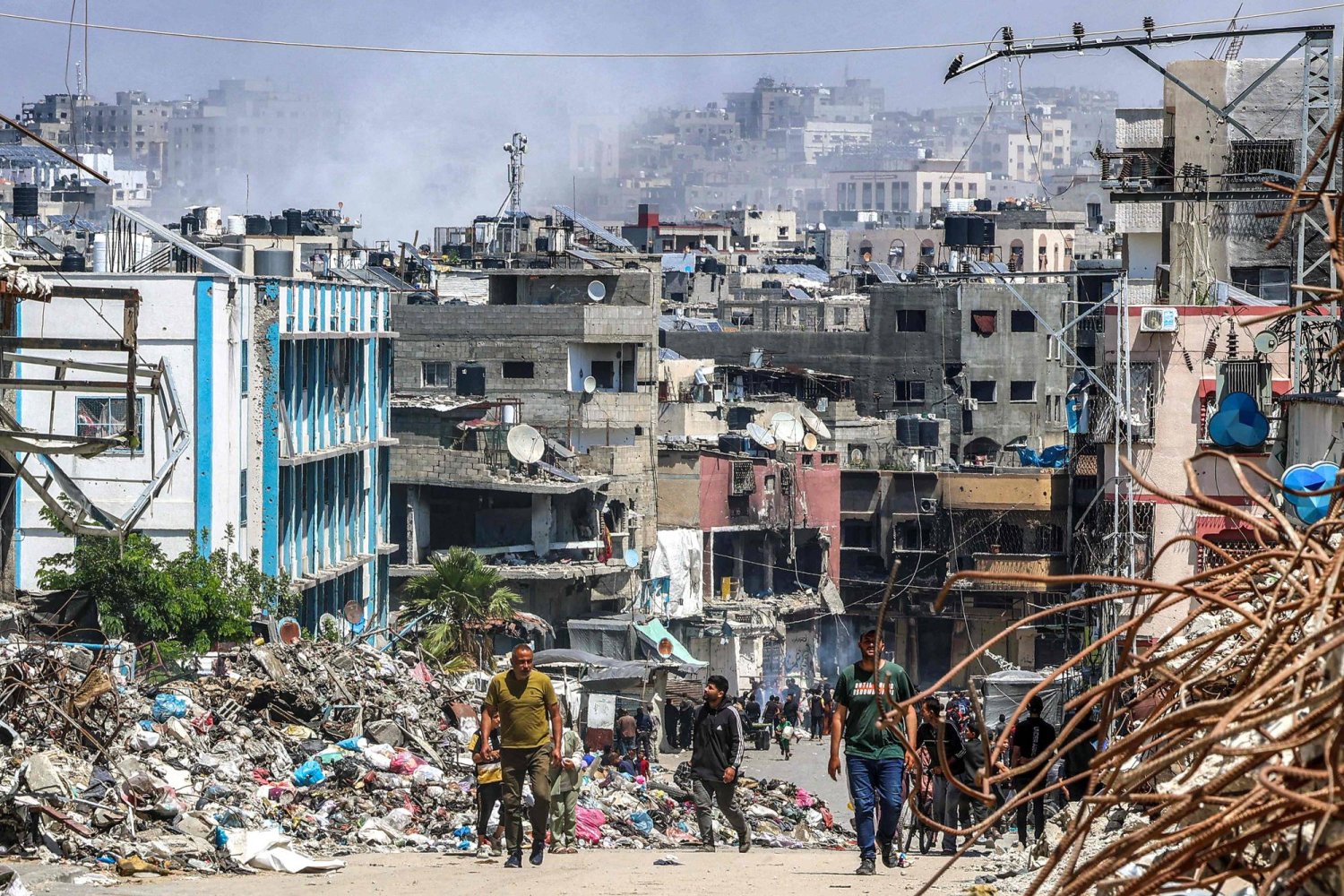
Israel is systematically and extensively working to drive out the Palestinian population and forcibly displace them from their residential areas in the northern Gaza Strip, using massacres, mass killings, bombings of hospitals and shelters, and the destruction of basic necessities of life. Euro-Med Monitor notes that the basic necessities of life across the Strip, particularly in the north, have already been deteriorating for 12 months.

On-the-ground Massacres

The Israeli army’s on-the-ground massacres show that the plan to rid the land of its people and eradicate the Palestinian presence is moving forward at an unprecedented pace. Locals who are unable or unwilling to leave their homes are viewed as “terrorists” and are subject to direct targeting and killing.

Along with the Jabalia camp in the northern Gaza Strip, where Israeli aircraft dropped leaflets on Tuesday morning, October 22, urging residents of Beit Lahia, including those in shelters and hospitals, to forcibly evacuate and head towards the Indonesian Hospital in Jabalia, where the occupation forces set up a checkpoint before forcing the residents to leave northern Gaza, as happened over the past two days with thousands of people in the shelters surrounding the Indonesian Hospital, the Israeli occupation army also increased the scope and intensity of its military operations to include the Beit Lahia project.

The Israeli army ordered the evacuation of the Kamal Adwan Hospital in the Beit Lahia project, which houses the greatest number of victims of the Israeli aggression, after the medical staff refused to evacuate it during the initial days of the previous aggression. Israel’s latest forced displacement order includes the hospital.

No Medical Supplies

The hospital’s operations are severely hampered by a shortage of medical supplies and blood units, ongoing shelling in the area, and the exhaustion of medical personnel from treating hundreds of dying and injured people over the course of 18 days.

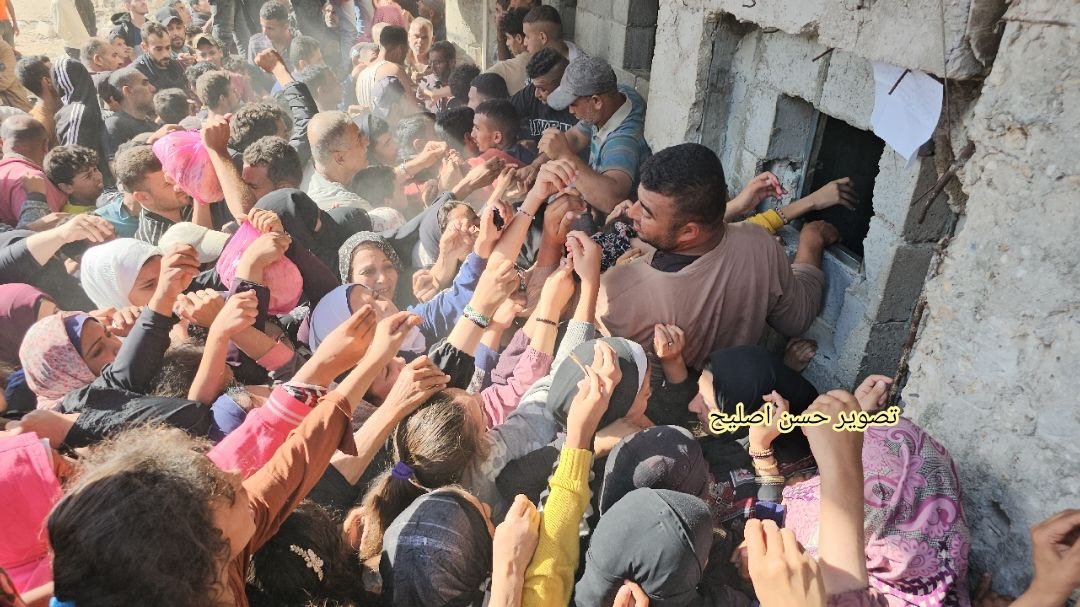
The majority of the shelter centres in the Jabalia and Jabalia camps have been bombed by Israeli forces, who also targeted the displaced people while they were responding to the displacement orders and evacuation plans. This targeting was repeated yesterday (Monday 21 October), when the Al-Fawqa schools were targeted, resulting in the killing of 17 Palestinians and the injury of numerous others.

The Israeli occupation army tightened the noose around the Beit Lahia project after many Jabalia residents who were unwilling to leave the area sought refuge there. The occupation army enforced a siege on the Beit Lahia project with fire and demanded that its residents and the displaced people sheltering there leave.

Systematic Destruction

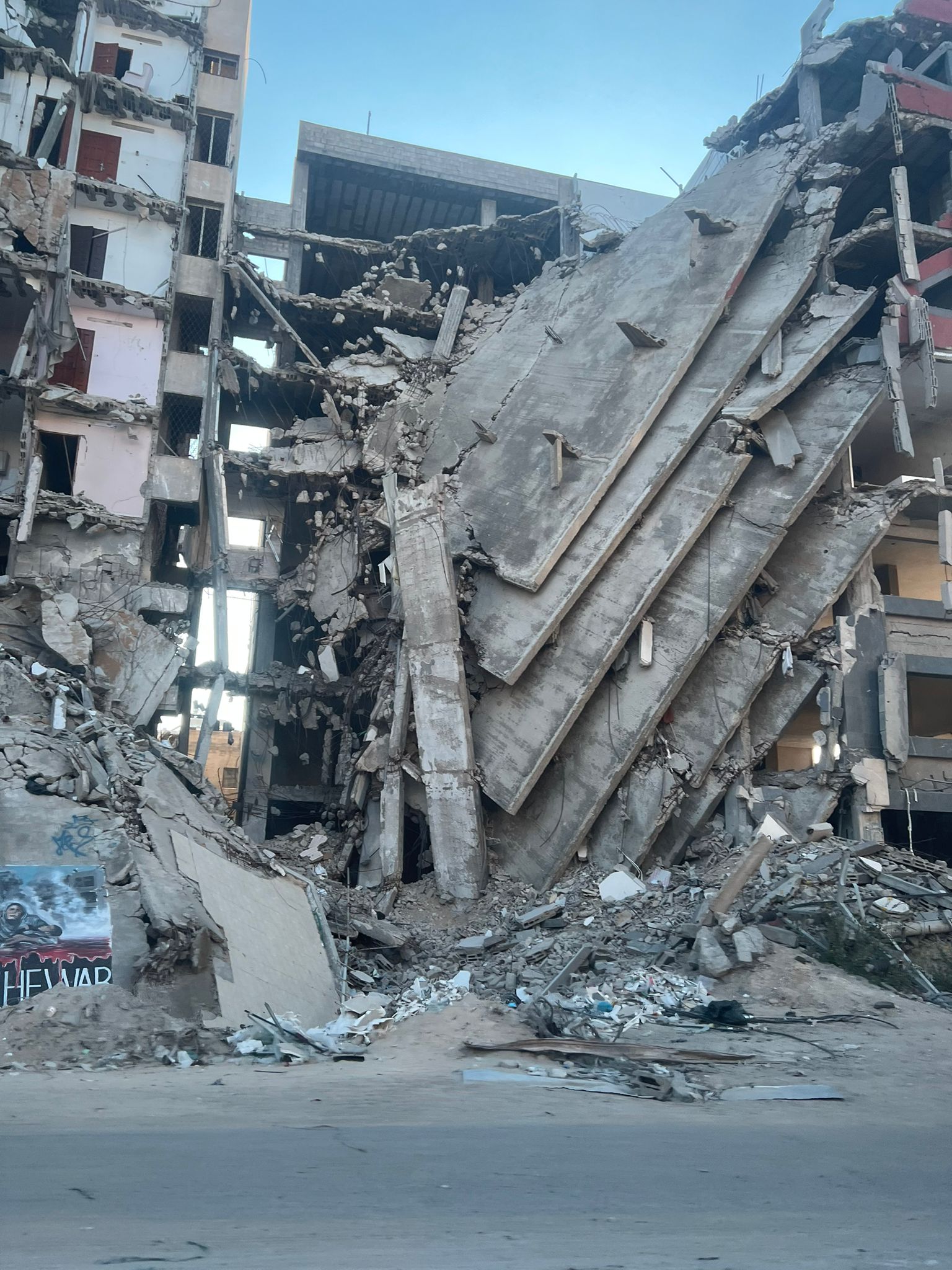
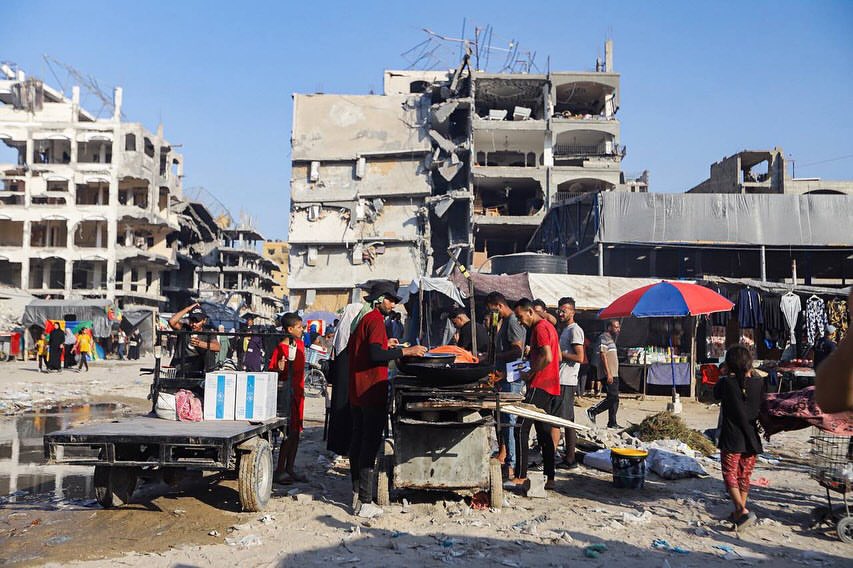
The Israeli occupation army is also systematically destroying water stations, bakeries, streets, and agricultural lands—some of which were replanted to accommodate the population’s needs after the entry of any vegetables was prohibited in recent months—in the northern Gaza Strip.

In Beit Lahia’s Al-Shimaa neighbourhood, the Israeli occupation army killed three farmers, including agricultural engineer Youssef Saqr Abu Rabie. Months ago, Abu Rabie started an agricultural project in the northern Gaza Strip to combat the Israeli-imposed famine.

Over the course of the last 18 days, the Israeli army has destroyed and burned hundreds of homes in northern Gaza, particularly in the Jabalia camp. Nearly 700 people have been killed and over a thousand have been injured, and many more are still trapped under the debris of their homes and in shelters that have been targeted. Because of the Israeli siege and the imposition of a travel ban, it is impossible to recover these victims and evacuate them to safety.

Given that the Israeli army is carrying out systematic and widespread mass and individual killings; a deliberate starvation campaign; mass forced displacements; and the complete destruction of what remains of the most basic necessities of life, the United Nations must declare the northern Gaza Strip a disaster area that requires immediate interventions. It should also compel Israel to stop the genocide and protect civilians in the north and across the entire Gaza Strip. Euro-Med Monitor emphasises that the international community, including the UN, is complicit in the most heinous of crimes—genocide—because the vast majority of its members have not moved to actually put a stop to what is happening.
Euro-Med Human Rights Monitor

Continue reading
Famine Rocks Gaza to The Bone

Severe famine is spreading in southern Gaza due to the intensified Israeli blockade and attacks, preventing the entry of essential food supplies.

Israel has permitted only four out of 66 planned humanitarian aid missions to northern Gaza during the first 20 days of October, with no food aid allowed for 14 days, the UN humanitarian office (OCHA) said.

OCHA spokesman Jens Laerke detailed a severe deterioration in humanitarian access, revealing that Israeli authorities rejected 28 requests and blocked seven others for coordinated aid movements to Beit Hanoun, Jabalia, and Beit Lahiya regions in northern Gaza.

“For the first two weeks of October, 85% of the movements (aid attempts) were denied,” Laerke told Anadolu in a written response, highlighting the increasingly dire situation in northern Gaza.

During a visit on Oct. 19, an OCHA team found extreme overcrowding in northern Gaza, with some displaced persons forced to live in restrooms due to severe shelter shortages, Laerke said.

Laerke described a particularly challenging incident where a joint team from the UN, an international NGO, and the Palestine Red Crescent Society made nine attempts before finally reaching Kamal Adwan and Al-Sahaba Maternity hospitals on Oct. 12, facing multiple rejections and obstacles from Israeli forces.

The humanitarian crisis has deepened following Israel’s ground operations in Rafah, with aid deliveries dropping dramatically. “For all entry points, the daily average of humanitarian truckloads in September (54) was only a third of what it was in April (165),” Laerke noted.

Distribution of the limited aid faces multiple obstacles, including damaged roads, forced displacement blocking main supply routes, rejected coordination requests, overcrowding, and lack of public order.

“Gaza is also the world’s most dangerous place for the UN and its partners to operate,” Laerke emphasized, citing the deaths of 300 colleagues and the bombing of warehouses. He added that roads are damaged and littered with unexploded ordnance.

Despite these challenging conditions, humanitarian workers continue their efforts to deliver life-saving assistance to Palestinians in Gaza wherever possible, though the situation remains critically undersupplied and increasingly dangerous for aid workers, Laerke said.

The Israeli army has continued a devastating offensive on the Gaza Strip since a Hamas attack last year, despite a UN Security Council resolution demanding an immediate cease-fire.

More than 42,700 people have since been killed, mostly women and children, and over 100,300 others injured, according to local health authorities.

The Israeli onslaught on Gaza has displaced almost the territory’s entire population amid an ongoing blockade that has led to severe shortages of food, clean water, and medicine.

Israel faces a genocide case at the International Court of Justice for its actions in Gaza.

Continue reading
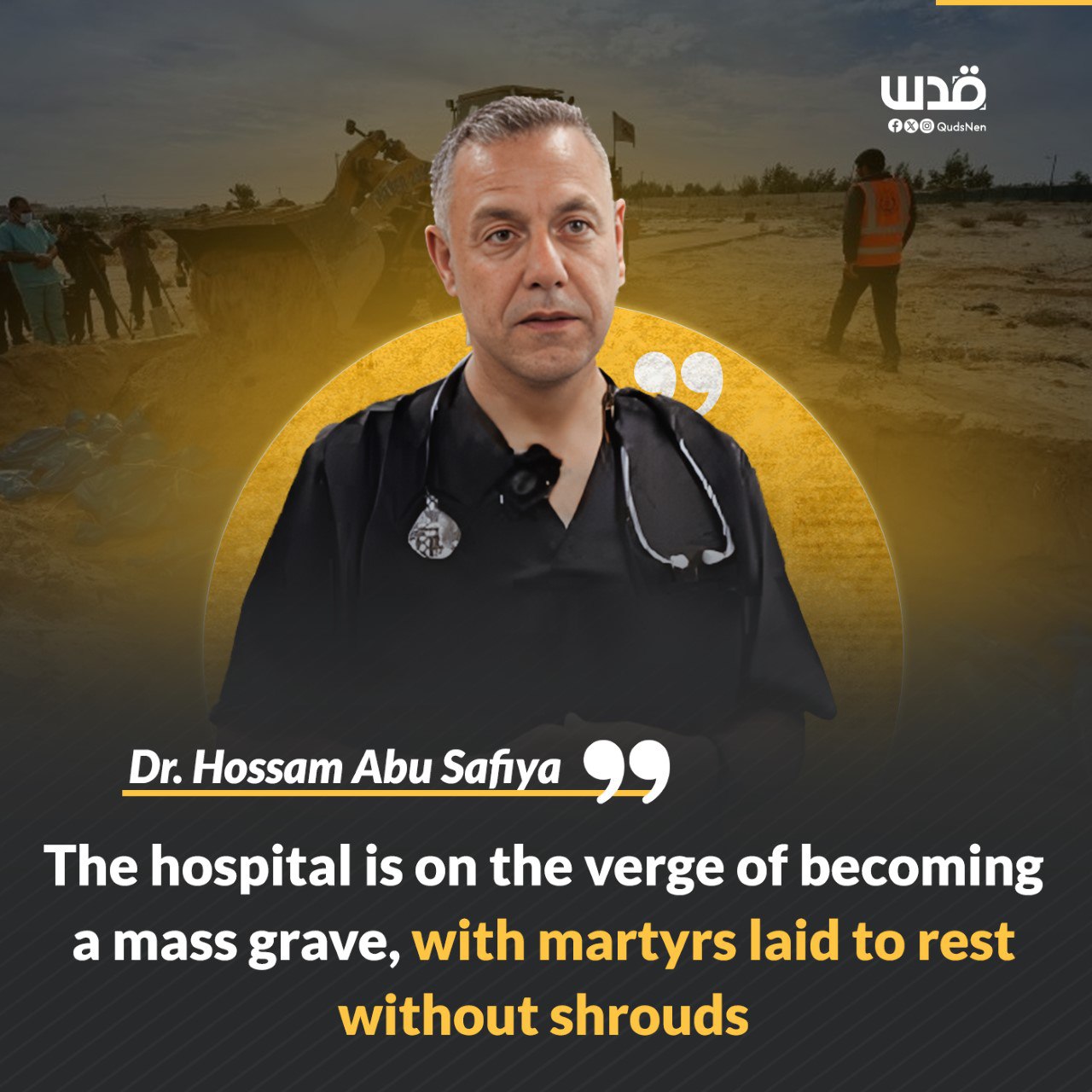
Hospital On Verge of Becoming Mass Grave

Dr. Hossam Abu Safiya, head of Kamal Adwan Hospital in northern Gaza, reveals harrowing and tragic realities unfolding at the besieged Kamal Adwan Hospital in northern Gaza.

He said that the hospital is on the verge of becoming a mass grave, with martyrs laid to rest without shrouds.

In another post he says: “There is no medicine or supplies, people are being killed in the streets and we cannot help them, bodies are lying in the streets, the fuel needed to run the hospital is running out, and hours and the hospital will turn

“The occupation is explicitly threatening us, giving us 24 hours to completely evacuate the hospital of patients, medical staff, and everyone present. This is a dangerous measure that threatens the collapse of the healthcare system in the northern Gaza Strip,” Dr Abu Safiya added.

#JabaliaGenocide #GazaGenocide #GazaHolocaust #Lebanon #Beirut #StopArmingIsraelNOW #Palestine

Continue reading
10 People Killed in School Bombing in Jabalia

At least 10 civilians were killed and 30 others were injured today as a result of the Israeli occupation artillery shelling of the Jabalia Preparatory School, which houses displaced people in Jabalia Camp, north of the Gaza Strip.

 Local sources said medical teams recovered the bodies of at least 10 slain Palestinians and a number of wounded in Israeli artillery shelling of Jabalia Preparatory School in the Al-Fawqa area schools square, which is a UNRWA shelter for displaced people in Jabalia camp, north of the Gaza Strip.

Medical sources indicated that 57 citizens were killed in the occupation raids on the Gaza Strip since dawn today, 44 of them in the north of the Strip.

The occupation is adopting a policy of starvation and exhaustion in Jabalia, and that some families that the crews reached had not eaten for five days.

In turn, UNRWA reported that every minute counts and the delay in allowing entry into northern Gaza means that rescue teams are unable to reach the wounded according to WAFA.

Continue reading
Story of The Paramedic Killed by Israel

Israeli forces targeted and killed a health care worker who was en route to assist wounded Palestinians in northern Gaza, an area under tight siege and heavy bombardment where evacuations have not been allowed.

Due to the severe blockade imposed by Israel, rescue teams in northern Gaza struggle to reach devastated areas, leaving the injured unable to be evacuated.

On Oct. 15, Israeli warplanes bombed the home of the Al-Sayyid family in the Bi’r al-Naja neighborhood west of Jabalia in northern Gaza.

Ambulances and civil defense teams could not reach the family’s home due to Israeli attacks and obstructions. On that day, Ahmed al-Najjar, a 33-year-old Palestinian paramedic who was known for his bravery and dedication, set out to rescue the wounded. But before he could arrive, he was killed in a targeted drone strike in the Al-Faluja neighborhood of Jabalia.

Aiding those in need

Al-Najjar’s relatives and friends said that he refused to heed Israeli evacuation warnings, continuing his duties under intense bombardment and repeatedly risking his life to help the wounded. His friend Ghazi al-Majdalani told Anadolu that al-Najjar was known for his courage and dedication, working tirelessly to assist the injured until the very end.

“Ahmed was a truly good person and a role model. He never listened to Israel’s calls to evacuate the north, feeling a deep responsibility toward the injured and sick,” al-Majdalani said.

Al-Najjar not only provided medical care but also documented Israeli attacks. He shared photos and videos with journalists to highlight the atrocities and make them known to a broader audience.

Hero until the last moment

Ahmed’s brother, Khalil al-Najjar, described him as a compassionate and exemplary individual who loved helping those in need. Even when his wife and children moved south due to intensified air and ground assaults, Ahmed chose to stay in the north to assist the wounded.

Khalil emphasized that his brother worked tirelessly to prevent infections among the injured since the beginning of the attacks, saying Ahmed risked his life until the very last moment to save others.

Ahmed was well-loved by the community in the Jabalia refugee camp, and his death was described as a significant loss for everyone there. Before his death, he had shared his phone number on social media, urging those trapped in the north to contact him if they needed emergency medical help, as Israeli forces often blocked rescue teams from reaching disaster sites.

Ahmed al-Kahlout, the director of civil defense in northern Gaza, expressed his condolences on social media.

“May God have mercy on you, kind-hearted Ahmed. You had no fear of death as you saved people from between tanks and danger. May your efforts be accepted and your good deeds fill the scales in your favor,” he said.

Gaza Civil Defense spokesman Mahmoud Basal also confirmed that Israeli forces blocked access to areas where the injured needed evacuation. Additionally, Inas Hamdan, acting director of the Gaza Media Office of the UN agency for Palestinian refugees (UNRWA), said that Israel denied requests to pull people from under the rubble in northern Gaza.

“We have warned over the past two weeks about the worsening siege in northern Gaza and the Jabalia refugee camp. The situation is becoming increasingly dire. Israel’s ongoing military operations in northern Gaza put tens of thousands of civilians at immense risk,” Hamdan said.

Continue reading