Israel No Longer Wants The UN in Palestine

Scaling up aid delivery remains a challenge in Gaza as the war reaches the 300-day mark, the head of the UN humanitarian affairs office, OCHA, in the Occupied Palestinian Territory said on Thursday.

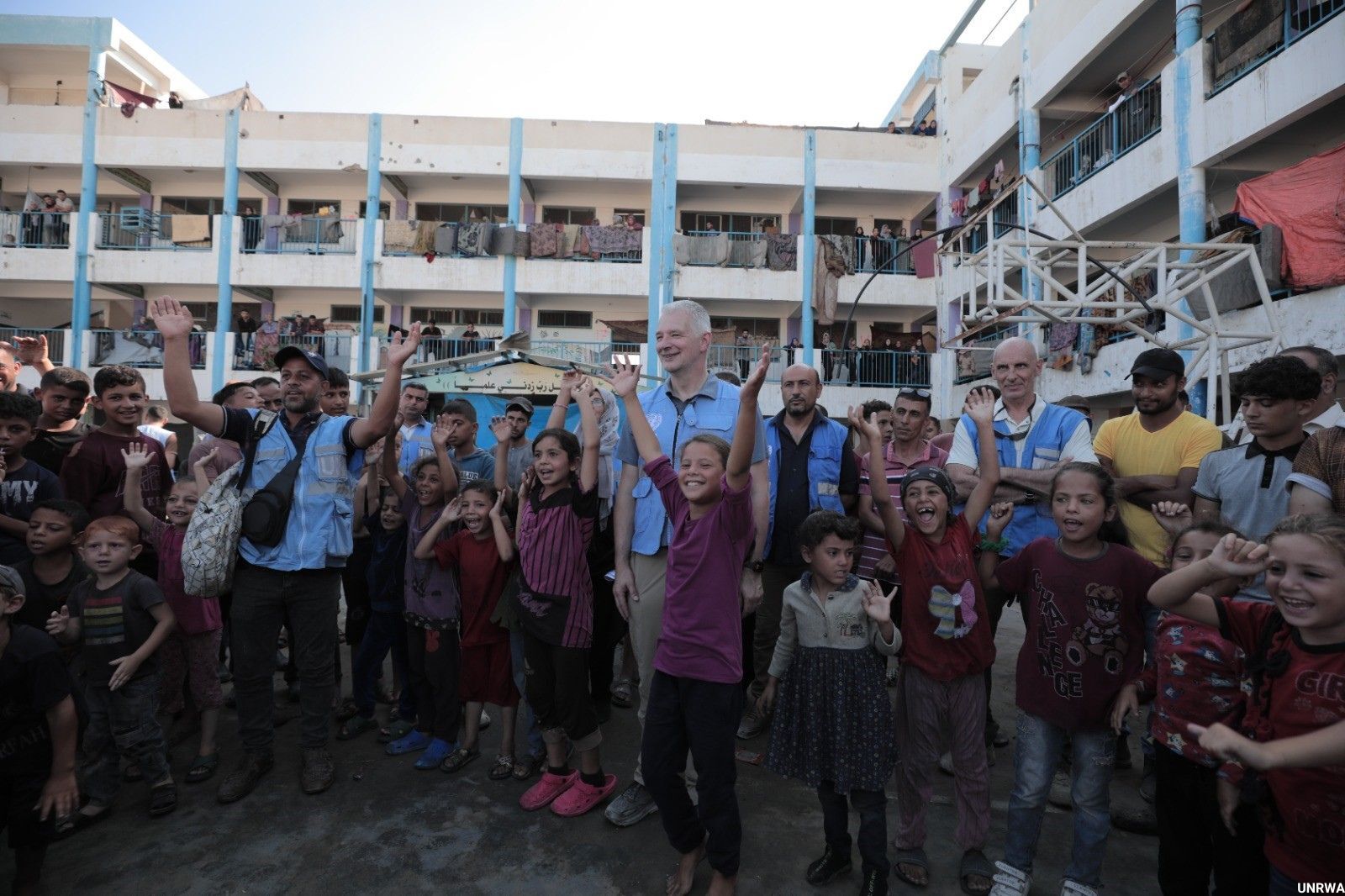
Andrea De Domenico was speaking from Jerusalem in his final briefing to journalists at UN Headquarters in New York as the Israeli authorities have not renewed his visa.

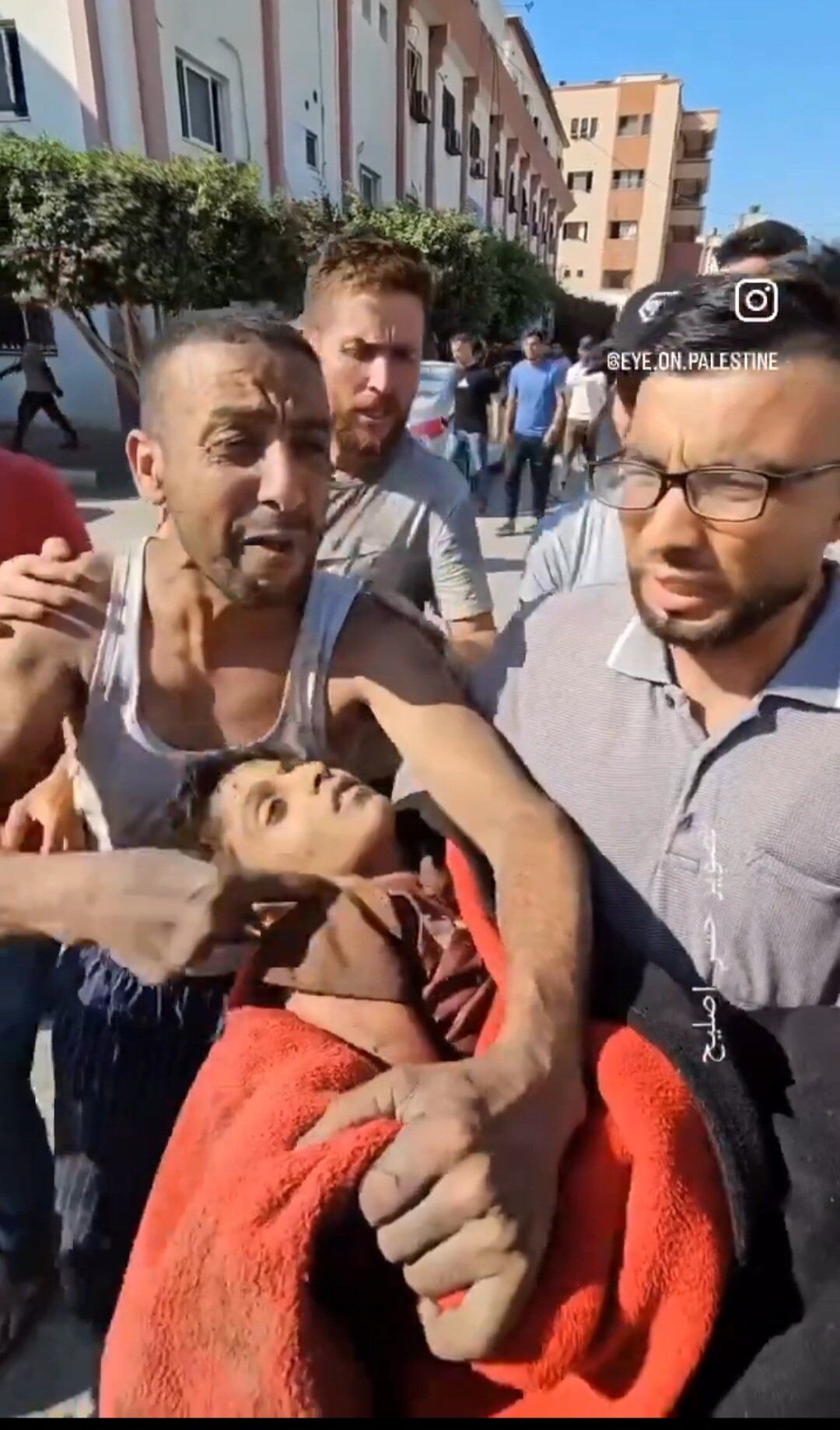
Reflecting on his time in the region, Mr. De Domenico recalled that the UN Secretary-General had previously said that Gaza was becoming a graveyard for children and “unfortunately he was right, and this is what Gaza became”.

He said the international community “has to answer the question of how much human suffering can be tolerated in the name of security.”

‘Systematic de-humanization of civilians’

Mr. De Domenico said that over the past 10 months, he had witnessed “the systematic dehumanization of civilians” in both Gaza and the West Bank, and “the absolute physical and psychological exhaustion of an entire population.”

He also voiced concern over “the growing anger towards Israel, awakening the dark forces that could fuel antisemitism”, noting that the UN continues to call for all leaders to speak out against antisemitism, anti-Muslim bigotry and hate speech, which only reinforce stigma and marginalization.

The top humanitarian said it was “kind of a coincidence” that his final briefing was taking place on the eve of the 300-day mark.

The war erupted in response to Hamas-led terror attacks in southern Israel on 7 October 2023 which left some 1,250 dead. More than 250 people were taken to Gaza as hostages, and 115 remain in the enclave.

Death and destruction mounting

Mr. De Domenico said recent weeks had seen more evacuation orders in Gaza, which sparked more displacement, and it was “particularly worrisome” that they affected areas that Israeli had unilaterally declared as safe zones.

More than 200,000 people were displaced but spontaneous returns have been occurring over the past few days.

“And we will keep on trying to deliver a response to those people in those areas,” he said. “The reality, though, remains that our ability to deliver has never gone up to scale.”

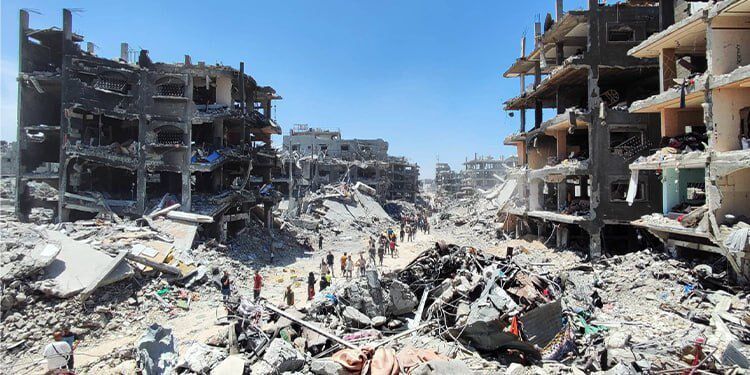
Meanwhile, the toll of the war is still increasing. More than 39,000 people in Gaza have killed, 91,000 injured, 90 per cent of the population -1.9 million people – is displaced, and 60 per cent of residential buildings have been destroyed, with an estimated 49 million tonnes of debris generated.

Furthermore, food insecurity is at its highest level, and polio was recently found in sewage samples.

“In this environment we do a lot,” he said. “We provide people with water, food, tents, clothing, hygiene items, nutritional supplements, and cash. We equip hospitals with bed stretchers, medicine, meals and facilities with medical evacuation.”

However, he said “all these efforts are nowhere near where they should be in terms of helping people”, highlighting the need to scale up operations.

He also pointed to “rays of hope”, such as the start that day of a programme to provide informal learning for some 30,000 children, which is being run by UNRWA, the UN agency that assists Palestine refugees, and the UN Children’s Fund (UNICEF)

West Bank violence

Mr. De Domenico also addressed the situation in the West Bank, where the UN has verified the killing of 572 Palestinians, including 141 children, since 7 October. Most were shot by Israeli forces and settlers. Fourteen Israelis were killed during the same period.

Demolitions have also continued, and they now seem to be “spreading all over and also affecting houses that are in areas that were for many years untouched”. In total, more than 1,300 structures been demolished, nearly 40 per cent of which were inhabited, displacing nearly 3,000 people.

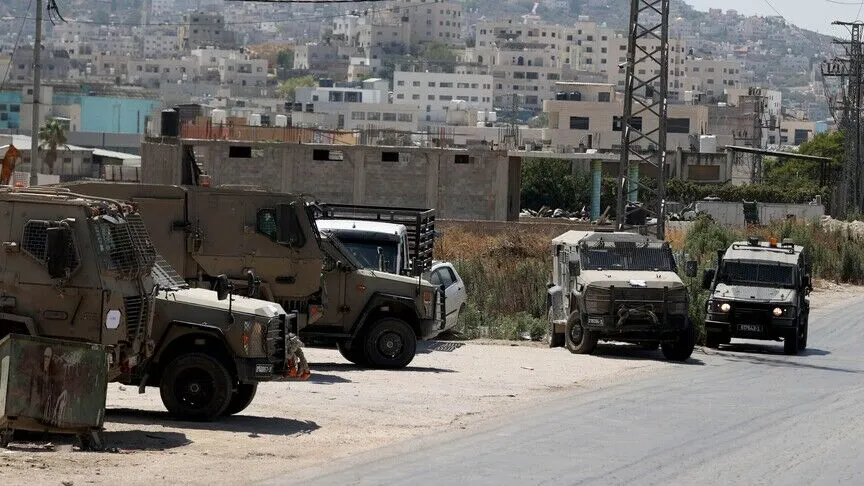
At the same time, search and rescue operations “have become more and more frequent” and “seem to be more military operations rather than police enforcement operations”, resulting in “huge devastation to civilian infrastructure.

“We have seen, for example, streets completely demolished, and sewage network demolished, and that of course has an impact on public health.”

He also reported that the Israeli military’s “attitude” towards humanitarians is also becoming more aggressive.

“We have been systematically stopped at checkpoints and identified. They request the staff to step out of the vehicle, take out the keys. They want to ID every single staff and it seems that this is unfortunately a growing trend”.

Lack of permits and visas for staff is also becoming a problem for international non-governmental organizations in the West Bank.

Asked about his own situation, Mr. De Dominico said visas were previously given for a year and after the war began, they were shortened to three to six months.

He was recently given a one-month extension and warned that it would not be renewed.

“The straw that broke the camel’s back is the publication of the Children and Armed Conflict report from the United Nations, and they alluded to long-standing issue of reporting that OCHA has been doing,” he said.

“But this has been communicated verbally and there is no formal communication that I’ve received, despite asking repeatedly.”

Reliefweb

Continue reading
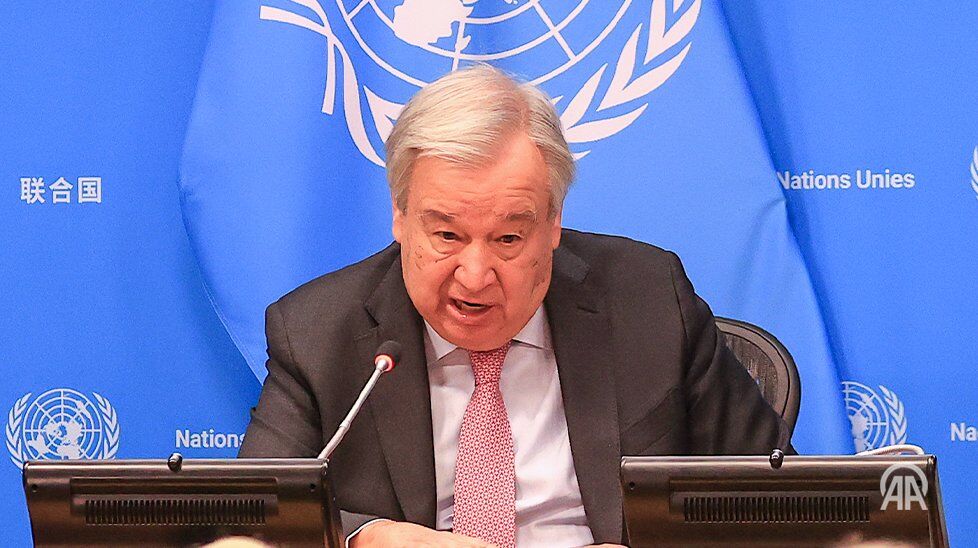
Gaza’s Situation is ‘Moral Stain on All of US’ – Antonio Guterres

UN Secretary-General Antonio Guterres said the humanitarian situation in Gaza is a “moral stain on us all” as the Israeli genocide war enters its 10th month.

During a meeting of the United Nations Security Council (UNSC), Wednesday, Guterres repeated his call for an immediate ceasefire in the Gaza war.

“The humanitarian situation in Gaza is a moral stain on us all,” Guterres added.

The UN Chief also said that Israel’s policy toward the occupied West Bank is dooming any prospect of a two-state solution with the Palestinians.

Through administrative and legal steps, Israel is changing the geography of the West Bank, Guterres said in a statement read by his chief of staff, Courtenay Rattray.

Settlement expansion is expected to speed up due to big land seizures in strategic areas and changes to planning, land management and governance, Guterres added.

“Recent developments are driving a stake through the heart of any prospect for a two-state solution,” said the UN chief.

Israeli military raids, arrests of Palestinians and settler violence have soared in the occupied West Bank and occupied Jerusalem since Israel launched its war on Gaza on October 7.

Guterres noted that Israel has taken punitive steps against the Palestinian Authority and legalized five Israeli outposts in the West Bank.

“We must change course. All settlement activity must cease immediately,” Guterres said.

This article is reprinted from the Al Quds News Network

Continue reading
The Bombs Under Gaza’s Rubble Wait to Explode

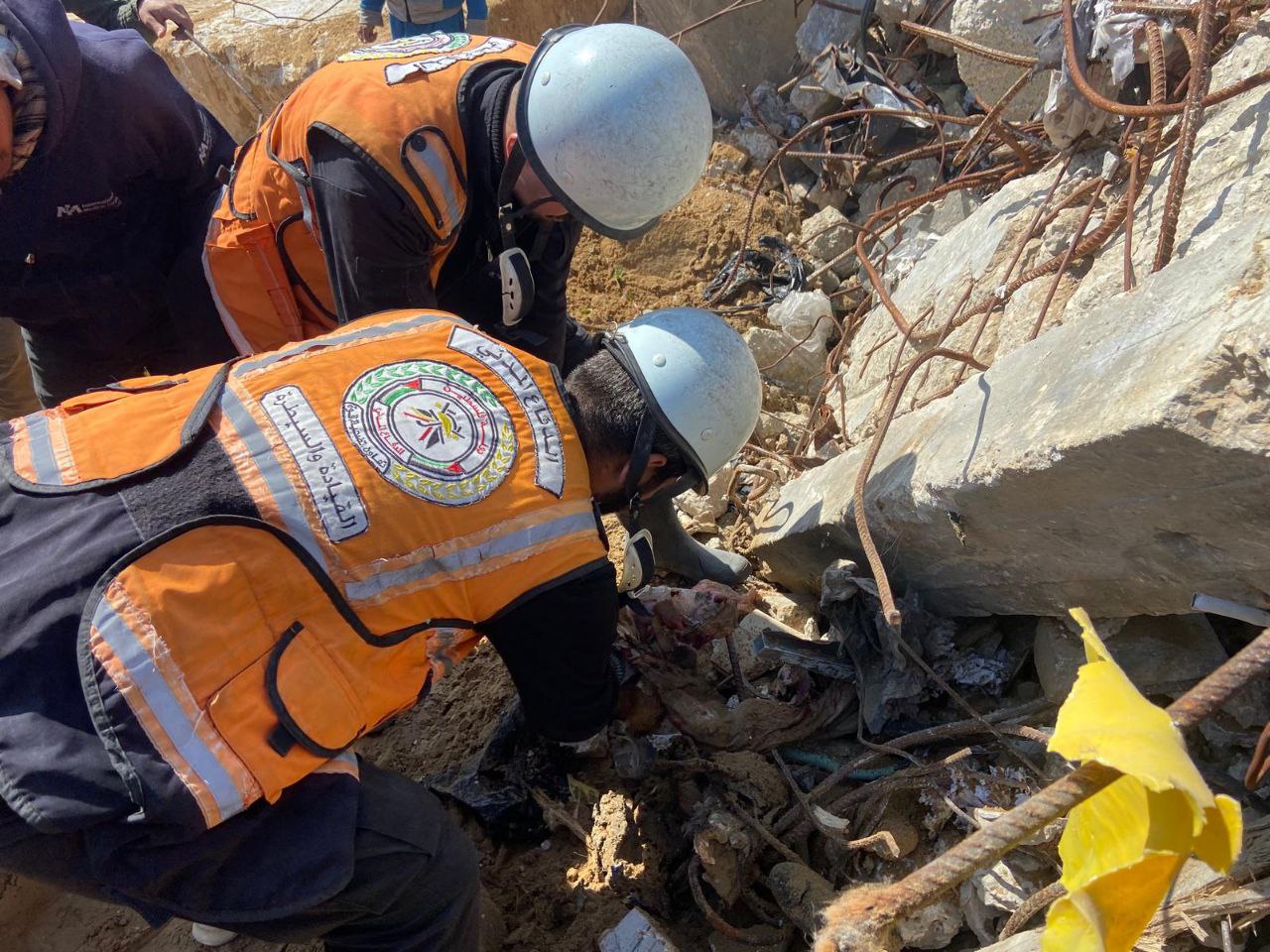
On top of the mass destruction that Gaza has suffered for the past 10 months, today many local and international organizations are asking what will happen to the unexploded bombs dropped by Israeli warplanes and which now lie under the mass rubble and wreckage of Gaza.

They are deeply worried that another disaster is about to happen because of the large quantity of unexploded bombs and missiles deeply buried under the rubble womb of Gaza.

French newspaper ‘Libération’ reported the Israeli assaults on over 40,000 estimated targets in the Strip created about 39 million tons of rubble in the tiny area of Gaza that spans only 41 kilometers.

According to the report, typically, one in 10 conventional bombs do not detonate. With the ongoing genocide on Gaza and the repeated displacements of 100s of thousands of Palestinians, the risk of accidents and explosions from these unexploded ordnance increases.

Experts warn that each layer of debris could conceal unseen, unexploded ordnance, as reported in the Quds News Network.

The problem becomes riskier because the Israeli army – tanks and warplanes –  is bombing different areas countless times. Jabalia, Tal Al Hawa, Sheikh Radwan, Shujaiya, Nuseirat and many others are being bombed twice, thrice and a fourth time which means the likehood of these “dormant” bombs exploding becomes much higher.

Comstant, bombings, explosion, TNT powder is like to have a health and environmental impacts on the area because of the derivatives this Israeli war is having on localities and spaces: 800,000 tons of asbestos, thousands of bodies, and toxic, organic, and the chemical materials that now lie deeply buried under the rubble.

This is not to say anthing about the hospitals – 36 of them – that have also been subject to endless bombings and military encroachment. Some of these hospitals like Al Shifa Complex in Gaza City is completely destroyed by the Israeli army and now lie in ruin and houses radioactive equipment and biological materials. These now lie beneath the debris like ticking time-bombs.

Expert were always worried about the thousands of unexploded shells and missiles dropped, stating these pose a long-term dangers to the population of Gaza. The UN has estimated that 10% of the ordnance dropped by the Israeli military on the Strip have not  exploded. This means they lie under the scattered streets, lands and homes that have been turned into rubble and debris.

The Government Media Office has warned about recurring incidents of explosions in homes, particularly from canisters made to deceive and harm civilians, especially children. There have been numerous injuries from such devices.

Expert voices inside Gaza and the international community have been made to send specialized engineering teams and explosive experts, and equip and provide local authorities with the necessary technical resources to deal with bomb removal and other hazards safely. But these have been ignored by the Israelis.

Danish newspaper ‘Information’ reported in the first three months of the war on Gaza, around 45,000 bombs were dropped, averaging 500 bombs per day or 21 bombs per hour. This extensive bombing has damaged/or destroyed 50-62% of all buildings in Gaza, according to a study by New York University in collaboration with the University of Oregon. The newspaper warned of severe long-term consequences due to the thousands of unexploded bombs, impacting Palestinians’ recovery efforts after the war according to the Quds News Network.

Unexploded bombs are dangerous to the future of Gaza and would remain apparent after the war ends when the removal of the debris and reconstruction starts. Thus, the demining process is likely to be long-term and of hindrance to the development of Gaza especially in densely-populated areas.

The report noted over 14% of bombs dropped in Gaza remain unexploded, far exceeding earlier estimates of about 6,300 bombs and missiles in the first three months of the conflict.

The presence of numerous unexploded bombs are forcing residents to live in a perpetual war-situation. This is even when the bombs stop raining down, tanks cease fire and the trauma subsides. We are still at stage one of the war; the second stage is who is going to clear these ticking time bombs.

Continue reading
Israel Attacks 453 UNRWA Schools in Gaza

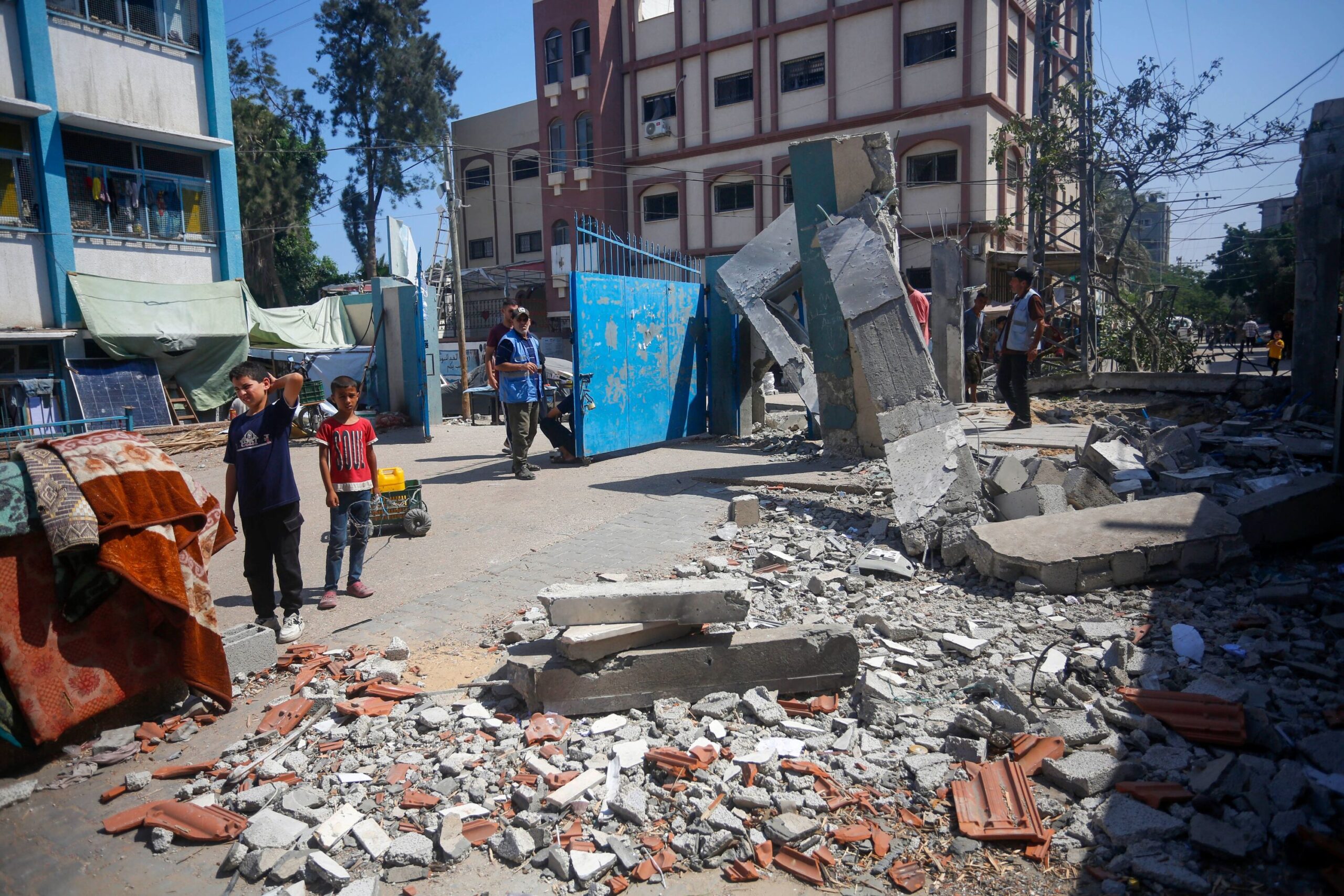
UNRWA officials report that there has been a total of 453 attacks on its facilities in Gaza since 7 October, 2023. The United Nations Relief and Works Agency said its building throughout the Gaza Strip has been the subject of these attacks by Israeli warplanes and gunfire.

It added this, two thirds of the schools operated by the UN organization have been hit with 524 people sheltering in these facilities were killed.

This piece of news is currently trending on the social media under different hashtags such as @UNRWA, #Gaza, @UN, #CeasefireNow

Four schools in Gaza have been directly hit in the last four days with people continuing to flee from one place to another looking for safety but nowhere is safe in Gaza.

UNRWA Commissioner-General Philippe Lazzarini confirms that since the beginning of this war two-thirds of UNRWA schools in Gaza were attacked, some were bombed out and many severely damaged.

“Some have gone from safe places of education and hope for children to ocercrowded shelters and often ending up a place of death and misery,” he wrote.

“Nine months under our watch, the relentless, endless killing, destruction and despair continue. Gaza is no place for children. The blatant disregard of international humanitarian law can’t become the new normal.”

Lazzarini ends by urging for a “ceasefire now before we lose what is left of our common humanity.”

Continue reading
Israel Destroyed 67% of Gaza’s Sanitation

About “67% of water, sanitation facilities and infrastructure have been destroyed or damaged” in the Gaza Strip since 7 October, the UN Relief Agency for Palestine (UNRWA) stated Wednesday.

There is neither water nor sanitation in the whole of the Gaza Strip. With sewers destroyed, filthy water run in the streets and neighborhoods that have been destroyed.  

The agency emphasized the urgent need for action according to a press statement published in Anadolu.

“As infectious diseases continue to spread and temperatures rise, the lack of hygiene and dehydration pose a severe threat to the health of people across Gaza,” it wrote on X.

UNRWA plays a vital role in providing life-saving services to registered Palestine refugees; however, the recent destruction of essential infrastructure in Gaza exacerbates an already precarious situation, leaving many without access to clean water and sanitation facilities, the Turkish news said.

Flouting a UN Security Council resolution demanding an immediate cease-fire, Israel has faced international condemnation amid its continued brutal offensive on Gaza since the 7 October attack by Hamas.

Nearly 37,400 Palestinians have since been killed in Gaza, most of them women and children, and more than 85,400 others injured, according to local health authorities.

More than eight months into the Israeli war, vast tracts of Gaza lay in ruins amid a crippling blockade of food, clean water and medicine.

Israel is accused of genocide at the International Court of Justice, whose latest ruling ordered Tel Aviv to immediately halt its operation in Rafah, where more than 1 million Palestinians had sought refuge from the war before it was invaded on May 6.

Continue reading