Israel, Trump and the Latest Bombing of Gaza

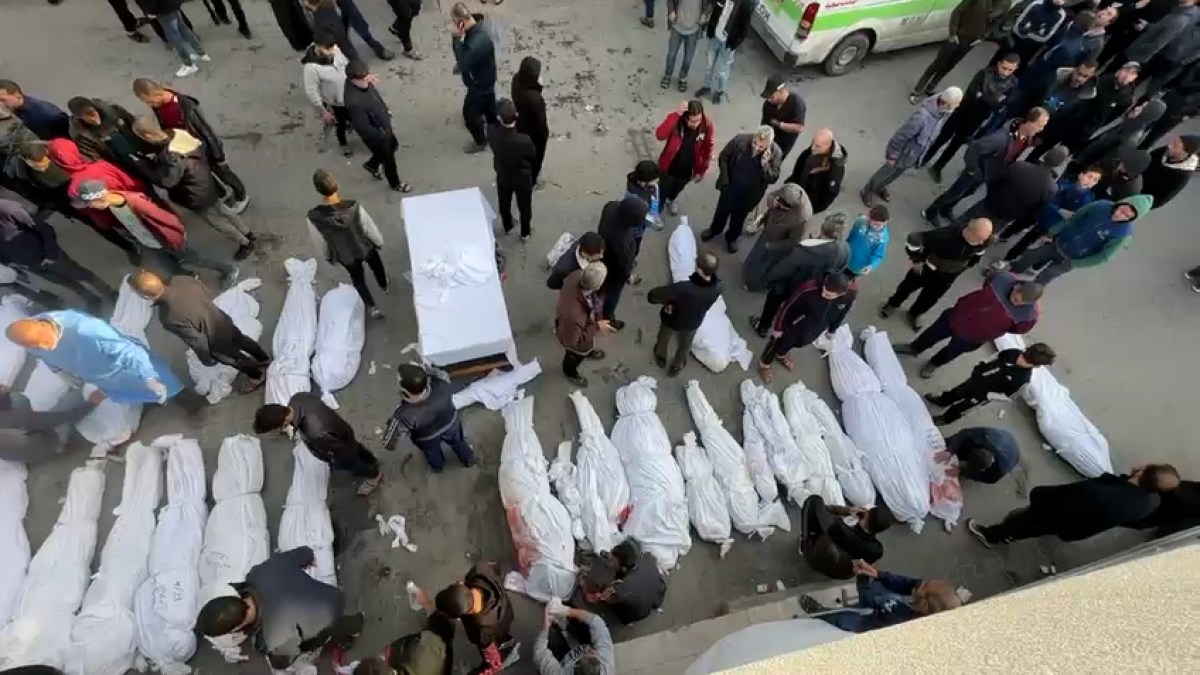
Israel relaunched its bloody war on Gaza, with vehemence and callousness and with the blessing of the Donald Trump administration in the White House.

Its back to the “good old bloody days” of murder, mayhem and slaughter of mostly innocent women and children who have no part in the current war waged between Israel and Hamas.

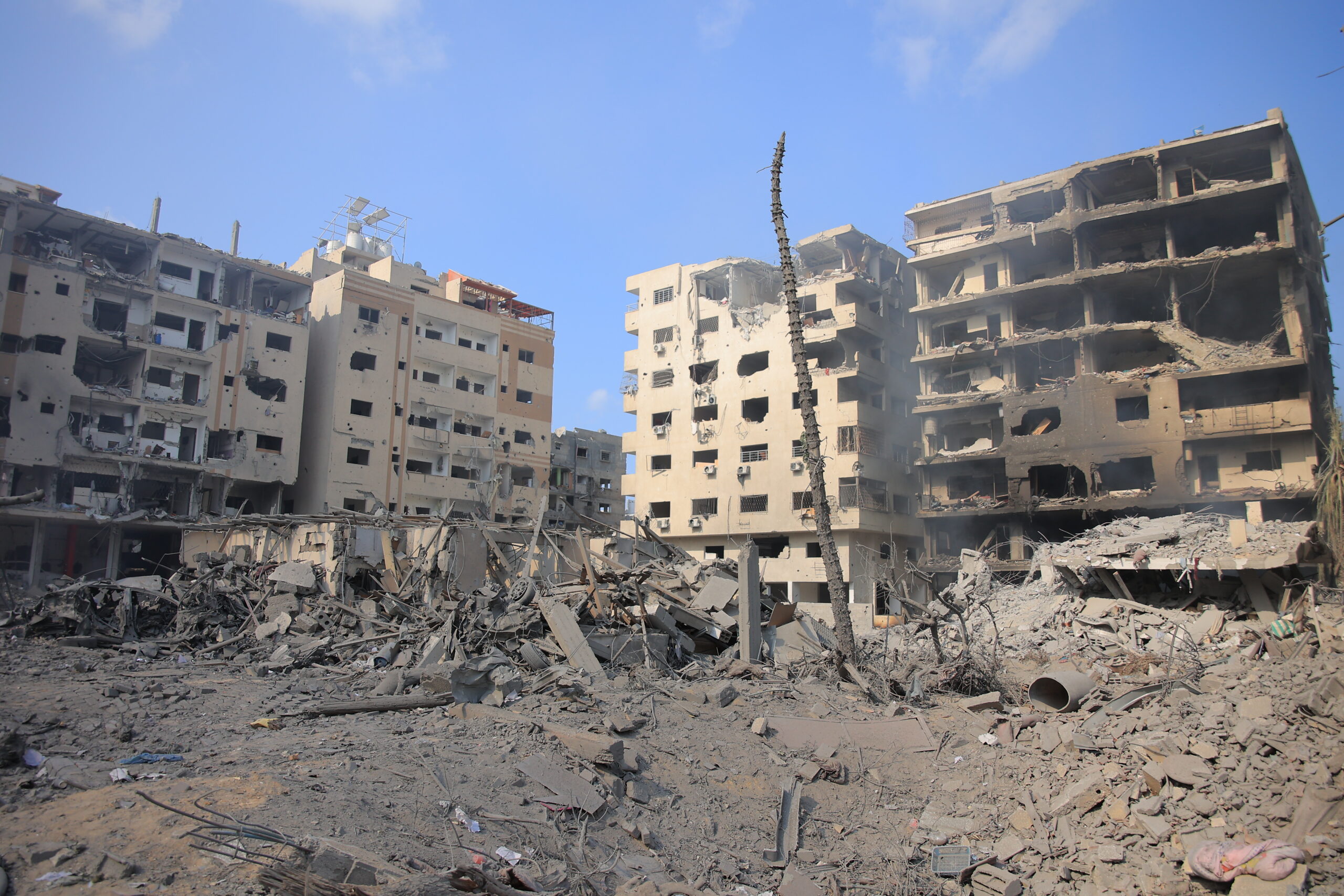
Unwilling to quench its thirst for blood, Israel relaunched its war on the 364-kilometer Gaza Strip by killing over 322 people in the first five hours of early morning Tuesday while everyone was fast asleep.

Up until then it has been a “slight” rest bite reached through a ceasefire on 19 January between Hamas and Israel through US, Qatari and Egyptian mediators bringing an end to the daily killing of Gazans that today stands at 48,500 people.

Everyone is asking if the ceasefire is wrecked and stands in ruin on day 525, the total length of the carnage started on the people of Gaza soon after 7 October 2023, when about 1200 Israelis were killed.

Whatever the politics of the recent war, it has become amply clear the Israel slaughter has not been aimed at Hamas fighters, which it couldn’t eradicate even after 15 months of war on the Islamic organization but resulted in the mass killing of the women and children of Gaza.

The latest spate of dropping bombs on the people of Gaza, facilitated by the United States which stands as complicit in this genocide, sees no end light, but is seen as just the beginning although Gaza and its infrastructure is already annihilated with its people displaced and living in the wild and under the skies.

The world stands and waits to see, if the genocide will continue from this day onwards, or is it just a pressure tool to get Hamas to release the 59 or so Israeli prisoners it currently holds. If the latter is the case however, Hamas has long shown, it has a long breath and will not release the prisoners that originally were around 250 and now stands at the current number through exchange deals with the fact that the Israeli army has killed around 23 of them in failed rescue operations.

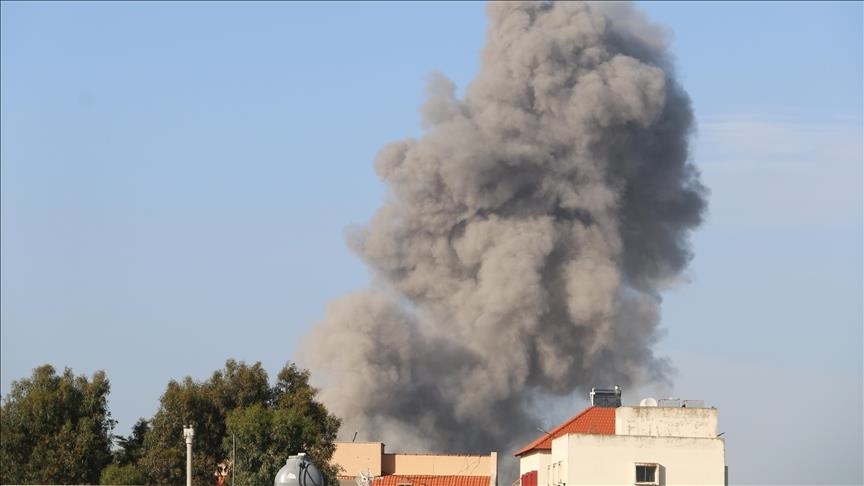
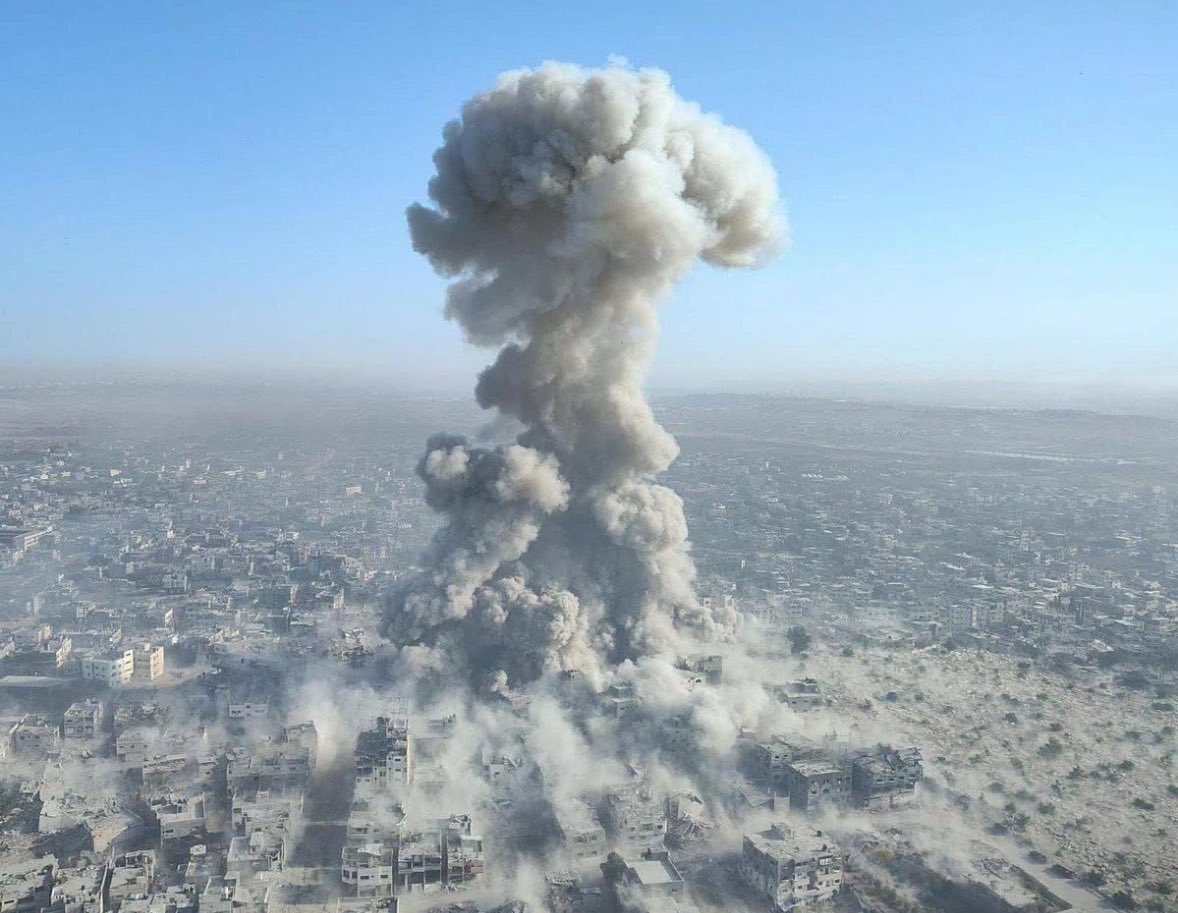
The latest bombings, carried from the air starting from the south of the strip on the southern city of Rafah, Nuseirat, Al Shati and Maghazi camps, and Deir Al Balah in the center of the enclave, including Gaza city and the destroyed northern areas, speaks of dark days are expected ahead.

Hamas are yet to respond militarily. There are couple of issues to consider here. Hamas officials have been talking to the Trump administration officials in the last couple of weeks about different paths.

Will that continue, particularly after this bloody debacle. Prime Minister Benjamin Netanyahu, who long wanted to destroy Hamas, and thus the war to continue, said this time around, the latest military operation in Gaza is being carried out “in consultation” with Trump and his associates.

If this is the case, the latest Israeli deadly spate, may not last long, particularly because Trump is on record of stating that he doesn’t want the war to continue but wants to end it which means he will not continue to supply Israel with weapons indefinitely and there will come a time when he will stop.

But that might be a while before that and he may continue to tolerate the mass bombing of Gaza. However, since he is talking to different parties through his envoy Steve Witkoff, he will likely “manage” what Israel continues to militarily do in the Gaza Strip and be involved in a “stop-go” war process.

The problem with Trump is that also he is looking for different objectives in Gaza. He first wanted to displace its 2.2 million people to neighboring countries like Jordan and Egypt. Now, he appears to be retracting from this position because of Arab and world pressure.  

Will he backdown and order Israel for a quick “fix” and or let the war on Gaza continue by which time Hamas, will once again, start fighting Israel again, both in the Strip and through endlessly targeting its major cities, towns, settlements for the past 15 months.

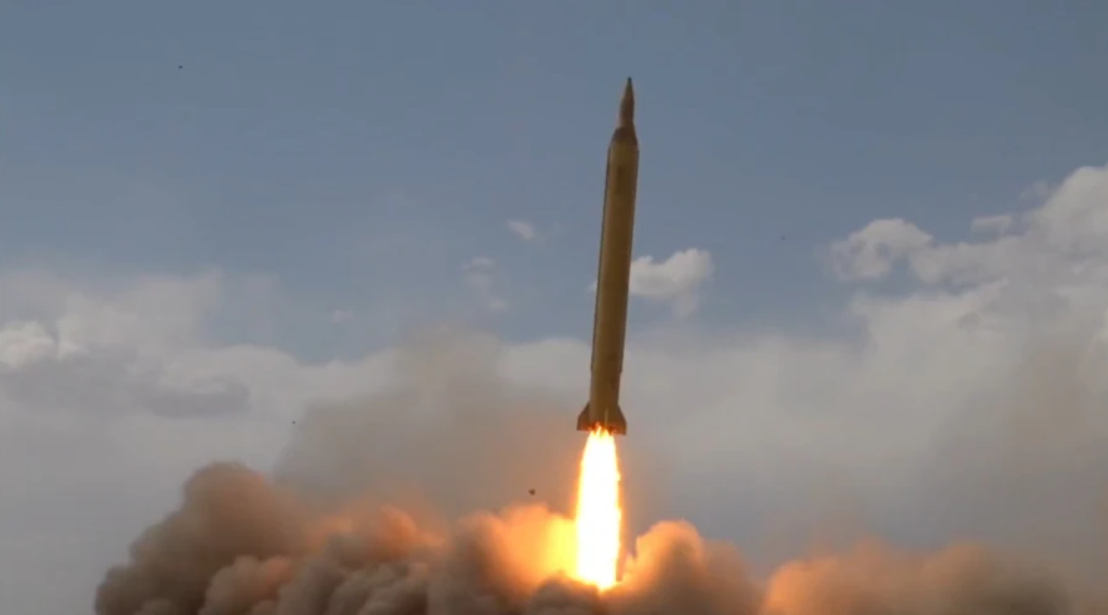
Despite the fact that Trump said that “all hell will break lose” on Gaza if the war doesn’t stop and Hamas is not brought to heed, the US president is choosing to forget the Houthis, despite mass bombing them in the last couple of days. They promised they will continue to strike Israel if it continues to stand as an obstacle to humanitarian and food delivery to Israel and will not be deterred by US and British bombing of Yemen. And to prove their point, a ballistic missile was fired on the same day, Tuesday, after the Israeli bombing of the Strip.

Hence what Trump wants and what he will get on the ground are two different things. His wish to end the Israel-Hamas war and establish a “new Gaza” will not be achieved through parochial thinking.

The Palestinians are on the ground, they have no wish to go anywhere while Hamas continues to have a formidable fighting capability and have no qualms to going back to war. The fact they are talking to the mediating parties, including the US doesn’t mean they are ready to put their guns down and leave the grounds of Gaza.

Netanyahu must realize that unless he wants the whole Middle East region to be engaged in a perpetual long-term war. The question is Trump and the United States military establishment prepared for that?

The above-analysis is written by Dr Marwan Asmar, chief editor of the crossfirearabia.com website.
Continue reading
The A, B, C to a Ceasefire

A cease-fire agreement between Lebanon and Israel went into force early Wednesday to end over 14 months of fighting between the Israeli army and Hezbollah group.

In a 13-item document obtained from a government meeting on Wednesday, the Lebanese Cabinet reaffirmed its commitment to implementing UN Security Council Resolution 1701 in its entirety.

Resolution 1701, adopted on Aug. 11, 2006, calls for a complete halt to hostilities between Hezbollah and Israel and the establishment of a weapons-free zone between the Blue Line and the Litani River in southern Lebanon, with exceptions for the Lebanese army and the UN peacekeeping mission (UNIFIL).

The cease-fire deal took effect hours after US President Joe Biden said a proposal to end the conflict had been reached, amid hopes it would stop Israeli airstrikes on Lebanese towns and cities and end the year-long cross-border fighting.

Over 3,800 people have been killed in Israeli attacks in Lebanon and over 1 million displaced since last October, according to Lebanese health authorities.

The document seen by Anadolu includes 13 items as follows:

1- Israel and Lebanon will implement a cessation of hostilities beginning at 04:00 hours (IST/EET) on November 27, 2024, in accordance with the commitments detailed below.

2- From 04:00 hours (IST/EET) on November 27, 2024, forward, the Government of Lebanon will prevent Hezbollah and all other armed groups in its territory from carrying out any operations against Israel. In return, Israel will not conduct any offensive military operations against Lebanese targets, including civilian, military, or other state targets, by land, air, or sea.

3- Israel and Lebanon recognize the importance of UNSCR 1701 in achieving lasting peace and security and commit to taking steps towards its full implementation without violations.

4- These commitments do not preclude either Israel or Lebanon from exercising their inherent right to self-defense, consistent with international law.

5- Without prejudice to the United Nations Interim Force in Lebanon (UNIFIL) and its responsibilities, or to commitments in UNSCR 1701 and its predecessor resolutions, Lebanon’s official military and security forces, infrastructure, and weaponry will be the only armed groups, arms, and related materiel deployed in the southern Litani area, as shown in the attached LAF Deployment Plan (hereinafter “the Southern Litani Area”).

6- Consistent with UNSCR 1701 and its predecessor resolutions, and to prevent the reestablishment and rearmament of non-state armed groups in Lebanon, any sales or supply of arms and related materiel into Lebanon will be regulated and controlled by the Government of Lebanon. Additionally, all production of arms and related materiel within Lebanon will be regulated and controlled by the Government of Lebanon.

7- Upon the commencement of the cessation of hostilities (as per paragraph 1), the Government of Lebanon will provide all necessary authorities, including freedom of movement, to Lebanon’s official military and security forces. It will instruct them, consistent with UNSCR 1701 and its predecessor resolutions, to:

a. Monitor and enforce against any unauthorized entry of arms and related materiel into and throughout Lebanon, including through all border crossings, and against the unauthorized production of arms and materiel within Lebanon.

b. Dismantle all unauthorized facilities involved in the production of arms and related materiel in the Southern Litani Area and prevent the establishment of such facilities in the future.

c. Confiscate all unauthorized arms and dismantle unauthorized infrastructure and military positions in the Southern Litani Area.

8- The United States and France intend to work within the Military Technical Committee for Lebanon (MTC4L) to enable and achieve the deployment of 10,000 LAF soldiers to southern Lebanon as soon as possible. They also intend to work with the international community to support the LAF’s capabilities.

9- Upon the cessation of hostilities, and in coordination with UNIFIL, Israel and Lebanon will reformulate and enhance the tripartite mechanism (hereinafter “the Mechanism”), which will be hosted by UNIFIL, chaired by the United States, and include France. The Mechanism will:

a. Monitor, verify, and assist in ensuring enforcement of these commitments.

b. Strengthen the LAF’s capacity to inspect and dismantle unauthorized sites, confiscate weapons, and prevent the presence of unauthorized armed groups.

10- Israel and Lebanon will report any alleged violations to the Mechanism and UNIFIL, without prejudice to their rights to communicate directly with the UN Security Council.

11- Upon cessation of hostilities, Lebanon will deploy its official military and security forces to all borders and regulate all land, air, and sea crossings.

12- Israel will withdraw its forces south of the Blue Line in a phased manner while the LAF deploys in the Southern Litani Area, as detailed in the attached Deployment Plan. This process will be completed within 60 days.

13- Israel and Lebanon request that the United States, in partnership with the United Nations, facilitate indirect negotiations to resolve remaining disputed points along the Blue Line, consistent with UNSCR 1701.

These commitments aim to enable civilians on both sides of the Blue Line to return safely to their homes and lands. The United States and France further intend to lead international efforts to support capacity-building and economic development throughout Lebanon to promote stability and prosperity in the region.”

Continue reading
US Dearborn Will Arrest Netanyahu

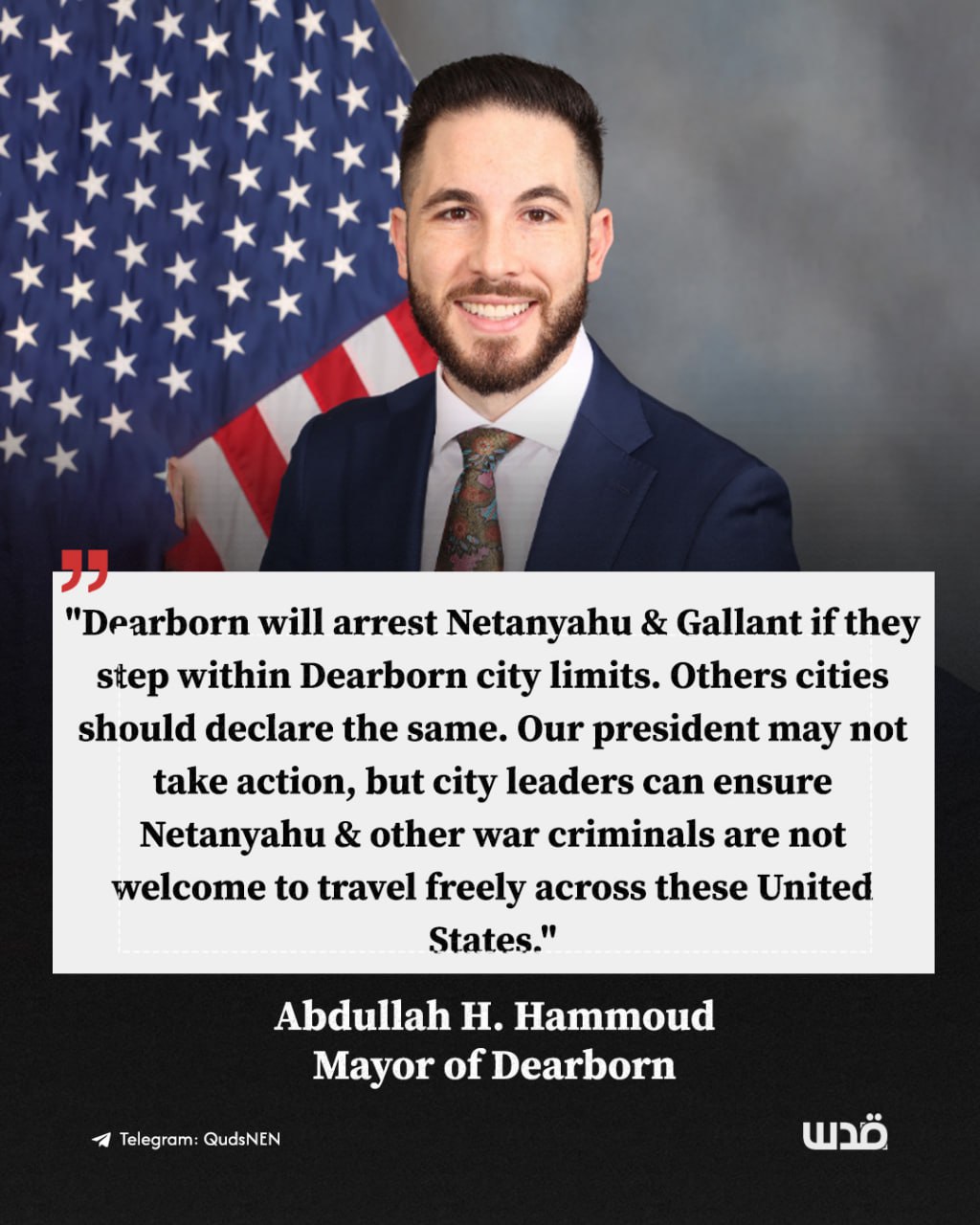
Abdullah H. Hammoud, the mayor of Dearborn, has pledged to arrest Netanyahu and Gallant if they enter the city, calling on the other US cities’ mayors to take the same step. The United States is not a state party to the Rome Statute of the International Criminal Court (Rome Statute), which founded the International Criminal Court (ICC) in 2002.

This is despite the fact that US politicians from both major parties expressed outrage over the ICC’s decision to issue arrest warrants for Israel’s Netanyahu, with many questioning the court’s legitimacy and demanding penalties against its officials.

Continue reading
After Gaza Regional War Looms

As the war in Gaza enters its second year, the Palestinian enclave is now unrecognizable, with most areas reduced to rubble. The Palestinian death toll exceeds 41,000 while over 95,000 people have been injured, a large number of them facing life-changing injuries. Thousands of people are estimated to be still buried under the rubble.

At the same time, 97 out of 251 people abducted in Israel on 7 October 2023, are still held hostage by Palestinian armed groups in Gaza, denied humanitarian visits. This horrific attack also cost the lives of 815 civilians.

Both Israel and Palestinian armed groups have committed a series of violations of international law resulting in significant civilian harm and the widespread destruction of key infrastructure across Gaza.

Over the last 12 months, each attack against civilians and civilian objects has further undermined the rules of war. This sets a dangerous precedent that threatens the stability and security of the region and beyond.

The devastation in Gaza has been fueled by the supply of foreign weapons from a wide range of States. These arms, including the use of explosive weapons in densely populated areas, have caused staggering levels of civilian harm.

As a result, civilians in Gaza have had nowhere safe to go amid near constant bombardment and ground operations. This was apparent within weeks of the outbreak of war. This is why we at Center for Civilians in Conflict (CIVIC) were among the first organizations to call for a #CeasefireNow.

Nearly 365 days after the start of the war in Gaza, we continue to call for an immediate ceasefire, the protection of civilians, and unfettered humanitarian access.

We now extend this call to Lebanon, where recent strikes have resulted in hundreds of civilian casualties and displaced more than one million people. With nearly 90 percent of Lebanon’s population living in urban areas, Israel’s continued used of heavy explosive in populated neighborhoods will undoubtedly cause further harm to civilians.

We are also gravely concerned about the ongoing retaliatory attacks between the Houthis, Israel, and its allies. These strikes have already targeted vital infrastructure, including power plants and seaports in Yemen, such as the Hodeidah port—a critical lifeline for delivering food and humanitarian aid to the Yemeni population.

With Israeli strikes in Gaza, Lebanon, Yemen, and Syria, as well as Iran’s missile attack against Israel on Tuesday evening, we stress the urgent need for immediate de-escalation across the region to prevent further civilian suffering, which has already reached unbearable levels.

Immediate action is necessary to halt the growing human cost.

We demand:

  • All warring parties to cease all their attacks against civilians and civilian infrastructure, including the designated so-called ‘safe zones’ in Gaza, and to stop violating international humanitarian and human rights laws.
  • The immediate release of hostages and all individuals detained unlawfully in Gaza and Israel.
  • All warring parties to allow unconditional, safe, and unhindered humanitarian access to affected populations.
  • An immediate end to the transfers of arms to Israel and Palestinian armed groups. In particular, we call for an end to US arms transfers to Israel, including the passage of recently introduced US Senate resolutions to suspend sales of weapons documented in extensive civilian harm and repeated apparent violations of international law.
  • All countries and world leaders to use their influence to secure an immediate ceasefire, ensure the protection of civilians and compliance with international humanitarian law, and support de-escalation across the region.
  • All warring parties to stop using explosive weapons in populated areas.
  • International, independent, and transparent investigations into all allegations of violations of international law, and ensure those responsible are held accountable.

It’s now time for international leaders and warring parties to demonstrate political courage and moral leadership, to prevent the world from falling into a state of normalized lawlessness, and to abdicate the double standards.

What has unfolded in Gaza and the region for the last 12 months is unparalleled in its intensity, brutality and scope. The response of global powers to this reality will shape the future of warfare for the better or the worse.

This statement is made by by Hichem Khadhraoui, executive director of the Center for Civilians in Conflict and posted on Reliefweb

Continue reading
Israel Will Not Start a Ground War Into Lebanon – Expert

The Israeli army is carrying out a series of military operations in south Lebanon to avoid entering into a ground battle with Hezbollah, Mamoun Abu Nawar, ex-Major-General and military expert, said.

It therefore struck the strategic weight of the party leadership to change within the inside to try to achieve complete paralysis in its elite forces affiliated to Al Radwan brigade whilst isolating its leadership from ground operations control centers that manage the war, he added.

The Israelis leaders resorted to these operations after the United States refused to approve their ground invasion of Lebanon and expand the scope of the war and enter into a comprehensive regional war Abu Nawar told Jordan 24.

Israel will not dare to wage a ground war because it would be the main loser and will therefore be satisfied with missile strikes from the air, he pointed out.

Although the situation is “uncomfortable” the war will not expand and remain under control and Israel will not go to a war that will burn everyone, but it is stricking Hezbollah’s so-called strategic center of gravity – the Radwan to avoid a ground war – as it knows it will not win and will get involved in new losing battles in light of Hezbollah’s ability to strike the infrastructure inside Israel, Abu Nawar concluded.

Continue reading