- A new report from MSF highlights how repeated Israeli military attacks on civilians in Gaza, and the systematic denial of humanitarian assistance are destroying the conditions of life.
- Our teams are seeing clear signs of ethnic cleansing as Palestinians are forcibly displaced, trapped, and bombed.
- The health care system lies in ruins and medical staff – including MSF’s – have been detained or killed.
- We call for an immediate ceasefire and for states to leverage their influence to alleviate the suffering of people and enable a massive scale-up of aid in Gaza.
Repeated Israeli military attacks on Palestinian civilians over the last 14 months, the dismantling of the health care system and other essential infrastructure, the suffocating siege, and the systematic denial of humanitarian assistance are destroying the conditions of life in Gaza, Palestine, according to a new Médecins Sans Frontières (MSF) report, Gaza: Life in a death trap. MSF is urgently calling on all parties, once again, for an immediate ceasefire to save lives and enable the flow of humanitarian aid. Israel must stop its targeted and indiscriminate attacks against civilians, and its allies must act without delay to protect the lives of Palestinians and uphold the rules of war.
“People in Gaza are struggling to survive apocalyptic conditions, but nowhere is safe, no one is spared, and there is no exit from this shattered enclave,” says Christopher Lockyear, MSF secretary general, who visited Gaza earlier this year.
Brutal War
“The recent military offensive in the north is a stark illustration of the brutal war the Israeli forces are waging on Gaza, and we are seeing clear signs of ethnic cleansing as Palestinians are forcibly displaced, trapped, and bombed,” says Lockyear. “What our medical teams have witnessed on the ground throughout this conflict is consistent with the descriptions provided by an increasing number of legal experts and organisations concluding that genocide is taking place in Gaza.”
“While we don’t have legal authority to establish intentionality, the signs of ethnic cleansing and the ongoing devastation – including mass killings, severe physical and mental health injuries, forced displacement, and impossible conditions of life for Palestinians under siege and bombardment – are undeniable,” Lockyear adds.
In response to the horrific attacks carried out by Hamas and other armed groups in Israel on 7 October 2023 – in which 1,200 people were killed and 251 people were taken hostage – Israeli forces are crushing the entire population of Gaza. Israel’s all-out war on Gaza has reportedly killed more than 45,000 people, according to the Ministry of Health, including eight MSF colleagues. The number of excess deaths related to the war is likely much higher due to the impacts of a collapsed health care system, disease outbreaks, and severely limited access to food, water, and shelter. The United Nations estimated earlier this year that more than 10,000 bodies remained buried under the rubble.
Denied
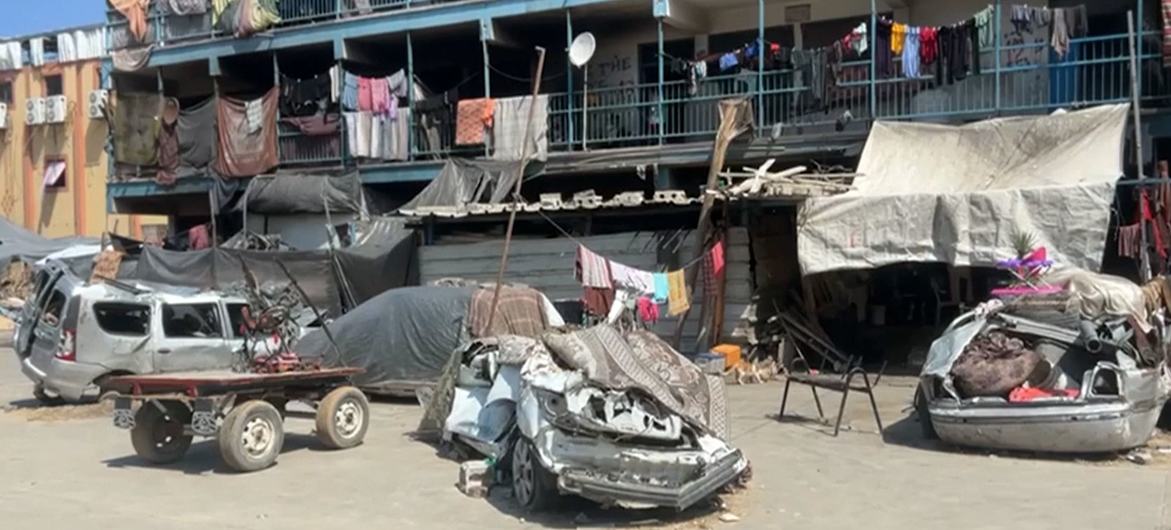
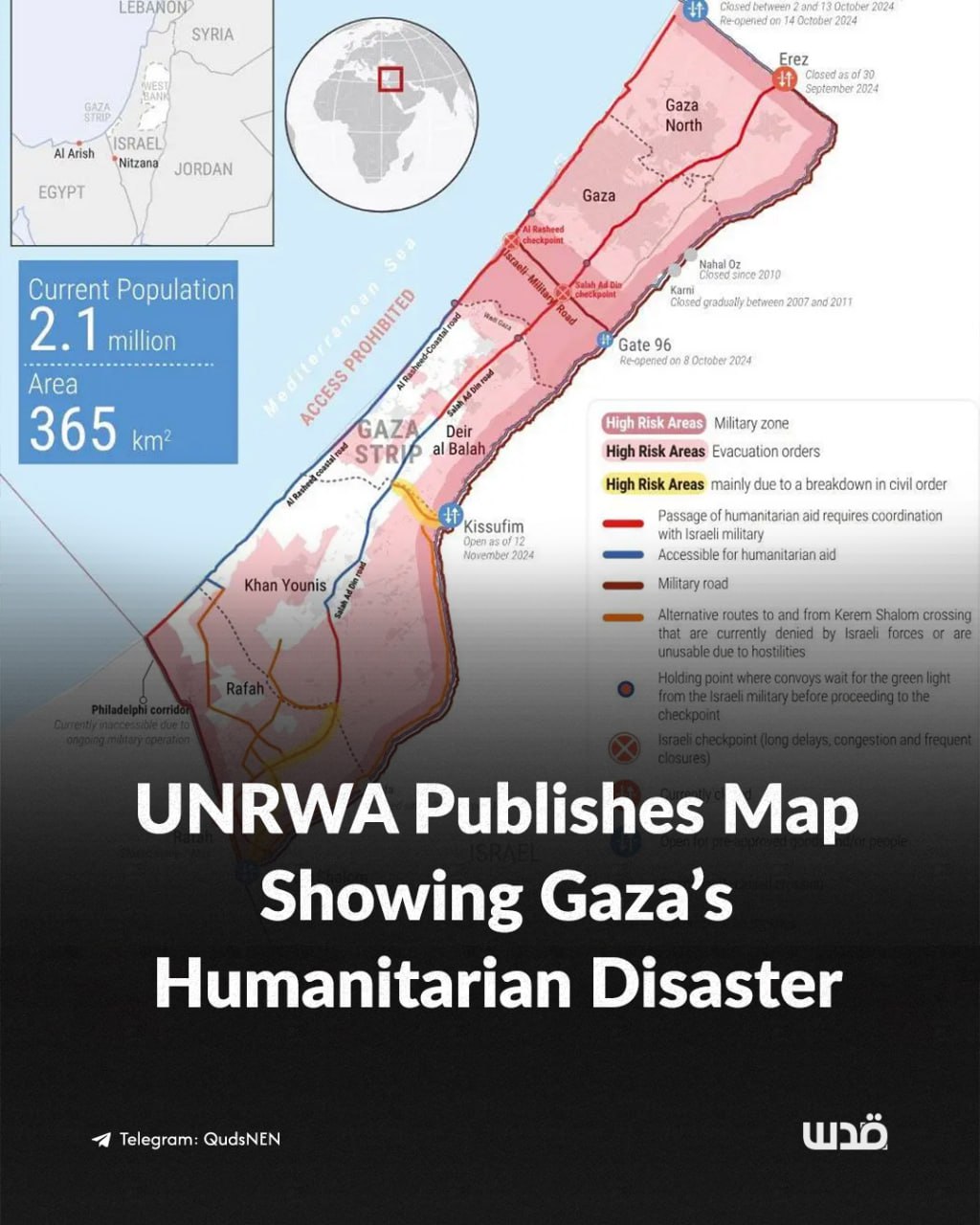
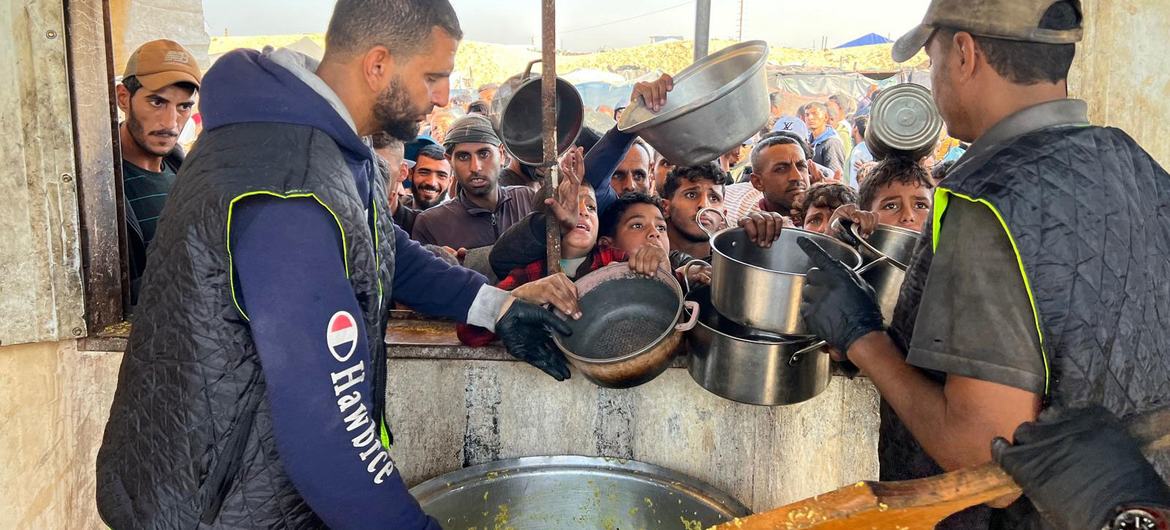
Israeli forces have on numerous occasions prevented essential items such as food, water, and medical supplies from entering the Strip, as well as blocked, denied, and delayed humanitarian assistance, as documented in the report. Some 1.9 million people—90 percent of the entire population of the Strip—have been forcibly displaced, many forced to move multiple times.
Fewer than half of Gaza’s 36 hospitals are even partially functional, and the health care system lies in ruins. During the one-year period covered by the report – from October 2023 to October 2024 – MSF staff alone have endured 41 attacks and violent incidents, including airstrikes, shelling, and violent incursions in health facilities; direct fire on our shelters and convoys; and arbitrary detention of colleagues by Israeli forces. MSF medical personnel and patients have been forced to evacuate hospitals and health facilities on 17 separate occasions, often literally running for their lives. Warring parties have conducted hostilities near medical facilities, endangering patients, caretakers, and medical staff.
Meanwhile, Palestinians’ physical and mental health injuries are overwhelming, and the needs continue to grow. MSF-supported facilities have carried out at least 27,500 consultations for violence and 7,500 surgical interventions. People are suffering from war wounds as well as chronic diseases, made worse when they cannot get access to essential health care services and medicines. Israel’s forced displacement has pushed people into unbearable and unhygienic living conditions where diseases can spread rapidly.
Worsening Health
As a result, MSF teams are treating high numbers of people for illnesses like skin diseases, respiratory infections, and diarrhoea – all of which are expected to increase as winter temperatures drop. Children are missing out on crucial immunisations, leaving them vulnerable to diseases like measles and polio. MSF has observed an increase in the number of malnutrition cases, however it is impossible to carry out a full malnutrition screening in Gaza due to widespread insecurity and the lack of proper deconfliction measures.
As medical care options dwindle in Gaza, Israel has made it even more difficult for people to be medically evacuated. Between the closure of the Rafah crossing in early May 2024 and September 2024, Israeli authorities have only authorised the evacuations of 229 patients—which amounts to 1.6 percent of those who needed it at that time. This is a drop in the ocean of needs.
The situation in northern Gaza is especially dire following Israel’s recent scorched earth military offensive that has depopulated large areas and reportedly killed almost 2,000 people. The northern part of the Strip, particularly Jabalia camp, has been besieged again by Israeli forces since 6 October 2024.
Israeli authorities have dramatically reduced the quantity of essential aid authorised to enter the north. In October 2024, the amount of supplies reaching the whole Gaza Strip hit its lowest point since the war escalated in October 2023: a daily average of 37 humanitarian trucks entered in October 2024, well below the 500 humanitarian trucks entering before 7 October 2023.
Mass Destruction
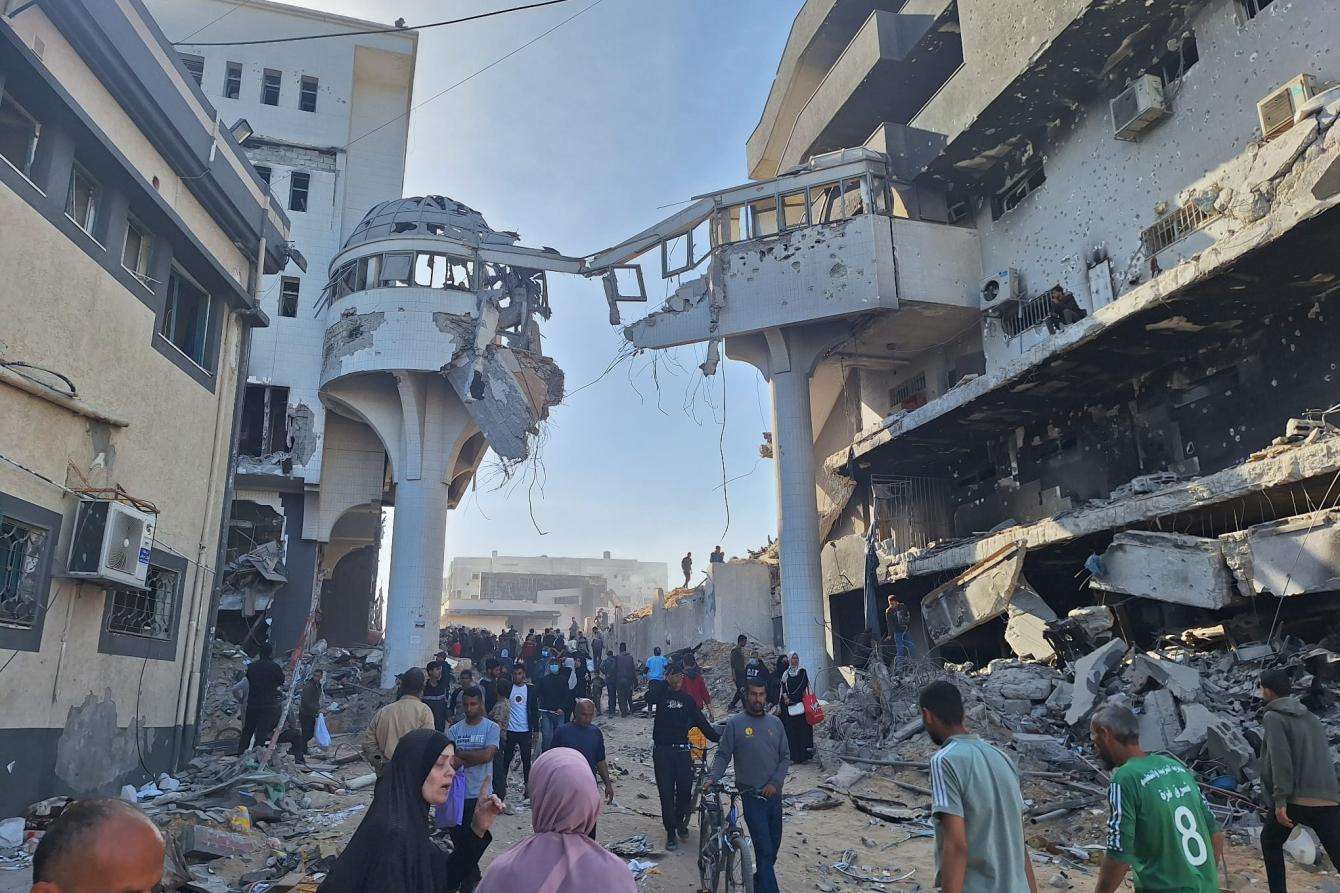
“For more than a year, our medical staff in Gaza have witnessed a relentless campaign by the Israeli forces marked by massive destruction, devastation, and dehumanisation,” says Lockyear. “Palestinians have been killed in their homes and in hospital beds.”
“They have been forcibly displaced time and time again to areas that are not safe or healthy,” says Lockyear. “People cannot find even the most basic necessities like food, clean water, medicines, and soap amid a punishing siege and blockade.”
MSF calls on states, particularly Israel’s closest allies, to end their unconditional support for Israel and fulfil their obligation to prevent genocide in Gaza. Nearly a year ago, on 26 January, the International Court of Justice (ICJ) ordered Israel to take “immediate and effective measures to enable the provision of urgently needed basic services and humanitarian assistance to address the adverse conditions of life faced by Palestinians in the Gaza Strip.” Israel has taken no meaningful action to comply with the court order. Instead, Israeli authorities continue to actively block MSF and other humanitarian organisations from providing lifesaving assistance to people trapped under siege and bombardment.
States must leverage their influence to alleviate the suffering of people and enable a massive scale-up of humanitarian assistance across the Gaza Strip. As the occupying power, Israeli authorities are responsible for ensuring the rapid, unimpeded, and safe delivery of humanitarian aid at the level sufficient to address people’s needs. Instead, Israel’s blockade and continued obstruction of aid have made it close to impossible for people in Gaza to access essential goods, including fuel, food, water, and medicines. At the same time, Israel has decided to effectively ban the United Nations Relief and Works Agency for Palestine Refugees in the Near East (UNRWA), which is the largest provider of aid, health care, and other vital services for Palestinians.
Sustained ceasefire
MSF repeats our call for an immediate and sustained ceasefire. The total destruction of Palestinian life in Gaza must stop. MSF is also calling for immediate and safe access to northern Gaza, to allow the delivery of humanitarian aid and medical supplies to hospitals. While MSF continues to provide lifesaving care in central and southern Gaza, we call on Israel to end its siege on the territory and open vital land borders, including the Rafah crossing, to enable a massive scale-up of humanitarian and medical aid.
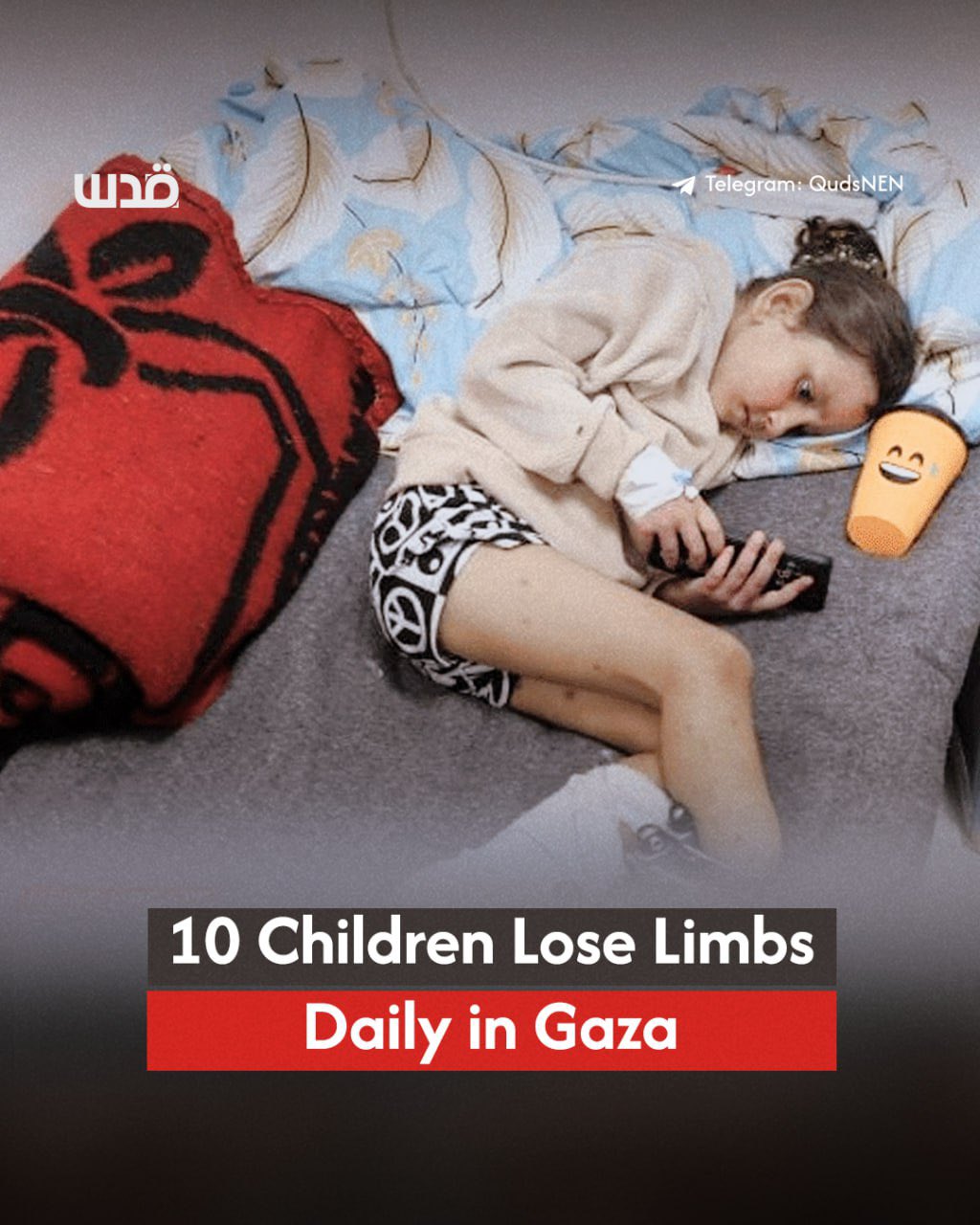
The MSF report notes that even if the Israeli military offensive on Gaza ended today, its long-term impacts would be unprecedented, given the scale of the destruction and the extraordinary challenges of providing health care across the Strip. A staggering number of war-wounded people are at risk of infection, amputation, and permanent disability, and many will require years of rehabilitative care. The cumulative physical toll and mental trauma caused by the extreme violence, loss of family members and homes, repeated forced displacement, and inhumane living conditions will scar generations.
Reliefweb

 CrossFireArabia