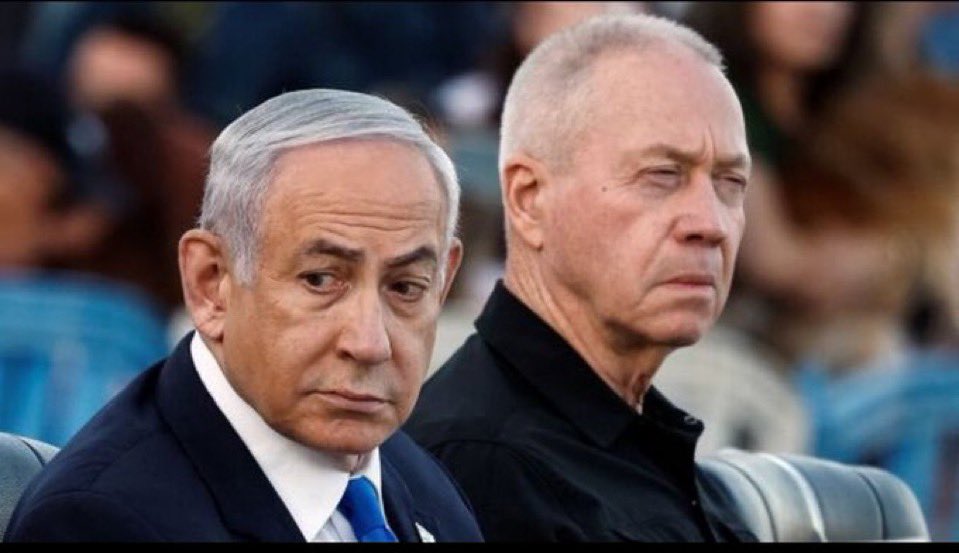
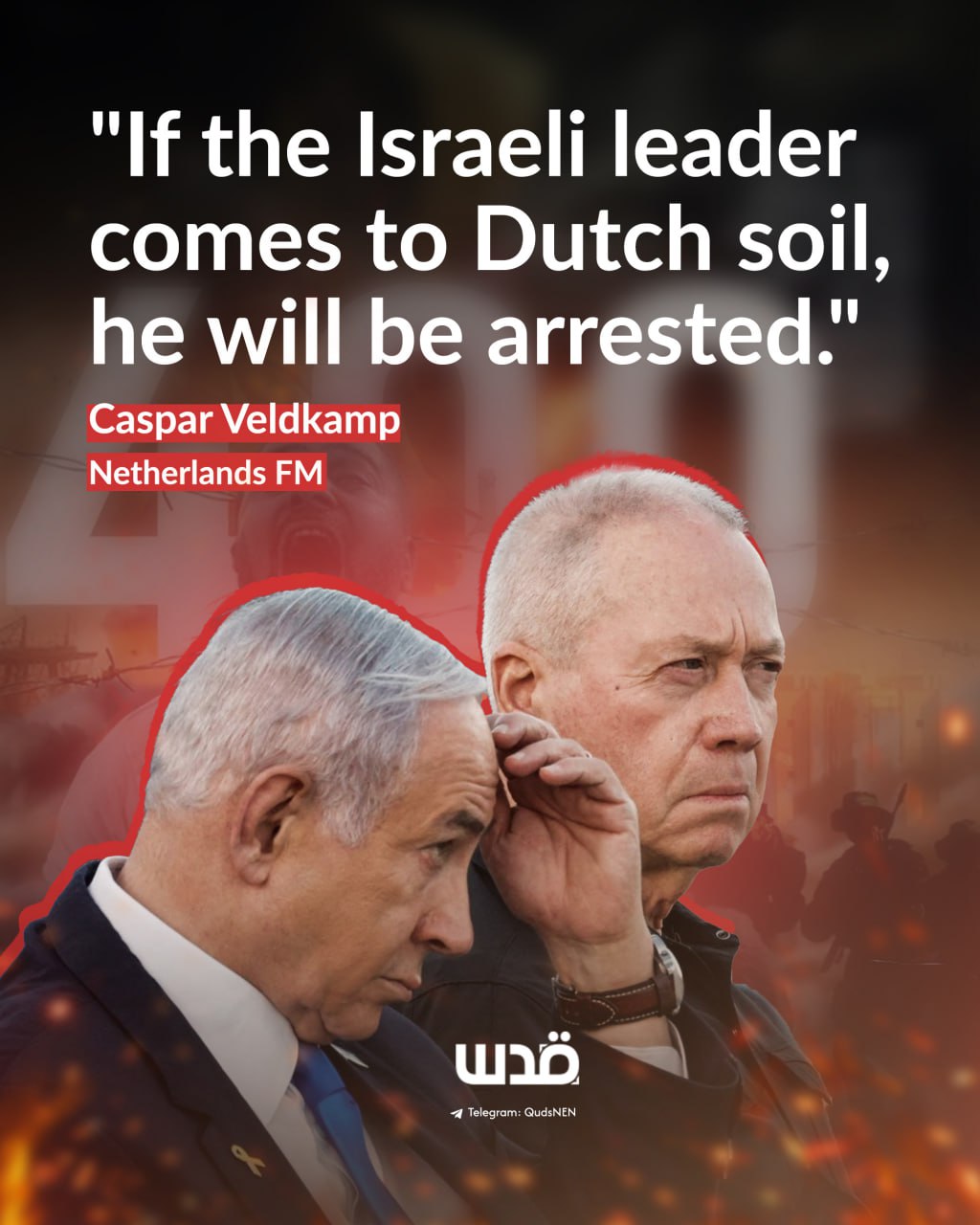
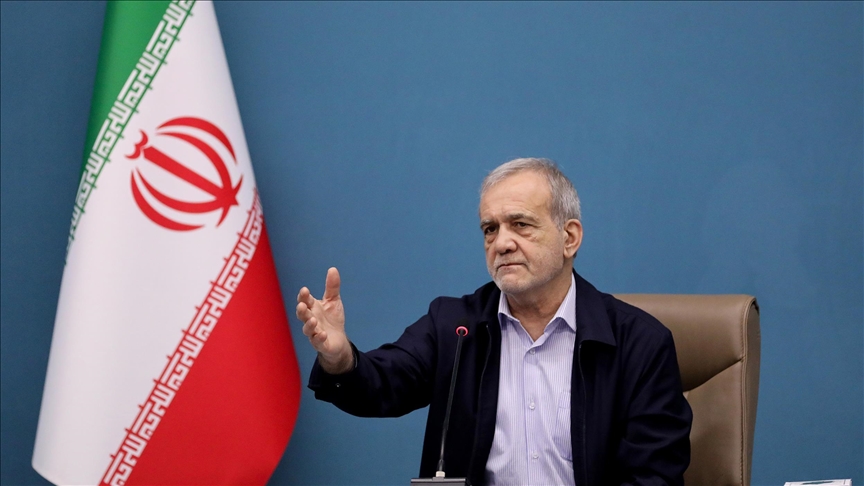
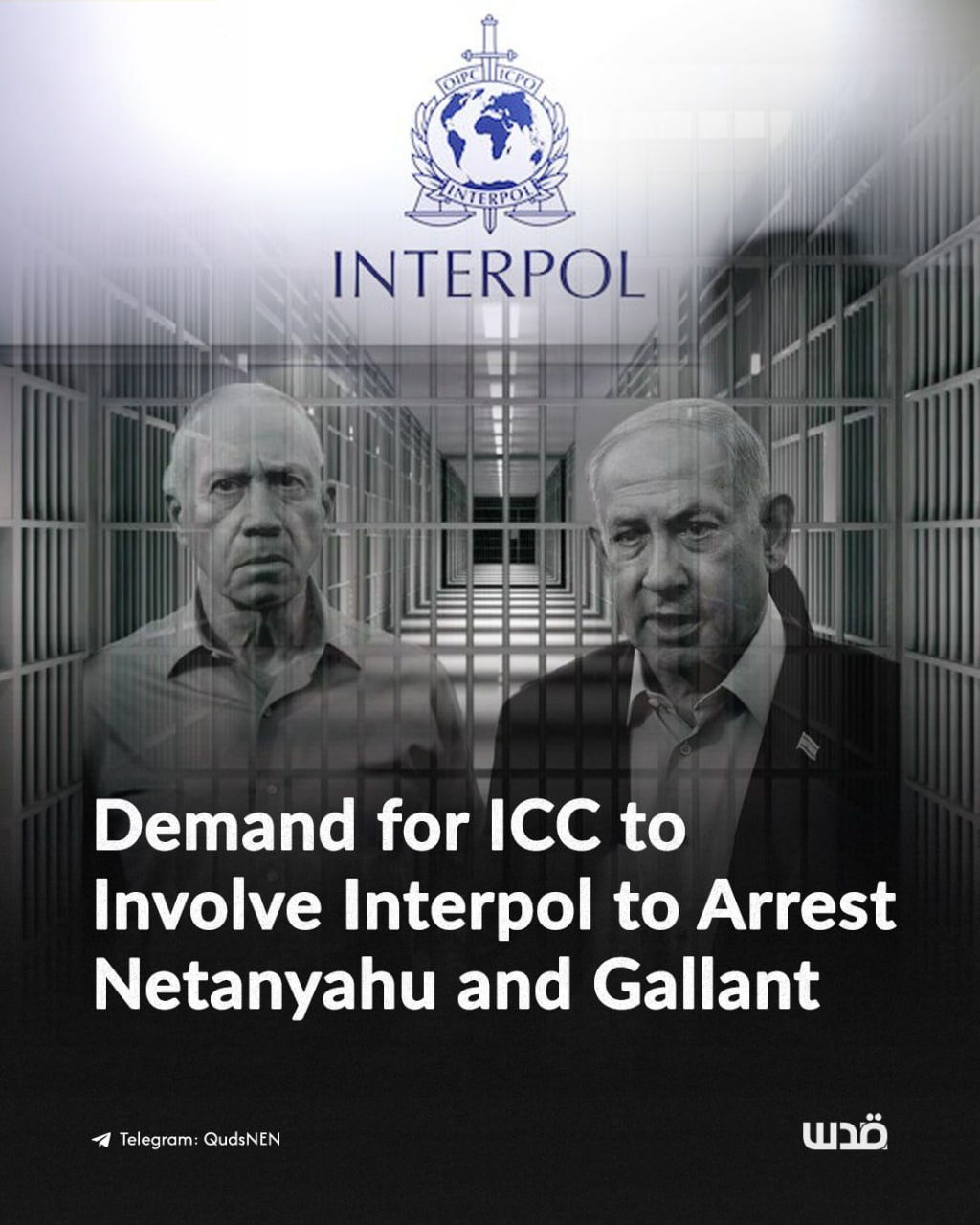
The world and Israeli press see the arrest warrants against Netanyahu and Galant as a major setback for Israel, a dramatic political and legal escalation with much repercussion and leading to its isolation as an occupying state with the imposition of restrictions on the travel of its officials to dozens of countries and weakening its international position.
In a historic precedent, the International Criminal Court issued arrest warrants, Thursday, against Israeli Prime Minister Benjamin Netanyahu, and his dismissed Defense Minister Yoav Galant on charges of war crimes in the Gaza Strip.
The arrest warrants focused on the committal of the war crime of genocide, including starving an entire people and preventing them from accessing their right to the necessities of life.
Political storm
The ICC decision sparked an international political storm. While many EU countries confirmed their commitment to implementing the court’s order, attention turned to Israel and how it would deal with the decision, which many consider a slap in the face whose consequences unimaginable, even if the US administration rejects it on the grounds that the ICC does not have jurisdiction in this matter.
Netanyahu, who is in deep crisis and famous for his rhetorics, found no better way than to describe the decision but as a new “Dreyfus trial,” likening himself to the French Jewish officer who was tried in 1894 because he was Jewish. His description was a prelude to considering the ICC decision anti-Semitic, hostile to Jews and a dark day for the history of civilized peoples.
Months ago, Netanyahu described the request of the International Criminal Court’s prosecutor to issue arrest warrants as “ridiculous and false… and a distortion of reality,” while stressing “Israel’s right to defend itself” against barbarism and obscurantism, and those who seek to eliminate it.
A Haaretz article sees the issuing of ICC arrest warrants against Netanyahu and Galant as reflecting the lowest point of the Jewish state in its battle for legitimacy and international support.
According to the article, Israelis who felt supported by many world countries after Operation Aqsa Flood on 7 October, 2023, “wake up today, 13 months later, to find their country isolated, condemned and accused of committing war crimes.”
Dramatic escalation
The British Financial Times described the ICC decision as a dramatic escalation in legal proceedings against Israel over its war on Gaza, noting it is the first decision of its kind against Western-backed Israeli officials.
According to the newspaper, the decision will reinforce the feeling Israel is experiencing increasing international isolation due to its behavior in the war on Gaza.
Le Monde however, stated that it is the United States who would now face isolation after using its veto power against a resolution calling for a ceasefire in Gaza.
According to the French daily, negotiators expected the Biden administration to review its current position before the arrival of the strongly pro-Israel Donald Trump administration.
Potential implications
The New York Times highlighted three possible repercussions of the ICC arrest warrants, the first of which is world diplomatic isolation, especially among the ICC signatory countries and which may hinder diplomatic relations and military cooperation between Israel and many countries.
The New York-based newspaper believes the arrest warrants will put Israeli leaders back under the international legal microscope, making their travel outside Israel risky, in addition to weakening the Israeli position, adding the warrants increases international criticism of Israeli military operations, and weakens the support it receives from its allies, especially in Europe.
But the New York Times also quotes international law expert Philippe Sands as saying there are legal restrictions facing the International Criminal Court in implementing arrest warrants, “but the decision carries strong symbolism that reflects a change in the international position towards Israel,” noting the signatory countries are obligated to arrest “wanted persons if they enter their territory. This is a clear legal obligation.”
However, the newspaper’s adoption of precedents such as Russian President Vladimir Putin’s visit to signatory countries without arresting him raises questions about the court’s ability to enforce its decisions in practice.
Embargo on arms supplies to Israel
An Israeli military analyst believes that the two international arrest warrants against Netanyahu and Galant open the door to imposing an arms embargo on the occupying state of Israel.
Amos Harel, an analyst in Haaretz, points out the ICC decision “could give a strong boost to the complaints and criminal investigations against IDF soldiers and commanders that are being conducted in many countries.”
Harel points out to the many implications of the decision, including the possibility of Netanyahu and Galant being arrested in more than 120 member states of the ICC if they reach them, adding the decision could create an opportunity for an arms embargo by additional Western countries, which have so far been content with “more moderate” measures against Israel.
“This will give a strong boost to the many complaints and criminal investigations against Israeli soldiers and leaders taking place in many countries. It also serves as a reminder that there is another axis for criminal investigation, which is the events taking place in the West Bank, with a focus on settlements,” he added.
The warrants will also put pressure on lower-ranking Israeli officials as they can be brought into war crimes cases in national courts of individual countries they travel to.
“It sort of gives a stamp of quality to Israel’s isolation. This is not a protest at Columbia University. This is not a bunch of hooligans fighting each other on the streets of Amsterdam. This is the ICC,” said Alon Pinkas, a former senior Israeli diplomat pointed out.
This article was translated, edited by Dr Marwan Asmar from the Palestine Information Center and reprinted on crossfirearabia.com.

 CrossFireArabia