‘Jordan Will Not be a Battlefield For Anyone…’ – Ayman Safadi

Jordan’s Deputy Prime Minister and Foreign Minister Ayman Safadi, Wednesday, called for immediate and effective international action to halt the dangerous escalation pushing the region toward an all-out war.

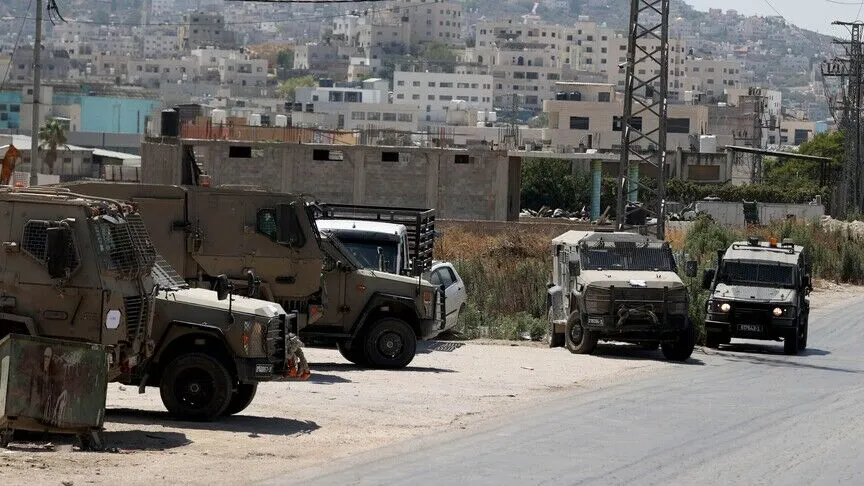
He emphasized the necessity of achieving an immediate and lasting ceasefire in Gaza and Lebanon and ending Israel’s escalatory measures in the occupied West Bank.

In a telephone conversation with British Foreign Secretary David Lammy, Safadi stressed no one has an interest in driving the region into a full-scale war that would threaten regional and international security and peace.

He underscored that halting this escalation must be a regional and international priority.

Safadi stated that de-escalation begins with stopping Israeli aggression on Gaza and Lebanon, warning of the catastrophic consequences of expanding the Israeli war to Lebanon and launching a ground offensive, which would impact the security of the entire region.

He affirmed during the call that Jordan will not be a battlefield for anyone and will confront with all its capabilities any threat to its security, stability, and the safety of its citizens.

He noted that Jordan has clearly communicated this position to both Iran and Israel.

Safadi highlighted the importance of supporting the initiative of Lebanese caretaker Prime Minister Najib Mikati, which aligns with the proposal put forward by U.S. President Joe Biden and French President Emmanuel Macron.

The initiative confirms Lebanon’s commitment to deploying its army in the south, implementing UN Security Council Resolution 1701, and initiating the process of electing a Lebanese president once a ceasefire is achieved.

He reaffirmed Jordan’s absolute support for Lebanon, its security, sovereignty, and the safety of its citizens, stressing the need to launch an international campaign to provide humanitarian aid to Lebanon, which is facing the challenge of meeting the needs of more than one million displaced persons forced from their homes.

Safadi confirmed that Jordan, under the directives of His Majesty King Abdullah II, has begun sending aid to Lebanon and is ready to cooperate with all countries in delivering their assistance.

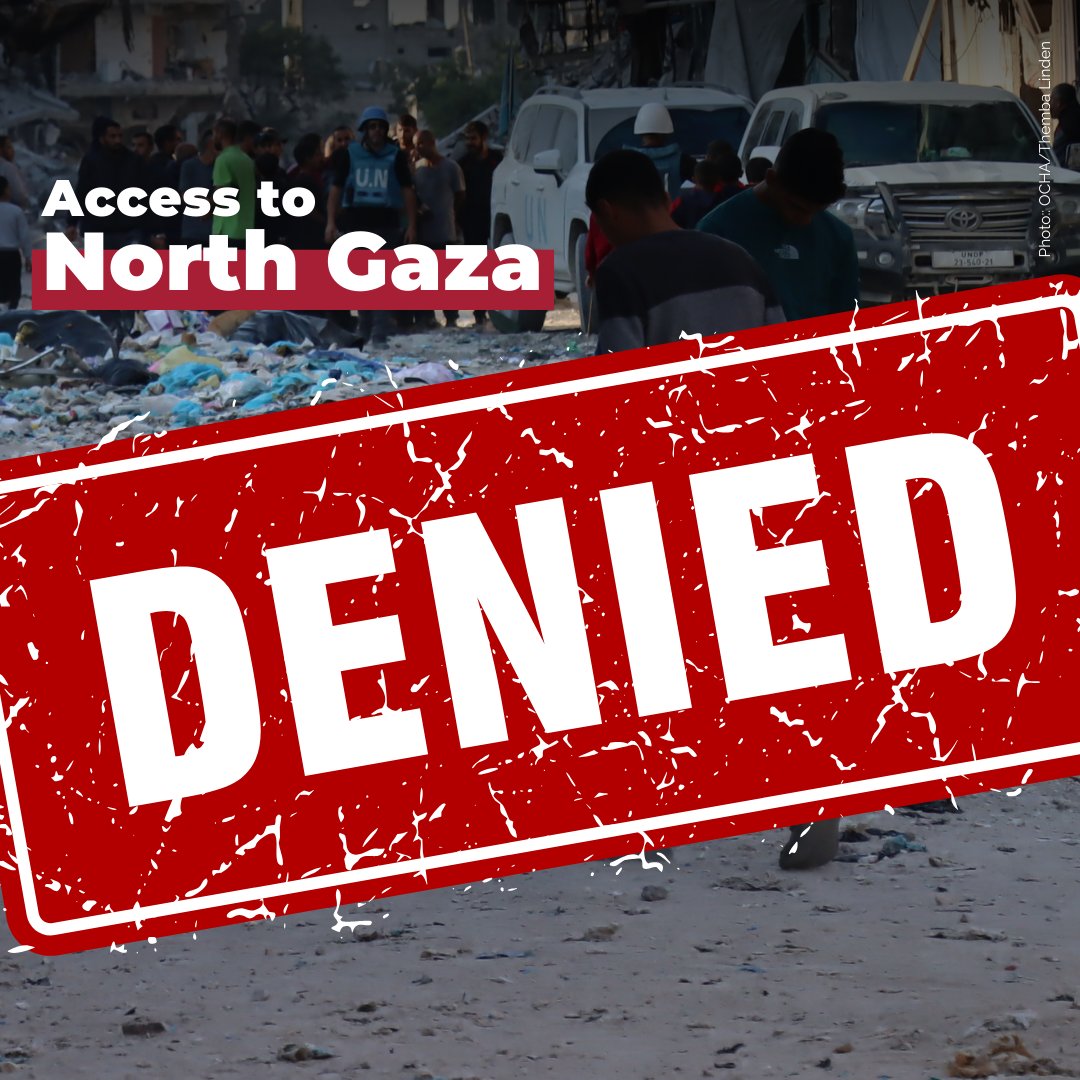
He warned of the consequences of the continued Israeli aggression on Gaza and the worsening humanitarian catastrophe it is causing, stressing the need to pressure Israel to comply with international law, allow sufficient and immediate aid into Gaza, and enable UN and humanitarian organizations to distribute it to all those in need.

Safadi and Lammy discussed regional and international efforts aimed at ending the escalation and affirmed continued cooperation in efforts to achieve a ceasefire in Gaza and Lebanon and protect the region from sliding into a comprehensive war.

They also followed up on the discussions that His Majesty King Abdullah II and British Labour Party Leader Keir Starmer had during a phone call Tuesday, according to the Jordan news agency, Petra.

Continue reading
Israel Admits Iran Strikes Damaged Its Airbases

The Israeli military acknowledged, Wednesday, the Iranian missile strike on Tuesday evening caused damage to its air bases, but downplayed its significance and did not disclose their locations.

Israeli Army Radio said several air force bases were damaged in the Iranian attack, but “there was no damage to their infrastructure.”

Israeli news platforms also quoted the military as saying that there were no injuries to aircraft or weapons, and the military denied Iran had fired supersonic missiles in its attack on Israel.

Anadolu Agency quoted an Israeli military source as saying that the missiles “caused damage to administrative buildings (inside the air bases)… in the shell, not in the core.”

The source refused to disclose the damaged sites, saying: “There is no damage to continuity or follow-up plans, and the evidence is that the aircraft landed and took off from all the bases.”

The same source also denied that any Israelis were injured in the Iranian attack.

Targeting Mossad Headquarters

Earlier, the American website Axios quoted an Israeli military official as saying that dozens of Iranian missiles were fired at the headquarters of the Foreign Intelligence Service (Mossad) in Tel Aviv, but he said none of them fell inside the complex.

Also, CNN said that an analysis of video clips showed that an Iranian missile exploded less than one kilometer from the Mossad headquarters.

Iran launched a barrage of missiles at Israel, Tuesday evening, in an attack it said was in response to the assassination of the head of the Hamas political bureau  Ismail Haniyeh, Secretary-General of Hezbollah, Hassan Nasrallah, and commander of the Iranian Revolutionary Guards, Abbas Nilforoushan.

Following the strike Iranian President Masoud Pezeshkian warned: “if the Zionists make any mistakes, they will receive a stronger and more destructive response.”

Iranian Chief of Staff General Mohammad Bagheri revealed that the strike targeted three main air bases and a Mossad headquarters.

He said among them were the Nevatim base, which houses F-35 fighter jets, and the Hatzerim base, which he said was responsible for the assassination of Nasrallah, adding that the attack targeted radars and a gathering of tanks and armored personnel carriers in the Gaza Strip.

Israel imposes strict media censorship on what is published about its losses, in light of its war on Gaza, which has been ongoing for about a year, and its current attack on Lebanon, which is the largest since the 2006 war according to Al Jazeera.

Continue reading
After Gaza Regional War Looms

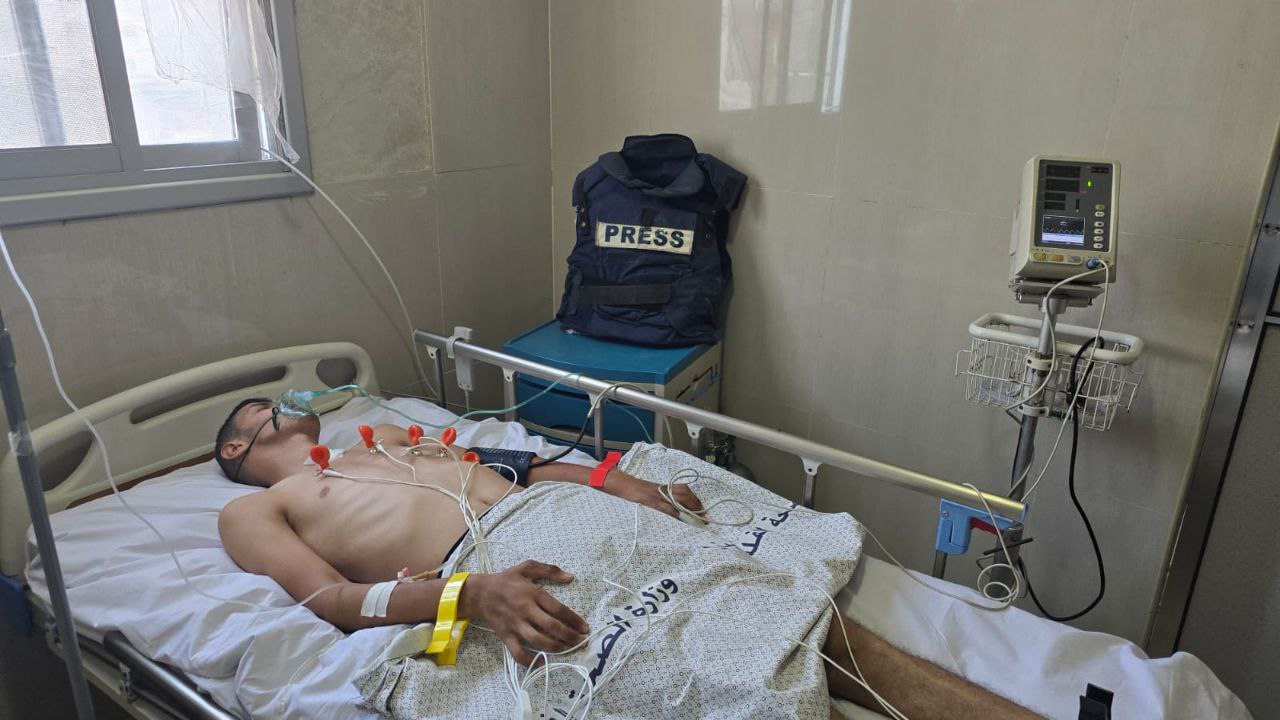
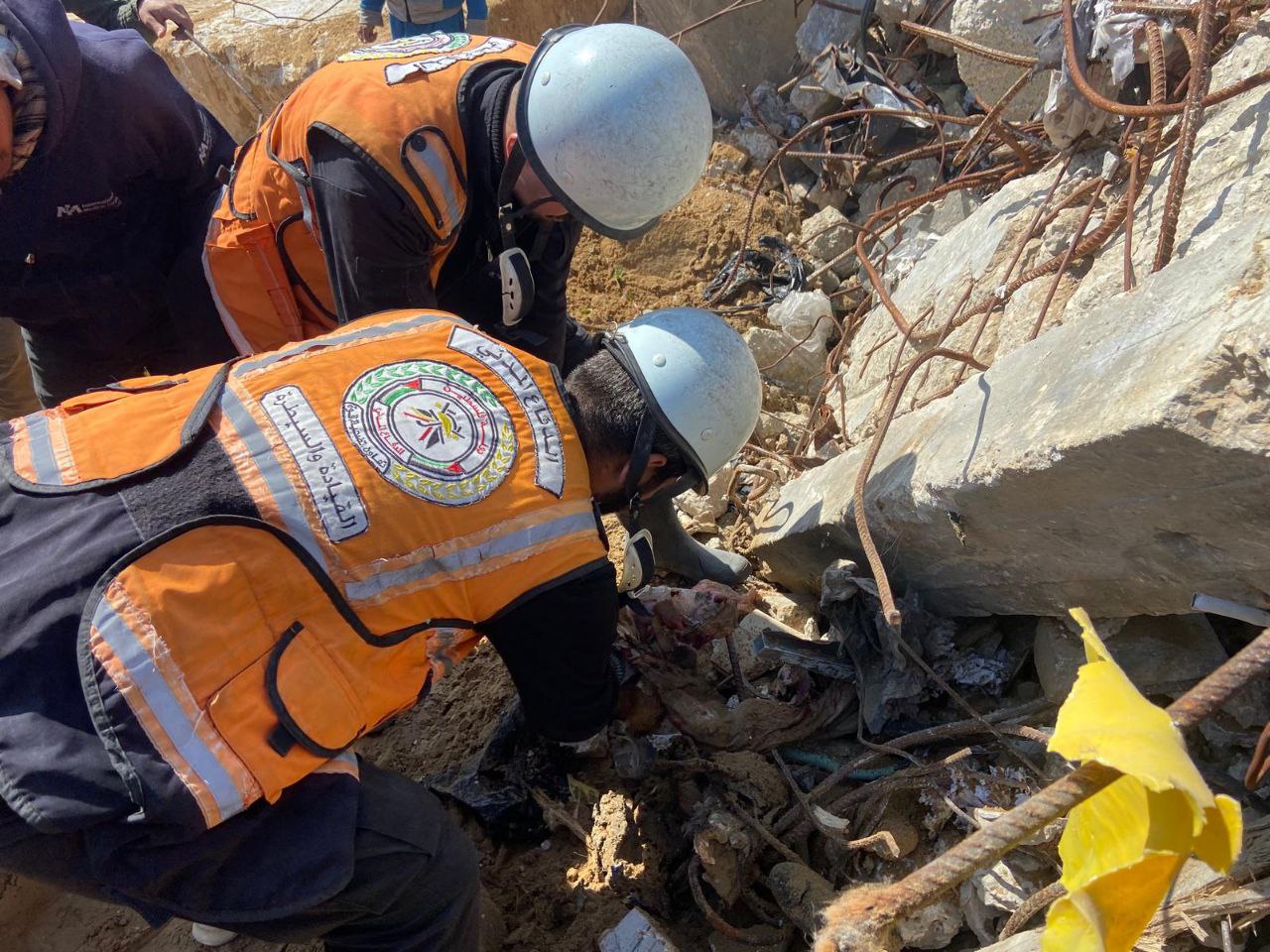
As the war in Gaza enters its second year, the Palestinian enclave is now unrecognizable, with most areas reduced to rubble. The Palestinian death toll exceeds 41,000 while over 95,000 people have been injured, a large number of them facing life-changing injuries. Thousands of people are estimated to be still buried under the rubble.

At the same time, 97 out of 251 people abducted in Israel on 7 October 2023, are still held hostage by Palestinian armed groups in Gaza, denied humanitarian visits. This horrific attack also cost the lives of 815 civilians.

Both Israel and Palestinian armed groups have committed a series of violations of international law resulting in significant civilian harm and the widespread destruction of key infrastructure across Gaza.

Over the last 12 months, each attack against civilians and civilian objects has further undermined the rules of war. This sets a dangerous precedent that threatens the stability and security of the region and beyond.

The devastation in Gaza has been fueled by the supply of foreign weapons from a wide range of States. These arms, including the use of explosive weapons in densely populated areas, have caused staggering levels of civilian harm.

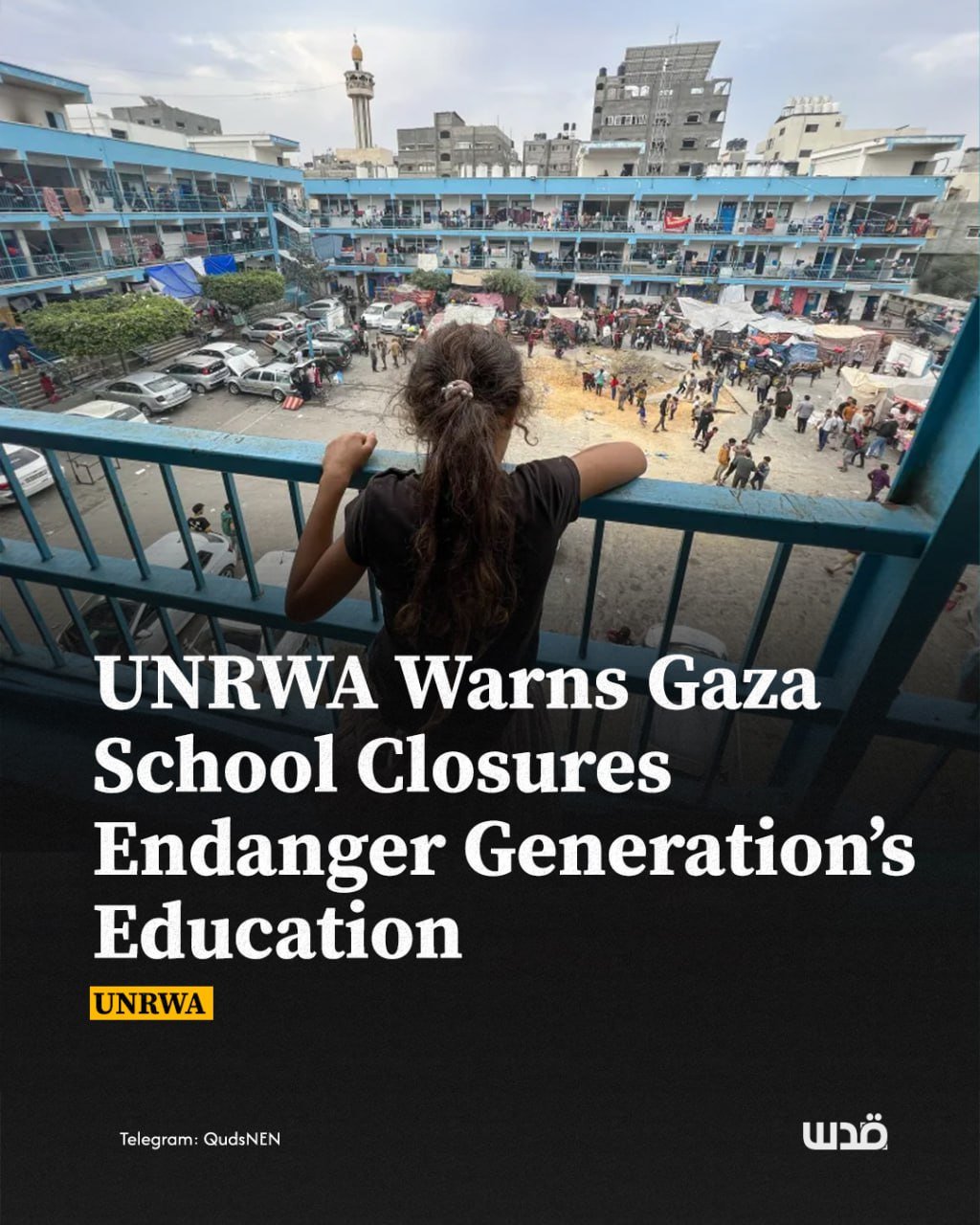
As a result, civilians in Gaza have had nowhere safe to go amid near constant bombardment and ground operations. This was apparent within weeks of the outbreak of war. This is why we at Center for Civilians in Conflict (CIVIC) were among the first organizations to call for a #CeasefireNow.

Nearly 365 days after the start of the war in Gaza, we continue to call for an immediate ceasefire, the protection of civilians, and unfettered humanitarian access.

We now extend this call to Lebanon, where recent strikes have resulted in hundreds of civilian casualties and displaced more than one million people. With nearly 90 percent of Lebanon’s population living in urban areas, Israel’s continued used of heavy explosive in populated neighborhoods will undoubtedly cause further harm to civilians.

We are also gravely concerned about the ongoing retaliatory attacks between the Houthis, Israel, and its allies. These strikes have already targeted vital infrastructure, including power plants and seaports in Yemen, such as the Hodeidah port—a critical lifeline for delivering food and humanitarian aid to the Yemeni population.

With Israeli strikes in Gaza, Lebanon, Yemen, and Syria, as well as Iran’s missile attack against Israel on Tuesday evening, we stress the urgent need for immediate de-escalation across the region to prevent further civilian suffering, which has already reached unbearable levels.

Immediate action is necessary to halt the growing human cost.

We demand:

  • All warring parties to cease all their attacks against civilians and civilian infrastructure, including the designated so-called ‘safe zones’ in Gaza, and to stop violating international humanitarian and human rights laws.
  • The immediate release of hostages and all individuals detained unlawfully in Gaza and Israel.
  • All warring parties to allow unconditional, safe, and unhindered humanitarian access to affected populations.
  • An immediate end to the transfers of arms to Israel and Palestinian armed groups. In particular, we call for an end to US arms transfers to Israel, including the passage of recently introduced US Senate resolutions to suspend sales of weapons documented in extensive civilian harm and repeated apparent violations of international law.
  • All countries and world leaders to use their influence to secure an immediate ceasefire, ensure the protection of civilians and compliance with international humanitarian law, and support de-escalation across the region.
  • All warring parties to stop using explosive weapons in populated areas.
  • International, independent, and transparent investigations into all allegations of violations of international law, and ensure those responsible are held accountable.

It’s now time for international leaders and warring parties to demonstrate political courage and moral leadership, to prevent the world from falling into a state of normalized lawlessness, and to abdicate the double standards.

What has unfolded in Gaza and the region for the last 12 months is unparalleled in its intensity, brutality and scope. The response of global powers to this reality will shape the future of warfare for the better or the worse.

This statement is made by by Hichem Khadhraoui, executive director of the Center for Civilians in Conflict and posted on Reliefweb

Continue reading
Katz: UN Secretary-General Persona Non Grata, Banned From Israel

Israel has made it clear countless of times that it doesn’t like the United Nations for speaking the truth on Palestine.

This time Israeli Foreign Minister Yisrael Katz declared, Wednesday, UN Secretary General Antonio Guterres a not “wanted person in Israel”, and banned him from entering the country. Why? Katz is now claiming Guterres has not “clearly” condemned the Iranian missile attack on Israel, Tuesday night.

In an Israeli Foreign Ministry statement Katz said “anyone who cannot unequivocally condemn the Iranian criminal attack on Israel is not fit to set foot on Israeli soil.”

Katz goes further saying “this Secretary General who hates Israel, who provides support to terrorists, rapists and murderers, will remain in memory as a disgrace in the history of the United Nations,” according to Al Jazeera.

Katz’s decision was based on the fact as he claims the UN Secretary-General “did not mention the name of Iran and did not condemn it in any way, and did not categorically condemn its dangerous aggression.”

Katz also alleged that Guterres’s comment on the Iranian attack is part of his “continuation of his anti-Israel policy since the beginning of the war”, stressing the UN Secretary-General did not make any initiatives to “declare Hamas, Hezbollah and the Houthis terrorist organizations”.

Tuesday evening Iran fired about 180 ballistic missiles at Israel, causing human casualties and material damage and closing the airspace, while millions of Israelis rushed to underground shelters as sirens blasted all over Israel.

Continue reading