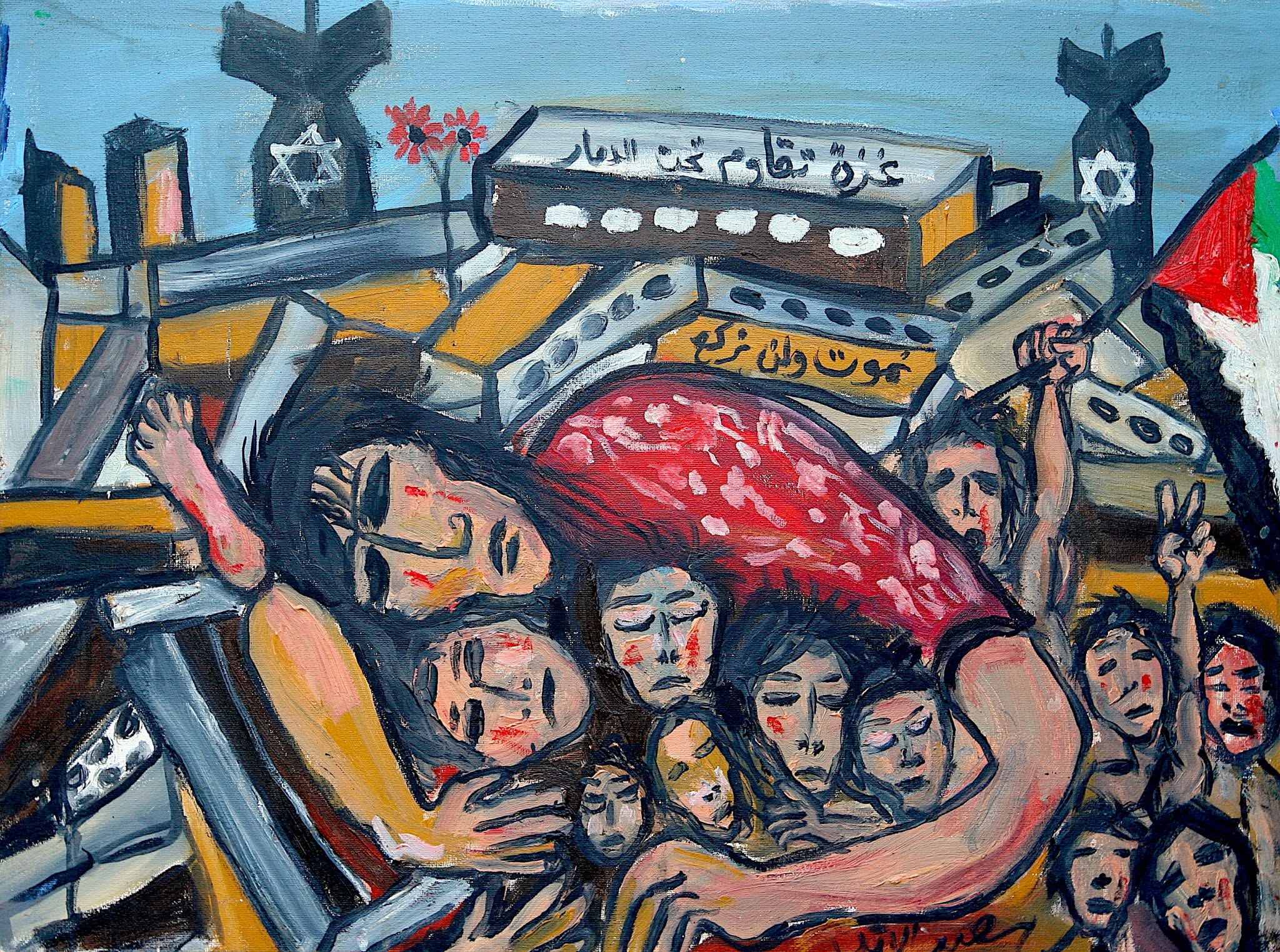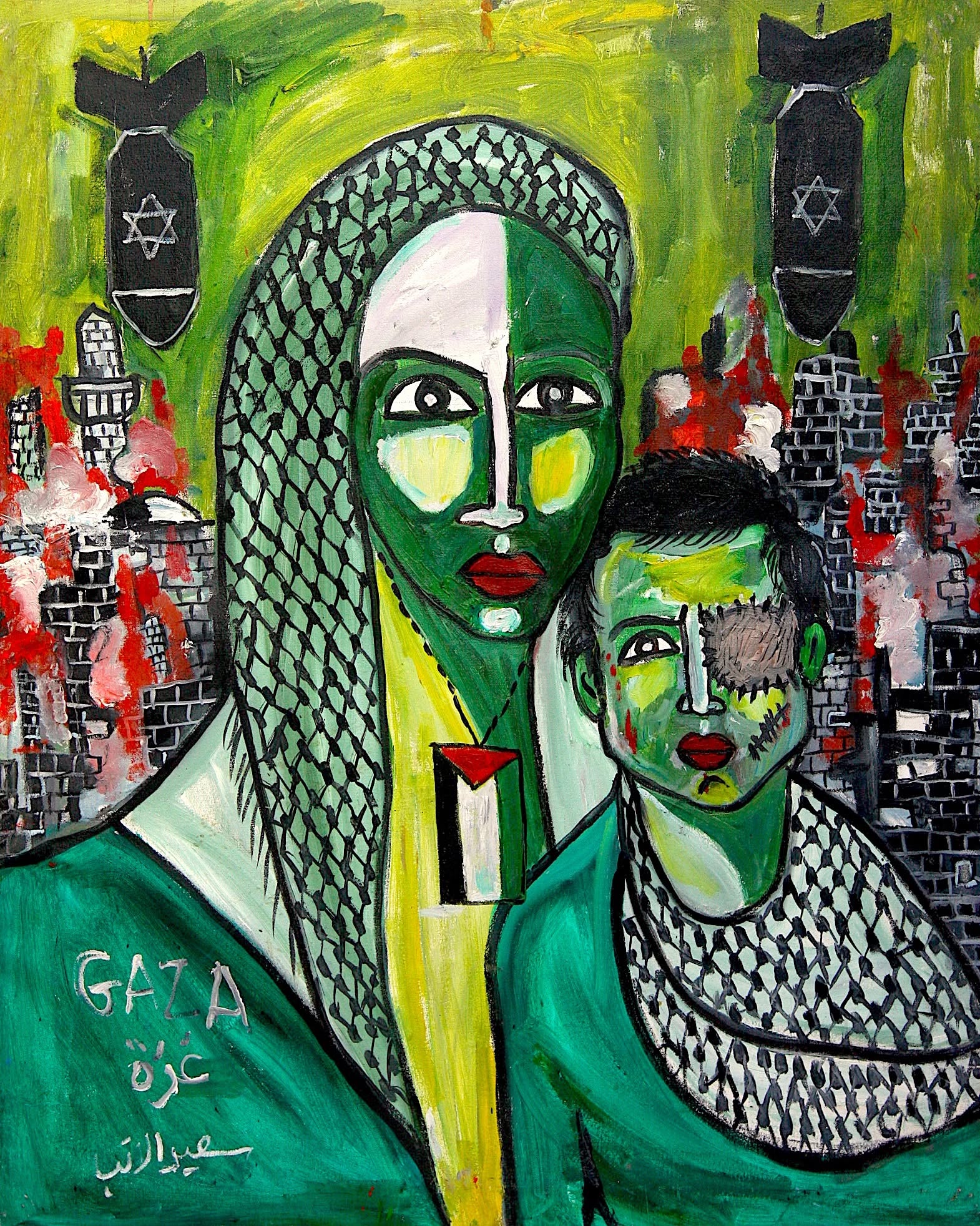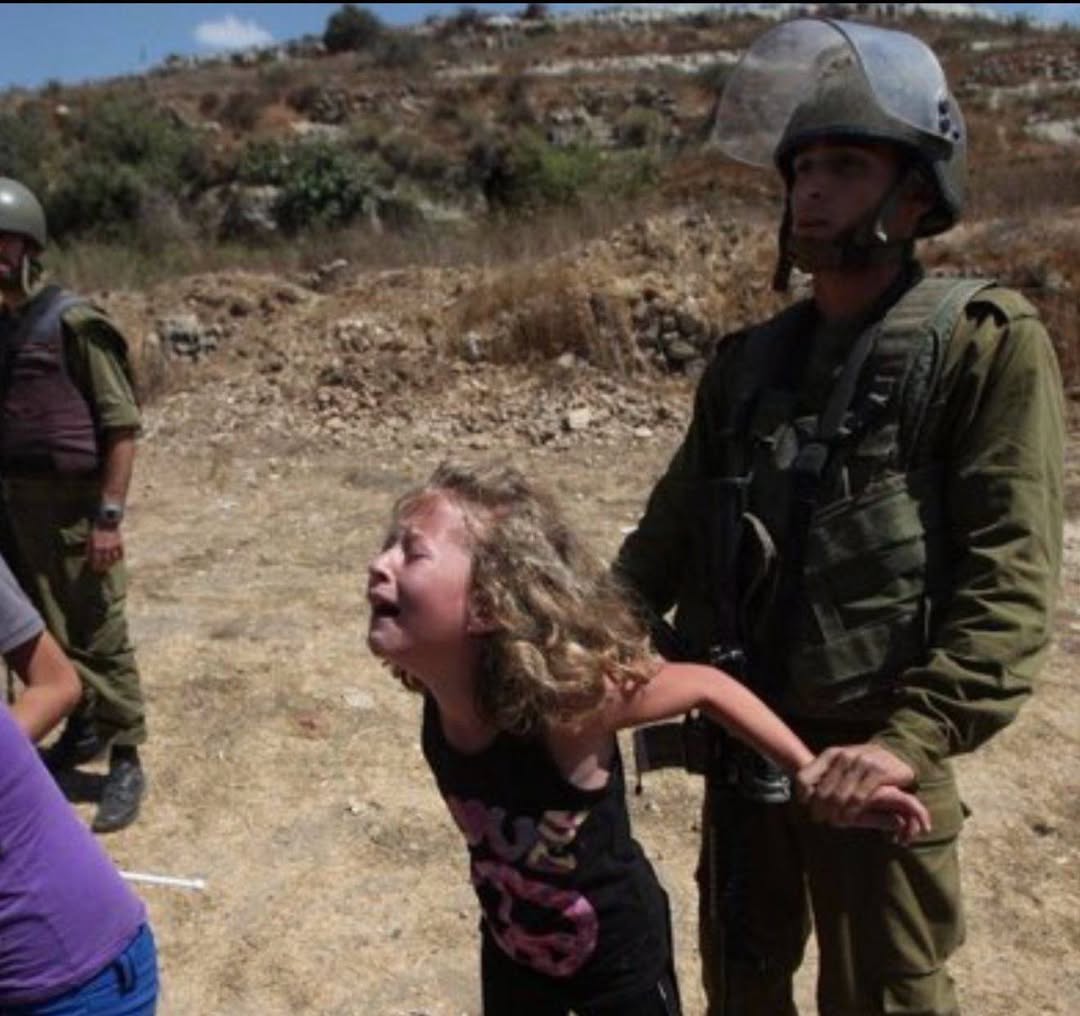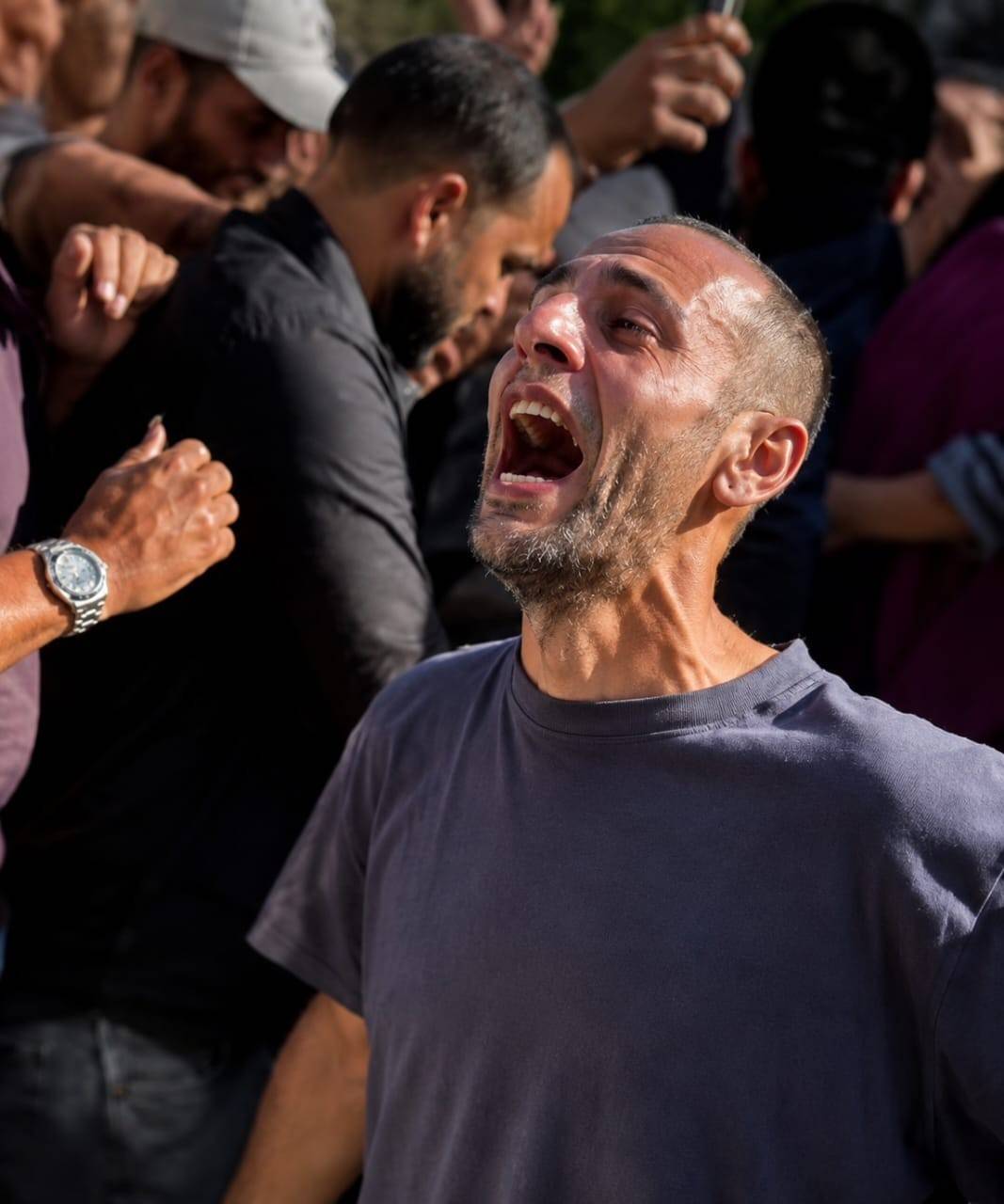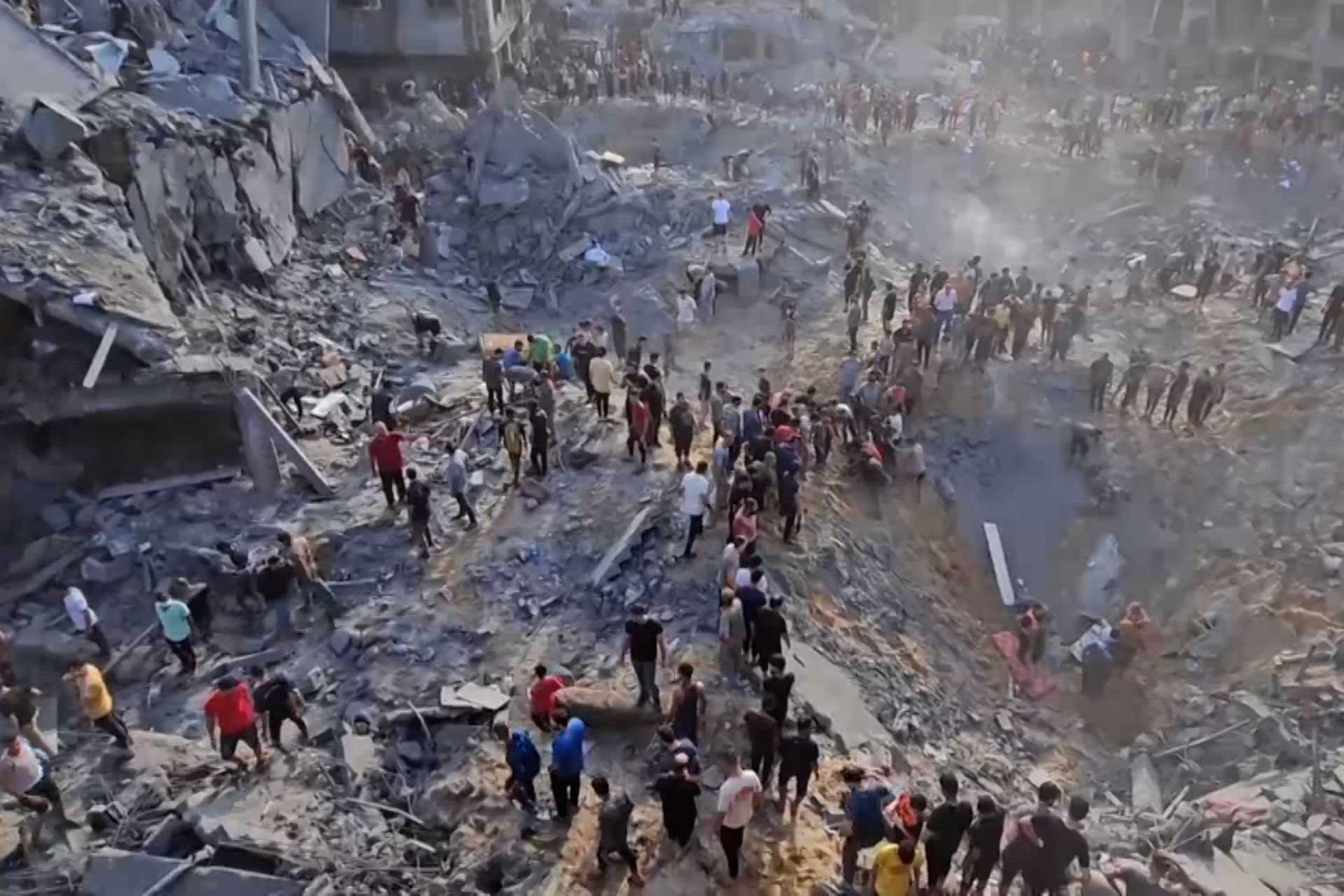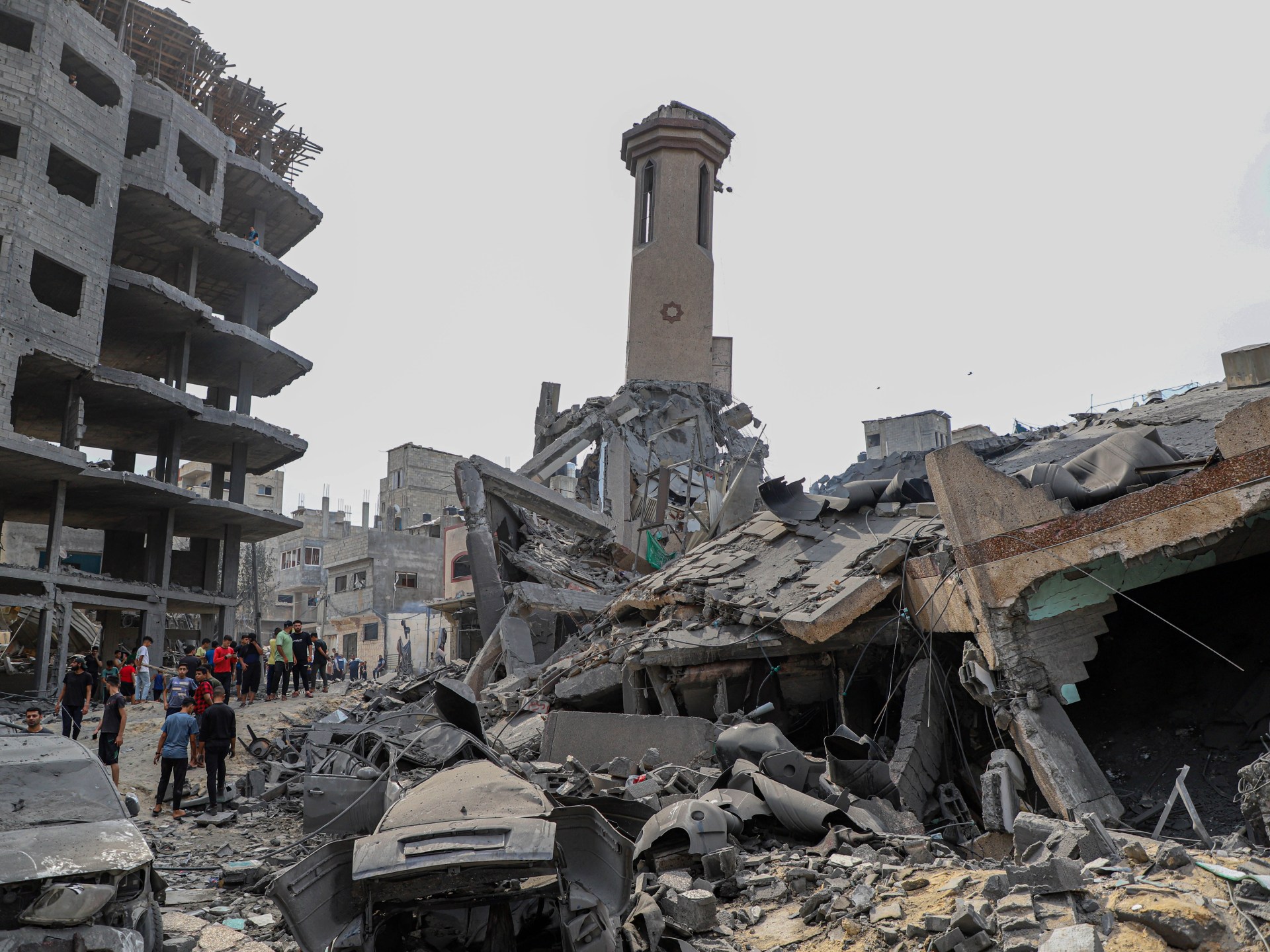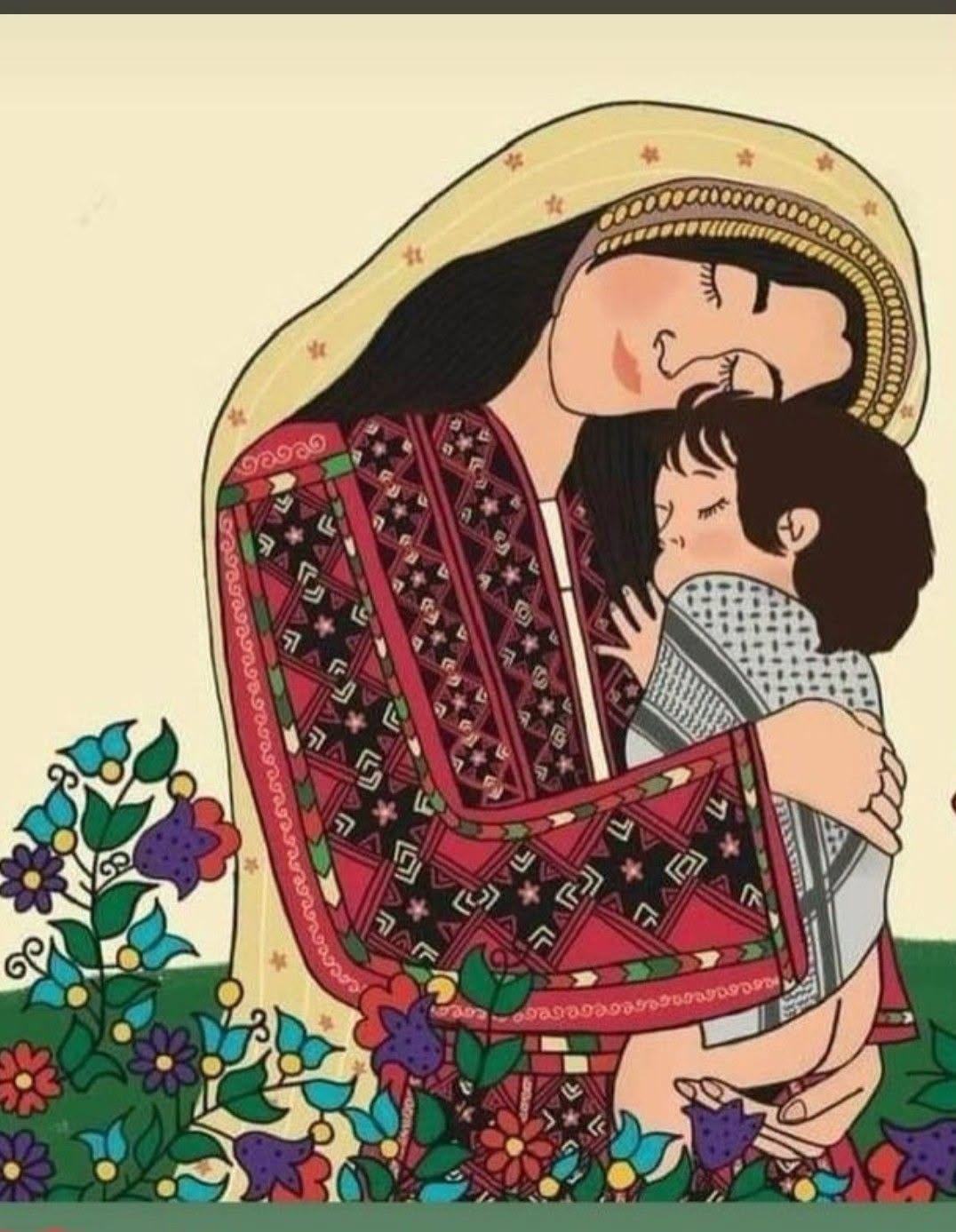
The UN agency for Palestinian refugees (UNRWA) on Sunday once again accused Israeli authorities of using starvation as a weapon of war against the civilian population of Gaza.

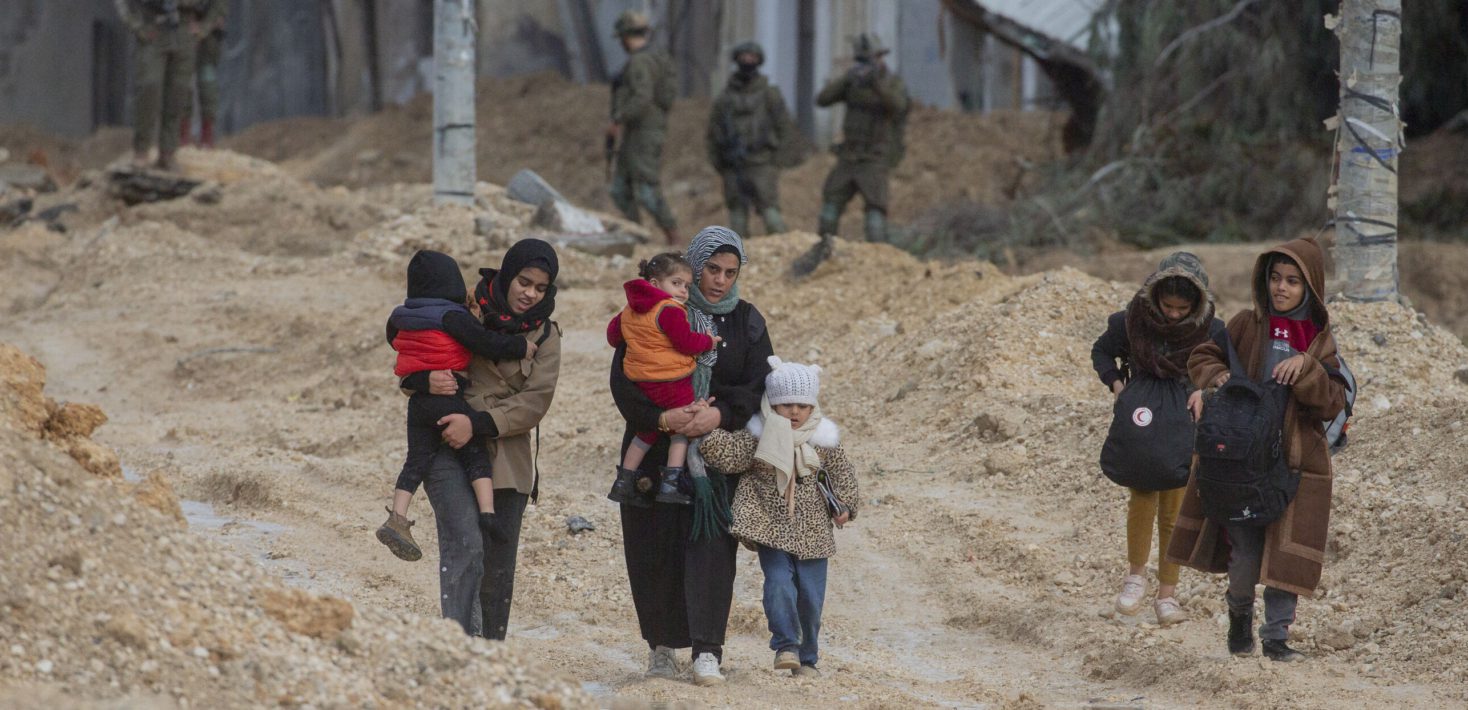
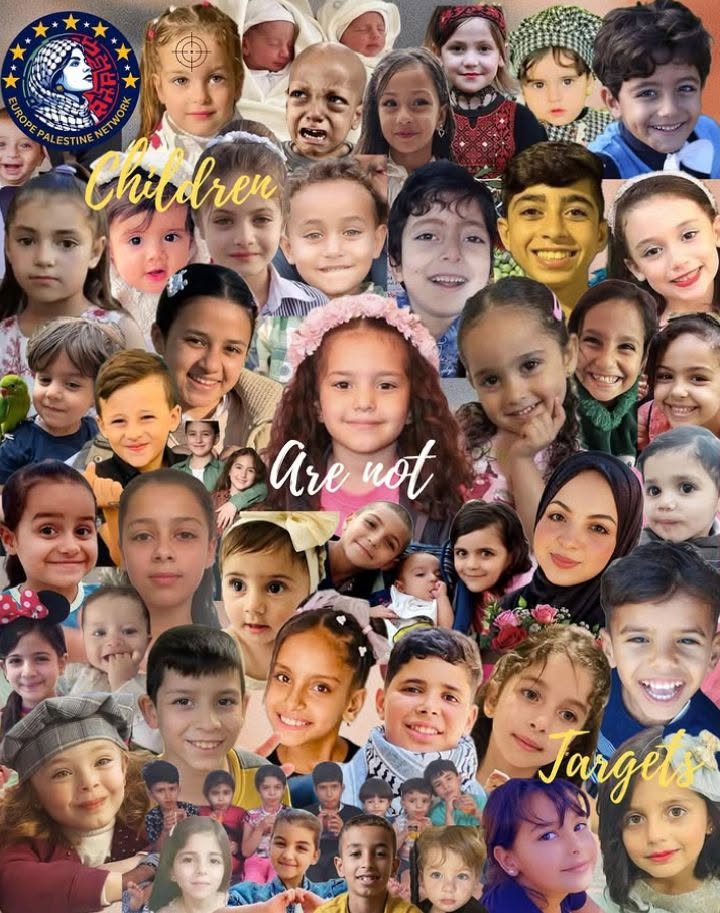
In a statement on X, UNRWA said: “The Israeli Authorities are starving civilians in Gaza. Among them are 1 million children.”
It renewed its urgent call for the lifting of Israel’s ongoing siege, saying: “Lift the siege: allow UNRWA to bring in food and medicines,” as reported in Anadolu.
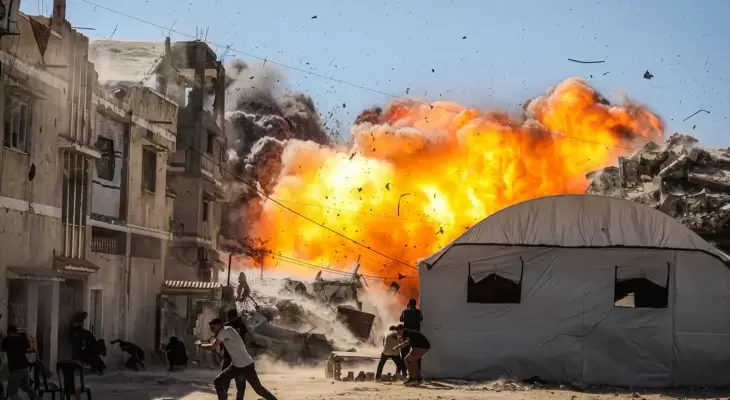
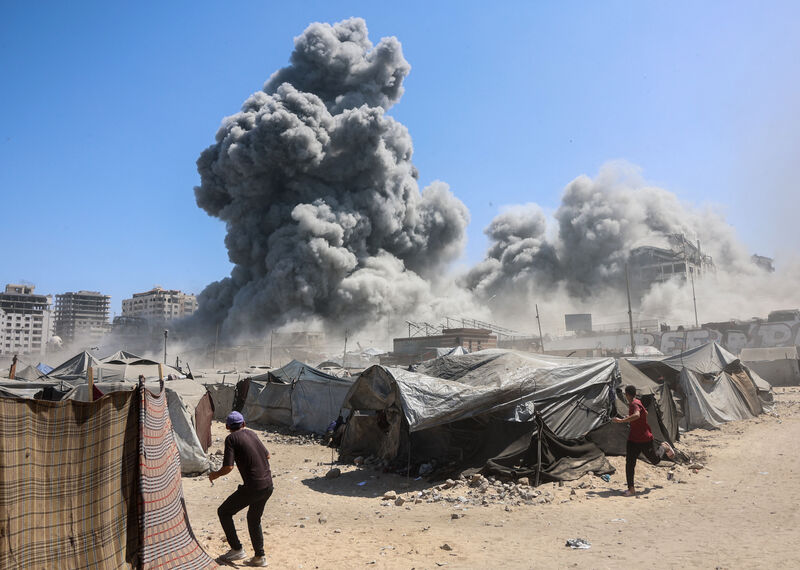
Despite international legal obligations to protect civilians and allow the delivery of aid, Israel has maintained a total siege on Gaza since March 2, bombing convoys, blocking border crossings, and targeting aid distribution points, actions that have been widely condemned as collective punishment and potential war crimes.
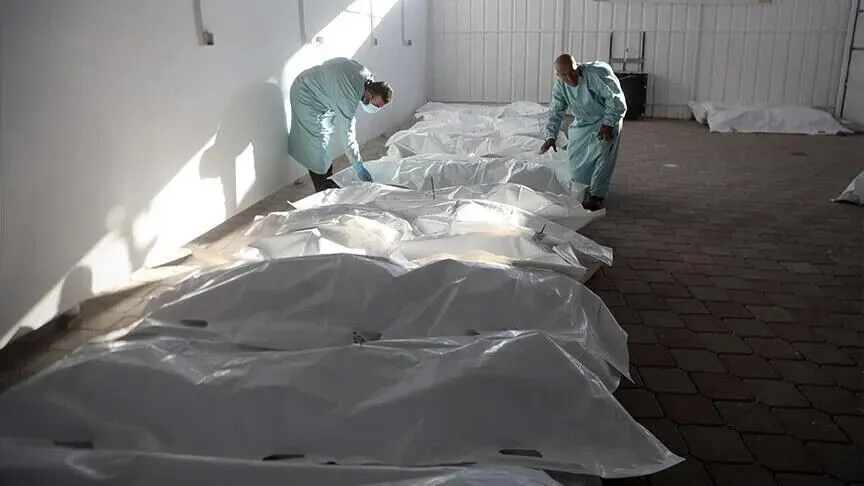
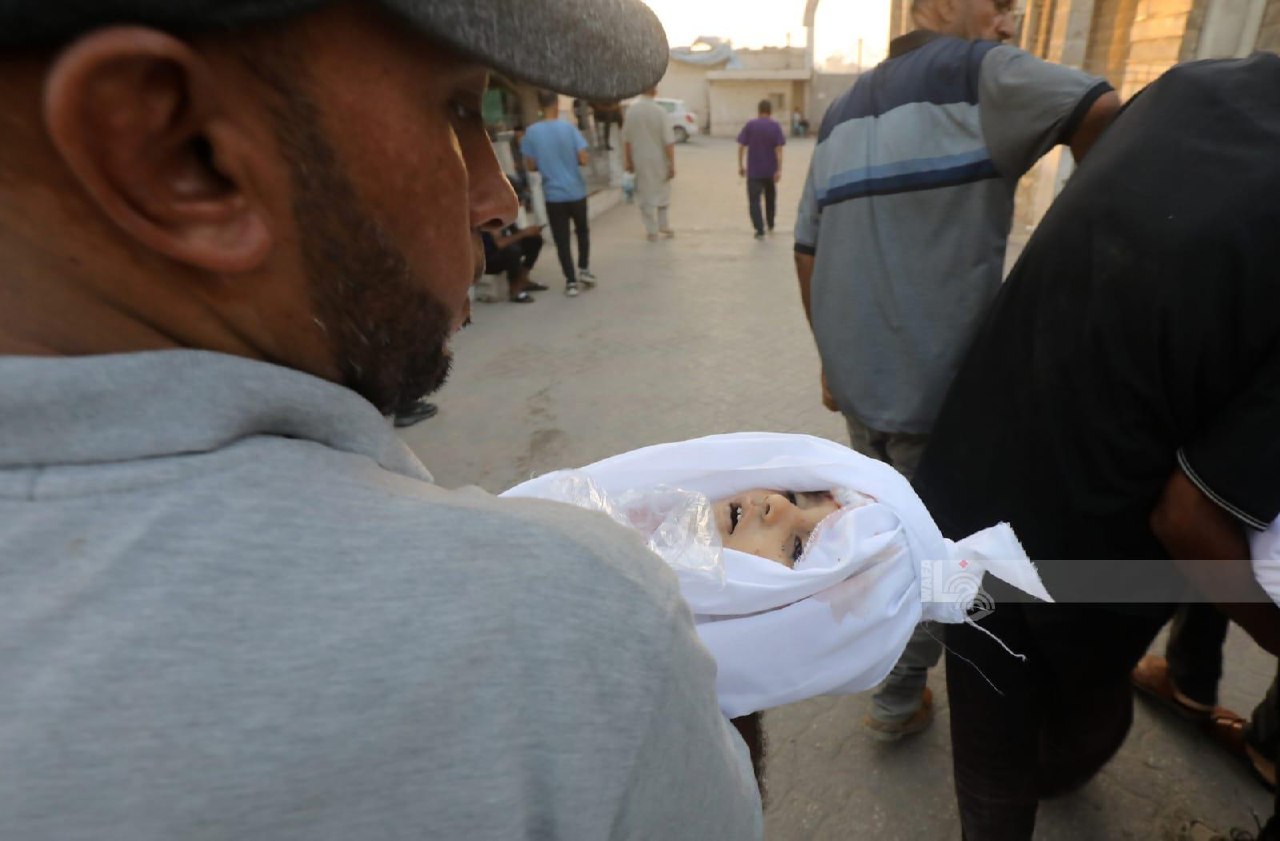
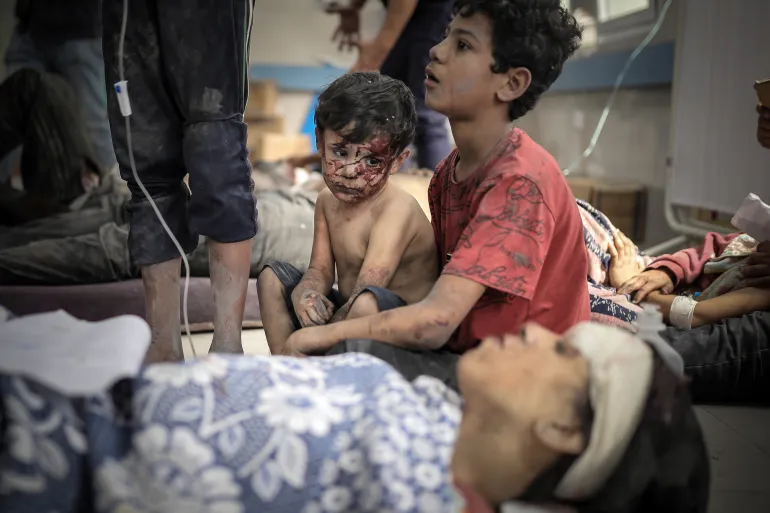
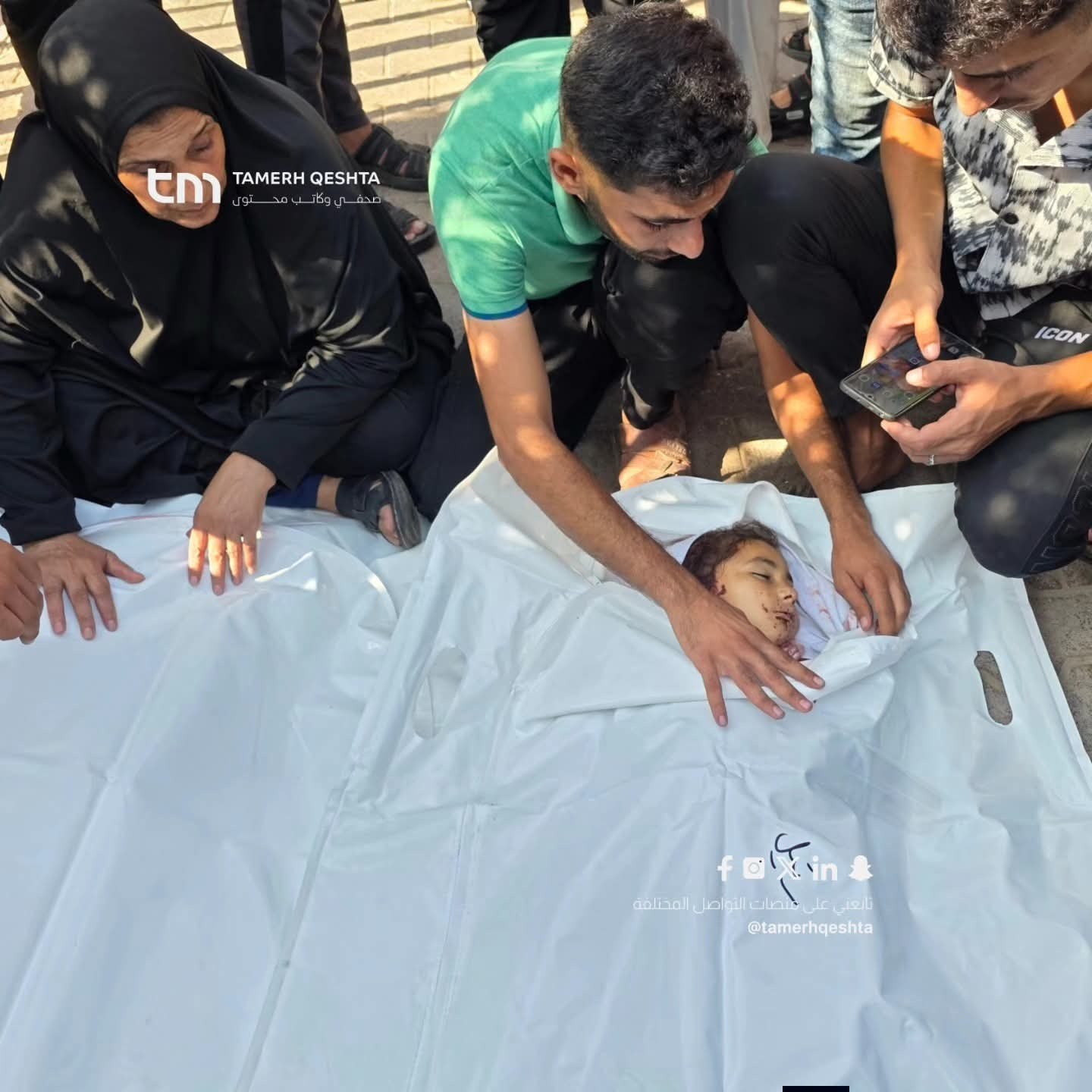
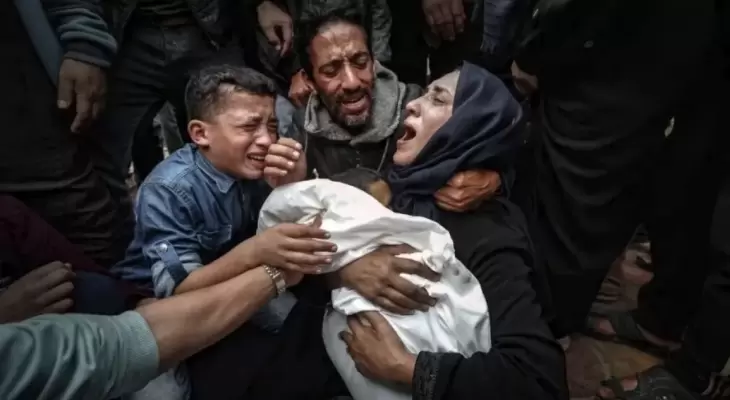
According to Gaza’s Health Ministry, dozens of children have already died from starvation and dehydration, while hundreds of thousands more are at risk due to widespread food insecurity and the collapse of healthcare services.
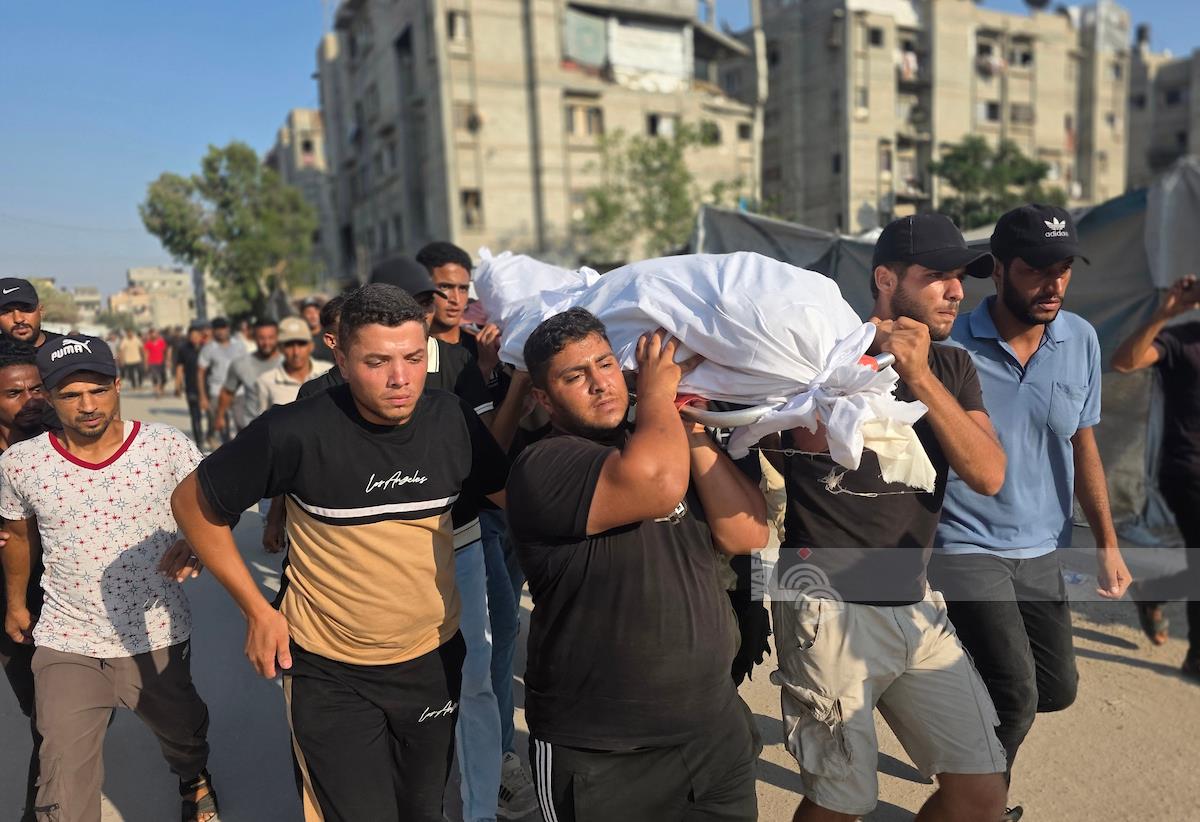
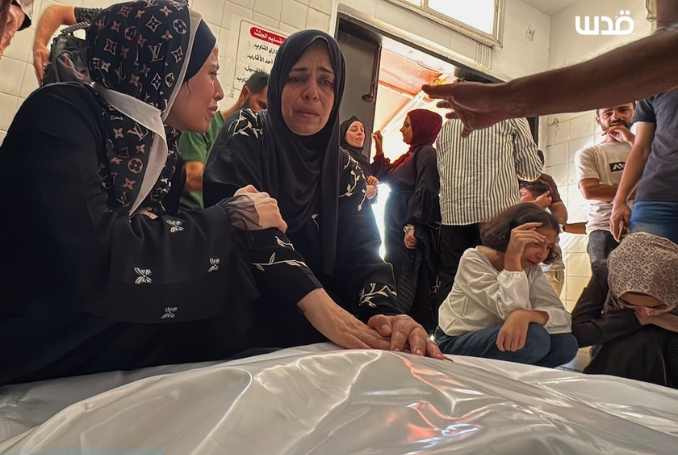
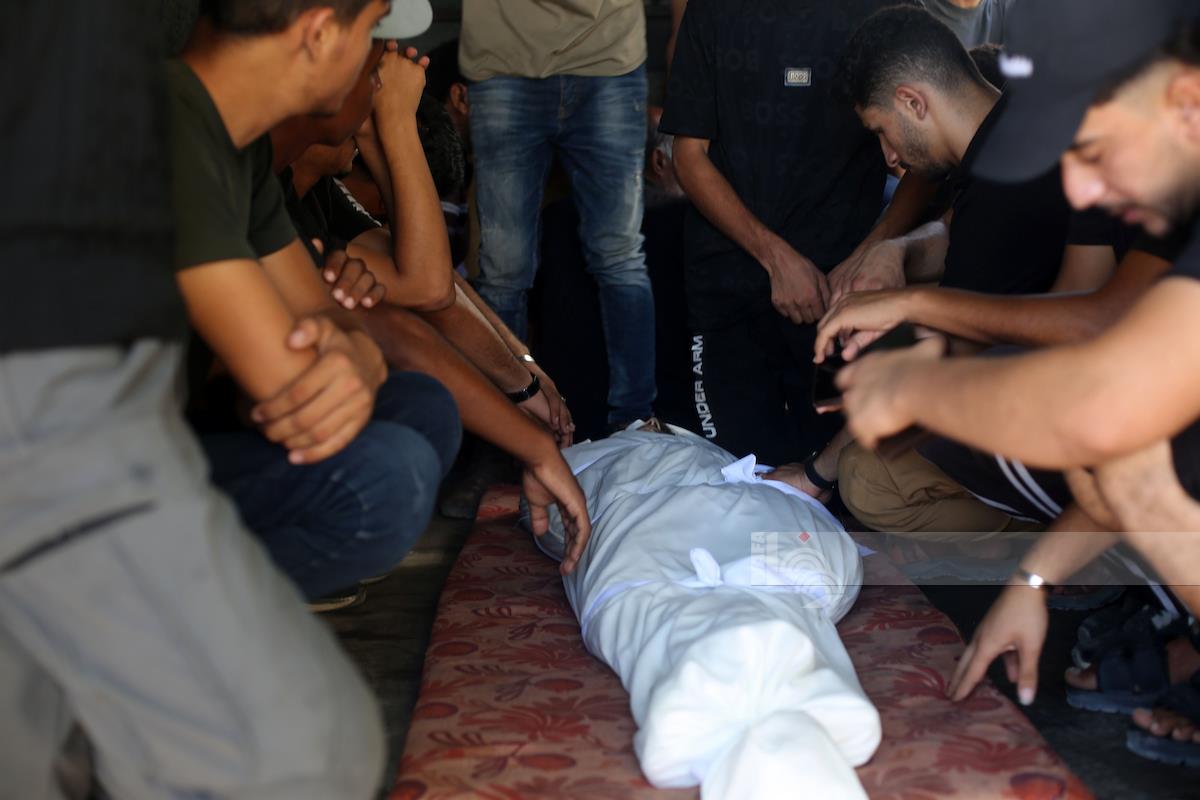
On Saturday alone, Israeli strikes killed at least 136 Palestinians, including 38 individuals waiting for aid and three children who died from severe malnutrition, Palestinian official sources reported.
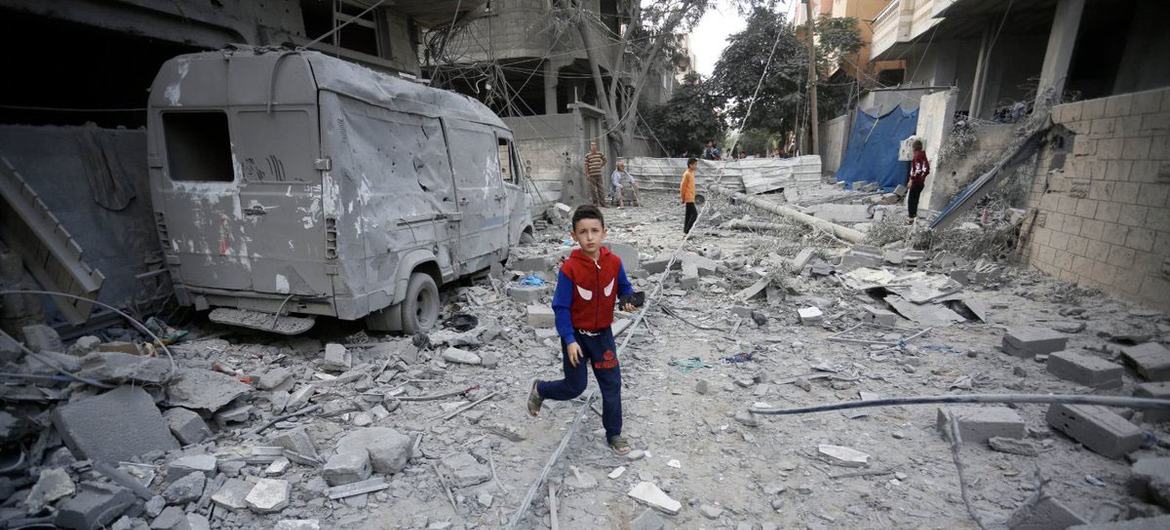
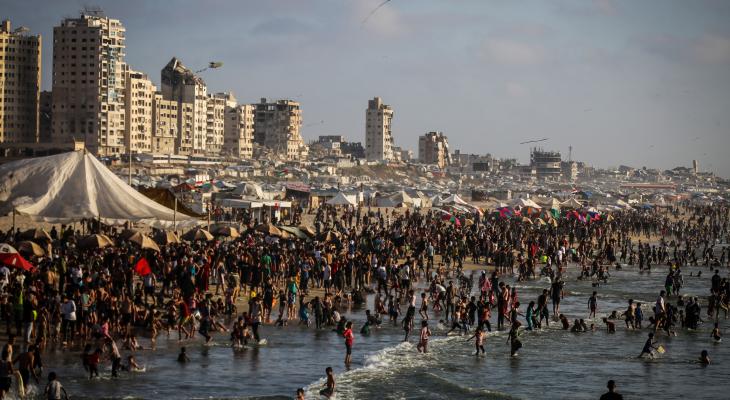
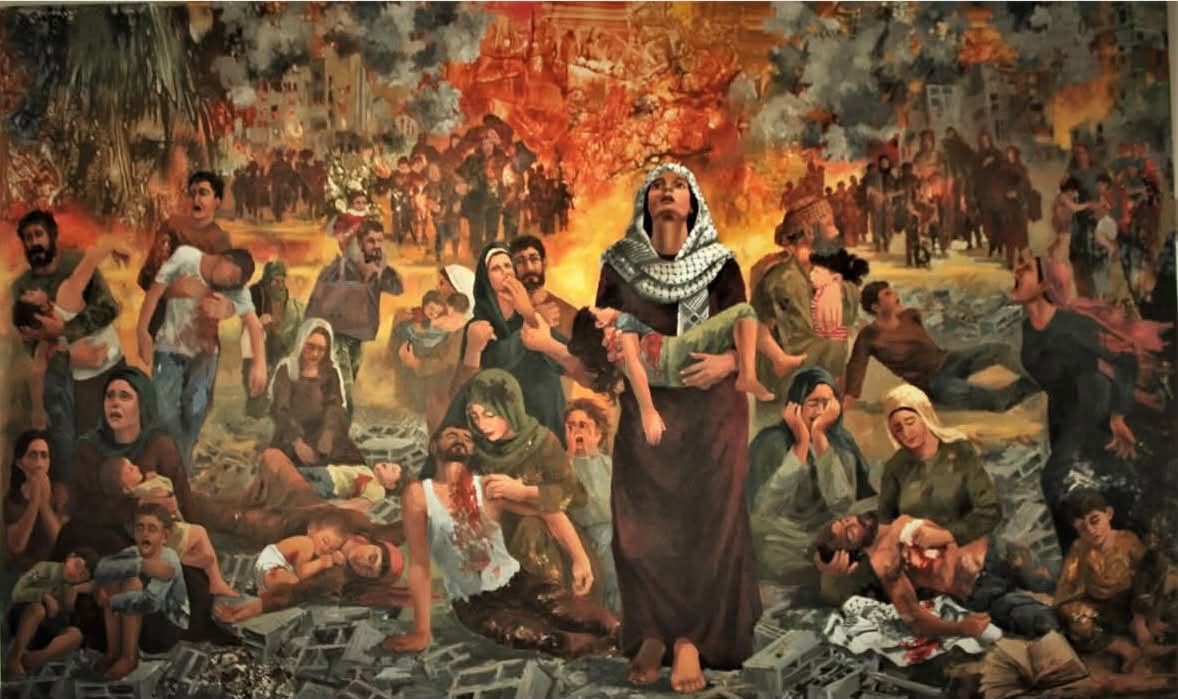
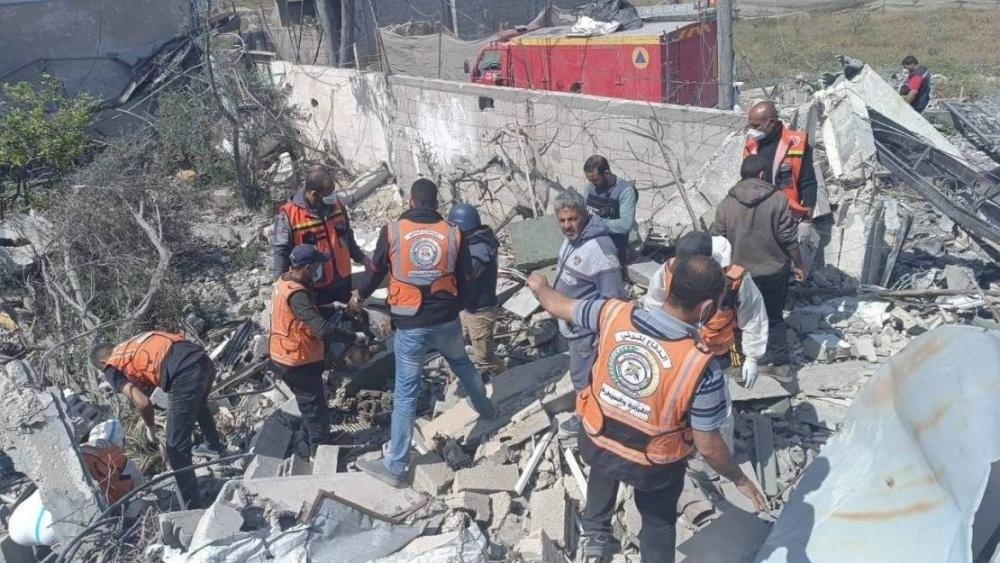
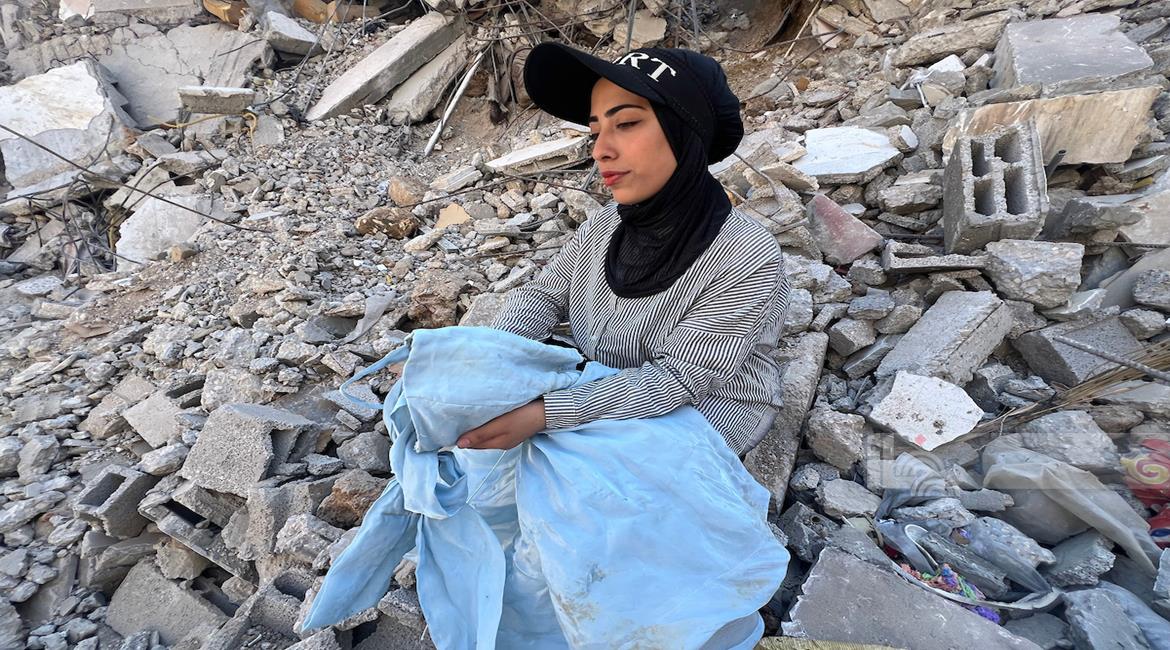
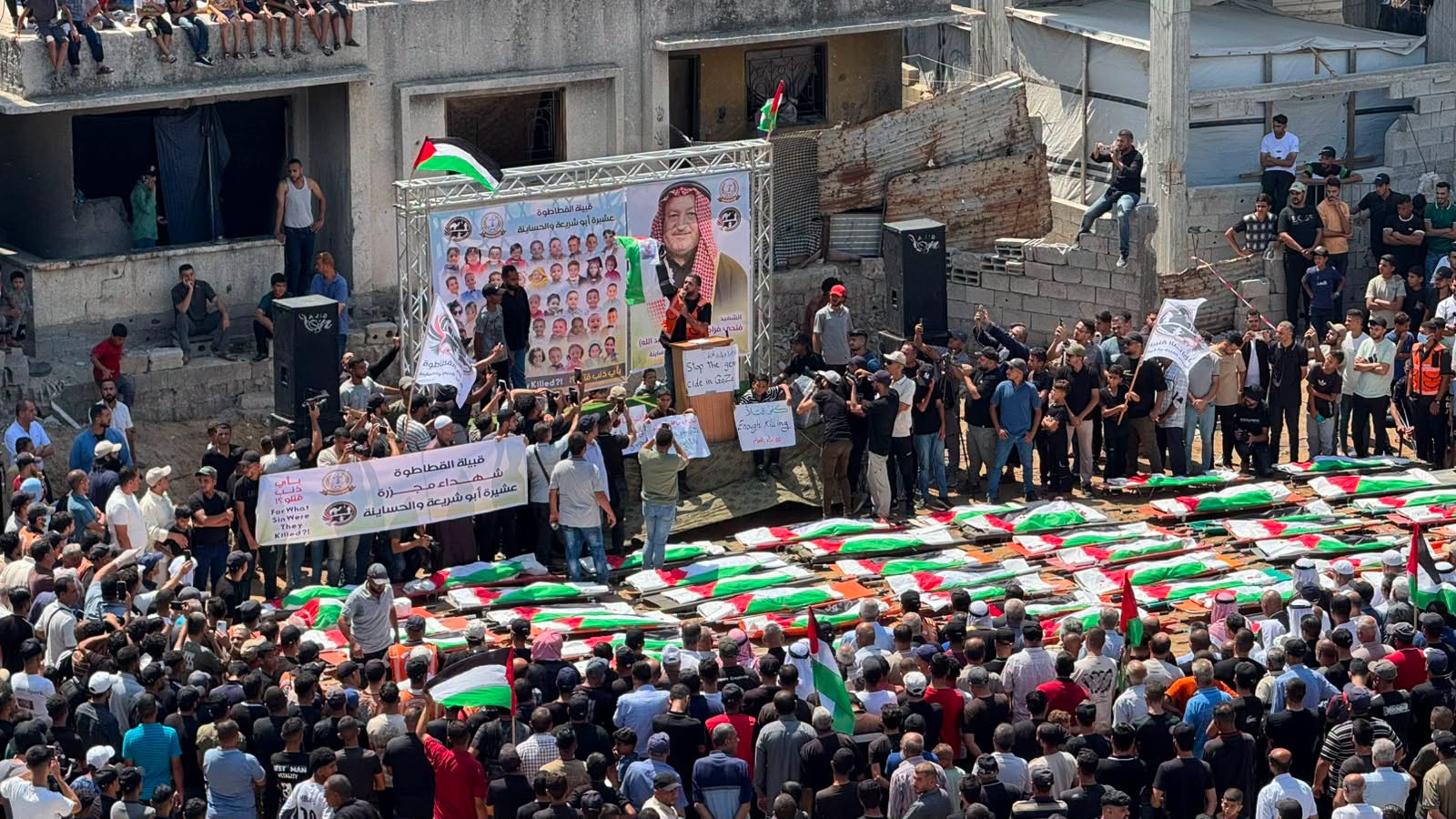
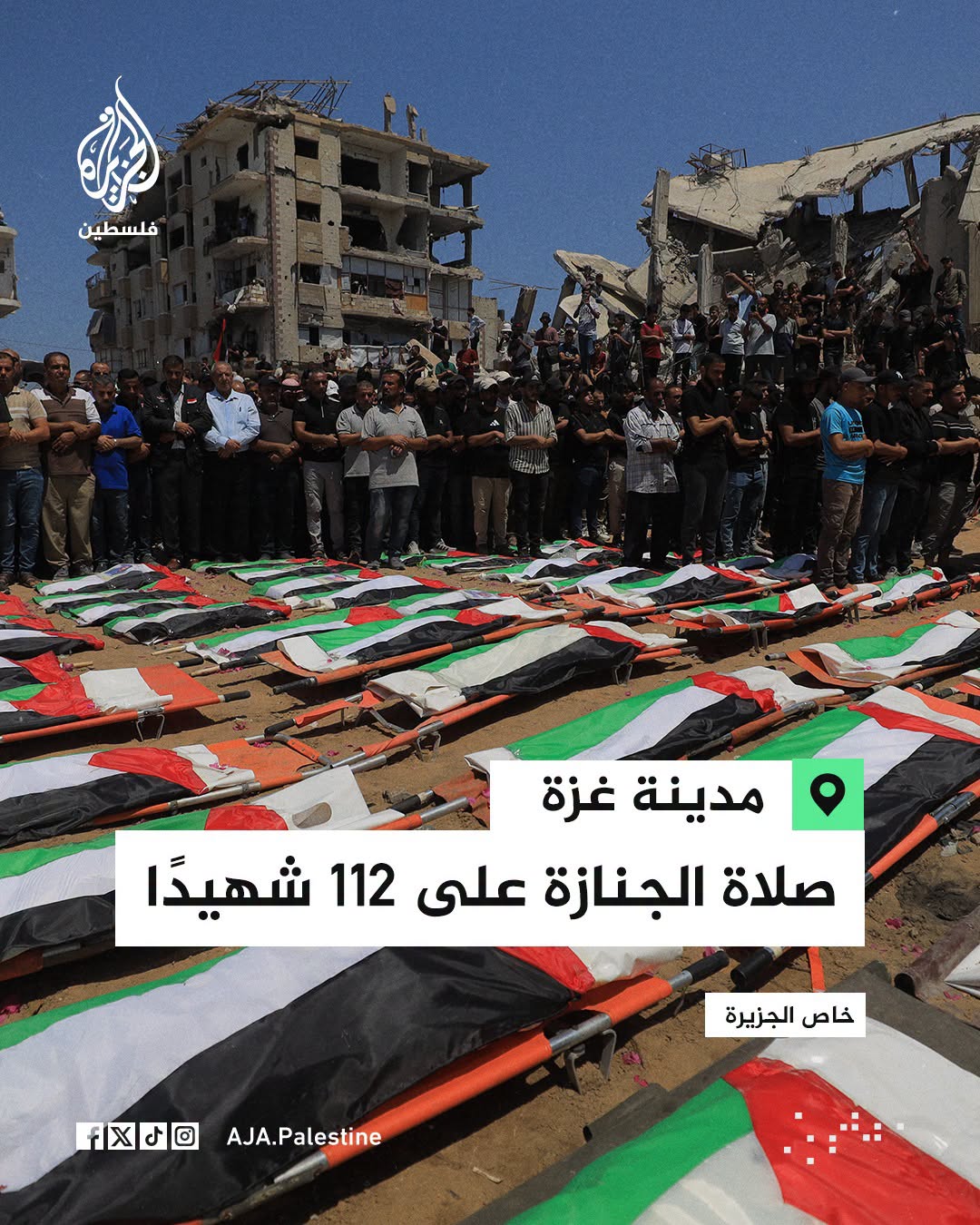
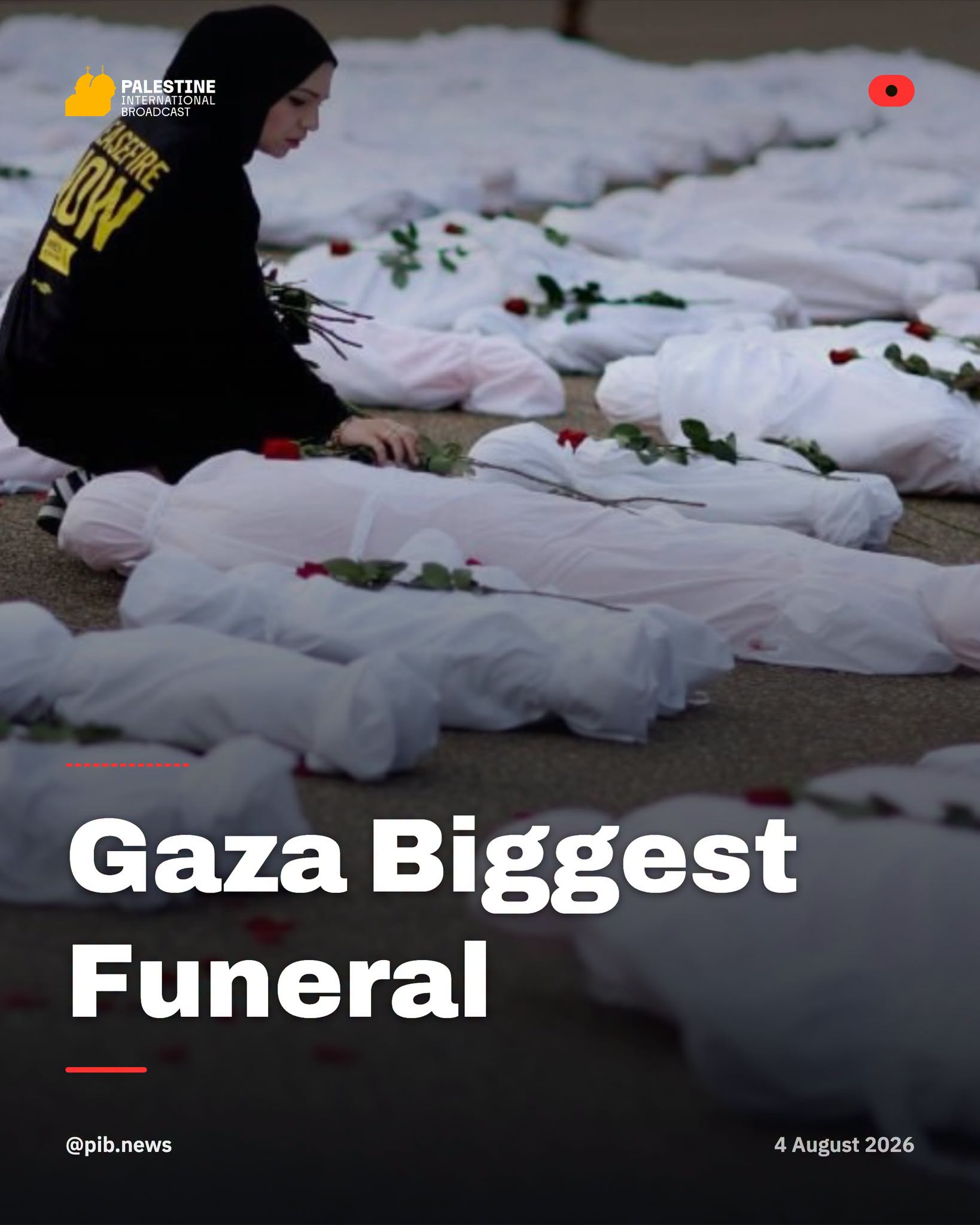
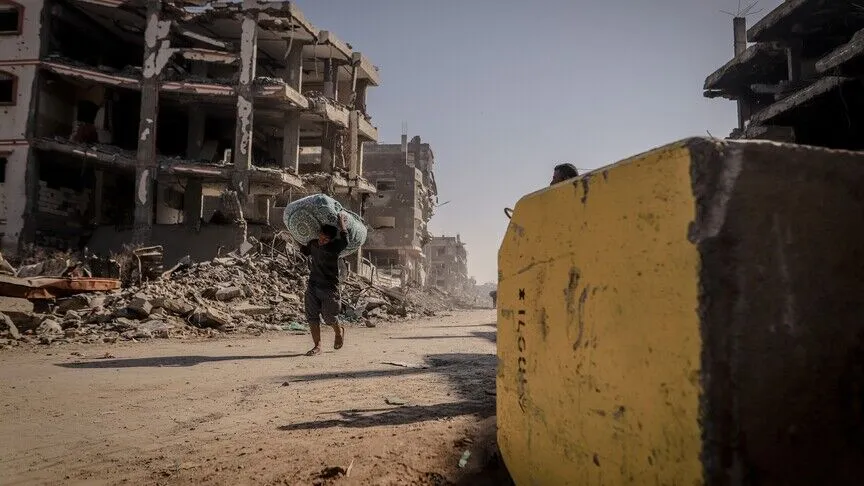
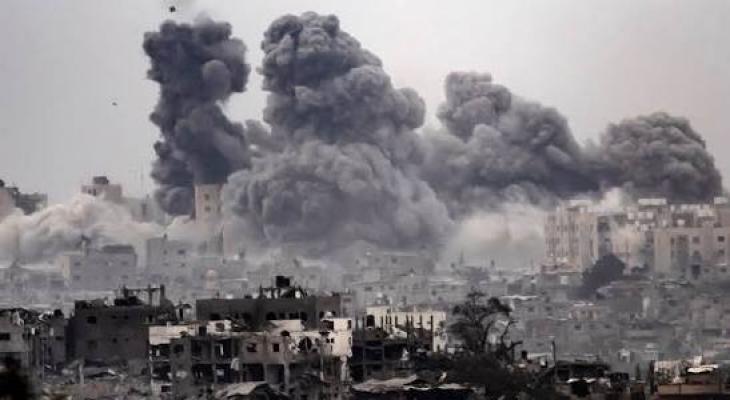
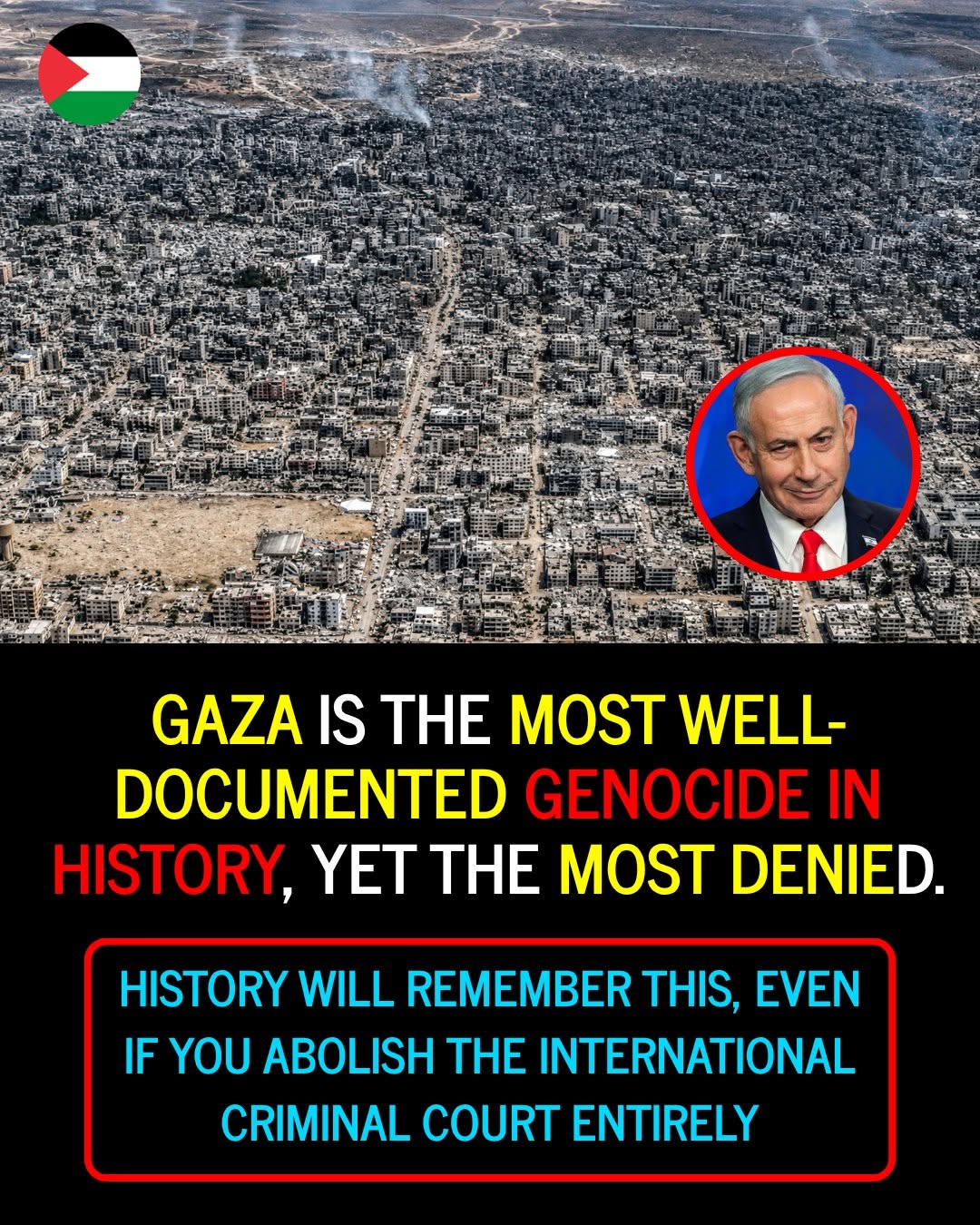
Israel has killed nearly 59,000 Palestinians, most of them women and children, in Gaza since October 2023. The relentless bombing has destroyed the enclave, almost collapsed the health system, and created famine-like conditions.
Mohammed Saad sits with others inside a homemade cart pulled by a car carrying several passengers, waiting to travel to Gaza City in one of the “uncomfortable and extremely expensive” means of transportation used to get around the Strip.
Moving around Gaza has become ever more difficult amid the ongoing 21-month-long war.
Mr. Saad, who was displaced from the town of Beit Lahia in the northern Gaza Strip, was waiting for the vehicle pulling the cart he was sitting in to move.
“Transportation is very difficult and unsafe,” he told UN News. “The roads are exhausting. We pray to God to grant us patience and to return home.”
This was on Rashid Street, west of the city, which connects the north and south of the Strip. It is crowded with carts, cars and three-wheeled motorcycles that have also been converted into means of transportation.
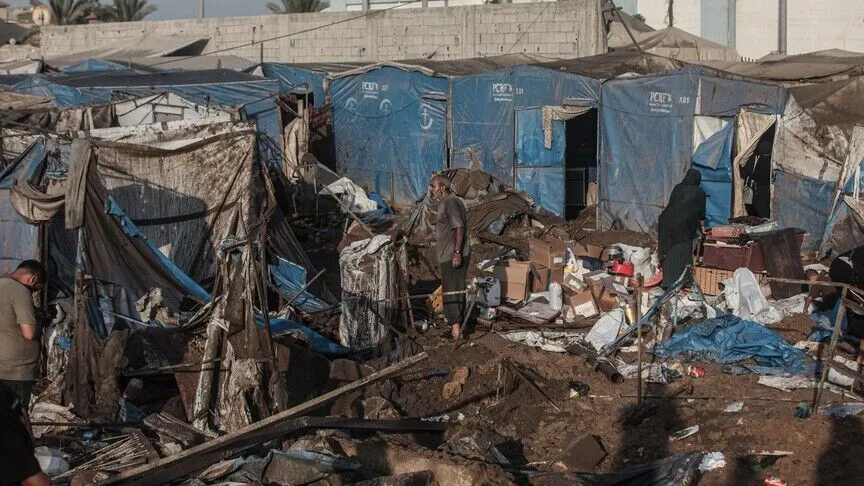
The area is interspersed with tents of displaced people, all surrounded by the rubble of buildings destroyed by war on both sides of the road.
UN News
War and evacuation orders have left many in Gaza scrambling for transportation to safety.
A luxury not for everyone
“People can barely find enough to eat, so how will they pay for transportation?” Umm Haytham Al-Kulak asked while waiting in a passenger compartment attached behind a motorcycle,
“We walk mostly; we can’t take public transportation,” she said.
“May God help the drivers. Fuel prices are high, and all the people are exhausted and overwhelmed.”
UN News
In Gaza, many people have no choice but to use risky ways to get around during the ongoing war.
Sky high fuel costs
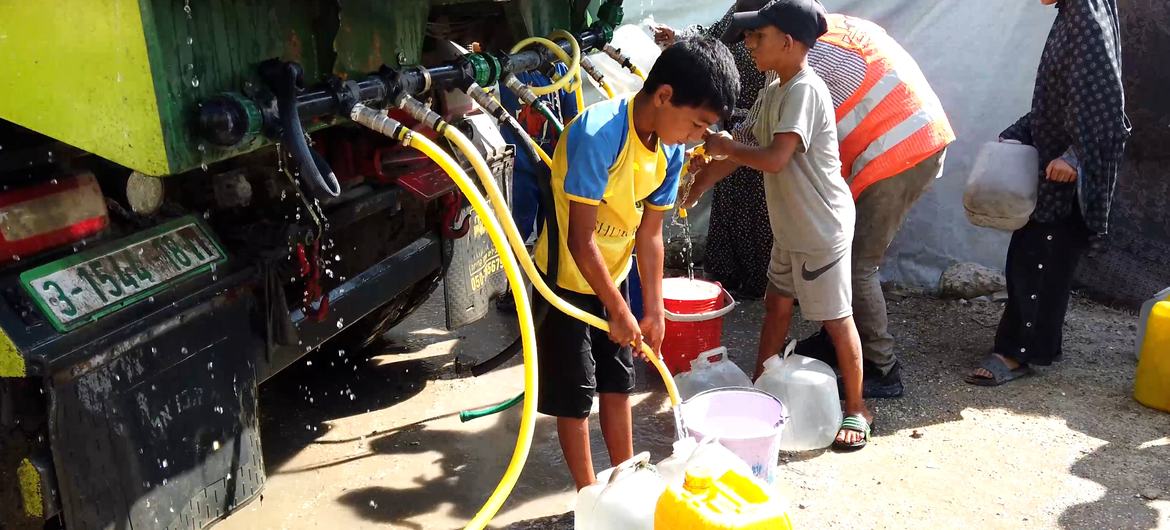
Drivers are paying skyrocketing prices for fuel, which is a heavy burden, Abdel Karim Abu Asi said as he waited for his car to be fully loaded with passengers.
“The price of a litre of diesel has reached 100 shekels [around $27],” he said. “What should we do? We’re trying to use locally produced fuel, but it causes significant damage to cars and a lot of problems.”
This isn’t the only problem facing drivers. Mr. Abu Asi said the prices of spare parts are very high. A part that used to cost around 100 shekels now sells for around 2,000 shekels, or around $560.
“We also suffer from the destruction of the streets, and no matter how hard the municipalities try to repair them, the problem is not solved because they require a large number of bulldozers to clear them,” he said.
“People must be helped with transportation costs and many other aspects.”
UN News
Fuel vendors sell their products at sharply inflated prices, with a litre of fuel reaching around 100 shekels.
Only option
Despite all the challenges, people there continue to go about their daily lives, even if it takes all day to get from one place to another. That’s what happened to Hussein Al-Hamarneh, who was waiting in a car to travel to the southern Gaza Strip.
Mr. Al-Hamarneh believes that most of these means of transportation are “uncomfortable, such as tuk-tuks [three-wheeled motorcycles] and carts pulled by cars, which are primarily designed to transport goods or animals, not people”.
“This is the only option for those who do not own cars,” he said.
Tayseer Abu Asr, who arranges for passengers to board a cart pulled by a car, stood on the section of the road.
“We’re trying to help people get around,” he said. “These carts have become our only means of transportation after the destruction of buses and taxis.”
On top of these challenges during the ongoing war, the Gaza Strip is facing a fuel crisis.
UN agencies warned earlier this week that the fuel shortage in Gaza has reached critical levels. They said if supplies run out, it will place an unbearable new burden on the population.
US Ambassador to Israel Mike Huckabee visited the Palestinian town of Taybeh on Saturday, days after a historic church there was attacked and vandalized by illegal Israeli settlers.
During his visit, Huckabee toured the site of Al-Khadr Church in the town, northeast of Ramallah in the central West Bank.
“Desecrating a church, mosque or synagogue is a crime against humanity and God,” the diplomat said on his X account.
He also emphasized that “when American citizens – Jewish, Muslim or Christian – are terrorized or victims of crime, I will demand those responsible be held accountable with real consequences.”
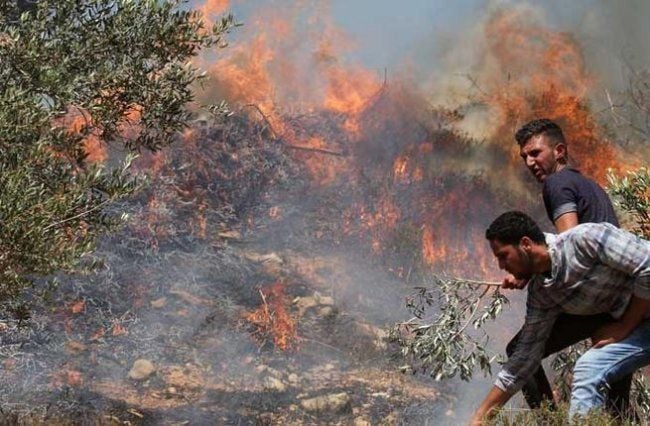
According to local reports, illegal settlers stormed the area around the centuries-old church last week, set fires in its surroundings, and brought livestock into the church compound as reported in Anadolu.
The town, home to many American citizens, has faced a surge in settler violence in recent weeks.
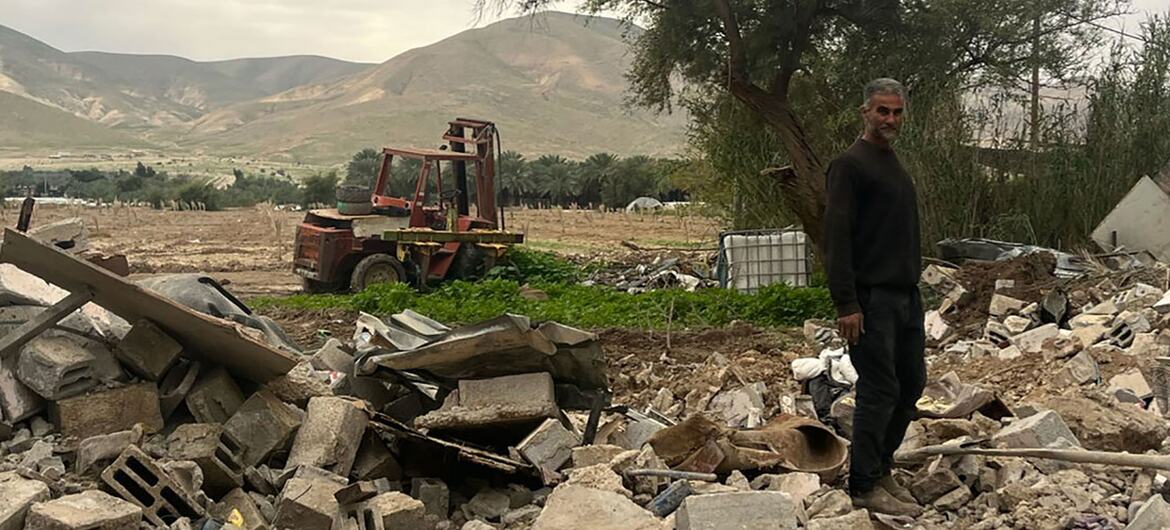
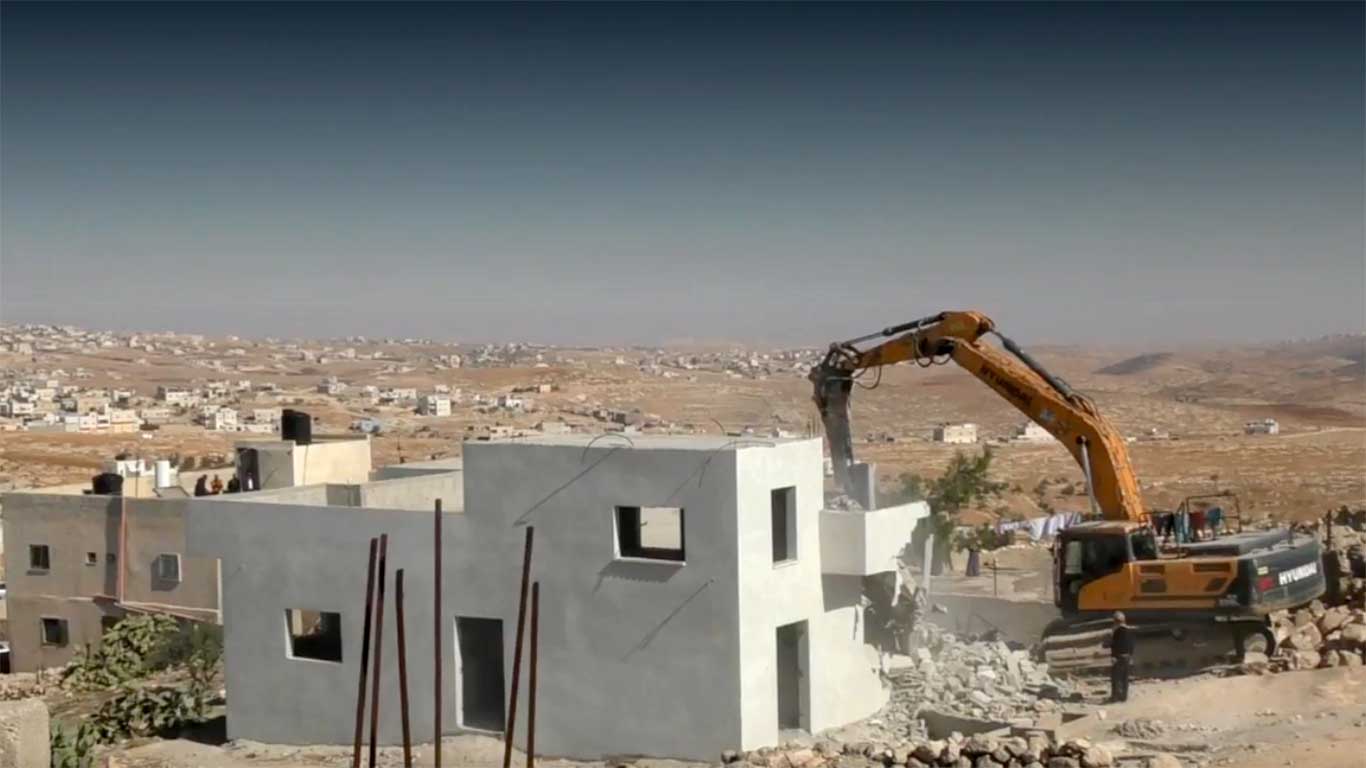
Attacks by illegal settlers have also targeted nearby Bedouin communities, as part of a broader escalation across the West Bank.
Palestinian authorities documented at least 2,153 illegal settler attacks in the occupied territory in the first half of this year alone, resulting in the killing of four Palestinians.
Since the start of Israel’s genocidal war on Gaza, nearly 1,000 Palestinians have been killed and more than 7,000 injured in the West Bank by Israeli forces and illegal settlers, the Palestinian Health Ministry said.
In a landmark opinion last July, the International Court of Justice declared Israel’s occupation of Palestinian territory illegal and called for the evacuation of all settlements in the West Bank and East Jerusalem.
Fr. Gabriel Romanelli, a young priest of the Society of the Incarnate Word founded in Argentina in 1984, was the first priest to arrive in Jordan for pastoral and spiritual service since 1996. I had the honor to be one of the first people to welcome him during my work in Madaba. He came to learn Arabic and he mastered the language.
Fr. Gabriel represents notable priests and pious pastors who live with their people. I recall that on September 30, 2023, he was in Rome to participate in the investiture of Patriarch Pierbattista Pizzaballa of Jerusalem as cardinal in the universal Catholic Church. A few days later, events erupted on October 7, 2023, and Fr. Gabriel remained in Rome for several days until he returned to Jerusalem. He was very sad when he saw the aggression taking place on Gaza while he was in Jerusalem, and he had a daily longing to go to Gaza to be with his people.
At the time, Fr. Yousef As’ad, an Egyptian affiliate with the same religious order, was there living with his people in Gaza. Since October 7, he had to do everything at hand, and he truly excelled in depicting the image of the good and faithful shepherd. What encouraged the people of Gaza to remain steadfast was the almost daily phone call by the late Pope Francis, except for days when communications were disrupted in Gaza. However, this phenomenon provided the people of Gaza with reassurance, courage, patience, and steadfastness.
We have seen wounded Fr. Gabriel Romanelli while he was checking on the wounded and caring for them. He was not concerned with his own wounds; he rather cared for the wounds of his people in Gaza. Gaza’s small number of Christians has dwindled due to the bitterness of time and the bloody events that have taken place in this distressed strip. The Christian presence in Gaza was bright, pioneering, and wonderful, yet it has dwindled to a few hundred people sheltering next to the Church of the Holy Family and the Church of Saint Porphyrius.
Where pain, wounds, and death prevail, then sectarianism and competitiveness diminish, while humanity emerges in its most glorious manifestations. We were very jubilant during feasts when seeing priests–despite the harshness of days—accompany their people, while going from one church to another conveying well wishes to pastors of churches and their blessed people.
The suffering and bloodshed to which the Christians were exposed in Gaza is only part of the suffering experienced by all shades of the Palestinian people, and experienced daily through this bloody conflict that dates back far beyond October 7, namely spanning 76 years of daily suffering and daily avid and athirst for freedom, peace, justice, and independence.
We greet the Palestinian people on their legendary steadfastness, which history will one day mark as being one of the stories of steadfastness and heroism experienced by people on daily bases. Congratulations are conveyed to the Palestinian people for their national unity as well as Christian- Muslim cohesion. This is the greatest message of confronting an occupation force, which has occasionally sought to create a schism between the religious shades of people by claiming that Christians are neutral.
Christians in Gaza are an integral part of the Palestinian people’s composition. Consequently, the martyrdom of three people in the church marks Palestinian national unity, whereby independence will one day be attained on national soil.
Fr. Dr. Rif’at Bader wrote this for the Jordan Times and it is reprinted here in crossfirearabia.com
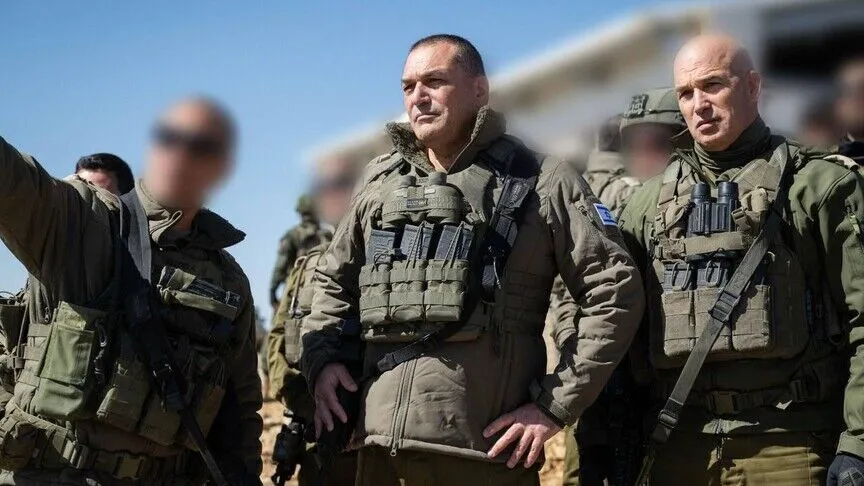
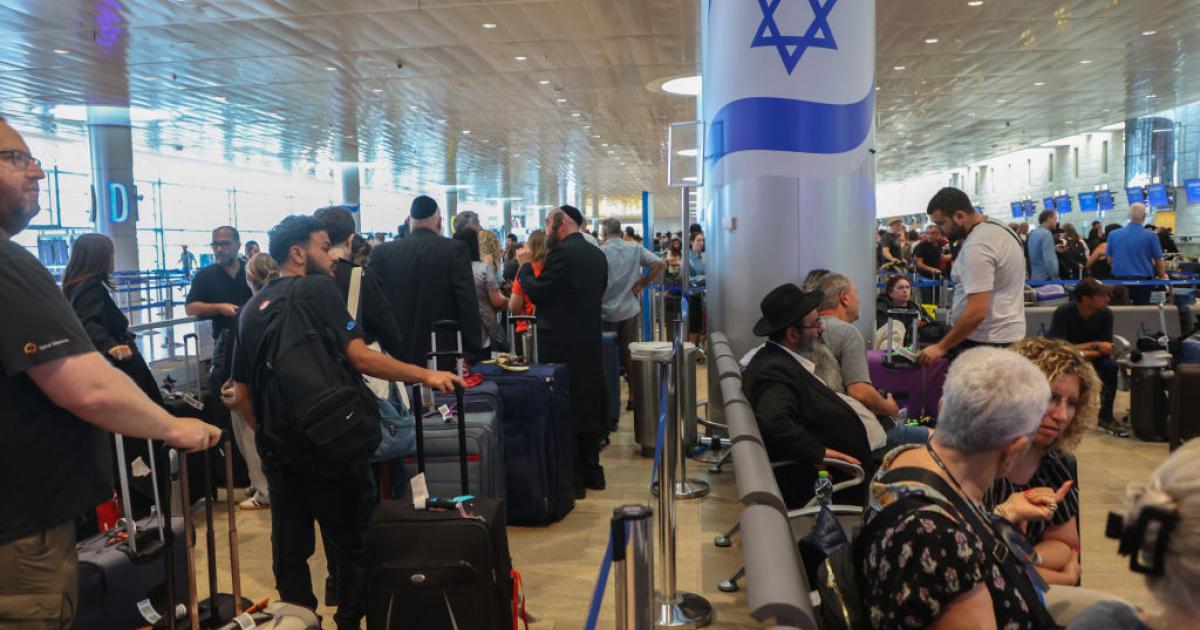
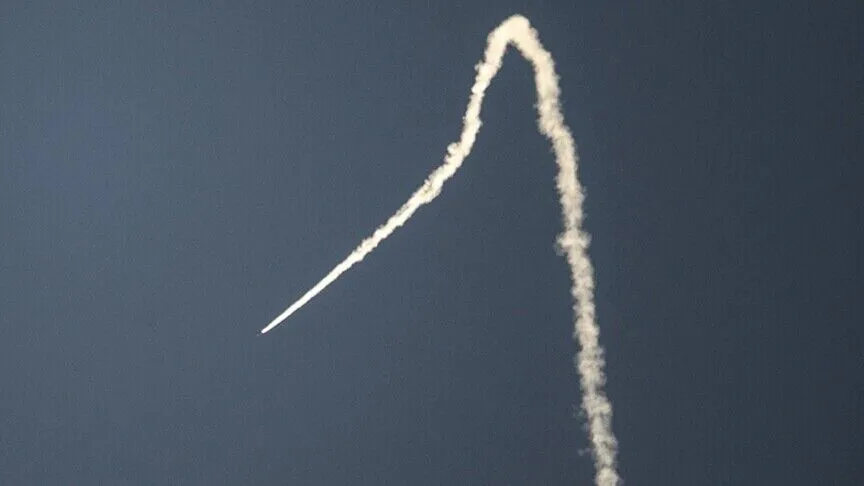
Air traffic at Tel Aviv’s Ben Gurion International Airport was suspended Friday following the launch of a missile from Yemen, according to Israeli Channel 12.
“Following the sirens that sounded a short while ago in several areas in Israel, a missile launched from Yemen was intercepted by the IAF,” the army said in a statement.
Alarms were sounded in various areas across the country, including in major cities such as Tel Aviv, Ramat Gan, Petah Tikva, Jerusalem, Holon, Rishon LeZion, Bnei Brak, Modi’in and Rehovot, the Yedioth Ahronoth newspaper reported.
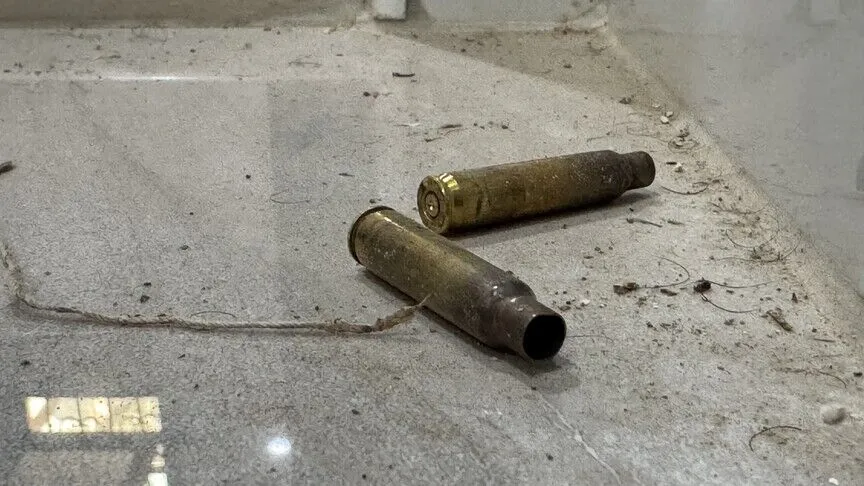
The army and Israeli media did not note any damage from the missile but this was the third missile to have fired from Yemen since Wednesday and was intercepted by Israel’s Arrow-3 System according to the Jerusalem Post.
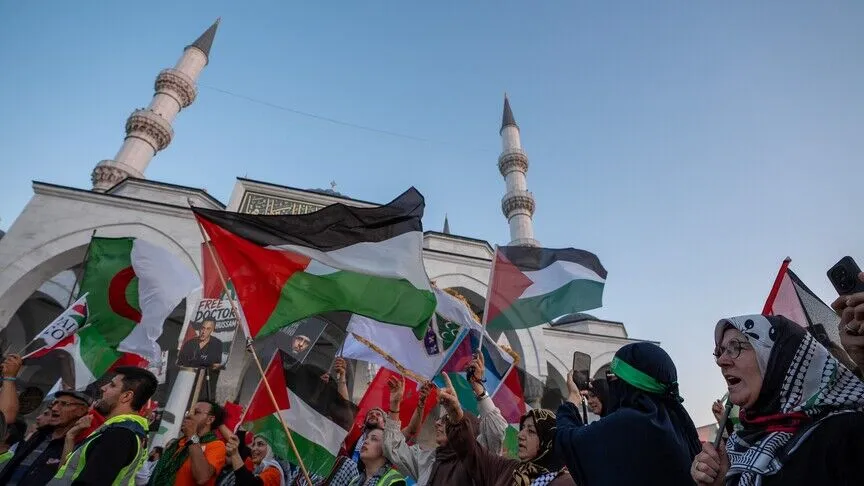
The Yemeni Houthi group announced it launched a military operation targeting the Ben Gurion Airport with a hypersonic ballistic missile.
Houthi military spokesperson Yahya Saree said the group carried out a “qualitative” military operation targeting the airport with a missile called “Palestine-2.”
“Our operations will continue until the aggression on the Gaza Strip stops and the siege is lifted,” Saree emphasized in a televised speech.
The Houthis have intensified missile and drone strikes on Israel since Israeli forces resumed attacks on the Gaza Strip in March after two months of a shaky ceasefire.
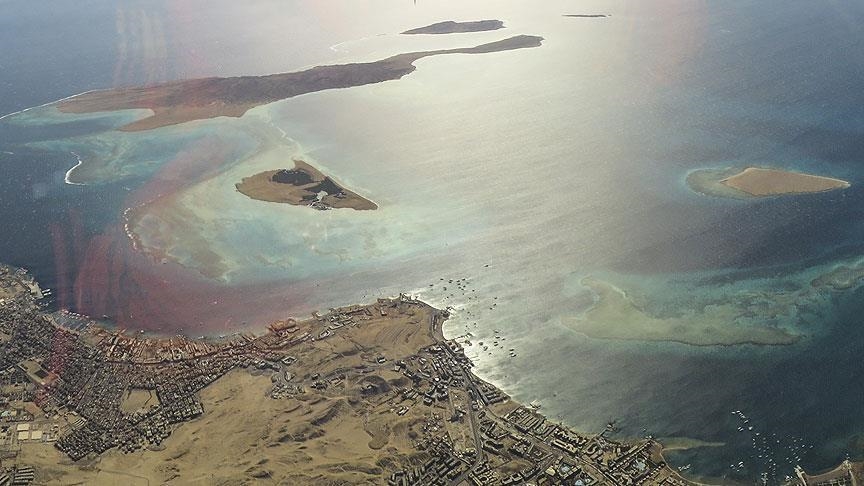
Since November 2023, the group has targeted commercial shipping in the Red Sea, the Gulf of Aden and the Arabian Sea in support of Palestinians in Gaza, where nearly 59,000 victims have been killed in an Israeli onslaught according to Anadolu.