
 Israel Arrest Palestinian Journalist and Drop Site Contributor Mohammed Awad
 Palestinian School Year Starts 6 September
 Tel al-Zaater: 50 Years On! Memory of a Massacre
 To Evelyn: The Baramki Home in Jerusalem
 Palestinian House, Palestinian Architecture




 marwan
 Heba
Heba























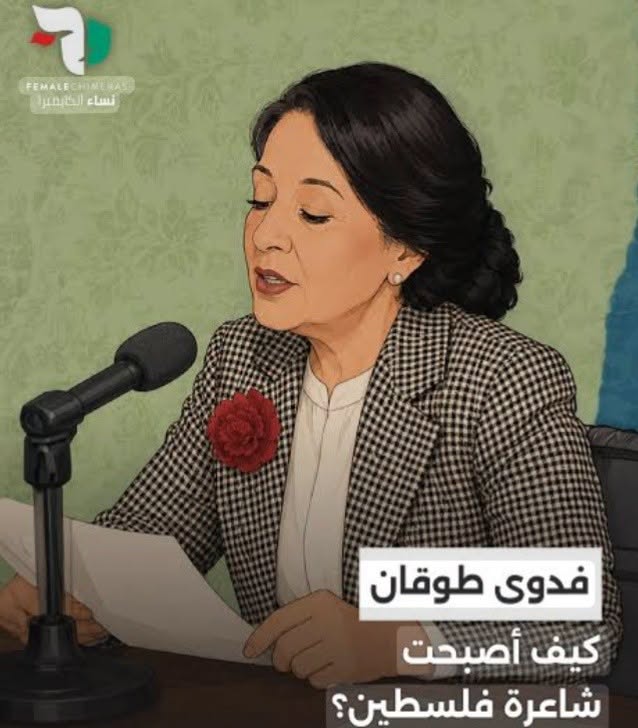
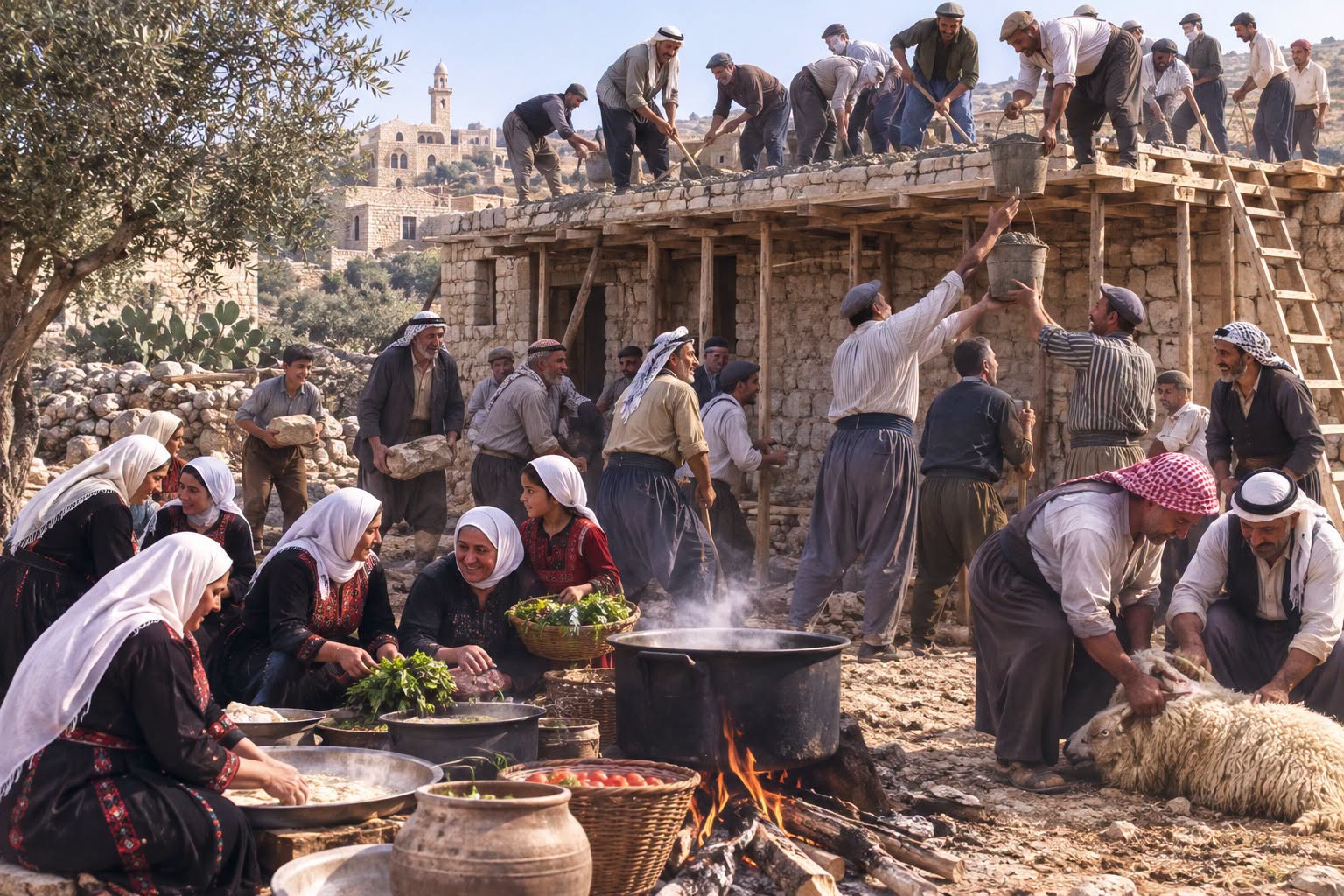


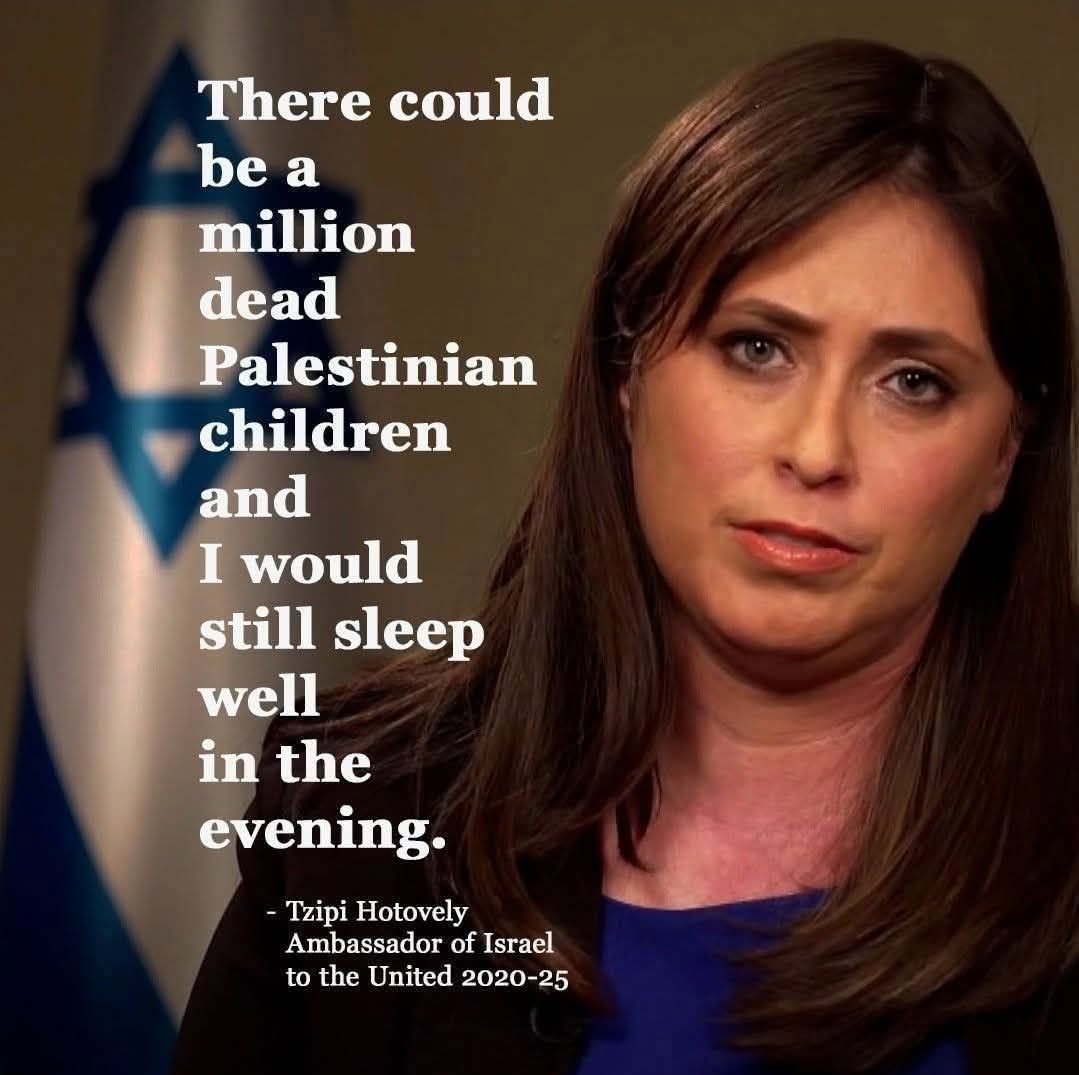
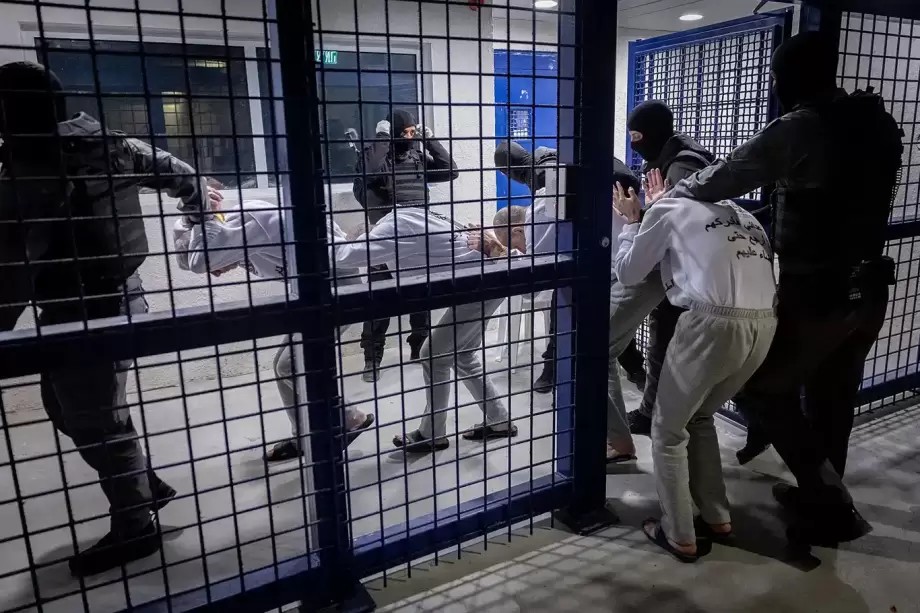
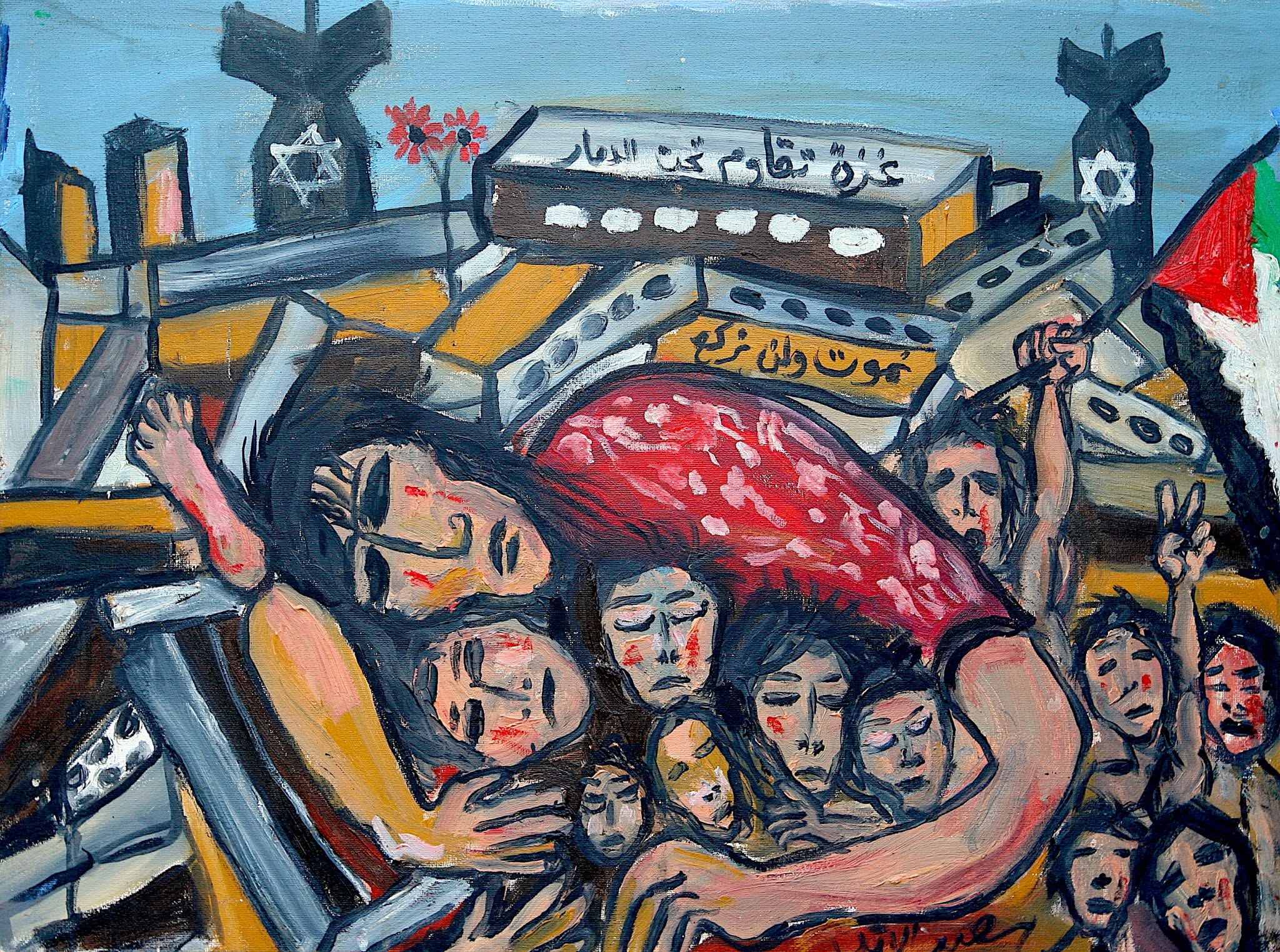
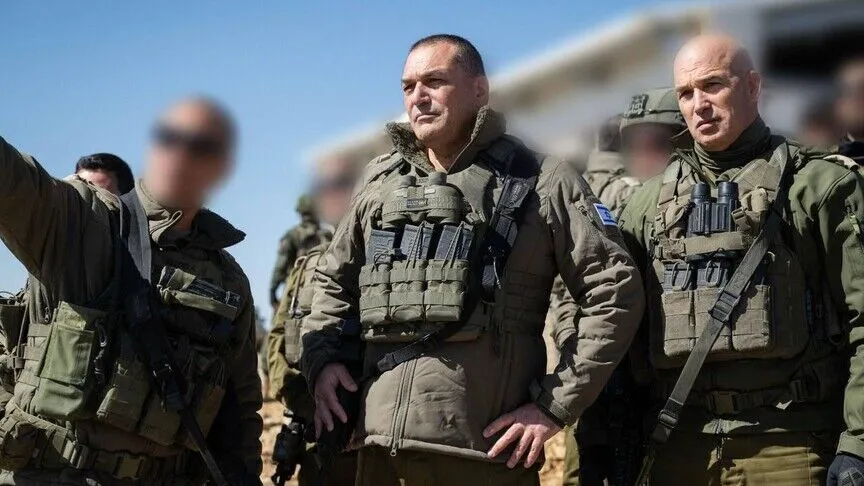
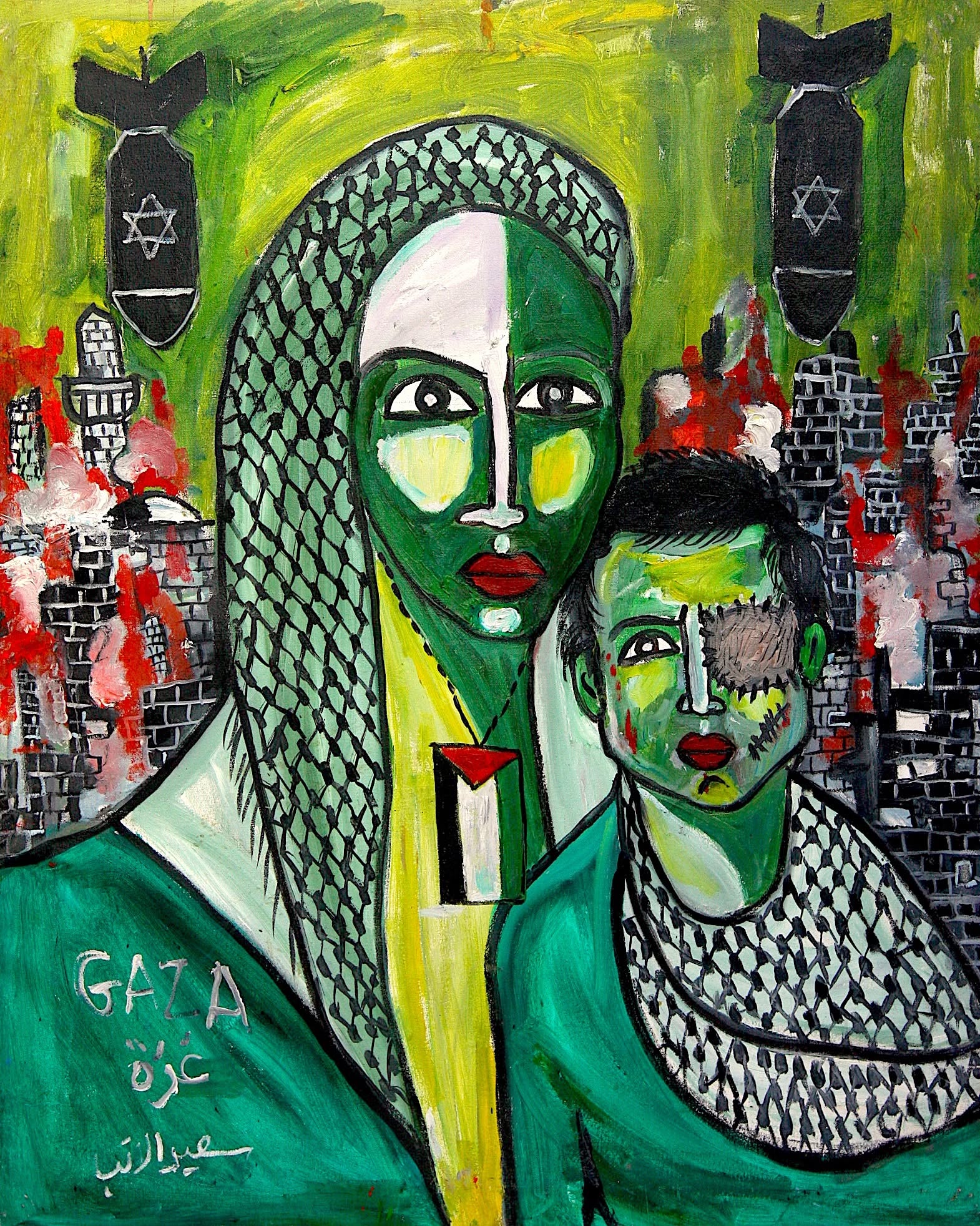
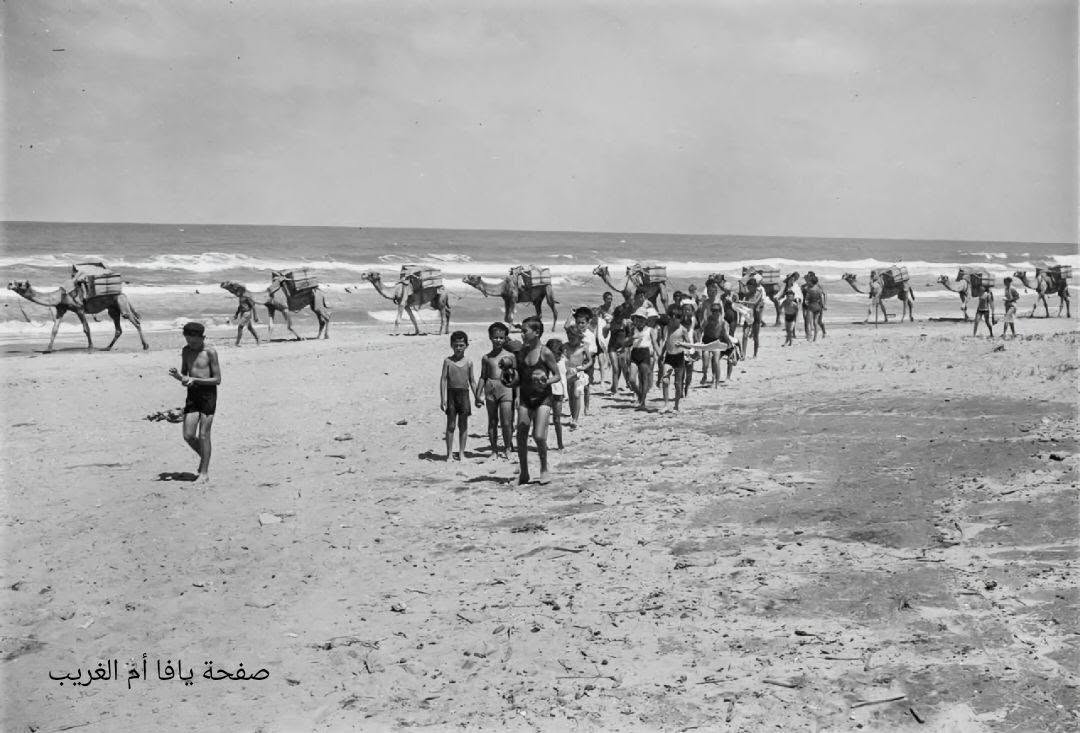














Palestine in Art
 CrossFireArabia
- January 31, 2026
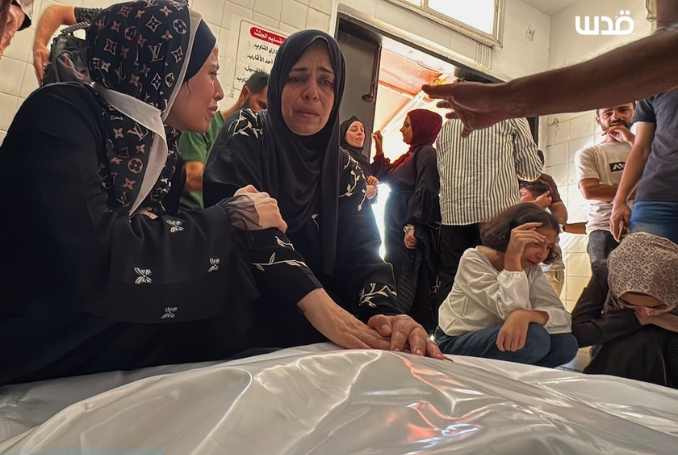
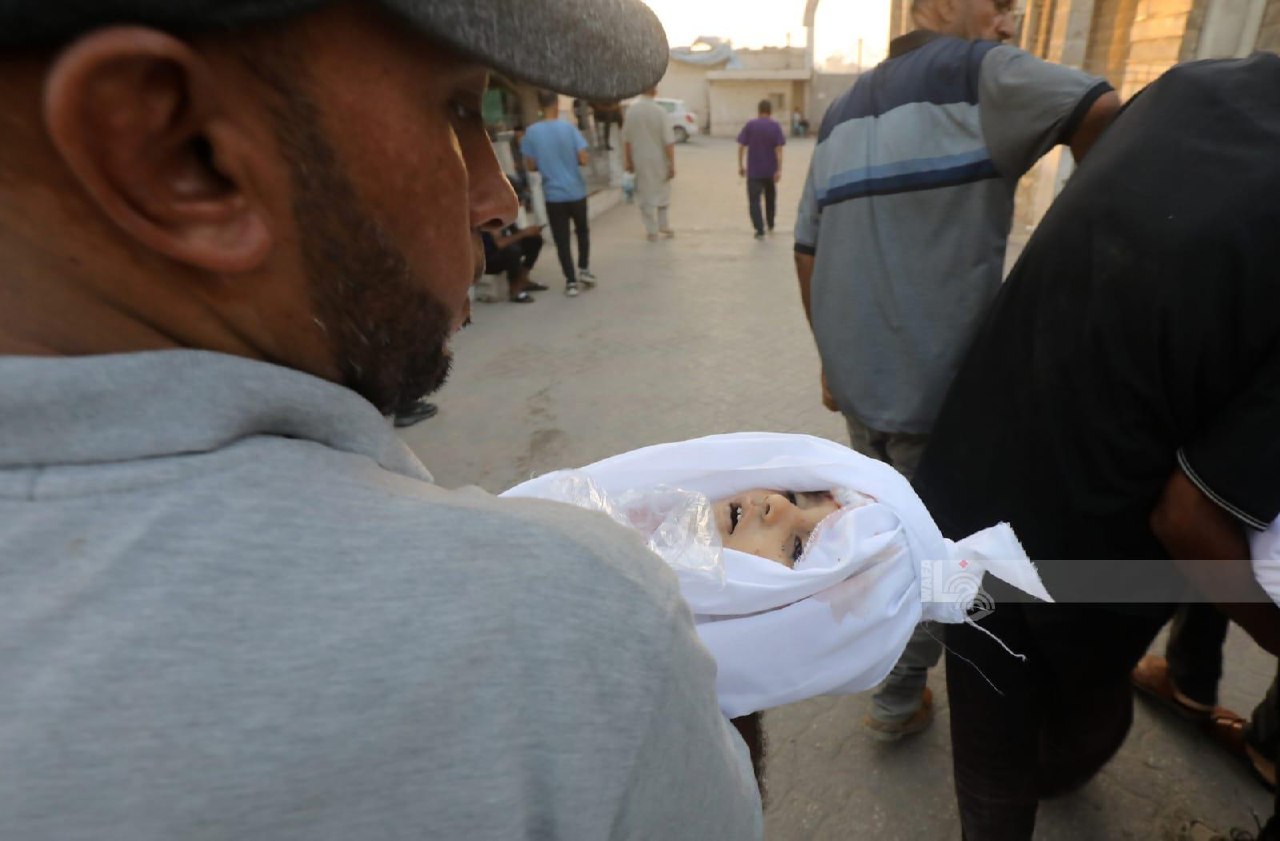
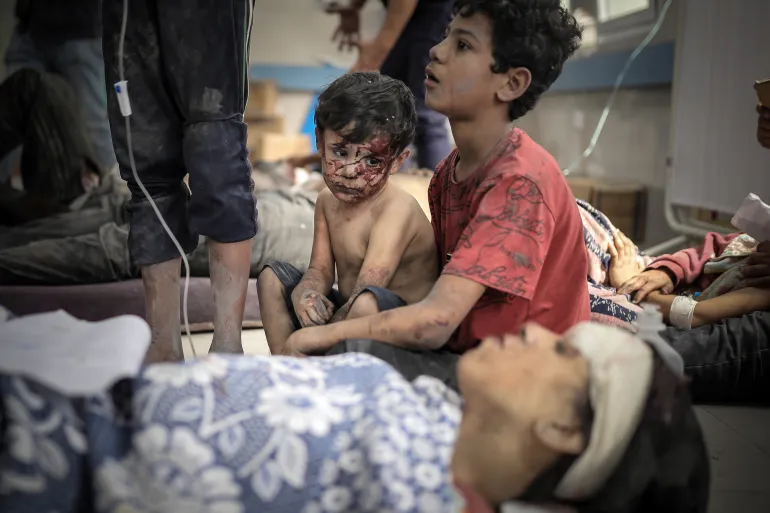
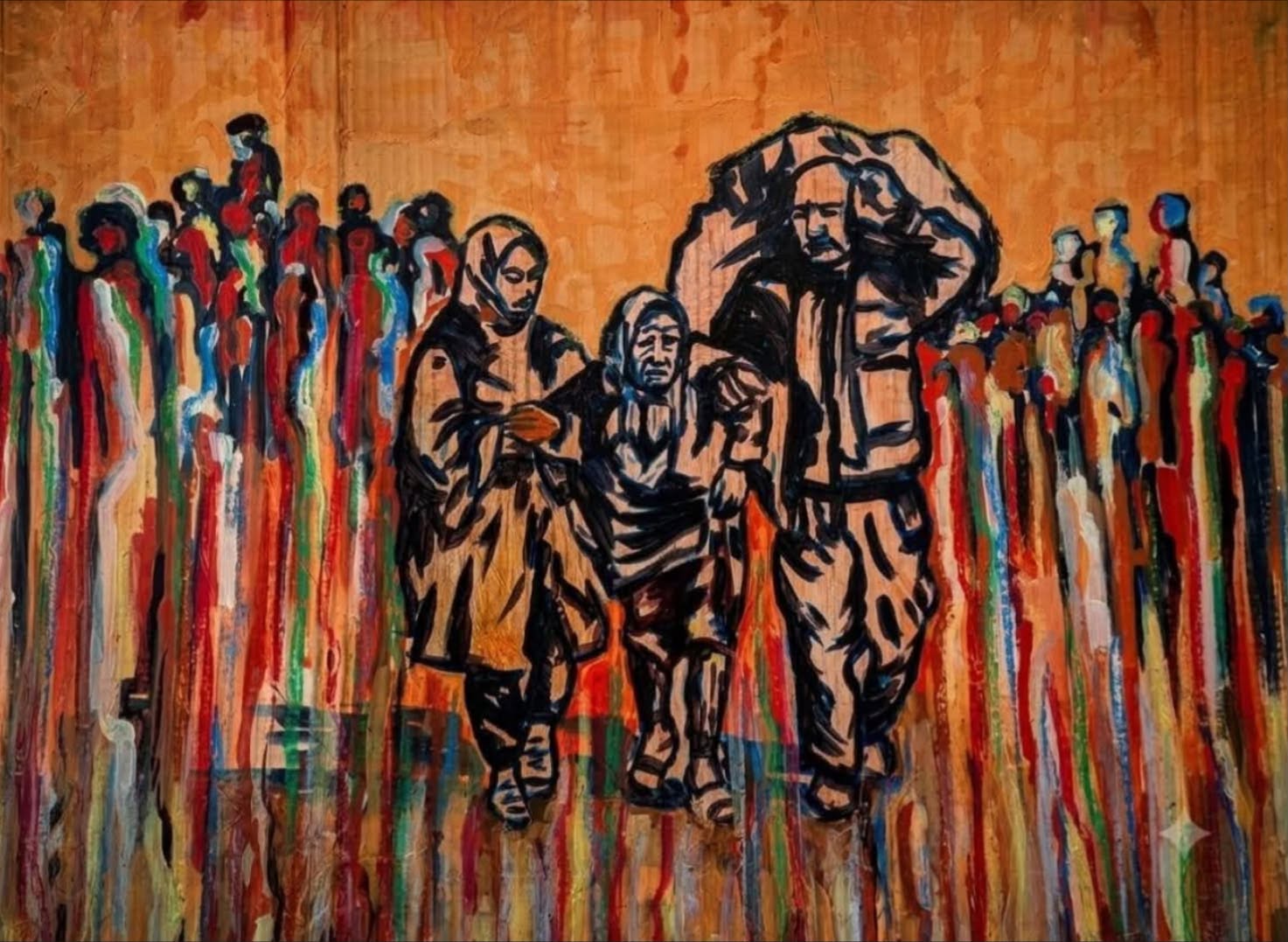
Tears cannot bring back the lost or the missing, nor can they perform miracles. All the tears in the world cannot carry a small boat large enough for two parents searching for their lost child.

Israel’s ‘New Battle’ With Hamas
- CrossFireArabia
- January 31, 2026
CROSSFIREARABIA – Now the remains of Ran Gvili, the last Israeli hostage in Gaza recovered, many thought Israel would move to open the borders and quickly allow for the rebuilding of the enclave.
But not so. Israeli Prime Minister Benjamin Netanyahu now says before that can happen Hamas must disarm and dismantle itself. He says if the Islamic movement doesn’t give up its arms voluntarily it will be forced to, no less by Israel and its army.
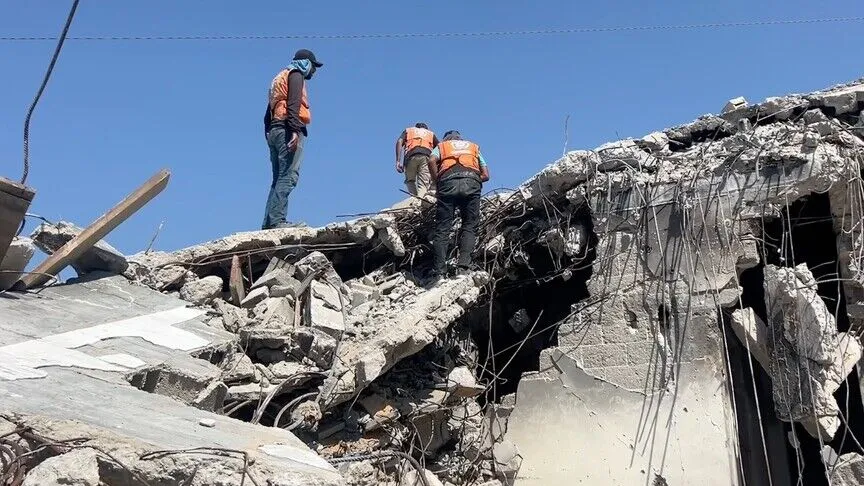
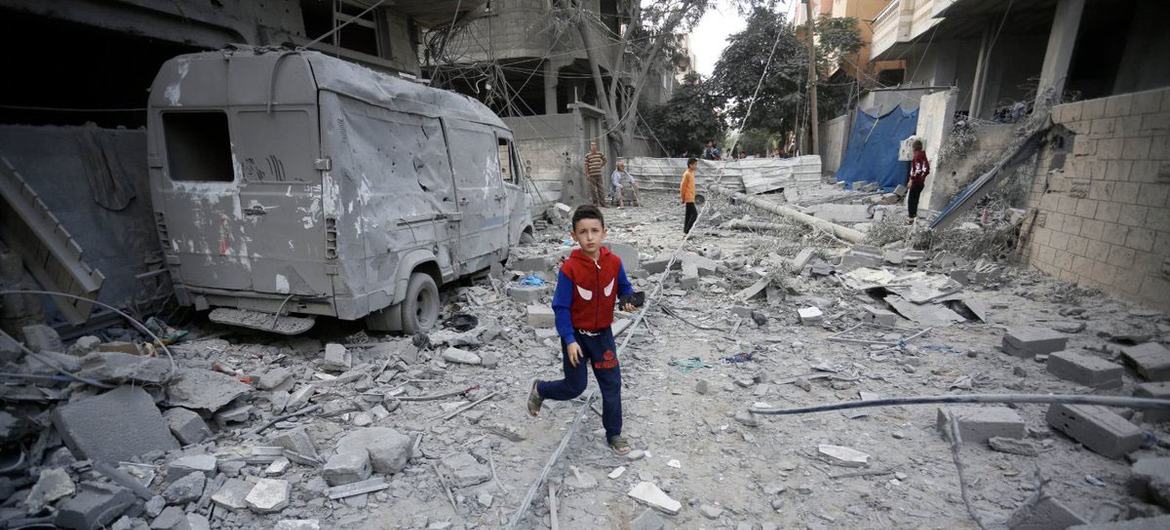
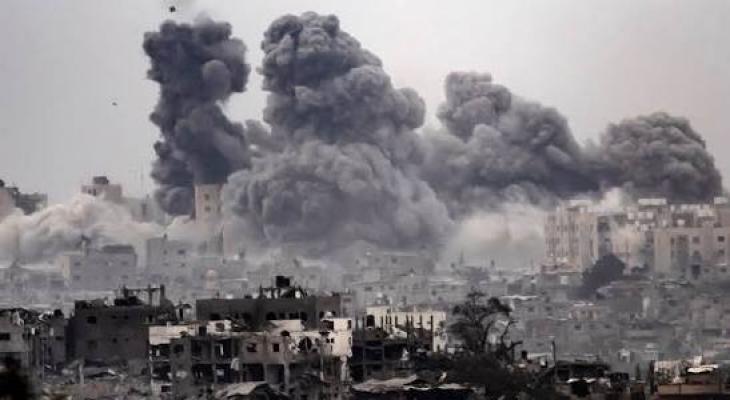
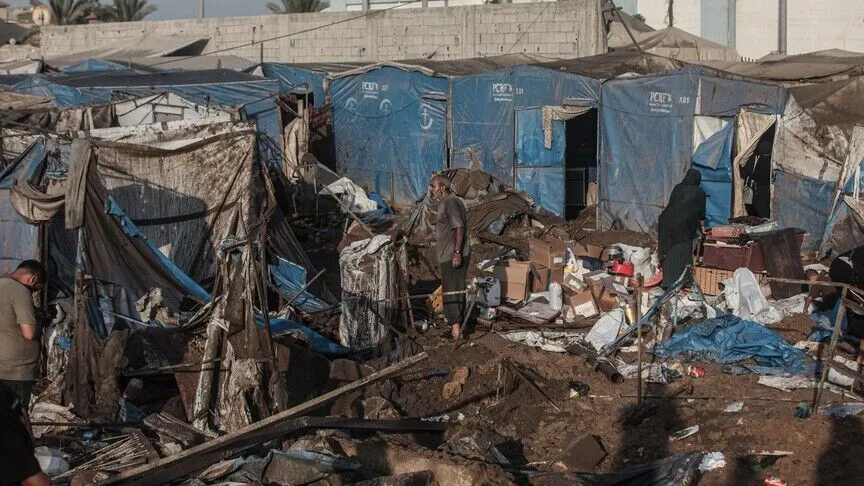
But this is laughable. Netanyahu has been consistently saying throughout this genocide that his army is moving towards destroying the movement and its army of fighters and operatives. Instead, Israel destroyed the whole of Gaza, turning the strip into a huge rubble and debris site.
The only thing that Israeli couldn’t do was to destroy the Palestinian resistance, Hamas and the other different factions. Hamas and its fighting forces is said to be alive and kicking according to different estimates including the Americans but Israeli intelligence currently put the Hamas fighters at 20,000.
This must be depressing for Netanyahu who spent over $66 billion on trying to defeat Hamas. All he did however is massively destroy the enclave creating around 60 million tons of debris and wreckage according to UN estimates and killing 71,000 civilians while 10,000 remaining buried underground.
For all his bombast about slowly destroying Hamas, Netanyahu did nothing of the sort. While he may have killed some of its top leaders like Ismael Haniyah and Yehiya Sinwar who died in direct battlefield combat and not in an underground bunker away from his men as the Israelis like to claim, fighters are being replenished from human mass in Gaza whose population is estimated at around 2 million people.
Based on commentary from Israel’s Channel 13 Netanyahu has provided US President Donald Trump with Israeli military intelligence to say that Hamas still has 60,000 kalashnikovs inside the Gaza Strip. These are yet to be destroyed.
While Netanyahu may have provided the figures for political reasons, it maybe travesty on his part because it shows that despite the mass Israeli massacres in two years of war against the Gaza Strip, Tel Aviv is not able to get rid of Hamas nor of the other Palestinian resistance groups.
Kalashnikovs are not the only weapons. While intelligence estimation suggests that long and short-missiles may have been heavily reduced, Hamas still has thousands of rockets in its stockpiles and is still an effective fighting force despite the fact that Israel, in its “yellow line” still controls more than 53 percent of the Gaza Strip.
Now under Stage II of Trump’s peace accord on Gaza, Hamas is supposed to give its weapons to the Palestinian Authority, but Israel is fearful this may not happen and are on military alert and are still trigger-happy having killed 490 people since the ceasefire was killed on 10 October, 2025.
But these weapons frequently fall into the hands of the resistance as it is estimated that 15 percent of the weapons, missiles, bombs and mortar fired onto the different parts of Gaza don’t go off. What tended to happen in the past two years is that these would fall into the hands of the Hamas fighters, “repackaged” and fired back at Israeli soldiers and cities. Some may off course stay in the Hamas stockpiles.
What this means is the fight between Israel and Hamas will continue despite the Trump peace machinations. A bit of good news maybe coming out of that as Israel, under pressure from the White House, has promised to open the crucial southern Rafah Crossing between Gaza and Eygpt. While Israel has been resisting this, it has finally agreed to open the border both ways so that people can go in and out of Gaza. The short-coming of that is that Israel is refusing to allow the entry of aid trucks for the starved enclave.

Little Hind Rajab: Killed by Israeli Bullets
- CrossFireArabia
- January 31, 2026
On the second anniversary of Israel’s killing of five-year-old Hind Rajab who pleaded by phone to be rescued during the Gaza genocide, human rights organizations and advocates have renewed their calls for accountability and justice for Palestinians amid Israel’s ongoing attacks.
On January 29, 2024, Hind was killed while trying to flee to safety after the car she was traveling in with her relatives was fired on by an Israeli tank. Everyone in the vehicle was killed except Hind and her 15-year-old cousin, Layan, who called the Palestinian Red Crescent begging for help.
Layan was killed shortly after, leaving Hind alone on the line.
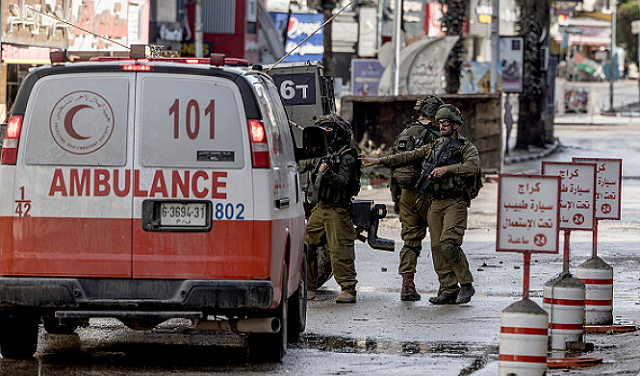
Two medics dispatched in a clearly marked Palestinian Red Crescent ambulance to rescue her were also targeted by Israeli tank fire as they approached. Despite coordinating their route with Israeli forces and maintaining direct contact during the mission, their ambulance was struck, killing both medics instantly. The destroyed vehicle was later found near the site where Hind’s car had been attacked with 335 bullet holes.
A recording of the phone call was widely shared on social media after her death, causing renewed international outrage over Israel’s attacks on civilians.
Rajab is heard sobbing and telling the Red Crescent Society, “Please come to me, please come. I’m scared”, while bullets were fired in the background.
Hind’s mother, Wissam Hamada, said, “The whole world has left us to die, to go hungry, to live in fear and to be forcibly displaced without doing anything.”
In June 2024, Al Jazeera investigated the attack, providing a detailed reconstruction of the incident, in collaboration with nonprofit investigative groups Forensic Architecture and Earshot and revealed that an Israeli tank was just 13 to 23 metres (42 to 75 feet) away when it opened fire on Rajab’s car.
Moreover, a United Nations report in July 2024 found, citing forensic analysis, that Rajab’s car was shot at from “very close range using a type of weapon that can only be attributed to the Israeli forces”.
Marking the second anniversary, the The Hind Rajab Foundation, a Belgium-based pro-Palestine group which leads a legal push against Israeli soldiers’ war crimes and crimes against humanity in Gaza and was named after the five-year-old child , said, “Many — including Israeli leaders and the thousands of soldiers and officers under their command — act as if justice will never catch up with the crimes Israel commits. Many believe the relentless assault on the universal values enshrined in international law will continue without consequence.”
“We build files. We compile forensics. We gather testimony. We track perpetrators. We prepare arrests, extraditions, and charges.
The pathway from filing a case to conviction is arduous.”
“This does not mean justice will never be served. It means justice is a process — and we, the lawyers, advocates, and war-criminal hunters, will not be deterred.”
Social media activists shared posts recalling Hind’s final moments, along with her photographs, accompanied by messages of ‘Rest in peace’ and ‘Never Forget’.
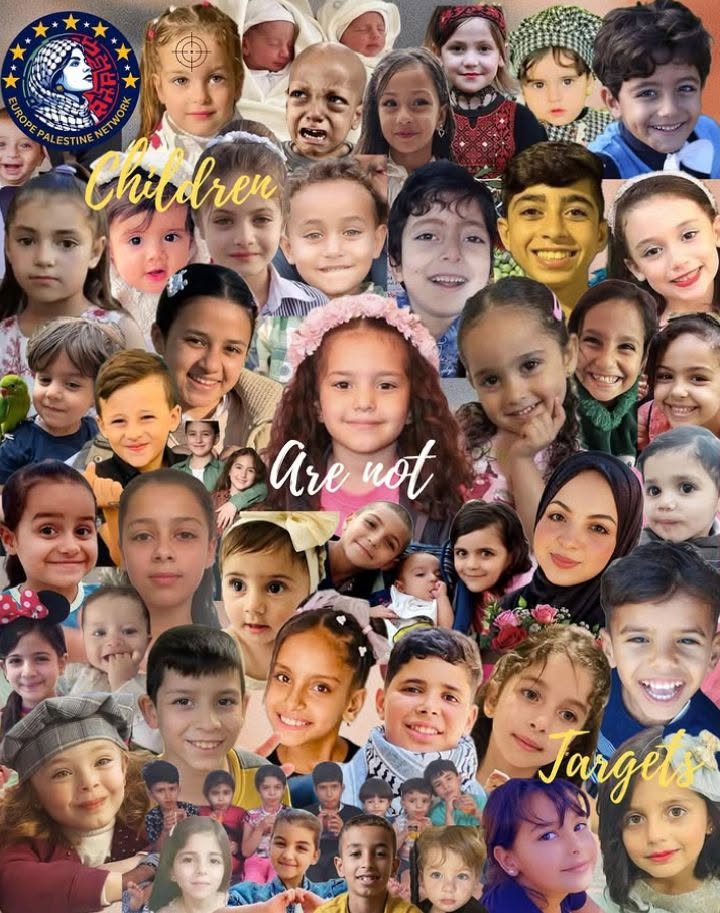
Amnesty International said, “Hind is one of the at least 20,179 children who have been killed by Israeli forces in Gaza since October 2023 – according to the latest reports from the United Nations. The real figure is likely much higher.”
“Justice for Hind Rajab requires not only her killers to be brought to justice. The architects of the genocide in Gaza must be held accountable too. Benjamin Netanyahu and Yoav Gallant must face trial at the International Criminal Court for war crimes and crimes against humanity,” according to the Quds News Network.

At 71,000 Killed: Finally Israel Accepts Gaza’s Health Ministry Stats
- CrossFireArabia
- January 31, 2026
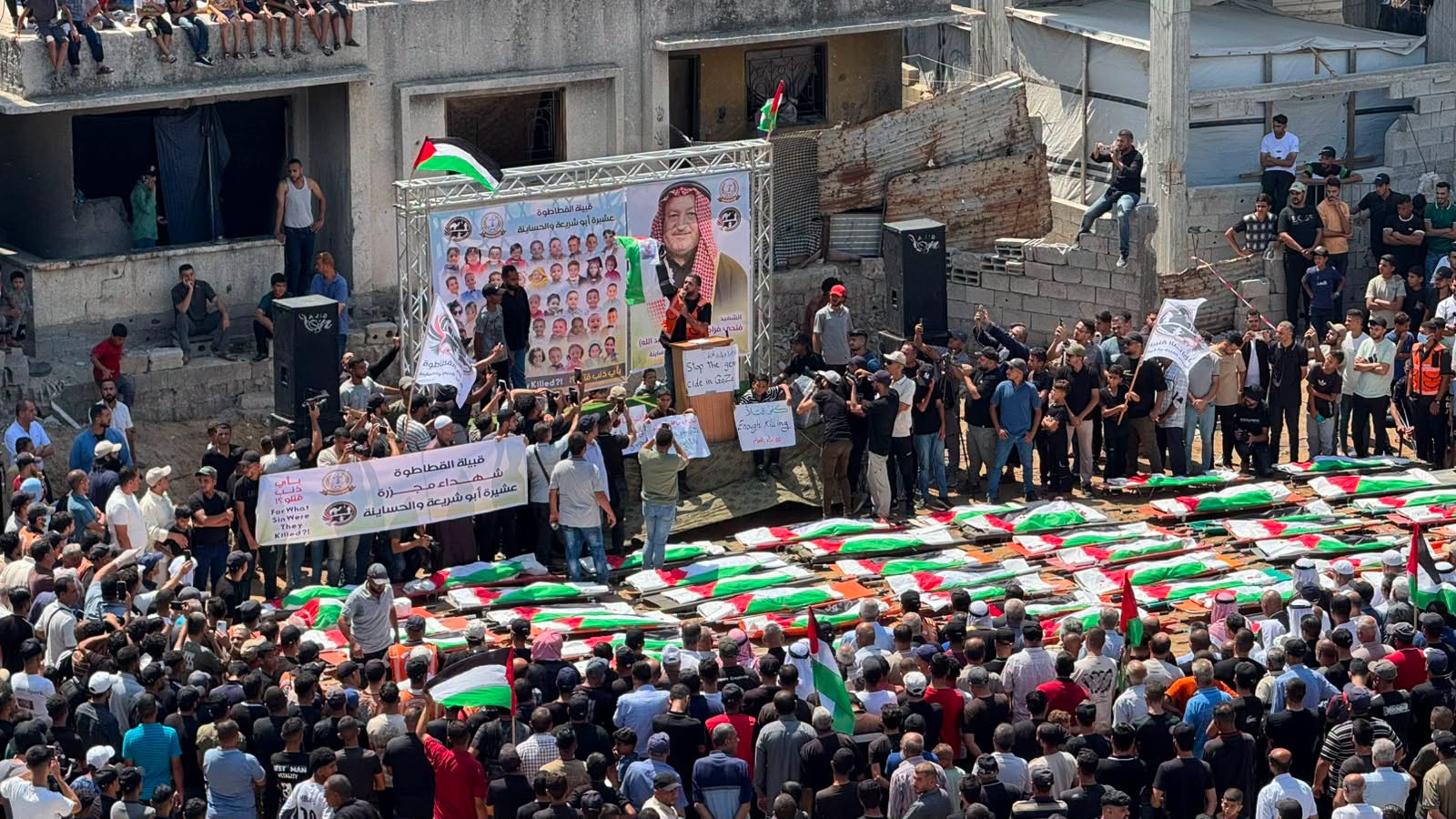
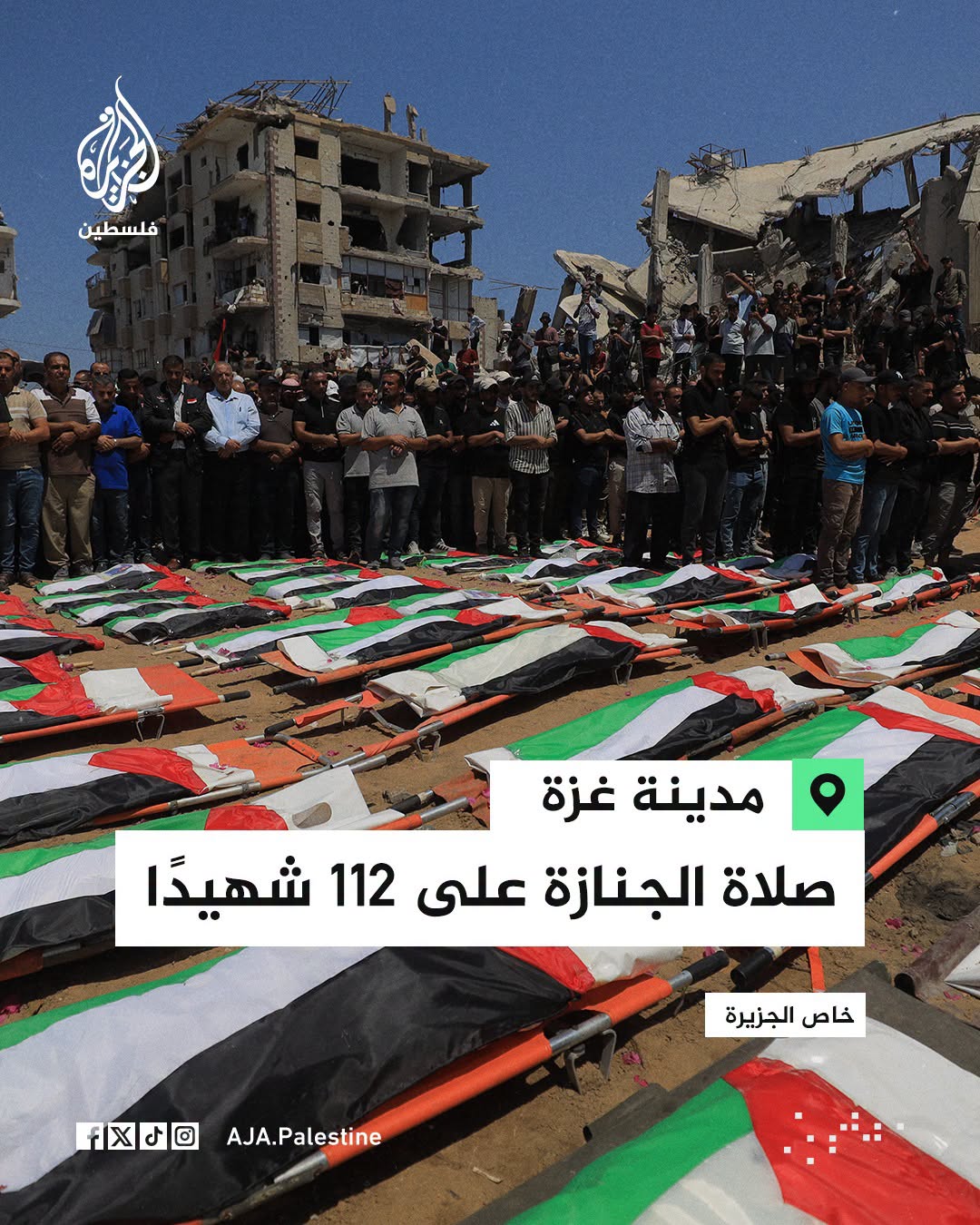
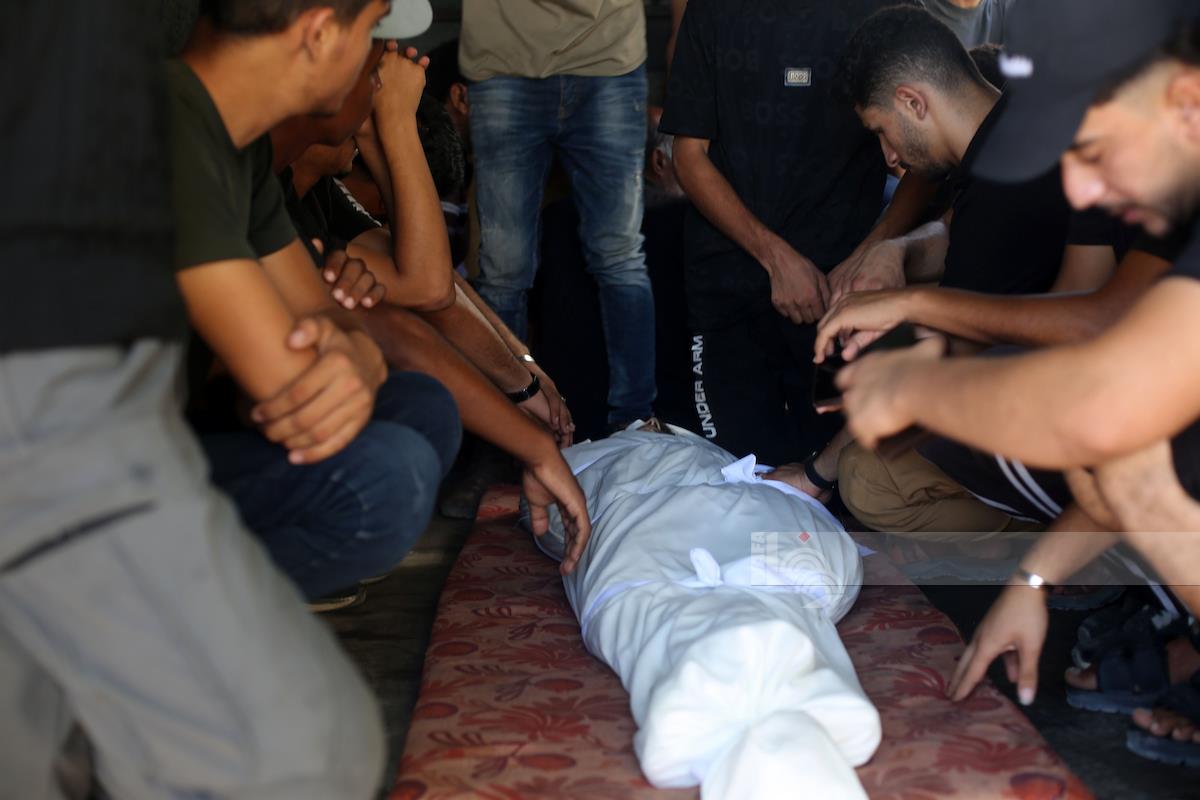
The Israeli military has accepted the accuracy of the Palestinian Health Ministry’s death toll in Gaza, confirming that about 71,000 Palestinians have been killed in the genocide, after years of refusing to acknowledge the ministry’s reports.
According to Israeli newspaper Haaretz on Thursday, the army said the death toll of around 71,000 killed is largely correct, adding that it did not include those missing and buried under the rubble.
Israel had for years refused to accept the death tolls reported by the Palestinian Health Ministry, even branding it “misleading and unreliable”.
The military said it was analysing the data, which also does not include those who died of starvation or from diseases exacerbated by Israel’s years-long genocide in Gaza.
While accepting their accuracy, the military said it was looking to distinguish civilian and military deaths in the enclave.
The data published by the Health Ministry regarding the dead and wounded in the Gaza Strip have been used since the beginning of the genocide by many international organizations, including UN agencies, governments, media outlets, and researchers, and there is broad agreement that they are reliable.
Also, several studies have even raised the possibility that the death toll in Gaza is even higher than the Health Ministry reports. In June 2025, a study was released concluding that, as of January of that year, some 75,200 Gazans were killed during the war. At the time, more and more international experts concluded that the Health Ministry’s data is reliable, and may even be very conservative.
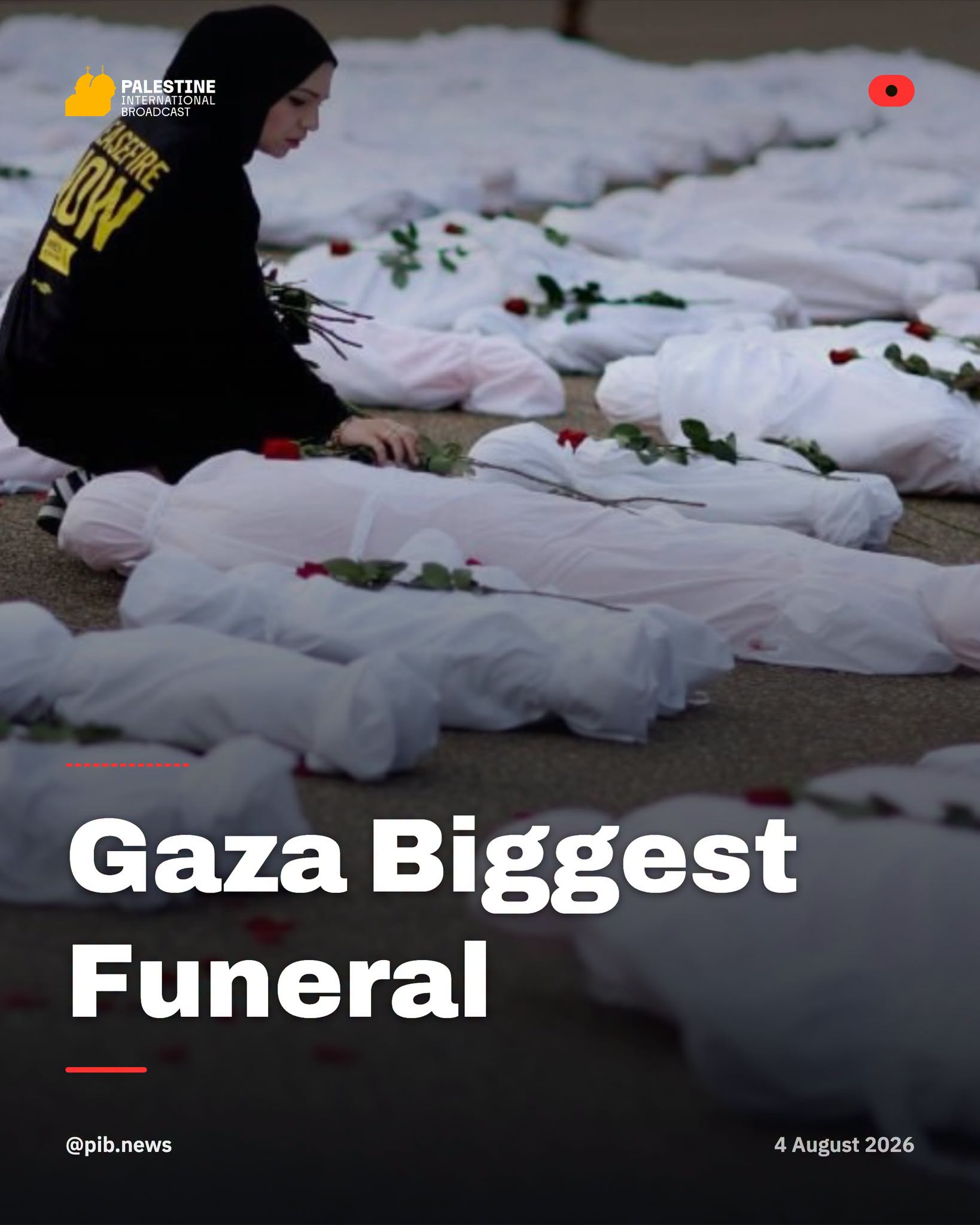
According to the Palestinian Health Ministry this week, over 71,660 Palestinians have been killed during the genocide in Gaza and 171,340 others wounded according to the Quds News Network.