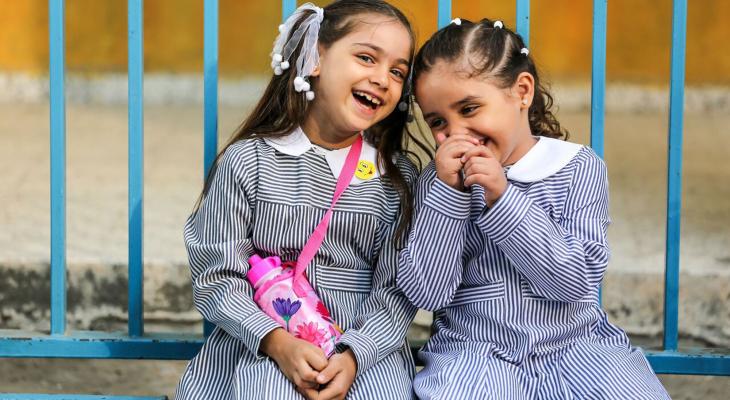
 Palestinian School Year Starts 6 September
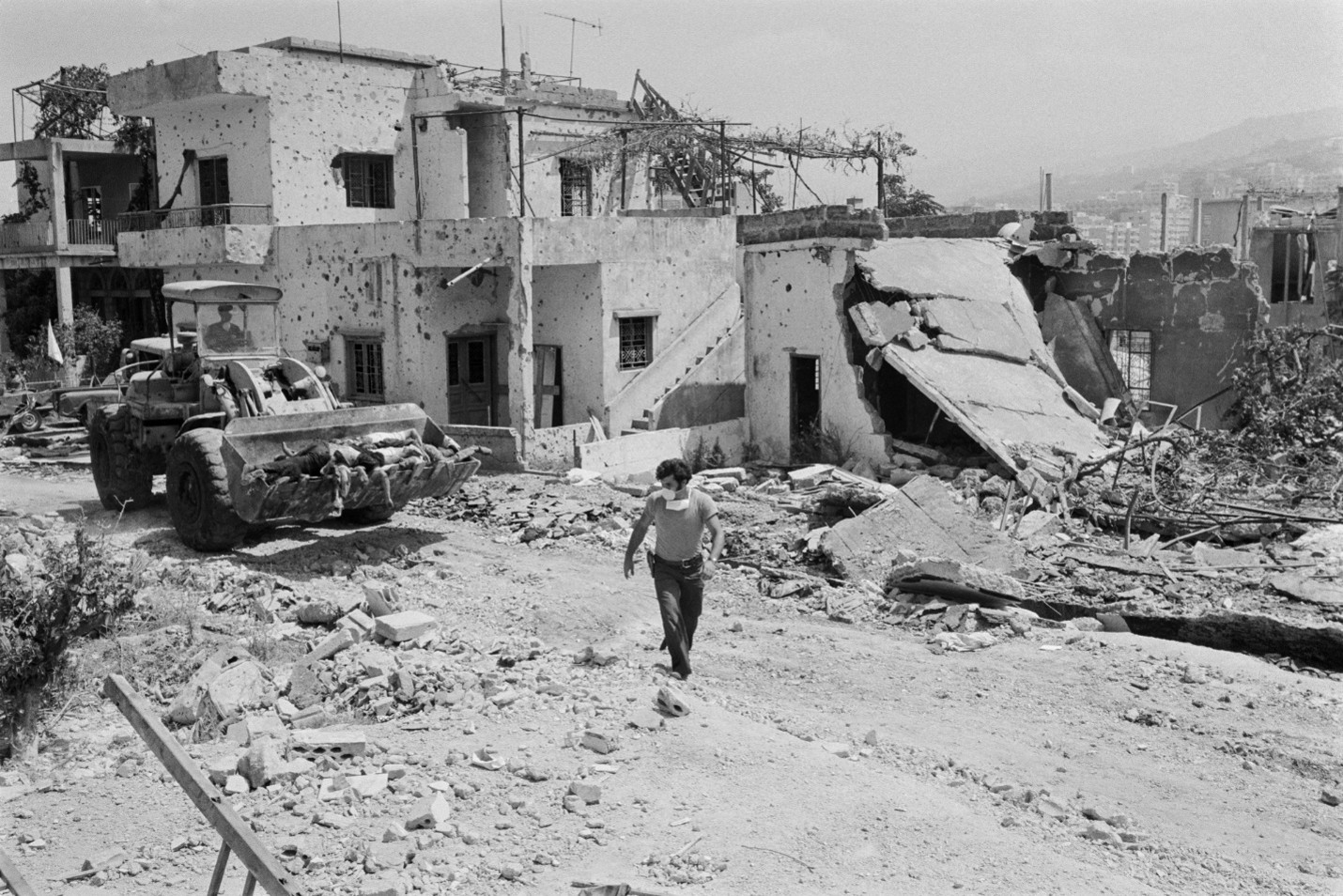 Tel al-Zaater: 50 Years On! Memory of a Massacre
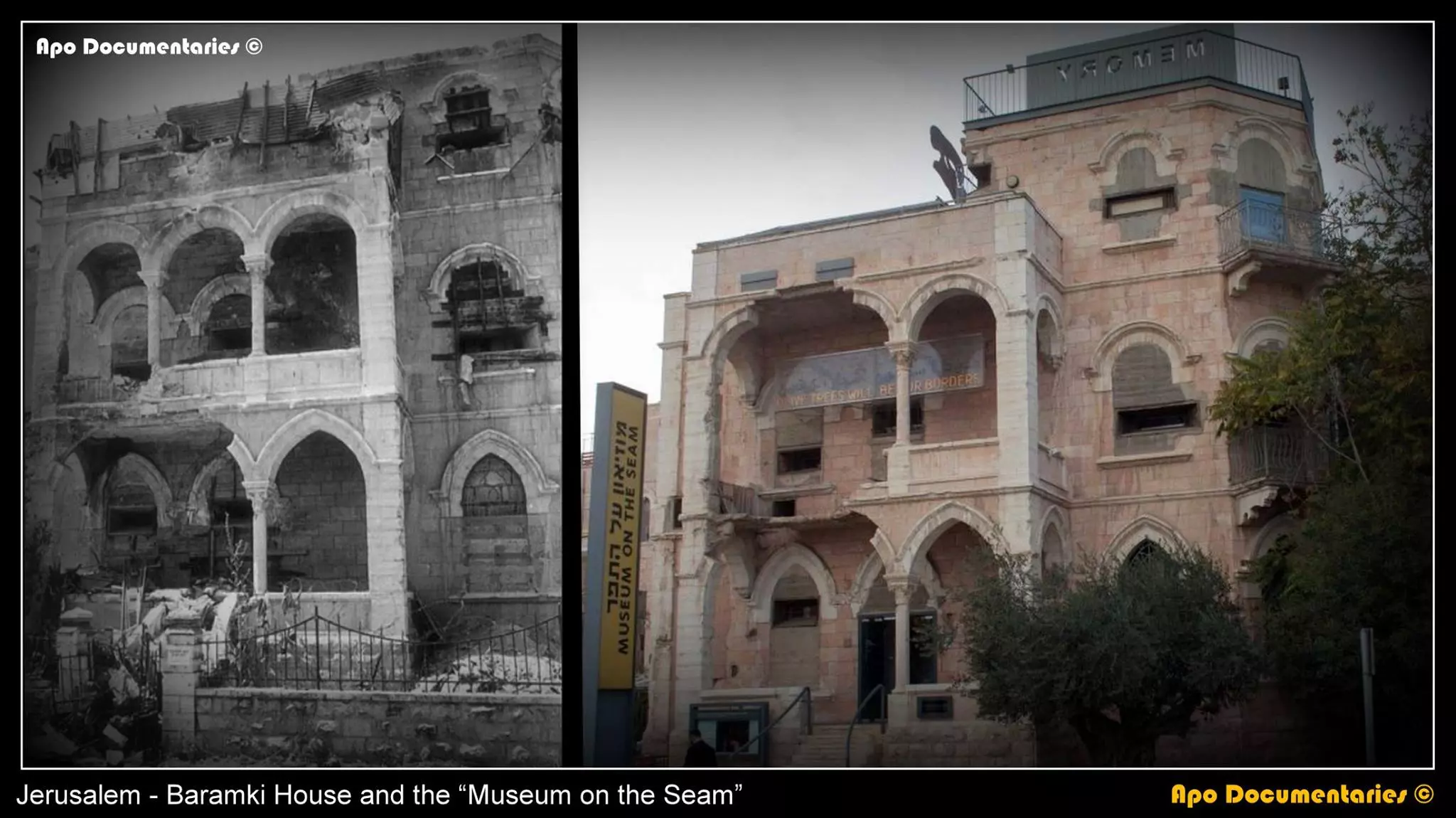 To Evelyn: The Baramki Home in Jerusalem
 Palestinian House, Palestinian Architecture
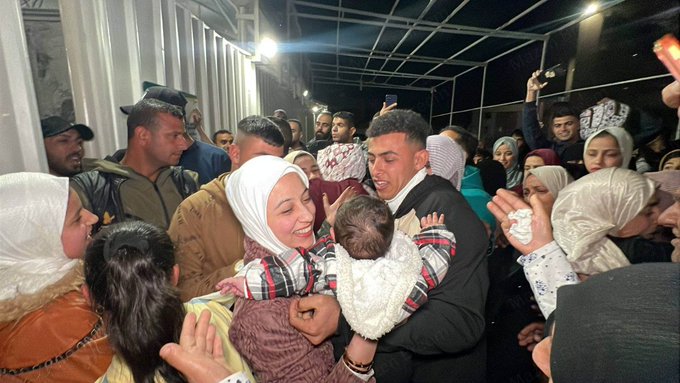 UN Reports Grave Israeli Violations of Gaza Returnees


Palestinian School Year Starts 6 September
marwan
- August 13, 2026
 marwanmarwan
 Heba
Heba CrossFireArabiamarwanmarwanCrossFireArabiamarwanHebaCrossFireArabiaCrossFireArabiaCrossFireArabiaHebamarwanCrossFireArabiamarwanHebaCrossFireArabiaHebamarwanmarwanCrossFireArabiamarwanmarwanmarwanmarwanmarwanmarwanmarwanmarwanmarwanCrossFireArabiaCrossFireArabiamarwanmarwanCrossFireArabiaCrossFireArabiamarwanCrossFireArabiamarwanHebaHebamarwanmarwanCrossFireArabiamarwanmarwanmarwanmarwanCrossFireArabiaCrossFireArabiamarwanmarwanmarwanCrossFireArabiamarwanmarwanmarwanmarwanmarwanCrossFireArabiamarwanmarwanmarwanmarwanCrossFireArabiamarwanmarwanmarwanmarwanmarwanmarwanmarwanmarwanCrossFireArabia
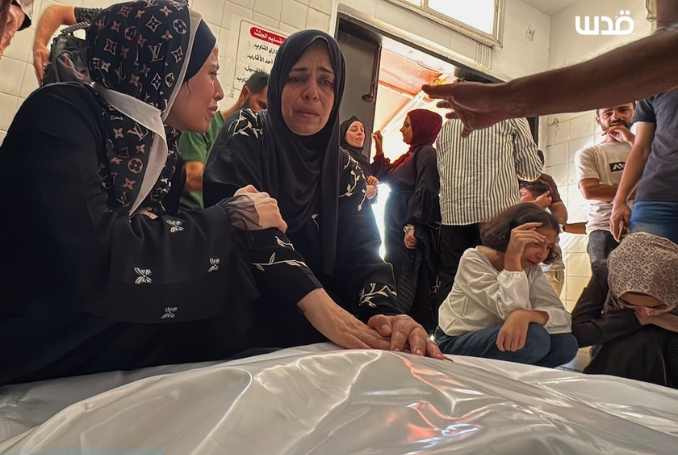
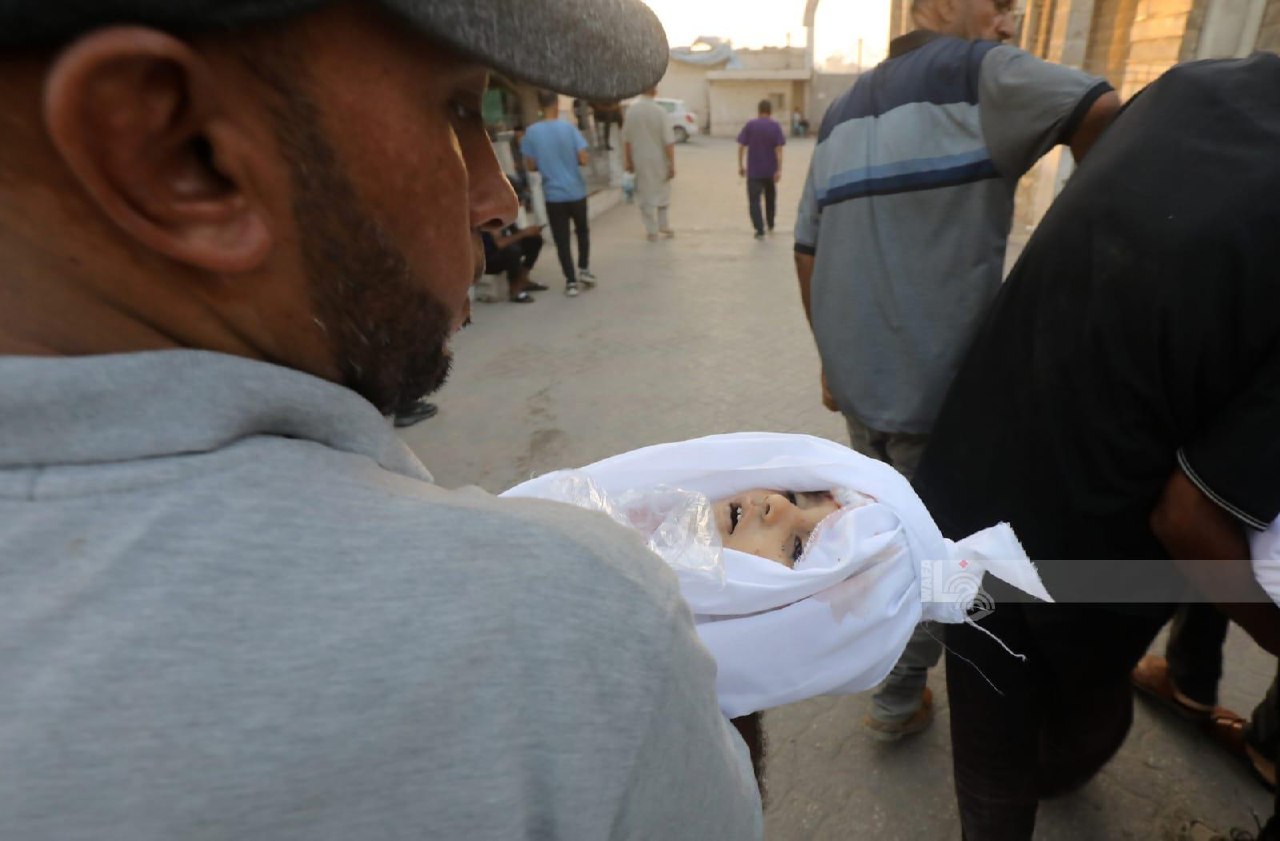
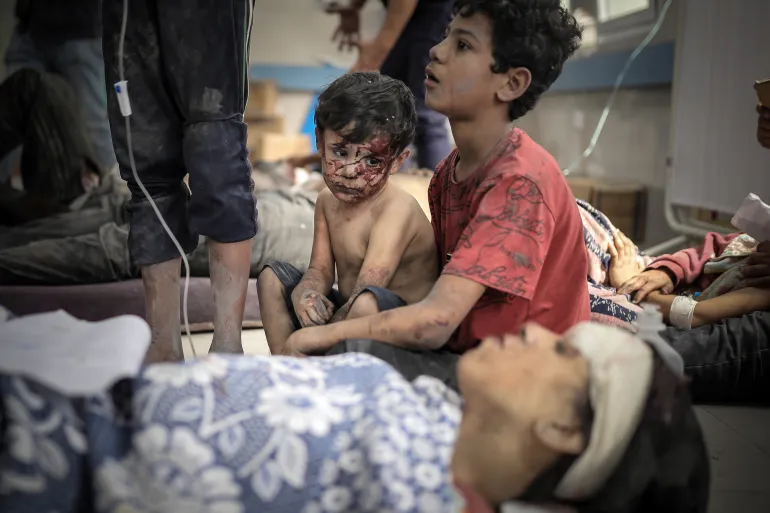
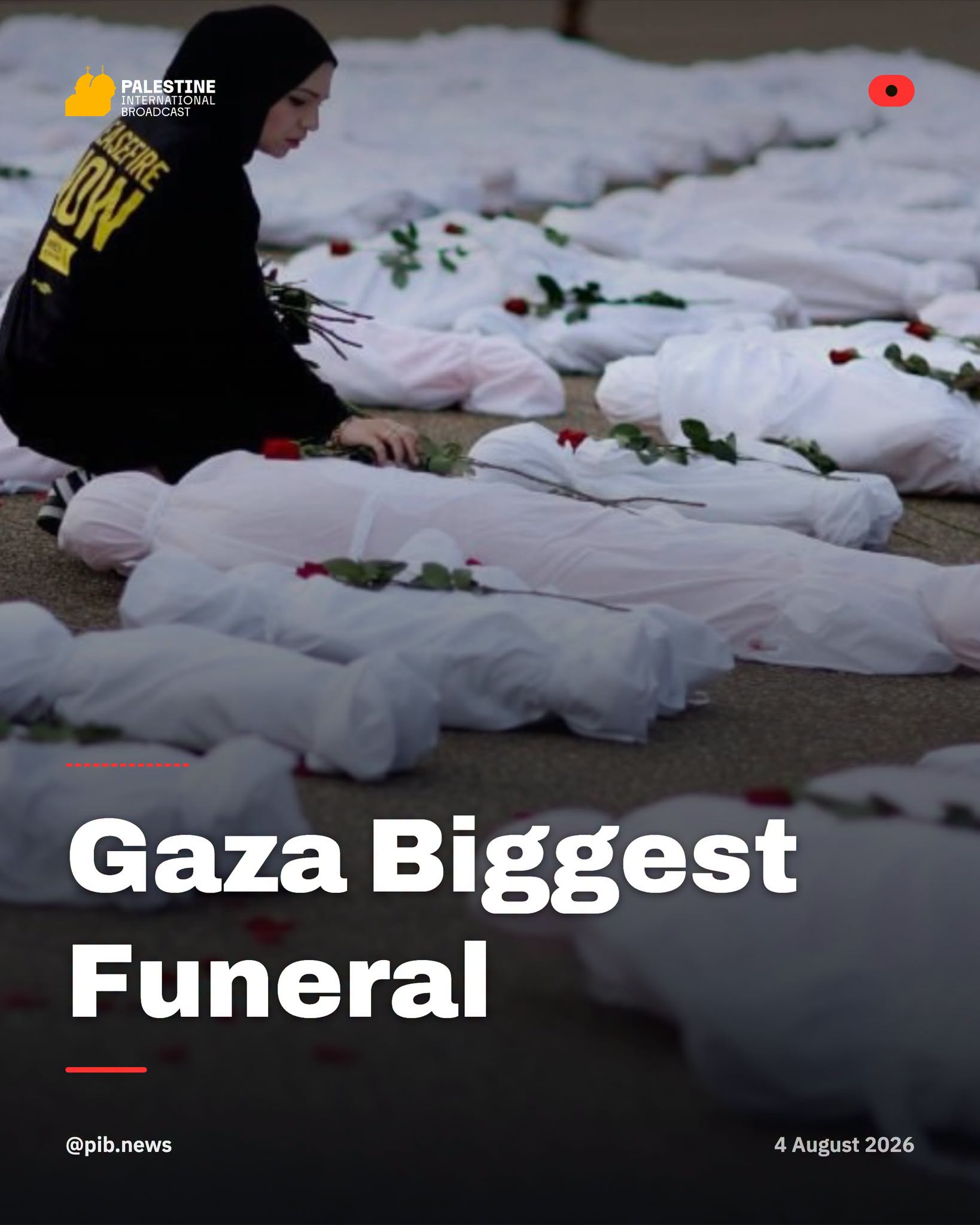
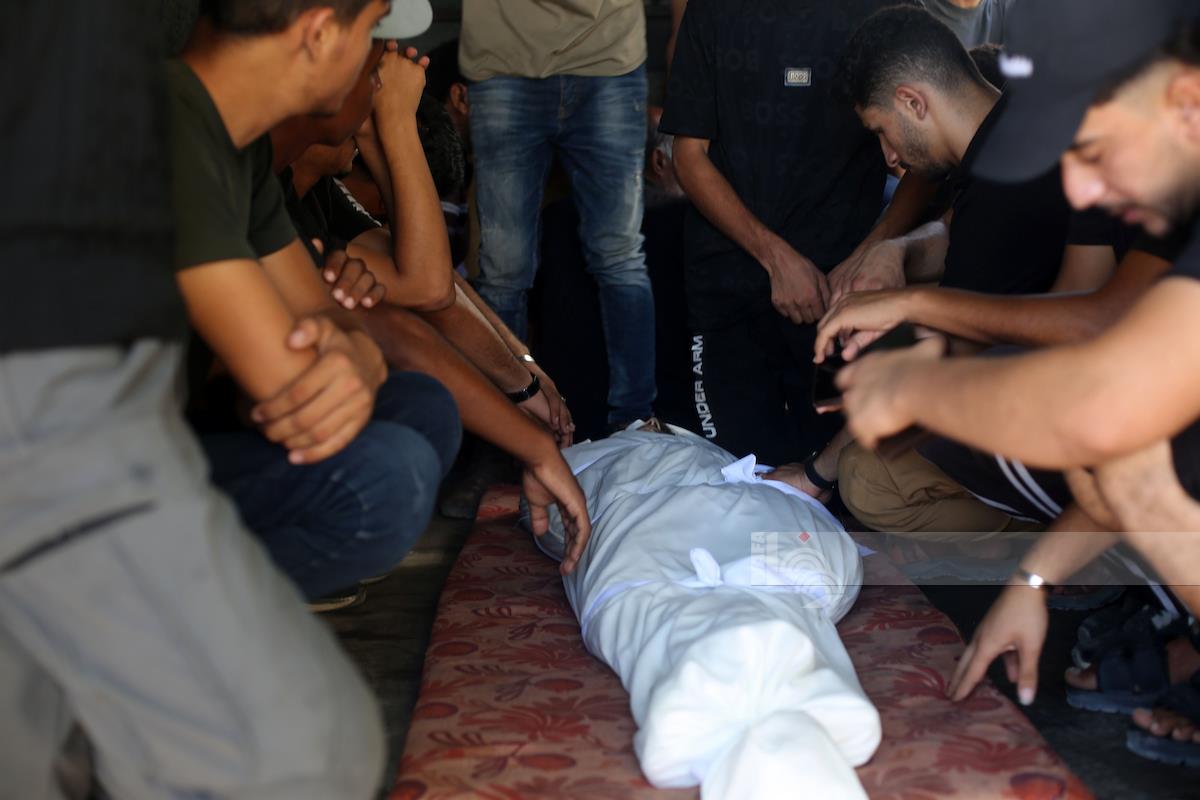
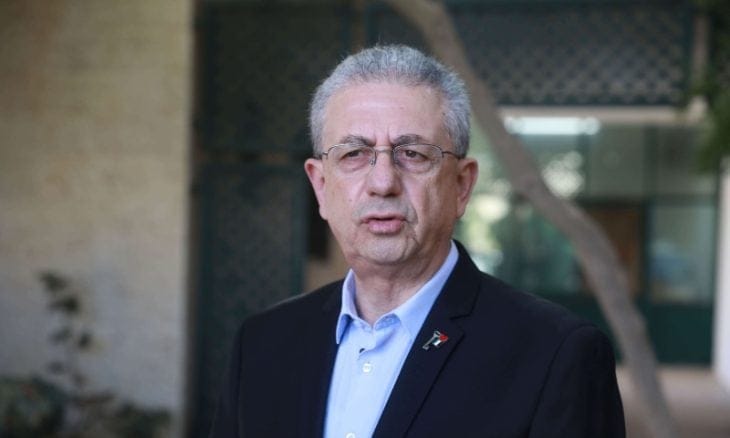
The latest massacre perpetrated by the Israeli occupation army in the Gaza Strip, which resulted in the martyrdom of 31 Palestinian civilians, including at least 8 children and 9 women, is clear evidence that there is no genuine ceasefire except on the Palestinian side, said Secretary-General of the Palestinian National Initiative Dr. Mustafa Barghouti.
He explained to Jordan 24 that Israel does not take any political or legal obligations seriously, emphasizing that the situation on the ground proves that the occupation continues to commit crimes against civilians, while the international community refrains from imposing any deterrent sanctions or holding it accountable for its ongoing violations.
Barghouti pointed out the continued bombardment and targeting of civilians confirms that Israel does not recognize international law. He noted the occupation is not content with killing civilians, but also disregards international humanitarian law and UN Security Council resolutions, thus undermining any real opportunity for a ceasefire.
Barghouti stressed that the responsibility of international mediators is not limited to managing communications, but also requires them to speak the truth clearly: That the occupation is the party violating the ceasefire and undermining political efforts. He called on the international community to take immediate action to stop the crimes and hold those responsible accountable.
He emphasized the international community’s silence encourages the occupation to continue its policies and provides it with political cover to continue targeting civilians. This necessitates a firm international stance to put an end to these repeated violations.
CrossFireArabia
The large-scale exhumation operations by the Israeli army east of Gaza City, under the pretext of searching for the body of the last Israeli captive in the Gaza Strip, are deeply alarming.
Euro-Med Human Rights Monitor stresses that this pretext does not grant legitimacy to violating the sanctity of the Palestinian dead, tampering with their graves, or desecrating their remains. Any search operations must be strictly limited in scope, subject to stringent humanitarian safeguards, and conducted under neutral international supervision.
Over the past two years, Israel has systematically destroyed cemeteries in the Gaza Strip, dug up and vandalised graves, tampered with bodies, and transferred dozens of remains.
Euro-Med Monitor has reviewed documented reports indicating that the Israeli army dug up nearly 200 graves in a cemetery in the Shuja’iyya neighbourhood near the Yellow Line. The operations are reportedly ongoing, with no independent information or neutral verification as to whether examinations are being conducted on site or whether bodies are being removed or transferred elsewhere. This significantly heightens the risk of serious violations and undermines any claim of necessity or restraint, particularly given Israel’s documented pattern of destroying, bulldozing, tampering with, and snatching bodies from cemeteries in Gaza.
The expansion of exhumations in the absence of any Palestinian or neutral international presence, such as the International Committee of the Red Cross, risks exceeding the stated purpose of searching for a specific body and significantly increases the likelihood of violating the sanctity of cemeteries and the remains of the dead, including through the transfer or tampering of remains without traceable records.
Such practices not only violate the dignity of the deceased but also inflict severe psychological harm on their families by leaving them in uncertainty about the fate and burial sites of their loved ones, denying them verification or official information, and amounting to cruel treatment and psychological torture of the families of the deceased.
The Israeli army has destroyed 21 out of 60 cemeteries in the Gaza Strip over the past two years and has systematically vandalised cemeteries and exhumed graves in all areas where it conducted ground incursions. These actions included bulldozing graves, extracting remains, and crushing them with military machinery, repeatedly causing the mixing, loss, and disappearance of remains, as well as damage to neighbouring graves.
On 25 December 2024, Euro-Med Monitor received multiple testimonies regarding the Israeli army’s bulldozing of the Beit Hanoun Cemetery in northern Gaza. Documented excavations in specific graves included the removal and snatching of recently buried bodies, as well as the mixing of remains to the point that identification became impossible. Between 17 and 20 December 2024, the Israeli army stormed the Sheikh Shaban Cemetery in Gaza City, bulldozed dozens of graves, and ran over the bodies of the dead.
On 20 December 2024, Euro-Med Monitor documented extensive destruction and vandalism by the Israeli army in a cemetery approximately 1.7 kilometres east of central Khan Younis in southern Gaza, including the exhumation of graves across an area of about 2,500 square metres. Earlier that month, the Israeli army stormed the Al-Faluja Cemetery in Jabalia, northern Gaza, causing widespread destruction, including damage to graves and headstones and the confiscation of several bodies.
The attacks also targeted the Ali Ibn Marwan Cemetery, Sheikh Radwan Cemetery, Al Shuhada’ Eastern Cemetery, the Tunisian Cemetery, and the Cemetery of St. Porphyrius Church, all located in Gaza City and its northern areas. The central Khan Younis Cemetery in the Austrian neighbourhood was also targeted, destroying dozens of graves, creating large pits that swallowed graves, mixing and disappearing of remains, damaging adjacent graves, and violating the dignity of the dead.
Based on Euro-Med Monitor documentation over recent months, Israel is systematically violating the sanctity of the dead and cemeteries in clear breach of international humanitarian law and the rules of war, which require the protection of cemeteries during armed conflicts, the respectful treatment of the dead, and the preservation of graves, and prohibit their desecration or tampering.
Any Israeli search operations for the body of the last Israeli captive in the Gaza Strip do not justify violating the sanctity of Palestinian dead or exhuming Palestinian graves. The respect for the dignity of the dead is an obligation without discrimination, and tampering with remains or burial sites, or desecrating cemeteries, is prohibited.
International humanitarian law prohibits the snatching of dead bodies and affirms that degrading treatment and attacks on dignity, including that of the dead, constitute a war crime under the Rome Statute of the International Criminal Court.
An immediate halt to all grave exhumation and bulldozing operations is required, along with refraining from any unilateral search measures and ensuring that any claimed search operations are subject to strict, written, and public constraints that precisely define their scope with minimal interference. Euro-Med Monitor calls for the presence of a neutral competent body, such as the International Committee of the Red Cross, to thoroughly document every grave opening, including the identification and coordinates of targeted graves, prevent the transfer of any remains outside the Gaza Strip, ensure reburial at the same site without alteration, and rehabilitate damaged cemeteries in a manner that preserves the dignity of the dead and the rights of their families.
Euro-Med Monitor stresses the need for the International Criminal Court and relevant UN investigative mechanisms to fulfil their role in investigating the systematic destruction of Palestinian cemeteries and the snatching of bodies as part of broader files on crimes committed by Israel in the Gaza Strip, to ensure accountability, prevent impunity, and uphold the dignity of the dead.
CrossFireArabia
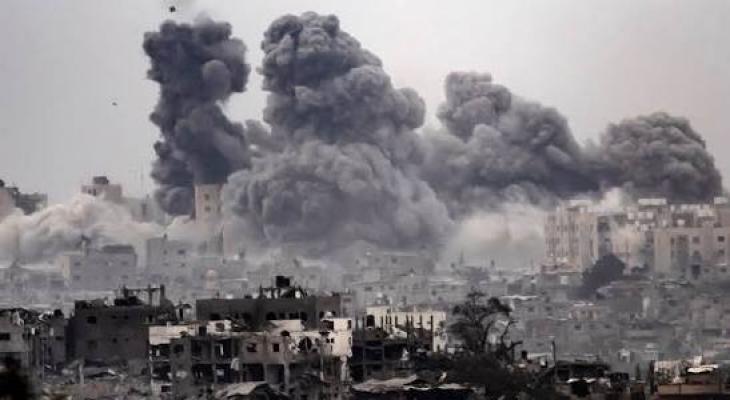
Israeli forces killed at least 31 Palestinians in Gaza on Saturday as airstrikes and shelling continued across the besieged enclave, despite a Trump-brokered ceasefire.
The Ministry of Health said dozens of civilians were killed or wounded in new attacks by the Israeli army, while Hamas stated that Israel is deliberately undermining the ceasefire agreement and committing fresh massacres across the strip.
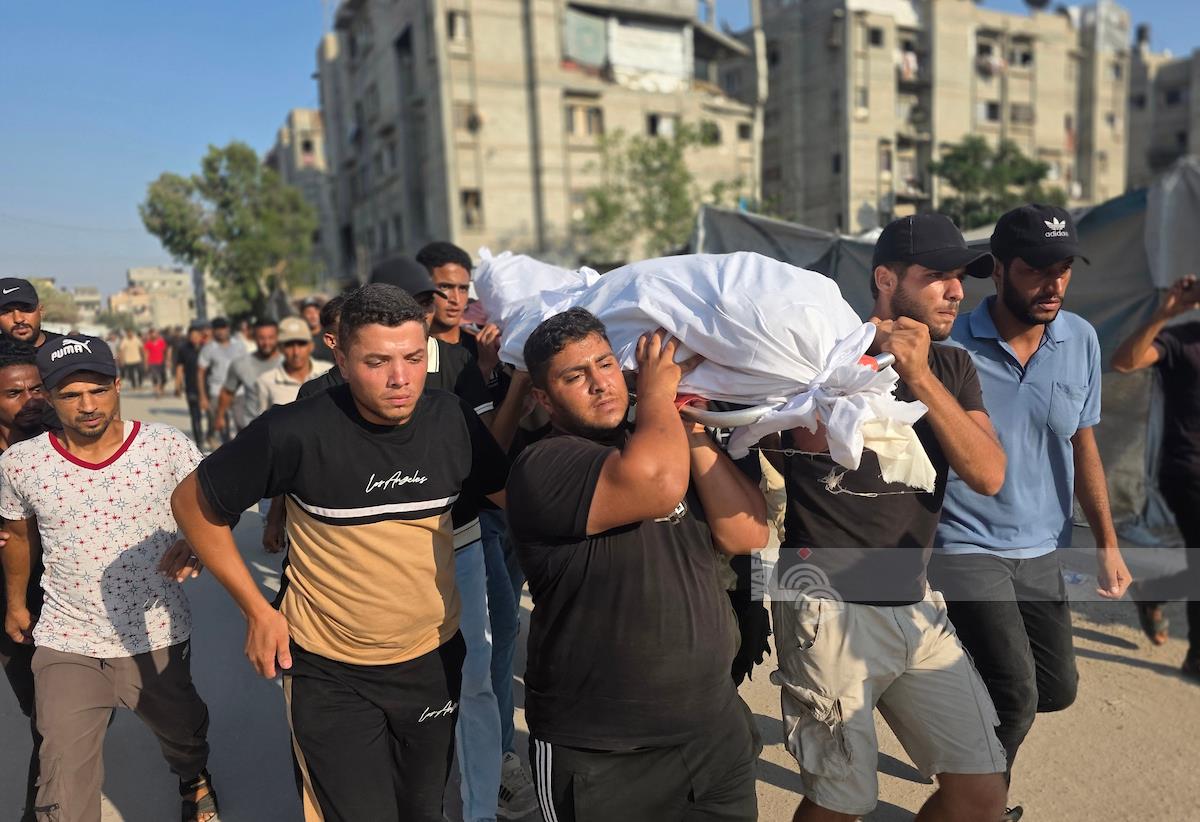
Hospital sources said Israeli fire killed 31 Palestinians outside Israeli deployment zones in Gaza City and Khan Younis, in central and southern Gaza, since dawn on Saturday. At least 24 of the victims were reported in Gaza City and northern areas of the enclave.
Al-Shifa Hospital said the death toll rose after Israel attacked a police headquarters in Sheikh Radwan neighborhood of Gaza City. Emergency and ambulance services also confirmed that two Palestinians were killed in an Israeli strike on Al-Nasr neighborhood in western Gaza City.
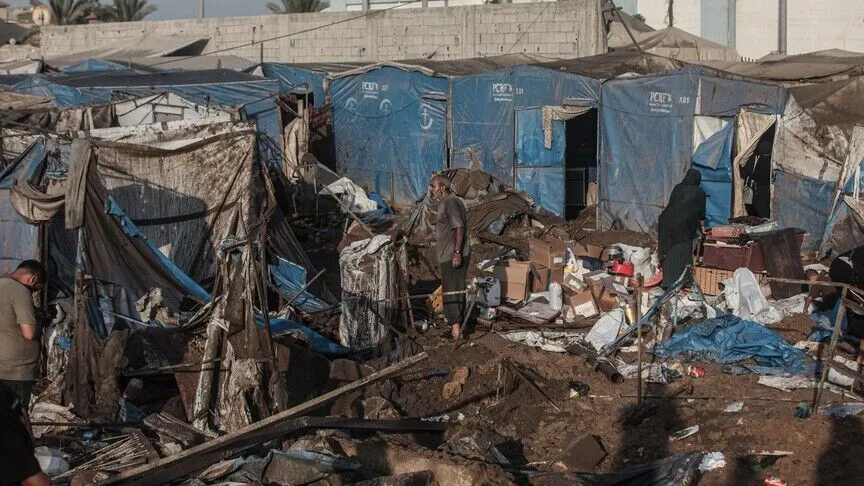
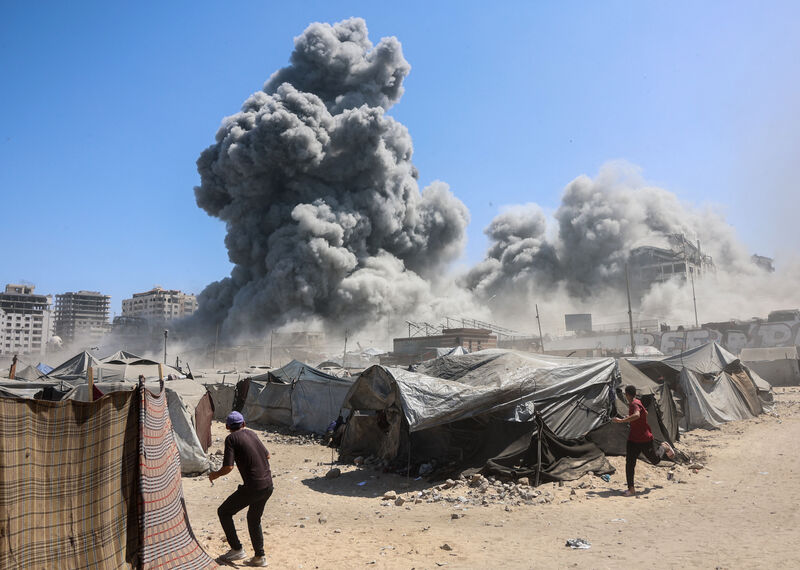
Field reports showed that Israeli attacks focused on residential neighborhoods and areas sheltering displaced families. These areas included Al-Tuffah and Sheikh Radwan in Gaza City, as well as displacement camps and tents in Al-Mawasi area west of Khan Younis.
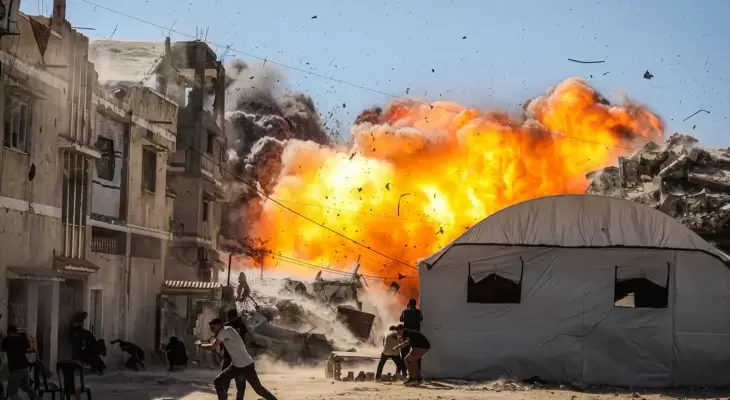
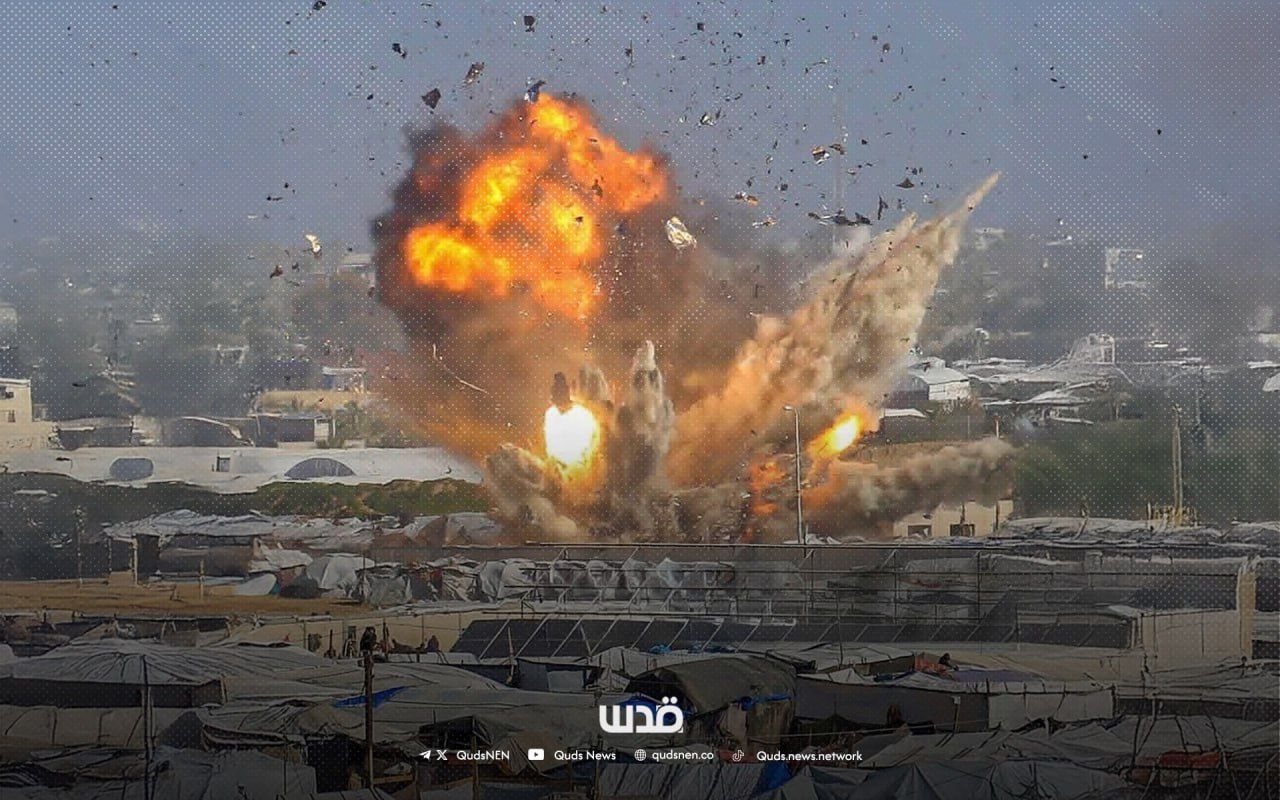
The latest strikes triggered large fires in displacement tents at “Ghaith” camp west of Khan Younis, according to Gaza Civil Defense. Rescue teams said the fires added a heavy burden as they responded to bombardment and widespread blazes at the same time.
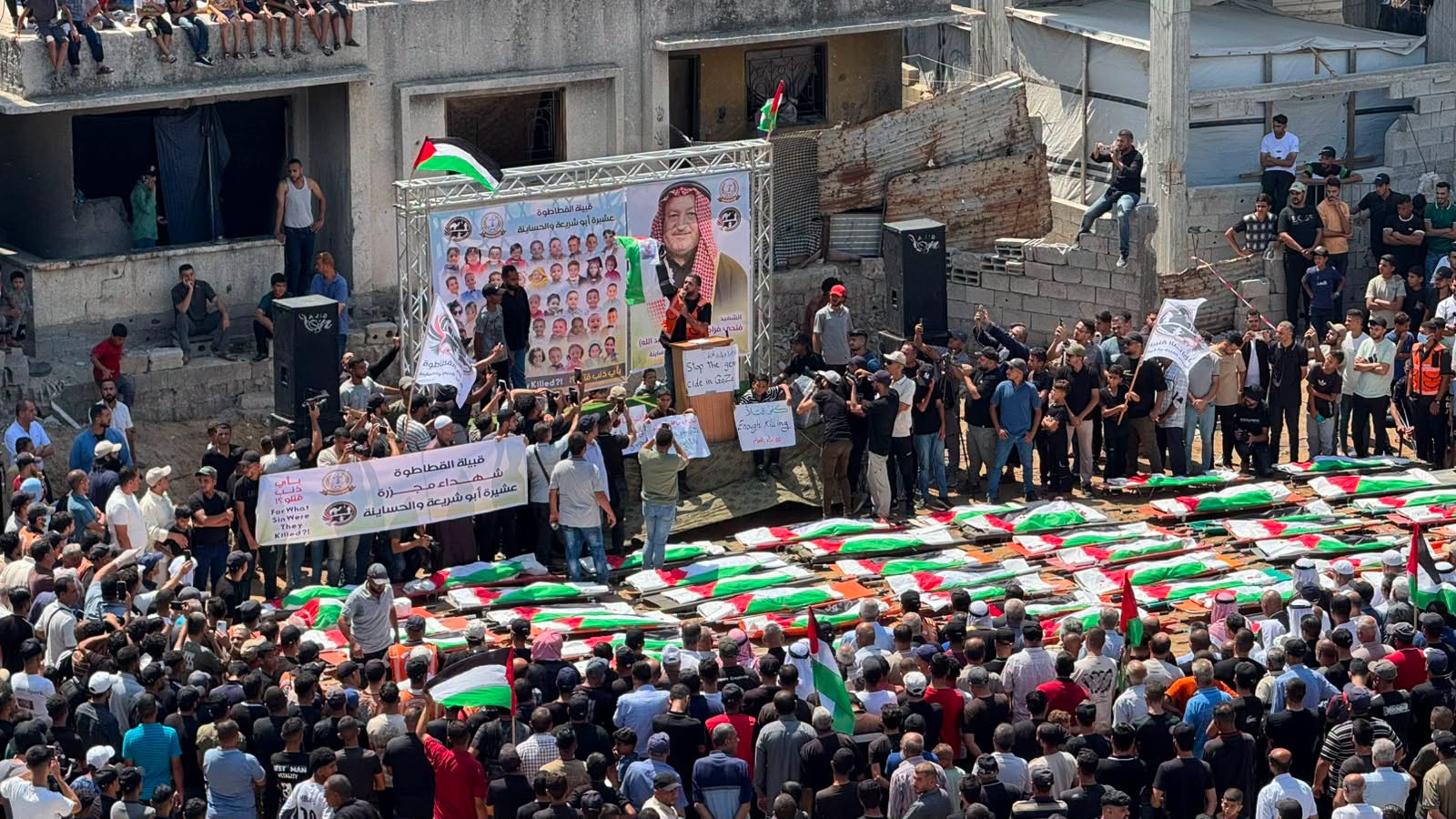
Gaza’s Interior Ministry said the Israeli attack on Sheikh Radwan police headquarters showed clear disregard for the ceasefire and the international mediators backing it. The ministry said the strike killed five police officers and injured 15 others, in addition to civilians and displaced people who were near the site.
The ministry urged mediators to take responsibility and pressure Israel to stop its violations and spare civilians and civilian facilities from continued attacks.
Earlier on Saturday, hospital sources said Israeli fire killed 12 Palestinians, including six children, in Gaza City and Khan Younis.
In southern Gaza, an Israeli airstrike on “Ghaith” displacement camp in Al-Mawasi killed seven members of one family after their tent was hit in a densely populated area for displaced civilians. The Civil Defense said several others were wounded in separate strikes that targeted tents sheltering displaced families.
Israeli artillery shelling in areas inside Israeli troop deployment zones in Al-Tuffah neighborhood, northeast of Gaza City. Ambulance services also said Israeli strikes hit a residential apartment in Gaza City, killing and injuring several Palestinians.
Gaza Civil Defense spokesperson Mahmoud Basal said most of Saturday’s victims were children. He said Israeli strikes do not distinguish between civilians and fighters and described the situation as a systematic humanitarian catastrophe. He added that Israeli forces used high-explosive missiles, causing widespread destruction and fires.
Palestinian Red Crescent spokesperson Raed Al-Nims said ambulance crews face unprecedented challenges as Israeli attacks continue to hit homes and displacement camps, while most medical facilities remain damaged. He called on the international community to pressure Israel to halt its violations and allow medical teams to work without obstruction according to the Quds News Network.
The Israeli newspaper Maariv quoted the Israeli army as claiming that its air assaults in Gaza would continue, claiming it responds to alleged “serious incidents” that allegedly violated the ceasefire. The army claimed that it targeted Hamas and Islamic Jihad commanders, weapons depots, and military infrastructure.
Hamas rejected the Israeli claims and said the continued targeting of displaced people’s tents marks a dangerous escalation and a deliberate collapse of the ceasefire. The resistance movement described the attacks as a new massacre and a blatant violation of the agreement.
Hamas said Israeli actions confirm the continuation of a war of destruction against Gaza and a disregard for mediation efforts. It called on guarantor states and the US administration to intervene and stop policies that undermine the ceasefire.
The movement also demanded an immediate transition to the second phase of the agreement, including opening the Rafah crossing in both directions and enabling the national committee to operate freely in Gaza.
Since the ceasefire took effect in October, Israeli forces have killed 524 Palestinians and wounded 1,360 others.
The International Committee of the Red Cross said continued Israeli bombardment places extreme pressure on Gaza’s collapsed health system. Egypt’s Foreign Ministry also condemned repeated Israeli violations of the ceasefire, warning they pose a direct threat to the political process.