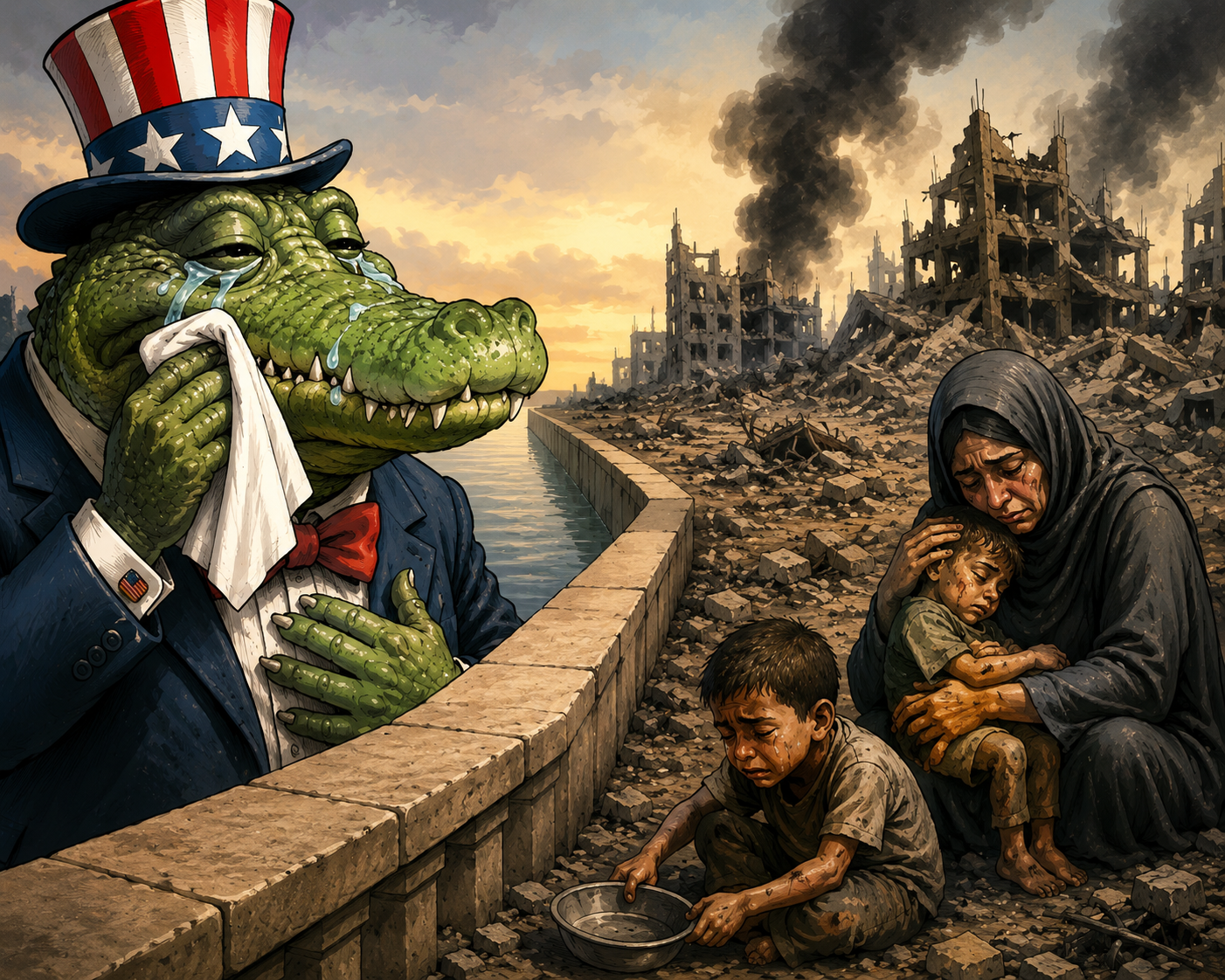
 ‘No Need For Your Crocodile Tears’
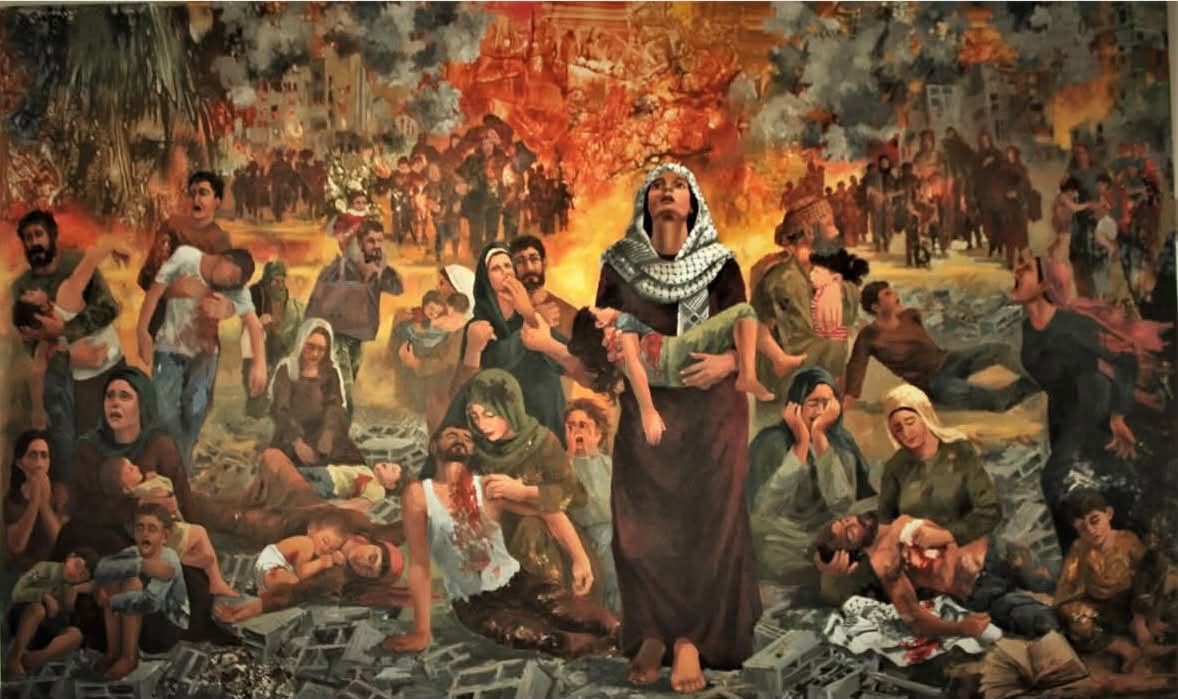
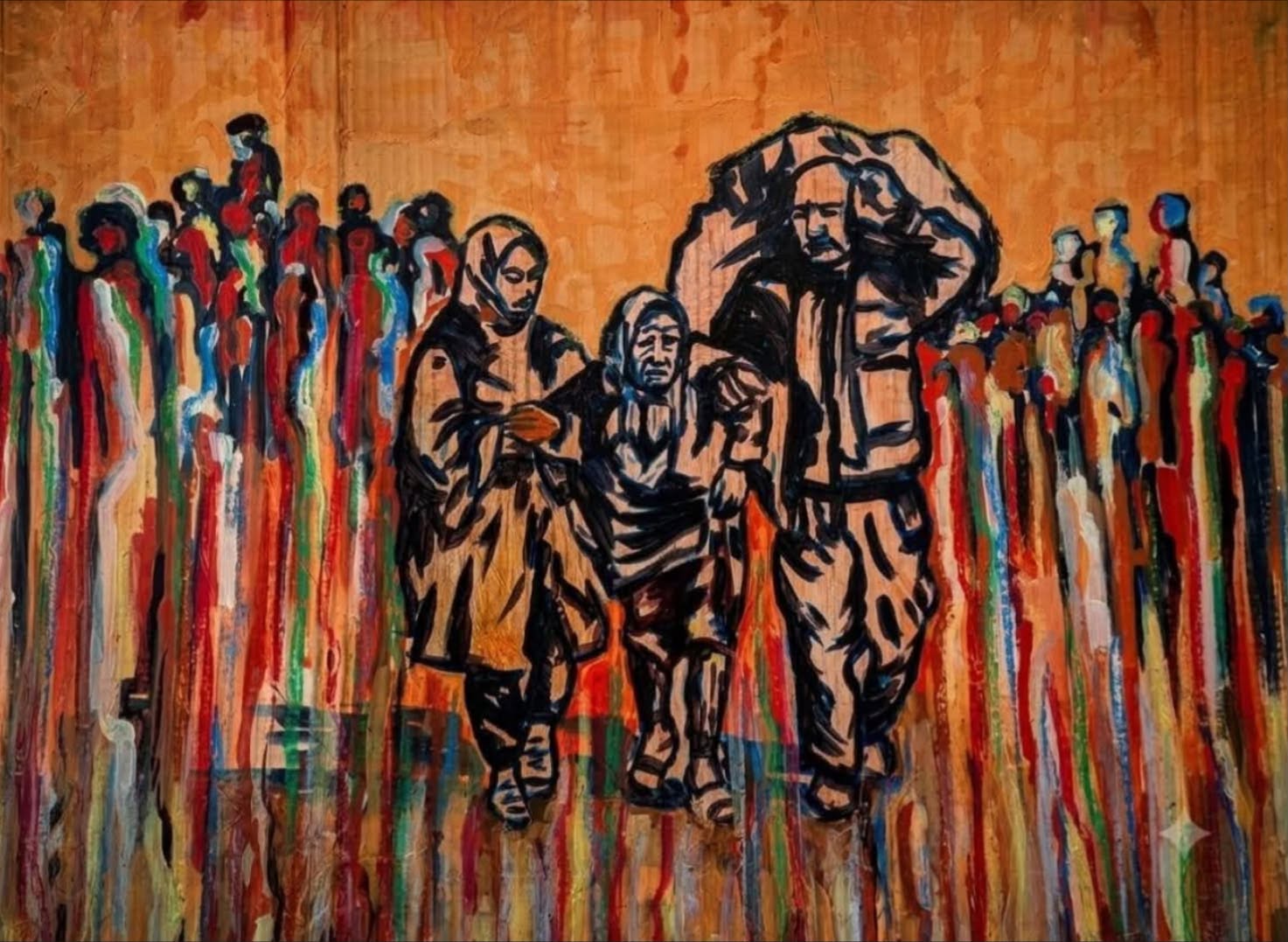
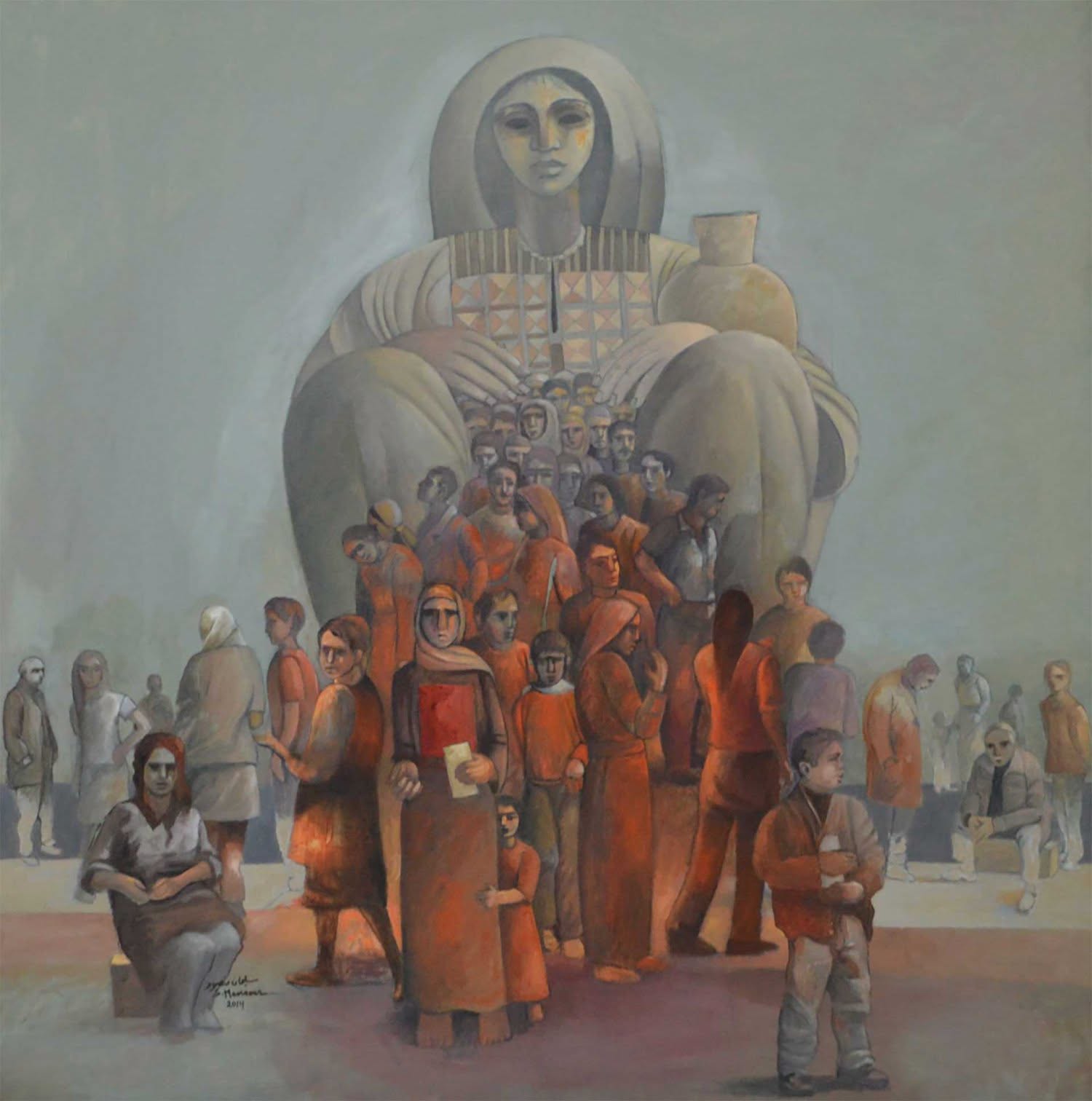
 Reem Arkan’s ‘Red Homeland’
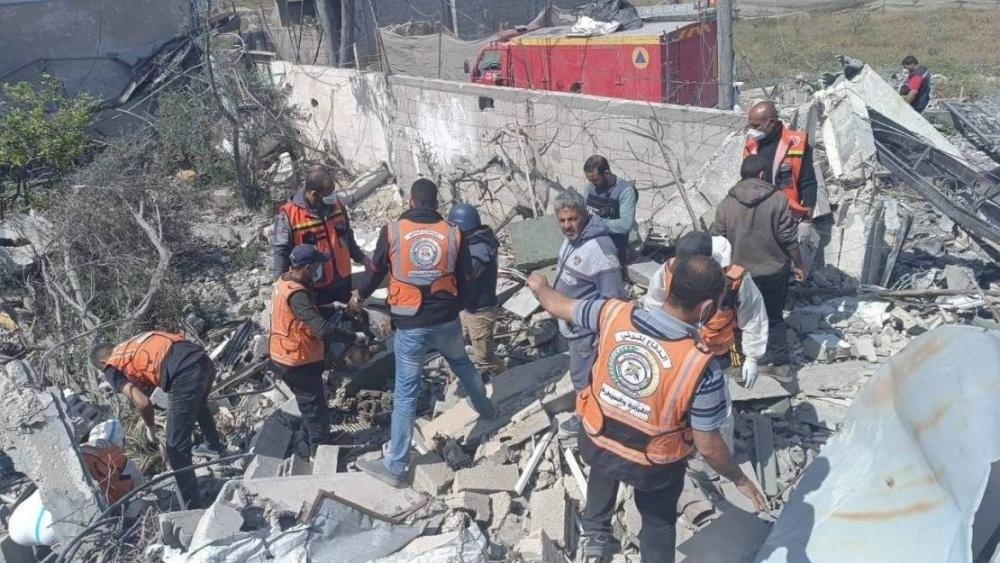
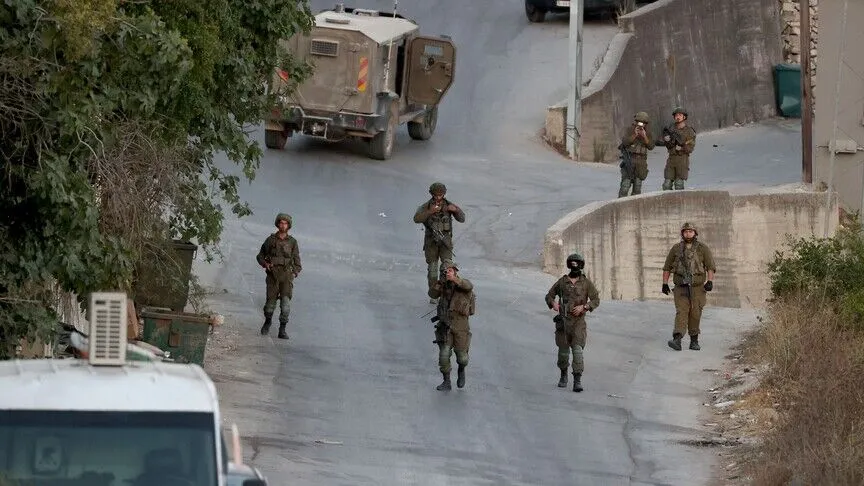
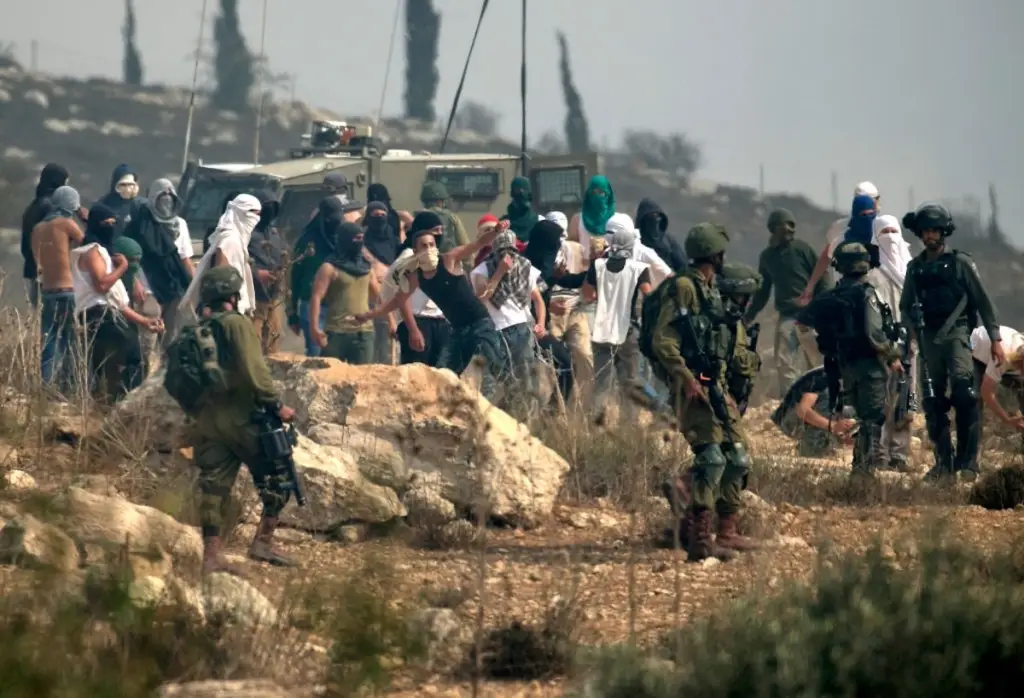 Israeli Army Seizes 16 Homes in The West Bank
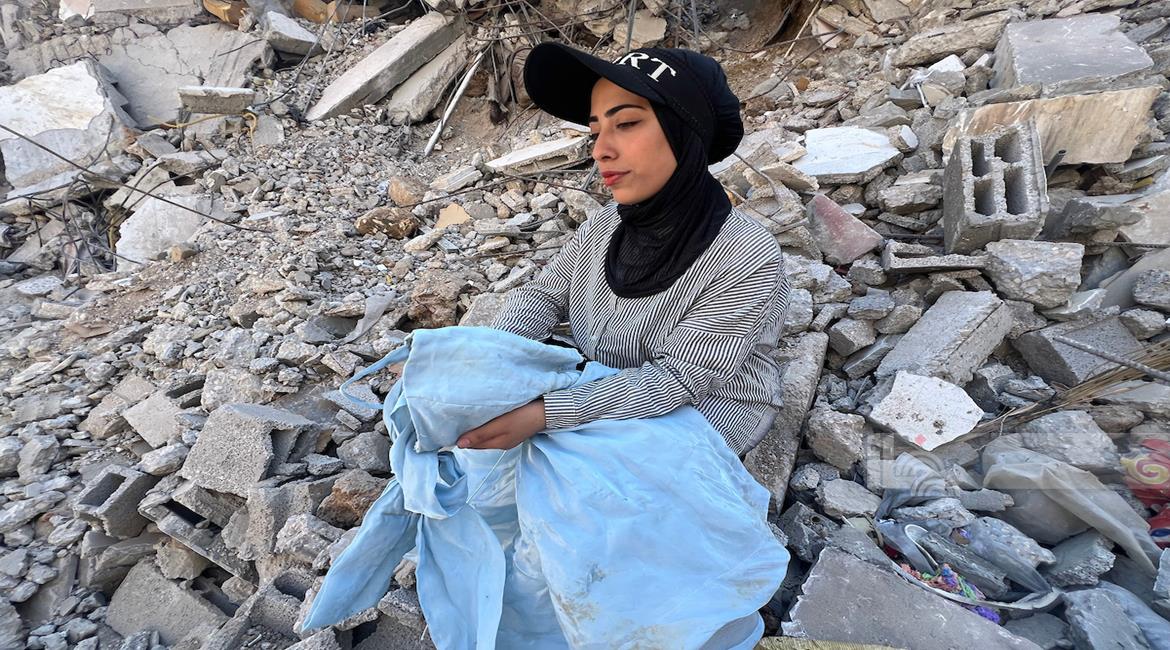
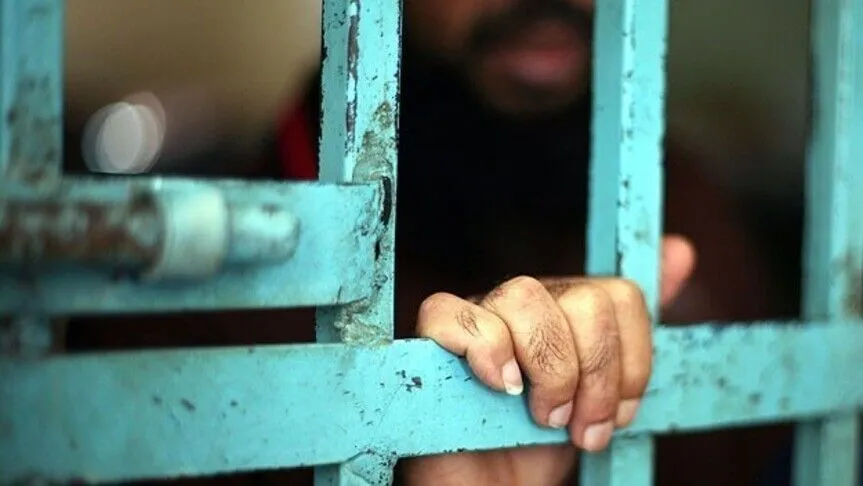
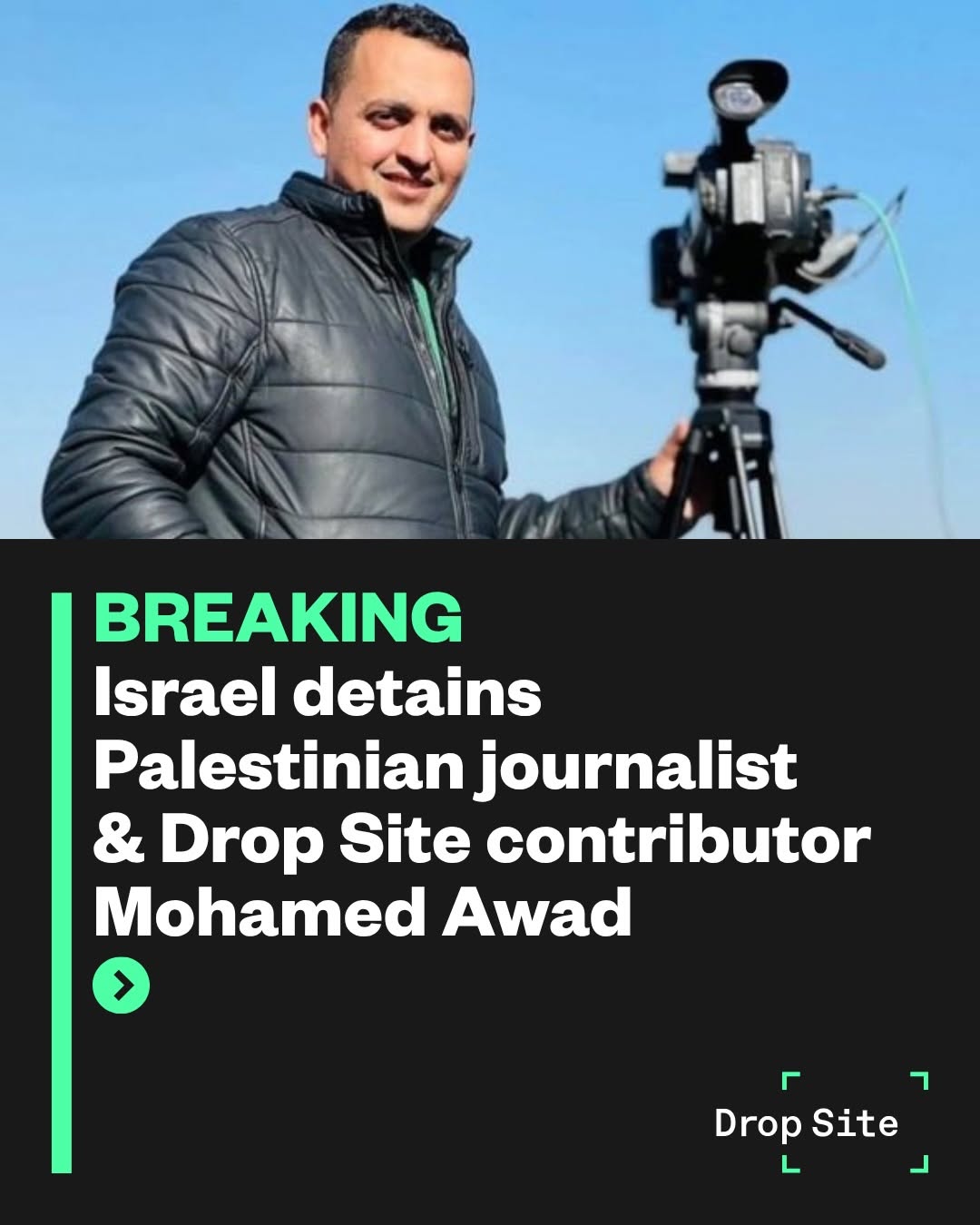 Israel Arrest Palestinian Journalist and Drop Site Contributor Mohammed Awad
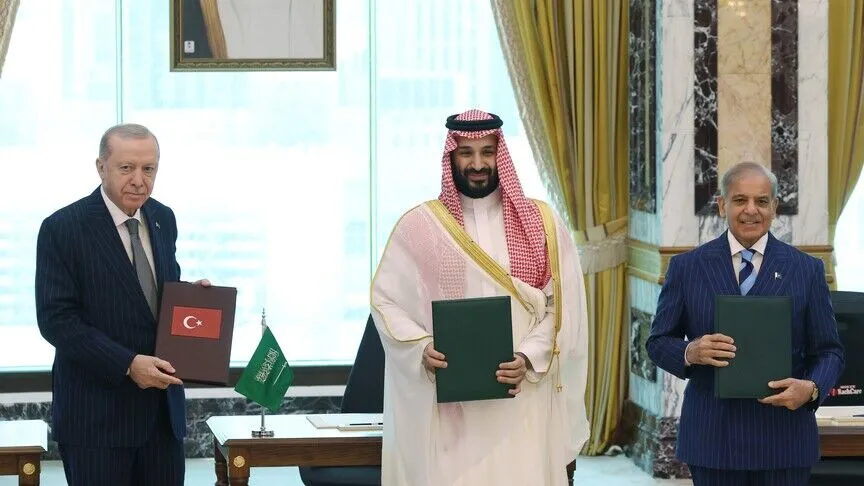
 Palestinian School Year Starts 6 September

‘No Need For Your Crocodile Tears’
Heba
- August 13, 2026
 Heba
Heba CrossFireArabia
 marwanmarwanHebaCrossFireArabiamarwanmarwanCrossFireArabiamarwanHebaCrossFireArabiaCrossFireArabiaCrossFireArabiaHebamarwanCrossFireArabiamarwanHebaCrossFireArabiaHebamarwanmarwanCrossFireArabiamarwanmarwanmarwanmarwanmarwanmarwanmarwanmarwanmarwanCrossFireArabiaCrossFireArabiamarwanmarwanCrossFireArabiaCrossFireArabiamarwanCrossFireArabiamarwanHebaHebamarwanmarwanCrossFireArabiamarwanmarwanmarwanmarwanCrossFireArabiaCrossFireArabiamarwanmarwanmarwanCrossFireArabiamarwanmarwanmarwanmarwanmarwanCrossFireArabiamarwanmarwanmarwanmarwanCrossFireArabiamarwanmarwanmarwanmarwanmarwanmarwanCrossFireArabia
By Dr Khairi Janbek
The late British historian Eric Hobsbawm had an interesting theory that of long centuries and short centuries. In the first, no big transformations happens, consequently these centuries are counted them in terms of numerics, like 100 years, for instance.
In the second case however, so many big transformations occur, and so these centuries are counted not numerically, but by their effect on human life, progress and development.
To this one wishes to add, that throughout history, people moved habitually into the new century with old ideas passing through and tipping over. Consequently, the grasping of the new developments is always difficult, and our current situation in the 21st century is, in fact, no different.
We have entered this century with the values inherited from the past 100 years with examples being the truth, legality, international law, human rights, sovereignty, and many other norms. Now, this is not to say in any way the values of the past century were ideal, but at least there were norms that could be appealed to not necessarily punish transgressors, but to embarrass them.
However today, and with the latest debacles, we have now entered an age in which you can easily add the word “post-” to all the aforementioned values. In fact we are in the age of post human values, in which the logic of pure force, and the law of the jungle prevails and used with no compunction.
With the latest action on Venezuela, the US administration is providing a new paradigm to the world: That of the policy of the backyard to illustrate the point and as used by British prime minister Neville Chamberlain prior to World War II and in which he wrote after the annexation of Czechoslovakia by Adolf Hitler, as being the dictator’s new backyard.
What he meant of course is that any entity with enough strength is permitted to go into countries which it considers to be its own backyard. Flipping back, today this is how America sees its new role, acting to prevent harm to US interests but also is willing to negotiate on other issues important for the interests of America.
As the situation stands, Washington through the Trump administration, is clearly moving to revive the Monroe Doctrine and use it unashamedly and in accordance with the backyard theory.
And as for the international outlook, the current US strategy is to push for extreme right-wing governments to run Europe, seeing the continent as an economically powerful block but without military swing and/or political clout and willing to negotiate to end the war in Ukraine to Russia’s advantage.
Meanwhile, Washington wants also to push the Abraham Accords in the Middle East and get Arab governments, especially the Saudis, to negotiate with Israel to liquidate the Palestinian problem once and for all. In this paradigm, the fate of Taiwan remains to be seen, whether it becomes the sacrificial lamb for US-China Accords or not. This is how one sees the balance.
However having said all that, and in this formula, the allies of the US can be hurt in as much way as the detractors of America.
Dr Janbek is a Jordanian historian living in Paris.
CrossFireArabia
By Rashad Abu Dawood
Our generation was always captivated by cowboy movies popular in the 1950s and 1960s. The hero always spoke with his gun and not with his mouth. He kicks the wooden bar door wide open with his foot, not his hand. The patrons tremble with fear as they watch the hero pull his hat down to half of his face and stretch out his legs in his high-heeled shining brass boots, placing them on the table in the face of whoever appears to be sitting across from him.
The terrified bar-tender approaches and asks what he wants to drink, and without even looking at him, he utters a single word. If the bra-tender pours him other than what he ordered, he pulls out his gun and fires a single shot at a bottle on the shelf. If he hears anyone utter a word that displeases him, he raises his gun and… silences them forever!
When he’s about to leave, he demands the baman hand over the dollars in the safe. If the owner refuses, he kills him and takes the money, then… struts out, basking in his power and glory. Of course, morals and values have no value in the world of the cowboy. I don’t know why I remembered this as I watched what Donald Trump did to Venezuelan President Nicolás Maduro on that dark night in world history.
Trump said he felt like he was watching a live television program as US forces arrested President Maduro. I and many others around the world, saw a totally different image of an American president that of the reckless, arrogant cowboy.
What happened wasn’t an arrest, but the ‘kidnapping’ of a head of state from his country’s capital, indeed, from his bedroom while he and his wife were in their pajamas.
The operation was meticulously planned, taking over four months. The soldiers that carried it out was part of the so-called Delta Force, the most powerful unit in the US Air Force. This is the same unit that took part with Israeli soldiers in their failed attempts to free the hostages in the Gaza tunnels.
The US administration paved the way for the kidnapping of the Venezuelan president by claiming the objective was a war on drugs. However, Trump, true to form, exposed the truth and made statements clearly declaring that he wanted Venezuelan oil, which possesses the largest reserves in the world.
He called on American companies to prepare to return to Venezuela after they were expelled by former President Hugo Chávez, whom Washington had attempted but failed to capture as well.
This is not the first time the United States has been involved in assassinating or overthrowing heads of states in Latin America. It has previously carried out operations in Panama, Guatemala, Chile, the Dominican Republic, and Nicaragua.
This is in accordance with the Monroe Doctrine, which considers South America a backyard for the United States, where no regime should be in power that is not loyal to Washington and its interests.
Trump was not content with seeing Maduro in handcuffs and under guard; he also threatened the leaders of other Latin American countries, such as Mexico and Colombia, under the grossly misleading pretext of fighting drugs.
The president, who is fond of taking “unprecedented” actions, such as officially recognizing occupied Jerusalem as the “capital of Israel” and annexing the Golan Heights, may well continue invading other countries in the “Latin American backyard,” and beyond, starting with Iran. In doing so, he is about to dismantle the international law and order that was born out of World War II and could well pave the way for World War III.
What if now Putin kidnapps Ukrainian President Zelensky, or the Chinese president kidnapped the president of Taiwan? Trump will surely be told: “We did the same as what you did to the Venezuelan president”.
The dealmaker is acting recklessly and is leading America and the world down to the jungle of abyss!
The writer is a columnist for Ad Dustour daily in Jordan and the above article is a translation from the Arabic version.
CrossFireArabia
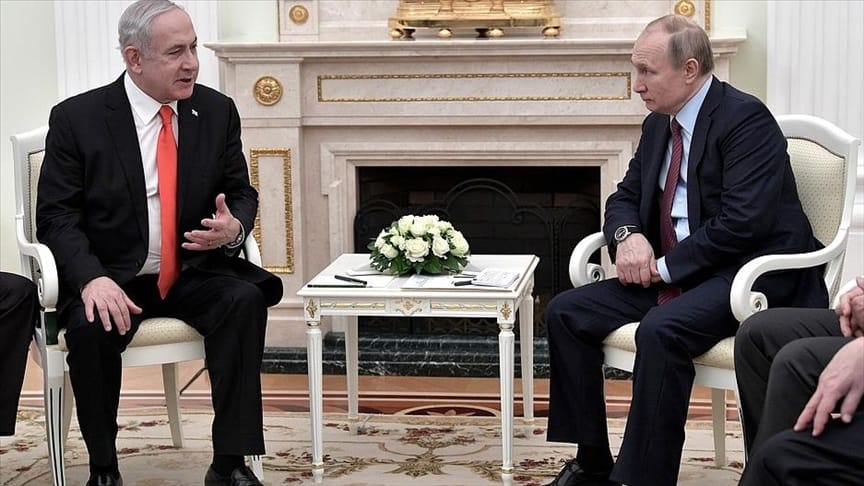
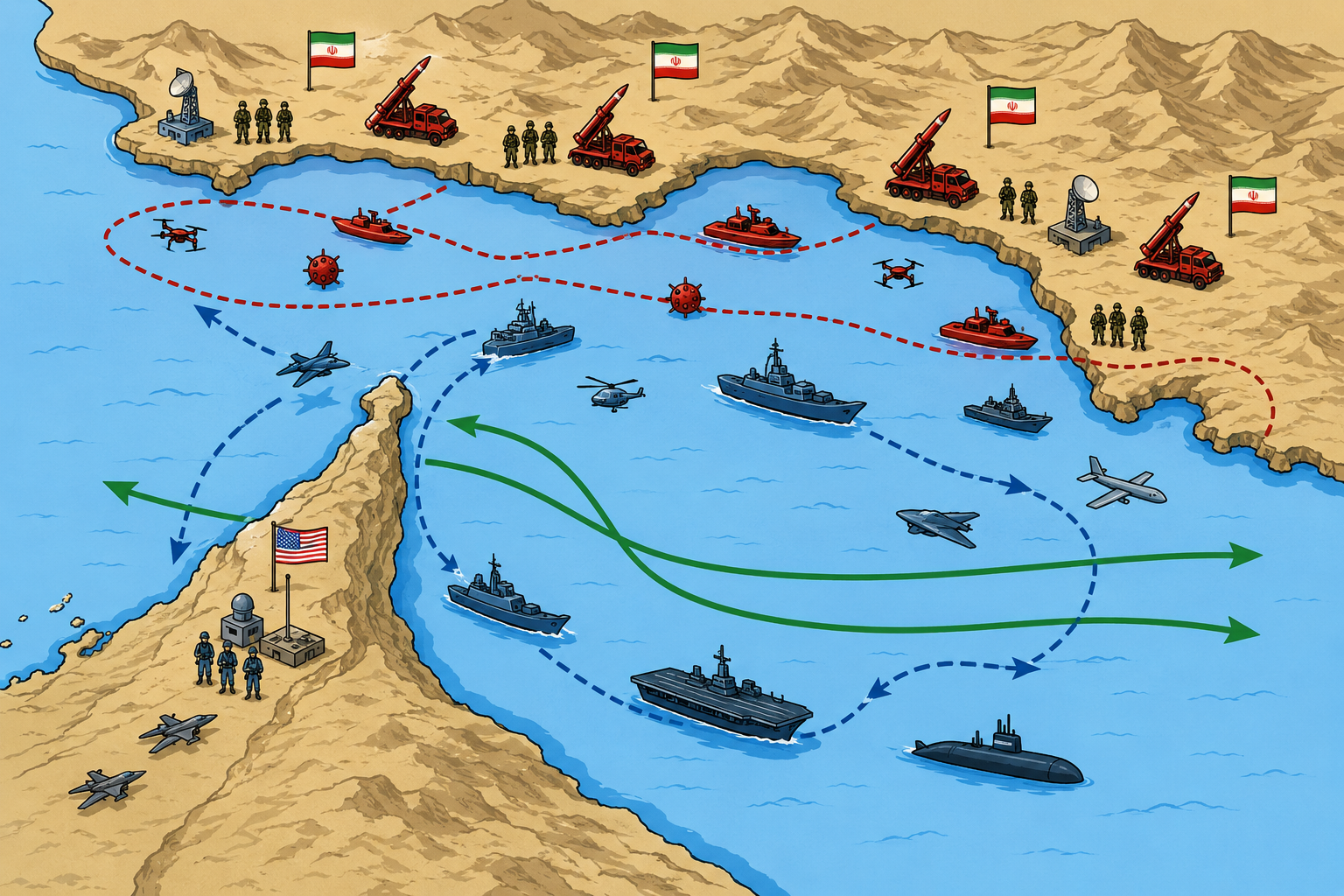
Israel’s Prime Minister Benjamin Netanyahu sought the help of Russian President Vladimir Putin to relay reassuring messages to Iran that Tel Aviv does not intend to attack it, amid fears of a preemptive strike by Tehran, Israeli media reported on Monday.
Public broadcaster KAN, citing unnamed diplomatic sources, said Netanyahu asked Putin to convey “reassurance” messages to Iran that Israel has no plans to launch an attack.
Accoring to the outlet, the messages were recently delivered to Iran, including through phone calls between Netanyahu and Putin, amid concerns that Tehran might move to strike Israel preemptively to avert a possible Israeli attack.
KAN reported that the Russian president said last October that he had been asked to pass along a message to Iran stating that Israel was “not interested in escalation.”
Netanyahu, however, told the Knesset on Monday that Israel sent a message to Iran that if Israel is attacked, it would face “very severe consequences.”
KAN said that there was concern within Israel that a miscalculation by Iran could lead to an attack driven by fears of an imminent Israeli strike.
In recent weeks, Israeli political and security leaders have held discussions on various security issues, including the Iranian file.
Speculation has recently increased in Israeli media about a potential Israeli strike on Iran, against the backdrop of what has been described as Tehran’s “rebuilding of its ballistic missile program.”
Israel launched a 12-day war against Iran in June, with Tehran retaliating with drone and missile attacks. The US military bombed three major Iranian nuclear facilities — Fordo, Natanz, and Isfahan — using bunker-buster bombs during the assault, before Washington managed to strike a ceasefire deal between the two arch-foes according to Anadolu.
CrossFireArabia
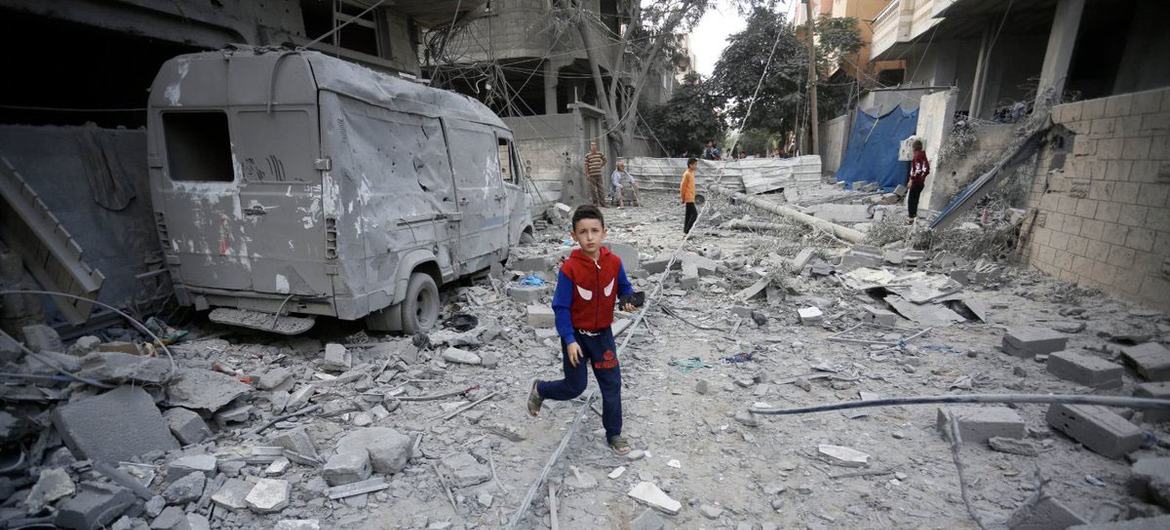
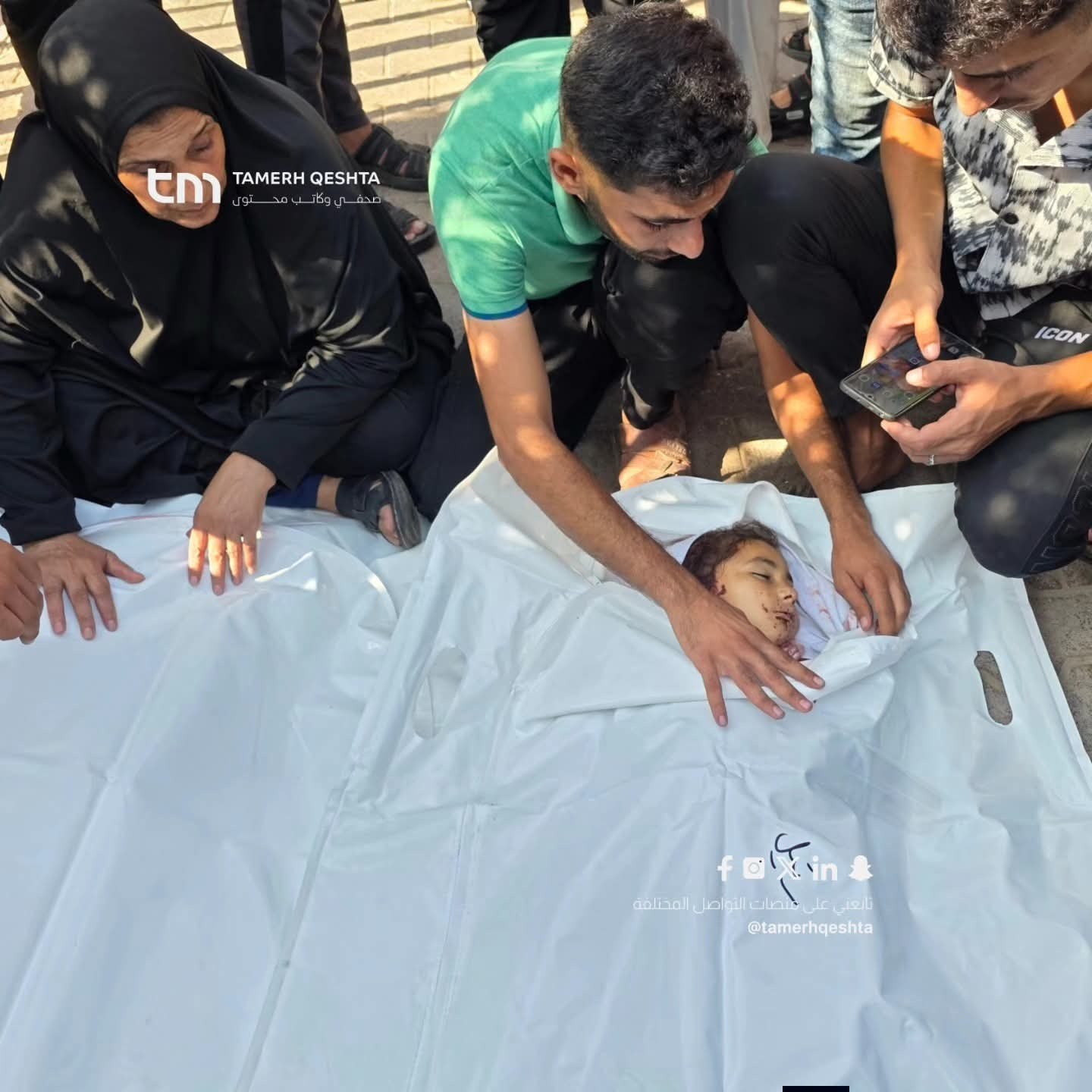
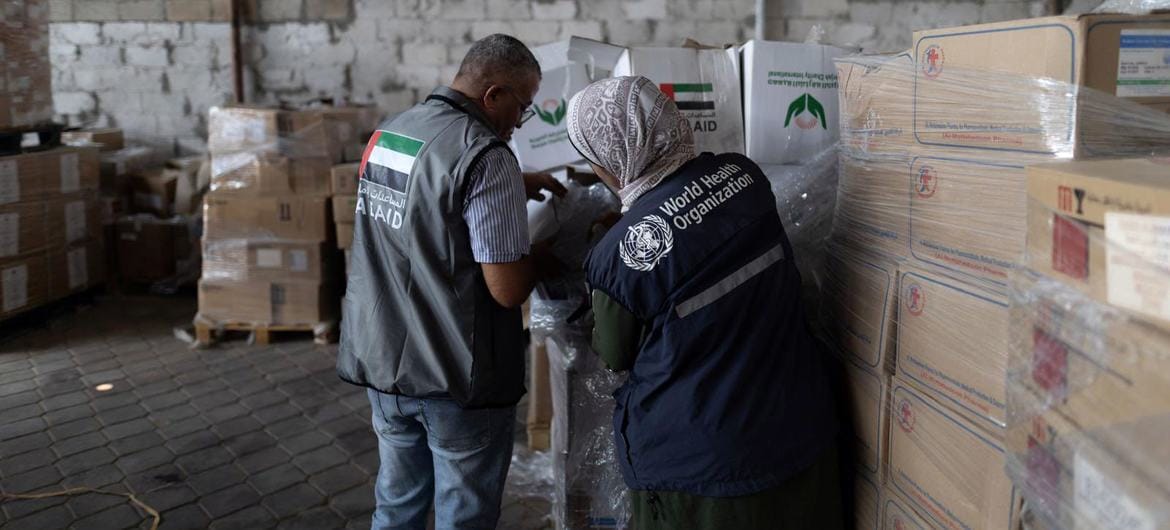
Severe weather conditions have led to further casualties and heightened health risks in Gaza over the past 24 hours, the UN aid coordination office (OCHA) reported on Monday.
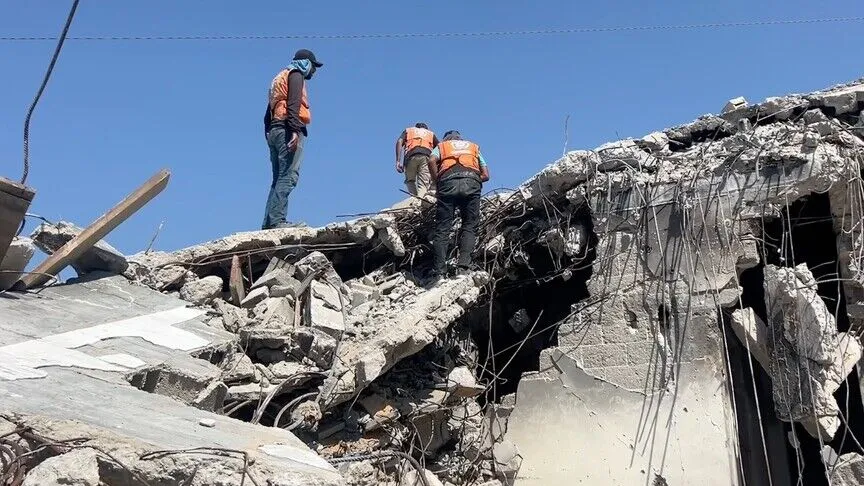
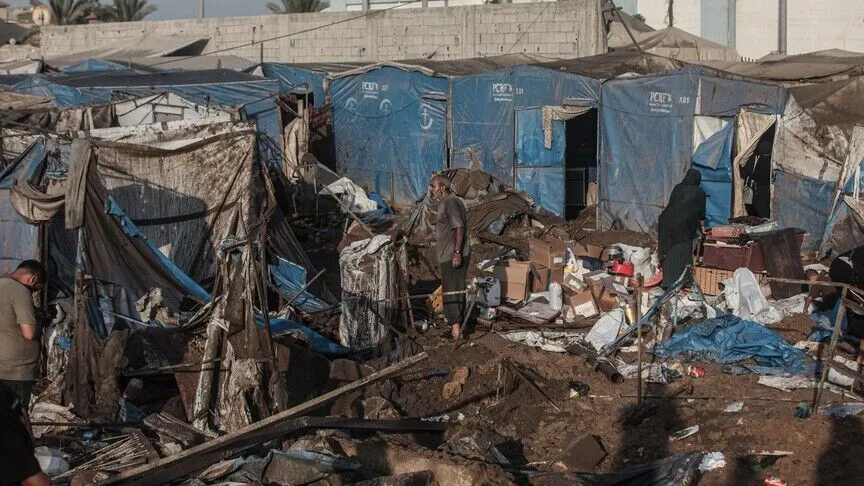
Heavy seasonal downpours are compounding an already dire humanitarian situation, as rainstorms cause war-damaged buildings to collapse, flood tents and soak people’s belongings, OCHA said.
To respond swiftly to flood alerts, a coordinated system bringing together UN agencies and non-governmental organizations is distributing tents, tarpaulins, warm clothes, blankets and dignity kits across Gaza.
The UN and its partners are also mobilising heavy equipment to pump overflowing sewage – which poses serious health risks – away from residential areas. OCHA warned that the conditions have increased the risk of hypothermia, particularly among babies, as well as illnesses linked to sewage flooding.
Separately, humanitarian teams are assisting hundreds of people newly displaced from the At Tufah neighbourhood in Gaza City, where ongoing military operations have forced many residents to flee.
People who remain in, or have returned to, the As Sanafour area of At Tufah – often due to a lack of space elsewhere – report significant challenges in accessing water, food and basic services.
Other relief operations under the UN-coordinated humanitarian plan for the ceasefire are continuing.
Between 23 and 26 December, partners working on water, sanitation and hygiene dispatched tens of thousands of dignity kits, hygiene kits and bottles of shampoo across Gaza, reaching some 150,000 people in need, according to OCHA.
As of Sunday, partners addressing food insecurity had reached more than one million people – about half of Gaza’s population — through 60 distribution points with December’s monthly general food assistance.
In parallel, humanitarian partners distributed veterinary kits and animal feed to more than 2,000 families with livestock between 9 and 26 December, helping support local production and reduce aid dependency according to UN News.
CrossFireArabia
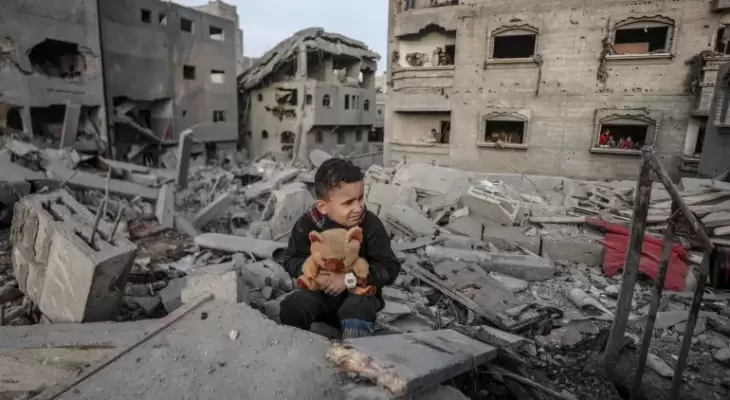
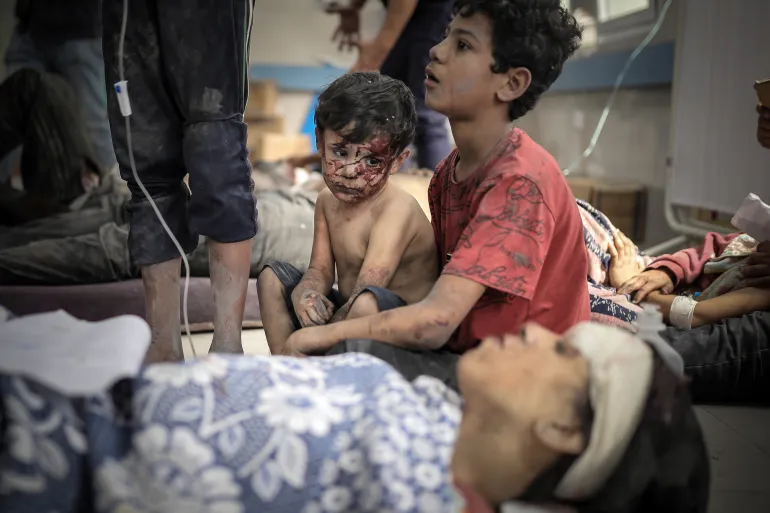
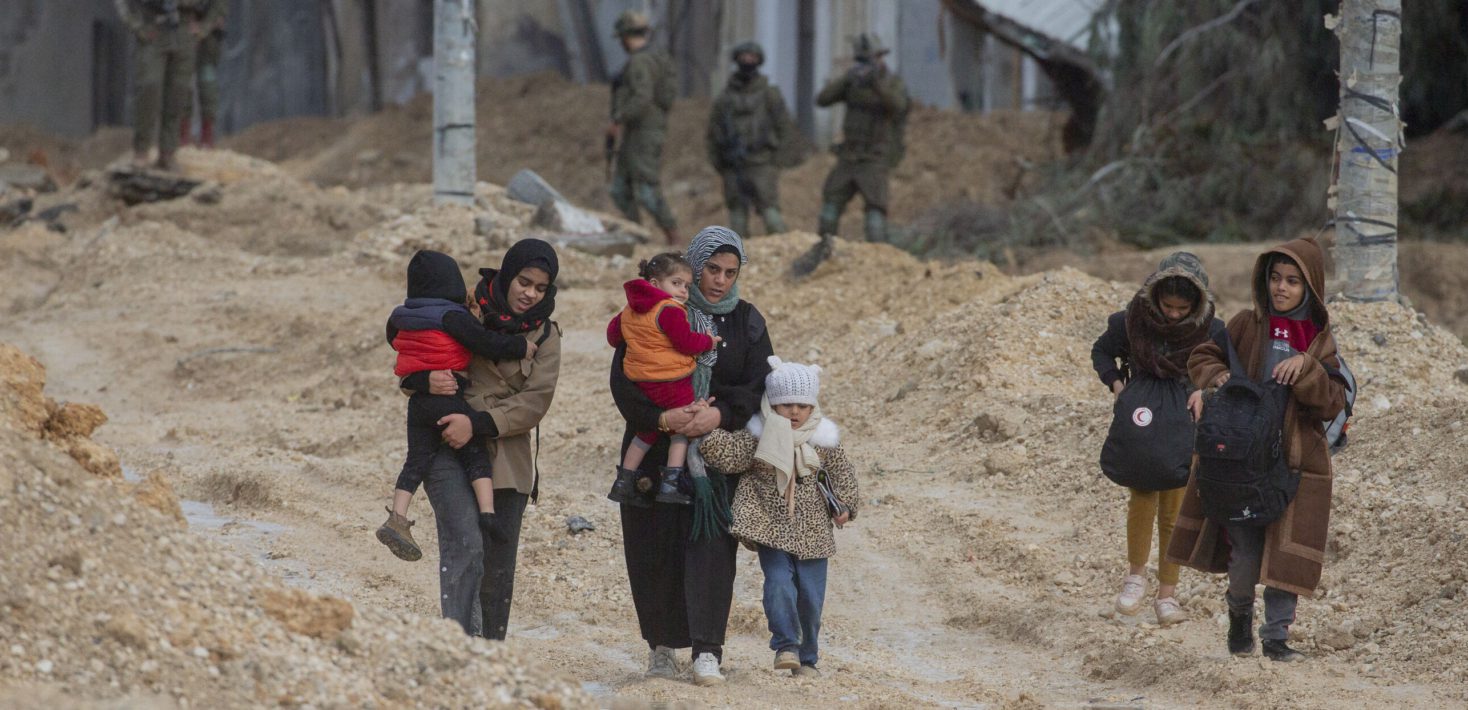
Amid staggering immediate needs, widespread trauma and mounting medical complications, what is unfolding in Gaza is not only a humanitarian catastrophe. It is an ecological collapse, one that threatens the very possibility of recovery and will affect Gaza’s population for generations to come.
While the human suffering is visible and relentless, the environmental devastation is less apparent and harder to grasp. Yet it is no less catastrophic. The human cost of Israel’s invasion of Gaza, launched after the Hamas attack on 7 October, is being compounded by a rapidly escalating environmental crisis.
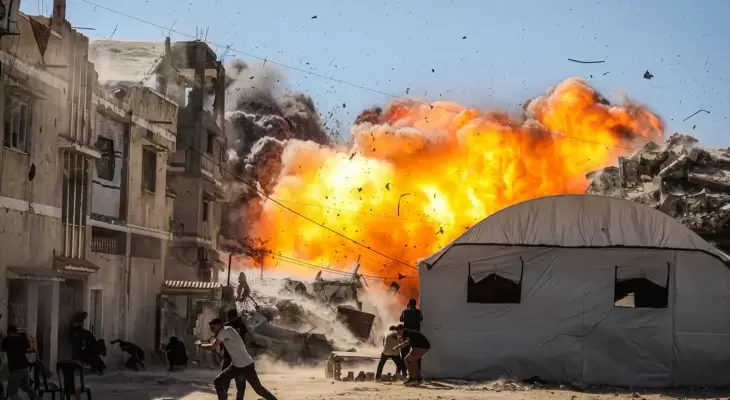
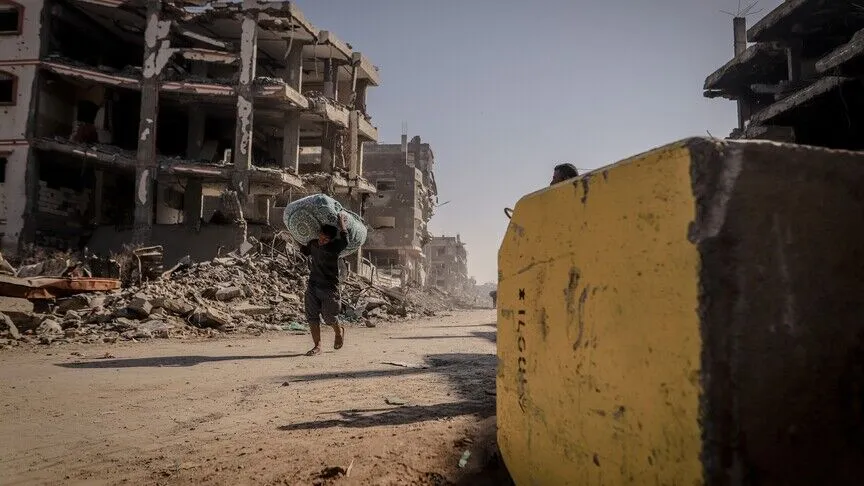
The destruction of essential civilian infrastructure — including water, sewage and waste management systems — has led to long-term toxic contamination of land and sea, posing severe health and environmental risks. Israel’s bombardment has filled Gaza’s landscape with a lethal mix of shattered concrete, asbestos dust and polluted water.
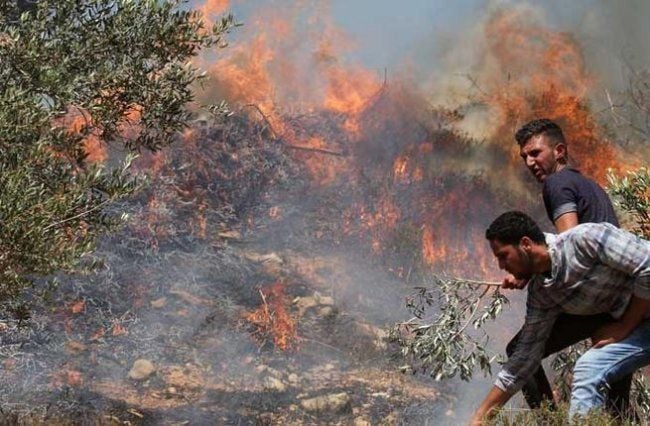
Olive groves and farmland have been flattened. Soil and groundwater are contaminated by munitions and toxins. The sea is choked with untreated sewage and waste, while the air is thick with smoke and fine particulate matter. Gaza’s environment is in freefall: poisoned water, ruined croplands and a shattered power grid are pushing the territory to the brink.
The United Nations and global medical and human rights organisations have repeatedly warned of famine, forced starvation, widespread environmental destruction and near-constant bombardment, citing grave violations of international law and describing Israel’s assault as genocidal.
As of late 2025, Gaza continues to endure a catastrophic environmental disaster that persists despite successive ceasefire agreements. Even after the latest ceasefire came into effect on 10 October, conditions on the ground have remained largely unchanged. Israeli air and artillery strikes continue, alongside the illegal destruction of civilian homes and reports of Israeli troops shooting Palestinian civilians.
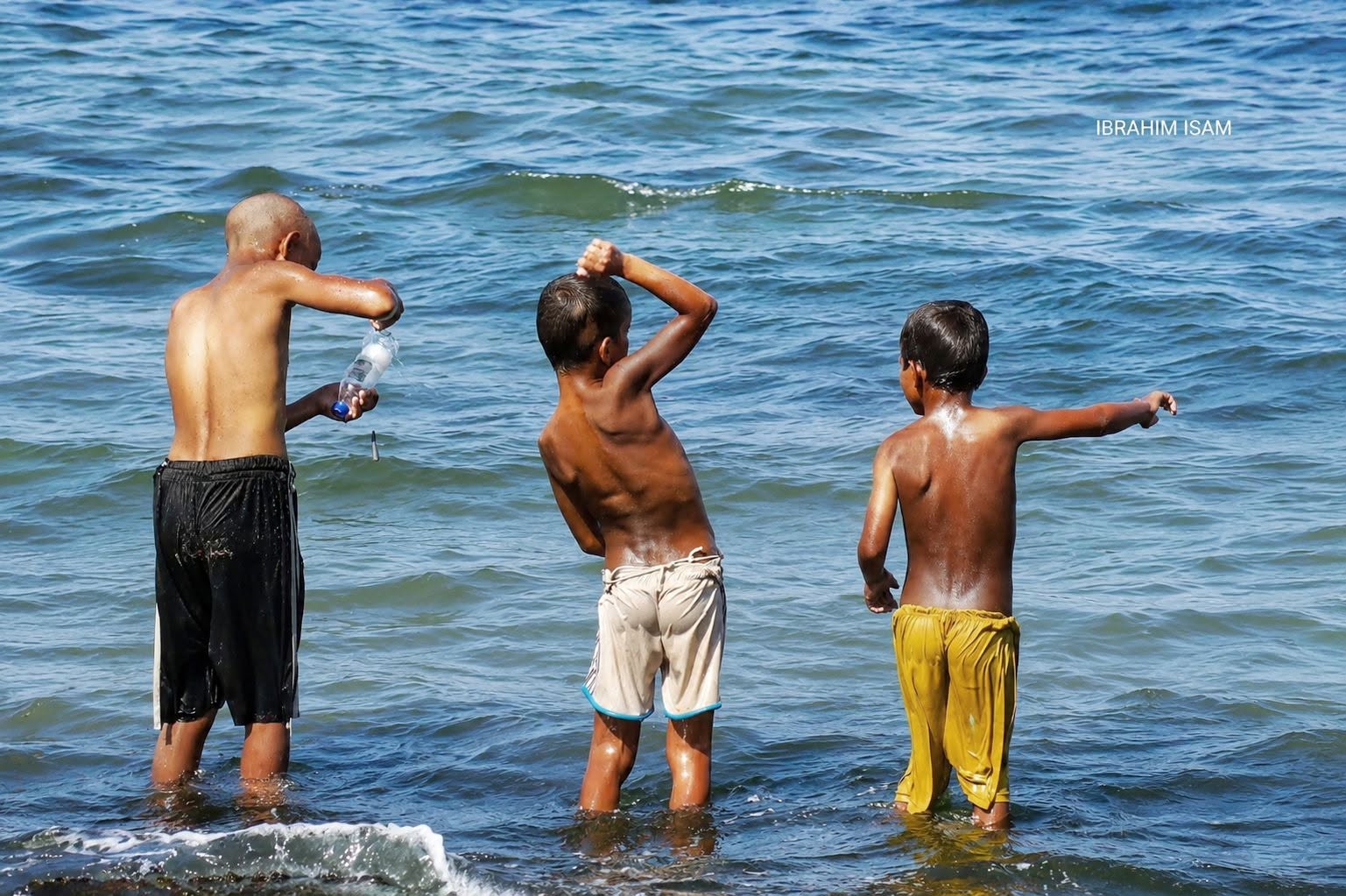
Pollution is pervasive, in the air people breathe, the water they bathe in and drink, the food they consume and the surroundings in which they live. Israel’s war on Gaza has not only levelled neighbourhoods, displaced families repeatedly and crippled medical facilities, but has also poisoned the land and water upon which Gazans depend.
Much of Gaza’s agricultural land has been destroyed, leaving the territory in a state of severe food insecurity and famine, with food increasingly used as a weapon. Alongside the devastation of water, sewage and hospital infrastructure, Israel continues to restrict the entry of food, tents, warm clothing and life-saving medical supplies, leaving millions without basic necessities.
Children, in particular, are bearing the brunt. They are growing up amid one of the world’s most acute humanitarian crises, without adequate shelter, sanitation or warm clothing, and facing alarming levels of acute malnutrition.
Freshwater supplies are now severely limited, and much of what remains is unsafe. The collapse of sewage treatment facilities, the destruction of piped systems and the use of cesspits for sanitation have almost certainly contaminated the aquifer that supplies much of Gaza’s water, contributing to a surge in infectious diseases.
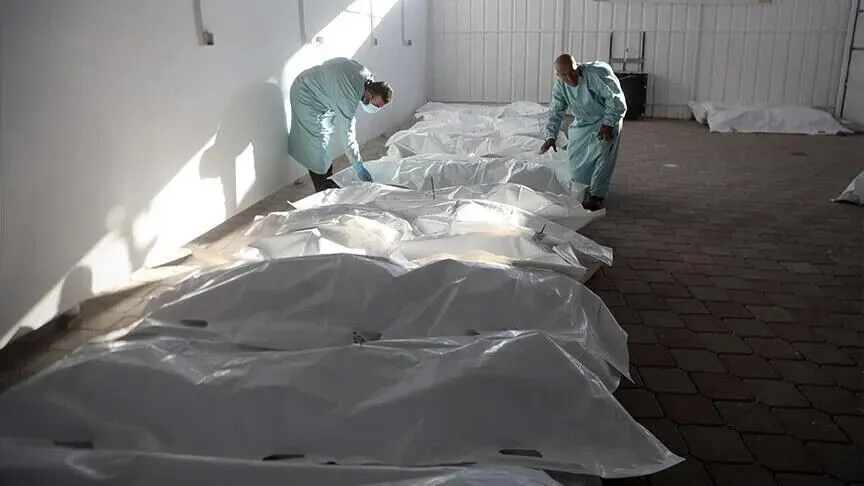
The scale and potential longevity of this damage have prompted calls for the destruction to be recognised as “ecocide” and investigated as a possible war crime. According to official estimates, Israeli forces have killed more than 70,000 Palestinians during more than two years of war. The UN estimates that 90 per cent of Gaza’s population has been displaced, with more than 1.5 million people in urgent need of shelter.
Environmental devastation, from heavily polluted water to the suspected impact of toxic weapons, has deepened an already apocalyptic humanitarian crisis. Flooding rains, combined with the lack of safe drinking water and even basic hygiene facilities such as handwashing, are accelerating the spread of disease. Health authorities are struggling to save lives, while essential medical supplies continue to be blocked from entering the enclave.
Unusually heavy rains, strong winds and flooding have further compounded the suffering, making conditions for displaced families even more dire. Months into a fragile ceasefire that has been repeatedly violated, the true scale of Gaza’s environmental destruction is becoming painfully clear — and the situation continues to deteriorate.
If this trajectory continues, it will leave a legacy of environmental damage that will undermine the health and wellbeing of Gaza’s population for generations. Ending the human suffering must be the immediate priority. Restoring freshwater systems, clearing debris and re-establishing essential services are urgently needed to save lives.
For Palestinians, neither safety nor reliable access to life-saving treatment or aid has materialised under the ceasefire. Beyond emergency relief, the recovery of vegetation, freshwater ecosystems and soil will be essential for food and water security. Gaza’s environmental recovery will depend on careful, inclusive and science-based planning, and on a political will to allow a future in which Gaza’s people can survive, rebuild and live with dignity.
The author Najla M. Shahwan is a contributor to The Jordan Times