 Ehud Olmert: Gaza Belongs to The Palestinians
 300 Israeli Soldiers Call For an End of ‘Settler Terrorism’
 Reshida Tlaib Sweeps in Polls
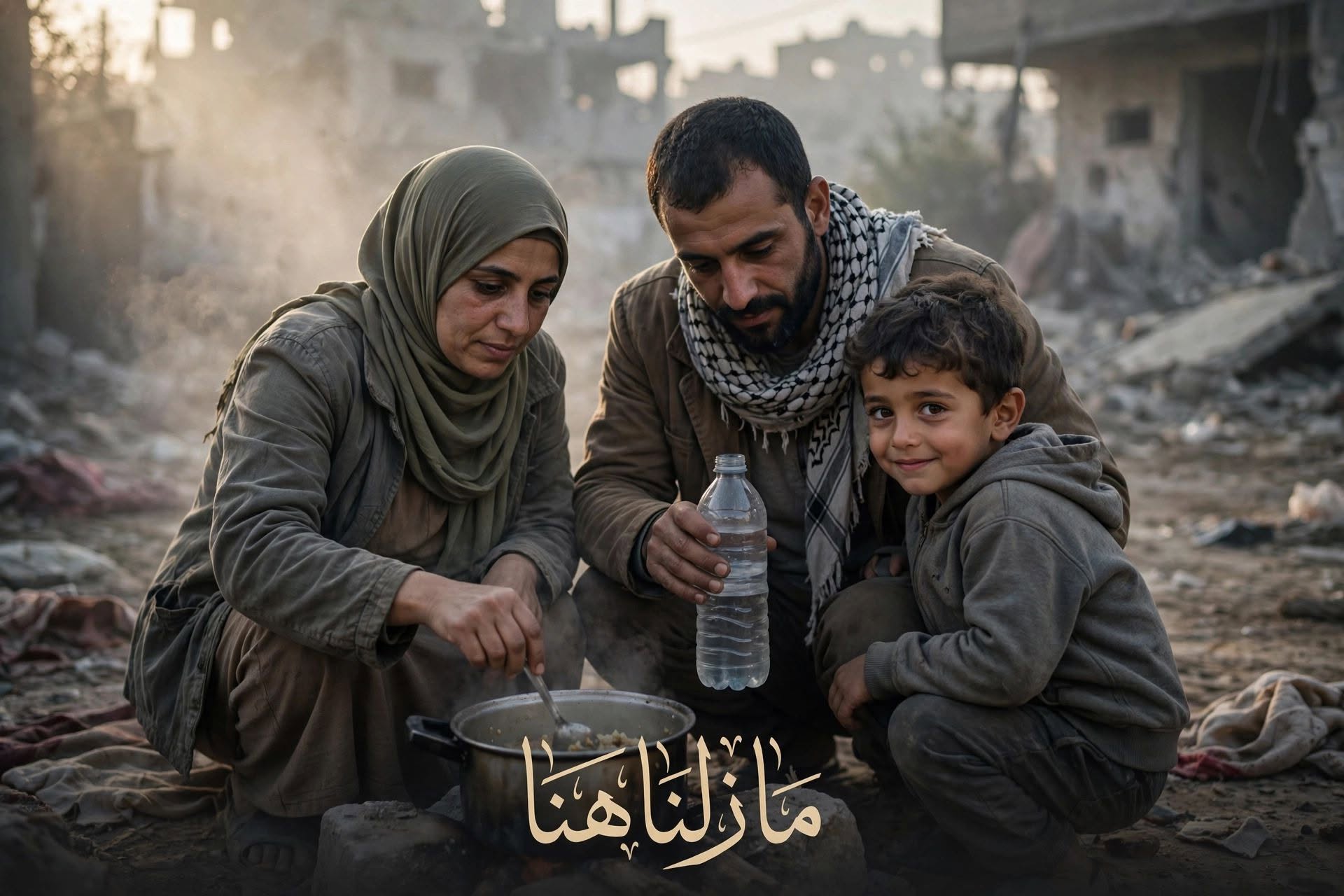 ‘We Are Still Here – Gaza’
 The Mecca Agreement: Is This The Beginning?



Ehud Olmert: Gaza Belongs to The Palestinians
 CrossFireArabia
- August 12, 2026
 CrossFireArabiaCrossFireArabiaCrossFireArabiaCrossFireArabia
 Heba
Heba marwanCrossFireArabiamarwanHebaCrossFireArabiaHebamarwanmarwanCrossFireArabiamarwanmarwanmarwanmarwanmarwanmarwanmarwanmarwanmarwanCrossFireArabiaCrossFireArabiamarwanmarwanCrossFireArabiaCrossFireArabiamarwanCrossFireArabiamarwanHebaHebamarwanmarwanCrossFireArabiamarwanmarwanmarwanmarwanCrossFireArabiaCrossFireArabiamarwanmarwanmarwanCrossFireArabiamarwanmarwanmarwanmarwanmarwanCrossFireArabiamarwanmarwanmarwanmarwanCrossFireArabiamarwanmarwanmarwanmarwanmarwanmarwanmarwanmarwanmarwanmarwanmarwan
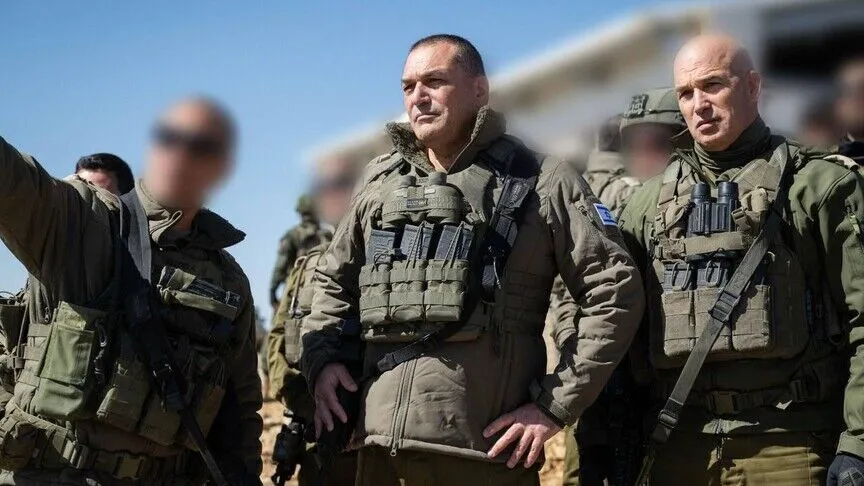
Former Israeli army chief and opposition leader Gadi Eisenkot said Friday that any agreement on Gaza that fails to dismantle Hamas’ military and governing capabilities would constitute a “complete failure” for the Israeli government.
Eisenkot’s remarks came a day after US President Donald Trump and the Board of Peace announced an agreement on the next phase of the Gaza ceasefire, which Israel has yet to officially endorse.
In a post on the US social media platform X, Eisenkot questioned whether Israel had participated in negotiating the agreement.
“There are major question marks as to whether Israel was a partner to this agreement or whether it was once again imposed on it without its participation,” he wrote.
He criticized Prime Minister Benjamin Netanyahu for failing to present Israelis with details of the agreement, saying any deal would ultimately be judged by whether it achieved Israel’s stated war objectives in Gaza.
“The test is whether Hamas’ military and governing capabilities are dismantled,” Eisenkot said. “Any outcome that does not achieve this objective is a complete failure.”
He added that, aside from the return of Israeli hostages, the war’s objectives had not been achieved despite what he described as the military’s battlefield gains and the heavy price paid.
Netanyahu has repeatedly said Israel’s objectives in the war are to secure the release of all hostages, dismantle Hamas’ military and governing capabilities, ensure Gaza no longer poses a threat to Israel and establish a civilian administration in the enclave that excludes Hamas.
Eisenkot also claimed that, nearly three years after the Oct. 7, 2023, attacks, Hamas had rebuilt its manpower and military capabilities, with the number of its fighters approaching pre-war levels.
Earlier Friday, Trump announced that an agreement had been reached for the complete disarmament of Hamas and other armed groups in Gaza, with Israeli forces set to withdraw in phases as the process moves forward. Trump also said Egypt, Qatar and Türkiye had helped broker what he described as a “historic breakthrough.” Anadolu
marwan
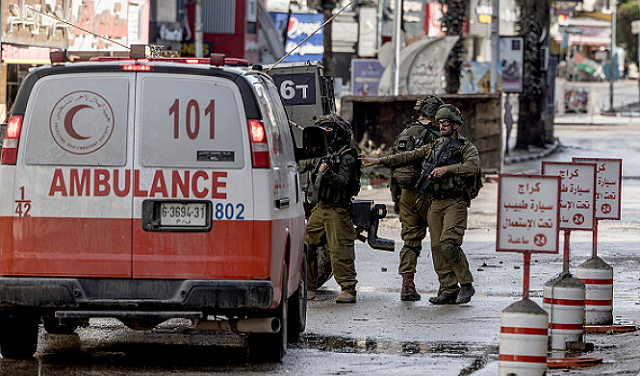
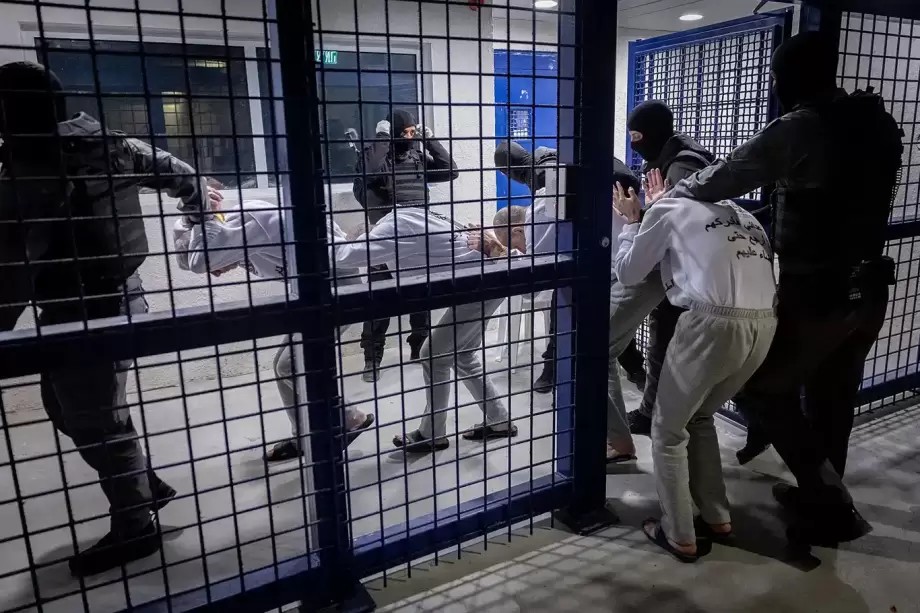
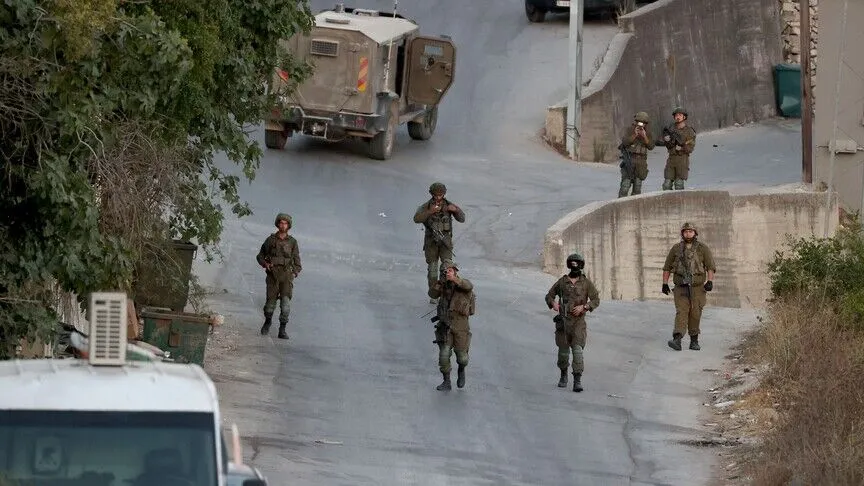
The Israeli army said Friday it had arrested more than 200 Palestinians across the occupied West Bank over the past week as part of an expanded military operation launched after last week’s violence in the town of Tell near Nablus.
In a statement, the army said its forces arrested more than 200 Palestinians whom it described as “wanted” and seized tens of thousands of shekels that it alleged were intended to finance “terrorism.”
It said the arrests and seizures were carried out during intensive operations across multiple areas of the occupied West Bank.
The army also claimed to have conducted dozens of what it described as offensive operations to thwart “terrorism.”
According to the statement, those arrested included Palestinians accused of incitement and links to Hamas, one person alleged to have been planning an imminent attack, and others accused of smuggling Palestinian workers, trafficking weapons and manufacturing explosives.
The army also said it seized materials used to manufacture weapons, hunting rifles, a handgun and a drone, while locating and destroying five explosive devices.
The arrests came days after violence erupted last Friday in the town of Tell, southwest of Nablus, where Israeli settlers attacked the community. Residents confronted the attackers in clashes that left four Palestinians and two Israelis dead, while Palestinian homes, vehicles and other property were set ablaze.
Following the incident, Prime Minister Benjamin Netanyahu and Defense Minister Israel Katz ordered the military to expand operations across the occupied West Bank. The measures also included demolishing the home of a Palestinian accused by Israel of carrying out a shooting attack, revoking work permits for Palestinians and accelerating the legalization and establishment of settlement outposts.
The Palestinian Foreign Ministry warned Friday that Israeli officials were exploiting what it described as “genocidal rhetoric and incitement” over the Tell incident for electoral gains.
Since the start of Israel’s war on Gaza in October 2023, Israeli forces and settlers have intensified operations across the occupied West Bank, killing more than 1,182 Palestinians, injuring around 13,000 and arresting nearly 24,000 others, according to official Palestinian figures. Anadolu
marwan
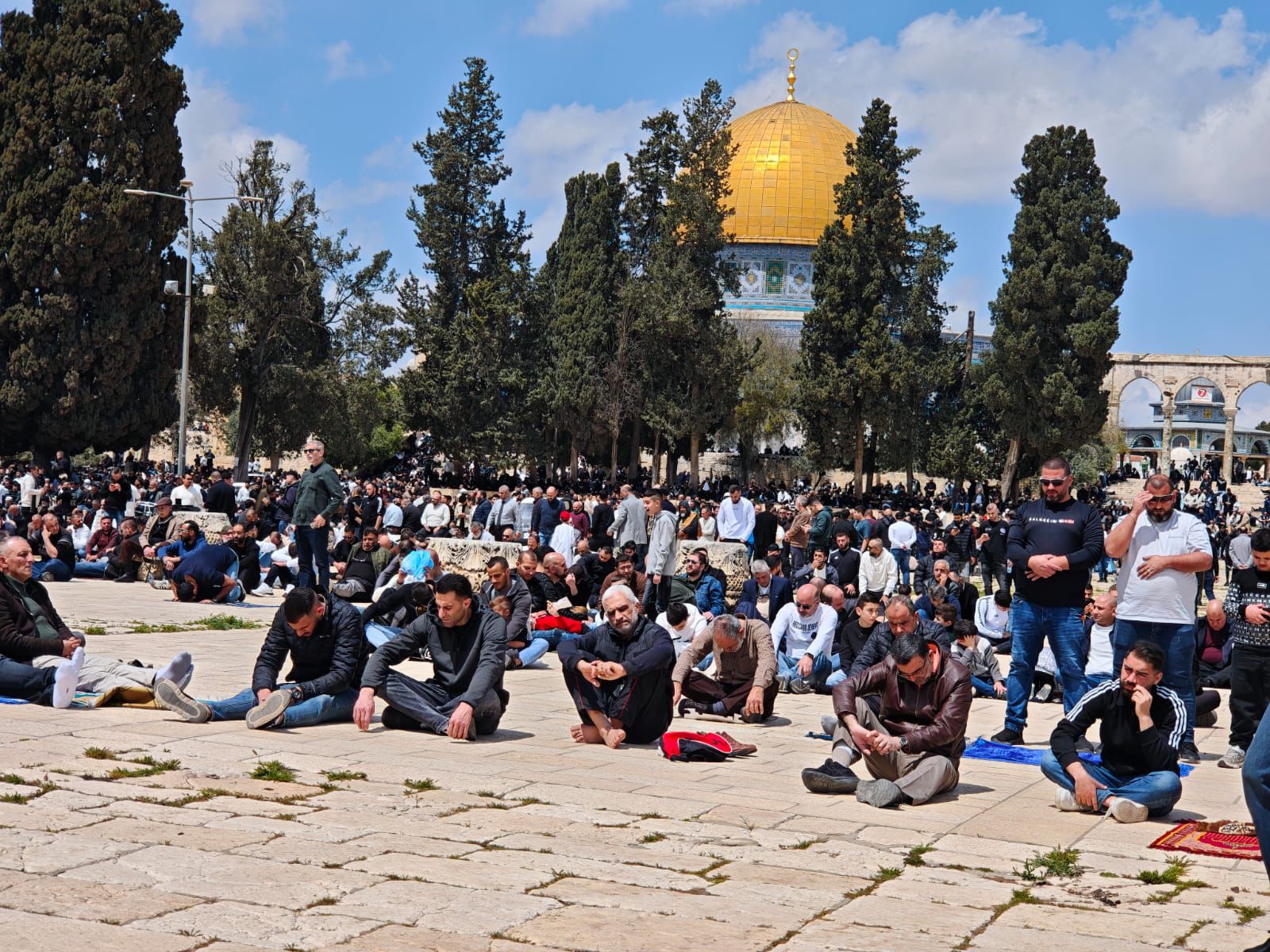
CROSSFIREARABIA – Tens of thousands of Palestinians performed the noon prayers on Friday at the Al Aqsa despite the restrictions imposed by the Israeli army on civilians entering the gates of the Holy Mosque. Local Jerusalem sources said 70,000 were able to enter Al Aqsa compound and performed the Friday prayers. They said many came from the old city and Jerusalem as well. The Israeli occupation police spread in the old city and gates of the holy mosque checking the IDs of those wanting to enter the mosque and turned away 10s of youths and allowed the elderly to get through the mosques.
marwan
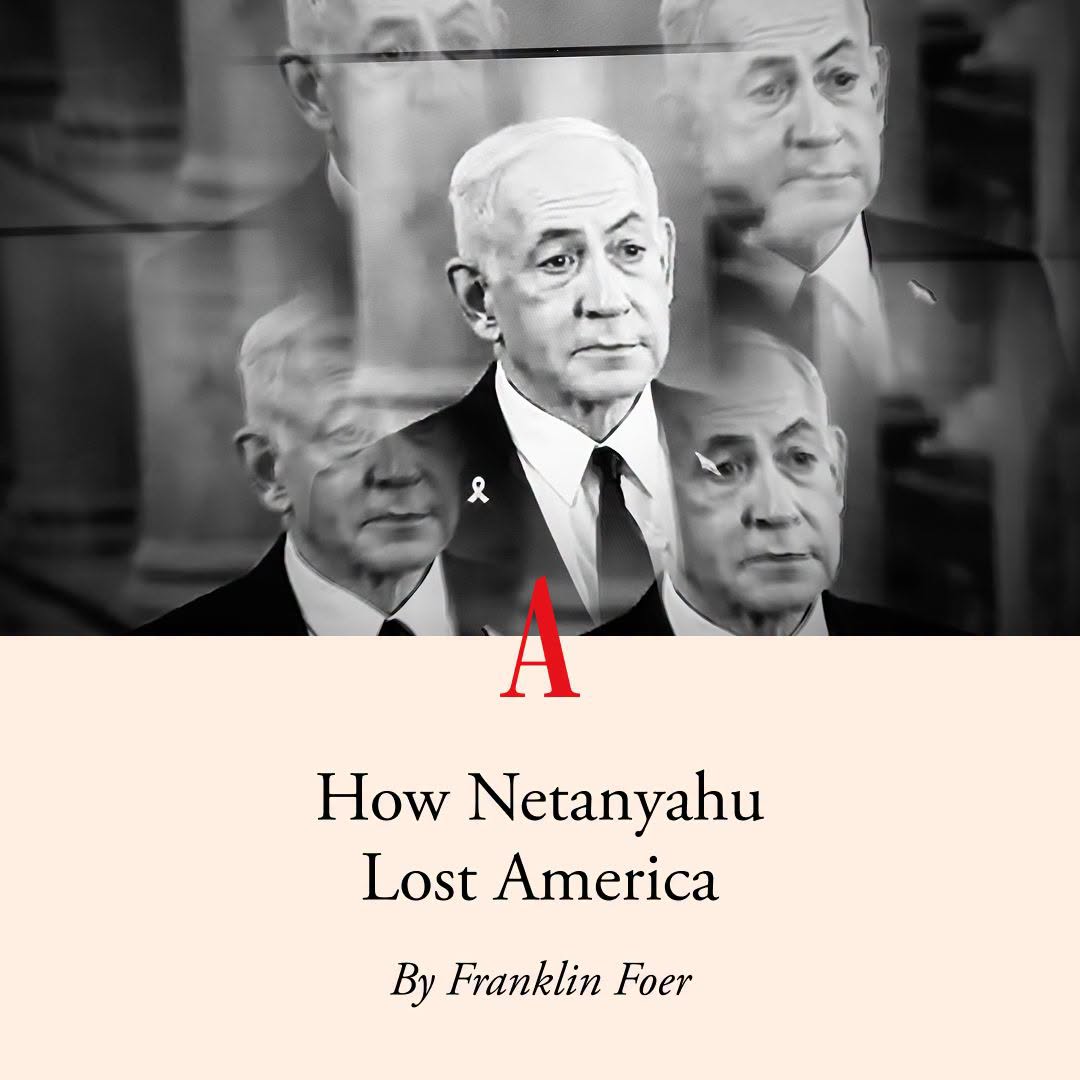
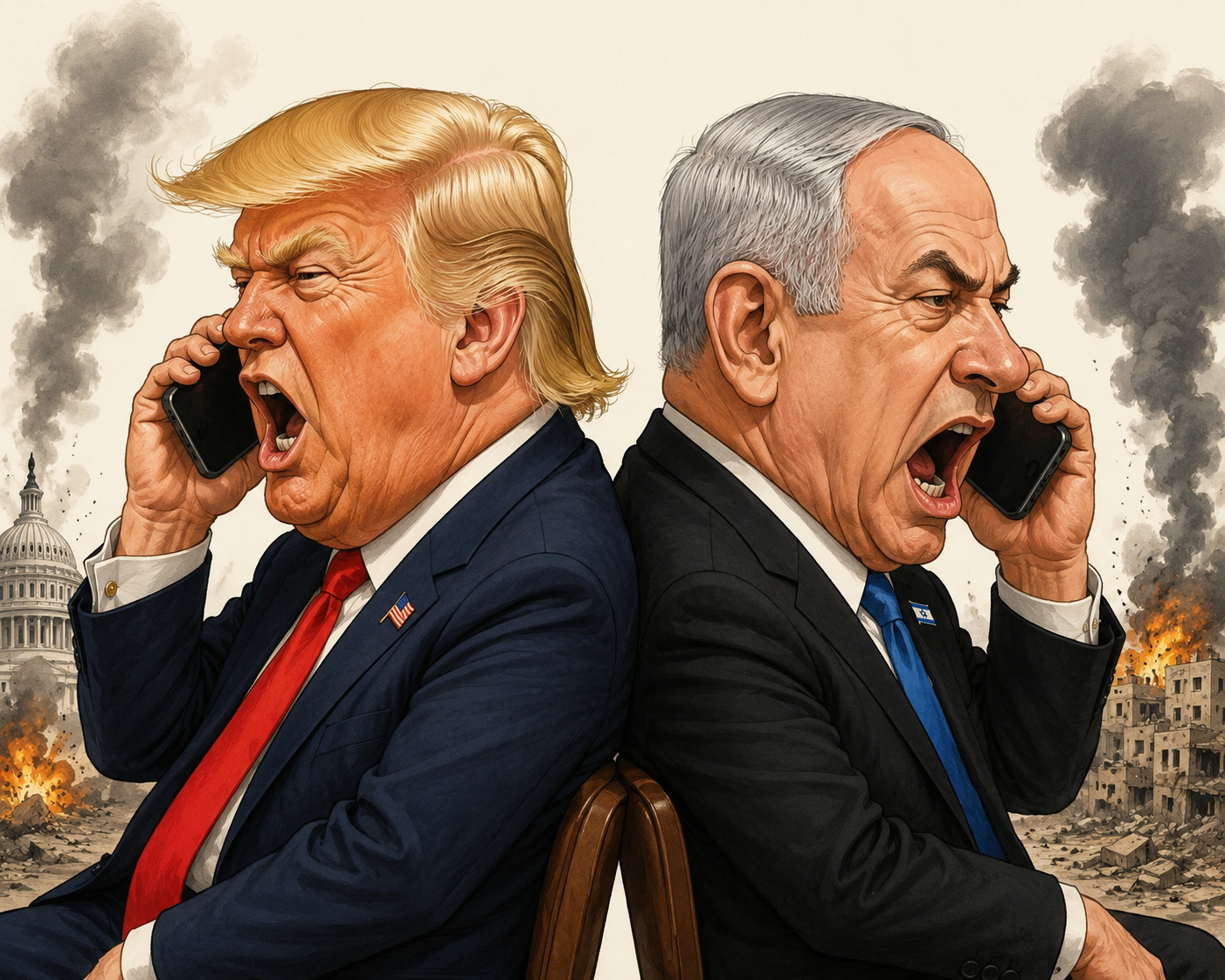
Former Israeli Ambassador to the US Mike Herzog warned that Israel’s influence over decision-making in Washington has declined sharply under US President Donald Trump, the Israeli newspaper The Jerusalem Post reported Thursday.
In an interview with Israeli radio station 103FM, cited by The Jerusalem Post, Herzog said the relationship between Israeli Prime Minister Benjamin Netanyahu and Trump had lost some of its previous closeness.
“I think something in the intimacy of the relationship has been damaged,” Herzog said.
His remarks came after Netanyahu described a recent meeting with Trump as one of their “best meetings ever,” despite tensions over Iran and questions about Israel’s standing in Washington.
Herzog said the meeting should be viewed more cautiously, noting that it was crowded and lacked signs of close personal engagement.
According to Herzog, the meeting’s main achievement for Netanyahu was that Trump did not publicly criticize Israel or make direct demands.
Netanyahu had an interest in portraying the meeting positively ahead of Israeli elections and in trying to reverse the impression that ties with Trump had deteriorated, the former envoy said.
He also pointed to several diplomatic signals surrounding the meeting, including Netanyahu entering through a side entrance, the absence of a one-on-one meeting, and limited media coverage.
In diplomatic terms, Herzog said, this suggested Trump wanted to avoid appearing overly close to Netanyahu.
“There was a desire to maintain a low profile,” he said.
Herzog linked the cooler atmosphere to political sensitivities in Washington over the war with Iran, saying Israel is increasingly viewed as having pushed Trump into the confrontation.
“The war with Iran is very unpopular,” Herzog said, adding that Israel is perceived as having “dragged Trump into it.”
While Herzog said he does not believe relations between Israel and the Trump administration have reached the level of a full-blown crisis, he warned that the degree of closeness has diminished at a time when major decisions are expected.
“Israel’s influence on decision-making in the United States has diminished greatly,” he said.
He added that although there are no major US-Israeli differences over Iran, Trump does not want the conflict to appear as though it was imposed on him by Netanyahu.
The former ambassador also warned of a broader, long-term decline in Israel’s standing in the United States.
“There has been very serious erosion, and it is not temporary,” Herzog said.
He attributed the decline to demographic, political and economic changes in the US, campaigns to delegitimize Israel, and what he described as mistakes made by successive Israeli governments.
The image of Israel’s current government and the conduct of the war in Gaza have also significantly damaged Israel’s standing, he added.
On Wednesday, Netanyahu acknowledged a decline in the popularity of Israel and his government among the American public, blaming the shift on social media.
A July survey by the Pew Research Center found that Americans have become more critical of both the Israeli people and the Israeli government in recent years.
According to the survey, 42% of Americans held unfavorable views of the Israeli people in 2026, up from 28% in 2019. Favorable views of the Israeli government fell to 32% from 41% over the same period.
The International Criminal Court issued arrest warrants in November 2024 for Netanyahu and former Defense Minister Yoav Gallant on charges of war crimes and crimes against humanity over Israel’s military campaign in Gaza. More than 73,000 people have been killed in the enclave since October 2023, and Israel has continued its attacks despite a truce reached in October 2025. Anadolu
marwan
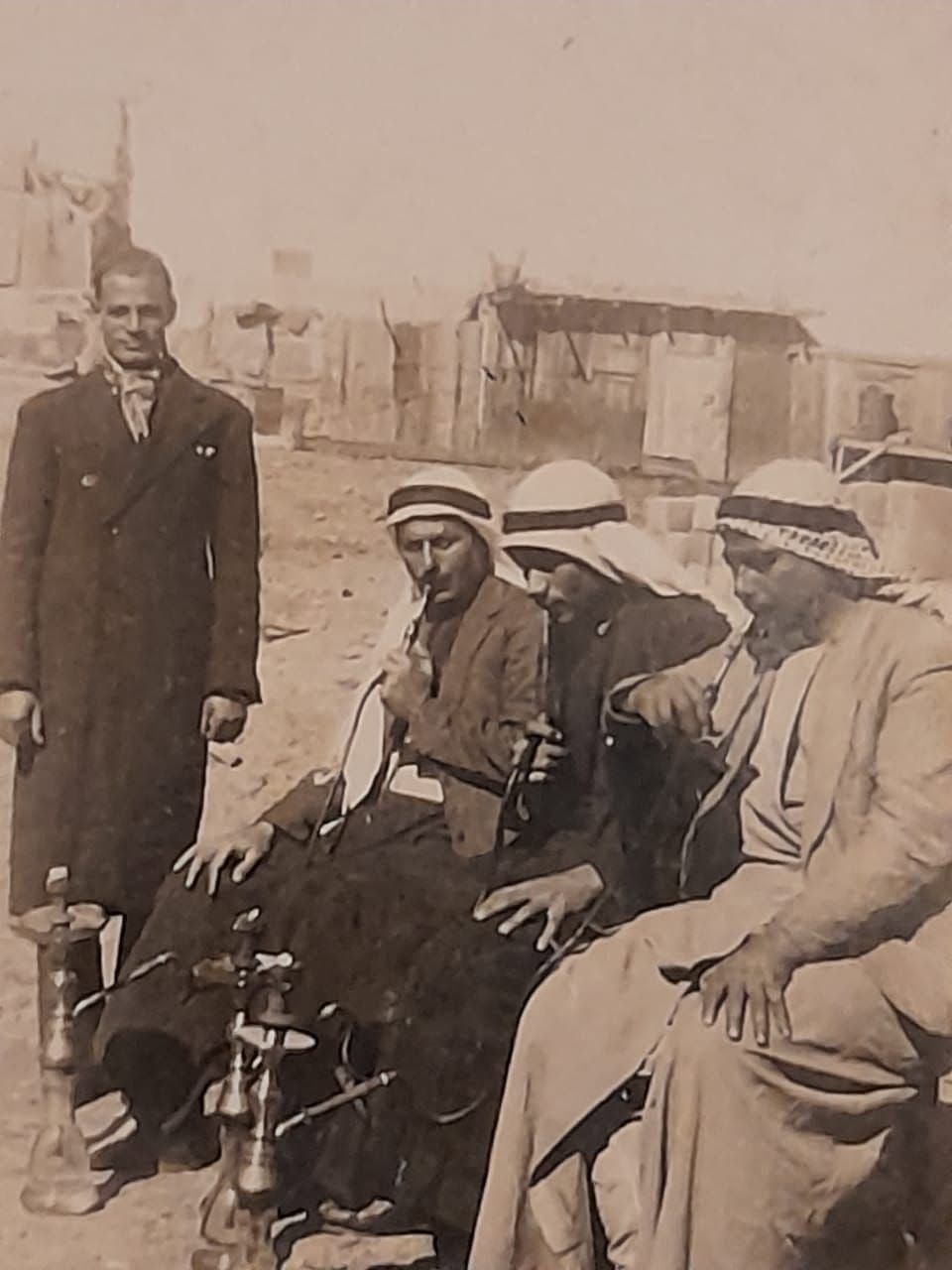
Door of the Asaf (Ambulance Cafe) in Jaffa in 1937. From right to left: Haj Mustafa Al-Aasi, Sabri Al-Qarm, Othman Zeidan, and standing Mahmoud Al-Qarm.