 ‘No Need For Your Crocodile Tears’
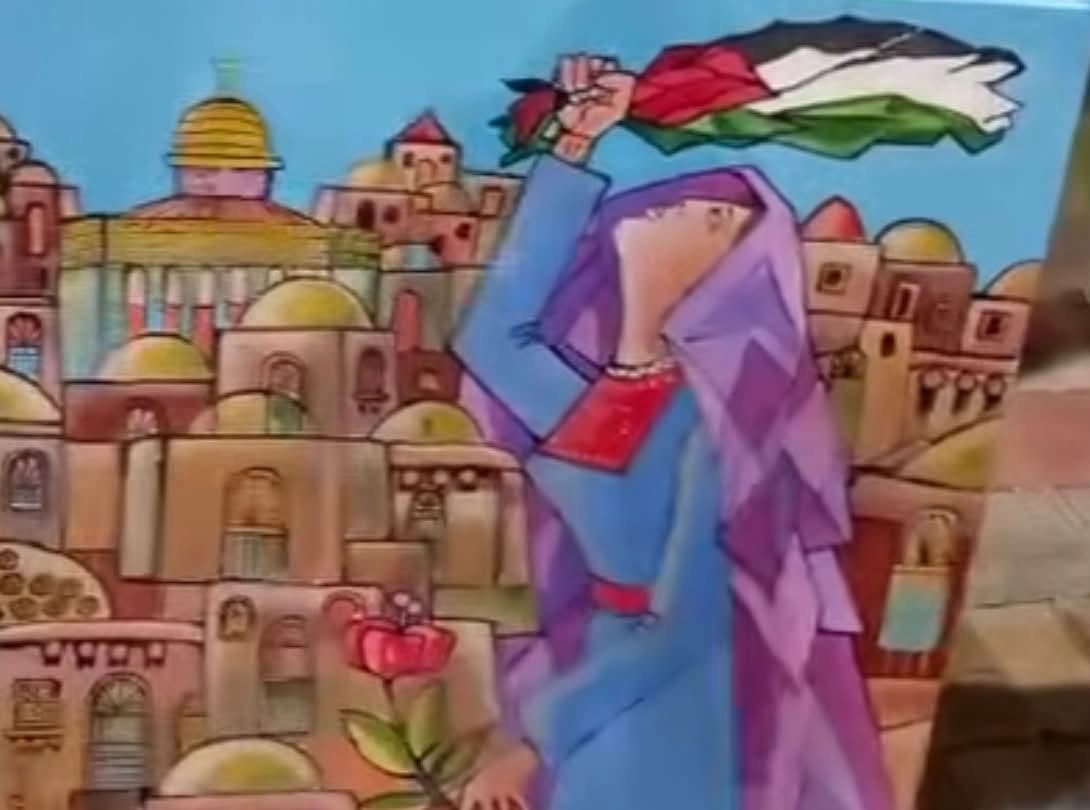
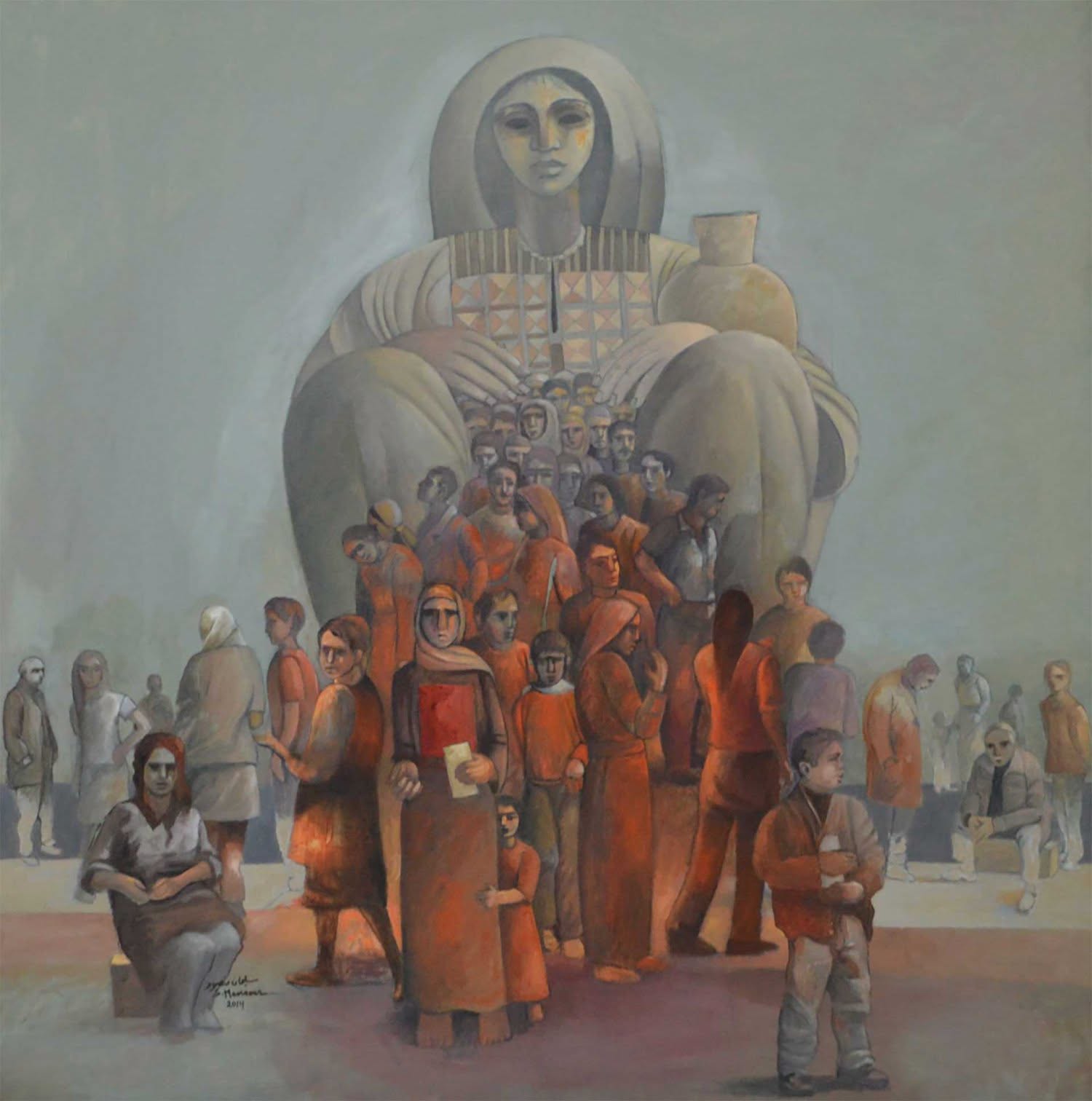
 Reem Arkan’s ‘Red Homeland’
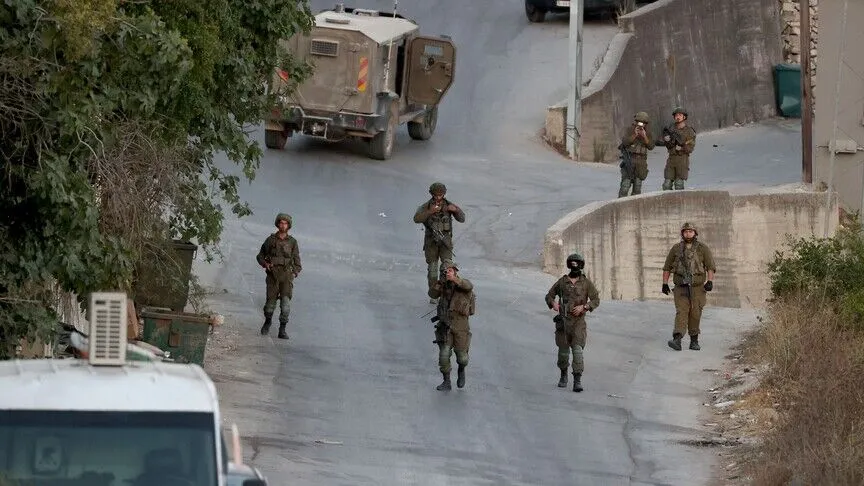
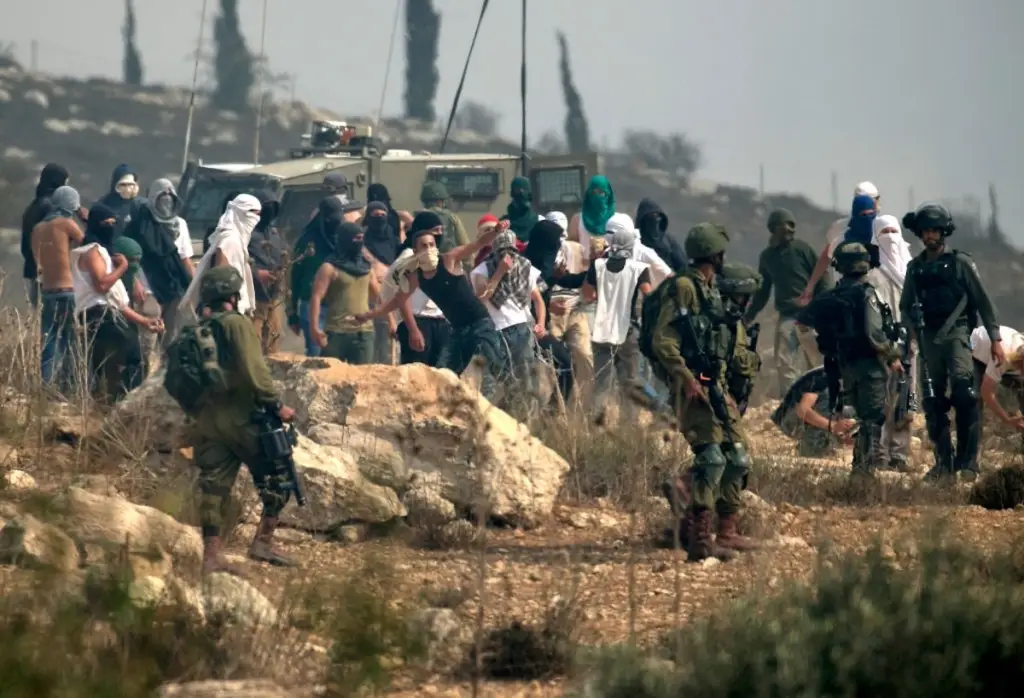 Israeli Army Seizes 16 Homes in The West Bank
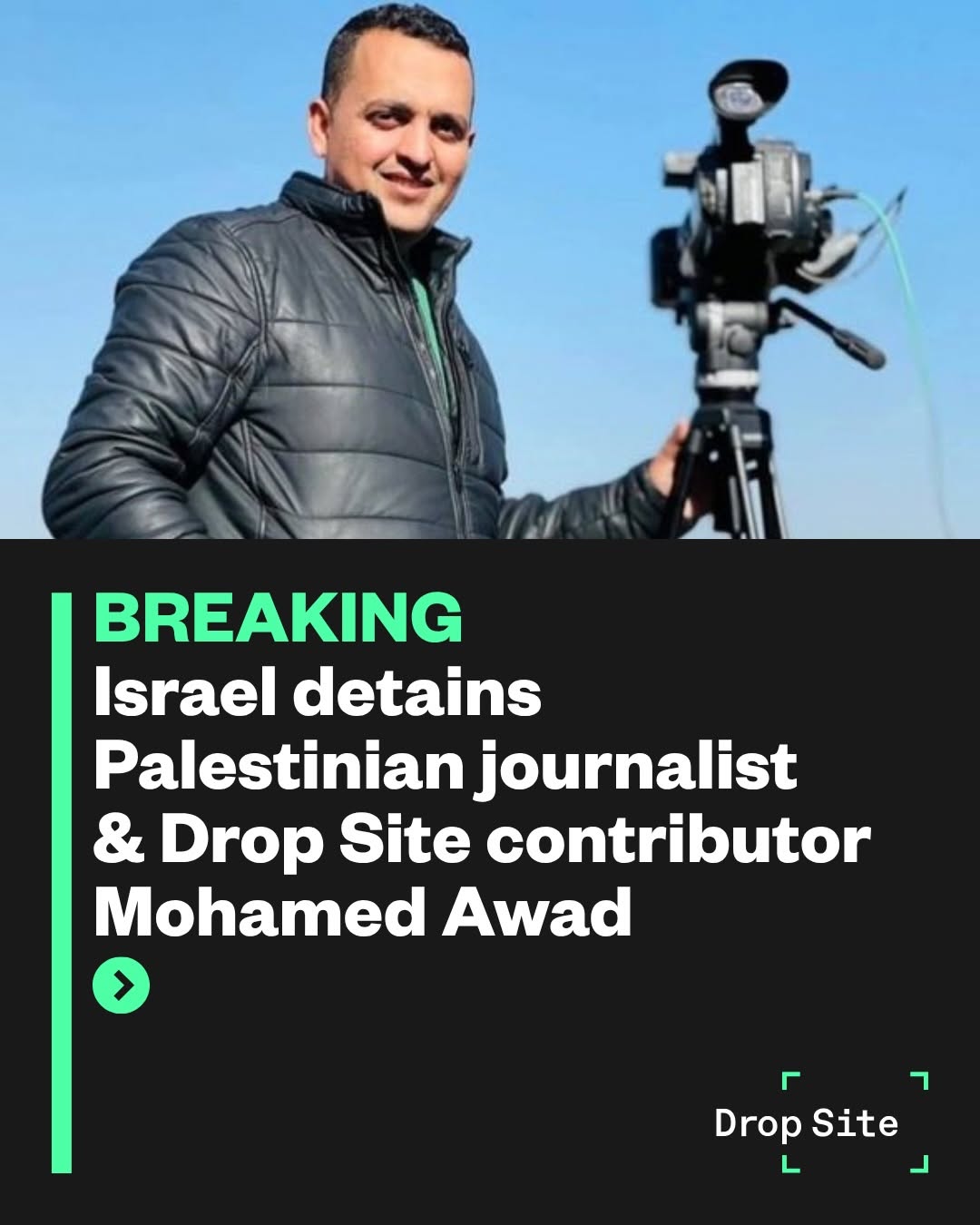 Israel Arrest Palestinian Journalist and Drop Site Contributor Mohammed Awad
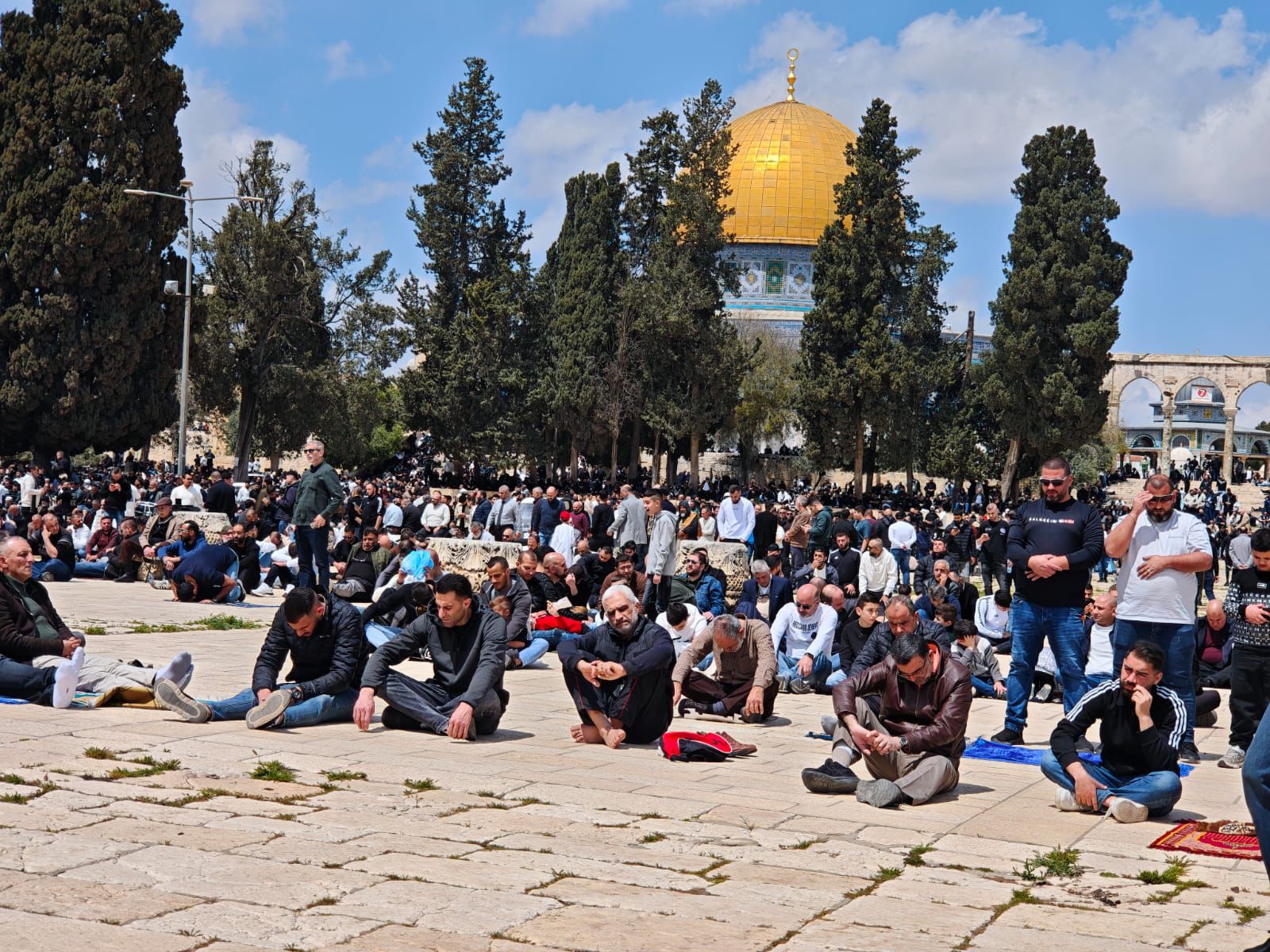
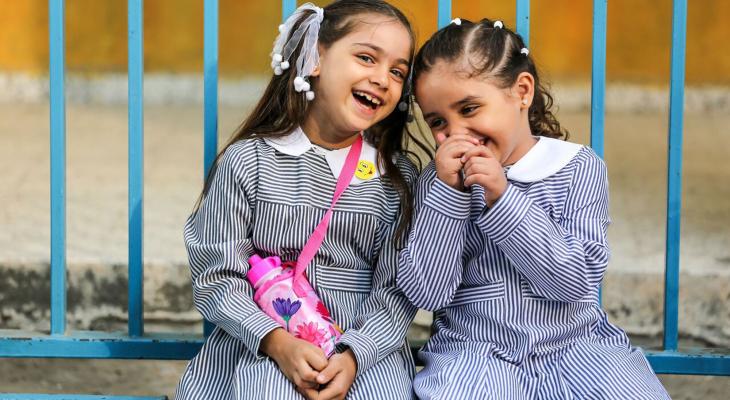 Palestinian School Year Starts 6 September
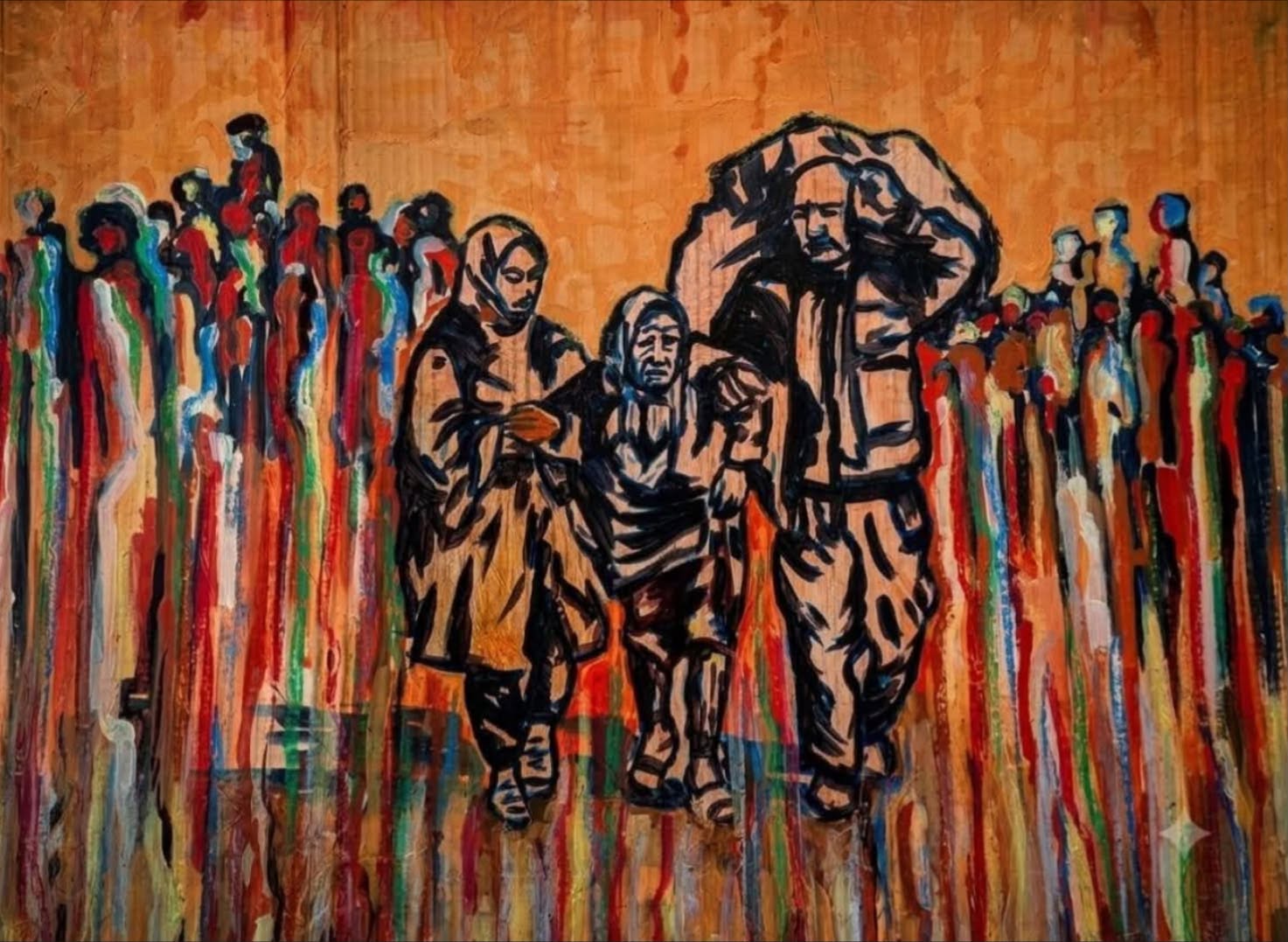
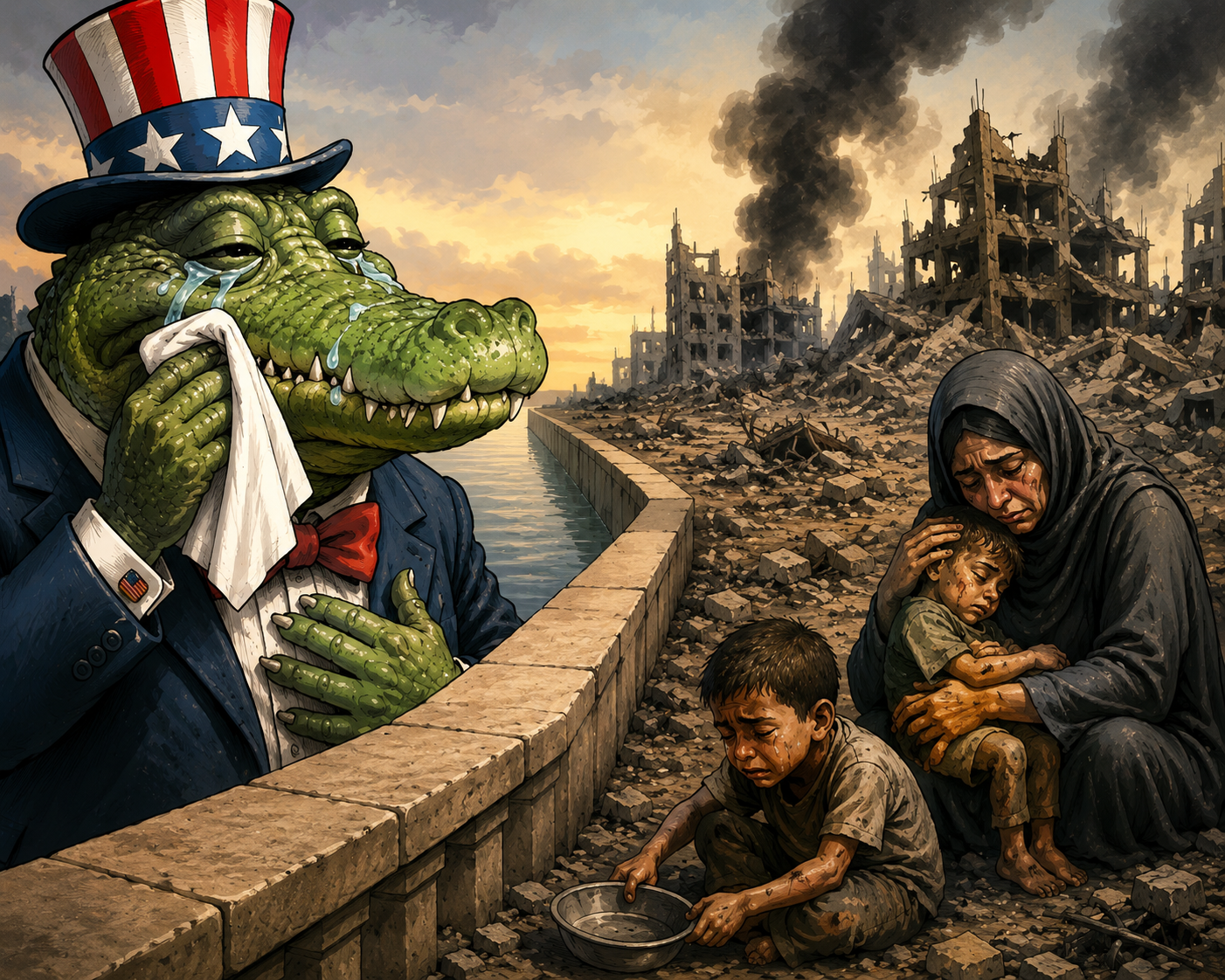
‘No Need For Your Crocodile Tears’
Heba
- August 13, 2026
 Heba
Heba CrossFireArabia
 marwanmarwanHebaCrossFireArabiamarwanmarwanCrossFireArabiamarwanHebaCrossFireArabiaCrossFireArabiaCrossFireArabiaHebamarwanCrossFireArabiamarwanHebaCrossFireArabiaHebamarwanmarwanCrossFireArabiamarwanmarwanmarwanmarwanmarwanmarwanmarwanmarwanmarwanCrossFireArabiaCrossFireArabiamarwanmarwanCrossFireArabiaCrossFireArabiamarwanCrossFireArabiamarwanHebaHebamarwanmarwanCrossFireArabiamarwanmarwanmarwanmarwanCrossFireArabiaCrossFireArabiamarwanmarwanmarwanCrossFireArabiamarwanmarwanmarwanmarwanmarwanCrossFireArabiamarwanmarwanmarwanmarwanCrossFireArabiamarwanmarwanmarwanmarwanmarwanmarwanCrossFireArabia
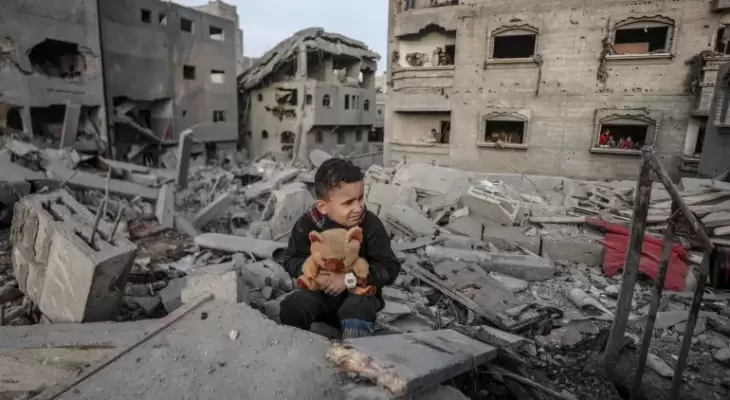
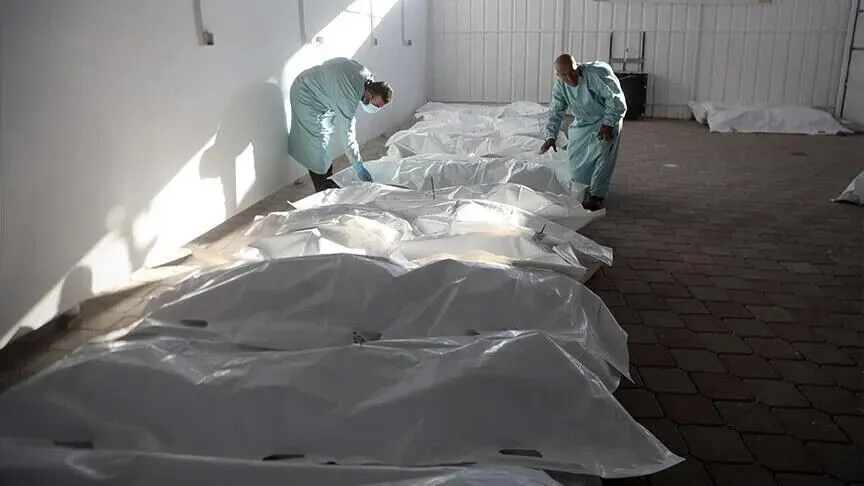
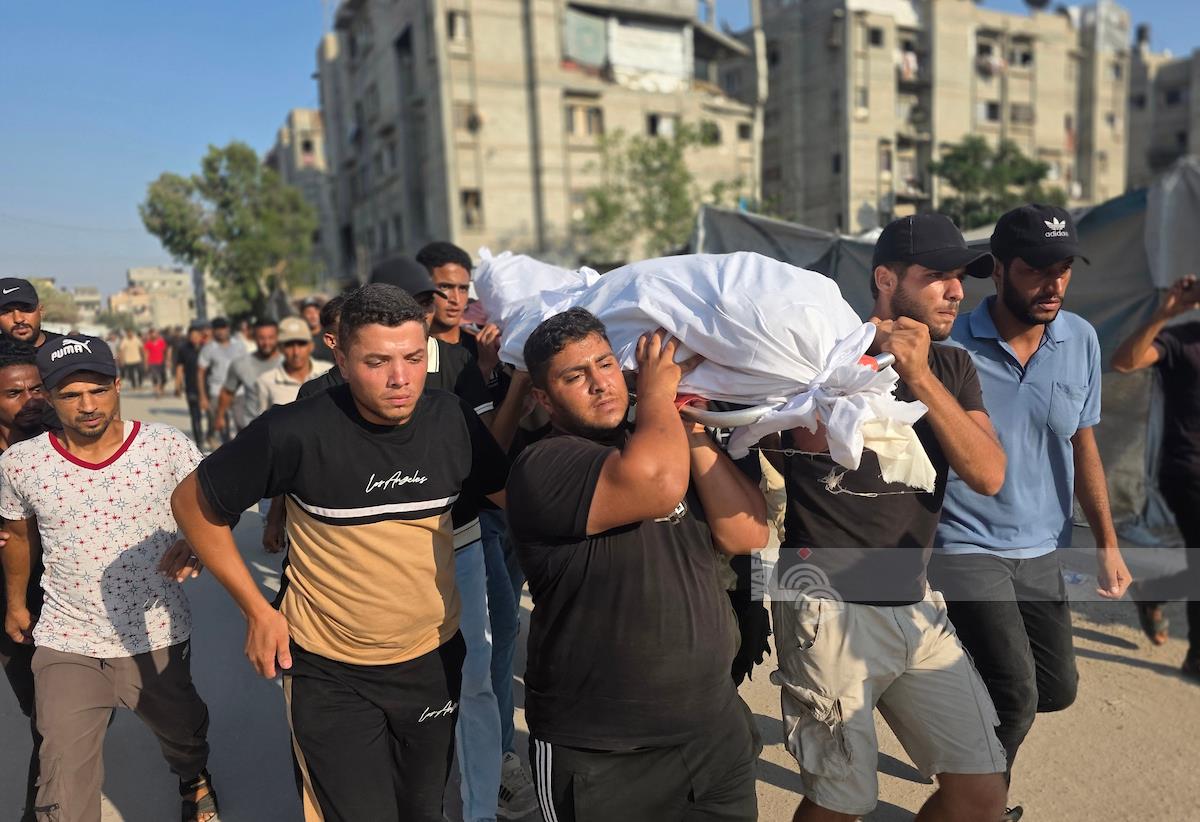
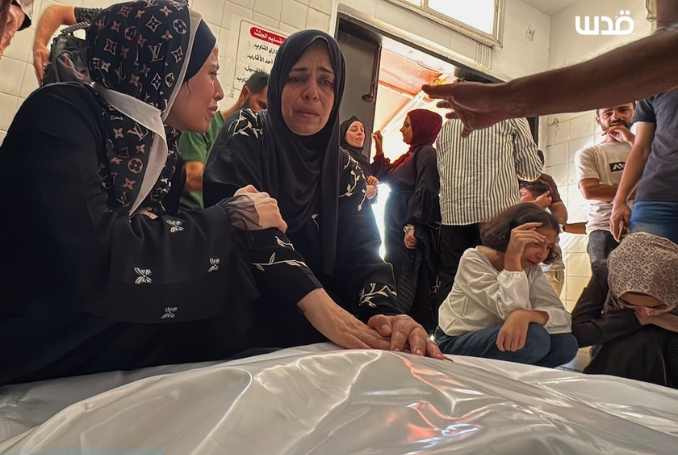
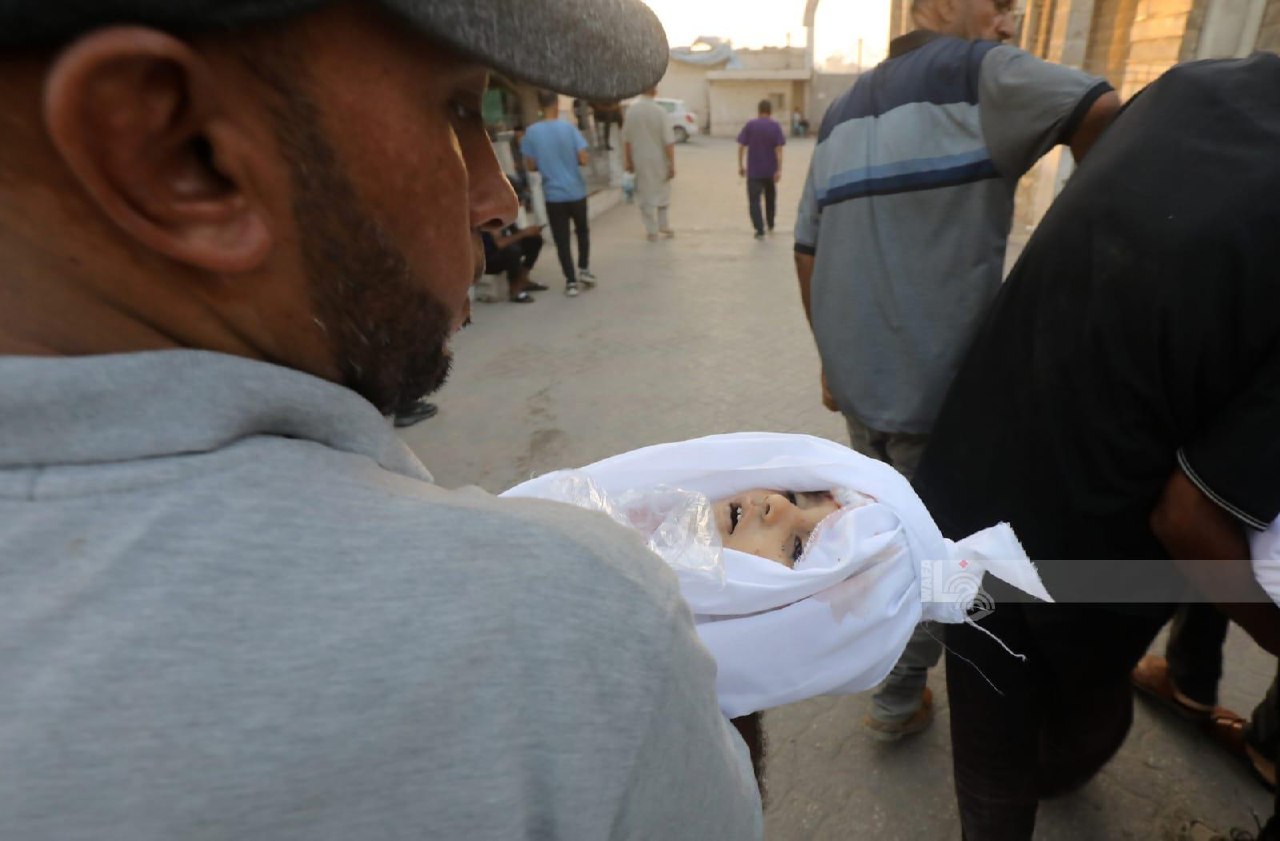
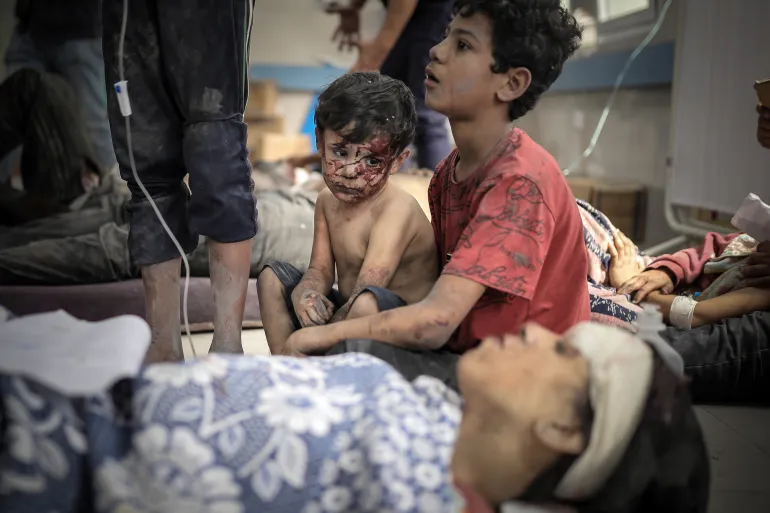
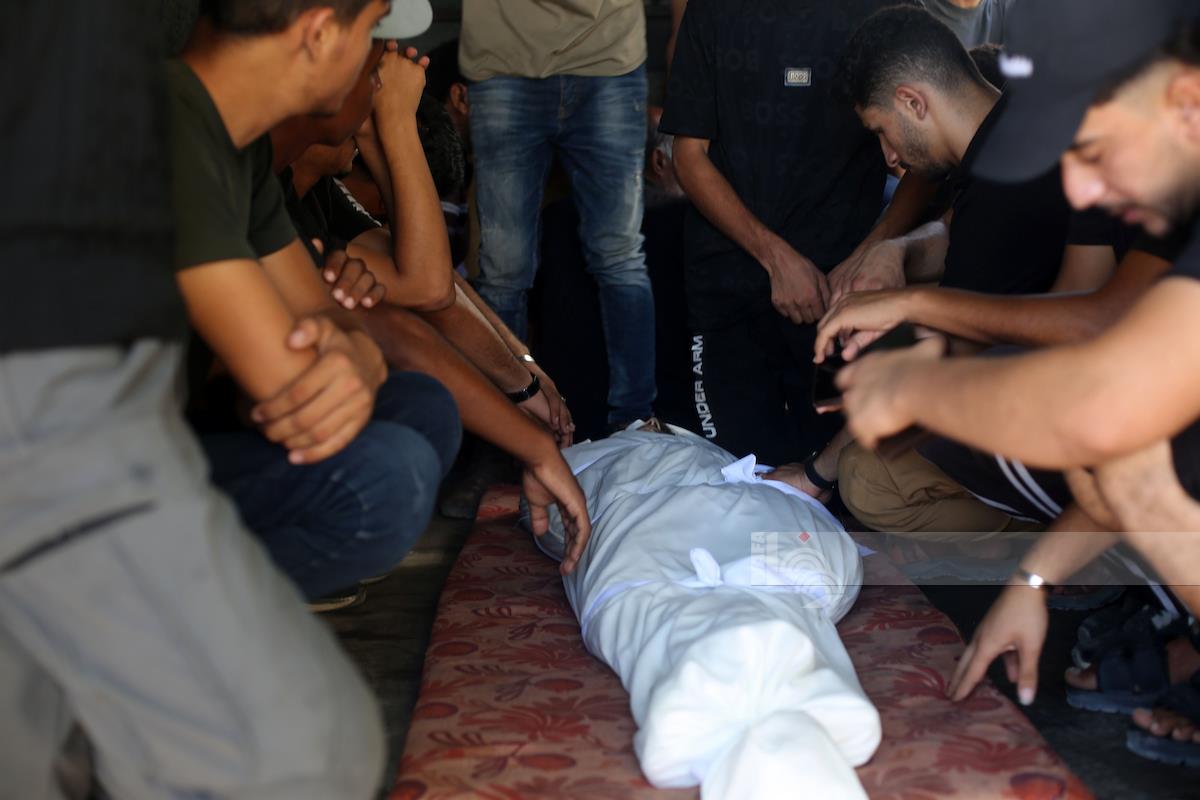
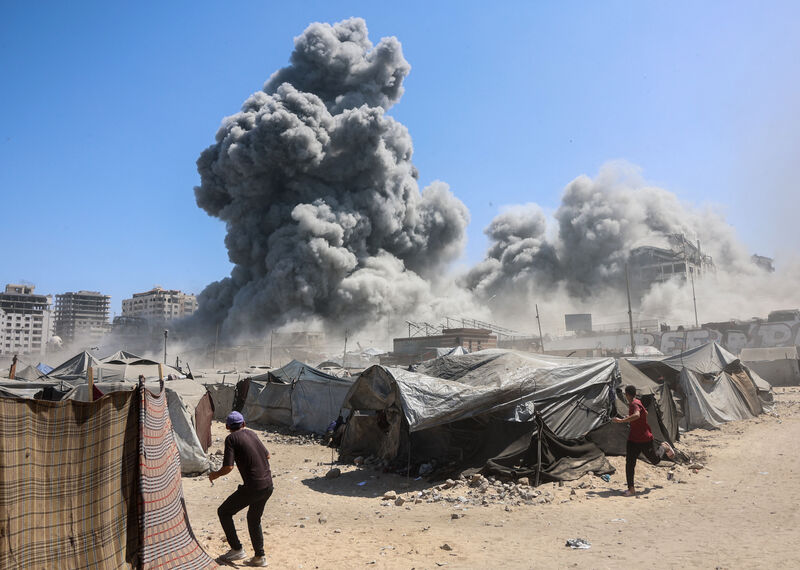
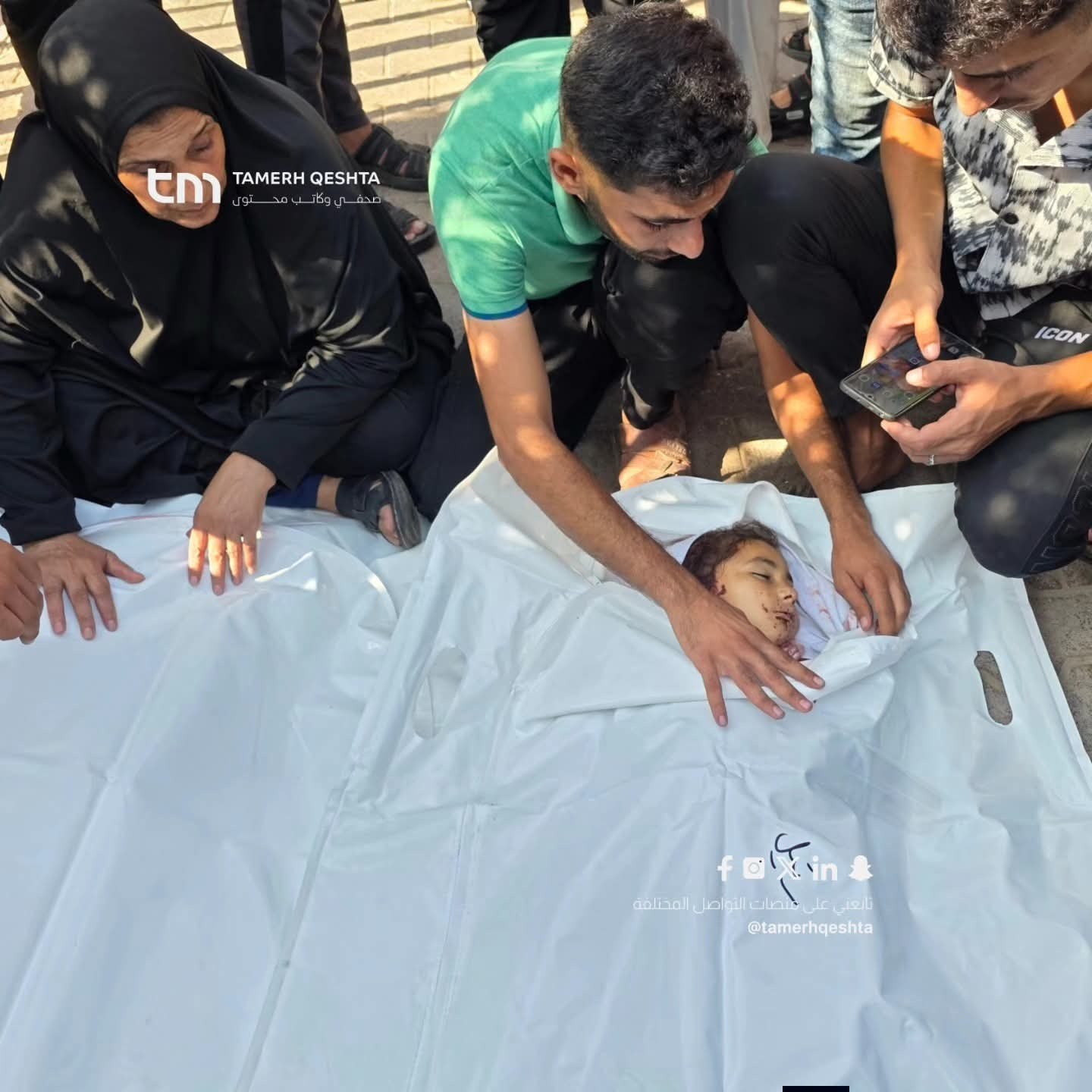
During over two years of ongoing genocide in Gaza, the Israeli army has pursued a systematic policy of burying Palestinian bodies in unmarked graves, including near aid distribution centres in central and southern Gaza, under conditions that obstruct identification, conceal burial sites, and prevent families from learning the fate of their loved ones.
The investigation published by CNN, “Bulldozed corpses and unmarked graves,” reinforces the data obtained by Euro-Med Monitor through documented testimonies and underscores the need for an independent international investigation to identify the victims, locate burial sites, and ensure accountability for these practices.
These practices were documented by Euro-Med Monitor through a systematic programme that included extensive field investigations across northern and southern Gaza, interviews with survivors, eyewitnesses, and families of the missing, the collection of data from medical teams and local authorities, and the analysis and cross-checking of available visual material. This documentation reveals a systematic and widespread pattern of burial operations reflecting an Israeli army policy that cannot be treated as isolated incidents.
The worst thing I have ever experienced, after the shooting of civilians who were trying to get aid, was the order to clean up the area. The shooting was very intense, body parts everywhere, and the smell was awful
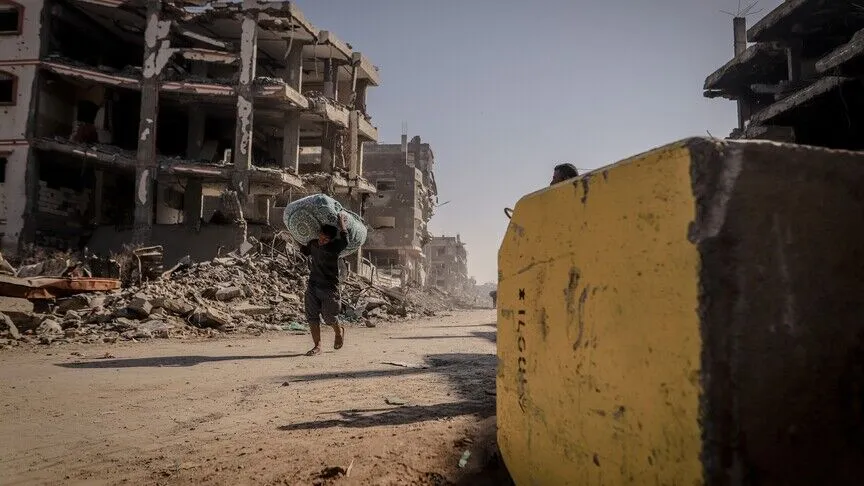
Euro-Med Monitor’s field documentation shows that Israeli forces repeatedly buried Palestinian bodies in public squares, open land, and areas near vital facilities, including aid distribution centres, hospitals, and schools, after sealing these locations militarily and blocking access by medical teams, families, and residents. This practice destroys potential evidence of unlawful killings, obstructs effective investigation, and deprives families of the right to know the fate and burial place of their relatives, in further violation of human dignity and international law.
Many Palestinian families discovered the bodies of their relatives buried in shallow pits left behind by Israeli forces after their withdrawal. This pattern was particularly evident near aid distribution centres and along forced displacement corridors, amid military operations marked by siege, starvation, and mass displacement of the civilian population.
Findings revealed by CNN on the Israeli army’s burial of Palestinians near aid distribution points are consistent with what Euro-Med Monitor has documented in recent months. Field testimonies show that Israeli forces prevented civilians and medical teams from accessing bodies for hours or days, then carried out rapid burials that concealed victims’ identities and destroyed potential evidence of unlawful killings.
Euro-Med Monitor verified the testimony of a contractor who worked with a humanitarian organisation in Gaza by reviewing available data and cross-checking it with independent sources. The witness stated that he saw Israeli forces fire on Palestinian civilians seeking humanitarian aid, killing several of them, after which he was instructed to clear the area, including bulldozing bodies and human remains.
The contractor stated, “The worst thing I have ever experienced, after the shooting of civilians who were trying to get aid, was the order to clean up the area. There were body parts. The shooting was very intense, body parts everywhere, and the smell was awful.”
“I complained to the Israeli army officer, but he replied, ‘That’s none of your business.’ I had to load body parts onto the back of the truck to dump them,” he added. “When I was ordered to carry out the task, I was not warned about the true situation. I find it difficult to talk about it. I feel my heart pounding and like I am going to collapse.”
At least 45 people have gone missing in the vicinity of aid distribution centres in the Gaza Strip, and their fate remains unknown, whether they were detained and subjected to enforced disappearance in Israeli prisons or killed and buried in unmarked sandy locations near those centres.
In March 2024, Euro-Med Monitor verified a widely circulated video showing, from a distance, two men walking separately along the Gaza beach, waving white flags in apparent surrender as they cautiously approached a group of Israeli soldiers on Al Rashid Street, near the barrier separating northern Gaza from the central and southern areas.
One of the men advanced towards the soldiers with his hands raised before disappearing behind a pile of sand and concrete, while the other attempted to flee but was pursued by an Israeli military vehicle and then suddenly fell to the sand, apparently after being shot. An Israeli military bulldozer subsequently appeared and buried both bodies beneath sand and debris.
The incident reflects a recurring pattern of deliberate dehumanisation and the use of terror to break the Palestinian population and force submission and displacement. It constitutes further evidence of the specific intent required for genocide under international law, while also being liable to classification as crimes against humanity and full-fledged war crimes.
An independent and comprehensive international investigation must be launched into the Israeli army’s burial practices near densely populated areas, aid distribution centres, and forced displacement corridors, including incidents involving the shooting of civilians seeking aid. The investigation must have full authority to collect and analyse evidence and to determine individual criminal responsibility for potential war crimes, crimes against humanity, and genocide.
The Israeli army must immediately disclose the locations of all mass and individual grave sites established during its military operations in Gaza. Urgent measures are required to protect these sites as potential scenes of international crimes, prevent the transfer or destruction of bodies and any tampering with evidence, allow independent forensic teams to enter Gaza, and lift restrictions on the entry of DNA testing equipment, or establish a secure mechanism for transferring samples to specialised laboratories abroad to enable victim identification and proper documentation of crimes.
Pressure must be exerted on Israel to disclose the identities of those killed, detained, or missing under its control during military operations, and to reveal burial or detention locations, to end families’ uncertainty and enable serious efforts to uncover the truth and secure redress. Israel must immediately disclose the fate of all persons it has arrested and continues to subject to enforced disappearance, cease this unlawful practice, allow detainees to communicate with their families and lawyers, and release all those held without a clear and specific legal basis, in accordance with international law.
Families and relevant Palestinian authorities must be enabled to retrieve the victims’ bodies and bury them in accordance with religious, humanitarian, and legal standards, ensure relatives’ participation in identification procedures, provide full disclosure regarding their fate, and deliver the necessary support.
States Parties to the Geneva Conventions and all other concerned states must ensure accountability for these crimes by opening national and international investigations, applying universal jurisdiction where necessary, and taking effective measures to prevent their recurrence. Euro-Med Monitor
CrossFireArabia
Anadolu’s Gaza Trilogy, which documents Israel’s war crimes in Gaza with definitive proof, has been completed with the publication of the series’ final book, The Perpetrator, following The Evidence and The Witness.
The Perpetrator focuses primarily on Israeli Prime Minister Benjamin Netanyahu and his administration, who bear direct responsibility for the violence and destruction in Gaza.
The book exposed in detail the dark mindset of the administration, which is made up of fanatical figures, some of whom are criminals even under Israeli law, who regard the killing of children, the destruction of civilian homes, and even the burning of trees as achievements and victories.
It documented, with a sense of determination and hope that one day they will be held accountable, all circles that are directly or indirectly connected to the genocide, from politics and business to academia and the cultural world, who keep the Netanyahu government’s killing machine running through the military and political support they provide.

The book consists of 3 sections
The Perpetrator is divided into three sections: Architects and Perpetrators of the Genocide, Global Partners in Genocide: Weapons, Capital, and Diplomatic Shield, and The Cultural Front of Genocide: The Silence of Academia, Media, and the Arts.
The first section examined the decision-makers and enforcers behind Israel’s genocide in Gaza.
This section also provides a detailed profile of the current Israeli government, which represents the latest link in a 75-year history of criminality.
It documented each official’s individual responsibility and decision-making roles in Netanyahu’s Cabinet, as well as the systematic violence and legal dimensions of illegal Israeli settler colonialism.
Analyses supported by infographics, timelines, and comprehensive crime maps revealed the planned and systematic nature of the genocide.

Weapons and financial support to Israel
The second section illustrates that the genocide in Gaza is not an act Israel could carry out alone.
The role of global partners is examined under two main headings. The first presented a detailed analysis of the weapons and financial support provided to Israel. It explained the scale of military and economic aid supplied by Western countries, especially the US, as well as the role of corporations and financial mechanisms.
The second part focuses on the diplomatic dimension of this support. It exposed the political shield behind the genocide, covering a wide spectrum from the influence of lobbies like the American Israel Public Affairs Committee (AIPAC) in US politics to the pro-Israel stance of the Western world and the obstruction mechanisms within international organizations.

Role of those who remained silent
The book’s third and final section discusses the roles of both those who actively supported the genocide and those who remained silent.
Examining how silence and inaction in three key fields amount to complicity, the section first addresses pressure and resistance within academia, exploring how Palestinian solidarity on university campuses has been suppressed and the limits of academic freedom.
It also analyzes the pro-Israel editorial policies of mainstream media, their disinformation strategies, and mechanisms of censorship.
Finally, it explores silence, support, and divisions within cultural and artistic communities and evaluates the art world’s stance in the face of this human tragedy.
Prologue by Martin Shaw
The prologue to The Perpetrator is written by Martin Shaw, a sociologist known for his work on war, genocide, and global politics. The introductory essay is by Richard Falk, former UN special rapporteur on human rights in the occupied Palestinian territories.
Former UN Special Rapporteurs Michael Lynk and John Dugard, as well as Abdurrahman Erol of Erasmus University, Shahd Hammouri of Kent University, Walter Hixson of the US University of Akron, Cemil Aydin of the University of North Carolina, and Selman Aksunger of Maastricht University, also contributed to the book.
Having played a significant role in bringing global attention to the genocide in Gaza, the Gaza Trilogy books will soon be published digitally on the website gazatrilogy.com.
CrossFireArabia
US President Donald Trump said Wednesday that the members of his Gaza “Board of Peace” will be announced early next year, adding that they will be comprised of global leaders.
“We’ll do it early next year, and the Board of Peace are going to…it’ll be one of the most legendary boards ever,” he told reporters at the White House. “They want to all do it. Basically, it’ll be the heads of the most important countries. They all want to be on (it).”
The board is a key component of Trump’s ceasefire deal for the besieged Gaza Strip, though key details including its membership have yet to be announced. It is slated to play an assisting role in the administration of Gaza under the terms of Trump’s ceasefire deal.
The US president has said that he will serve as the group’s chairman.
Since October 2023, Israel has killed more than 70,000 people, mostly women and children, and injured nearly 171,000 others in Gaza in a more than two-year war that came to a halt under a ceasefire deal that took effect on Oct. 10 according to Anadolu.
CrossFireArabia
Yasser Abu Shabab, a militia leader who collaborated with Israeli occupation forces throughout the genocide, was killed on December 4 by unknown fighters in Gaza, according to Israeli media reports.
His death comes after months in which he became one of the most controversial figures of the genocide, operating openly under Israeli military protection and playing a central role in aid theft, extortion, intimidation, and killing of civilians in areas occupied by Israeli forces.
Abu Shabab, 32, was originally detained by Hamas authorities on drug trafficking charges and he escaped prison in the aftermath of October 7, 2023.
By early 2024, he had aligned himself with Israeli occupation forces and assumed command of an armed group in eastern Rafah, later known as the “Popular Forces.”
The Israeli-backed militia was responsible for overseeing territory on behalf of the occupying army.
Multiple humanitarian officials and journalists documented how the group operated near the Kerem Shalom and Rafah crossings, where it controlled the movement of aid convoys entering the Strip.
Humanitarian workers accused the militia of seizing or diverting relief supplies, demanding payments from organizations, and contributing to the collapse of aid distribution at a time when famine conditions were intensifying. UN officials stated that criminal gangs, including Abu Shabab’s, had been able to operate “under the watch of Israeli forces.”
During the temporary ceasefire in January 2025, Israel deepened its support for Abu Shabab’s faction by providing uniforms, tactical gear, weapons, and vehicles.
Israeli media later confirmed that members of these militias, including Abu Shabab’s, received direct orders from Israeli officers during operations targeting Hamas and other resistance factions. The Israeli government acknowledged the policy publicly after domestic criticism, framing it as an effort to reduce Israeli military casualties.
Western outlets subsequently began portraying Abu Shabab as the leader of a local anti-Hamas movement. One high-profile example was a July 2024 Wall Street Journal op-ed attributed to him, despite reports that he did not speak English and had limited literacy in Arabic.
Videos verified by international media showed his men accompanying Israeli soldiers in areas that were militarily occupied by Israel.
Inside Gaza, resentment toward Abu Shabab was significant. Residents and clan representatives accused him of exploiting the humanitarian crisis, collaborating with an army responsible for mass civilian casualties, and strengthening Israel’s control over key areas in Rafah. His own family eventually issued a statement formally disowning him and condemning his collaboration with Israeli authorities.
Abu Shabab’s influence grew alongside Israel’s broader strategy of supporting local armed groups in Rafah, Khan Yunis, and northern Gaza during renewed operations in 2024 and 2025.
These groups were tasked with conducting raids, gathering intelligence, and confronting Palestinian resistance fighters in territories Israel sought to secure.
By late 2025, Abu Shabab had become a primary target for Palestinian resistance groups as well as a polarizing figure among civilians. Hamas declared that it would seek to kill him, and Israeli media reported several earlier attempts on his life.
His killing on December 4 leaves open questions about the future of other Israeli-backed militias operating in Gaza and the extent to which those networks will persist without their most prominent commander.
CrossFireArabia
A Palestinian journalist was killed in an Israeli strike in the southern Gaza Strip on Tuesday, despite a ceasefire agreement sponsored by US President Donald Trump.
Medical sources told Anadolu that photojournalist Mahmoud Wadi lost his life in an Israeli drone strike in central Khan Younis, an area that does not fall under the Israeli-controlled yellow zone.
Wadi’s father, Issam, described the Israeli strike as “an earthquake that struck the tent.”
“I never expected to lose Mahmoud, who was not just my son but a friend, as he grew up in a photography studio,” the grieved father told Anadolu.
“Mahmoud was photographing in a safe area (not under Israeli control according to the ceasefire agreement), but the Israelis respect no pledges or promises; their entire life is treachery and deceit,” he said.

Criminal act
The Palestinian father called his son’s killing “a criminal act carried out by the Israeli occupation.”
“They (Israelis) will continue until destroying the whole world,” he said.
A colleague of the slain journalist, Muhammad Abu Ubaid, a correspondent for Al-Alam TV in Gaza, said Wadi was “known for his humanitarian work and helping people.”
“He may not be known to everyone, but the poor and afflicted know him well, because he devoted his time to assisting them,” he told Anadolu.
“Wadi was a pure-hearted person. I sat with him last night, we talked a lot, and he told me about his plans to raise his young son, who is his whole world.”
“We had an appointment today at Nasser Hospital (in Khan Younis), but I found out he had been martyred,” Abu Ubaid said in tears.
“The world is silent and watching, and the (Israeli) occupation continues to kill us and kill journalists despite the agreement.”
Systematic killing
Gaza’s Government Media Office said Wadi’s death brought the number of Palestinian journalists killed by Israel in Gaza to 257 since October 2023.
It decried Israel’s “systematic attacks and assassination of Palestinian journalists” and held Tel Aviv and the US administration, the UK, Germany, and France “fully responsible for committing these heinous and brutal crimes.”
The media office appealed to the international community and press organizations around the world to “condemn the Israeli occupation’s crimes.”
International media institutions have repeatedly called on Israel to stop fatal attacks on Palestinian journalists in the Gaza Strip, but Tel Aviv has ignored these appeals.
Palestinians see the deliberate targeting of Palestinian journalists by the Israeli army in the Gaza Strip as an attempt to cover up its atrocities in the territory.
The ceasefire deal took effect in Gaza on Oct. 10 under Trump’s Gaza plan, halting two years of Israeli attacks that have killed more than 70,000 Palestinians, mostly women and children, and injured over 171,000 others since October 2023.
Israel has repeatedly violated the agreement by opening fire on Palestinian civilians in areas it does not control under the deal, while the Palestinian group Hamas has announced its full commitment to the terms of the agreement and urged the US to pressure Israel to comply.
According to Gaza’s Health Ministry, at least 356 Palestinians have been killed and more than 900 others injured in Israeli attacks since the ceasefire.