 ‘No Need For Your Crocodile Tears’
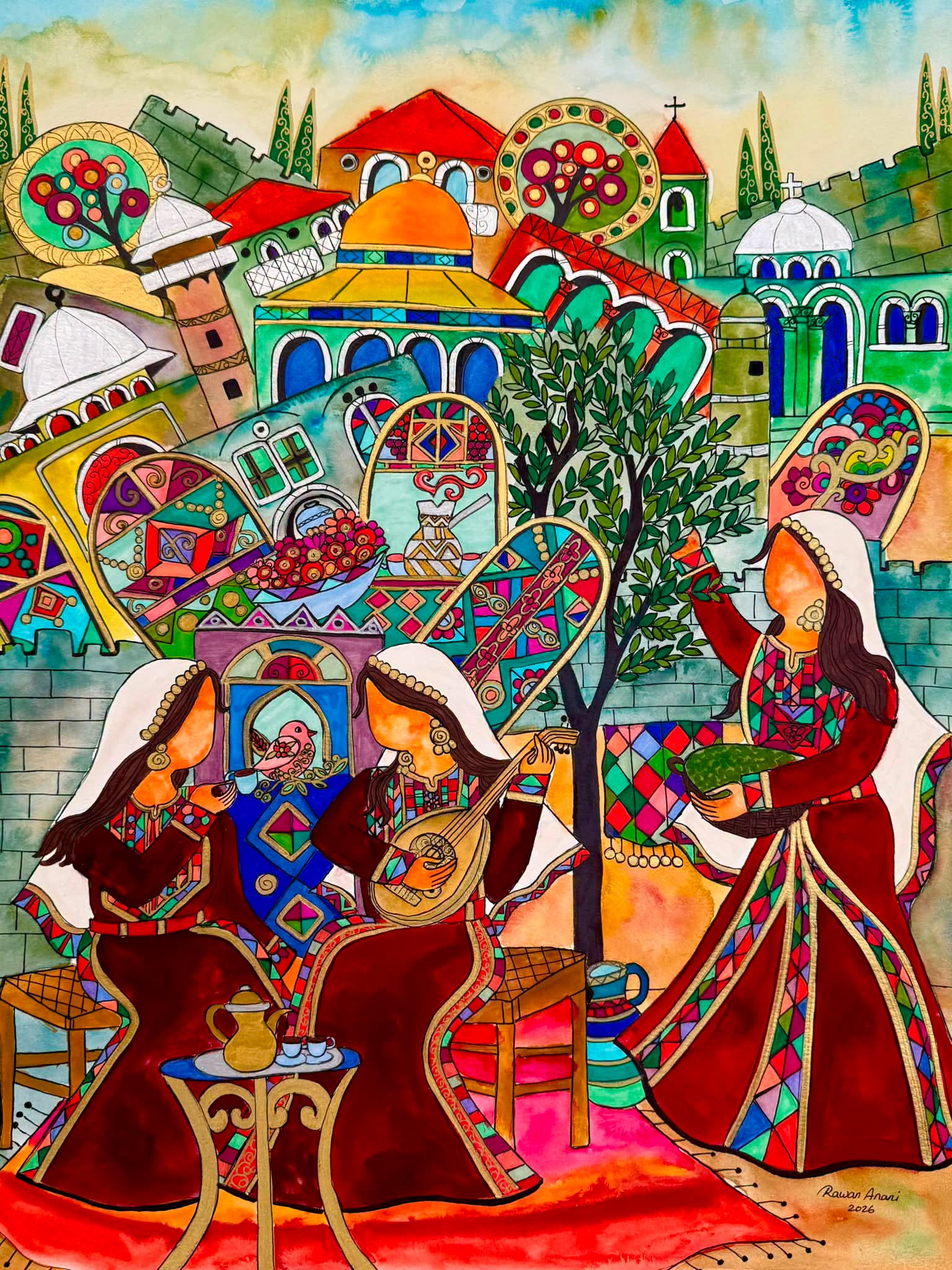
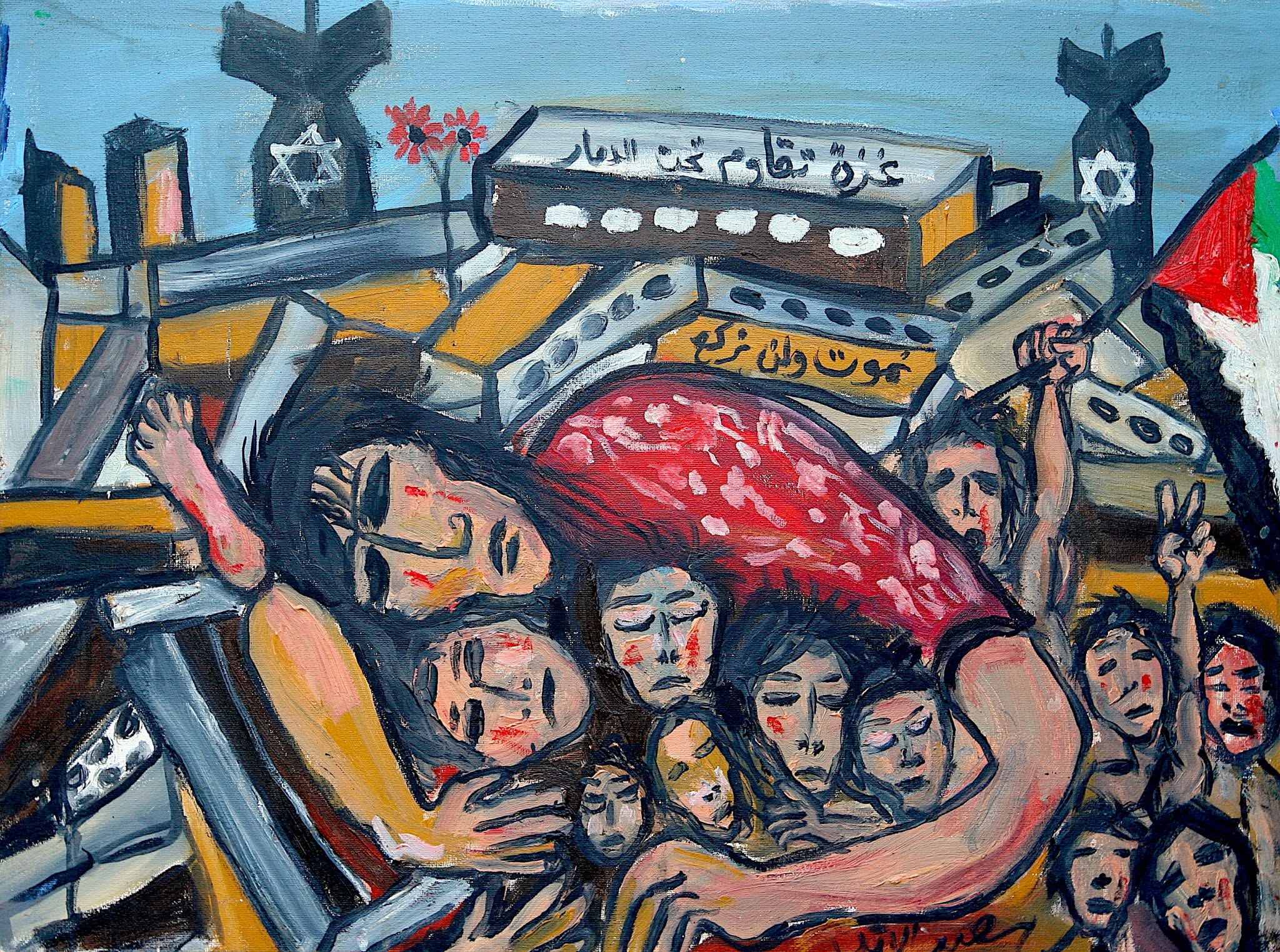
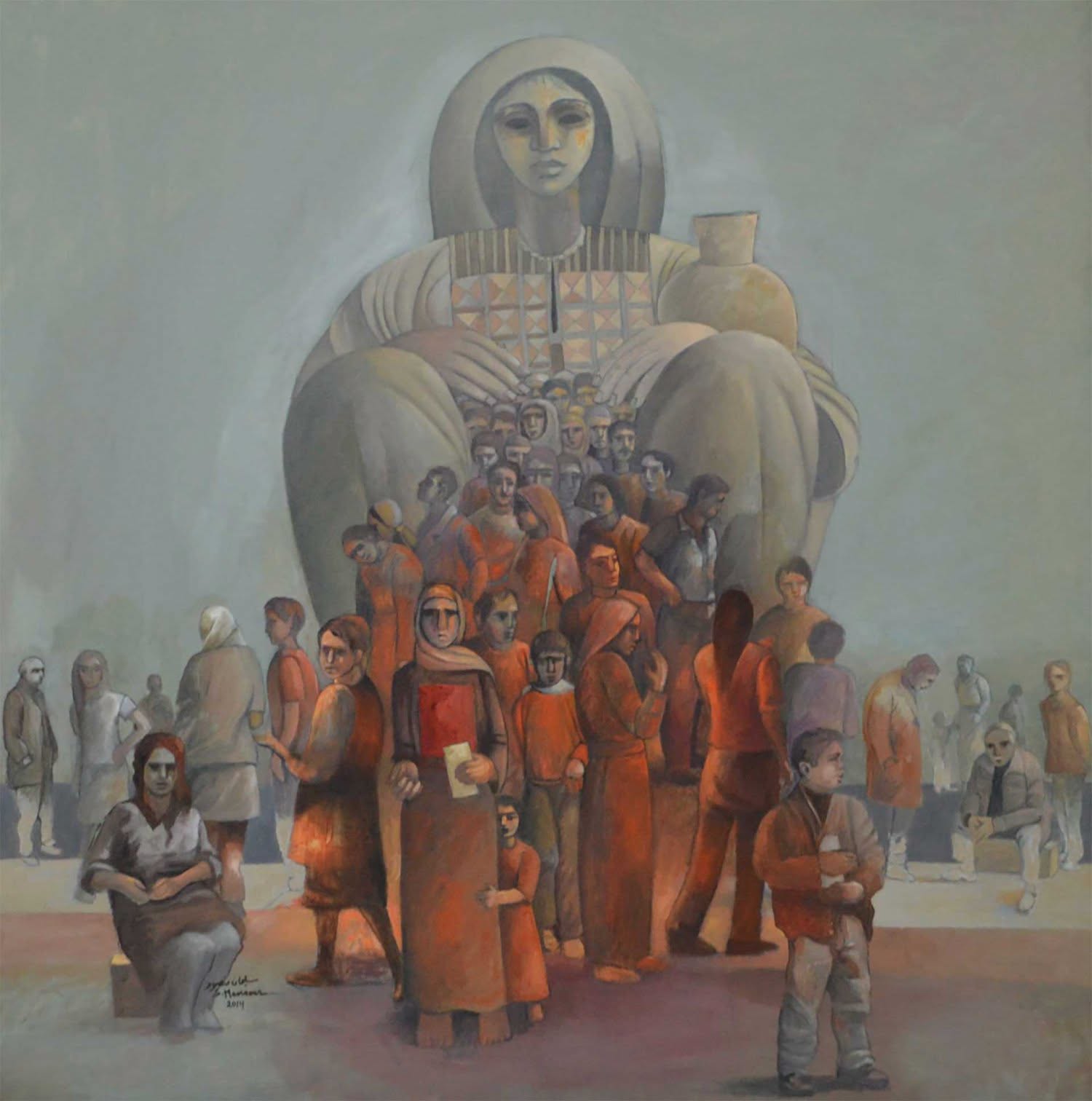
 Reem Arkan’s ‘Red Homeland’
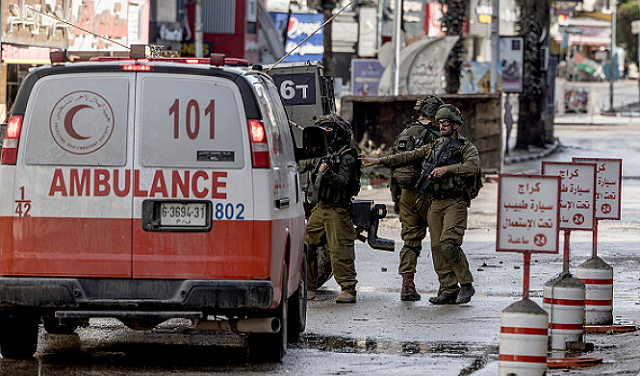
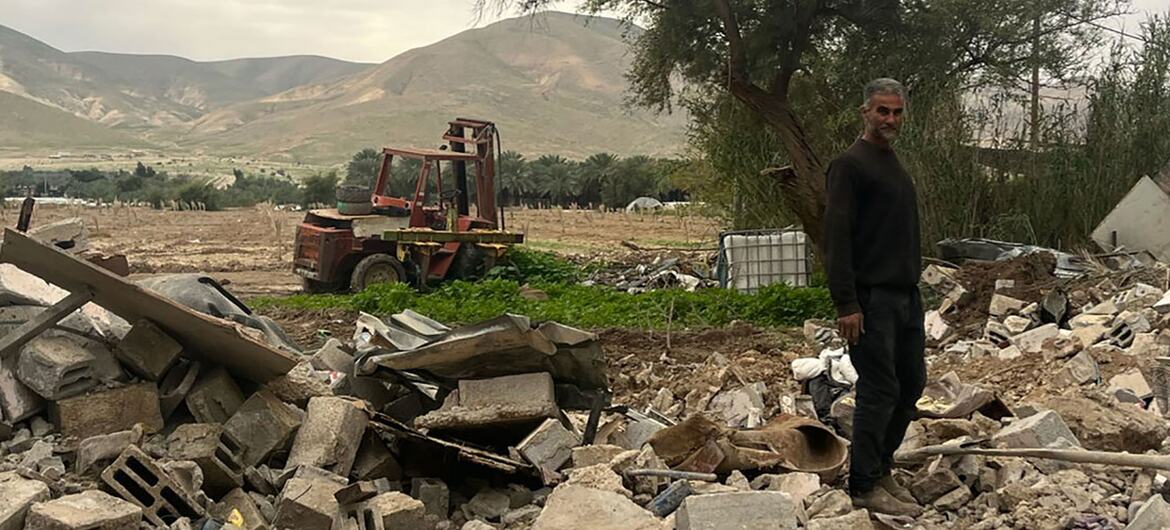
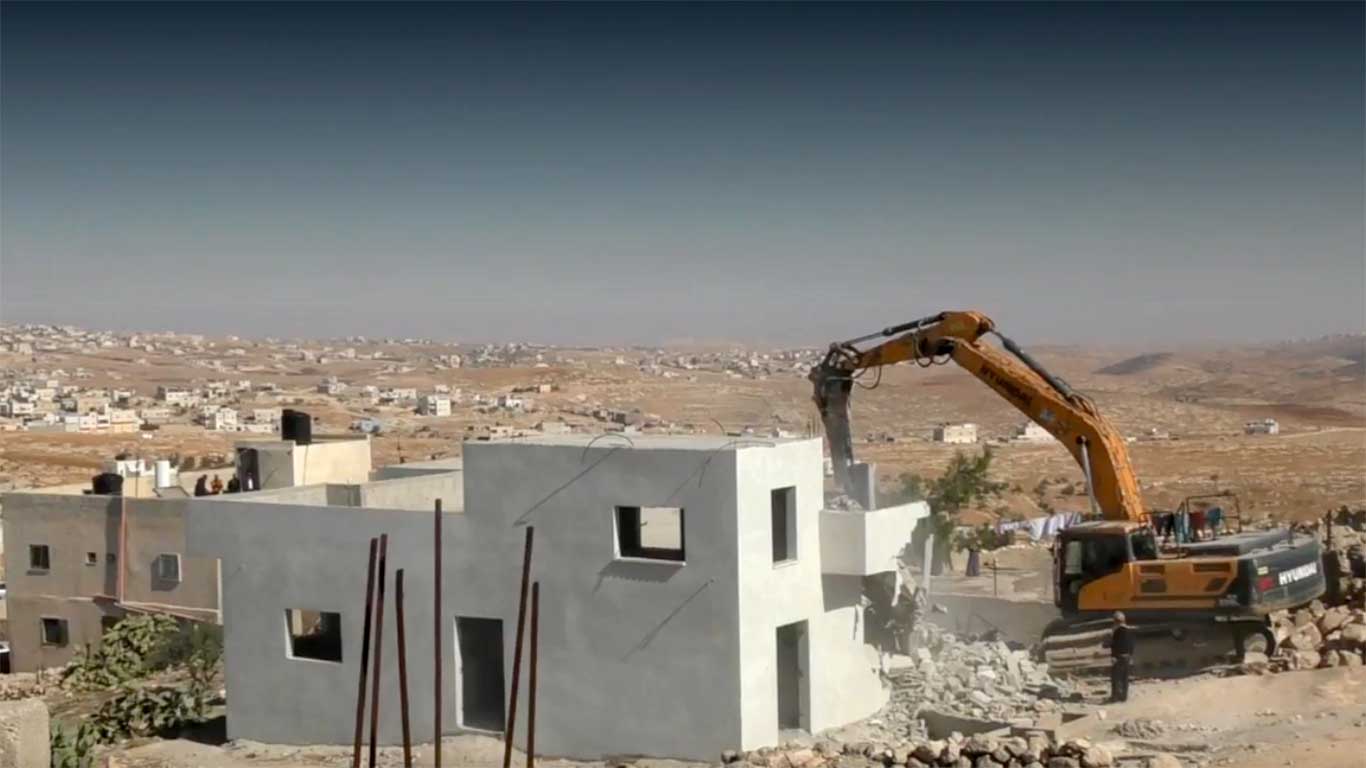
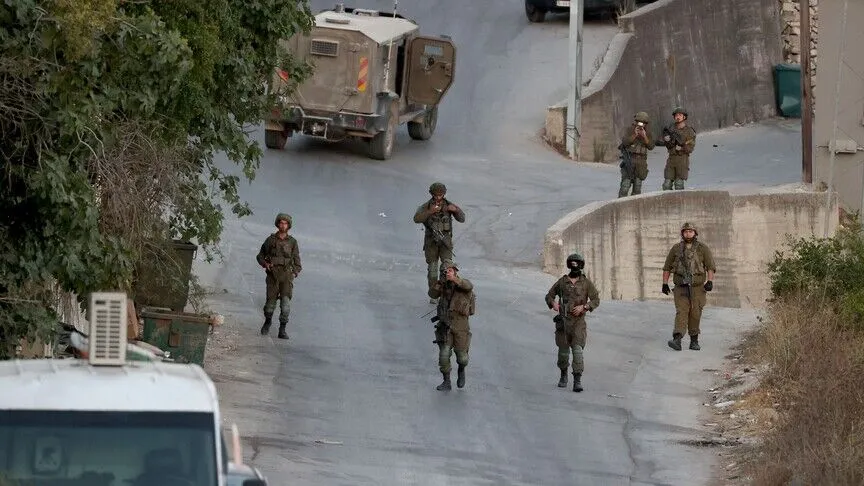
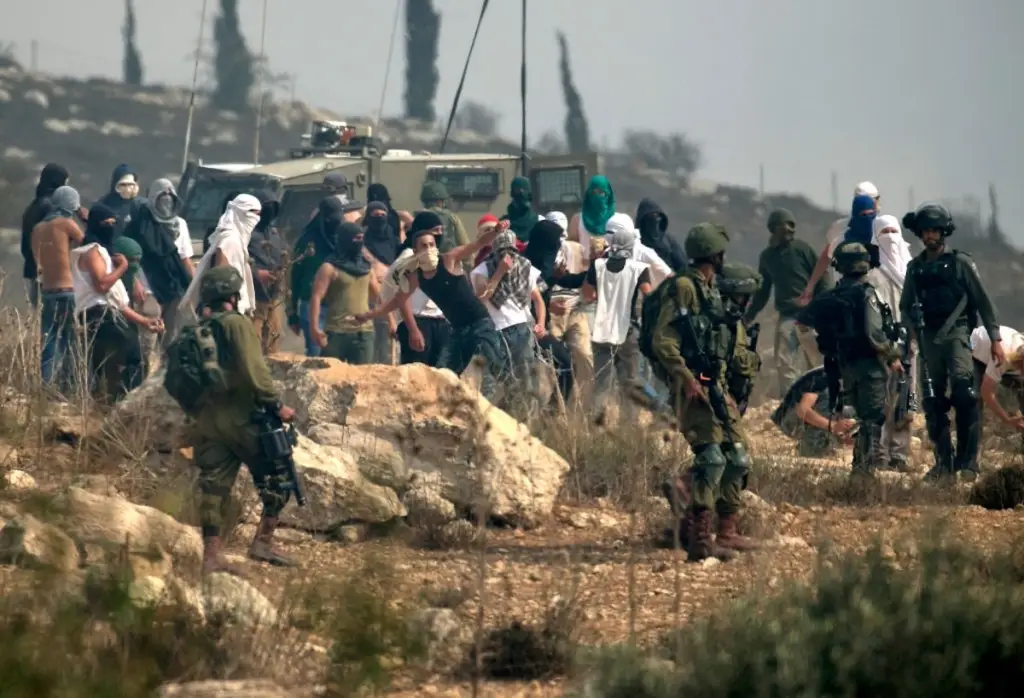 Israeli Army Seizes 16 Homes in The West Bank
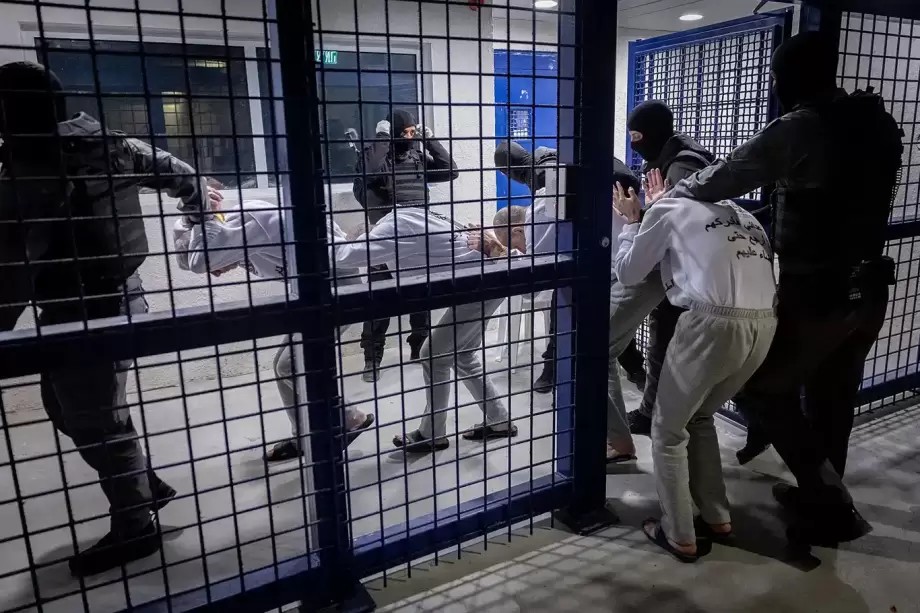
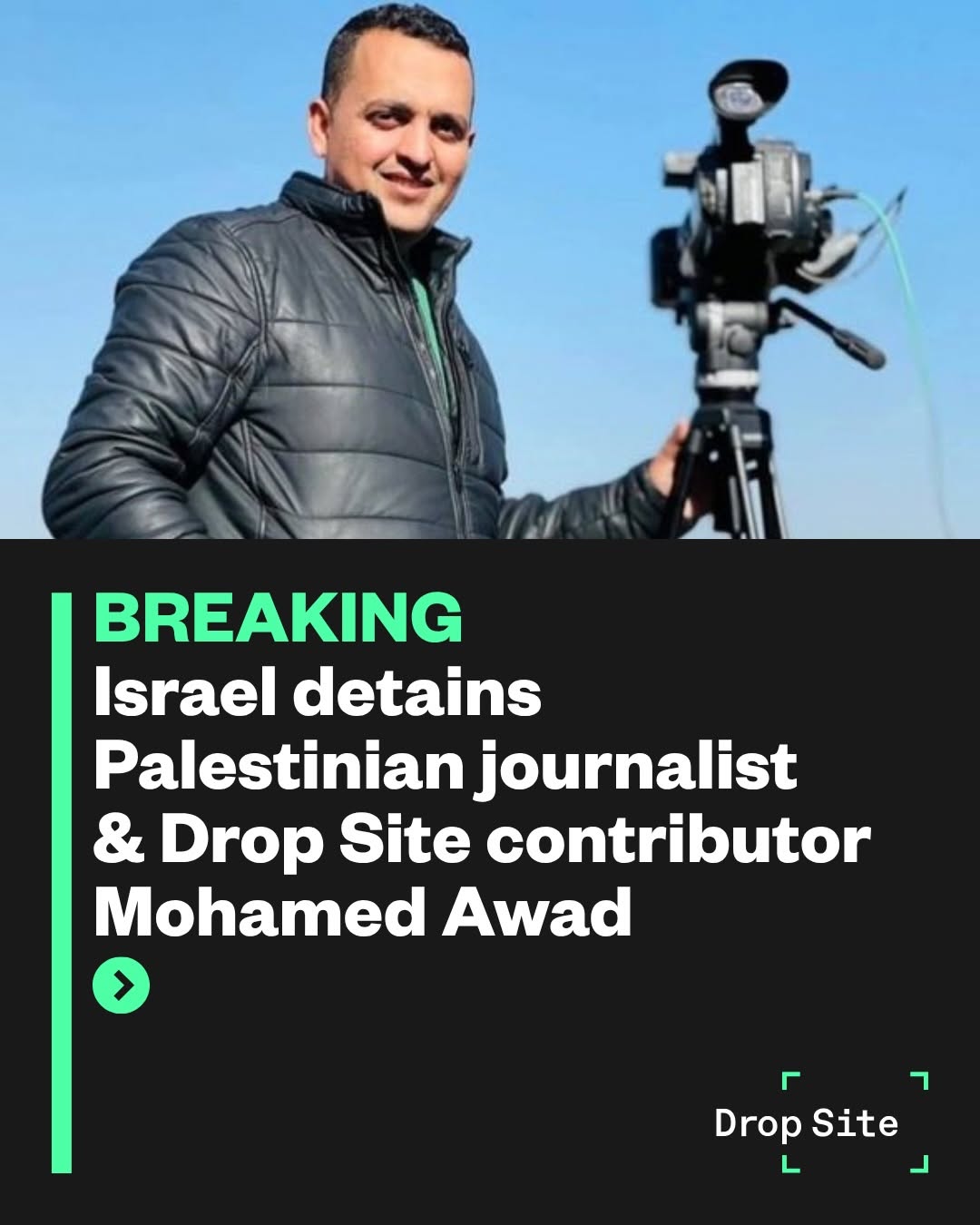 Israel Arrest Palestinian Journalist and Drop Site Contributor Mohammed Awad
 Palestinian School Year Starts 6 September


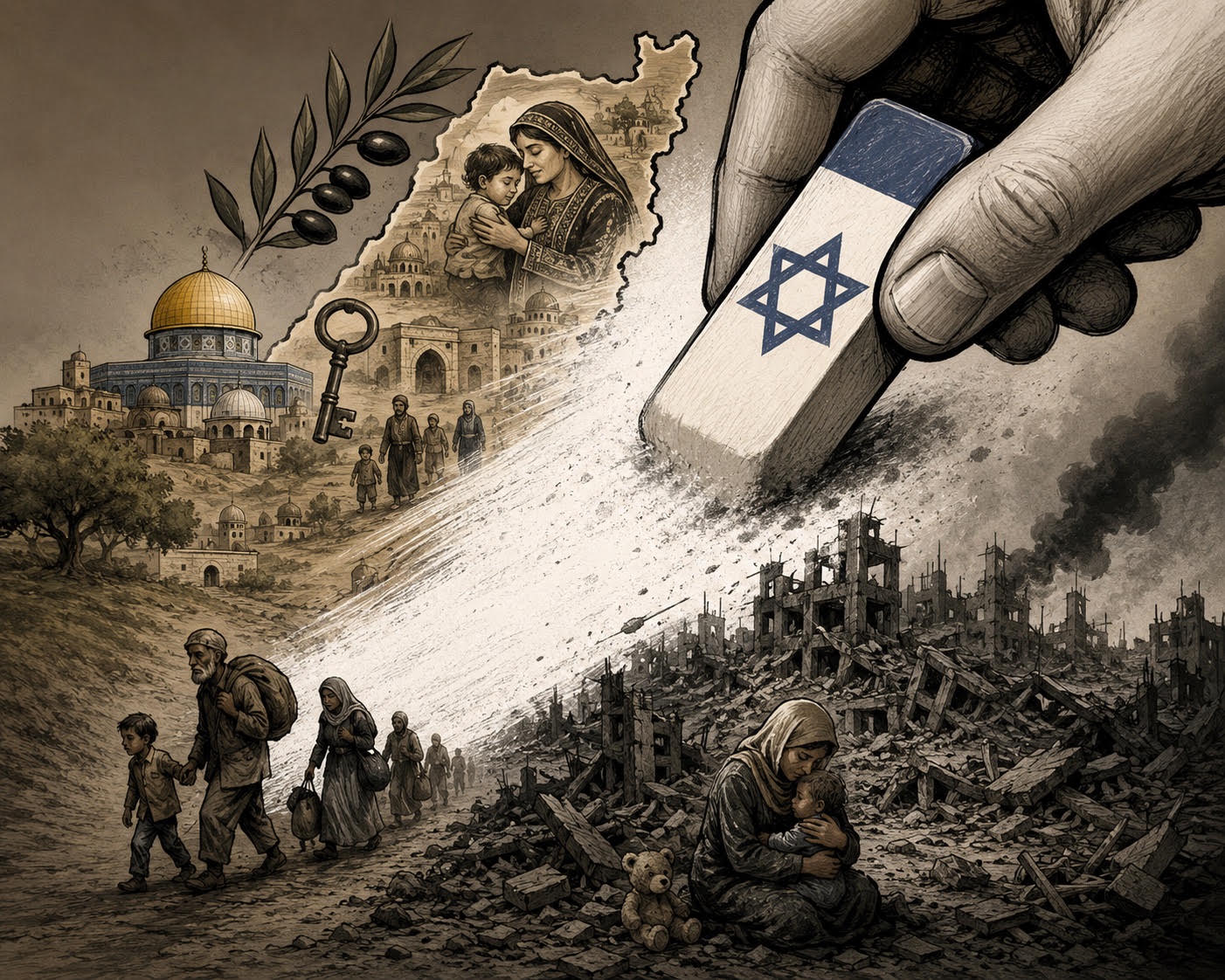

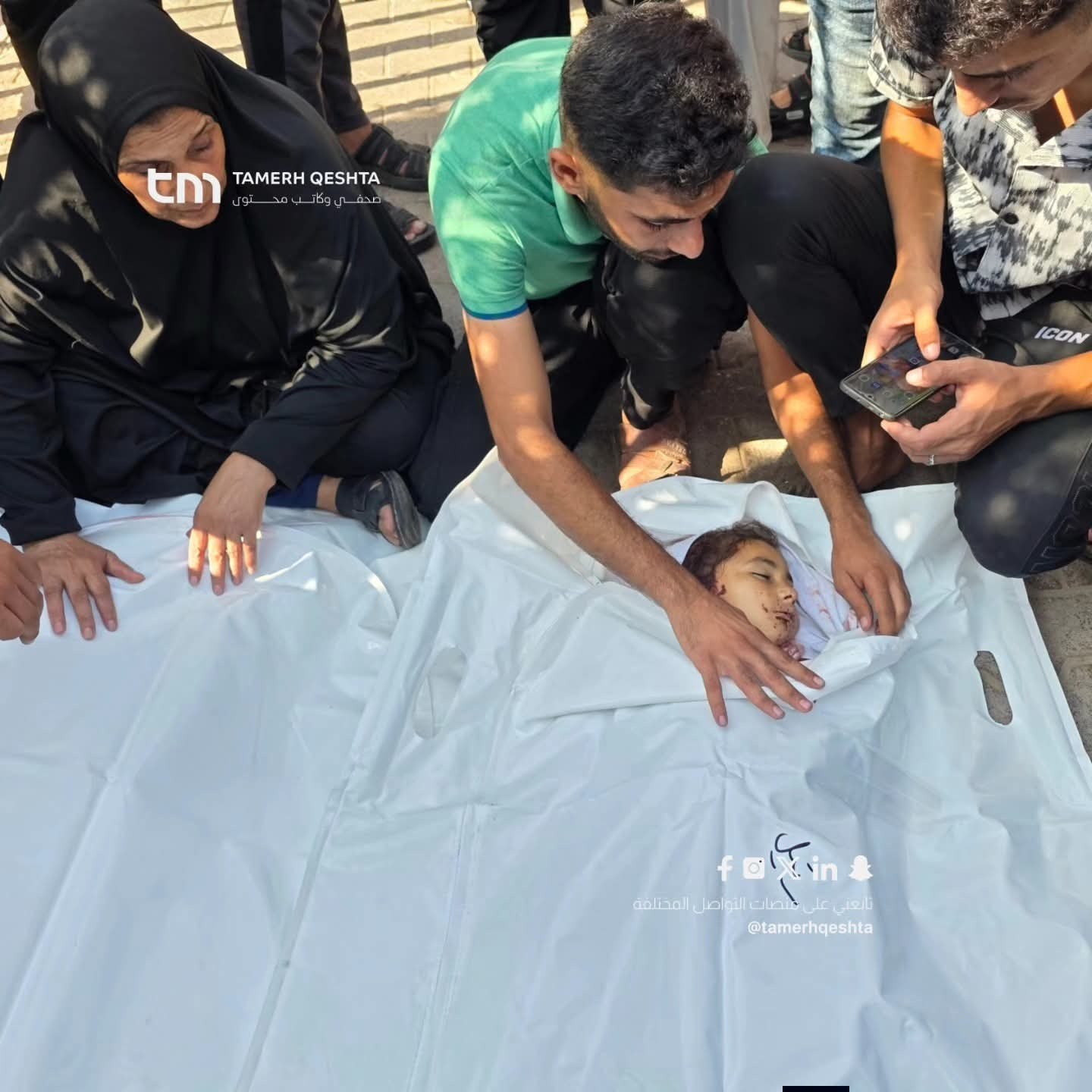
‘No Need For Your Crocodile Tears’
Heba
- August 13, 2026
 Heba
Heba CrossFireArabia
 marwanmarwanHebaCrossFireArabiamarwanmarwanCrossFireArabiamarwanHebaCrossFireArabiaCrossFireArabiaCrossFireArabiaHebamarwanCrossFireArabiamarwanHebaCrossFireArabiaHebamarwanmarwanCrossFireArabiamarwanmarwanmarwanmarwanmarwanmarwanmarwanmarwanmarwanCrossFireArabiaCrossFireArabiamarwanmarwanCrossFireArabiaCrossFireArabiamarwanCrossFireArabiamarwanHebaHebamarwanmarwanCrossFireArabiamarwanmarwanmarwanmarwanCrossFireArabiaCrossFireArabiamarwanmarwanmarwanCrossFireArabiamarwanmarwanmarwanmarwanmarwanCrossFireArabiamarwanmarwanmarwanmarwanCrossFireArabiamarwanmarwanmarwanmarwanmarwanmarwanCrossFireArabia
The UN special rapporteur on the occupied Palestinian territories said Friday that Israel should pay for the reconstruction of Gaza together with the US and other main arms provider countries.
Speaking at an event in London on the situation of human rights in the occupied Palestinian territories, Francesca Albanese noted that there should be a full assessment of complicity over the genocide in Gaza, stressing that not just Israel but all the states aiding genocide should face sanctions.
“States must cut ties with Israel, must stop aiding and assisting a state that maintains an unlawful occupation,” said Albanese.
Touching on the accountability, the special rapporteur said that Israel should pay for the reconstruction of Gaza, together with the US, Germany, and Italy, who are the main weapons providers according to Anadolu.
She went on to say that there should be a robust investigation into the UK’s complicity with this genocide through its services that have been provided from Cyprus bases.
“If Israel do not want to be accused of colonial practices, it should not behave as a colonial power, as a colonial entity, taking land, displacing the people,” she added.
Saying that the two years of genocide in Gaza is “the combination of 60 years of impunity,” she noted that it is not going to stop “unless things change in London or in Rome, or in Berlin, or in Paris.”
‘No robust response against sanctions’
Touching on US sanctions against her, Albanese said that with the sanctions, Albanese herself, International Criminal Court (ICC) judges, or Palestinian human rights groups are “considered like criminals.”
“There has not been robust enough for response, or a robust enough response to this to have the sanctions lifted,” she said.
Saying that since she is banned from traveling to the US, she cannot present her reports to the UN General Assembly, while also adding that she also cannot open a bank account.
UN experts in August warned that US sanctions on Albanese threaten the human rights system, a month after the US announced it imposed sanctions on the special rapporteur for her “efforts to prompt” ICC action against US and Israeli officials.
In August, the US also sanctioned four ICC officials for authorizing the arrest warrants for Israeli Prime Minister Benjamin Netanyahu and former Defense Minister Yoav Gallant, accusing both officials of war crimes and crimes against humanity in the Gaza Strip.
About 250,000 families are currently living in displacement camps across the Gaza Strip, many facing cold weather and flooding inside fragile tents, according to the Civil Defense.
Although a ceasefire took effect on Oct. 10, living conditions in Gaza have not improved, as Israel continues to impose strict restrictions on the entry of aid trucks, violating the humanitarian protocol of the agreement.
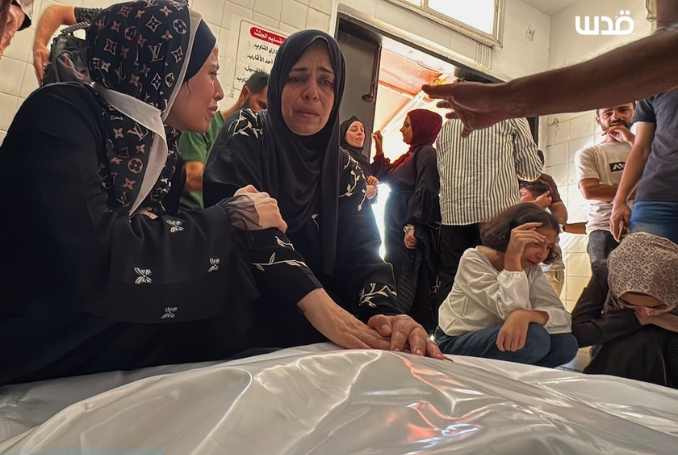
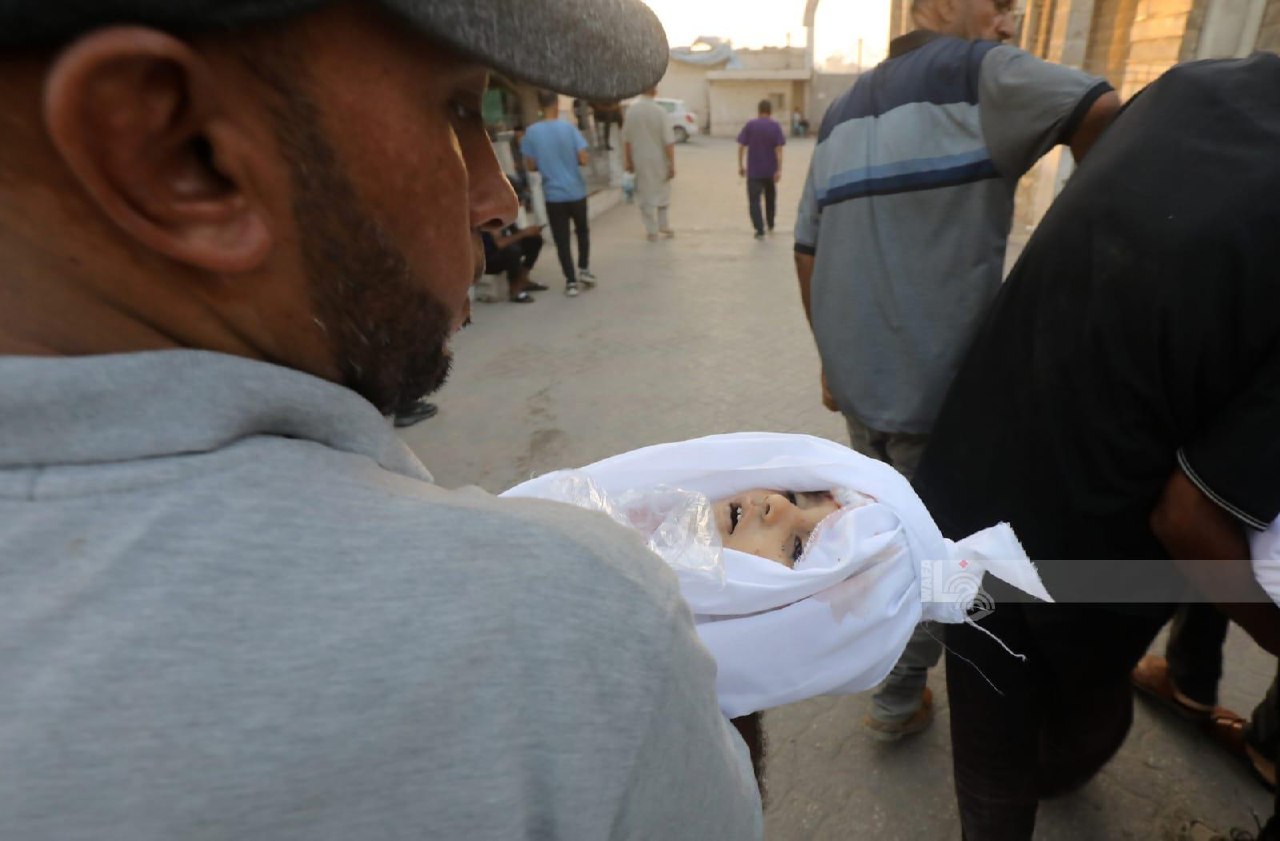
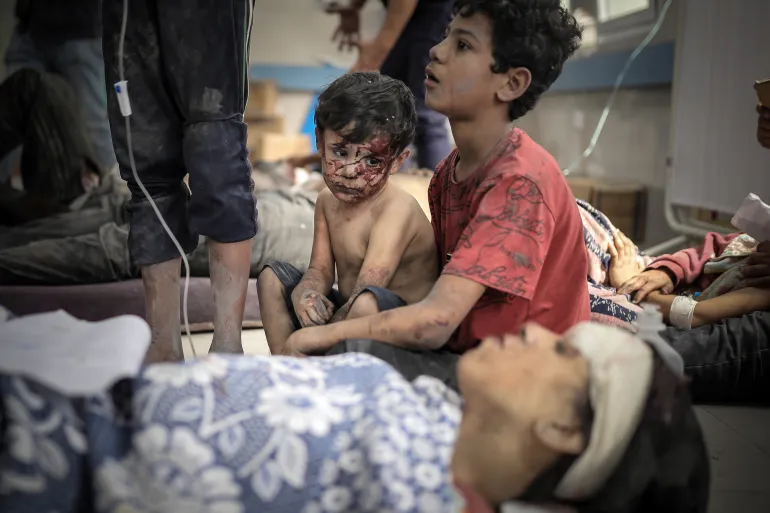
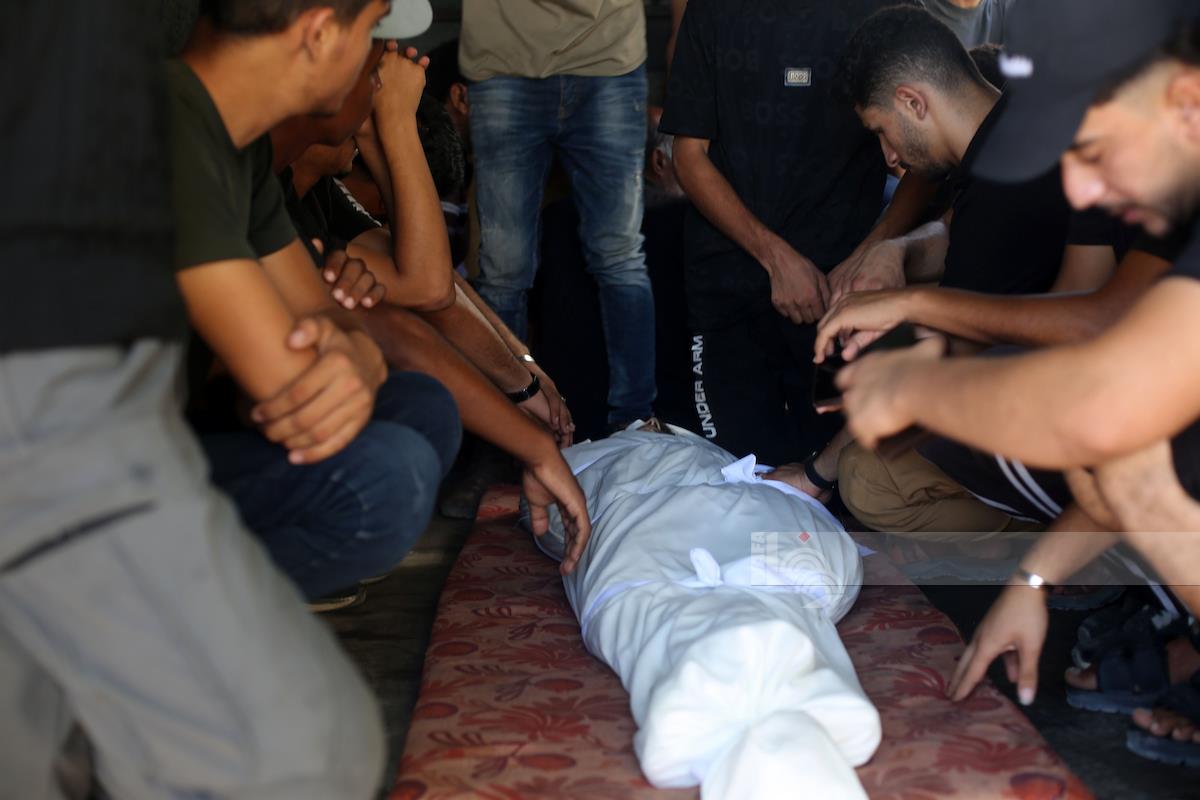
Israel has killed more than 70,000 people, mostly women and children, and injured over 171,000 others in attacks in Gaza since October 2023, which have continued despite the truce.
CrossFireArabia
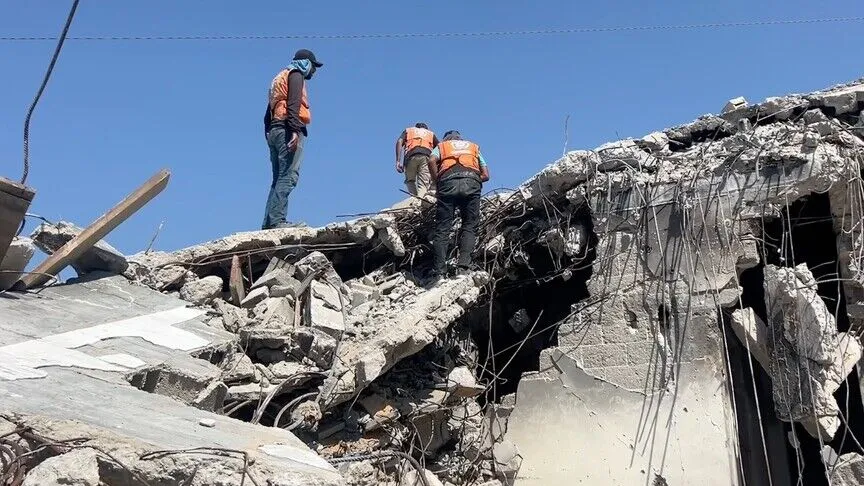
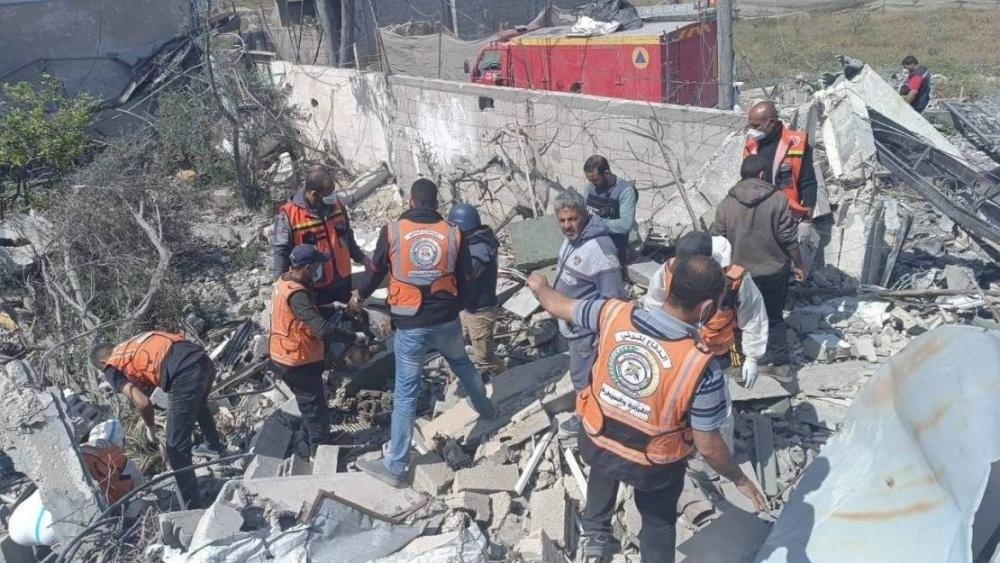
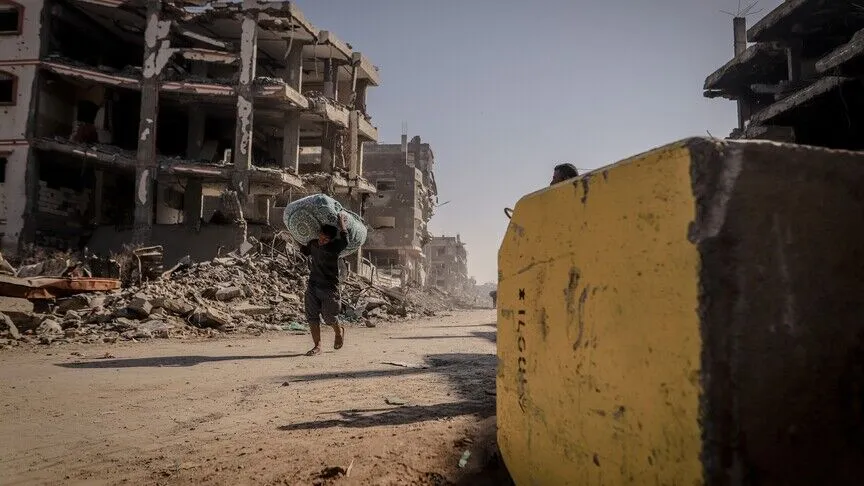
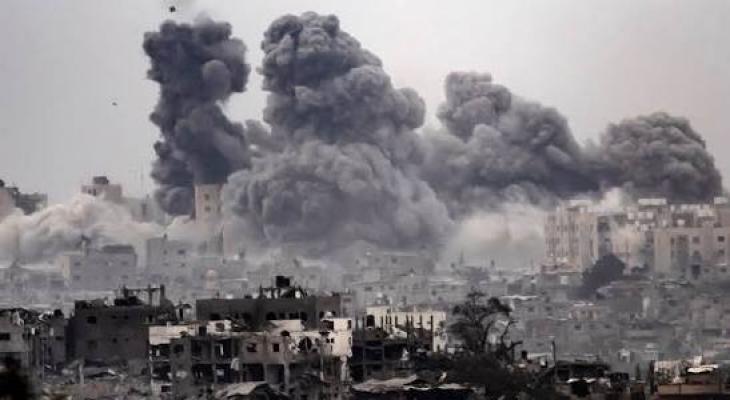
The US has asked Israel to take responsibility for clearing the massive debris left across the Gaza Strip after over two years of its assault on the enclave, including destruction caused by airstrikes and armored bulldozers, Israel’s Yedioth Ahronoth daily reported.
The newspaper, citing a senior political source, said Israel has agreed to the US request “for now,” but will begin by clearing debris in a single pilot neighborhood in Rafah. The initial project is expected to cost tens to hundreds of millions of shekels.
According to the report, Washington expects Israel to ultimately remove rubble across the entire enclave, a task that could take years and cost more than $1 billion. Arab and international actors have so far refused to finance the debris-removal effort, the paper said according to Anadolu.
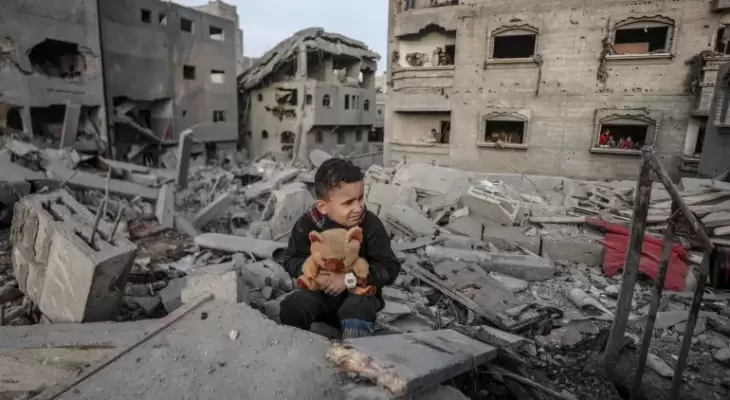
Gaza is buried under about 68 million tons of debris, The Wall Street Journal reported this week, citing widespread destruction across the enclave.
The UN Development Program estimates the rubble weighs as much as 186 Empire State Buildings.
Israel’s genocidal war in the Gaza Strip has killed more than 70,300 people and injured over 171,000 since October 2023, according to Palestinian health authorities.
CrossFireArabia
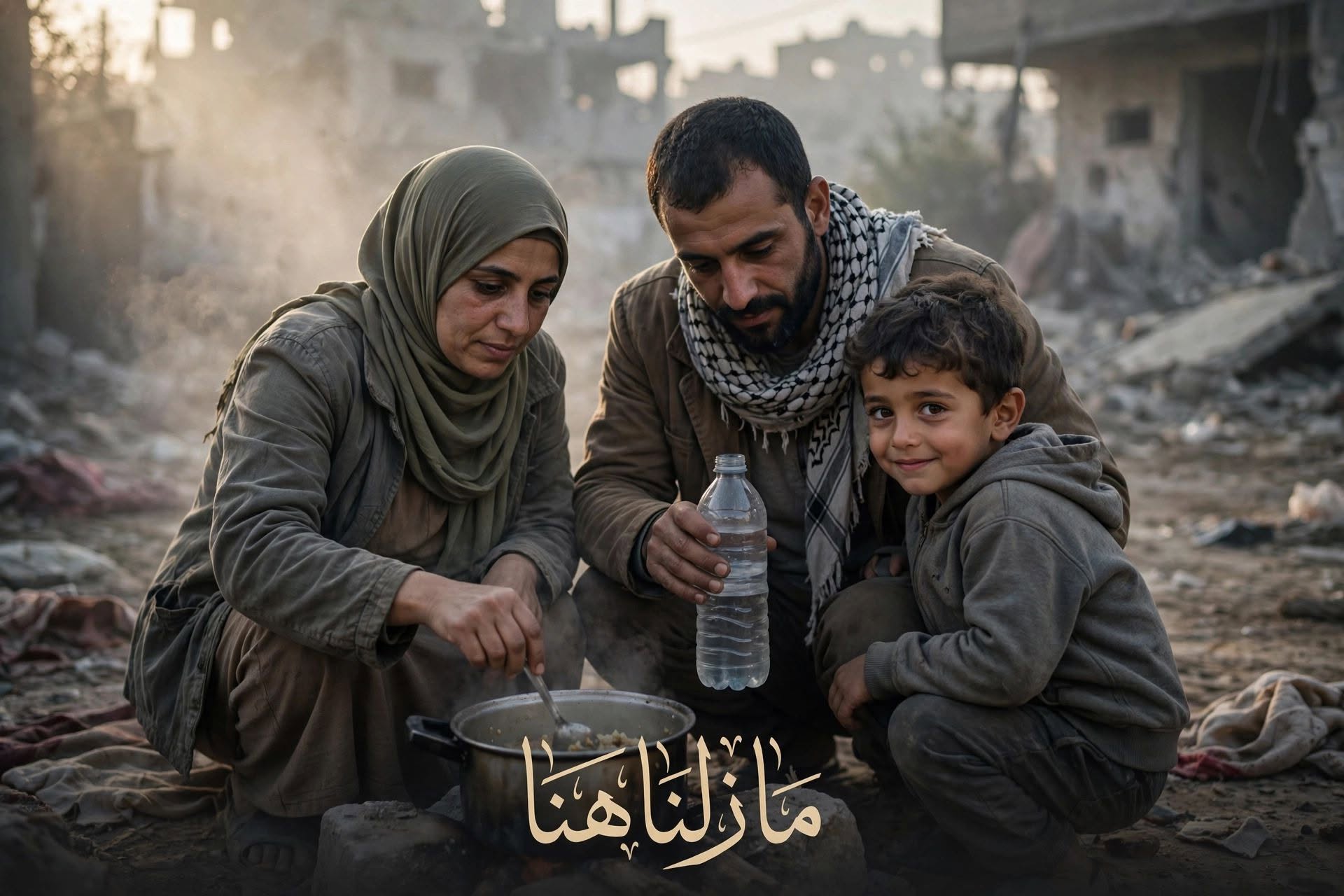
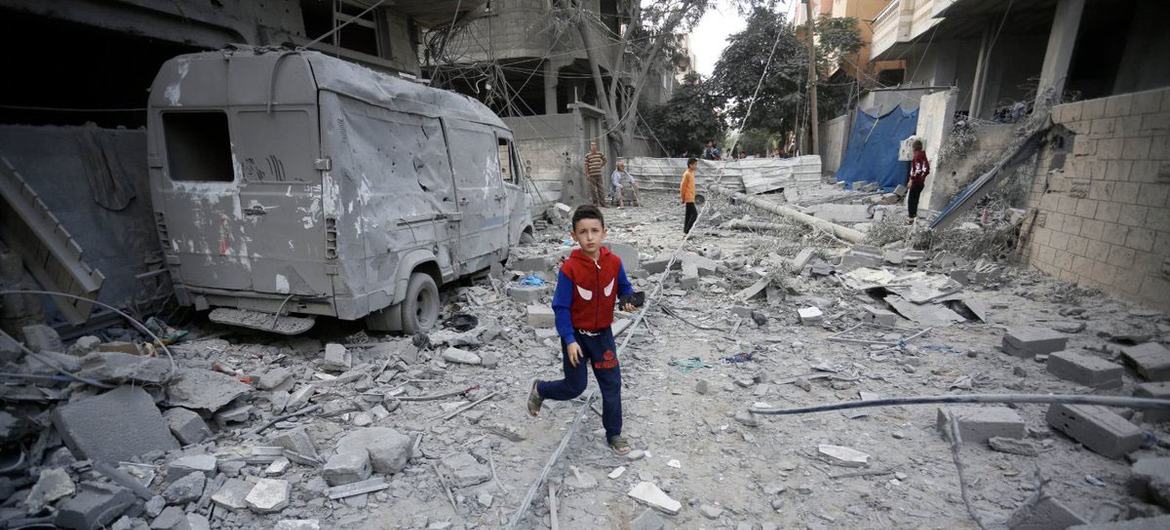
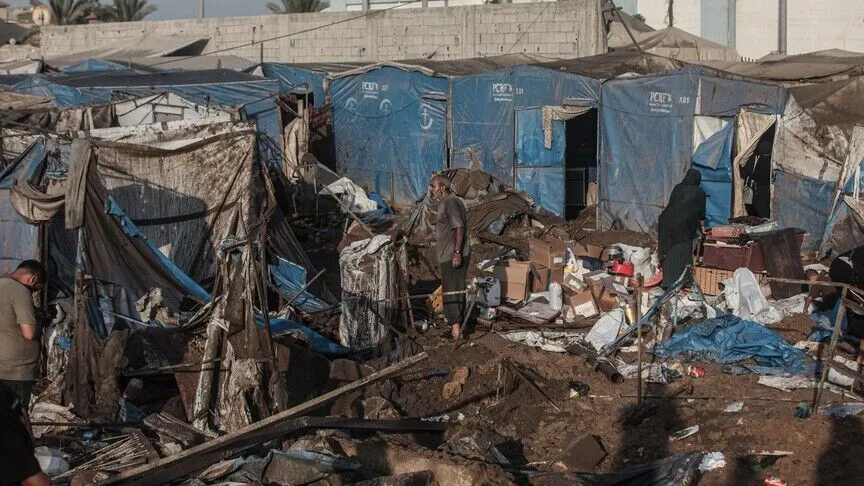
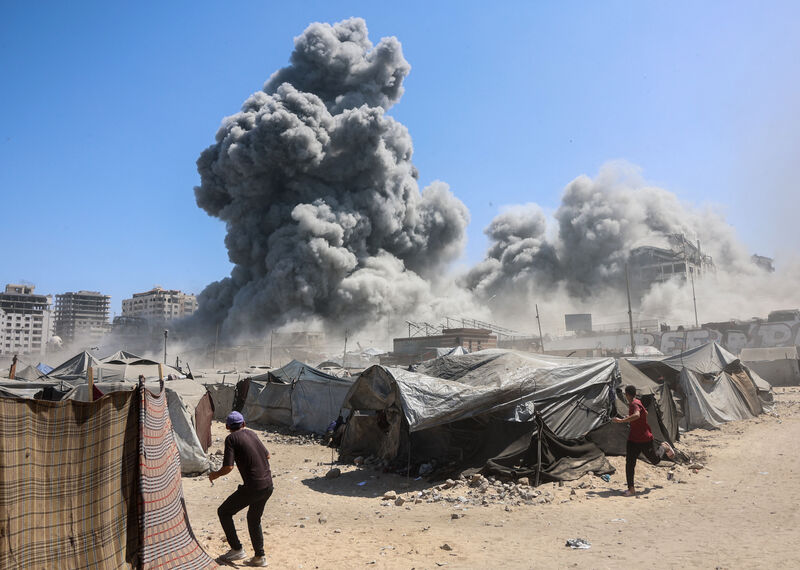
Hundreds of tents sheltering displaced Palestinians across the Gaza Strip were flooded for the second consecutive day on Thursday after heavy overnight rainfall linked to a new winter storm.
The tents were inundated after rain fell continuously from the early hours of dawn through the night, worsening the conditions of families already displaced by Israel’s two-year genocide, according to an Anadolu correspondent.
Gaza’s Civil Defense said in a statement Thursday that it evacuated dozens of tents in Rafah, in the south, after they were completely submerged.
The agency’s spokesman, Mahmoud Basal, warned Wednesday that more than 250,000 families in displacement camps across the enclave are vulnerable to cold weather and rainwater in their worn-out tents.
The agency warned that humanitarian conditions could deteriorate further if the storm system persists, especially with no temporary shelters available for displaced families.
On Tuesday, the Gaza Government Media Office warned that a polar low-pressure system would affect the enclave starting Wednesday and lasting until Friday evening, threatening hundreds of thousands of displaced families.
Since Wednesday, thousands of tents housing survivors of Israel’s war have turned into pools of water, soaking bedding, clothing, and food supplies, and leaving hundreds of Palestinian families exposed to the cold without warmth or shelter.
According to prior data from the media office, Gaza needs around 300,000 tents and prefabricated housing units to meet the most basic shelter needs of Palestinians after Israel destroyed infrastructure over two years of war.
The UN estimates the cost of reconstructing Gaza at about $70 billion as a result of the Israeli war, which has killed more than 70,000 Palestinians and wounded over 171,000. The assault came to a halt under a ceasefire deal that took effect on Oct. 10 according to Anadolu.
CrossFireArabia
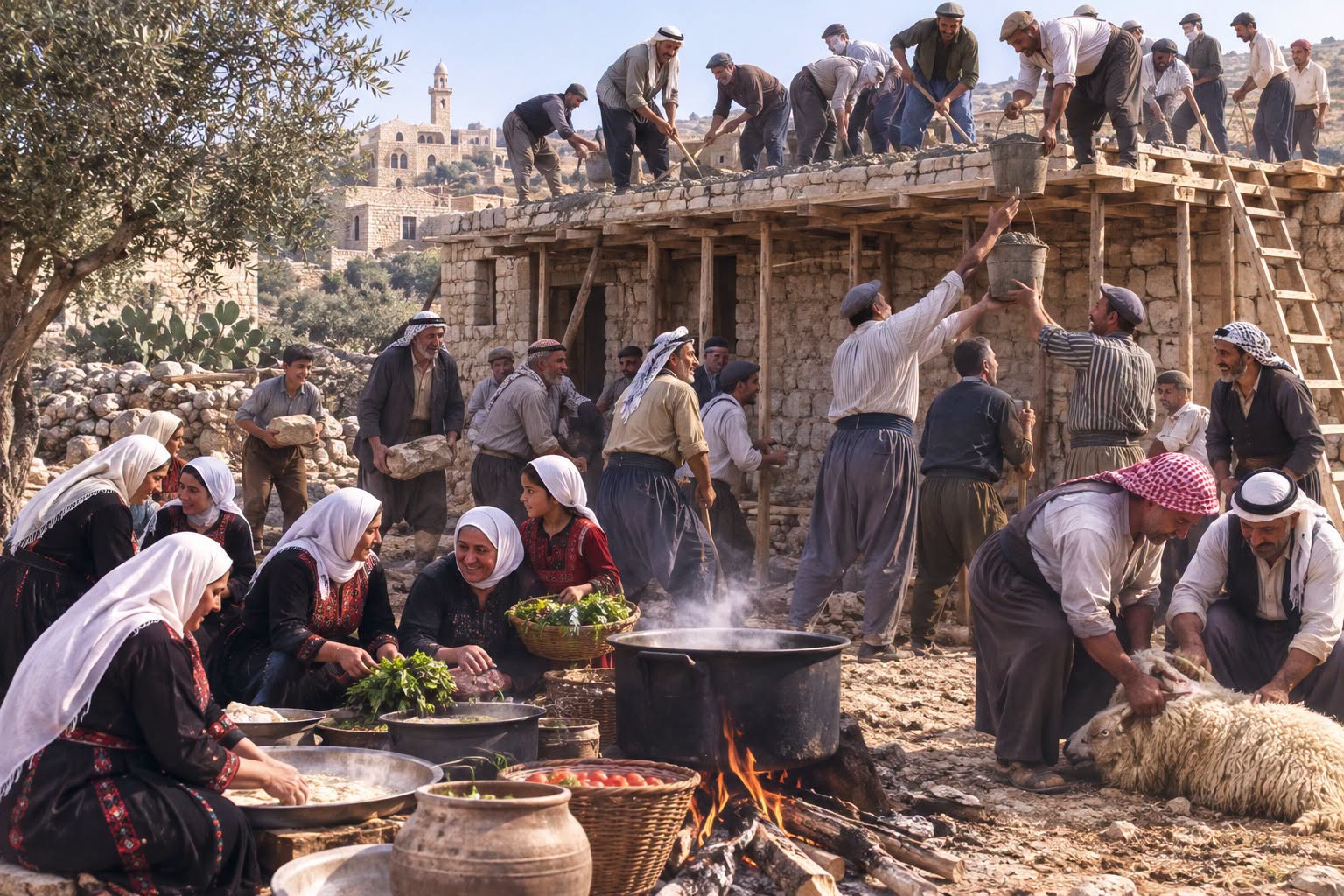
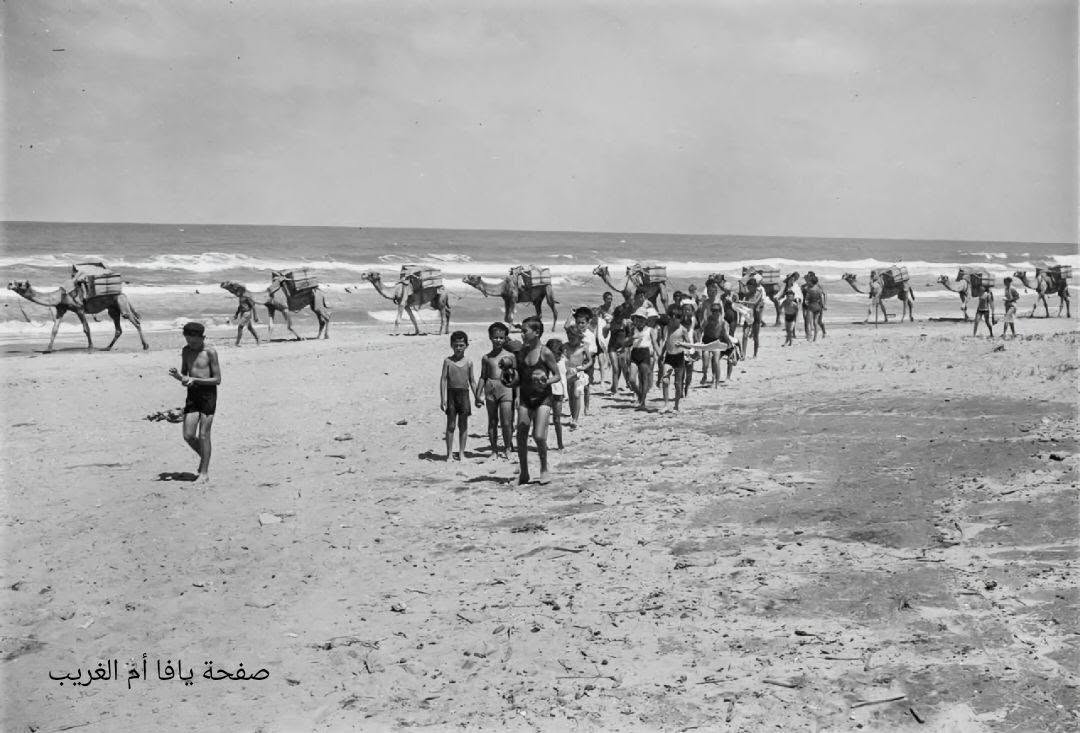
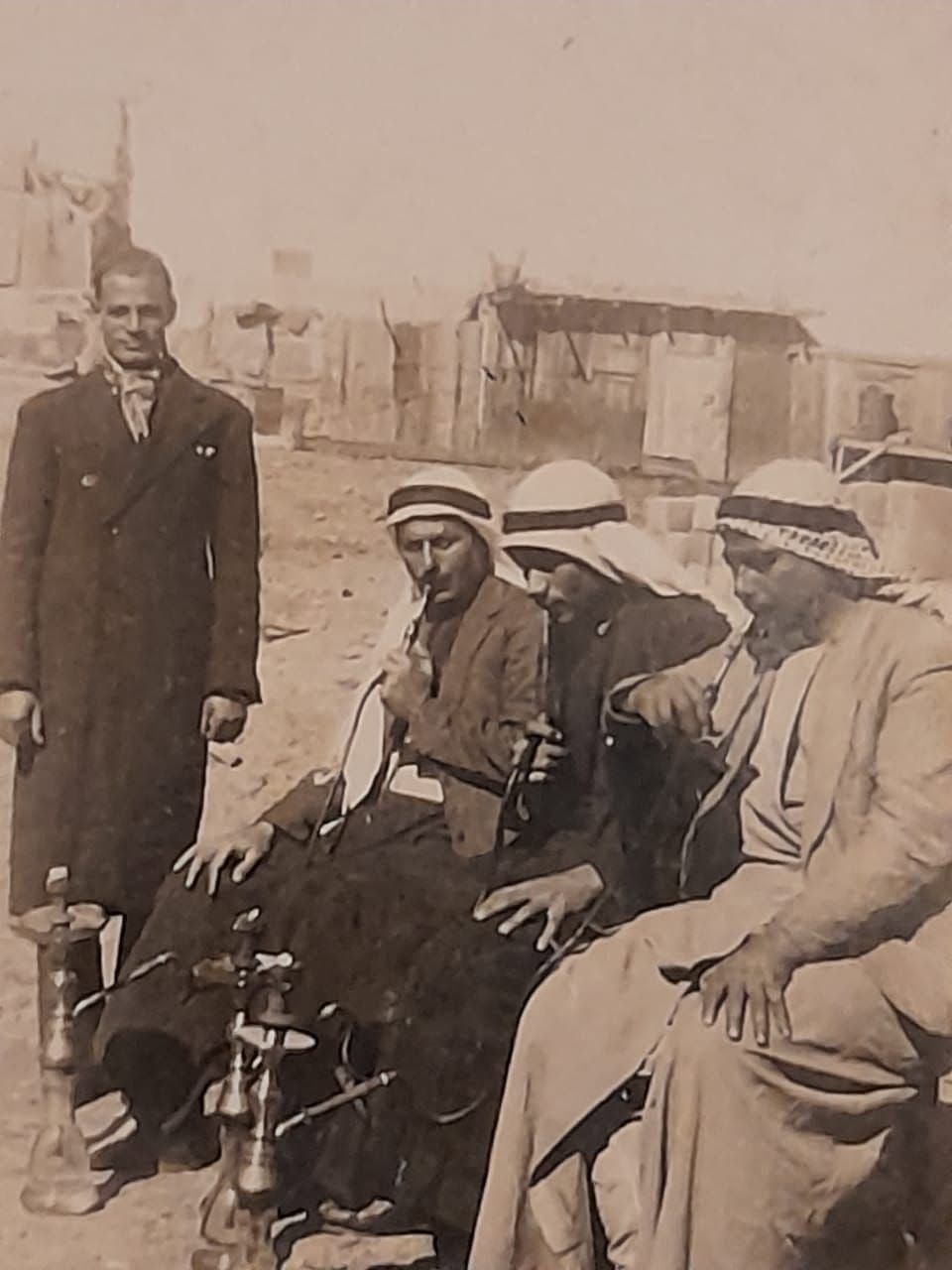
Palestinian women strolling Jerusalem in 1900.
CrossFireArabia
Last month, Palestinian Minister of Tourism and Antiquities Hani Al-Hayek warned that during its 2023-2025 war on Gaza Israel damaged or destroyed more than 316 archaeological sites in Gaza and the West Bank. While most were from the Mamluk and Ottoman eras, others were from the early Islamic centuries and the Byzantine period. He argued that Israel is conducting “systematic targeting” of Palestinian historical sites as part of its long-term strategy of colonising and annexing the West Bank.
While the current right-wing Israeli government flatly rejects withdrawal from Palestinian territories conquered 58 years ago, the Arab world and the international community argue that regional peace depends on the establishment of a Palestinian state in the West Bank, East Jerusalem and Gaza. This means that Palestinians should be in charge of archaeological remains in these territories.
Hayek was prompted to speak out after archaeologists protected by Israeli troops raided a Byzantine era site near Ramallah and stole five columns. Israel claimed Palestinians had built a structure in the centre of the site, damaging the archaeological remains.
Both Israelis and Palestinians claim a second site, Sebastia, near Nablus in the northern West Bank belongs to their cultural heritage, although it has been ignored and unexcavated for decades. Israel holds the archaeological park, which is in Area C under full Israeli control, while the Palestinian town of Sebastia is in Area B, under joint Israeli and Palestinian Authority security control but Palestinian administration.
Israel has begun to expropriate 1,800 dunams of land for the “preservation and development” of Sebastia which has been settled from the Iron Age (1200-586 BC) through modern times. The site contains layers of history reaching back nearly 3en,000 years and contains Iron Age dwellings, walls, and a palace which exist alongside remnants from Roman times.
Sebastia was the capital of the northern Israeli Kingdom during the first half of the 10th century BC. Conquered by the Assyrians in 720 BC, Sebastia became an administrative centre under the Assyrians, Babylonians, Persians, and Romans, Muslim Arabs and Ottomans.
The site and the modern village of Sebastia – which has about 3,200 Palestinian inhabitants – have been declared a World Heritage Site by UNESCO as the town is the location of Roman royal tombs, a Roman amphitheatre, medieval buildings, and a historic mosque built within a Christian church.
As the Israeli expropriation order covers the archaeological site and Palestinian olive plantations, Palestinian landowners were given two weeks to file legal objections to the seizure and their expulsion. This is the largest antiquities-related West Bank expropriation order issued by Israel since the 1967 occupation. While international law prohibits occupiers from carrying out excavations in areas they control, Israel has ignored this as well as most other laws governing occupations. In May 2023, Israel allocated $9.2 million for Sebastia.
The Israeli Peace Now movement declared: “Israel continues to harm Palestinian rights, expropriating thousands of dunams in violation of international law and settling the northern West Bank, an area with only a few thousand settlers compared with more than a million Palestinians.” The movement warned, “Israeli greed harms not only the landowners, but also the prospect of a peaceful solution that upholds the rights and heritage of both peoples.”
Emek Shaveh, an Israeli anti-occupation group founded by archaeologists, and Yesh Din, an Israel rights movement, issued a joint report in 2018 which stated, “Since 1967, Israel has endeavoured to appropriate the archaeological assets of the West Bank, based on the view that the Jewish heritage of places and antiquities testifies to a bond between the antiquities and the state of Israel, and constitutes a justification for deepening its control over ancient sites. This perception underlies every aspect of Israel’s archaeological practices in the West Bank.
“Israel’s control enables the physical exclusion of Palestinians from the sites and ancient finds through various means, ultimately weakening their connection to their heritage. It also enables Israel to shape the historical narrative of the sites by highlighting and glorifying their significance for the Jewish people and downplaying the role of other peoples and cultures who also had a part in the history of the region…
“Under the guise of concern for heritage, the government is investing tens of millions ..in turning heritage sites into weapons of dispossession and annexation.” The group added, “The intention to expropriate private land is anything but preservation; its purpose is to establish a tourism settlement that will detach Sebastia’s heritage from the [Palestinian] town and Judaize the area through the tourists who visit the site.”
Israel has weaponised archaeology to assert the legitimacy of its take-over of the land between the Mediterranean and the Jordan River. While striving to discover, develop and preserve Jewish archaeological remains in Palestine, Israel neglects or even harms non-Jewish or Palestinian heritage at the expense of Palestinians.
Meanwhile, Palestinian Archaeologists are trying to restore damaged sites. They have begun work on the Qasr al-Basha museum, a Mamluk-era palace located on a UNESCO heritage site dating back to 800 BC. After destroying 70 per cent of the museum by bombardment, Israeli troops occupying the site looted 20,000 ancient and medieval artifacts stored there.
UNESCO has reported damage to the Saint Hilarion Monastery, one of the oldest Christian heritage sites in the region, and the 7th century Omari Mosque, Gaza’s main place of Muslim worship. Due to the Israeli blockade on building material restorers have been compelled to scrabble in the ruins of these buildings for material for restoration.
In August, Israel appropriated 63 Palestinian West Bank archaeological sites, 59 in Nablus governate, three in Ramallah governorate, and one in Salfit governorate. Sixty-three were declared “Israeli historical and archaeological sites,” excluding Palestinian ownership. In total, Israel has taken over 2,400 out of the 6,000 Palestinian sites in the West Bank. This process can endanger the study of archaeology and history in this area if archaeologists involved are political motivated and preserve only what suits them while wiping out layers of remnants above and below layers, they explore. Meanwhile, Israeli archaeological organisations and personalities indulge in bitter competition with each other.
This article is written by Michael Jansen for the Jordan Times.