 Prisoner Mohammad Arab Hadn’t Seen His Face in 2 Years!
 UN: 3000 Settler Attacks on West Bank Palestinians Since 2025
 Four Days in Cairo: A Journey Into The Faces of Egypt
 Click in Gaza
 Hisham Sharabi: Embers and Ashes






 marwan







 Heba
Heba






































































Israel Destroys 30,000 Beehives in Gaza
 CrossFireArabia
- July 22, 2026
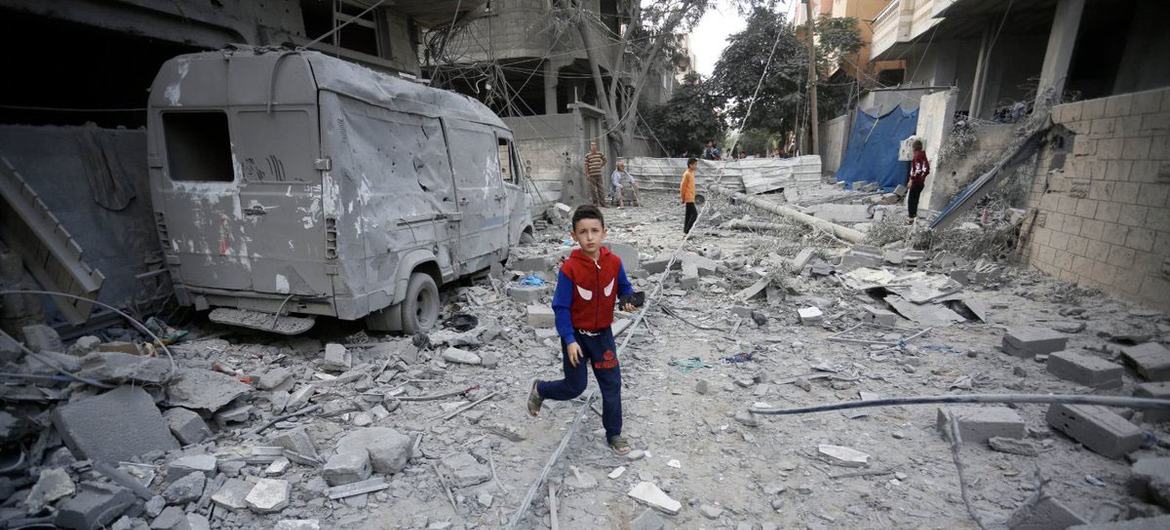
Gaza’s beekeeping sector is facing the risk of collapse as Israel’s genocidal war has destroyed apiaries, wiped out vegetation and prevented beekeepers from reaching key grazing areas in the eastern Gaza Strip.
According to 2025 data from the Cooperative Society of Beekeepers in Gaza, the honey production and beekeeping sector has suffered losses estimated at around $39 million since October 2023.
The society said nearly 30,000 beehives were destroyed. Before the war, those hives supplied Gaza’s local market with around 380 to 400 tons of honey annually.
The damage also affected livelihoods across the sector, with Israel destroying more than 85% of vegetation and forest grazing areas, leaving more than 6,000 workers without jobs and harming the income of 905 registered beekeepers across Gaza by mid-2026.
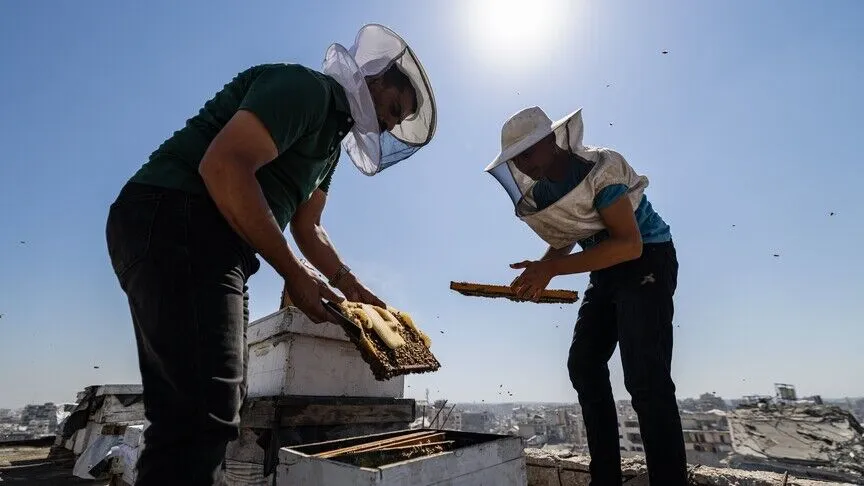
In the town of Al-Zawaida in central Gaza, Palestinian beekeeper Amin Eid and his son continue caring for the few remaining hives amid the destruction, trying to preserve a profession inherited by the family.
“Gaza had 905 beekeepers before the war and used to export locally produced honey, but the war radically changed the reality of the profession,” Eid told Anadolu.
“The Israeli army’s advance and the imposition of the so-called ‘Yellow Line’ prevented beekeepers from reaching areas east of Salah al-Din Street, which had been among the main grazing zones for bees,” he said.
“The beekeeper who used to own 300, 400 or even 500 hives now has only 10 or 20 and is trying to start again with the fewest resources and highest costs,” Eid said.
The “Yellow Line” refers to the separation line to which the Israeli army withdrew under the first phase of a US plan to end the war in Gaza, which took effect in October 2025.
“Insecurity and continued restrictions on access to eastern areas are preventing beekeepers from relocating their hives, as any attempt to move them there puts their owners at risk,” Eid said.
He also pointed to soaring production costs, saying a box of wax sheets has risen from around 30 shekels ($9,83) before the war to between 1,200 shekels ($393,20) and 1,500 shekels ($491,50), while the price of a hive frame has reached 15 shekels ($4,92) to 20 shekels ($6,55).
Severe shortage
Beekeepers also face a severe shortage of wood and boxes needed to rebuild hives. The crisis worsened after some people used parts of damaged hives as firewood during fuel shortages and famine.
Eid urged international organizations and agricultural groups to provide beekeeping supplies, including wax, frames, boxes and sugar, and to enable beekeepers to access safe natural grazing areas.
“Gaza has the capacity to produce high-quality natural honey, but Israeli restrictions prevent it from using these resources,” he said.
“We used to call honey yellow gold,” he said. “We can achieve self-sufficiency if supplies are available and grazing areas are reopened.
There is no need to import honey when beekeepers can produce natural Palestinian honey.”
Despite the destruction, Gaza’s beekeepers continue to seek alternatives to preserve their hives, including moving them to coastal areas and residential neighborhoods and relying on small wild plants, as the sector remains a key source of food security and income for hundreds of Palestinian families struggling to survive. Anadolu