 The True Tale of The Moral Fighter
 Clowning in The Sand
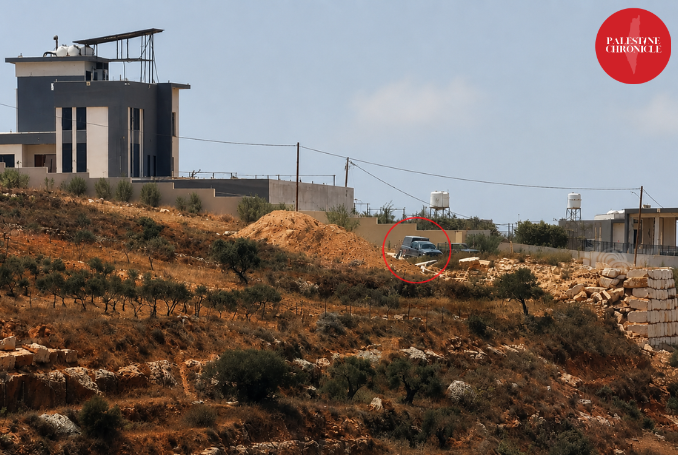
 Israeli Army: Settler Attacks Puts The West Bank in Resistance-mode
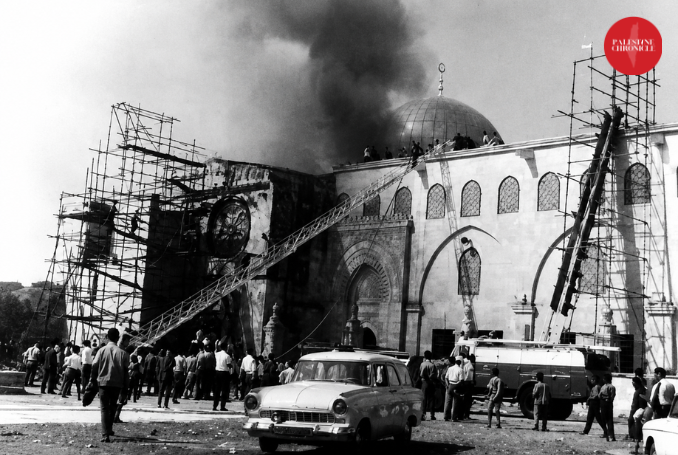
 Glorious Past: The Red Bidas Palace!
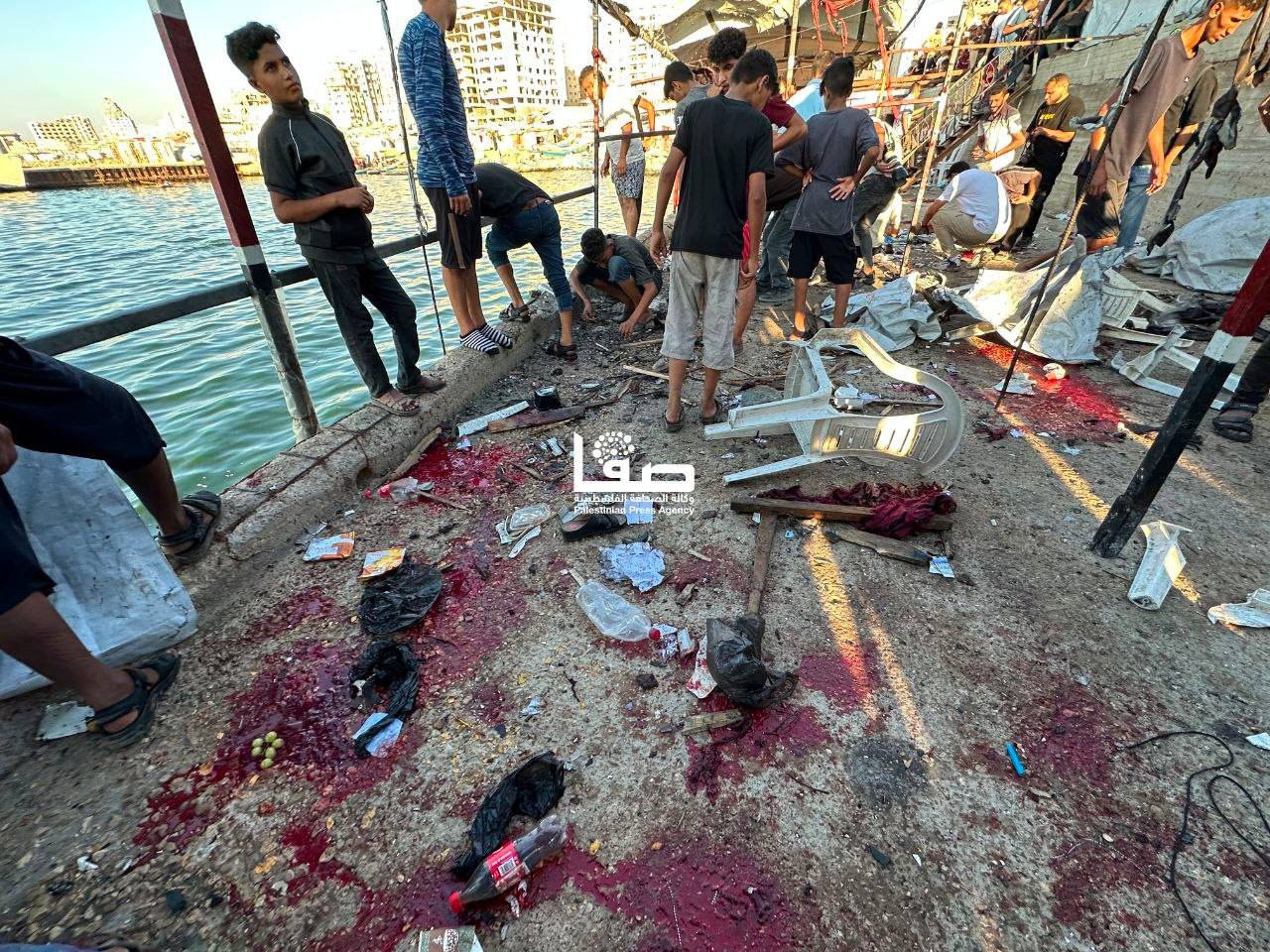
 Bushra Al Tawil: Punished For Holding The Camera





The True Tale of The Moral Fighter
 CrossFireArabia
- September 1, 2026
 CrossFireArabiaCrossFireArabiaCrossFireArabia
 HebaHebaHebaHebaCrossFireArabiaCrossFireArabiaCrossFireArabiaCrossFireArabiaCrossFireArabiaCrossFireArabiaHeba
 marwanmarwanCrossFireArabiaCrossFireArabiaCrossFireArabiaCrossFireArabiaCrossFireArabiaCrossFireArabiaCrossFireArabiaCrossFireArabiaCrossFireArabiaCrossFireArabiaCrossFireArabiaHebaCrossFireArabiaCrossFireArabiamarwanmarwanCrossFireArabiaCrossFireArabiaCrossFireArabiamarwanCrossFireArabiaCrossFireArabiamarwanHebaCrossFireArabiaHebaHebamarwanCrossFireArabiaCrossFireArabiaCrossFireArabiaCrossFireArabiaHebamarwanHebaCrossFireArabiaCrossFireArabiaCrossFireArabiaCrossFireArabiaCrossFireArabiamarwanHebaCrossFireArabiaCrossFireArabiaCrossFireArabiaCrossFireArabiaCrossFireArabiaCrossFireArabiaCrossFireArabiaCrossFireArabiaHebaCrossFireArabiaCrossFireArabiaHebaCrossFireArabia
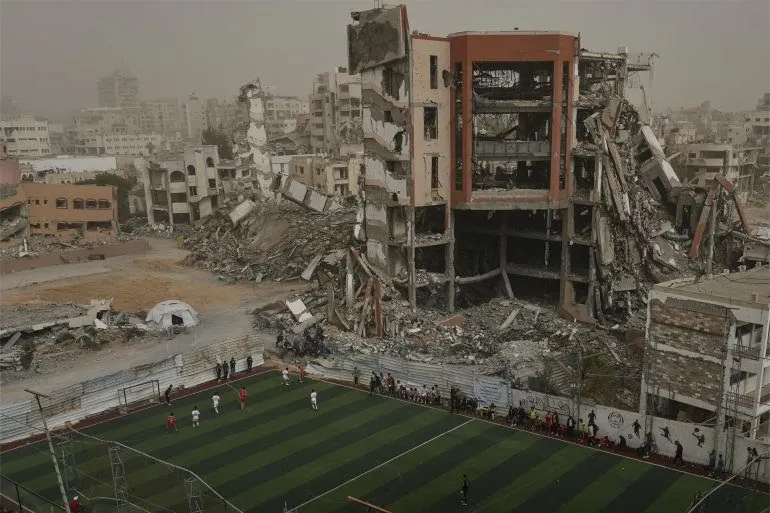
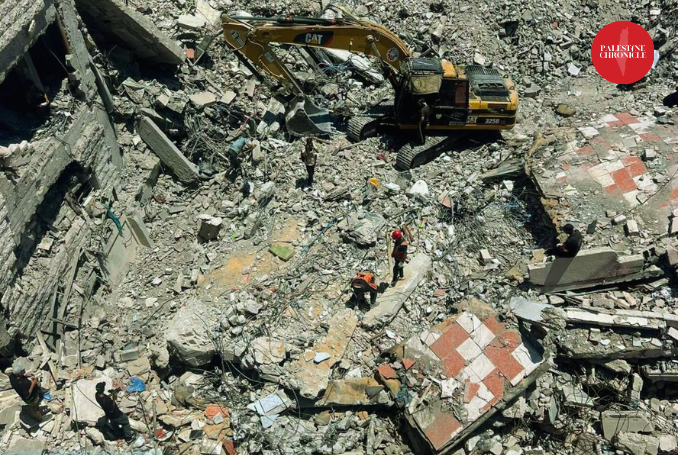
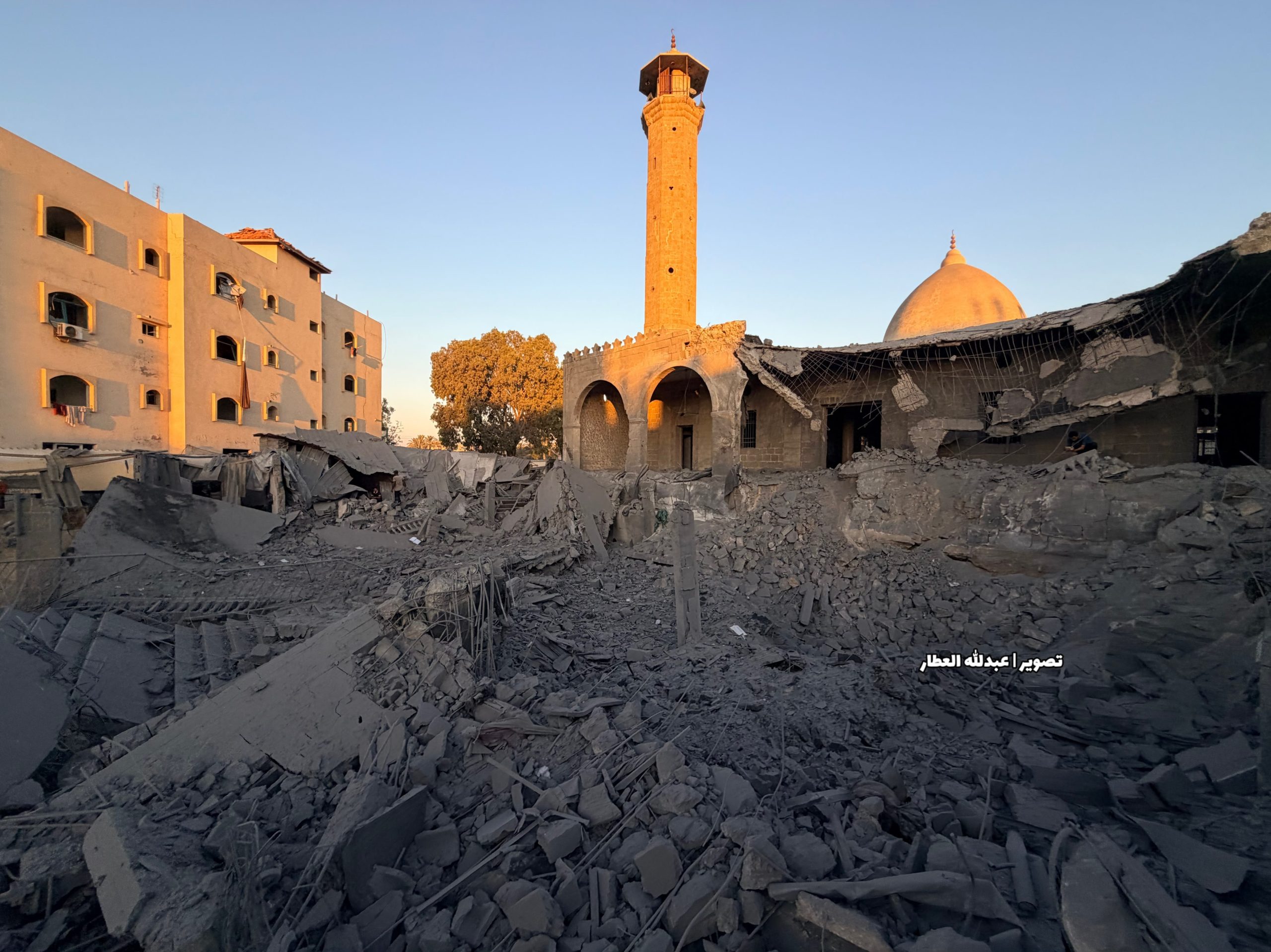
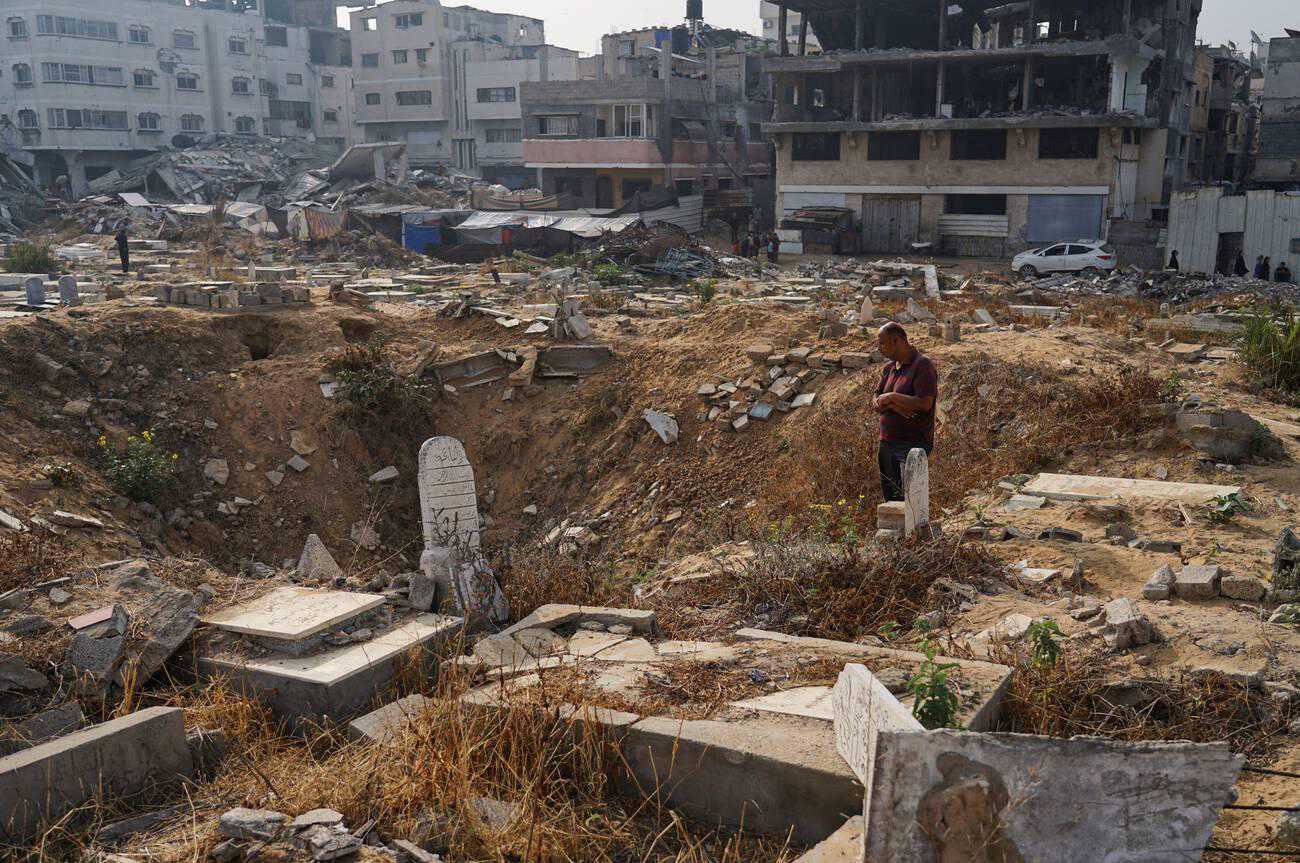
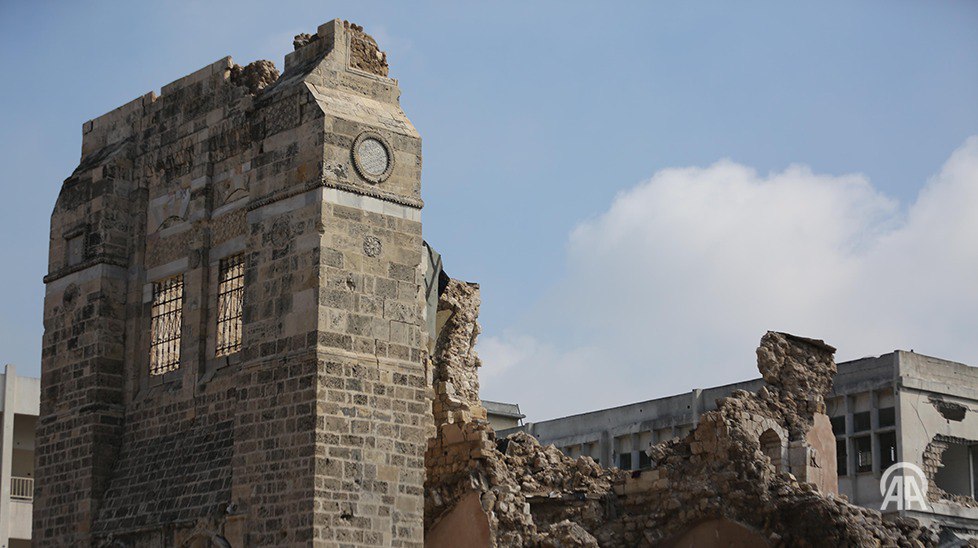
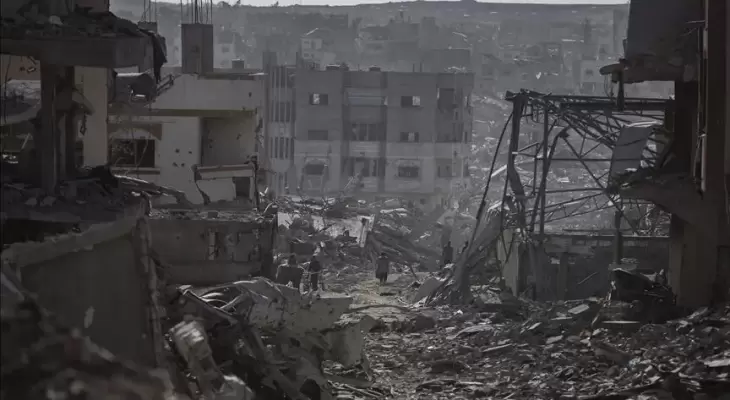
The Israeli army has destroyed and vandalized 206 priceless archaeological and heritage sites amid its genocidal war on the Gaza Strip, a Palestinian official said on Tuesday.
“Palestinian archaeological and heritage sites were not spared from destruction, vandalism, looting and theft by the Israeli occupation army,” Ismail Thawabteh, the head of Gaza’s Government Media Office, told Anadolu.
He said some of the sites were completely destroyed, while others took severe damage.
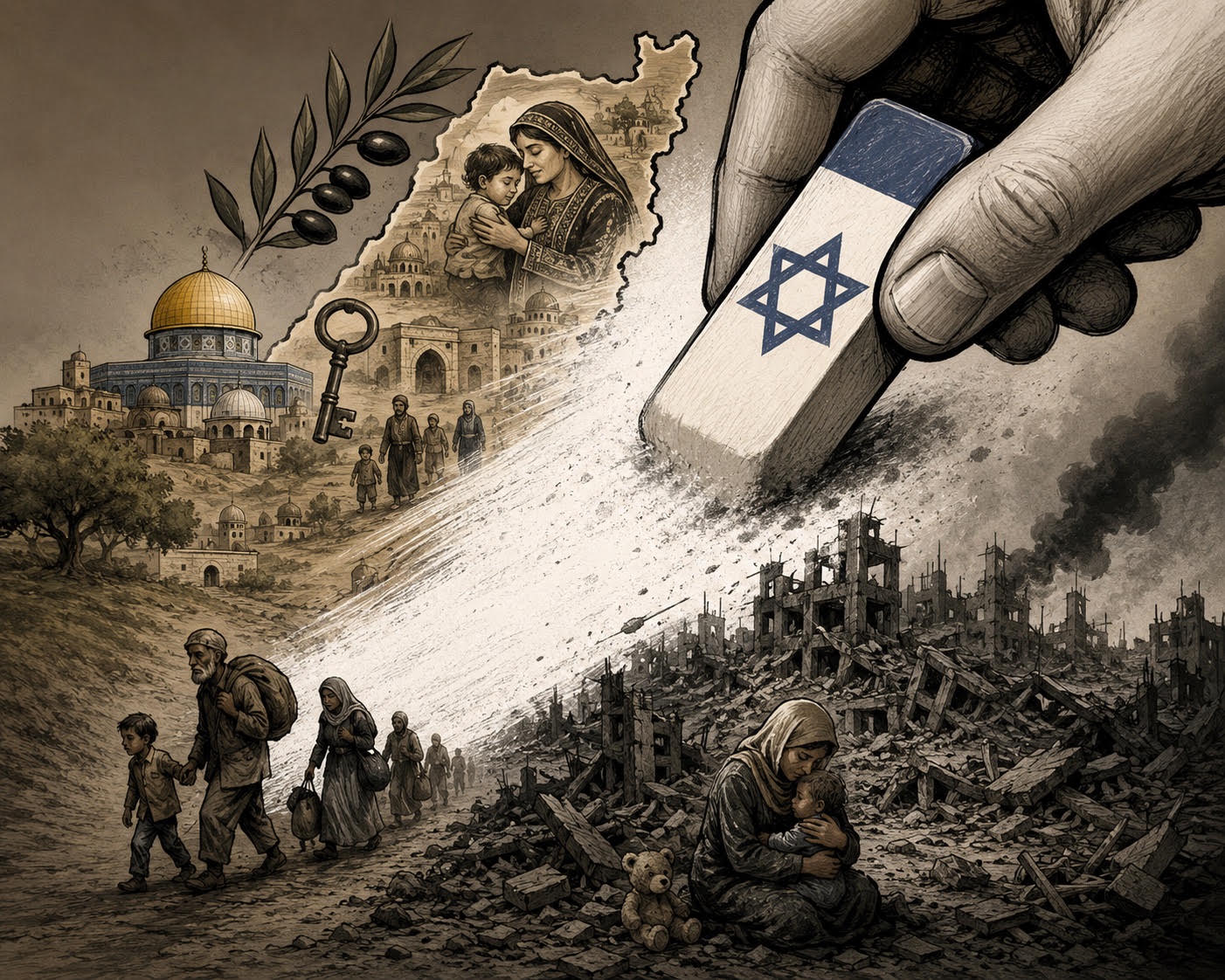
“Israel’s targeting of these sites reflects a systematic strategy to obliterate the Palestinian identity,” he added.
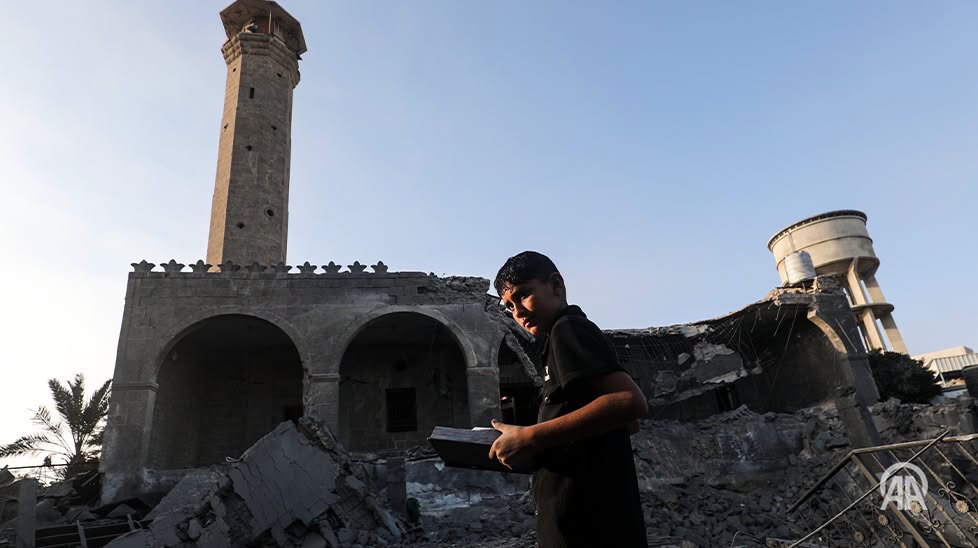
Prominent among archaeological sites targeted by the Israeli army in Gaza are the Great Omari Mosque, Byzantine Church in Jabalia, Shrine of Al-Khadir in the central Gaza city of Deir al-Balah, and Blakhiya Byzantine cemetery (the Anthedon of Palestine) in northwestern Gaza City.
Also on the list are also the Greek Orthodox Saint Porphyrius Church, 400-year-old Al-Saqqa House, and Sayed al-Hashim Mosque, one of the oldest mosques in Gaza.
Some of the ancient and archaeological sites destroyed by the Israeli army date back to the Phoenician and Roman eras, while others date from between 800 BC and AD 1400, and some more recent ones were built 400 years ago.
Gaza is an ancient and historic city that came under the rule of several empires and civilizations, including the Egyptian pharaohs, the Greeks, Romans, and Byzantines, and then Ottoman rule in the Islamic era, among others.
“These criminal acts aim to harm the Palestinian people, their history and culture,” Thawabteh said.
Israel, he said, seeks “to obliterate the Palestinian cultural heritage, break the will of the Palestinians and consolidate the occupation as part of a plan to empty the land of its people and impose a new reality,” according to Anadolu.
Since launching its genocidal war on Gaza following a Hamas attack in October 2023, Israel has killed over 44,400 Palestinians, most of them women and children, and injured more than 105,000, according to official figures.
The second year of the genocide in Gaza has drawn widespread international condemnation, with starvation tactics and blocking humanitarian aid deliveries denounced as deliberate attempts to destroy the entire population.
Last month, the International Criminal Court (ICC) issued arrest warrants for Israeli Prime Minister Benjamin Netanyahu and former Defense Minister Yoav Gallant, accusing them of war crimes and crimes against humanity in Gaza.
Israel also faces a genocide case at the International Court of Justice (ICJ) for its actions in Gaza, which have drawn mounting international condemnation.
CrossFireArabia
Norway pushes for immediate action for Europe to recognize Palestine.
CrossFireArabia
British Foreign Secretary David Lammy posed for a picture with the Israeli ambassador to the UK, Tzipi Hotovely, after attending a Labour Friends of Israel event yesterday. Hotovely has previously said in an interview that Israel has zero interest in killing civilians in Gaza and Lebanon.
CrossFireArabia
The ongoing Israeli assault on Gaza has caused catastrophic harm to Gaza’s children, with over 1,000 losing limbs; an average of 10 amputations daily, according to UNICEF and Save the Children.
The World Health Organization reported 26,140 severe injuries needing rehabilitation, including 3,100-4,050 amputations, mostly lower limbs.
The UNRWA Commissioner-General, Philippe Lazzarini, confirmed that Gaza now has the highest number of child amputees globally, with many undergoing surgeries without anesthesia due to the healthcare collapse.