Can Israeli Troops Invade Lebanon?

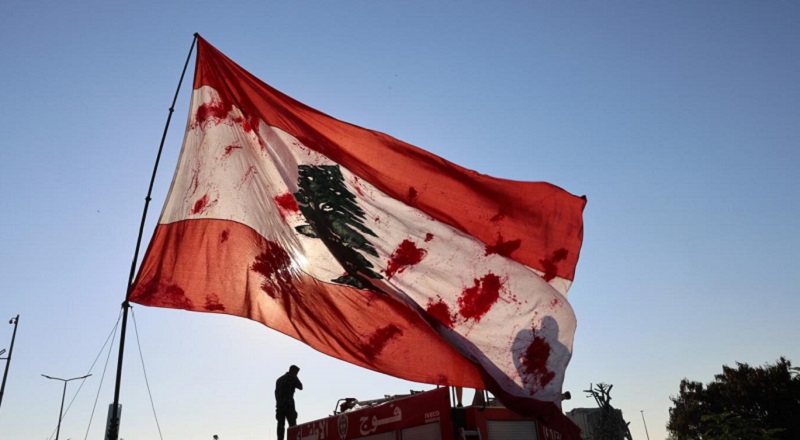
𝗜𝘀𝗿𝗮𝗲𝗹 𝗵𝗮𝘀 𝘁𝗼𝗹𝗱 the 𝗨.𝗦. 𝗶𝘁 𝘄𝗶𝗹𝗹 𝗹𝗮𝘂𝗻𝗰𝗵 𝗮𝗻 𝗶𝗻𝘃𝗮𝘀𝗶𝗼𝗻 𝗶𝗻𝘁𝗼 𝗟𝗲𝗯𝗮𝗻𝗼𝗻.

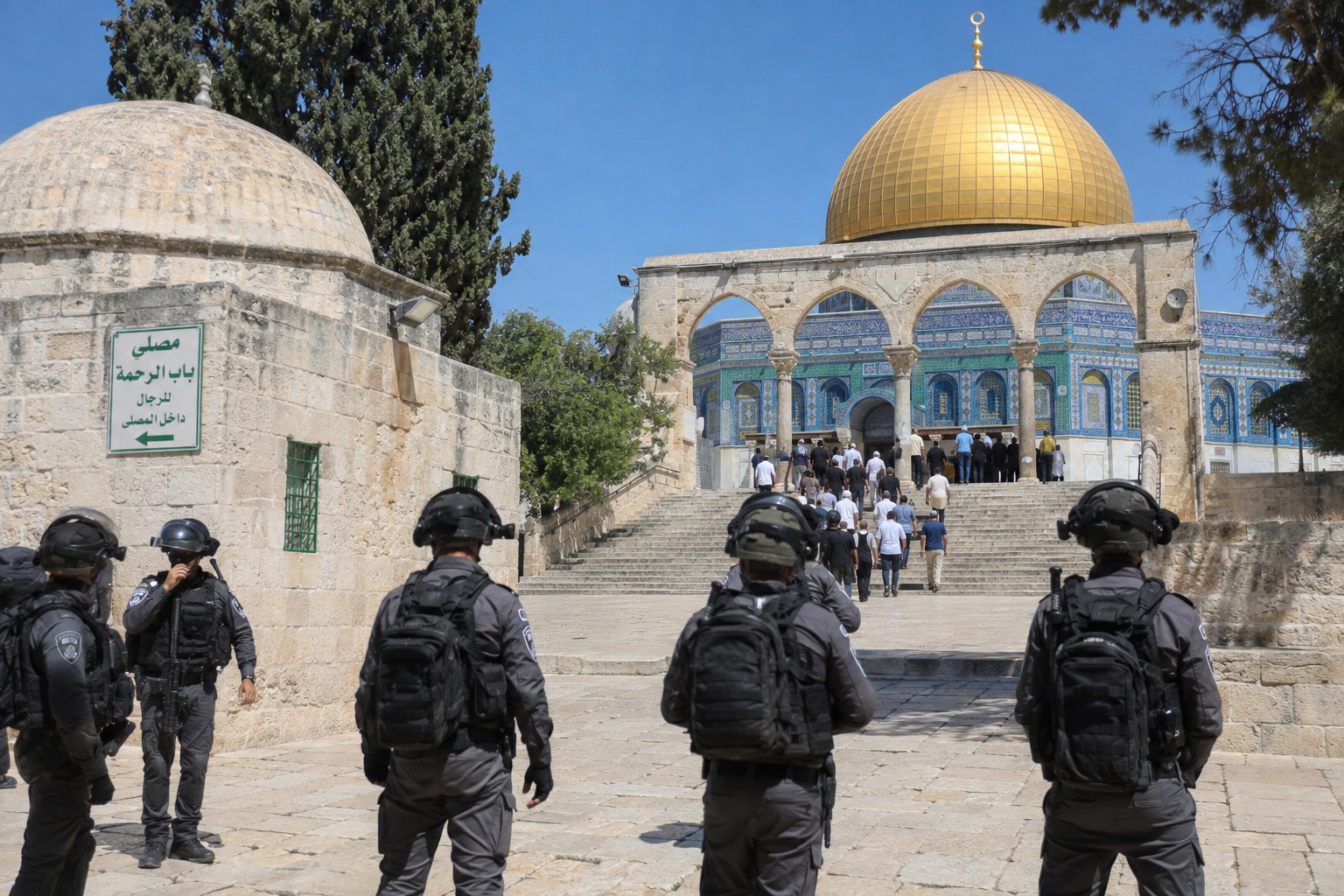
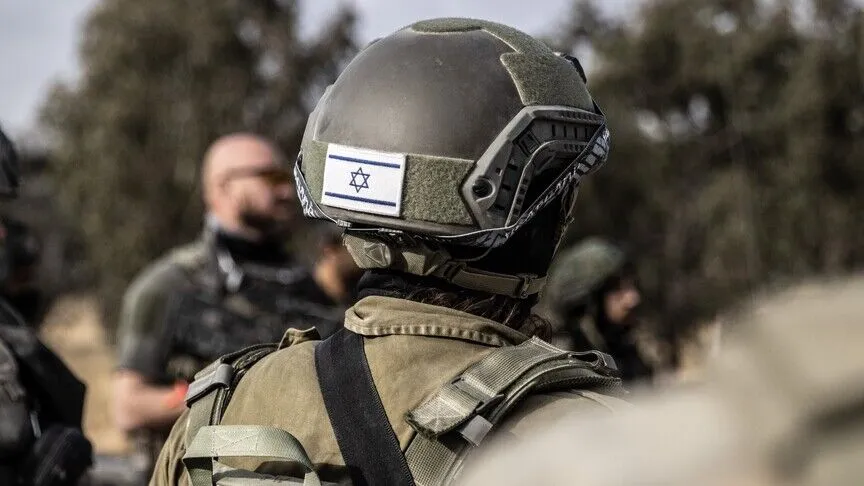
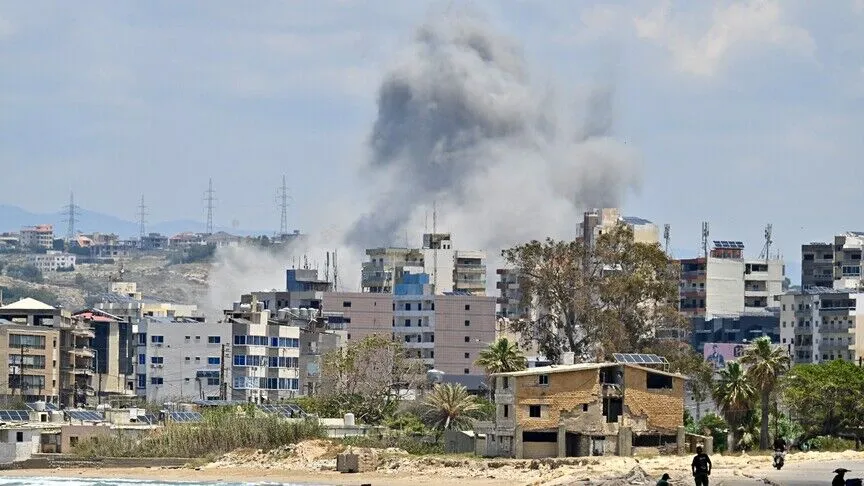
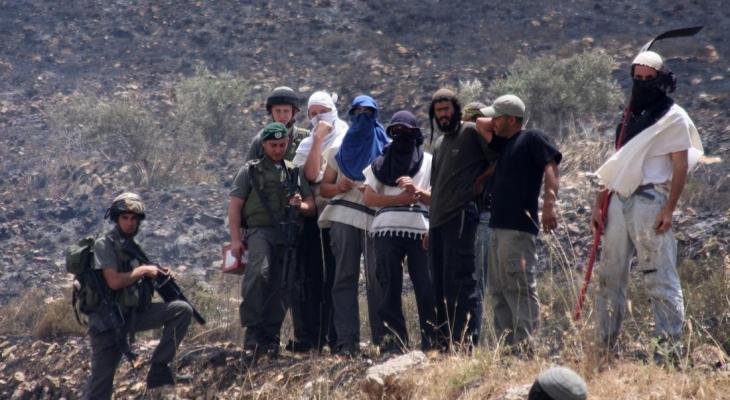
Israel has informed Washington it will launch an imminent limited ground operation in Lebanon. But this is hard to believe on the ground level.

Israeli troops have been waiting to enter southern Lebanon soon after 23 September, 2024 when their warplanes started to bomb the southern part of the country and the southern district of Beirut that is deemed to be a Hezbollah stronghold.

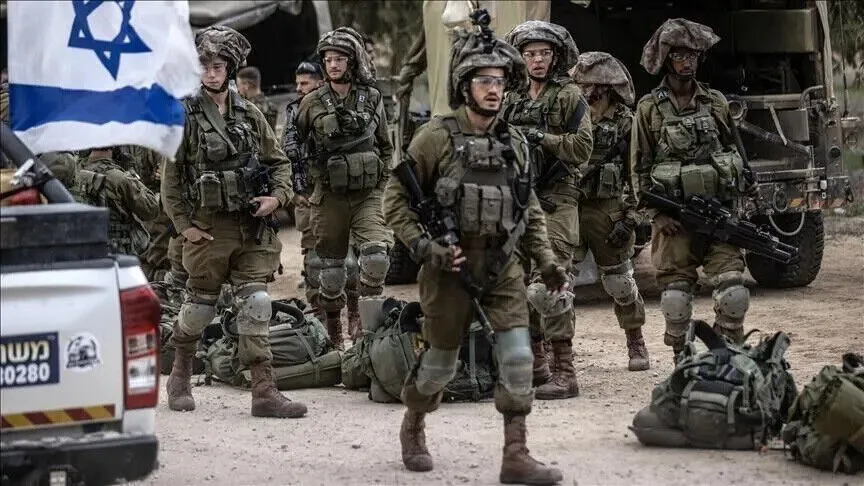
Although, its troop divisions and military brigades switched to the north of Israel from Gaza, there are still standing on the border with Lebanon, meeting stiff resistance from Hezbollah fighters with skirmishes quite often described as heavy.

According to reports that whilst Israeli troops may have moved one or two kilometers inside the Lebanese borders from the south and the east, they couldn’t hold their positions and were soon pushed back.

These limited Israeli incursions have been continuing on a daily basis but with not much success.

Continue reading
UN Must Force Israel to Halt Its Genocide on Northern Gaza

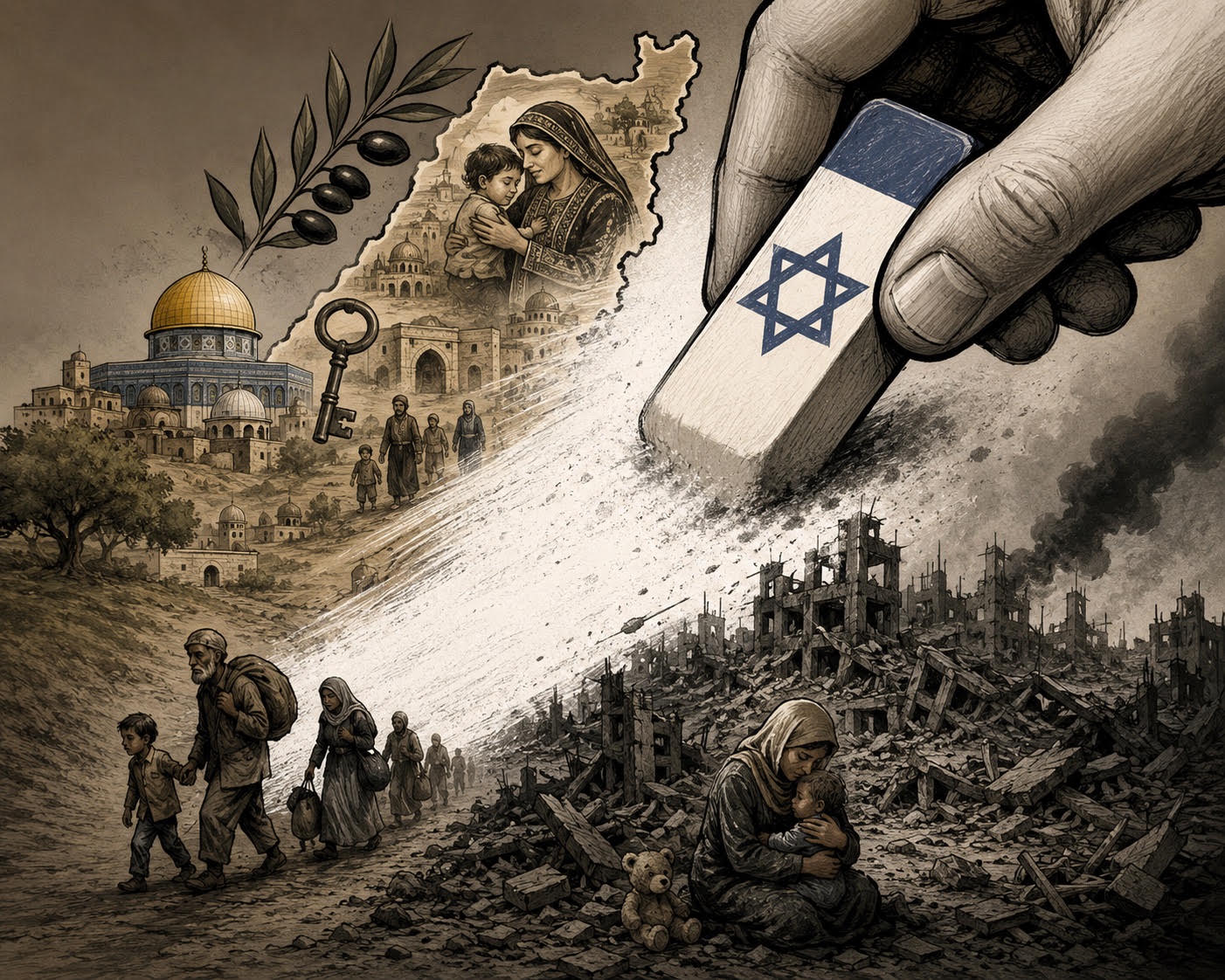
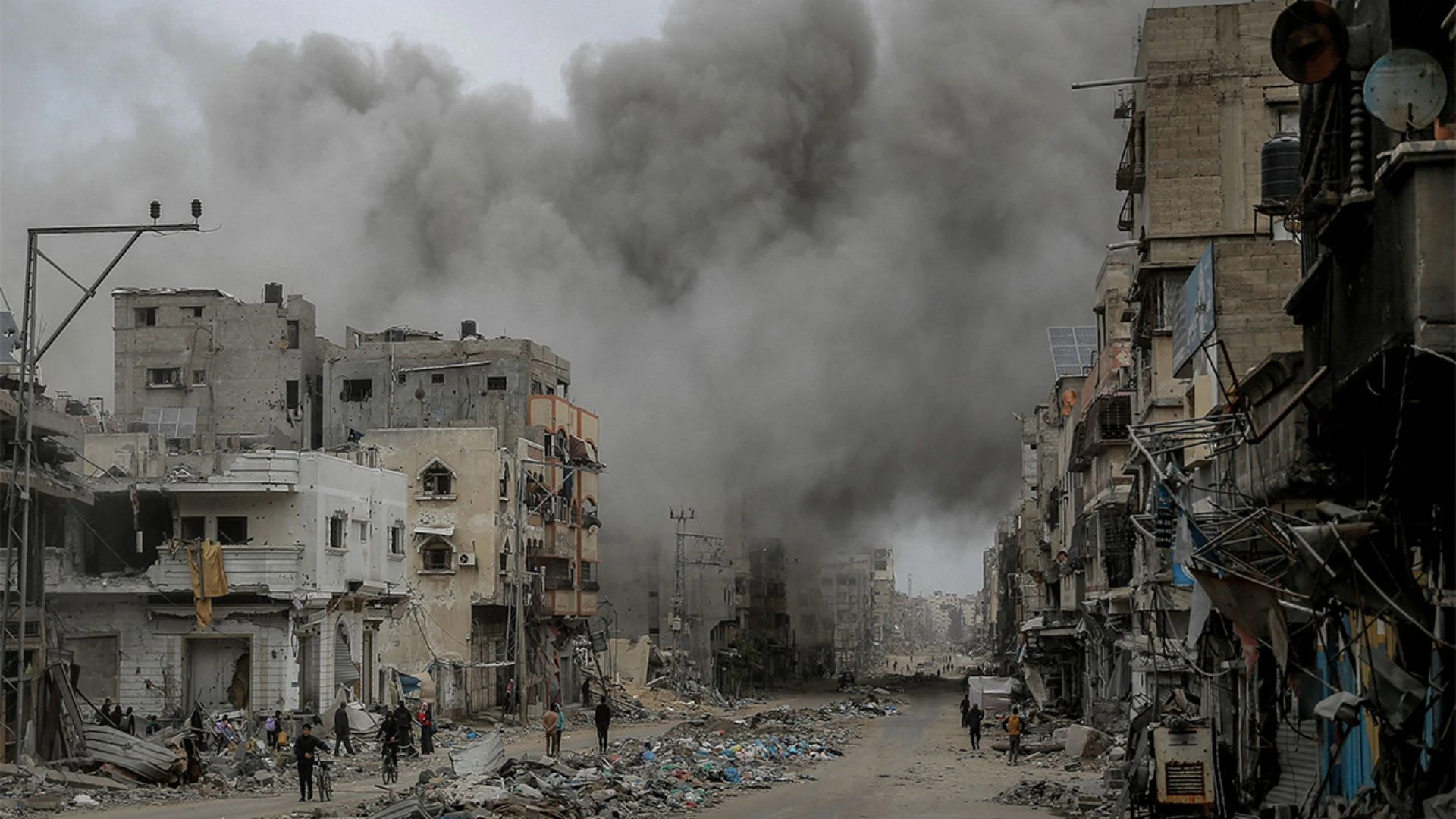
The UN must declare northern Gaza a disaster zone requiring immediate intervention and compel Israel to halt the genocide being carried out by its army through systematic and widespread mass and individual killings, deliberate starvation, mass forced displacement, and the complete destruction of the remaining essentials for life. The international community’s silence and inaction render it complicit in this brutal genocide.

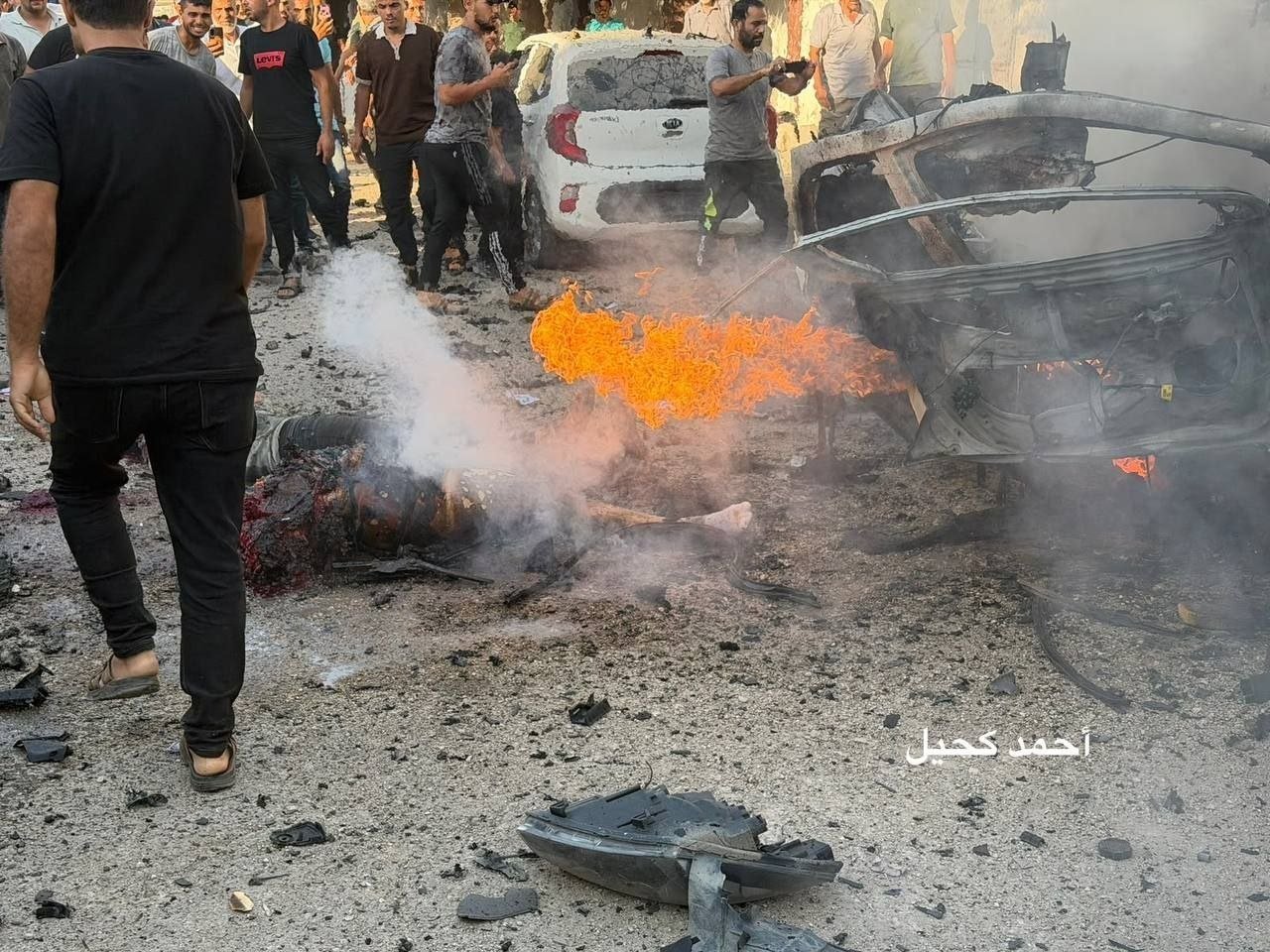
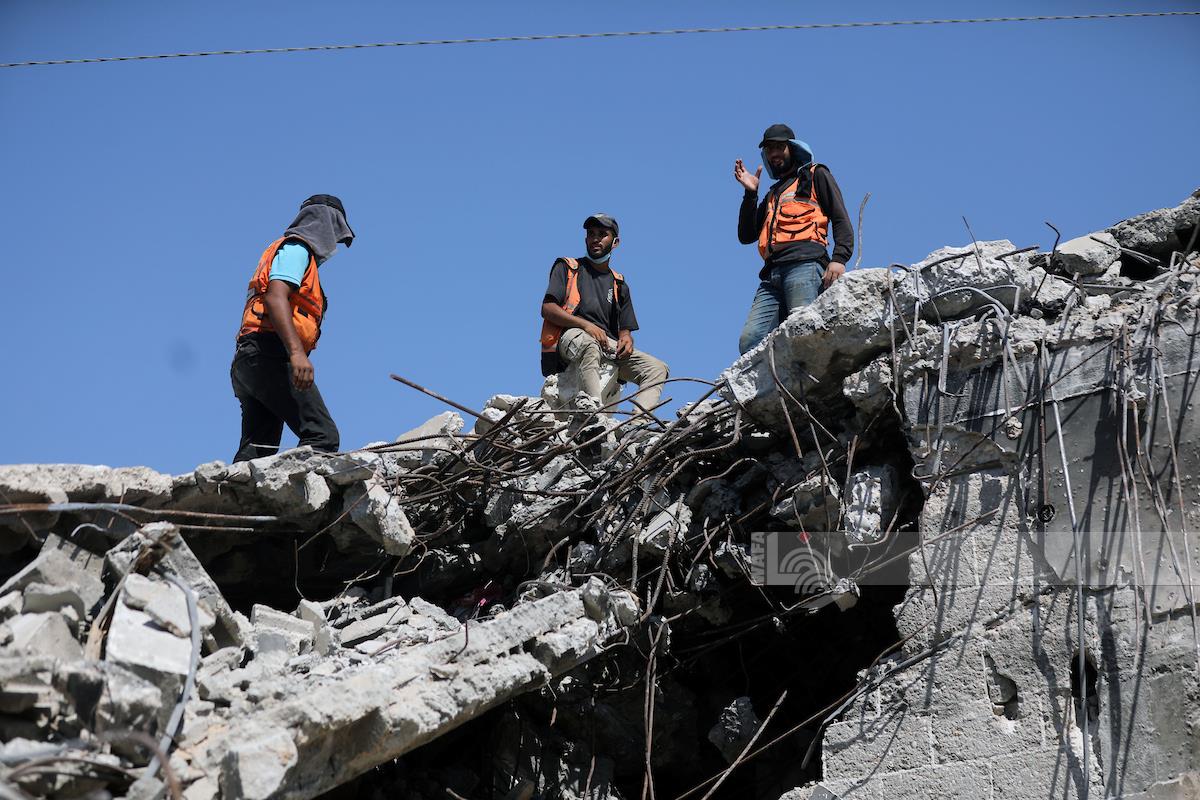
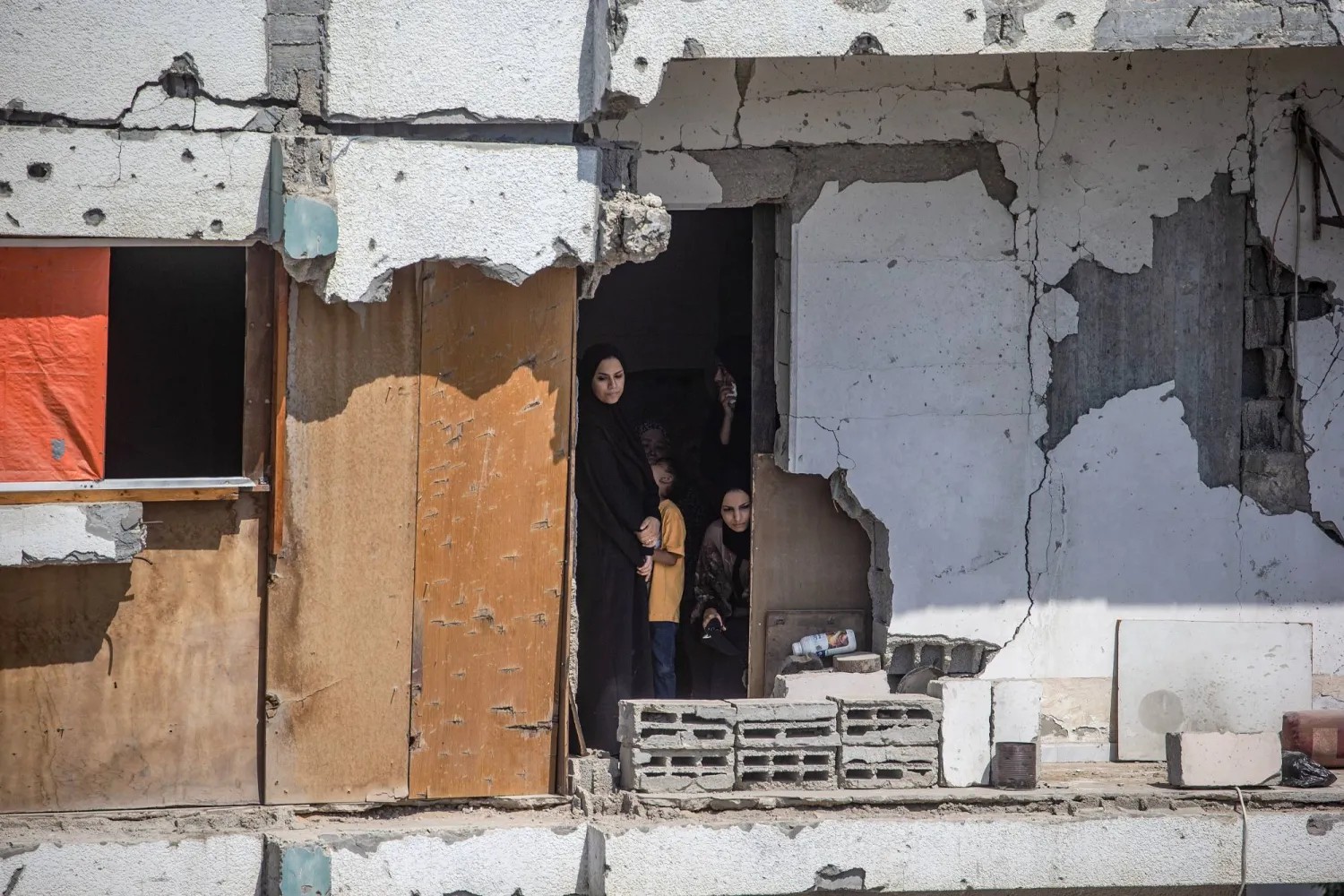
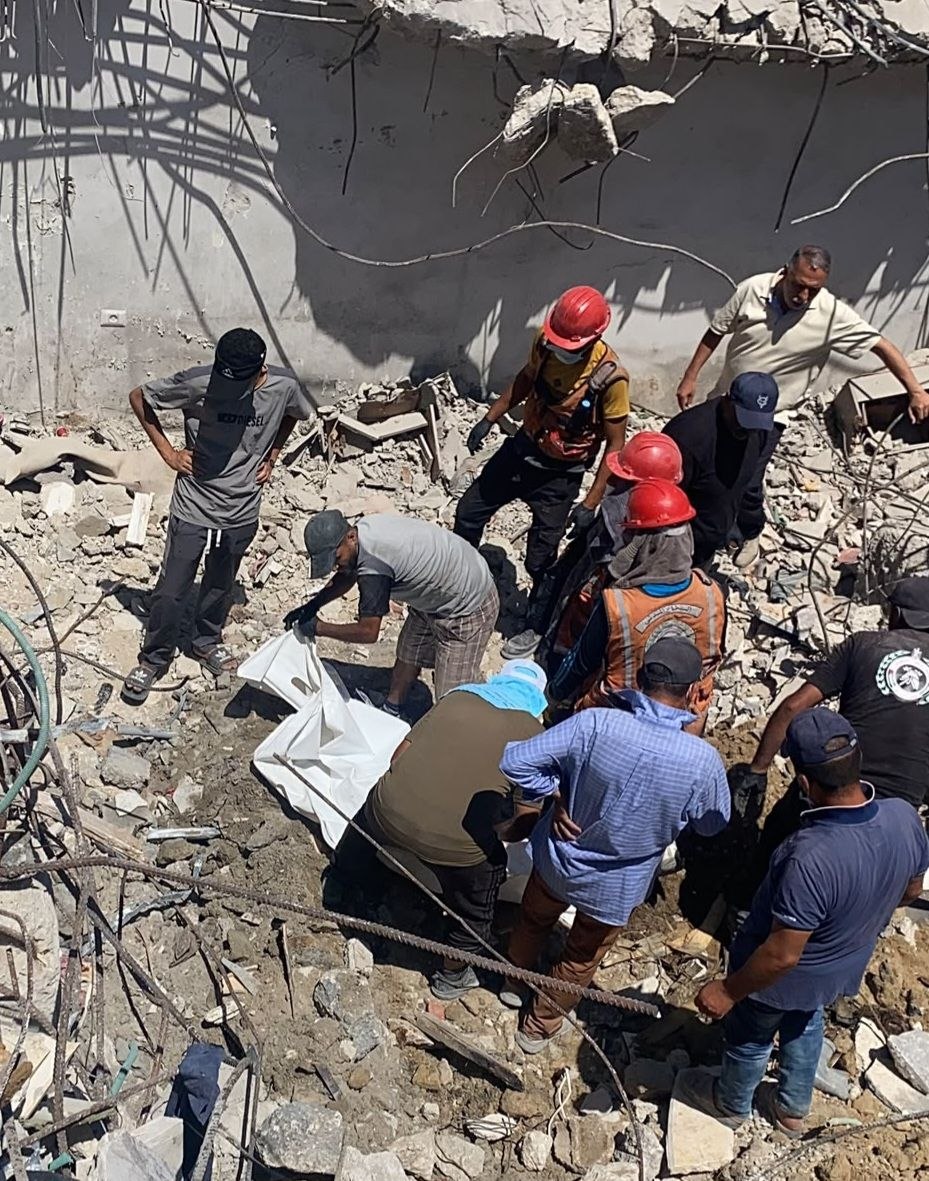
The Euro-Med Human Rights Monitor’s field team has documented heinous crimes against civilians in Beit Lahia, the Jabalia Refugee Camp, and across the northern Gaza Strip as the Israeli occupation army escalates its attacks, bombing several homes and killing over 80 Palestinians in Beit Lahia overnight. The previous night, the Israeli military bombed homes belonging to the Al-Hawajri, Nassar, and Abu Al-Aish families in the Tel Al-Zaatar area of Jabalia Camp, killing 33 Palestinians and injuring over 70 others. 
An undetermined number of Palestinians are still missing, likely trapped beneath the rubble. Since the last attack on the northern Gaza Strip, 500 people have been confirmed dead, and thousands more have sustained injuries. Many remain unaccounted for, either in the streets or buried under the debris.

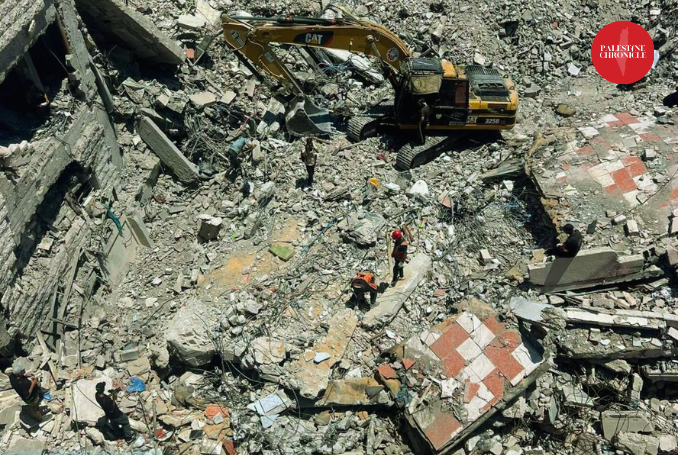
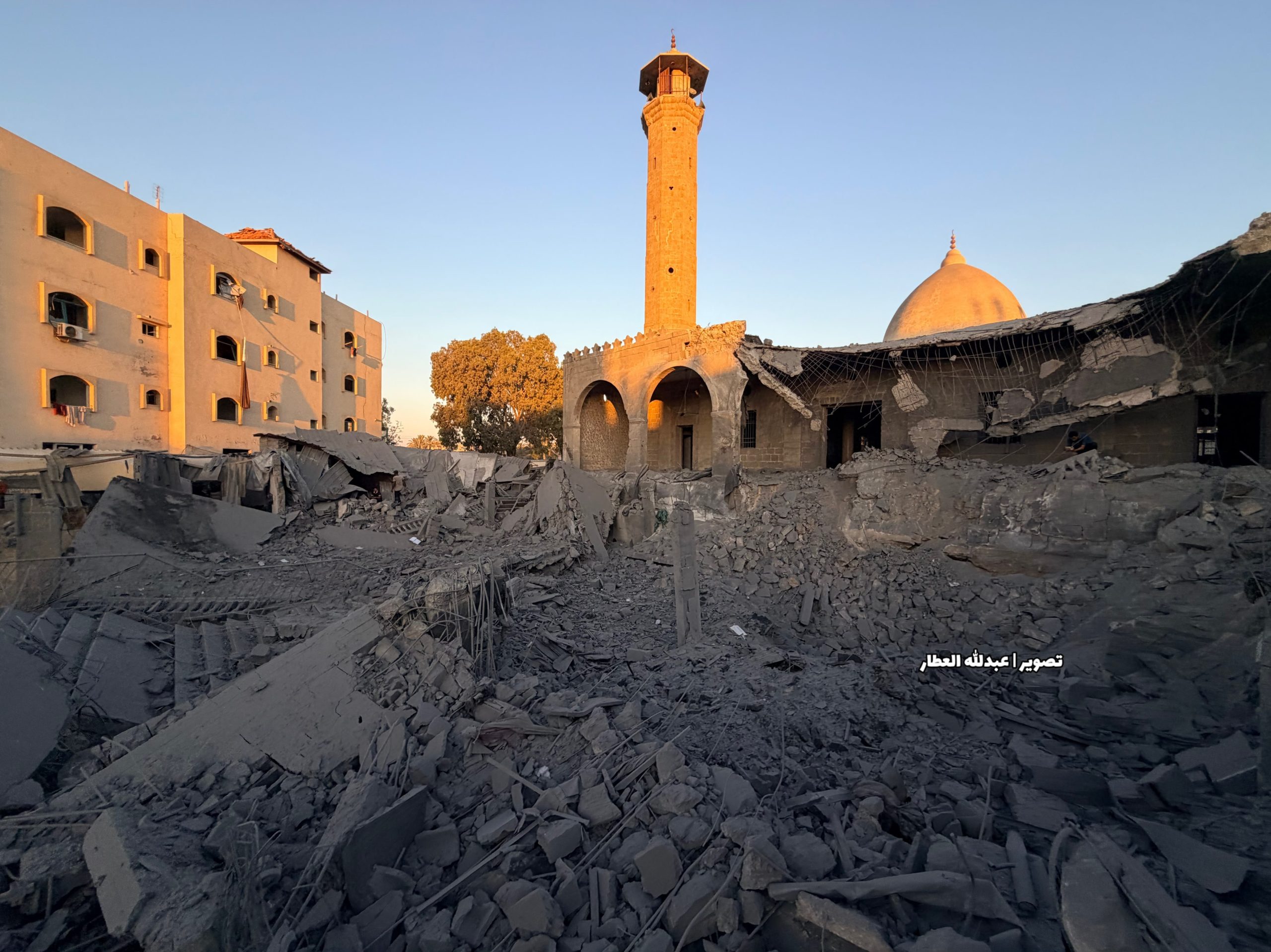
With no justification other than to kill the remaining residents and force any survivors to flee, Israeli occupation forces used multiple missiles to bomb the residential blocks, destroying them while hundreds of civilians were inside.

On Saturday, 19 October, at dawn, Israeli army forces surrounded the Indonesian Hospital in the northern Gaza Strip town of Beit Lahia. They fired two artillery shells at the hospital, cut off its electricity, and targeted anyone moving in the area. One of the hospital’s walls was also demolished by Israeli bulldozers.

Dr Munir al-Barash, Director-General of the Ministry of Health, reported that Israeli forces shelled the upper floors of the Indonesian Hospital, where more than 40 patients and wounded persons were located, dozens of whom were in critical condition, along with the medical staff.

He stated that the Israeli army also targeted a group of displaced people at the hospital gate. At the same time, the hospital’s electricity was completely cut off, and patients and medical staff were in a state of extreme panic as a result of the army’s heavy and continuous shooting directed at and around the hospital.

According to information obtained by Euro-Med Monitor, the Israeli occupation army is besieging four shelter centres near the Indonesian Hospital in northern Gaza.

On Saturday morning, Israeli warplanes bombed the yard of Kamal Adwan Hospital in the Beit Lahia Project during funeral ceremonies for victims of the previous day’s attack, killing at least two people. Dr Bilal Abdel Aal, a doctor at Kamal Adwan Hospital, was also killed, along with several members of his family, in an Israeli airstrike on their home in the Al-Ilmi neighbourhood in Jabalia Camp.

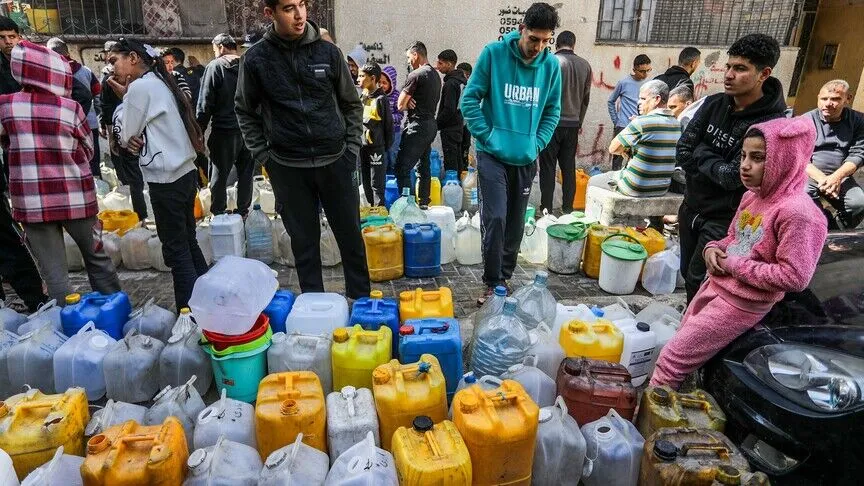
In recent days, the Israeli occupation army has targeted and destroyed the remaining water wells and bombed communications and internet exchanges, severing all connections in the area. The army is now systematically dismantling the already limited healthcare system by actively targeting medical crews and further worsening the crisis.

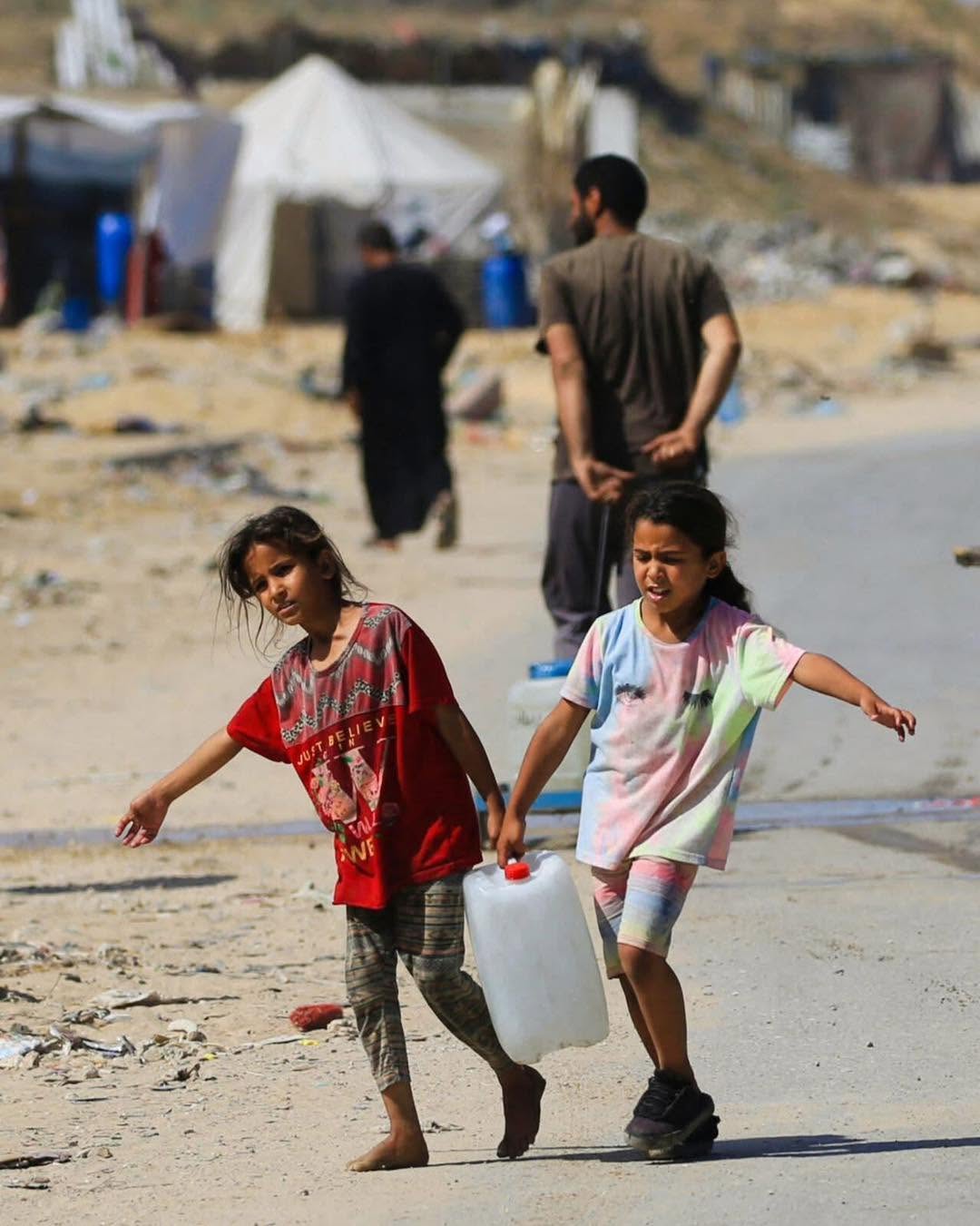
Israeli forces have blocked the entry of humanitarian aid since the beginning of the month, and since 5 October they have continued their invasion of northern Gaza, putting over 400,000 Palestinians in the northern Gaza Valley at risk of bombing or starvation.

With Israeli forces enforcing a fire ban on the movement of ambulances and civil defence teams in most parts of Jabalia and its camp, many victims and the injured remain in the streets or in their homes, unable to be transported to hospitals. Euro-Med Monitor’s field team has documented hundreds of Israeli airstrikes and bombing operations that have destroyed homes, shelters, and streets across northern Gaza for the last 15 consecutive days.

The international community must recognise the situation in northern Gaza and declare it a disaster zone that requires immediate action. Israel must be pressed to cease its attacks on civilians, allow the provision of life-saving emergency aid, and end its violent genocidal campaign.

The United Nations, alongside individual and collective states, must intervene immediately to save the hundreds of thousands of people living in northern Gaza, prevent Israel from committing genocide for the second consecutive year, impose a comprehensive arms embargo on it, hold it accountable for all its crimes, and take all necessary steps to protect Palestinian civilians.

EuroMed Human Rights Monitor

Continue reading
Expert: Jabalia – Matter of Life and Death For The Resistance

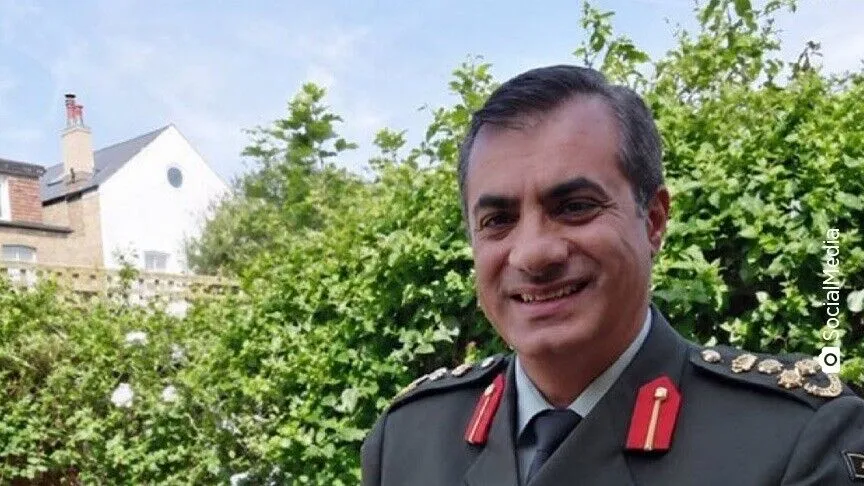
Military expert Brig-Gen Elias Hanna said that the resistance is obligated to “continue fighting in north Gaza Strip from zero distance and avoid a decisive battle,” describing what is happening as “a matter of life or death” for the Palestinian resistance factions.

Hanna spoke to Al Jazeera on the sidelines of the escalation of fighting between the resistance factions and the Israeli occupation army in the Jabalia camp.

Hanna believes that the fighting in the northern Gaza Strip has become a matter of life or death, expressing his conviction that the goal is “not to lose the area and to enter into a battle of attrition with the occupation.”

He said that the resistance is benefiting from the occupation’s unexploded remnants, as it reuses them within the system of detonating explosive devices, anti-tank shells and sniper operations.

From his point of view, the occupation’s use of the another military division, in addition to the Givati ​​Infantry Brigade, reflects “the size, importance and difficulty of the target in Jabalia,” which he said is a major center of gravity for the resistance, the environment that supports it and the safe haven for fighters.

The Qassam Brigades, the Hamas military wing, broadcast, Sunday, scenes of its fighters targeting Israeli military vehicles with explosive devices and anti-tank shells, and fierce clashes with Israeli special forces at short distances.

The military expert believes that the occupation’s entry into Jabalia represents “a new form but with an old content,” referring to the possibility of opening the door to settlement in the area if the residents of north Gaza Strip are displaced and completely destroyed.

He said he is convinced the Israeli army is racing with time to execute its plan in Jabalia with the countdown of the US presidential elections.

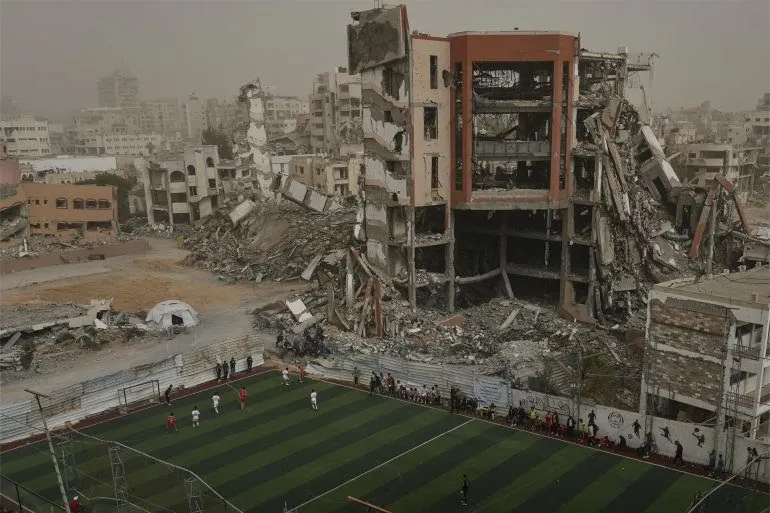
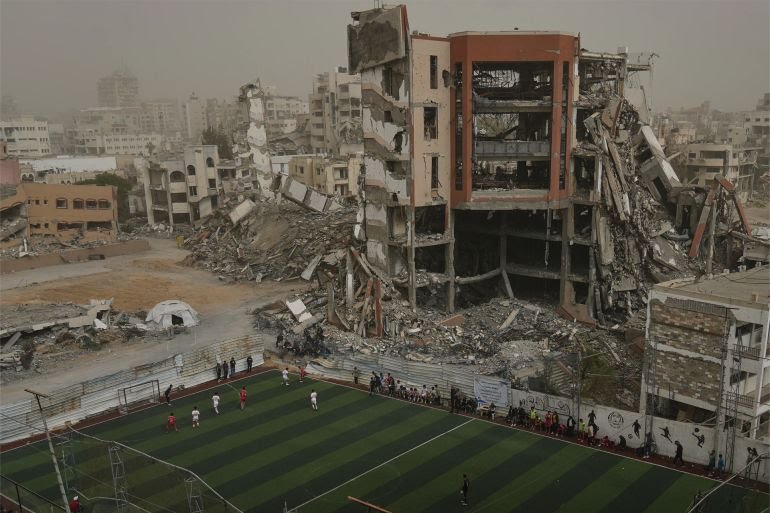
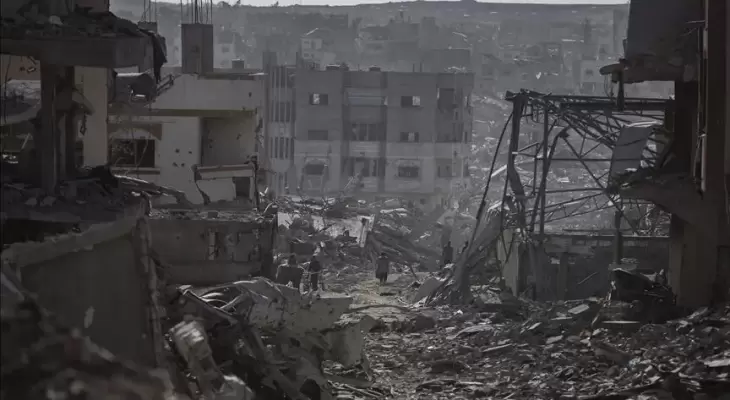
The occupation army destroyed many landmarks and buildings in the Jabalia camp, by booby-trapping and blowing up some tall buildings, and destroying others with air strikes.

The Israeli army imposed its siege on Jabalia, and tried to prevent residents from fleeing to the neighboring Gaza City, and ordered them to flee only to the southern Gaza Strip, while the Ministry of Interior in Gaza warned its citizens against responding to the occupation army’s calls to “evacuate their homes.”

Developments in Lebanon

On the northern front, Hanna said that the most important movements of the Israeli army on the Lebanese border are represented by the 210th Division towards the Shebaa Farms in an attempt to separate the Bekaa from the south of the Litani River.

The 210th Israeli military division recently joined four other divisions participating in the ground incursion operations in southern Lebanon, namely the 98th, 91st, 36th and 146th.

Hanna, a retired brigadier-general from the Lebanese army, explained that the Israeli army wants to surround Aita al-Shaab to isolate it, expressing his surprise about the calm of the Maroun al-Ras, Aitaroun and Yaroun axis despite its importance.

The military expert concluded that Israel wants to control the high points inside Lebanese territory, which overlook the Israeli interior and directly strike its settlements.

He added that Israel “wants to occupy these areas, destroy them and displace their residents without drowning in a war of attrition”, with the aim of “imposing a new reality on Hezbollah.”

Continue reading