Israeli Warplanes Attack TV Channel in Beirut

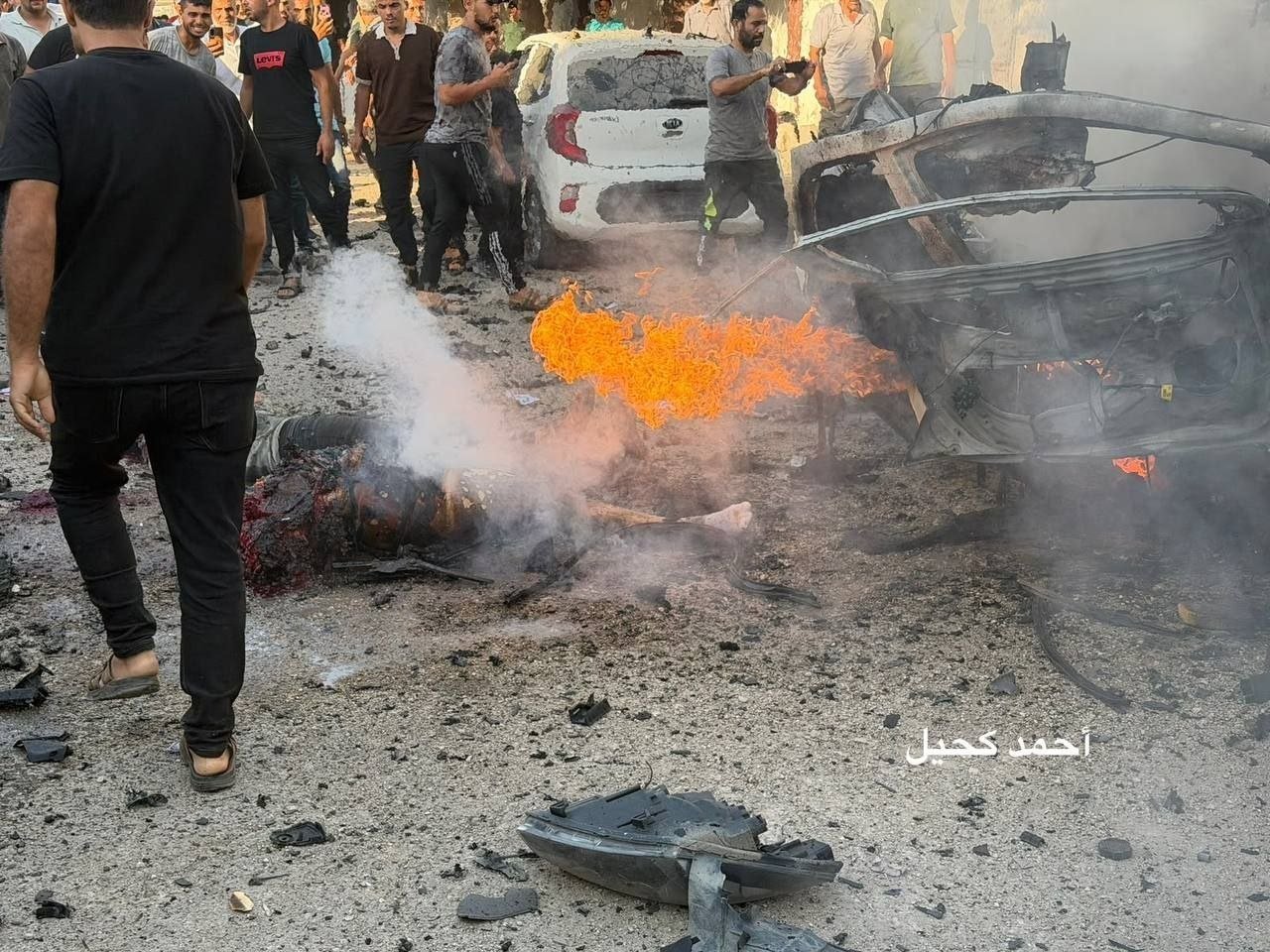
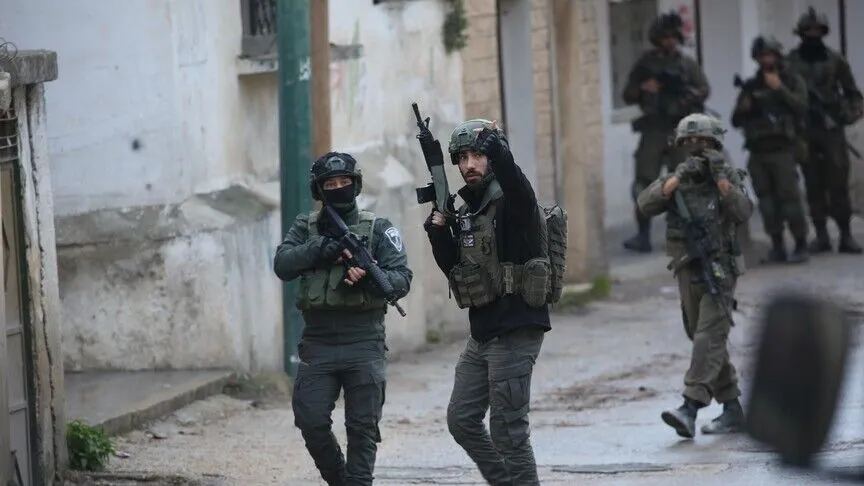
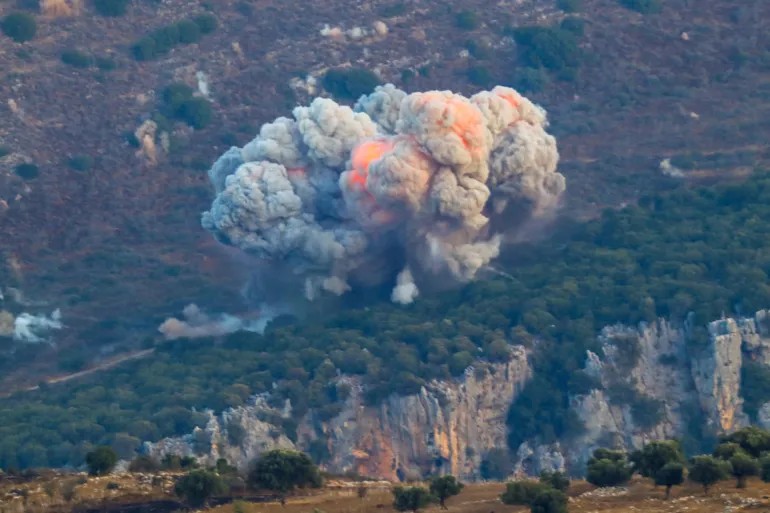
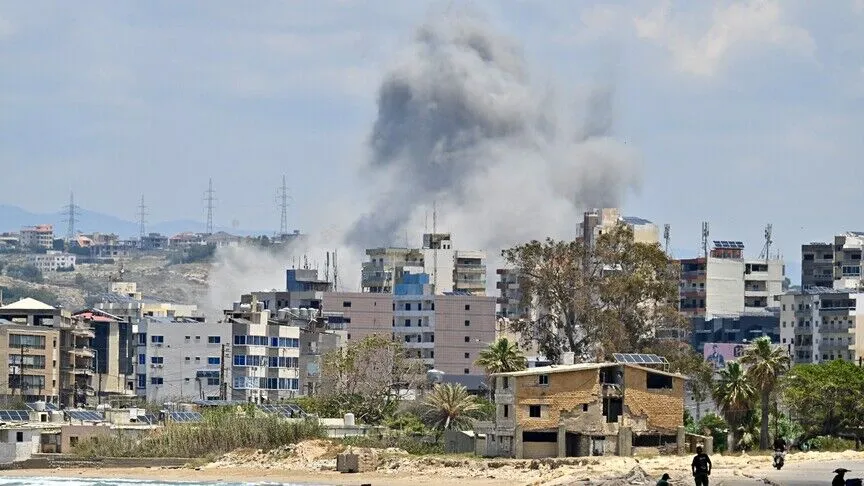
Israeli warplanes attacked a TV channel headquarters in Beirut late Monday, marking the first targeting of a Lebanese media institution amid a massive offensive on Lebanon.

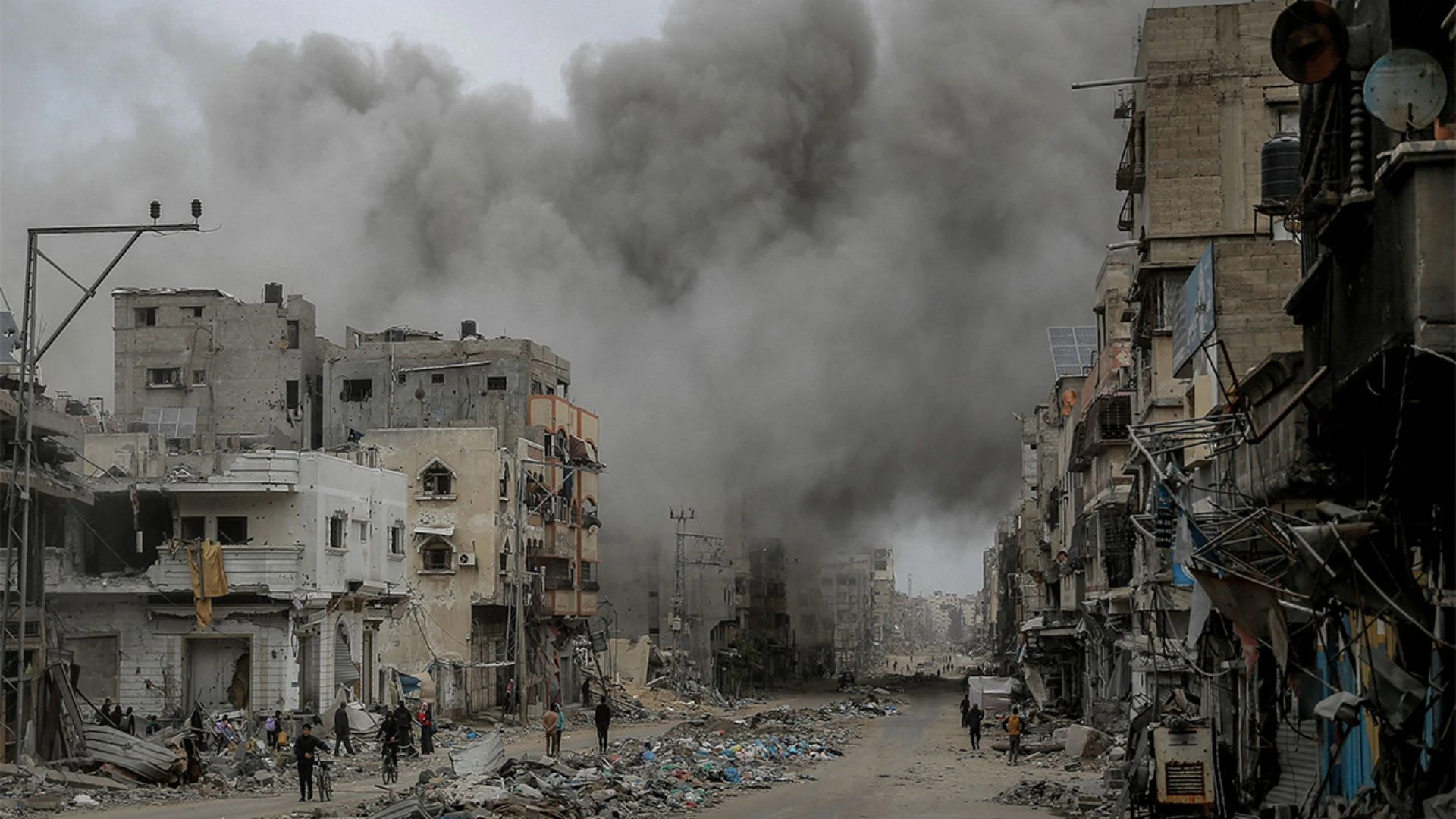
According to an Anadolu reporter, an Israeli airstrike hit the headquarters of pro-Hezbollah Al-Sirat TV channel in Beirut’s southern suburb, leveling the building.

Shortly before the attack, the Israeli army ordered staffers to leave, claiming that the site was being used for producing “combat means.”

No injuries were reported in the attack.

Hezbollah, for its part, denied storing weapons inside civilian buildings hit by Israeli warplanes, including Al-Sirat TV channel headquarters according to Anadolu.

Since Sept. 23, Israel has launched massive airstrikes against what it calls Hezbollah targets across Lebanon, killing more than 1,057 people and injuring over 2,950 others, according to the Lebanese Health Ministry.

Several Hezbollah leaders have been killed in the assault, including its leader Hassan Nasrallah.

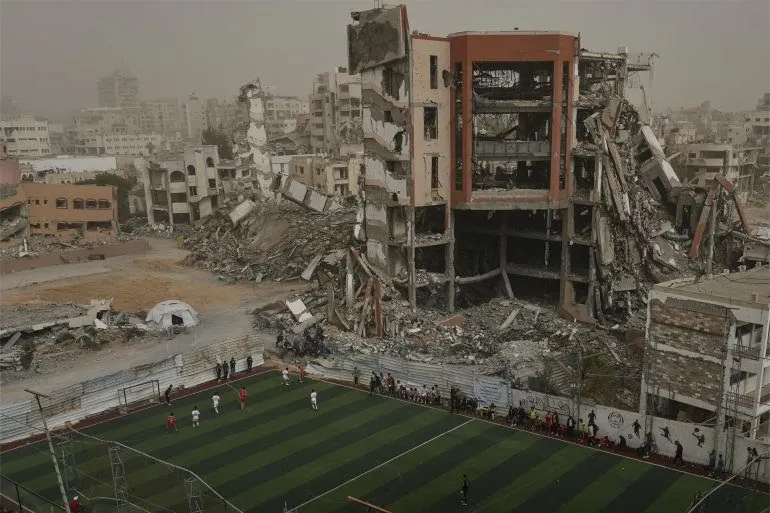
Hezbollah and Israel have been engaged in cross-border warfare since the start of Israel’s war on Gaza, which has killed nearly 41,600 people, most of them women and children, following a cross-border attack by the Palestinian group Hamas last October.

The international community has warned that Israeli attacks in Lebanon could escalate the Gaza conflict into a wider regional war.

Continue reading
‘Stop The Bombs’ – Anti-explosives NGO

The International Network on Explosive Weapons (INEW) is deeply concerned over the increased airstrikes in towns and cities in Lebanon, as well as the rocket attacks launched against Israel.

This devastating escalation in hostilities is causing extensive suffering and harm to civilians. INEW calls on both Israel and Hezbollah to immediately stop the use of heavy explosive weapons in populated areas due to the high risk of harm to civilians, including death and injury as well as devastating humanitarian consequences due to displacement, destruction of housing and damage to critical infrastructure.

Israel’s aerial bombardment in Lebanon is one of the heaviest air raids in contemporary armed conflict. On 23 September, the Israeli military struck 1,600 targets in airstrikes in 41 towns and cities in Lebanon, according to Israeli military officials. These attacks reportedly killed nearly 600 people, including 50 children, while 1,700 have been injured, according to the Lebanese Ministry of Health. The death toll will continue to rise as it is assumed that people remain trapped under rubble. As bombardment intensifies, tens of thousands of people have fled their communities to find refuge elsewhere. National authorities have reported that more than 90,000 people have been newly displaced.

These attacks come in the wake of escalation from the Israeli-Palestine conflict where over 41,000 Palestinians have been killed and 95,000 injured in the Gaza Strip between 7 October, 2023 and 23 September, 2024, according to the Ministry of Health in Gaza.

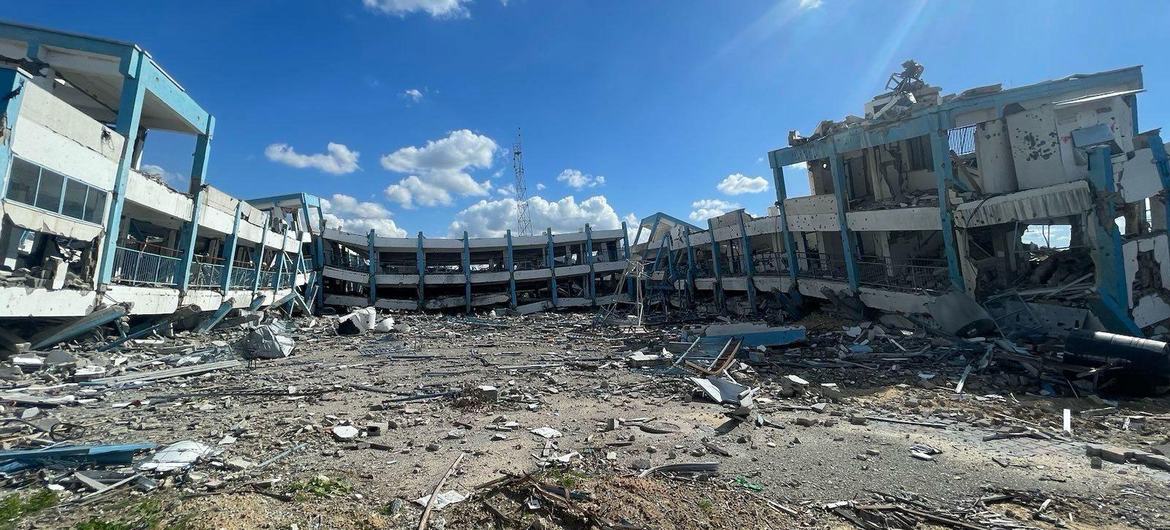
The use of explosive weapons in populated areas is the one of leading causes of harm to civilians in armed conflict worldwide. Civilians are killed and injured, with many experiencing life-changing injuries and yet more suffering severe psychological harm and distress. Damage and destruction of vital infrastructure including housing, hospitals and schools causes further harm. Unexploded ordnance poses an ongoing threat to civilians during and long after hostilities have ended, impeding the safe return of refugees and displaced persons.

Israel and Lebanon should join the Political Declaration on Strengthening the Protection of Civilians from the Humanitarian Consequences Arising from the Use of Explosive Weapons in Populated Areas and take steps to immediately implement its commitments, including restricting and refraining from the use of explosive weapons in populated areas when such use is expected to cause harm to civilians and civilian objects.

INEW calls on the 87 states that have endorsed the Political Declaration to make good on their undertaking to “actively promote the Declaration” and to “seek adherence to its commitments” by the parties to the conflict. States that have joined the Political Declaration have done so in recognition of the devastating humanitarian impact that takes place when such use occurs.

Additionally, they have also committed to take action to address civilian harm, including through public statements, as a means to strengthen the protection of civilians, as well as urging to parties to conflict to restrict or refrain from the use of explosive weapons in populated areas, in order to promote the norms and standards that the Declaration seeks to establish.

Action by endorser states to promote the Declaration, and at this time in particular, is vitally needed action to better protect civilians from the effects of explosive weapons and armed conflict.

Reliefweb

Continue reading
‘A Devastating Year For Gaza’ – Jan Egeland

A complete and lasting ceasefire is the only way to end the cycle of death, destruction, and loss for millions of civilians in the region, warns the Norwegian Refugee Council (NRC) as we approach the first anniversary of the escalation of hostilities in Israel and Gaza.

“This has been a devastating year,” said Jan Egeland, NRC secretary general. “For 12 months, the horrific events in the occupied Palestinian territory, Israel, and Lebanon have wrought havoc, and we are now on the cusp of an all-out regional war. Hundreds of thousands of civilians have been killed, injured, or displaced, and vast numbers of innocent children remain traumatised, hungry, and sick. One year on, we are now no closer to a ceasefire agreement than we were during the darkest days of hostilities.

“Governments must realise that so long as weapons continue to flow to Israel and non-state armed groups, the war machines continue to be fuelled, and the suffering of civilians will be, in no small part, the responsibility of those who bring fuel to the fire. They hold the key to bringing this tragedy to an end, and they must do everything in their powers to achieve that.”

Despite immense challenges, NRC continues to offer support for families throughout the occupied Palestinian territory and Lebanon. In Gaza, our teams have managed to remain operational despite multiple displacements and disruptions. The volume of aid that has entered Gaza over the last year has never come close to meeting ever-growing needs. On average, 50 trucks per day have crossed into Gaza in September, the lowest yet.

“The humanitarian crisis in Gaza has reached an unbearable level. The scale of damage and loss is so immense that it will take many years to reverse, but NRC will stay and continue to support communities in all ways possible.

My colleagues put their lives on the line to provide the aid that we are able to receive into Gaza. Hundreds of thousands of people are still without proper access to basic necessities, like shelter, food and clean water. The needs remain so vast against aid supplies because of Israeli restrictions, the erosion of the social fabric, and a breakdown of law and order. All crossings into Gaza must be opened to allow for a scaling up of aid. There is no excuse for allowing this suffering to continue,” said Egeland.

Reliefweb

Continue reading
UN Calls For ‘Flash Appeal’ to Aid Lebanon

Prime Minister Najib Mikati and Humanitarian Coordinator for Lebanon Imran Riza, Tuesday, launched a $426 million Flash Appeal to mobilize urgent resources for civilians affected by the escalating conflict and resulting humanitarian crisis in Lebanon. The announcement took place at the Serail in Beirut, attended by UN agencies, member states, the international community, and local and international partners.

Since 17 September 2024, Lebanon has experienced an unprecedented surge in casualties and displacement, dramatically compounding the already profound toll of over 11 months of violence. In just the past two weeks, more than 1,000 people have lost their lives, over 6,000 have been injured, and an estimated one million people have been directly affected or displaced since October 2023, according to Lebanese authorities.

These alarming figures only continue to rise, further exacerbating a crisis that has overwhelmed the nation’s already strained resources and infrastructure, particularly impacting vulnerable populations who lack access to essential services and basic necessities.

In his opening speech, Lebanese prime minister, Najib Mikati, expressed deep shock over the escalating situation and the grave impact it is having on the people of Lebanon. “This is a critical moment that demands the immediate attention and action of the international community. I urge all nations to step up their support in providing humanitarian aid and to use their influence to help bring an end to the violence,” he said.
The Flash Appeal seeks to assist approximately one million people affected by the conflict by addressing urgent needs in areas such as food, basic assistance, shelter, healthcare, water, and municipal services. Funds will be directed to humanitarian partners collaborating as part of the Government-led emergency response.

“Without sufficient resources, humanitarians risk leaving the population of an entire country without the support they urgently require,” Humanitarian Coordinator Imran Riza warned.

“No amount of aid can fully address this crisis if civilians continue to be targeted. We must act swiftly and decisively to ensure that those affected by this crisis receive the essential support they require. It is imperative that all parties uphold their obligations under international humanitarian law to protect civilians and prioritize humanitarian access.”

“Our aim is to build on and reinforce the strong cooperation and collaboration already in place, working closely with the government and our partner ministries at both national and subnational levels”, Riza added.

The humanitarian community has been working tirelessly, coordinating closely with the government to provide support. In April and August 2024 respectively, $9 million from the UN Central Emergency Response Fund (CERF) and $24 million from the Lebanon Humanitarian Fund (LHF) were released, the latter including $10 million specifically designated for the South Lebanon response. In September, an additional $10 million will be released by the LHF to address lifecritical needs, complemented by a further $10 million from the CERF. Meant to provide catalytic support to scale up the response, these contributions are inadequate to address the scale of the unfolding crisis. Additional contributions from the international community are urgently required.

Link to the flash appeal: https://reliefweb.int/report/lebanon/flash-appeal-lebanon-october-december-2024-october-2024

Reliefweb

Continue reading
With Open Arms: Displaced Lebanese Flock to The Camps

By Samaa Abu Sharar

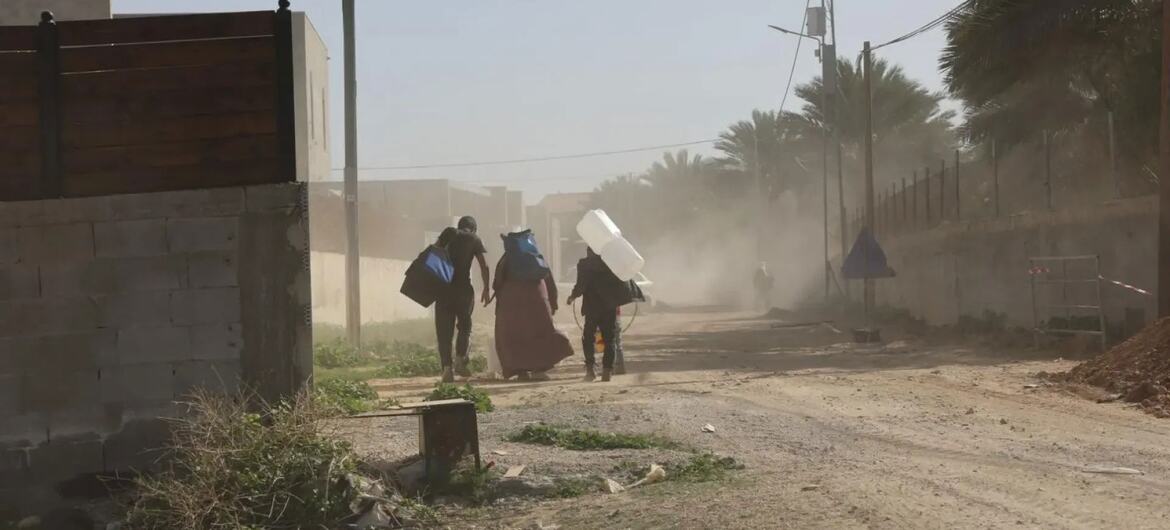
Over a million Lebanese have fled their homes in the south of Lebanon, the Bekaa Valley and the southern district of Beirut due to the unprecedented and indiscriminate Israeli raids on their cities. 

In the blink of an eye, over a million people lost literally everything and became displaced on the streets of the tiny capital and other Lebanese cities they believe are safer. Luckier ones were able to secure a corner in schools or other public places that were opened by the Lebanese government to temporarily host the displaced people. 

Along with the Lebanese, many Syrians and Palestinians were also displaced. Many of those resorted to the Palestinian camps to take refuge in the already cramped camps. This included refugee camps in Tyre in the south like Rashidieh.

A ‘Safe Place’

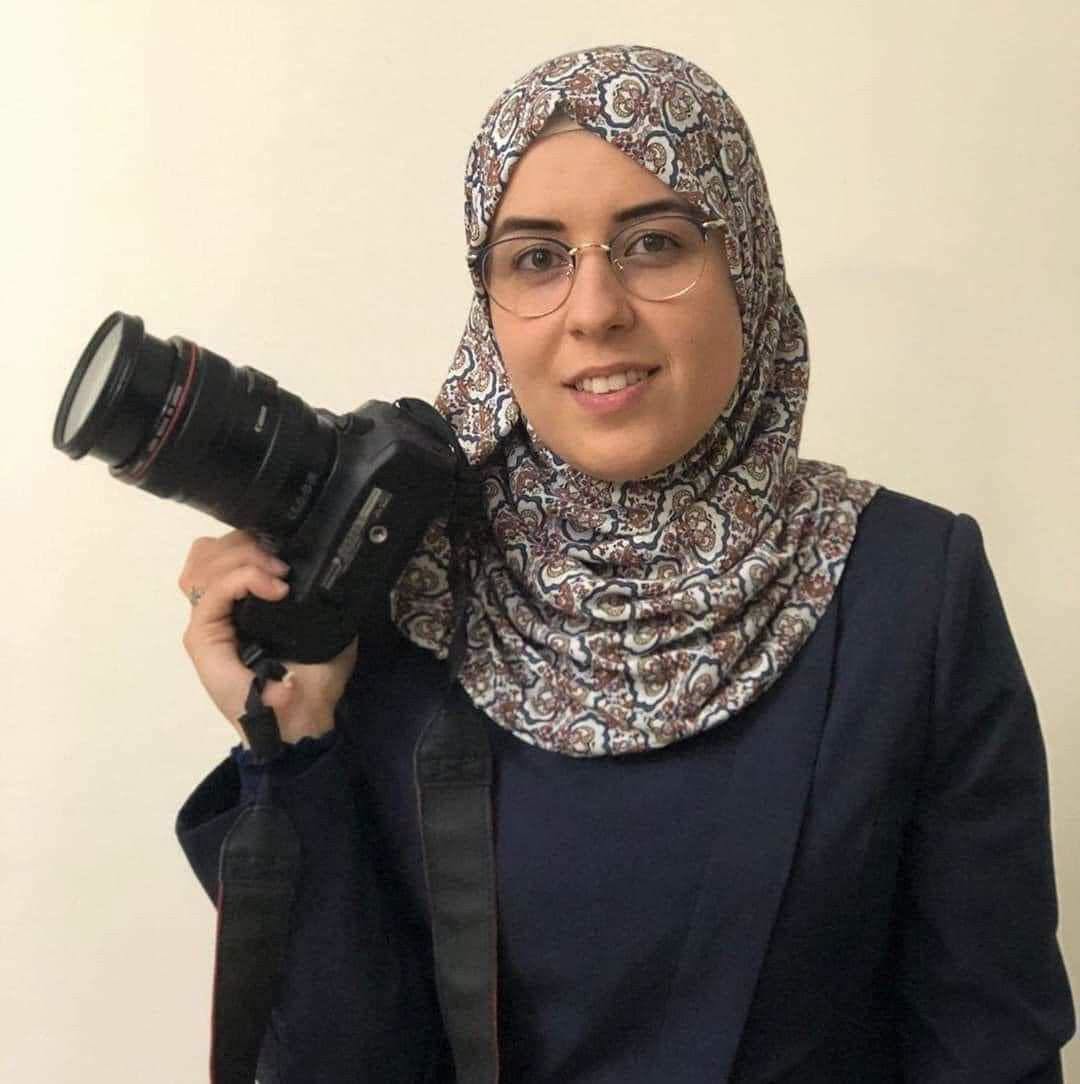
Photographer Rania Saadallah is a resident of the camp. She spoke to the Palestine Chronicle about the exodus of many families to the camp, particularly Lebanese and Palestinians with families in Rashidieh.  

According to Saadallah, most of those who arrived in Rashidieh came for two reasons; one, to remain close to their villages and towns in the south and two, because they lacked the financial means to go elsewhere.

“I know a family from Bazouriye; they are 14 individuals who came and stayed with their relatives, a family of seven, because they don’t have the means to rent a place inside the camp,” she said.

The Palestinian photographer told us that there are Palestinians who live in Lebanese villages in the south who also sought refuge in the camp as they did in the war of 2006.

“They consider the camp a safe place and it is close to their villages, but most importantly there is this familiarity between people of the villages and refugees in the camps,” she explained.

This familiarity and closeness that bond both people is undeniable and the latest events are proof of that.

Palestinian refugees across Lebanon rushed to help displaced Lebanese from the very start of Israel’s war on Lebanon.

Fraternity

The youth of Ain Al-Hilweh camp were amongst the first to rush to the streets to welcome the displaced Lebanese distributing water and snacks to those stranded in their cars.

According to Walid el-Ahmad, coordinator of the ‘Hand to Hand’ initiative, the unprecedented wave of displacement caught everyone by surprise because it was much bigger than anything that was anticipated by the Lebanese government, the United Nations Relief and Works Agency (UNRWA) or the Palestine Liberation Organization (PLO). 

El-Ahmad told the Palestine Chronicle that some people arrived at the Mar Elias camp in Beirut to stay with relatives and acquaintances but there were limited numbers because the camp is extremely small.

“We reactivated the emergency committee we created at the beginning of the genocide on Gaza, which is under the supervision of the Popular Committee of the camp,” he explained.

Enthusiasm to extend a helping hand to the displaced people was very visible.

“Despite their dire situation, refugees donated everything they had from money to food to mattresses, blankets, anything they could, they gave without hesitation,” he added.

El-Ahmad and many other activists in the camps confirm that help mostly came from individuals, small initiatives, or local organizations.

In many cases, the work of all those combined extended to schools surrounding the camps in the absence of the Lebanese government at the start of the displacement wave.

“We are entrusted with Palestine and its people until they return to their homeland,” a Lebanese man told el-Ahmad, who also supervises a clinic in the Mar Elias camp after he refused to take money from him for treating his son.

These sentiments of fraternity between Palestinians and Lebanese run very deep considering the common history and many sacrifices they both made for the Palestinian cause.

Contingency Plan 

Nazira Mohammed al-Haj, a social activist who lives in the Naher El-Bared camp in the north of Lebanon, confirms these sentiments of solidarity. 

“I have a friend, she has three furnished apartments in the camp. She offered two of them to displaced Lebanese families and provided them as well with groceries,” al-Haj said.

The activist emphasized that this is not a unique case as the majority of refugees in the camp rushed to offer anything they could afford. 

As part of a contingency plan, UNRWA has opened several schools across the country for displaced people and already said that it will open others if there is a need for that. Two of those are in Naher El-Bared camp.

The UN agency has announced that although it gives priority to Palestinian refugees, it also welcomes displaced people of other nationalities depending on the “availability of resources.” 

However, al-Haj told the Palestine Chronicle that the majority of people who arrived at Naher el Bared are staying with refugees in the camp. 

“Some people gave their furnished apartments free of charge to displaced Lebanese,” she explained.

“Even generator owners and satellite and internet providers in the camp offered their services free of charge, in addition to those who donated clothes, mattresses and food items,” the activist explained. 

Al-Haj attributes this overflow of solidarity with the displaced Lebanese to the fact that refugees in Naher el Bared went through a similar displacement in 2007 when clashes broke out between the Lebanese army and the Fateh El-Islam group.

Same Destiny

In the neighboring Beddawi camp, the scene is not different. Refugees of the camp along with Palestinian organizations constituted the rock for the displaced Lebanese.

Social activist Dalal Sharour spoke to the Palestine Chronicle about an initiative that was launched by the Palestinian Cultural Club in the camp through which they established a ‘station’ for all displaced Palestinians and Lebanese. 

The station provided people with places to stay, received donations and offered basic aid.

“The youth in Beddawi camp are very active. They drove in a big pick-up truck roaming the camp’s streets collecting donations, which were largely received through WhatsApp groups,” Sharour said.

The Palestinian activist told the Palestine Chronicle that the Popular Committee in the camp along with many organizations created an emergency unit to collect data on the number of displaced people and their needs.

“The emergency unit will have representatives from each organization so as to coordinate efforts and not duplicate the services extended,” Sharour explained.

There are still no official numbers on how many displaced Palestinians and Lebanese headed to Tripoli in the north of Lebanon where the two camps are located. What we know is that people from the south, Bekaa and Beirut headed to Tripoli because at the moment it is considered safer than other areas.

Researcher and consultant in refugee studies Jaber Suleiman told the Palestine Chronicle that the overwhelming solidarity that the Palestinian refugees have shown towards the displaced Lebanese is expected and not strange to Palestinian refugees.

“In the face of the second phase of genocide, which started in Gaza and is continuing in Lebanon, there is a state of national Lebanese solidarity and the Palestinians are part it,” he said. 

“Palestinians more than others feel the suffering of displacement and leaving one’s homes. These generations in the camps are the generations of the first, second and third Nakba, and they feel more than others with the Lebanese displaced from their villages,” the Palestinian researcher said.

Suleiman also attributes the support and solidarity to the deep gratitude Palestinians in Lebanon feel towards the Lebanese for the sacrifices they are enduring in support of Gaza and the Palestinian cause.

“If they could, they would place them in their eyes and hearts as a sign of gratitude for all they are doing,” he said.

According to Suleiman, this is not the first time that Palestinians have welcomed displaced Lebanese into their camps, since in 2006 many took refuge in Ayn el-Helweh camp despite the hardships these refugees face in a country that deprives them of many of their basic rights. 

“They share the same destiny and they shed the same blood on the same soil against a common Zionist enemy, thus it’s no surprise to see this solidarity,” Suleiman concluded.

 This article is reproduced from the Palestine Chronicle.

Continue reading