Symbolic Doha Exhibit For Children Killed in Gaza

15,000 teddy bears are artistically arranged in an exhibition in downtown Doha in Qatar to represent the lives of Palestinian children who have been killed by the Israeli military machine over the past 11 months.

The exhibition, titled “Echo of Lost Innocence,” and created by Syrian artist Basher Mohammad highlights the staggering scale of loss, during this ongoing Israeli genocide on the Gaza Strip and which resulted in over 17,000 children being killed.

“The idea behind this exhibtion is to convey that the victims are not just numbers,” the artist said.

“It’s a representation of how art and compassion can intersect to create a positive impact in order to show people that numbers can be seen by eyes,” he told Al Jazeera English.

The exhibtion which is trending on the social media, is a testment to the bloody war as the teddy bears are arranged on grey blocks of concrete, representing the rubble of Gaza, while red elements represent blood.

The installation seeks to remind visitors that these children had names, identities, dreams, lives and a homeland.

The artworks are for sale and all proceeds are going for Gaza.

Continue reading
Hassan Nasrallah Vows ‘Hell’ For Israel

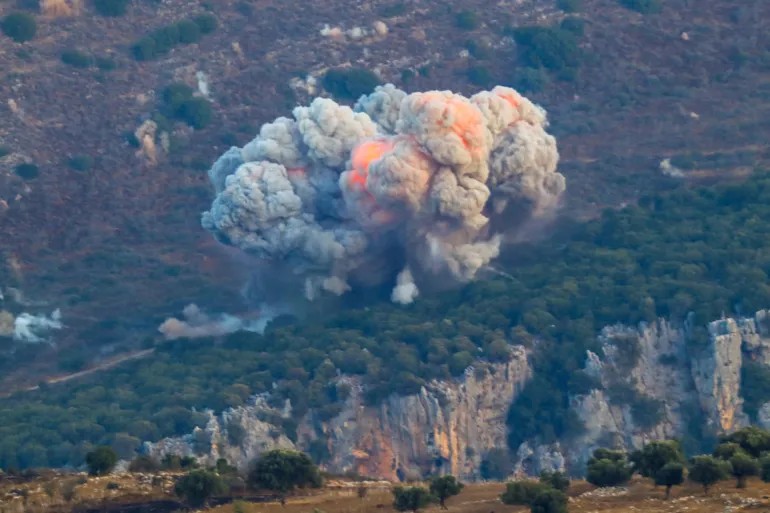
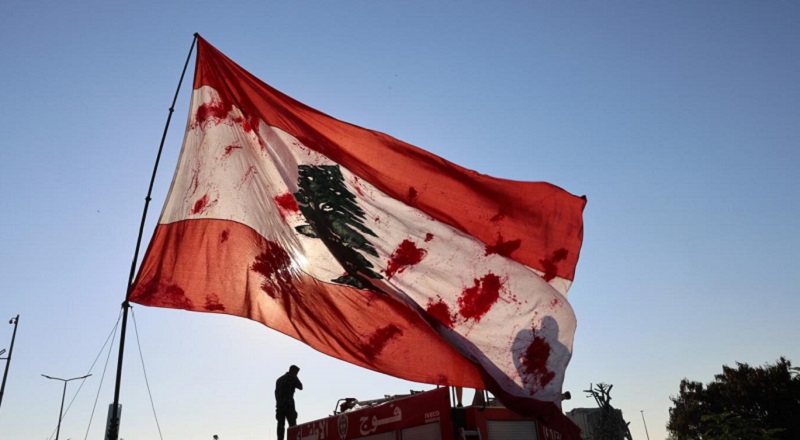
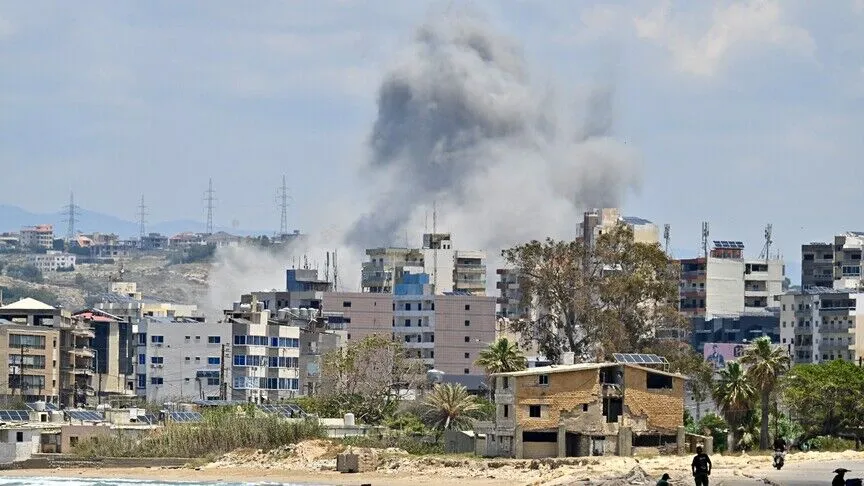
Hezbollah Secretary-General Hassan Nasrallah vowed to turn Israel’s actions into a “hell”, Thursday, after the group suffered a “severe blow” when communication devices were detonated earlier this week in Lebanon.  

Nasrallah made the remarks during a televised speech to address the explosions that killed 37 people and injured thousands.  

“We admit we have received a severe blow which is natural as we acknowledge Israel’s technological superiority, backed by the US, NATO, and the West,” said Nasrallah. “The Israeli enemy sought to kill 5,000 people within just two minutes, showing no regard for anything.”  

“The number of pagers carried by Hezbollah members is 4,000, which implies that Israel intentionally sought to kill 4,000 people,” he said.  

The explosions “will be met with a just retribution, severe reckoning, timing, place, the nature of which we will determine,” said Nasrallah.  

He warned Israel that if it establishes a security belt on Lebanese territory, “it will be turn into a trap and a hell.”  

Nasrallah added that multiple investigative commissions were formed to examine the circumstances of the explosions and they have reached a nearly definitive conclusion, but the Lebanese resistance group is awaiting confirmation.  

He noted that the severity of eye injuries from the explosions “has placed significant pressure on hospitals in Lebanon.”  

Furthermore, Nasrallah pointed out that many of the explosions occurred in hospitals, markets, public roads and homes – areas predominantly inhabited by civilians, including children and women.  

His speech coincided with the intensive flights of Israeli warplanes flying at low altitude over the Lebanese capital, Beirut, breaking the sound barrier multiple times, Anadolu reporter said.

The Hezbollah chief considered the blasts to be a natural occurrence, stating: “This is the nature of war and conflict. We know that our enemy has a technological superiority because America stands behind it, along with NATO and the West.”   

He emphasized: “the Lebanese front will not stop until the war on Gaza stops.”  

Nasrallah noted that senior Hezbollah leaders do not carry the type of pager devices that exploded on Tuesday, asserting that the resistance’s structure “remains large and cohesive.”  

Nasrallah concluded his speech by affirming that what occurred on Tuesday and Wednesday will be met with “just retribution and severe reckoning,” indicating that Hezbollah “will determine the timing, place, and nature of the response.”  

At least 37 people were killed and nearly 3,000 others injured on Tuesday and Wednesday in explosions that targeted thousands of wireless communication devices across the country.  

There has been no Israeli comment on the blasts, which came amid an escalation in cross-border warfare between Israel and Hezbollah since the start of Israel’s deadly war on the Gaza Strip, which has killed nearly 41,300 people, mostly women and children, following a cross-border attack by Hamas last Oct. 7.  

Continue reading
The Mass Graves of Gaza

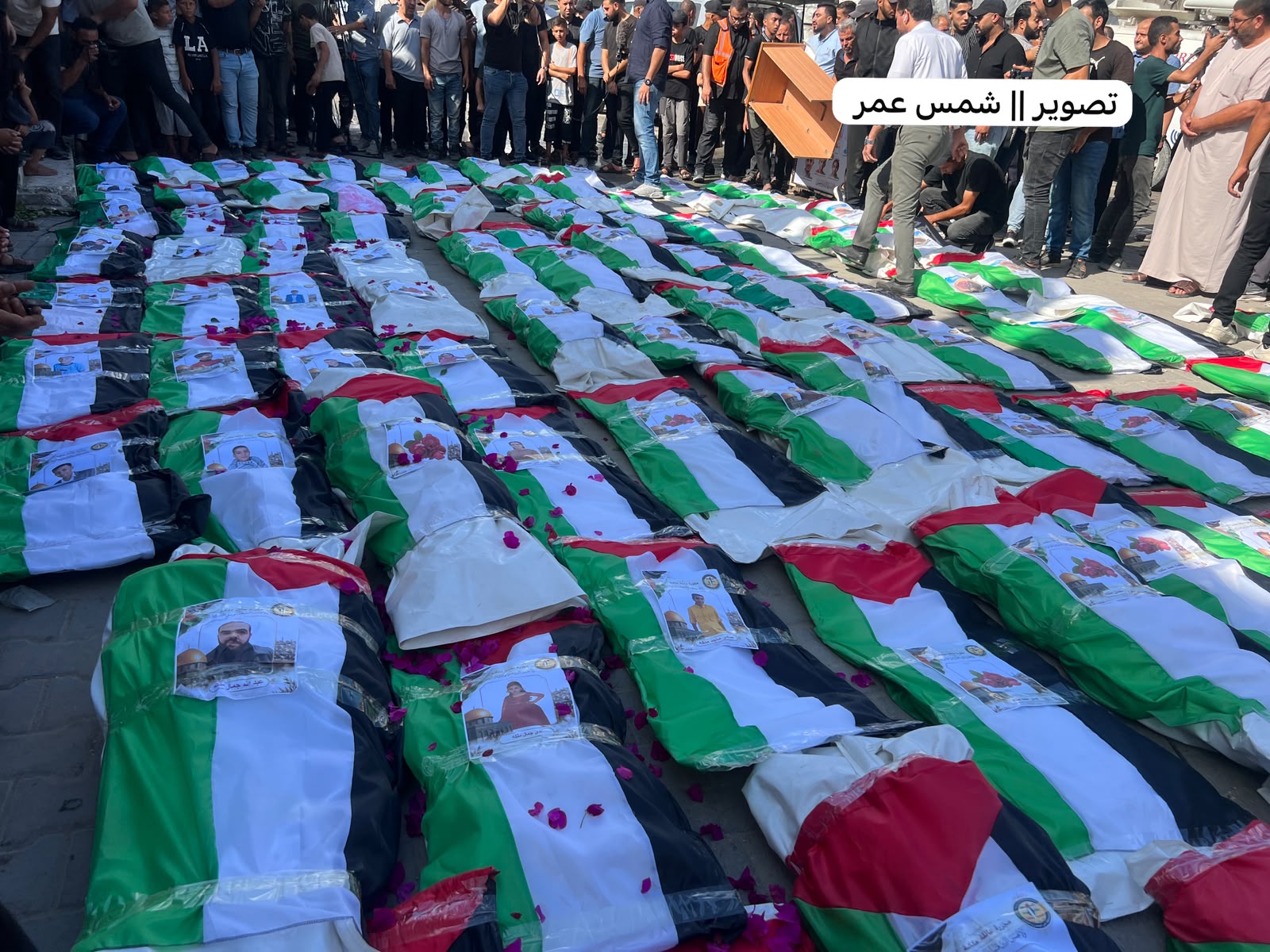
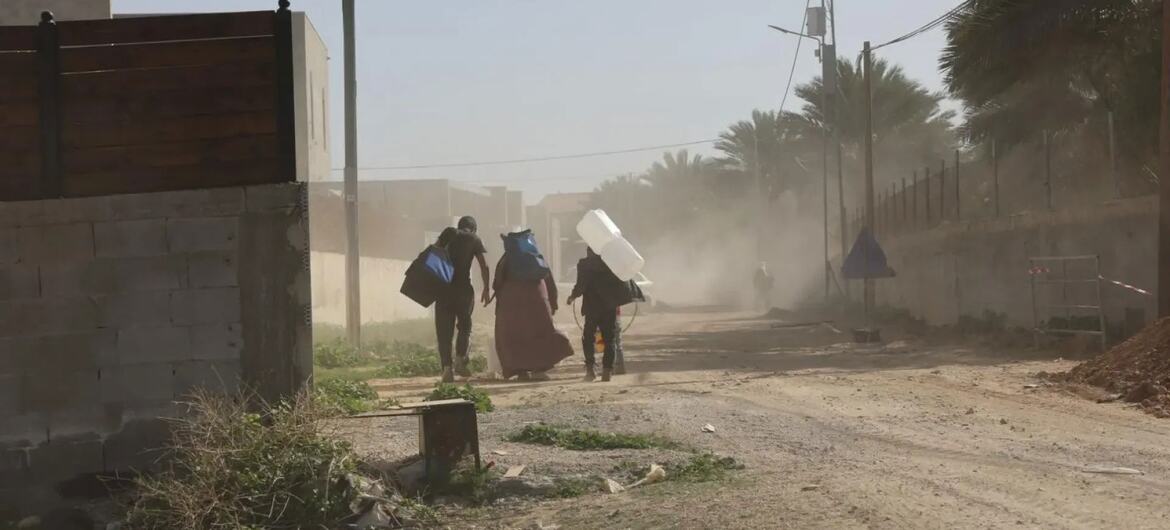
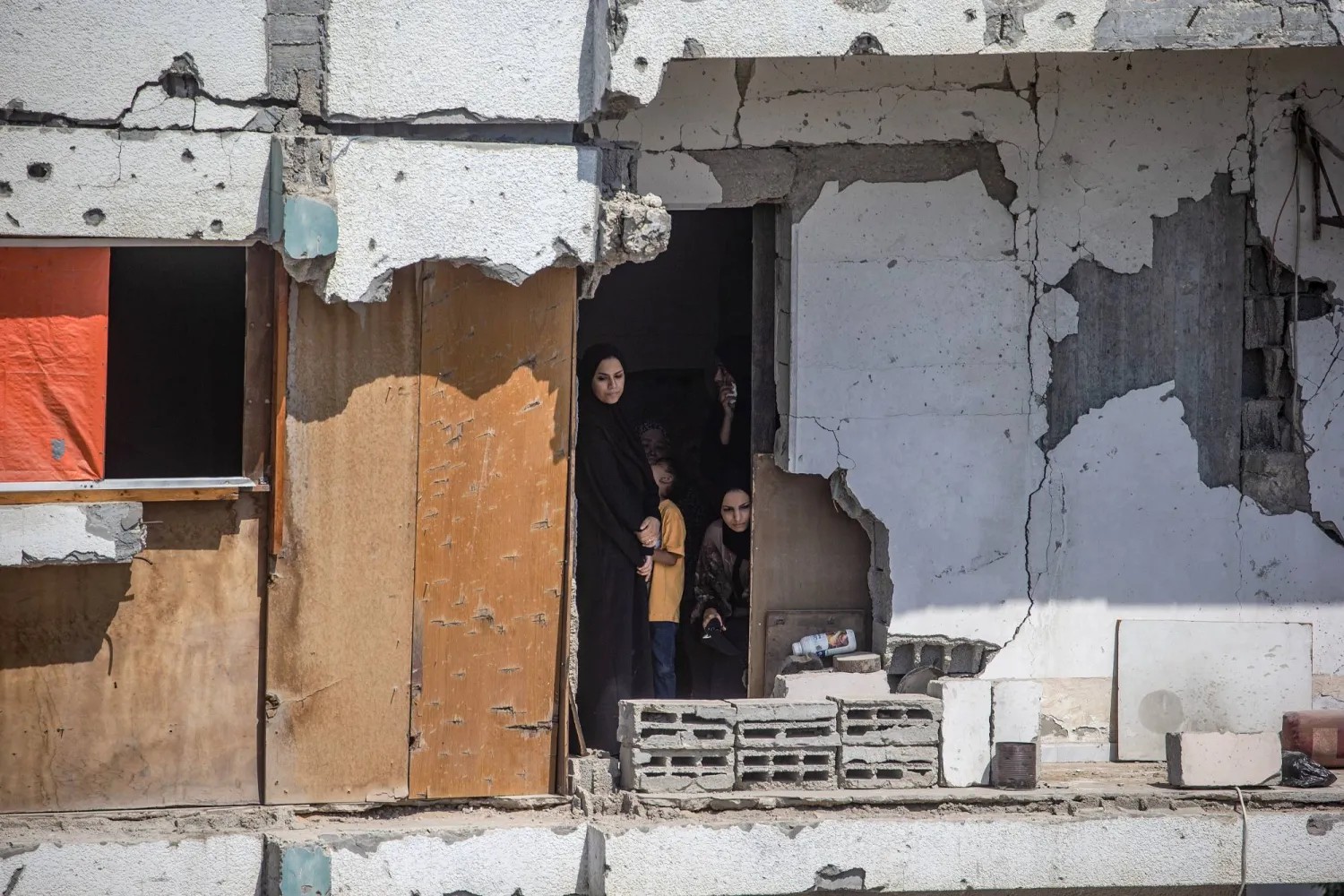
 Thousands of families continue to bury their children in random mass graves, a phenomenon brought on by over 11 months of systematic killings of Palestinians by Israel in every Gaza Strip governorate. The situation is worsening as a result of the Israeli occupation army’s constant targeting of people who attempt to enter these makeshift cemeteries to bury their loved ones.

Euro-Med Monitor has released an infographic design that shows the locations and dates of approximately 30 randomly established mass graves in the northern, central, and southern governorates of Gaza, containing roughly 3,000 dead victims of Israel’s genocide in the enclave. The infographic also depicts 120 random mass graves in which three or more people are buried, and which were established in the Gaza Strip between now and last October.

Random graves

Since many random graves are found inside houses and other private spaces and some are periodically moved to new locations, the majority of them are still unrecorded. Thus, the number and location of these graves remain constantly changing. Furthermore, the Israeli occupation army is continuously bulldozing both makeshift cemeteries and official graves, disfiguring the victims’ bodies, and even stealing some of them, in grave violation of international law.  

Al-Batsh Cemetery, located in Gaza City’s eastern Al-Tuffah neighbourhood, is the largest documented mass grave in the Gaza Strip. Between 500 and 1,000 people have been buried there since the cemetery’s founding on 22 October 2023, just two weeks after Israel’s genocidal war on Gaza began.

Euro-Med Monitor field teams have been documenting the mass and random graves across the enclave since the establishment of the first mass grave in Al-Shifa Medical Complex on 15 October 2023, when it became impossible to transfer the dead victims to the official cemetery in Gaza City due to the large number of corpses and the danger presented by Israeli forces. Over time, more of these mass graves have been created, one after another, eventually totaling at least 120.

backyards, courtyards

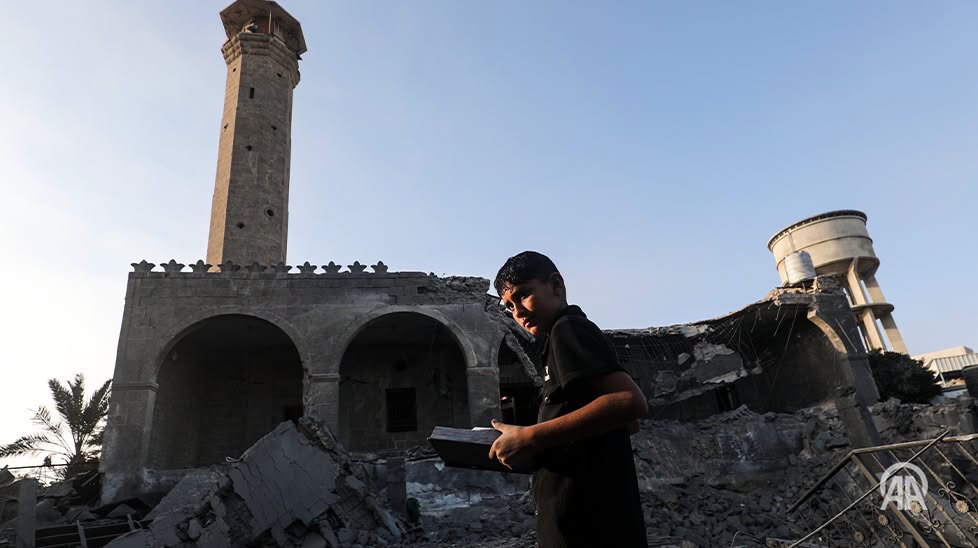
These graves have been established throughout residential areas, in the backyards and courtyards of homes and hospitals, public road intersections, wedding halls, sports fields, schools, and mosques.

“Random mass graves have become something of a phenomenon in Gaza,” according to a Euro-Med Monitor field researcher in Gaza City whose name is being withheld due to safety concerns. “They are seen on the roads, in traffic islands, [and] near markets and residential buildings at random.”
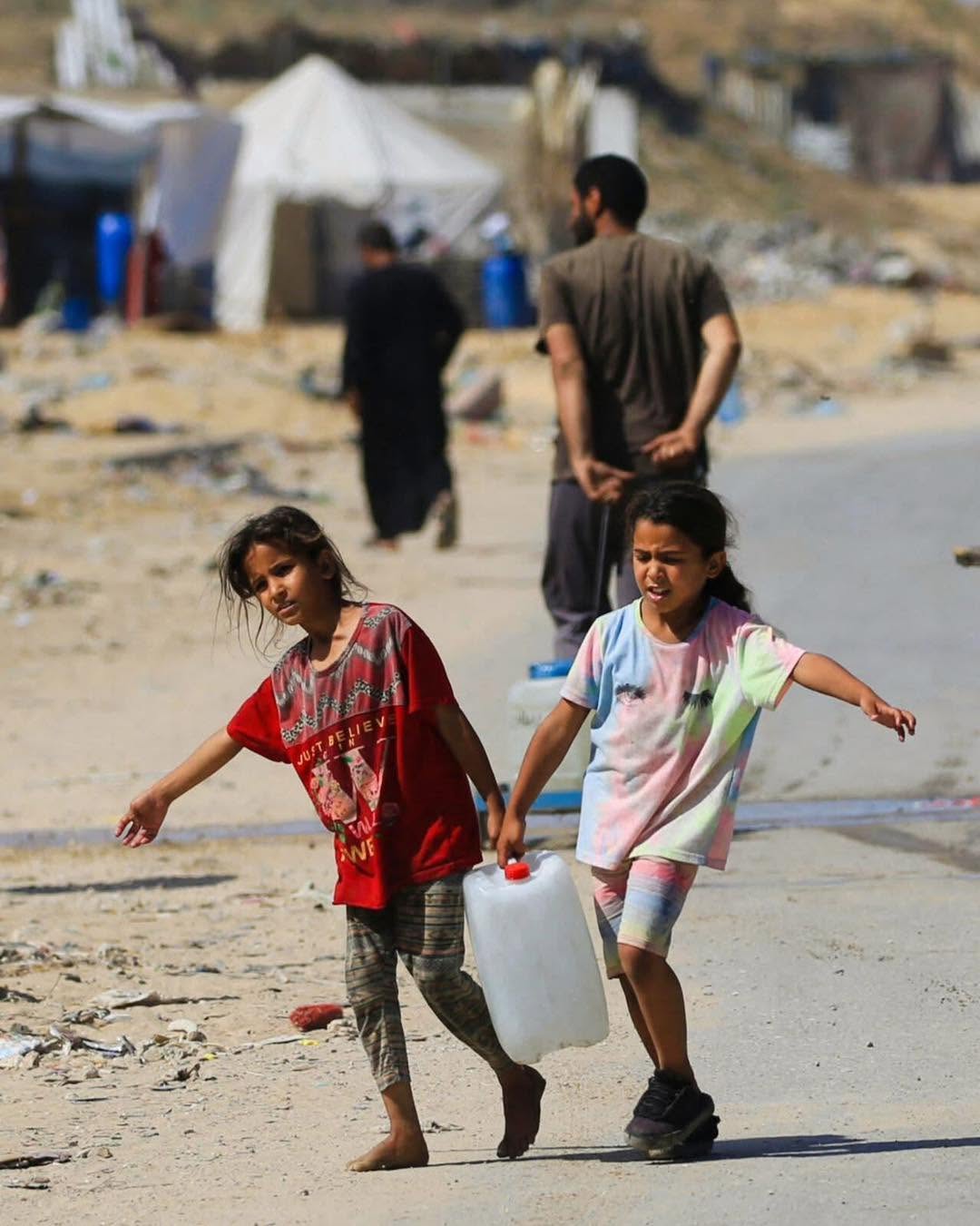
Added the researcher: “Residents resort to using various tools as tombstones to write the names of the victims on—instead of cement and stone—including plastic food trays, plastic barrels or gallon jugs, wood or cardboard, and other household items.”

Families are forced to create these random graves due to the difficulty of accessing the main graves as a result of the continuous Israeli bombing and targeting of individuals, in addition to Israel’s division of the Gaza Strip’s governorates and destruction of infrastructure; imposition of the blockade; scarcity of fuel and means of transportation; and the fact that the main graves are already filled with corpses due to the large and ever-increasing number of victims.
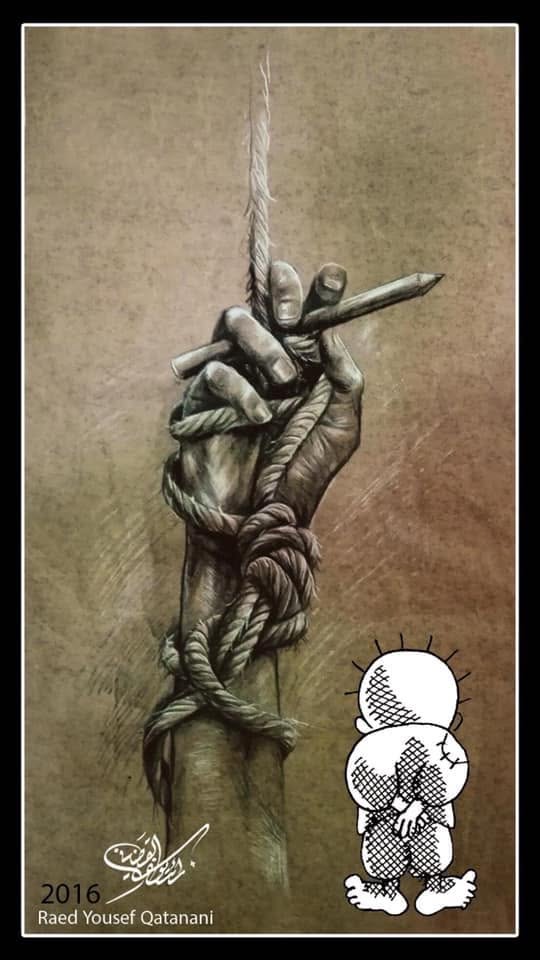
Some of the officially documented mass graves contain the remains of yet-to-be identified people, buried months ago during the ongoing genocide.
Euro-Med Monitor teams have documented 29 random mass graves in the various governorates of the Gaza Strip. These include:

North Gaza Governorate:

1. A mass grave in Al-Awda Market next to the Jabalia refugee camp police station, established on 5 December 2023, containing about 120 bodies.

2. A mass grave next to the Indonesian Hospital in the Tel al-Zaatar neighbourhood, north of Jabalia Camp, established on 18 November 2023, containing about 200 bodies.

3. A mass grave in the Jabalia Camp market, established on 7 December 2023, containing about 100 bodies.

4. A mass grave in the backyard of Jabalia Preparatory School (A), in Jabalia Camp, established on 28 December 2023, containing more than 55 bodies.

5. A mass grave in Al-Rifai School, opposite Al-Omari Registry in Jabalia Al-Balad, containing more than 70 bodies.

6. A mass grave in Halima Al-Sadia School, south of Jabalia Al-Nazla, containing more than 250 bodies, some of whom are still unidentified.

7. A mass grave in Al-Yaman Hospital in Jabalia Camp, established on 11 December 2023, containing about 44 bodies.

8. A mass grave built on a traffic island along Sultan Street in Block (2) in Jabalia, established in November 2023.

Gaza City Governorate:

9. A mass grave in the courtyard of Al-Shifa Medical Complex, established on 12-14 November 2023, containing approximately 179 bodies.

10. Al-Sabra Cemetery (1), established on 25 November 2023, containing more than 100 bodies.

11. Al-Istiqlal Street Cemetery (Al-Qaws) near the Al-Sha’biya intersection in Al-Daraj neighbourhood, containing more than 200 bodies.

12. Al-Sabra Cemetery (2), near Al-Dahshan Street, established on 31 December 2023.

13. Al-Batsh Cemetery in Gaza City’s eastern Al-Tuffah neighbourhood, established on 22 October 2023, containing between 500–1,000 bodies.

14. A mass grave in Al-Sahaba Street, near Ezzedine Al-Qassam Mosque in the central Gaza City neighbourhood of Al-Daraj, established in December 2023 and containing 150 bodies.

15. A mass grave in Al-Sidra Street in the central Gaza City neighbourhood of Al-Daraj, established in December 2023 and containing about 20 bodies.

16. Shahibar Cemetery in Al-Sabra neighbourhood, established on 18 November 2023 and containing about 100–120 bodies.

17. Ishtiwi Cemetery in Al-Zeitoun neighbourhood, established on 21 November 2023 and containing about 15 bodies.

18. A mass grave near Al-Shawa Square, east of Gaza City.

Deir al-Balah Governorate (central Gaza Strip):

19. A mass grave in UNRWA school in al-Bureij refugee camp in the central Gaza Strip, established on 14-15 January 2024.

20. A mass grave in a girls’ preparatory school in al-Maghazi refugee camp in the central Gaza Strip, established on 9 January 2024, containing approximately 14 bodies.

Khan Yunis Governorate (southern Gaza Strip):

21. A mass grave in western Khan Yunis, established on 22 November 2023, containing approximately 111 bodies.

22. A mass grave in Abdul Karim Al-Karmi School in the town of Abasan Al-Kabira, in the east of Khan Yunis, established on 14 January 2024, containing approximately 9 bodies.

23. Three mass graves in Nasser Hospital, established in January 2023, containing approximately 392 bodies.

24. A mass grave in Al-Amal Hospital, established on 29 January 2024, containing approximately 4 bodies.

25. A mass grave at Al-Aqsa University, established on 22 January 2024.

26. A mass grave at the UNRWA Industrial College, in the west of Khan Yunis, established on 23 January 2024, containing approximately 14 bodies.

27. Al-Agha Cemetery, established by the Al-Agha family on their land after the Israeli army destroyed the family’s main cemetery in the Austrian neighbourhood, west of Khan Yunis city, established on 22 January 2024.

Rafah Governorate (southern Gaza Strip):

28. A mass grave in the Tel al-Sultan neighbourhood, in the west of Rafah, established in December 2023, containing approximately 80 bodies.

Israel’s ongoing military attacks and direct targeting of Palestinian civilians by shelling, sniping, or shooting from quadcopter drones continue to prevent families from reaching regular cemeteries in which to bury their relatives in a dignified manner that respects human dignity, and make the process of counting, registering, and identifying all of the victims impossible.

Since most of the victims have not died from epidemics or infectious diseases, the accumulation of dead bodies or their improper burial does not present a serious health risk to the public. However, if the remains of these bodies—including feces—leak into residents’ drinking and use water sources, this may result in a variety of intestinal diseases among the living.

Israeli attacks on cemeteries

Since the start of Israel’s genocide in the Gaza Strip, Euro-Med Monitor teams have documented numerous Israeli attacks on dozens of cemeteries through deliberate shelling and targeting, exhuming and vandalising graves, and stealing dozens of corpses. These attacks have pushed residents to create new random cemeteries and transfer the bodies of their relatives there.

Israel’s imposition of inhumane conditions on Gaza Strip residents constitutes a serious violation of the provisions of international humanitarian law (IHL). IHL guarantees respect for the dignity of the dead and the proper treatment of corpses, especially the Fourth Geneva Convention of 1949, which stipulates in Article 17 that conflicting parties must “take the necessary measures to ensure that the dead are buried in a dignified manner and that their honour is protected”.

The World Health Organisation and the International Committee of the Red Cross must play their role in ensuring the dignity of the bodies buried in dozens of mass graves in Gaza, and ensure their burial in accordance with international standards.

In addition to applying pressure from abroad on Israel to immediately end its genocide against the Palestinian people in the Gaza Strip, the international community must compel Israel to follow international law, which stipulates that bodies must be respected and protected during armed conflicts. It also requires Israel to take all reasonable steps to prevent the dead and deceased from having their bodies mutilated, and to ensure that they are buried properly.

EuroMed Human Rights Monitor

Continue reading