In The Grip of Starvation: Israel Will Not Let Gaza Rest!
 CrossFireArabia
- June 2, 2026
Gaza Government Media Office Advisor Taysir Muhaysin warned of a gradual return to famine in the Gaza Strip as a result of continued Israeli policies restricting aid entry and other basic necessities.
He told the Sanad News Agency the amount of aid entering Gaza by truck does not exceed 27% of that stipulated in the last ceasefire agreement.
Muhaysin stated the Israeli policy of reducing aid is not limited to food and humanitarian supplies, but extends to fuel, including diesel, gasoline, and cooking gas, which is an essential commodity for Palestinian families to manage their daily lives and prepare whatever food they can find under the difficult living conditions.
Read also: Al-Hayek: Gaza sounds the alarm of famine due to declining aid
Government institutions in the Strip continue to perform their duties at the minimum level possible, given the available resources and the exceptional circumstances Gaza is experiencing, whilst Muhaysin denying an administrative vacuum in the enclave.
He affirmed that Gaza government institutions continue to function and maintain a minimum level of stability and essential services essential to the population.
The Media Office Advisor indicated different government bodies expressed their full readiness to hand over their administrative and executive responsibilities to the “technocratic committee” as soon as it arrives in the Strip to begin its work, in accordance with the ceasefire agreement signed in 10 October, 2025. He stressed however, there are real obstacles as procedure and conditions is imposed by the Israel occupation that prevent this.
A Complex Humanitarian Crisis…
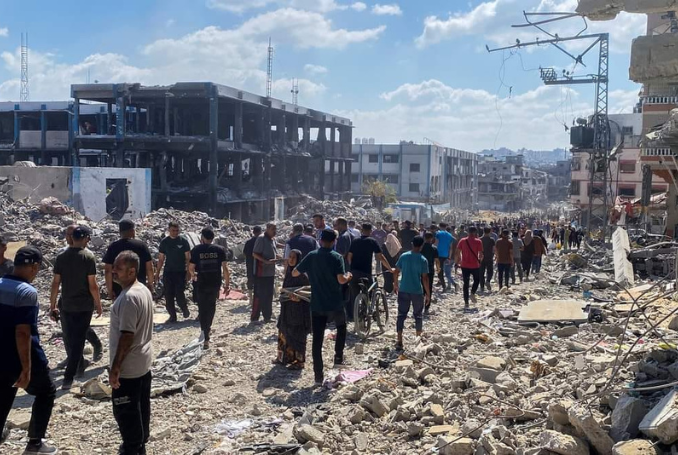
Muhaysin warned the living conditions in Gaza are really a “complex humanitarian crisis” affecting all aspects of life.
“Hundreds of thousands of citizens are still living in tents amidst the spread of epidemics and diseases,” whilst pointing to the decline in the capabilities of the health system and municipal services in addition to the severe shortage of food and essential shelter supplies.
The health sector faces increasing risks due to the ongoing shortage of fuel and medical supplies. Muhaysin noted the administration of the Al-Aqsa Hospital were forced to shutdown about 50% of its power generators, and this threatens the lives of patients, especially kidney patients, premature infants, and those in operating rooms and intensive care units.
“What Gaza is witnessing today represents an ongoing humanitarian catastrophe, caused by the decisions and measures imposed by the Israeli occupation, which has led to an unprecedented deterioration in living, health, and humanitarian conditions.”
He pointed out that the technocratic committee that is yet to enter the Gaza Strip needs to assuming its responsibilities across the entire enclave, and this needs to happen with the concurrent withdrawal of the Israeli occupation forces from the areas they reoccupied in Gaza and the commencement of international forces operations tasked with monitoring and security separation under the terms of the ceasefire.
Muhaysin accuses the Israeli occupation of attempting to impose new realities on the ground through excluding areas east of what is known as the “yellow line” from the committee’s administrative responsibility. He said these go against the principles agreed upon in the proposals put forward to end the ongoing crisis.
He concluded by saying the occupation continues to impose its own vision on the future of the Gaza Strip by repeatedly introducing new conditions and ideas, contradicting the fundamental understandings and initiatives discussed over the past months. This, he asserted, obstructs any genuine efforts to alleviate the suffering of the population and end the escalating humanitarian crisis.
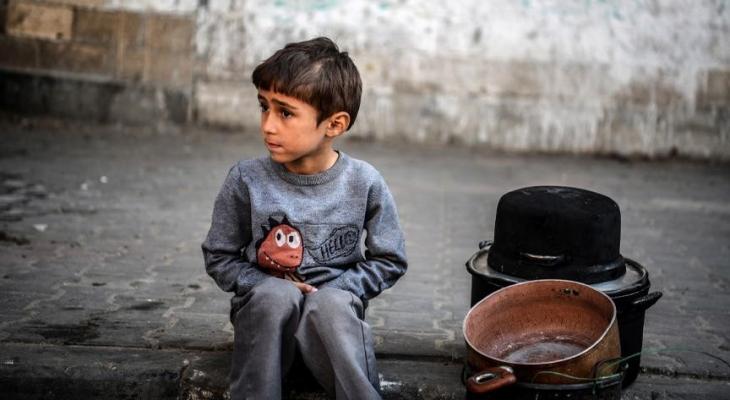
The specter of famine is returning to haunt the Gaza Strip, and is coinciding with the tightening of military measures at the crossings controlled by the Israeli occupation. Such prevents the entry of humanitarian and relief aid, and allows militias affiliated with the occupation to steal the incoming aid.
At the end of May, the Palestinian Council of Ministers warned of the severity of UN reports that indicate that about 1.6 million Palestinians in the Gaza Strip, nearly 77% of the population, face the immediate threat of famine due to declining humanitarian funding and reduced aid flow.
In a previous statement to Sanad News Agency, Ali al-Hayek, head of the Palestinian Businessmen Association, warned of the deteriorating humanitarian situation in the Gaza Strip. He emphasized that famine indicators are becoming increasingly apparent amid the continued decline in humanitarian aid and the curtailment of relief organizations’ operations. He noted the Gaza situation “threatens the onset of an unprecedented humanitarian catastrophe.”
This article is based on an extended interview by Advisor Taysir Muhaysin published in Arabic by the Sanad News Agency and republished crossfirearabia.com