The Israeli economy is in the doldrums, going from bad to worse because of the country’s war on Gaza. The recent shock is the fact that the US technology giant Intel has halted the construction of its new $25-billion factory in Israel as reported by Anadolu.
The Israeli genocide has reflected badly on its economy in the last eight months. The massive war on the Gaza Strip has basically created an economic slump and a recession. It would take years for Israel to recover from.
Economic growth has shrunk by 20 percent in all economic sectors with construction and tourism taking the lead part. Thousands of stores are closing with Israeli companies suffering hundreds of millions of dollars. The figures are likely to be higher still today in June.
Israeli products have become so ashamed with the genocide its carrying out in Gaza, that companies are reverting to hiding the Israel tagmark on their products so they can be sold in other countries.
Israel is suffering massive losses from its war on Gaza
to the tune of $750 billion dollars. Around 50 percent of Israeli companies experienced a significant drop in their revenues.
This is because 11 percent of their workforce were called up for military service. And because of this only 37 percent of the Israeli companies operated with fewer than five of their employees in the past two weeks. These figures were up to 4 November, 2023, about one month into the war on Gaza.
So one imagine the economic situation in the country with Israel starting its nine months of war and genocide on Gaza.
As the war started 764,000 workers in the occupied territories in the West Bank and Gaza became unemployed because they were no longer allowed to work in Israel. Palestinian workers form 18 percent of the total workforce in Israel. About 90,000 of these were working in the construction sector that is now at a standstill.
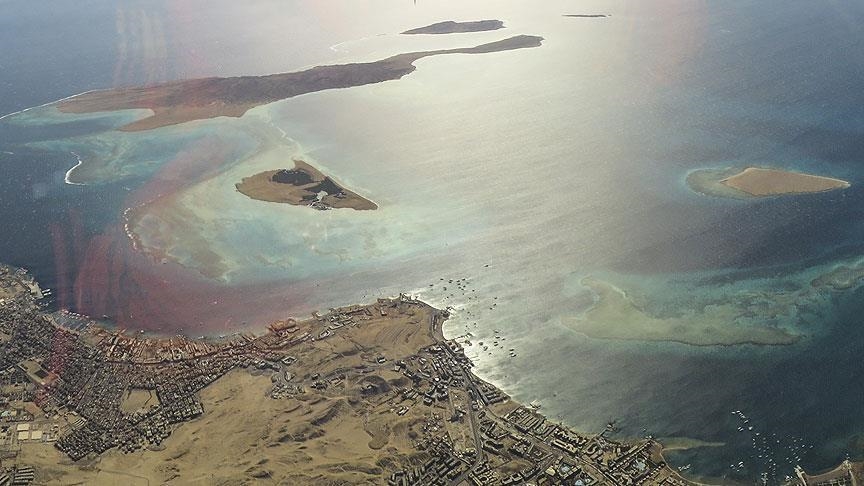
The Houthi naval blockade through Bab El Mandeb registered huge economic losses for Israeli ports. The Eilat Port in south Israel has come to a complete standstill since December 2023 when the Houthis started to target ships carrying goods to Israel.
This immediately resulted in huge economic losses to the tune of $3 billion because it effectively put an to trade with Far East that included China, Japan, South Korea and India.
Eilat was seen as a critical trade port but ships carrying goods to Israel ceased operating to the port in fear that they would be targeted by Houthi missiles.
Quickly however the war on Gaza deepend Israel’s economic crisis. In a Bloomberg report in May, it was revealed economic losses amounted to $16 billion.
The war had created a 6.6 percent deficit in the financial budget which increased by 7 percent of the GDP while spending increased by 36 percent in the first four months of 2024. This was mainly due to the fact that defense expenditure accounted for a third of Israeli spending.
The Israeli Central Bank had estimated that the cost of the Gaza war would be about $64.4 billion but now the figures could well be revised because of the determination by Israeli Prime Minister Benjamin Netanyahu to continue with the conflict for the foreseeable future.
Finally, the Israeli economy is suffering billions of dollars from cyberattacks. The National Cyber Directorate revealed last May that Israel loses $3.3 billion annually because of cyber attacks.


 CrossFireArabia