Brik: ‘It is Not Hamas That is Collapsing But Israel’

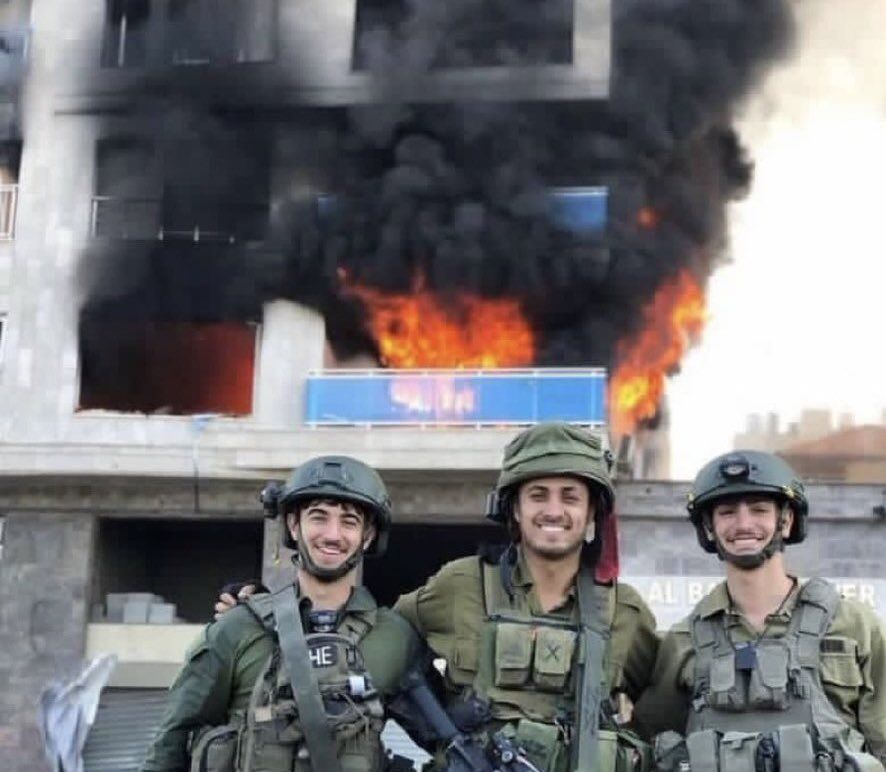
Retired Israeli General Itzhak Brik said if the Israeli forces “continue fighting in Gaza by raiding and re-raiding the same targets, not only we won’t bring Hamas to collapse, but we will collapse ourselves”.

In an opinion piece published by the Israeli newspaper Haaretz, titled, “It Is Not Hamas That Is Collapsing, but iIsrael,” Brik said every day, Israeli forces in Gaza grow weaker while Hamas, “in contrast, has already replenished its ranks with 17- and 18-year-olds”.

Brik also noted many Israeli reservists are “no longer consenting” to being “redrafted again and again” and “conscripted soldiers are exhausted and are losing professional skills for lack of training”.

“Some argue that withdrawing army forces from Gaza after signing a hostage deal with Hamas would be the same as being defeated and surrendering…but this claim is grounded in a fundamental misunderstanding of what is taking place in the Gaza Strip.

It is fueled by clichés spread by the political and military echelons to justify their actions and gain public support and legitimacy to continue a failed war… it is those very same people declaring that a cessation of hostilities means our defeat and surrender who are bringing the military closer to collapse and the state to its downfall,” he added.

“Israel’s economy, international relations and social cohesiveness are severely damaged by this war of attrition against both Hamas and Hezbollah,” he said, adding the Israeli military “does not have enough forces to fight a multi-front war”.

Continue reading
Netanyahu Looks For ‘Imaginary Victory’ in Gaza

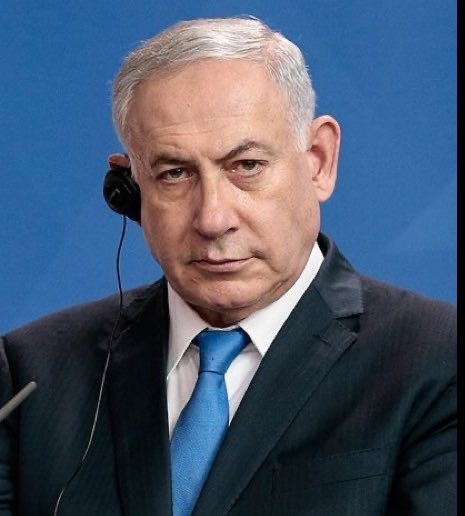
Israeli Prime Minister Benjamin Netanyahu is looking for an “imaginary victory” in Gaza that he has not succeeded in selling to his audience, the Palestinian resistance group Hamas said Monday.

Izzat Al-Rishq, a member of Hamas’s political bureau, was commenting on a speech by Netanyahu during which he insisted on keeping the Gaza-Egypt border area known as the Philadelphi Corridor under the Israeli army’s control, claiming it is necessary for achieving the war on Gaza’s goals.

“Netanyahu’s statements are the speech of a desperate person who is looking for an imaginary victory that he has not succeeded in marketing to his audience after 10 months of his Nazi war against our people in the Gaza Strip,” Al-Rishq said.

He “confirms with his statements today [Monday] that he is the one obstructing the exchange deal and the cease-fire agreement,” he said.

He added that any delay in his “approval and commitment to what was reached on July 7 (in a cease-fire proposal) means putting the lives of more prisoners at risk,” referring to the recent deaths of six Israeli captives in Gaza, saying “Netanyahu bears responsibility for the lives and safety of the prisoners held by the resistance.”

Earlier in the day, Netanyahu reaffirmed his intention to maintain Israeli troops in the Philadelphi Corridor.

“If we withdraw, we won’t (be able to) return there — not for 42 days and not for 42 years,” Israel’s Channel 12 quoted him as saying at a Cabinet meeting.

He was referring to the first 42-day phase of a proposed Gaza cease-fire and hostage swap deal with Hamas.

Netanyahu claimed that the Philadelphi Corridor, a demilitarized area on the border between Gaza and Egypt, is a “lifeline” for Hamas.

Contrary to his insistence on the Philadelphi Corridor, his Defense Minister, Yoav Gallant, called Sunday for the immediate convening of the Security Cabinet to reverse its decision to keep forces in the corridor.

Israel estimates that more than 100 hostages are still being held by Hamas in Gaza, some of whom are believed to have been already killed.

For months, the US, Qatar and Egypt have been trying to reach an agreement between Israel and Hamas to ensure a prisoner exchange and a cease-fire and allow humanitarian aid to enter Gaza. But mediation efforts have been stalled due to Netanyahu’s refusal to meet Hamas’s demands to stop the war.

Israel’s ongoing war on the Gaza Strip has killed nearly 40,800 Palestinians, mostly women and children, and injured over 94,200 others, according to local health authorities.

An ongoing blockade of the enclave has led to severe shortages of food, clean water and medicine, leaving much of the region in ruins.

Israel faces accusations of genocide for its actions in Gaza at the International Court of Justice according to Anadolu.

Continue reading
Can Israel Create ‘Mini-Gazas’ in The West Bank?

A UN independent expert warned, Monday, Israel’s intensification of its military assault against the northern West Bank marks a dangerous escalation of grave violence and human rights violations committed by Israel against the Palestinian people since October 7, 2023.

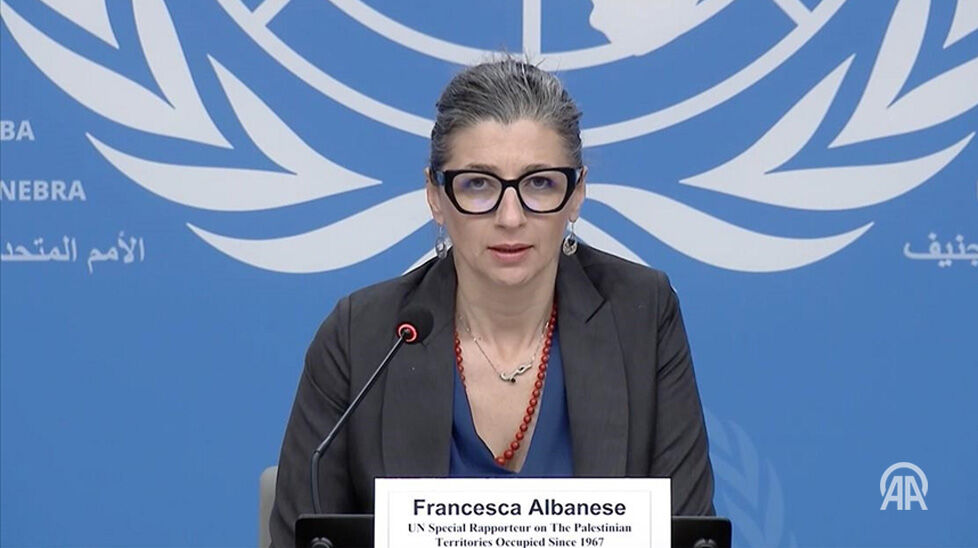
“Israel’s genocidal violence risks leaking out of Gaza and into the occupied Palestinian territory as a whole,” warned Francesca Albanese, the UN Special Rapporteur on the situation of human rights in the Palestinian territory occupied since 1967.

“The writing is on the wall, and we cannot continue to ignore it. There is mounting evidence that no Palestinian is safe under Israel’s unfettered control. While this was also true before Hamas’ attack on 7 October, the risk has since intensified,” Albanese said.

Continuous genocidal incitements by top Israeli leaders and officials remain unpunished, and are often acted upon by soldiers, armed settlers and others, revealing the intent to destroy the Palestinian people under occupation. Increasingly loud calls by Israeli leaders for turning the towns in the West Bank and refugee camps into a “mini-Gaza”, are translating into military operations that are causing heavy death tolls and widespread destruction to the West Bank’s urban areas.

Systematic aerial and ground attacks on Jenin, Nablus, Tulkarem and Tubas governorates, particularly targeting refugee camps, have intensified in the past few months. Recently, on 28 August, Israeli occupation forces launched a full-scale military operation against these areas that have already killed 22 Palestinians and injured dozens.

Bulldozers have destroyed critical infrastructure, including roads, water and energy grids. New checkpoints have been established, following Israel’s Foreign Minister Katz’s declaration that “We must deal with the threat just as we deal with the terrorist infrastructure in Gaza, including the temporary evacuation of Palestinian residents and whatever steps are required. This is a war for everything, and we must win it.”

An evacuation order has been issued to Nur Shams refugee camp in Tulkarem and a city hospital in besieged Jenin, currently treating 150 patients. The Israeli occupation forces have blocked entry to the three main hospitals and imposed a curfew, while Israeli ground forces have invaded and besieged Shu’fat refugee camp in East Jerusalem.

The expert notes that since 7 October 2023, 652 Palestinians have been killed outside of Gaza, including 151children, thousands injured, over 3,300 have been displaced and over 12,000 arbitrarily detained, de facto hostages of the unlawful occupying Power.

The increasing violence in the West Bank coincides with unprecedented levels of displacement, depopulation and land confiscation carried out by the State of Israel in collaboration with settler militias in the area since the Oslo era. This continues even after the International Court of Justice concluded that this occupation is unlawful, and Israel must dismantle it together with the colonies and its associated regime.

“Apartheid Israel is targeting Gaza and the West Bank simultaneously, as part of an overall process of elimination, replacement and territorial expansion” she said.

“The long-standing impunity granted to Israel is enabling the de-Palestinisation of the occupied territory, leaving Palestinians at the mercy of the forces pursuing their elimination as a national group,” warned the expert.

“The international community, made of both states and non-state actors, including companies and financial institutions, must do everything it can to immediately end the risk of genocide against the Palestinian people under Israel’s occupation, ensure accountability and ultimately end Israel’s colonisation of Palestinian territory.”

Francesca Albanese is the Special Rapporteur on the situation of human rights in the Palestinian Territory occupied since 1967

The Special Rapporteurs are part of what is known as the Special Procedures of the Human Rights Council. Special Procedures, the largest body of independent experts in the UN Human Rights system, is the general name of the Council’s independent fact-finding and monitoring mechanisms that address either specific country situations or thematic issues in all parts of the world. Special Procedures experts work on a voluntary basis; they are not UN staff and do not receive a salary for their work. They are independent from any government or organization and serve in their individual capacity.

UN Human Rights, Country Page: Occupied Palestinian Territoryand Israel.

For more information and media requests, please contact [email protected]

For media enquiries regarding other UN independent experts, please contact: Dharisha Indraguptha ([email protected]) and John Newland ([email protected])

Follow news related to the UN’s independent human rights experts on Twitter: @UN_SPExperts

Continue reading
Philadelphi V. Hostages: Netanyahu-Gallant Fight Deepens

Disputes have escalated between Israeli Prime Minister Benjamin Netanyahu and his Defense Minister Yoav Gallant over the army’s presence in the Philadelphi Corridor, a demilitarized area along the border between the Gaza Strip and Egypt.

Netanyahu sees the axis as a “lifeline for Hamas,” ruling out any withdrawal of the Israeli forces from the corridor, the Israeli public broadcaster KAN said.

Netanyahu’s hardline position is seen by opposition leaders and families of Israeli hostages in Gaza as hindering efforts to reach a Gaza cease-fire and prisoner exchange agreement with Hamas according to Anadolu.

Last Thursday, Israel’s security cabinet voted to maintain Israeli military presence at the corridor, a position that drew fire from the defense minister.

Gallant called Israel’s control of the corridor “an unnecessary constraint that we’ve placed on ourselves.”

“We will not live up to the war goals we set for ourselves,” he said during a security cabinet meeting on Sunday. “The decision made Thursday was reached under the assumption that there is time, but if we want live hostages, there’s no time.”

“We endangered soldiers for decades for single individuals. How are we to treat the lives of 30? It’s moral bankruptcy,” the defense minister said, in reference to a 2001 prisoner swap deal with Hamas under which more than 1,000 Palestinian detainees were released in return for captured Israeli soldier Gilad Shalit.

During the meeting, Gallant reminded Netanyahu, “You released 1,027 prisoners, including Hamas leader Yahya Sinwar, in exchange for just one man, Gilad Shalit.”

KAN, citing sources close to Netanyahu, said the Israeli premier is not expected to dismiss his defense minister anytime soon despite their strained relations.

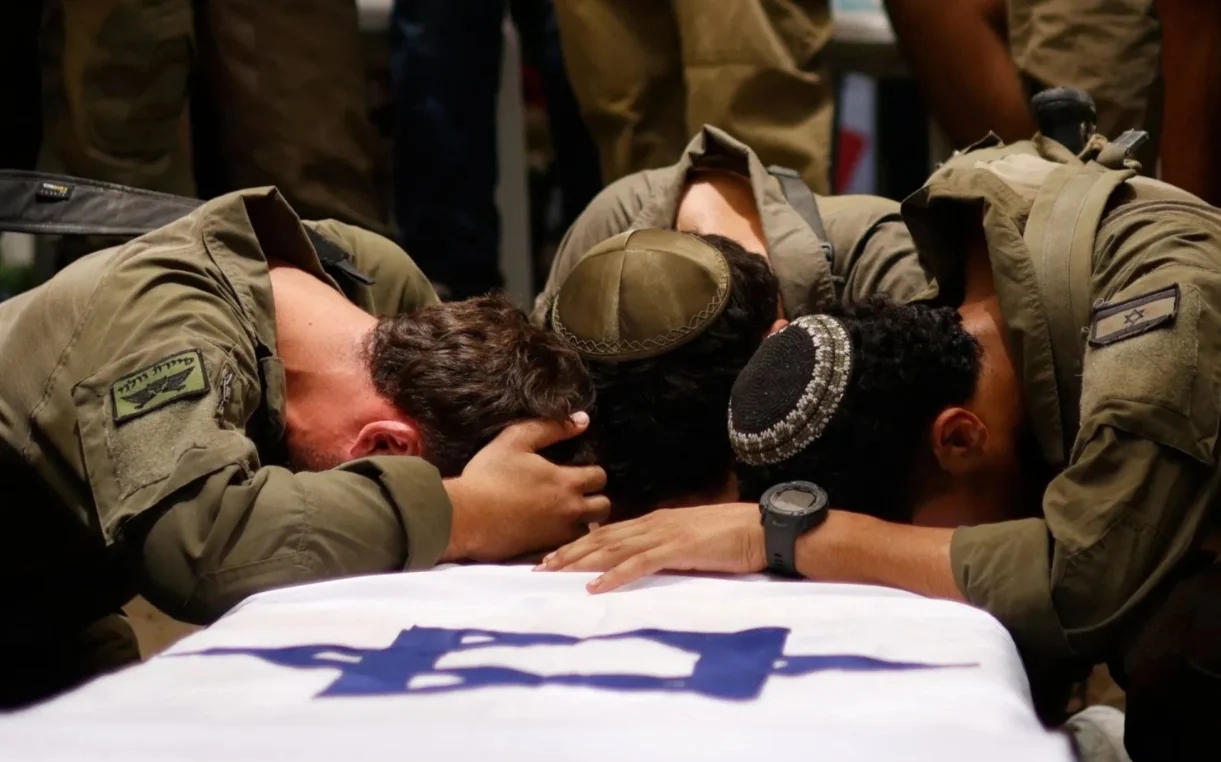
Public anger against Netanyahu’s government has grown after the army said Sunday that it had recovered the bodies of six hostages from southern Gaza.

In response, the country’s largest labor union Histadrut called a one-day general strike to pressure the Israeli government to reach an immediate cease-fire and prisoner swap deal with Hamas.

Israel estimates that more than 100 hostages are still being held by the Palestinian group Hamas in Gaza, some of whom are believed to have been already killed.

For months, the US, Qatar and Egypt have been trying to reach an agreement between Israel and Hamas to ensure a prisoner exchange and a cease-fire and allow humanitarian aid to enter Gaza. But mediation efforts have been stalled due to Netanyahu’s refusal to meet Hamas’ demands to stop the war.

Israel has continued its brutal offensive on the Gaza Strip following an attack by the Palestinian group Hamas last Oct. 7, despite a UN Security Council resolution calling for an immediate cease-fire.

The onslaught has resulted in over 40,700 Palestinian deaths, mostly women and children, and over 94,100 injuries, according to local health authorities.

An ongoing blockade of Gaza has led to severe shortages of food, clean water and medicine, leaving much of the region in ruins.

Israel faces accusations of genocide at the International Court of Justice, which has ordered a halt to military operations in the southern city of Rafah, where over one million Palestinians had sought refuge before the area was invaded on May 6.

Continue reading
Israelis Face Deadly Resistance Battles After 11 Months

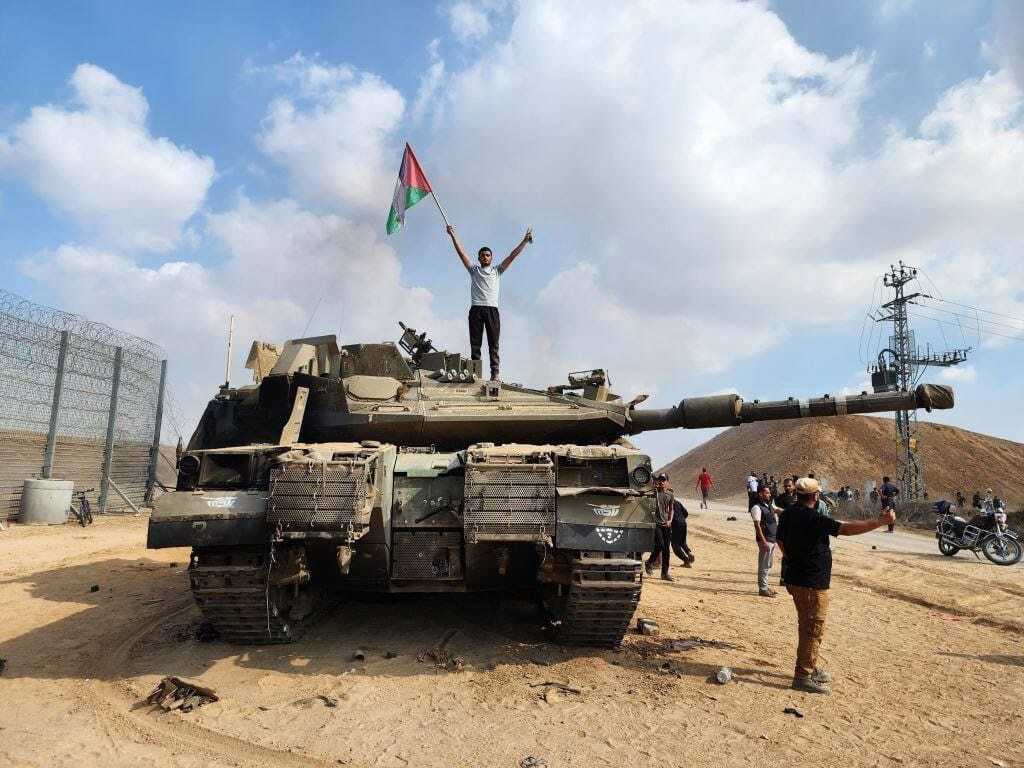
Military expert Major-General Fayez Al-Duwairi said that the Israeli army does not convey the true picture of what it is doing in the Gaza Strip. He added that the occupation army talks about a third phase of military operations that is supposed to be a stage of raids while it is continuing to kill civilians in many ways.

He added – in a military analysis on Al Jazeera – the suffering inflicted by the occupation on civilians in the Strip is not reflected on the Palestinian resistance, which created a new concept of asymmetrical warfare, dominated by the “tunnels war” where resistance fighters continue to  emerge from in specific times to carry out specific and deadly military missions.

Al-Duwairi pointed out the Palestinian resistance groups dominated by Hamas, Islamic Jihad and others are still, after about a year of war, capable of fighting and have a stockpile of weapons, fighters and fighters that are being recruited by the day according to Jo24. The war on Gaza was launched soon after 7 October, 2023.

He said Hamas did not take part in the last two wars – 2021 and 2022 – started by Israel on the Gaza Strip, which helped it provide a stockpile of weapons for this present war that is lasting longer than necessary because the world forgot about the atrocities of Gaza as he points out.

The military expert reiterated that the resistance, which continues to bomb the settlements and bases around the Gaza Strip and southern Tel Aviv, confirms its ability to continue the war for longer than anybody has expected.

At the same time it is finding it more difficult for the resistance groups to fight from “zero distances” because of the geographical alterations of Gaza. The Israeli army are now taking up positions far from residential areas with the exception of Tel Sultan, which has been witnessing violent battles for more than three months, he concluded.

Continue reading