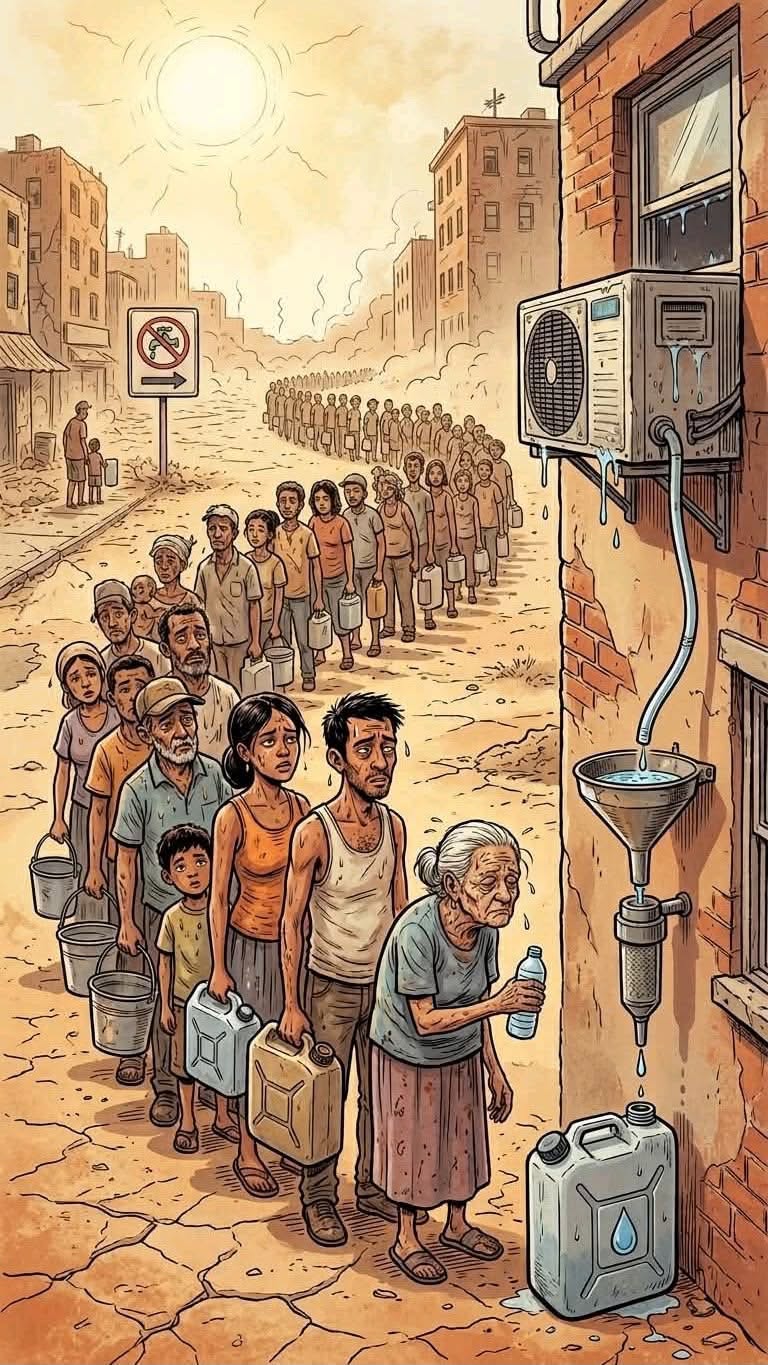
Israel Can’t Win The War

Despite 11 months of fighting in the Gaza Strip, the Israeli army is still trying to alter the military equation with the Palestinian resistance groups whom its fighting.

Gaza is proving a tough battle for Israeli officers who are using multiple tactics and strategies to show they are in command. In desperate moves, the Israeli army is bombing shelters and homes aimed at forcing the Palestinian people to leave Gaza according to military expert retired Major-General Mamoun Abu Nawar.

Civilians have always been a soft target in the war.  He noted that available statistics show since the beginning of the Israeli onslaught  on 7 October 2003, 30,000 Palestinians have left for Egypt in one way or another and the Israeli authorities will not allow these people to return.

Abu Nawar added to Jo24  throughout war the Israeli army’s main goal has been to force people to leave the Strip through the bombardment of their homes while at the same time encouraging their voluntary displacement.

This is because it knows full well it will not be able to win the war and defeat the resistance – having already fought four wars in Gaza and has not been able to destroy Hamas and the Palestinian resistance movenents and/or has not been able to reduce their capabilities.

Palestinian fighters continue to target Israeli tanks, snipe soldiers, ambushes  and booby-trap destroyed houses which Israeli soldiers seek to use for their military operations.

But the Israeli army keeps trying news ways to gain the strategic edge. Abu Mawar said today the Israeli army has switched to a new assassination strategy which is the killing of Hamas and Hezbollah leaders – Ismail Hanyah in Iran and Foad Shukr in Beirut – but this doesn’t seem to be working and has not been able to end the presence of Hamas either.

On the Gaza battlefield, the Israeli army leaders know they have fallen into a quagmire as their soldiers freely admit in letters they write to their superiors that victory is not within reach as claimed by extremist Prime Minister Benjamin Netanyahu.

Kill and displace

But here lies the problem as Netanyahu and other extremists in the government reject a truce with the Palestinians which is what the army want but instead are pushing for their original goal of killing as many Palestinians as possible and displace whatever they can despite their failure to achieve the declared goals of the war.

Abu Nawar explained that the absence of a plan for the so-called day after the war created leeway for extremists especially after they were provided with the latest types of American weapons to implement its plan of more massacres, displacement and genocide.

The killing rate in Gaza has reached 10 Palestinians for every Israeli soldier after the use of American smart and dumb bombs which Israel has been provided with.

But he says that on the ground, the Israeli army is having a hard time and the resistance still has the ability to deter, engage, set up ambushes and snipe at officers and soldiers, stressing regular armies like the Israeli fear guerrilla warfare due to its dangers and high rate of losses, which is what is happening now in Gaza and giving the resistance movement the maneuverability to keep fighting.

Continue reading
Stop The Gaza Holocaust

By Dr Marwan Asmar

Years from now academics from many different disciplines, will sit and examine what has now long become recognized as the Gaza Holocaust with its own dramatic features and tools, willingly and determinedly perpetrated by the Israeli military and political leaderships while the rest of Israeli society looked on and the world watched aghast, in complicity and helplessness.

Political scientists, historians, sociologists, anthropologists and economists will seek to examine every aspect of horror committed by the Israelis against the Palestinian people of Gaza, in terms of destroying and ruining a functional Palestinian society that once existed but no more.

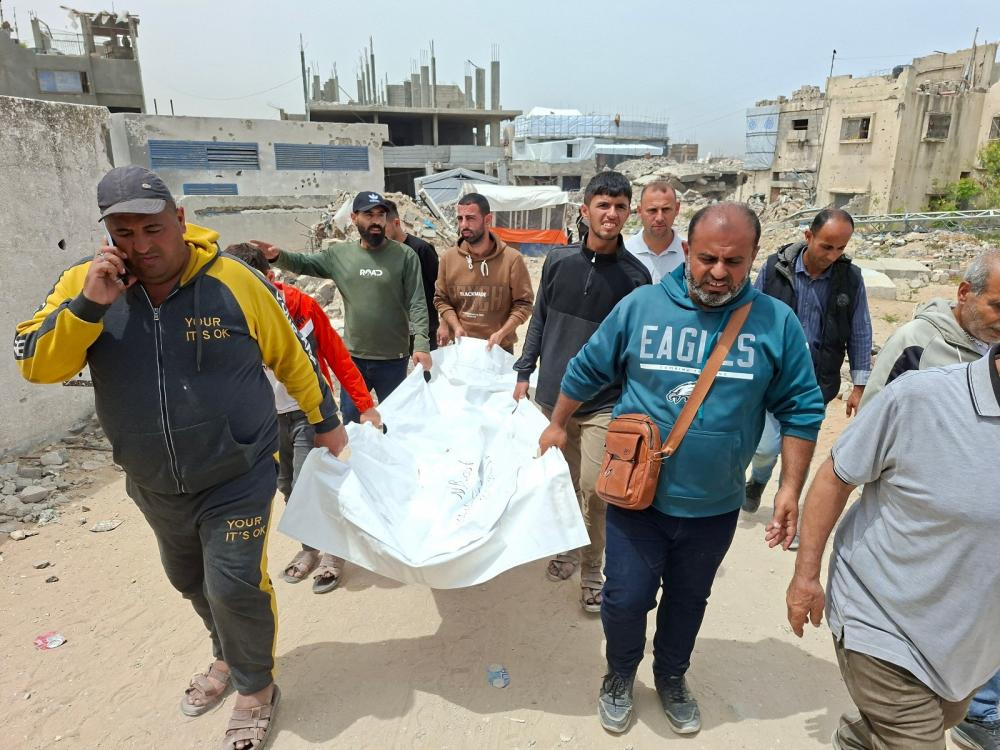
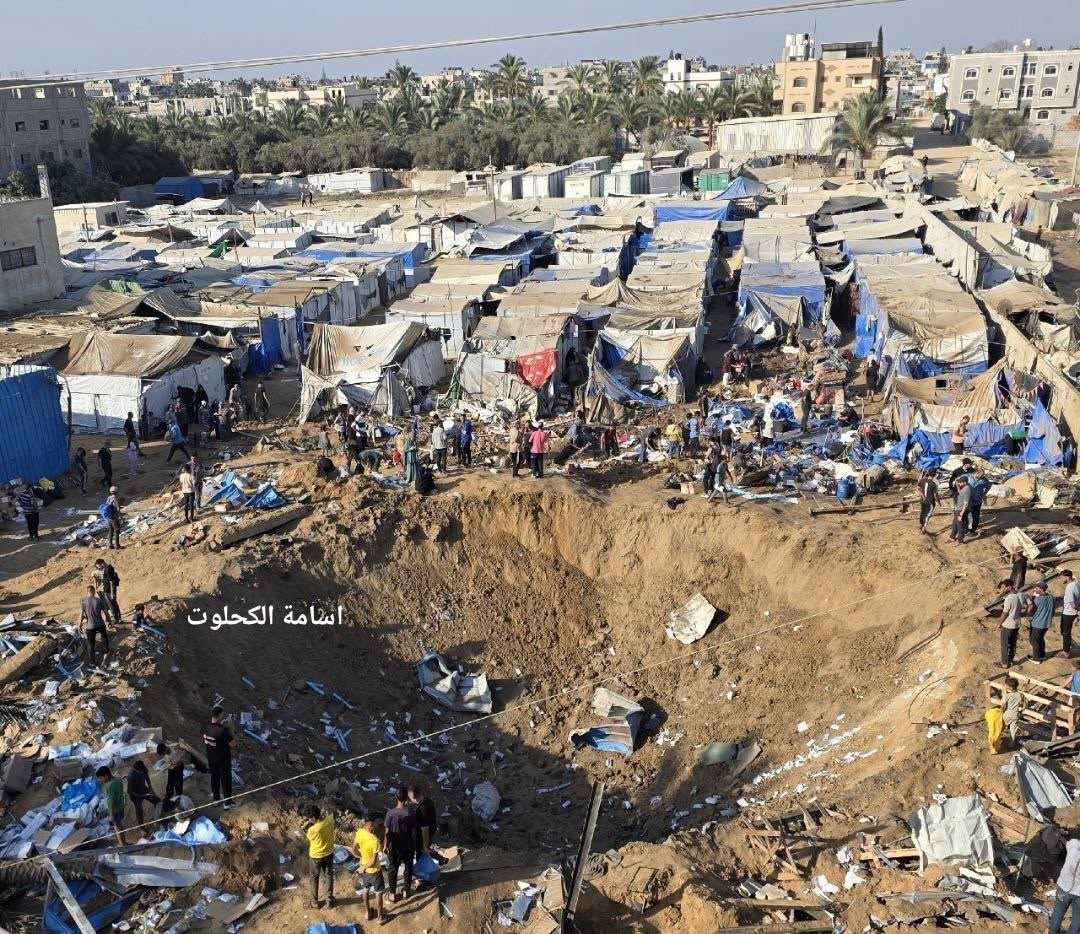
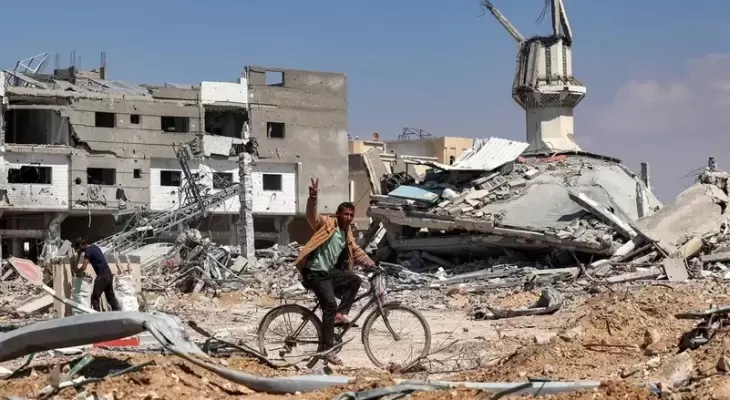
As well as death and murder, Gaza has become a rubble heap and an enduring wreckage with former buildings, towers and skyscrapers raised to the ground.

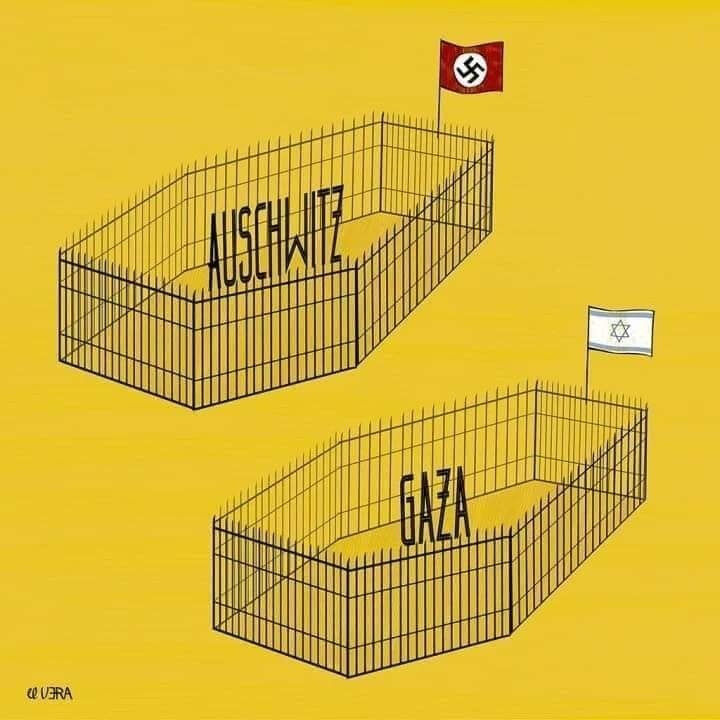
The Gaza holocaust will become a new term and course taught in world universities alongside traditional courses of holocaust studies committed by the Nazis in World War II.

Only this time, the Gaza holocaust will focus on how the Jews – now in the form of an Israeli state, institutions and a powerful military and security apparatus – turned from being the victim of racist, fascist horror, to those committing the worst massacres against Palestinian people.

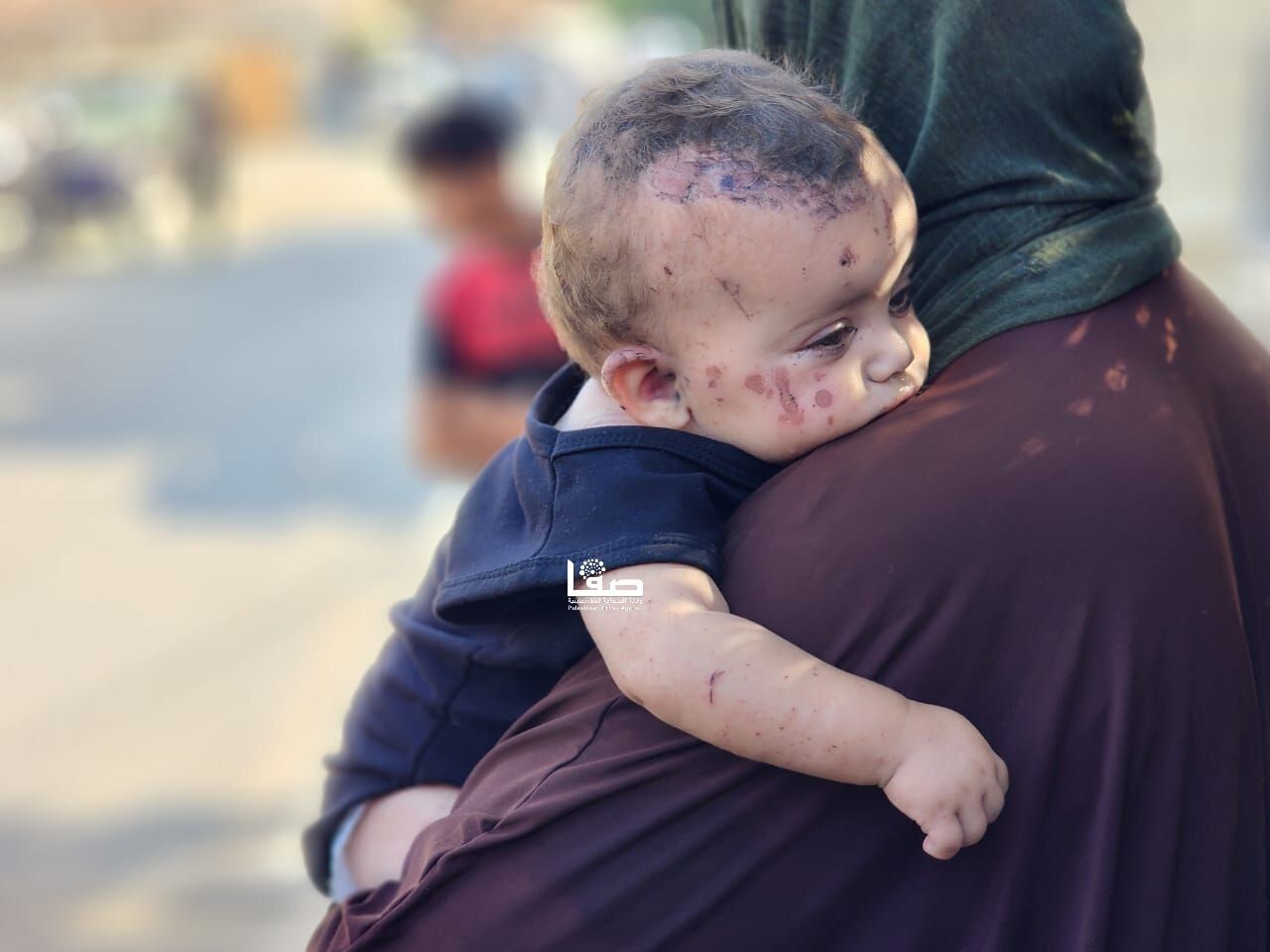
The Gaza holocaust will be real-time, modern sets of murders and heinous acts of killing and destructions committed by what is regarded as a professional Israeli army with one of the most sophisticated technological gadgets in the world committing unspeakable crimes against women, children and the old in a tiny geographical strip and an enclave called Gaza.

The Gaza holocaust will be about introducing new concepts, ideas, methods and methodologies about introducing new meaning to atrocities, extermination, destruction, elimination, eradication, genocide, slaughter, decimation, excision and obliteration.

All of the above words have become common currency in the new Israeli holocaust against Gaza plotted out by men in blue suits in Tel Aviv and occupied Jerusalem and willingly committed by officers and soldiers in uniform aided and abetted by a destructive machine of warplanes, tanks, missiles, artillery and naval ships.

Similar to the Nazis and Hitler, this Gaza Holocaust will be remembered for its external angle. Israel is committing murder with the help of the United States who are shipping the weapons – planes, tanks, artillery and mass bombs – to help the country bomb the Palestinian enclave to the ground.

History will show that the United States has been part-and-parcel of the Gaza holocaust, willingly arming Jewish state to the teeth and without it, Israel wouldn’t have been able to wage the war for so long, currently in its 11-month.  

Similarly, other world states including the UK, Britain, France Germany, Italy and more like India has been willing partners in the supply of weaponry to beat the people of Gaza with while at the same time – and like Washington – professing peace talks, ceasefire and two-state solution to the Palestinian-Israeli conflict.

This Gaza holocaust, once entering the text-books for research, will be mind-boggling for its intensity of the ‘’kill factor”, huge bombs dropped on Gaza – 82,000 tons of explosives were hurled down on the Strip by the end of July starting from October, 2003 – and the enormous destruction this caused to the environment and ecosystem of a land that is no more than 364 square kilometers.

This mad holocaust – 2000 pound bombs, that’s two-ton bombs were willing and continuously dropped on residential squares – will take years to fathom, understand and put into perspectives with theoretical models that must be introduced to understand what and how it was triggered and how it was dealt with.

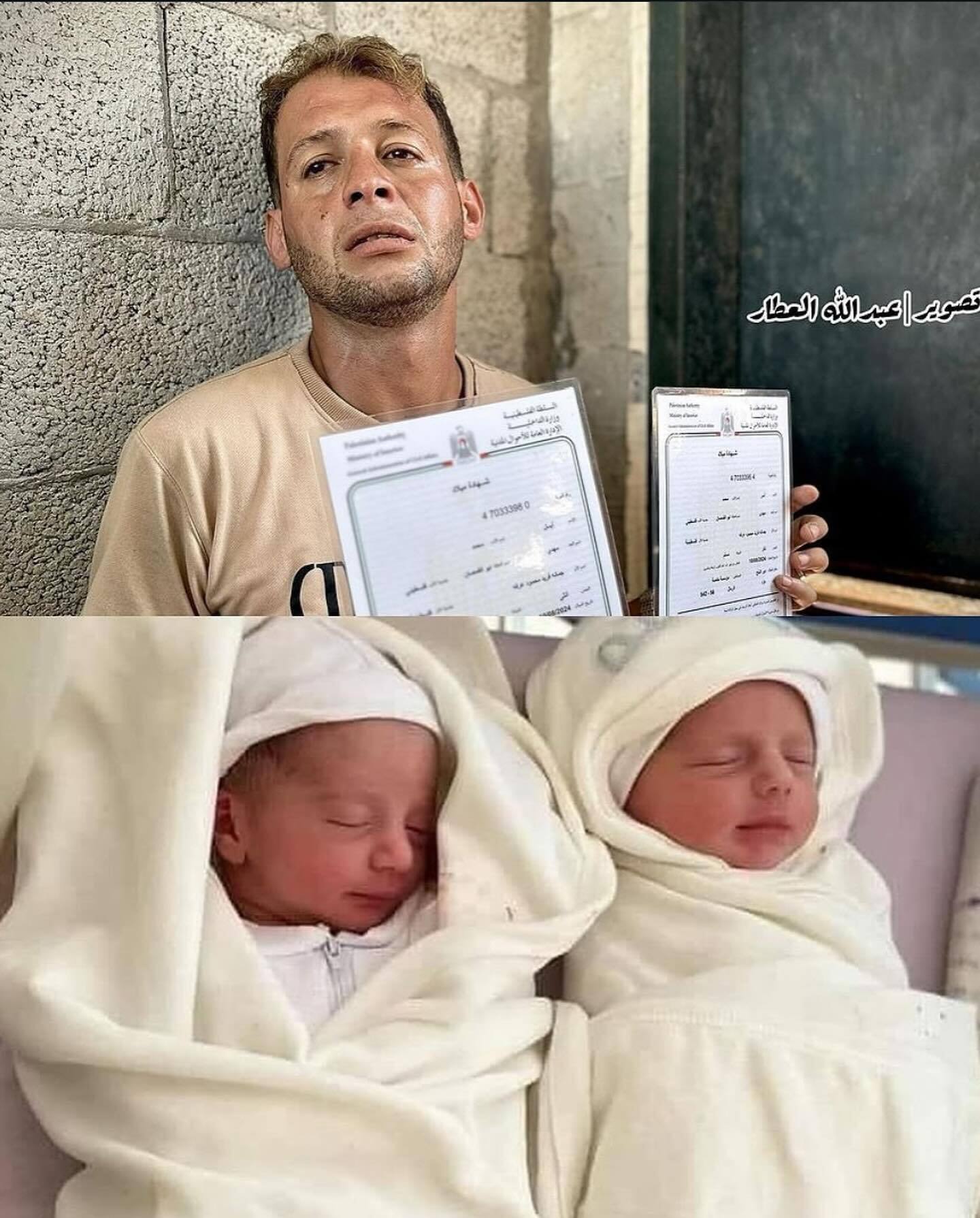
Continue reading
Israel Kills One More Central Kitchen Staffer

Israel kills Nadi Sallout, a member of the World Central Kitchen, in an attack on Deir Al-Balah in central Gaza, Wednesday night, 8 August, 2024.

One blogger said: “The loss of innocent lives in Gaza, including Nadi Sallout, is tragic. Violence must end and justice for Palestinians must be served.”

The WCK’s Field Kitchens in Mawasi and Deir al-Balah prepare tens of thousands of meals daily for displaced Palestinians sheltering in the region. Our distribution teams spread out to ensure food gets to families in need at the many makeshift camps across southern and central Gaza. #ChefsForGaza

The name of Sallout is trending on the social media. Last May Israel killed seven members of the World Central Kitchen.

Continue reading
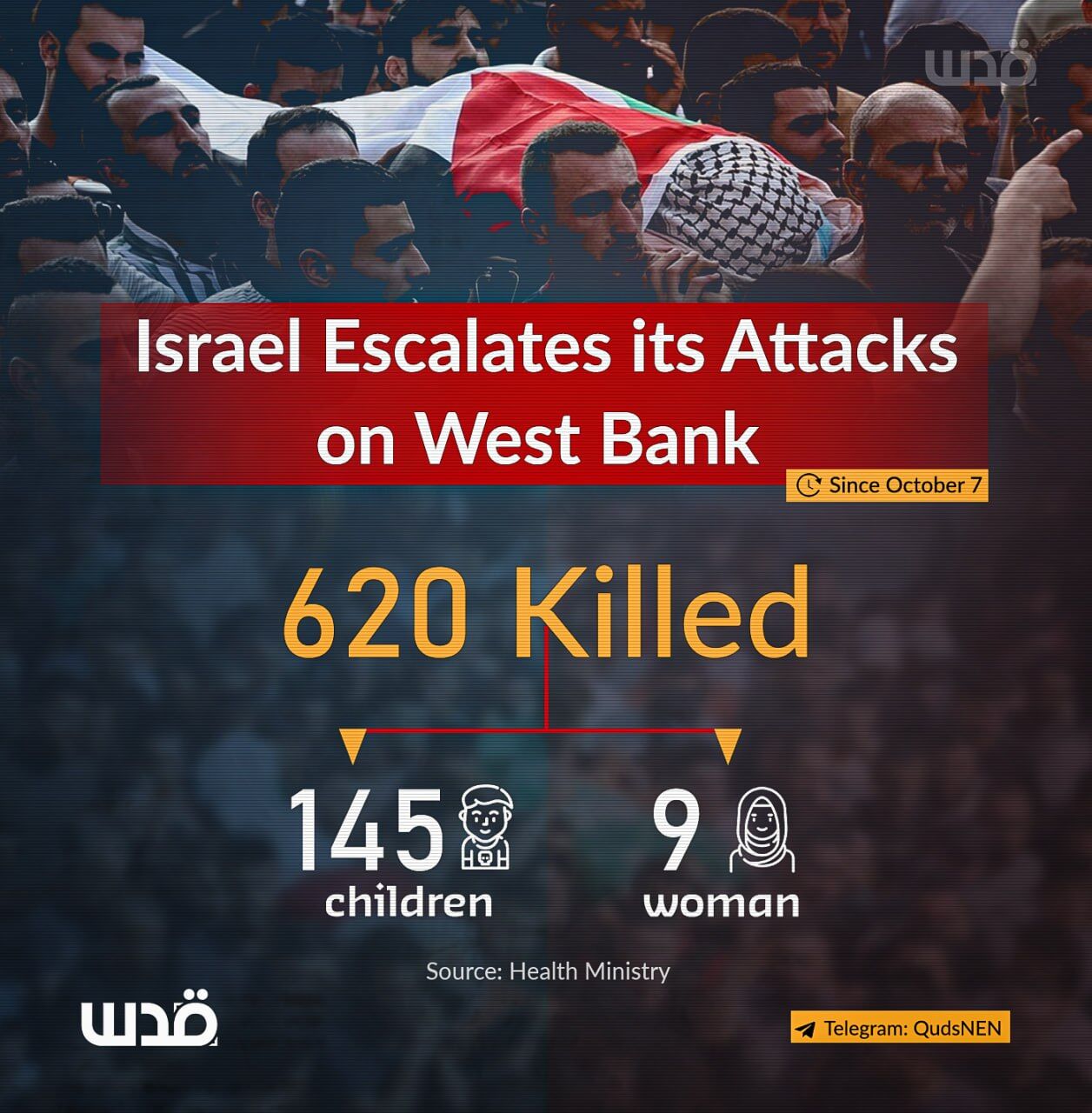
Israel Kills 620 Palestinians in the West Bank

Coinciding with the genocide Israel has been perpetrating in the Gaza Strip since October of last year, 620 Palestinians were killed by the Israeli occupation forces in the occupied West Bank ever since, according to the Palestinian Ministry of Health. It pointed out that 154 of them were children.

Continue reading
Gaza: A Painter’s Tragedy Toolkit

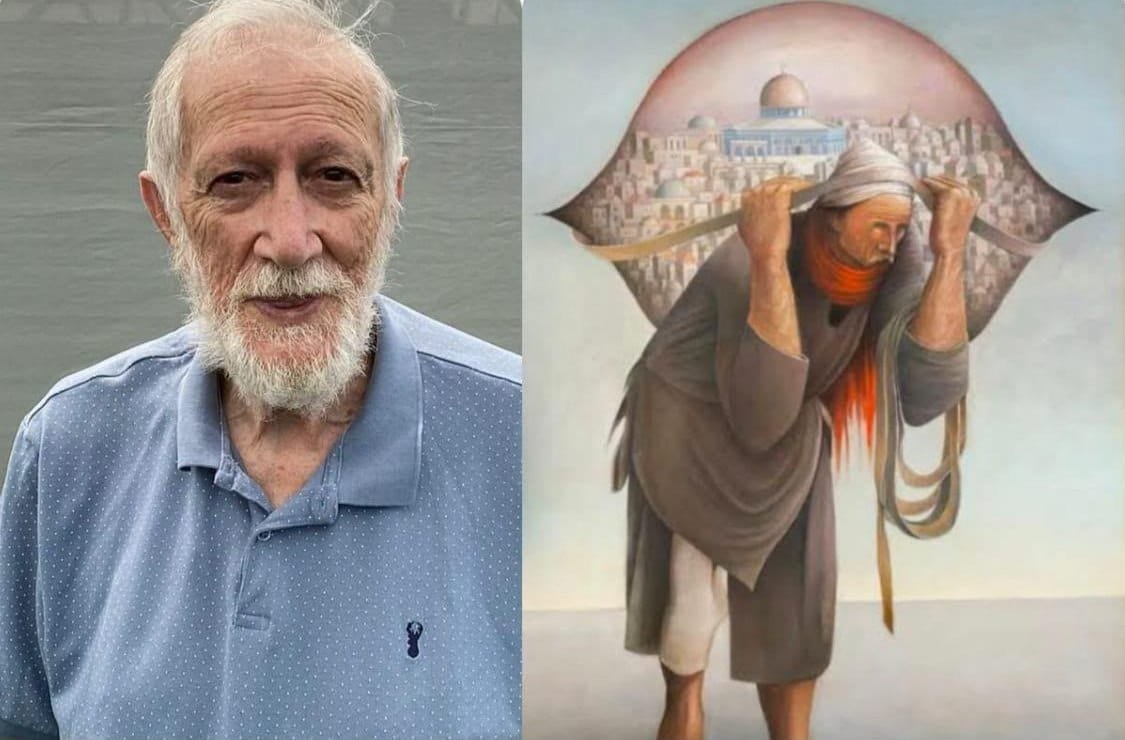
As if his works were from distant crumbling past, Gaza artist Ahmad Mahna documents the aggression on his little enclave. He uses the aid boxes dropped from the parachuted air to feed the starved to draw on and tell a painter’s story of the ongoing Israeli genocide.

Mahna says the goal of drawing is not only to document Israeli crimes but to send a message to the world, there are people in Gaza who love life and have needs beyond food and drink and want to tell the world of the need to stop the criminal actions against them meted by Israel and their forced forced displacement while the world looks on in silence as narrated in Al Mayadeen.

As a citizen living in a besieged enclave, Mahna has always been accustomed to difficult circumstances and never felt bound by the routine methods followed by world artists to see their creations come to light.

When he does not find the appropriate tools, he turns to whatever is available to him. Such may include paper, pencil, wall, piece of cloth, glass and even an old, neglected wooden board. In the artist’s eyes, these “worn-out” things can be transformed into inspiring artworks.

“Being across from an UNRWA school is a major incentive to draw,” Mahna pointing to the scenes of displaced people running to shelters as the aggression thickens combined with people fleeing guns and bombs thrown on displacement camps, queues to obtain water, bread and firewood, and scenes of the wounded carried on shoulders.

These tragedies become sad but rich material for Mahna to transfer such oppression and grief onto paper and from there on pass to the world.

Today the Gazan artist left his mark everywhere through his works and murals, saying it was difficult to stand idly by amidst the horrors he was witnessing, so he armed himself with his charcoal pen, and divided the “carton” into four paintings beginning with “A Four-Year-Old Girl Carrying a 16-Liter Gallon of Water”, and published it on the social media.

It became an instant hit, generating much and unexpected interest with many asking him to draw more about the sufferings of the displaced. Today,  Mahna is a “beacon” for many artists, and the owner of dozens artistic pieces which tell the world, through simple lines, the meaning of the ethnic cleansing that is taking place in Gaza, through such titles as “Escape from Death”, ” Last Embrace” and others.

Mahna says the painting comes out of a “first-time situation I experience” with emotions flooding whether its love, fear, anger or sadness. He fills his painting with details that convey a reality of interconnected circuits surrounding the lives of residents including death to provide basic needs daily, movement of passersby to and from hospitals that has become a daily routine due to the bombs and air-raids, and the incessant spread of diseases that is everywhere.

Because the tent has become the main “hero” in the story of Palestinian displacement, Mahna transfers the canvas into a painting with rich details, focusing on the scorching temperatures that melt the people inside, the insects, scorpions, and snakes that surround them like a barbaric army from every direction, and the sounds they hear from every corner, nullifying the individual privacy and the human need for rest and calm.

Coffee and Painting

“There is no one left who has not been affected by the war,” says Mahna, a former employee in one of the art institutions in Gaza. He lost his job and had to look for an alternative to provide him with his daily bread, so he opened a tea and coffee kiosk whilst making wall paintings where passersby would stop not only for the coffee but contemplate the paintings with respect for the skilled maker, as if directing words of thanks to him for what he conveys for their suffering.

Like others, Mahna did not comprehend the ongoing war of extermination till three months after the massacres when he shook off the cloak of despair and decided to stand up again. Thus, he opened his own studio under his downtrodden house. Only then did he feel he returned to the world he belonged to, amidst the looks of children escaping the boredom of the shelter that now surround him from every direction, reminding him of his societal role in managing workshops to relieve their psychological stress through art.

Mahna describes himself as a street artist because his drawings express the state of society and its conditions. From drawing destroyed homes and the color of the rubble, Mahna gives passersby hope in a city reduced to ruins. He has plenty to draw from images of corpses, limbs, mass graves, grief of bereaved mothers over their sons and their screams over those who remained under the rubble to the depiction of the ungodly famine in north Gaza.

Mahna faces difficulty in obtaining drawing materials. Charcoal pencils can run out at any time. Aid boxes have also become difficult to obtain in light of the increasing gas crisis, as residents prefer to burn them to prepare food instead of producing several paintings to look at while they are starving. He pointed out he faces the same problem that forced him to set fire to the wood that supports his paintings, but he is still trying to keep art alive in Gaza despite everything.

Continue reading