Trump’s Advisor: Warns White House Against Escalation

Trump adviser David Sacks warns that continued escalation with Iran could destabilize the region and strain Israel’s defenses.

Key Takeaways

  • David Sacks urged Washington to “declare victory and get out” of the war with Iran before escalation spirals further.
  • He warned Iran could target Gulf oil infrastructure and desalination plants, threatening water supplies for millions.
  • His remarks come amid growing divisions within the Trump administration over whether to escalate the conflict or seek an exit.

A Rare Warning

A senior adviser to Donald Trump has warned that Washington may already be approaching the limits of what it can safely achieve in its escalating war with Iran.

Speaking on the All-In Podcast, White House AI and cryptocurrency adviser David Sacks urged the United States to step back from the conflict before it spirals further across the Middle East.

“This is a good time to declare victory and get out,” Sacks said, arguing that Washington should seek a negotiated off-ramp rather than push toward deeper escalation.

“I agree that we should try to find the off-ramp,” he added.

His remarks are notable because they challenge the dominant narrative coming from the White House and many Republican figures who continue to frame the war as a decisive strategic success.

Instead, Sacks sounded a far more cautious note, suggesting that the longer the war continues, the more unpredictable its consequences may become.

‘Catastrophic’ Consequences

Sacks warned that Iran retains the capacity to retaliate in ways that could destabilize the entire region.

One of the scenarios he outlined involved strikes on Gulf oil infrastructure and desalination plants that supply drinking water across the Arabian Peninsula.

“I think it’s something like 100 million people on the Arabian Peninsula that get their water from desal,” Sacks said.

Damage to those facilities could have immediate humanitarian consequences across several Gulf states that depend heavily on desalinated water.

Sacks described such a scenario as “truly catastrophic.”

His comments reflect growing concern that Iran may respond asymmetrically, targeting infrastructure and economic systems rather than focusing solely on military confrontation.

Israel’s Position Under Strain

Sacks also warned that the war could create serious pressure on Israel if it continues to escalate.

During the podcast discussion, he noted that prolonged regional confrontation could test Israel’s air defense systems and expose the country to sustained missile pressure.

In the same conversation, Sacks described Iran as holding what he called a “dead man’s switch over the economic fate of the Gulf States.”

The phrase referred to Iran’s ability to disrupt key economic and energy infrastructure throughout the region if the war intensifies.

Reshaping the Region

The remarks came shortly before the United States launched a major bombing raid on Iran’s Kharg Island, a strategic terminal through which the vast majority of Iranian oil exports pass.

The strike highlighted how deeply the war has already penetrated the economic and strategic infrastructure of the region.

Energy markets have reacted nervously to the widening conflict, while Gulf states remain exposed to the risk of retaliatory strikes on oil facilities and shipping routes.

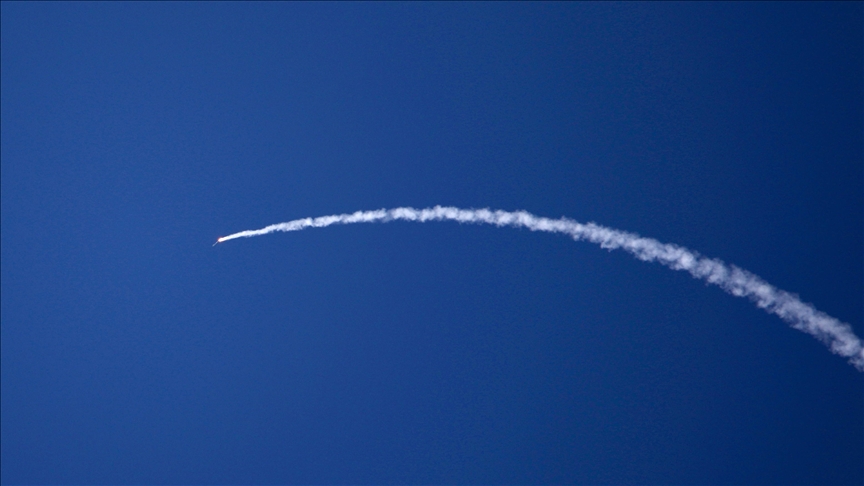
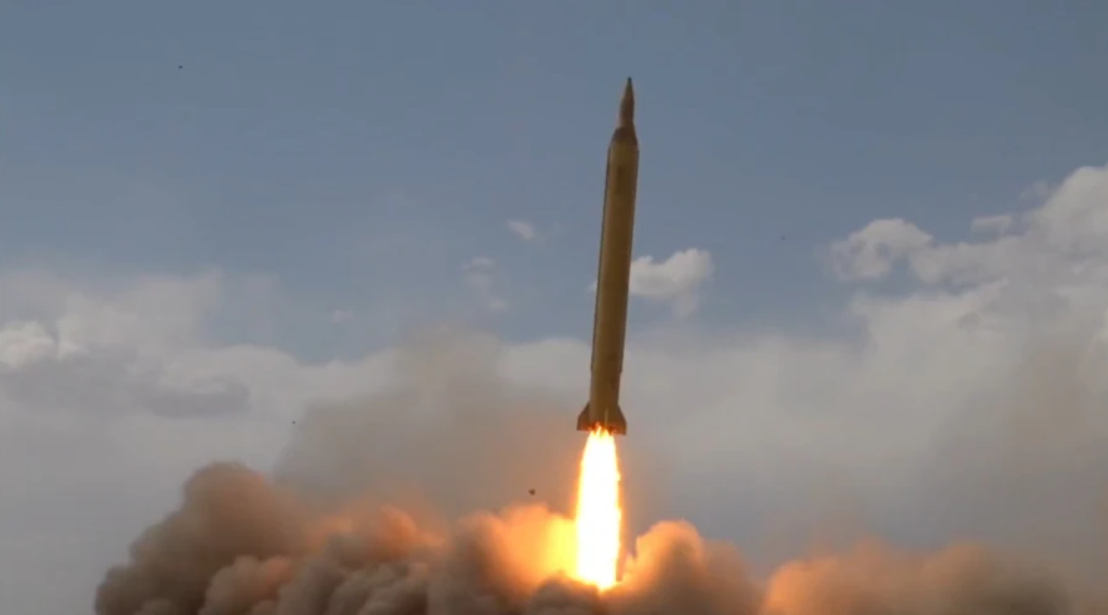
Meanwhile, Iran and allied groups have continued missile and drone attacks against Israel and other targets across the region, expanding the battlefield beyond the initial US-Israeli strikes.

The result is a conflict that now spans multiple fronts across West Asia.

Growing Debate

Sacks’ remarks highlight a widening divide within Washington over how far the United States should go in its confrontation with Iran.

Publicly, the Trump administration has continued to project confidence that the military campaign is weakening Tehran and reshaping the regional balance of power.

But behind that messaging, officials and political allies appear increasingly split over what the next step should be.

Some figures within the administration and the broader Republican Party are pushing for deeper escalation. Defense Secretary Pete Hegseth has repeatedly framed the strikes as part of a broader effort to weaken Iran’s regional influence and restore deterrence.

Trump himself has combined victory rhetoric with threats of further escalation. After announcing the bombing raid on Iran’s Kharg Island, he claimed US forces had “obliterated” key military targets while warning that Iranian oil infrastructure could also be struck if Tehran moves to disrupt shipping through the Strait of Hormuz.

At the same time, a smaller but increasingly visible group within Trump’s orbit appears wary of a prolonged war.

Those voices argue that continued escalation could draw the United States into a wider regional conflict involving Iran’s network of allied forces across Lebanon, Iraq, Yemen, and elsewhere.

Sacks’ call to “declare victory and get out” reflects that concern.

Rather than advocating additional military pressure, he suggested Washington should use the current moment to claim success and pursue a negotiated exit before the conflict expands further.

The contrast between those positions — escalation versus exit — is becoming one of the central political questions shaping Washington’s response to the war. – The Palestine Chronicle

Continue reading
Expert: Iran Gets Ready For an Imminent Attack

Military strategic expert Nidal Abu Zeid stated that Iran has activated its multi-layered command structure, indicating it fears that its top leaders could well be targeted. He explained that Supreme Leader Ali Khamenei has entrusted his advisor, Ali Larijani, with assuming command in the event of an attack, and has instructed various leaders to establish four alternative layers to prevent a collapse of the decision-making chain.

In his interview with Jordan 24, Abu Zeid pointed out that this move signifies Iran’s shift from centralized command to decentralized decision-making, ensuring the continuity of state and military administration during what he described as the “critical 48 hours” in the event of a surprise attack.

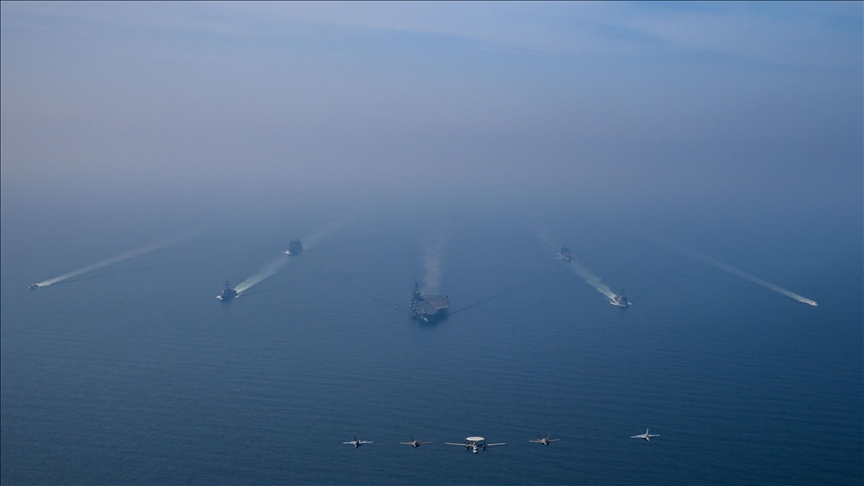
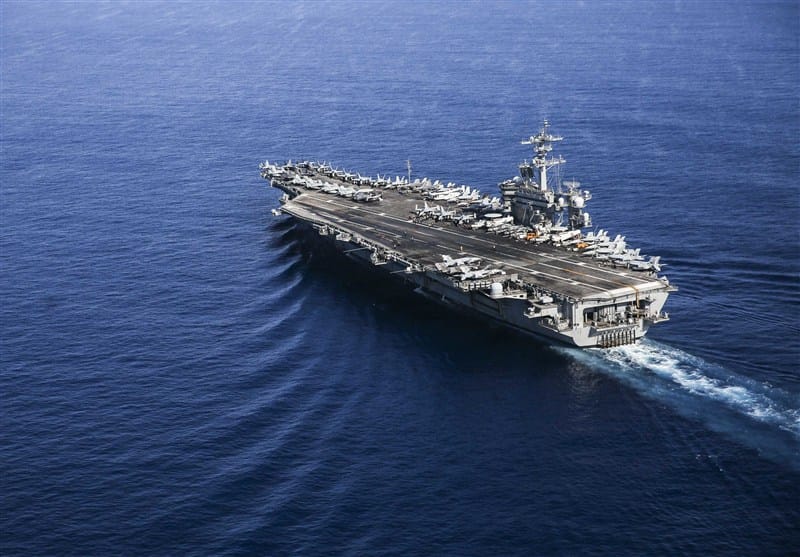
Abu Zeid believes the photograph released by the White House of the dinner that brought together US Secretary of State Marco Rubio and Secretary of Defense Pete Hegseth—both among the most ardent advocates of escalating tensions with Iran—reflects the outlines of a decision that may lean towards a military option. He added that Thursday’s meeting is still on, but that US President Donald Trump’s request for a draft negotiating framework 48 hours before the meeting may be part of a deceptive tactic aimed at achieving the element of surprise. This timeframe, he believes, is also sufficient for the aircraft carrier USS Gerald R. Ford to arrive at the port of Haifa.

Abu Zeid suggested that Trump might decide to launch a limited military strike while keeping the door open for negotiations, in order to pressure Tehran into making concessions during the upcoming meeting. He anticipates that the Iranian response will remain “restrained” if Tehran is assured that its leaders will not be targeted in the initial wave of strikes.

However, he warned that if Iran remains intransigent regarding Washington’s conditions, the US strike could expand to include high-value targets, including prominent leaders.

Continue reading
After Venezuela… Tighten Your Seatbelts

By Mohammed Abu Rumman

John Mearsheimer, one of the most prominent professors and theorists of international relations and a founder of the so-called “structural realism” school, believes that the “Venezuela operation” (arrest of President Nicolás Maduro and his wife) is not the end, but rather the beginning of major transformations taking place in the international system. While it reflects a significant tactical and military success for the United States, it also constitutes a major strategic failure, in terms of the inability to accurately predict the repercussions of this operation on the image of the United States and its role in the world, and the mobilization and consolidation of forces hostile to it regionally and internationally in response to the proposed American behavior.

One of the most important points raised by Mearsheimer is his prediction that the Venezuelan process will serve as a key and fundamental dynamic for the transition from the current unipolar international system, which emerged after the end of the Cold War, 35 years ago, and in which the United States and its Western allies dominated international politics, to a multipolar system. This multipolar system has already begun to take shape in one form or another in recent years, with the other two main poles being China, which clearly possesses significant economic, military, and cyber capabilities, and Russia.

On the other hand, the European continent is currently suffering from numerous problems, including its complicated and strained relationship with the United States, its strategic partner. It was evident from the recent US National Security Strategy announced by President Donald Trump that he underestimates Europe and its strategic power and greatly disregards the alliance between Europe and the United States.

From another perspective, it is clear there is considerable Israeli jubilation. Political analysts in Tel Aviv are clearly attempting to link this operation to the conflict with Iran, either by associating the Venezuelan regime with anti-Semitism and claiming the presence of significant activities by Hezbollah and Iranian supporters in Caracas, and/or considering what happened there, a message to the Iranian regime that new policies are being implemented at the beginning 2026, and the threat will not be limited to rhetoric only but be carried out on the ground.

This may align with Trump’s statements and leaks regarding his decision not to accept a proposal from his Middle East envoy, Steve Wittkopf, to renew dialogue with Iran. On the contrary, Trump insists on halting any dialogue with Iran, a view supported and advocated by his Secretary of State, Marco Rubio, and Secretary of Defense, Pete Hegseth, who are pushing for a more stringent military and economic approach towards the Iranian regime.

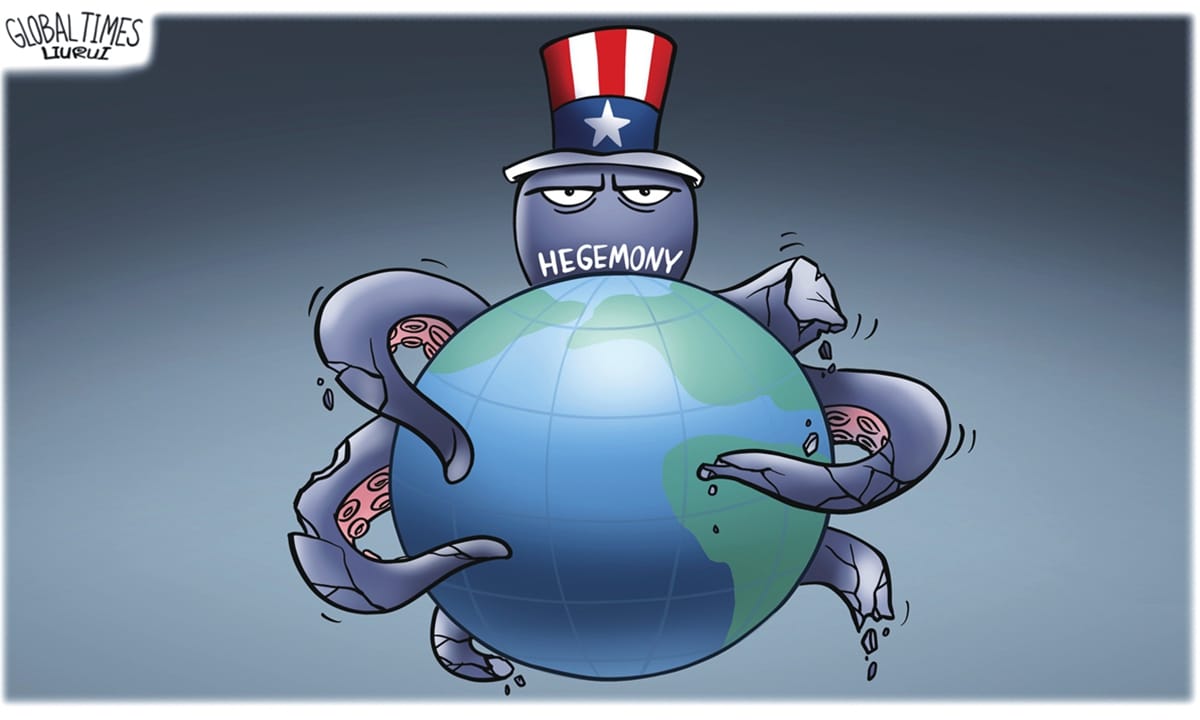
This brings us back to the current Trump US National Security Strategy which served as a prelude and framework for what happened in Venezuela and anticipated US policies toward its two neighbors: Latin America and Canada. The strategy began by emphasizing the Monroe Doctrine (i.e., ensuring US hegemony and control over South America — the backyard) as the primary priority for the United States and its national security, a point we can infer from Trump’s subsequent threats against both Colombia and Cuba.

More importantly, there is a shift in the strategic perspective that dominates the Trump administration, both domestically and internationally. This refers to the question of identity, specifically the Anglo-Saxon Protestant community—which, for the Trump administration, represents its electoral base (we can here refer to Samuel Huntington’s book, “Who Are We?”, by the theorist of the clash of civilizations—a work that complements the Trump administration’s vision). While this new line, ostensibly represented by Trump, is the leading force within the Republican Party, it fundamentally reflects several new dynamics that began with the neoconservative dominance of the White House under George W. Bush.

These dynamics involve a heightened religious, cultural, and social connection to this identity, and a greater role for Christian Zionist groups and the American right wing in shaping American policies and strategic visions.

Within these parameters, ladies and gentlemen, we are entering a more difficult and tense phase, both globally and regionally. As Mearsheimer aptly describes it, this is a transitional phase in the international order, one in which America abandons its claims of democracy and human rights, international institutions become arenas of conflict between superpowers, and a state of confusion, turmoil, and regional tensions prevails, particularly in a region like the Middle East, which is already a perpetual hotspot of conflict in the world.

This article by Muhammad Abu Rumman was originally published in Arabic in the Jordan Addustour daily newspaper.

Continue reading