Israel Commits School Massacre While World Watches

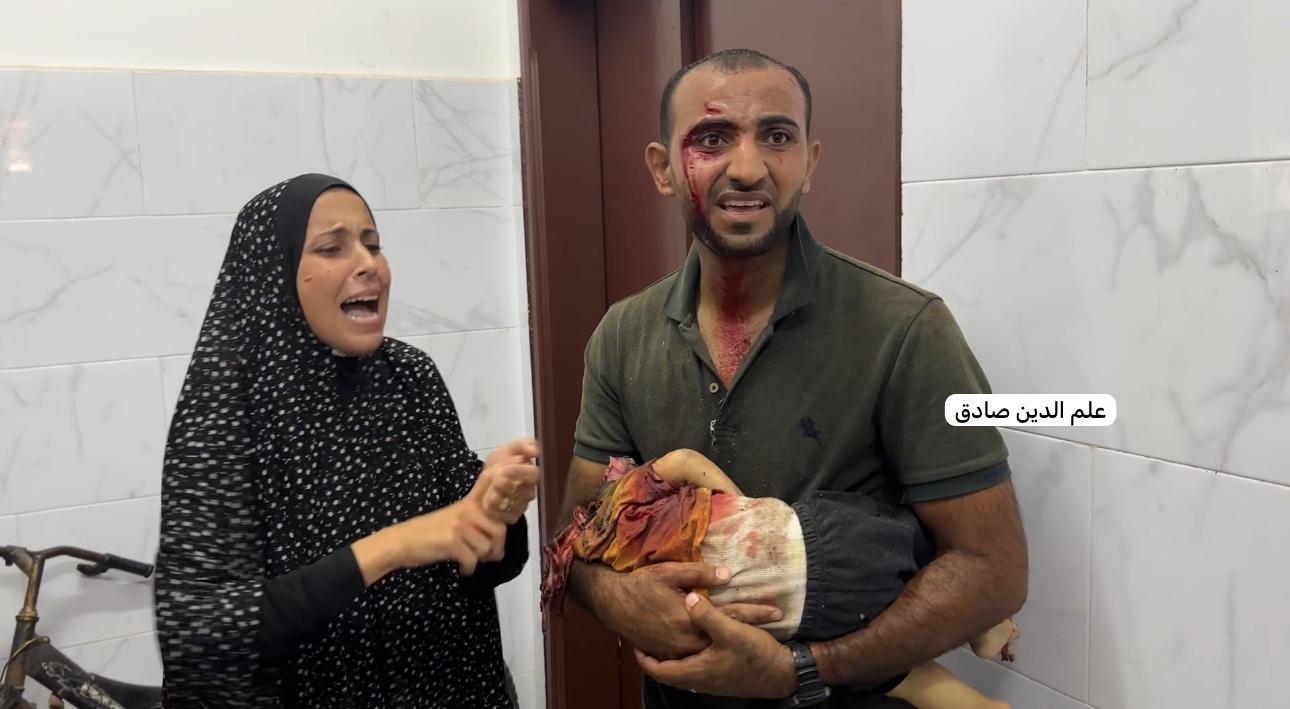
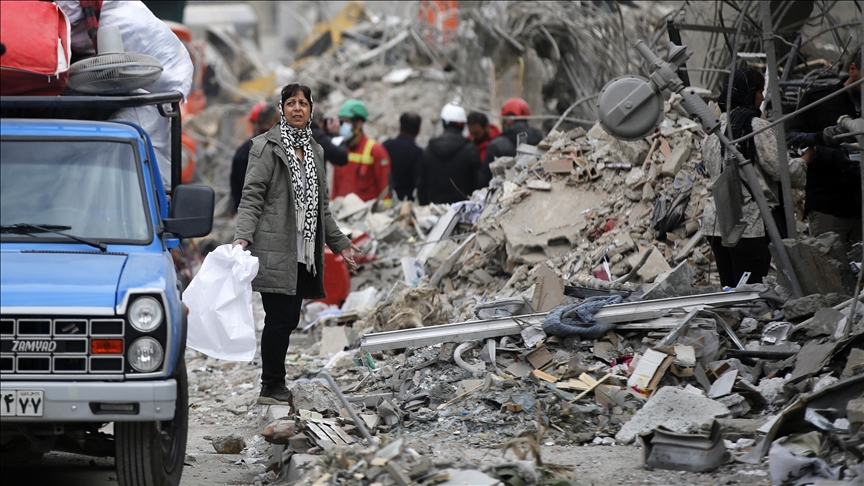
“We are appalled at yet another deadly massacre at a school in central Gaza where desperate families have been ordered to shelter,” stated the Islamic Relief organization, Sunday.

Reports indicate that at least 30 people are killed and over 100 injured at the school in Deir al Balah, with infant children among the dead and hospitals swamped with casualties. Such atrocities against civilians have become almost daily occurrences in Gaza, the organization stated.

Israel’s policy of constantly forcing civilians to move from one place to another, and then attacking the schools and camps where they are told to go, is inhumane and causing unprecedented death and trauma, Islamic relief added.

It is making the humanitarian crisis even more catastrophic by the day. Hundreds of thousands of people have been forced to move time and again over the past few weeks, with many families now displaced 9 or 10 times since the crisis escalated,” Islamic Relief pointed out.

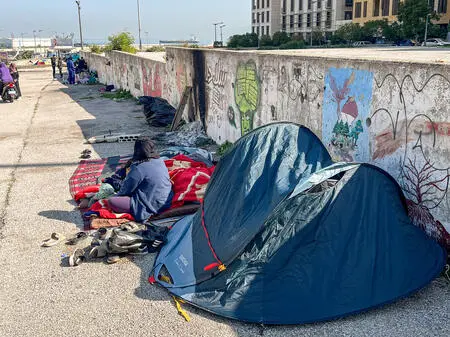
Around 83% of Gaza is now subject to Israeli so-called ‘evacuation orders’ or no-go military zones, with over 2 million people forced into ever smaller areas where they cannot access food, clean water or sanitation, and where they face the constant threat of further attack.

International governments must demand an immediate ceasefire and an end to the constant forced displacement and attacks on fleeing civilians, and ensure accountability for such actions, it ended its statement.

Continue reading
Israeli Soldier Commits Suicide on Nahariya Beach

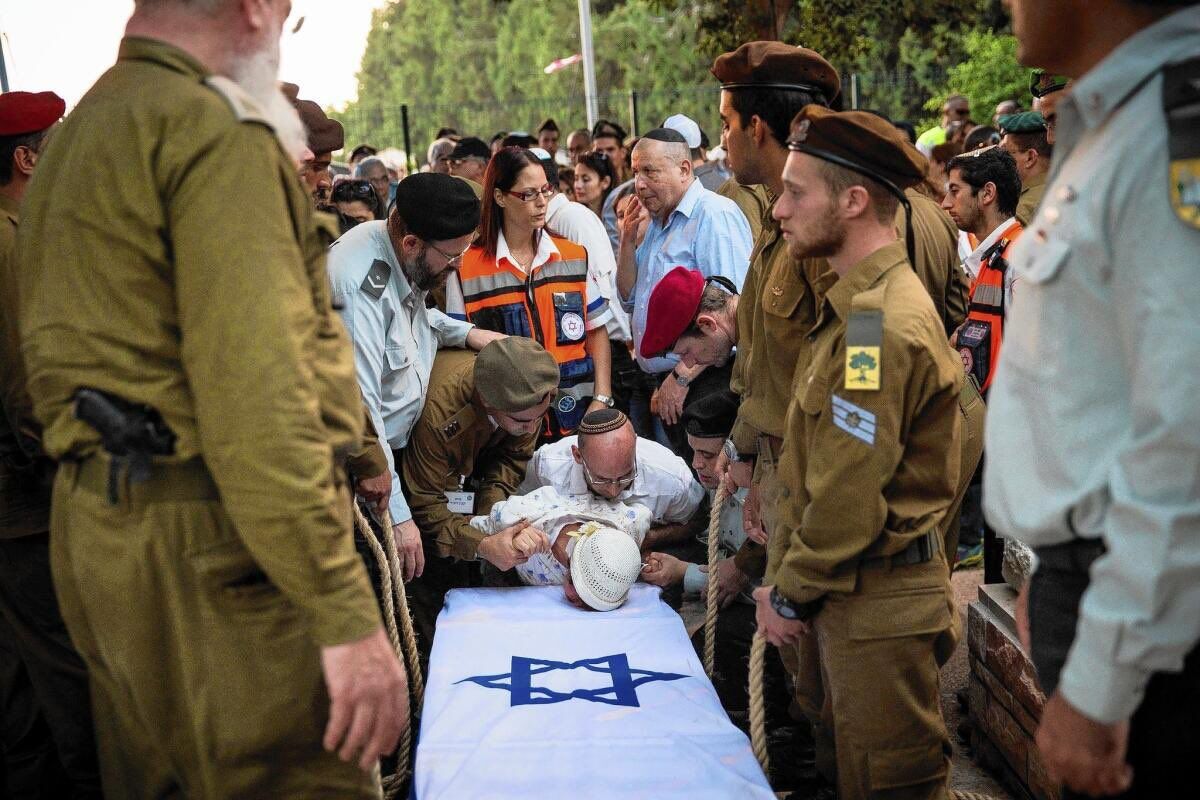
Israeli media revealed that an Israeli soldier committed suicide, Saturday, at the beach in Nahariya, north of Israel.

The Hebrew website Hadashot Bezman stated the soldier who took his life was from the reserve forces and he had been fighting in Gaza.

Earlier, the Israeli newspaper Haaretz revealed that 10 occupation officers and soldiers committed suicide since 7 October, 2023. It said a number of them  committed suicide in  the battles in the settlements surrounding Gaza according to the Arabic Quds Press website.

The Qassam Brigades, the military wing of Hamas, had announced it rescued an Israeli prisoner from trying to take away his life at his place of captivity in the Gaza Strip.

In mid-March, the Israeli army acknowledged that it had been facing the biggest problem in mental health since 1973 because of the Israeli-waged war in Gaza  since the start of the Battle of the Flood of Al-Aqsa.

According to Israeli army figures, 688 soldiers and officers were killed since the beginning of the war on 7 October, including 328 in ground battles in Gaza. The army’s data also indicates that 2,147 soldiers were wounded in ground battles in the Strip.

Continue reading
Erdogan Threatens to Invade Occupied Palestine

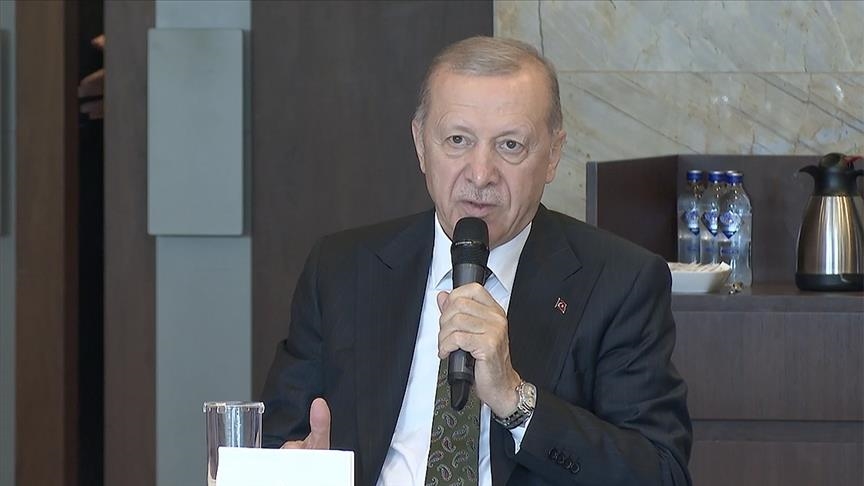
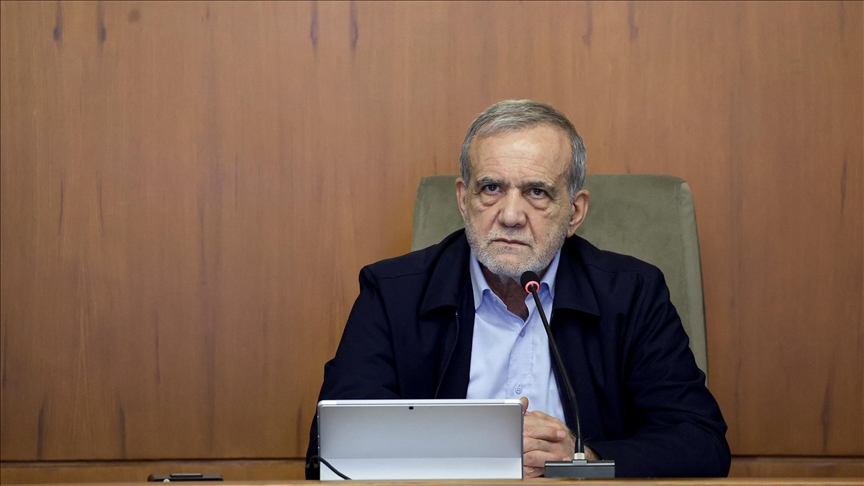
CEOSSFIREARABIA – Turkish President Recep Tayyip Erdogan said Turkey can use its force and enter into occupied Palestine to deter Israel from its aggression against the Palestinians.

Such a statement made by the Turkish president during a rally of his ruling Justice and Development Party, Sunday the Reza Province, north othe country.

It quickly became trending news on the social media.

“We must be very strong so that Israel can’t do these things to Palestine. Just as we entered Karabakh, just as we entered Libya, we might do the same to them. There is nothing we cannot do. Only we must be strong”, he said according to the Quds News Network.

Blogger Adham Abu Selmiya  says Erdogan’s speech is very, very important, quoting in translated form saying:

“This is the language the Zionist enemy understands… It is inconceivable for nations to let the Palestinian people be slaughtered from vein to vein without strong positions. We have been saying from day one that nations and its regimes can at least impose a no-fly zone to stop these massacres.”

Another  blogger simply posted “What is he waiting for”

His comments quickly irked the Israeli Foreign Minister Israel Katz who wrote: “Erdogan is following in Saddam Hussein’s footsteps and threatening to attack Israel. He just needs to remember what happened there and how it ended.”

One Palestinian website points out that Katz’s comments proves that the Iraq war was an Israel one and not an American initiated.

And “also ondicates a direct threat to use the Americans to fight for Israel in Turkey if Erdogna’s statement were to be implented.”

Continue reading
Golan Heights: Who is Dragging Who Into War?

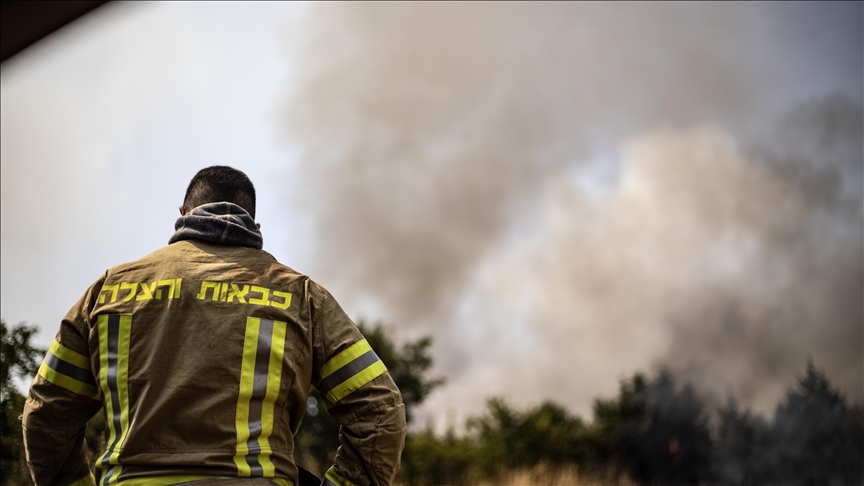
The UN mission in Lebanon warned on Sunday of a “wider conflagration” between Israel and Hezbollah following a deadly attack on the town of Majdal Shams in occupied Golan Heights, according to Anadolu.

In a joint statement, UN Special Coordinator for Lebanon (UNSCOL) Jeanine Hennis-Plasschaert, and head of UN Interim Forces in Lebanon (UNIFIL) Gen. Aroldo Lazaro Saenz, condemned “the death of civilians – young children and teenagers – in Majdal Shams.”

They urged “the parties to exercise maximum restraint and to put a stop to the ongoing intensified exchanges of fire.”

“It could ignite a wider conflagration that would engulf the entire region in a catastrophe beyond belief,” they added.

Israeli authorities say at least 12 people were killed and 35 injured as a rocket struck a football field in the town of Druze in Majdal Shams, northern part of Golan Heights.

Israel accused Hezbollah for the attack, but the Lebanese group has denied responsibility.

Israel and Hezbollah have traded cross-border fire since the Gaza conflict in October, leading to fears of an all-out war.

Israeli Defense Minister Yoav Gallant said they will ensure that Hezbollah “pays a price,” the Turkish news agency reports.

Continue reading
Why Don’t These Soldiers Want to Serve in The Israeli Army Again?

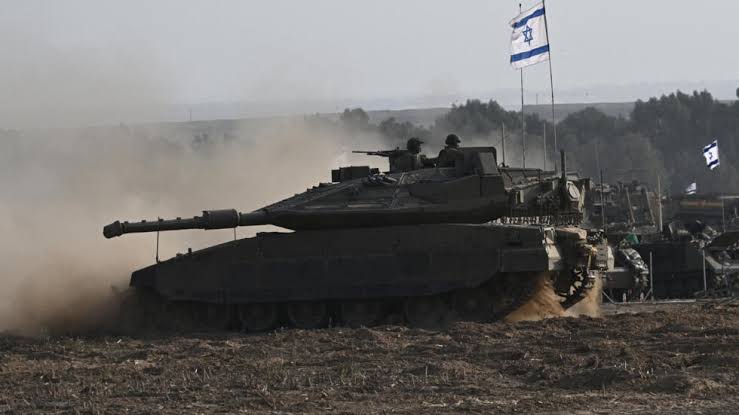
Three Israeli reserve soldiers who participated in the genocide war in Gaza have explained in a recent interview why they no longer want to be part of the military operation according to Quds News Network.

The three Israeli reservists told the Observer they would not return if called for military service in Gaza. All three previously undertook compulsory military service in the Israeli army and participated in the genocide war in Gaza.

For Israeli military paramedic Yuval Green, it was the command to burn down a house that made him decide to end his reserve duty after spending 50 days in the southern Gaza city of Khan Yunis earlier this year.

He had begun to have doubts about the paratrooper unit’s purpose three months earlier when he heard about Israel’s refusal to agree to Hamas’s demands to end the war, along with freeing prisoners.

Early this year, he said: “We were given an order. We were inside a house and our commander ordered us to burn it down.”

When he raised the issue with the head of his company, he added: “The answers he gave me were not good enough. I said: ‘If we’re doing all of this for no reason, I’m not going to participate.’ I left the next day.”

“I saw soldiers graffiting houses or stealing all the time. They would go into a house for a military reason, looking for weapons, but it was more fun to look for souvenirs – they had a thing for necklaces with Arabic writing that they collected.”

All three cite different motivations for their decision not to serve in Gaza again, from how the Israeli military is conducting the war to the government’s reluctance to agree to a prisoner deal, which offers an end to the war.

“Any reasonable person can see that the military presence is not helping to bring the hostages back,” said civics teacher Tal Vardi, who trained reserve tank operators.

“So if we’re not bringing back the hostages, all this is doing is causing more death on our side or the Palestinian side … I can’t justify this military operation anymore. I’m unwilling to be part of a military that’s doing this,” he said.

“If anything, some of these operations have endangered the hostages, and the army has also killed some by mistake,” he said, pointing to an incident last December, when Israeli forces shot dead three prisoners in Gaza who approached them waving white flags, in what the Israeli army said was a case of mistaken identity.

“It was bound to happen,” said reservist Michael Ofer Ziv, who said the incident provoked in him a powerful sense that once he finished his military service on the Gaza border, he would not return. The incident for him symbolized an overall lack of care and he was concerned about a system where mistakes such as this could occur.

Ziv returned to the Israeli army days after 7 October to serve as an operations officer, requiring him to spend long hours staring at screens showing a live drone feed of footage from a small section of the enclave.

This meant days at a time observing daily Palestinian life, watching as stray dogs or cars crossed bombed-out streets.

“Suddenly, you see a building go up, or a car you’ve been following for an hour suddenly disappear into a cloud of smoke. It feels unreal,” he said. “Some were happy to see this, as it meant seeing us destroy Gaza.”

When ground troops from his unit entered the enclave, his role was to track their movements and activities for support, as well as request targets for airstrikes.

“We almost always got approval to shoot,” he said. The approval process with the air forces, he added, “was mainly bureaucracy”.

He was also dismayed at what he described as a lack of clarity for soldiers regarding the rules of engagement, which he said were far more explicit during his compulsory military service, and felt the rules during this war were far looser than anything he previously experienced.

“After they shot the three hostages last December, I tried to remember if I ever saw a document like this – I was supposed to,” he said. “I was sure there was a briefing to the soldiers, but without having any documents to lean on, it’s unclear what people understood.”

Ziv recalled crying in the bathroom after his unit lost track of an injured Palestinian child at a checkpoint. Such things, he said, made him question his own role in the war and the overall purpose of the war.

The decision to invade Rafah rather than seal a prisoner deal, he said, confirmed for him that he would not return to the military. When recently called upon to do so, he said, he told his commanding officer he could not come back.

“I came after 7 October as I felt like maybe they would rise to the occasion and use us in a way that could be of benefit. But I’m not willing to participate in this, as I don’t trust the government and what they’re trying to do.”

He added: “If something happens in the north, there’s a chance I’d go, but on the other hand, I know what it might be like. I know what we did in Gaza – there’s no reason to believe we’d act any differently in Lebanon.”

Quds News Network

Continue reading