Shame! Drugs Found in US Flour Bags to Gaza

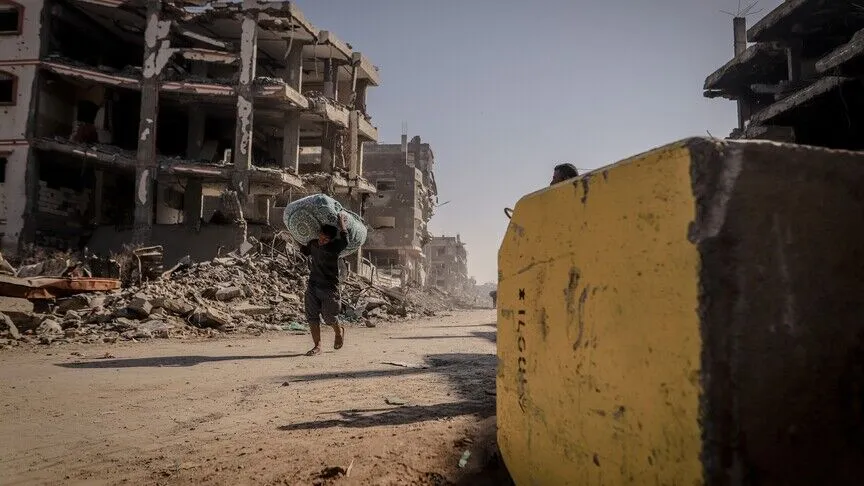
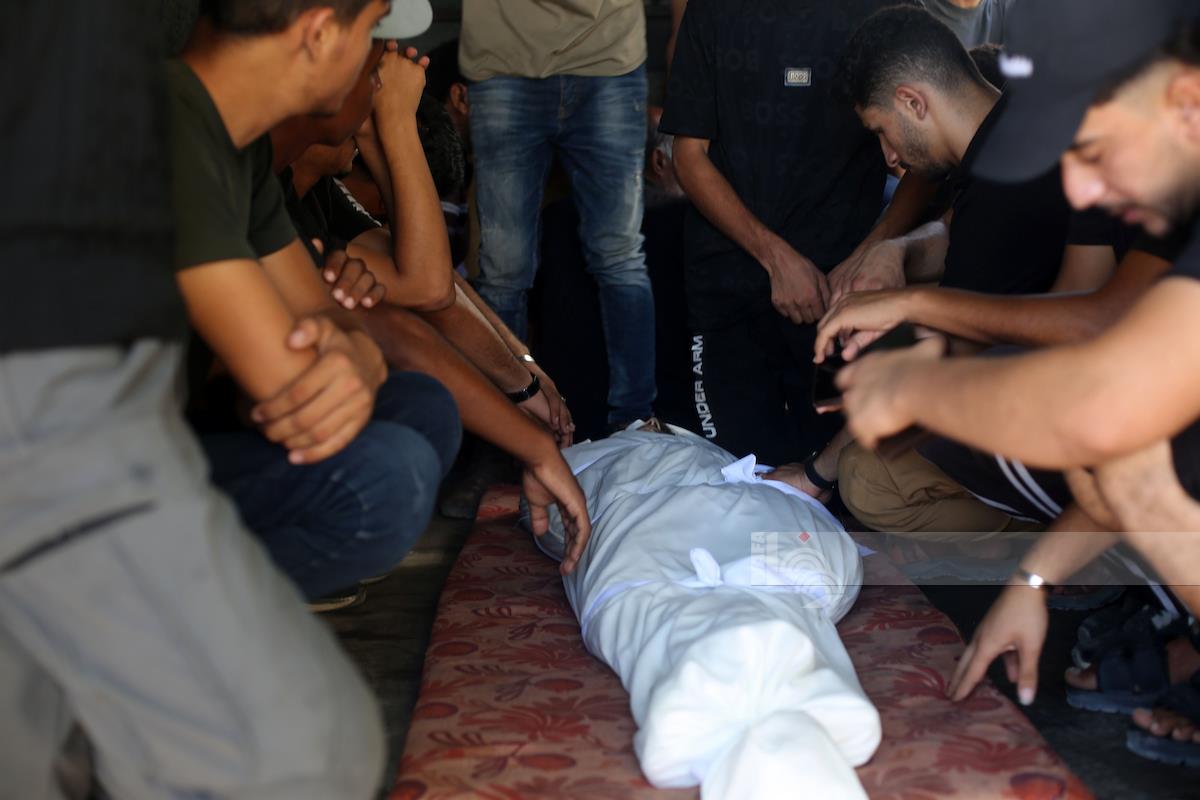
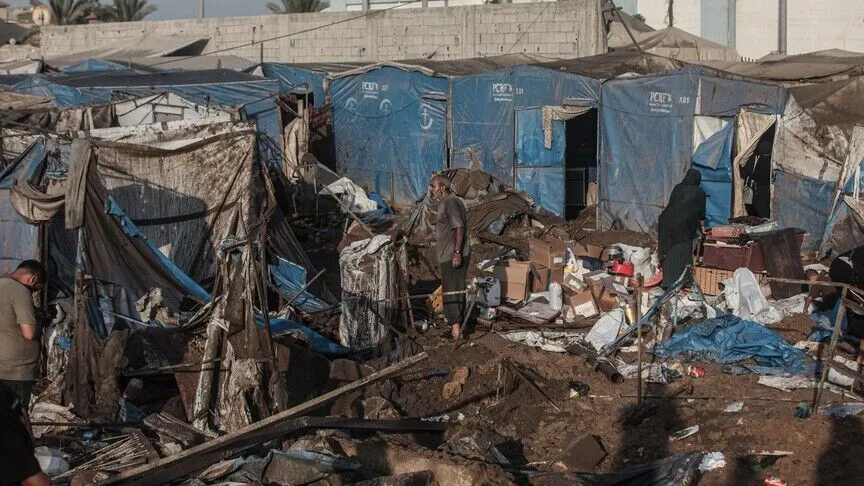
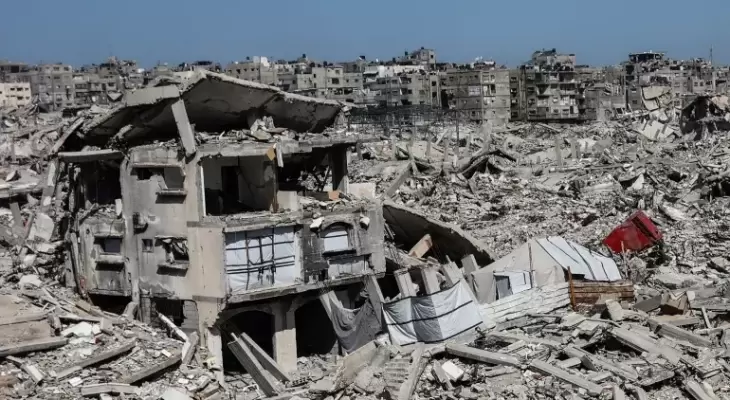
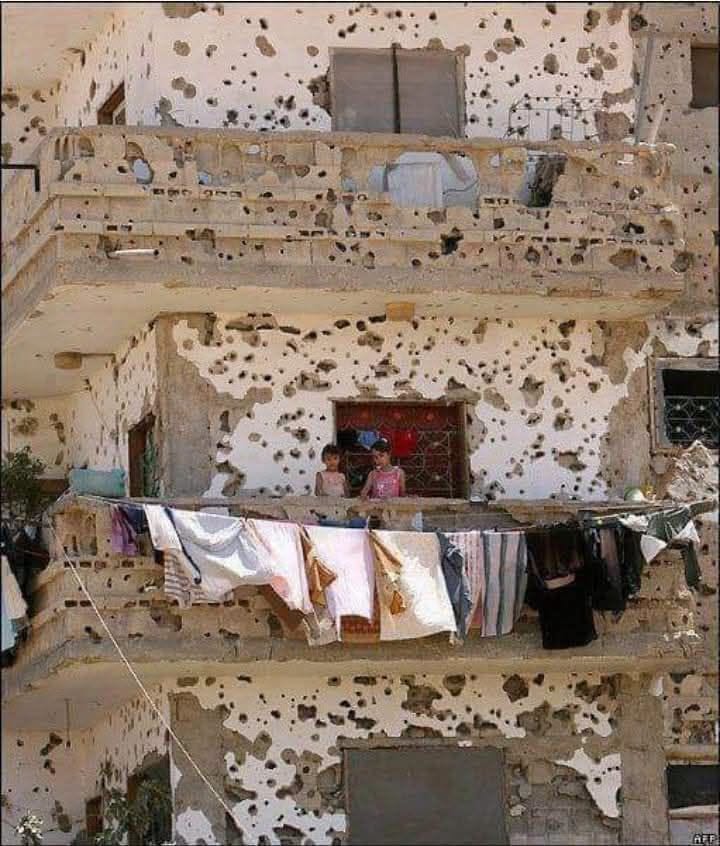
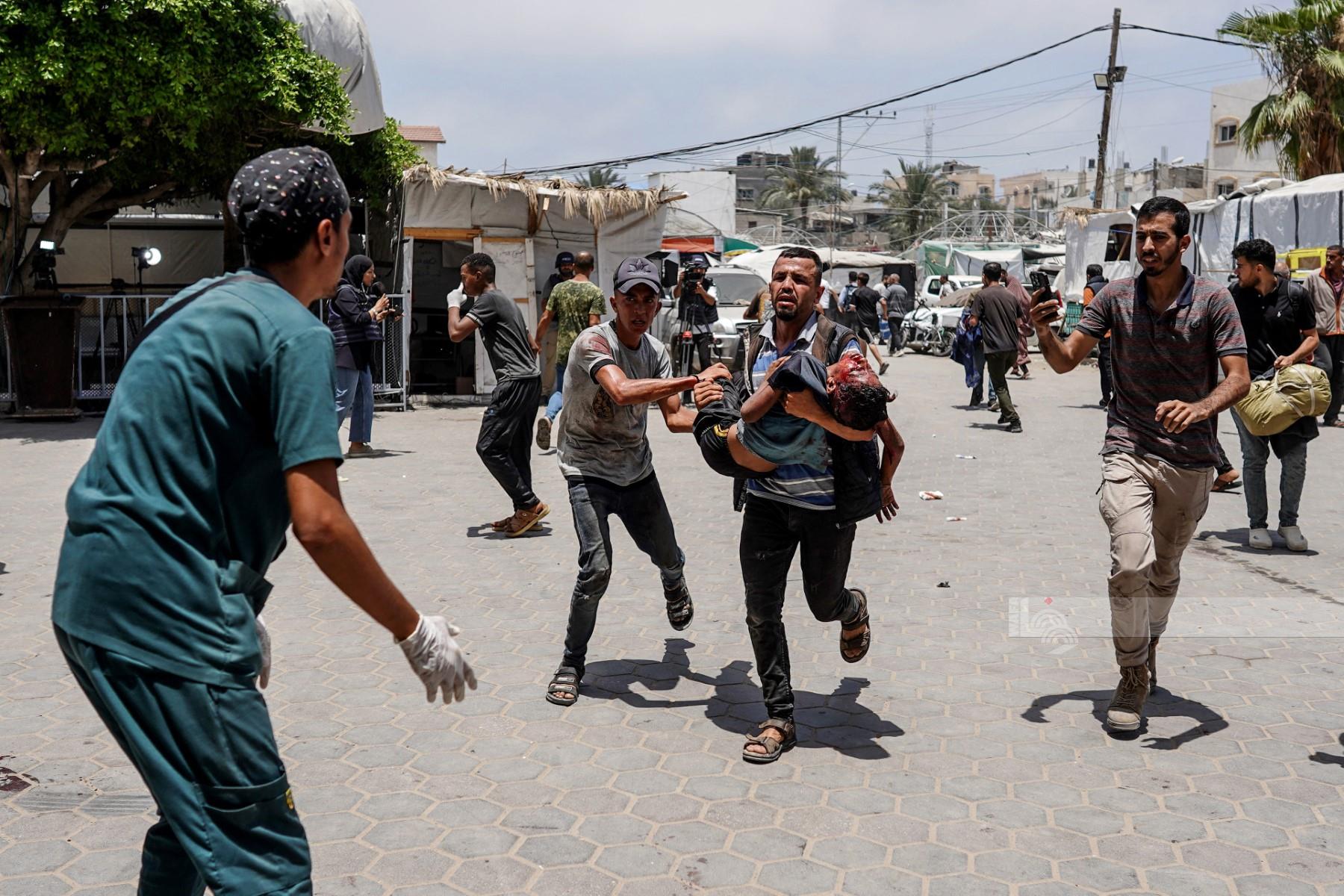
Palestinian authorities in Gaza said Friday that narcotic pills had been found inside US-dispatched flour bags in the Israeli-besieged enclave.

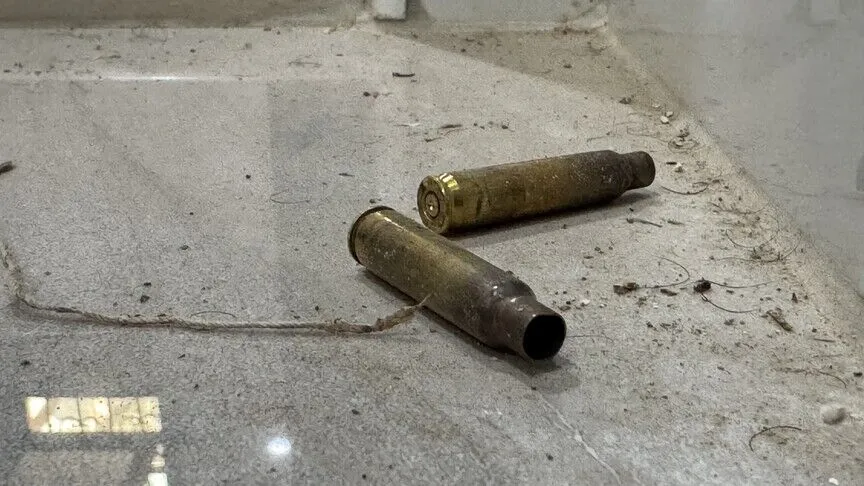
In a statement, Gaza’s government media office said prescription painkiller Oxycodone was found by Palestinians inside flour bags they received from US-run aid distribution points in Gaza.

“It is possible that these pills were deliberately ground or dissolved inside the flour itself, which constitutes a direct assault on public health,” it warned according to Anadolu.

The media office held Israel fully responsible for this “heinous crime” aimed at spreading addiction and destroying the Palestinian social fabric from within.

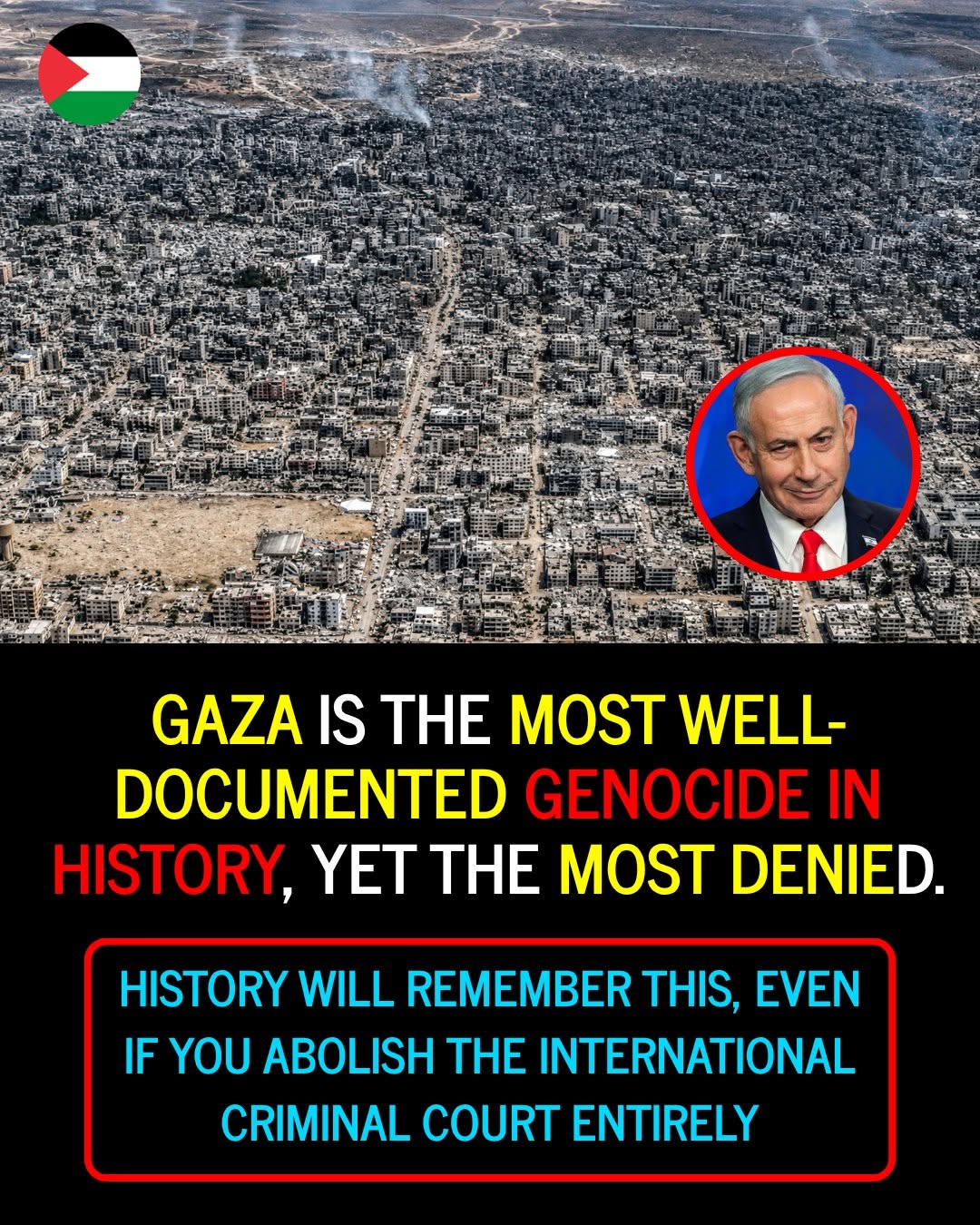
“This is a part of the ongoing Israeli genocide against the Palestinians,” it said, calling Israel’s use of drugs a “soft weapon in a dirty war against civilians.”

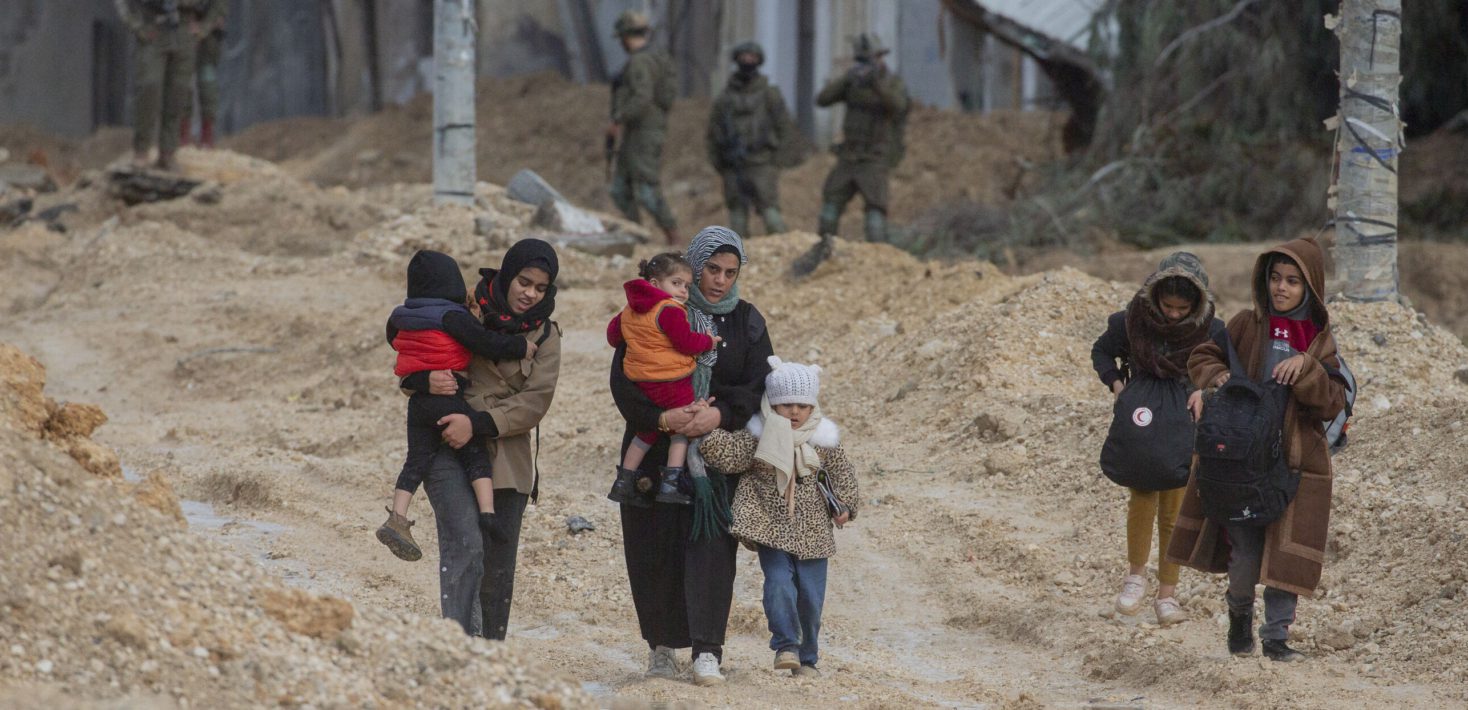
Israel has crafted a plan to establish four aid distribution points in southern and central Gaza, which Israeli media say aims to evacuate Palestinians from northern Gaza into the south.

The Israeli mechanism was opposed by the international community and the UN, which came as an alternative attempt by Israel to bypass the aid distribution through UN channels.

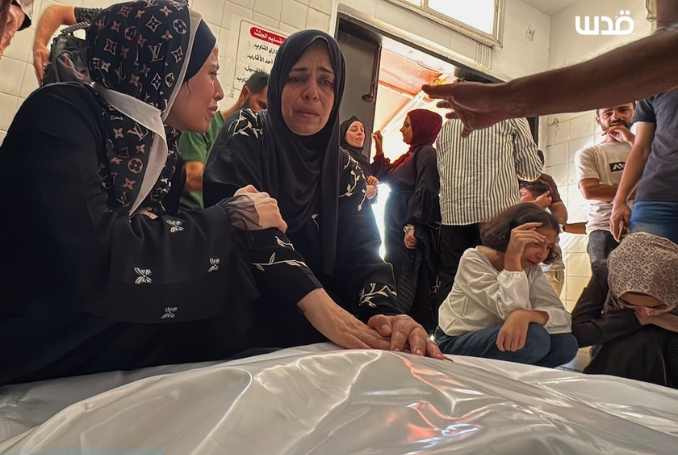
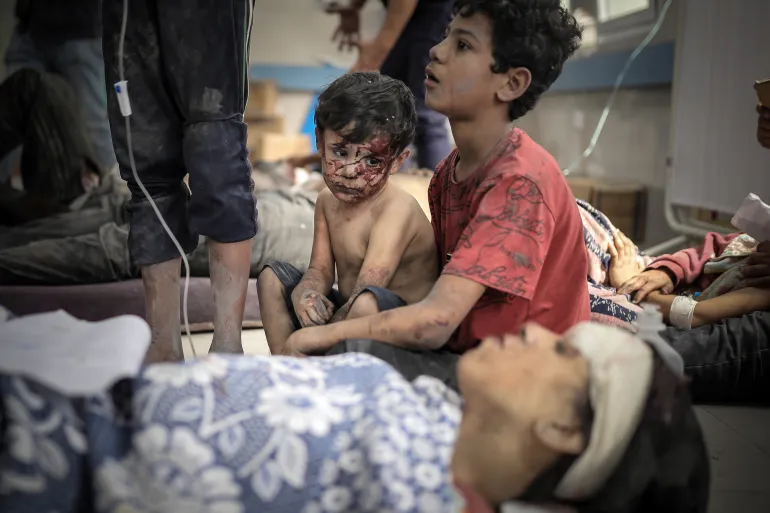
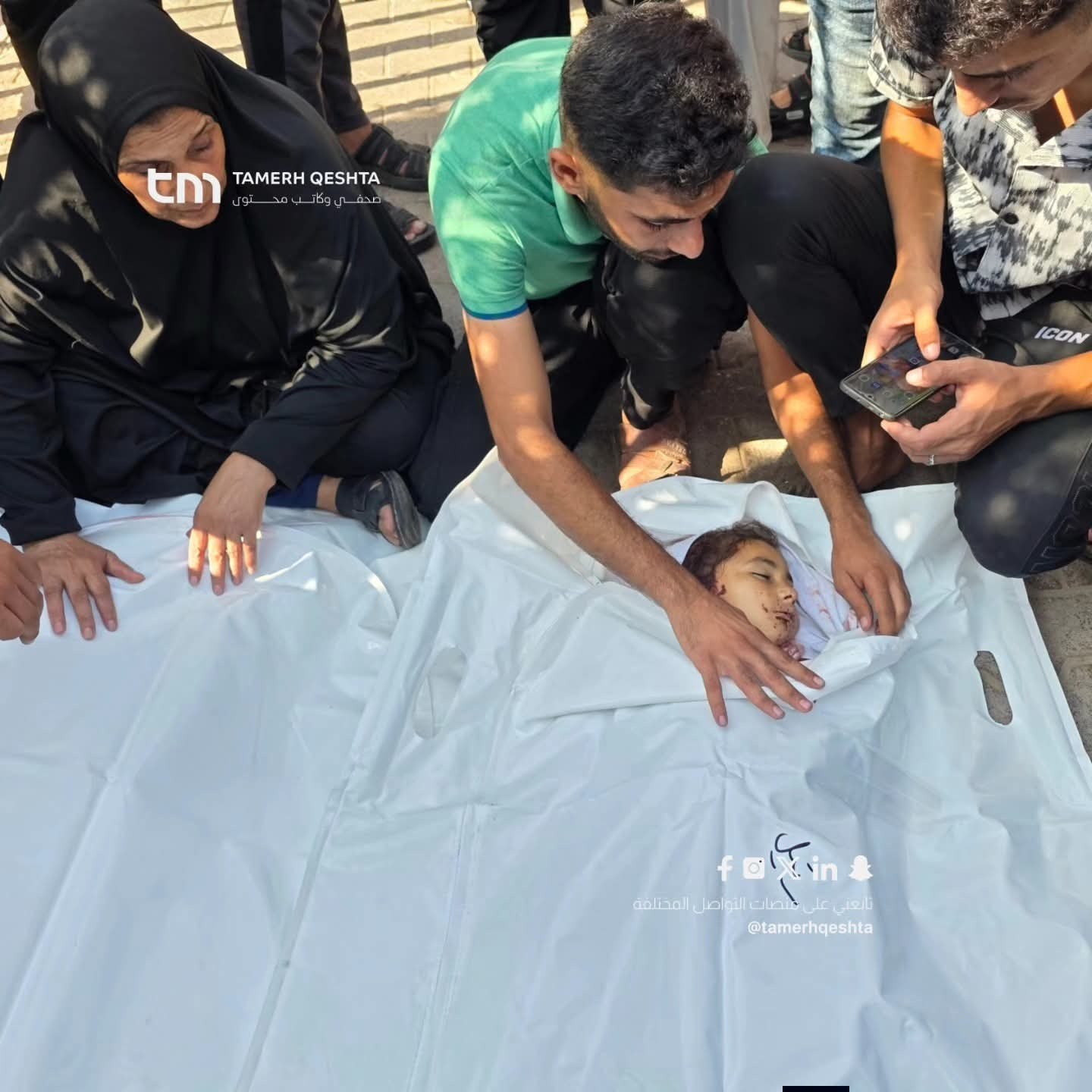
According to Gaza’s Health Ministry, at least 549 Palestinians have been killed and more than 4,000 wounded by Israeli fire near aid centers and UN food truck locations since May 27.

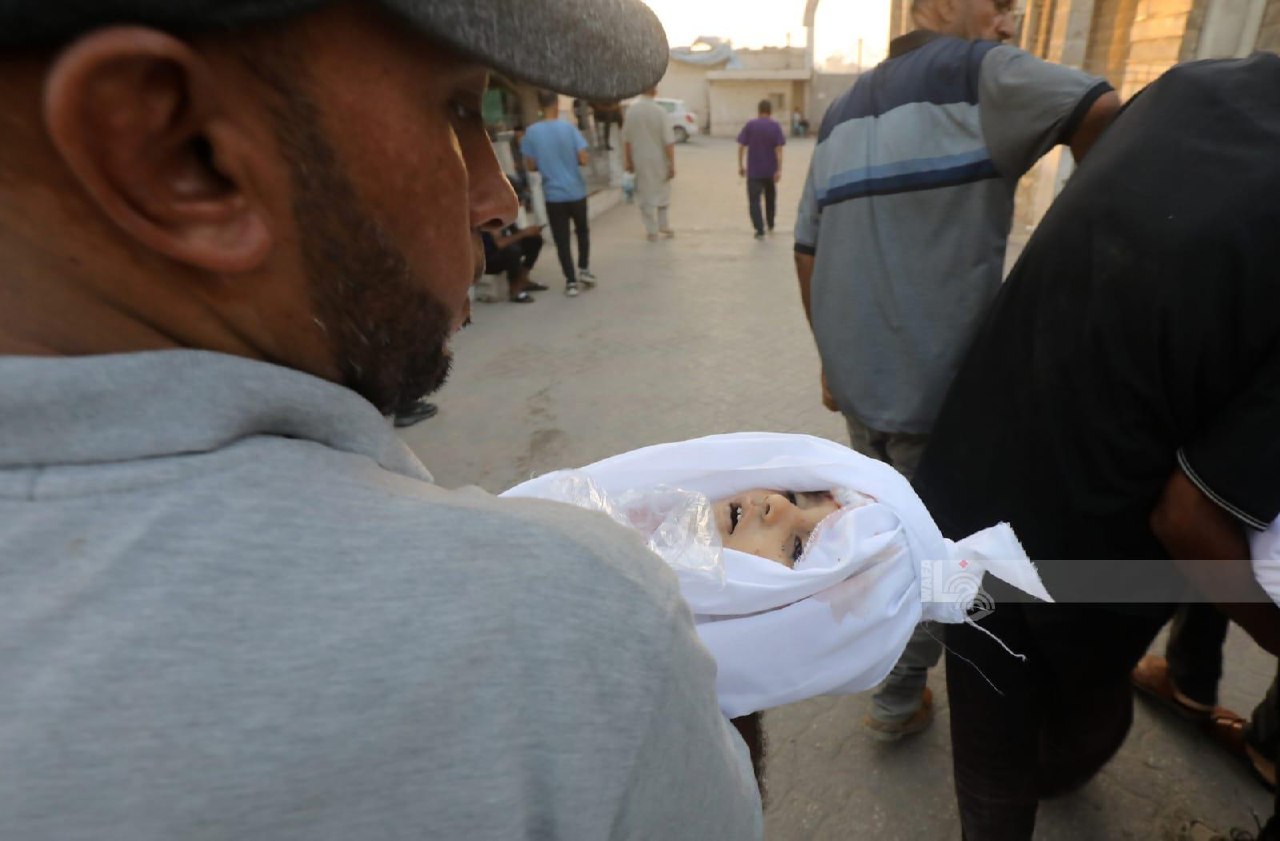
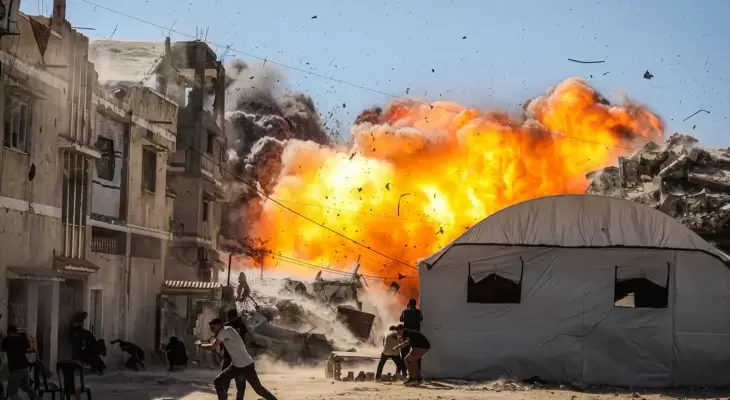
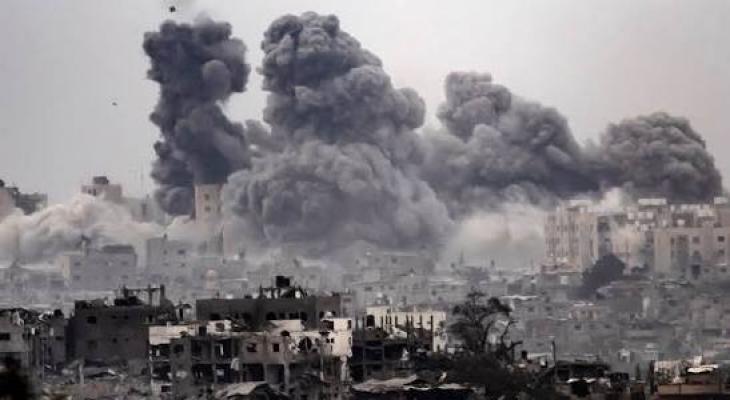
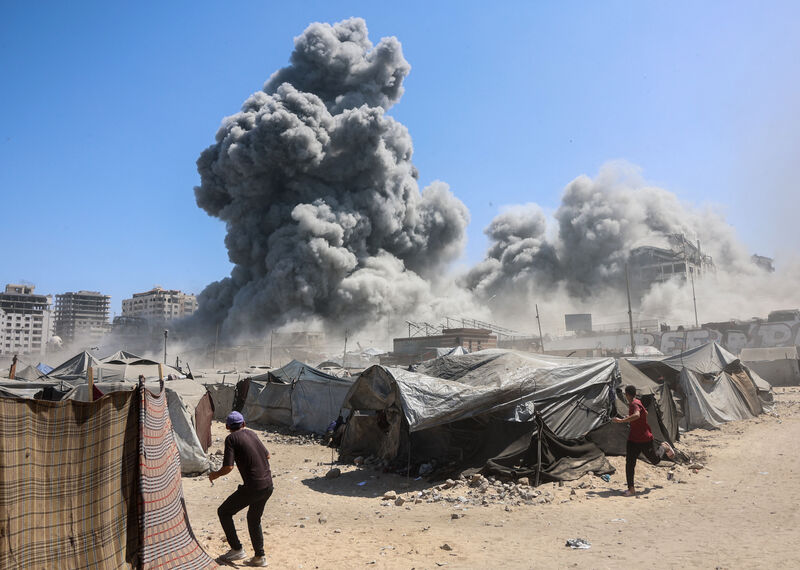
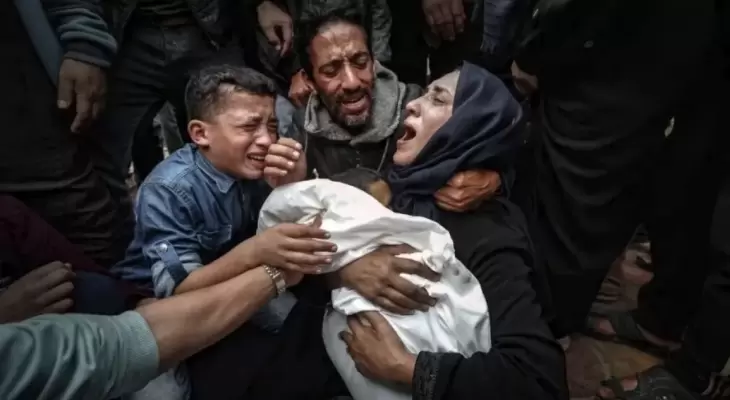
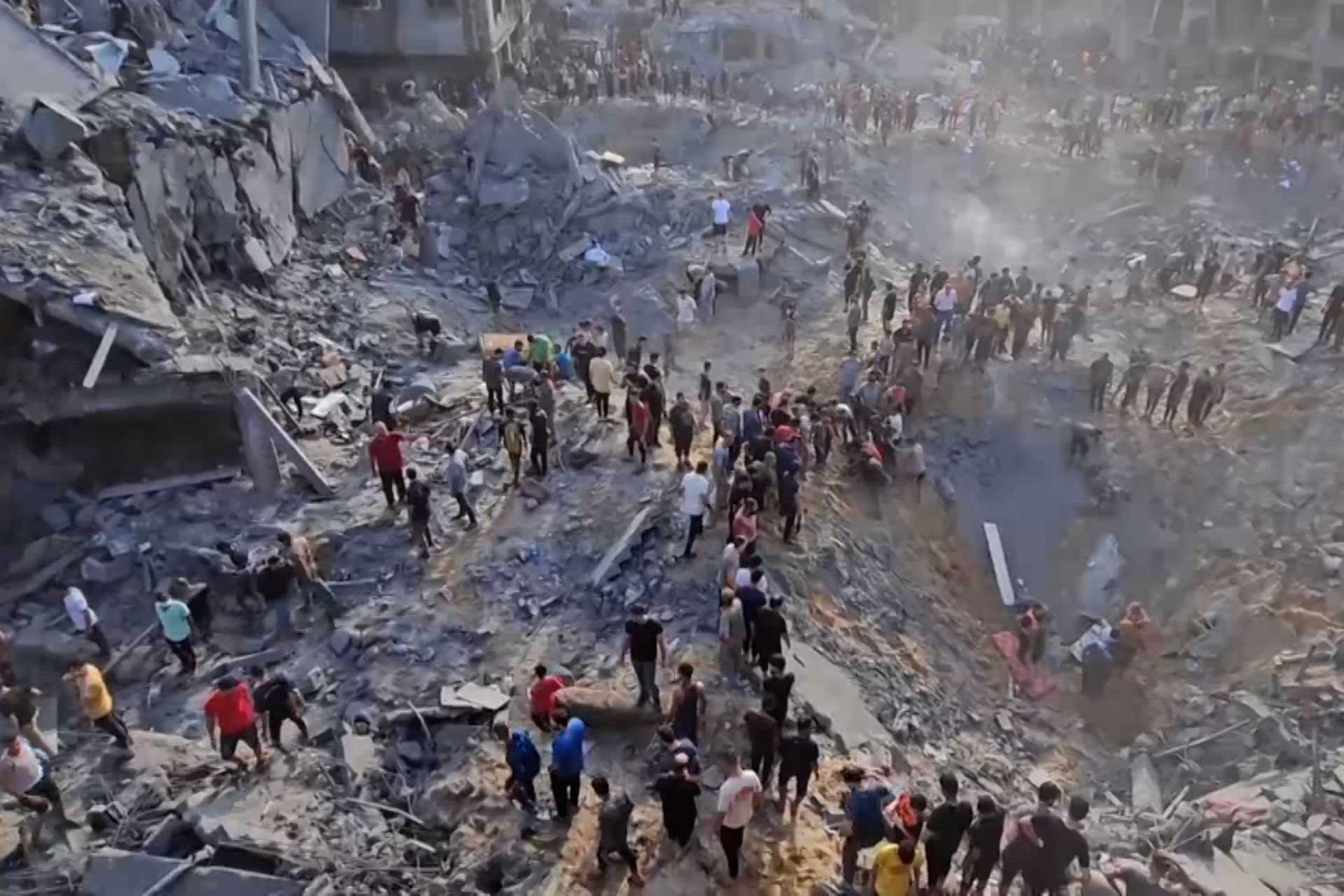
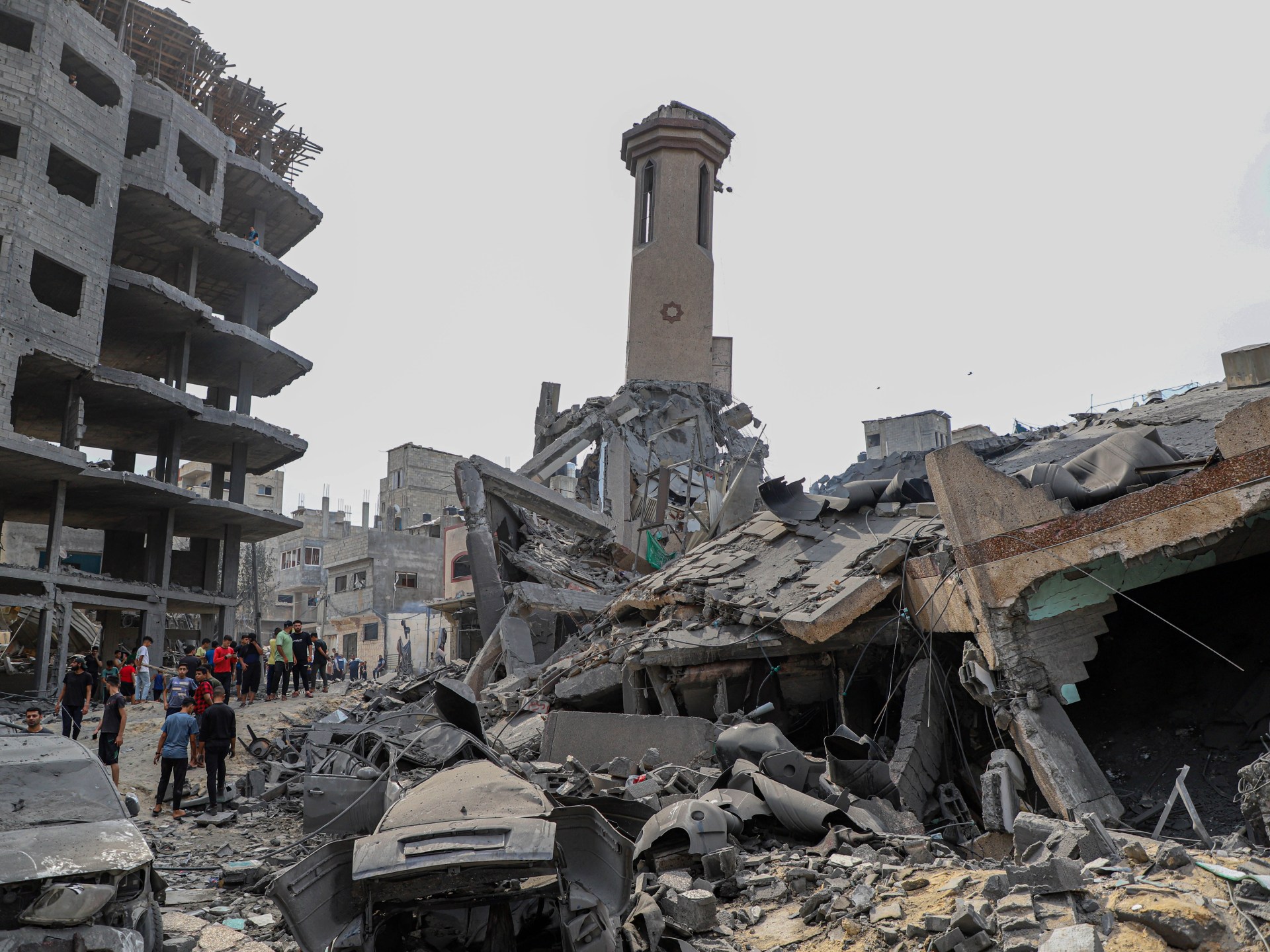
Rejecting international calls for a ceasefire, the Israeli army has pursued a brutal offensive against Gaza since October 2023, killing over 56,300 Palestinians, most of them women and children.

Last November, the International Criminal Court issued arrest warrants for Israeli Prime Minister Benjamin Netanyahu and his former Defense Minister Yoav Gallant for war crimes and crimes against humanity in Gaza.

Israel also faces a genocide case at the International Court of Justice for its war on the enclave.

Continue reading
Middle East End Game!

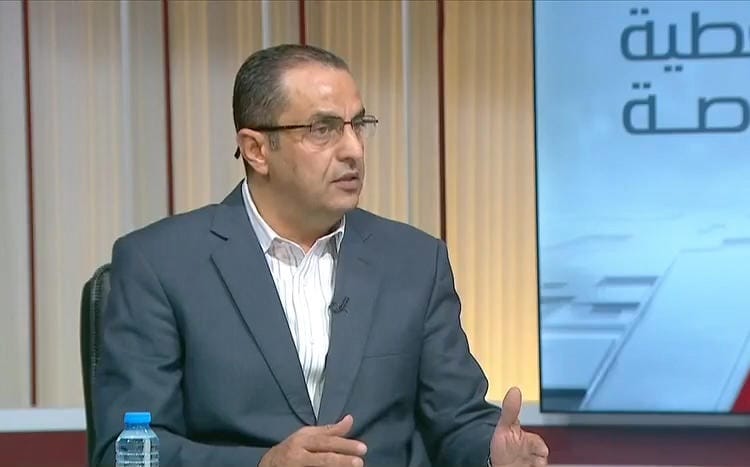
By Dr Khairi Janbek

For the last four decades, each time a tragic event or another took place in the Middle East, the slogan that gets thrown onto the arena is that of a “new Middle East”. No one is certainly not against a new Middle East per se, but against the one in which someone acts stupidly and then against the stupid acts of someone else to stop the first one from acting stupidly.

Such a series of stupid events makes one think that the notion of the Middle East is supposed to be worse for the peoples of the region except most probably, Israel. Into the fray, is the idea of Israeli Prime Minister Benjamin Netanyahu who wants to change the face of the region, giving the impression this region is the face and Netanyahu is the make-up artist whom to make this “face beautiful” for Israel and probably with those grudging consent of those around it.

Now, considering what has been achieved on the ground as far as Israel is concerned in relation to Netanyahu’s end game may well be too early to tell, but at least one can say that Israel has gained a respite with its seeming regional  supremacy.

The start was with crippling the threat capability of Hezbullah and although it has not been destroyed, the responsibility for dealing with this Iranian proxy is now left to the new Lebanese government, which means that the latter will have to bear the new/old responsibility.

Then Syria came along. After the demise of the Assad regime, all Syrian military capabilities became fair game for Israeli bombardement, but in fairness, they were already so during the past Assad regime. Now, however, Israel has gone further, occupying the buffer zone between the two states while expanding its security zone deep inside Syria. Here, the project being pursued is a push for a federal structure to make the country incapable of becoming a future threat to Israel.

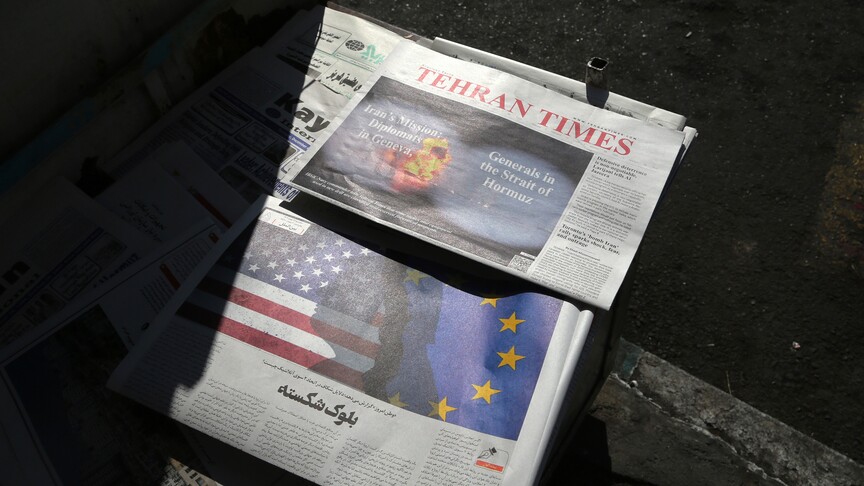
As for the 12-day campaign of bombardment and counter-bombardment by Israel and Iran with US cameo appearance, it is hard to reach any conclusions because of the great damage on both sides that is not really known as it verges on exaggerations, either for seeking international sympathy or as a show of awkward display of power.

Here, the end game was for Iran to be stopped from backing its proxies in Yemen, Iraq, and Lebanon and to eliminate its nuclear capability, if indeed it has reached such a level. Here, again, it is very hard to say to what extent the Iranian nuclear program has been set back, and to what extent Iran will go on the diplomatic path to stop its military support for its regional proxies.

Inevitably, we go back in circles, to the bleeding wound of Gaza, bleeding for the Palestinians, Arabs and Israelis. End game, ideal scenario and possible solution are all lost between the Israeli genocide policy, Arab impotence and naïveté , EU flip-flopping in accordance with the change of wind, and Trumpist absurd proposals and change of mind.

The issue here is far beyond Hamas, it’s Gaza and its people. As things stand the strip is divided into three regions under starvation. A massive refugee camp for people on their own land which for all intents and purposes, will no longer be their land. All in all, Israel is, with the consent of all, will be the supreme power in the region. 

Dr Janbek is a Jordanian writer based in Paris, France.

Continue reading
Iran Emerges Strongest From This War

Dr. Salam al-Obeidi

In the finally analysis Iran still has about 600 kilograms – that is 60% enriched uranium – that it has hidden. Iran has nuclear physicists and it has technical capabilities. From a theoretical point of view, the amount of uranium ot still has could be enriched to 90%, fissile material that is needed for a nuclear bomb, within a few months. All that separates Iran from that is a fatwa made by its Supreme Leader Ali Khamenei.

We must remember that the conflict was imposed on Iran and therefore it was very important for Tehran to withdraw from it. And hence upon withdrawal, it symbolically bombed Israel again as a final show of force.

The world saw that the Iranians know how to fight and are ready for a major war (even though they don’t seek it). But Iran’s enemies are not ready for a major war. Realizing that the Iranian street would not revolt, they preferred to hold off. Netanyahu has so far been unable to drag the United States into a full-scale conflict with Iran. Without that, Israel can do nothing.

Israel has suffered heavy losses without achieving its primary goals. Netanyahu’s window of opportunity is about to close (unless he embarks on another adventure). Trump has emerged from the deadlock, as expected, similar to 2020. Now he’ll await the Nobel Prize.

At this point, it can be said that Israel has lost. It failed to drag the United States into a war aimed at destroying Iran, it did not eliminate the Iranian nuclear program, and did not change the regime in Iran.

Iran suffered damage, but it did not lose. In fact, it gained a lot.

The Iranians gained invaluable experience and learned many lessons. They saw all of Israel’s weaknesses, understood what to expect from whom in the region and the world. They tested their missiles in real combat against technologically-advanced powers.

Finally, the Iranians eliminated a huge number of internal enemies. Overall, they realized the magnitude of the disaster not before it was too late, but while they still had the time and strength to eliminate the threat. The purges in Iran will continue for a long time to come. This will strengthen the Supreme Leader’s authority.

As well, the positions of those in Iran who advocate for nuclear weapons have also been strengthened.

Dr al-Obeidi is an Iraqi writer and contributed this piece to Al Rai Al Youm.

Continue reading
Israel Officer, 6 Soldiers Killed in Hamas Ambush

The Israeli occupation army acknowledged that one officer and six soldiers were killed in battles in the southern Gaza Strip. Their acknowledgement came after Israeli media reported that four soldiers were killed and 17 wounded in a “complex ambush” in Khan Yunis.

The Israeli army also admitted that 16 other soldiers from the 605th Combat Engineering Battalion were wounded in the Khan Yunis resistance ambush. The army noted that the seven soldiers were completely burned after an explosive device detonated in a Puma armored vehicle in Khan Yunis, and that evacuating them from the scene was difficult.

Israeli media described their deaths as one of the most difficult incidents the army experienced in recent months.

Yedioth Ahronoth reported that an initial investigation revealed that the tanker burned down along with the soldiers inside, and that it took the army hours to identify them after the incident. It noted that the evacuation helicopters returned empty to bases after the army was forced to evacuate the armored personnel carrier and its passengers into Israel.

The newspaper also reported that the army has not yet found the fighters who planted the explosive device. Israeli media reported that fierce fighting took place at the site and that Palestinian resistance fighters targeted the rescue force.

Israeli media reported, Tuesday, that soldiers were missing at the ambush site in Khan Yunis and indicated that the air force was intensifying its flights to evacuate the wounded and attempt to locate the missing soldiers.

The Izz ad-Din al-Qassam Brigades, the Hamas military wing, announced that its fighters carried out a complex ambush targeting an Israeli force, killing and wounding its members in Khan Yunis.

The Brigades said via Telegram that its fighters targeted the Israeli force inside a house south of Khan Yunis with an Al-Yasin 105 missile and an RPG, killing and wounding Israeli soldiers.

The developments in Khan Yunis come amid repeated attacks by Palestinian resistance fighters on occupation forces in the southern and northern Gaza Strip.

The Al-Qassam Brigades also announced that they had targeted a Merkava tank south of Khan Yunis. The Brigades stated, via their Telegram account, that they had targeted the tank with a Shawaaz IED and a Yassin 105 shell in the old licensing area south of Khan Yunis.

For its part, the Al-Quds Brigades announced that they had shelled gatherings of Israeli soldiers in the “Western Line” area north of Khan Yunis with mortar shells. They stated that they had observed shells falling among Israeli soldiers and the movement of military vehicles and helicopters to evacuate the dead and wounded. They confirmed that their fighters had destroyed an Israeli military vehicle with a high-explosive device in the center of Khan Yunis, south of the Gaza Strip.

The Al-Qassam Brigades announced earlier today that they had killed three Israeli soldiers in Jabalia, north of the Gaza Strip according to Al Jazeera.

Continue reading
Military Expert: Iran Plans for Long Battle

Military and strategic expert Major-General Fayez al-Duwairi believes that Iran is planning a long-term war, while Washington and Tel Aviv are planning to stop the war as quickly as possible, using the principle of “force imposes peace.”

US President Donald Trump announced early Sunday morning that US forces carried out a successful airstrike on three nuclear facilities in Iran. He noted that the sites bombed included Fordow, Natanz, and Isfahan, hours after several US Air Force B-2 bombers took off from a base in the United States and crossed the Pacific Ocean.

In response, Iran declared the US attack on its nuclear facilities in Fordow, Natanz, and Isfahan a “brutal act that violates international law,” and called for an emergency meeting of the Security Council to condemn the attack.

Major General al-Duwairi said that Iran’s strikes against Israel today were not a response to the US strike. He described the response as clear, powerful, and effective, and a clear message from the Iranian Revolutionary Guard that Iran has the ability to respond and continues to rely on timing, diversity, and a refusal to wait.

Iran launched two missile salvos at Israel on Sunday morning, causing extensive damage to several sites. This came hours after the US Air Force bombed three Iranian nuclear facilities.

According to Al-Duwairi, in its response to Israel, Iran is obligated to rationalize the number of missiles, focus on their type, and find loopholes through which they can deliver them to their targets. It must also utilize its capabilities in an optimal and intelligent manner, as it is unable to confront Israel and the United States on an equal footing, given the balance of power.

Characteristics of the “Khaybar Shekan” missile that Iran used today, Major General Al-Duwairi explained that this missile is considered one of the most modern missiles and that its official announcement began in 2022. He noted that it has historical and ideological connotations, as its name means “Khaybar Breaker,” a reference to the Battle of Khaybar that led to the expulsion of the Jews from the Arabian Peninsula.

The Khaybar Shekan missile features a multi-warhead, maneuverable, solid-fuel missile with a reduced weight. Its speed ranges between Mach 7 and 9, its range is 1,450 kilometers, and it carries over 1,000 kilograms of high explosives. The Khaybar Shekan is also a derivative of the Fateh 110 missile.

On the other hand, Major General Al-Duwairi points out the importance of focusing Iranian missiles on central and northern Israel, given that these areas represent Israel’s strategic center of gravity.

Since June 13, Israel, with US support, has been waging an aggression against Iran, targeting nuclear facilities, missile bases, military leaders, and nuclear scientists.

Tehran responded by launching ballistic missiles and drones into Israeli territory, in the largest direct confrontation between the two sides amid rounds of negotiations as reported in Jo24.

Continue reading