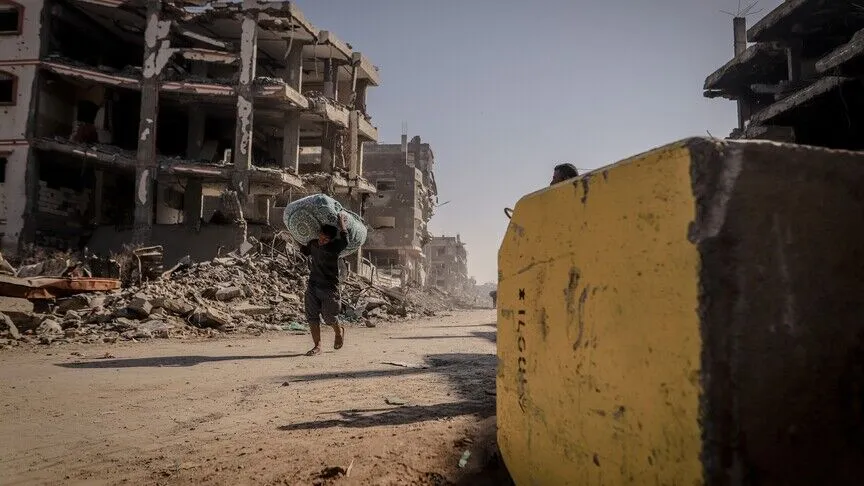
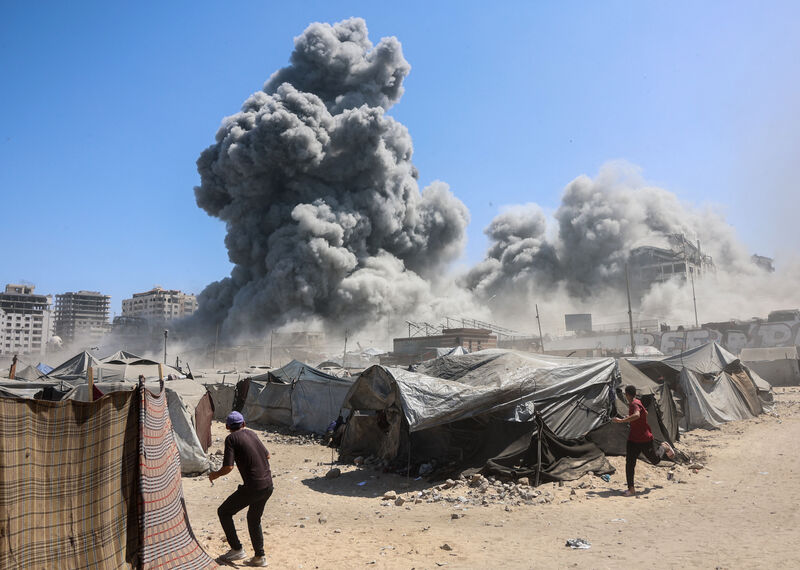
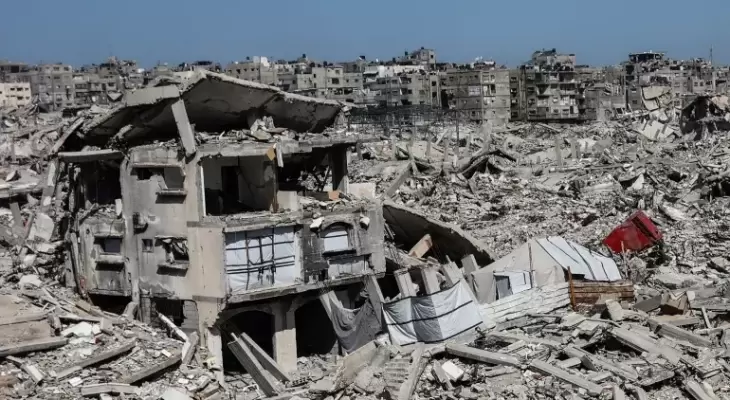
China has warned Israel against “dangerous actions” of occupying Gaza, expressing its concerns for Tel Aviv’s decision to escalate its military offensive in Gaza.
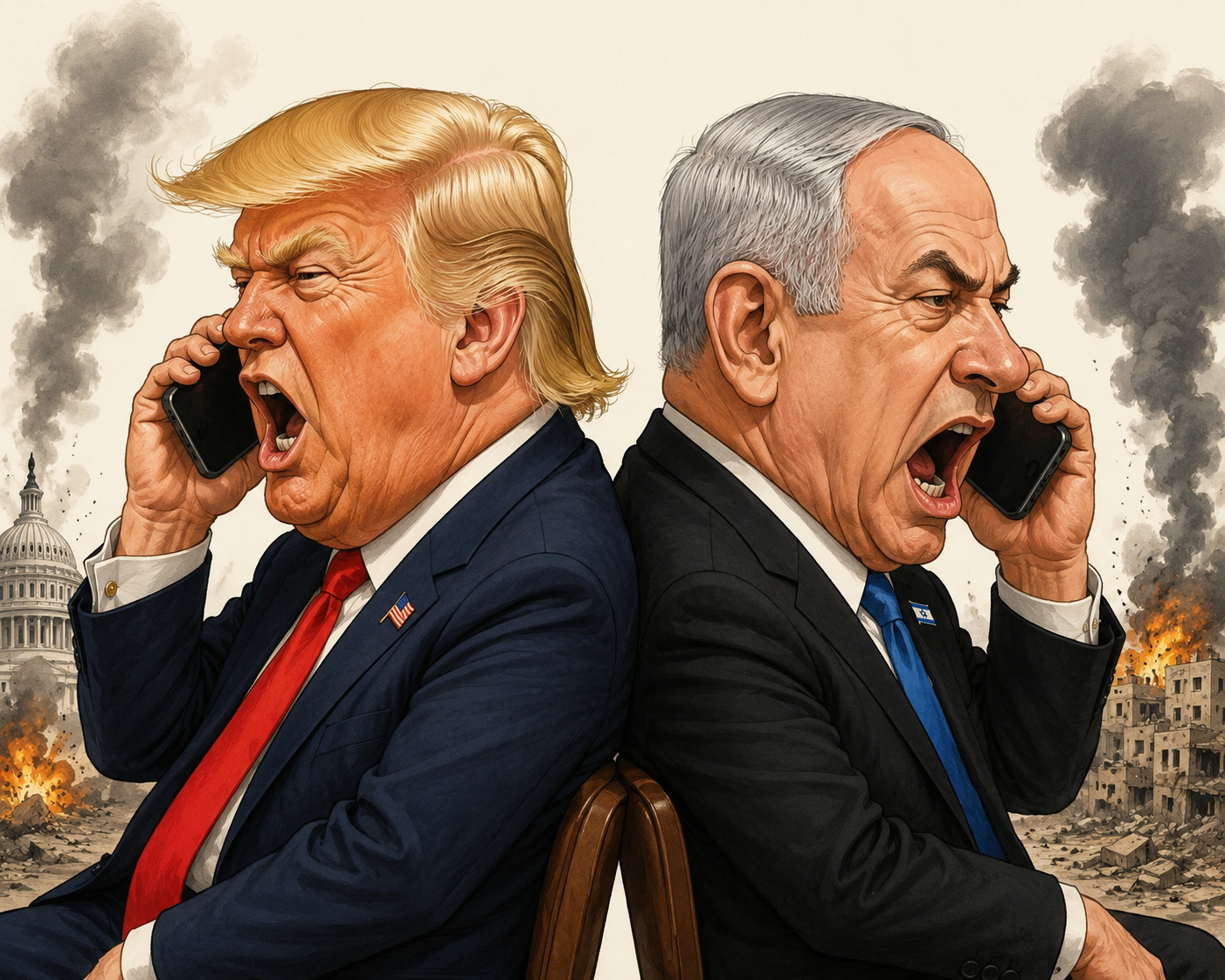
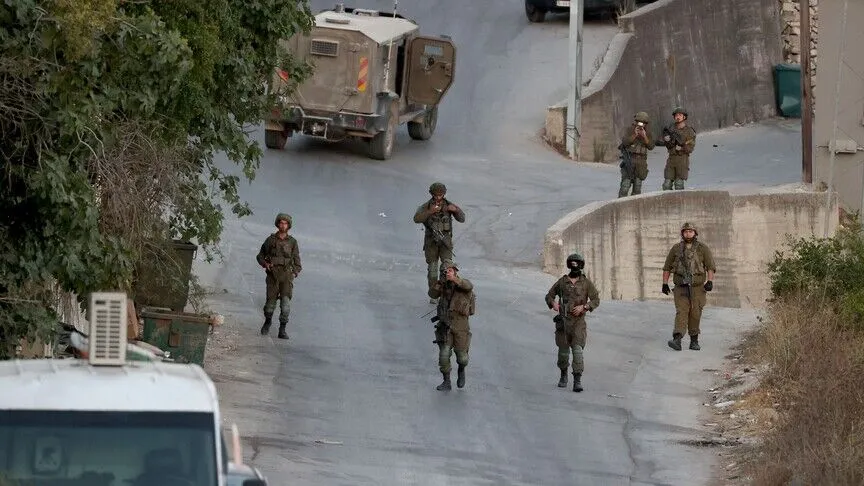
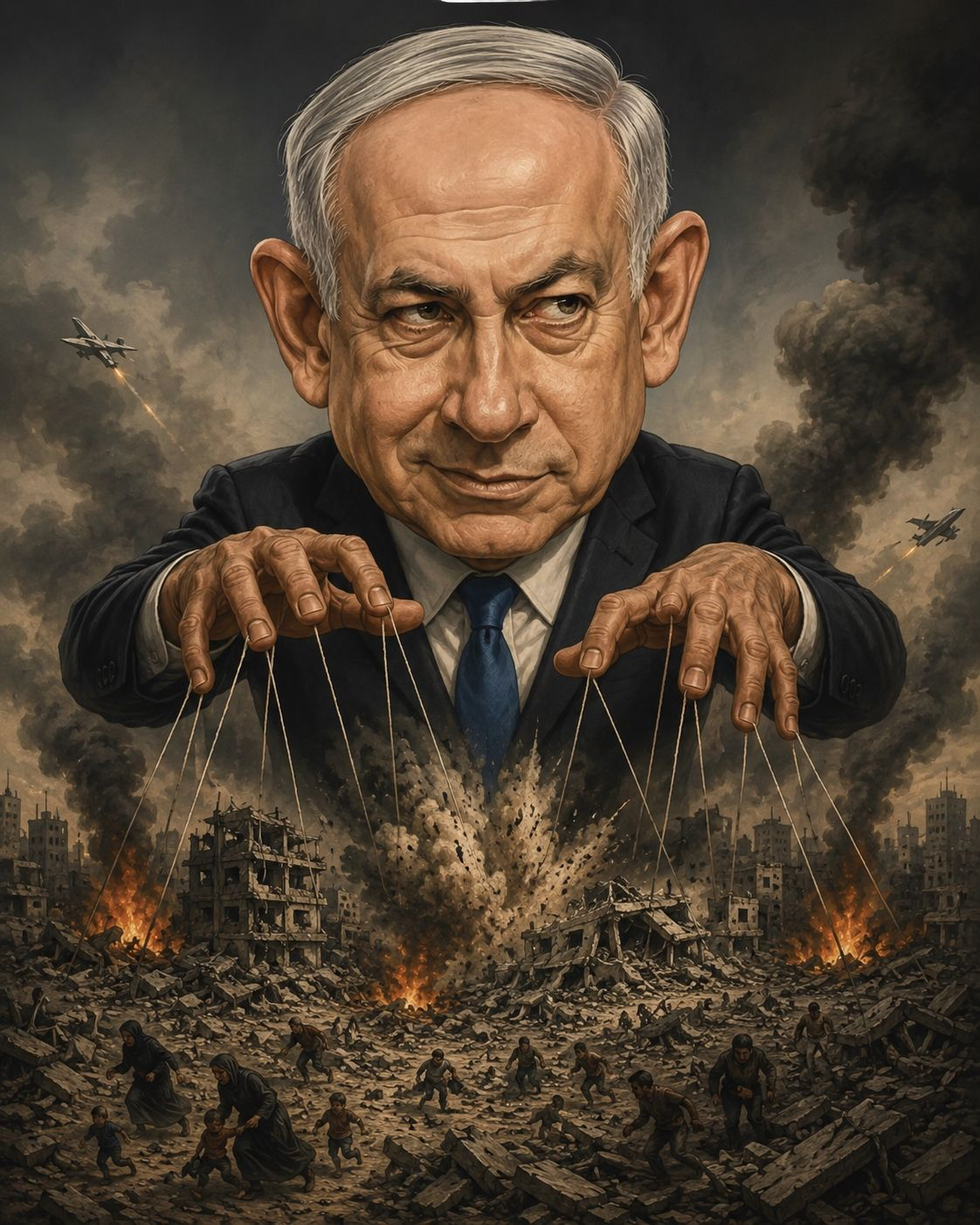
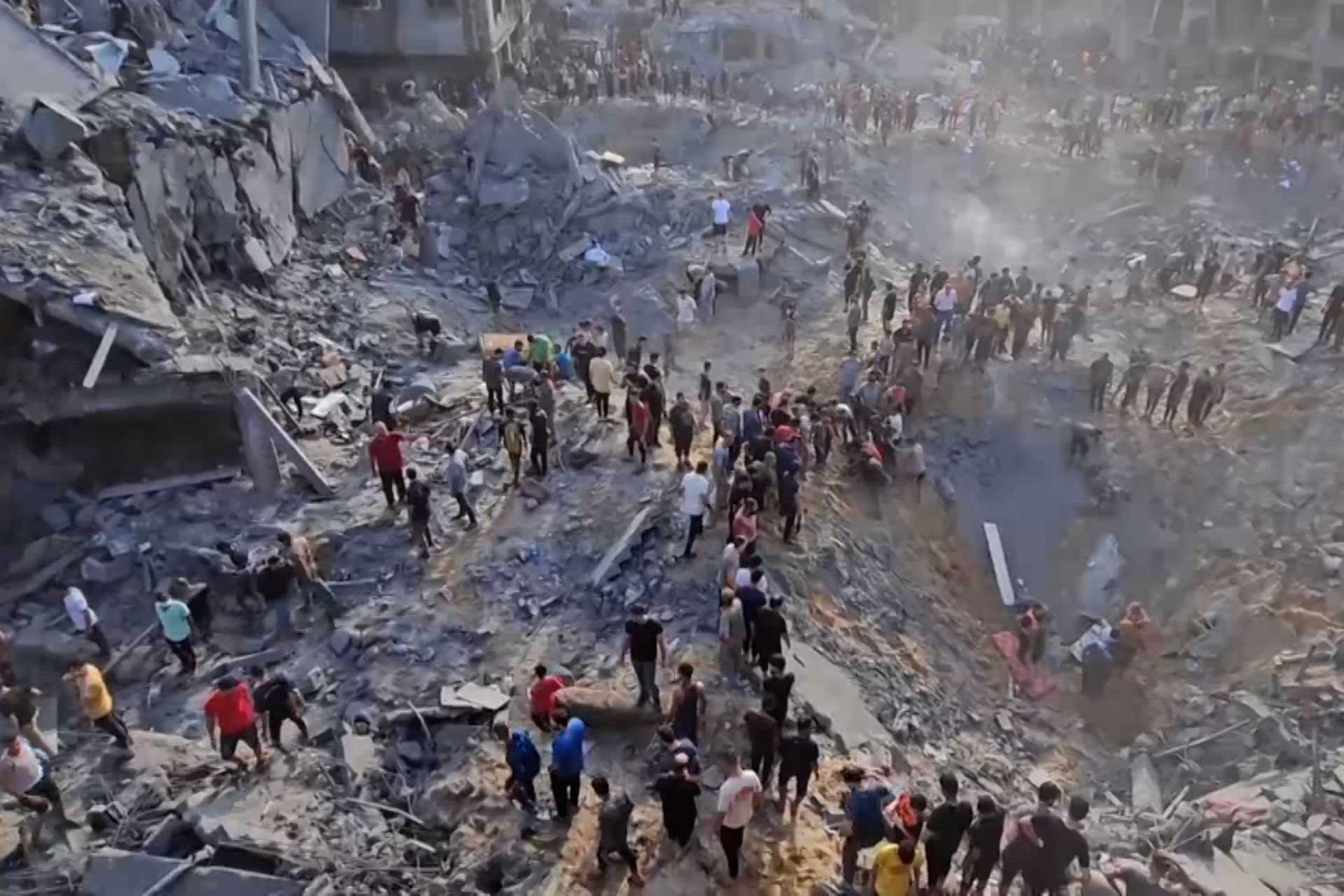
Beijing’s remarks came after Israeli media exposed that Prime Minister Benjamin Netanyahu has decided, with US backing, to push ahead with a full-scale reoccupation of the besieged Palestinian enclave, targeting areas believed to hold Israeli captives.
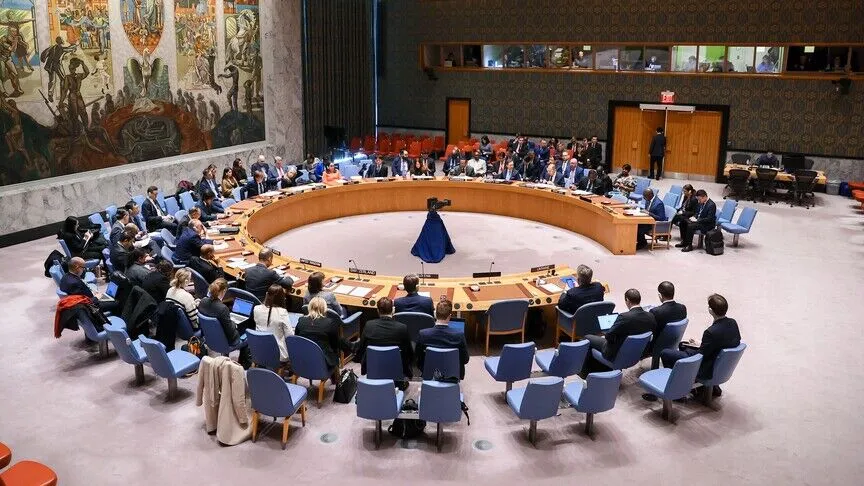
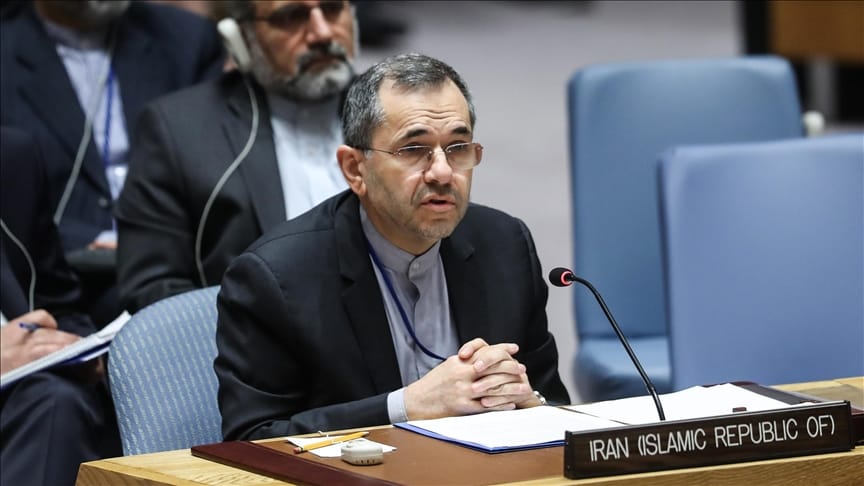
“We urge Israel to immediately halt such dangerous actions. We urge all parties to promptly reach a binding and sustainable ceasefire agreement,” China’s envoy to the UN Geng Shuang told the UN Security Council meeting in New York on Tuesday according to Anadolu.
“We further urge countries with significant influence over the parties concerned to act in a just and responsible manner and take concrete steps to help bring about a ceasefire,” he said, according to an official transcript of his speech.
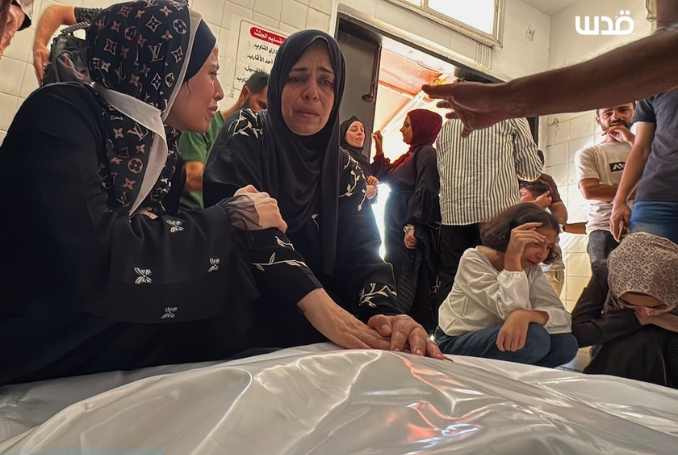
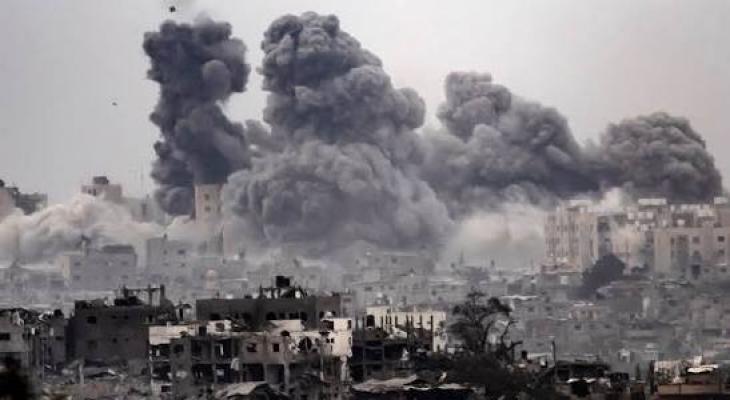
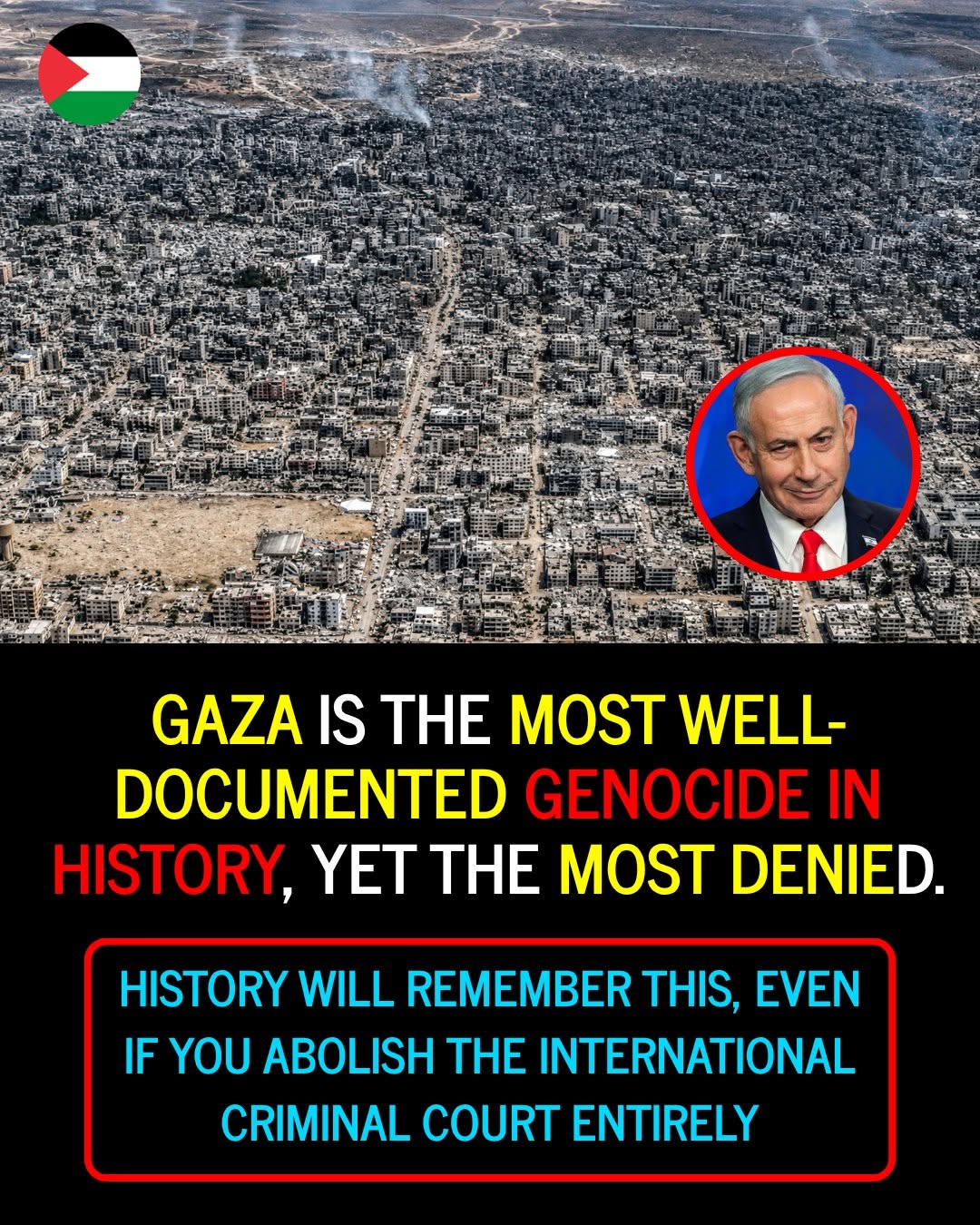
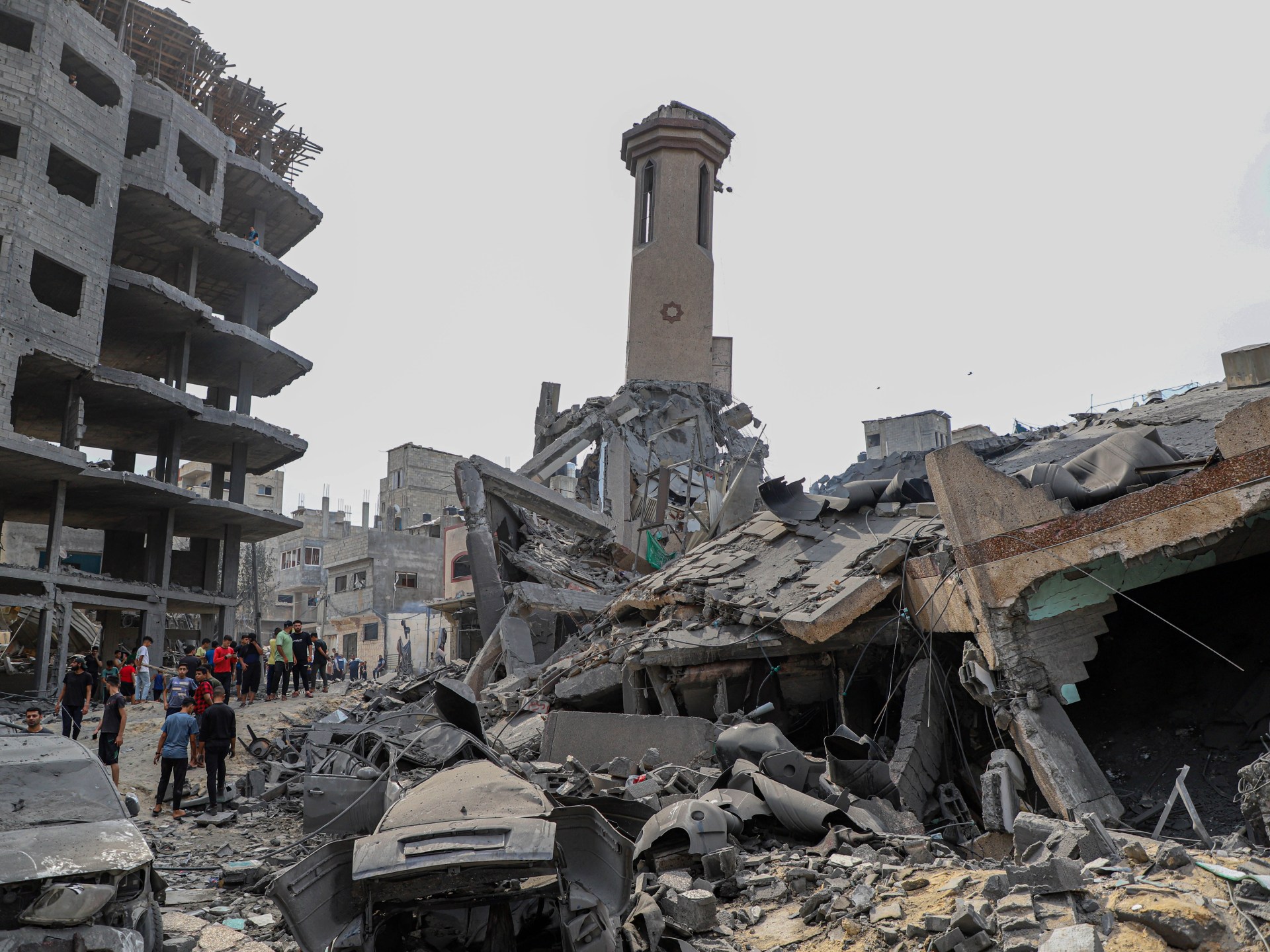
The Israeli army, rejecting international calls for a ceasefire, has pursued a brutal offensive on Gaza since Oct. 7, 2023, killing more than 61,000 Palestinians, almost half of them women and children. Israel’s military campaign has devastated the enclave and brought it to the verge of famine.
Last November, the International Criminal Court issued arrest warrants for Netanyahu and his former Defense Minister Yoav Gallant for war crimes and crimes against humanity in Gaza.
Israel also faces a genocide case at the International Court of Justice for its war on the enclave.
The daily struggle to survive an ongoing war in Gaza and to protect one’s family – while reporting on the fear and chaos that conflict brings – has become an unrelenting obligation for a UN News correspondent in the embattled enclave.
Some 21 months have passed since the 7 October armed attacks on Israel which sparked the current brutal conflict.
Thousands have died and much of Gaza has been laid to waste, but life must continue, according to the correspondent, who is remaining anonymous for security reasons.
“Those who live here in Gaza don’t need long explanations to understand the meaning of this war.
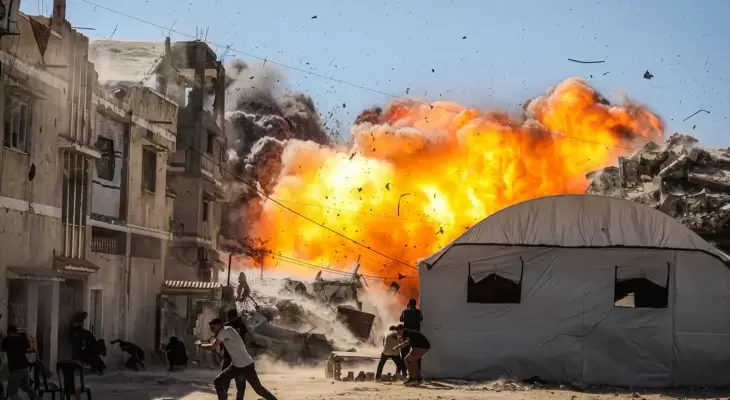
It is enough to listen for a few minutes: Planes buzz incessantly overhead, and airstrikes silence everything except fear which, although invisible, fills every space between our tents and seeps into our bodies.
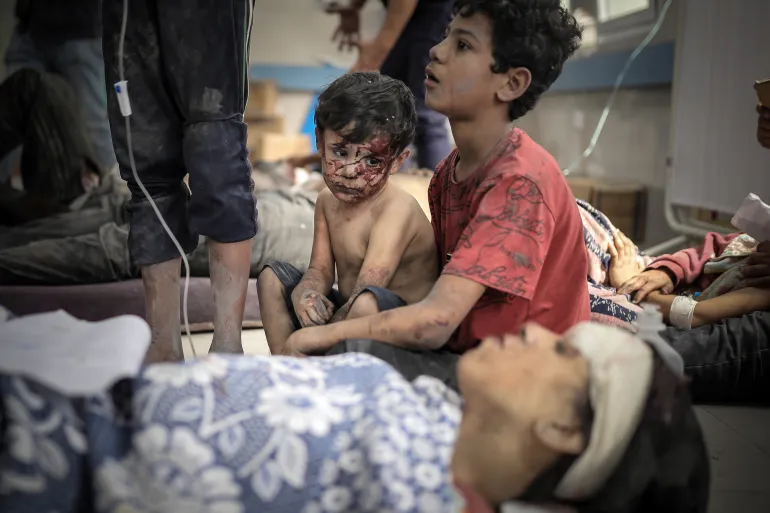
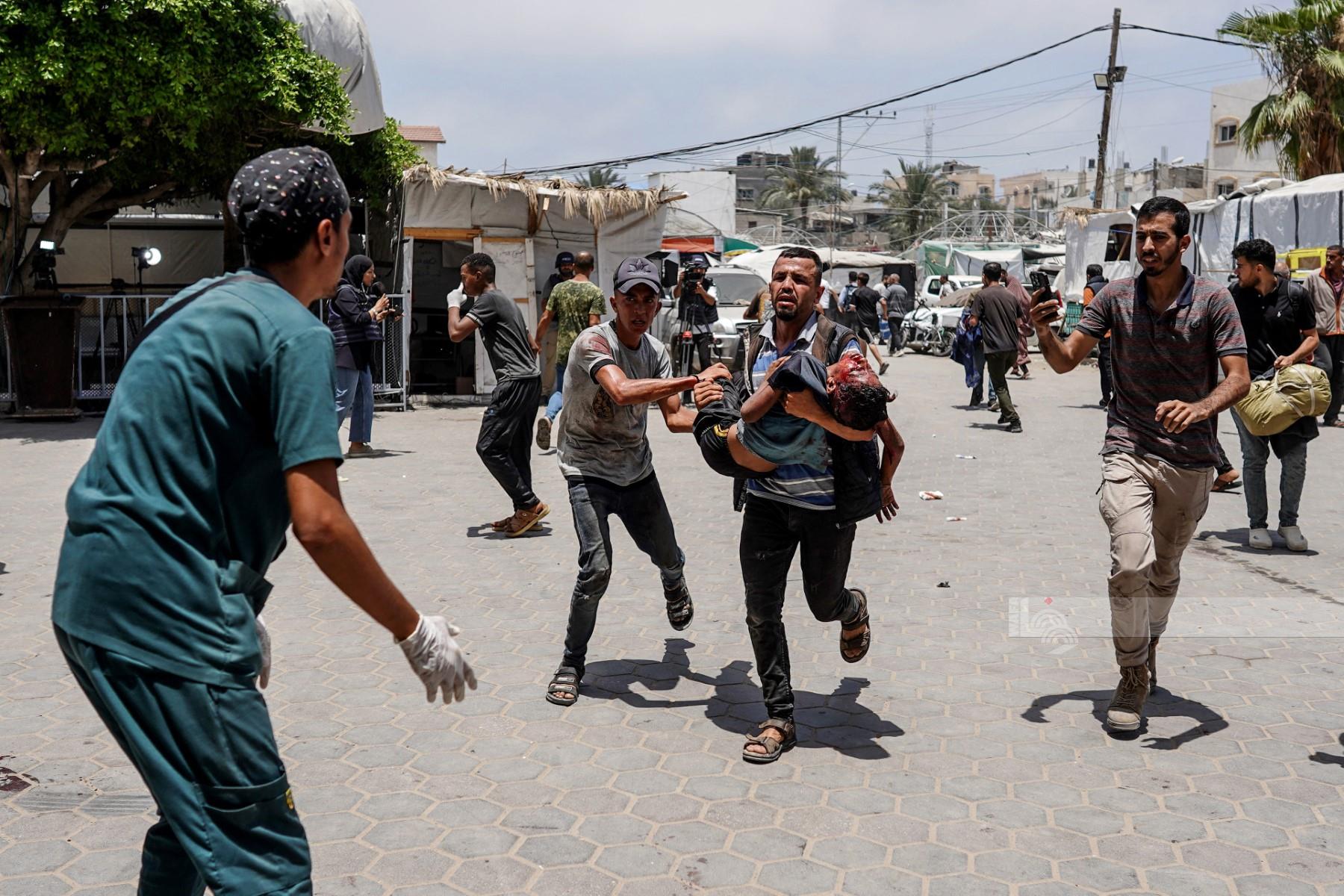
A young boy is rescued after he was caught in an attack on a school shelter.
At night, there’s absolute darkness except for the flashes of bombing.
We sleep knowing that waking up is not guaranteed.
Every morning in Gaza is a new attempt to live, and every evening a challenge to survive. This is the harsh reality we live in.
I am one of more than two million Palestinians living under the burden of displacement. I document stories of war and despair while experiencing their full bitterness.
Since our home was destroyed in November 2023, the tent has become our safety. My family, once part of my private world, is now part of the stories I share with the world.
Here, life is simple and tragic.
Sleeping on the hard ground, cooking over firewood and the exhausting pursuit of a morsel of bread are no longer options, but a way of life imposed by the cruelty of war.
In the face of my eldest son, who is not yet 14, I see a reflection of a war that has stolen his childhood and imposed burdens on him greater than his years.
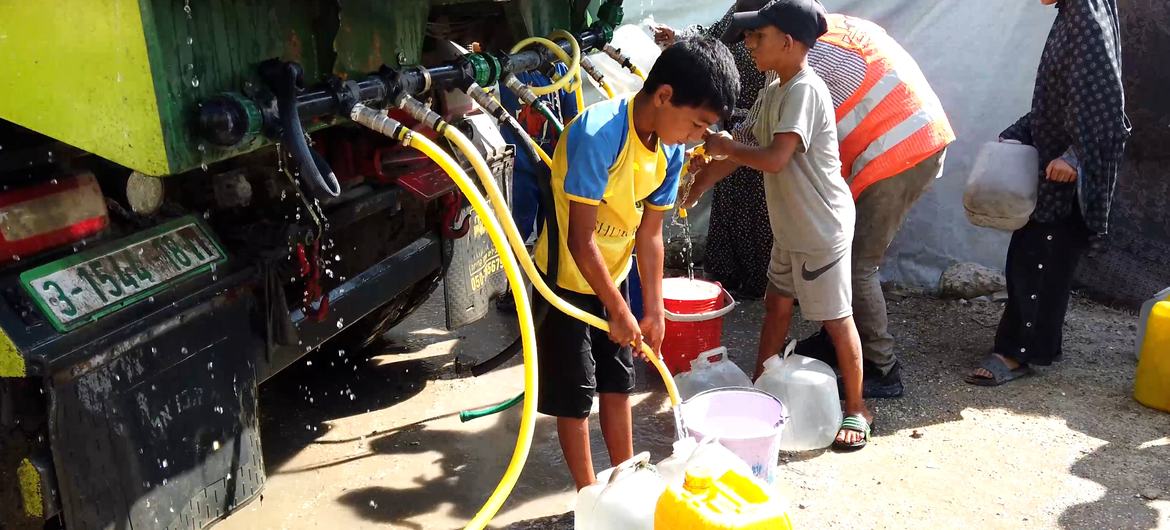
He has become an expert at water distribution routes, haggling for bread and carrying heavy gallons of water. I feel boundless pride in his courage, yet simultaneously a painful sense of powerlessness because I can’t protect him from what’s happening around us.
Oasis of hope
My wife is trying to create an oasis of hope for our other children. My two eldest daughters continue to learn online when the internet is intermittently working and to read whatever books are available.
My youngest daughter draws on worn pieces of cardboard while my youngest son, who is four, has no memory of anything other than the sound of explosions.
We stand helpless in the face of his innocent questions. There are no schools, no education, only desperate attempts to keep the brightness of childhood alive in them, in the face of a brutal reality.
More than 625,000 children in Gaza have been deprived of an education.
This is due to the destruction of schools and the lack of a safe environment in which to learn.
The future of an entire generation is threatened.
UN News
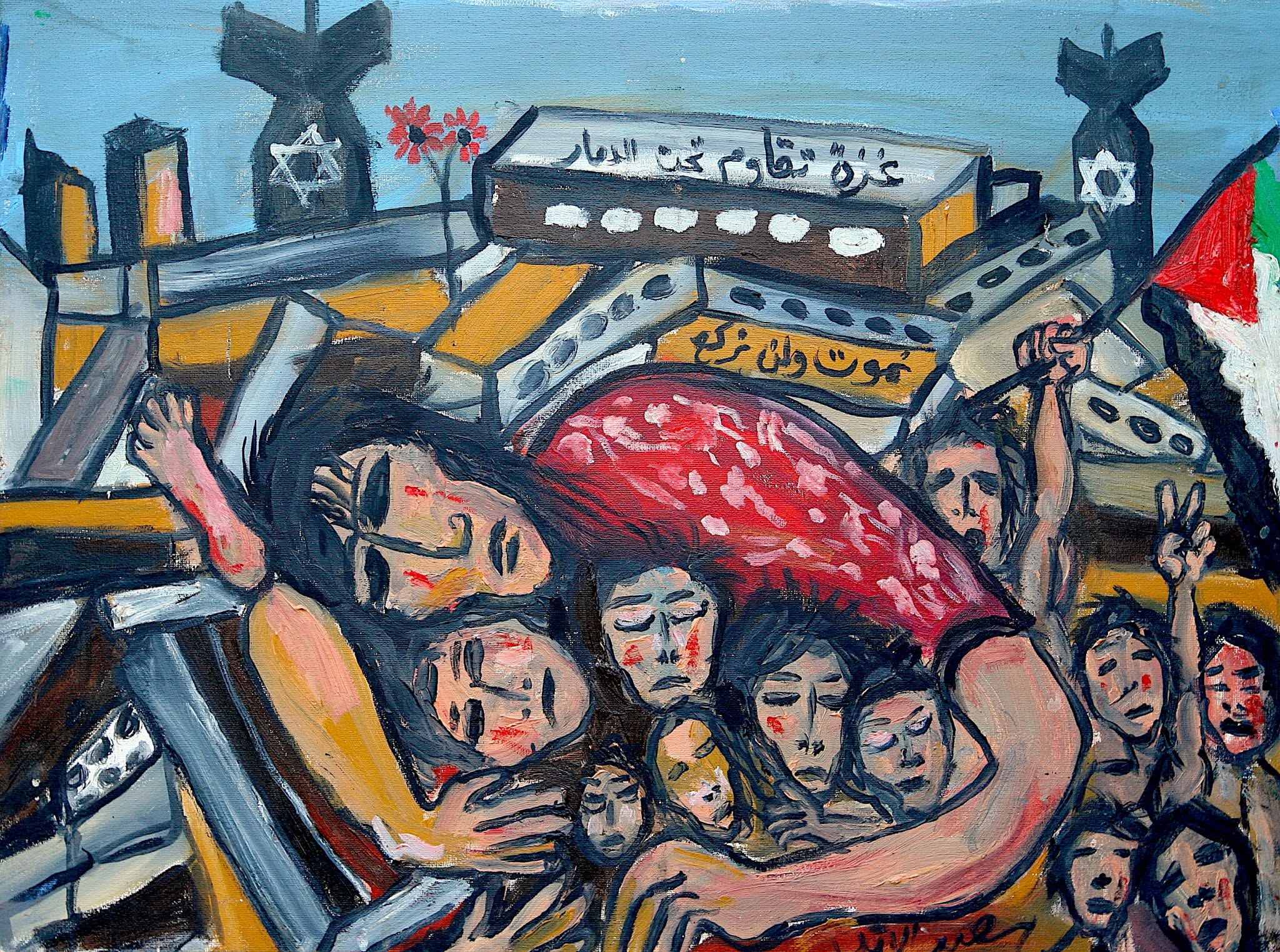
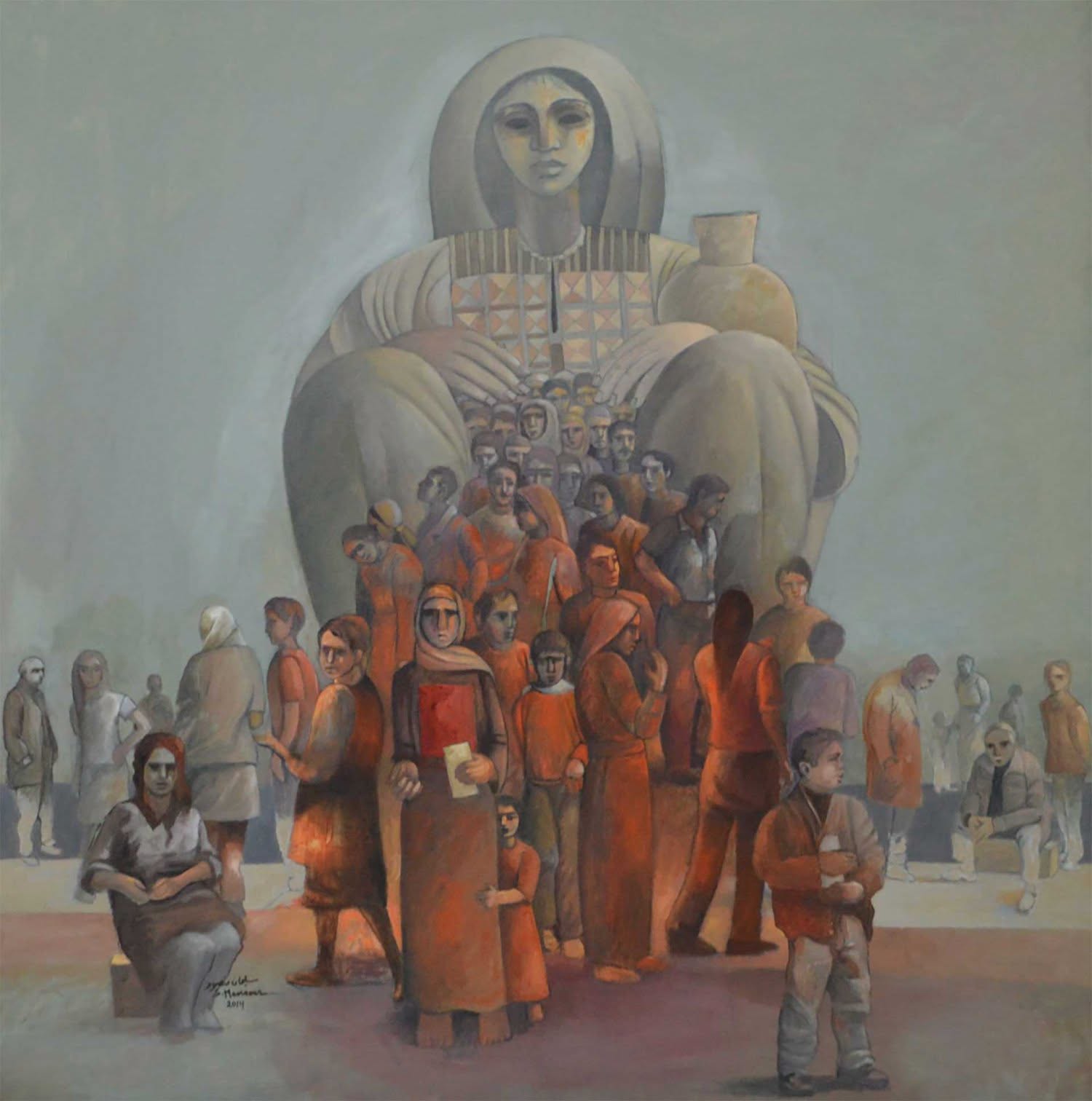
A drawing depicts people dying as they try to access food from a truck in Gaza.
Bearing witness
I work alongside other journalists. We wander between hospitals, streets and shelters.
We carry our journalistic equipment not only to document events, but also to be a voice for those whose voices have been silenced.
We film a child suffering from severe malnutrition, listen to the story of a man who has lost everything and witness the tears of a woman unable to provide food for her children.
We document a scene which is repeated daily: Thousands of people rush to reach a flour truck. They run after the trucks, collecting the last grains of flour from the ground.
They don’t care about danger as the hope of getting their hands on a loaf of bread is more precious than life.
Each time, casualties fall along the convoys’ routes and militarised distribution points.
We walk the streets, alert to every sound, as if we’re waiting for the end with every turn we make.
There’s no longer time for surprises or sadness, only constant tension and anxiety that has become part of the survivors’ DNA here.
This is the reality that cameras don’t capture, but it is the daily truth we try to explain to the world.
A WHO worker assesses a destroyed hospital in northern Gaza.
Tears of UN colleagues
We document the efforts of the United Nations and its various organizations.
I see staff sleeping in their cars to be closer to the crossings, and I see our UN colleagues crying as they listen to the stories of my fellow Gazans.
There is not enough aid. The crossings open and close abruptly, and some areas are deprived of supplies for days.
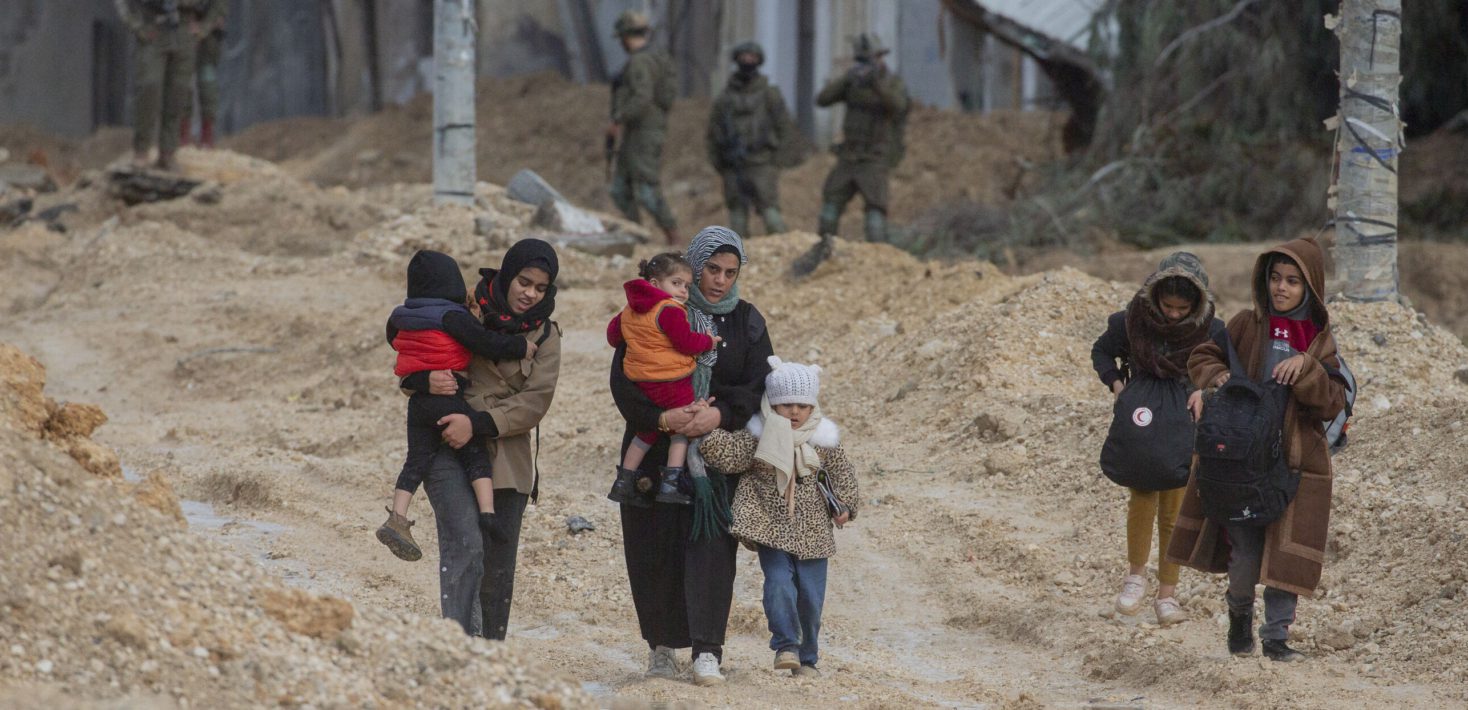
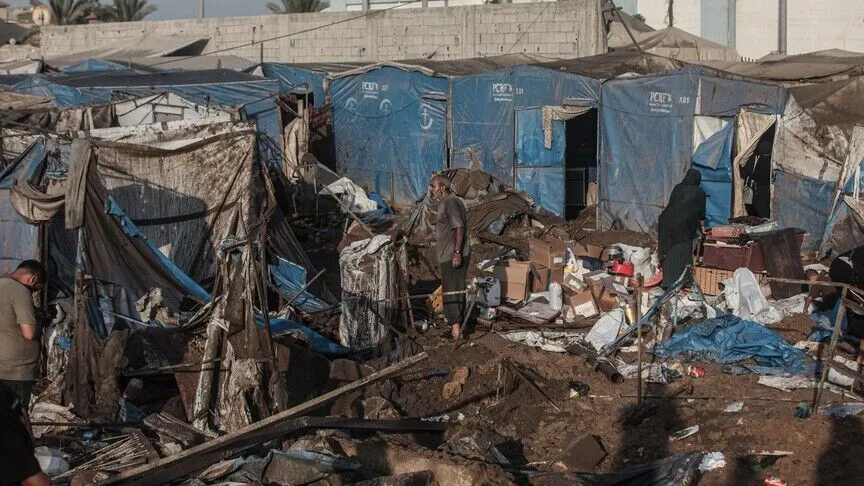
The western areas of Gaza City are overcrowded. Tents are spread out on every corner, on the sidewalks and among the rubble of destroyed homes, in dire conditions.
Empty markets
The value of the local currency has evaporated. Those with money in their bank accounts pay fees of up to 50 per cent to withdraw it, only to find themselves facing nearly empty markets. Whatever is available is being sold at exorbitant prices.
Vegetables are scarce, and when available, a kilogramme can cost more than $30. Fruit and meat are a distant memory.
The health system is in a state of complete collapse as 85 per cent of Gaza’s hospitals are no longer functioning and most dialysis and chemotherapy services have stopped.
Medications for chronic diseases are unavailable. I am unable to secure medicine for my parents, who suffer from diabetes and high blood pressure, and there is no hope of surgery which could save my brother’s arm, which was injured in an airstrike.
A young boy carries a water bottle through an area where people are living in tents.
Witness to everything
Sometimes, I feel caught between two identities, the journalist documenting the suffering and the human experiencing it.
But, perhaps this is where the strength of our journalistic mission from the Gaza Strip lies: to be a voice from the heart of the tragedy, to convey to the world the reality of what is happening on a daily basis.
Every day in Gaza poses a new question:
Will we survive?
Will our children return from their search for water?
Will the war end?
Will the crossings be opened so aid can be delivered?
From here, we will continue, because untold stories die and because every child, woman and man in Gaza deserves to have their voice heard.
How does one speak of a “Muslim World” when the supposed collective is either silent, complicit, or supine in the face of genocide? When Muslims from Gaza to Kashmir, from Sudan to Syria, are being brutalized with impunity, and the so-called leaders of Muslim-majority states are either polishing boots in Washington or mumbling their dissent into the sand? Perhaps it’s time to recite the Fatiha over the concept of a unified “Muslim World.” If nothing else, a proper funeral might finally clear the air.
The phrase “Muslim World” once conjured images of a vast, vibrant ummah stretching from Jakarta to Casablanca, a spiritual and civilizational brotherhood united by faith and a shared moral vision. Today, that term feels like a cruel joke, the geopolitical equivalent of a sticker slapped onto a broken mirror. The nations that populate this imagined collective can barely agree on the date of Eid, let alone mount a coherent response to the systematic annihilation of their brethren. If this is the “Muslim World,” then it is one in hospice care, wheezing out platitudes as realpolitik pulls the plug.
Let us be honest: most Muslim-majority governments today are client states, marionettes in a puppet theatre directed by Western powers, primarily the United States. Iran is the notable exception, though even it often walks the tightrope between pragmatism and defiance. The rest? From Riyadh to Rabat, from Islamabad to Amman, their foreign policies are either written in Washington or blessed by it. One could argue that the only difference between the State Department and the foreign ministries of many Muslim states is the choice of drapes.
Take, for instance, the case of Pakistan. Its military—the true center of power—has for decades played the role of loyal valet to American interests, occasionally barking in protest, but always fetching the slippers when the master whistles. General Asim Munir, the current Chief of Army Staff, may feel compelled to issue a tepid statement condemning Israel’s rampage in Gaza, but no one is fooled. The servility runs so deep it has become muscle memory. If a U.S. diplomat sneezes, half the GHQ catches a cold.
But the problem runs deeper than cowardice or corruption. The real crisis is conceptual. The phrase “Muslim World” implies unity—political, moral, spiritual. But what unity can there be when Muslim regimes routinely trade in their principles for arms deals and IMF loans? When the defense of al-Aqsa becomes a photo-op and the plight of Muslim refugees is met with monastic silence? When loyalty to Washington counts for more than loyalty to the ummah? The term “Muslim World” no longer describes a coherent political bloc, let alone a moral one. It is an empty husk, a sentimental relic best abandoned.
And perhaps that abandonment is not a tragedy, but a liberation.
In fact, letting go of the mirage of the “Muslim World” may allow us to reorient our political compass. We can stop pretending that shared religious identity guarantees moral solidarity, and instead adopt a sharper, more principled political framework—one that distinguishes friends from enemies not by slogans, but by their actions. Here, the German political theorist Carl Schmitt might be unexpectedly useful. Schmitt famously argued that the essence of the political lies in the distinction between friend and enemy. In a world where Muslim rulers shake hands with tyrants while quoting the Qur’an at summits, such clarity is sorely needed.
In Schmittian terms, the real question is this: Who stands with Pharaoh, and who stands with Moses and the slaves?
Nearly every ruler today bows to Pharaoh. The gold-plated palaces of the Gulf, the military barracks of Islamabad, the ceremonial thrones of North Africa—all pay homage to power, not principle. They genuflect before the American imperium, whispering prayers for stability while Gaza burns. But the prophetic tradition—the real one, not the one trotted out for PR—stands with the oppressed, even when doing so is costly, unfashionable, or dangerous. It was Moses who stood against Pharaoh, not because it was strategic, but because it was right. The prophetic path doesn’t calculate risks; it obeys moral imperatives.
This is where a new politics must begin. A prophetic politics. One that refuses to be seduced by the theatrics of summitry and diplomatic fictions. One that understands that sometimes the friend is not the one who shares your name, your language, or even your religion, but the one who stands with the oppressed and speaks truth to power. Conversely, the enemy is not always the infidel; sometimes he wears a keffiyeh and speaks flawless Arabic but signs arms deals with Zion.
It is a bitter pill to swallow, but the truth often is. The idea of the “Muslim World” as a political community is dead. What survives is a scattered multitude of Muslims, some noble, many fearful, and a good number complicit. But therein lies the hope. Because when the fiction falls away, reality can begin. The ummah, in its truest sense, has never been about flags or borders, embassies or trade deals. It is a moral and spiritual community. And perhaps, in this age of disillusionment, it can finally reclaim that identity.
Let us stop appealing to kings and generals and start building solidarities from the ground up. Let us forge alliances not with “Muslim nations,” but with the oppressed, the truthful, the just—whoever they may be. The Palestinian teenager throwing a stone, the Sudanese doctor tending to wounds, the Syrian child clutching a torn schoolbook amid rubble—these are the citizens of the real ummah. Their resistance is not just political; it is sacred.
This kind of realignment also invites a rethinking of what leadership looks like. We must resist the temptation to look upward to palaces and parliaments and instead look laterally—at the poets, scholars, youth activists, and organizers who speak with prophetic moral clarity. We must build communities of resistance that transcend national boundaries and language barriers, and that unite under a banner not of nationalism, but of justice. We must build the ummah from the ashes, with no illusions, but with fierce hope. And we must cultivate a political imagination that allows us to see past failed institutions toward radical alternatives rooted in dignity and accountability.
Of course, the path forward is daunting. There are no oil revenues to fund this movement, no standing armies to defend it, no state institutions to give it legitimacy. But that is the point. The prophetic tradition has always begun on the margins—with a man in a cave, a voice in the wilderness, a staff in the hand of a fugitive. It has always been the path of those who would rather be right with God than comfortable with Pharaoh.
So let us bury the illusion of the “Muslim World” with dignity. Let us write its obituary, recite its funeral prayer, and move on. Not in despair, but in defiant hope. Because when the idols fall, even the golden ones shaped in our image, the possibility of true worship begins. We may not have presidents or prime ministers on our side, but we have the legacy of prophets. And that, in the end, may be enough.
We stand today at a political and moral crossroads. We can continue to genuflect before the thrones of compromised leaders, hoping for scraps of righteousness from tables drenched in blood. Or we can rise, like Moses, like Muhammad, like Malcolm, and say no. No to Pharaoh, no to injustice, no to complicity disguised as diplomacy.
The “Muslim World” is dead. Long live the ummah of the oppressed, the just, and the free.
Prof. Junaid S. Ahmad teaches Law, Religion, and Global Politics and is the Director of the Center for the Study of Islam and Decolonization (CSID), Islamabad, Pakistan. He is a member of the International Movement for a Just World (JUST – https://just–international.org/), Movement for Liberation from Nakba (MLN – https://nakbaliberation.com/), and Saving Humanity and Planet Earth (SHAPE – https://www.theshapeproject.com/).
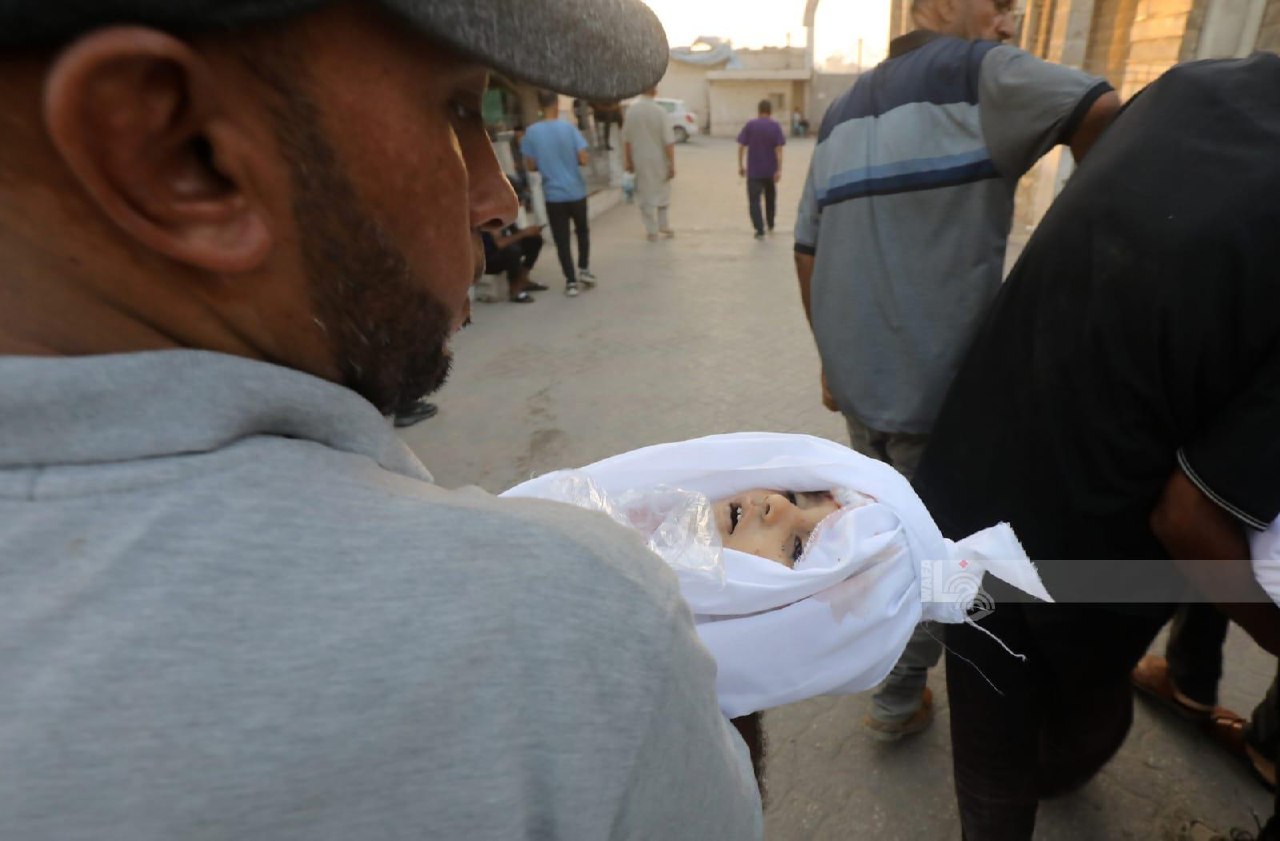
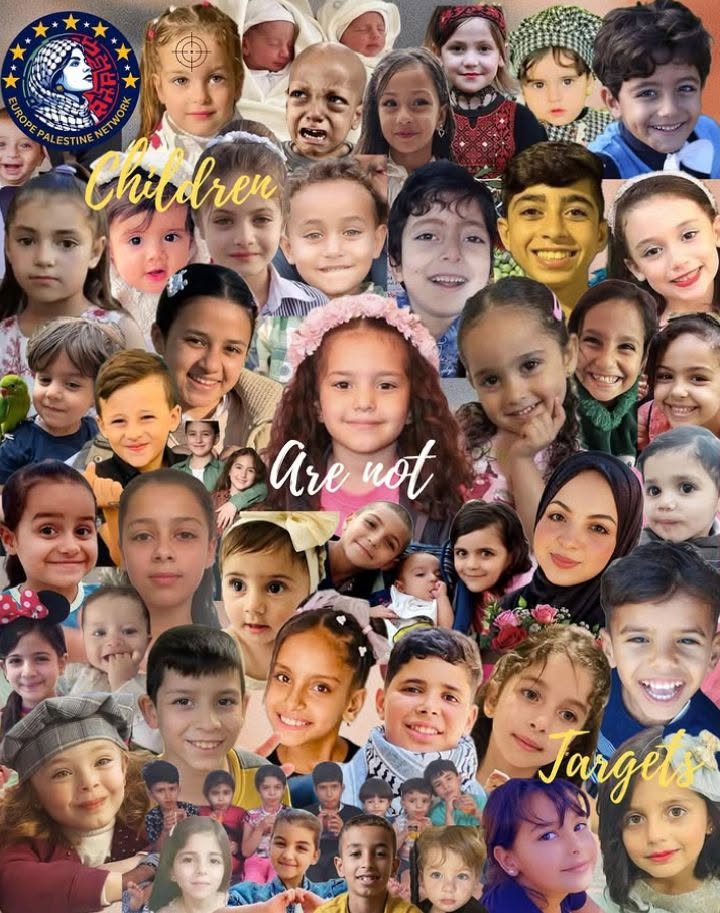
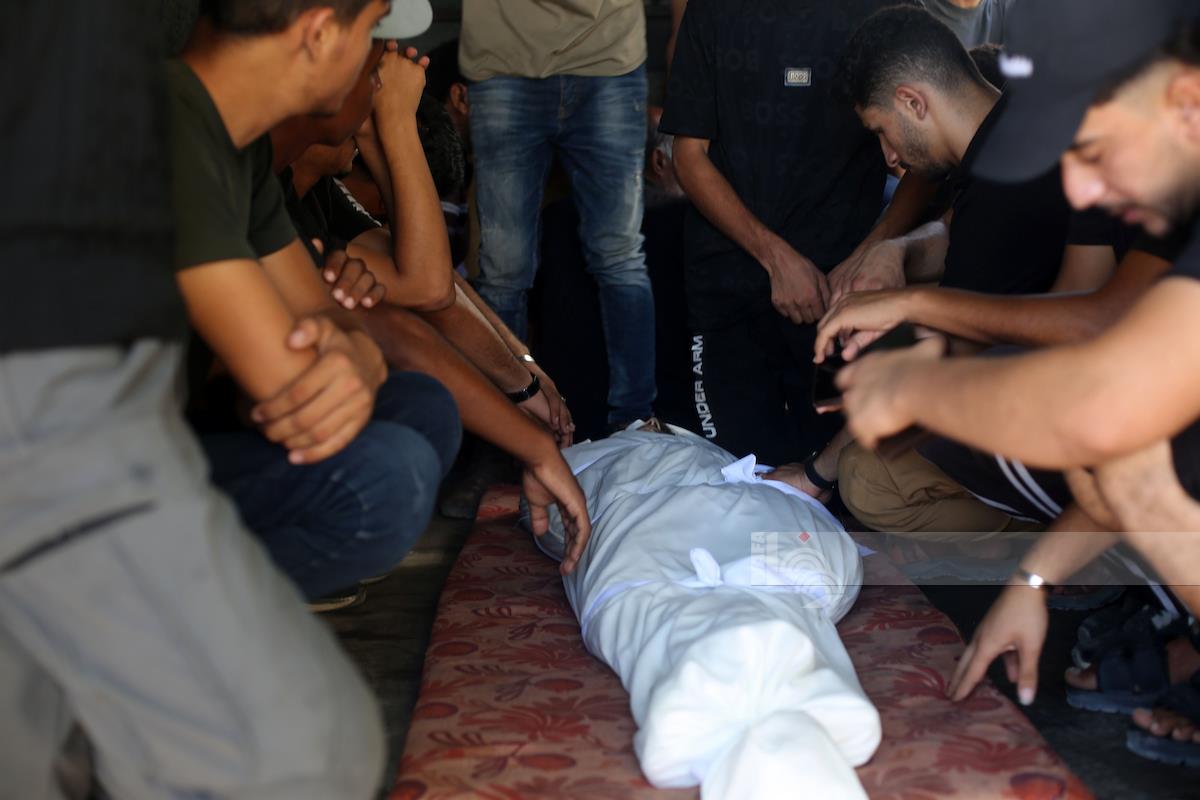
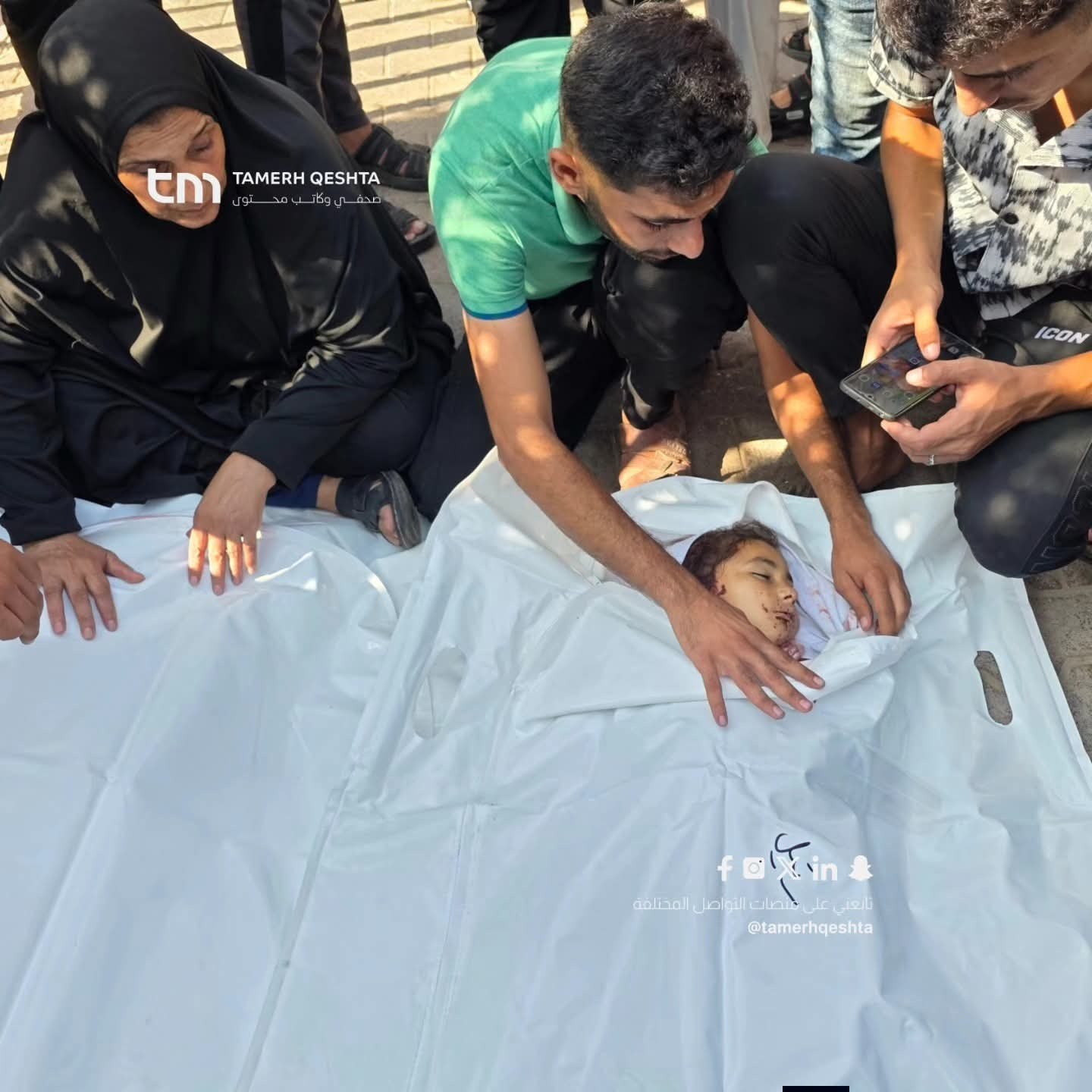
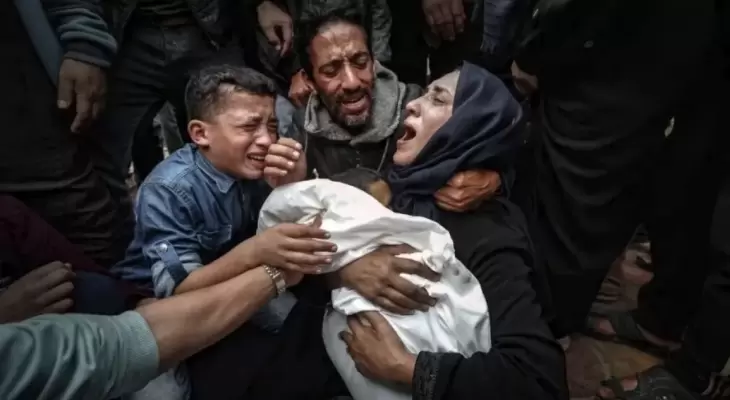
According to the United Nations, Israel kills about 28 Palestinian children daily in Gaza, the equivalent of an entire classroom, amid intensive bombardment and a blockade on aid.
“Death by bombardments. Death by malnutrition and starvation. Death by lack of aid and vital services,” the UN Children’s Fund (UNICEF) said in a post on X on Tuesday.
“In Gaza, an average of 28 children a day – the size of a classroom – have been killed.”
The agency stressed that children in Gaza are in urgent need of food, clean water, medicine and protection, adding: “More than anything, they need a ceasefire, NOW.”
Death by bombardments. Death by malnutrition and starvation. Death by lack of aid and vital services. In Gaza, an average of 28 children a day – the size of a classroom – have been killed.
Gaza's children need food, water, medicine and protection. More than anything, they need a… pic.twitter.com/7QIQQ6IAoG
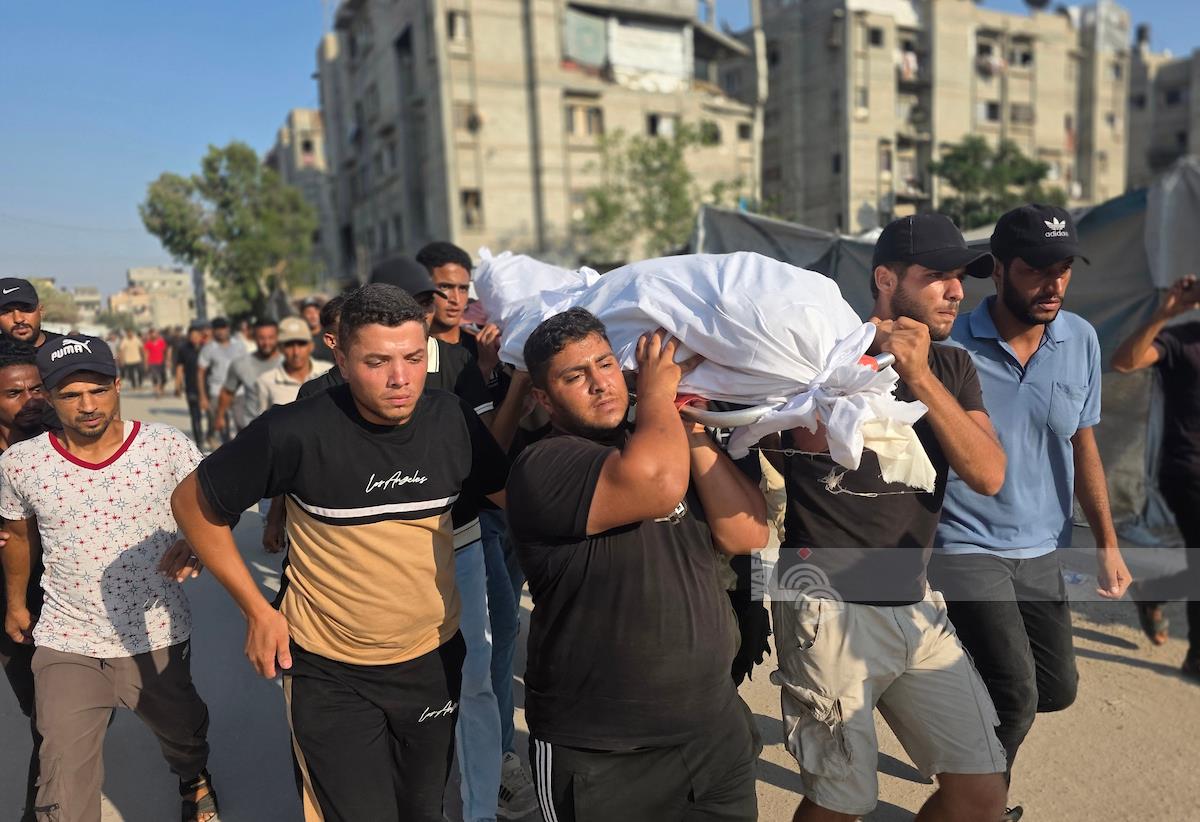
According to the Palestinian Health Ministry on Monday, Israel has killed more than 18,430 children, one child every hour, since the start of the genocide in Gaza. At least 60,933 Palestinians have been killed and 150,027 others wounded since October 7, 2023.
“Gaza is a graveyard for children today and for their dreams,” Ahmad Alhendawi, regional director of the NGO Save the Children, said. “This is an inescapable living nightmare for every child in Gaza … This is a generation that is growing up thinking that the world has abandoned them, that the world has turned its back on them.”
According to the Ministry, at least 188 people have died from malnutrition and starvation in Gaza, including 94 children and infants, as Israel continues to block aid from entering the enclave, including food and medicine as per the Quds News Network.