Food Airdrops: Humiliating, Degrading, Dangerous

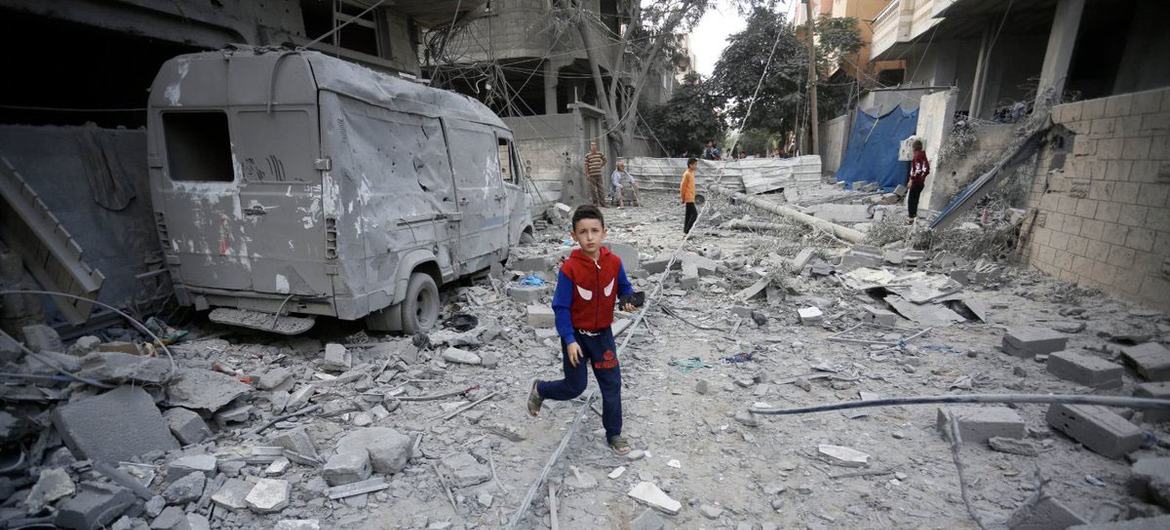
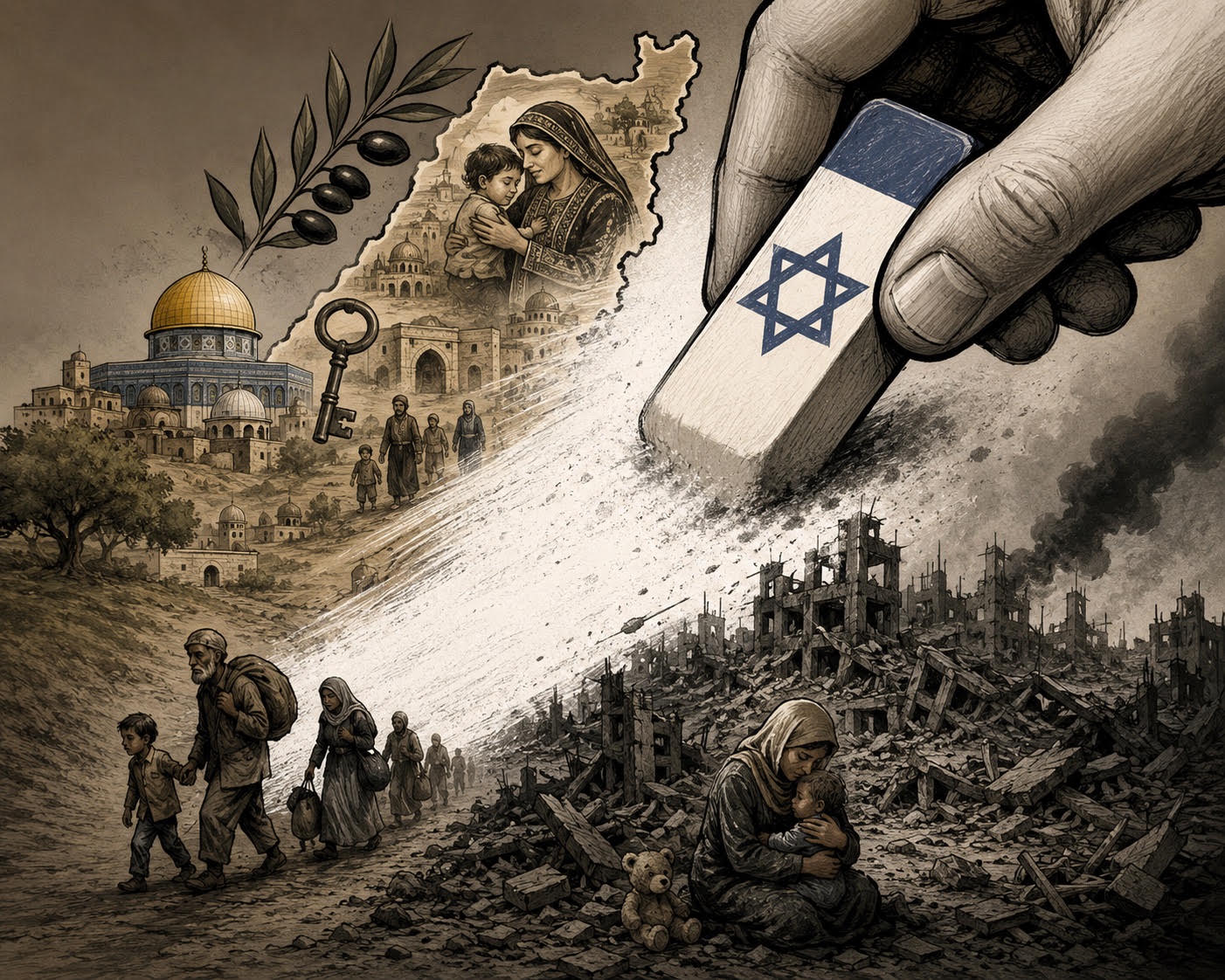
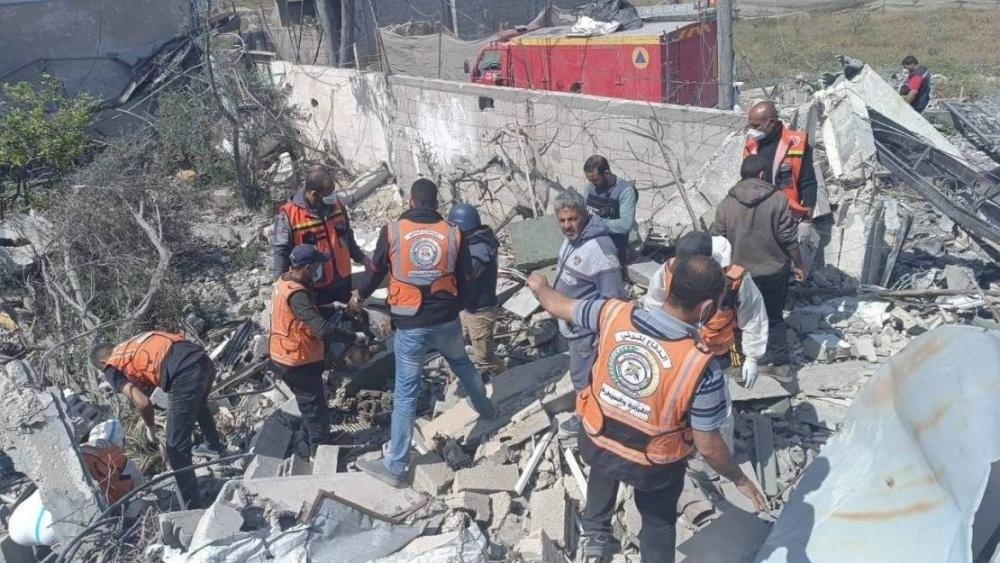
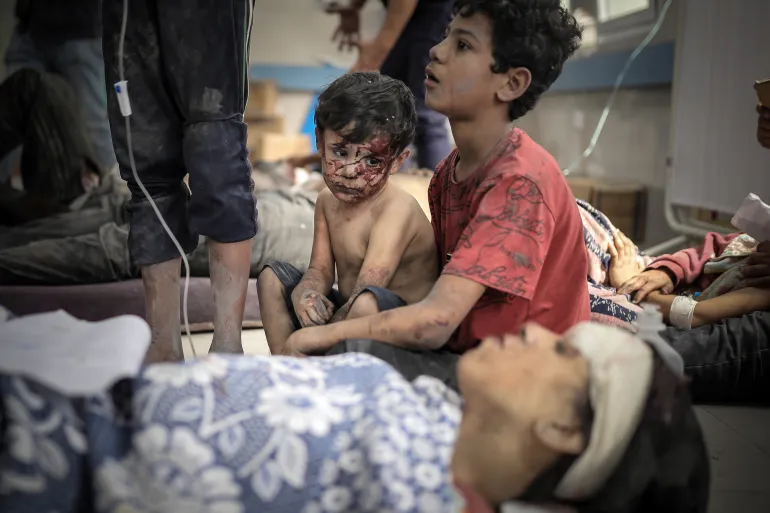
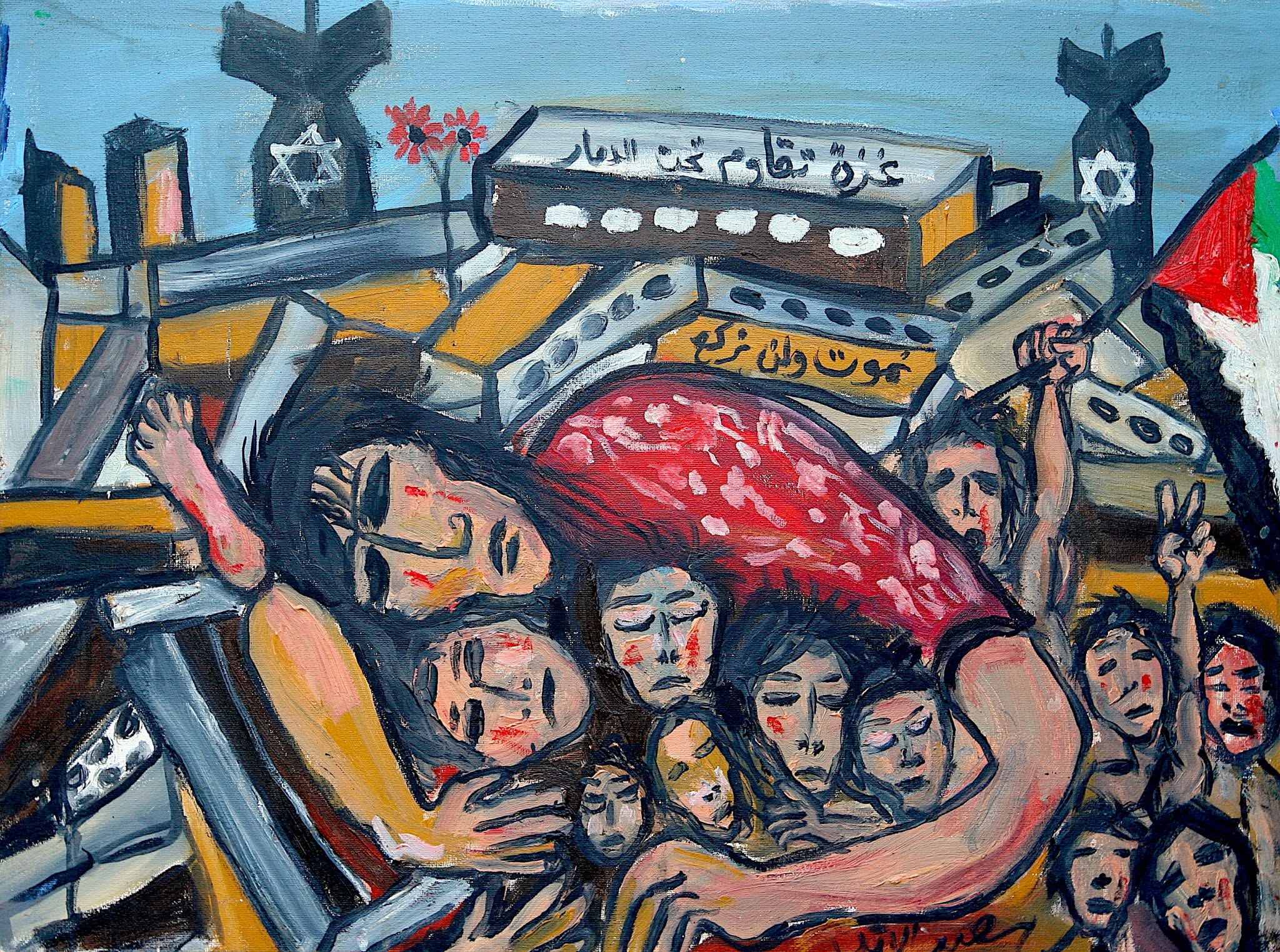
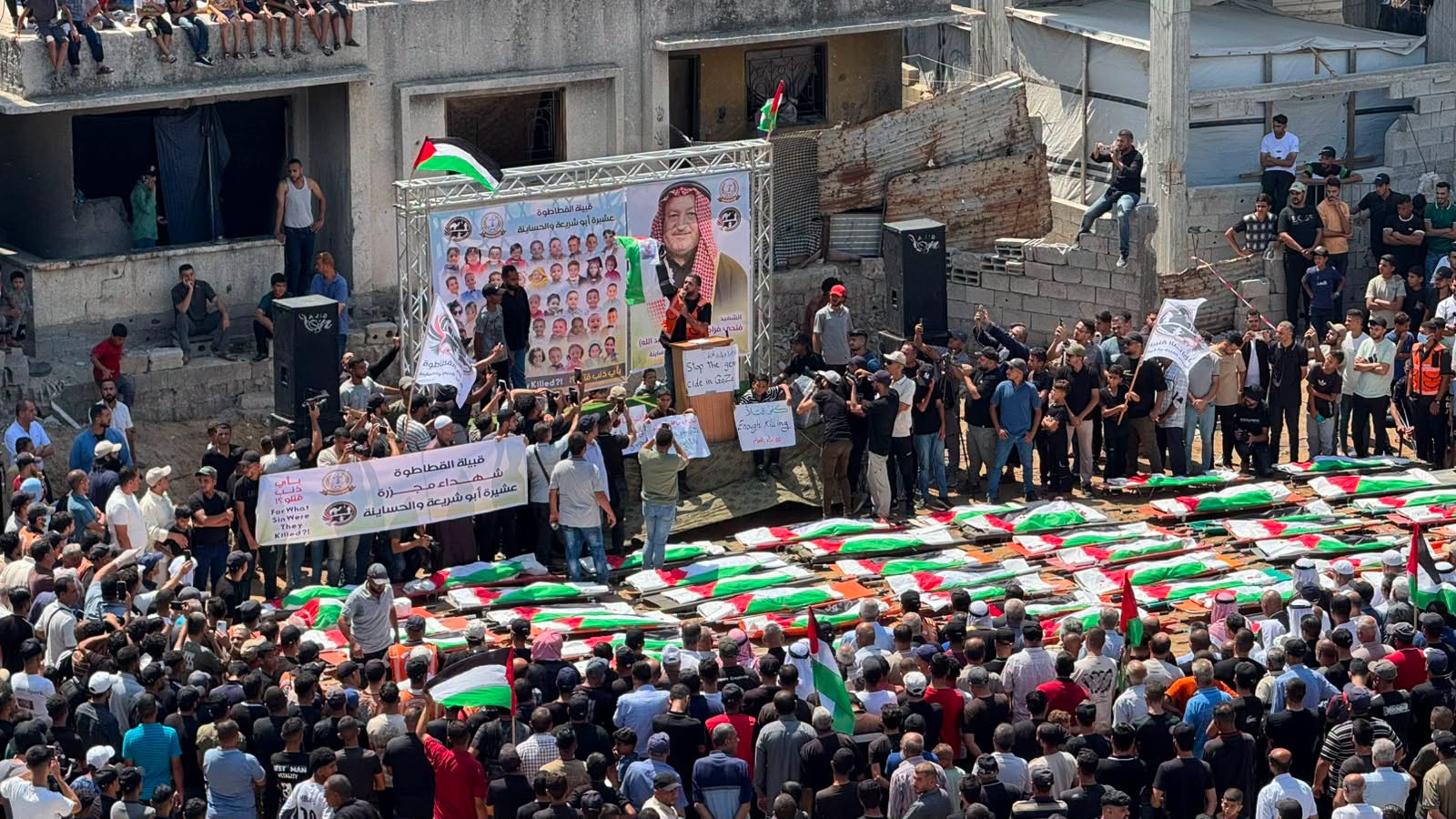
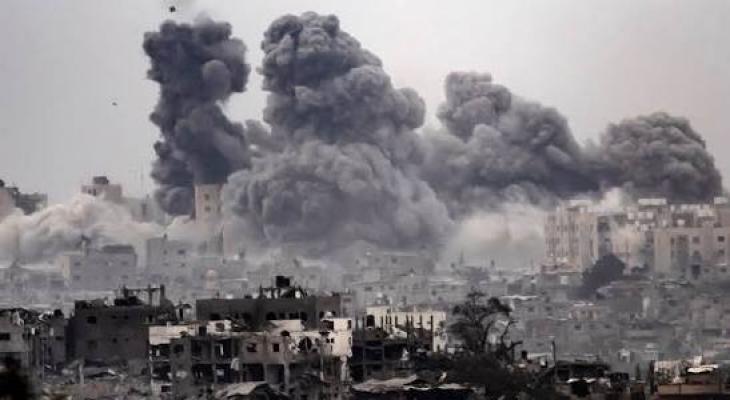
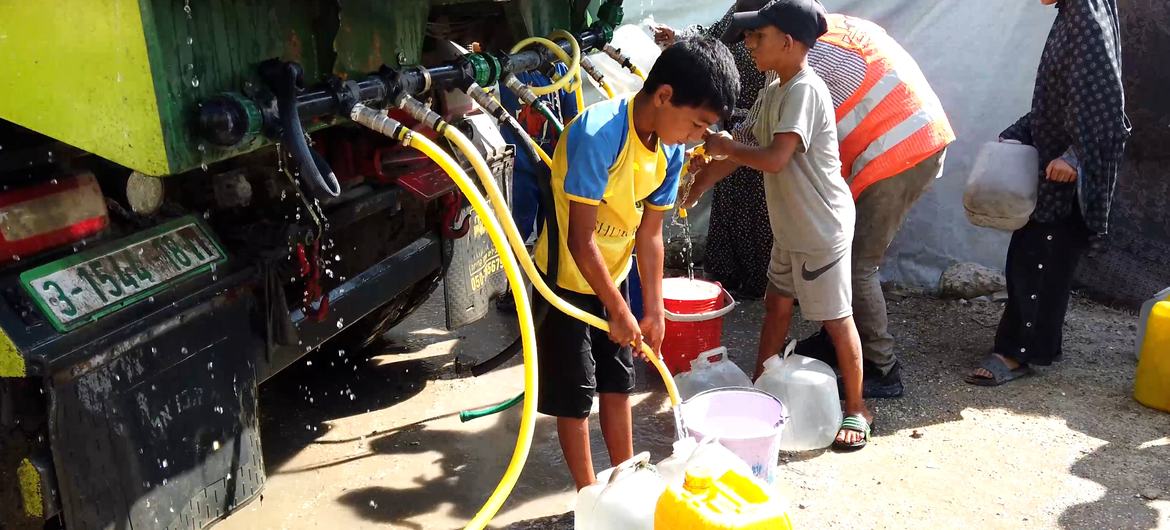
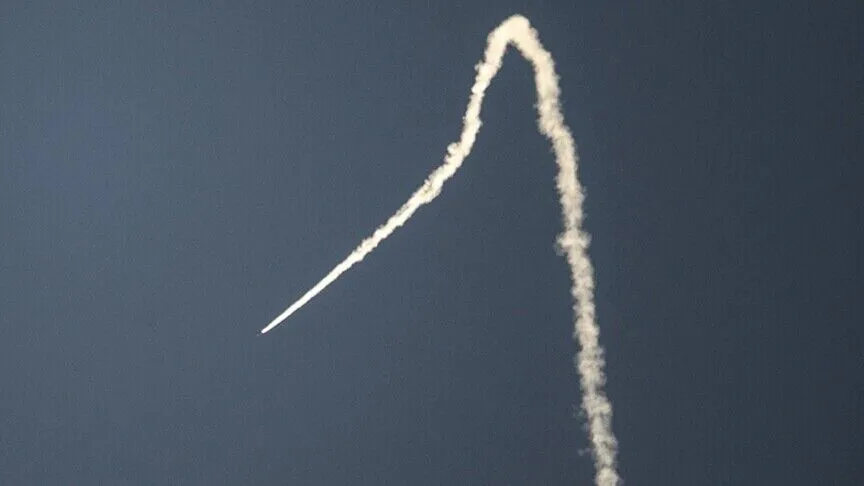
The airdrop of aid into the Gaza Strip is yet another act of humiliation and degradation against Palestinians. It endangers civilians crowded into less than 15 per cent of the enclave and serves a graver purpose: enabling Israel’s policy of mass starvation, deliberately used as a tool of genocide in its systematic effort to eliminate Palestinians in Gaza.
The resumption of aid airdrops, following months of widespread starvation, neither meets the minimum humanitarian needs nor alleviates the catastrophe caused by Israel’s deliberate policy of starvation. Instead, it perpetuates the illusion of relief while starvation continues to be used as a weapon against civilians.

This step, approved by Israel and implemented on Saturday evening, does not reflect a genuine shift in the humanitarian response. Rather, it aims to mislead international public opinion and downplay the severity of the crime, diverting attention from Israel’s systematic starvation policy in the Gaza Strip, which has caused an unprecedented humanitarian catastrophe. This catastrophe is marked by widespread famine, denial of food, water and medicine, destruction of supply chains, obstruction of land-based aid delivery, and continued attacks on those seeking food. These actions reveal Israel’s persistent use of starvation as a primary tool to decimate the population and undermine their means of survival.

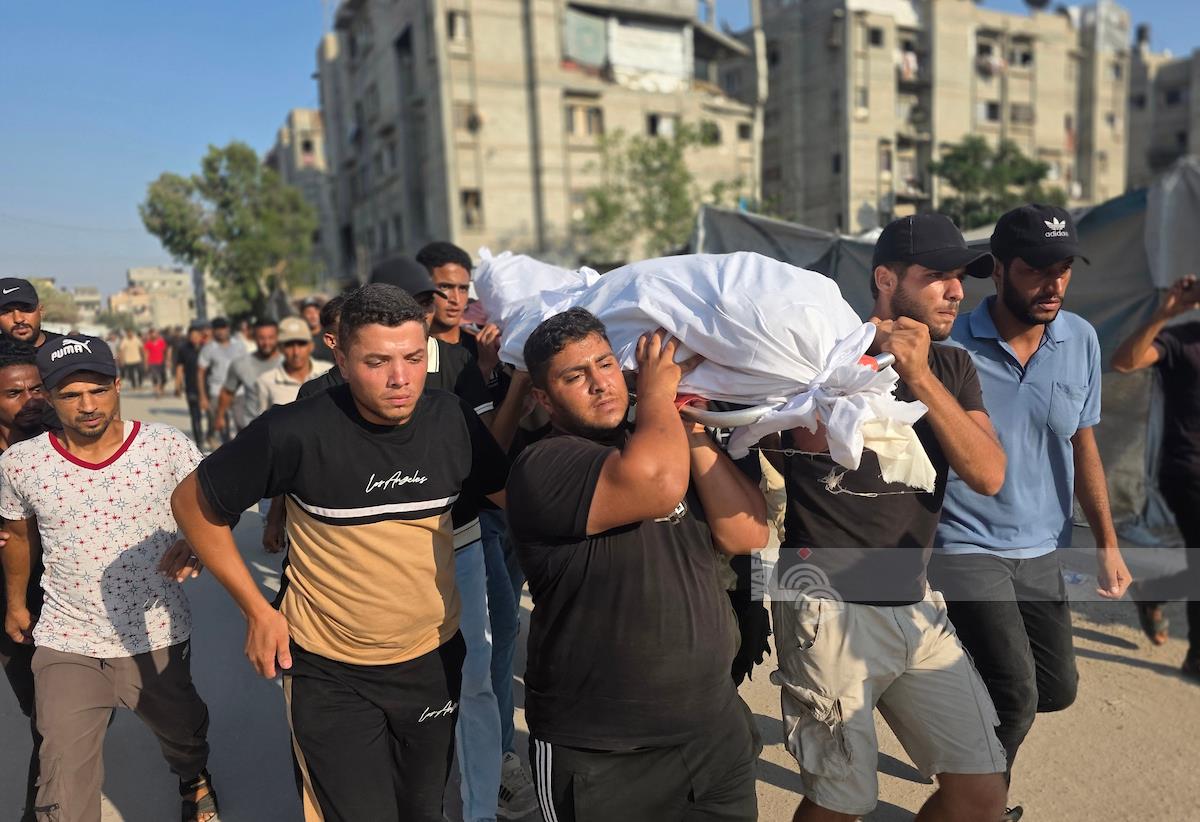
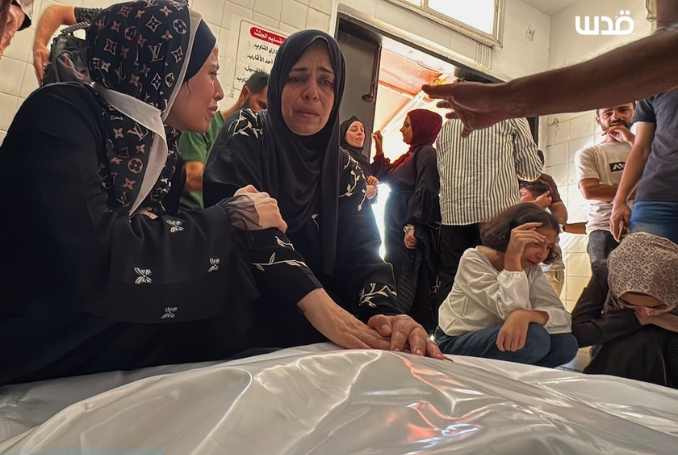
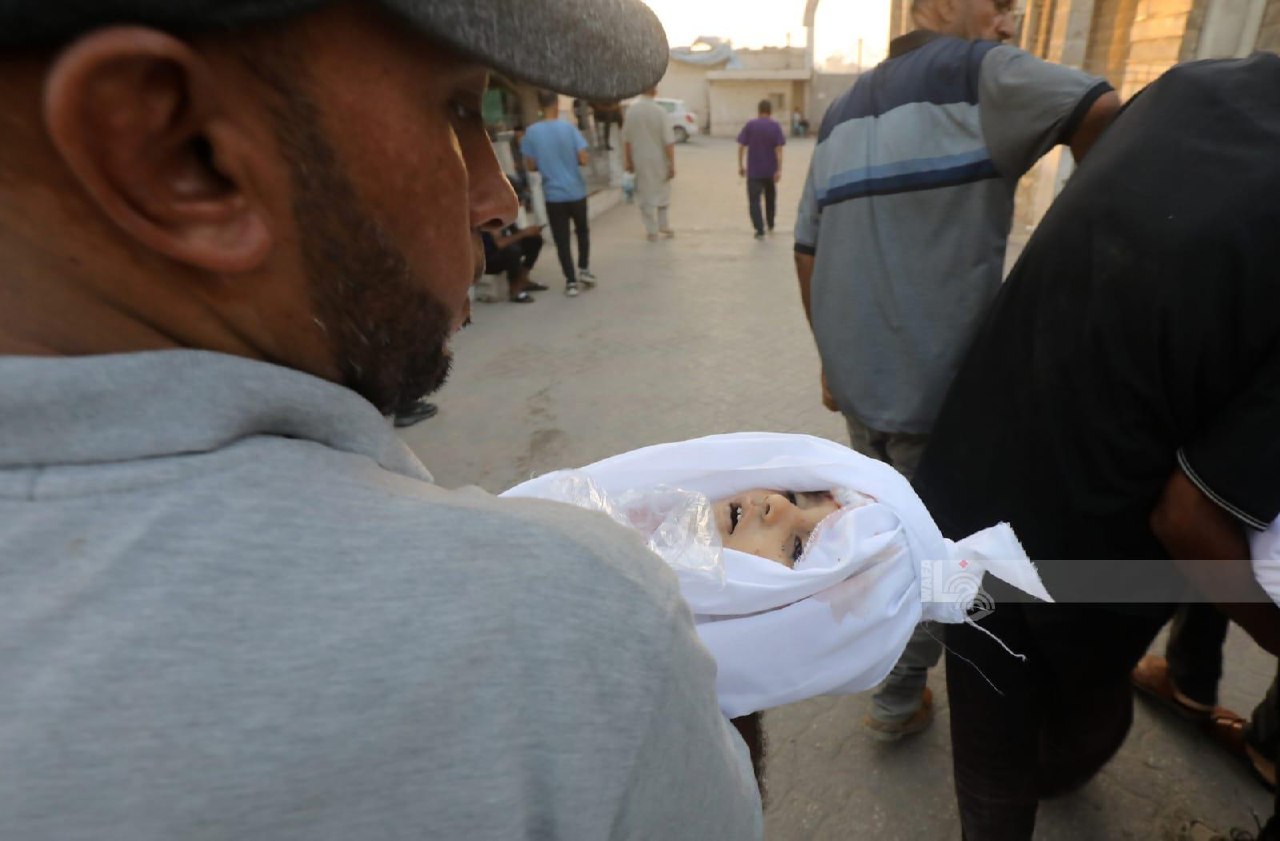
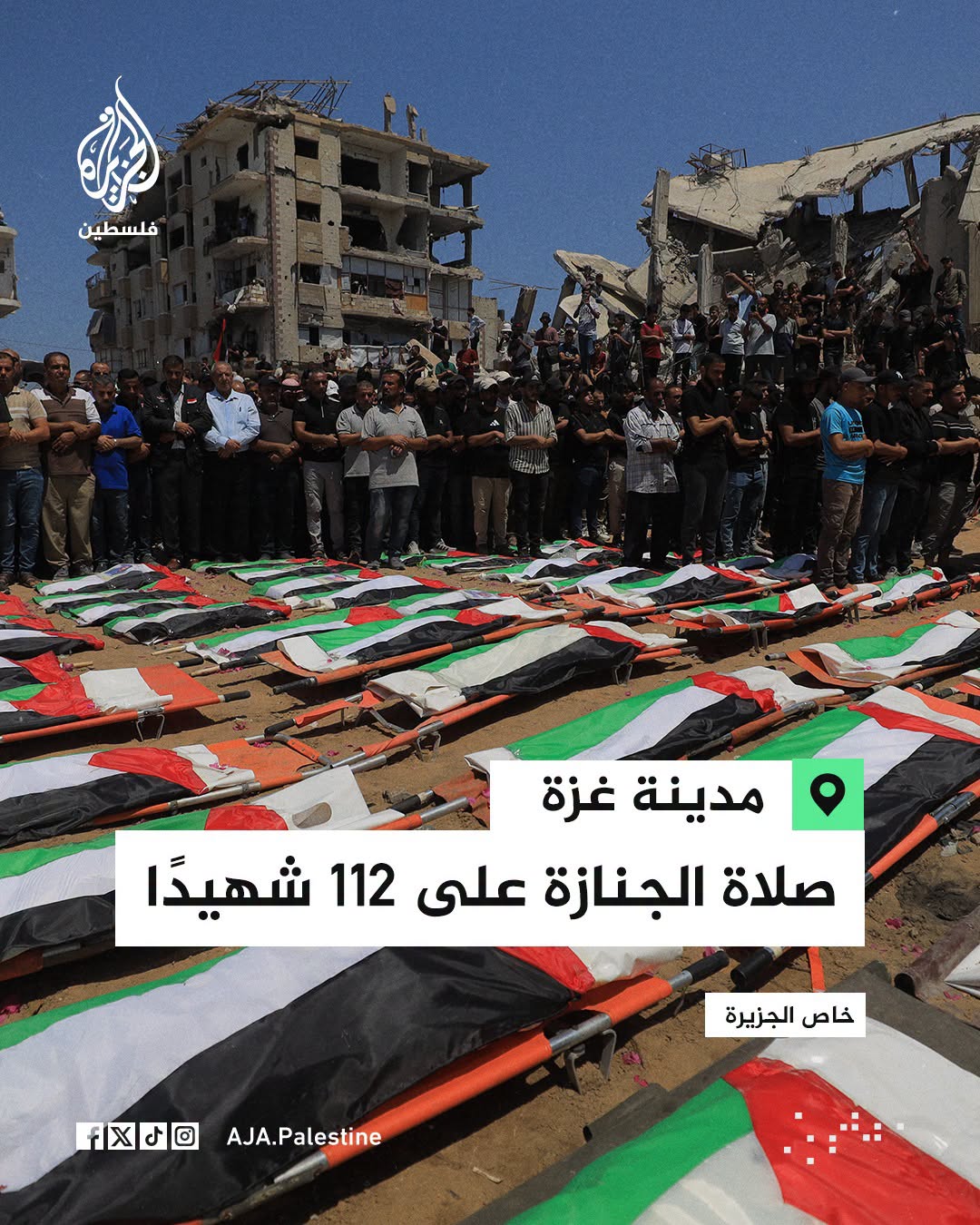
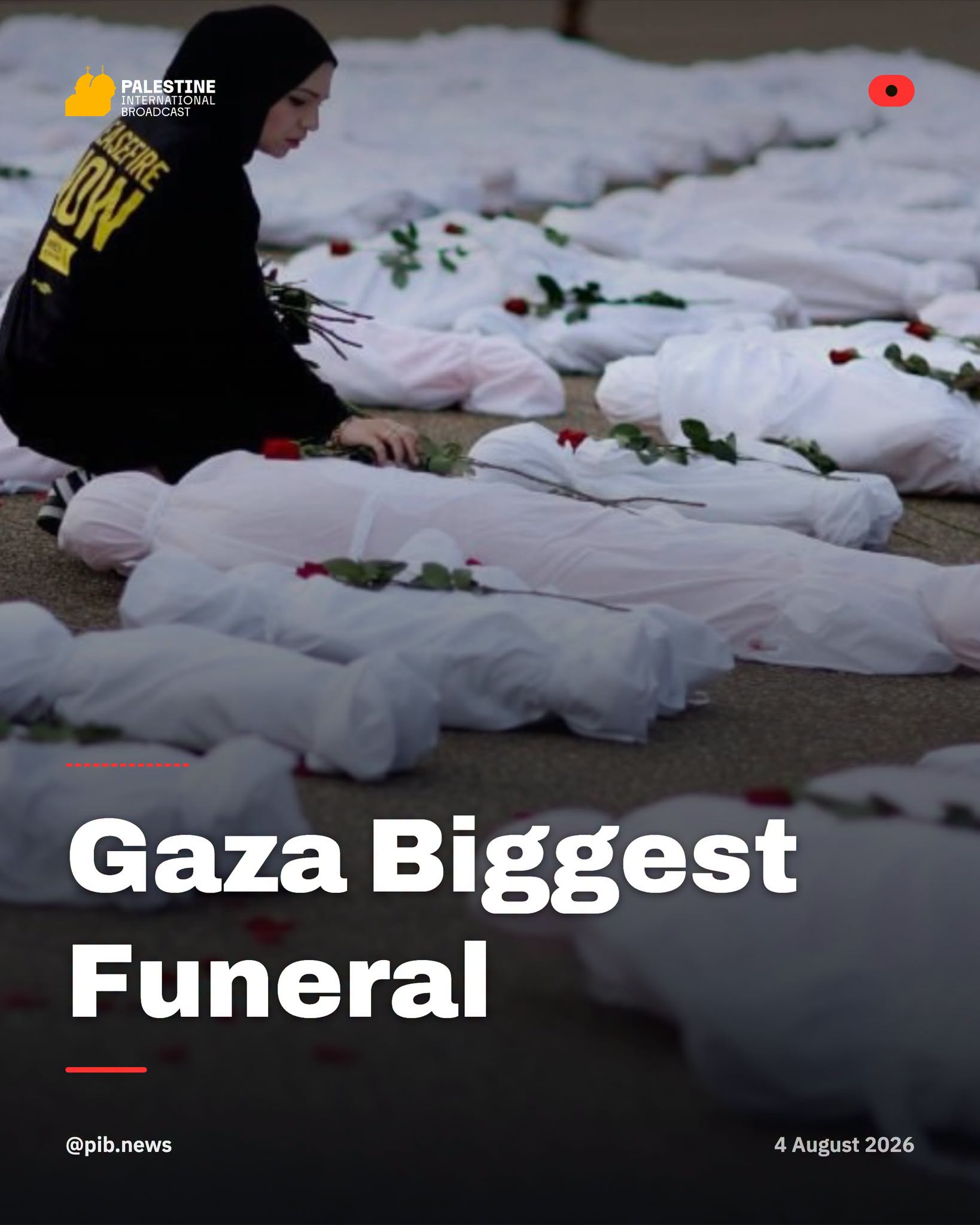
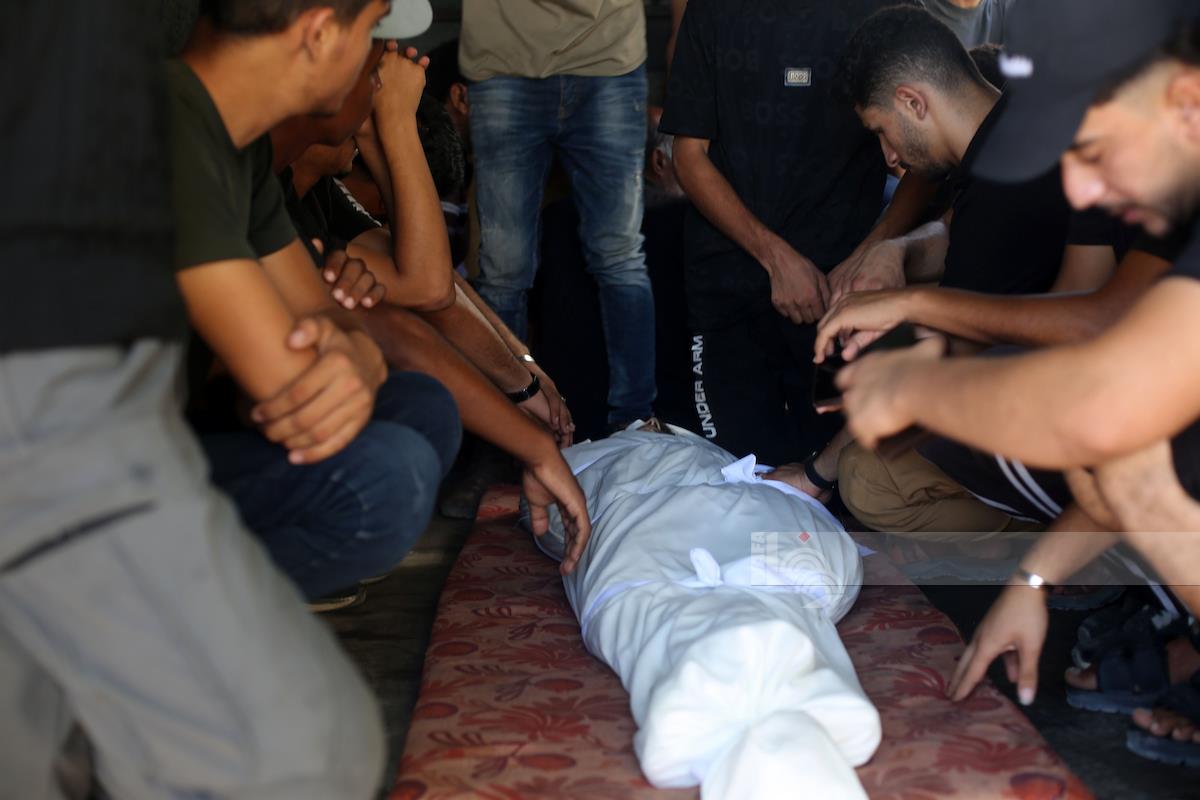
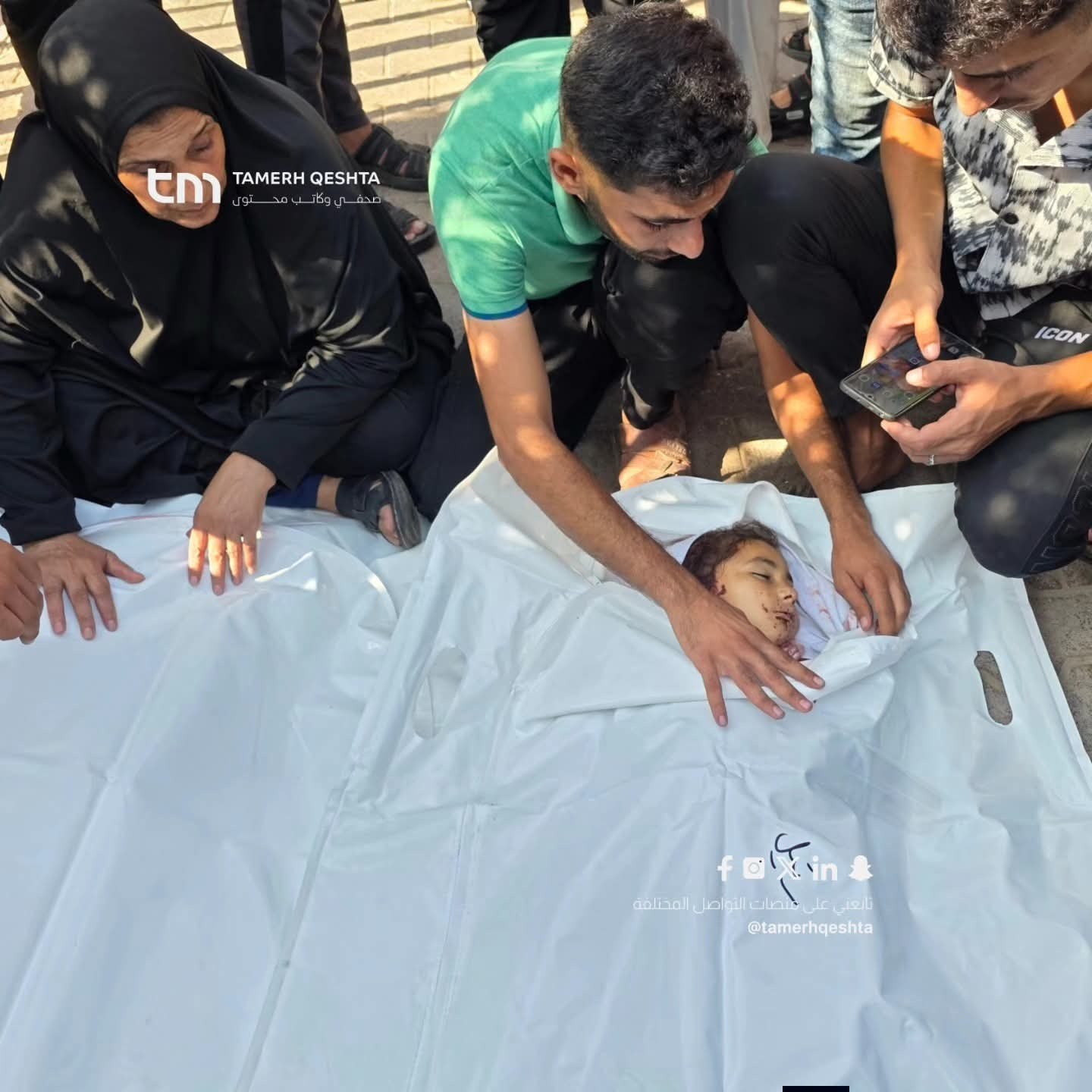
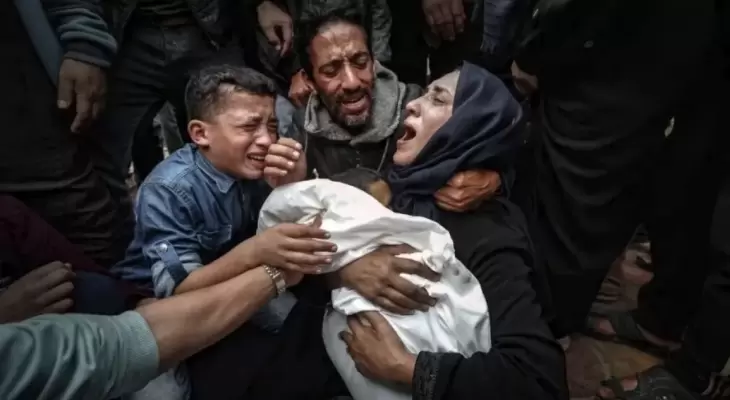
The catastrophic conditions on the ground underscore the severity of Israel’s starvation policy, especially after 55 people were officially declared dead from starvation and malnutrition in just one week. It is also estimated that around 1,200 elderly people have died in the past two months due to a lack of food and medical care, amid the total collapse of the healthcare system and the continuing blockade.

The airdrops do not constitute a genuine humanitarian response but rather mark a new chapter in the ongoing humiliation of civilians in the Gaza Strip, following the public degradation and repeated killings at distribution centres operated by the Gaza Humanitarian Foundation under Israel’s direction.

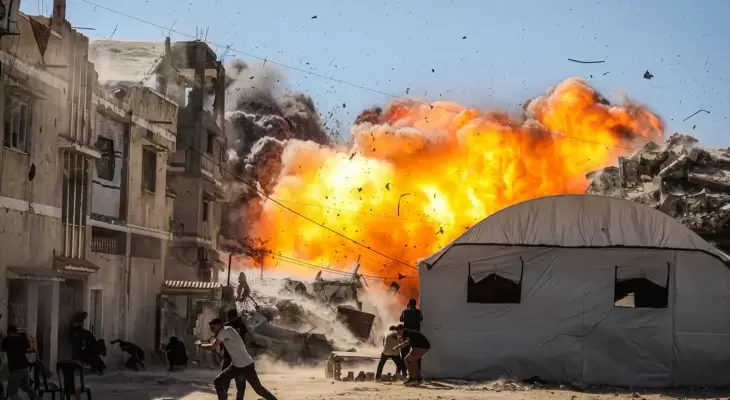
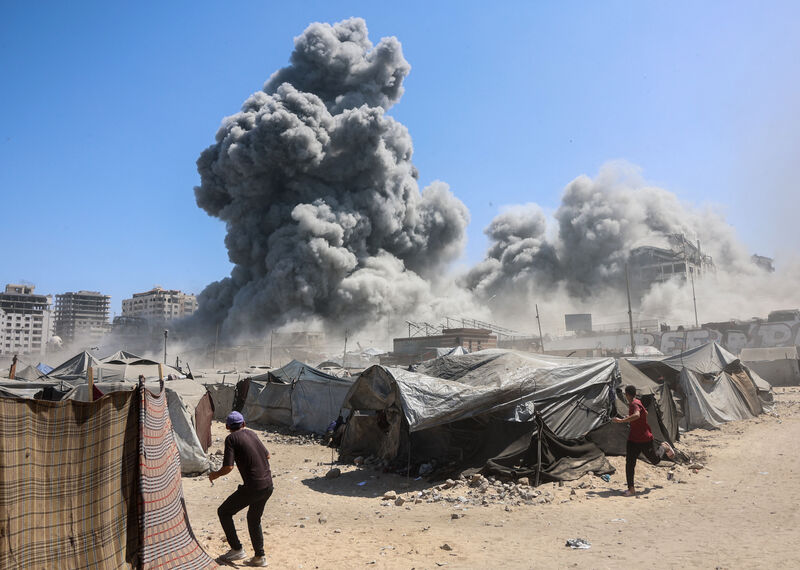
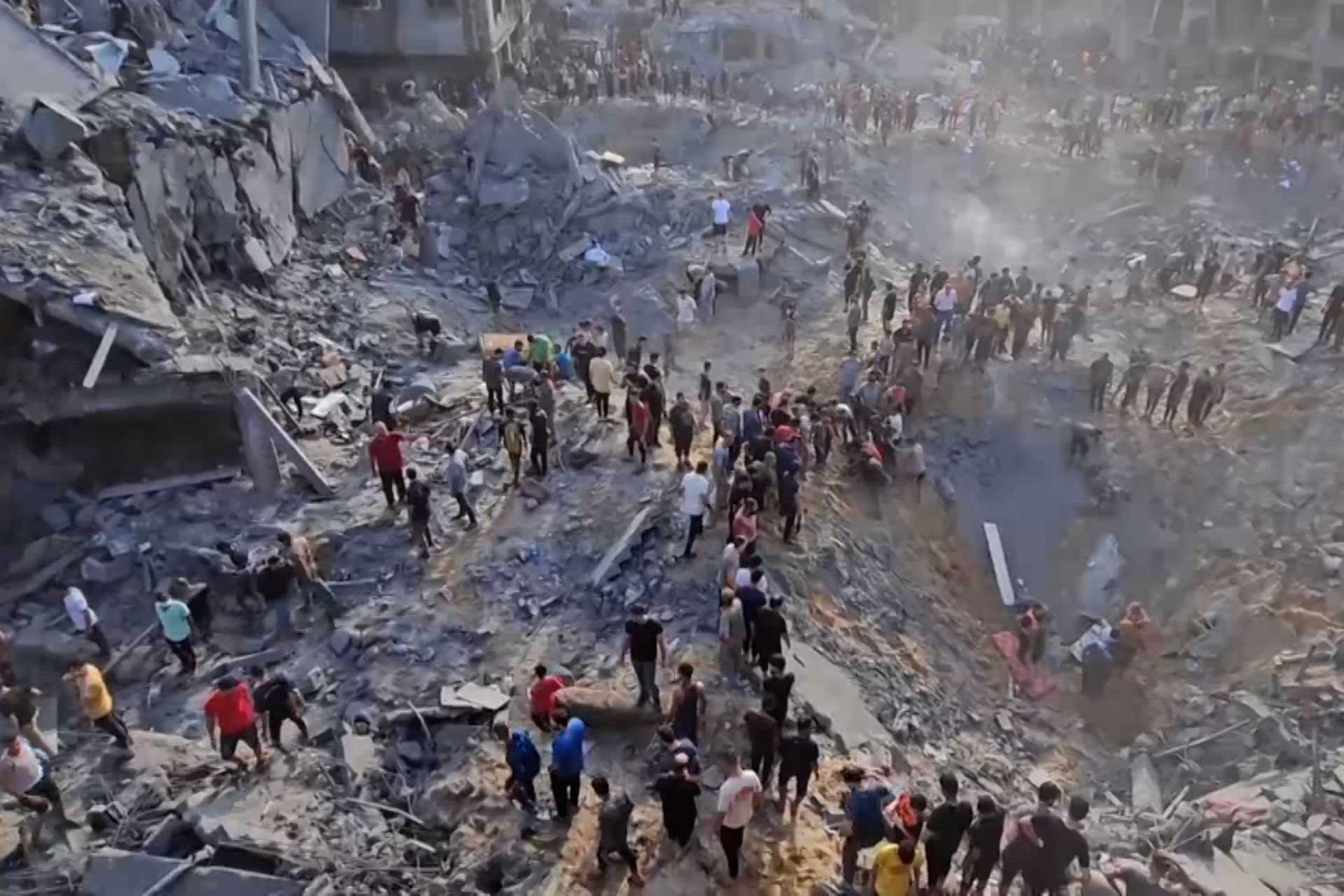
Instead of opening safe and organised land corridors, residents are forced to crowd into dangerous areas under bombardment to retrieve parcels dropped randomly from the air, in conditions that compromise their dignity and endanger their lives, as has occurred repeatedly. Such practices strip relief of its humanitarian purpose and reproduce a colonial dynamic based on subjugation and control, reducing the right to survival to a humiliating favour instead of a fundamental human right.

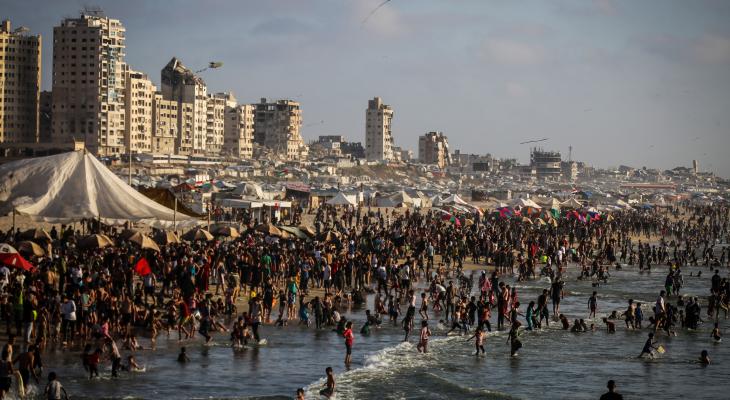
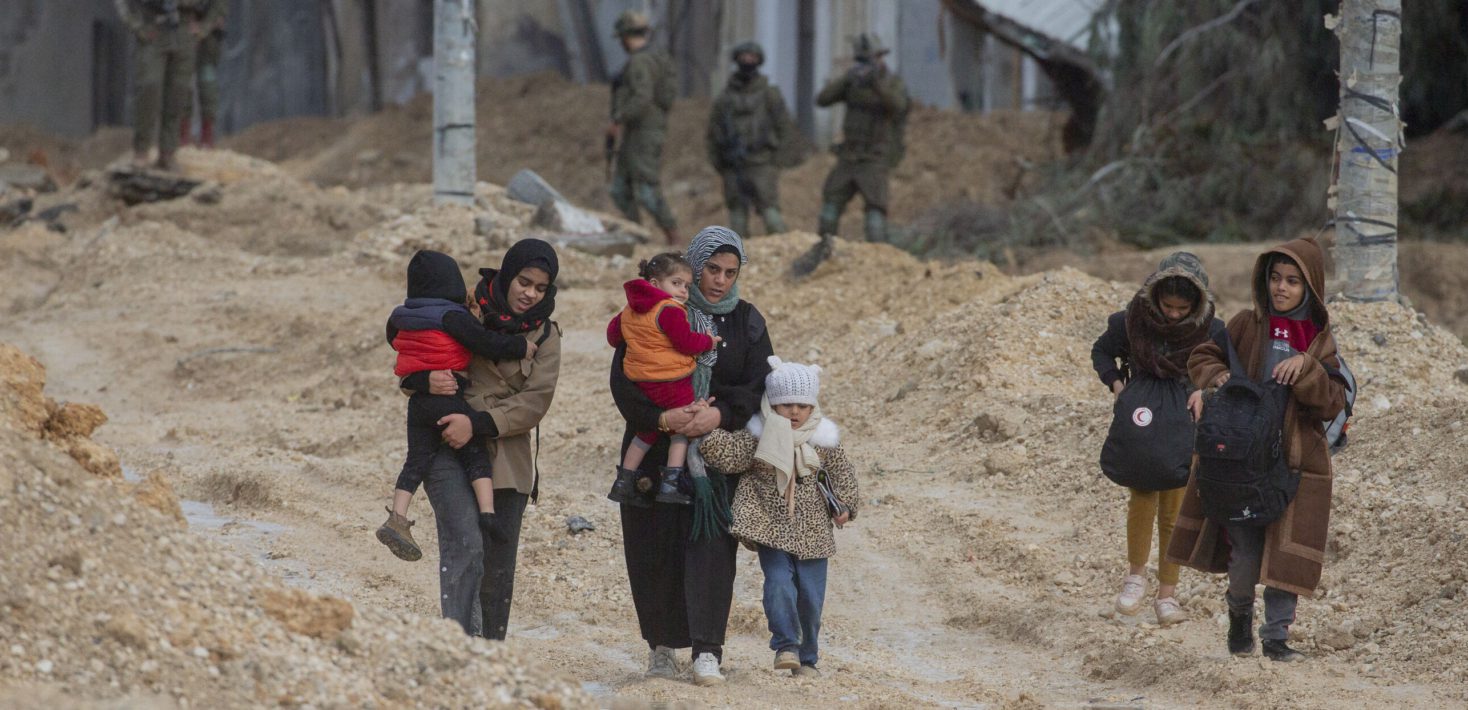
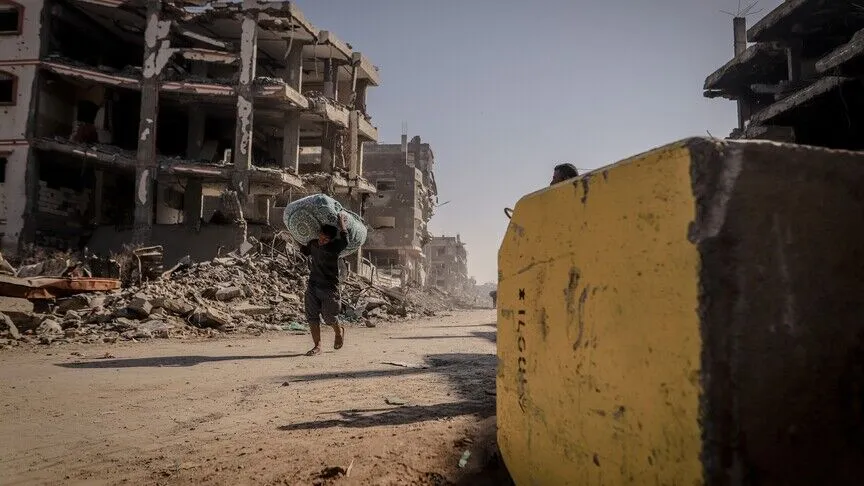
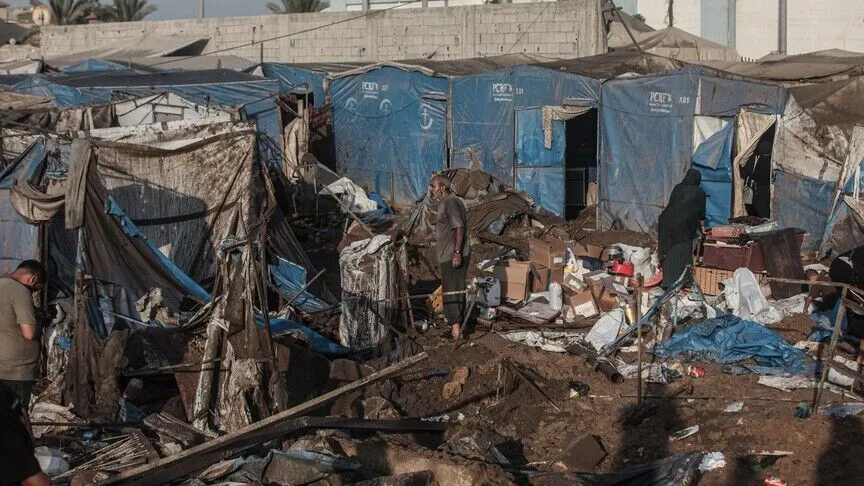
With 2.3 million Palestinians displaced into less than 15 per cent of the Gaza Strip due to Israeli control and forced evacuation orders, airdropped aid poses a serious risk to civilian lives amid severe overcrowding and the absence of safe areas.

Euro-Med Monitor recalls that when airdrops were first introduced several months ago, even while the accessible area was relatively larger, they led to the deaths of 18 Palestinians and injuries to dozens more.

Last night’s airdrops injured at least 11 civilians, further highlighting the failure of this mechanism to ensure safe and orderly access to aid. It also reinforces serious concerns that civilians are being placed in harm’s way rather than protected, especially amid severe overcrowding and the shrinking of safe areas due to Israeli-imposed policies of forced annexation and displacement.

The reality on the ground demonstrates that airdropped aid is scarce, randomly distributed, and poses serious risks. It frequently lands in densely populated areas, on displaced people’s tents, in evacuated zones, in areas under Israeli control, or in the sea, making it an unsafe and ineffective method from a humanitarian perspective.

The extreme starvation civilians are enduring has, for weeks, driven them to seek aid along delivery routes and at distribution centres, despite knowing these places are humiliating and have become death traps. Their desperate search for aid has turned into a daily scene of collective humiliation, exposing them to immediate danger and fuelling tension and conflict among the population over access to scarce food supplies.

Addressing the famine in Gaza cannot be achieved through superficial or gaudy measures but requires an immediate end to the blockade and the opening of safe, stable land corridors to enable the regular and sufficient delivery of food, medicine, and fuel. This must be done through official UN mechanisms that previously managed aid distribution through approximately 400 centres, before Israel deliberately dismantled them. Only the restoration of this system can ensure that aid reaches all those in need fairly, safely, and transparently, without discrimination or subjugation.

Operations of the Gaza Humanitarian Foundation must be halted. Established by Israeli authorities, the foundation functions as a mechanism of collective humiliation and military control over aid, operating outside any recognised legal or humanitarian framework. Rather than ensuring fair and safe access to aid, it enables Israel to manipulate distribution in line with its own objectives. Under this system, distribution centres have become sites of mass killing, managed directly under Israeli supervision.

The continued operation of this foundation obstructs any genuine humanitarian response and reinforces Israel’s full control over relief channels. This is evident in the airdrops conducted under Israeli supervision, driven by a colonial logic rooted in genocide, deliberately stripping the besieged population of both humanitarian aid and human dignity.

States must urgently push for the restoration of humanitarian access and the lifting of the illegal blockade, as this is the only way to stop the accelerating humanitarian deterioration and ensure the entry of aid, given the imminent threat of famine.

The establishment of safe humanitarian corridors under UN supervision is vital to ensure the delivery of food, medicine, and fuel to all areas of the Strip, with independent international monitors deployed to verify compliance.

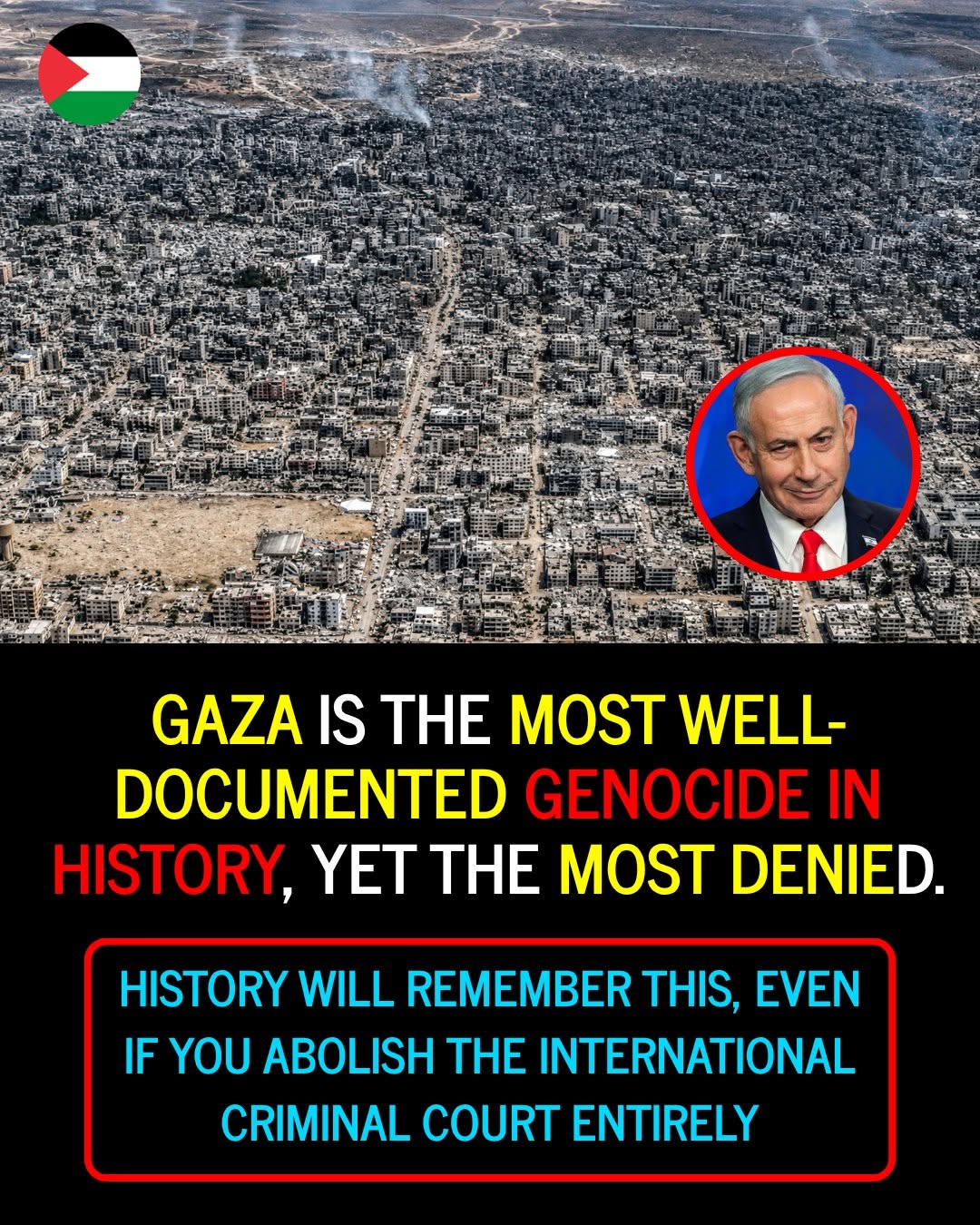
All states, individually and collectively, must urgently fulfil their legal obligations to halt the genocide in the Gaza Strip in all its forms. This includes taking concrete measures to protect Palestinian civilians in the enclave, ensure Israel’s compliance with international law and the International Court of Justice rulings, and guarantee full accountability for crimes committed against Palestinians. Euro-Med Monitor also calls for the enforcement of the International Criminal Court arrest warrants issued for the Israeli Prime Minister and former Defence Minister, and for their swift surrender to international justice without regard to immunity.

The international community is urged to impose economic, diplomatic, and military sanctions on Israel and its more powerful allies, particularly the United States, for their grave and systematic breaches of international law; these sanctions should include comprehensive arms embargoes and the suspension of all forms of political, financial, military, and intelligence cooperation. In addition, Euro-Med Monitor calls for freezing the assets of responsible Israeli, US, and any complicit EU officials, banning their travel, halting their military and security companies’ access to international markets, and suspending trade privileges and bilateral agreements that facilitate Israel’s ongoing Western-backed crimes against the Palestinian people.

Continue reading
Hanthala Outlasts Naji Al Ali as He Predicted

By the time he died on August 29, 1987, he had a collection of 40,000 cartoons. Naji Al Ali, the famous Palestinian cartoonist, had been in a coma for five weeks after being shot in the head by a gunman outside the London offices of Al Qabas newspaper on July 22.

Although till now nobody is certain of who killed him, Al Ali’s death was a result of decades of rebelliousness against the Arab status quo, his longing for change in Arab society, and the introduction of democracy.

He felt this would be translated into political strength to fight for the return of Palestine. Al Ali had the knack of weaving politics and culture together. His drawings had distinct messages: they were contextual, fighting against injustice and oppression in the Arab world.

Naji Al Ali was one of a kind. In few simple lines, he could depict the drama of a whole population and convey messages sometimes so sharp and rich in symbols that the viewer’s attention was effortlessly drawn to understanding the hidden meanings.

Though his messages were politically-driven, he always maintained he was apolitical and that politics did nothing for him.

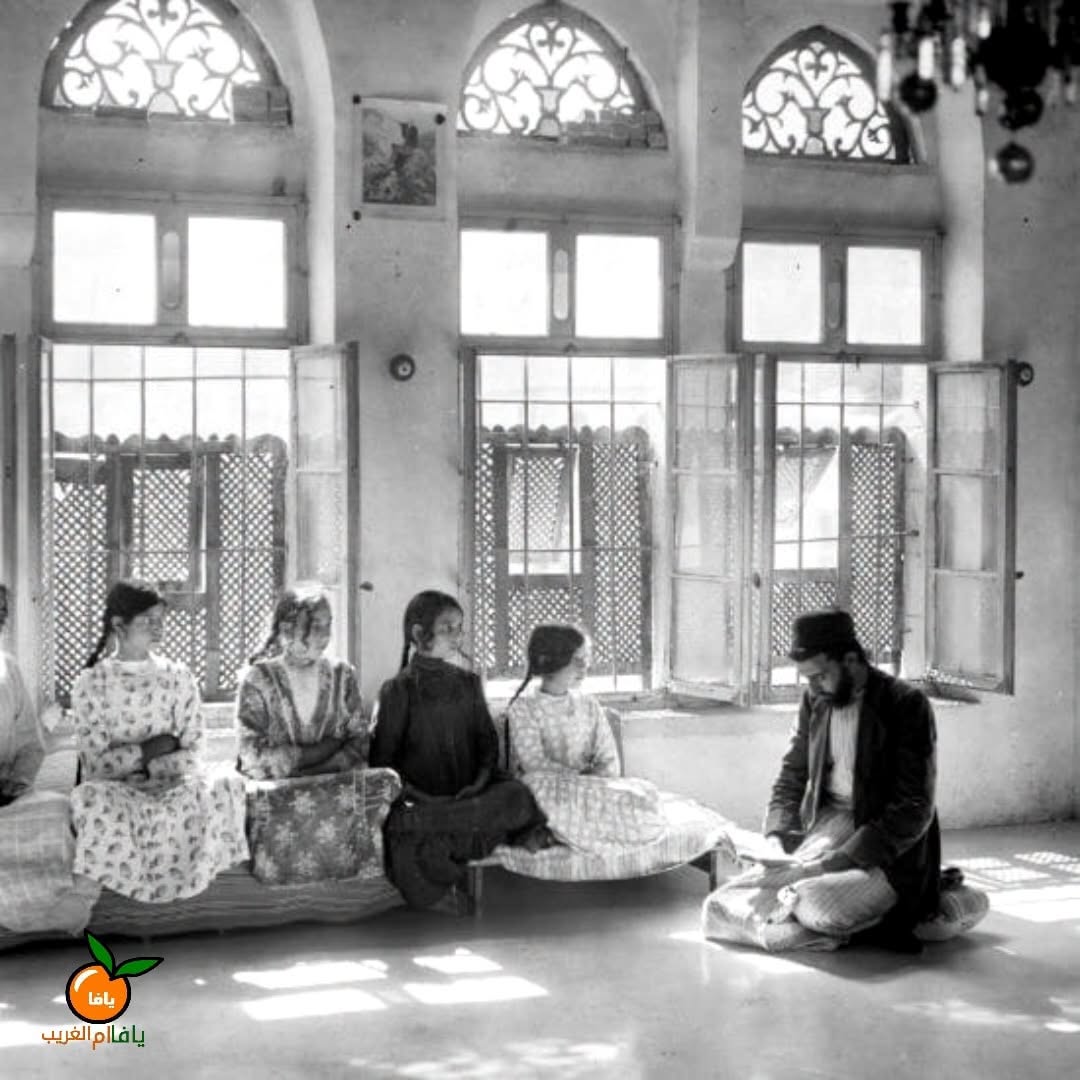
This is despite the fact that his life had come to be dictated by a series of political actions. His expulsion, along with his family, to Lebanon in 1948, and ending up in Ain Al Hilweh camp, was but the first of these actions. Al Ali was only 10 or 11 when he was forced out of Shajara, a village of 400 that were destroyed by Israel.

Given a chance

In the 1950s, before being given the chance to go to Kuwait, his life was immersed in politics. He took part in demonstrations and served time in Lebanese jails. During this time, he started drawing on the walls of the camp and in prison.

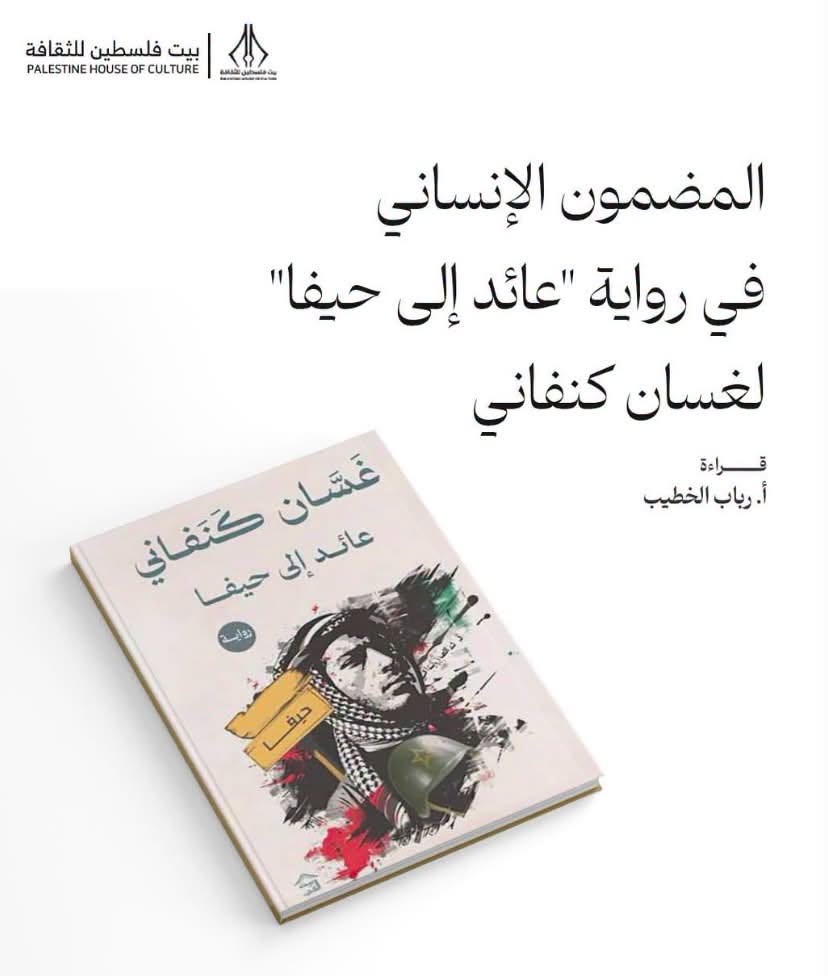
“I felt within me a need for a different medium to express what I was going through,” he used to say. He often said he felt it was harder to censor a cartoon than an article. Al Ali’s talent was first discovered by Ghassan Kanafani, the Palestinian writer and activist killed by the Israelis in the early 1970s. He was visiting the camp at the time, came upon Al Ali’s work, took a sample and latter published them in Al Hurriya, the magazine he was working for.

This may have given Al Ali the opportunity to work in Kuwait in 1964 at the Al Talieh magazine, a now well-established weekly, representing the voice of the nationalists. There, he made his professional career as a cartoonist, though he did other things as well. In 1971 he returned to Lebanon where he worked in the well-respected Al Saffir.

It was in Lebanon he found the best and most productive years of his life, he would later write. “There, surrounded by the violence of many an army, and finally by the Israeli invasion (1982), I stood facing it all with my pen every day, I never felt fear, failure or despair, and I didn’t surrender. I faced armies with cartoons and drawings of hope and flowers, hope and bullets.”

But, contrary to this cheerful attitude, one also felt there was a degree of anger, mixed with cynicism and despair within Naji Al Ali that always prompted him in his cartoons; it was the failure of action, of ineptitude and the lack of Arab resolve.

That’s why he may have created the Hanthala cartoon that always came to appear in his sketches from the 1960s onwards. In fact, in an almost perceptive vision of his death, Ali would say Hanthala would outlast him and would live long after he was was dead.

Hanthala, whose name means bitterness in Arabic , represents the aspirations of the camp refugees and the right of return. We never see his face as he is never shown facing the reader.

Naji Al Ali described him as a bare-footed child with spiky hair, with his hands firmly clasped behind his back as a symbol of rejection to what happened to the Palestinians. He will only turn his head, when Palestine is regained. Hanthala will remain 10 years old until he returns to the homeland, when he will start growing up again.

After 1982, Naji Al Ali went back to Kuwait to work in Al Qabas, but there was no let down in his political message. In 1985, he was expelled, but continued to work in the newspaper’s London office.

His cartoons continued to appear in many daily newspapers across the region in Kuwait, United Arab Emirates, Egypt, Tunisia and Lebanon.

Did Al Ali’s untimely death at the age of 51, mean Hanthala will never turn his head, or will he wait for someone to redraw him.

Whichever the case, and in the spirit of his creator, he will continue with his back to the audience until Palestine is liberated.

This article, written by me, is reprinted here from the archives of Gulf News.

Continue reading
Ziad Al Rahbani: Musical Icon

Ziad Al Rahbani, dubbed as the soul of Lebanon dies at the age of 69.

Sondoss Al Asaad wrote:

He was a revolutionary artist who combined musical and theatrical genius, boldly addressing themes of identity, politics, and resistance.  His first literary work was published at the age of 12 in the late 1970s. 

Jordanian Cartoonist Nasser Al Jafari sketched out this cartoon in the honor of the late artist.

“This is what musician , researcher Louis Brehony wrote about him in the Palestine Chronicle: It is with shock at the earliness of his departure Lebanon bids farewell to Ziad al-Rahbani, a pillar of radical musicianship, at the age of 69. A committed communist who aligned himself with the Palestinian cause, Ziad left his indelible musical fingerprints on a wide region. An essential influence to generations of listeners, musicians and activists, Ziad ruffled the feathers of the wealthy, embarrassed conservatives and irritated liberals. Son of Lebanese icons Fairuz and Assi Rahbani, his musical tenacity and critique of a system in crisis demanded that others sing for its downfall.

Born into relative privilege among Maronite Christians and well-known musicians, Ziad understandably trod a creative path from an early age. His composer father Assi and uncle Mansour were the famous Rahbani brothers, writing epochal works for his mother Fairuz, to this day Lebanon’s most renowned vocalist. Ziad grew up sitting in on rehearsals and met huge figures in Arab music, including Egyptian composer Mohammed Abdel Wahab and Palestinian Sabri Sherif, who produced Fairuz’s albums dedicated to Palestine. Ziad eventually inherited the Rahbani mantle and, from the 1980s, became Fairuz’s main songwriter.

As a teenager, Ziad joined Rahbani brothers’ productions and quietly applied his skills as a composer and keyboardist. Though his approach towards his parents’ legacy was not the scorched earth policy some describe, Ziad began to forge his own path. Attracted to leftist politics at a time when the Lebanese Communist Party (LCP) allied itself to Palestinian resistance, Ziad’s empathy with the poor and downtrodden quickly expressed itself through music. He found his raison d’être in musical theatre, and works like Film Amriki Tawil (Long American Film, 1980) and Shi Fashil (Failure, 1983) broke social taboos, sharply attacking class discrimination and spotlighting characters from the working class…’

Continue reading
Donkeys Deserve Nobel!

It started like this. In appreciation for the donkeys of Gaza and the extremely important role they are playing, Jordanian Journalist Ahmad Theiban Al Rabieh wrote in a satirical fashion:

“The donkeys of Gaza deserve the Nobel Prize! This is because of their present and vital role of transporting the injured, martyrs killed, and displaced people with the rest of their belongings…The so-called international community (a lie!) has proved incapable of providing these services.”

Donkeys have been forced into this role soon after 7 October, 2023 when the genocide on Gaza took a full-turn and Israel begun to massively destroy all means of public and private transport in the Gaza Strip.

And so the story of the Nobel prize went on from there.

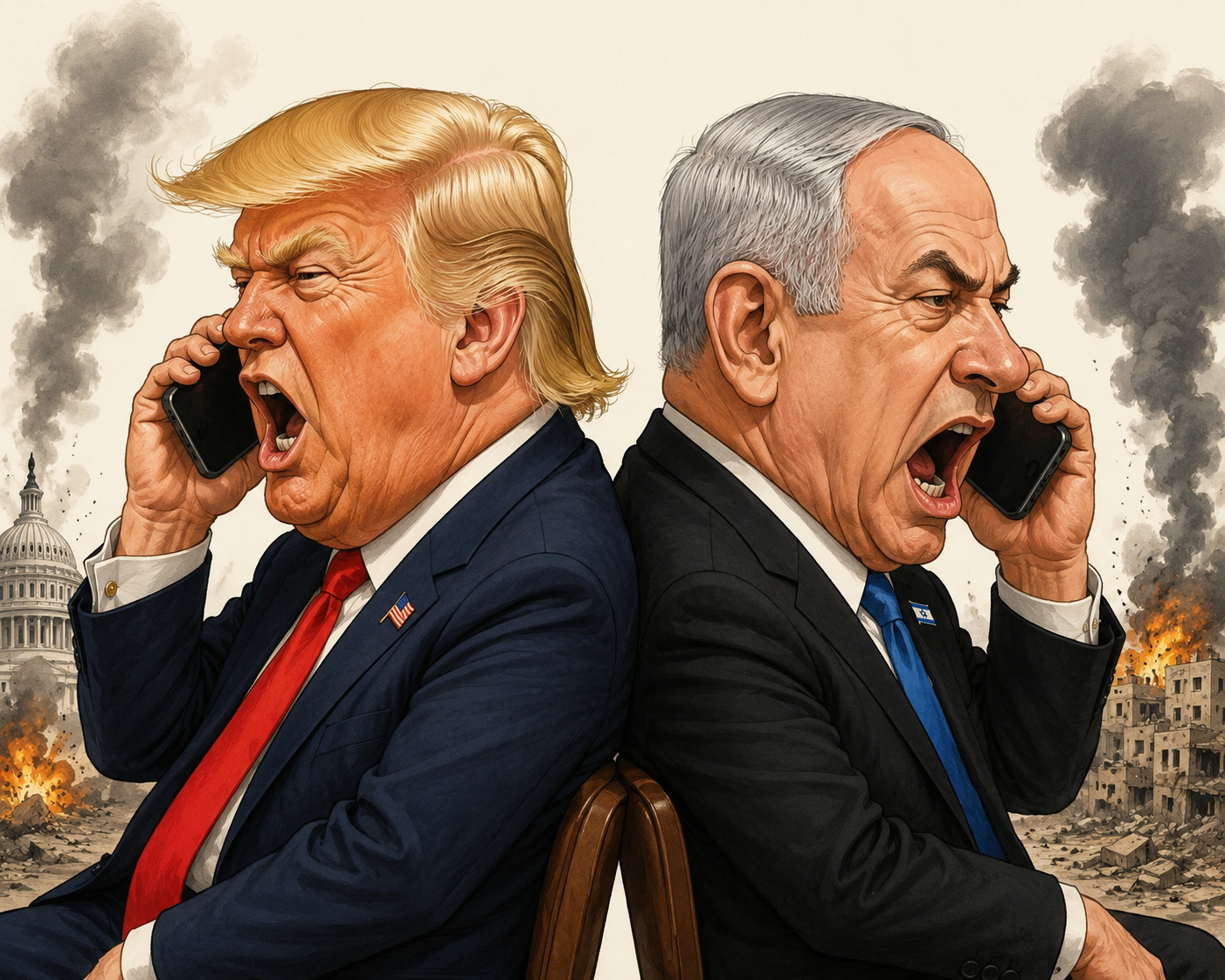
Today, US president Donald Trump is trying to be nominated to get the Nobel Peace Prize because he regards himself as a man of peace. He is trying to get as many signatures as possible to be nominated for the top Norwegian accolade.

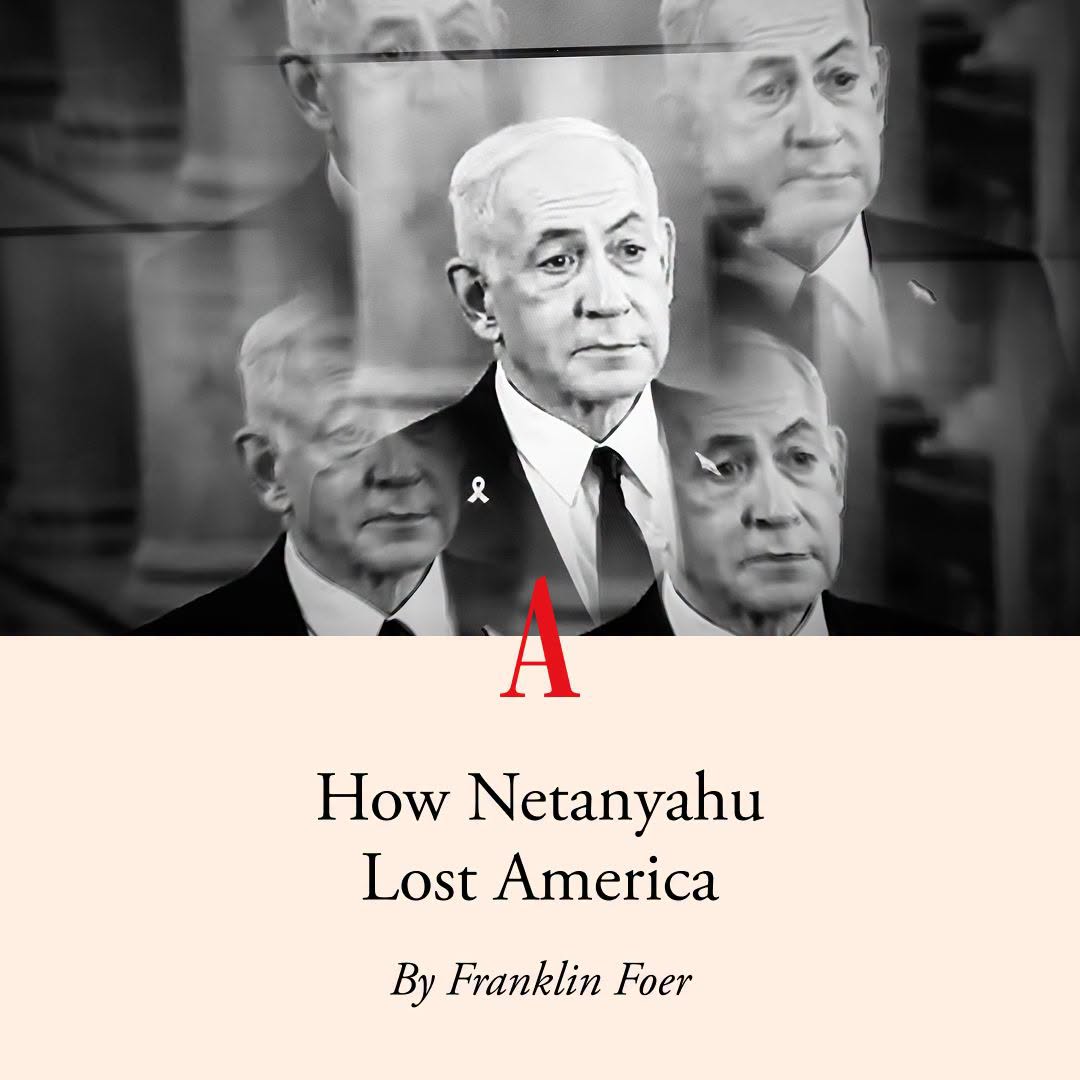
On his last visit to Washington on 7 July, 2025, and as a measure of more “sucking up” to the US president at a White House dinner, Netanyahu graciously told Trump that he will indeed be nominating him to the Norwegian Nobel Committee. And he has the “nominating letter” already he says, as he waves it in front of the cameras.

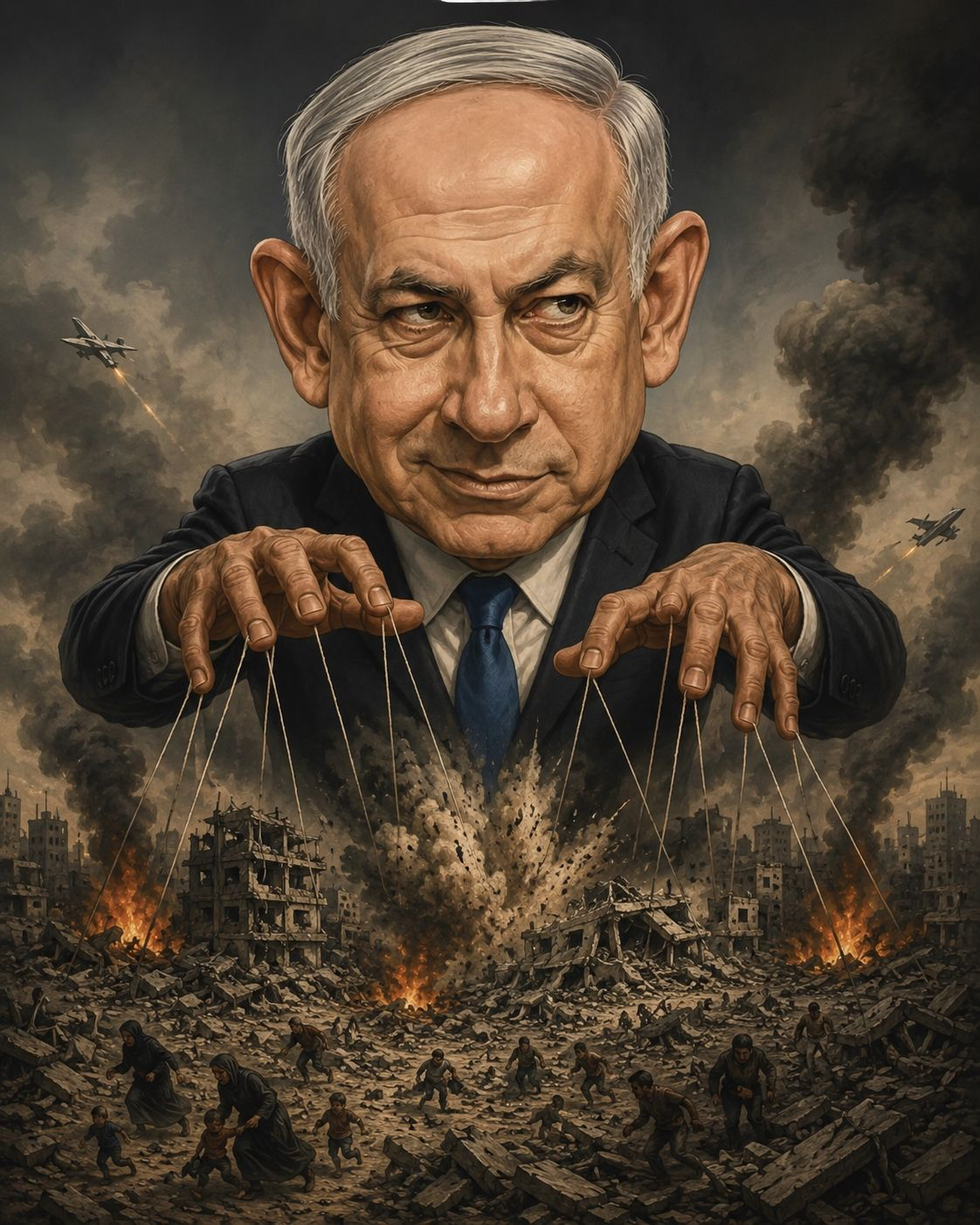
There is one problem however, the International Criminal Court has long issued arrest warrants for Netanyahu and his former Defense Minister Yoav Gallant for war crimes and crimes against humanity in Gaza. These arrest warrants were initialed and signed in November, 2024 and there are still valid.

So his Trump nomination might be seen as an insult from a man with genocidal traits on his head. However, Trump, and on camera, is seen as smiling, and maybe even appreciative despite coming for a war criminal as per the ICC.

The issue of the Nobel Prize came up a few days later when Trump was hosting a three-day meeting with five African leaders (Gabon, Guinea – Bissau, Senegal, Mauritania and Liberia) to discuss business cooperation between the USA and Africa. The leaders were put on the spot by a young ambitious African reporter from Angola who asked the leaders whether they would nominate the US president for the Nobel peace prize.

Many saw this as an “ambush question” as the leaders were put on the spot and involved diplomatic courtesies that may go a long way to nominating Trump. But on another level, many criticized Trump for being abrasive and condescending with the African leaders while bullying them around and appreciating the “good English” of Joseph Boaka, president of Liberia. Such a comment was made with the full-knowledge of the Nobel nomination.

Continue reading