1200 Elderly Die in Israeli Starvation Policy

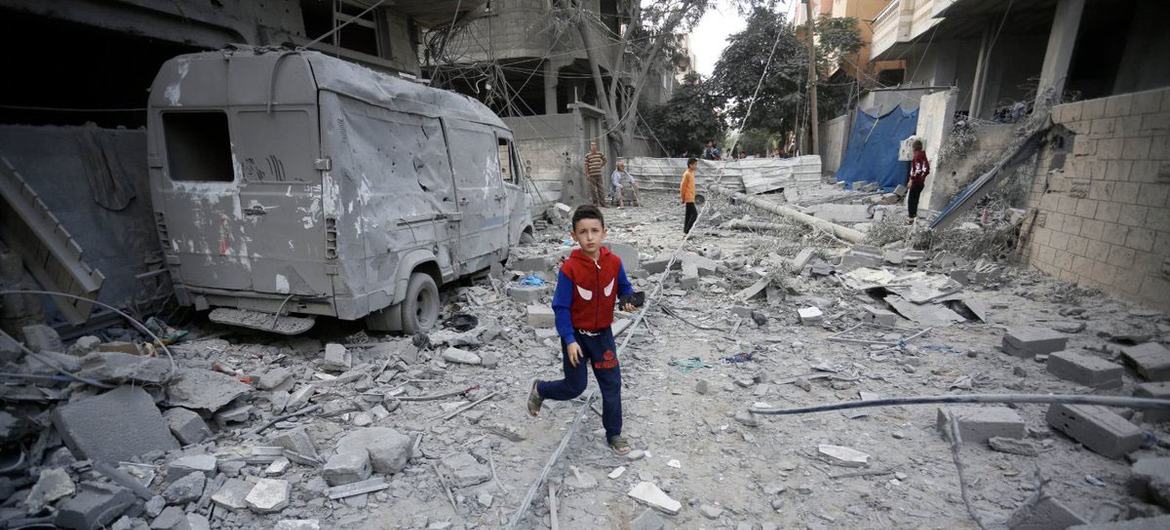
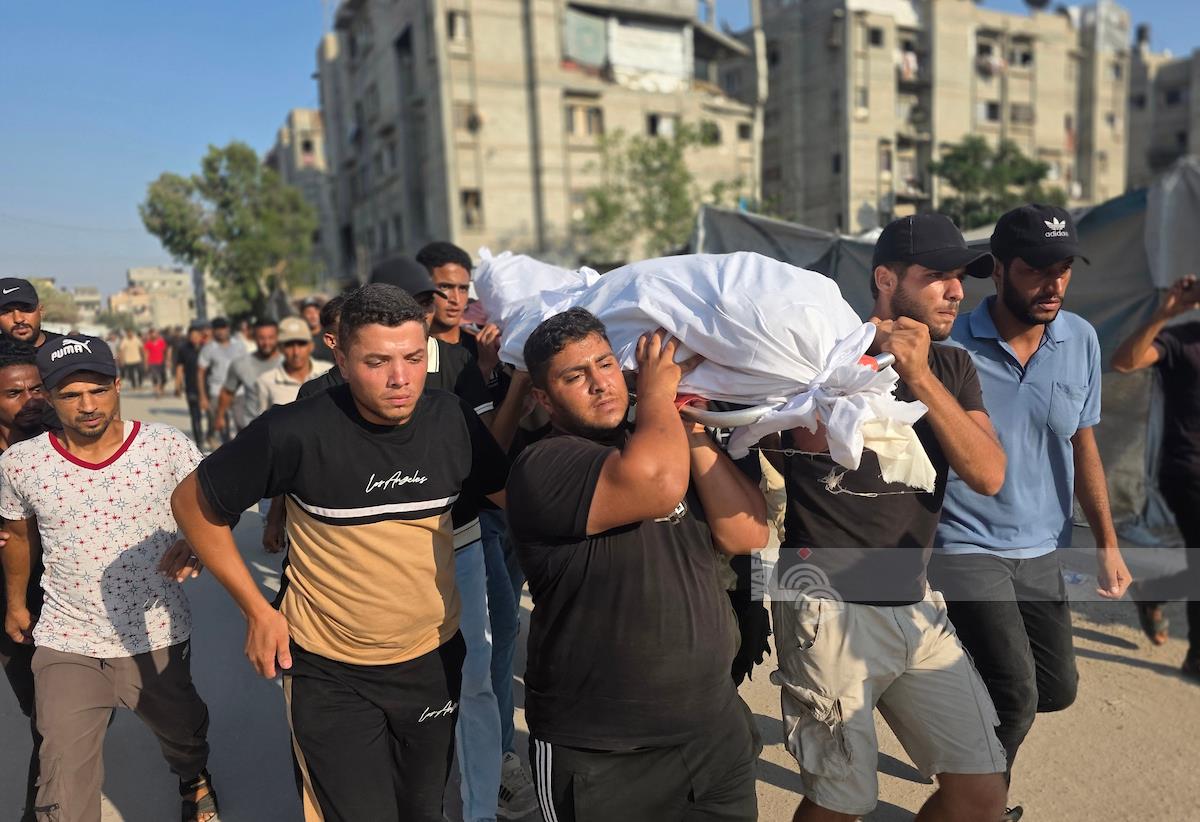
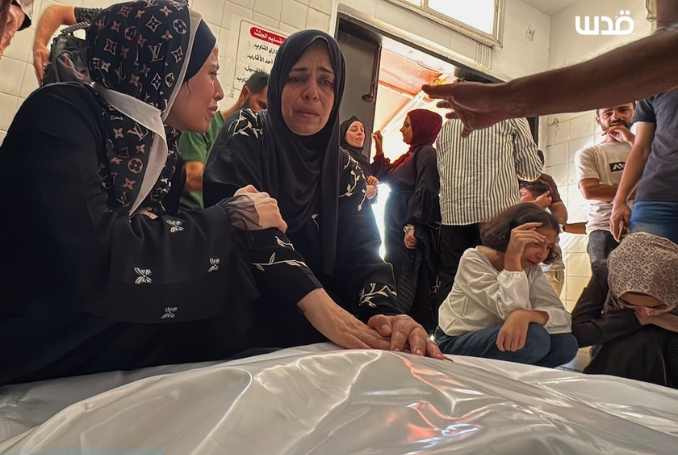
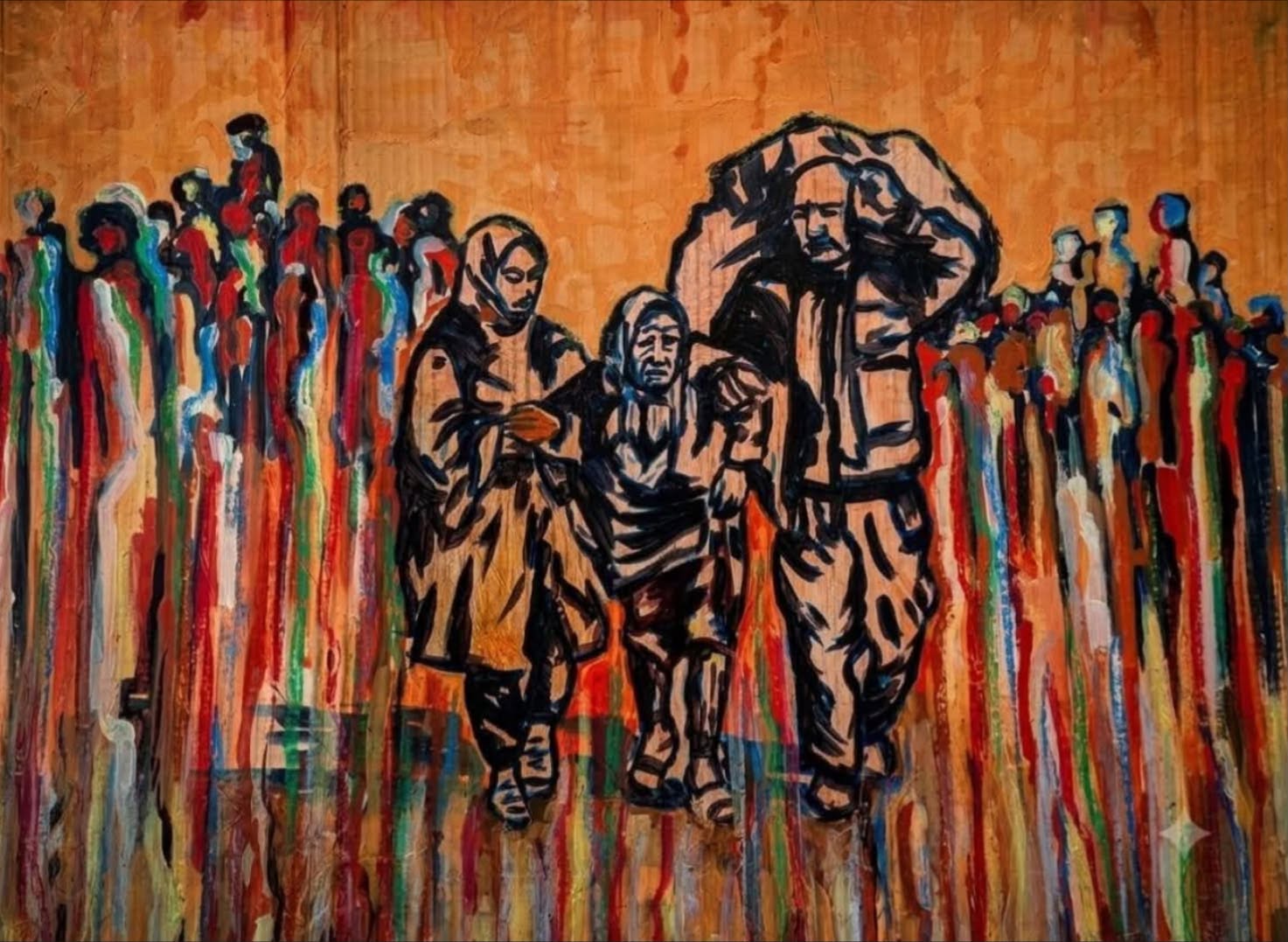
Approximately 1,200 elderly Palestinians have died in the past two months due to Israel’s starvation policy, malnutrition, and lack of medical care, all of which have intensified in recent days.

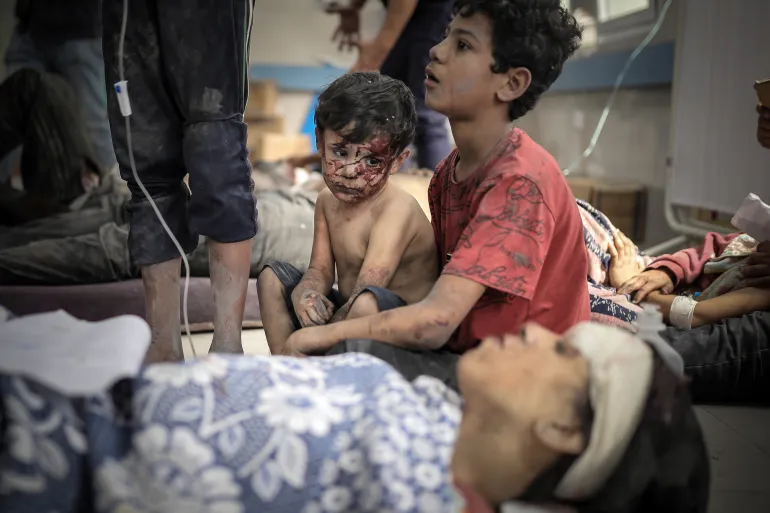
The actual death toll may be significantly higher, noting an unprecedented surge in daily fatalities over the past two weeks. Hundreds of elderly people have been arriving each day at hospitals and primary care centres in states of extreme exhaustion, seeking nutritional fluids.

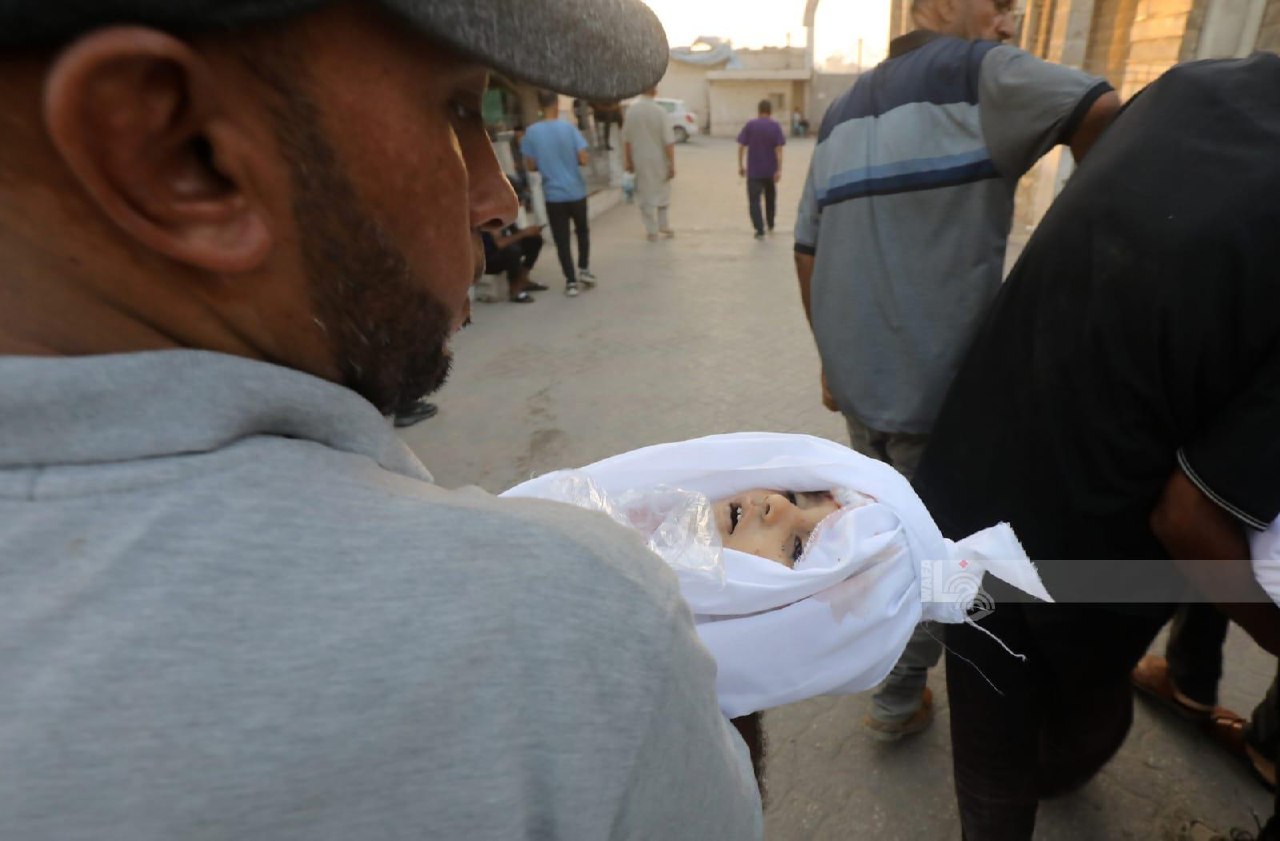
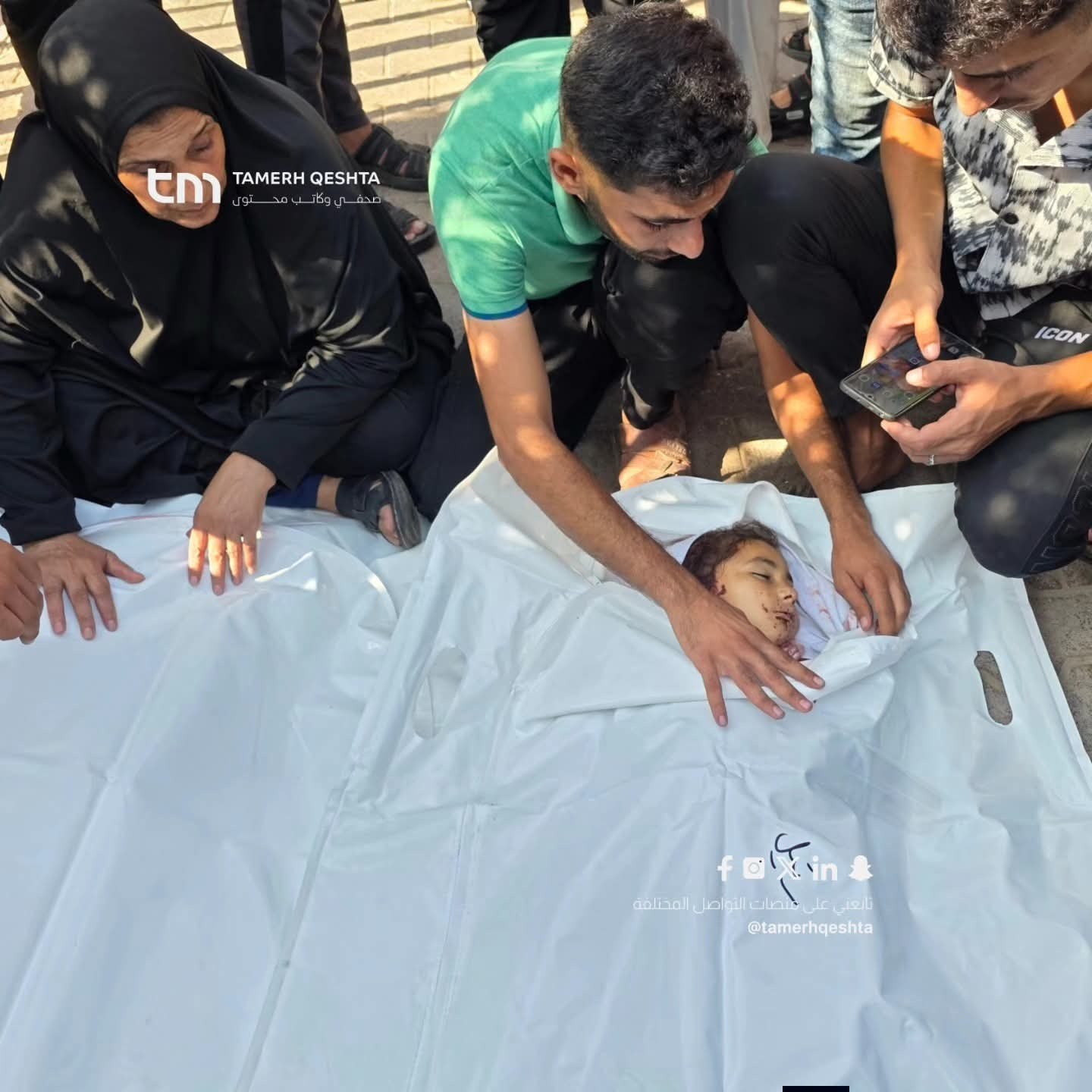
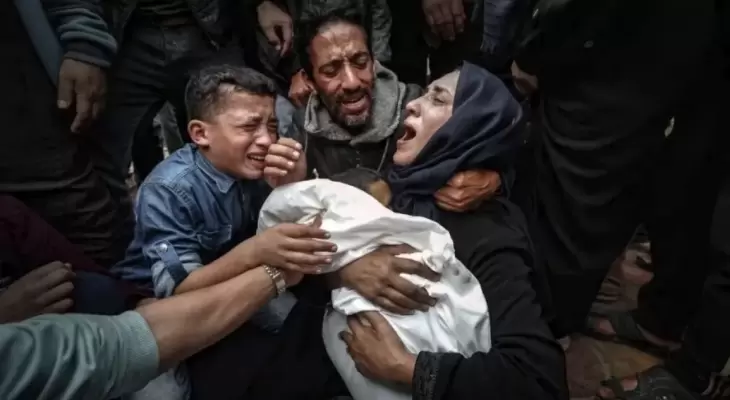
The Ministry of Health in the Gaza Strip officially recorded 55 deaths from starvation and malnutrition within a single week, bringing the documented total to 122, including 83 children. The report noted that this figure excludes many deaths caused by the broader consequences of starvation and lack of medical care.
    Over the past period, as the starvation intensified, we had almost nothing left to eat. My mother was the most affected due to her age and chronic illnesses. Within days, she lost a significant amount of weight, became visibly weak and emaciated, and fainted several times   

Muhammad, the son of 77-year-old Tamam Deeb Shaaban

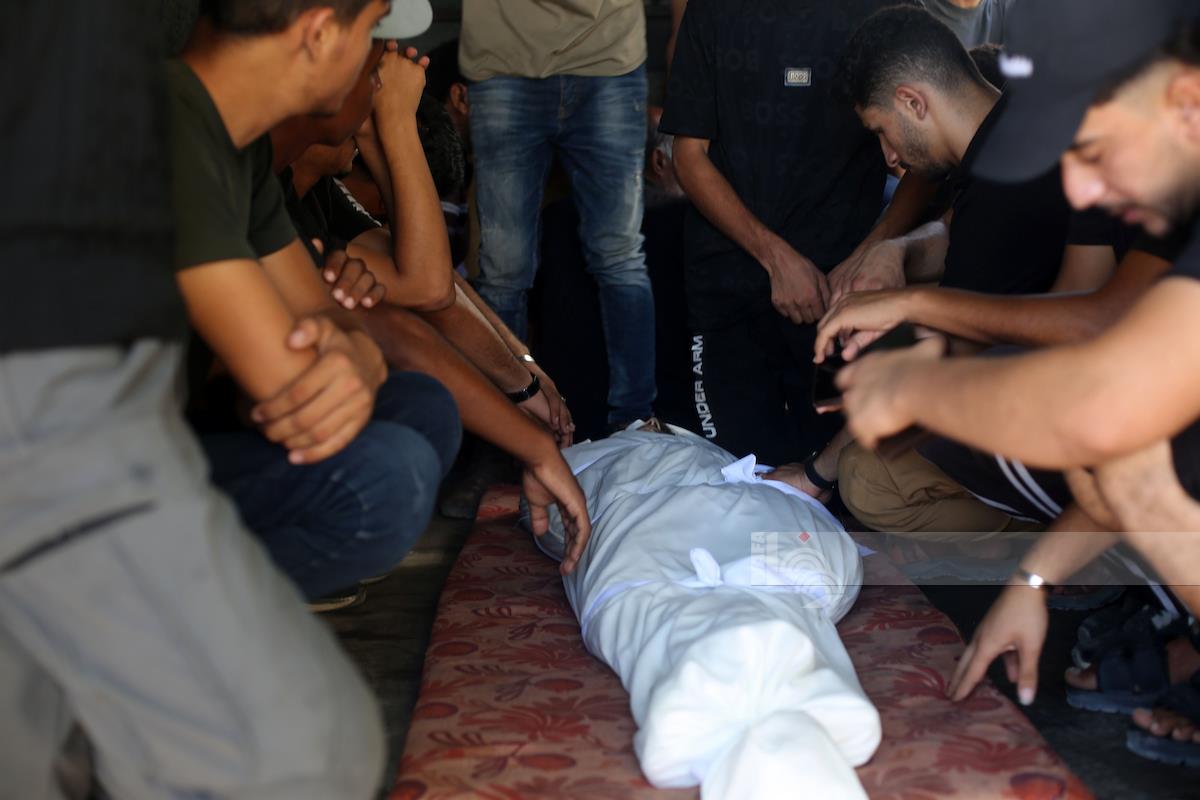
Euro-Med Monitor’s field team documented the deaths of dozens of elderly people in displacement camps due to starvation, malnutrition, or lack of treatment. Many of these deaths were recorded as natural causes, owing to the absence of a clear reporting mechanism within the ministry and the tendency of families to bury their loved ones immediately.

In reality, these deaths result from deliberate starvation policies and the systematic dismantling of the health system, forming a pattern of intentional killing prohibited under international humanitarian and criminal law.

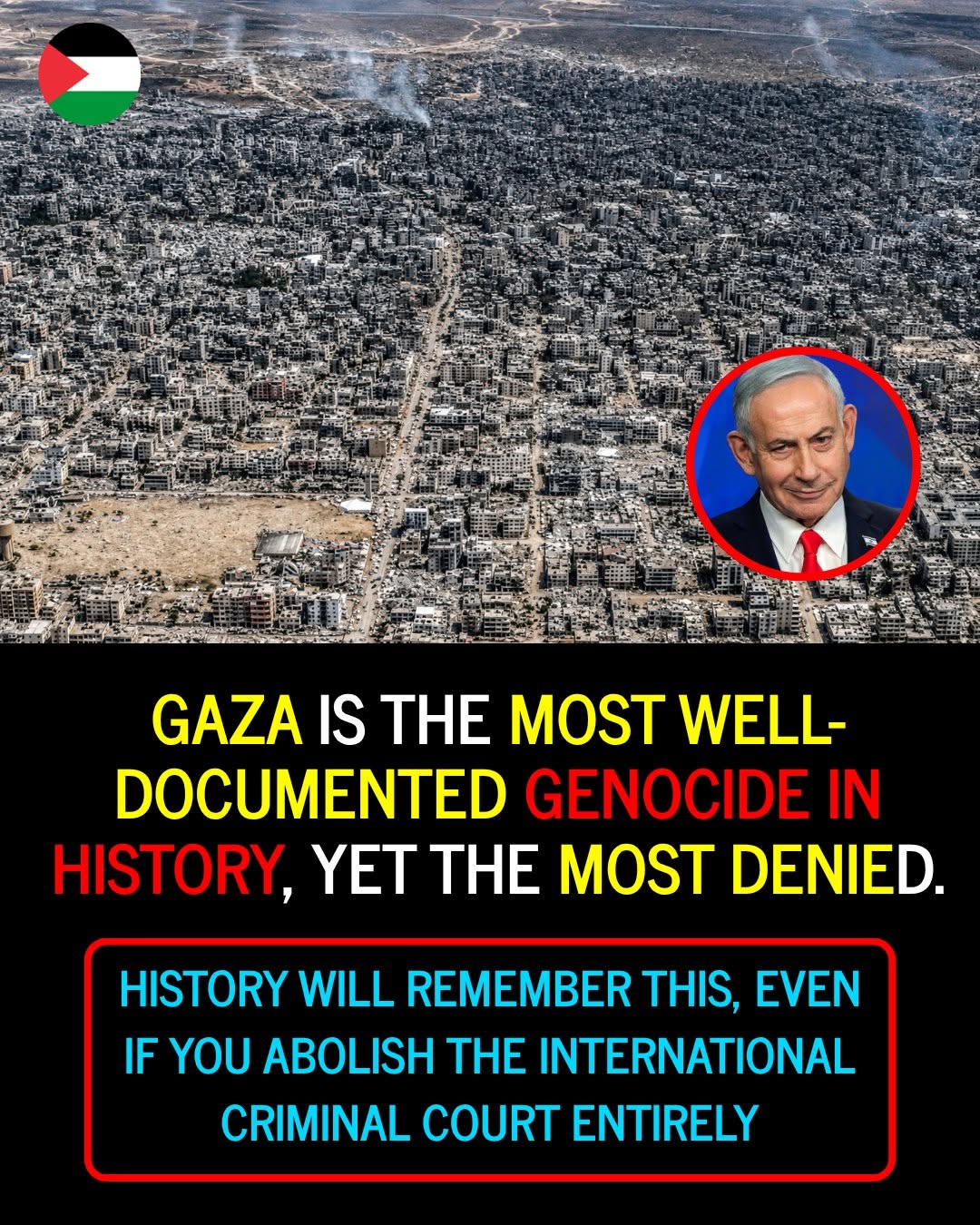
These conditions involve crimes of deliberate starvation, the infliction of severe suffering, and the systematic denial of healthcare, all taking place under a comprehensive blockade within the context of an ongoing genocide that has persisted for nearly 22 months.

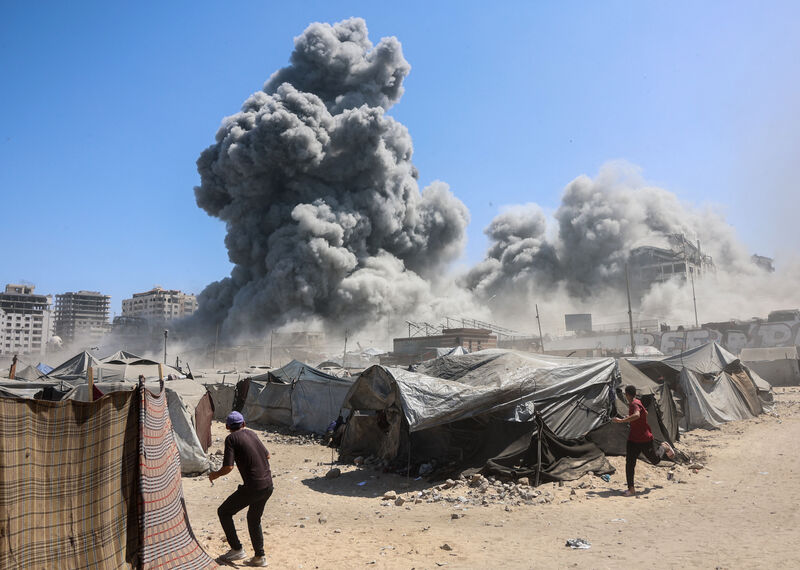
The rising death toll stems from a deliberate Israeli policy of using starvation and denial of medical care as weapons to kill civilians, enforced through a stifling blockade that has intensified since 7 October 2023 and entered a more severe phase on 2 March. This blockade targets the most vulnerable, turning the humanitarian catastrophe into a central instrument in the execution of genocide.

Euro-Med Monitor’s field team has documented harrowing testimonies from elderly individuals whose health deteriorated as a result of starvation and denial of medical care.

In a testimony to Euro-Med Monitor, Muhammad, the son of 77-year-old Tamam Deeb Shaaban, said: “Over the past period, as the starvation intensified, we had almost nothing left to eat. My mother was the most affected due to her age and chronic illnesses. Within days, she lost a significant amount of weight, became visibly weak and emaciated, and fainted several times.”

“As the blockade persisted and food and adequate healthcare remained unavailable, her condition worsened significantly. Two weeks ago, we transferred her to Wafaa Rehabilitation Hospital for medical care and IV fluids, but the damage to her body was severe. She suffered multiple complications, the last being a stroke, and passed away this morning, Saturday,” Muhammed added. “I am overwhelmed with profound grief and a deep sense of helplessness, knowing that my mother died from entirely preventable causes, had anyone in this world intervened to stop the crime of starvation.”

Palestinian Muhammad Abu Daqqa told the Euro-Med Monitor team: “We were displaced weeks ago under bombardment from Abasan al-Kabira to Al-Mawasi in Khan Younis, along with my 74-year-old mother, Fatima. She suffers from high blood pressure, diabetes, and limited mobility, and there is no suitable medication for her. We ran out of flour more than six days ago, and there are no alternatives.”

He continued, “We have now gone over 30 hours without a single meal. When we were given a kilo of flour, there was nothing to eat it with. My mother needs nutritious food because of her condition, but it is simply not available. I had to take her to the hospital for an IV after she lost consciousness from extreme hunger.”

Aisha al-Najjar, 33, told Euro-Med Monitor that, driven by the pressure of starvation, especially her 76-year-old mother’s suffering, she decided to go to the aid distribution centre in Rafah last Thursday after hearing it was designated for women.

“I was shocked upon arrival to be met with gunfire from the occupation forces, who killed two women near me. I returned without receiving any aid,” she said. “Sometimes an entire day passes without us eating anything, which severely affects the health of my elderly, ill mother, and we are unable to provide her with medication for her chronic conditions.”

Israeli authorities continue to control the volume and mechanisms of aid distribution, using it as part of a starvation strategy that turns aid into death traps and a violation of human dignity.

Israel’s announcement that it destroyed thousands of tons of aid after it spoiled from sitting for prolonged periods on Gaza’s outskirts, while deaths from starvation are recorded daily, is a stain of shame not only on Israel but on the entire international community. The world watches in silence, or at best issues timid statements that do nothing to feed a single hungry child or elderly person.

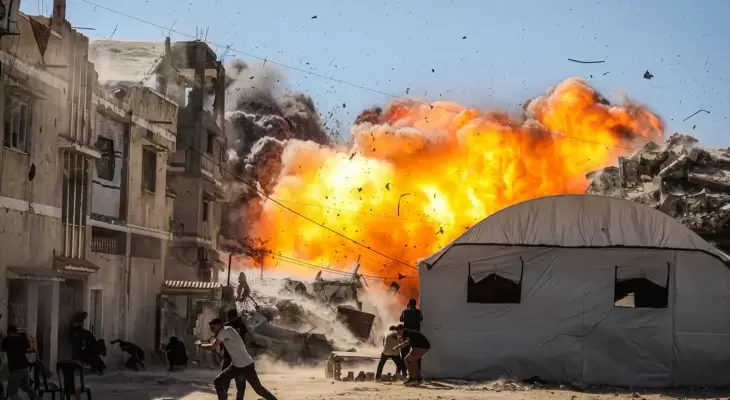
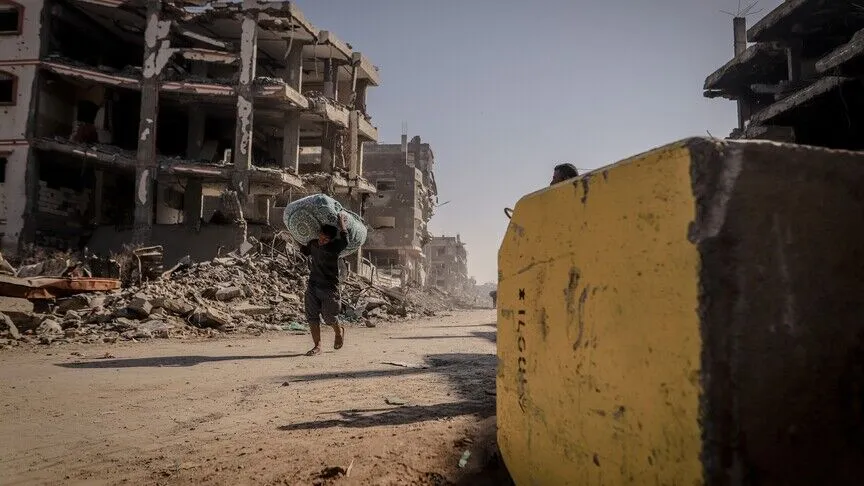
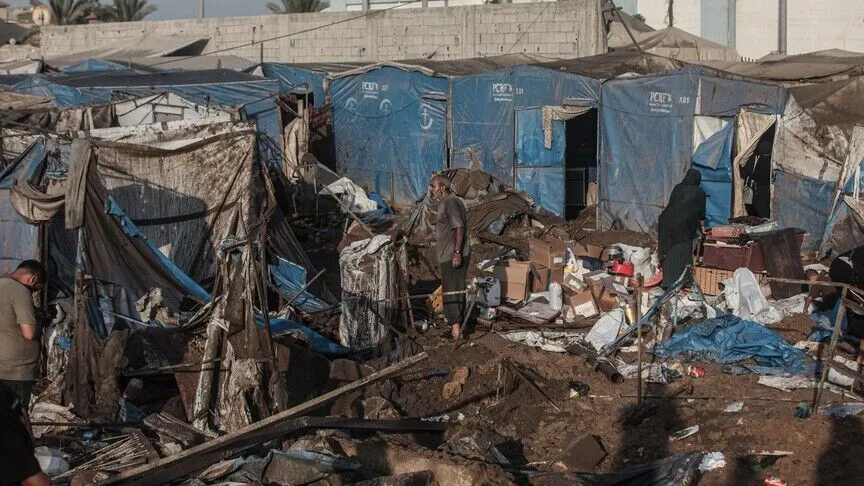
The starvation is worsened by the intense bombardment of homes and shelters, combined with forced displacement. As families flee death and the fear of being targeted, they lose their few remaining belongings and limited stocks of canned food.

The aforementioned acts represent some of the most serious crimes under the Rome Statute of the International Criminal Court, which classifies “wilful killing” as causing death through means such as starvation and denial of medical care. These acts qualify as war crimes and crimes against humanity when committed as part of a widespread or systematic attack on civilians, which clearly describes Israel’s actions in the Gaza Strip.

Israel’s actions also meet the legal criteria for genocide, including killing and inflicting serious physical or mental harm on members of a protected group and deliberately imposing living conditions intended to bring about the group’s physical destruction, in whole or in part. This is a crime that Israel has been committing continuously for nearly 22 months against the civilian population in the Gaza Strip.

The humanitarian crisis in the besieged enclave has now reached catastrophic levels. Hunger currently affects not only the most vulnerable but every segment of society, amid the near-total collapse of essential services and the absence of basic necessities such as food, healthcare, and shelter.

The unlawful Israeli blockade, which existed prior to the start of the genocide in October 2023 but has worsened since then, along with systematic restrictions on humanitarian aid and the deliberate destruction of the Gaza Strip’s health system, particularly over the past 70 days, has caused irreversible destruction. The Strip’s population of over two million people faces widespread health consequences.

All states, individually and collectively, must assume their legal responsibilities and act urgently to halt the genocide. This includes taking all effective measures to protect Palestinian civilians, and to immediately lift the illegal blockade on the Gaza Strip—the only viable path to halting the worsening humanitarian crisis and ensuring the unimpeded entry of life-saving aid.

Any further delay in lifting the siege constitutes a continuation of grave violations of international humanitarian law, worsening the catastrophic and uncontainable consequences. Until the international community compels Israel and its more powerful allies to change course, the over two million civilians in the Gaza Strip are being held hostage—starved, dehydrated, and denied medical care, in direct violation of their fundamental rights to life and dignity.

The international community must impose economic, diplomatic, and military sanctions on Israel and its closest allies for the aforesaid systematic and serious violations of international law. These sanctions include a complete arms embargo, including the ban of exports, dual-use goods, and military cooperation; suspension of all forms of political, financial, and military support; freezing the assets of Israeli officials implicated in crimes against Palestinians; imposing travel bans on all those responsible; and suspending trade privileges and bilateral agreements that provide Israel with economic advantages enabling its continued crimes.

The international community must immediately fulfil its legal and moral obligations by addressing the root cause of the Palestinian people’s suffering and oppression, which has persisted for 77 years: the apartheid regime imposed on Palestinians by the Israeli settler-colonial enterprise. To ensure Palestinians’ rights to freedom, dignity, and self-determination under international law, the international community must act to end Israel’s illegal occupation.

Euro-Med Monitor reiterates that Israel must be compelled to lift its illegal blockade on the Gaza Strip, all perpetrators of crimes committed against Palestinians in the Strip must be held accountable, and justice and reparations for Palestinian victims there must be guaranteed.

Continue reading
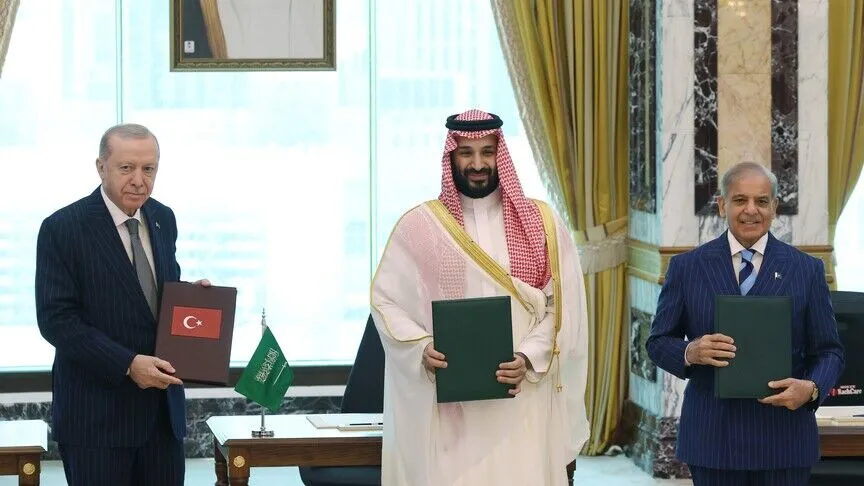
Saudi Will Not Normalize With Israel Unless…

Saudi Arabia will not normalize relations with Israel unless a Palestinian state is established and the war in Gaza ends, the kingdom’s foreign minister said Monday, signaling Riyadh’s clearest stance yet linking recognition to progress on a two-state solution.

Foreign Minister Prince Faisal bin Farhan made the remarks at a press briefing with his French counterpart Jean-Noel Barrot in New York, following a high-level international conference on implementing the two-state solution, co-hosted by Saudi Arabia and France.

“For the kingdom, recognition is very much tied to the establishment of the Palestinian state,” Prince Faisal said when asked whether Saudi Arabia could relaunch the Abraham Accords recognition for Palestine as a prerequisite for normalizing relations with Israel.

“We certainly hope that the clear consensus shown today – which will be shown tomorrow as well – and the clear momentum towards establishing that Palestinian state can open the conversation about normalization,” he added.

Faisal emphasized that normalization with Israel cannot be discussed while Israel’s genocide continues in Gaza according to Anadolu.

Talks “can only open first if the conflict in Gaza ends and if the suffering of the people of Gaza is alleviated,” he said. “Because there’s no reason, even, or no credibility, to have a conversation about normalization with constant death and suffering and destruction in Gaza.”

“And then we have to talk about the establishment of the Palestinian state. And once that is achieved, then obviously we can talk about normalization,” he added.

Continue reading
Jewish Experts: Israel Faces Isolation Over Gaza

As Israel presses ahead with its nearly two-year-long offensive on Gaza, leading Israeli experts are warning that the country is facing unprecedented diplomatic, political, and societal backlash globally, raising concerns about deepening international isolation.

Prominent former diplomats, academics, and analysts told Anadolu that the ongoing attacks and resulting humanitarian catastrophe in Gaza are driving a surge in global opposition to Israel, including formal recognition of Palestinian statehood by several countries.

Mounting backlash across the globe

International criticism of Israel has intensified in recent months, particularly in response to the humanitarian crisis in Gaza.

Meanwhile, Spain, Norway, Ireland, and Slovenia officially recognized the state of Palestine in 2024.

France will follow suit, with President Emmanuel Macron recently announcing that Paris is set to recognize Palestine in September.

Public backlash has extended beyond governments, with Israeli tourists increasingly being confronted abroad.

In a recent incident, a pro-Palestinian group in Greece prevented a cruise ship carrying Israeli passengers from disembarking on the island of Syros.

Videos circulating on social media show Israeli travelers facing protests and hostility in multiple countries.

‘Recognition by France and Britain will come as shock to Israeli public’

Alon Liel, former charge d’affaires at Israel’s Embassy in Ankara and former secretary of the Foreign Ministry, described the international developments as a turning point.

“A year ago, Spain, Norway, Ireland, and Slovenia did it, but now it came to the point that France is doing it. I welcome it very much. I think it’s extremely important.

“And if Great Britain and Canada and Australia will join, much better, of course,” he told Anadolu.

Liel said that while Israel withdrew ambassadors from countries that recognized Palestine — going so far as to shut its Embassy in Ireland — it would not be able to do the same with major allies like the UK or Canada.

“The important thing is if the public will be noticing it and will be affected by it,” he stressed.

“I think the recognition by France and Britain will come as a shock to the Israeli public because these are two of the five permanent members of the Security Council.

“This can bring things closer to a full membership of Palestine in the UN. Of course, the Americans can veto it, but I don’t know for how long they can veto it.”

He argued that Western governments are recognizing Palestine as a substitute for sanctions against Israel.

“But they don’t have the ability to do it. It’s too risky for them, security-wise, intelligence-wise, economic-wise. So they go for a softer protest to what Israel is doing in Gaza in the form of recognition of Palestine,” Liel said.

Though symbolic, he believes such recognition lifts Palestinian morale and delivers “a blow to the Israeli public.”

“It’s very difficult for us now to travel abroad. Look at Greece. We had tourists that could not embark the ship that they came with.

“We had youngsters in Athens that were beaten. It’s happening now all over the world. So Israelis start realizing that ‘what we do in Gaza is unacceptable internationally. It will cost us in our ability to travel. It will cost us mainly in the future, also in the isolation of the country, and maybe economically’.”

He added that while Israeli strikes on Iran were initially met with international support, that dissipated quickly.

“As long as the war will go on with these pictures of starving children in Gaza, the tsunami will get stronger and Israel will become more isolated.”

“But I think it will end when the US will see that it is paying a price, an international price for backing Israel in the Middle East, in Europe, and the rest of the world. As long as Trump doesn’t feel that he pays a price, he will support us,” Liel warned.

Regarding Syria, Liel said American pressure had curbed Israel’s military activities there and even led to secret talks between Syrian and Israeli officials in France.

‘They don’t hate Israel. They do hate occupation’

Nadav Tamir, a former adviser to late Israeli President Shimon Peres and current director at the US-based liberal Jewish lobbying group J Street, argued that Palestinian statehood would benefit Israel morally and strategically.

He expressed hope that France would push the recognition issue to the UN Security Council.

“I’m convinced Trump not to veto it because I believe that there is a consensus among other 14 members of the Security Council to recognize Palestine if the US will not block it,” he said.

Tamir acknowledged, however, that Israeli retaliation often intensifies when external pressure increases.

“That was kind of the instinct of the right-wing government to show that when we’re being pressured from the outside, we will do counter things that will actually make a Palestinian state less possible.

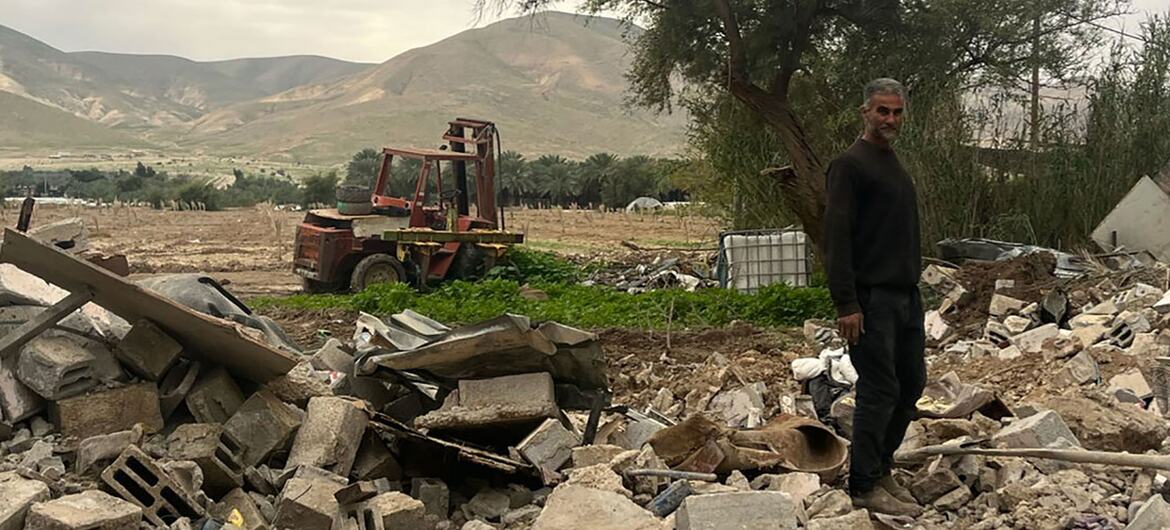
“There is a clear attempt by this government to push all the Palestinians from Area C (Israeli-occupied territory in West Bank) and to make the Palestinian life in other areas harder and harder.

“So I don’t think that on the ground it will change much because what they’re already doing is bad enough, but it will be more declarative.”

As many as 147 countries already recognize Palestine, but recognition from Security Council powers such as France and the UK, Tamir said, has a far greater impact.

“I think Israel’s international standing is deteriorating every day that the tragedy in Gaza continues and this senseless war continues.

“You see it now from places that we haven’t seen it before, that used to be considered pro-Israel or pro-the Netanyahu government,” he said. “Now, many Israelis will say, oh, the world is antisemitic, the world hates us. I have connections with also people in civil societies in Europe, they don’t hate Israel. They do hate the occupation.”

He said “the criticism over what’s happening in Gaza now, unfortunately, the West Bank doesn’t get much coverage, but there’s also atrocities there. This is the main reason why Israel’s standing is deteriorating.”

Tamir warned that Prime Minister Benjamin Netanyahu is indifferent to international opinion as long as US President Donald Trump supports him.

Government focused only on survival and ideology

Professor Eyal Zisser, vice rector at Tel Aviv University, said there is outsized influence of the US in shaping international responses.

He said the most significant reaction to France’s recognition of Palestine came from Trump, who dismissed the move as it “doesn’t carry any weight.”

Zisser predicted that other Western nations might follow France if Israel’s Gaza offensive, which has already killed more than 59,000 people since October 2023, continues.

“Some more countries might join the French initiative, but once again, it will not change anything on the ground, because Israel is the occupier, it has the control, and the Americans are those who have a real influence over the Israeli policy.”

He warned that Israel’s actions in Gaza are deepening its global isolation.

“It leads to the destruction of the democratic nature of Israel, to the destruction of the state institution, and of course, this lunatic policy also creates many problems,” Zisser said.

“You mentioned the isolation of Israel, the image of Israel, its relation with the world, its relation with Arab countries, but this government is focusing on its political survival and political consideration, also maybe ideological consideration, lunatic ideological consideration of those who motivated it.”

The academic also criticized Israel’s military actions in Syria, saying: “It didn’t help anything. It was not a wise decision to intervene and it was not the right move,” according to Anadolu.

Continue reading
Israeli Versity Heads to Netanyahu: ‘End Starvation’

The heads of five major Israeli universities on Monday appealed to Prime Minister Benjamin Netanyahu to end the starvation in Gaza, warning of catastrophic consequences for civilians, including infants.

In a letter reported by the daily Israel Hayom, the signatories – Weizmann Institute President Alon Chen, Hebrew University President Asher Cohen, Technion President Uri Sivan, Tel Aviv University President Ariel Porat, and Open University President Leo Corry – said they were “shocked” by the humanitarian toll in the Palestinian enclave.

“Like many Israelis, we are horrified by the scenes from Gaza, including infants dying every day from hunger and disease,” the letter reads according to Anadolu.

The university presidents pressed Netanyahu to address “the severe hunger overwhelming Gaza, which is taking a heavy toll on civilians uninvolved in the conflict, including children and infants.”

They voiced alarm over incendiary remarks by Israeli ministers and Knesset members calling for Gaza’s destruction.

“As a people who endured the horrors of the Holocaust, we also bear a responsibility to use every means at our disposal to prevent cruel and indiscriminate harm to innocent men, women and children,” they wrote.

The letter also criticized statements by Israeli officials suggesting the use of nuclear weapons, the complete denial of food, and the expulsion of Palestinians.

“We expect you and the government to unequivocally condemn these dangerous remarks,” they said, adding that such calls amount to “war crimes and crimes against humanity” under international law.

The university heads further warned against reported Israeli plans to build a so‑called “humanitarian city” in Rafah, likening it to World War II concentration camps. They said such a move would cause “irreparable damage” to Israel’s moral standing.

International observers have warned that the proposed camp would confine Palestinians and deprive them of food to force mass migration abroad.

Also on Monday, UN relief chief Tom Fletcher warned that one in every three Palestinians in Gaza had not eaten for days, urging the immediate delivery of aid.

The Gaza government media office said more than 40,000 infants aged under 1 face slow death due to Israel’s blockade preventing baby formula from entering for more than 150 days. It called for the unconditional opening of border crossings and held Israel and its allies fully responsible for the crisis.

According to Gaza’s Health Ministry, 147 Palestinians, including 88 children, have died from starvation and malnutrition since October 2023.

On Sunday, the Israeli army announced limited humanitarian airdrops and what it described as a “tactical pause” in certain parts of Gaza to allow deliveries. Aid agencies, however, dismissed the move as “false relief,” saying Israel continues to weaponize hunger by blocking overland aid since early March.

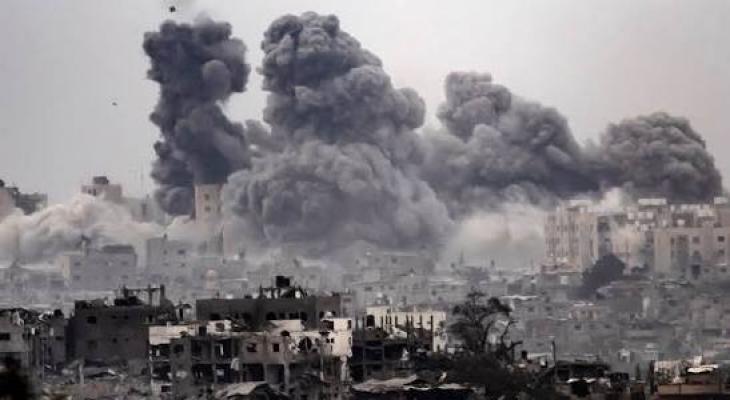
Rejecting international calls for a ceasefire, the Israeli army has pursued a brutal offensive on Gaza since Oct. 7, 2023, killing nearly 60,000 Palestinians, most of them women and children. The relentless bombardment has destroyed the enclave and led to food shortages.

Last November, the International Criminal Court issued arrest warrants for Netanyahu and his former Defense Minister Yoav Gallant for war crimes and crimes against humanity in Gaza.

Israel also faces a genocide case at the International Court of Justice for its war on the enclave.

Continue reading