 Ehud Olmert: Gaza Belongs to The Palestinians
 300 Israeli Soldiers Call For an End of ‘Settler Terrorism’
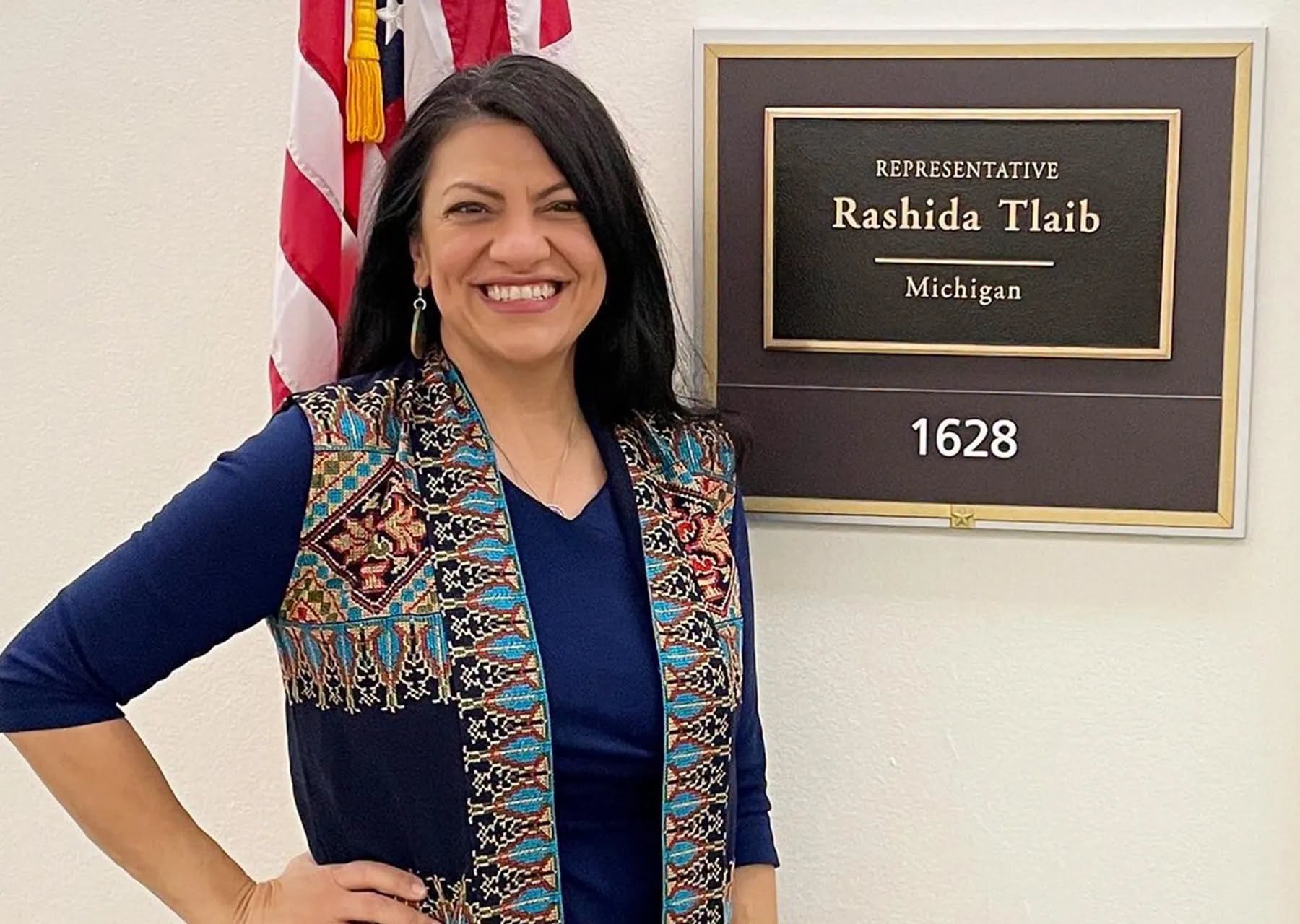 Reshida Tlaib Sweeps in Polls
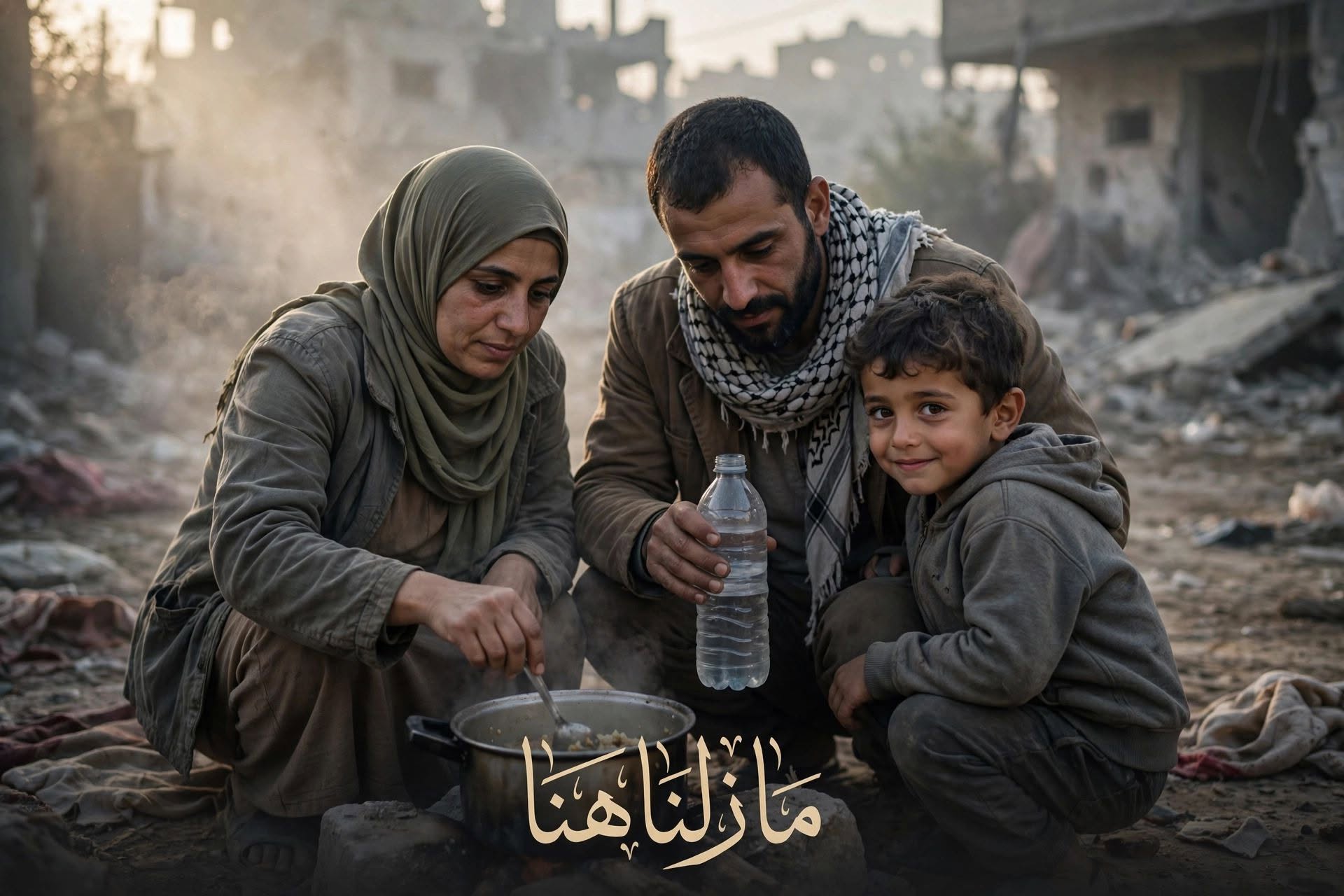 ‘We Are Still Here – Gaza’
 The Mecca Agreement: Is This The Beginning?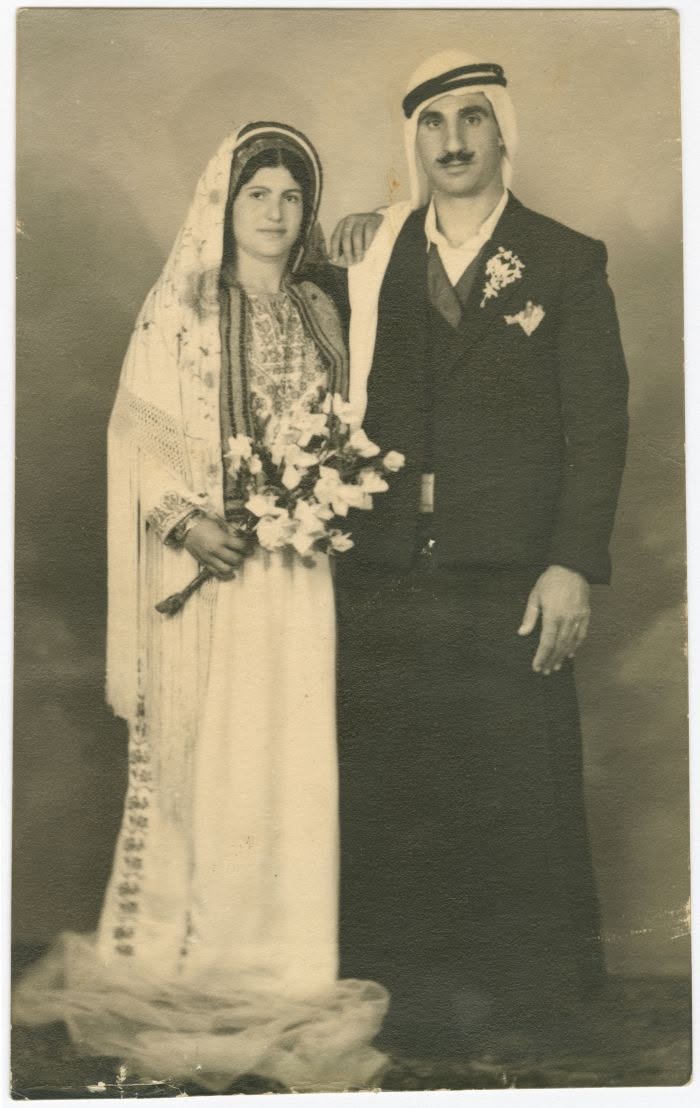



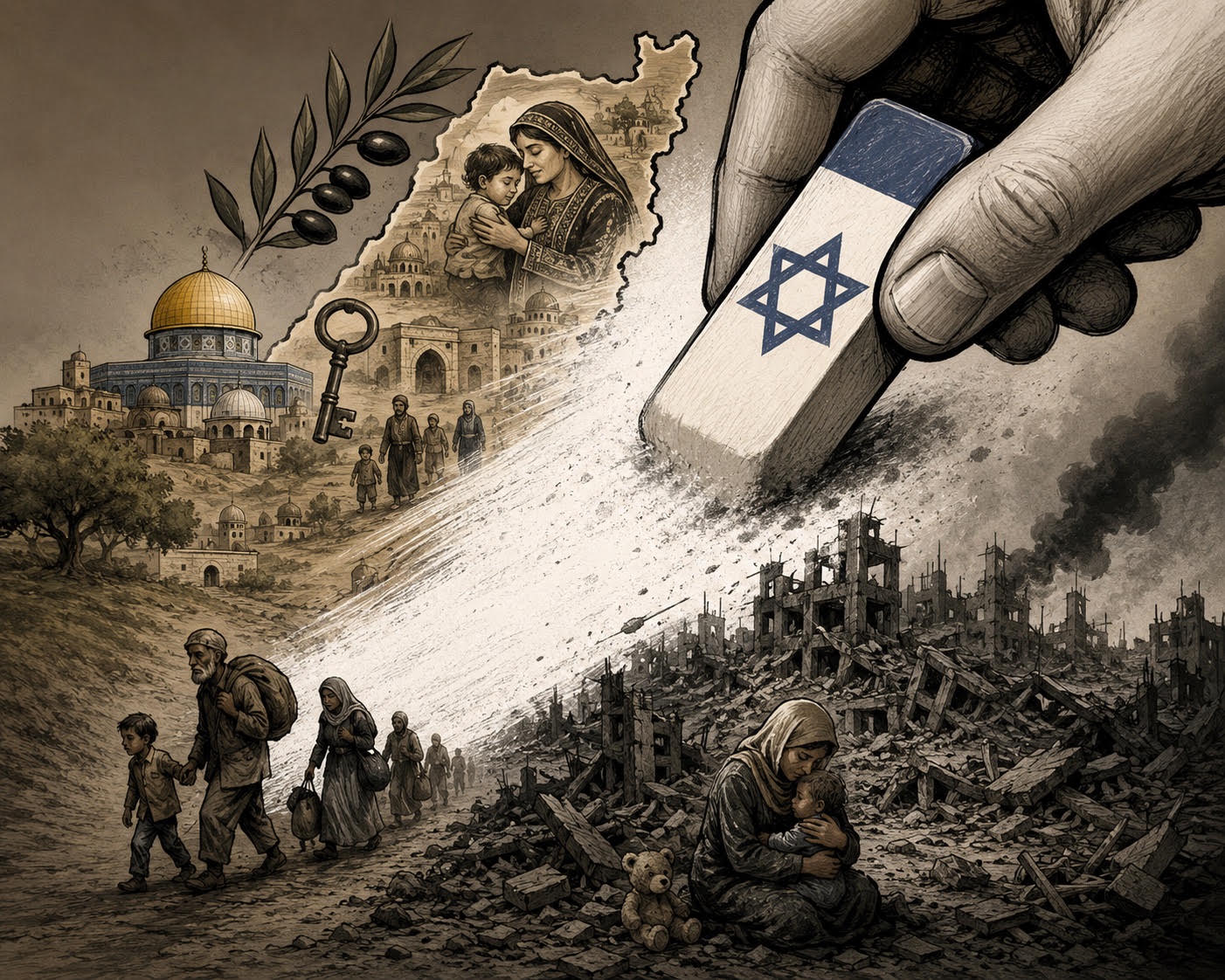

Ehud Olmert: Gaza Belongs to The Palestinians
 CrossFireArabia
- August 12, 2026
 CrossFireArabiaCrossFireArabiaCrossFireArabiaCrossFireArabia
 Heba
Heba marwanCrossFireArabiamarwanHebaCrossFireArabiaHebamarwanmarwanCrossFireArabiamarwanmarwanmarwanmarwanmarwanmarwanmarwanmarwanmarwanCrossFireArabiaCrossFireArabiamarwanmarwanCrossFireArabiaCrossFireArabiamarwanCrossFireArabiamarwanHebaHebamarwanmarwanCrossFireArabiamarwanmarwanmarwanmarwanCrossFireArabiaCrossFireArabiamarwanmarwanmarwanCrossFireArabiamarwanmarwanmarwanmarwanmarwanCrossFireArabiamarwanmarwanmarwanmarwanCrossFireArabiamarwanmarwanmarwanmarwanmarwanmarwanmarwanmarwanmarwanmarwanCrossFireArabia
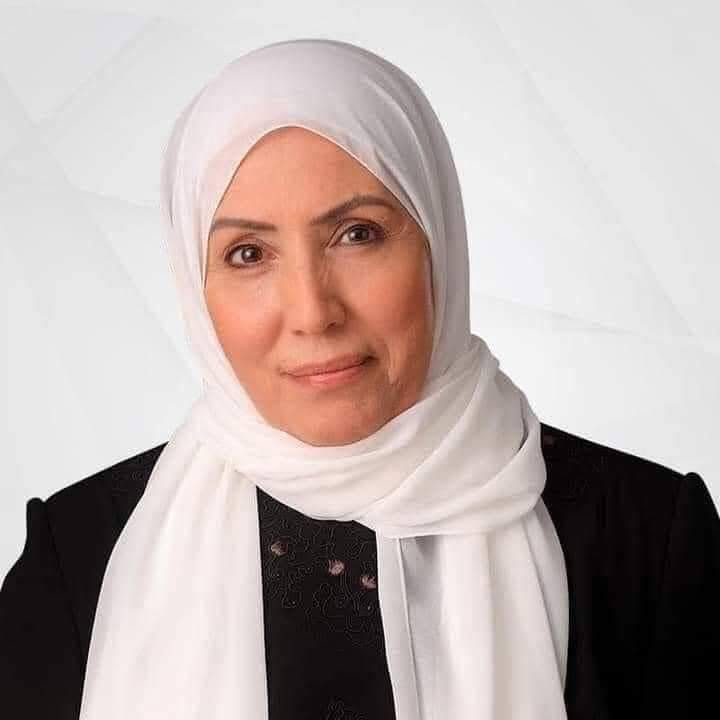
Editor’s note: Iman Al Khateeb is re-submitting her name in the United Arab List to fight the next Israeli to be held on 27 October, 2026. She was first elected to the Israeli parliament in March 2020. She made history as the first women to be elected under the Arab list and the first Hijabi woman to have ever won a seat in the Knesset.
She writes:
After placing my trust in God, I submitted my candidacy two days ago for membership in the United Arab List, specifically for the seat designated for women. This candidacy is based on a solid foundation of work and dedication, and on five years of parliamentary and field experience, all of which has been dedicated to serving the women and men of my community.
This experience was not merely about a position or post, but a responsibility I have borne and will continue to bear with utmost integrity. What has guided me at every step, and will always remain my compass, is my deep commitment to you and my belief in our ability to bring about change and create a better reality.
Today, I renew my pledge to you and for you, promising to remain among you, working for your benefit and championing your causes with unwavering strength and sincerity.
O God, guide us to the paths of righteousness, and grant us success in what is best for our people and our community.
CrossFireArabia
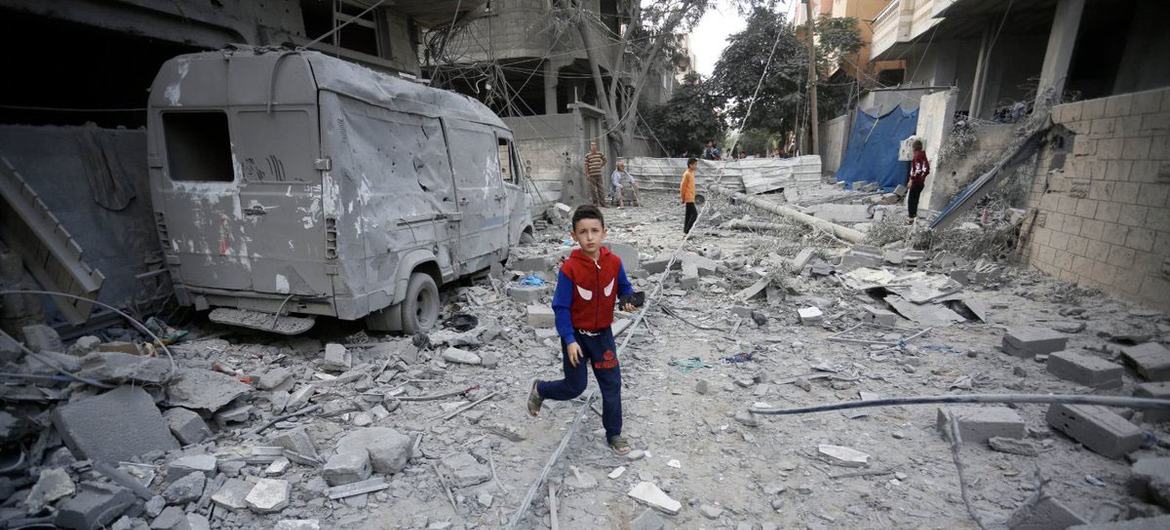
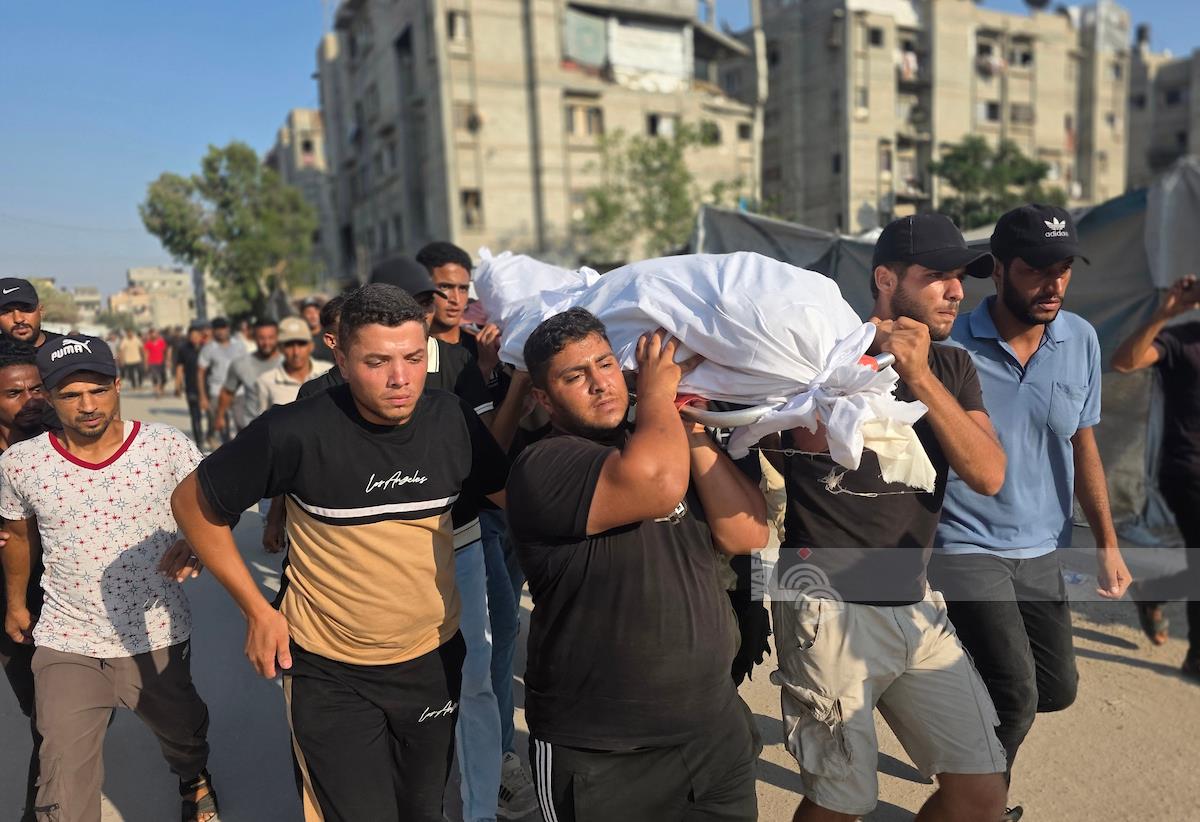
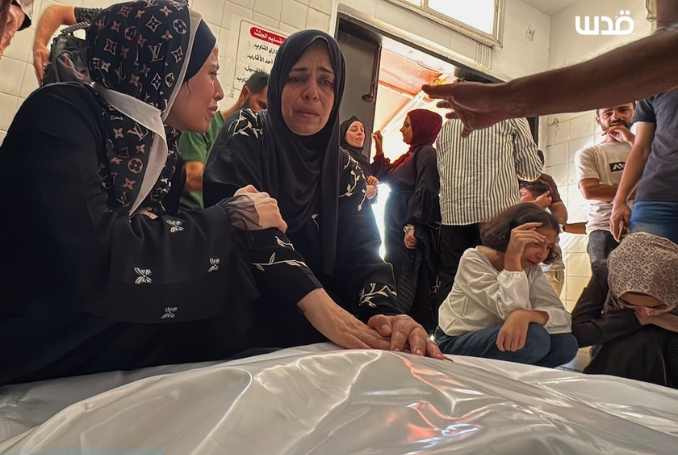
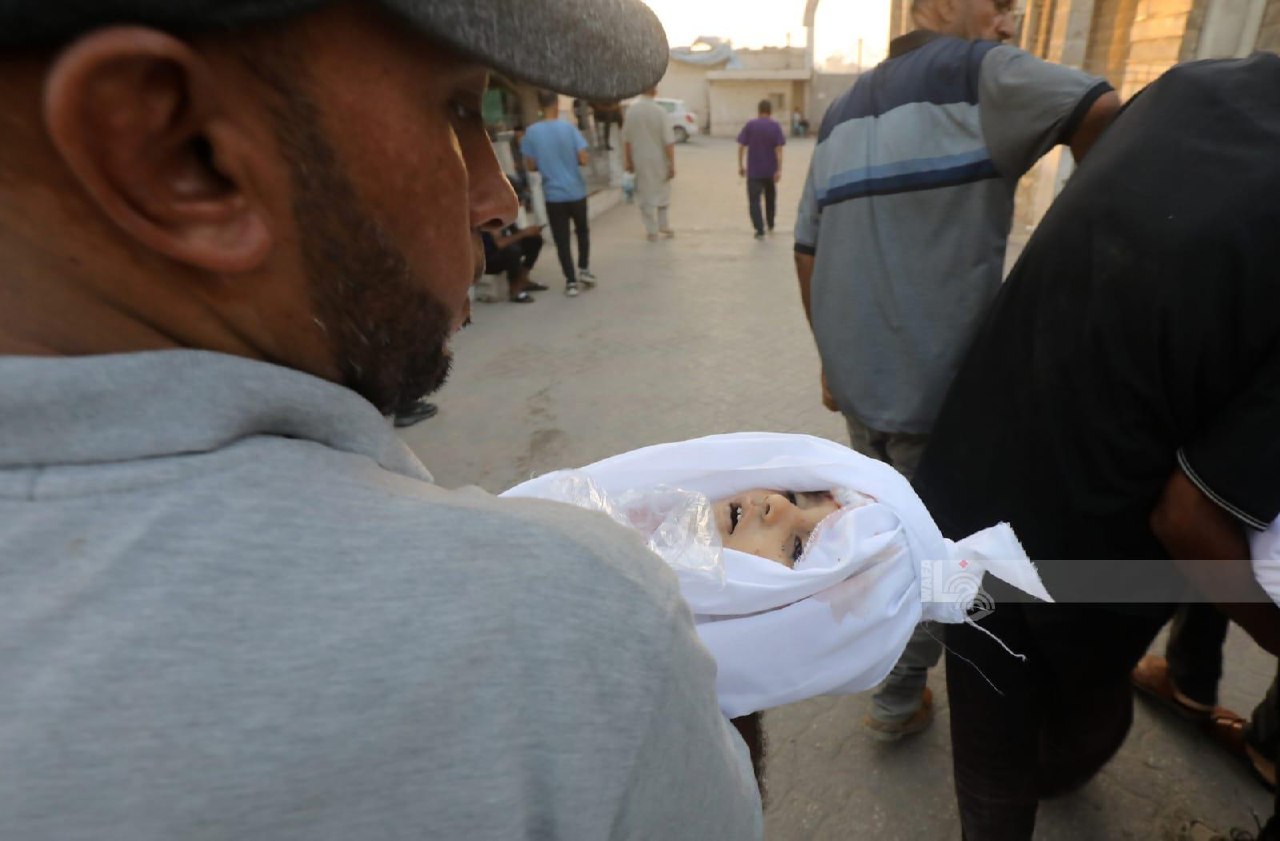
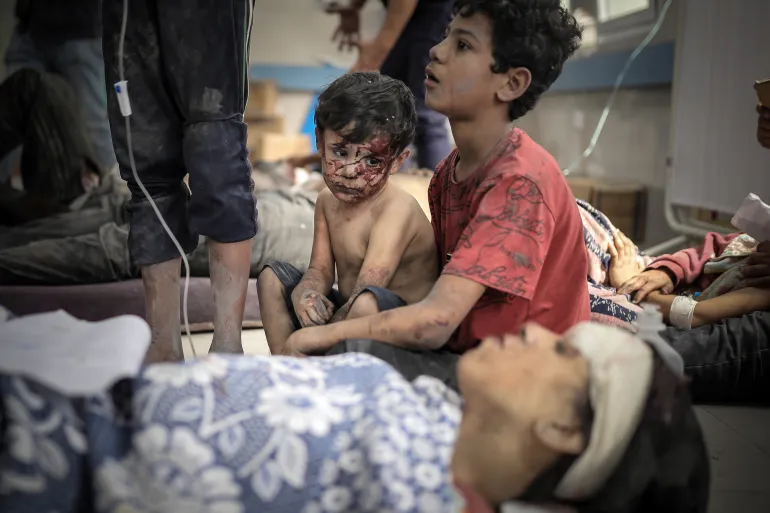
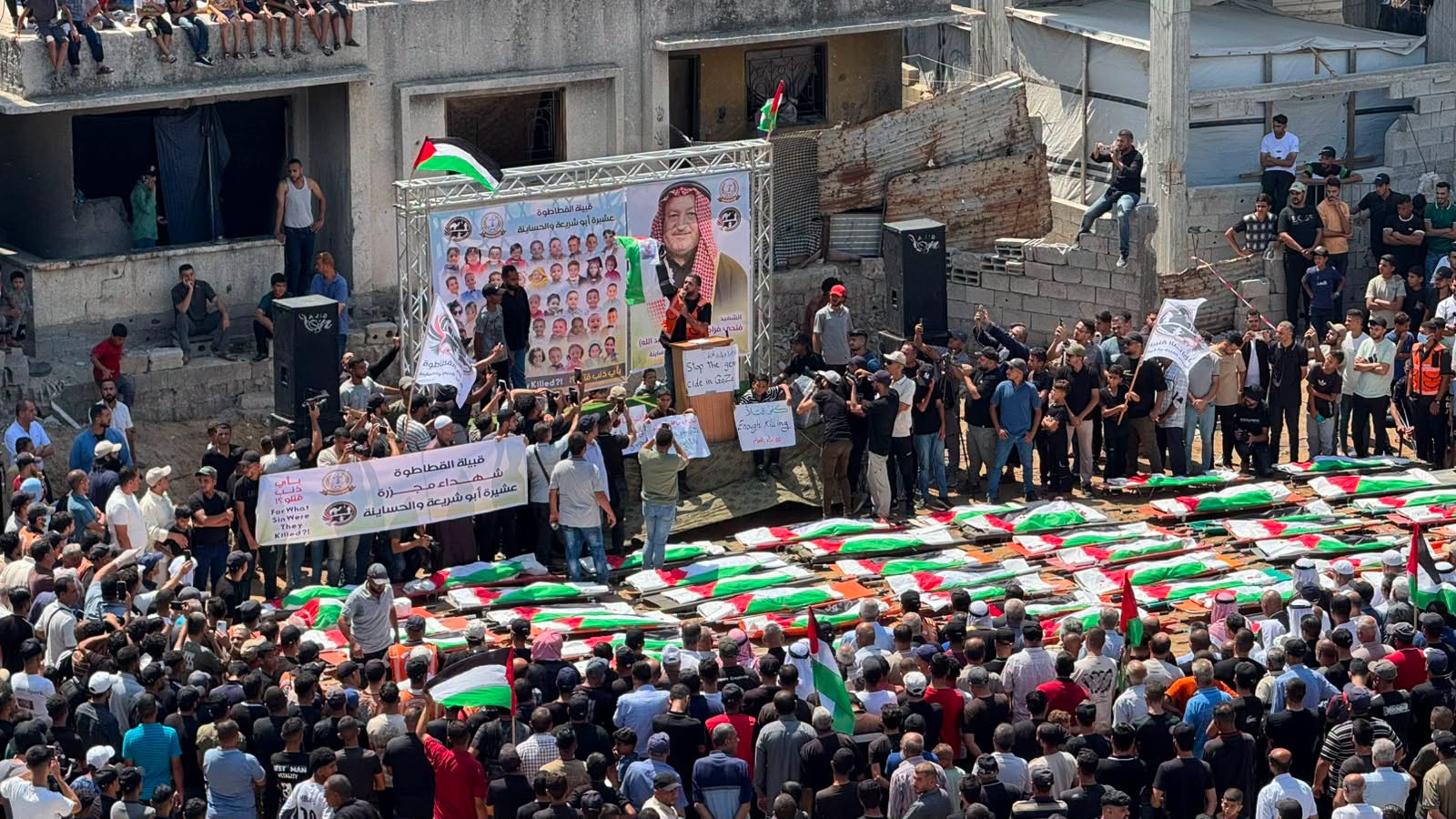
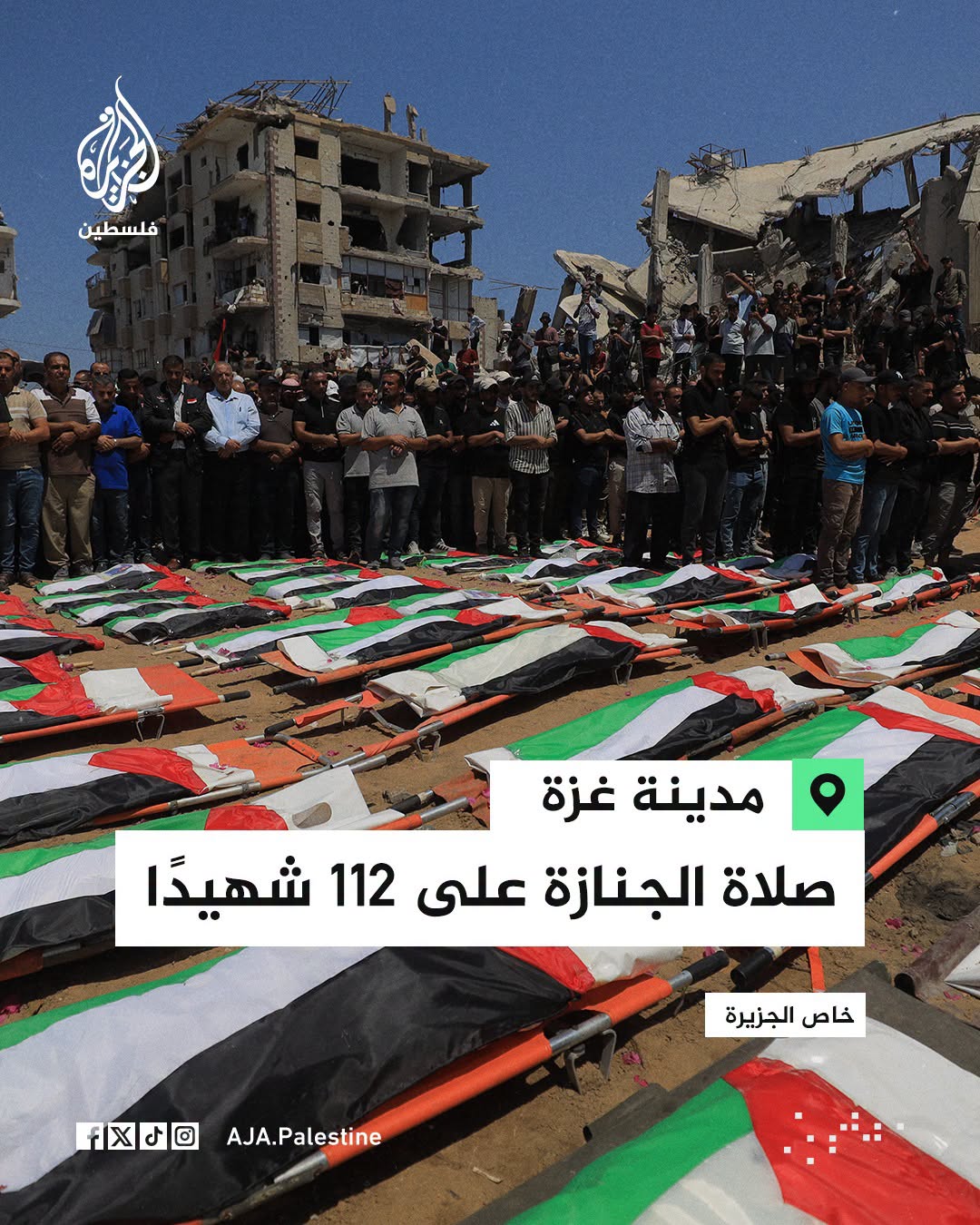
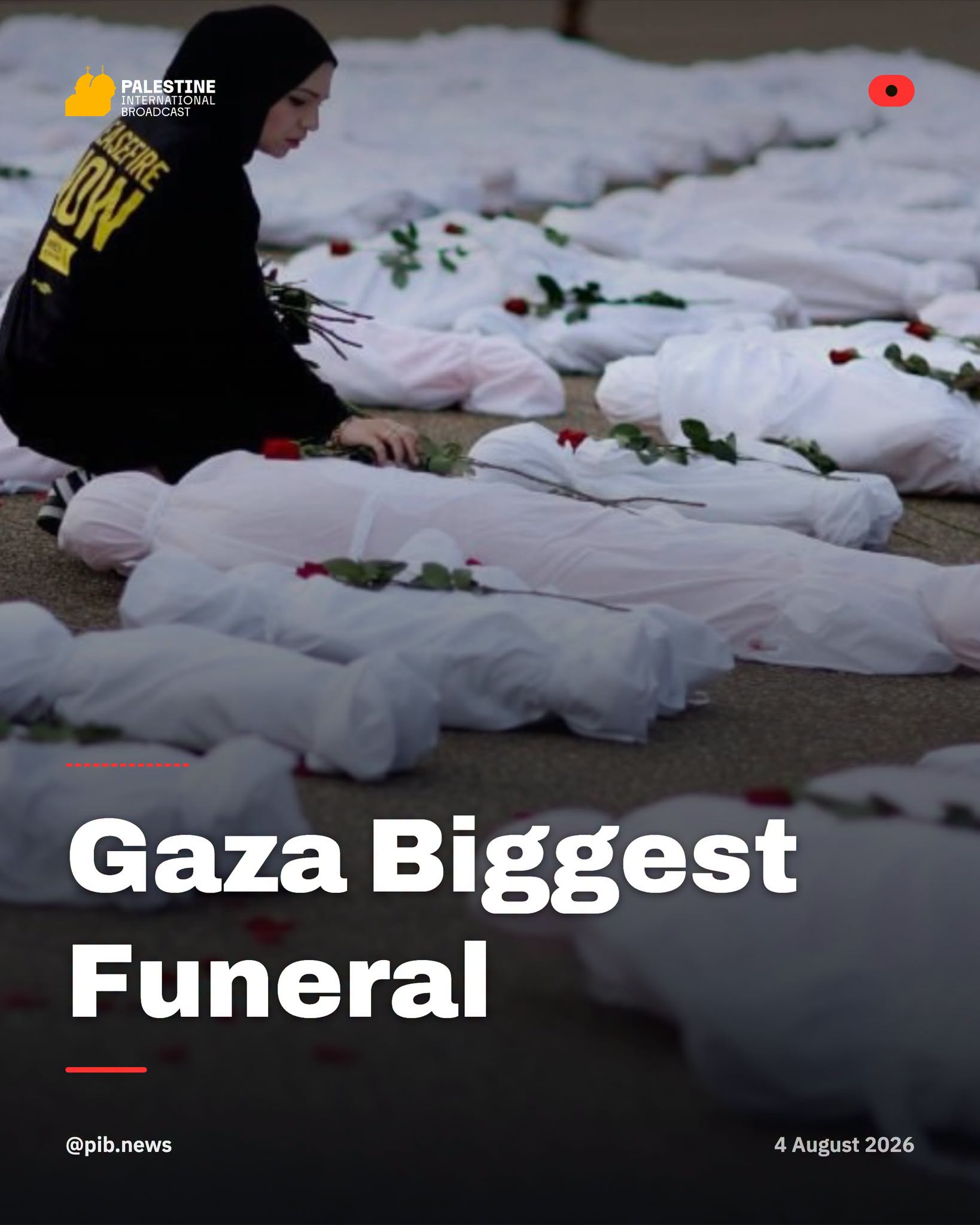
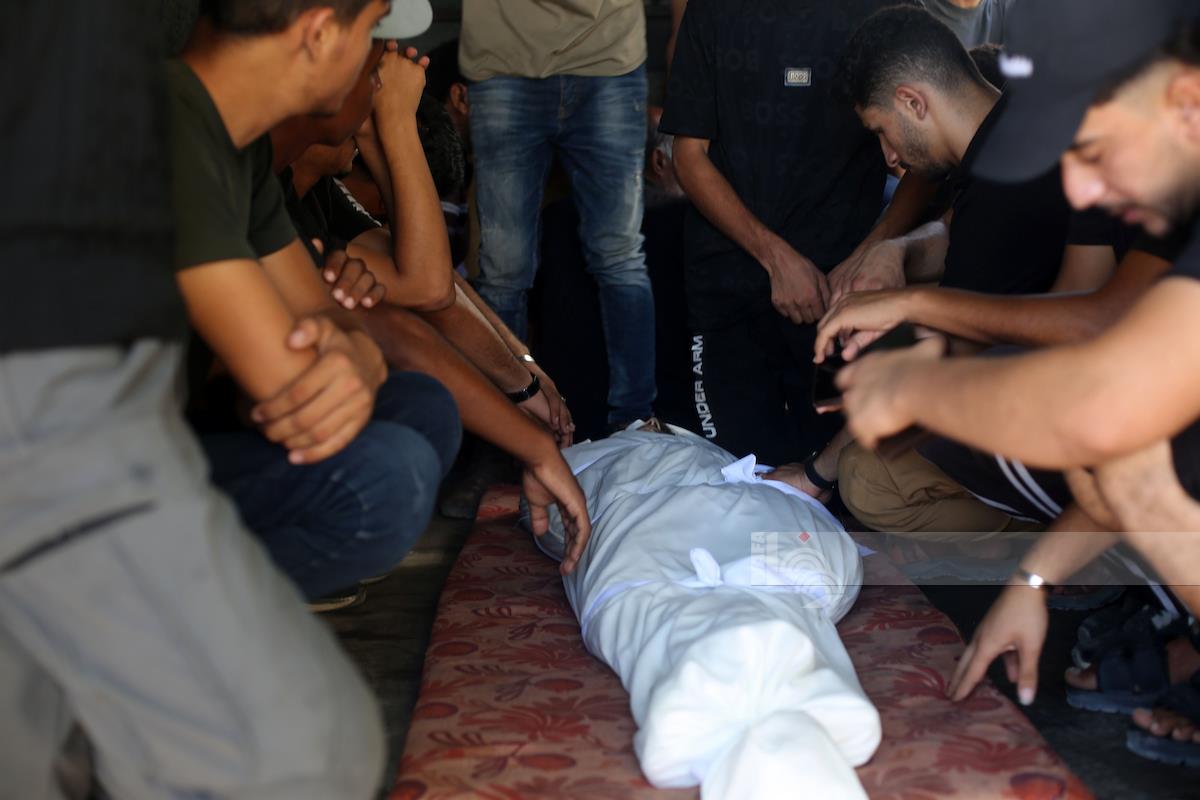
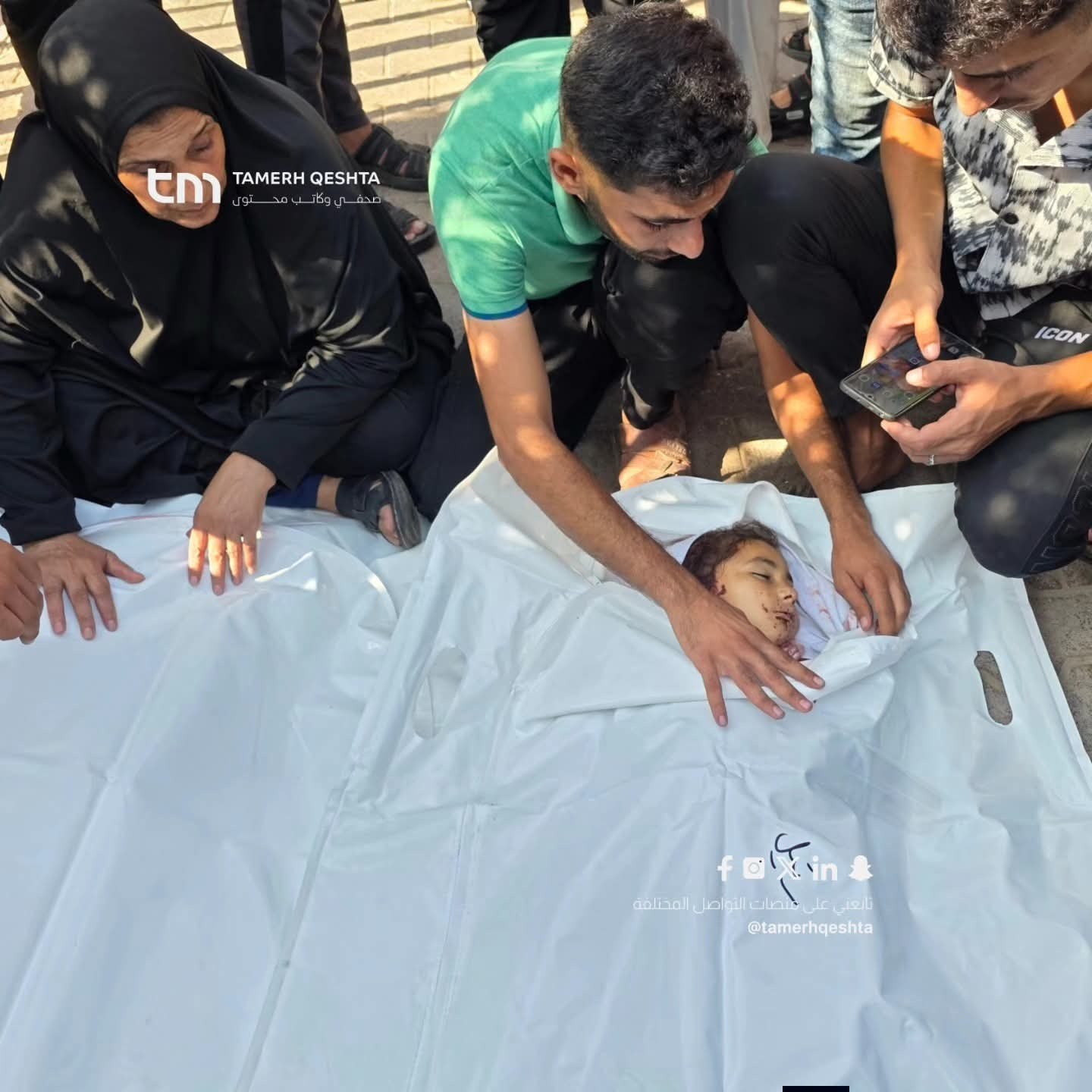
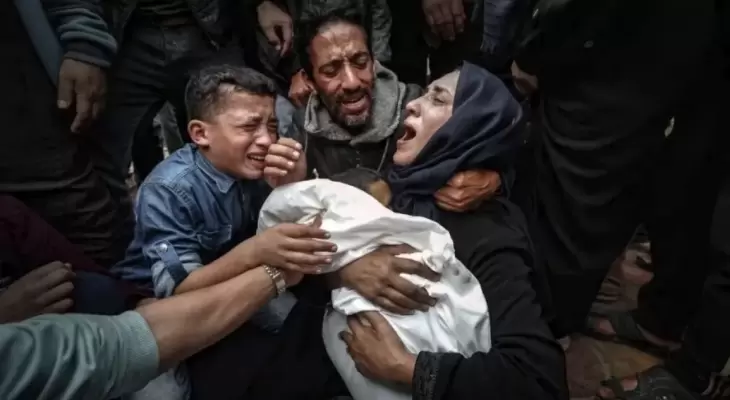
CROSSFIREARABIA – July has seen the highest number of martyrs in the Gaza Strip since the beginning of 2026 and it was a month seen as the most deadly. The Health Information Center of the Health Ministry in Gaza stated Israeli military strikes killed 152 people in July alone. It added this is the highest since the beginning of 2026 and that the number of deaths registered by hospitals came from all over the Gaza Strip. The highest number of deaths related to children at 21 killed, women at 14 and the elderly, at four who lost their lives to Israeli fire. The center added this shows that Israeli military targeting is increasingly towards neighborhoods and residential places. The Israeli military is continuing to violate the ceasefire agreement reached last October 2025 by maintain its military strikes from the air and through the tanks towards the tents and displaced people. This is while they are continuing to destroy homes and infrastructure inside the so-called “yellow line,” as well as hindering the entry of goods and aid into the Strip.
This article is based on data from the Palestine Information Center and is reproduced in crossfirearabia.com
CrossFireArabia
As per The Palestine Project
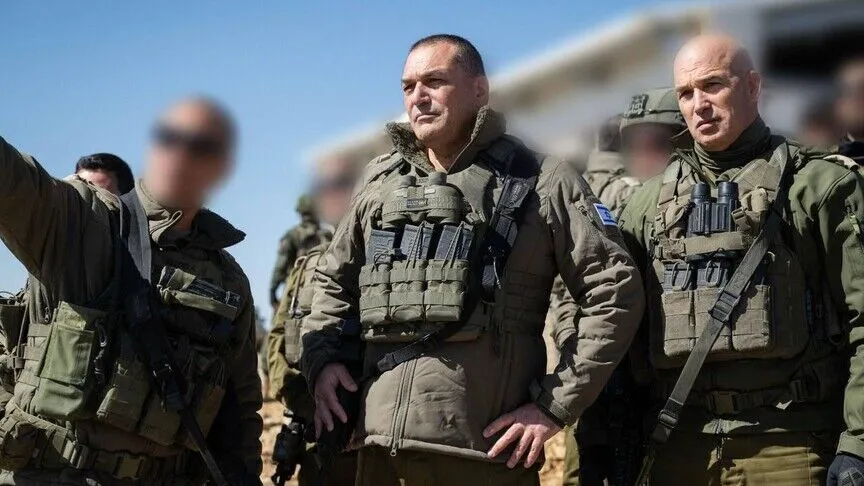
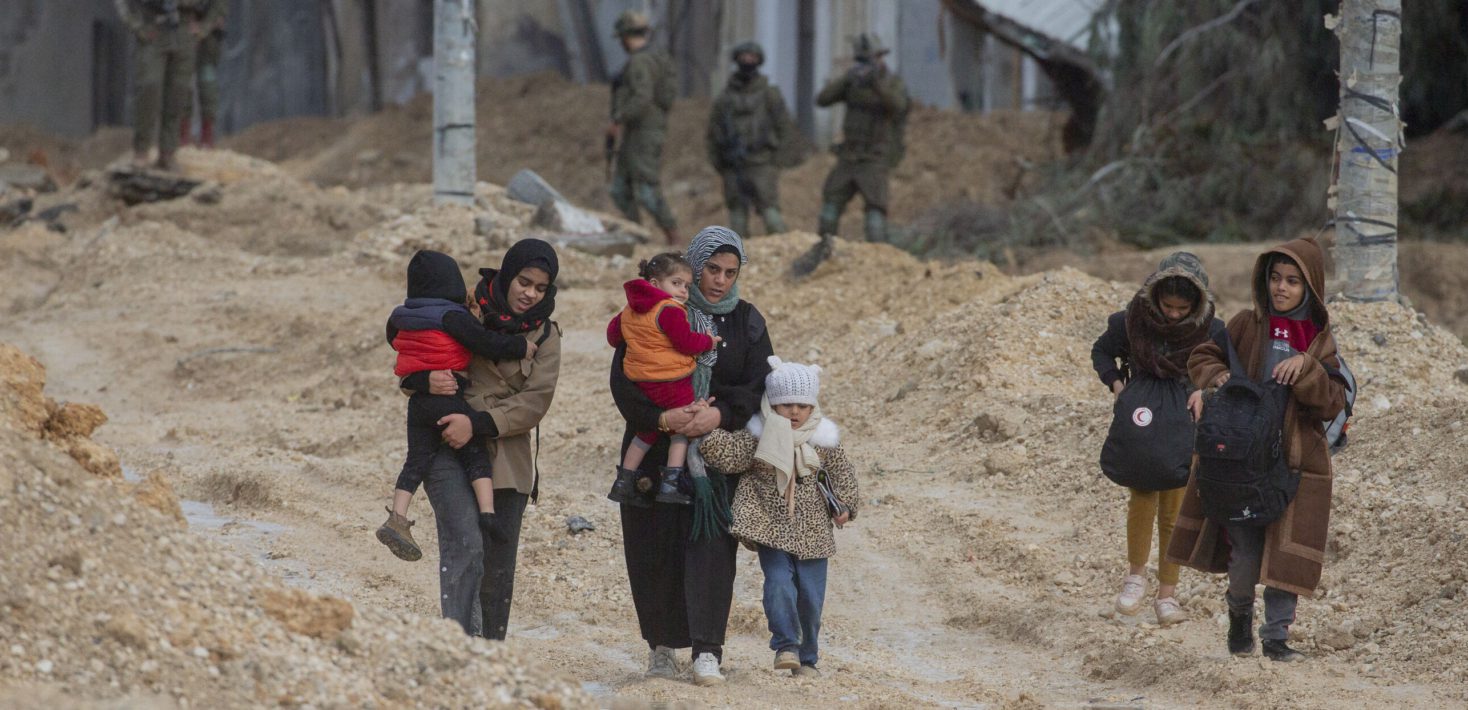
“Turning Israelis into Judeo-Nazis”. Moshe Ya’alon described what is happening in the occupied territory as a “disgrace for generations”.
“The Israeli government is encouraging Jewish pogromists to dispossess Palestinians of their land through abuse, including shooting at them,” Ya’alon told Ynet (June 14, 2026)
Ya’alon spent decades in the Israeli military and is known to have taken part in the 1982 invasion of Lebanon, the violent suppression of the first and second Palestinian intifadas, and the 2014 war on Gaza.
But in recent years, the 75-year-old has adopted a more critical tone towards the current government, accusing it in 2024 of carrying out ethnic cleansing in Gaza.
Reflecting on his time as army commander in the West Bank, Ya’alon said that he had acted to prevent the occupation from turning Israelis into “Judeo-Nazis”, as the late Israeli scholar Yeshayahu Leibowitz had once warned.
“Today, I can’t say he was wrong”
marwan
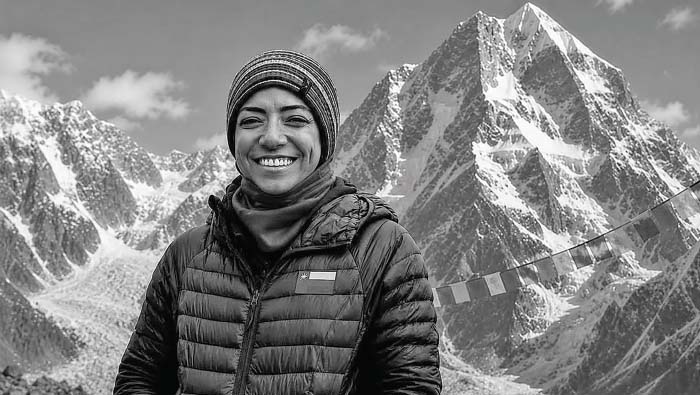
Oman has been plunged into mourning following the tragic death of pioneering mountaineer Nadhira bint Ahmed Al Harthy on Thursday, whose life was cut short in a devastating avalanche while climbing in northern Pakistan, bringing an abrupt end to the extraordinary journey of the woman who inspired a generation by carrying the Omani flag to some of the world’s highest and most dangerous peaks.
Nadhira was among a 10-strong team of climbers reported missing following the avalanche in Pakistan-administered Gilgit-Baltistan while attempting to climb Broad Peak, the world’s 12th-highest mountain at 8,047 metres. Her death – alongside that of the Nepalese climber Pur Bahadur Gurung – was announced by the Alpine Club of Pakistan on social media on Friday.
Nadhira etched her name into Oman’s history books in 2019 when she became the first Omani woman to conquer Mount Everest, planting the national flag atop the world’s highest mountain and inspiring countless young Omanis to dream beyond perceived limits.
Nadhira, who was the second Omani national to summit Mount Everest after late Khalid Al Siyabi, became a landmark figure for adventurers across the Sultanate of Oman.
Among the seven still missing from the 10-person expedition on Broad Peak, is renowned Nepal-born climber Nirmal Purja. The multinational climbing group was being led by Purja. He is known for climbing all 14 of the world’s 8,000m-plus mountains in just over six months in 2019.
Three of four climbers’ bodies have been located by Pakistani search crews.
Nadhira’s death triggered an unprecedented wave of grief across the Sultanate, with ministries, senior officials, diplomats, sports personalities and ordinary citizens paying tribute to a woman widely regarded as a symbol of courage, resilience and national pride.
Tributes also spread widely across social media, where thousands of Omanis shared messages celebrating her legacy.
The Ministry of Foreign Affairs confirmed that it is working closely with the relevant Pakistani authorities to complete the formalities required to repatriate Al Harthy’s body to Oman after it was recovered during a difficult search and recovery mission on Broad Peak. Times of Oman
In a statement, a spokesperson for the ministry’s Consular Department expressed profound sorrow over the loss, while extending heartfelt condolences to her family and loved ones.
The ministry also highlighted that Nadhira’s impact reached far beyond mountaineering.
As Chairperson of the Oman-Nepal Friendship Association, she played a significant role in strengthening humanitarian and cultural relations between Oman and Nepal, promoting friendship, cooperation and community engagement.
The Ministry of Culture, Sports and Youth described her as one of Oman’s most inspiring personalities, saying her life represented ambition, perseverance and determination. The ministry said the nation had lost an exceptional figure whose achievements would continue to inspire future generations long after her passing.
The Civil Defence and Ambulance Authority also mourned her death, remembering her as a passionate advocate of safety awareness. The authority said she consistently demonstrated exemplary commitment to safety procedures during her expeditions and actively supported initiatives aimed at promoting a culture of safety throughout society.
Condolences poured in from prominent Omani figures who remembered not only her remarkable achievements but also her character and determination.
Saud Al Harthy described his cousin as a young woman defined by resilience, strength and an unwavering determination to succeed. He said she had left behind a legacy of extraordinary accomplishments that would continue to elevate Oman’s name on the international stage.
Former leading women’s sports administrator Saada Al Ismaili paid tribute to what she described as her inspiring national, educational, sporting and historical legacy. She praised her ability to pursue the demanding mountaineering pursuits, while proudly raising Oman’s flag atop some of the world’s most challenging mountains.
Khalid Al Muslahi, Undersecretary of the Ministry of Foreign Affairs for Administrative and Financial Affairs, described Nadhira as the embodiment of perseverance and determination. He said she would forever be remembered as the first Omani woman to stand on the summit of Mount Everest and as a lasting symbol of courage whose legacy would remain deeply rooted in the hearts of Omanis.
Pakistan’s Ambassador to Oman, Naveed Safdar Bokhari, also expressed his condolences.
“Deeply saddened by the tragic news of demise of Nadhira Al Harthy in an avalanche accident. She was a legend in the field of mountaineering and a great source of inspiration for millions. I wish to convey our heartfelt condolences to her family and the entire Omani nation.”
Nadhira etched her name into Oman’s history books in 2019 when she became the first Omani woman to conquer Mount Everest, planting the national flag atop the world’s highest mountain and inspiring countless young Omanis to dream beyond perceived limits.
Nadhira’s high-altitude accomplishments also included successful summits of several of the world’s most formidable 8,000m peaks, including Manaslu, K2, and Nanga Parbat.
She became the first Arab woman to reach the summit of Nepal’s challenging Ama Dablam. Earlier in her mountaineering career, she had also climbed Mount Kilimanjaro, Africa’s highest mountain.
To many Omanis, however, her greatest achievement extended beyond records and summits. She became a role model who inspired women, young people and aspiring adventurers to pursue ambitious dreams while proudly representing their country on the world stage.
Following a challenging search and recovery operation, Nadhira’s body was recovered from Broad Peak and was transported by helicopter to Skardu. From there, arrangements are being made to repatriate her remains to Oman, where family, friends and the nation will bid a final farewell to a woman whose courage took the Omani flag to the roof of the world—and whose legacy will continue to inspire generations to come. Times of Oman
marwan
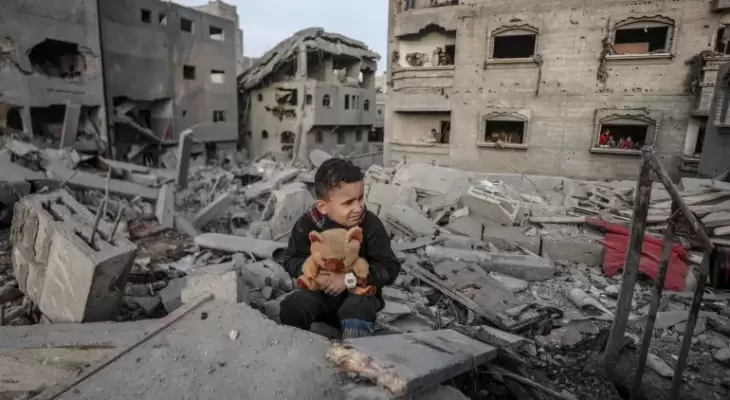
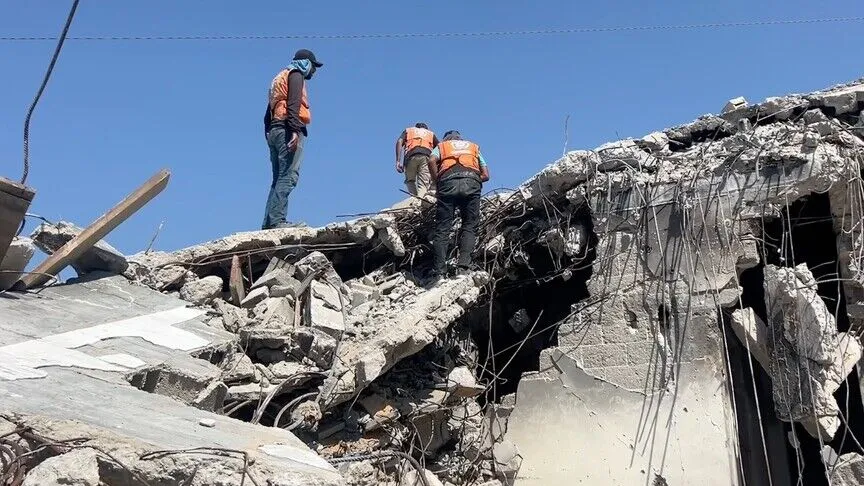
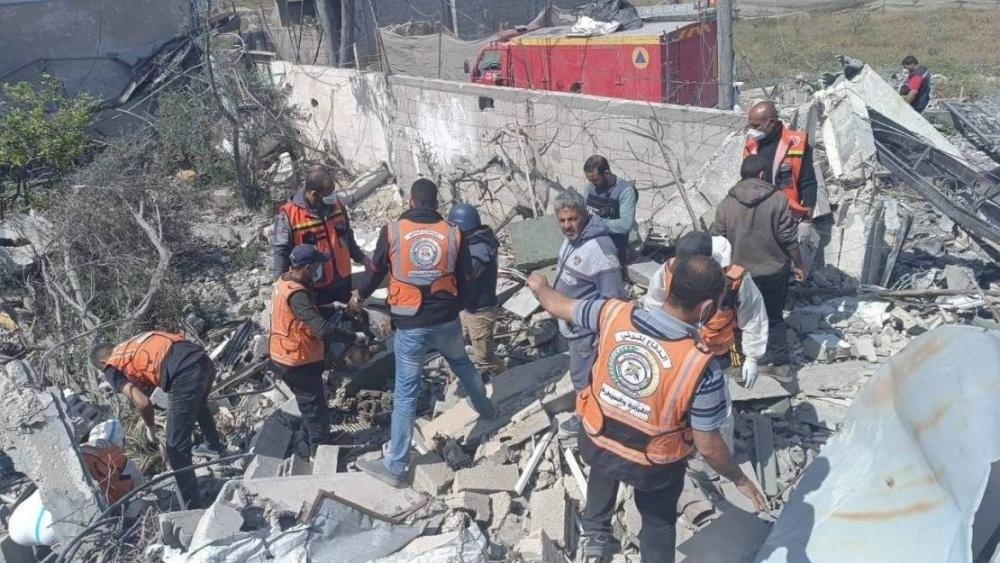
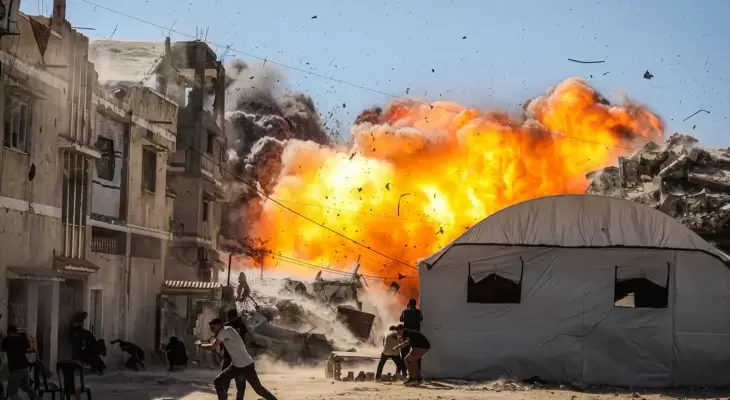
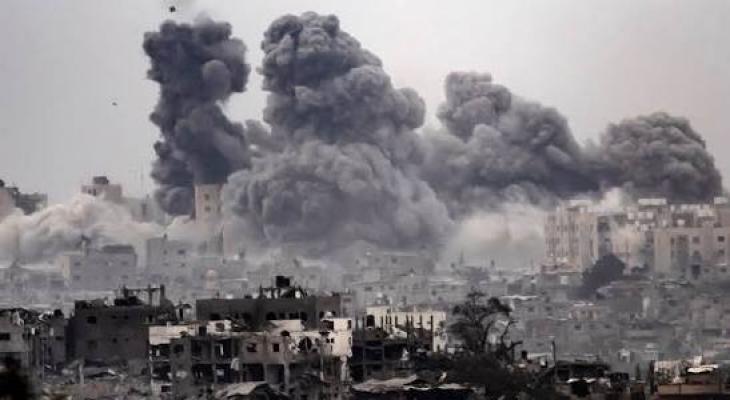
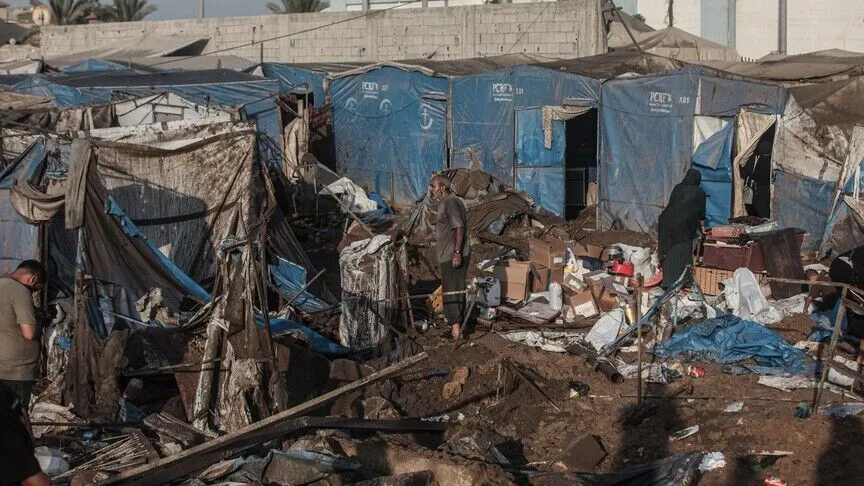
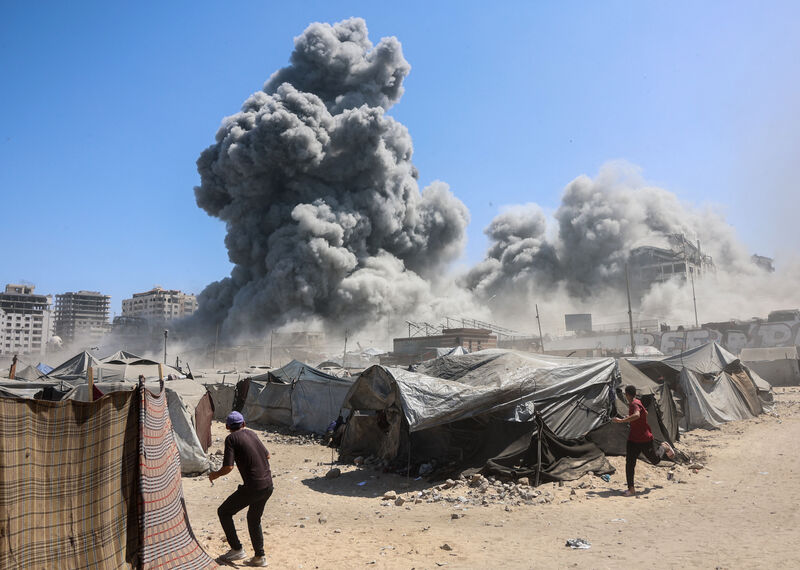
Israeli warplanes bombed a medical warehouse near a hospital in central Gaza early Saturday morning, destroying it and causing extensive damage to nearby tents housing displaced people.
Eyewitnesses told Anadolu Agency that the Israeli army bombed a medical warehouse adjacent to Al-Aqsa Martyrs Hospital in Deir al-Balah, completely destroying it and burning and destroying dozens of tents belonging to displaced people in the surrounding area.
They added that the bombing caused widespread fear and panic among patients, displaced people, and residents near the hospital.
They stated that the army issued a warning to evacuate the area minutes before bombing the warehouse.
The bombing comes at a time when the health sector in Gaza is suffering from an Israeli blockade and a severe shortage of medicines and medical supplies, amid strict restrictions on their entry, exacerbating the inability of hospitals to meet the needs of patients and the wounded.
Terrifying Bombing
Displaced woman Umm Muhammad Wadi, who has been living in a camp near the hospital since the beginning of the war, said that residents were asleep when they heard calls urging them to evacuate immediately.
“I started shouting to wake people up after I heard the warning,” she told Anadolu Agency, while inspecting her tent. “We rushed out carrying our children, and just minutes later the bombing happened, and the tents were completely destroyed.”
She explained that the targeted warehouse was used to store medicines and medical supplies, questioning the justification for bombing a medical facility, given the severe shortages plaguing the sector’s hospitals.
“Only the medicines buried under the rubble remain, while the medical supplies were scattered everywhere by the force of the explosion,” she said.
She added that the children in the camp live in constant fear, waking up at night to the sounds of bombing and air raid sirens, while the elderly and sick face difficulty escaping.
“This is the thirteenth time I’ve survived with my children since the beginning of the war,” she continued. “And each time, we lose our tents and have to start all over again.”
She confirmed that the displaced people remained in the open until dawn after the camp was evacuated, without knowing where to go.
She pleaded, “All we want is to live in safety like the rest of the world.”
She continued bitterly, “Where can we go? They are lying to us and deceiving us. There is no truce. Every day, young people in the prime of their lives are killed, assassinations continue, and children, women, and the elderly are being murdered.”
**Widespread Destruction**
For his part, Abu Ayman, an elderly man, said that neighbors woke the camp residents minutes before the airstrike, enabling them to leave before the explosion.
He added to Anadolu Agency, “Shortly after we left, the bombing occurred, and when we returned, we found dozens of tents had been leveled. (…) There were about a thousand displaced people in this place, and between 50 and 60 tents were completely destroyed.”
He described the scale of the destruction as “unprecedented,” noting that the crater left by the explosion reflected the intensity of the bombing that targeted the area.
For his part, displaced person Abdul Salam Hamdan said that his family left their tent after hearing evacuation calls and sought refuge in the nearby hospital building just minutes before the airstrike.
He told Anadolu Agency, “When we returned, we found nothing. Our bedding and belongings were buried under the rubble.”
He pointed out that the targeted site contained medical supplies and medicines belonging to the hospital. He said, “All you see here are medical equipment and medicines, yet the place was completely destroyed.”