Hamlet in The White House!

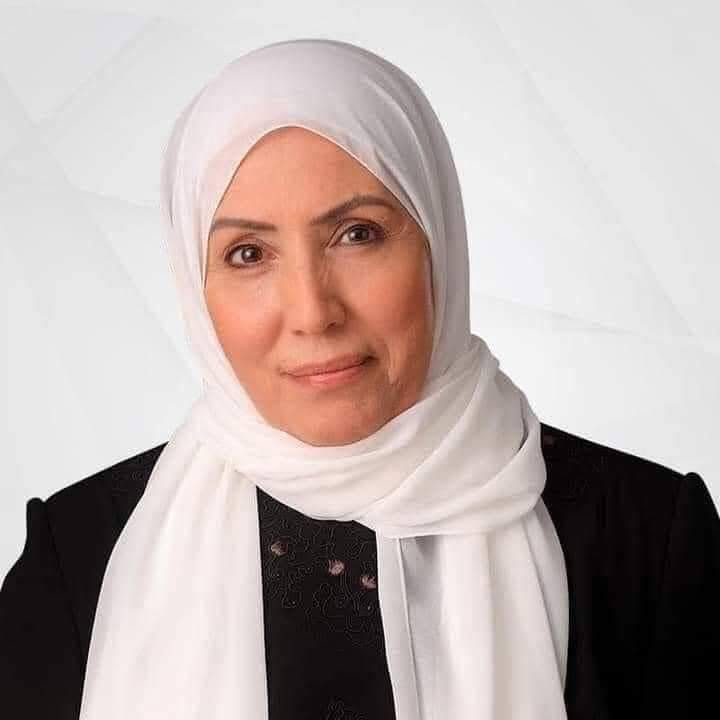
By Saleem Ayoub Quna


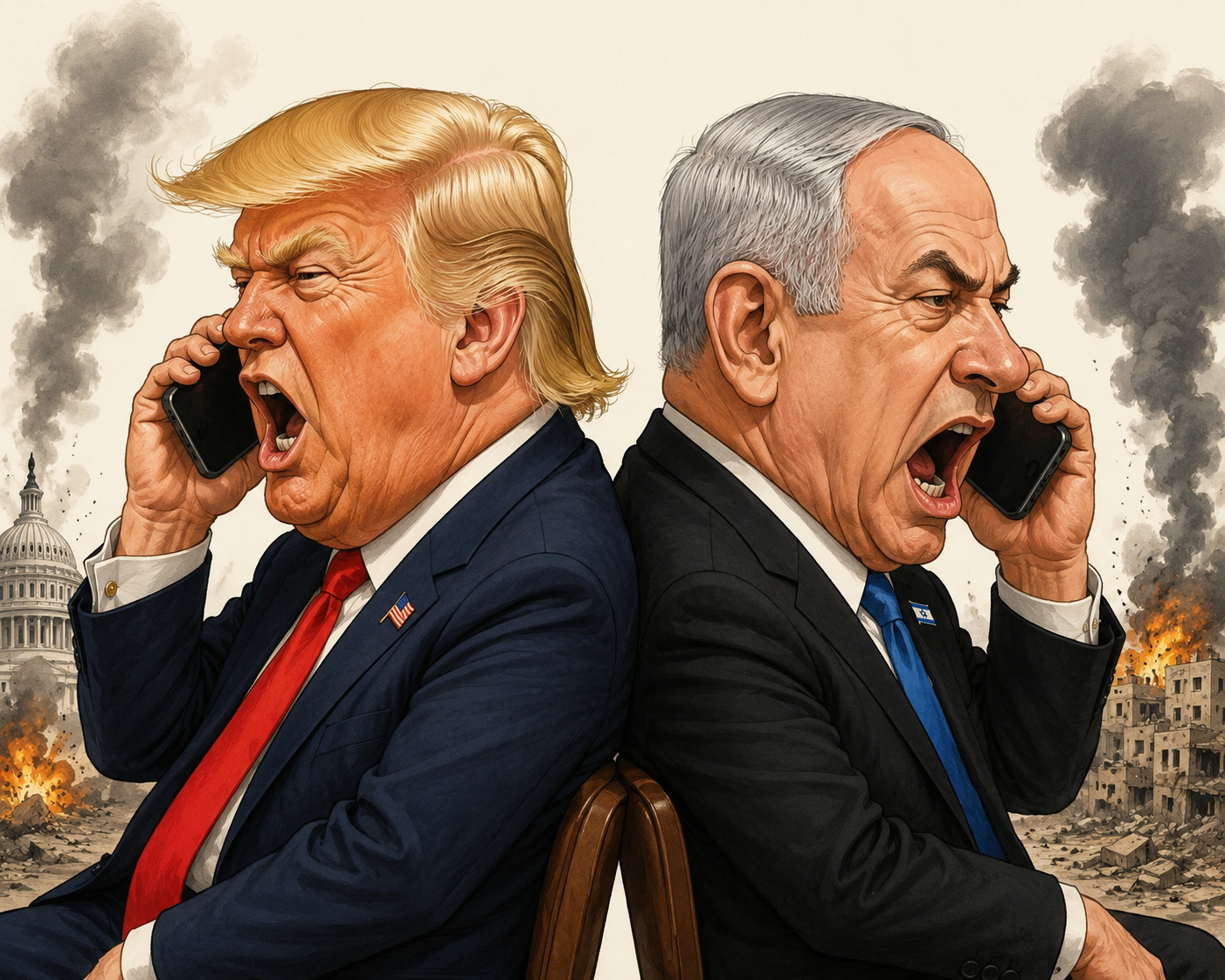
There must be something very unusual going on in the head of the 47th President of the US, to the degree that it could be detrimental to himself, to his own people and to the rest of the world, as we know it since the end of WWII; a kind of a personalized erratic approach to reality, based exclusively, on the notion of profit and loss, of take not give, especially in monetary terms.

From his younger age, Mr. Trump was not just any ordinary successful business man who would tolerate a ceiling for his ambitions. He was an over-ambitious entrepreneur with multi-branched interests. As a leading real-estate developer, thriving in a culture built on competition and affluence in all aspects of life, sometimes at the expense of choosing between right and wrong, upholding justice, tolerance versus other ethnic groups, and adherence to basic moral standards, as preached by different schools of philosophy and ideology, Trump ventured into all sorts of domains such as wrestling, movies, TV shows,
casinos, resort hotels and so forth. He was an unstoppable adventurer with strongly-rooted instinct to win every bet he made, until a more challenging idea would click in his mind!


Mr. Trump was lured to politics from the early days of 1980s, but he never made a serious move until four decades or so later. There are some reasons for that long hold of course, but one consideration that must have played a decisive role, had to do with his awareness that working in politics would not make him richer!

But as time goes by, one gets older, wiser and less adventurous! Trump reached this stage during the second decade of the 21st century; He felt he is getting older and that made him boring and bored at the
same time! So one night, his nemesis pays him a sudden call and immediately he bows to it. As a result he puts on his new mantel as the Supreme Commander of the free world for one term (2017-2021) which
ends with a historical unprecedented incursion of the Capitol by his supporters, on the grounds that his winning opponent, Joe Biden, rigged the elections!


Four years later it’s the comeback of the wounded warrior! This time Trump has learned many important lessons of how to be a Supreme Commander, while openly tampering with the idea of a third term in
2028! Trump’s first move was to fortify his newly reclaimed fortress with completely obedient entourage, so he could release all his non-depletable genius and energy reserve.


Now it’s time for closing some old accounts; it’s time to play! Within days in office, Trump expresses his wish to welcome Canada to his empire as its 51 st state. Then he changes the name of the Gulf of Mexico to the Gulf of America, because it is more beautiful! Later he targets US monuments such as the Kennedy Center, the International Airport in Virginia and Pennsylvania Station for the same purpose!

Another morning he wakes up to tell the world that the US should take over Greenland, one way or the other. While the ‘Venezuela’ over-night expedition was seen by many, including Trump himself, as a clip from an animated action movie, where the good cops with their IA run sophisticated machinery and technology, apprehends a notorious out-of-law gangster and flies him to jail!

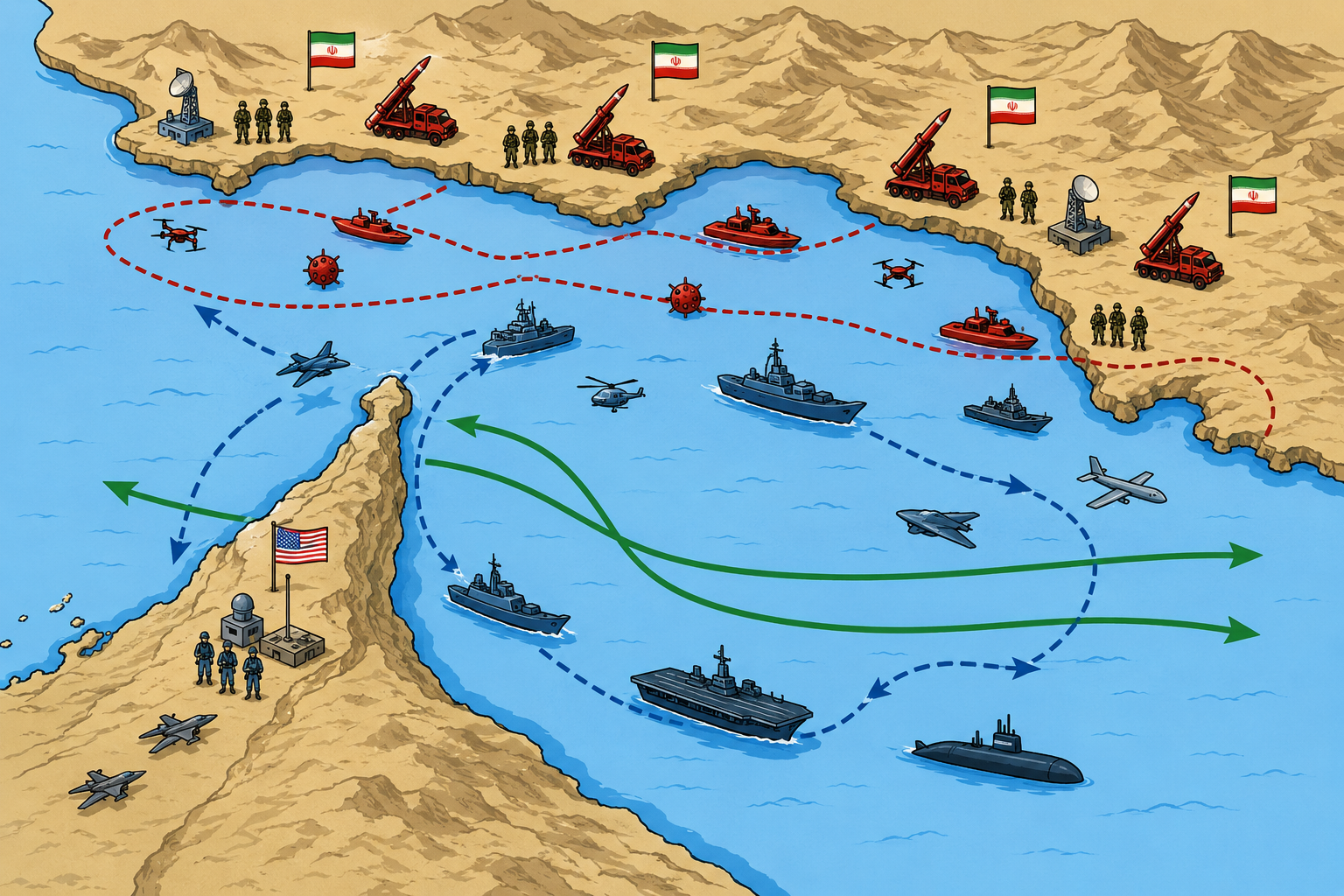
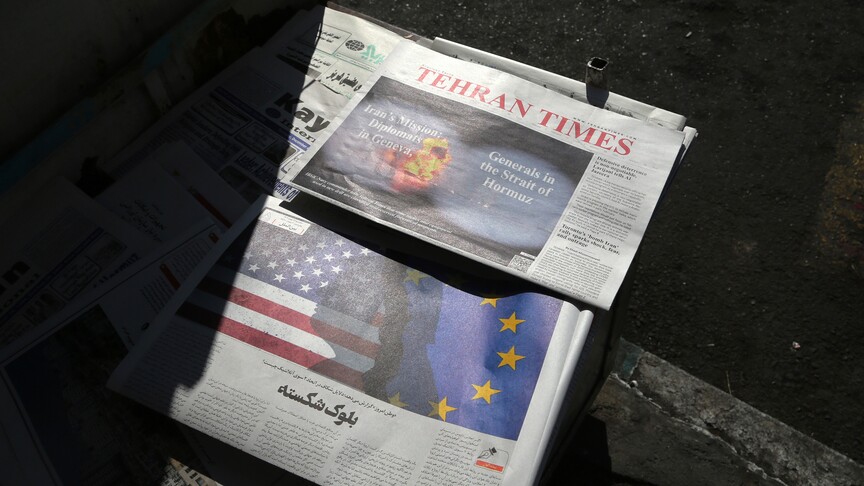
Trump’s latest games which was clumsily suspended last year in June, is the same one, unfolding before our eyes these days with Iran. The latest update on this dangerous game was Trump’s devious
attempt to curb the unexpected financial repercussions in the world oil market and their consequent direct impact on his domestic rating versus the Democrats vying for midterm elections this coming
November.

For Trump this would be a red line that no one is allowed to tamper with. This is one of the bet games which he cannot lose: Who will control the House and the Senate next November? It is that kind of
situation that could make him quote Hamlet the Prince of Denmark, the legendary character portrayed by Shakespeare when he shouted; “To be, or not to be, that is the question”!

Hamlet was addressing a ghost!

Continue reading
Iran Struck Israel With 1200 Missiles Since 28 February

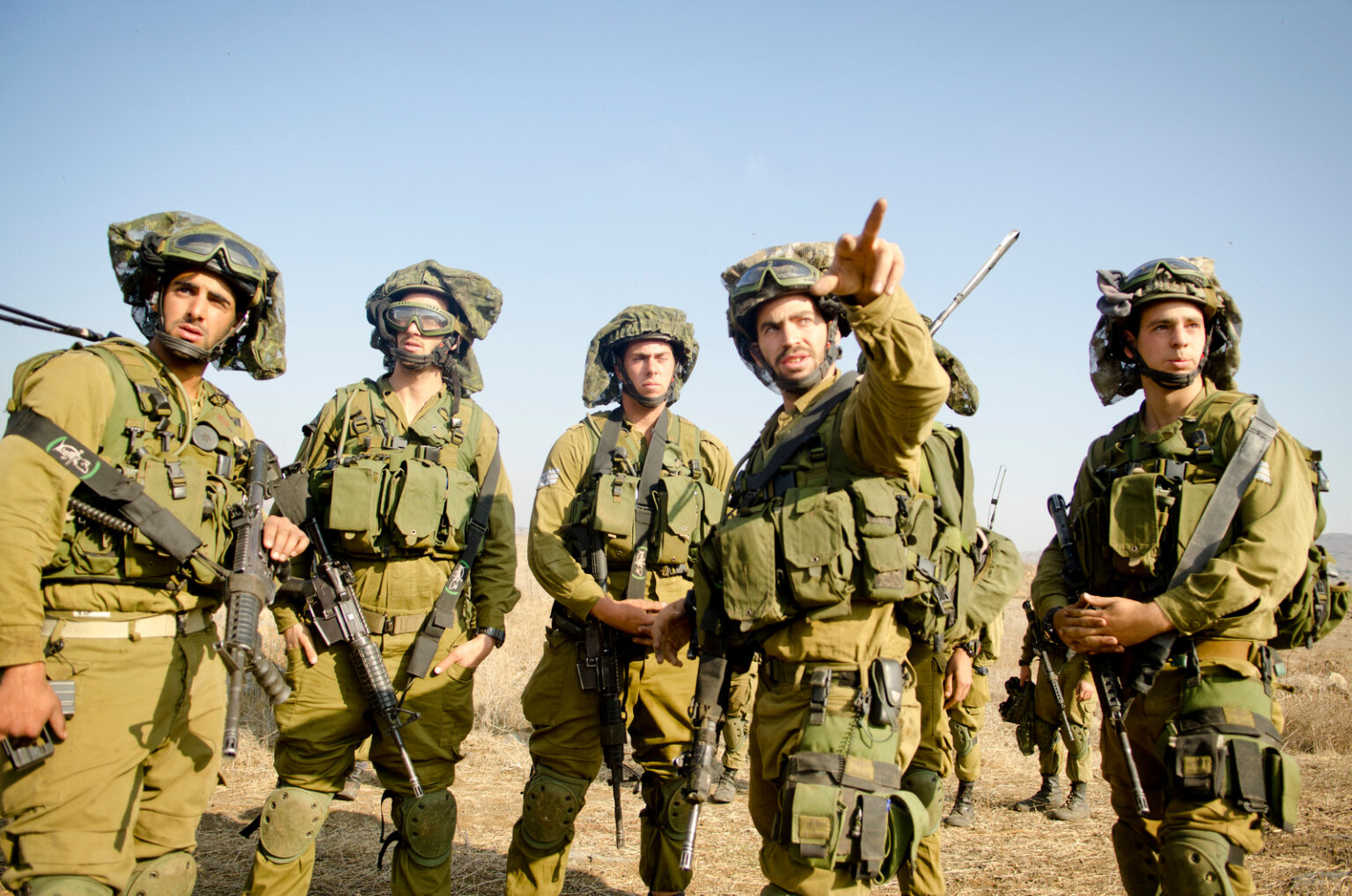
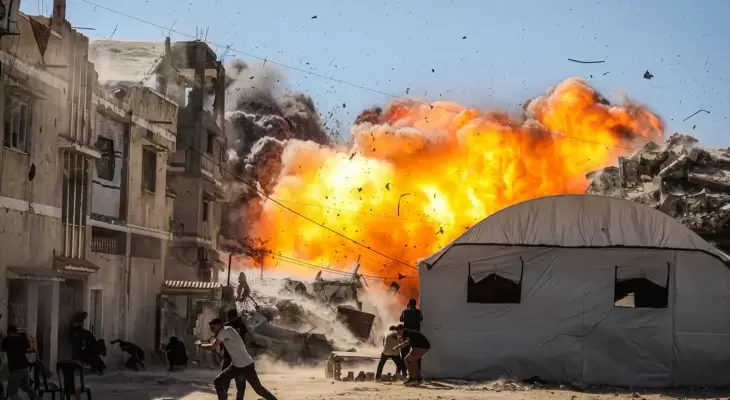
The Israeli newspaper Haaretz reported, Friday, that Tehran and Hezbollah fired approximately 1,200 rockets at Israel in retaliation for Tel Aviv’s aggression against both Iran and Lebanon.

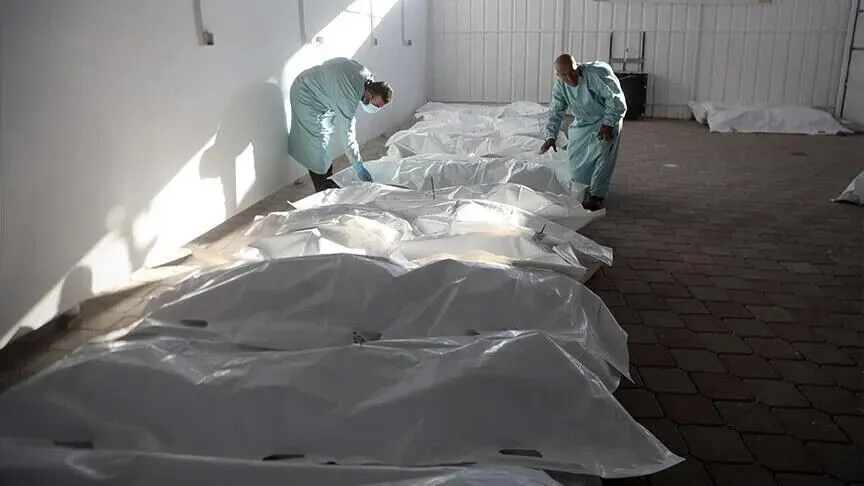
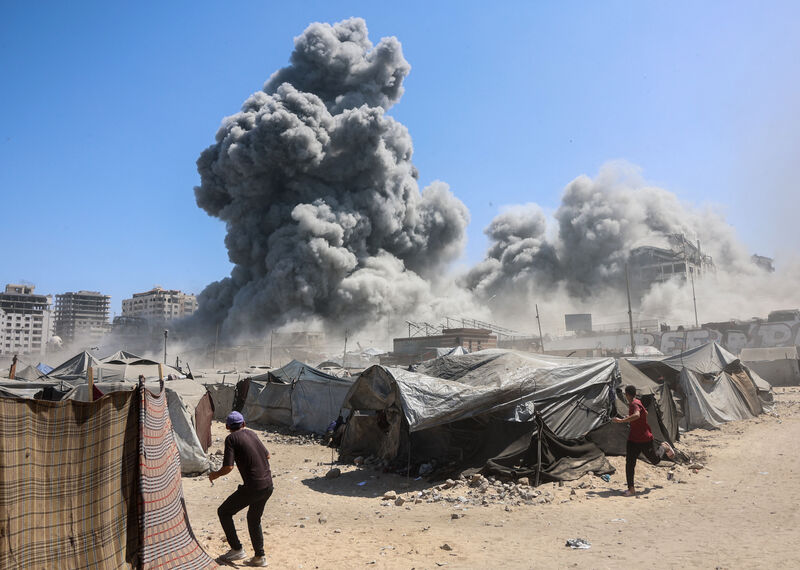
Since February 28, Israel and the United States conducted airstrikes against Iran, killing at least 1,332 people, including 202 children, 223 women, and Supreme Leader Ali Khamenei, in addition to injuring more than 15,000 and causing widespread destruction.

Since March 2, Israel has also been waging an offensive against Lebanon, resulting in 1,001 deaths, 2,584 injuries, and 1,049,328 displaced persons, according to Lebanese authorities.

The newspaper stated Iran increased its use of cluster munitions in the third week of the war, with 15 of these rockets successfully dispersing bombs within Israeli airspace, mostly in the central part of the country.

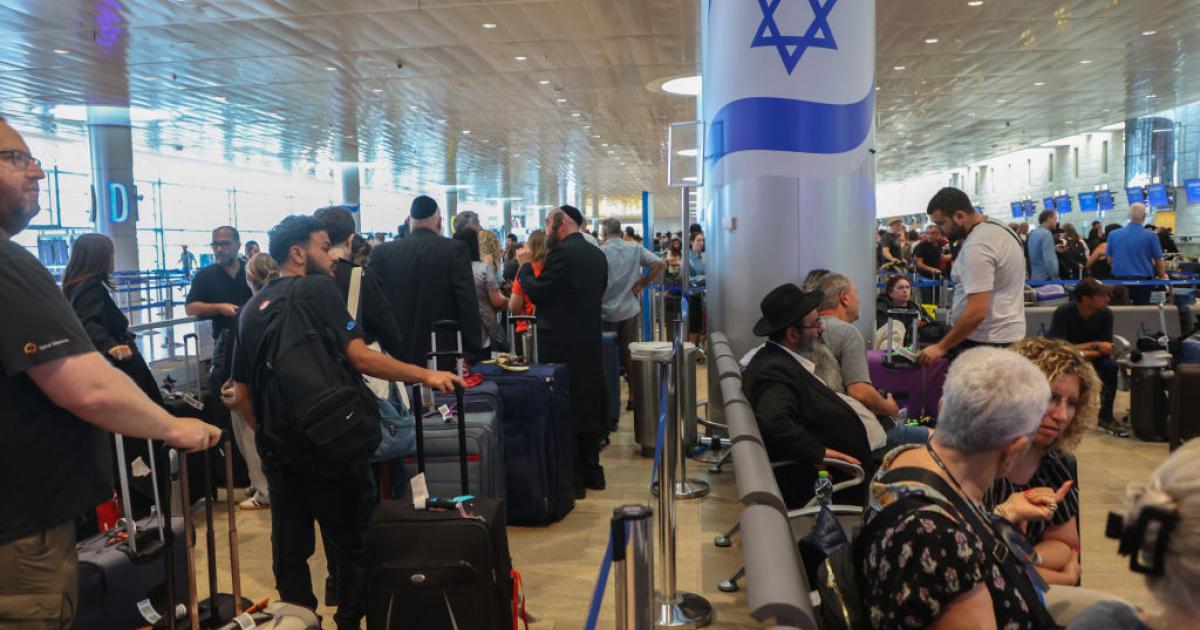
It added: “In total, over the past 20 days, Iran has launched 26 cluster munitions, causing damage to at least 150 sites, including this week two train and bus stations and three parked planes at Ben Gurion Airport.”

Iran has been bombarding Israel with at least 10 missiles a day, totaling approximately 400 missiles, while the Israeli army said that about 340 missiles have been fired at Israel, according to the newspaper.

It added that the army refuses to provide the exact number of missiles, but reported earlier this week that during the first 15 days, Iran launched about 340 missiles, and “since then, no updated data has been provided.”

Haaretz stated that “since Hezbollah joined the war, it has attacked Israel, especially its north, with about 800 missiles in dozens of attacks daily.”

The US-Israeli aggression against Iran resulted in at least 1,332 deaths, including 202 children, 223 women, and Supreme Leader Ali Khamenei, in addition to more than 15,000 injuries and widespread destruction.

Meanwhile, the response from Tehran and its ally Hezbollah in Israel left at least 17 dead and 4,099 wounded, in addition to Iranian attacks that killed 13 US service members and injured 200.

Iran is being subjected to aggression despite making progress in negotiations with the United States regarding its nuclear program. This is the second time Israel has reneged on the negotiating table; the first time was the outbreak of the June 2015 war as reported by Anadolu.

Continue reading
Eid Mubarak Gaza

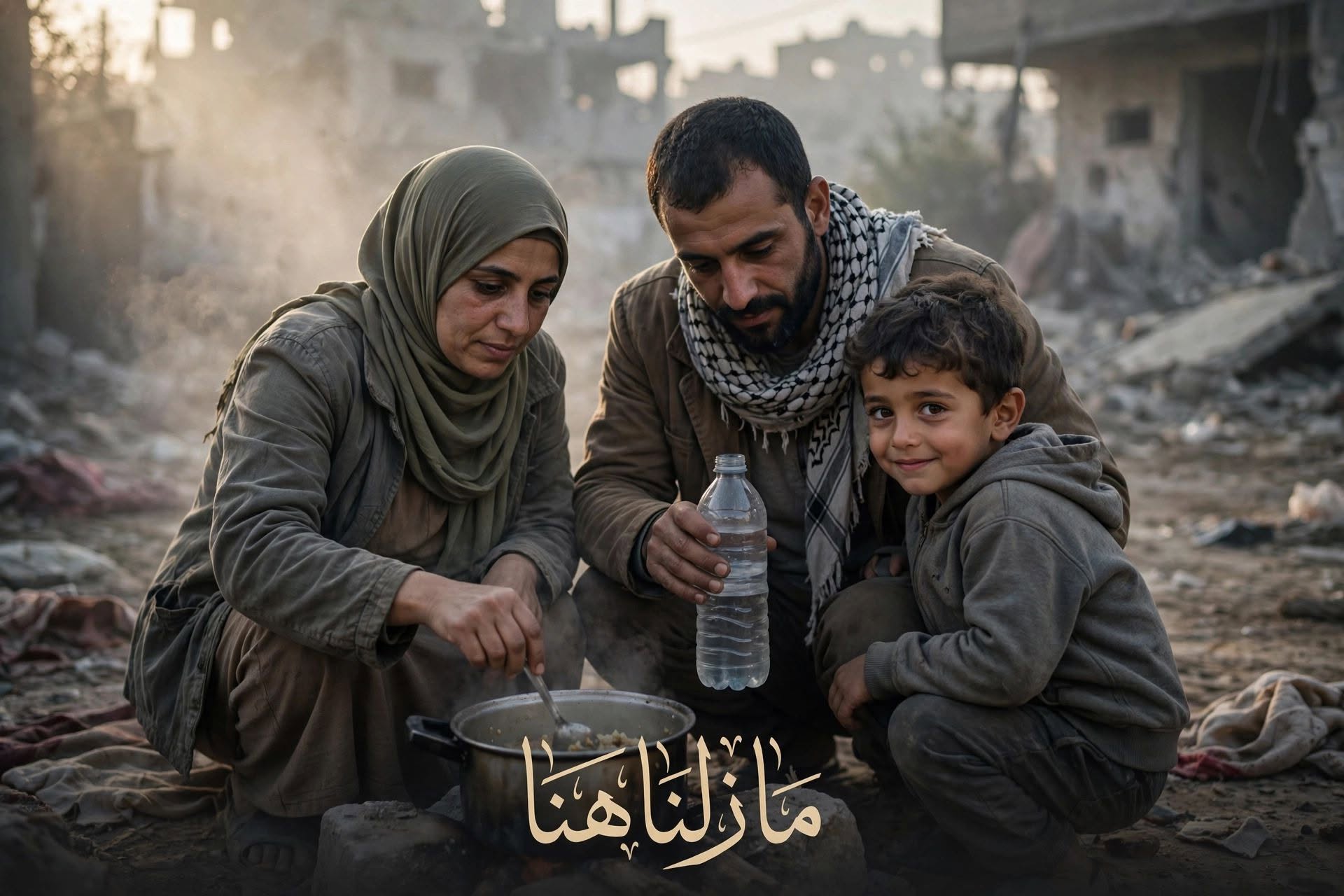
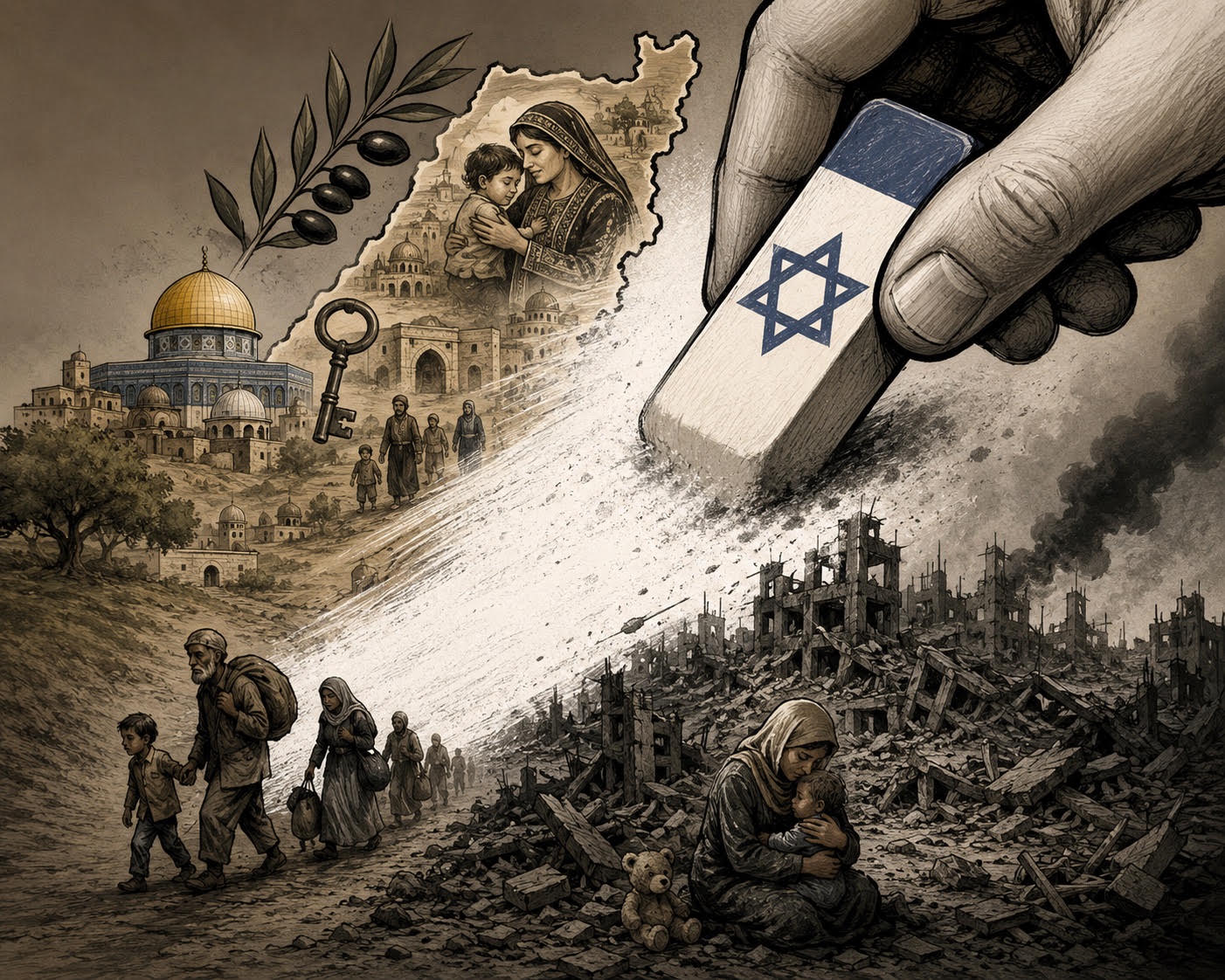
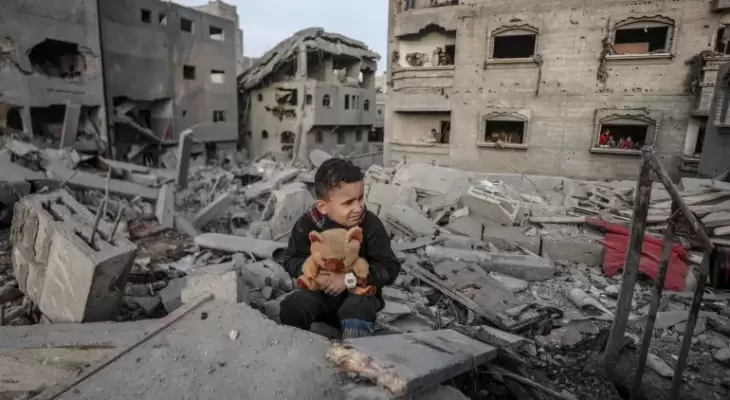
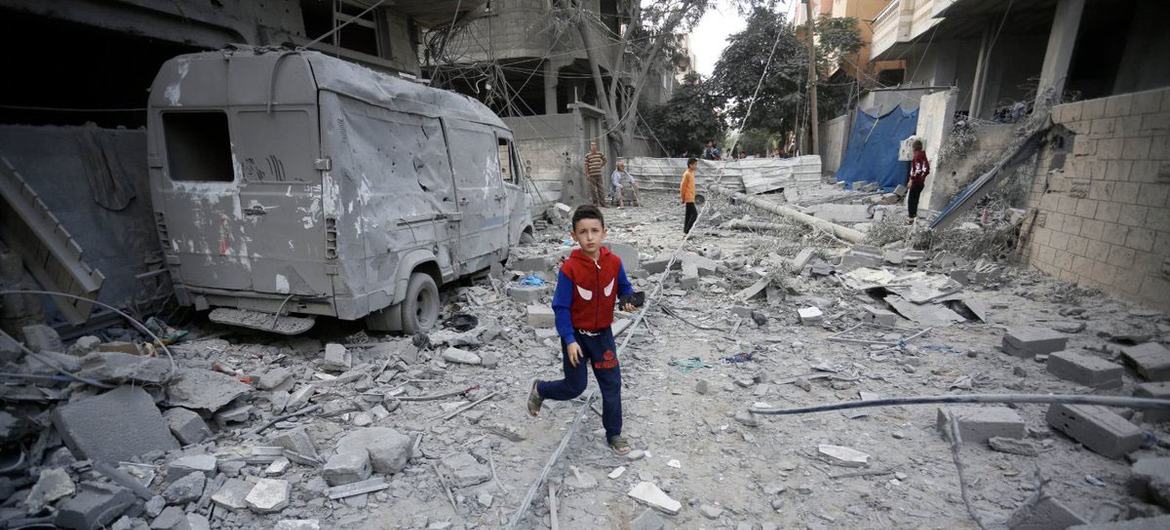
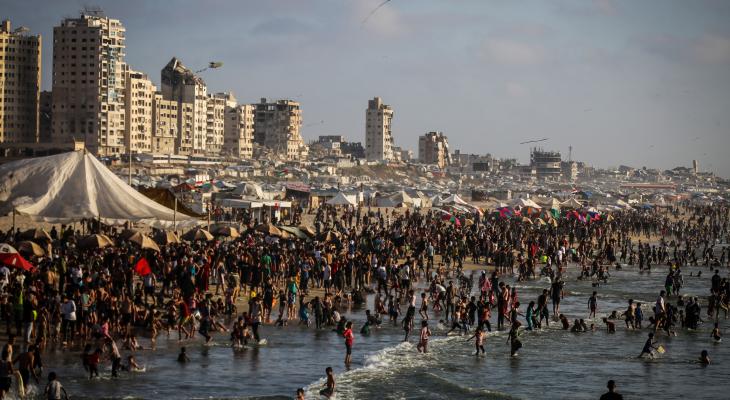
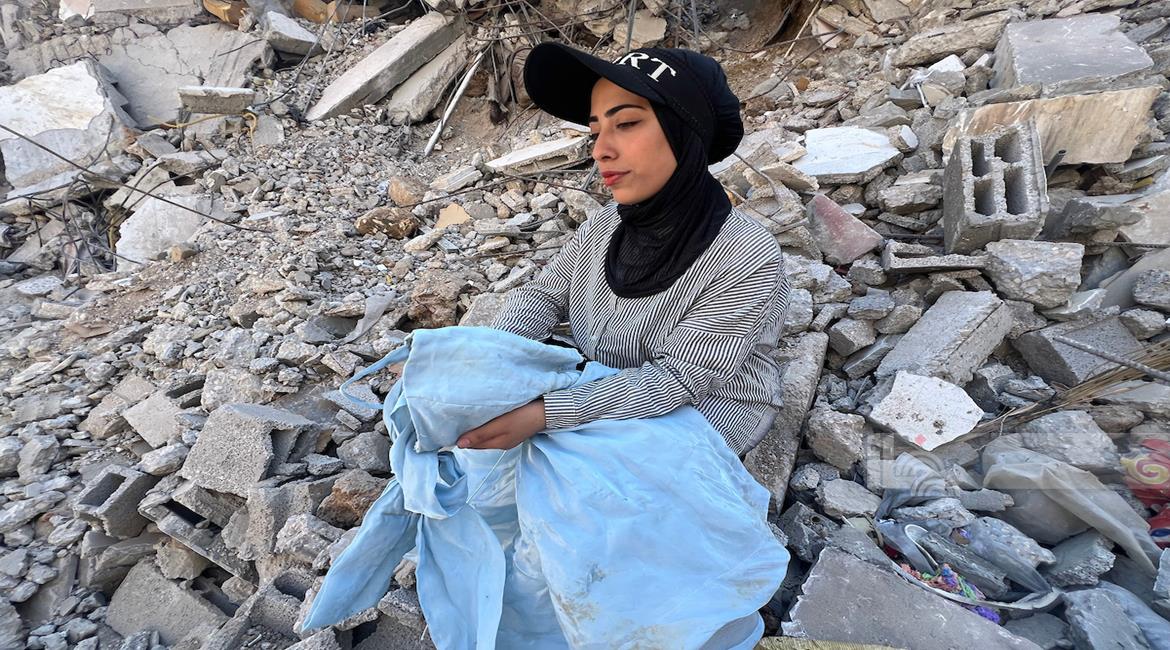
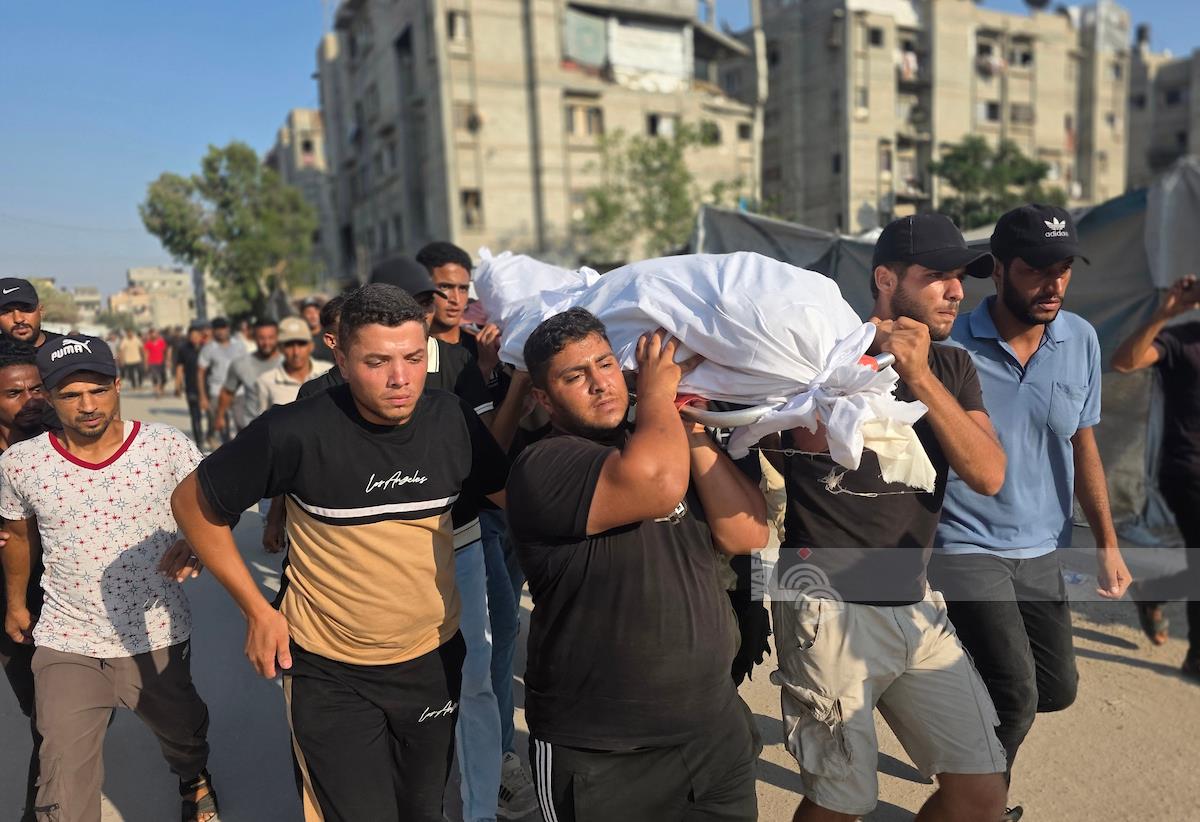
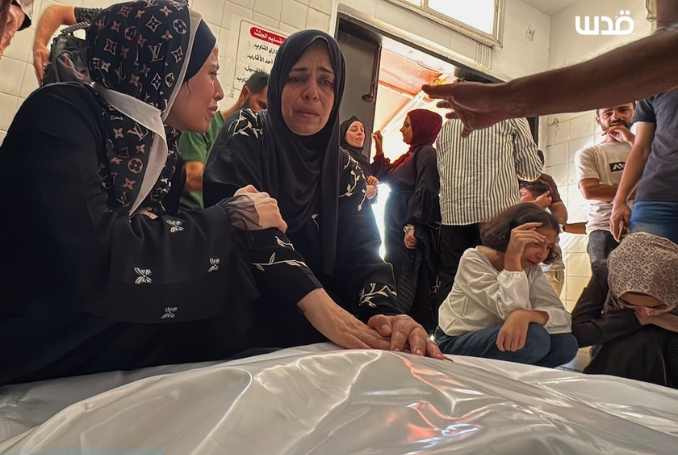
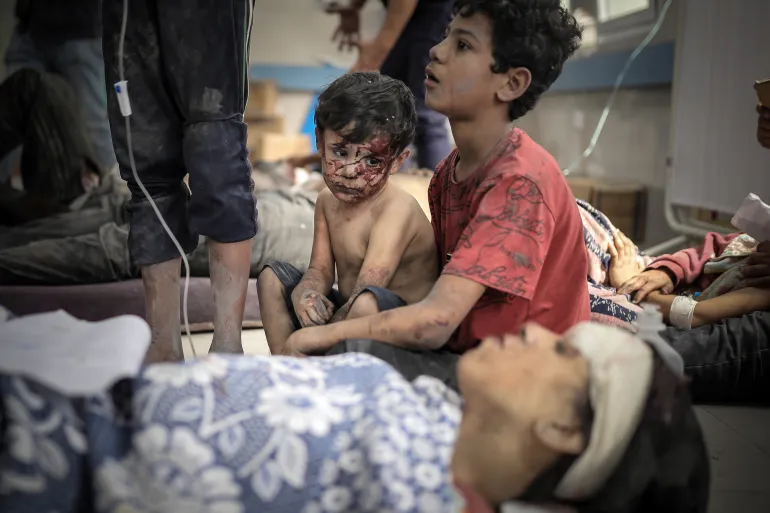
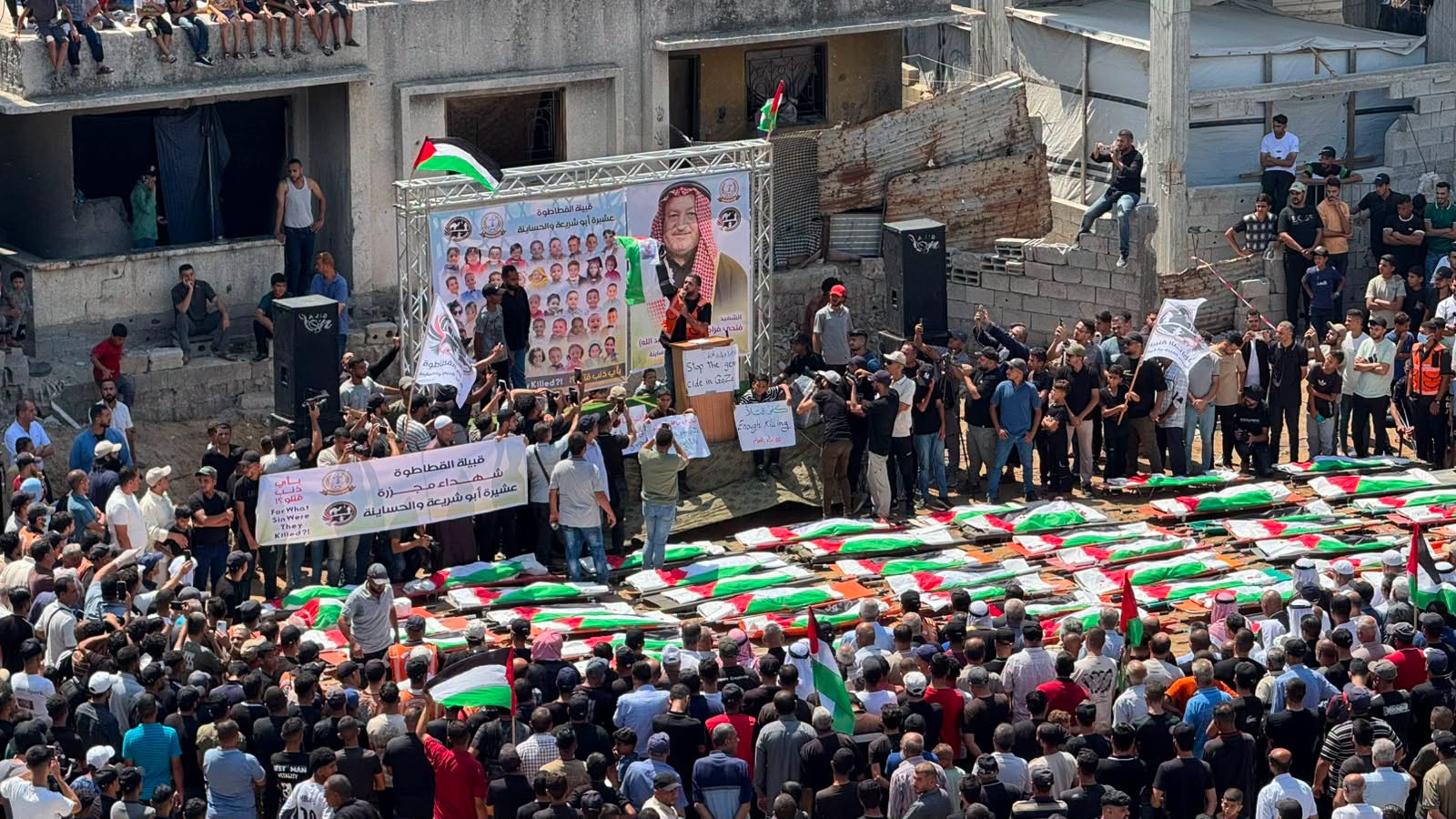
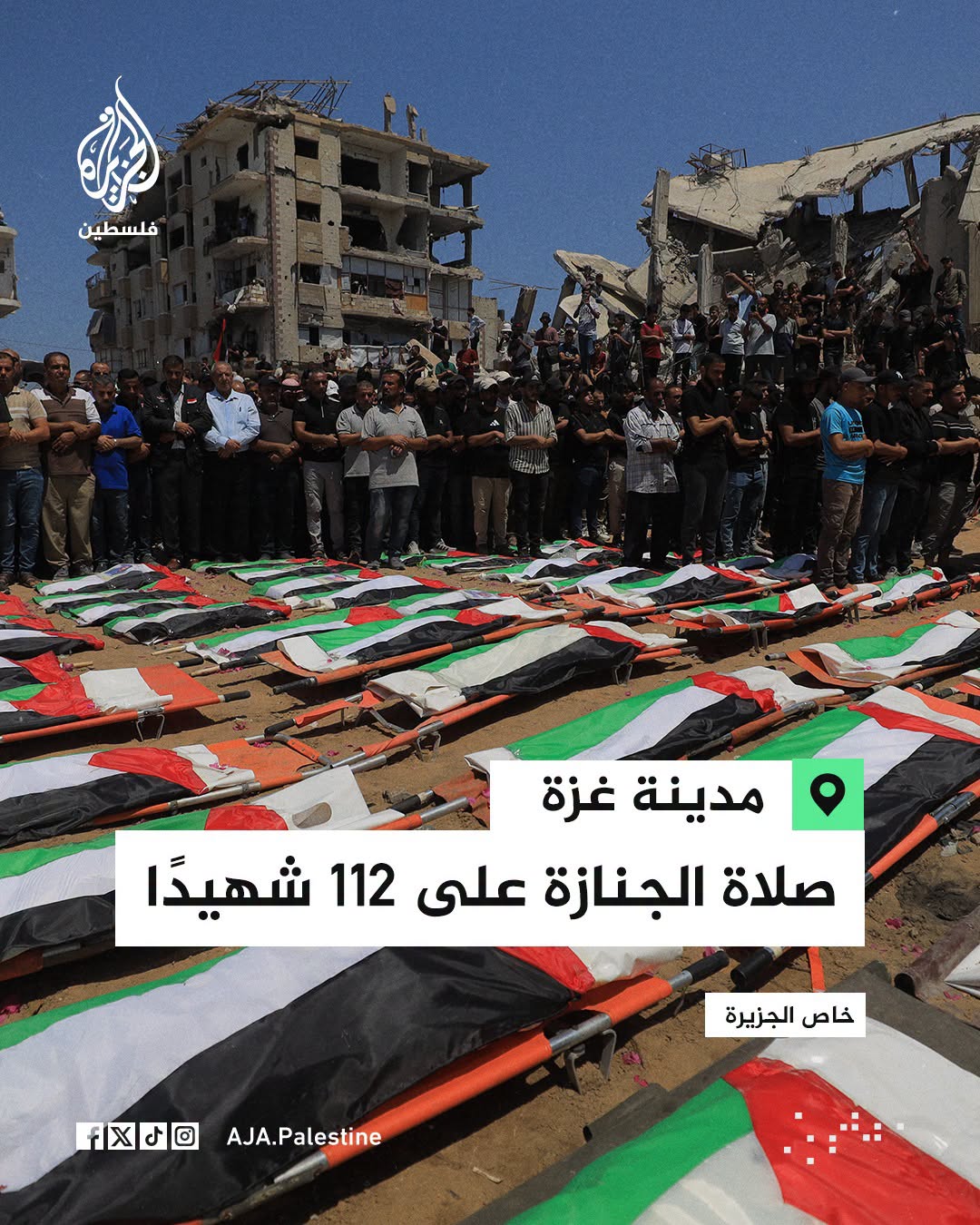
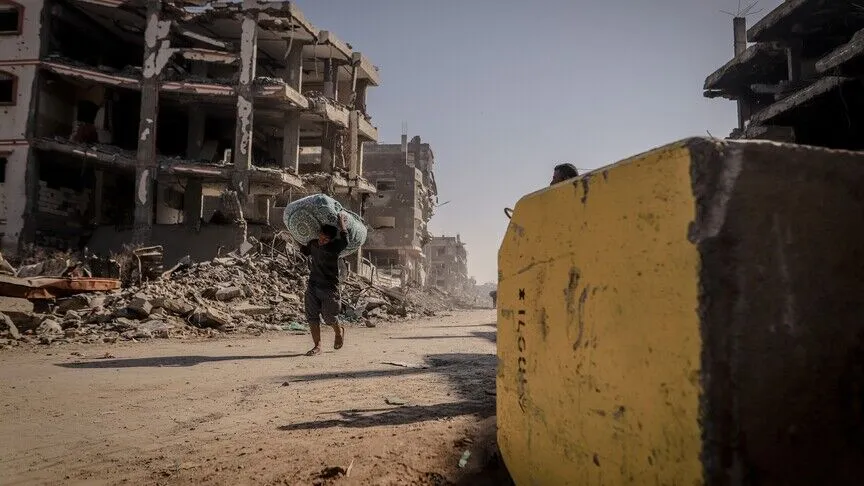
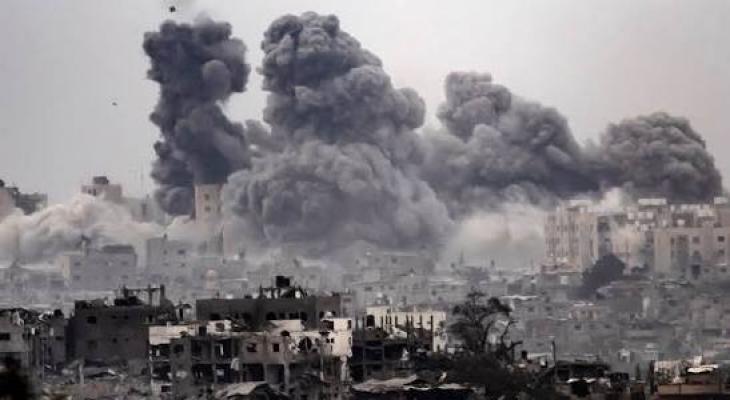
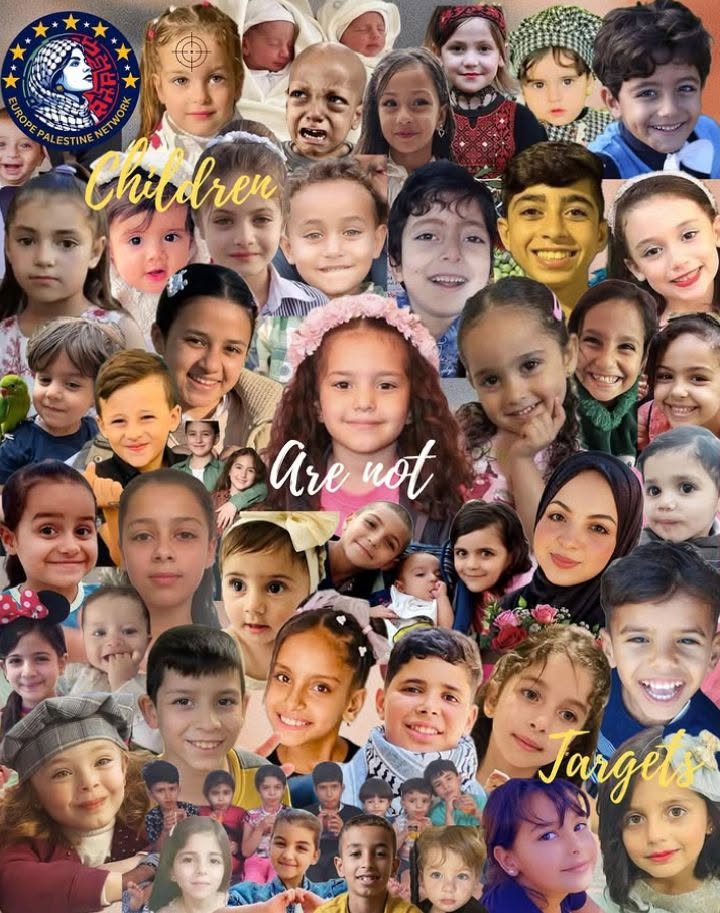
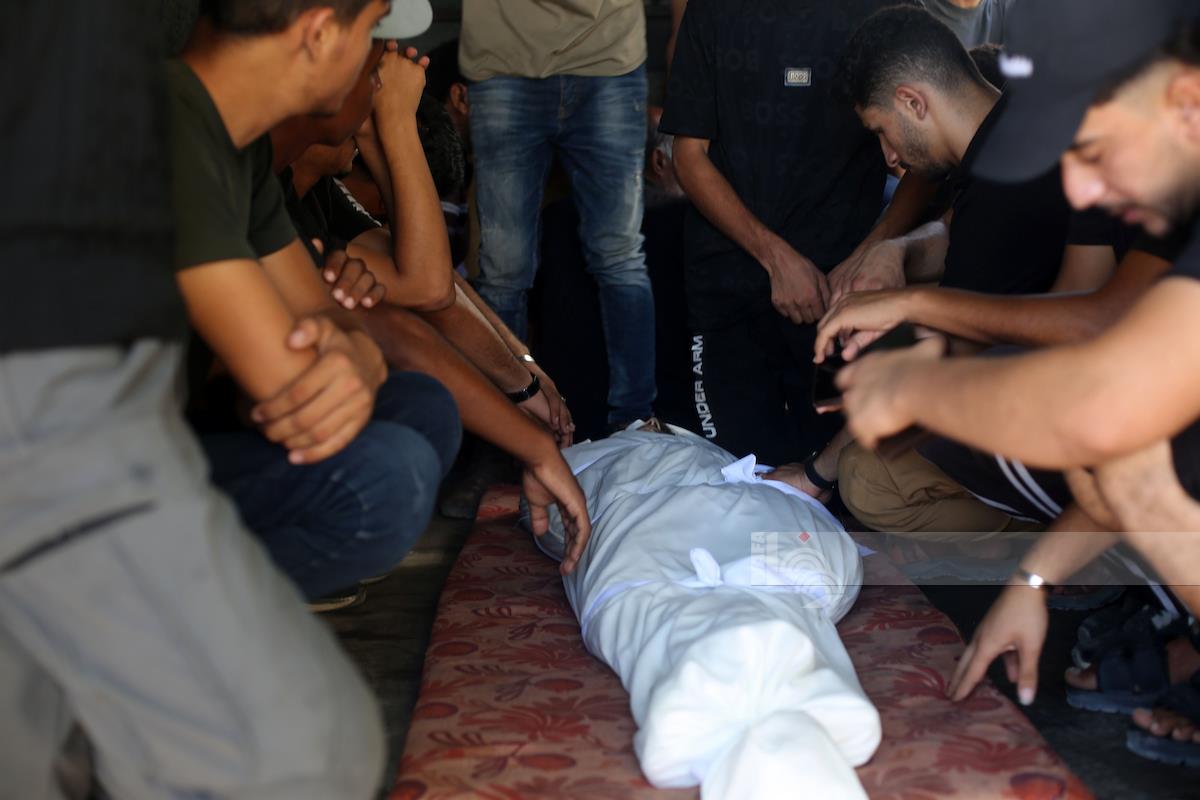
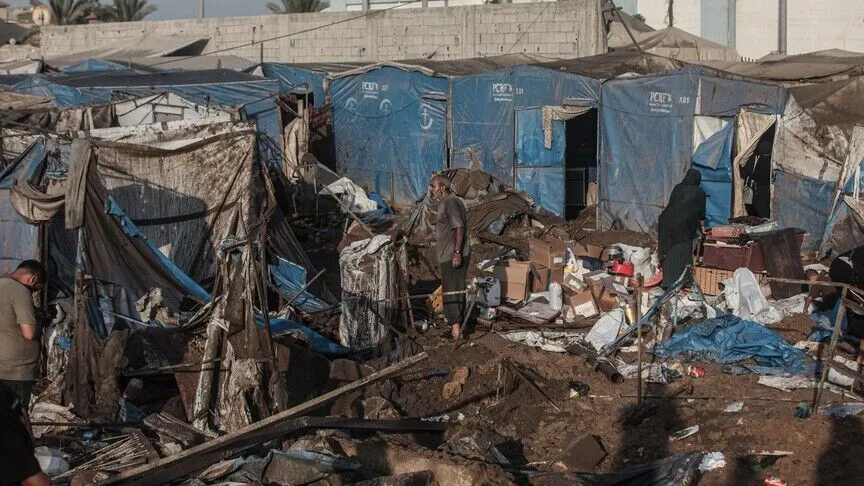
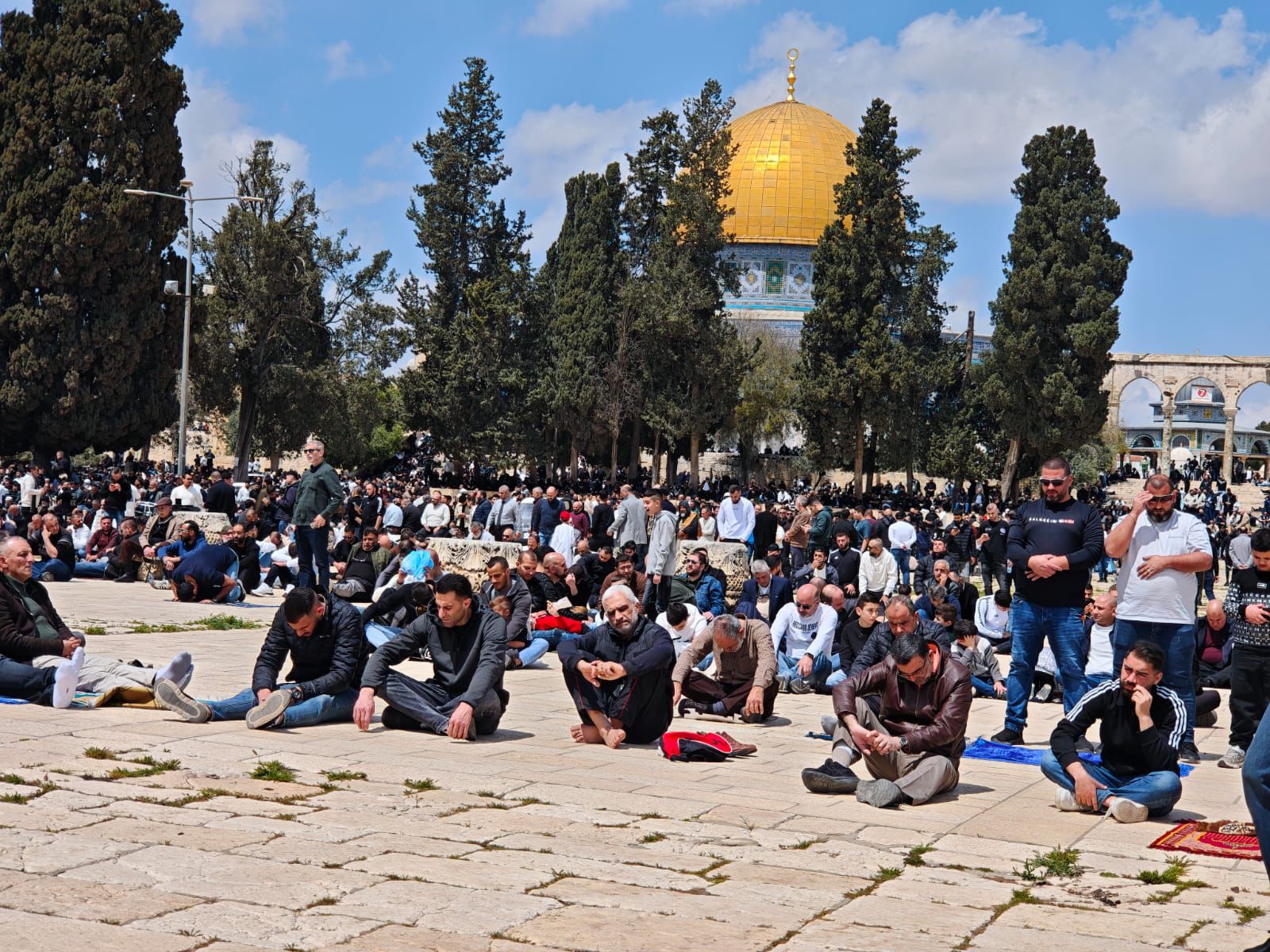
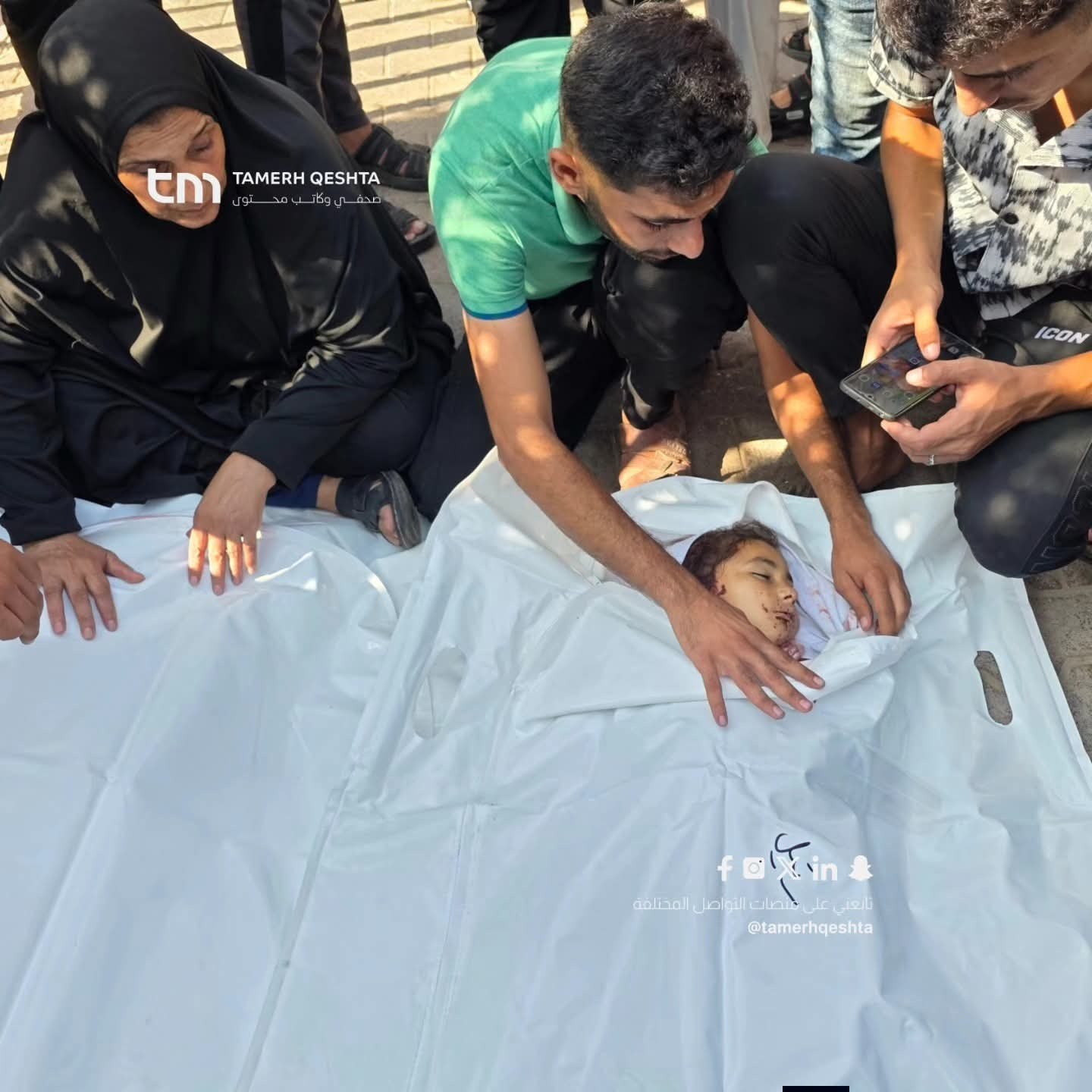
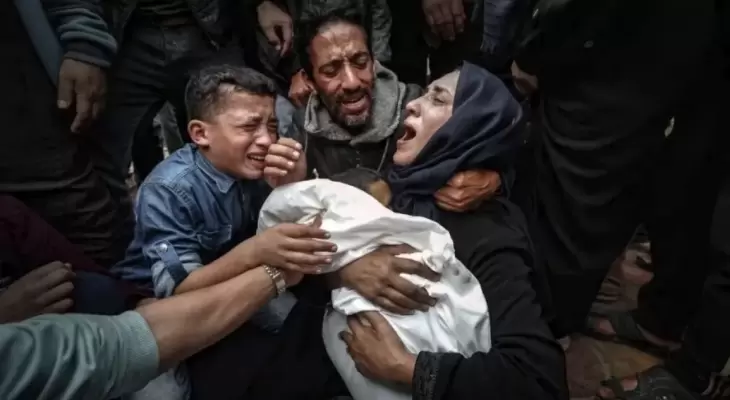
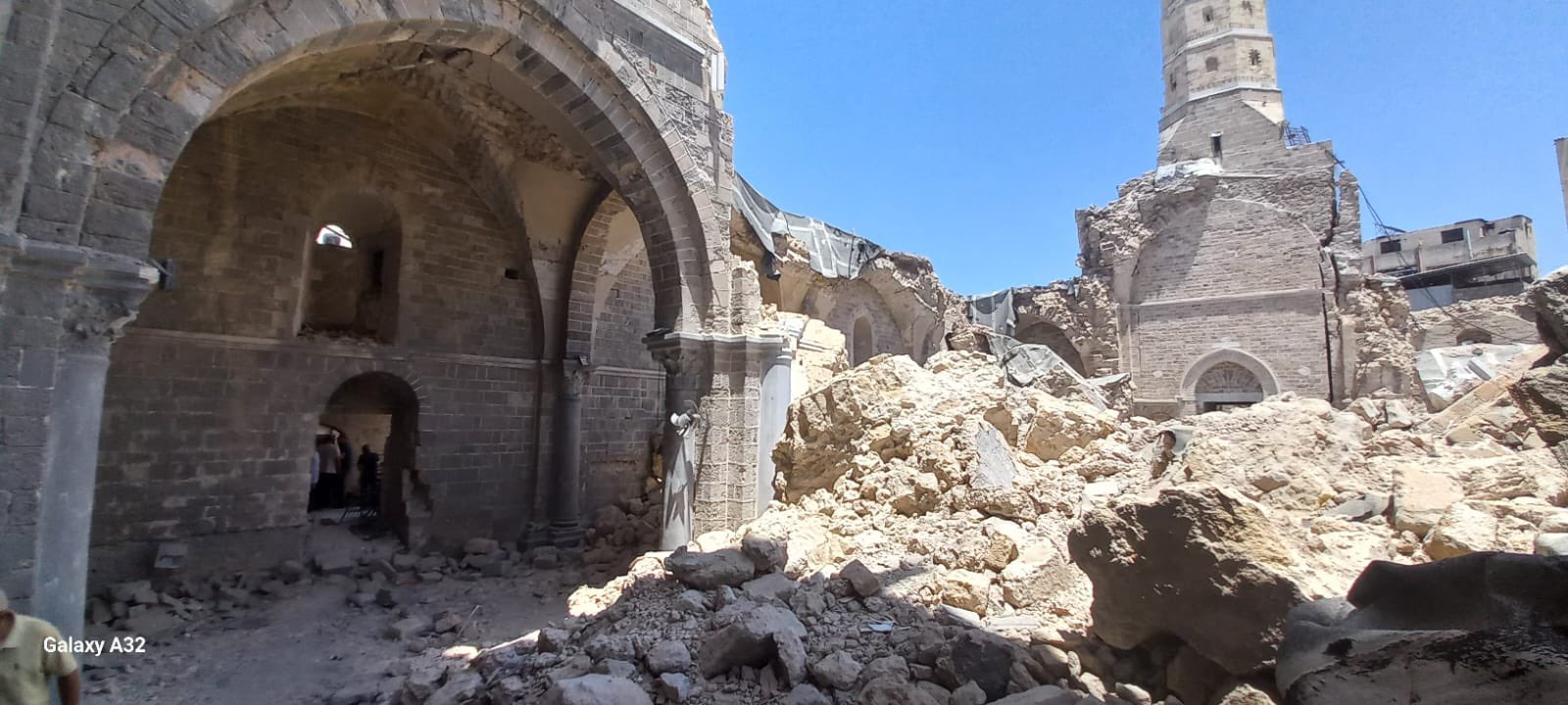
Palestinians in the Gaza Strip are marking the Muslim holiday of Eid al-Fitr, the first since the so-called ceasefire began, amid widespread suffering and destruction following two years of Israeli genocide.

Across the enclave, Palestinians performed Eid prayers amid the rubble, in a powerful act of steadfastness and resilience, and children tried to find moments of joy.

Continue reading
US-Israel Drags The World Into a Global Crisis

By Abdel Bari Atwan

By bombing Iran’s Pars gas field, the world’s largest with missiles, and with a green light from President Donald Trump, the Israeli occupation state and its right-wing ruling clique is revealing a major, diabolical plan. Its goal is to drag the world into a massive economic crisis on all levels, starting with an energy crisis that may be even more dangerous than the Arab oil embargo of 1973, in solidarity with Egypt and Syria, leading to a wider global conflict.
This Israeli bombing of Iran’s South Pars gas field, which came after the third week of the war and the failure of the US-Israeli alliance to topple the Iranian regime, constitutes the most significant breach of red lines and will have very serious and dangerous consequences in this war. Gas prices have already risen by 36 percent today, while the price of a barrel of oil has reached $118 so far. These figures may triple, if not more, if Iran retaliates by bombing energy facilities in the Gulf, especially in Saudi Arabia, the UAE, Qatar, and Kuwait. It is an option that is not out of the question, given the threats issued by the new leadership, which states that the “oil and gas sites in neighboring countries have become direct and legitimate targets after the bombing of the South Pars field.”

***

By taking this step—bombing the South Pars gas field facilities—the Israeli army has shifted the conflict from a realm of threatening maritime routes, primarily the Strait of Hormuz, to targeting production infrastructure. This is a very dangerous shift if it escalates and will lead to an expansion of the scope of this war and its objectives and reflects the despair and frustration Israel is experiencing due to its failure to achieve its objectives in waging this war, and rallying the western world behind Trump’s leadership whilst trapping it in the Iranian snare, and seeking to eliminate the existential threat to its survival, namely Iran and the resistance factions it supports.

Iran managed this war with unprecedented political and military acumen. The developments of the first three weeks demonstrated that it was well-prepared for all eventualities according to a well-devised plan. The most prominent evidence of this was its deception of the occupying state and its generals when it used older-generation missiles to absorb and deplete Israel’s air defenses. Then, it delivered the decisive blow by bombarding major occupied Palestinian cities with advanced, hypersonic cluster missiles, turning Tel Aviv, Haifa, Acre, and Safed into ghost towns.
***

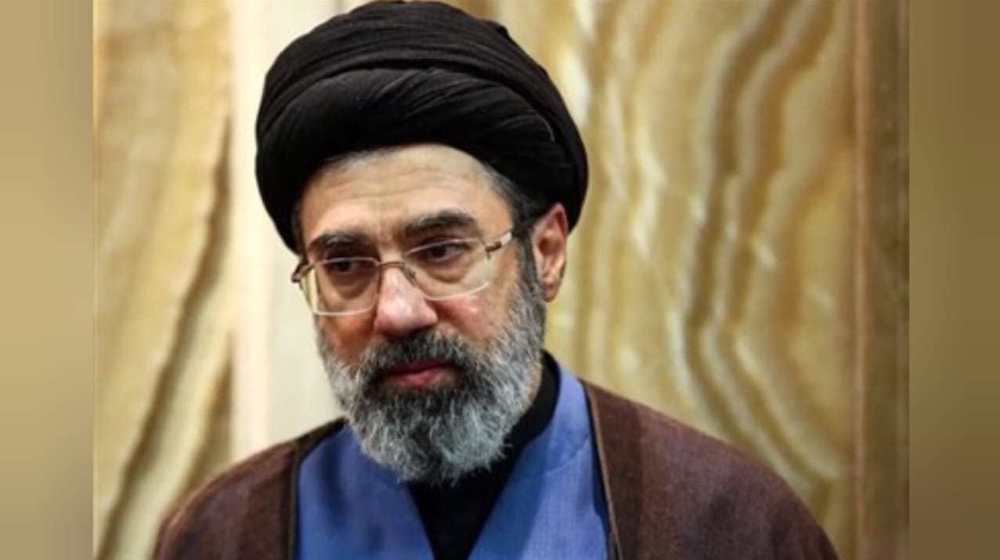
The “decapitation” theory, which Israel used as a successful formula for regime change and collapse, exemplified by the assassination of Ayatollah Ali Khamenei, was thwarted by Iranian ingenuity, yielding the opposite results. The Iranian regime emerged stronger than before the assassination war, now led by a young figurehead, Ayatollah Mojtaba Khamenei, the new Supreme Leader. His first decree was to refuse negotiations with the US to halt the killings unless it fully submitted to Iranian demands, including surrender, a cessation of hostilities, and the payment of reparations.

The lack of response from NATO, and indeed from not a single country Trump appealed to for intervention and the deployment of warships to forcibly reopen the Strait of Hormuz—from China to Australia—underscores his and his Israeli allies’ early defeat in this war and signals the beginning of the countdown to his removal from power, and perhaps even his trial as a war criminal. Time will tell.

This op/ed by the the Chief Editor of Al Rai Al Youm was translated from Arabic and reprinted in crossfirearabia.com.

Continue reading
ESCWA: The War Costs $150 Billion in Losses

In an ESCWA report titled “Conflict and its shockwaves: escalation of a crisis in the Arab region” and released on 19 March, it points out if the US-Israel-Iran war continues for one month it would causes have losses for the Arab region amounting to nearly $150 billion, or 3.7% of regional GDP.

ESCWA, a major UN organization, warns that the conflict has causes much economic losses with preliminary estimates of about $63 billion in just two two weeks, pointing out the shock is being transmitted through energy markets, trade routes, aviation networks and financial systems.

It added shipping through the Strait of Hormuz has fallen by 97%, with disrupted cargo flows valued at about $2.4 billion a day and cumulative trade losses estimated at around $30 billion over two weeks. Between 28 February and 12 March, almost 19,000 flights were cancelled across nine major regional airports, generating an estimated $1.9 billion in airline revenue losses. 


“The findings show that the economic effects of the conflict are materialising quickly and across multiple channels at once,” said Mourad Wahba, Executive Secretary of ESCWA. “What begins as a security escalation is being transmitted into the regional economy through trade, energy, transport and finance, with direct consequences for growth, fiscal stability and humanitarian pressures.”
 
ESCWA said the region entered the crisis with limited room to absorb a prolonged shock. Even before the latest escalation, around 210 million people, or 43% of the region’s population, were living in conflict-affected settings, including 82 million people in need of humanitarian assistance. In 2025, GCC countries provided about $4.4 billion in humanitarian aid, accounting for roughly 43% of total aid received by conflict-affected countries in the region.
 
The burden is likely to fall particularly heavily on energy-importing economies. At an oil price of $100 a barrel, the additional annual import bill for Egypt, Lebanon and Tunisia would rise by about $6.8 billion compared with 2026 budget assumptions, adding to fiscal pressure in countries already facing constrained public finances.
 
Lebanon is facing some of the gravest immediate consequences. ESCWA notes that recent escalation that erupted on 2 March took violence by Israel at a new and more intense levels. If escalating strikes continue, economic losses could rise sharply as attacks increasingly disrupt infrastructure, trade and essential services. These shocks hit an economy that has already contracted by nearly 40% since 2019. The latest escalation has also caused severe humanitarian strain, with 634 people killed as of 11 March and nearly one million displaced.
 
“The concern is not only the scale of the immediate losses, but the way in which they interact with pre-existing structural vulnerabilities in the region,” Wahba added. “For countries with limited fiscal space, high import dependence or significant humanitarian pressures, a prolonged conflict could exceed their capacity to absorb further shocks, with serious implications for economic stability, social cohesion, and humanitarian condition.”
 
The ESCWA brief assesses the impact of the conflict through a scenario-based framework covering macroeconomic losses, energy markets, maritime trade, aviation disruptions, financial shocks and Lebanon’s direct exposure to the conflict.

About ESCWA: One of five United Nations regional commissions, ESCWA supports inclusive and sustainable economic and social development in Arab States and works on enhancing regional integration.

Continue reading