 Ehud Olmert: Gaza Belongs to The Palestinians
 300 Israeli Soldiers Call For an End of ‘Settler Terrorism’
 Reshida Tlaib Sweeps in Polls
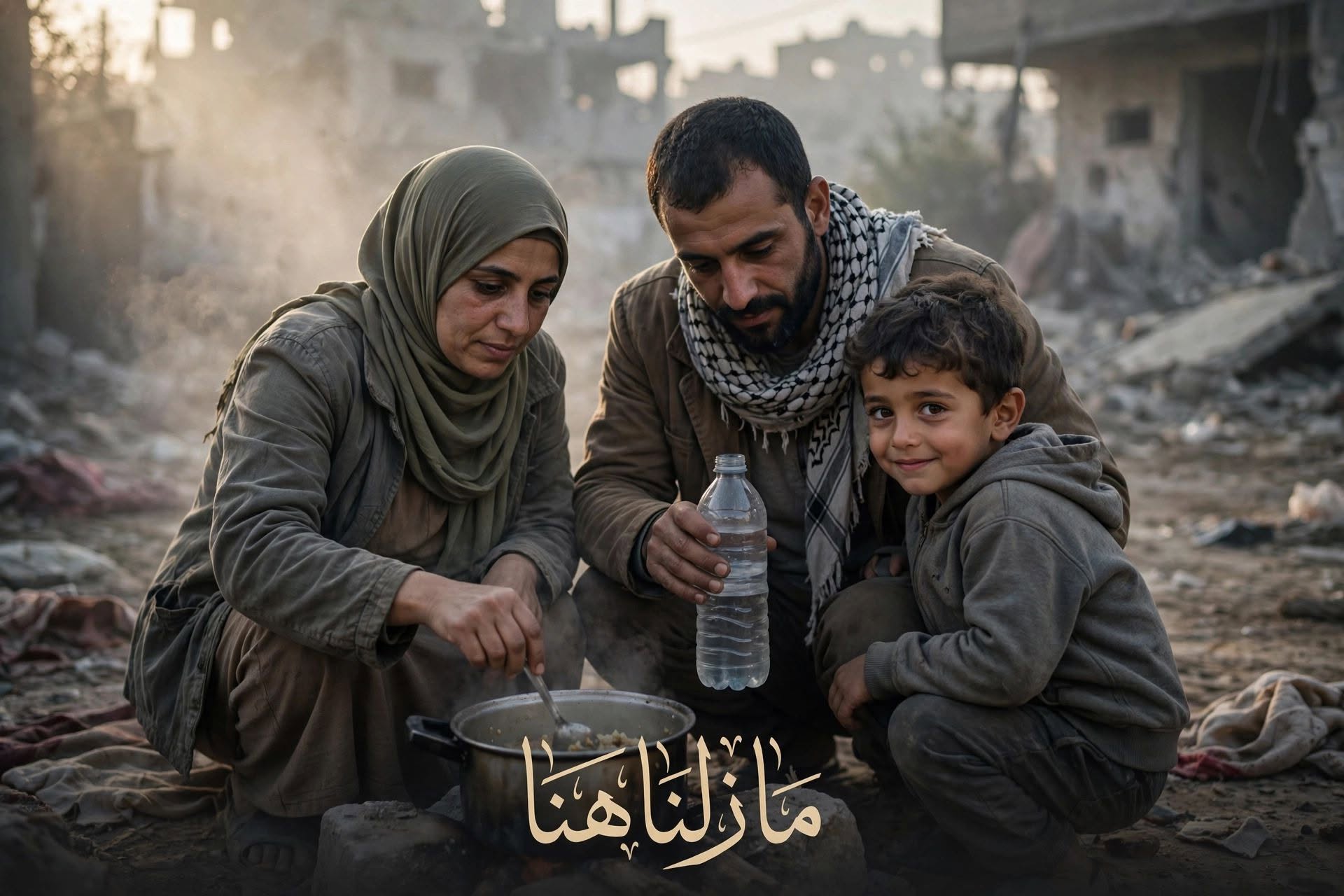 ‘We Are Still Here – Gaza’
 The Mecca Agreement: Is This The Beginning?

Ehud Olmert: Gaza Belongs to The Palestinians
 CrossFireArabia
- August 12, 2026
 CrossFireArabiaCrossFireArabiaCrossFireArabiaCrossFireArabia
 Heba
Heba marwanCrossFireArabiamarwanHebaCrossFireArabiaHebamarwanmarwanCrossFireArabiamarwanmarwanmarwanmarwanmarwanmarwanmarwanmarwanmarwanCrossFireArabiaCrossFireArabiamarwanmarwanCrossFireArabiaCrossFireArabiamarwanCrossFireArabiamarwanHebaHebamarwanmarwanCrossFireArabiamarwanmarwanmarwanmarwanCrossFireArabiaCrossFireArabiamarwanmarwanmarwanCrossFireArabiamarwanmarwanmarwanmarwanmarwanCrossFireArabiamarwanmarwanmarwanmarwanCrossFireArabiamarwanmarwanmarwanmarwanmarwanmarwanmarwanmarwanmarwanmarwanmarwan
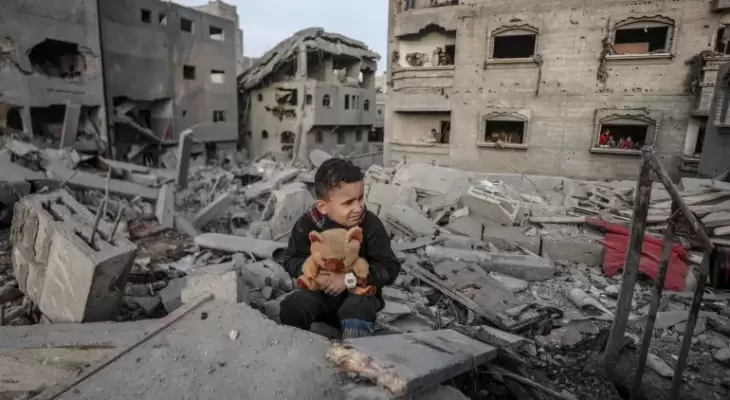
Euromed stated that Israel is seeking to hide the evidence of genocide in Gaza Strip by removing the rubble and wreckage of destroyed buildings and the remains of missing persons underneath them through transport via 100 trucks daily.
In a press statement reported by the Sanad News Agency, Monday, the European-Mediternean human rights organization explained that the Israeli occupation is unilaterally carrying out a systematic operation to remove the rubble in areas under its military control and is transport it out of the Gaza Strip to obliterate evidence the criminal evidence it carried out in Gaza since 7 October, 2023.
Euromed, officially named he Euro-Mediterranean Human Rights Monitor, has indicated that initial estimates suggest Israel wants to remove about 10 million tons of rubble in the so-called Yellow Line areas which is under Israeli military control.
Euromed emphasized that its estimates that are 400 Israeli vehicles involved the removal of the rubble, besides the 100 trucks who are transporting the debris to unknown locations inside Israel.
It pointed out that the rubble that is being removed and transported focuses on sites where murders have taken places and where mass graves exist. It warned that “removing it separates physical evidence from its spatial context.”
Euromed added: The remains of some 8,500 missing persons are being crushed and mixed with rubble due to the use of crushers without forensic investigation. Meanwhile, the removed rubble contains property and essential building materials, and removing it without compensating its owners constitutes confiscation and looting, which is prohibited under international law.
The Euro-Mediterranean Human Rights Monitor called on the international community to intervene urgently, halt the rubble removal, and send international investigation teams to inspect and document the sites of destruction.
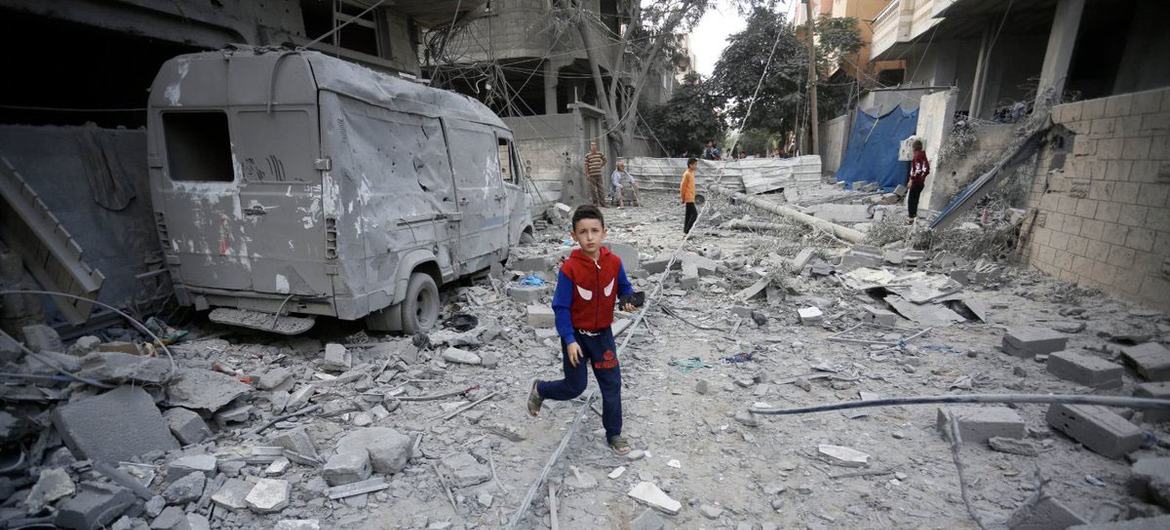
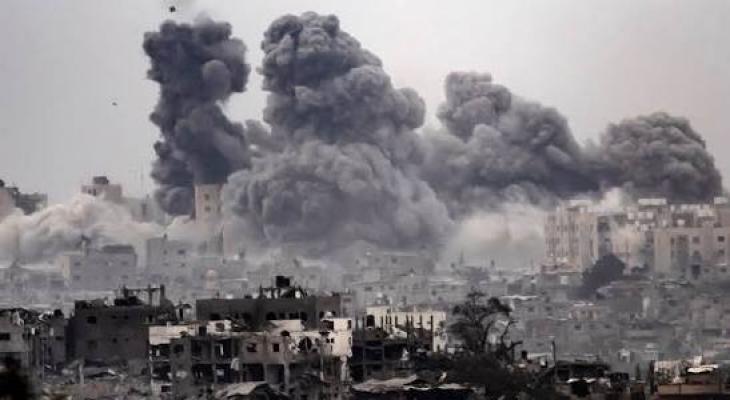
The amount of rubble and debris accumulated in the Gaza Strip by the first half of 2026 is estimated at approximately 60 million tons (other UN estimates put the figure at 68 million tons), following the complete or partial destruction of more than 80% of buildings and infrastructure.
Official statistics issued by the Government Media Office in Gaza indicate that more than 80% of buildings in the Gaza Strip have been destroyed or damaged, while the area is covered by approximately 60 to 70 million tons of rubble.
See Full Report Below:
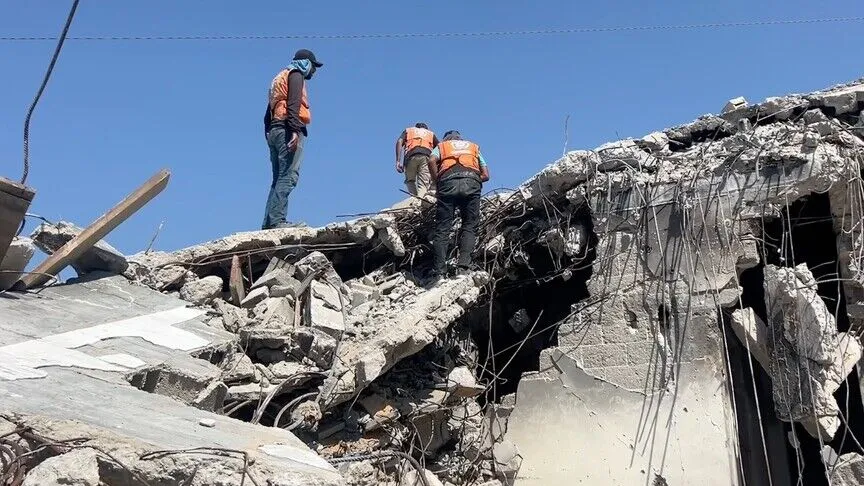
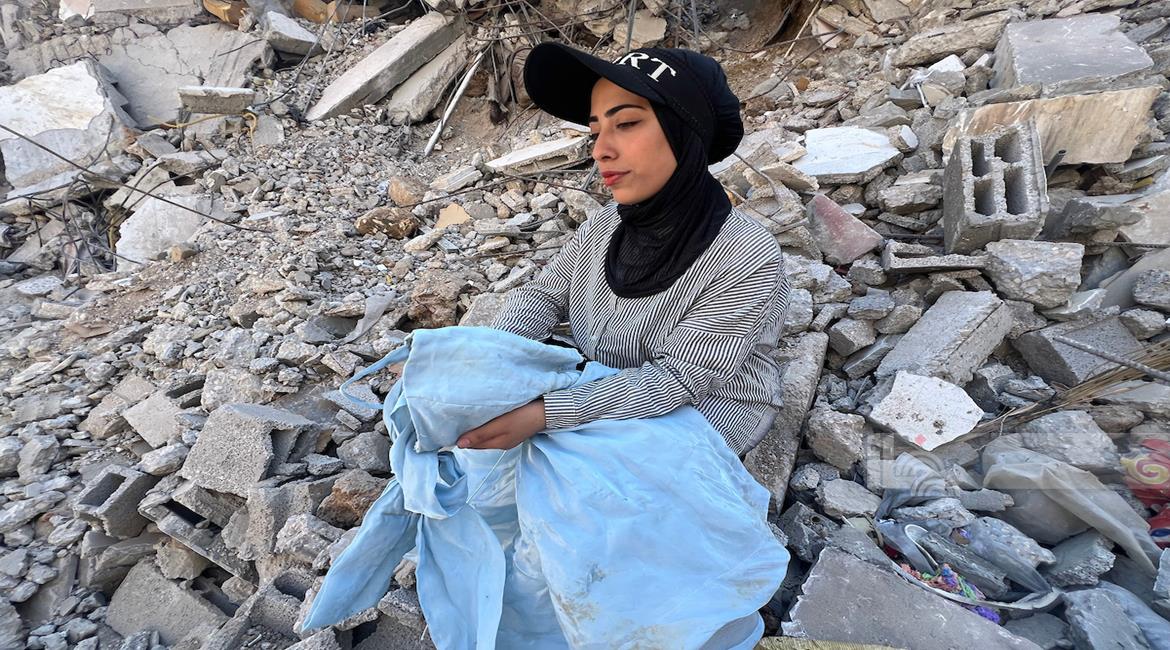
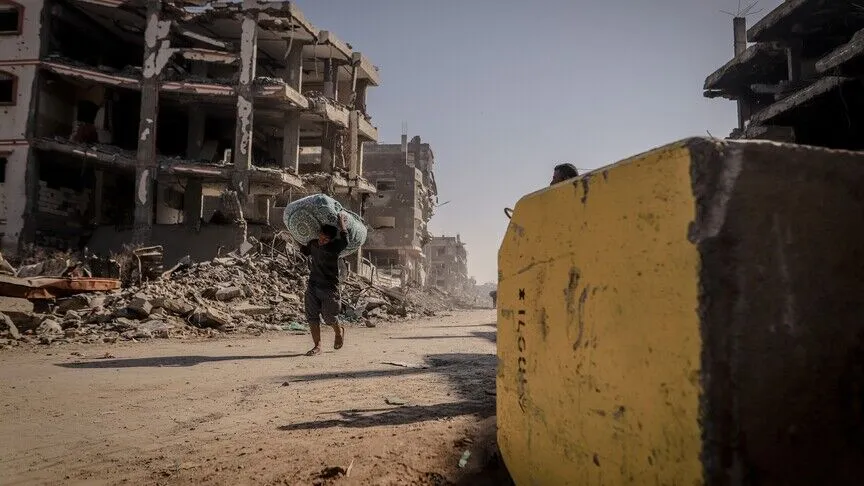
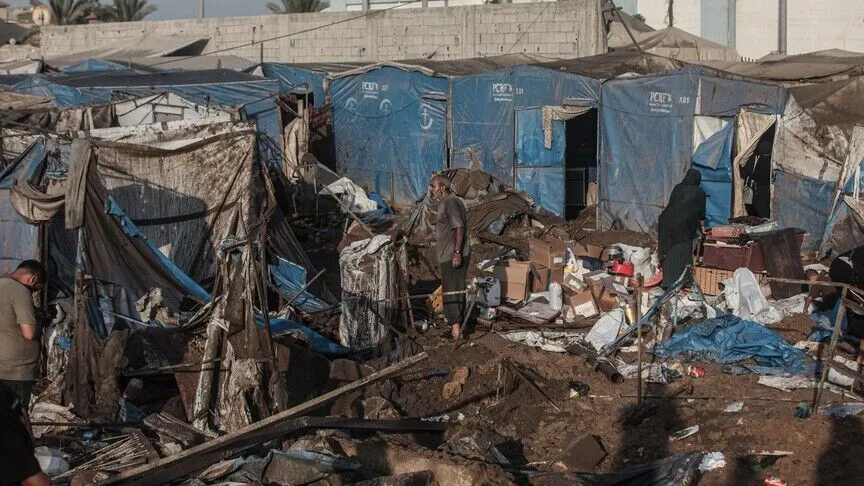
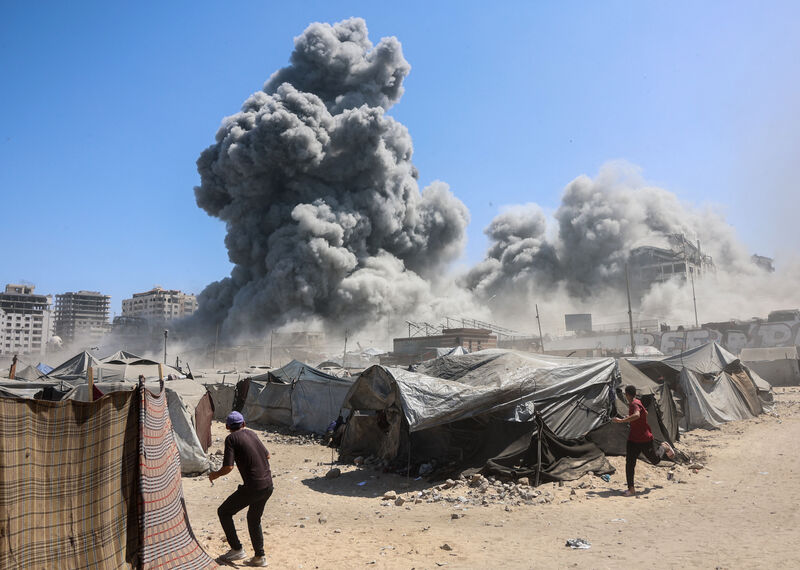
The Israeli forces, along with Israeli civilian contractors, are conducting a wide and organised operation to process and clear the rubble from neighbourhoods and facilities they have destroyed in the Gaza Strip and relocate it from areas under their military control to outside the Strip.
This is occurring without any official record of the quantities removed or independent oversight, and before international and local investigative committees have had the chance to survey, examine, and document the sites. This risks destroying crucial evidence of genocide and the remains of victims still unaccounted for under the rubble.
These operations are not part of organised humanitarian efforts to rescue the missing, open roads, or prepare for reconstruction. Instead, Israel is acting unilaterally within closed areas under its military control by demolishing remaining buildings and then crushing, mixing, and transporting the rubble before forensic teams, evidence experts, and unexploded ordnance specialists can examine, document, and preserve the sites, along with the evidence and human remains.
The Gaza Rapid Damage and Needs Assessment, published jointly by the World Bank, the United Nations, and the European Union in April 2026, estimated that approximately 68 million tonnes of rubble are spread across the Gaza Strip, based on damage reports up to October 2025. This figure does not necessarily account for damage caused by later demolition and destruction operations.
According to its initial field data, Euro-Med Human Rights Monitor estimates that at least 10 million tonnes of rubble have been removed, crushed, or moved from their original sites within the areas under Israel’s unlawful military control, which encompass about 66 per cent of the Gaza Strip.
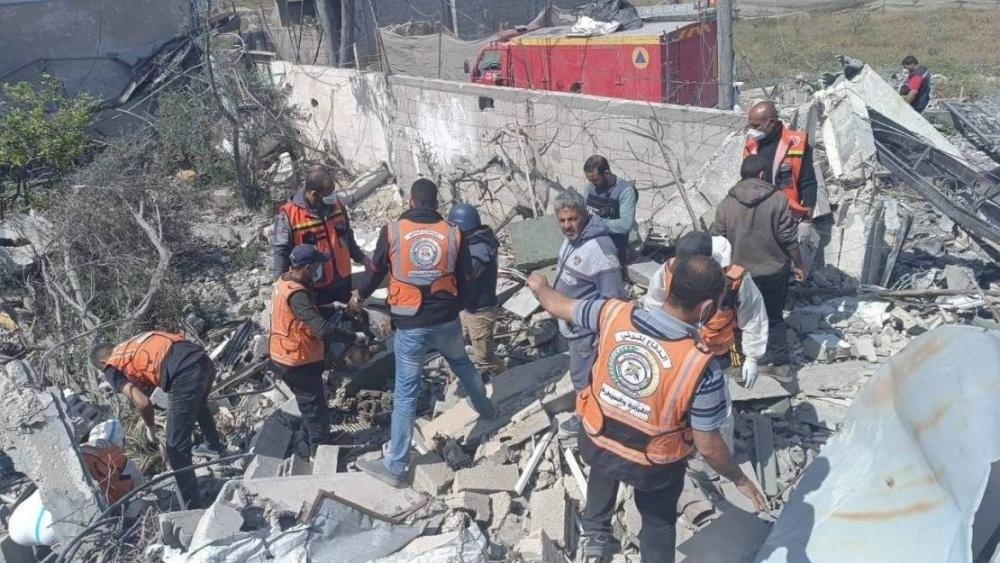
Approximately 400 heavy pieces of excavation, demolition, crushing, and transport machinery, operated by Israeli civilian companies under military protection, are active across eastern and southern Gaza. They demolish remaining structures, crush rubble from destroyed neighbourhoods, and load the debris onto trucks for transportation away from the original sites.
In recent weeks, Euro-Med Monitor tracked nearly 100 Israeli trucks daily leaving the Gaza Strip with debris. These trucks carry rubble to undisclosed sites within Israel and further south of the occupied West Bank. The Israeli authorities have not provided details on the quantities removed, the routes taken, the destination sites, or how the material is utilised. They also have not permitted independent oversight of the sorting, weighing, or transport processes. This lack of transparency makes it very difficult to trace the transported material, identify evidence, or recover any human remains that might be present.
The systematic removal of rubble at this pace conceals the evidence of appalling crimes Israel committed in Gaza, especially those related to genocide, such as summary executions and killing unarmed civilians. These sites need careful examination and thorough criminal investigation before any intervention that might change or erase their features.
The debris scattered throughout the Gaza Strip includes possible locations of unlawful killings and bombings that targeted entire families, as well as sites believed to contain mass graves or bodies buried within destroyed homes, hospitals, shelters, and civilian facilities.
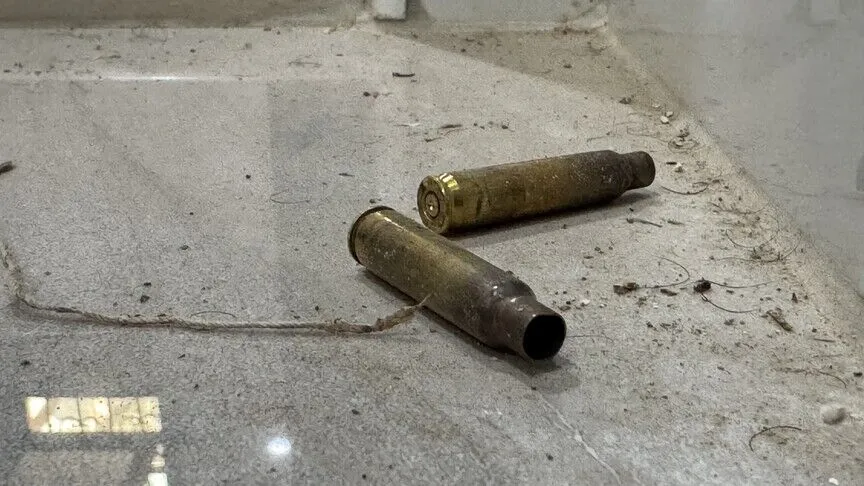
These sites hold evidence critical for identifying the weapon, attack sequence, victim and attacker positions, firing ranges, cause and manner of death, as well as fragments, projectiles, spent cartridges, biological traces, and personal belongings.
Crushing, mixing, and transporting rubble can erase evidence, location details, and connections within the crime scene. This process also disrupts the chain of custody, potentially making it impossible to trace where evidence was collected or to link it to a particular incident or victim. This damage cannot be reversed by aerial photographs or subsequent testimony, as investigating international crimes also requires tangible evidence that can be examined, compared, and legally verified.
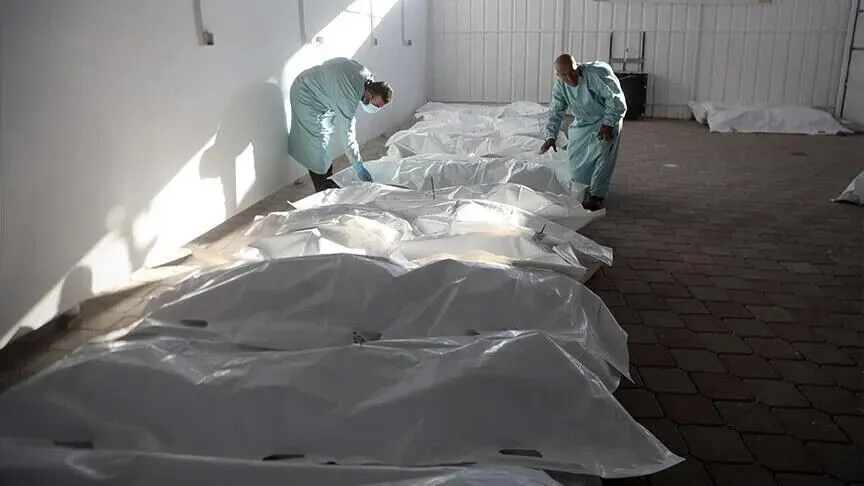
These operations pose a direct risk to the remains of thousands of missing persons, estimated by Gaza’s Civil Defence to be around 8,500 in July 2026. Using crushers and heavy machinery without prior forensic and humanitarian surveys could crush or scatter the remains, mix them with rubble, and separate them from belongings and documents vital for victim identification. This process may also lead to transporting the remains to unknown locations that may become impossible to access later.
This conduct infringes on the families’ right to know the fate of their missing relatives and to recover and bury their remains with dignity. It also contradicts international standards that call for searching for the deceased, collecting and safeguarding information about them, and ensuring proper identification and recording. Additionally, removing sites before investigation breaches the guidelines outlined in the Minnesota Protocol on the Investigation of Potentially Unlawful Death. This protocol emphasises securing and documenting the scene, gathering evidence while preserving its chain of custody, and recovering and examining remains with scientific methods that uphold the victims’ dignity and their family’s rights.
The debris in the Gaza Strip comprises more than just rubble; it includes private and public property, essential building materials like steel, stone, and concrete that can be recycled and reused, as well as other valuable assets necessary for Palestinians to reconstruct their homes, roads, and infrastructure. It may also contain property documents, official records, and personal belongings that are part of individuals’ and families’ rights and memories.
Removing rubble from the Gaza Strip and commercially exploiting it without the owners’ consent or compensation may, depending on the circumstances and intent of the seizure, constitute unlawful confiscation or pillage. Such acts are prohibited under international humanitarian law, especially Article 33 of the Fourth Geneva Convention and the relevant provisions of the Rome Statute.
These actions are part of a broader pattern that has involved bulldozing sites believed to contain mass graves, storming and damaging hospitals and medical facilities after they were suspected of being sites of grave crimes, ongoing demolition of buildings in military-controlled zones, and targeting Palestinian journalists. Additionally, international investigators and independent media have been prevented from accessing the most heavily destroyed areas.
This deliberate removal of evidence occurs when the International Criminal Court (ICC) is still investigating crimes in Palestine, alongside other cases under universal jurisdiction in national courts. Destroying crime scenes before investigations are finished hampers legal accountability and complicates efforts by international investigators and prosecutors to establish facts, as vital evidence may be lost once removed from the Gaza Strip.
Moreover, Article 70(1)(c) of the Rome Statute considers “destroying, tampering with or interfering with the collection of evidence” as criminal acts that hinder the ICC’s justice mission when done deliberately. The ICC Prosecutor should investigate these actions as deliberate interference with evidence collection related to the ongoing investigation into the Situation in the State of Palestine, which also includes unlawful destruction, seizure, or pillage of property.
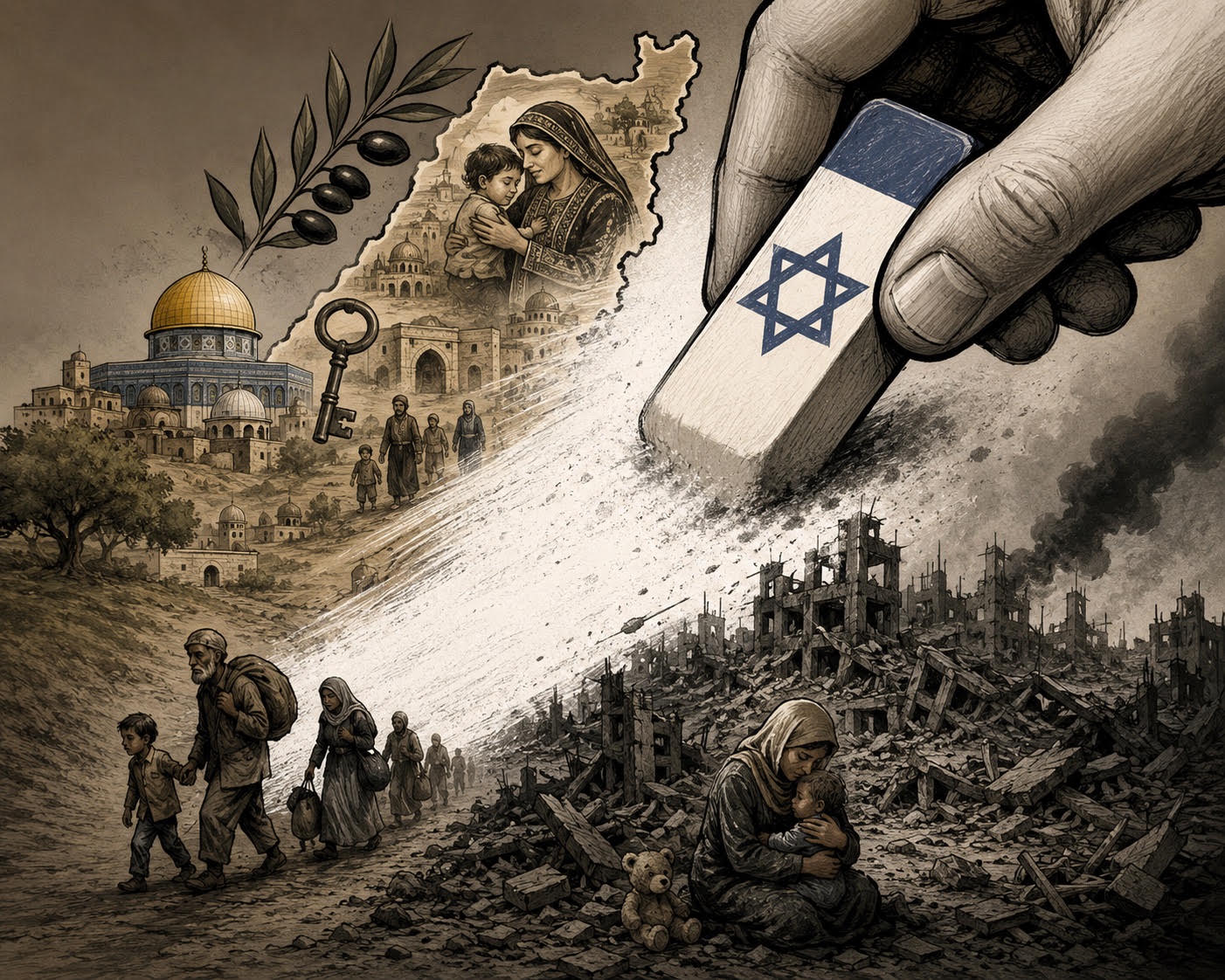
The large-scale crushing and removal of rubble not only destroys evidence but also erases land boundaries, house foundations, street networks, and neighbourhood features. This process strips Palestinians of the physical markers of ownership and their connection to the land, making it more difficult for them to return and rebuild their communities as they once were.
Transforming forcibly depopulated Palestinian towns and neighbourhoods into levelled, open spaces under Israeli control is a concrete act that deepens the displacement and ethnic cleansing. This process is inseparable from Israeli settler colonialism, which involves uprooting Palestinians, erasing signs of their presence, and redefining the land without them. This sets the stage for Israel’s efforts to re-establish settlements in Gaza and displace Palestinian residents, advancing a new phase of colonisation and the ongoing denial of land and the right of return.
The international community, including the Security Council, the UN General Assembly, and states parties to the Rome Statute, must urgently intervene to halt the systematic removal and transport of rubble from the Gaza Strip. They should also advocate for independent international forensic and criminal investigation teams to be granted access to assess and document the destruction sites before any further removal or transport occurs, ensuring that physical evidence is preserved to hold those responsible for genocide accountable.
Euro-Med Monitor urges the international community to push Israel to immediately and fully stop all rubble removal and transport activities. This includes requiring detailed disclosures of transported materials, weighing logs, truck routes, ultimate destinations, company and contractor names, beneficiary parties, payment information, machinery and truck registration numbers, and tracking data, as well as transparency regarding any sale, recycling, or commercial use of materials extracted from Gaza.
Furthermore, removing rubble or recyclable materials from the Gaza Strip should be prohibited until a transparent Palestinian and international system for managing these materials is put in place. This system should ensure that any unlawfully transported materials are either returned or their full value is compensated to the owners. Additionally, rubble suitable for reuse should be allocated to local reconstruction projects that benefit the Palestinian population and protect individual and public property rights.
States where the implicated companies or machinery manufacturers are based should mandate a halt to any actions that could lead to property demolition, evidence removal, or rubble seizure. They must also preserve all relevant contracts, correspondence, and operational data, and carry out independent investigations into the accountability of their directors and staff. Euro-Med Monitor urges targeted measures against individuals and companies found to have known about and taken part in these illegal activities, such as exclusion from public contracts, freezing assets, and criminal prosecution.
Any efforts to remove rubble or rebuild in the Gaza Strip must be led by Palestinians, involving local residents, property owners, and families of the missing. These initiatives should ensure the protection of evidence, recovery of remains, clearance of unexploded ordnance, sorting of hazardous materials, local reuse of rubble, preservation of property maps and urban fabric, and prevent reconstruction from being used to cement control or alter the enclave’s geographic or demographic makeup.
Euro-Med Monitor affirms that a ceasefire or political agreements do not erase crimes or their evidence. Reconstruction and rubble removal should happen alongside preserving evidence, discovering the fate of the missing, recovering property, holding perpetrators accountable, and ensuring victims’ rights to truth, justice, and reparation.
CrossFireArabia
CROSSFIREARABIA – A bulled fired by an Israeli soldier pierced through the hand of a pupil in-the-sixth grade and lodged into his wrist. The incident occurred on Monday while the pupil was sitting in class in school in Gaza City according to the Education Ministry. It said the boys name was Khaled Al Ashram from Al Sawafir School in the west of Gaza City. “The bulled pierced the small hand of the child while he was sitting at a school desk holding his open,” a Ministry statement emphasized. In its statement the Ministry included a photo showing the hand of the child pierced by the bullet and covered in blood according to Anadolu.
CrossFireArabia
CROSSFIREARABIA – A latest Tel Aviv University study shows the number of those leaving Israel is rocketing, stating the waves of migration starting in early 2023 and in 2025, reached unprecedented levels. The study warns that if this continues it will negatively affect the economy and security of the state, stating the number of Israelis departing in the first three months of 2025 was 90,922 persons compared to 91,499 in 2024 and 86,509 in 2023 which is shocking. The study also shows the number of those departing between 2023 and 2025 was around 270,000, a yearly average of 90,000. The figure was about 60,000 yearly between 2010 and 2019 except for 2013-2015 when those departing stood at 183,219 individuals. The authors of the study are alarmed, warning of a “point of collapse” in the light of the fact that doctors, engineers and academics and those with Phds are part of the professionals classes who are leaving Israel and are a lynchpin of its economy. The figures for 2026 will be out next year. See full article
CrossFireArabia
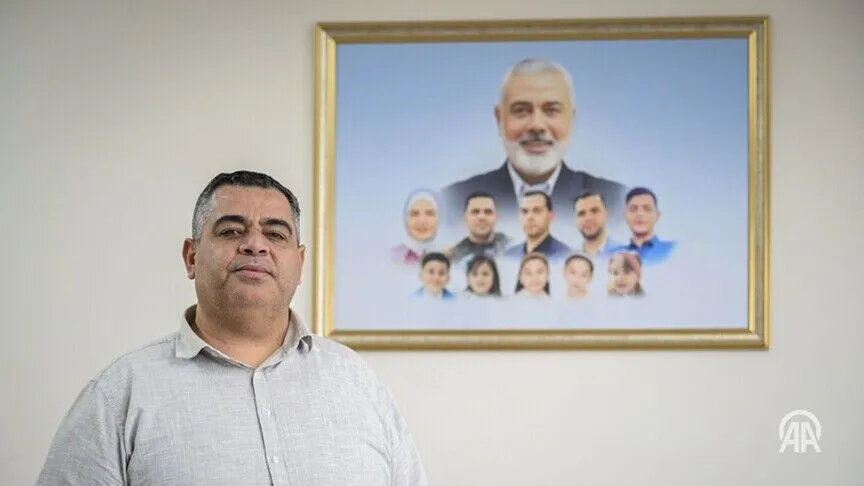
Abdul Salam Haniyeh, the son of slain Hamas Political Bureau chief Ismail Haniyeh, said more than 75 members of his immediate family and 250 members of the wider Al-Hajj clan have been killed during Israel’s war on the Gaza Strip.
In an interview with Anadolu marking the second year of his father’s assassination, Abdul Salam described Türkiye as “a political supporter of the Palestinian people,” praised President Recep Tayyip Erdogan’s backing of the Palestinian cause and expressed hope that mediation efforts by Egypt, Qatar and Türkiye would succeed in securing implementation of the Gaza ceasefire agreement.
Standing before a large family portrait hanging on the wall, Abdul Salam pointed to the faces of relatives killed during the war.
He identified Ismail Haniyeh’s three sons — Mohammed, Hazem and Amir — along with several grandchildren who were killed in an Israeli strike April 10, 2024, the first day of Eid al-Fitr, the Muslim holiday at the end of the holy month of Ramadan.
“More than 75 members of the Haniyeh family have been martyred during the war,” he said, adding that 250 members of the broader Al-Hajj clan had also been killed.
Abdul Salam described his father as a man who combined the roles of father, educator, leader and friend.
“At home, my father was a teacher, mentor, leader, caring father and friend,” he said.
He said Ismail Haniyeh treated his children as friends, regularly sought their opinions and remained closely connected to his extended family.
“We miss his beautiful voice, his warm presence, our meetings with him and our Quran recitation sessions at home,” he said.
Quoting Arabic poetry, he added, “In the darkest night, the full moon is most missed.”
One of his father’s most important pieces of advice was never to become detached from ordinary people or from Gaza City’s Beach refugee camp, where the family was raised, according to Abdul Salam.
“He always advised us to remain among the people, for the people, and close to our family, neighbors and mosque, because the people are one’s greatest asset in this life,” he said.
He said his father urged his children to stay humble, preserve family ties, serve their community, maintain their prayers and Quran recitation, and support people in times of grief and joy.
“He always reminded us that he could leave this world at any moment and that we should uphold these values after his death,” he added.
Abdul Salam said his father continues to occupy a prominent place in Palestinian public life two years after his assassination.
“He remains present in every aspect of our people’s lives,” he said, citing continued public, political and media commemoration of his legacy.
He argued that remembering Palestinian leaders who were killed reinforces the message that the Palestinian struggle will continue.
Ismail Haniyeh was assassinated July 31, 2024, at his residence in Tehran after attending the inauguration ceremony of Iranian President Masoud Pezeshkian. Israeli Defense Minister Israel Katz acknowledged Israel’s responsibility for the assassination in December 2024.
Abdul Salam said Türkiye hosts thousands of Palestinians and has consistently provided political and humanitarian support.
He praised Erdogan’s stance on Gaza and his support for the Palestinian cause.
“Türkiye stands with the Palestinian people under President Erdogan and is making every effort to end the occupation of Palestinian land, in accordance with international law and UN resolutions, and to establish a Palestinian state,” he said. “There is a feeling that we have political support from Türkiye under President Erdogan.”
He highlighted Türkiye’s diplomatic efforts at the UN Security Council, the UN General Assembly and in contacts with the US administration.
Abdul Salam welcomed growing international public support for the Palestinian cause, including recognition of the State of Palestine by several European countries.
But he argued that popular solidarity must translate into political action.
“The message of the people must reach the tables of international political leaders so that the conflict ends, the occupation ends and the Palestinian state is established,” he said.
He urged European countries and the broader international community to work toward ending the war, ending the Israeli occupation of Gaza and the occupied West Bank, and stopping settler attacks.
He said more than 1.8 million Palestinians are living in tents while Israel controls more than 70% of the Gaza Strip and much of the enclave’s infrastructure has been destroyed.
Abdul Salam expressed hope that mediation efforts by Egypt, Qatar and Türkiye would lead to implementation of the ceasefire agreement.
“We are in the midst of mediation by Egypt, Qatar and Türkiye, and we hope there will soon be implementation of the agreement and that Israel will abide by it,” he said.
He praised the role played by the three countries and said he hoped the agreement would restore hope, reconstruction and normal life to Gaza and lead to a full Israeli withdrawal.
His remarks come as Egypt, Qatar and Türkiye continue efforts to implement the second phase of the Gaza ceasefire roadmap after consultations with Hamas and other Palestinian factions.
The Board of Peace and US President Donald Trump announced an agreement Friday on implementing the next phase of the ceasefire, with the board saying Hamas had approved a detailed roadmap.
Abdul Salam addressed the people of Gaza. “We are from you, and you are from us,” he said.
He said Gaza’s children are appealing to the world to stop the violence after more than 30,000 children have been killed during the war.
“The children of Gaza and Palestine deserve to live like children everywhere else, to build their future, receive an education, and live with hope and stability,” he said.
Despite the ceasefire that took effect Oct. 10, 2025, Palestinian authorities said Israel has continued to violate the agreement, with Gaza’s Health Ministry reporting 1,222 people have since been killed and 4,053 injured.
The ministry said the overall death toll since October 2023 has reached 73,349, with 174,162 injured. Anadolu
marwan
CROSSFIREARABIA – Israel led by its Prime Minister Benjamin Netanyahu has expressed disappointment, Sunday, that US President Donald Trump has suspended his threat to hit Iran really hard according to Al Jazeera. Observers say Donald backed away from the threat due to pressure exercised by Gulf countries not to carryout the threat because that would likely to escalate into a fully-fledged war and create greater instability in the area and the greater Middle East.